Skip to content
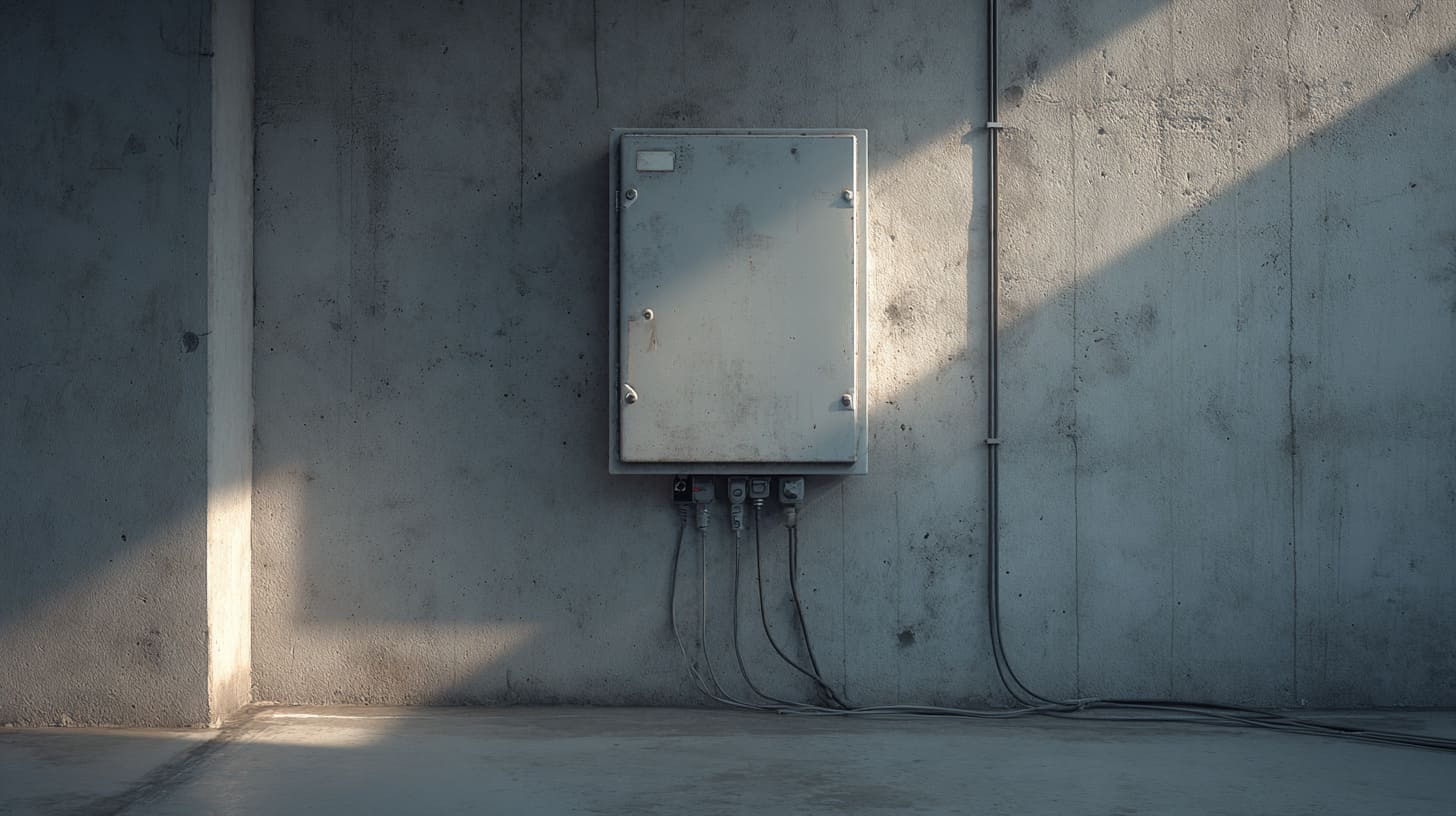
A NEMA 5 enclosure can sound like a safe choice at first.
The name feels technical. The rating looks official. The drawing may already show a lid, screws, gasket, cable holes, and a nice clean shape. So a buyer may say, “This should be enough for our product, right?”
I understand that feeling.
Many enclosure mistakes do not start from carelessness. They start from a very normal thought: “This environment does not look too harsh.”
That small thought can become expensive later.
A NEMA 5 enclosure is mainly used for indoor applications. It is designed to protect electrical equipment from falling dirt, settling dust, lint, fibers, and dripping or light splashing water. That sounds useful, and it is useful. But it does not mean the enclosure can handle rain, hose-down cleaning, chemical exposure, heavy corrosion, or every custom opening a product engineer wants to add.
For me, NEMA 5 is not a weak rating. I do not look down on it. I only treat it as a very specific tool.
This is where I slow down before quoting a project, because the wrong enclosure rating can look cheaper on the first invoice but become more expensive when the product fails in the real installation site.
I have seen this in custom enclosure work. A customer sends a drawing. The structure looks simple. The target price is clear. The product needs a few holes, maybe a cable gland, maybe a small display window. Then I ask one boring question:
Where will this enclosure be used?
That question is not small.
It decides whether NEMA 5 is a smart choice or a quiet risk.
In this article, I want to talk about when you should not choose a NEMA 5 enclosure. I will not make it sound like a textbook. I will explain it the way I would explain it to a product engineer, buyer, or project owner who wants fewer surprises after production.
What Does a NEMA 5 Enclosure Actually Protect Against?
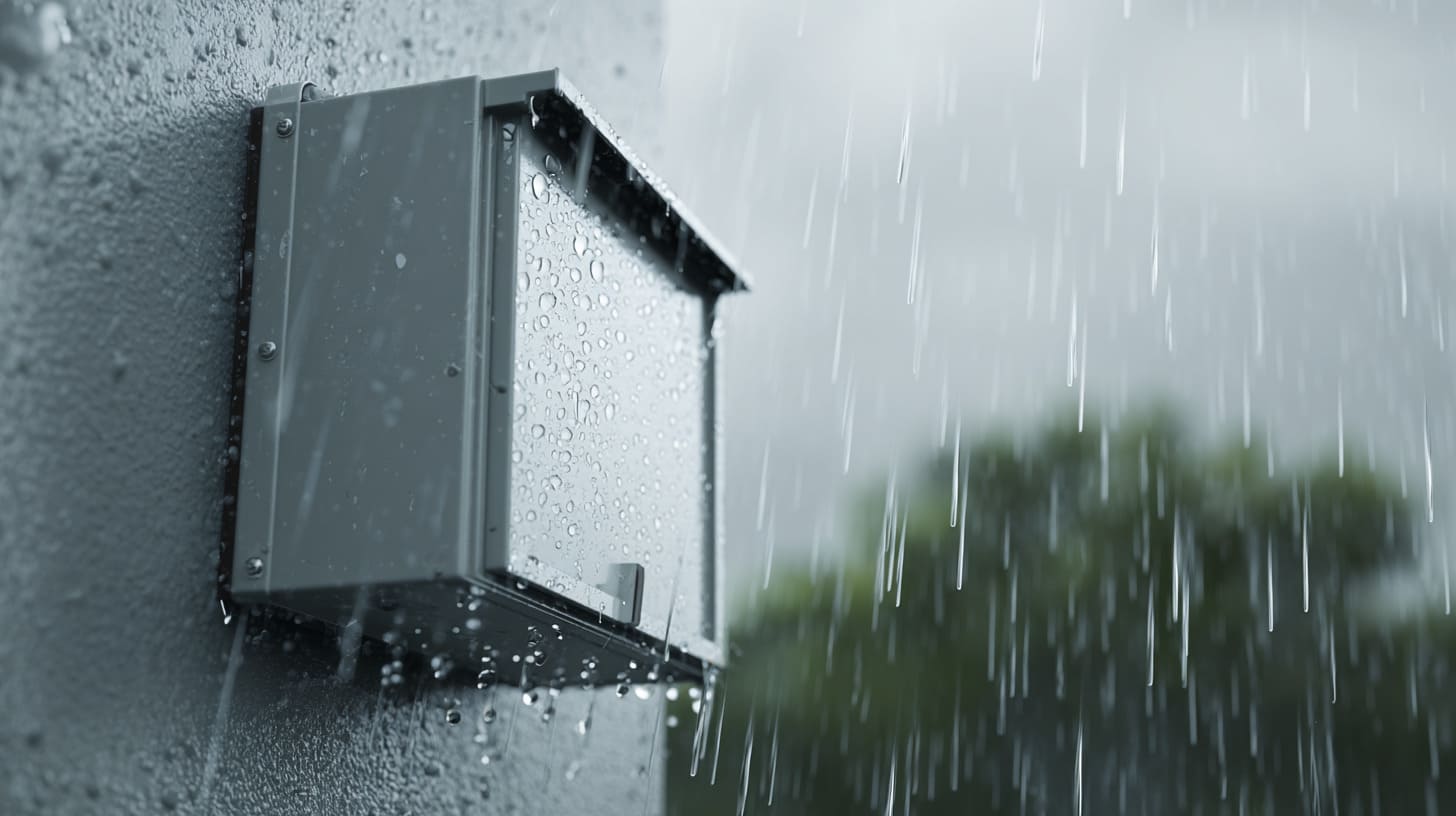
A NEMA 5 enclosure is often misunderstood because it sits in a middle area. It is more protective than a simple indoor box, but it is not a “use anywhere” enclosure.
The first thing I ask myself is not “What rating does the customer request?” but “What problem does the customer think this rating will solve?”
That small difference matters.
A buyer may request NEMA 5 because the enclosure needs dust protection. But the buyer may actually mean fine powder protection. Another buyer may request it because there is water nearby. But the real site may involve cleaning with water spray. These are very different problems.
Indoor Protection Scope Explained
NEMA 5 is mainly for indoor use. It is designed for environments where the enclosure may face common indoor contaminants.
It can help protect against:
- Falling dirt
- Settling airborne dust
- Lint
- Fibers
- Dripping water
- Light splashing water
That makes it useful for some workshops, electrical rooms, storage areas, machine-side indoor equipment, and control devices that do not face heavy water or outdoor exposure.
Here is a simple way I explain it to customers:
| Condition | NEMA 5 Suitability | My Practical Comment |
|---|---|---|
| Indoor falling dirt | Good | Usually suitable if openings are controlled |
| Indoor dust and lint | Good | Good for general dust, not always for fine powder |
| Dripping water | Limited but useful | Depends on direction and sealing design |
| Light splashing water | Limited | Not for frequent or strong water contact |
| Hose-down water | Not suitable | Upgrade rating |
| Outdoor rain | Not suitable | Use outdoor-rated enclosure |
| Corrosive environment | Not suitable by rating alone | Material and coating matter |
What It Does NOT Cover
NEMA 5 does not mean waterproof. It also does not mean outdoor weatherproof.
This is a common trap.
A NEMA 5 enclosure does not cover:
- Direct hose-down cleaning
- Outdoor rain
- Wind-driven water
- Long-term UV exposure
- Strong corrosion
- Salt air
- Chemical washdown
- Full dust-tight performance in aggressive dust areas
I sometimes tell customers that an enclosure rating is like a pair of shoes. A pair of good indoor work shoes may be strong, but you still would not use them for walking through deep mud, sea water, and rain every day.
The shoe is not bad.
The environment is wrong.
Why Buyers Misunderstand NEMA Ratings
Buyers often see “dust” and think “sealed.” They see “water” and think “waterproof.” They see “NEMA” and think all NEMA ratings are just different levels of the same thing.
But enclosure ratings are not always a straight ladder.
They are more like job descriptions.
One rating may focus on indoor dust. Another may focus on rain. Another may focus on hose-down water. Another may focus on corrosion.
| Buyer Assumption | Real Question I Ask |
|---|---|
| “It protects against dust, so it is sealed.” | What type of dust? General dust or fine industrial powder? |
| “It handles water, so it is waterproof.” | Dripping water, splashing water, rain, or water jet? |
| “It is indoor, so NEMA 5 is enough.” | Is the indoor area dry, wet, dusty, corrosive, or cleaned often? |
| “The box has a gasket, so it is safe.” | Are all cutouts, cable entries, and seams sealed too? |
This is why I do not like choosing enclosure ratings by name only. I prefer to match the rating with the real working condition.
A wrong rating does not always fail on day one. Sometimes it fails slowly. Quietly. Like water finding a tiny path under a door.
And that brings us to one of the most common mistakes: using NEMA 5 outdoors.
When Your Project Involves Outdoor Installation

Outdoor installation is one of the clearest cases where I would not choose a NEMA 5 enclosure.
A product may look protected under a roof. It may sit on a wall. It may not be directly under heavy rain. So someone may think, “It is almost indoor.”
But outdoor air does not think like a purchasing team.
Rain can come from the side. Wind can push water into gaps. Sunlight can age materials. Temperature changes can make the enclosure expand and shrink. Moisture can sit around cable entries.
When I review an outdoor project, I pay more attention to the direction of water than the amount of water, because side rain and wind-driven water can find weak points that normal drawings do not show.
Exposure Risks NEMA 5 Cannot Handle
A NEMA 5 enclosure is not made for outdoor weather. The issue is not only rain. Outdoor use creates several small problems at the same time.
Common outdoor risks include:
- Rainwater
- Wind-driven water
- UV exposure
- Temperature changes
- Moisture buildup
- Dust mixed with water
- Ice or condensation in some areas
- Aging of gaskets and plastic parts
One problem alone may not destroy the enclosure. But together, they can create trouble.
For example, a cable entry may be sealed well at first. Then sunlight and heat age the sealing material. The cable moves a little because of temperature change. Rain comes from the side. Water starts to enter.
The box did not fail because it was “bad.”
It failed because the rating was stretched beyond its real purpose.
Real-World Failure Scenarios
I have seen outdoor enclosure problems start with very small details.
A customer once wanted a custom aluminum enclosure for an outdoor control device. The device was not placed in open rain. It was under a roof edge. The customer thought a basic indoor-style enclosure could work because “water will not hit it directly.”
But the real site had wind.
After a few months, water marks appeared around the cable gland area. The sealing design was not made for wind-driven rain. The customer did not care about the technical explanation at that moment. He only cared that the product looked unreliable to his end user.
That is the hard part.
The market does not forgive a small enclosure mistake just because the drawing looked reasonable.
| Outdoor Factor | Possible Problem |
|---|---|
| Rain | Water enters through seams or openings |
| Wind-driven water | Water hits from unexpected angles |
| UV exposure | Plastic parts and gaskets age faster |
| Heat and cold cycles | Seal pressure changes over time |
| Moist air | Condensation forms inside the enclosure |
Better Alternatives
For outdoor applications, I usually look at NEMA 3, NEMA 3R, NEMA 4, or NEMA 4X depending on the real conditions.
| Application Condition | Better Rating Direction |
|---|---|
| Outdoor, protected from heavy water | NEMA 3R may be considered |
| Outdoor with rain and dust concerns | NEMA 3 or NEMA 4 may be better |
| Outdoor with hose-down or strong water exposure | NEMA 4 |
| Outdoor with corrosion or salt air | NEMA 4X |
The right answer depends on the project. I do not upgrade ratings just to make the quotation higher. I upgrade when the environment is clearly asking for it.
Outdoor use is already enough reason to be careful. But water becomes even more serious when cleaning teams use hoses.
When You Need Protection Against Hose-Down or Heavy Water
Hose-down cleaning sounds simple when people talk about it in a meeting.
Someone says, “The equipment may be cleaned with water sometimes.”
That sentence needs more detail.
What kind of water? From what distance? How often? At what pressure? From which direction? Will the operator avoid the enclosure, or will he spray everything because he is busy?
The mistake I often see is that people design for the careful operator, but real factories are run by tired people, fast schedules, and cleaning routines that do not care about your beautiful gasket line.
Industrial Cleaning Environments
Some industries use regular cleaning with water. This is common in:
- Food processing areas
- Beverage production
- Packaging lines
- Wet manufacturing floors
- Some chemical handling areas
- Farm or agricultural equipment areas
- Machine areas with coolant or wash routines
In these places, water may not be a small accident. It may be part of daily operation.
That changes everything.
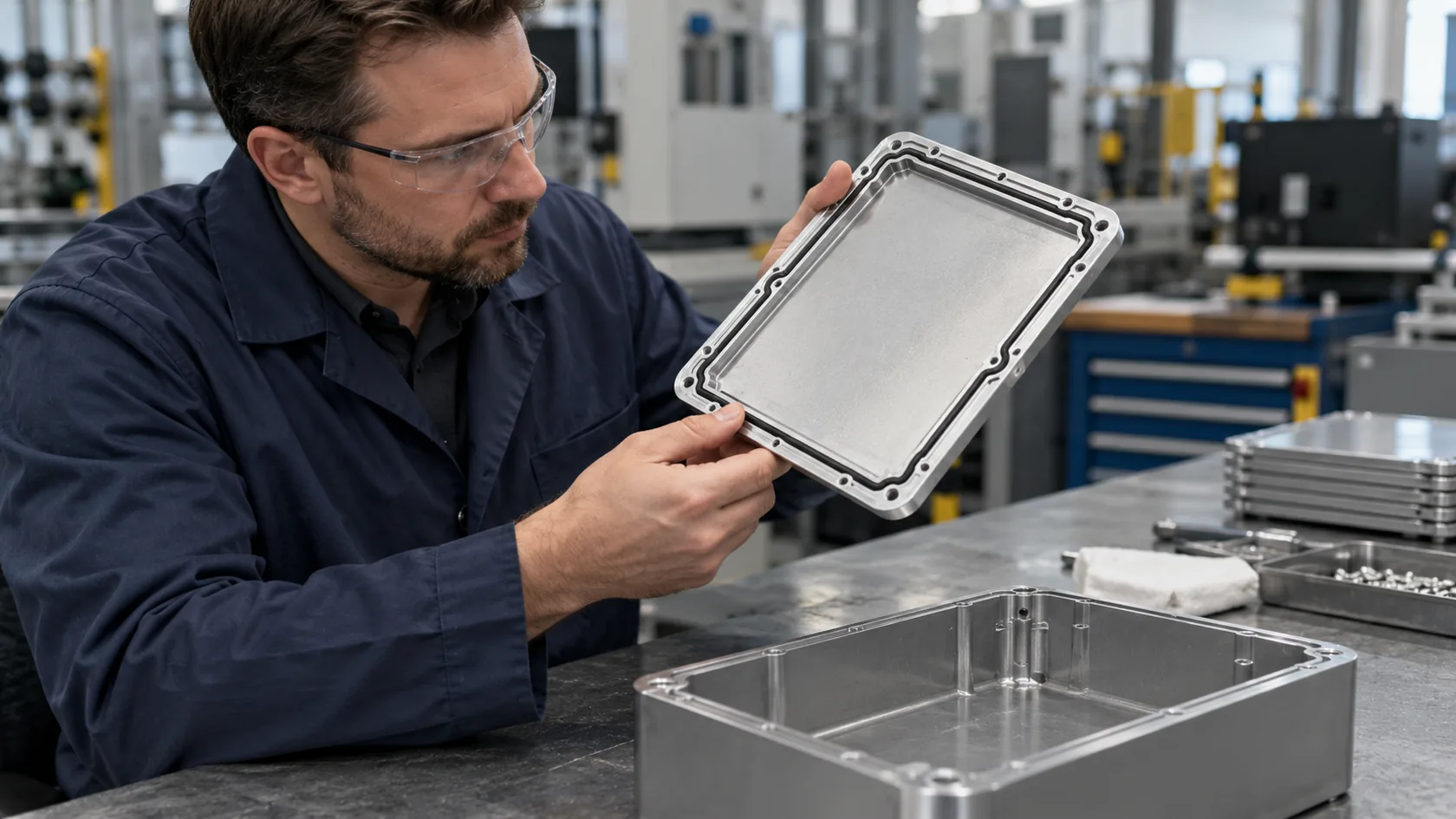
A NEMA 5 enclosure may handle dripping or light splashing water, but hose-down water is different. Hose-down water has pressure. It hits seams, corners, screw areas, cable entries, and display windows with force.
Why NEMA 5 Fails Here
The main problem is pressure.
A gasket may stop light splashing. But if water is pushed toward the seam, the sealing path needs much stronger design. The enclosure may also need better latches, better gasket compression, better cable glands, and better accessories.
| Design Area | Hose-Down Risk |
|---|---|
| Lid seam | Water pressure pushes into gasket line |
| Screw holes | Water may follow screw path |
| Cable glands | Weak sealing around cable entry |
| Display window | Adhesive or gasket may fail |
| Vent holes | Water enters directly if not protected |
| Door/lid corners | Uneven gasket compression |
I do not like vague words like “some water.” I prefer to ask whether the water is accidental or routine, because routine water exposure should be treated as part of the design, not as a small risk.
Recommended Enclosure Ratings
For hose-down or heavy water, I normally move the discussion toward NEMA 4 or NEMA 4X.
| Requirement | More Suitable Option |
|---|---|
| Indoor hose-down | NEMA 4 |
| Outdoor hose-down | NEMA 4 |
| Hose-down plus corrosion | NEMA 4X |
| Food or chemical cleaning | NEMA 4X is often safer |
| Strong water plus long service life | Material and gasket selection must be reviewed |
Of course, the rating alone is not enough. The final enclosure also depends on accessories. A NEMA 4 box with a poorly sealed cable gland can still fail.
That is why I always check the complete enclosure system, not only the empty box.
Water is one kind of enemy. Corrosion is another. It is slower, quieter, and sometimes more expensive.
When Corrosion Resistance Is Required
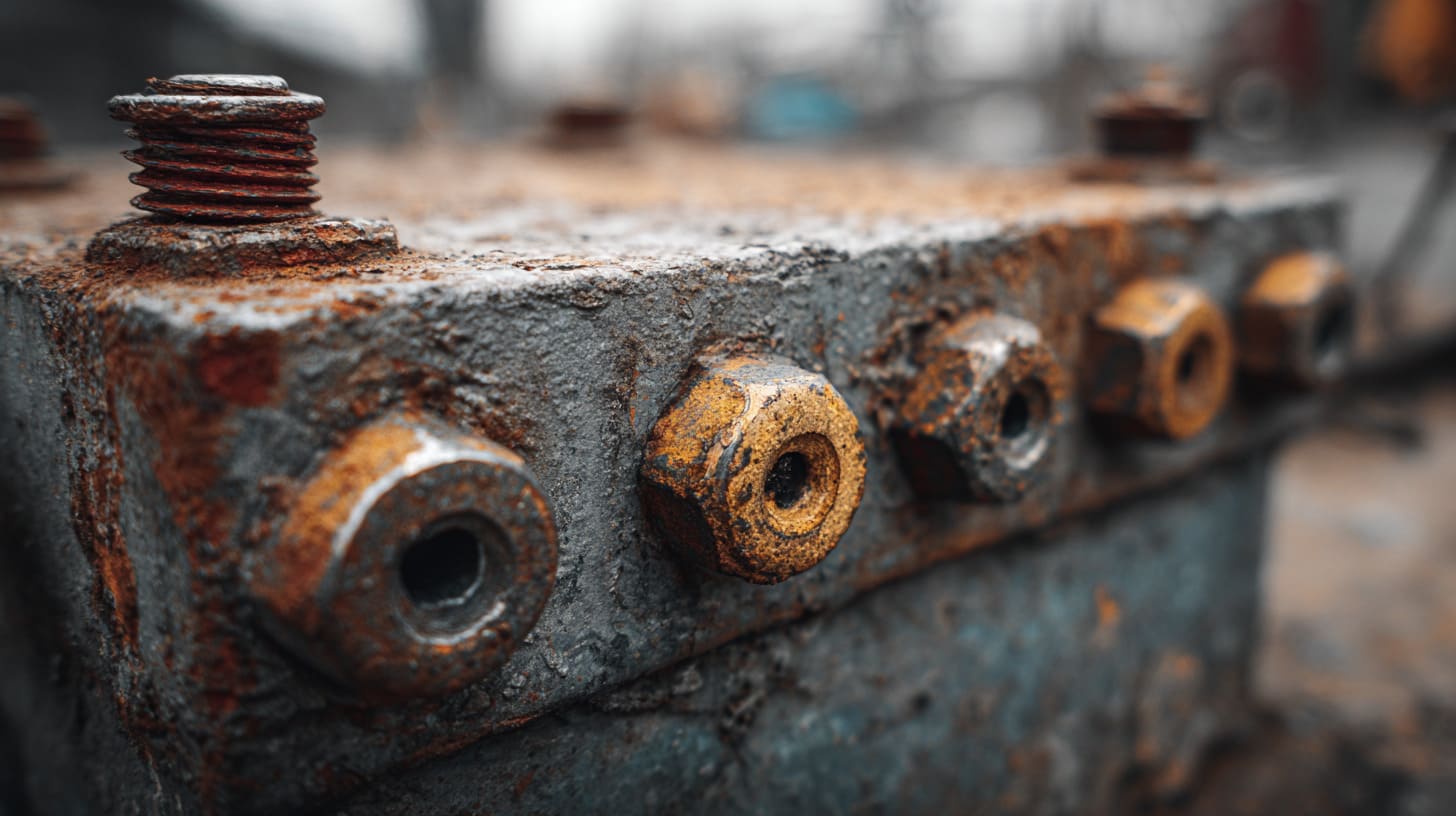
Corrosion is not dramatic at the beginning.
It starts with a mark. Then a stain. Then a rough edge. Then a screw becomes hard to remove. Then the customer sends photos and asks, “Why is this happening?”
By then, the enclosure is already losing trust.
For corrosion-related projects, I pay close attention to the site air and cleaning chemicals, because the enclosure material can fail even when the water protection level looks acceptable on paper.
Environments With Chemical Exposure
NEMA 5 does not focus on corrosion resistance. So if the enclosure will be used in harsh chemical or humid conditions, I would be very careful.
Risky environments may include:
- Coastal areas with salt air
- Chemical plants
- Wastewater areas
- Humid factories
- Food processing areas with cleaning chemicals
- Battery-related production
- Marine or near-marine equipment
- Agricultural buildings with moisture and chemicals
Salt air is especially tricky.
A customer may say the enclosure is “not outside,” but if the facility is near the sea or has salty air, corrosion can still become a problem. Indoor does not always mean gentle.
Material Limitations in NEMA 5 Designs
The enclosure rating and the enclosure material are not the same thing.
This point is important.
A buyer may choose a rating and forget material selection. But corrosion resistance often depends heavily on:
- Aluminum grade
- Stainless steel grade
- Surface treatment
- Powder coating quality
- Anodizing condition
- Edge finishing
- Fastener material
- Contact between different metals
- Drainage and water retention areas
| Material / Finish | Possible Concern |
|---|---|
| Standard steel | Can rust if coating is damaged |
| Aluminum | Better than steel in many cases, but still needs proper finish |
| Powder coating | Good protection, but edges and scratches matter |
| Stainless steel | Better corrosion resistance, but grade selection matters |
| Mixed metals | Galvanic corrosion risk in wet conditions |
I have seen buyers spend a lot of time discussing the enclosure body, then forget the screws. That small detail can make the final product look cheap after months of use.
Rusty screws on a nice enclosure are like dirty shoes with a clean suit.
Everyone notices.
Better Choices
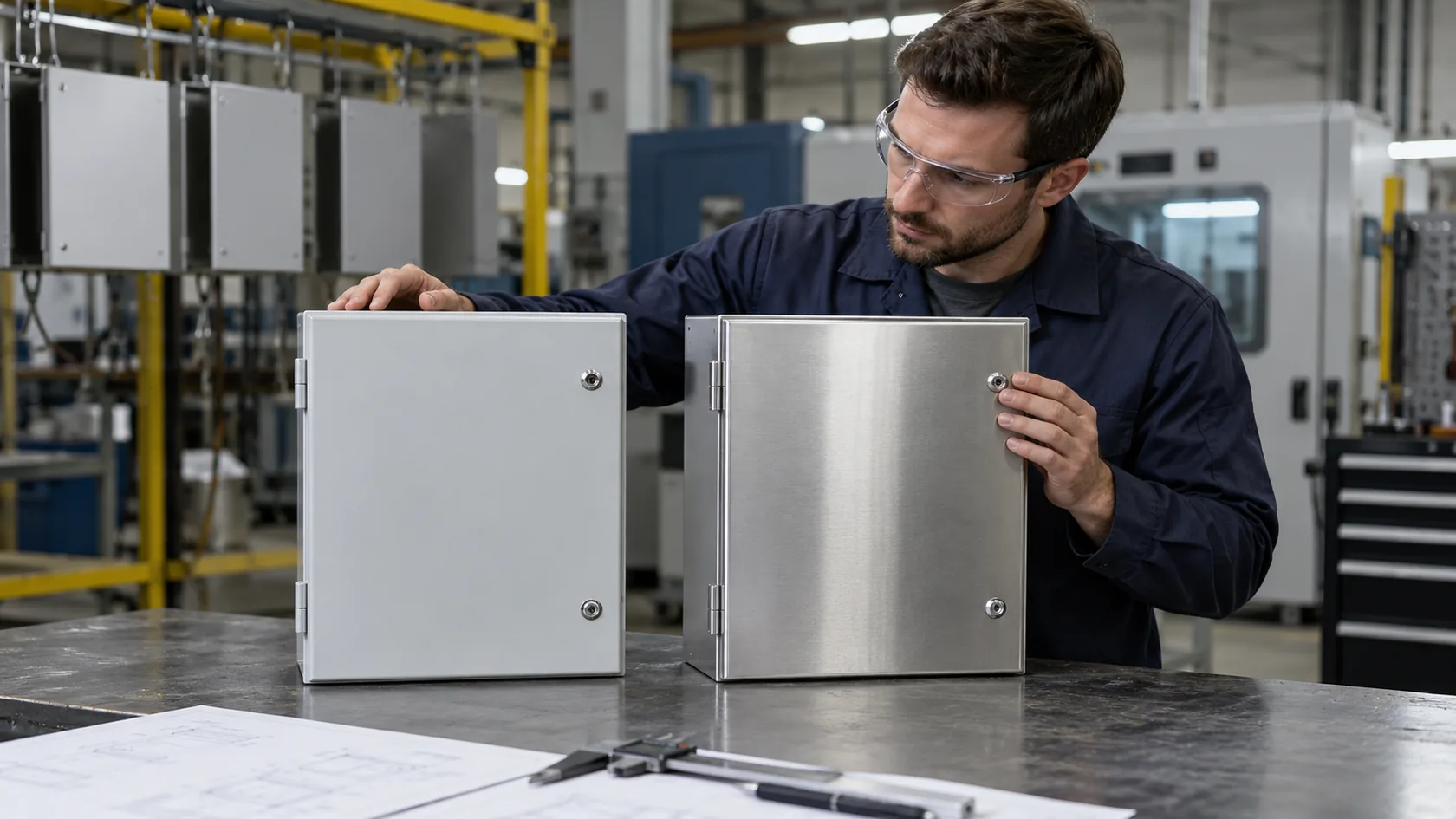
If corrosion matters, I usually consider NEMA 4X or a corrosion-focused design.
This may include:
- Stainless steel enclosure
- Proper coated aluminum enclosure
- Corrosion-resistant fasteners
- Sealed cable glands
- Better gasket material
- Avoiding water traps
- Better surface treatment around cutouts
- Careful packaging for sea shipping
| Environment | Better Direction |
|---|---|
| Coastal indoor area | Coated aluminum or stainless steel |
| Coastal outdoor area | NEMA 4X direction |
| Chemical cleaning | NEMA 4X and chemical-resistant materials |
| Humid factory | Material and coating review needed |
| Marine-related use | Stainless or special coating should be discussed |
The cheaper option may still work in a dry warehouse. But it may not survive in salty or chemical air.
Corrosion is not always loud. Custom cutouts, however, are visible from the first drawing. And they can quietly destroy the rating too.
When Your Design Requires Many Cutouts or Openings
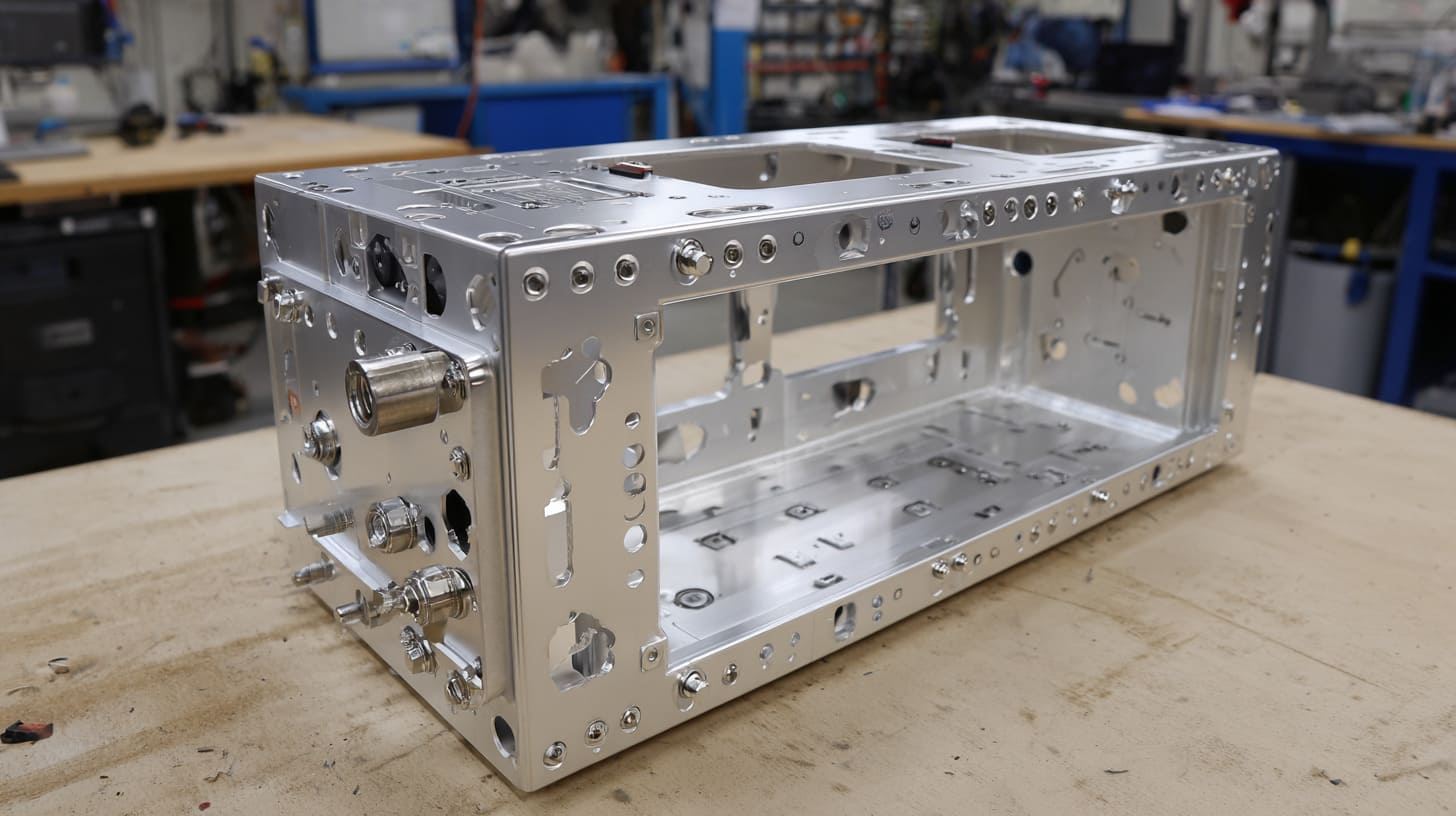
Custom openings are where many enclosure projects become interesting.
A basic enclosure can pass the rating. Then the customer adds a screen. Then a USB port. Then ventilation holes. Then a cable gland. Then a switch. Then a logo plate. Then the design still looks clean on the screen.
But protection is not judged by the cleanest wall.
It is judged by the weakest opening.
The moment I see many cutouts on a drawing, I stop thinking only about machining cost and start thinking about the sealing path around every single hole.
The Hidden Risk of Customization
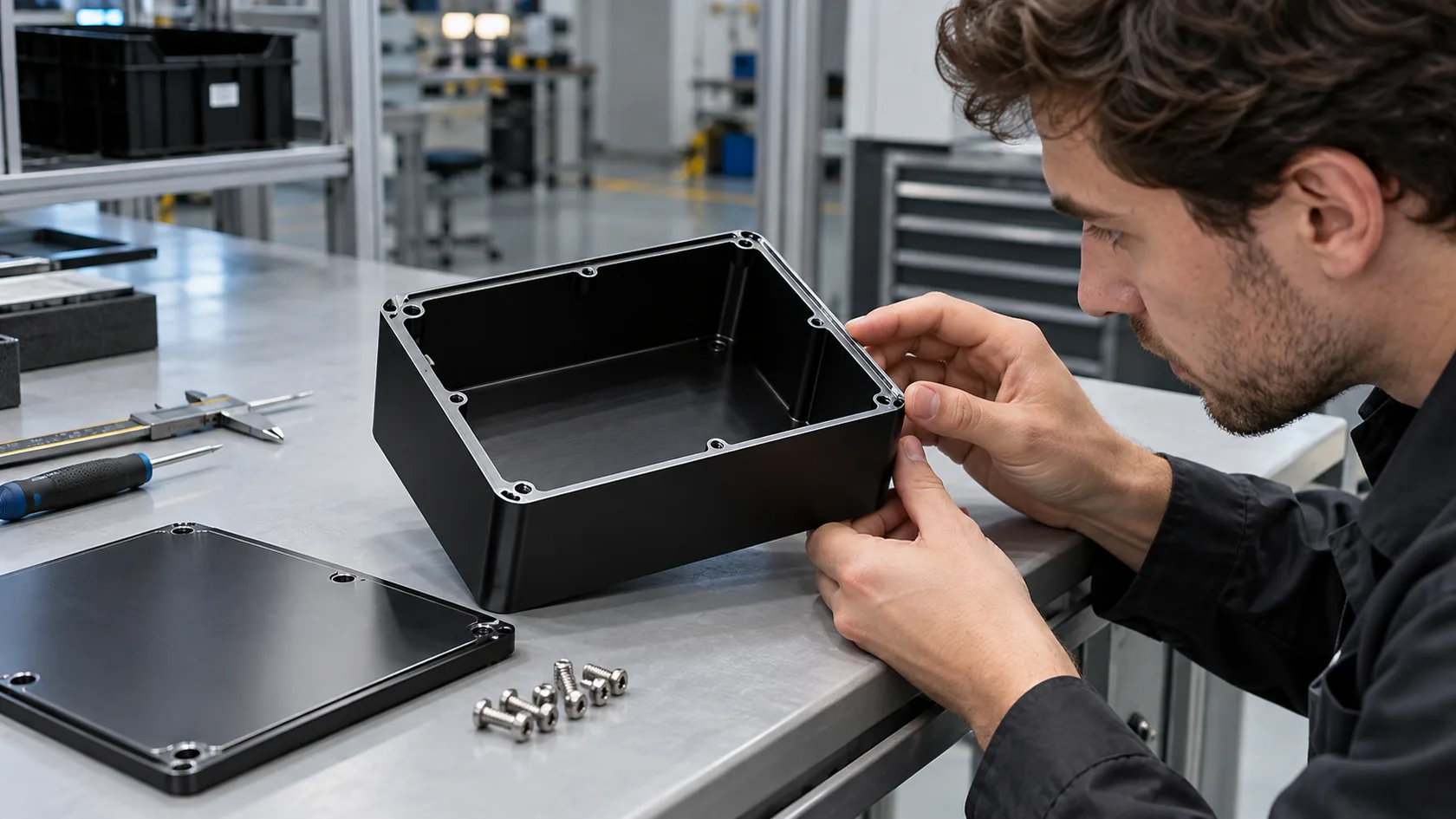
Customization is not the problem. We do custom enclosures all the time. The problem is when customization is treated as only a shape change.
A cutout changes the protection logic.
Common custom openings include:
- Cable glands
- Connector ports
- USB ports
- Display windows
- Push buttons
- Switches
- Vents
- Mounting holes
- LED windows
- Fan holes
- Antenna holes
Each opening creates a possible entry point for dust, moisture, or water.
That does not mean you cannot add openings. It means each opening needs a sealing decision.
How Openings Weaken Protection
Many buyers focus on the enclosure shell. But water and dust often enter through accessories, not the main wall.
Here is the practical problem:
| Opening Type | Common Risk | Design Question |
|---|---|---|
| Cable gland | Poor cable seal | Is the gland rated for the same environment? |
| Display window | Adhesive or gasket failure | How is the window sealed? |
| USB port | Dust and moisture entry | Is a cover needed? |
| Vent holes | Direct dust/water path | Is a filter or hood required? |
| Switch hole | Gasket mismatch | Is the switch rated too? |
| Mounting hole | Water path through screw | Is sealing washer needed? |
A beautiful enclosure with one bad accessory is still a bad protection system.
I often remind customers that the rating does not magically follow every new hole. If we change the enclosure, we need to protect the changed areas too.
Engineering Considerations
For custom openings, I usually review these points before confirming the design:
- Where is the opening located?
- Is it on the top, side, or bottom?
- Can water sit near it?
- Is the accessory rated for the environment?
- Does the gasket have enough compression?
- Does the cable gland match the cable diameter?
- Does the display window need adhesive, gasket, or mechanical fixing?
- Does ventilation reduce the protection level?
- Does the customer need testing after customization?
| Custom Feature | Safer Design Direction |
|---|---|
| Cable entry | Use properly rated cable gland |
| Display window | Use gasket or sealed adhesive design |
| Ventilation | Use filtered vent or protective structure |
| Push button | Use rated button with sealing gasket |
| USB/service port | Use covered port or internal access design |
| Mounting holes | Use sealing washer or protected position |
The hard truth is simple: the more openings you add, the more chances you create for failure.
Not every project needs a higher rating. But many projects need better accessory selection and sealing design.
Dust creates another kind of problem. And not all dust behaves the same.
When Airborne Dust Is Fine or Aggressive

Dust sounds harmless until it gets inside electronics.
A little dust on the outside of an enclosure may look normal. But fine dust inside the enclosure can sit on boards, connectors, fans, and power components. Over time, it may affect heat, contact, insulation, and cleaning.
When a customer says “dusty environment,” I do not accept that word too quickly; I ask what the dust is made of, because wood dust, cement dust, metal powder, and textile lint behave very differently.
Difference Between Dust and Fine Particulate
General indoor dust is not the same as fine industrial particulate.
Some dust is large and fluffy. Some dust is dry and powdery. Some dust is conductive. Some dust absorbs moisture. Some dust sticks to surfaces like flour on wet hands.
Examples include:
- Cement powder
- Metal dust
- Carbon dust
- Wood dust
- Textile fibers
- Plastic powder
- Grain dust
- Fine process dust
- Sand-like particles
Each type creates a different risk.
| Dust Type | Main Concern |
|---|---|
| Textile lint | Blocks vents and fans |
| Cement dust | Fine particles enter small gaps |
| Metal dust | Possible conductive risk |
| Wood dust | Fire and buildup risk in some environments |
| Plastic powder | Static and buildup concern |
| Carbon dust | Conductive contamination risk |
Why NEMA 5 May Not Be Enough
NEMA 5 protects against settling airborne dust, lint, and fibers in indoor use. But if the environment has aggressive fine particulate, I would not automatically choose NEMA 5.
The issue is long-term buildup.
Fine dust can enter through tiny gaps, accessories, vents, and cable entries. Even if the amount is small each day, the total amount after months may become a problem.
A buyer may test one sample for a short time and feel confident. But the real question is not only “Does it pass today?” The better question is:
What happens after one year in that workshop?
Suitable Alternatives
For industrial dust environments, NEMA 12 is often a better direction. It is commonly used for indoor protection against dust, dirt, and dripping non-corrosive liquids.
| Environment | Better Direction |
|---|---|
| General indoor dust | NEMA 5 may work |
| Fine industrial dust | Consider NEMA 12 |
| Dust plus dripping liquid | NEMA 12 may be better |
| Dust plus washdown | Consider NEMA 4 / 4X |
| Dust plus corrosion | Material and rating both need review |
This is why I do not like choosing the enclosure by one word.
“Dust” is not enough.
I want to know the material, amount, direction, cleaning method, and whether the device has fans or vents. One fan can change the whole story because it pulls air and dust toward the enclosure.
And when electronics become more sensitive, another issue appears: EMC.
When EMC or Shielding Performance Matters
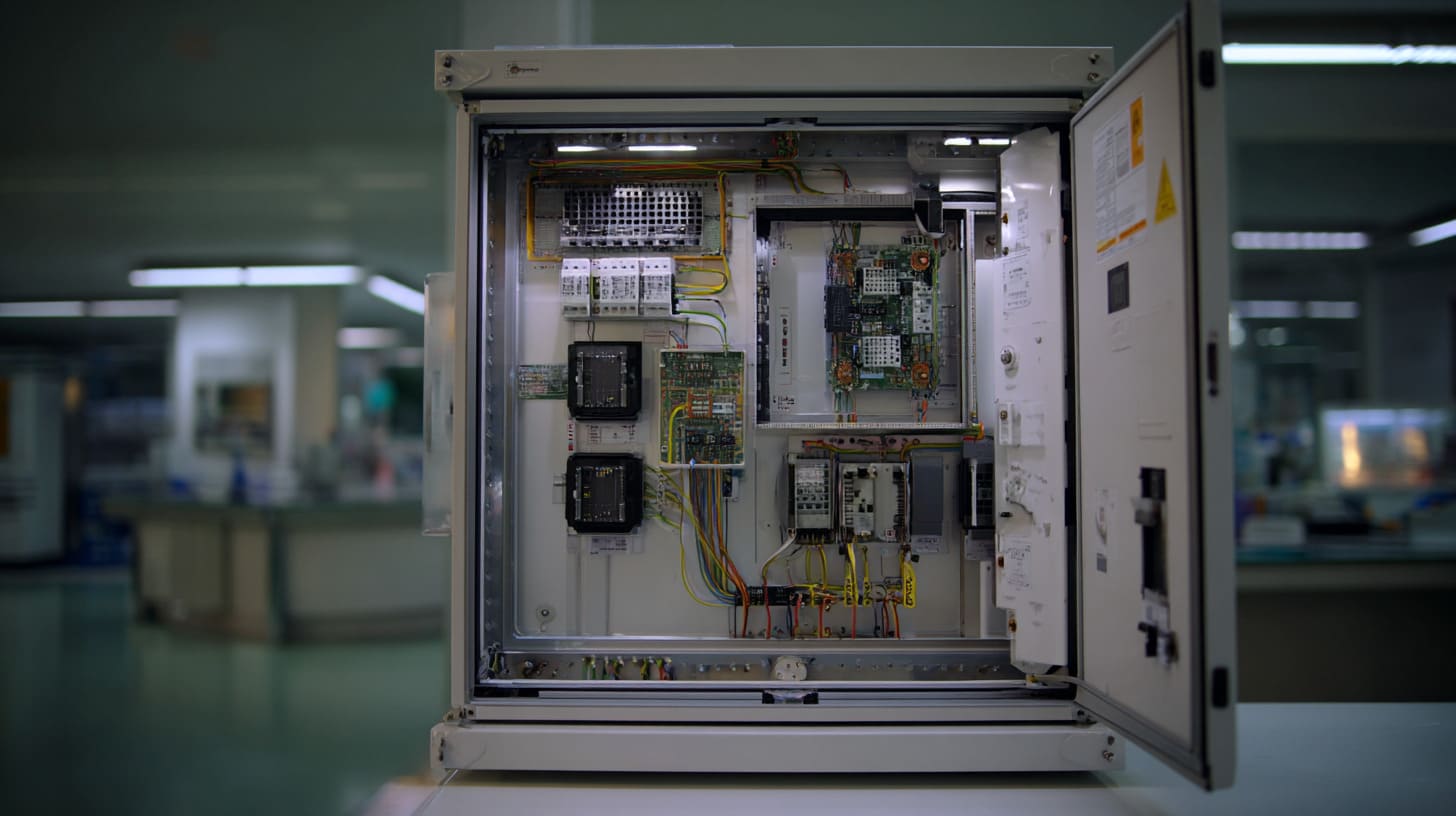
NEMA ratings are about environmental protection. They are not the same as EMC shielding.
This is one of those details that experienced engineers know, but busy projects still forget.
A metal enclosure may look strong. It may protect against dirt and light water. But if the device needs electromagnetic shielding, the enclosure must also control electrical continuity, seams, openings, grounding, and coatings.
For EMC-sensitive projects, I look at the enclosure like an electrical path, not only like a protective box.
Electrical vs Physical Protection
Physical protection asks:
- Can dust enter?
- Can water enter?
- Can the enclosure survive the environment?
- Can the product be installed safely?
EMC protection asks:
- Are the metal parts electrically connected?
- Are the seams continuous enough?
- Is the coating blocking contact?
- Are openings too large?
- Is the grounding point reliable?
- Are cables shielded properly?
These are different questions.
A NEMA 5 enclosure may help protect the device from indoor dust and light water, but it does not automatically solve shielding problems.
| Protection Type | Main Focus |
|---|---|
| NEMA environmental protection | Dirt, dust, water, indoor/outdoor conditions |
| EMC shielding | Electromagnetic leakage and interference |
| Grounding design | Safe and stable electrical path |
| Conductive contact | Metal-to-metal continuity |
| Cable shielding | Reducing noise through cable paths |
How Enclosure Design Affects EMC
EMC problems often hide in places that look normal.
For example:
- A painted seam may look clean but block conductivity.
- A gasket may seal dust but not conduct electricity.
- A display opening may become a leakage point.
- A long slot may act like an antenna.
- A poor grounding point may make the enclosure less useful for shielding.
- Anodized aluminum may need contact treatment if conductivity is needed.
This is why visual quality and EMC quality are not the same.
A smooth enclosure can still fail EMC testing.
A pretty coating can become a problem if it covers the contact area.
When to Reconsider Enclosure Choice
I would reconsider a basic NEMA 5 direction if the project involves:
- High-frequency electronics
- Communication modules
- Sensitive control boards
- Industrial automation devices
- Test equipment
- Medical or lab electronics
- Devices that need EMC compliance testing
- Products with many cable entries
- Products with display or vent openings
| EMC Concern | Possible Design Response |
|---|---|
| Poor seam contact | Conductive gasket or bare contact area |
| Coating blocks contact | Masking or post-treatment |
| Large openings | Shielded vents or smaller opening design |
| Cable noise | Shielded cable glands |
| Weak grounding | Dedicated grounding structure |
| Display leakage | Conductive window solution if needed |
For these projects, the enclosure rating is only one part of the decision. We also need to review the structure, finish, grounding, and accessory design.
Heat is another problem that often fights with protection. The enclosure wants to stay closed. The electronics want to breathe.
When Thermal Management Requires Ventilation
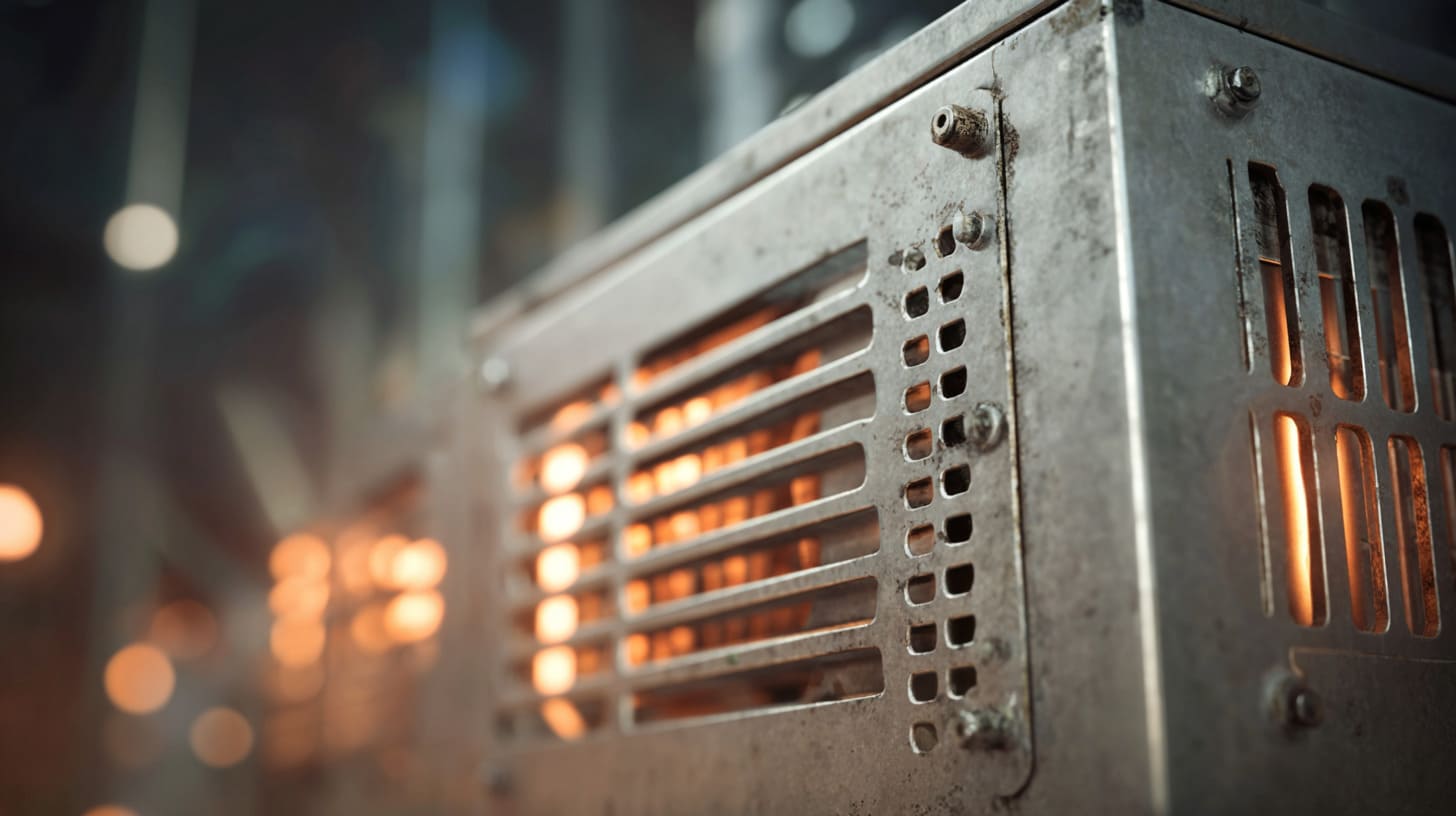
Heat is a quiet troublemaker.
It does not knock on the door. It just builds up inside the enclosure while the device is working. Then components run hotter. The product life may shorten. The customer may see unstable performance and blame the electronics.
But sometimes the enclosure design is part of the problem.
When I see a sealed or semi-sealed enclosure with a hot board inside, I do not only ask about the rating; I ask how the heat will leave the box.
Heat Challenges in Sealed Designs
Many electronic products generate heat. This is common in:
- Power supplies
- Motor controllers
- Raspberry Pi-style boards
- Communication devices
- LED drivers
- Battery systems
- Industrial control units
- Network equipment
- Small embedded computers
If the enclosure has little airflow, heat may stay inside.
A NEMA 5 enclosure can provide protection, but protection usually means fewer open paths. Fewer open paths can also mean weaker cooling.
That is the trade-off.
| Heat Source | Common Risk |
|---|---|
| Processor board | Performance drop or shorter life |
| Power supply | Heat buildup near components |
| Battery | Safety and aging concerns |
| LED driver | High internal temperature |
| Motor controller | Thermal stress under load |
| Communication module | Unstable performance in hot area |
Why NEMA 5 Creates Trade-Offs
Adding vents can help cooling. But vents may reduce protection.
This is where many designs become messy.
A customer wants dust protection. The board gets hot. Then someone adds vent holes. The enclosure breathes better, but now dust and moisture can enter more easily. Then a filter is added. The filter reduces airflow over time as dust builds up. Then maintenance becomes important.
This is not a small detail.
It is a system decision.
| Cooling Method | Benefit | Risk |
|---|---|---|
| Simple vent holes | Cheap and easy | Dust and moisture entry |
| Filtered vents | Better protection | Filter needs maintenance |
| Fan cooling | Strong airflow | Pulls dust inside |
| Heat sink | No open airflow path needed | Adds cost and design work |
| Larger enclosure | More air volume | Bigger size and higher cost |
| Aluminum body | Helps heat transfer | Surface and design still matter |
Design Solutions
For heat-sensitive projects, I may suggest several options:
- Use an aluminum enclosure to help conduct heat.
- Add external heat sink features.
- Use thermal pads between hot components and the enclosure.
- Increase enclosure size if space allows.
- Use filtered vents when airflow is needed.
- Place vents in safer locations.
- Avoid top openings if dripping water is a concern.
- Review power consumption early.
- Test temperature rise with real components.
| Project Need | Possible Direction |
|---|---|
| Keep dust protection | Avoid open vents if possible |
| Reduce internal heat | Use aluminum body or heat sink |
| Need airflow | Use filtered or protected vents |
| Outdoor or wet use | Be careful with vent placement |
| Low maintenance product | Avoid filters that need frequent cleaning |
The cheapest vent holes may solve one problem and create two new ones.
That is why I prefer to discuss thermal design before tooling or batch production. It is easier to change a drawing than explain product failure after delivery.
Ratings also become confusing when customers compare NEMA, IP, UL, and their own industry requirements.
When Compliance or Certification Requirements Differ

Compliance language can be confusing because every market has its own habits.
A Canadian customer may talk about NEMA. A European buyer may ask about IP ratings. A product engineer may mention UL. An end user may send an internal company standard. Then everybody thinks they are talking about the same thing.
Sometimes they are not.
Before I confirm an enclosure recommendation, I check whose requirement must be satisfied, because the buyer, the engineer, the installer, and the final customer may not use the same standard.
Regional or Industry-Specific Standards
NEMA ratings are common in North America. IP ratings are widely used in many international markets. UL requirements may matter for electrical products. Some industries also have their own rules.
Common requirement sources include:
- Customer specification sheets
- UL-related requirements
- IP rating requests
- NEMA rating requests
- Installer requirements
- End-user factory standards
- Industry safety rules
- Internal engineering standards
- Tender or project documents
A buyer may ask for NEMA 5 because it is written in one document. But another document may require an IP rating. If nobody checks the mismatch, the project can become painful later.
Mismatch Risks
NEMA and IP ratings are not always perfect one-to-one matches. People often use rough comparisons, but rough comparison is not the same as final compliance.
For example, a customer may say, “Can you make it like IP65?” But the drawing may include vents, ports, switches, and cable entries. The enclosure body alone may not be the full answer.
| Requirement Problem | Possible Result |
|---|---|
| NEMA requested, IP needed | Wrong rating for target market |
| Enclosure body rated, accessories not rated | Final product may fail |
| Customer expects waterproof | NEMA 5 may disappoint |
| End user requires testing report | Supplier claim may not be enough |
| Custom cutouts added after rating selection | Original protection may no longer apply |
This is where communication saves money.
I would rather ask one more question before production than argue about a failed requirement after shipment.
Practical Approach
For compliance-sensitive projects, I usually suggest a simple process:
- Confirm the real installation environment.
- Confirm the target market.
- Confirm the required standard.
- Check whether NEMA, IP, UL, or customer standard is needed.
- Review all cutouts and accessories.
- Decide whether testing or third-party certification is required.
- Keep written confirmation before production.
| Question | Why I Ask It |
|---|---|
| Where will the enclosure be installed? | Rating depends on environment |
| Which country or market is the product for? | Standards may differ |
| Does the end user require a certificate? | Supplier statement may not be enough |
| Will there be custom openings? | Rating may be affected |
| Are accessories included in the rating review? | Weak accessories can fail |
| Is this for sample or mass production? | Testing needs may change |
A good enclosure choice is not only a material decision. It is also a communication decision.
And after looking at all these risks, the final question becomes simple: when should we walk away from NEMA 5 and choose something else?
Conclusion
NEMA 5 is a useful enclosure rating, but I do not treat it as a universal answer.
I use it when the project truly fits its purpose: indoor use, general dust protection, lint or fibers, falling dirt, and dripping or light splashing water. In those conditions, it can be a practical choice. It can control cost. It can protect the product well enough. It can make sense for many indoor electrical and electronic projects.
But I would not choose it when the real environment is harsher than the rating.
That includes outdoor installation, hose-down cleaning, corrosive air, chemical exposure, aggressive fine dust, many custom cutouts, EMC-sensitive electronics, heavy heat buildup, or strict compliance needs that point to another rating.
My final decision usually comes from one simple habit: I try to imagine the enclosure after six months of real use, not only on the first day after production.
Will water hit the cable gland?
Will dust collect around the vent?
Will the gasket still seal well?
Will the end user clean it with a hose?
Will the coating block electrical contact?
Will the product engineer add more openings later?
Will the customer blame the enclosure if the device fails?
These are not fancy questions. They are practical questions. They come from real factory work, real drawings, real samples, and real conversations with buyers who need their projects to move smoothly.
I think this way because enclosure problems are often small at the beginning and expensive at the end. A wrong rating may save a little money during quotation. But it can create rework, delays, complaints, failed testing, or even product returns later.
That is why I often tell customers: do not choose NEMA 5 because it sounds “strong enough.” Choose it because the site conditions honestly match it.
If your project has outdoor exposure, hose-down water, corrosion, fine dust, heat, EMC issues, or many custom openings, it is better to review the design early. Sometimes the smarter choice is NEMA 4, NEMA 4X, NEMA 12, or a custom structure with better sealing and material selection.
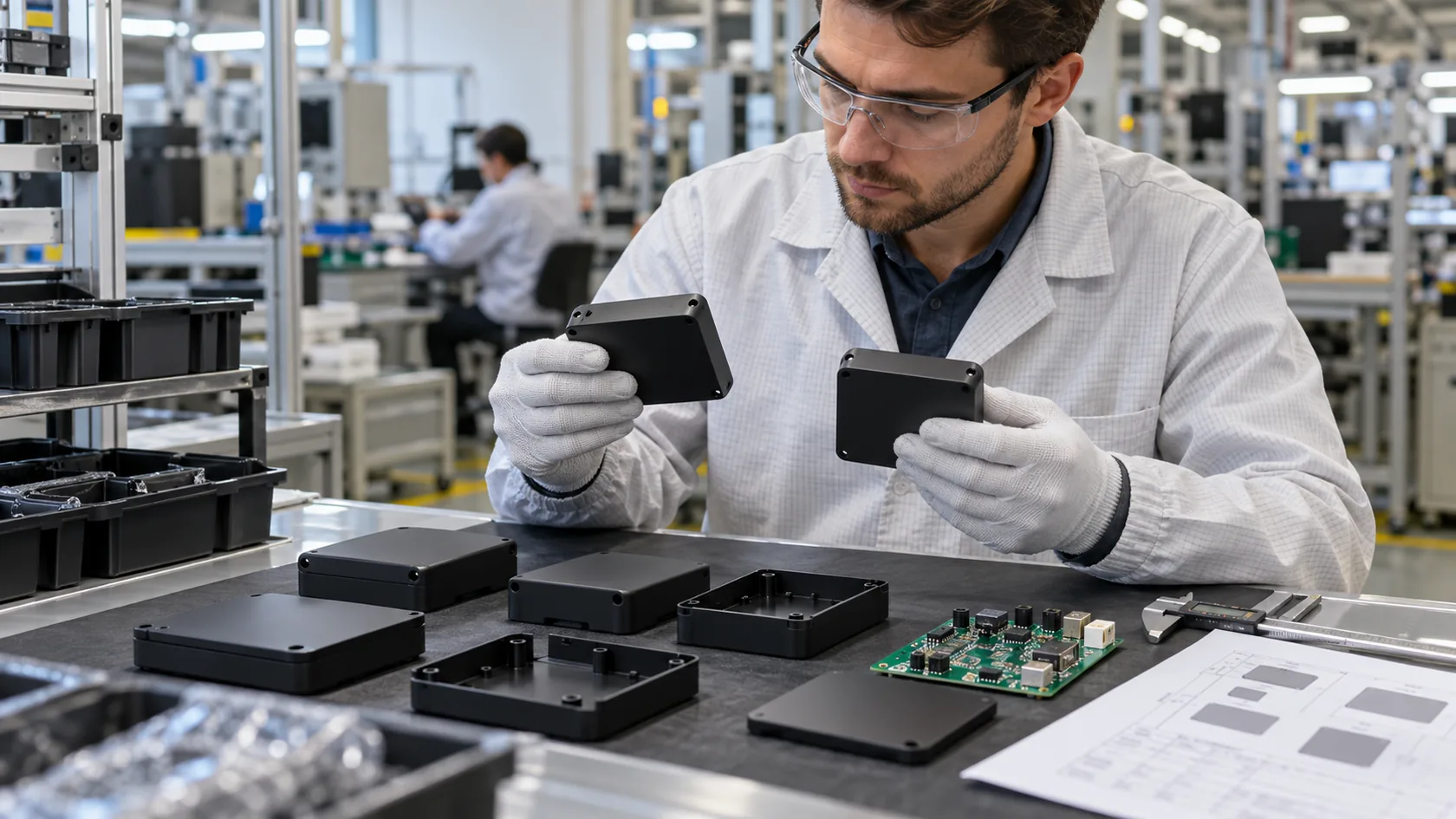
At MaidaTech, we work with custom aluminum enclosures, plastic enclosures, sheet metal enclosures, and OEM/ODM enclosure projects. If you already have a drawing, installation condition, or product idea, you can send the details before production. I can help you review whether NEMA 5 is enough, or whether another enclosure direction will be safer for your real project.
A good enclosure should not only look correct on paper.
It should survive the place where your customer will actually use it.