Skip to content
A NEMA rating sounds like a boring checkbox until it turns into a real-life problem.
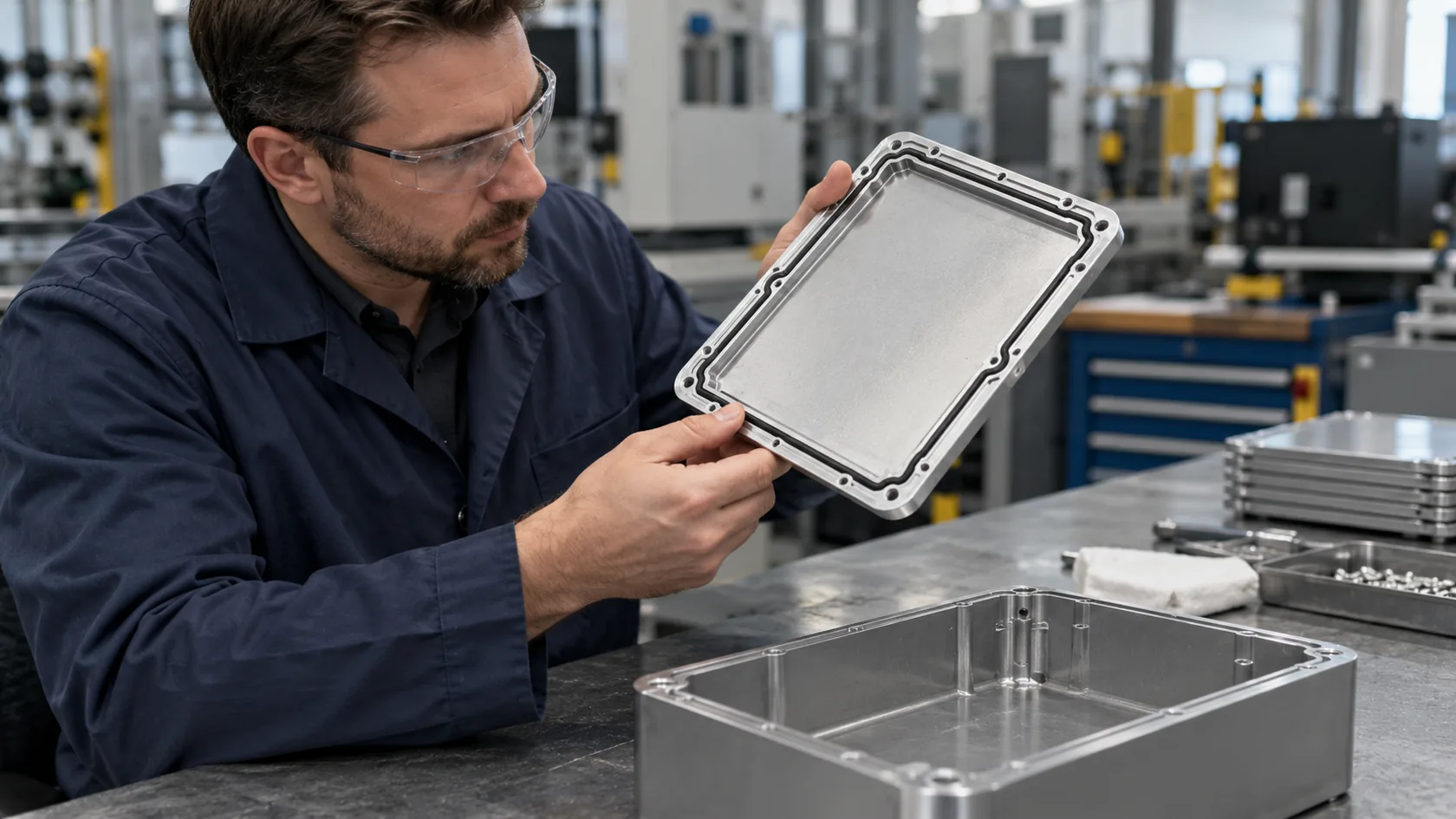
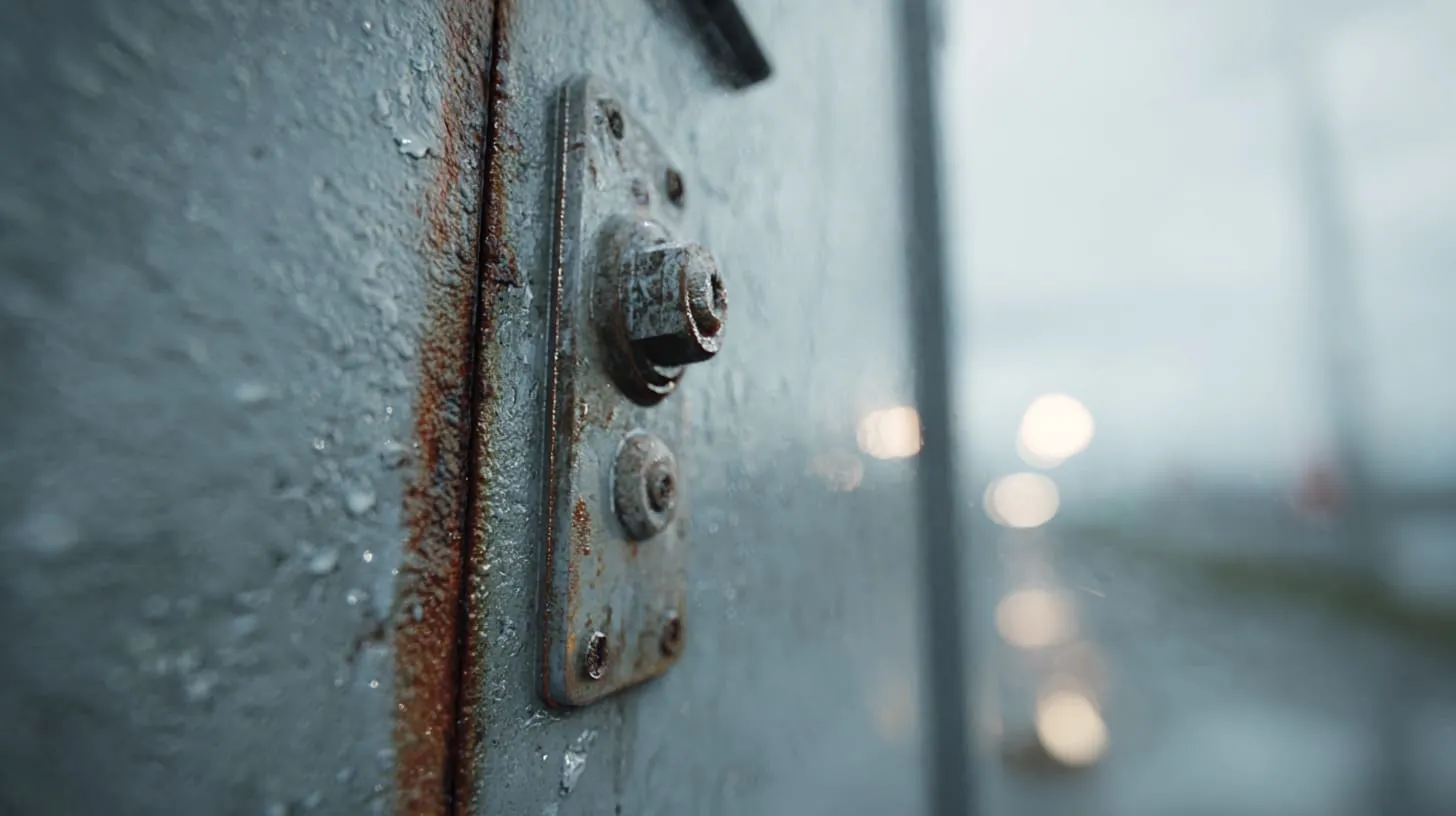
I once got a short email from a buyer in Europe. He attached three photos. The enclosure looked fine at first glance. Then I zoomed in. There was a thin line of rust around the door seam, and a faint trail where water had crept inside. He wrote: “Vincent, the cabinet is rated. Why is it still failing?”
That question is why I like writing guides like this. Because when people say “rated,” they often mean “safe.” But ratings are not magic. Ratings are conditions. And the moment your real conditions don’t match the assumed ones, the enclosure becomes a weak link.
What Is a NEMA Rating and Why It Matters
NEMA stands for National Electrical Manufacturers Association. In simple words, a NEMA rating tells you what an enclosure can reasonably protect against in industrial and commercial settings.
I treat it like a promise with fine print:
- It helps you choose protection against dust, water, oil, corrosion, and ice
- It helps you avoid the painful surprises: short circuits, corrosion, downtime
- It helps you avoid delays when inspections or customer audits ask, “Show me the rating and why you chose it.”
Here is the part many people miss: picking the wrong rating does not just “look bad.” It can create safety risks, project delays, and rework costs that are bigger than the enclosure itself.
Who This Guide Is For
I’m writing this for the people who actually feel the pressure when something fails:
- Product engineers who need to specify enclosures with clear reasons
- OEM buyers sourcing custom aluminum or sheet metal enclosures and trying to keep cost under control
- Distributors and industrial equipment manufacturers who cannot afford returns and reputation damage
If you’ve ever been stuck between “I want to be safe” and “I can’t blow the budget,” you’re exactly who I had in mind.
And now that we’re in the same room, let me start with the most basic question people skip too fast.
What Is a NEMA Rating?

When I explain NEMA to customers, I avoid fancy words. I say: a NEMA rating is a job description for an enclosure. It tells you what the enclosure is designed to handle, and what it is not designed to handle.
Understanding the NEMA Standard
NEMA ratings classify enclosures by the environments they can survive in. It is not just about “waterproof.” It also covers things like corrosion resistance and protection against oil.
I always ask one critical question first:
Is this enclosure living in a stable indoor world, or a messy outdoor world?
That difference drives everything.
Here is a quick way I frame it:
| Topic | NEMA Rating System | What It Tells Me |
|---|---|---|
| Main goal | Practical protection in real installations | “What can it survive?” |
| Focus | Solids, water, oil, corrosion, ice | More than just dust + water |
| Common market | North America | Often required by buyers and projects |
A lot of people also mix up NEMA and IP ratings. I’ll compare them later, but for now: NEMA is often more “installation-realistic,” while IP is more “test-result-focused.”
What NEMA Ratings Actually Protect Against
This is where critical thinking matters. A rating is not a shield against everything. It usually covers specific categories:
Solids and debris
- Dust in factories
- Dirt in outdoor installs
- Falling debris in industrial sites
Water exposure (and this is where people guess too much)
- Dripping water
- Splashing water
- Hose-directed water
- Temporary or prolonged submersion (only for certain types)
Other real-world threats many people forget
- Corrosion (especially coastal or chemical areas)
- Ice formation (outdoor installs in cold climates)
- Oil and coolants (machine tool environments)
Here is the “hard truth” table I use when I’m sanity-checking a project:
| Risk type | Common buyer assumption | Reality I see in production |
|---|---|---|
| Water | “It’s outdoors, so it must be waterproof.” | Outdoor can mean drip, splash, hose, or flood—very different. |
| Dust | “Indoor means clean.” | Indoor can still be dusty if it is a factory. |
| Corrosion | “Metal is metal.” | Material choice and finish can decide the lifespan. |
If you keep those risks clear, you stop buying ratings like a lottery ticket.
Next, I want to show why this matters after the enclosure leaves the factory, when real usage starts and excuses disappear.
Why NEMA Ratings Matter in Real Projects
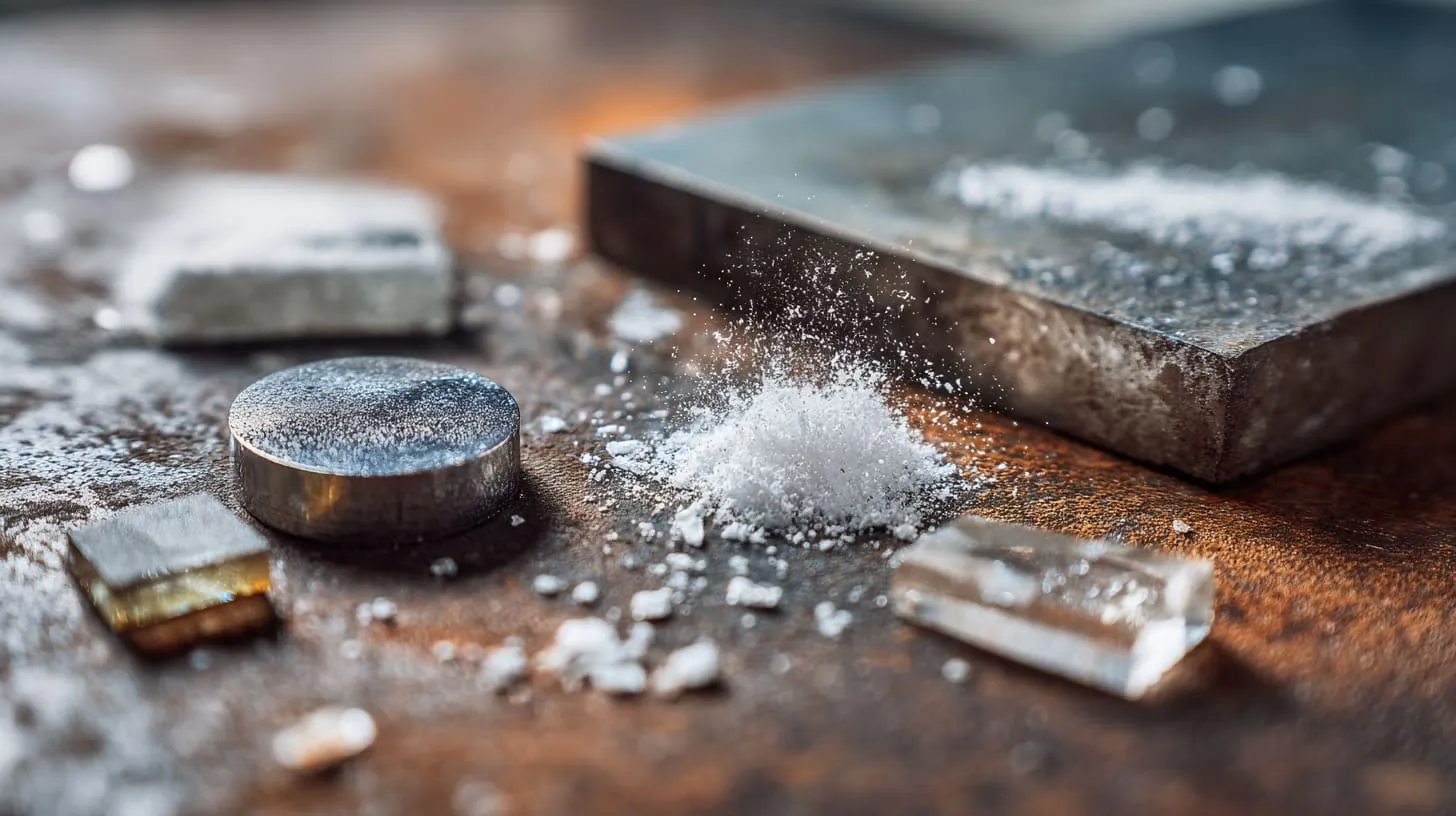
I’ve seen projects where the enclosure was technically “fine,” but the rating choice created a quiet chain reaction: inspection questions, delayed approvals, and expensive field fixes.
Safety and Compliance Requirements
Even if you are not a code expert, you still face code pressure. Many buyers reference NEC requirements or local rules, and they expect you to align enclosure protection with the environment.
I try to think like an inspector for a minute:
- Is the enclosure protecting people from accidental contact?
- Is it preventing water from reaching live parts?
- Is it built for the specific industry environment?
Industry context matters more than people admit:
| Industry | What the environment is really like | The risk if you under-spec |
|---|---|---|
| General industrial | Dust, vibration, occasional splashes | Failures and downtime |
| Food processing | Washdown, chemicals, hygiene pressure | Corrosion + contamination risk |
| Marine/coastal | Salt air, humidity | Fast rust, seal failure |
The mistake is thinking compliance is “paperwork.” In reality, compliance is often a delay cost. Your project can stall even if your design is good.
Impact on Equipment Lifespan
Enclosures don’t fail in dramatic ways at first. They fail slowly.
- A gasket ages and becomes stiff
- A seam pulls slightly under heat cycles
- Moisture builds up inside over time
- Corrosion starts as a small stain, then becomes a leak path
I’ve opened enclosures that looked perfect outside, but inside the PCB had that subtle white crust near connectors. That kind of moisture damage is expensive because it spreads blame across the whole product.
A simple thinking tool I use is this:
| Environment factor | What it does over time | What it looks like in the field |
|---|---|---|
| High humidity | Condensation cycles | Random intermittent failures |
| Salt air | Corrosion speed increases | Rust trails, pitting, staining |
| Frequent cleaning | Chemical attack on seals | Gaskets crack, leaks start |
Cost of Choosing the Wrong Rating
This is where people argue, so I try to be fair.
Over-specifying
If you choose a higher rating than needed, you may pay extra for:
- heavier materials
- more expensive sealing methods
- thicker doors and hardware
- longer lead time
Sometimes that is worth it. Sometimes it is just fear spending.
Under-specifying
This usually costs more later:
- field failures
- warranty claims
- recall risk
- replacement labor
Here is a simple cost logic table I share with buyers:
| Choice | What you “save” today | What you might pay later |
|---|---|---|
| Over-spec | Money | Higher unit cost, slower ROI |
| Under-spec | Money | Failures, returns, rework, reputation |
If you want to be practical, the goal is not “maximum rating.” The goal is right rating with the right materials and build details.
Now let’s talk about the ratings you’ll see most often, and what they really mean in plain English.
Overview of Common NEMA Ratings
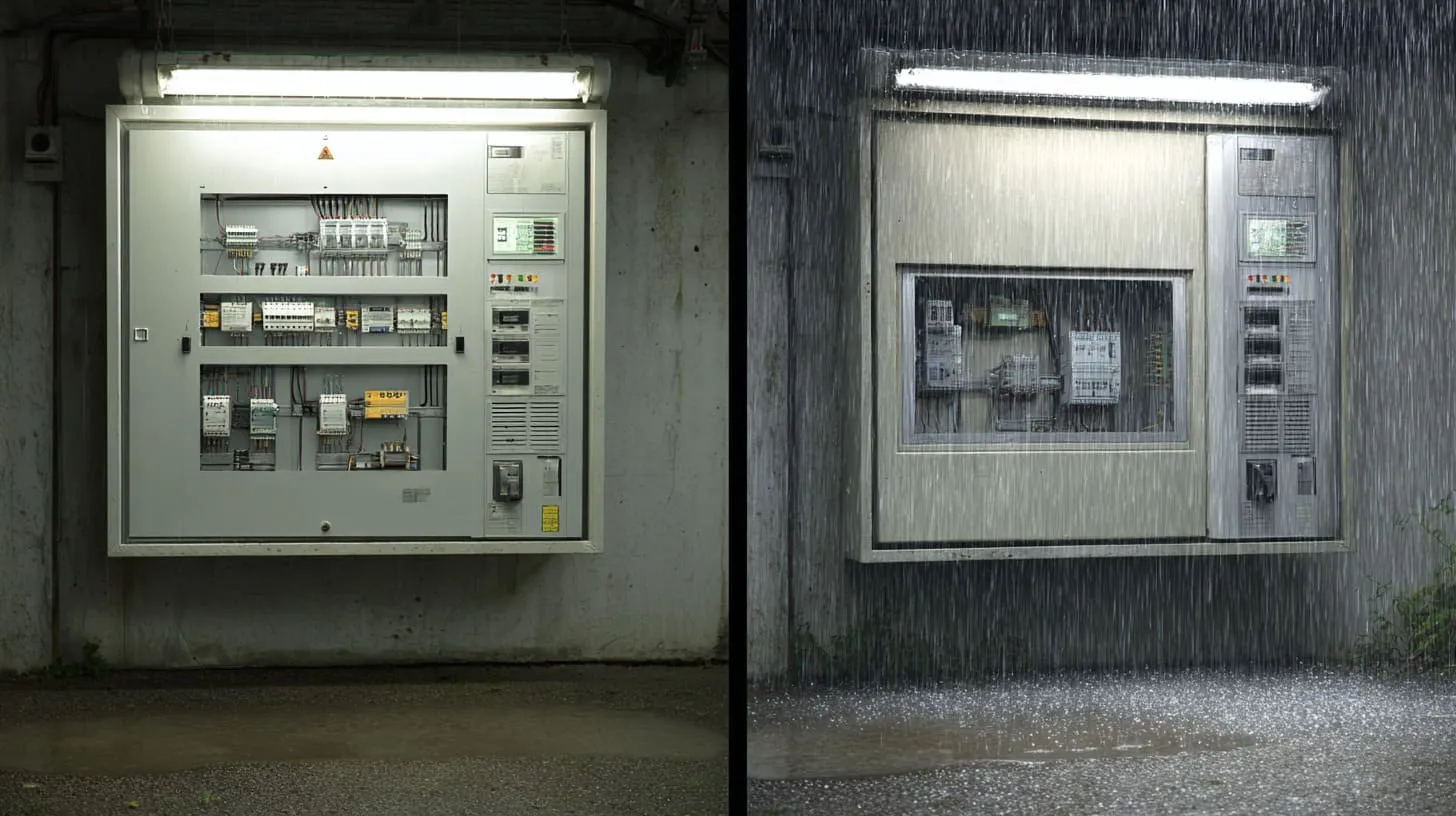
When buyers ask me “Which NEMA should I choose?” they often want one single answer. But the best answer is usually a short list of candidates based on real exposure.
NEMA 1 – Basic Indoor Protection
NEMA 1 is the “basic indoor” choice. It protects against accidental contact and some limited falling dirt.
Use cases I see:
- control panels in clean indoor spaces
- indoor cabinets where water is not expected
Limitations:
- not designed for outdoor use
- not designed for water exposure
A quick sanity check:
If you can imagine someone cleaning the area with a spray bottle, NEMA 1 may already feel risky.
NEMA 3 & 3R – Outdoor Weather Protection
These are common for outdoor installs where rain and weather matter.
What they aim to handle:
- rain
- sleet
- snow
Typical examples:
- outdoor electrical boxes on building exteriors
- utility-related equipment mounted outdoors
Critical thinking point: outdoor does not always mean “hose.” Many outdoor installs only see rain, and 3R can be enough. But if workers wash the area, you may need to step up.
NEMA 4 & 4X – Waterproof and Corrosion Resistant
This is where the confusion starts, because people treat NEMA 4 like a universal “waterproof” badge.
NEMA 4 is about protection against water, including hose-directed water.
NEMA 4X adds corrosion resistance requirements.
Hose-down environments
If the enclosure is exposed to washdown, splashing, or frequent cleaning, NEMA 4/4X comes up often.
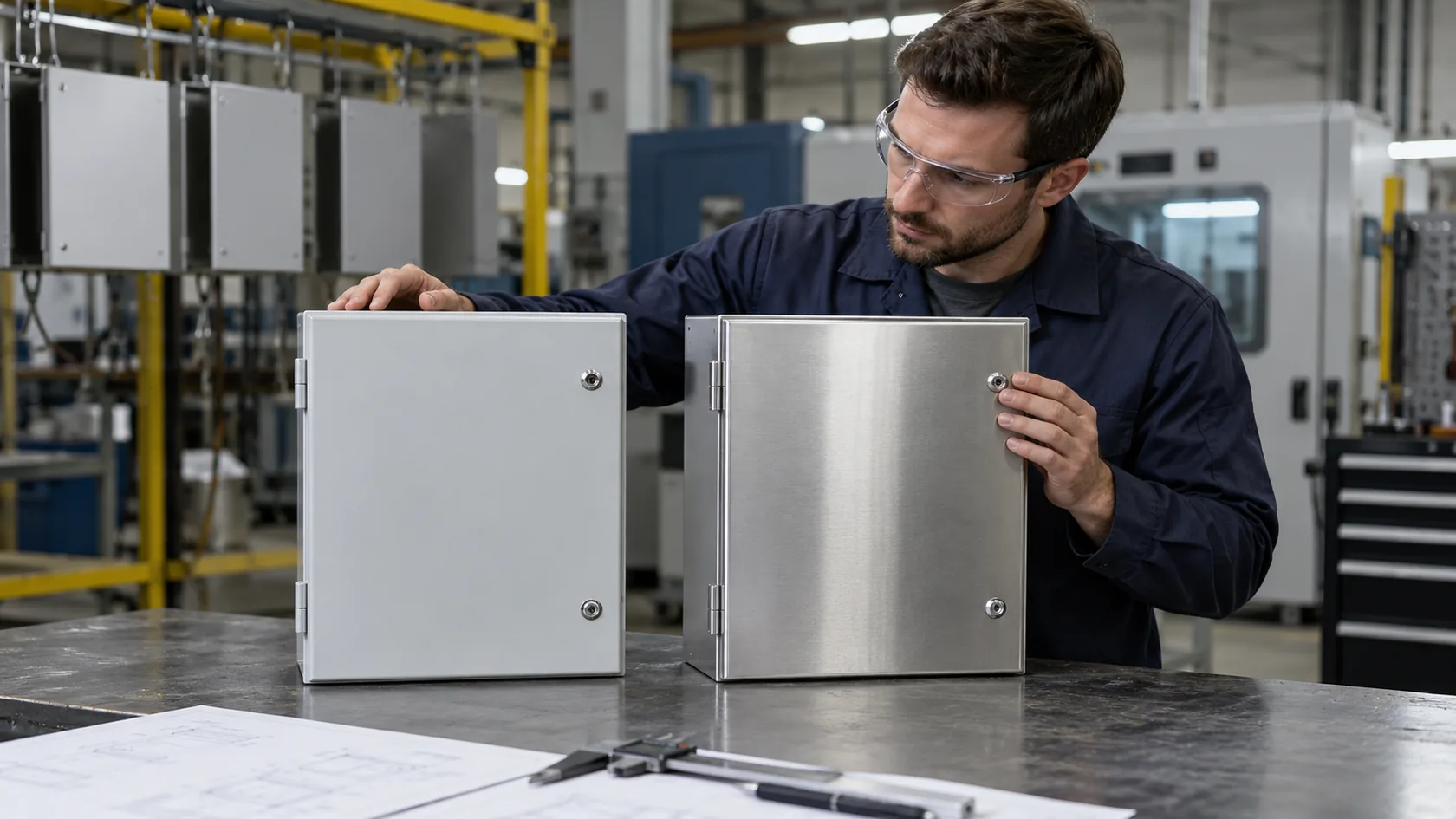
Stainless steel vs aluminum material selection
This is a decision that depends on chemicals and long-term exposure.
| Material | What I like about it | What can go wrong |
|---|---|---|
| Aluminum | Light, good corrosion resistance in many cases | Can be attacked by certain chemicals; coating matters |
| Stainless steel | Strong corrosion resistance, good for harsh cleaning | Higher cost; heavier; longer machining time |
Food processing and coastal applications
Food plants and coastal locations are where I see 4X get justified. Salt air and aggressive cleaners don’t forgive cheap choices.
NEMA 6 & 6P – Submersible Protection
Submersion ratings are the ones I take the most seriously, because the cost of failure is brutal.
- NEMA 6 is typically for temporary submersion
- NEMA 6P is for prolonged submersion
I always ask:
- How deep?
- How long?
- Is it fresh water, dirty water, chemical water?
Even if the rating is right, cable entries and seals still decide success.
NEMA 12 – Dust and Drip Protection
NEMA 12 shows up a lot on factory floors.
Why it exists:
- dust protection
- protection from dripping non-corrosive liquids
- some oil and coolant splashes (depending on context)
I see it used in:
- general industrial equipment
- indoor machine areas with dust and occasional drip exposure
NEMA 13 – Oil and Coolant Resistance
NEMA 13 is often discussed in machine tool environments.
Where it matters:
- spraying lubricants
- cutting fluids
- oil mist
A practical note: NEMA 13 only makes sense if the whole installation is designed for it, including cable glands and door seals.
If this section felt like a lot, that’s normal. Next, I’ll simplify the most confusing question buyers ask me: “Is NEMA the same as IP?”
NEMA vs IP Ratings: What Is the Difference?
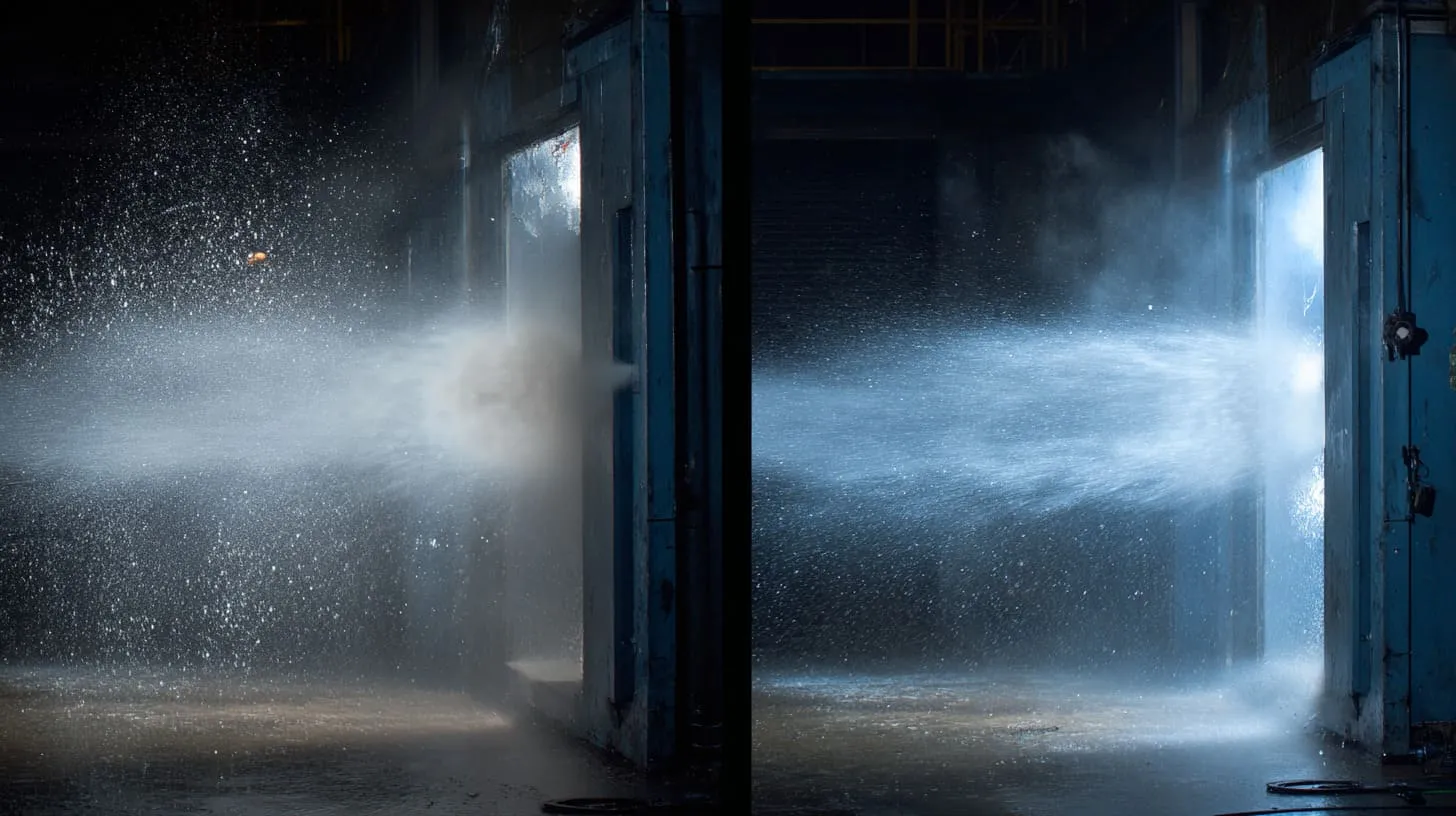
I’ve watched smart engineers talk past each other on this topic. One person says “IP66.” The other says “NEMA 4.” Both think they are speaking the same language, but they’re not.
Structural Differences Between Standards
Here is the clean way I explain it:
- IP mainly focuses on protection against solids and water, using two digits.
- NEMA includes solids and water too, but it also includes things like corrosion and ice formation considerations in the enclosure type definitions.
That difference matters because real environments are not just “dust + water.”
| Standard | What it emphasizes | What it tends to include |
|---|---|---|
| IP | Test results for ingress | Solids + water |
| NEMA | Practical enclosure application | Solids + water + corrosion/ice/oil context |
Conversion Challenges
There is no exact one-to-one conversion. People still try, because they need a quick answer. I get it. But quick answers can create expensive mistakes.
Here is why conversion is hard:
- The tests and definitions are not identical
- NEMA includes extra environmental expectations
- Installation practices can change outcomes
Practical comparison examples (NEMA 4 vs IP66)
In many projects, people treat NEMA 4 as roughly similar to IP66 for water protection expectations. But that “roughly” word is doing a lot of work.
I suggest using comparisons as a starting point, not a final decision.
| Common pairing people mention | Why it can be misleading |
|---|---|
| NEMA 4 ≈ IP66 | Similar idea, different definitions and assumptions |
| NEMA 4X ≈ IP66 + corrosion | Corrosion depends on material and environment, not just a label |
When to Use NEMA vs IP
This is where you should think like a buyer, not like a textbook.
- If you sell into North America, NEMA types often come up naturally in specs.
- If you sell globally, IP may be more common, especially for international product documentation.
Also, if you are dealing with CE-marked products or international customers, IP language might be expected.
My balanced view:
- Use the standard your customer expects
- Then double-check the real environment details so you don’t hide behind the label
Now that we cleared the “language” issue, I want to move into the real buying work: how I actually choose a rating step by step.
How to Choose the Right NEMA Rating
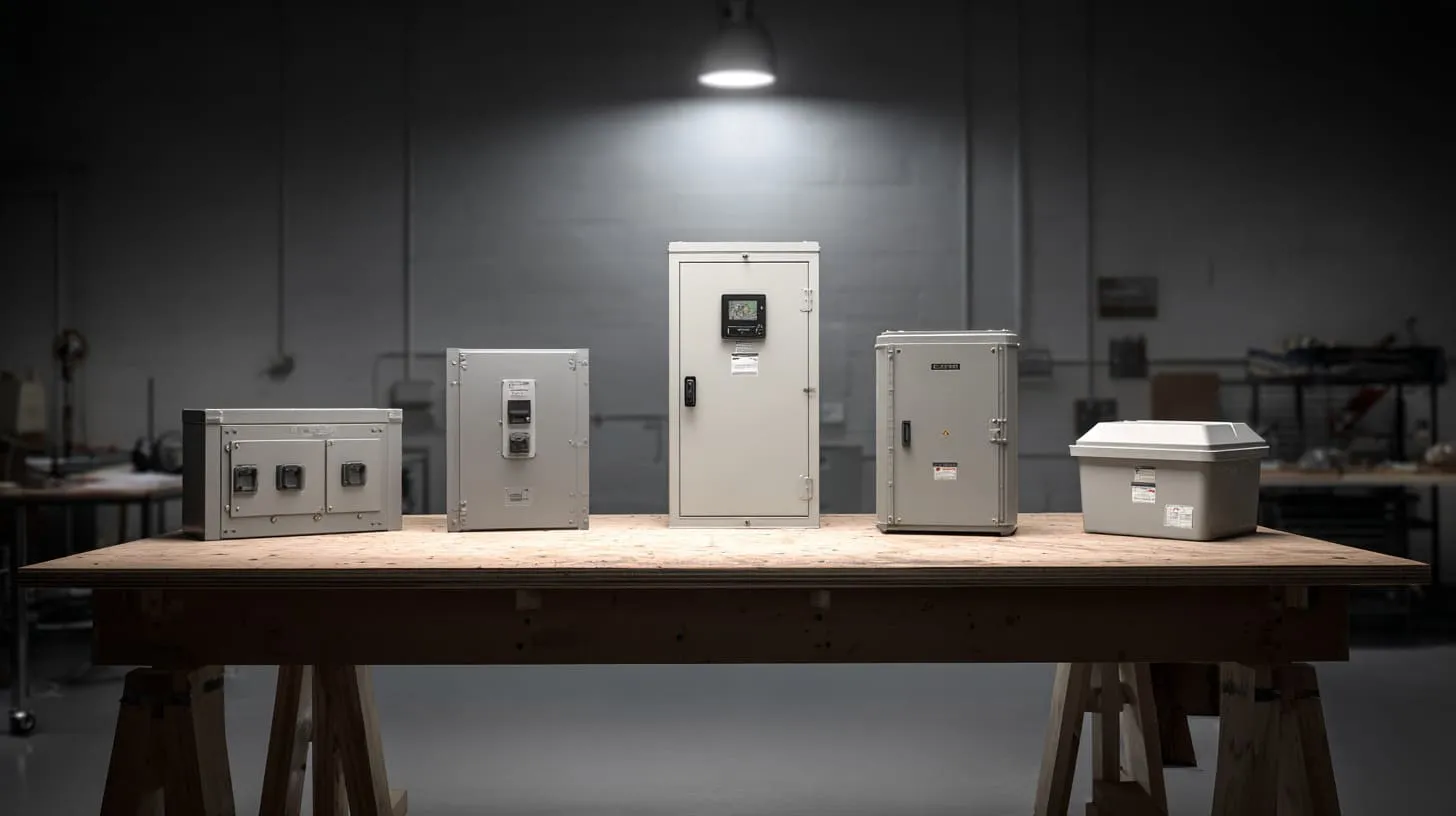
When I help a customer choose a NEMA rating, I don’t start with the rating list. I start with the environment story. Because the environment is the real spec.
Step 1: Identify Installation Environment
This sounds obvious, but most mistakes happen here.
I ask buyers to pick from clear buckets:
- indoor clean
- indoor industrial
- outdoor general weather
- outdoor coastal
- washdown
- hazardous area (needs special consideration beyond standard NEMA types)
Temperature and humidity matter too. Hot/cold cycles can stress seals. Humidity can create condensation inside even when water never directly hits the enclosure.
A simple environment checklist:
| Question | Why I ask it |
|---|---|
| Is it indoors or outdoors? | Drives water and debris risk |
| Is there salt air or chemicals? | Drives corrosion risk |
| Is it near heat sources? | Heat ages seals and coatings |
| Will people clean it with hose/steam? | Changes rating needs fast |
Step 2: Assess Exposure Risks
This step is about honesty. Not “what the spec says,” but “what will actually happen.”
Dust levels
Dust can be fine powder, metal particles, or general dirt. Each one behaves differently.
Water exposure
I push buyers to stop using the word “waterproof” and pick a real exposure:
- drip
- splash
- spray
- hose-directed water
- submersion
Chemical exposure
Even “mild” cleaners can destroy cheap gaskets over time.
Here is a practical exposure table:
| Exposure | What it looks like | What it tends to demand |
|---|---|---|
| Drip | leaks from pipes above | basic drip protection |
| Splash | occasional splashes | stronger sealing |
| Hose | direct water force | NEMA 4-level thinking |
| Submersion | flooding, underground | NEMA 6/6P-level thinking |
| Chemicals | cleaners, solvents, oils | material + seal quality matter |
Step 3: Consider Material Compatibility
This is where I sometimes disagree with buyers, gently.
Some people choose material only based on cost. Some choose only based on “premium feel.” I try to choose based on:
- environment
- life expectancy
- maintenance style
- budget reality
Aluminum vs stainless steel vs powder-coated steel
- Aluminum can be great, but finish and chemical exposure decide success.
- Stainless steel is strong for harsh washdown and corrosion risk, but it costs more.
- Powder-coated steel can work well indoors, but chips and scratches can become rust points.
Plastic enclosures and UV stability
Plastic is useful, especially for cost and weight. But UV and heat can age it fast if the material is wrong for outdoor use.
Step 4: Evaluate Long-Term Maintenance Needs
This is the “future you” step.
I think about:
- gasket durability
- how often doors open and close
- whether maintenance teams will overtighten screws
- how often the area is cleaned
A realistic maintenance table:
| Maintenance behavior | What it does | What I recommend |
|---|---|---|
| Frequent opening | wears seals | better gasket design and hardware |
| Over-tightening | warps doors | stronger structure, clear torque guidance |
| Harsh cleaning | attacks materials | corrosion-resistant choices, better seals |
If you want fewer regrets, don’t pick a rating only for “day one.” Pick it for “year three.”
Now that we have the selection logic, let’s talk about the part many buyers underestimate: materials and finishes.
Material Selection and NEMA Rating
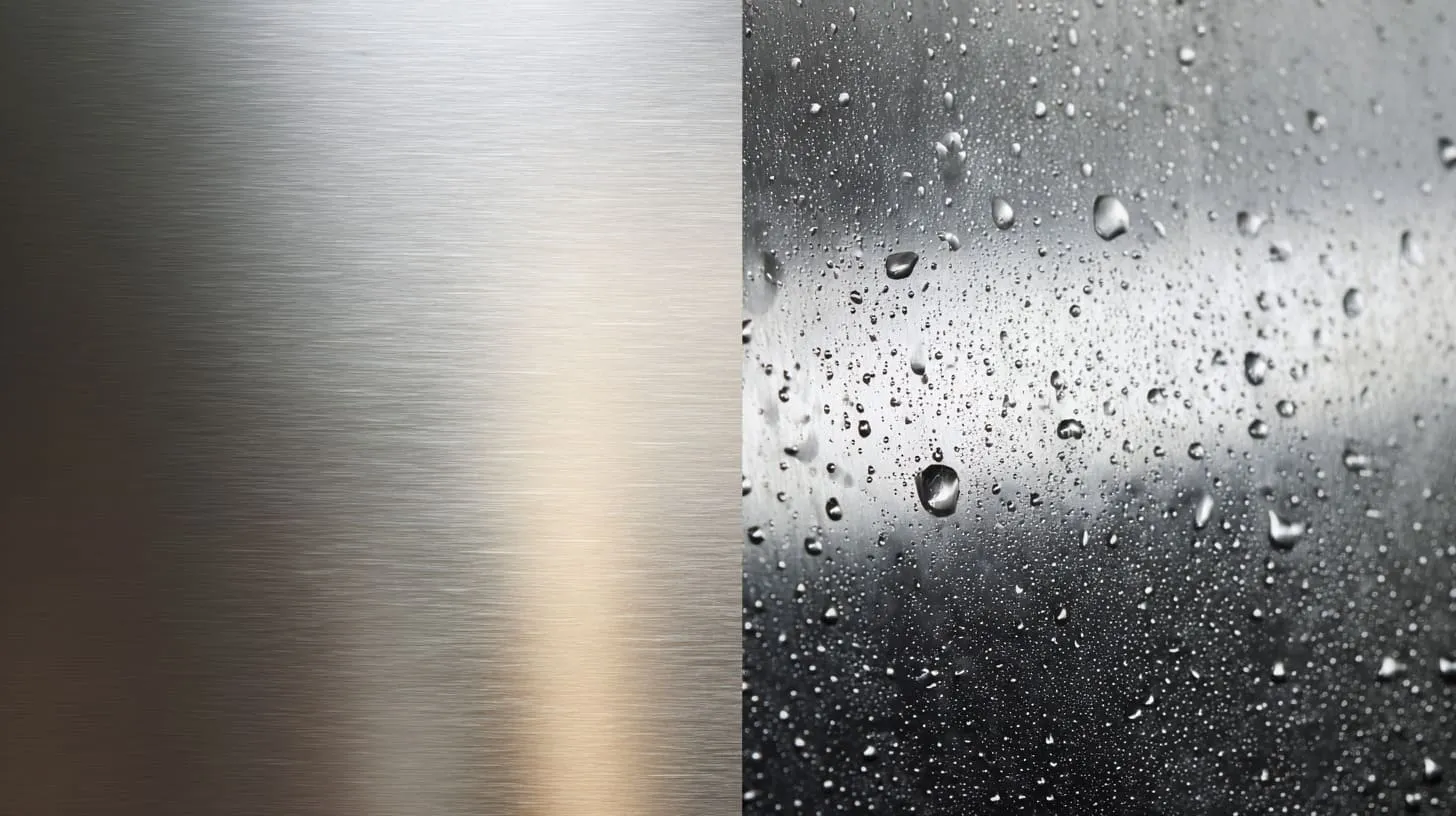
I’ve seen two enclosures with the same rating label perform very differently. The difference was not the label. The difference was material, finish, and seal quality.
Aluminum Enclosures
I like aluminum for many OEM projects because it’s:
- lightweight
- easy to machine
- corrosion-resistant in many normal environments
It can be a strong match for NEMA 4/4X style needs depending on exposure and finishing.
But I also stay cautious. Some chemicals can attack aluminum. Some coatings can fail if the prep is weak. I don’t treat aluminum as “always safe,” even when it looks clean and modern.
Stainless Steel Enclosures
Stainless steel is the serious choice for harsh environments:
- washdown
- chemicals
- coastal air
- food-grade expectations (depending on full design and compliance needs)
It costs more, yes. But it can reduce long-term risk.
Here’s a fair comparison I use:
| Factor | Aluminum | Stainless Steel |
|---|---|---|
| Weight | lighter | heavier |
| Cost | often lower | often higher |
| Corrosion resistance | good in many cases | excellent in harsh cases |
| Machining time | usually faster | can be slower |
Plastic Enclosures
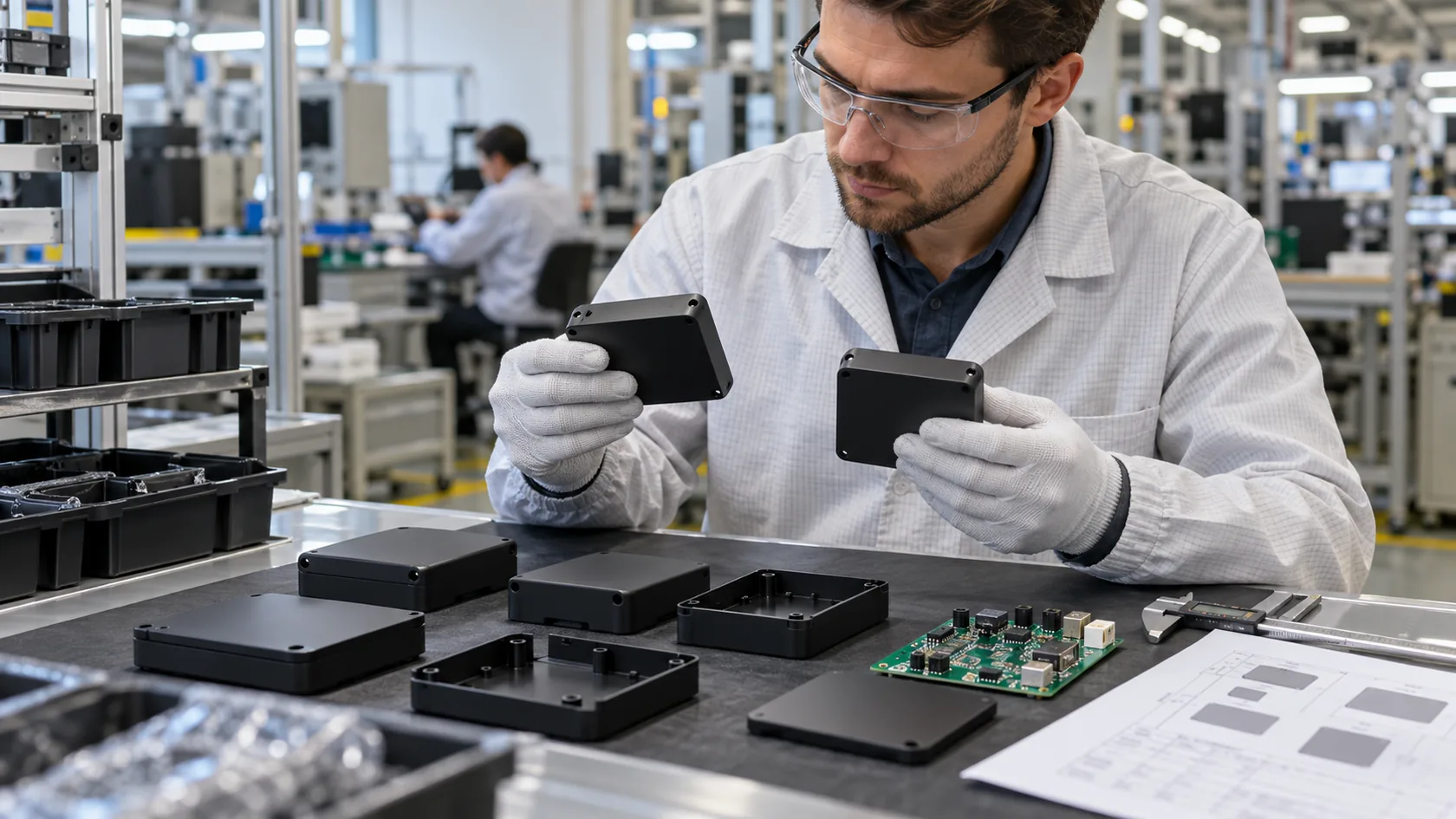
Plastic enclosures can be practical when:
- the environment is indoor or mild
- weight matters
- cost matters
- you need electrical insulation
But I always ask about:
- UV exposure
- heat exposure
- chemical cleaning
Because plastic that looks fine in month one can become brittle or chalky in year two if it is the wrong grade.
Surface Finishing and Coating Options
Finish is not decoration. Finish is protection.
Powder coating
Good for corrosion protection when done correctly. But chips can expose base metal.
Anodizing
Works well for aluminum. It can improve surface hardness and corrosion behavior, but it does not “fix” poor surface prep.
Electropolishing
Often used for stainless steel when hygiene and corrosion performance matter.
A simple finish decision table:
| Finish | Best for | Watch-outs |
|---|---|---|
| Powder coat | steel, indoor/outdoor | chips become rust points |
| Anodizing | aluminum | uneven prep shows up fast |
| Electropolish | stainless steel | cost, process control |
If you’re thinking, “Okay, but what do people get wrong most often?”—good. That’s the next section.
Common Mistakes When Buying NEMA Rated Enclosures
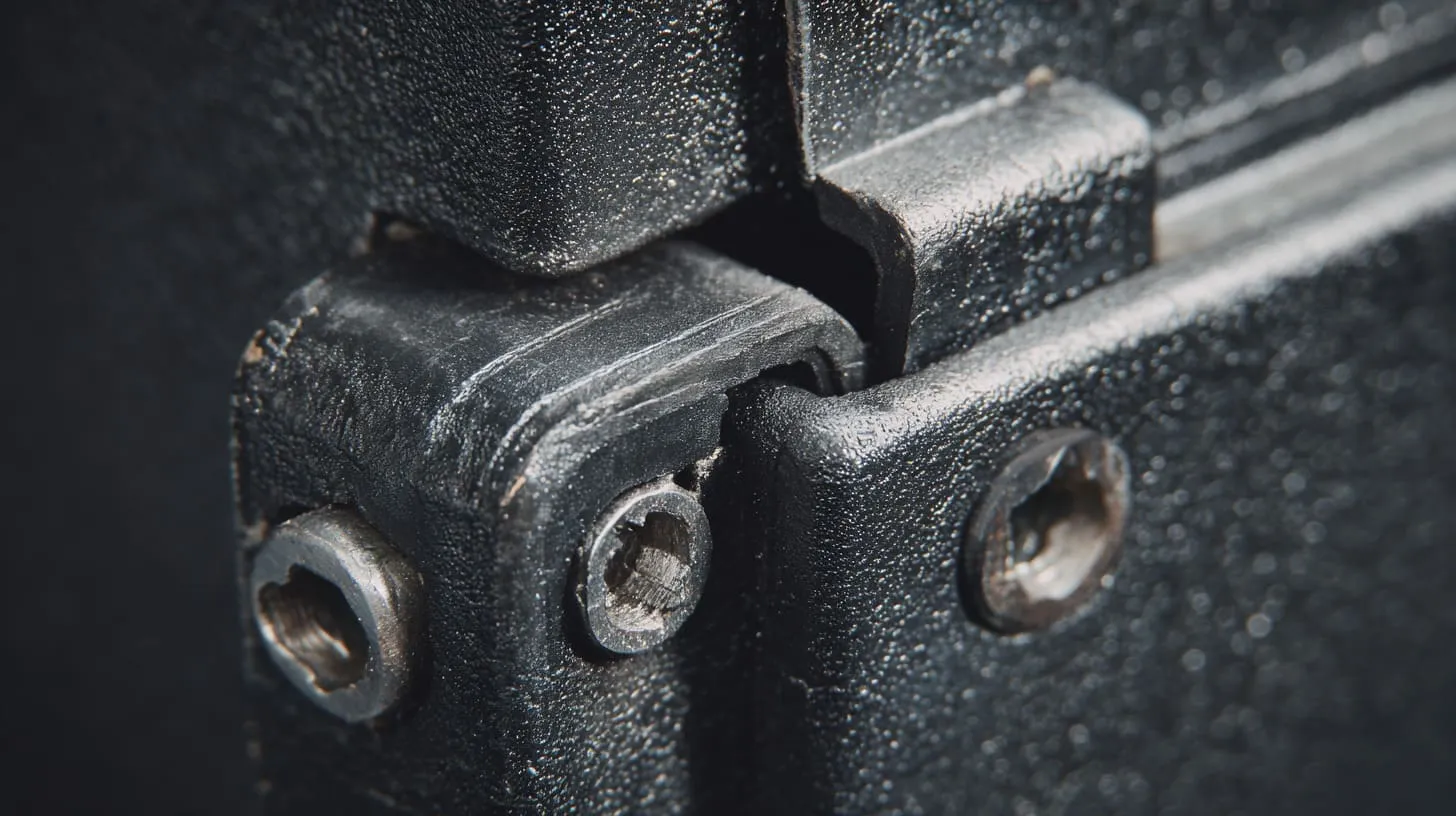
I’ve worked with enough buyers to know this: mistakes are rarely “stupid.” They’re usually rushed. Or they come from assumptions that feel reasonable until reality shows up.
Over-Specifying Protection
I’ve seen buyers insist on 4X when 12 was enough. It often comes from fear of failure, which I respect. But fear-based specs can become silent budget killers.
A practical example:
If the enclosure lives indoors in a dry factory area, paying for heavy corrosion resistance may not add real value.
I like to ask: What is the worst real exposure you expect, not the worst imaginable one?
Ignoring Gasket and Seal Quality
This is a big one. A rating means little if the gasket is cheap or badly installed.
Common seal problems I see:
- gasket material not matched to chemicals
- uneven compression
- corners lifting after heat cycles
- door misalignment that leaves a thin leak path
Seal quality is boring until it is the reason your customer loses trust.
Forgetting Cable Entry Protection
Even a great enclosure can fail through a bad cable entry.
I tell buyers: “A hole is a hole.”
If cable glands are not sealed correctly, water and dust will not politely stop at the enclosure wall.
Here is a quick reminder table:
| Weak point | Why it fails | Fix |
|---|---|---|
| Cable entry | gaps, wrong gland | correct gland + proper install |
| Door seam | uneven compression | better gasket + alignment |
| Venting | open path for moisture | rated vents, planned airflow |
Not Considering Custom Modifications
This one matters a lot for OEM work.
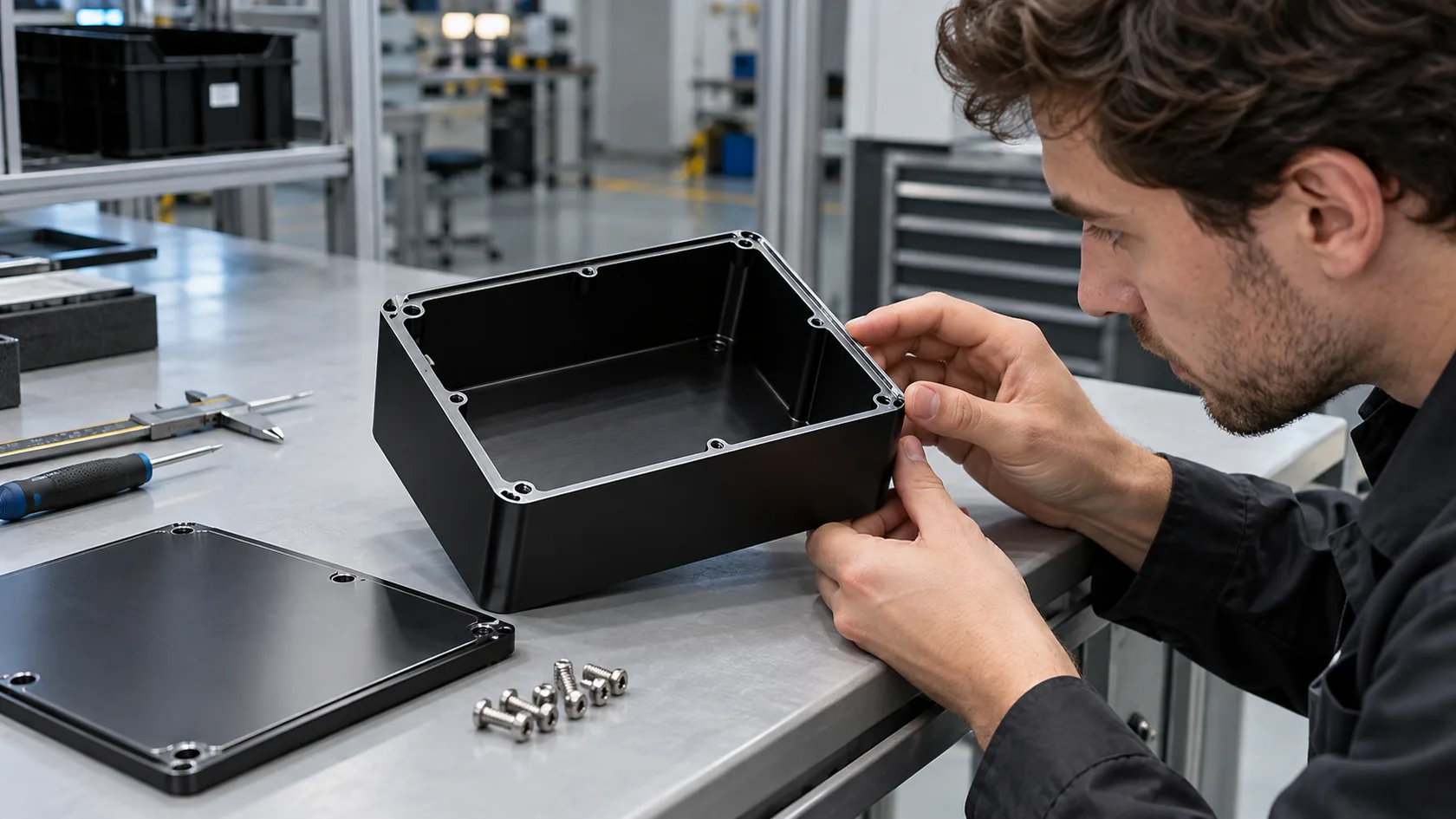
Cutouts, logo engraving, and extra holes are normal. But they can change sealing behavior.
Cutouts and rating integrity
- CNC cutouts must be planned with sealing surfaces in mind
- Sharp corners can create stress points
- Incorrect placement can weaken structure
Maintaining integrity after machining
I like to review:
- edge finishing
- gasket paths
- hardware placement
- tolerance stack-up
A small cutout mistake can become a big leak problem, and the buyer usually finds out too late.
If you’re building OEM products, this leads to the next question: how do you customize while still keeping the rating meaningful?
Custom NEMA Enclosures for OEM Projects
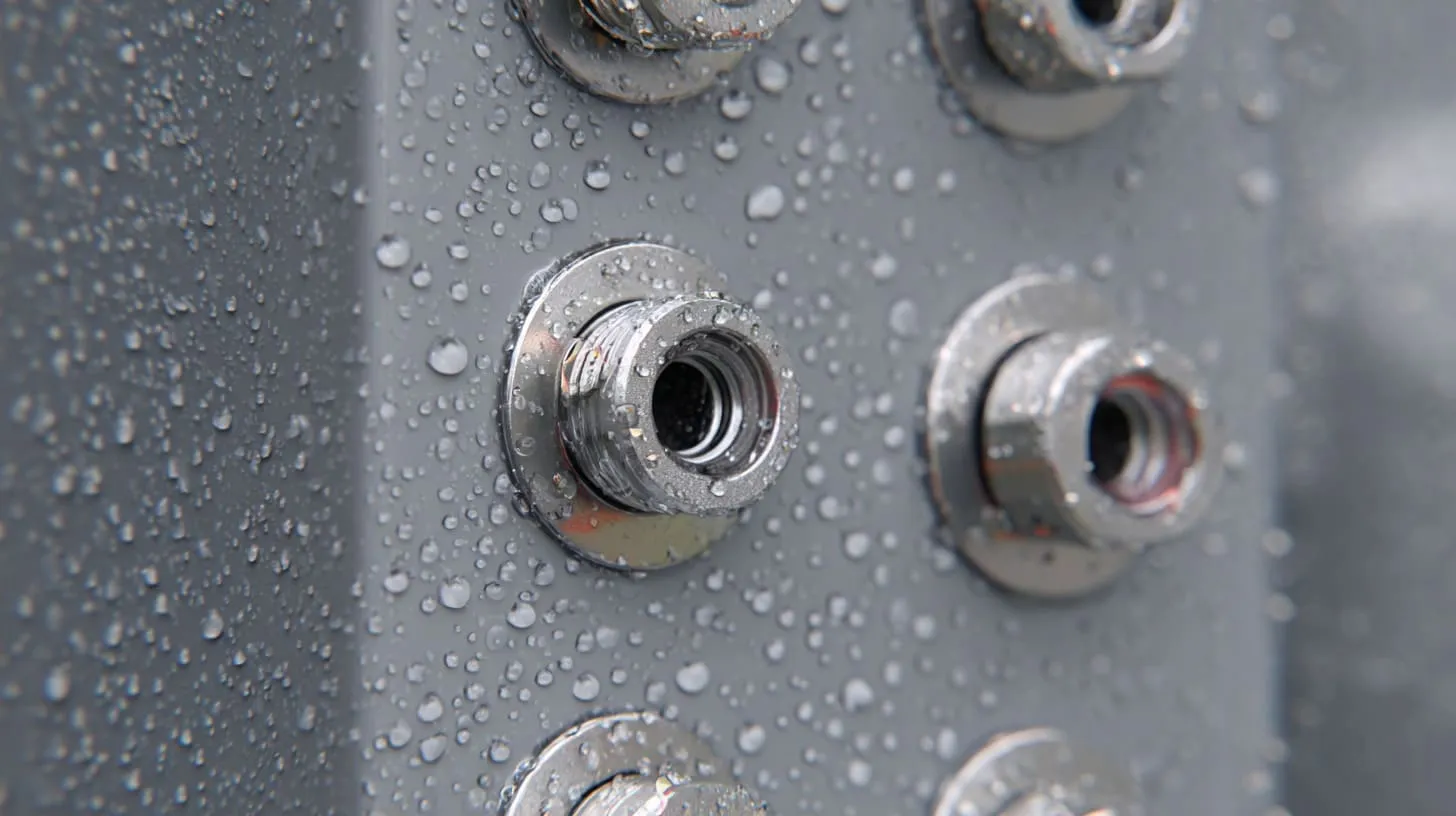
This is the part I enjoy most, because custom work is where engineering thinking meets real business pressure.
Why Customization Matters
A standard enclosure can be “close,” but OEM projects rarely want “close.” They want:
- board fits perfectly
- connectors line up cleanly
- branding looks consistent
- assembly is fast
I’ve worked with engineers like Davide who send clean CAD, then ask one small question:
“Vincent, can you also make it easier to assemble without extra brackets?”
That question is gold, because it shows the goal is not just protection. It is total product experience.
Matching internal board layout
I focus on:
- mounting bosses
- standoff positioning
- internal clearances
- cable routing space
Thermal management considerations
Thermal design is a quiet trap. A high rating enclosure can also reduce airflow. So you need to think about:
- heat sinks
- thermal pads
- vents (if allowed)
- internal spacing
A simple OEM trade-off table:
| Need | What it pushes you to do | What it can hurt |
|---|---|---|
| Higher sealing | tighter enclosure | heat buildup risk |
| More cutouts | better usability | sealing complexity |
| Thinner walls | lower cost | strength and sealing surface |
Logo Printing and Branding
Branding is not just marketing. It is also a “trust signal” for end users.
Laser engraving vs silk screen printing
- Laser engraving feels permanent and clean.
- Silk screen printing can be vivid and clear, but it needs proper process control.
The key is not the method. The key is whether the method damages surfaces, creates weak points, or conflicts with coatings.
| Branding method | Strength | Risk |
|---|---|---|
| Laser engraving | durable, premium feel | needs process control on coated parts |
| Silk screen | good visibility | can wear if harsh cleaning happens |
Maintaining enclosure integrity
I always check that branding does not interfere with:
- sealing surfaces
- gasket paths
- corrosion protection layers
Working with a Factory Partner
This is where I’ll be honest: many project delays are communication delays.
I’ve seen John-type buyers who are creative and fast. They want to iterate. They want quick samples. They want answers without long back-and-forth.
So I try to keep the process clear:
Engineering review before production
- review environment and rating target
- confirm cutouts and sealing design
- confirm material and finish
Sample validation process
I like to recommend a simple validation plan:
- fit check
- seal check
- cable entry check
- basic exposure simulation (based on real use)
Lead time and quality control checkpoints
Even a small checklist helps:
- gasket inspection
- door alignment check
- coating thickness and adhesion checks
- hardware torque and assembly fit
If you do these steps early, you reduce surprises later.
And now we’re at the final step: pulling the whole guide into a practical conclusion you can actually use when you buy.
Conclusion
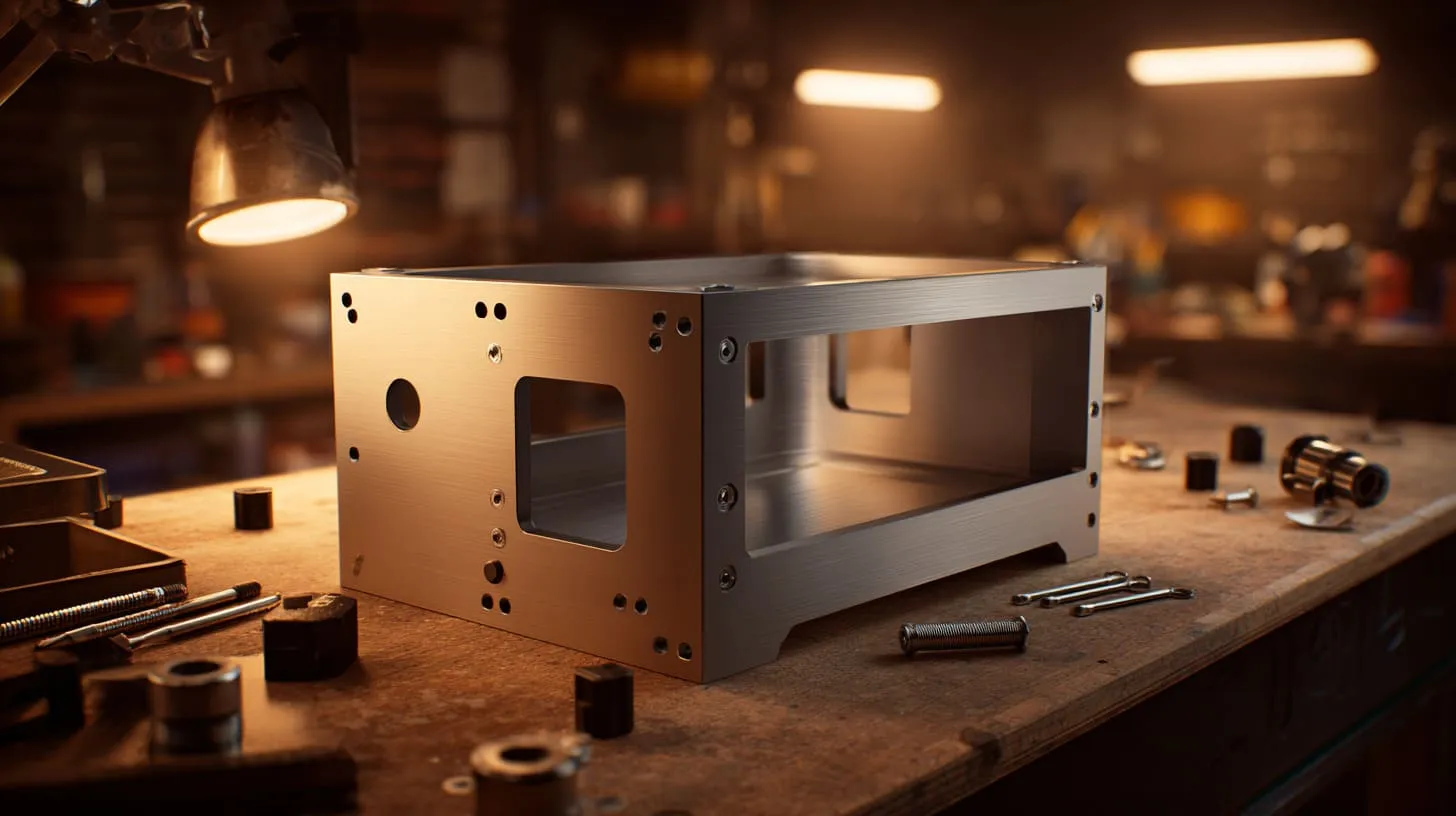
When I step back and look at all the NEMA projects I’ve touched, the pattern is simple: the best results come from matching the rating to the real environment, and then supporting that rating with the right material, finish, sealing, and cable entry design.
Key Takeaways Before You Buy
- I always match rating to real exposure, not assumptions.
- I balance cost and protection by asking: what will actually happen to this enclosure over years, not days?
- I confirm rating integrity after customization, because cutouts and branding can change sealing behavior.
Final Checklist for Engineers and Buyers
Here is the checklist I personally use before I tell a buyer, “Yes, this choice makes sense”:
| Checklist item | What I verify | Why it matters |
|---|---|---|
| Environment | indoor/outdoor, washdown, coastal, chemicals | Drives rating choice |
| Material | aluminum, stainless, plastic, coated steel | Drives corrosion and durability |
| Sealing | gasket type, compression, door alignment | Prevents slow failures |
| Cable entry | glands, sealing, placement | Often the real leak path |
| Custom mods | cutouts, branding, machining edges | Keeps rating meaningful |
| Validation | sample checks, basic exposure simulation | Prevents field surprises |
If you want, you can send me your application details (environment, install location, and your cutout plan). I can help you sanity-check the rating choice and suggest materials and sealing details that fit your budget and your real risks. If you need a custom enclosure partner for OEM or wholesale projects, you can also reach me at info@maidatech.com or visit maidatechenclosure.com.