Skip to content
Food safety questions often arrive late in a project.
The design is done. The quote is approved.
Then someone asks, “Is this material really food safe?”
That one question can freeze everything.
304 stainless steel is considered food grade because it is stable, non-toxic, corrosion-resistant, and widely accepted for direct food contact in processing, cooking, and storage when used correctly.
I get this question from engineers, buyers, and brand owners all the time. Some want to avoid risk. Some want to avoid cost. Most want to avoid problems later. So let’s slow this down and look at it clearly.
Is 304 or 316 better for food?
When this question shows up, it is usually about fear, not performance.
304 is enough for most food applications, while 316 is better only when food, water, or cleaners contain salt, acid, or strong chemicals that can attack metal over time.
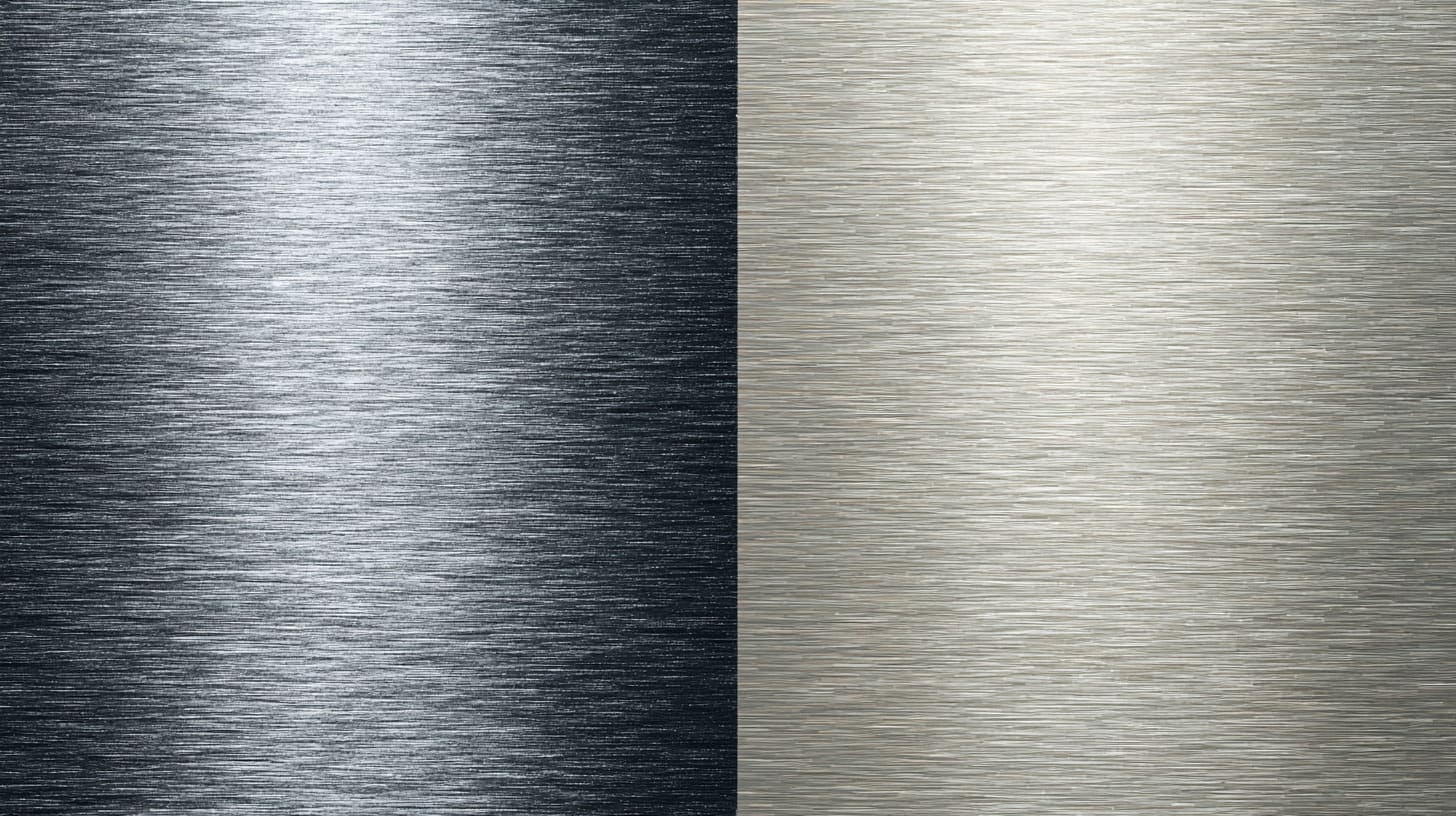
Where 304 works well
304 stainless steel performs well in clean, controlled food environments.
- Dry foods
- Fresh foods
- Home kitchens
- Most commercial kitchens
It is strong.
It is stable.
It does not react with food.
Where 316 becomes safer
316 includes molybdenum. That one element matters.
| Condition | Better choice |
|---|---|
| Normal food prep | 304 |
| Salty foods | 316 |
| Acidic foods | 316 |
| Marine or coastal areas | 316 |
| Heavy chemical cleaning | 316 |
I often see buyers choose 316 “just in case.”
Sometimes that is smart.
Sometimes it is just expensive comfort.
What foods should not touch 304 steel?
This is where context matters.
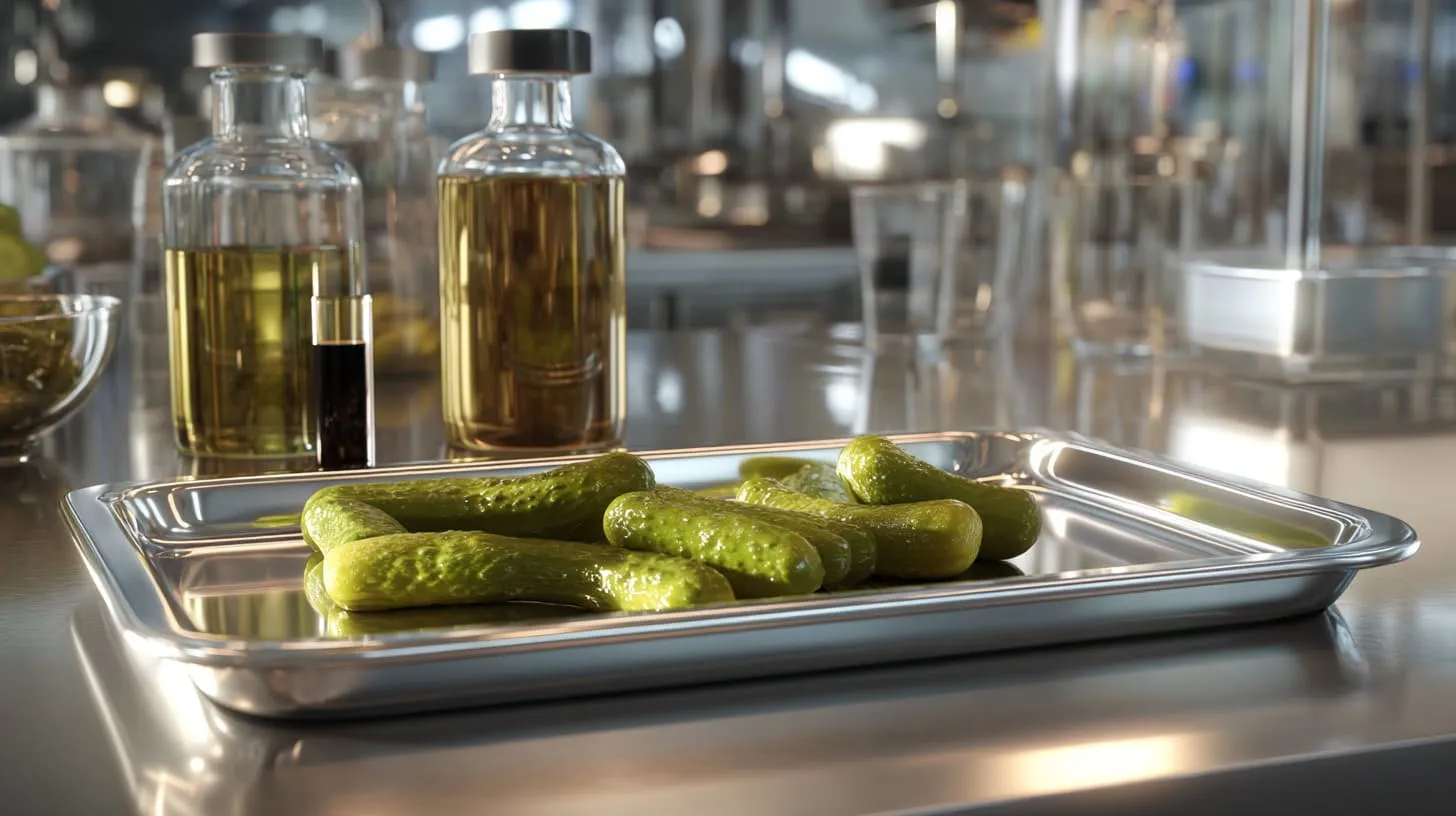
Highly salty, acidic, or fermented foods should not stay in long-term contact with 304 stainless steel, especially at high temperature or with poor surface finish.
Foods that increase risk
304 can handle short contact. Long contact is different.
- Pickled foods
- Vinegar-based sauces
- Soy sauce
- Brine
- Fermented liquids
Why surface finish matters
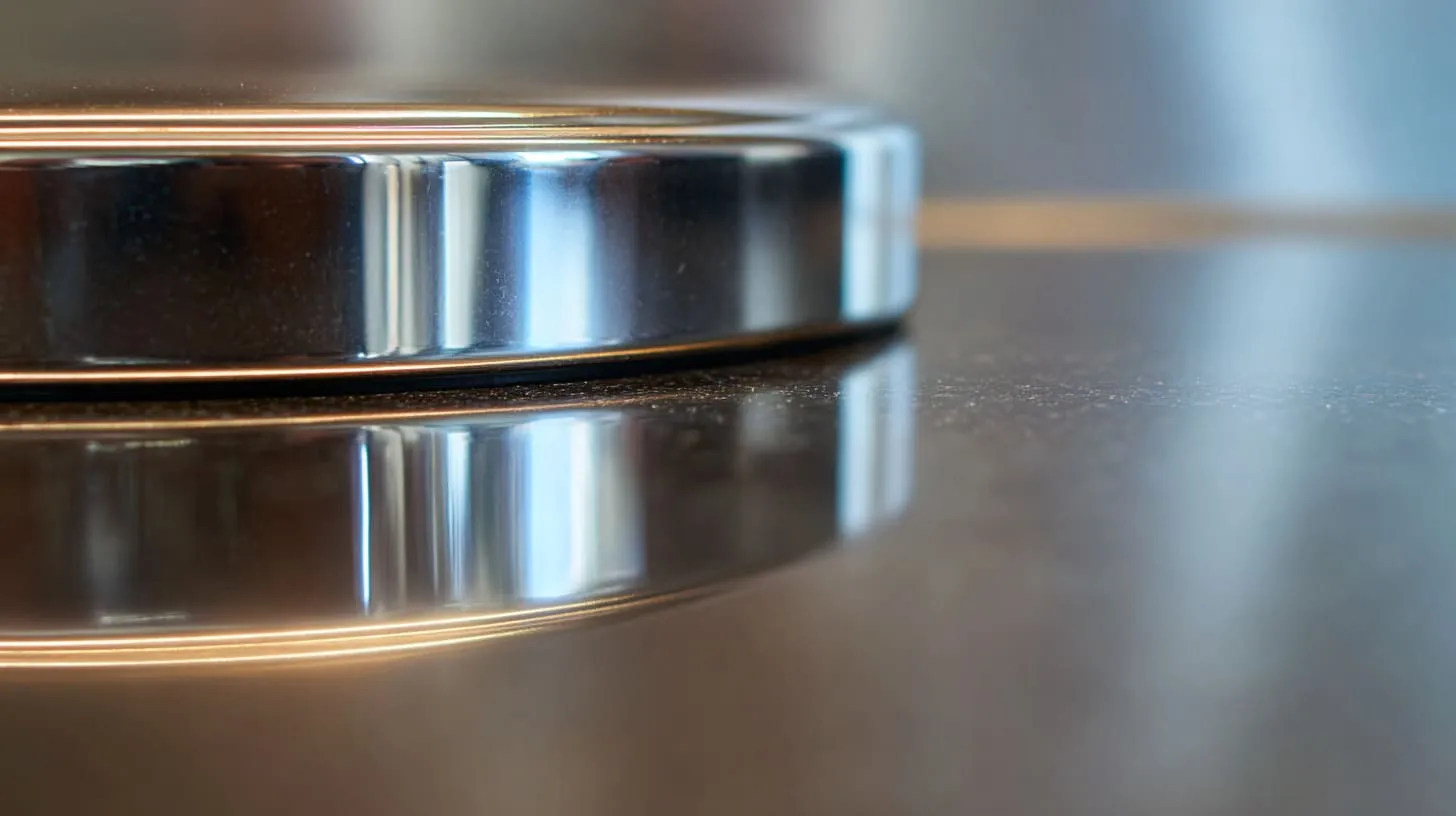
A smooth surface resists corrosion better.
| Surface | Risk level |
|---|---|
| Mirror polished | Low |
| Brushed | Medium |
| Rough or welded poorly | High |
In factories, failures often start at welds, not sheets.
Is 304 stainless steel safe for drinking water?
Yes. With one condition.
304 stainless steel is safe for drinking water when water quality is controlled and chloride levels are not high for long periods.
Where it is commonly used
- Water tanks
- Pipes
- Valves
- Dispensers
Where problems show up
High chlorine or stagnant water can attack 304 slowly.
| Water condition | Risk |
|---|---|
| Fresh municipal water | Low |
| Chlorinated water | Medium |
| Salt-rich water | High |
For long-term water storage, some clients switch to 316.
What are the disadvantages of 304 stainless steel?
Every material has limits. 304 is no exception.
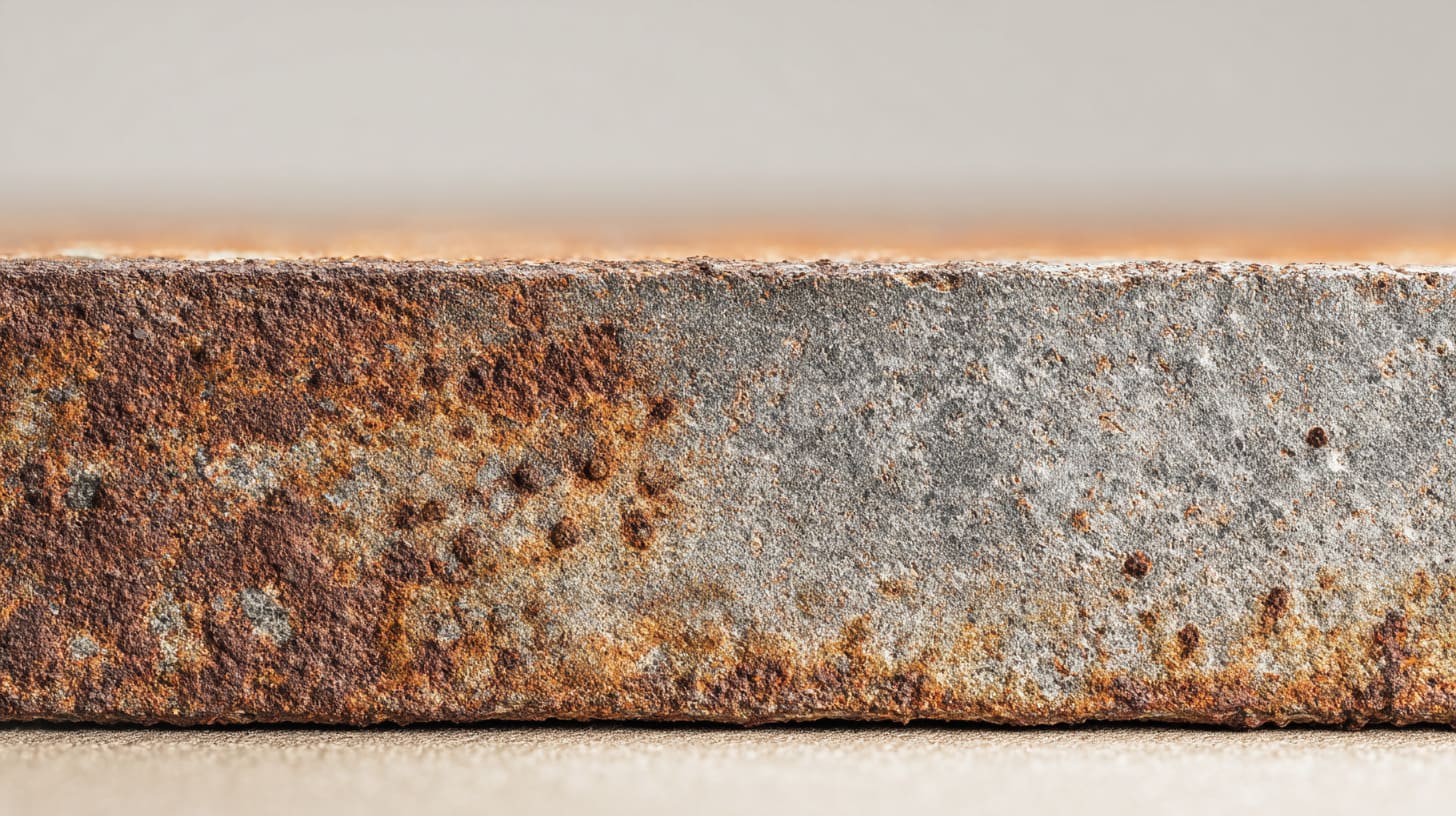
304 stainless steel can corrode under salt, acid, or aggressive cleaning, and it costs more than carbon steel while offering less resistance than 316 in harsh environments.
Main disadvantages
- Not ideal for marine environments
- Sensitive to chlorides
- Can pit if surface is damaged
- Higher cost than basic steel
What I see in real projects
Most failures come from:
- Wrong cleaning chemicals
- Poor welding
- Bad surface finishing
Not from the grade itself.
Is 304 stainless steel ok for cooking?
Yes. This one is simple.
304 stainless steel is safe for cooking because it does not release harmful substances, stays stable under heat, and does not change food taste.
Common cooking uses
- Pots
- Pans
- Cooktops
- Baking equipment
What to watch
Avoid deep scratches.
Avoid soaking salty food overnight.
That advice applies to most metals.
Is 304 stainless steel considered food grade?
Yes. This is not marketing language.
304 stainless steel is widely recognized as food grade by industry standards, manufacturers, and food safety authorities worldwide.
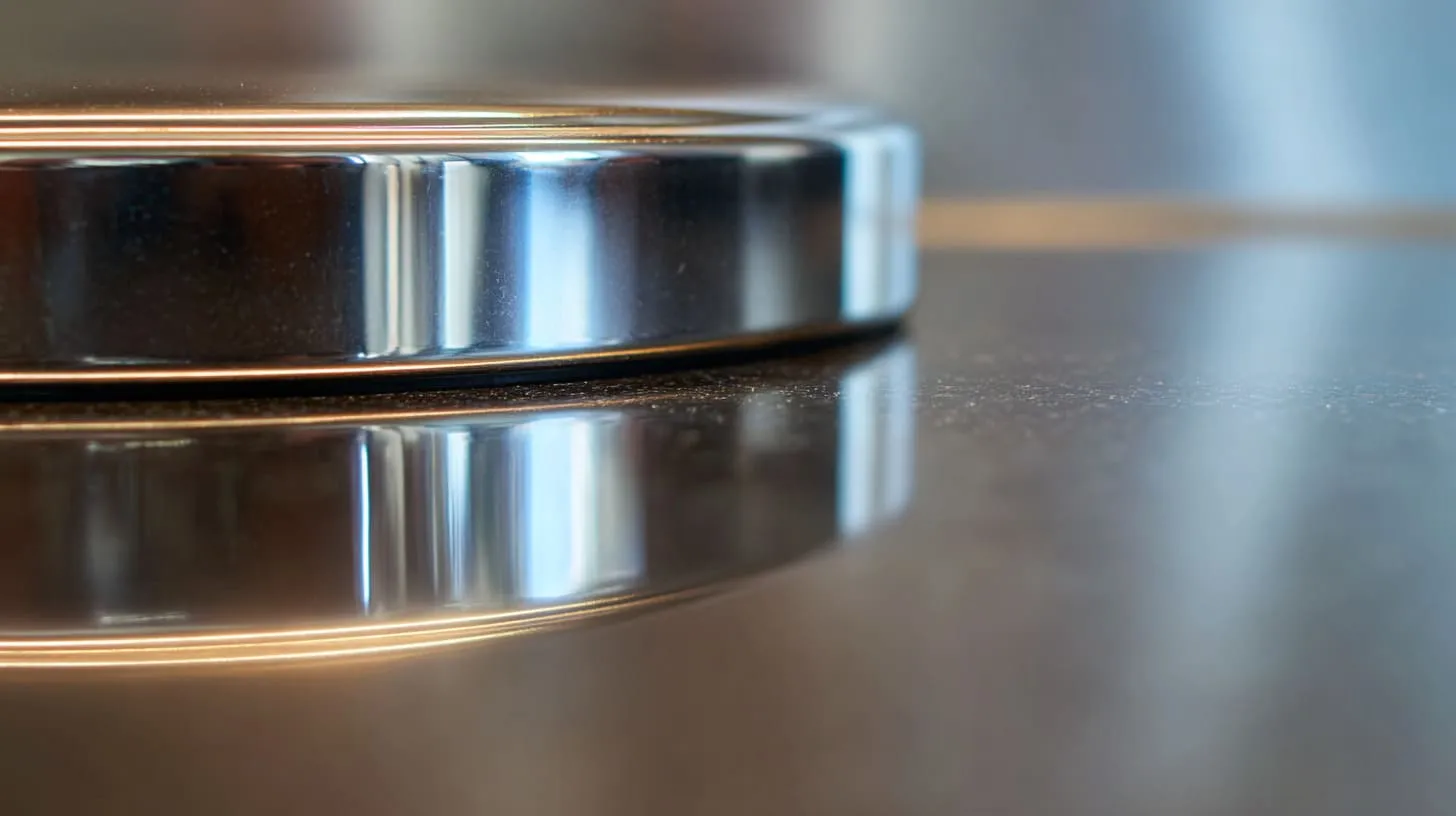
Why it earns that label
- Stable alloy structure
- No toxic leaching
- Easy to clean
- Proven long-term use
Food grade does not mean “perfect.”
It means “safe when used correctly.”
What makes stainless steel food grade?
This question goes beyond numbers.
Food-grade stainless steel must resist corrosion, avoid chemical reaction with food, allow proper cleaning, and maintain surface integrity over time.
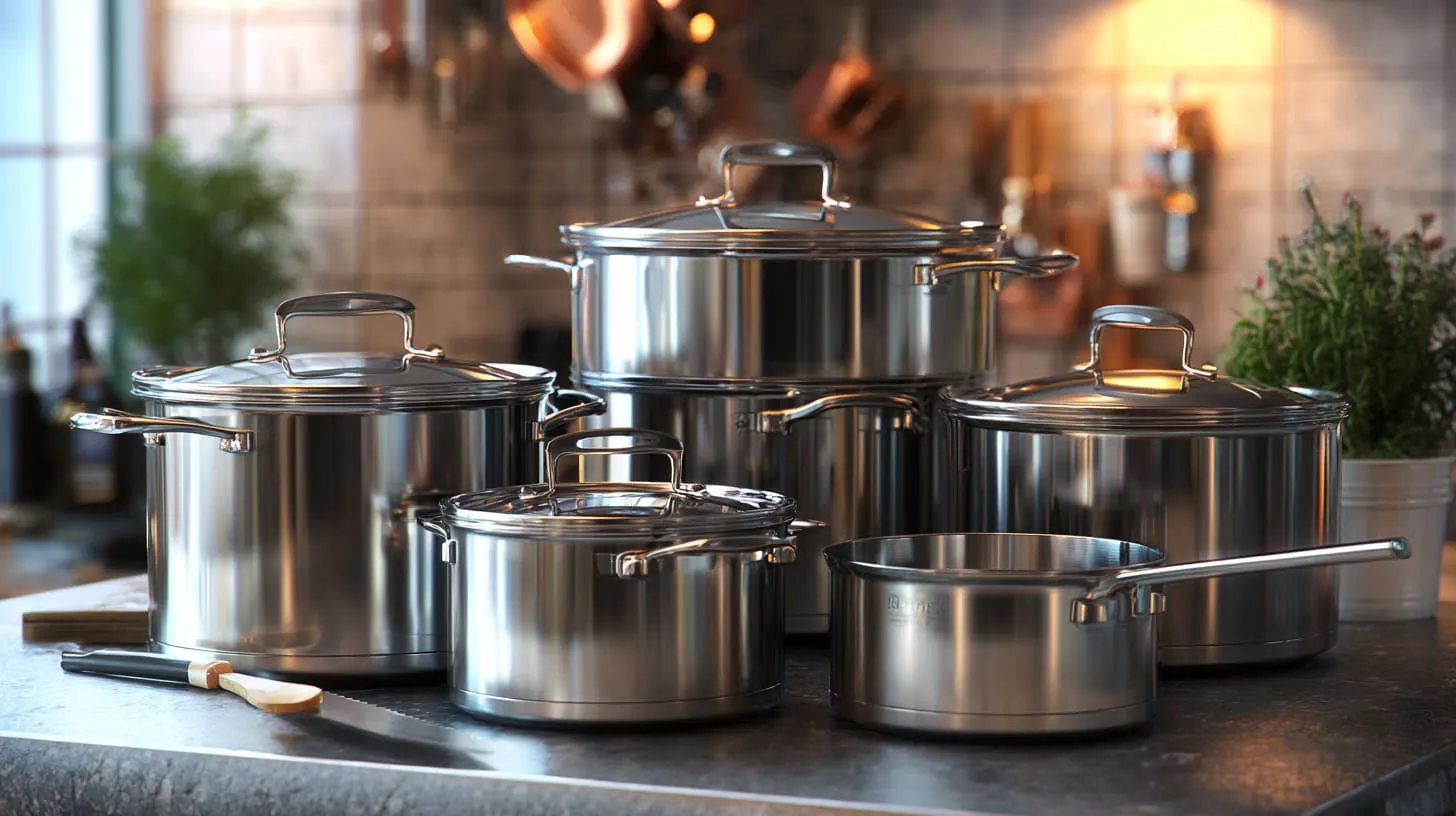
Core factors
| Factor | Why it matters |
|---|---|
| Alloy composition | Prevents reaction |
| Surface finish | Reduces bacteria |
| Cleanability | Supports hygiene |
| Durability | Long-term safety |
Grade alone is not enough.
Process quality matters just as much.
Is 304 stainless steel safe for food contact applications?
Yes, and this is where it shines.
304 stainless steel is safe for direct food contact in trays, containers, enclosures, and equipment used across food processing and handling.
Typical applications
- Food trays
- Covers
- Enclosures
- Conveyor parts
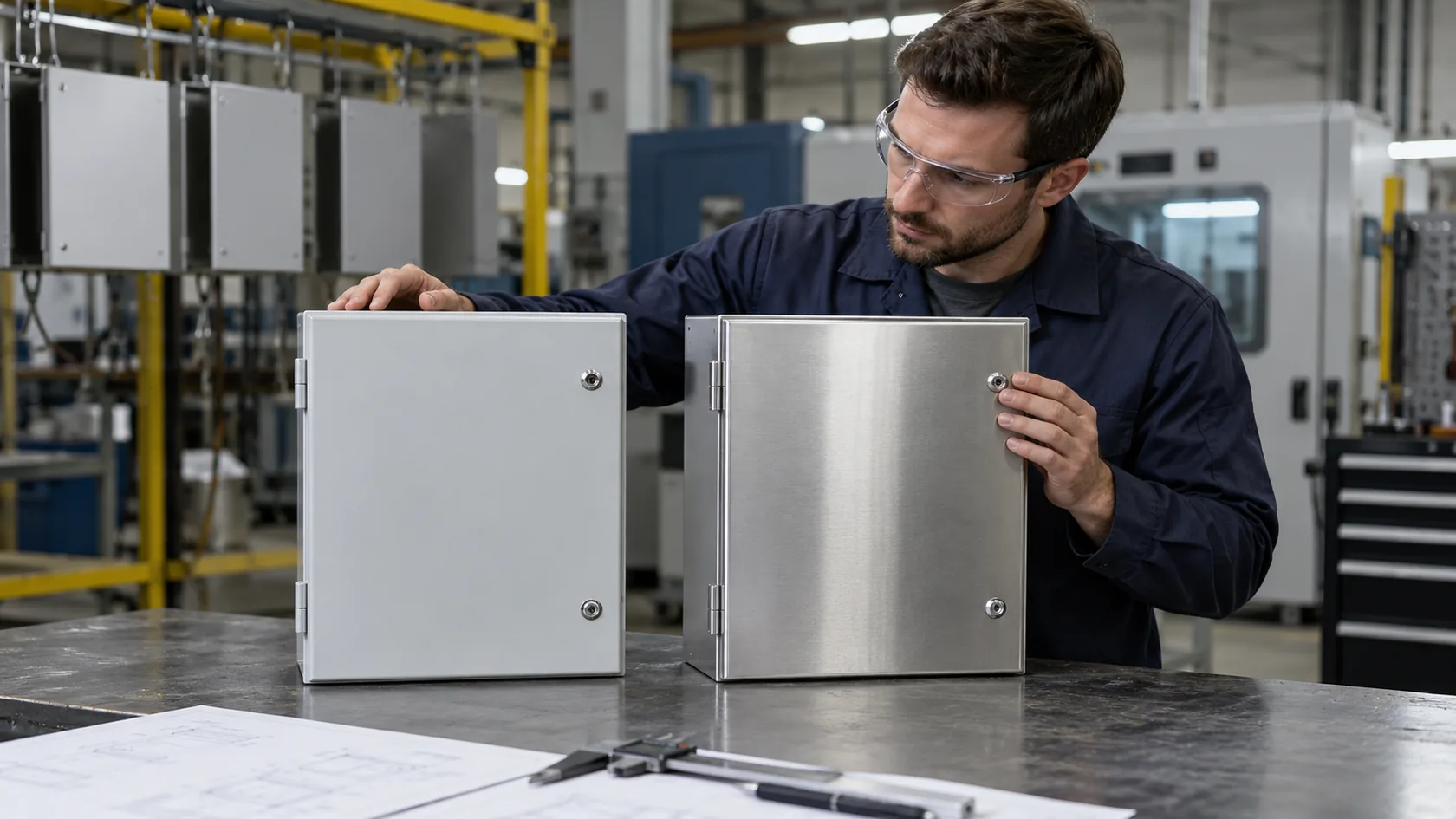
I see it daily in food-related enclosure projects.
What is the difference between 304 and 316 stainless steel for food use?
One element changes the story.
316 stainless steel adds molybdenum, which improves resistance to salt, acid, and chemicals, while 304 remains the standard choice for general food use.
| Feature | 304 | 316 |
|---|---|---|
| Cost | Lower | Higher |
| Salt resistance | Medium | High |
| Acid resistance | Medium | High |
| Typical food use | Most cases | Harsh cases |
Does 304 stainless steel meet FDA food-grade requirements?
Yes. When manufactured correctly.
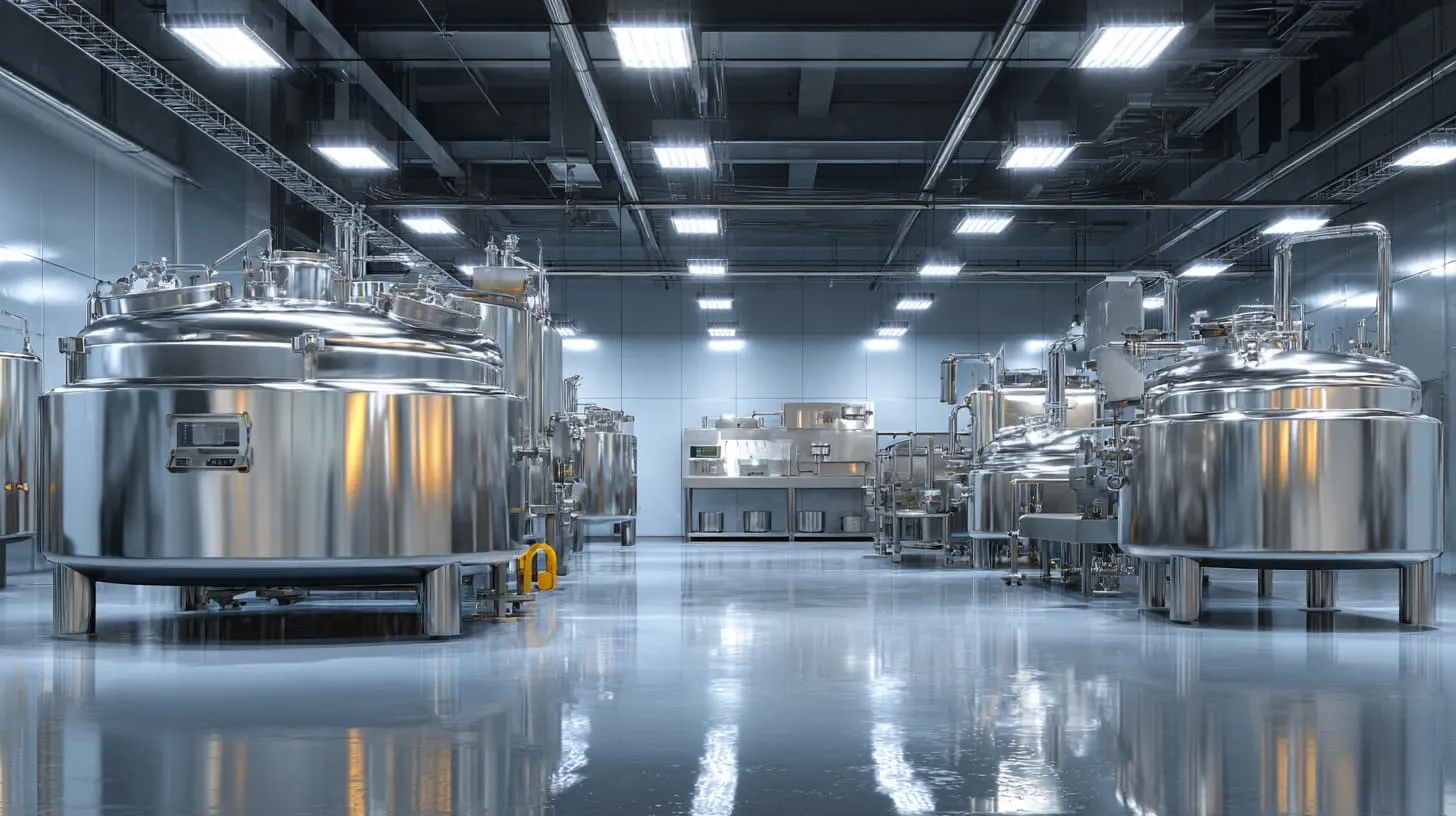
304 stainless steel meets FDA food-contact requirements when it is properly processed, finished, and cleaned according to industry standards.
The FDA focuses on safety, not branding terms.
Material behavior matters more than labels.
Is 304 stainless steel suitable for commercial kitchen equipment?
Yes. This is why it is everywhere.
304 stainless steel is suitable for commercial kitchens because it balances hygiene, durability, cost, and ease of fabrication.
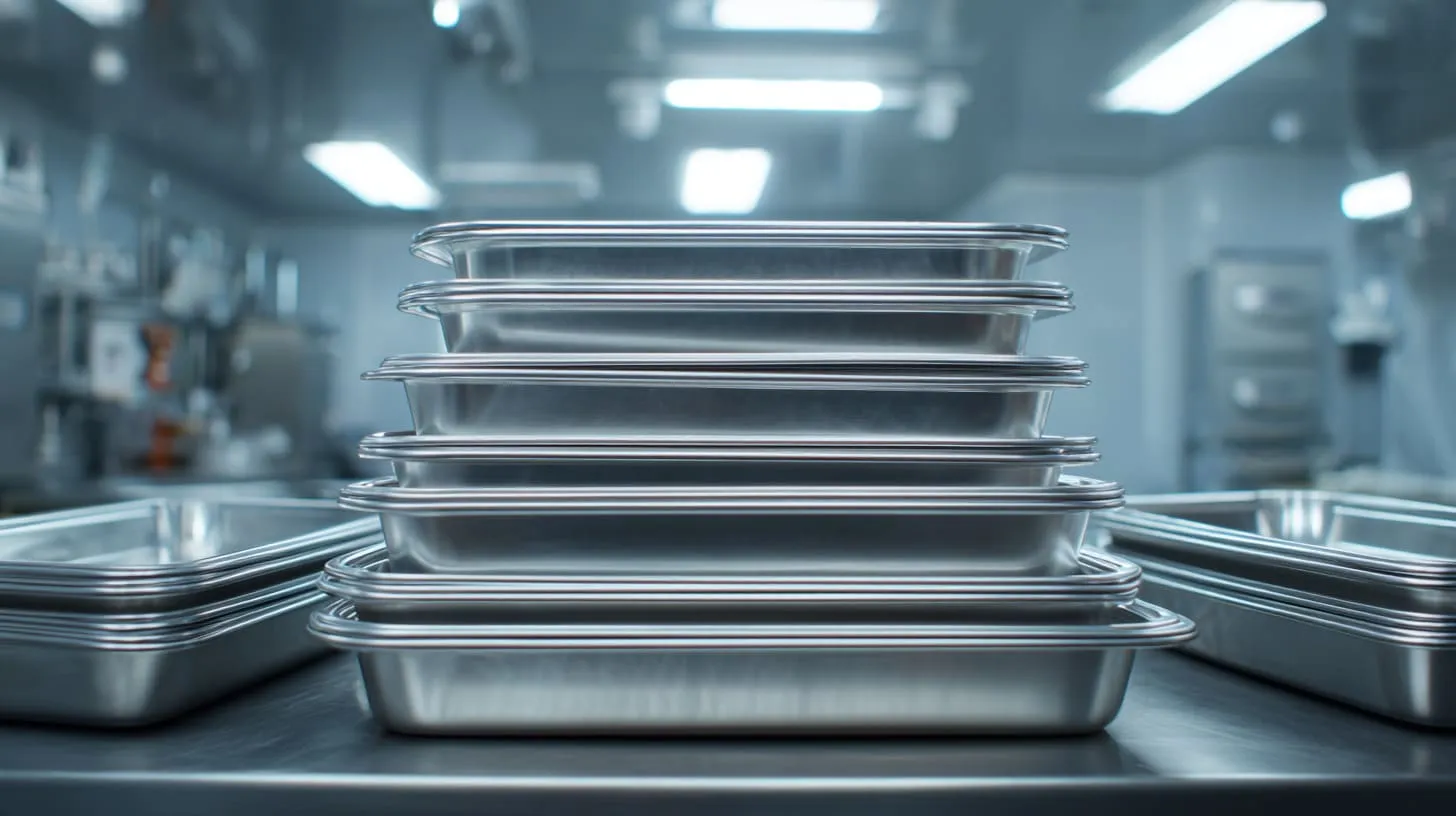
You see it in:
- Work tables
- Shelves
- Enclosures
- Equipment housings
It survives daily abuse when designed well.
Can 304 stainless steel be used for food processing equipment?
Yes. With proper design.
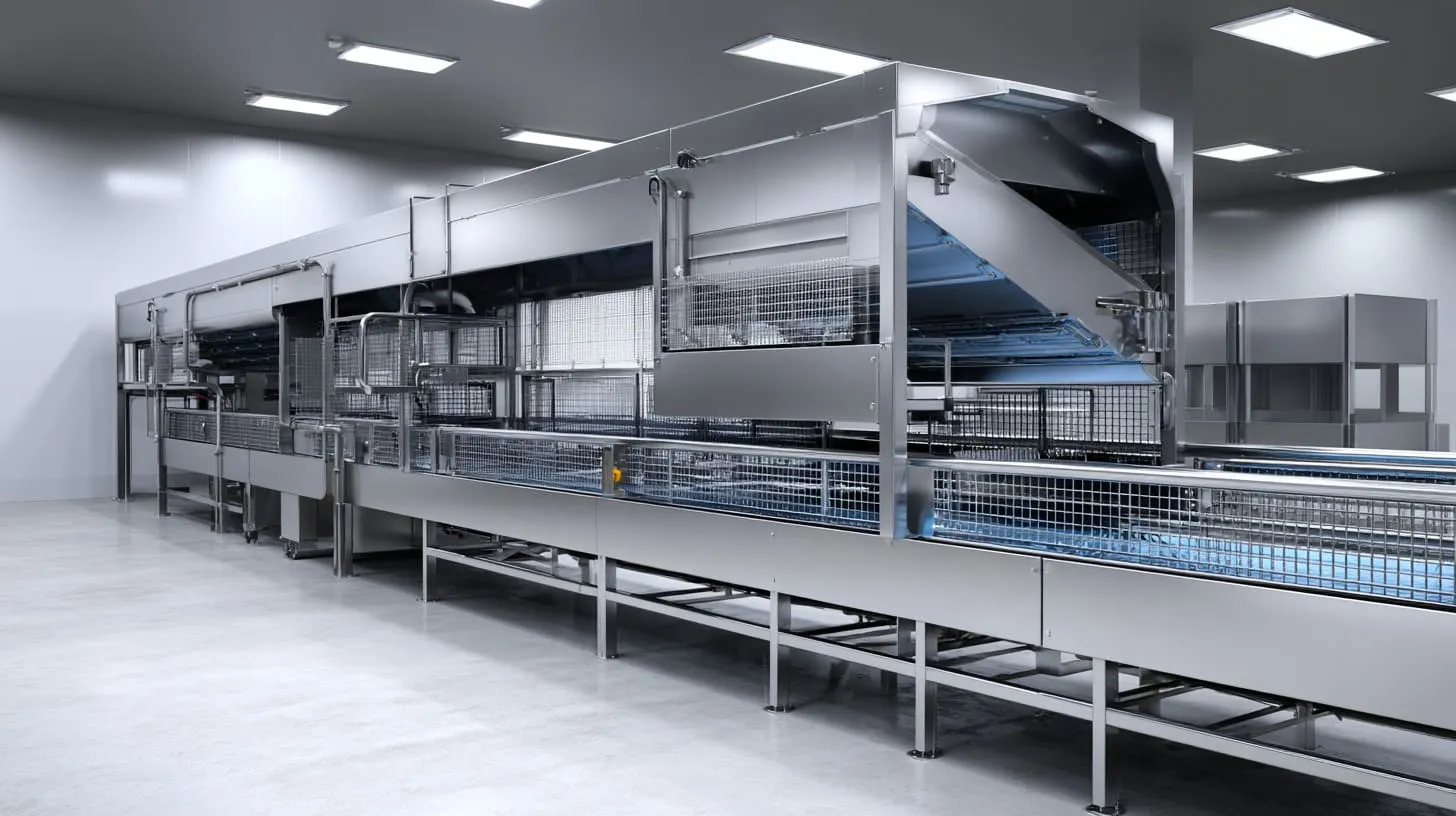
304 stainless steel is widely used in food processing equipment where temperatures, chemicals, and cleaning cycles are controlled.
Design matters
- Smooth welds
- No sharp corners
- Easy drainage
Good design protects good material.
Is 304 stainless steel resistant to corrosion from food and cleaning chemicals?
Partly. Not fully.
304 stainless steel resists most food exposure and mild cleaners but can corrode under high salt, acid, or aggressive chemical cleaning over time.
This is where misuse creates blame.
When should food manufacturers choose 316 stainless steel instead of 304?
There are clear signals.
Food manufacturers should choose 316 when dealing with salty, acidic, or chemically aggressive environments, or when long-term corrosion risk is unacceptable.
If downtime costs more than material, choose 316.
Is 304 stainless steel acceptable for long-term food contact?
Yes. With awareness.
304 stainless steel is acceptable for long-term food contact when food type, cleaning process, and surface condition are well controlled.
Long-term safety is about habits, not just metal.
Conclusion
304 stainless steel is food grade, safe, and practical in most food applications. If you are unsure where your project sits, talk to someone who understands both material and use. I am always open to that conversation.