Skip to content
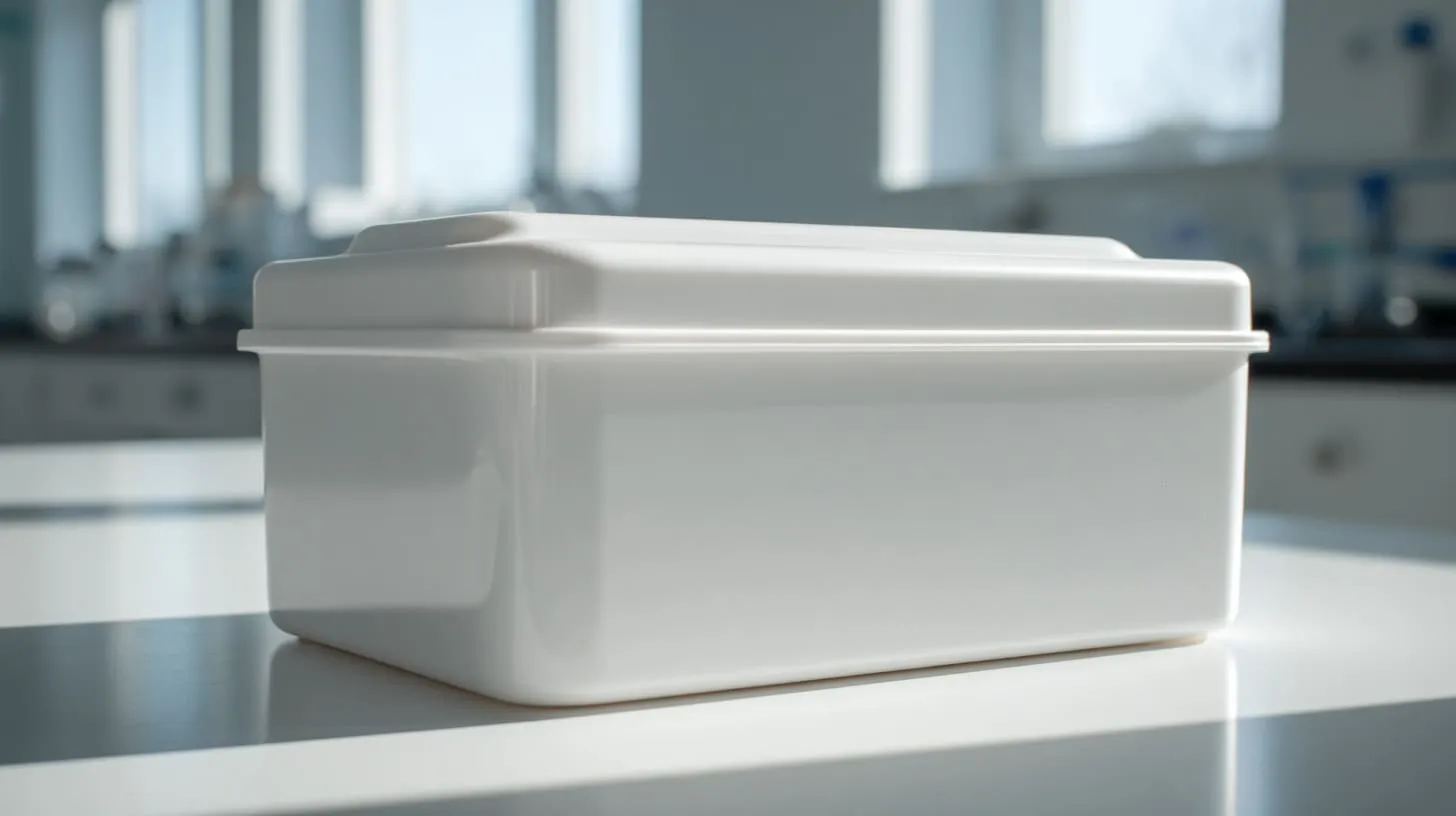
One of my clients recently paused mid-conversation, picked up the molded part we had just reviewed, and asked quietly, “Can this actually touch food?” The part looked great—smooth, sturdy, perfectly machined. But that one question shifted the focus completely.
ABS plastic can be food safe, but only certain grades meet the required safety standards.
That moment reminded me: in product design, food safety isn’t just a checkbox. It’s chemistry, compliance, and context. Let’s break it down simply.
Is ABS plastic non-toxic?
Toxicity is usually the first concern, and it should be.
Yes, ABS plastic is generally non-toxic in its pure form and does not contain BPA or heavy metals.
ABS is stable—but with conditions
ABS is known for its mechanical strength and chemical resistance. But the keyword here is unmodified. Some colorants, additives, or recycled fillers can introduce risk. That’s why it matters where and how the ABS was made.
- Pure ABS: Non-toxic
- Modified ABS: Needs evaluation
- Recycled ABS: Often not food-safe
Is ABS plastic FDA approved?
We’ve all heard the term “FDA-approved,” but what does it actually mean here?
Only specific grades of ABS are FDA compliant when manufactured under strict controls.
FDA compliance is about traceability
The FDA doesn't approve “materials” in general—it reviews how they’re made and used. So a supplier can’t just say “ABS is safe.” They must show documentation that their resin batch meets the 21 CFR 177.1010 regulation (or similar, depending on use case).
| Factor | Compliant ABS | Generic ABS |
|---|---|---|
| Traceable source | ✅ Yes | ❌ Unknown |
| FDA resin grade | ✅ Required | ❌ Often missing |
| Production control | ✅ Strict | ❌ Variable |
What plastics should I avoid for food?
It’s not just about what’s good—it’s about what’s risky.
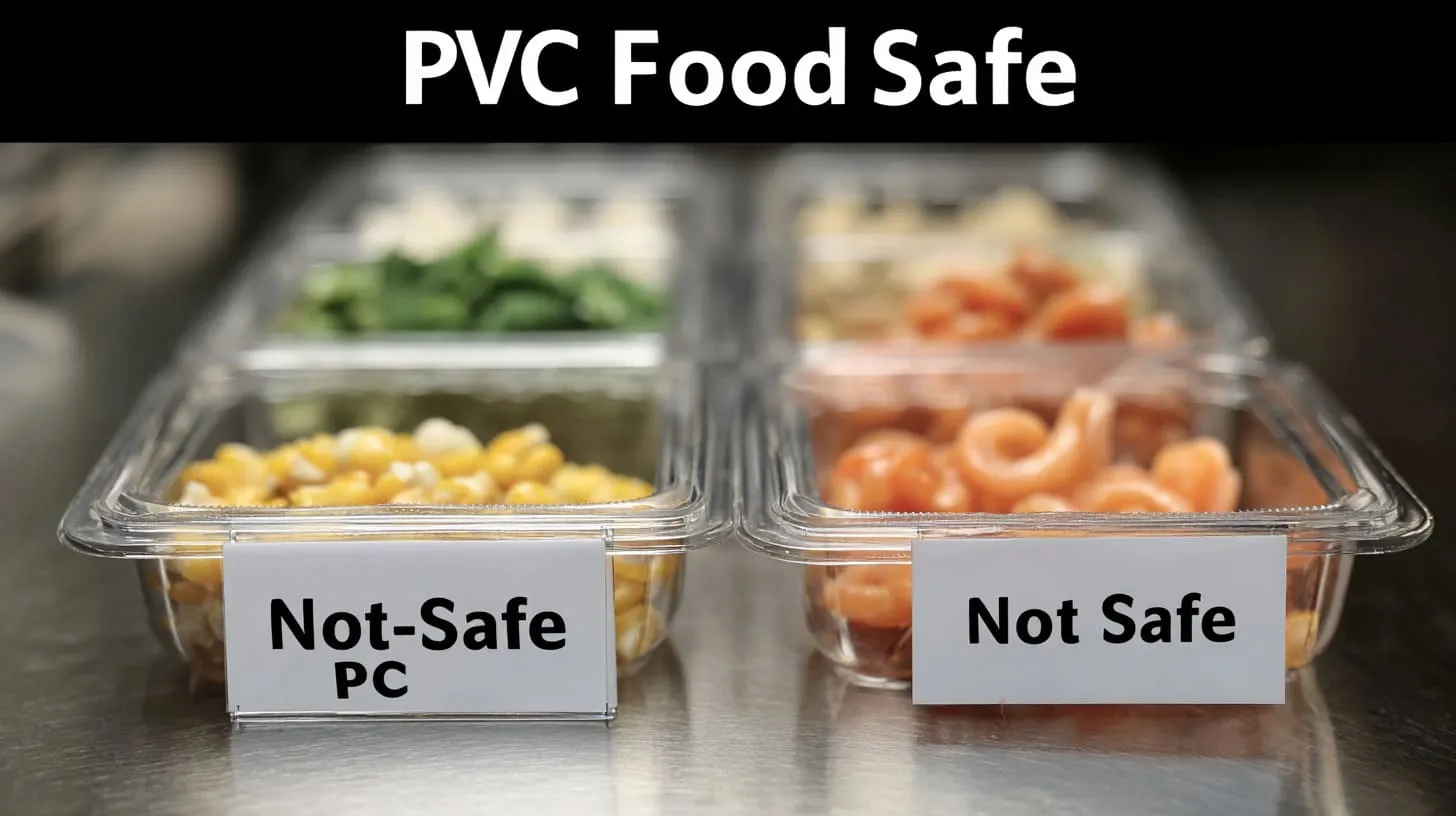
Avoid plastics like PVC, polystyrene (PS), and polycarbonate (PC) unless specifically labeled food-safe.
Some common “no-go” plastics
- PVC (vinyl): May contain phthalates
- Polystyrene (PS): Brittle, can leach styrene
- Polycarbonate (PC): Often contains BPA
ABS isn’t on the banned list. But again—source matters.
Which plastic is the least toxic?
Sometimes, clients want a simple answer: “What’s safest?”
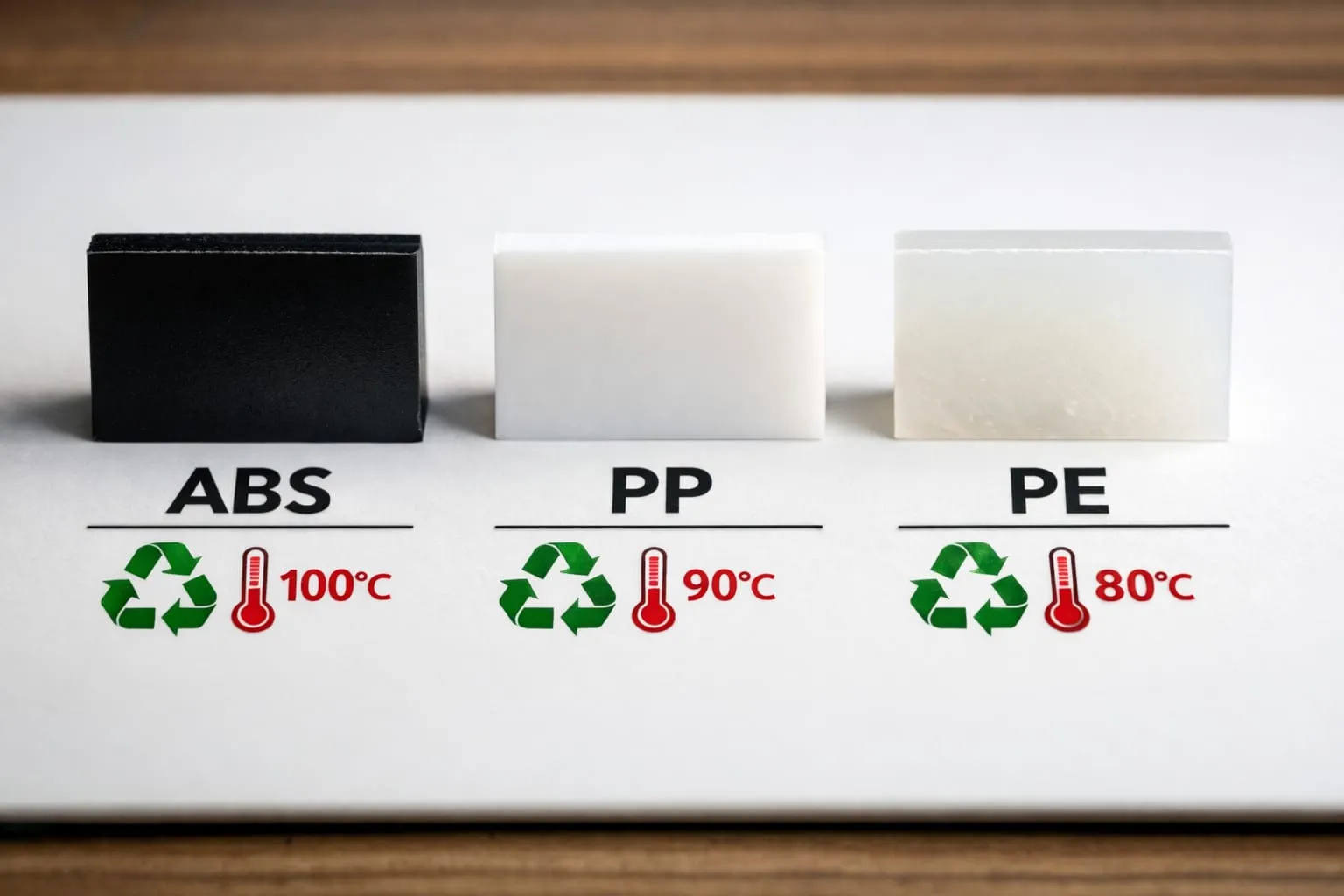
Polypropylene (PP) is often considered the least toxic, especially for food and baby products.
Comparing common food-safe plastics
| Plastic | Toxicity Risk | Heat Tolerance | Reusability |
|---|---|---|---|
| Polypropylene (PP) | Low | High | High |
| Polyethylene (PE) | Low | Medium | Medium |
| ABS | Low–Medium* | Medium | High |
*Only food-grade ABS has low toxicity. Others may vary.
Is it safe to drink from ABS plastic?
This one comes up a lot, especially for custom water dispenser parts.
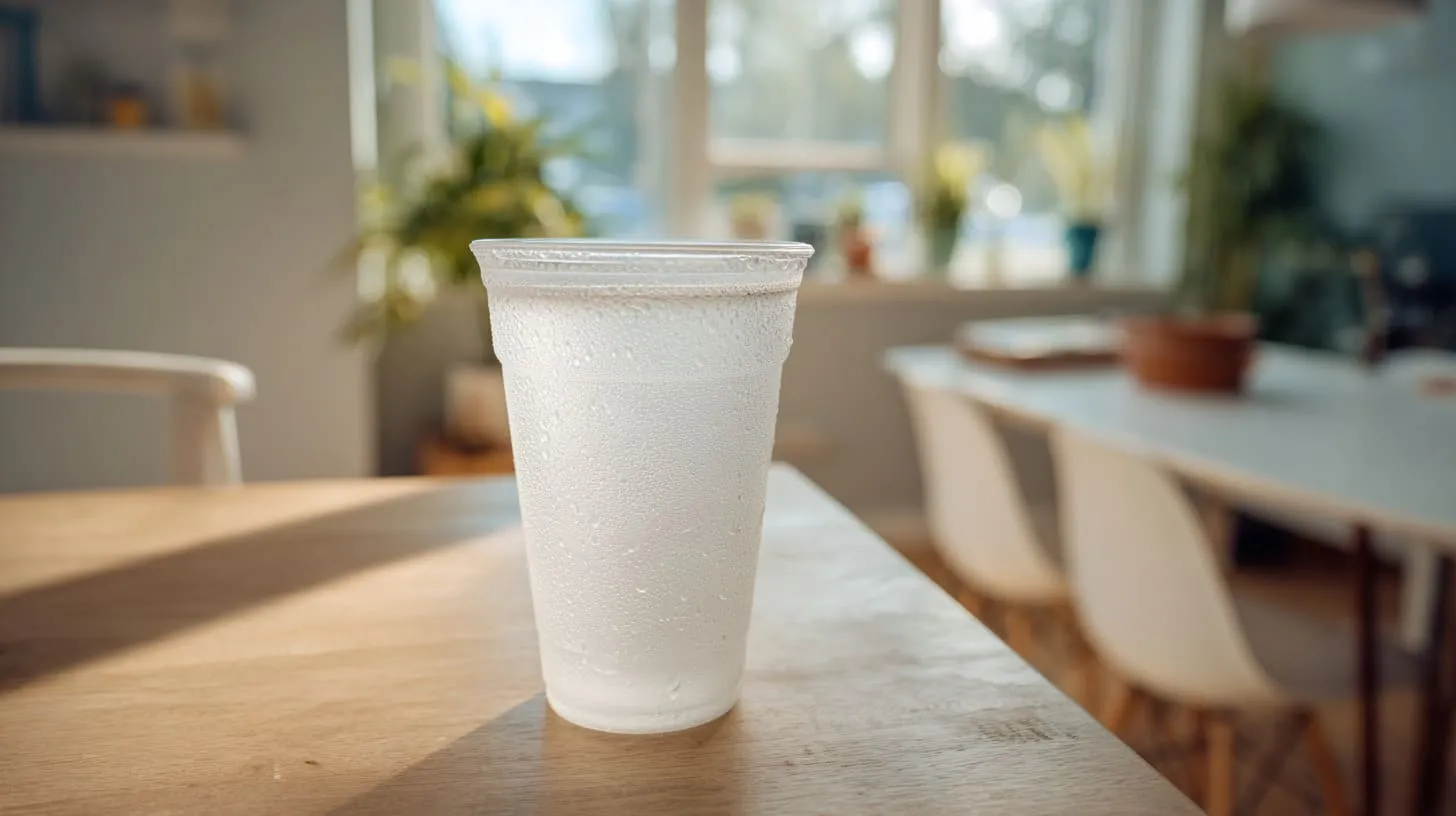
Drinking from food-safe ABS is generally safe—but avoid exposing it to heat or acidic liquids.
Why temperature matters
ABS starts softening above 100°C and may degrade with repeated exposure to hot liquids. Cold drinks? Totally fine. Hot tea in an untested ABS cup? I wouldn’t risk it.
What are the FDA requirements for food-grade plastic?
Every time I work with a U.S. customer, this question surfaces.
FDA requirements include chemical stability, traceability, and clean manufacturing under 21 CFR guidelines.
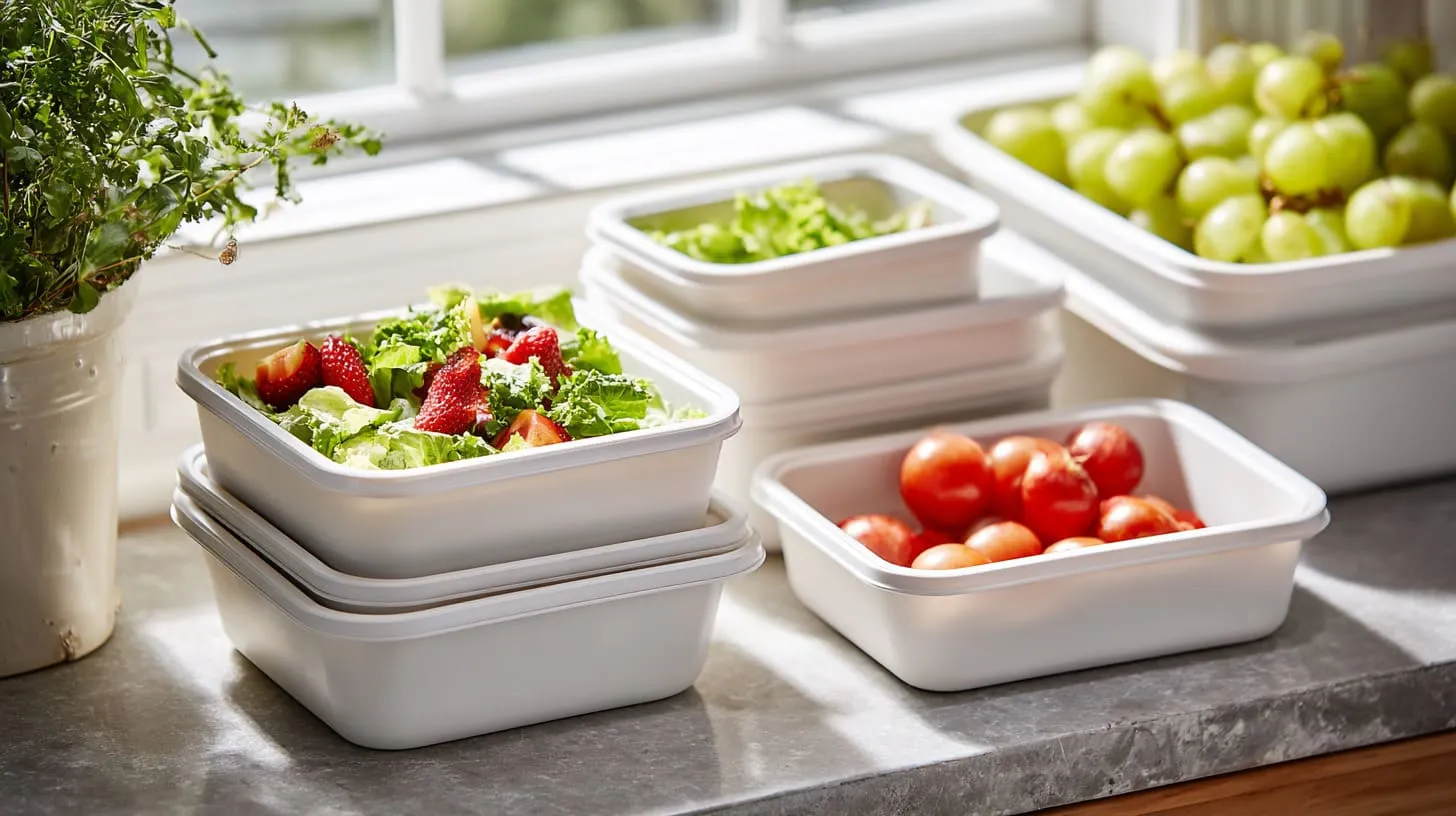
Key points to meet food-grade standards
- FDA-listed resin
- Cleanroom or certified molding line
- No harmful plasticizers or colorants
- Documentation available upon request
Can ABS plastic be used for reusable food containers?
It sounds ideal—strong, reusable, and easy to mold.
Yes, food-safe ABS can be used for reusable containers, but it’s not ideal for high-heat use.
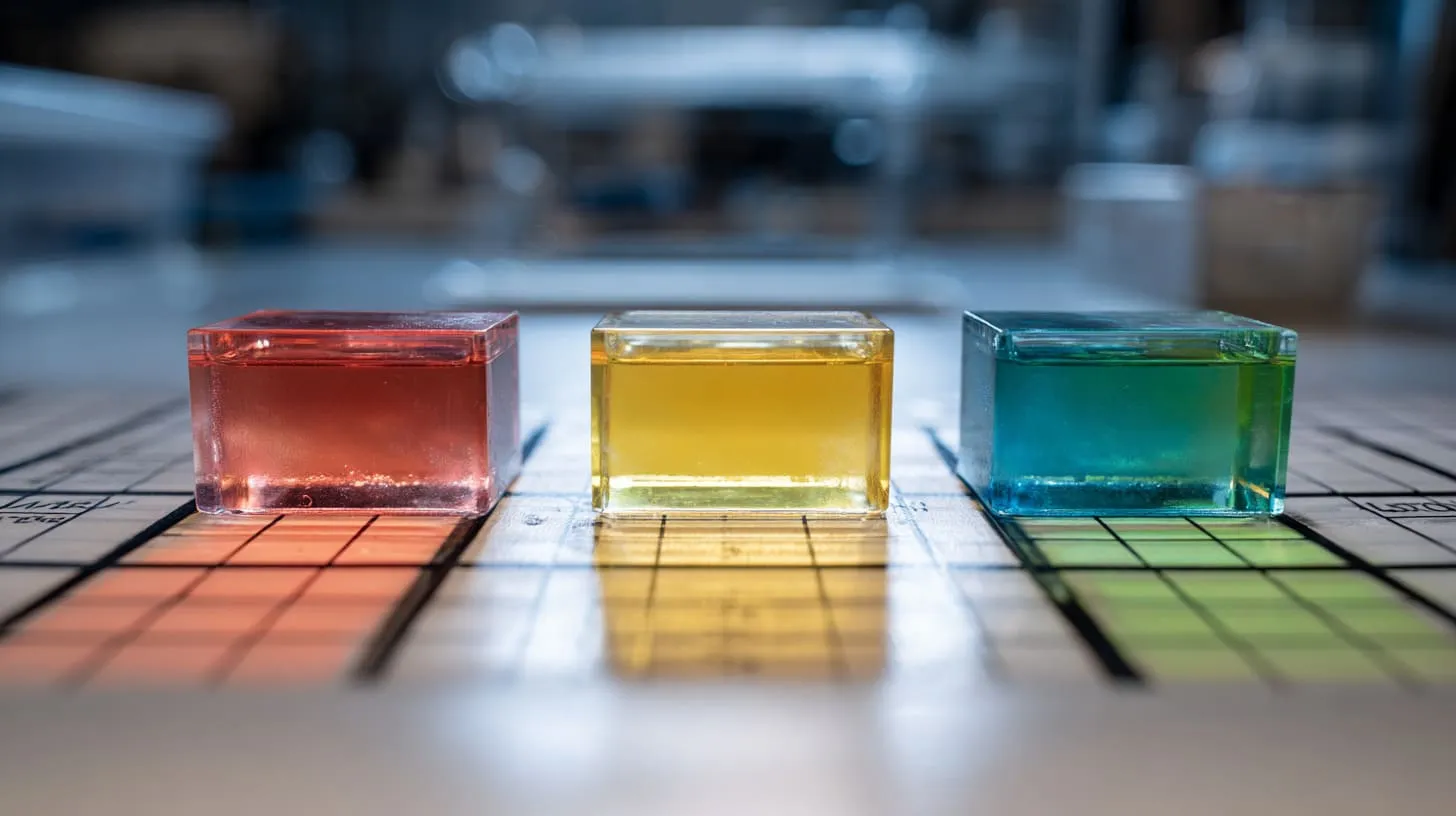
Real-world applications
I’ve seen ABS used for:
- Reusable trays
- Cold food containers
- Lid systems
But never for microwavable boxes or soup containers. Why? ABS doesn’t love heat.
How does ABS compare to polypropylene and polycarbonate for food contact?
This is one of my favorite engineering debates.
ABS is tougher than PP but less chemical-resistant and has more limitations than food-grade polycarbonate.
Side-by-side comparison
| Property | ABS | Polypropylene (PP) | Polycarbonate (PC) |
|---|---|---|---|
| Heat resistance | Moderate | High | High |
| Clarity | Opaque | Semi-clear | Clear |
| Toxicity risk | Low* | Very low | Higher (BPA risk) |
| Stiffness | High | Low | High |
*Only if using food-grade ABS resin.
Is ABS plastic dishwasher safe and does it leach chemicals?
I've lost count of how many times a client asked this mid-production.
ABS can handle a dishwasher's top rack, but repeated heating cycles can degrade it over time.
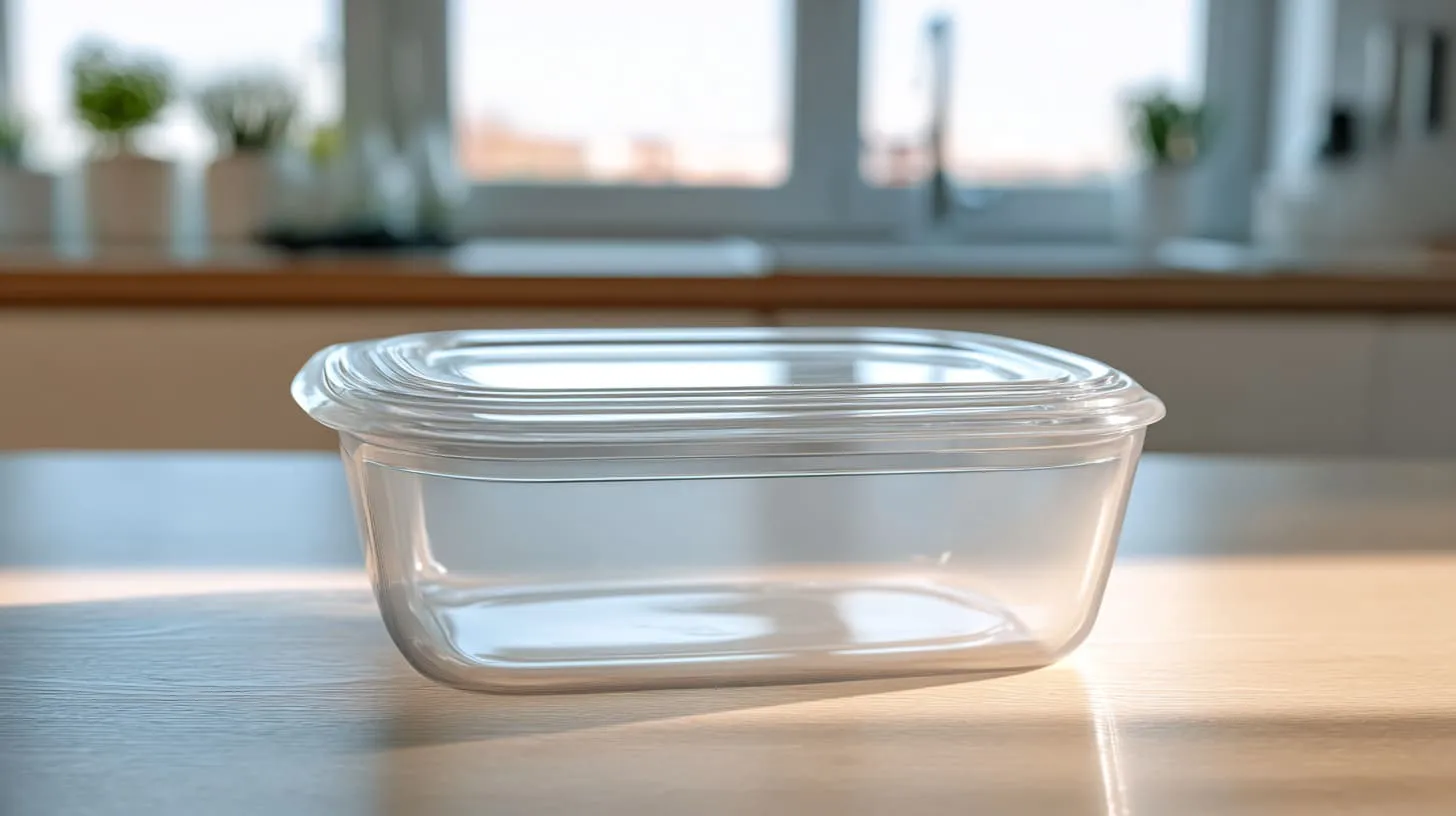
Risks from repeated wash cycles
- May warp if placed near the heater coil
- Possible color changes
- Long-term leaching under stress—not common but possible
I always suggest handwashing when in doubt, especially for branded reusable items.
Can ABS plastic be safely used in hot food or microwave applications?
Now this is where things get spicy.
No, ABS should not be microwaved or used with boiling food.
What happens under heat?
ABS can:
- Soften around 100°C
- Release volatile compounds above that
- Warp or deform with repeated cycles
It’s best used for cold or room-temperature food contact.
Are all ABS plastic types food safe, or only specific grades?
The short answer? Not all.
Only ABS grades specifically formulated and certified as food-safe are suitable for food contact.
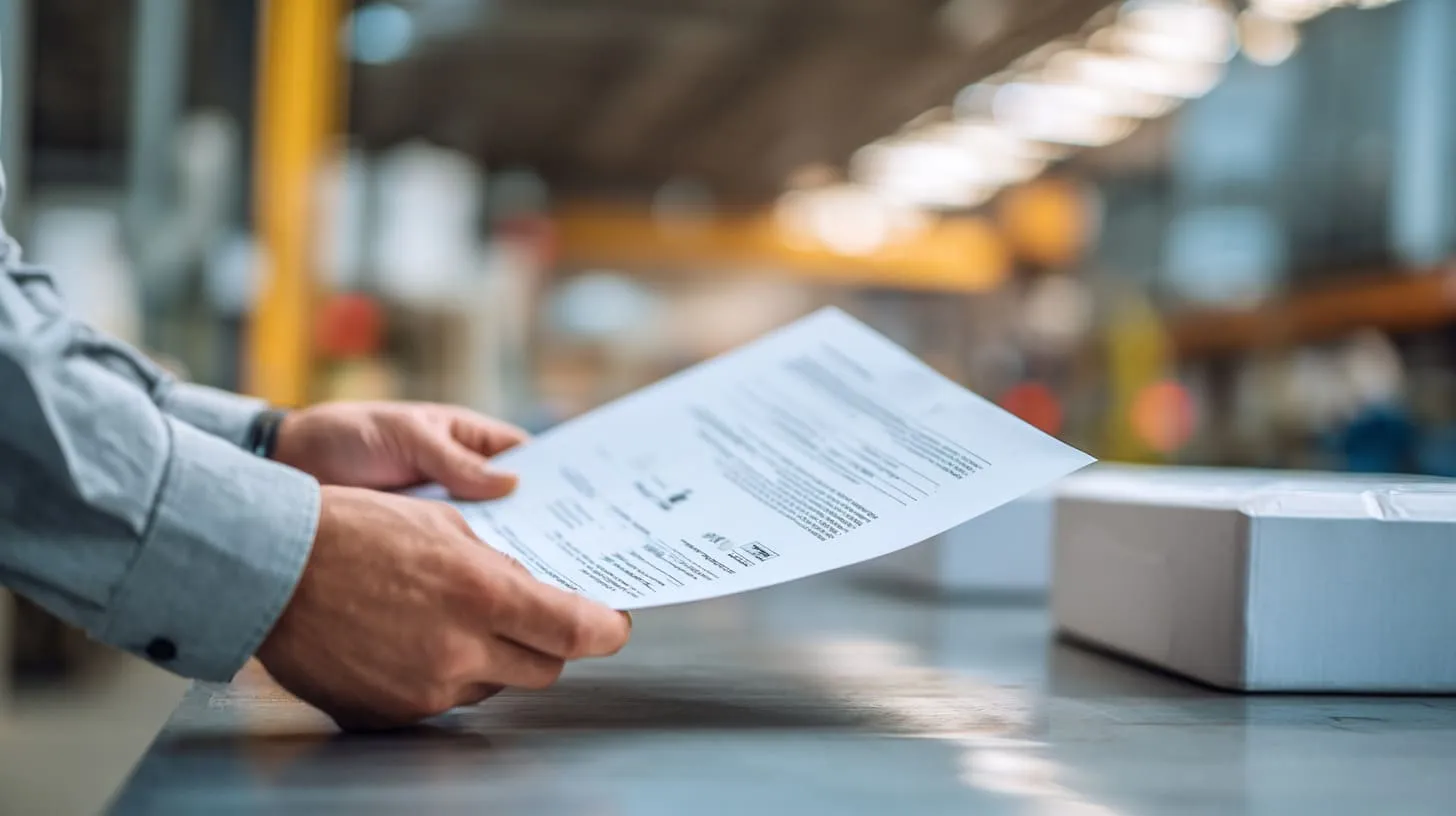
Don’t assume—ask for the SDS
Always request:
- MSDS/SDS sheet
- FDA resin certificate
- RoHS/REACH test reports
If the supplier hesitates, that’s your red flag.
Does ABS plastic contain BPA or phthalates?
Another hot-button question, especially in baby products.
Pure ABS is BPA-free and doesn’t require phthalates—but some additives may contain them.
Always check the additive list
Some pigment carriers or softeners can sneak in unwanted chemicals. The only way to be sure? Ask for:
- BPA-free declaration
- Phthalate-free declaration
- Third-party test reports
What certifications should I look for when sourcing food-safe ABS enclosures?
When working with OEM clients, certification is the bridge between trust and trouble.
Look for FDA, EU 10/2011, RoHS, and preferably third-party lab tests.
What I usually send to customers
| Certification | Purpose |
|---|---|
| FDA CFR 21 | US food safety compliance |
| EU 10/2011 | European food contact standard |
| RoHS | Restriction of hazardous substances |
| MSDS / SDS | Safety data sheet for materials |
Can custom ABS enclosures be made food safe for industrial use?
Absolutely—but not without some effort.
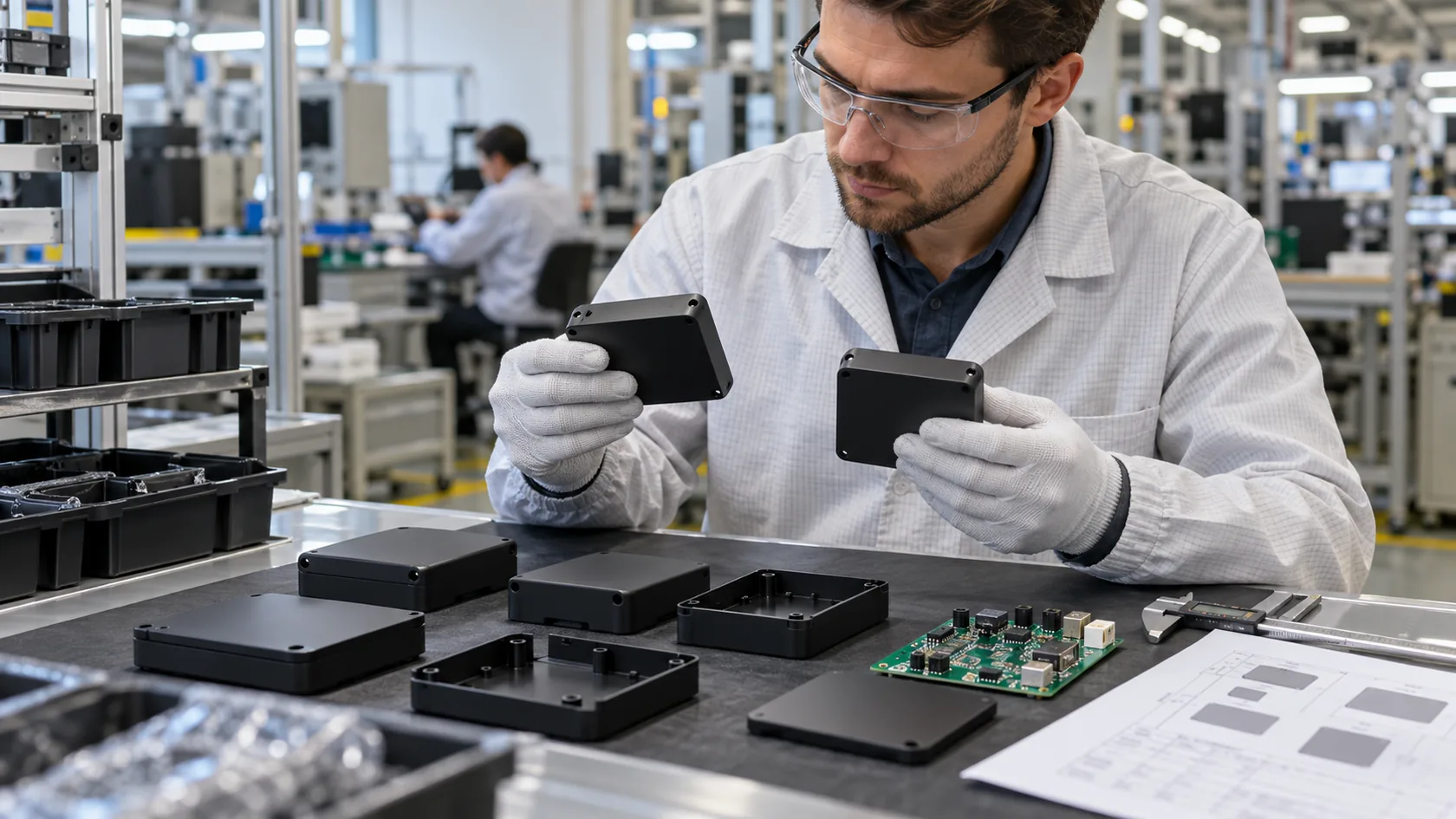
Yes, custom ABS enclosures can be made food-safe if the material and production environment meet relevant standards.
Tips from my own factory setup
- Use virgin food-grade ABS resin only
- Avoid recycled material in the same production line
- Keep molding machines clean and separated from non-food orders
- Provide transparent documentation for OEM clients
What are common applications of food-safe ABS in industrial design?
This one always surprises people—ABS is everywhere.
Food-safe ABS is used in dispensers, vending machine parts, and even coffee machine outer housings.
Industrial uses I’ve worked on
- Touchless soap & food dispensers
- Beverage valves (cold drinks)
- External panels for kitchen appliances
- Packaging elements for reusable utensils
It’s a tough, reliable choice when heat isn’t a major concern.
Conclusion
ABS can be food safe—if you choose the right grade and supplier.