Skip to content
What does “NEMA 4X” actually mean? Why should you — as a purchaser, design engineer or OEM/ODM buyer — care about the difference between its various sub‑types? In this post I’ll walk you through how to choose the right NEMA 4X enclosure for your application — from environment conditions, materials, corrosion needs, to cost and maintenance.
What is NEMA and How NEMA 4X Fits In
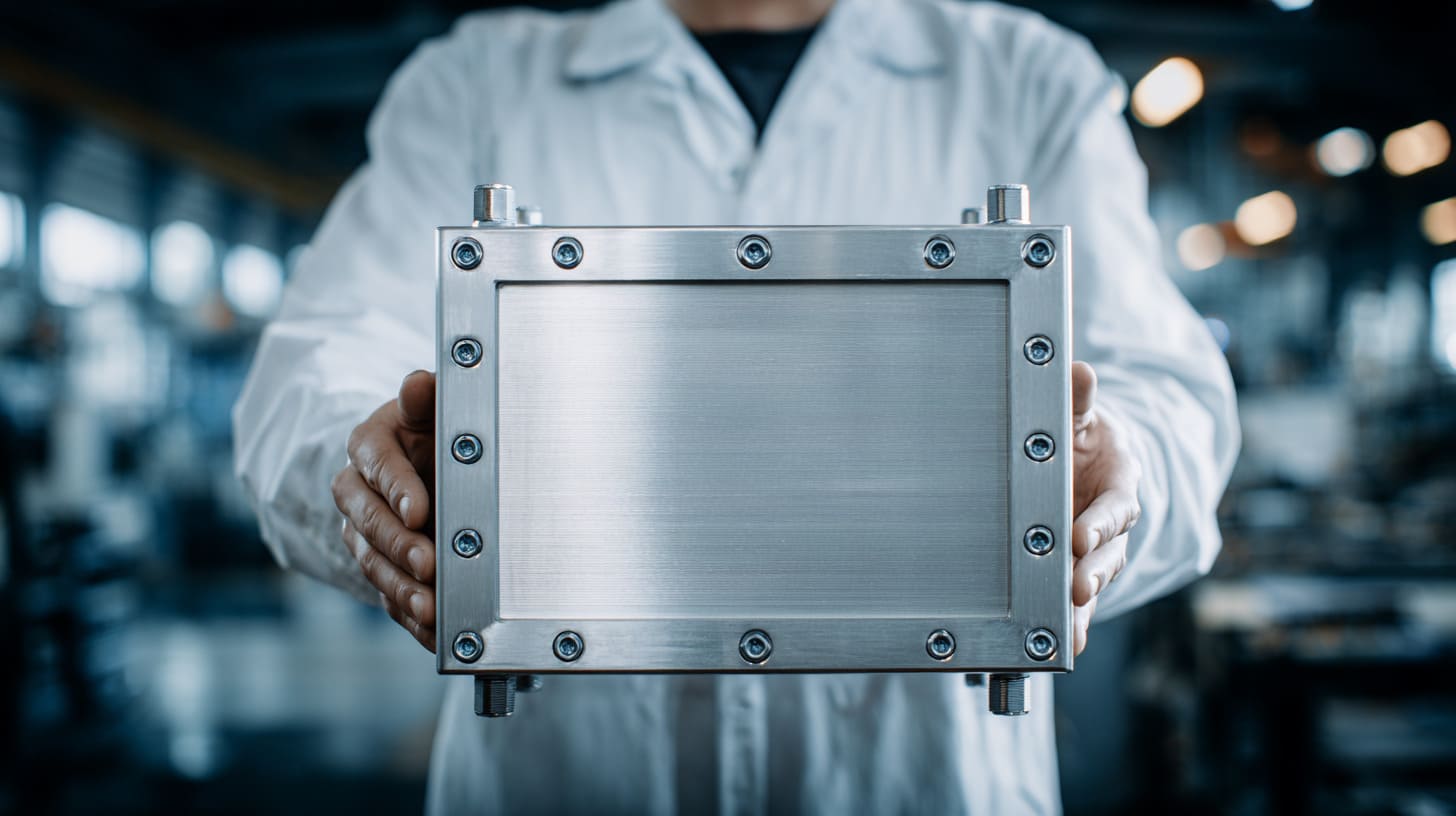
What does the National Electrical Manufacturers Association (NEMA) define as enclosure types
- NEMA defines a set of standard enclosure types: Type 1, 2, 3, 3R, 3S, 4, 4X, 6, 6P, etc.
- The “4X” adds a special feature: in addition to what “4” protects against (water, dust, weather), “4X” provides extra corrosion resistance.
What protections does a NEMA 4X enclosure guarantee
- It protects against dust, dirt, wind‑blown particles, airborne debris and other solid contaminants.
- It protects against water: rain, snow, sleet, splashing, hose‑directed water, even external ice formation.
- It adds corrosion resistance — very important if the environment includes salt, chemical exposure, or regular wash‑downs.
When you specify a NEMA 4X enclosure, you're asking not only for dust‑tight and water‑tight protection, but also for long‑term resistance against corrosion and harsh environmental factors.
Common Types of NEMA 4X Enclosures: Materials and Variants
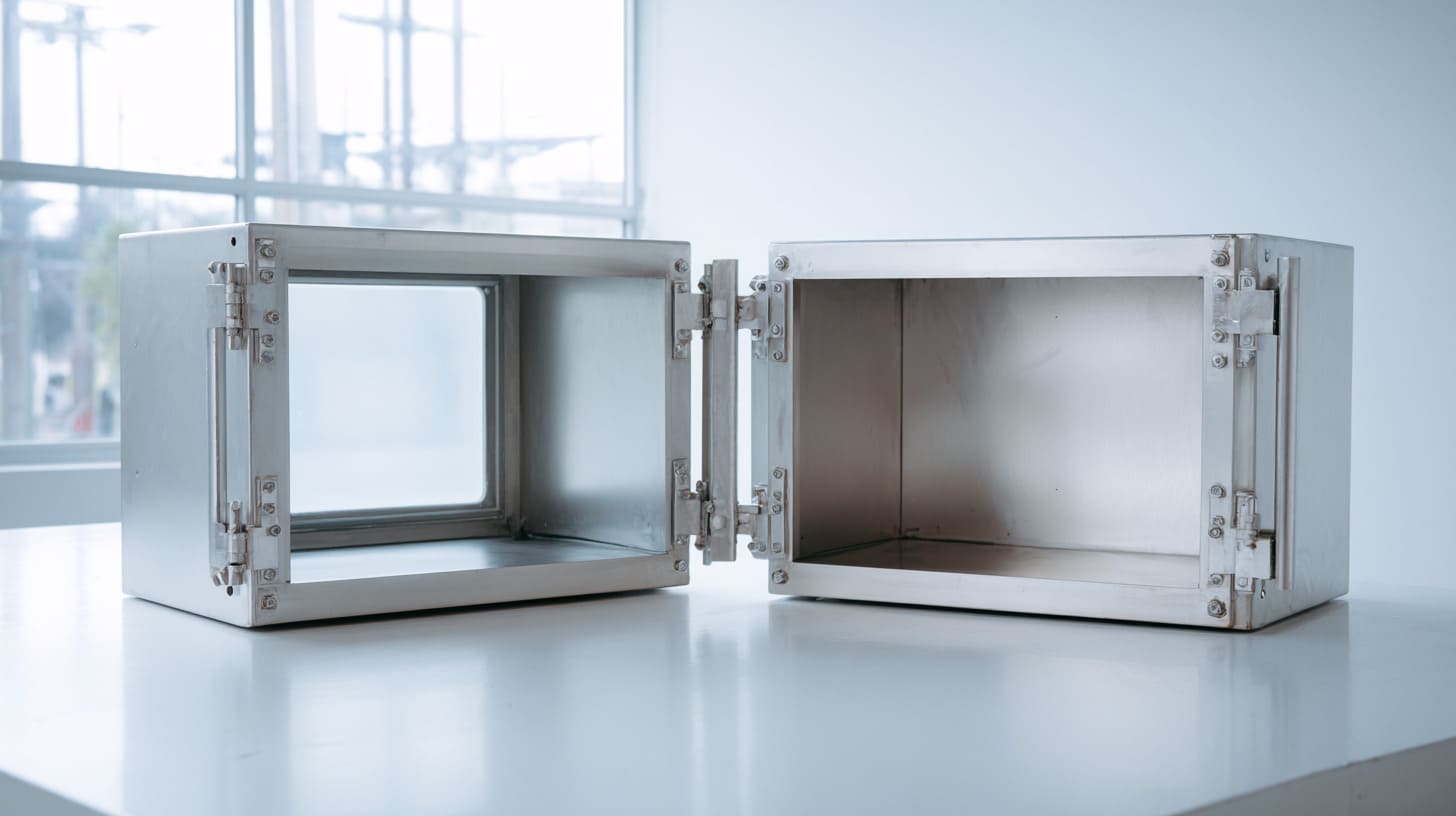
Material‑based variants
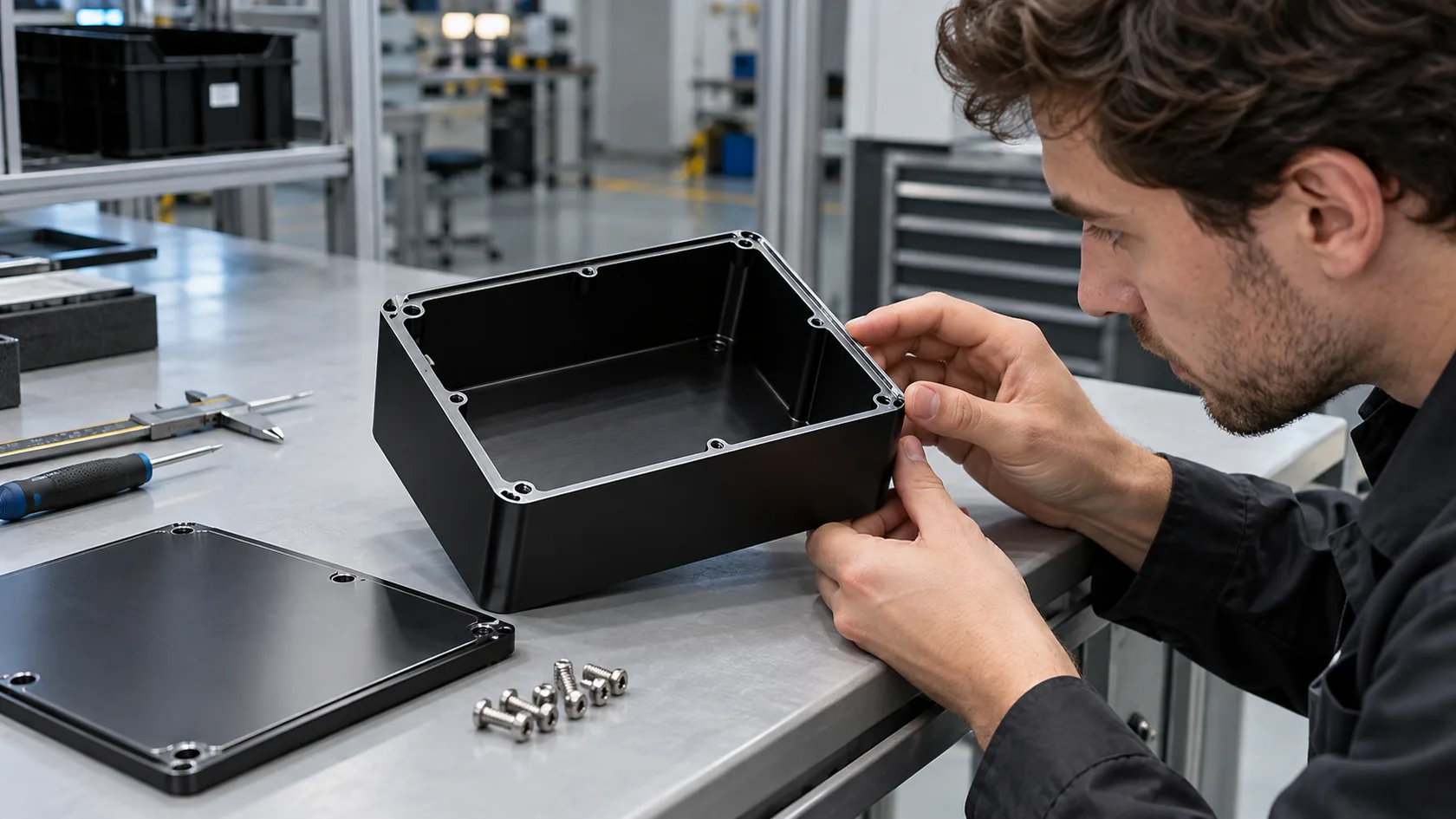
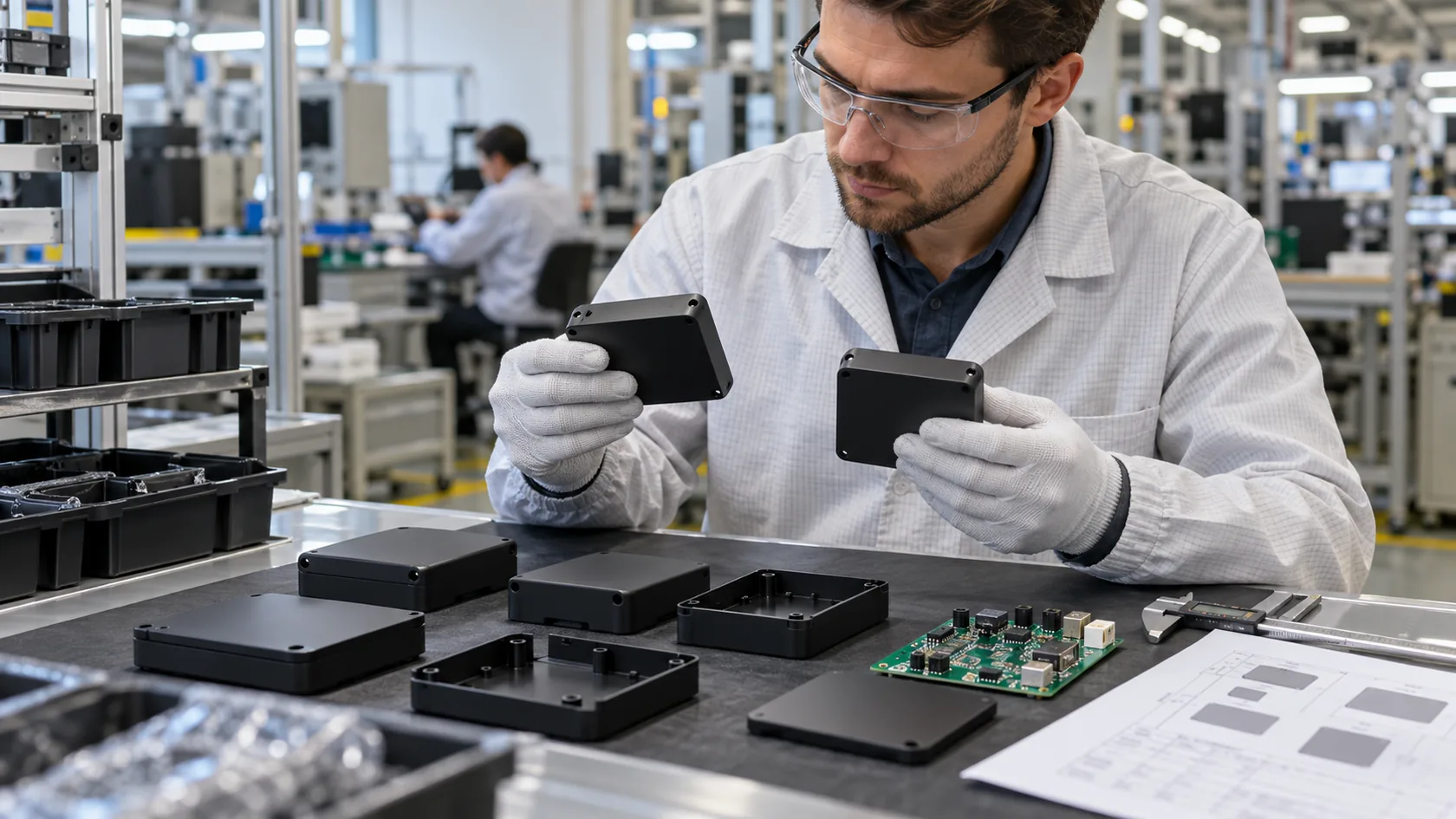
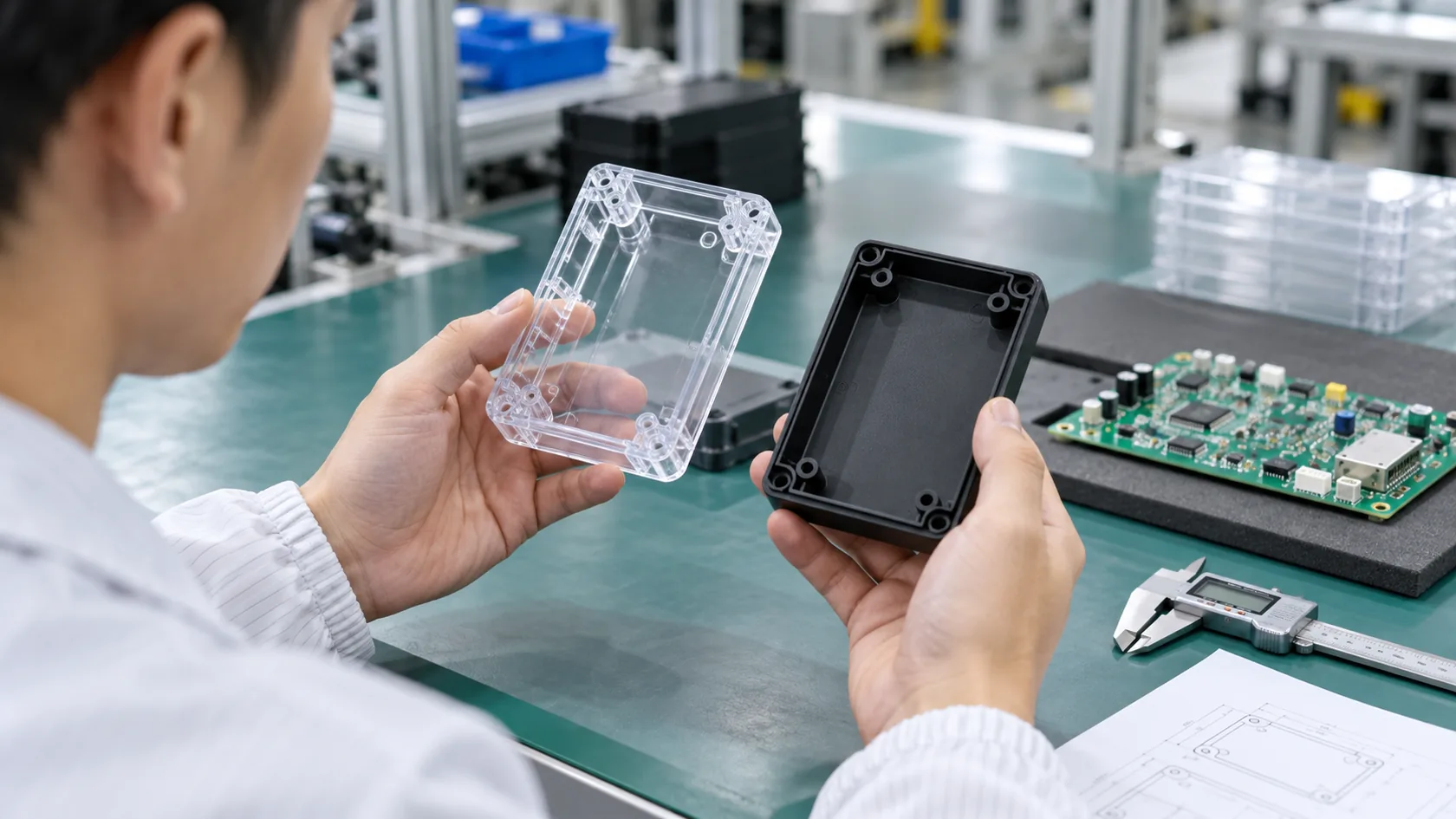
Let’s break down the two most common material categories I’ve worked with when supplying custom NEMA 4X enclosures — plastic and metal. Each comes with its own advantages and best-use scenarios. And trust me, choosing the wrong one can cost more than just money.
Here’s a quick table to help you compare:
| Material Type | Key Benefits | Best Applications |
|---|---|---|
| Polycarbonate / Plastic | Lightweight, naturally resistant to corrosion, unaffected by saltwater and many chemicals, non-conductive | Coastal or marine settings, food & beverage plants, light outdoor controls, chemical environments, clean indoor areas with wash-downs |
| Metal (Stainless Steel, Aluminum, FRP) | Rugged, durable under physical stress, long-lasting in industrial use, better EMI shielding | Factories, machinery protection, pump stations, rugged outdoor areas, installations with vibration or mechanical wear risks |
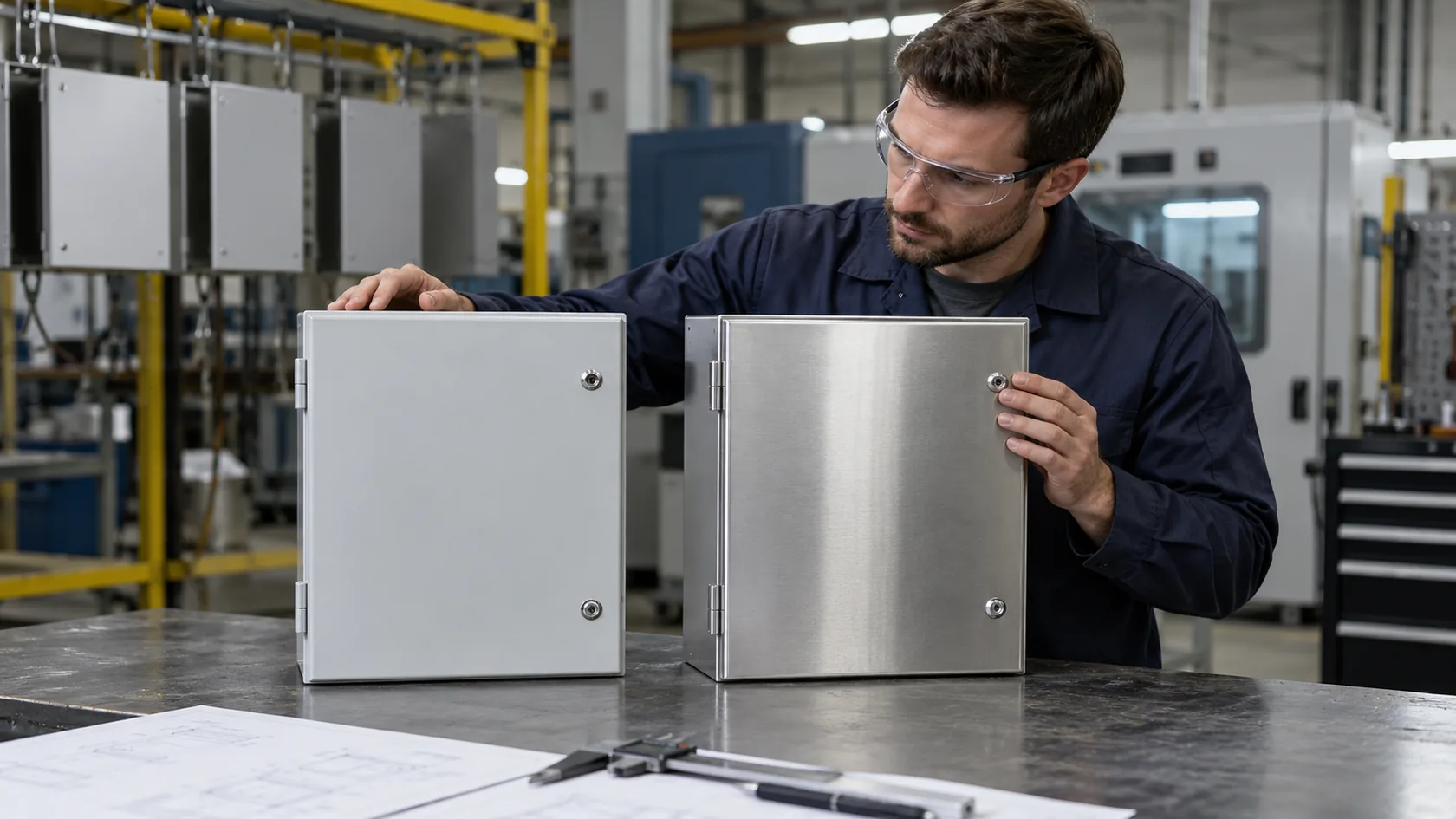
I usually suggest plastic when weight, corrosion, or cost is a concern. But for clients like Jackson from Germany — who often integrates enclosures into high-end mechanical products — stainless steel with laser-cut branding just looks and feels premium. It’s not just function — sometimes, it’s also form.
Construction and design variants (door‑gasketed, sealed, welded seams, clamps, etc.)
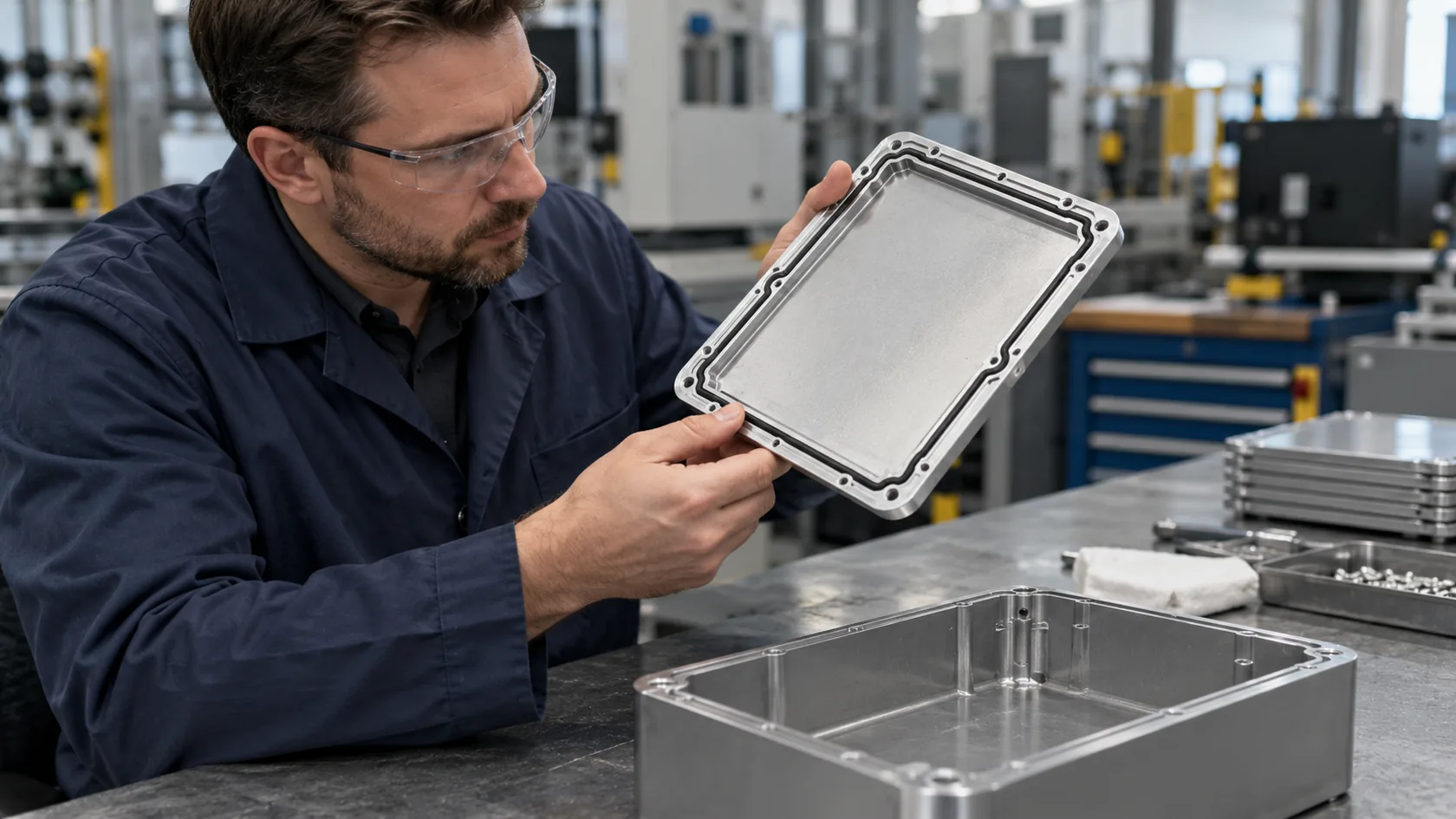
- Gasketed or sealed doors are key — they keep out dust and water, and are essential for proper 4X performance.
- Welded seams, tight tolerances, quality seals are important especially if the enclosure will face hose‑directed water or corrosive chemicals.
From my experience at MaidaTech, choosing the right material and construction style makes a big difference when clients demand reliability in harsh environments.
Which Environments or Use Cases Call for 4X — and Which Type of 4X to Use
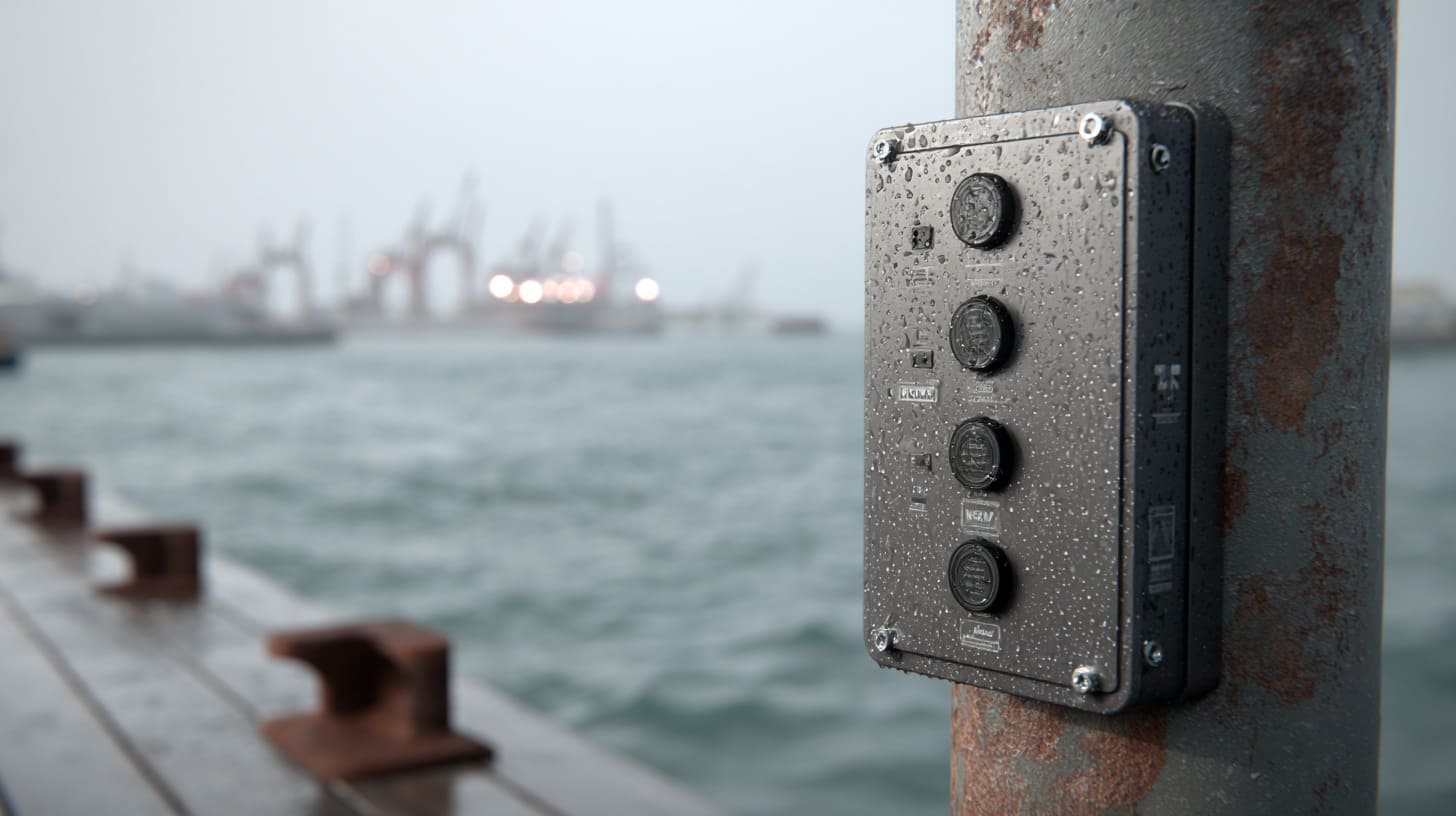
Harsh / corrosive environments → choose Plastic or Stainless‑Steel 4X
- Marine or coastal installations: salt air and salt water can destroy ordinary metal enclosures fast.
- Chemical plants, wastewater, food & beverage processing — where corrosive chemicals or frequent wash‑downs happen.
- Situations with regular cleaning, exposure to caustic agents → corrosion‑resistant 4X is a must.
Outdoor, dusty, wet, or variable‑weather environments (but not necessarily corrosive) → Metal 4X or Polycarbonate 4X depending on needs
- Outdoor equipment, agricultural machines, wastewater treatment, pump stations, control boxes outdoors.
- If durability and strength are needed → metal 4X; if weight and corrosion are concerns → polycarbonate 4X.
Indoor places with occasional splashing or moisture — 4X may or may not be necessary
- In a clean factory with light dust and occasional moisture, 4X might be overkill.
- But if there’s any chemical exposure, salt, or periodic wash‑downs — 4X may still pay off for longevity.
I once worked with a European buyer who underestimated ambient humidity and occasional wash‑downs indoors. We recommended polycarbonate 4X enclosures — turned out to be a life‑saver when a nearby cleaning system sprayed water weekly. The client was relieved.
When 4X Might Be Overkill / When You Could Choose a Lower Rating
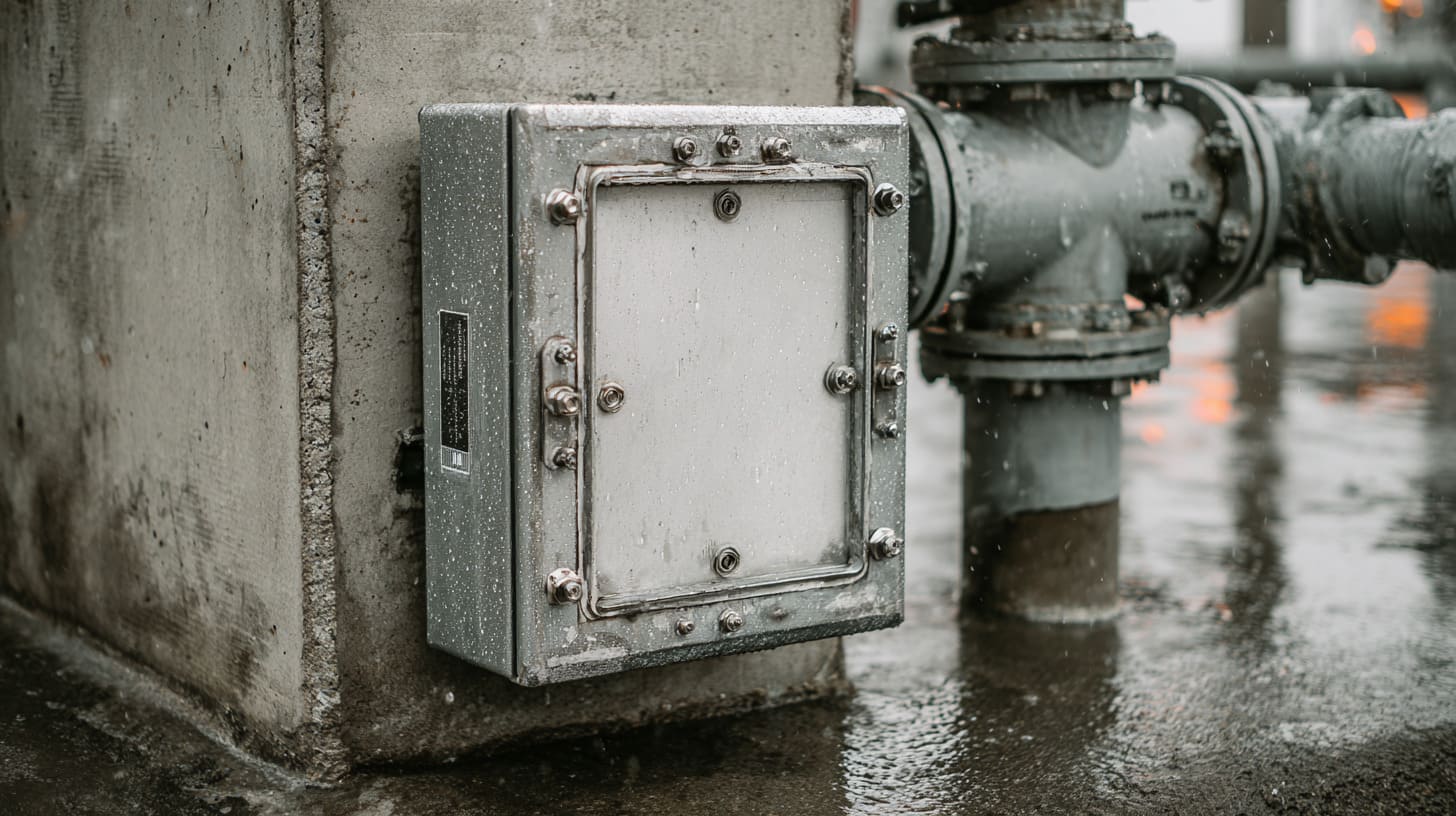
- If the environment is dry, clean, and indoors, with only dust or mild splashes — a lower‑rated enclosure (e.g. NEMA 12) may suffice.
- If there is no corrosion risk and no high‑pressure water spray or wash‑down — a standard NEMA 4 instead of 4X can save cost while still giving water/dust protection.
- Sometimes aiming for the “highest spec” becomes uneconomical — higher spec does not always give real benefit.
Choosing 4X just because it “sounds strong” may lead to unnecessary cost. It’s like wearing a winter coat in spring — you could, but it’s heavy, warm — and maybe you don’t need it.
Key Questions to Ask Before Specifying a NEMA 4X Enclosure
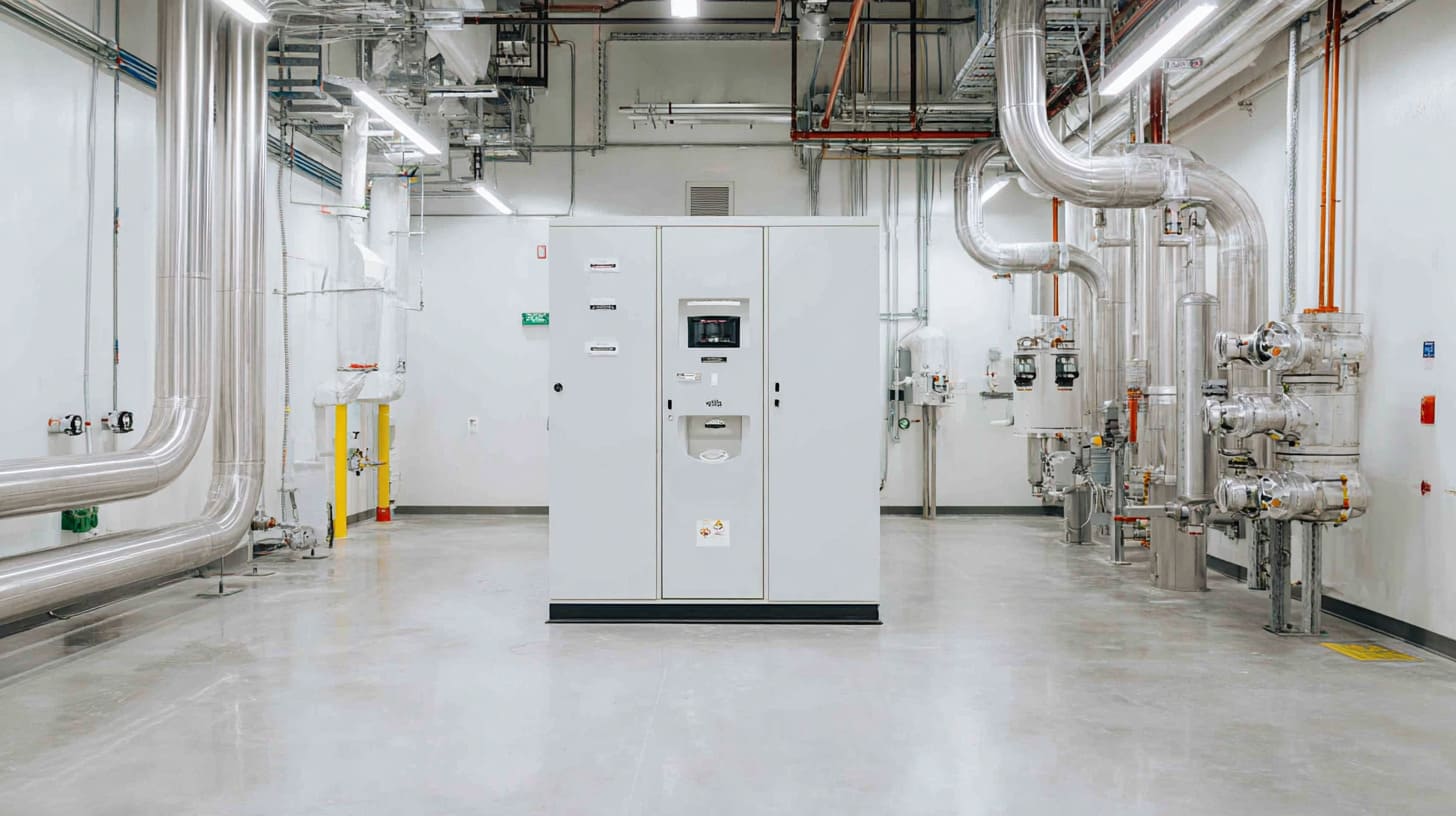
Before you order — especially when you send design/requirements to a factory like mine — it helps to ask yourself:
- What’s the operating environment? Indoor or outdoor? Dusty, wet, chemical? Coastal?
- Will the enclosure face wash‑downs, hose‑directed water, or harsh weather?
- Is corrosion a concern — salt spray, humidity, chemicals, salt water?
- What material suits best — polycarbonate, stainless steel, aluminum, or fiberglass‑reinforced?
- What are the size, mounting, access (door/gasket), and sealing needs for your equipment?
- What is your budget vs expected lifetime and maintenance needs?
Answering these helps you choose wisely — and helps suppliers (like me!) give better quotes fast.
Recommendations for Buyers / OEMs / Suppliers (From My Perspective at MaidaTech)
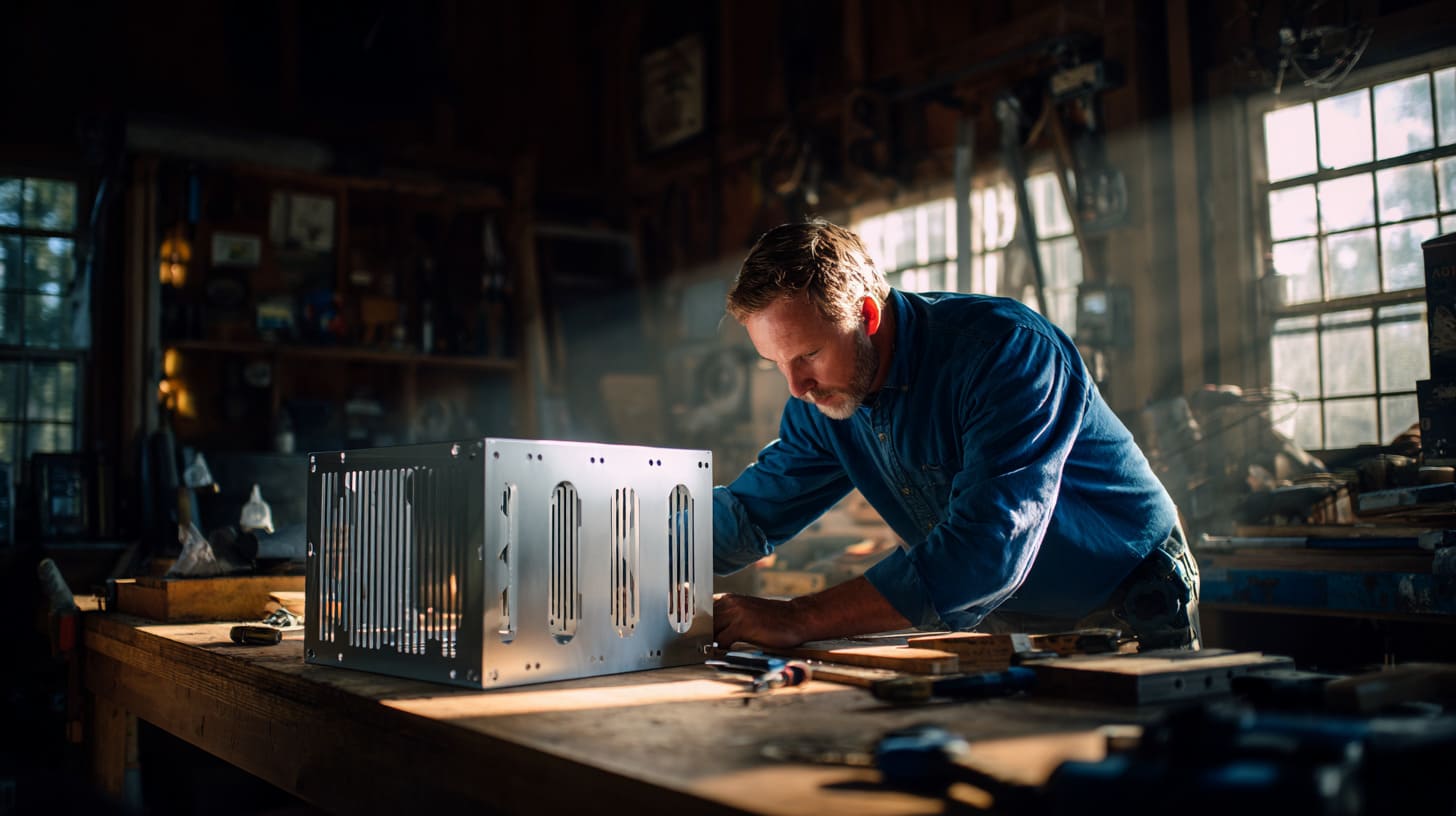
- For clients needing corrosion‑resistant enclosures (marine, chemical, food & beverage, wastewater): I offer both polycarbonate and stainless‑steel 4X options. We can support custom sizes, logo printing or engraving, custom gaskets and sealing.
- For general outdoor/wet/dusty industrial use: standard metal 4X enclosures work well. We provide efficient sealing, custom cutouts or knock‑outs, customized packaging — useful for bulk orders.
- When cost and weight matter (e.g. retrofit projects, light‑duty outdoor equipment): polycarbonate 4X gives a nice balance of corrosion resistance, cost‑effectiveness, and ease of handling.
- For indoor projects with low exposure: I often suggest to choose a lower‑rated enclosure (like NEMA 12) if 4X is not necessary. Helps customers avoid overpaying for protection they don’t need.
Conclusion
Choosing the right NEMA 4X enclosure is not about chasing the “highest rating” blindly. It’s about matching the enclosure’s features to the real‑world environment and how the equipment will be used. By thinking carefully about dust, water, corrosion risk, material, sealing, cost and maintenance, you can pick or specify the enclosure that gives real value — not just a label.