Skip to content

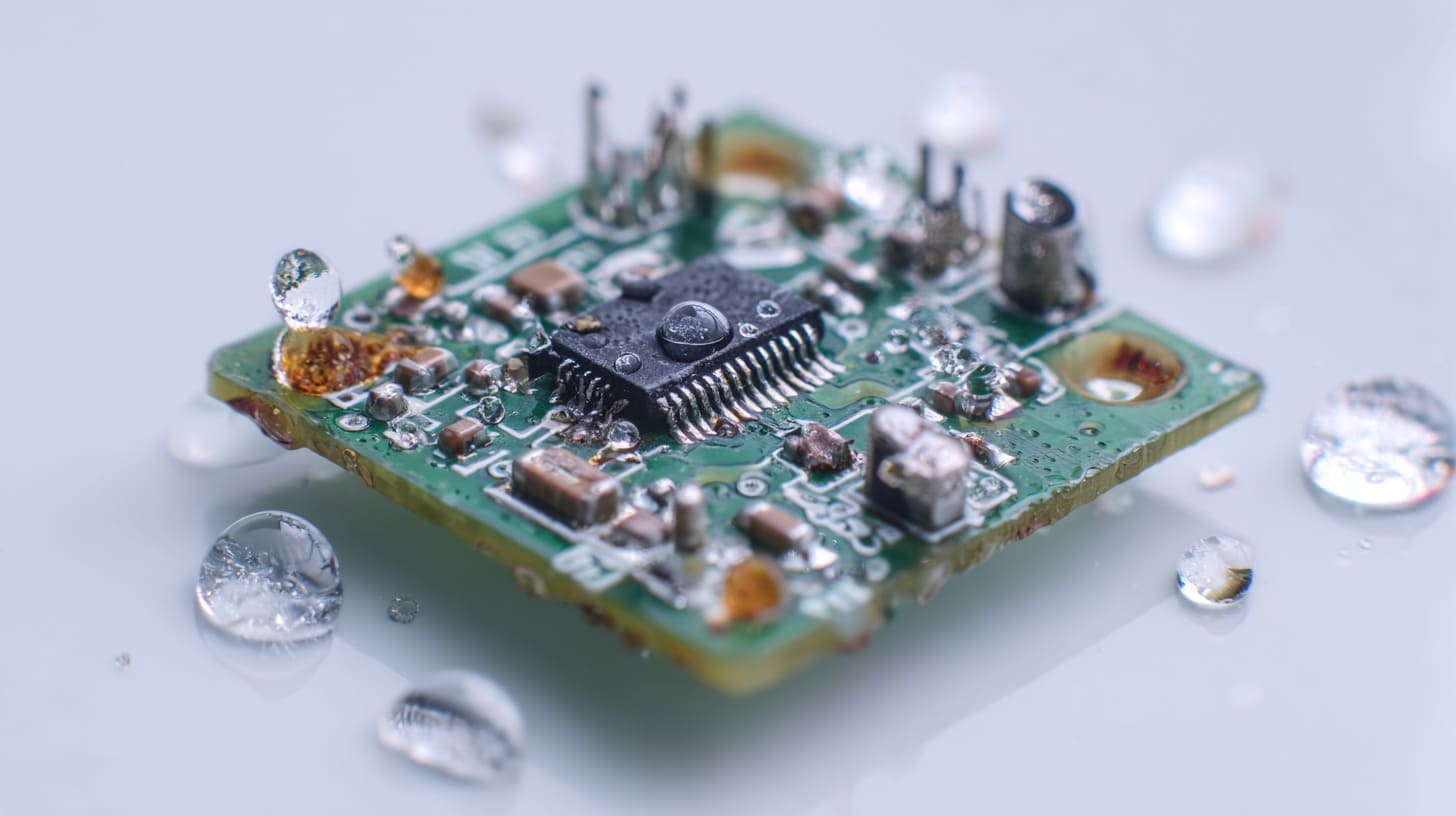
Water hit the board. It was just a few drops—but enough to shut everything down. No alarms, no sparks. Just silence.
Metal enclosures are used to protect sensitive electronic components from dust, moisture, EMI, impact, and environmental hazards in industrial, commercial, and consumer applications.
That tiny failure turned into a lesson I never forgot: protection isn’t optional—it’s foundational.
What was the original purpose of using enclosures?
I used to think enclosures were just for keeping things tidy.
The original purpose of enclosures was to protect equipment from environmental exposure, unauthorized access, and mechanical damage.
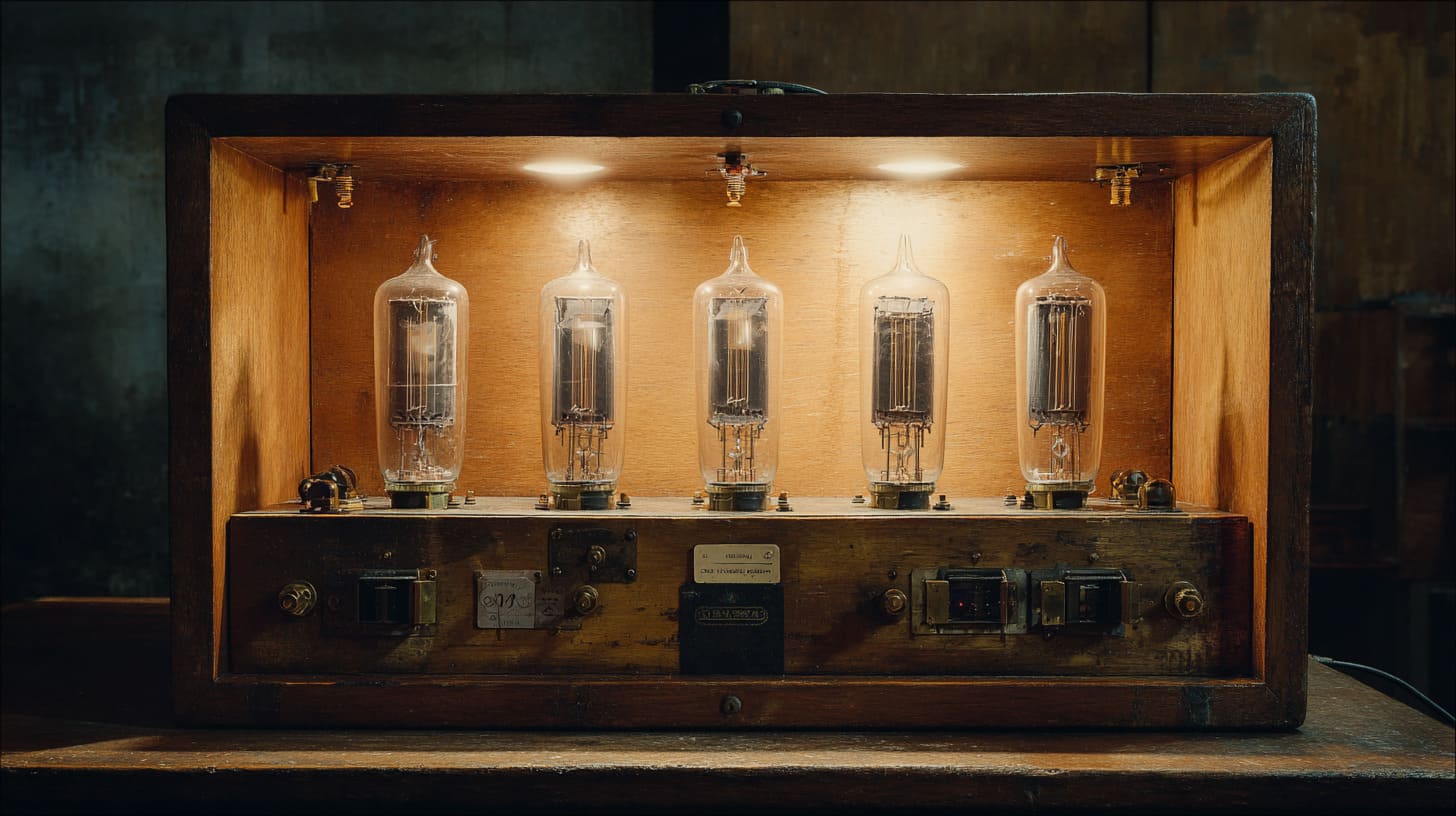
Back in the early days of electronics, engineers wrapped circuits in wooden or metal frames to prevent shocks and short circuits. It wasn’t about style—it was survival.
Why does this still matter today?
Even with advanced PCBs and sensors, the old rule stands: protect the heart of your system. Modern enclosures may look sleeker, but at their core, they still defend what matters inside.
Are metal or plastic enclosures better?
This is the question I hear the most from first-time buyers.
Metal enclosures offer better EMI shielding, durability, and heat resistance, while plastic is lighter, cheaper, and often easier to mold.
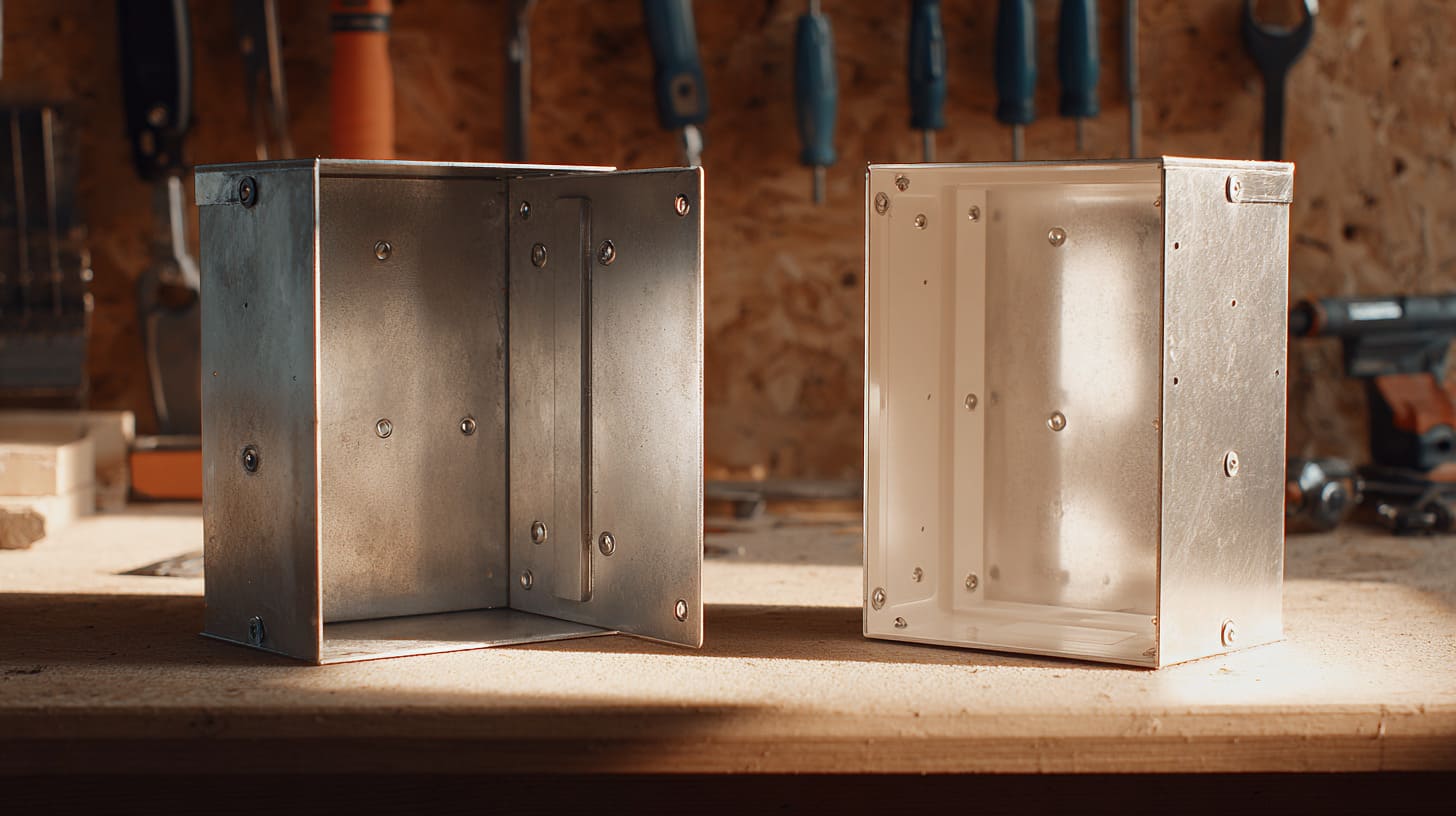
Let's break it down:
| Feature | Metal Enclosure | Plastic Enclosure |
|---|---|---|
| EMI Shielding | Excellent | Poor |
| Heat Resistance | High | Moderate |
| Impact Strength | Strong | Moderate |
| Cost | Higher | Lower |
| Weight | Heavier | Lighter |
If you're housing electronics in a noisy environment—like a factory—metal wins hands down. But for lightweight consumer gadgets? Plastic might just save your margins.
What are enclosures in manufacturing?
At our shop, the enclosure often marks the final step before packaging.
In manufacturing, enclosures refer to the external protective casings used to contain electronic or mechanical systems.
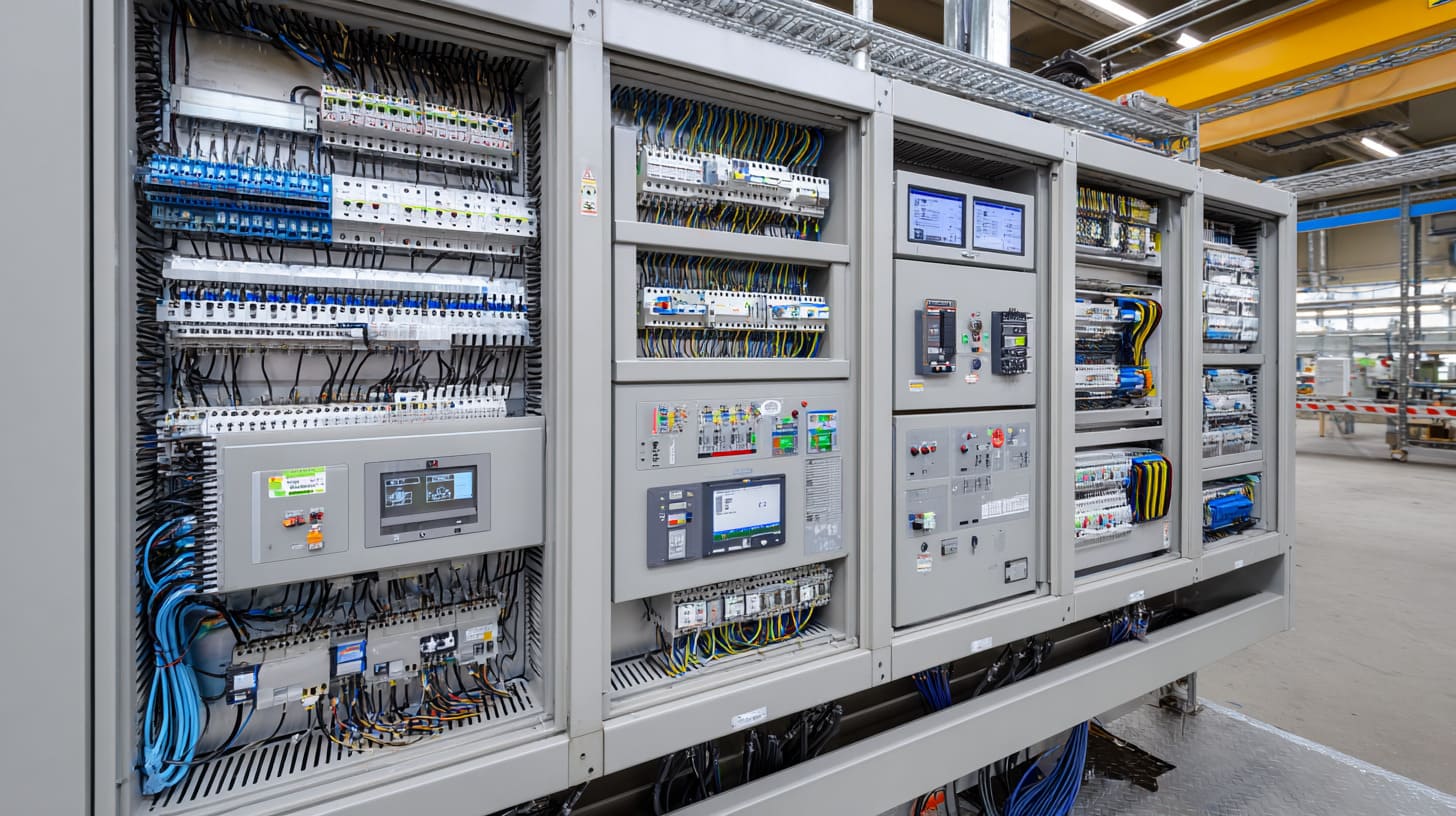
These are not just covers—they are engineered components, tailored to match the use-case. From CNC panels to automation controls, enclosures define how your product survives the real world.
What is the disadvantage of a metal container?
Not all that shines is gold—or practical.
Metal containers can be heavy, expensive, and susceptible to corrosion without proper treatment.
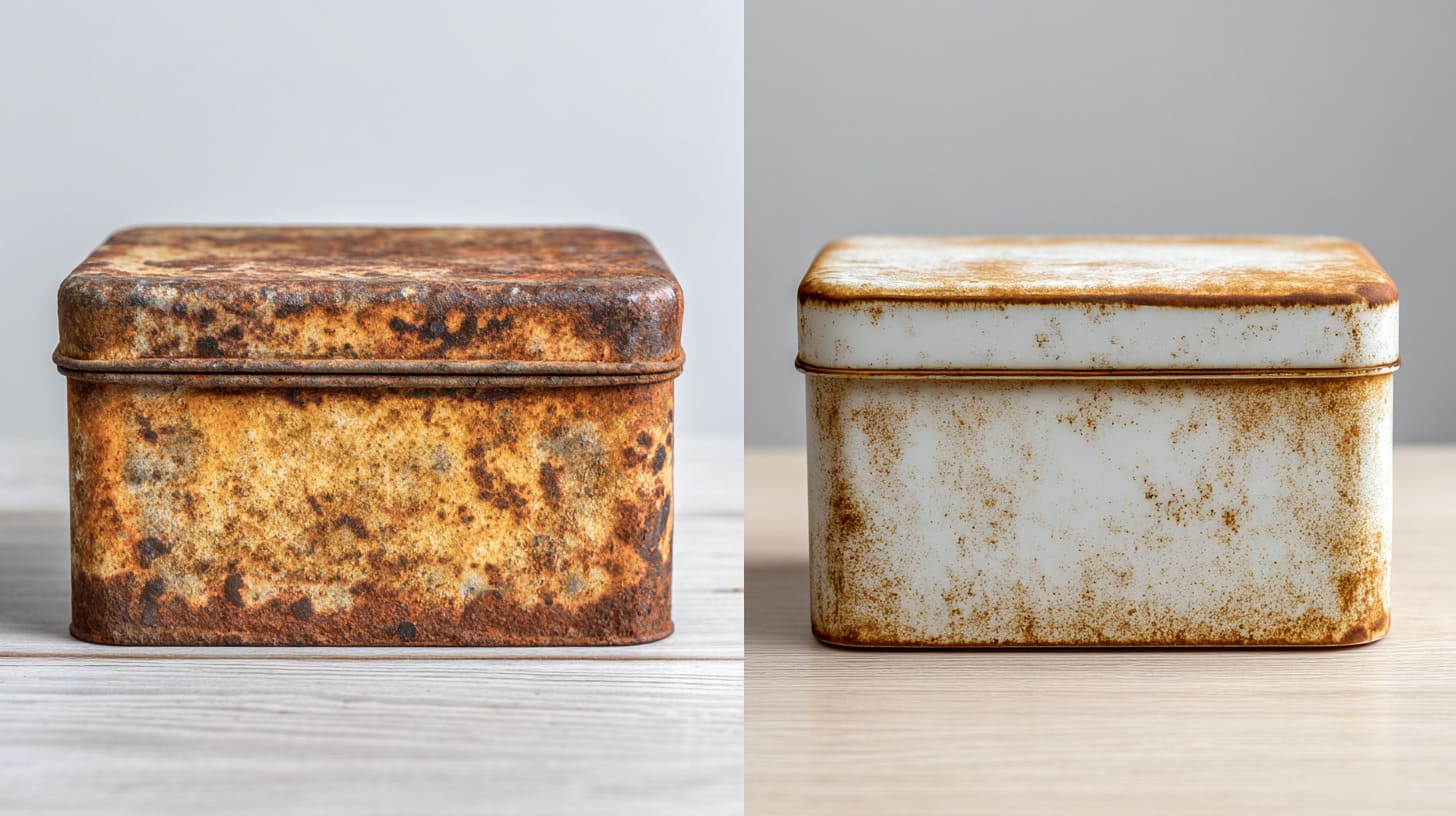
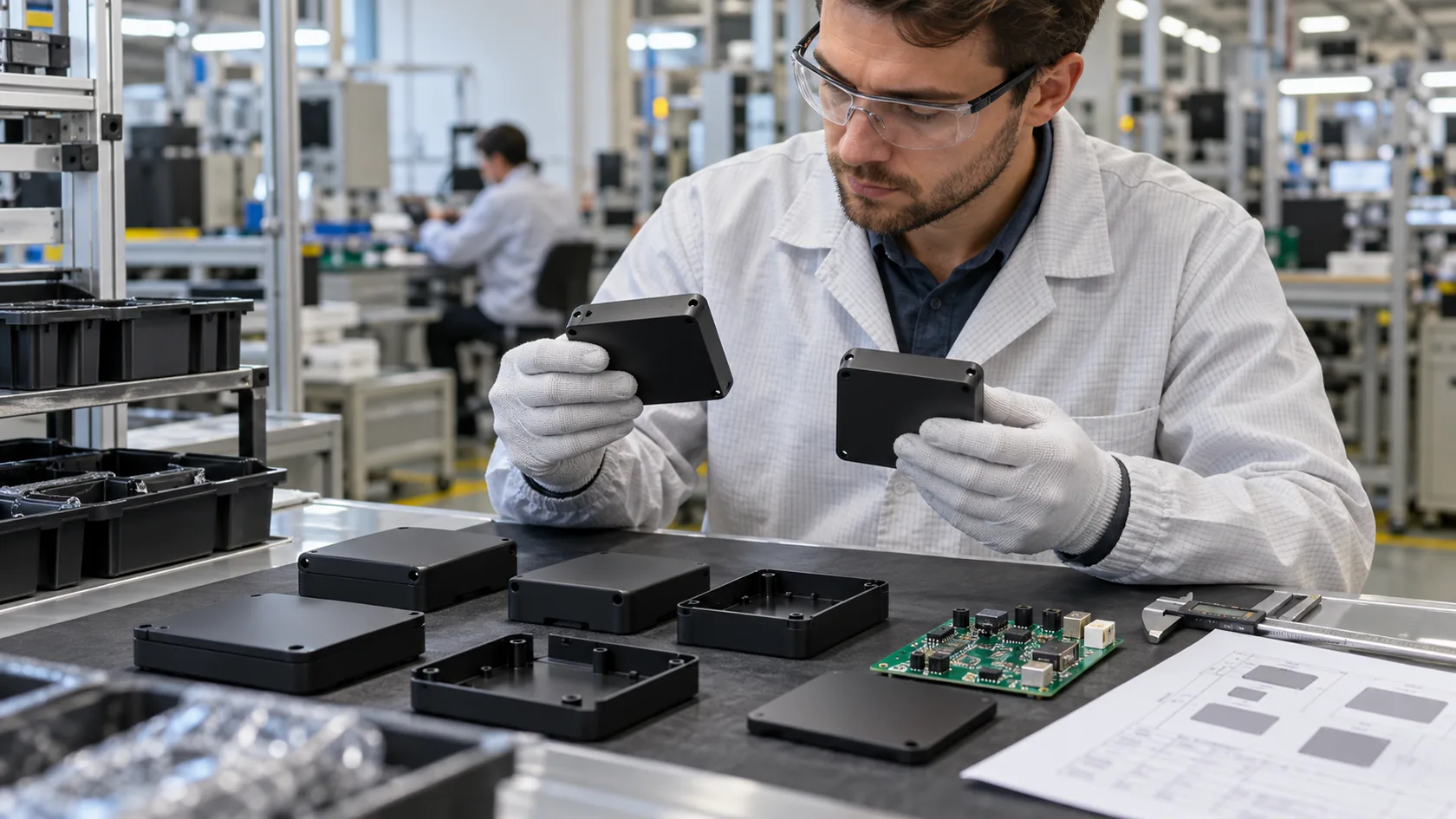
And sometimes, they’re just overkill. I once had a client insist on aluminum for a lightweight IoT sensor meant to sit indoors. Stylish, yes—but unnecessary and overpriced. We later switched to coated ABS, and it worked just fine.
What is the main purpose of a glass or metal enclosure?
The material isn’t just about aesthetics.
The main purpose is protection—against physical damage, dust, moisture, and sometimes electromagnetic interference.
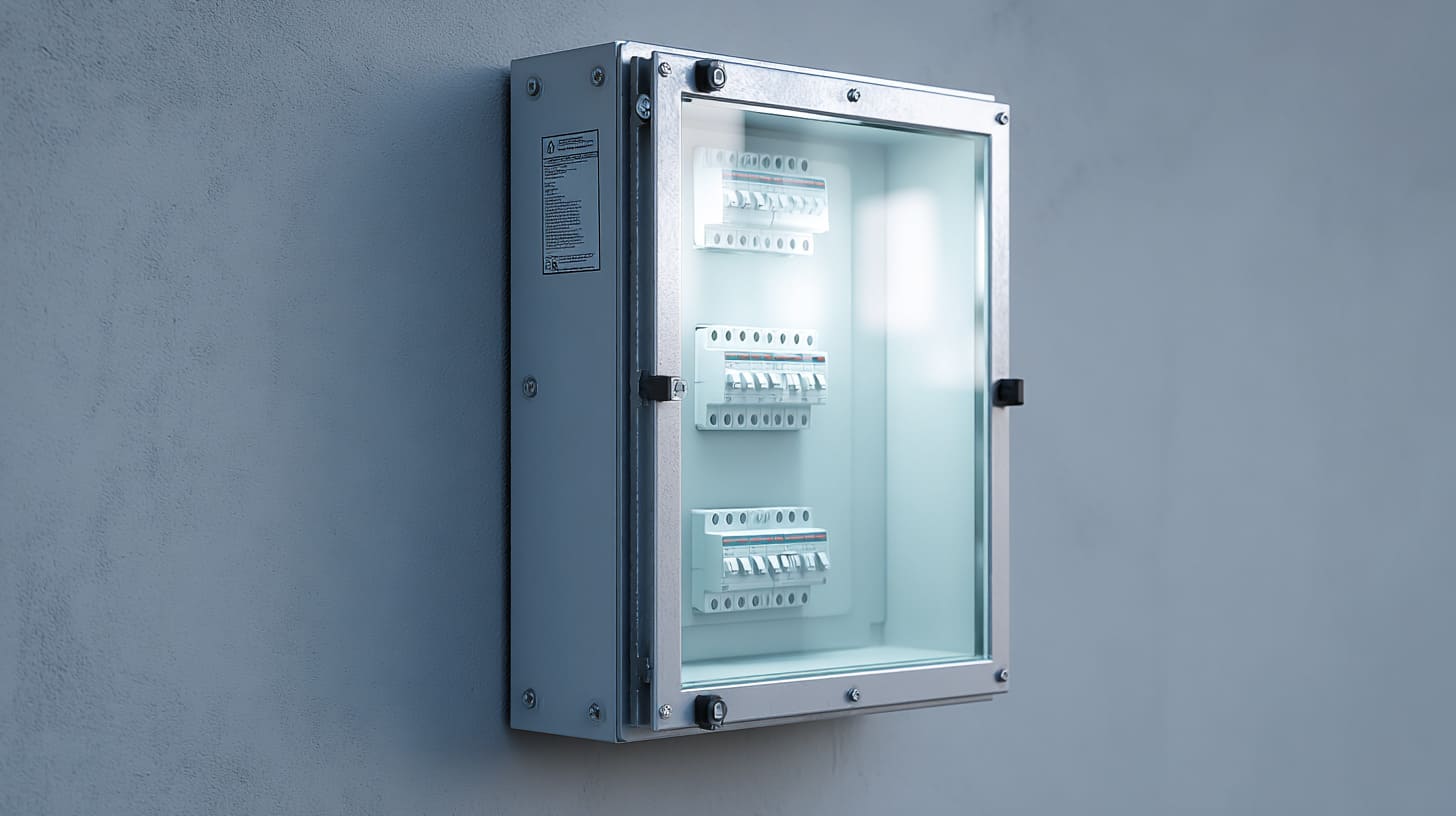
Glass is often used for visibility, like in control panels. Metal? It’s the muscle. Together, they sometimes form hybrid solutions where function meets form.
What industries rely on metal enclosures the most?
You’ll find metal enclosures where failure isn’t an option.
Industries like telecommunications, automotive, industrial automation, aerospace, and defense rely heavily on metal enclosures.
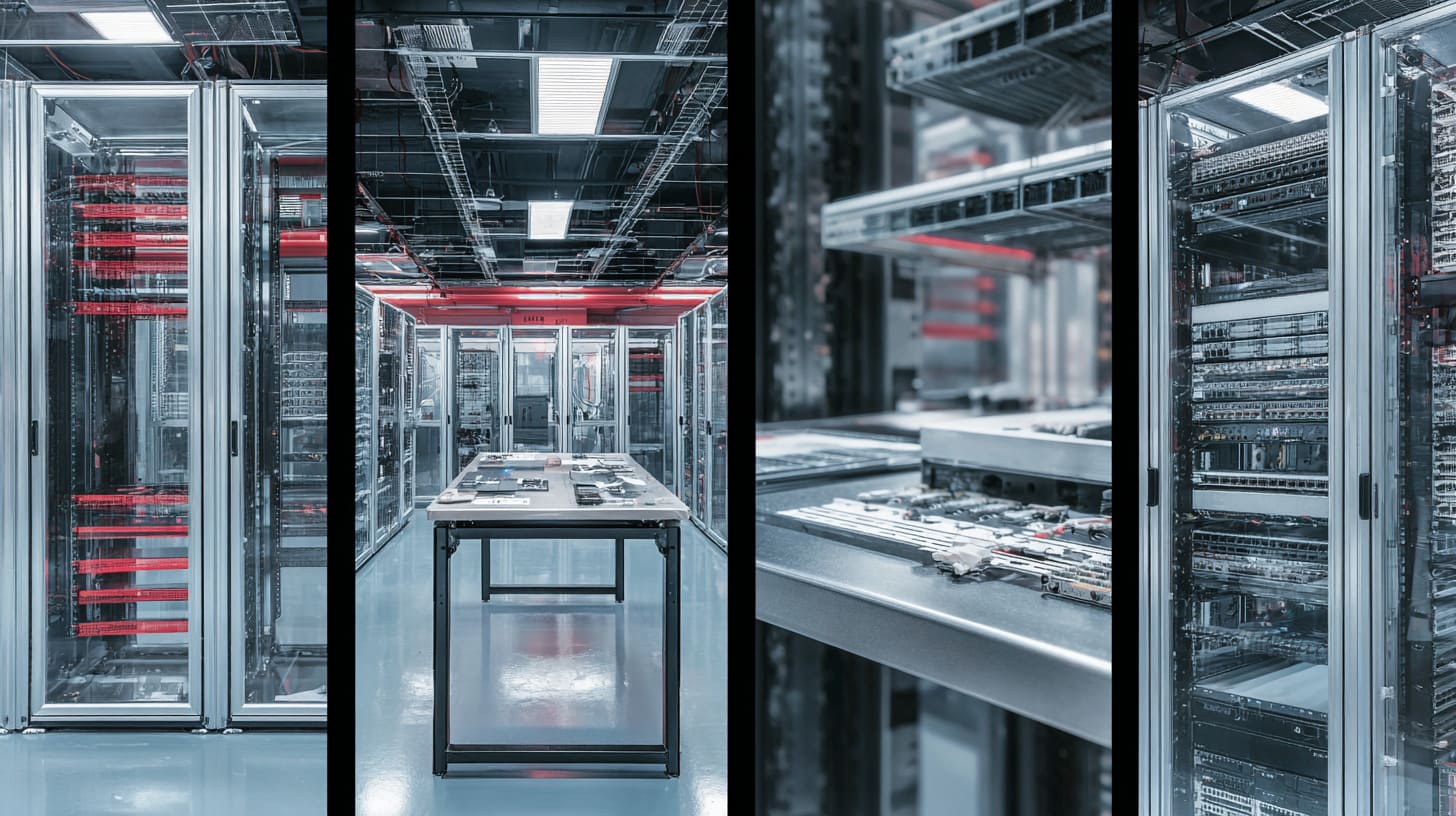
They trust metal for one reason—it doesn't crack under pressure. Whether it’s a sensor box in a car engine or a server rack in a data center, metal brings peace of mind.
How do metal enclosures protect electronic devices?
It’s like giving your circuit a bulletproof vest.
Metal enclosures provide a physical barrier against impact, moisture, and electromagnetic interference.
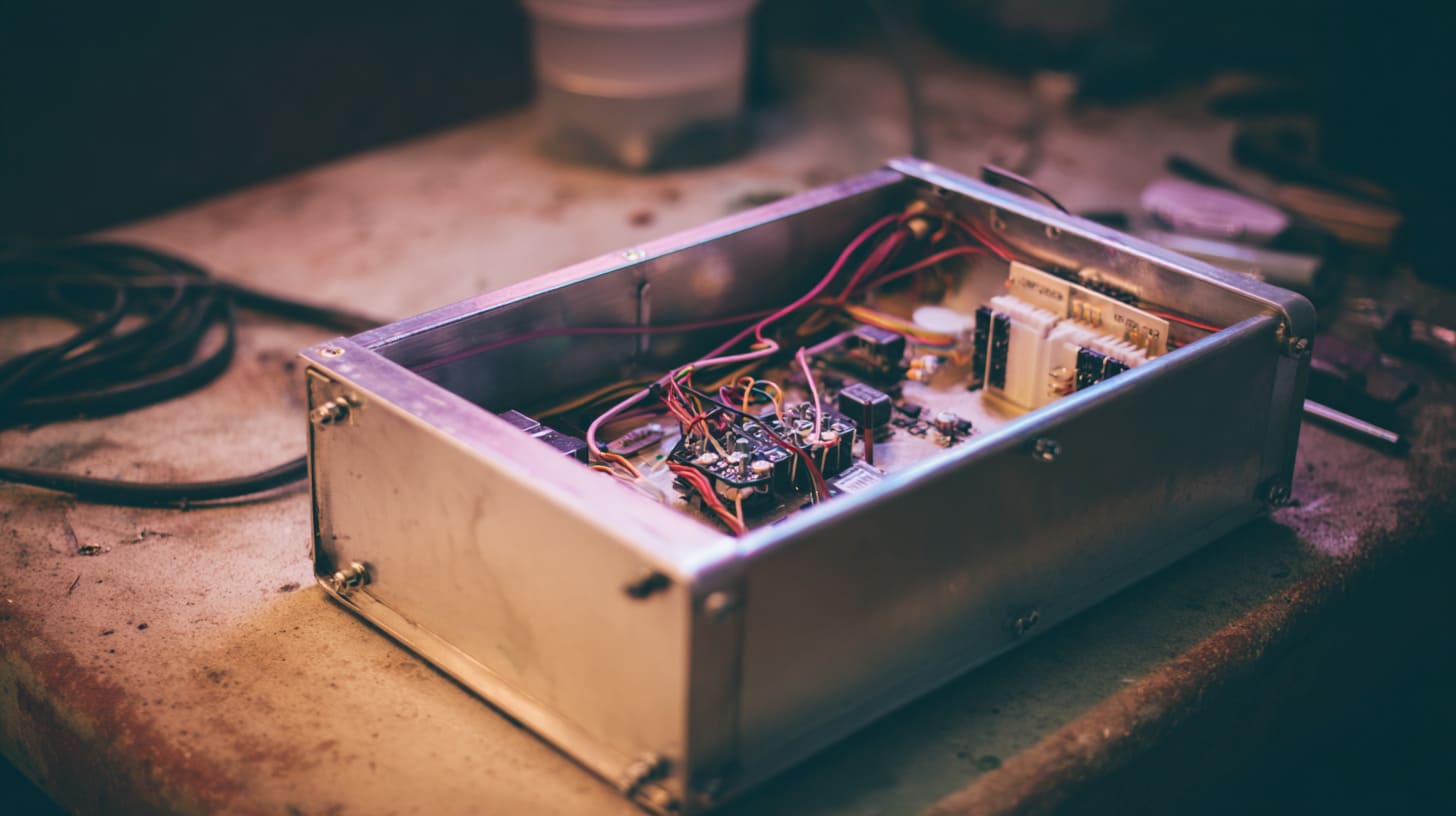
They’re not just about shielding the device—but also protecting the people and infrastructure around it. A good enclosure reduces risk, increases lifespan, and boosts user trust.
What’s the difference between aluminum and steel enclosures?
This comes up a lot during spec reviews.
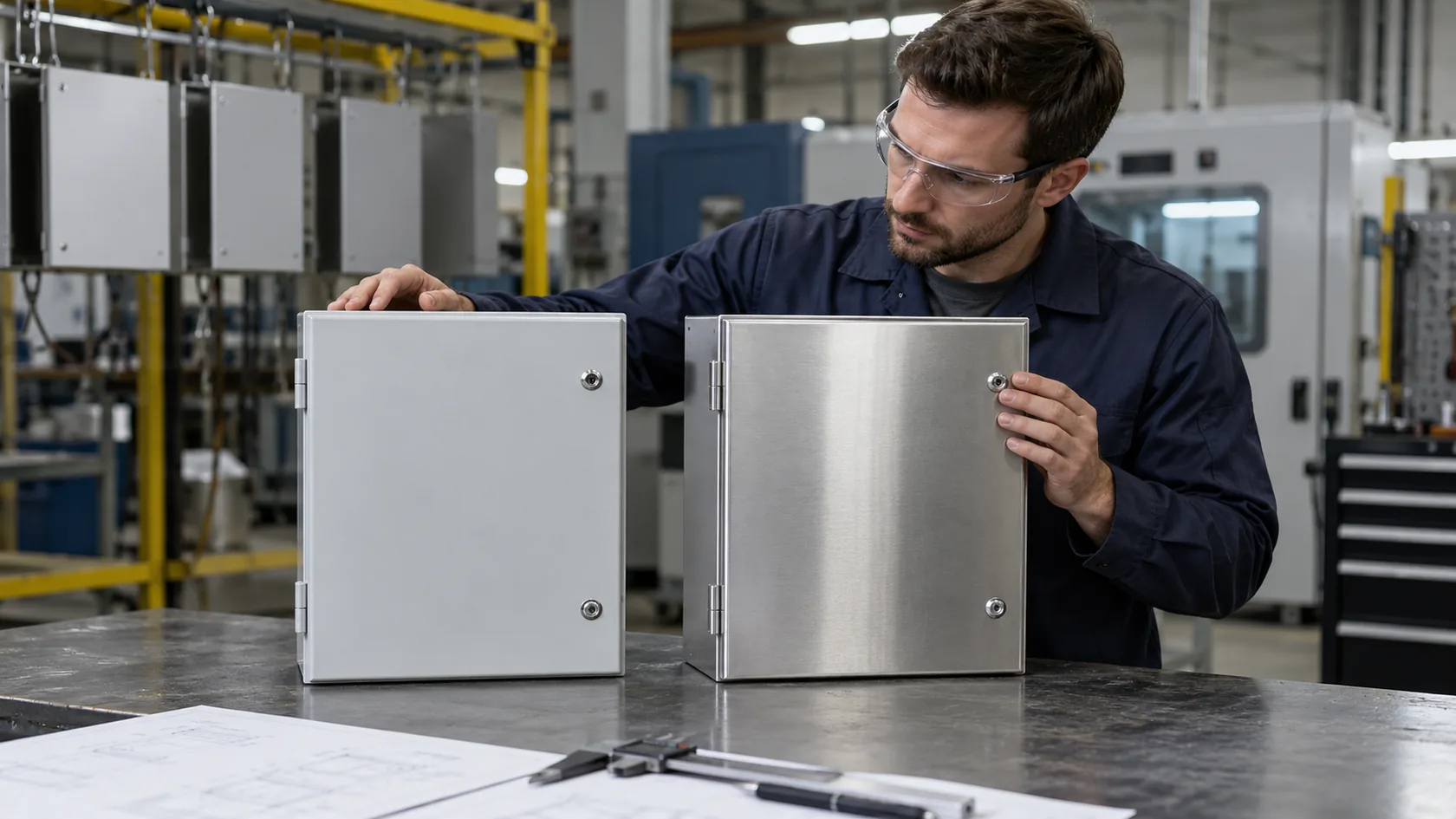
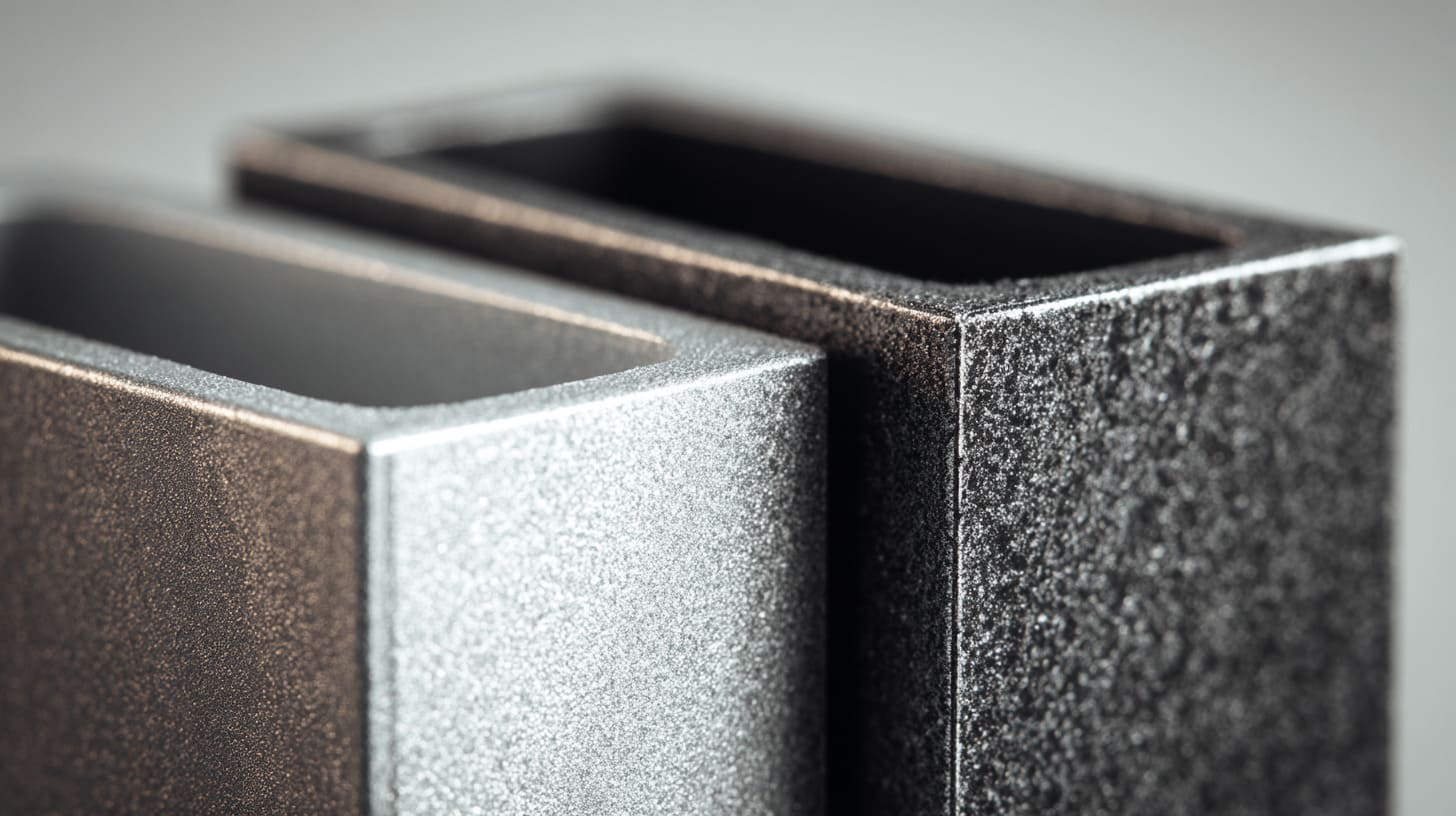
Aluminum is lighter and corrosion-resistant; steel is stronger and more impact-resistant but heavier.
Quick comparison:
| Feature | Aluminum | Steel |
|---|---|---|
| Weight | Light | Heavy |
| Strength | Moderate | High |
| Corrosion Resistance | Excellent | Needs coating |
| Cost | Higher | Lower |
| Machinability | Easier | Harder |
We typically suggest aluminum for portable devices and steel for high-impact installations.
Are metal enclosures better than plastic ones?
Well, it depends.
Metal is better for durability and EMI shielding, but plastic may be better for indoor or lightweight applications.
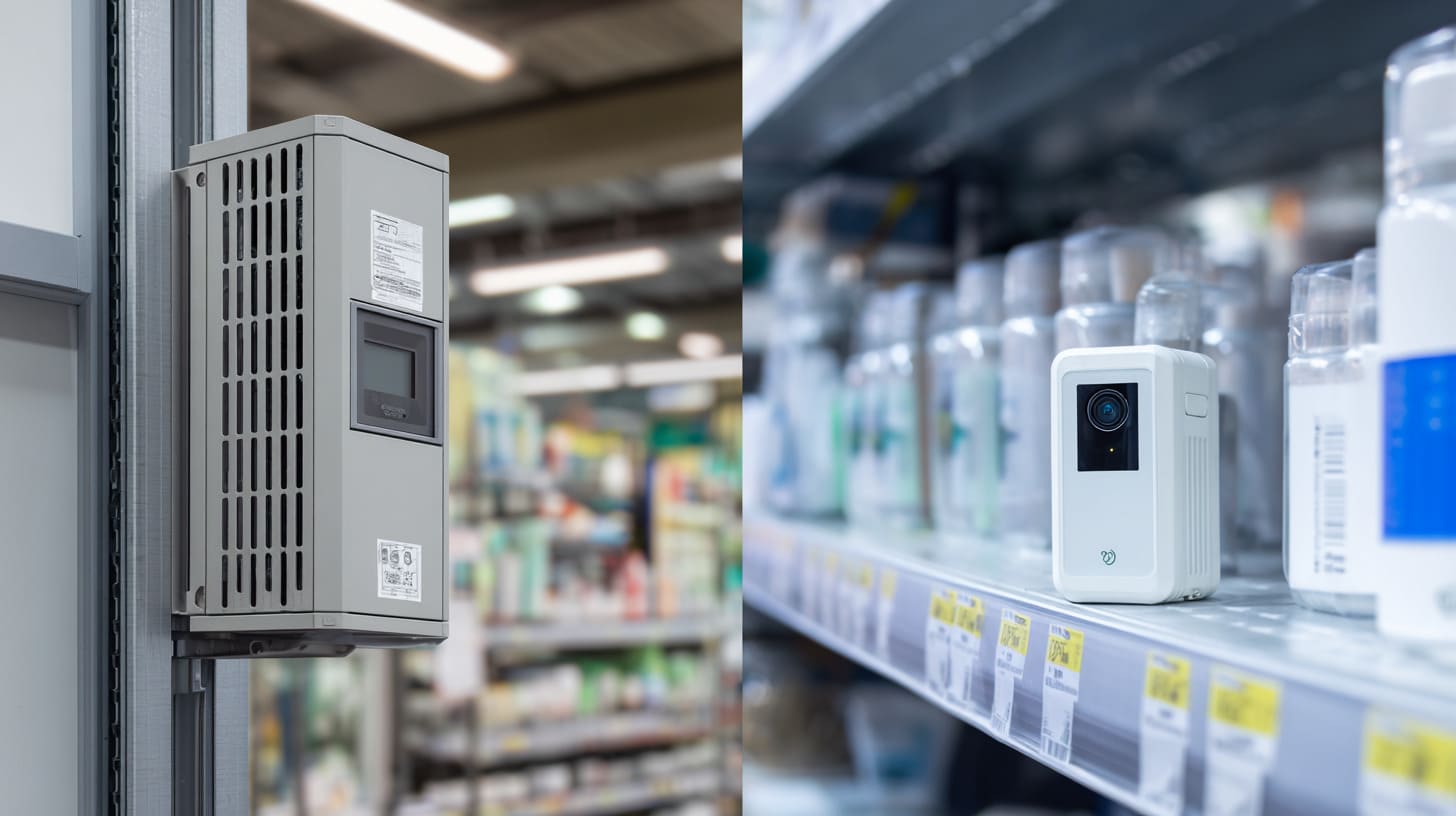
There’s no one-size-fits-all. I always ask clients about their operating environment, expected lifespan, and budget before recommending one over the other.
Do I need a custom metal enclosure for my project?
I ask customers this all the time—what’s your project’s personality?
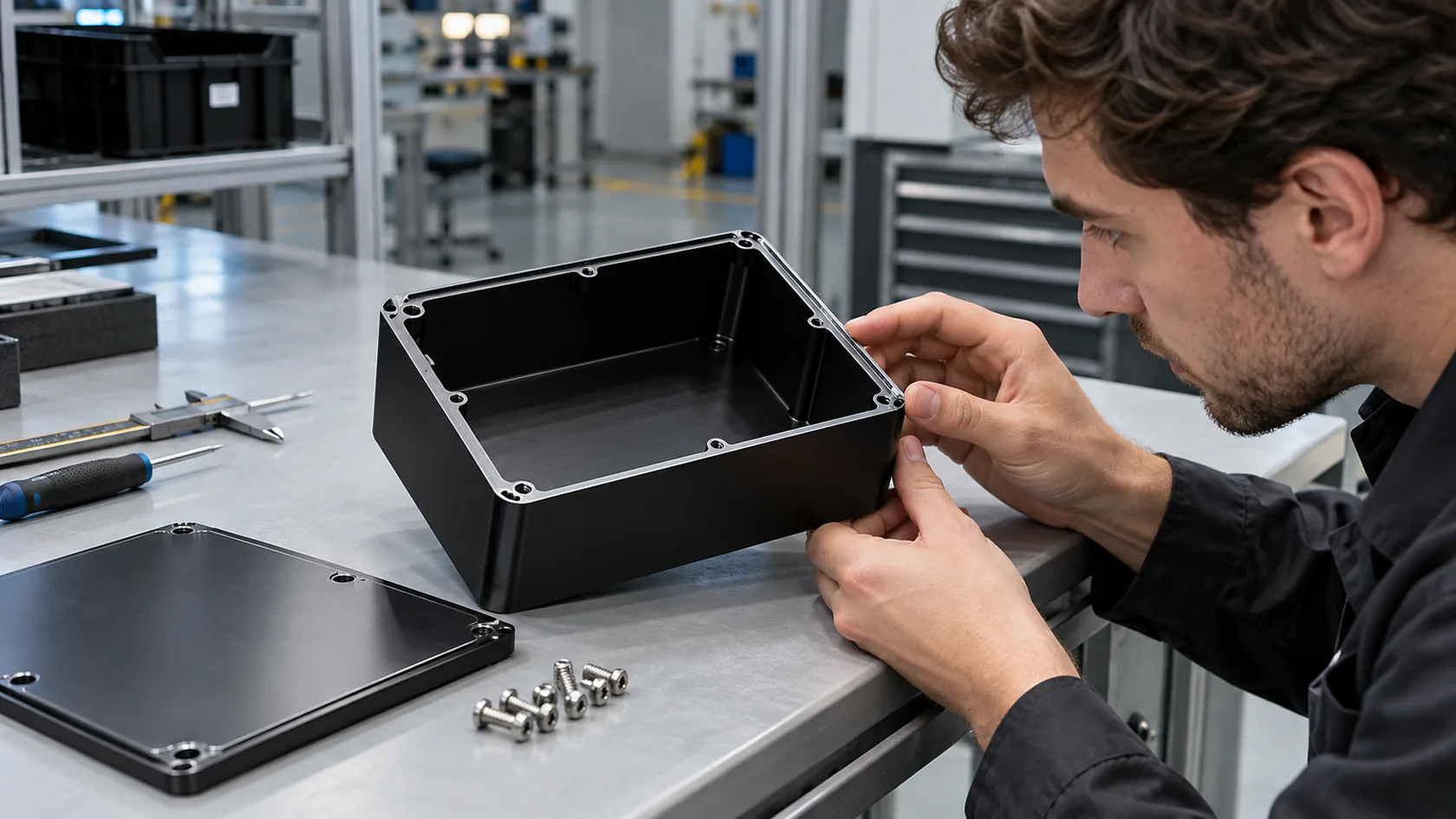
If your product has unique ports, shapes, or thermal needs, a custom metal enclosure will provide the best fit and performance.
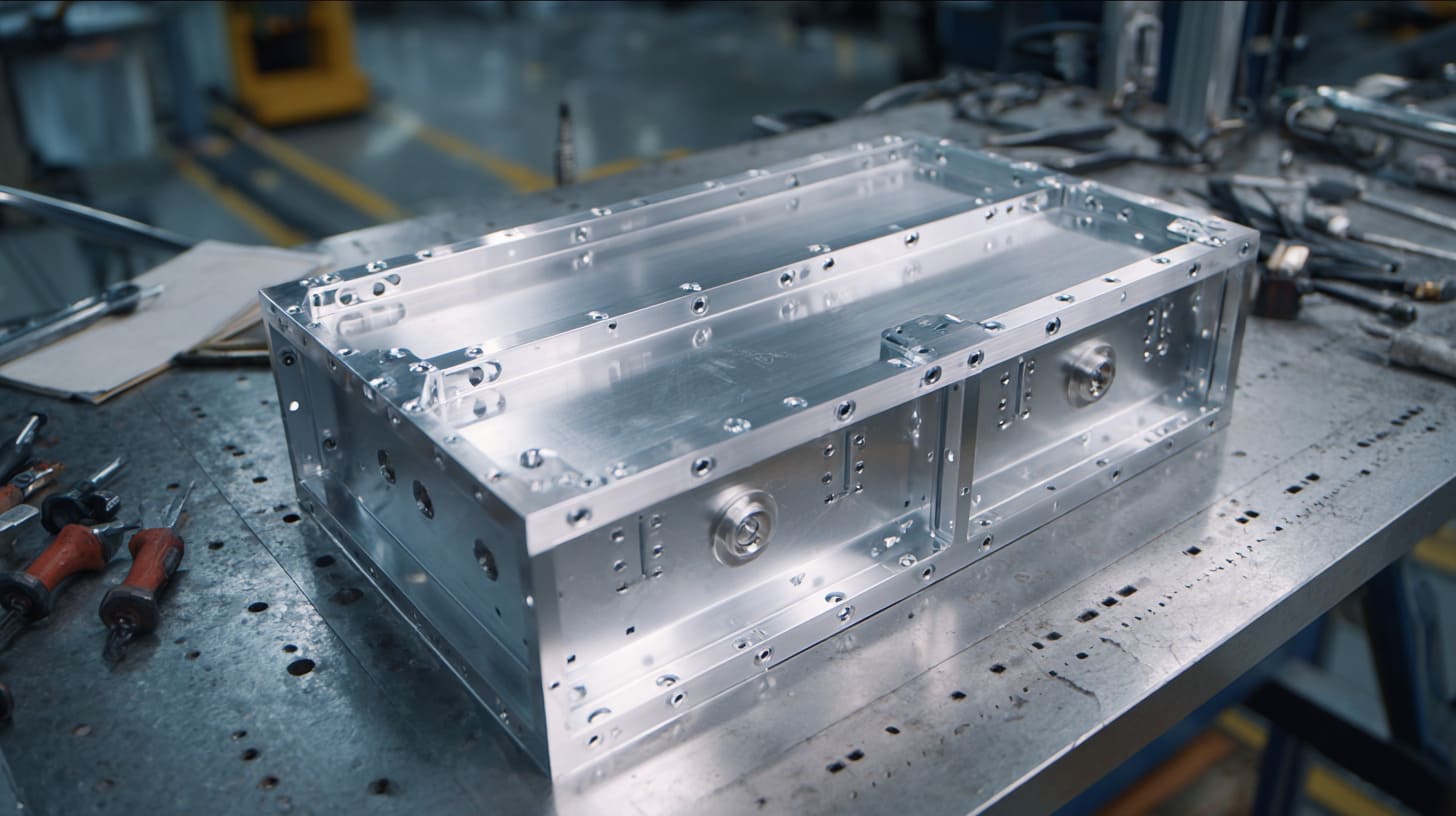
And truthfully? Custom doesn’t always mean expensive. With the right partner (like us), MOQ-based custom runs can still be cost-effective—especially if you plan to scale.
What are the common sizes and shapes of metal enclosures?
You’d be surprised how many standard types already exist.
Common enclosures include wall-mount boxes, desktop enclosures, rack-mounted units, and DIN-rail enclosures.

Example form factors:
- Small handheld: 80mm × 50mm × 20mm
- Wall-mounted: 200mm × 120mm × 75mm
- Rack-mount: 19-inch standard width
- Cylindrical / custom-milled shapes
Need something unique? We machine and bend to spec.
Can metal enclosures be waterproof or weatherproof?
Yes—but don’t assume all are.
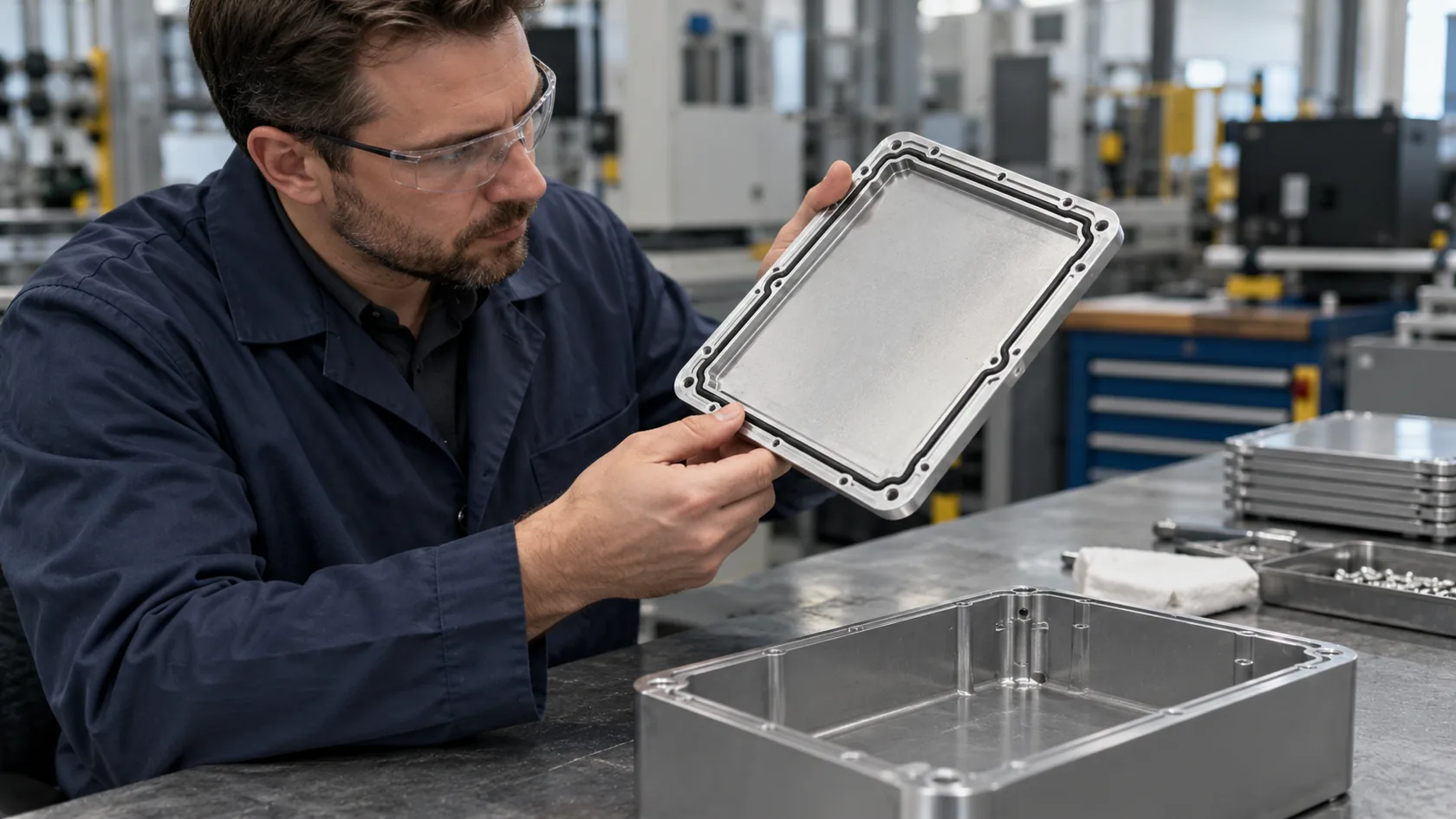
Metal enclosures can be waterproof if sealed properly with gaskets, welds, or coatings, often rated by IP standards.
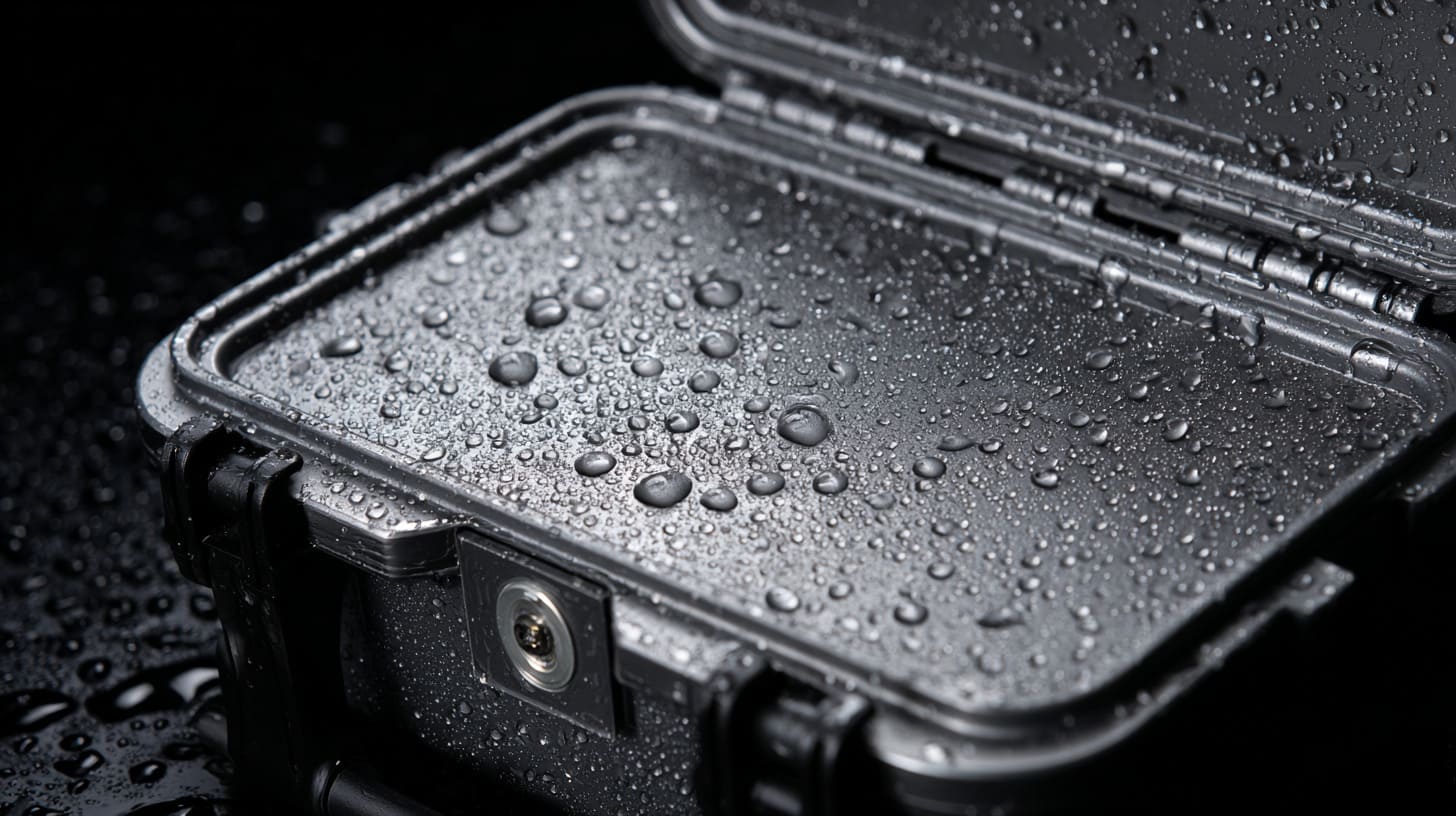
Look for IP65, IP66, or IP67 if your device will face splashes, rain, or full submersion. I always remind clients: ask about sealing, not just material.
How are logos or branding added to metal enclosures?
This is where function meets identity.
Logos can be printed, laser-engraved, CNC-etched, or silk-screened onto metal surfaces.
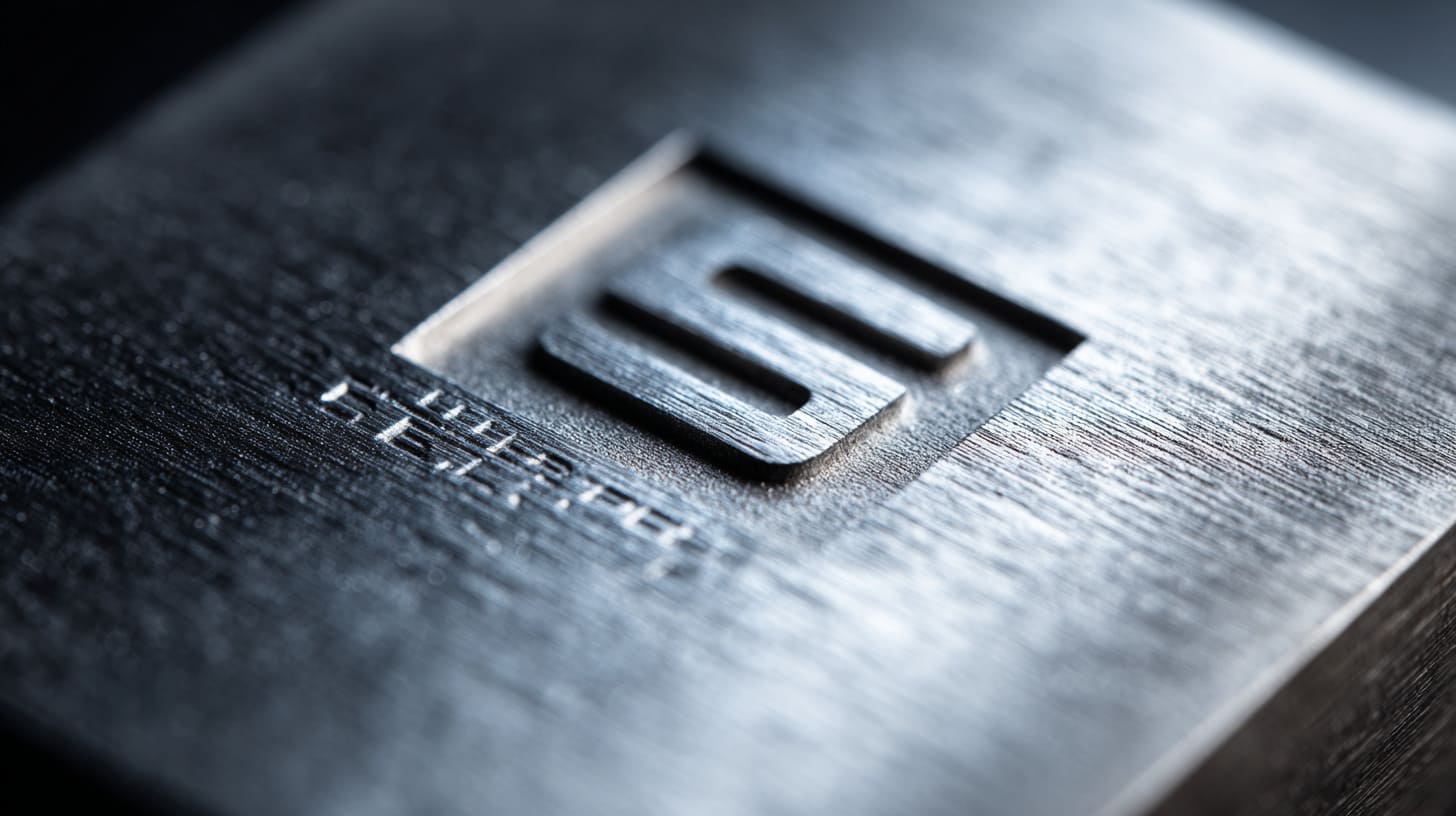
Laser engraving is my personal favorite—it never fades, and gives off a premium feel. We’ve helped many clients turn plain cases into beautiful branded shells with just a simple logo file.
What certifications should a quality metal enclosure have?
This part’s easy to overlook—but critical.
Look for ISO9001 for quality control, RoHS for material safety, CE or UL for electrical compliance, and IP/NEMA ratings for protection level.
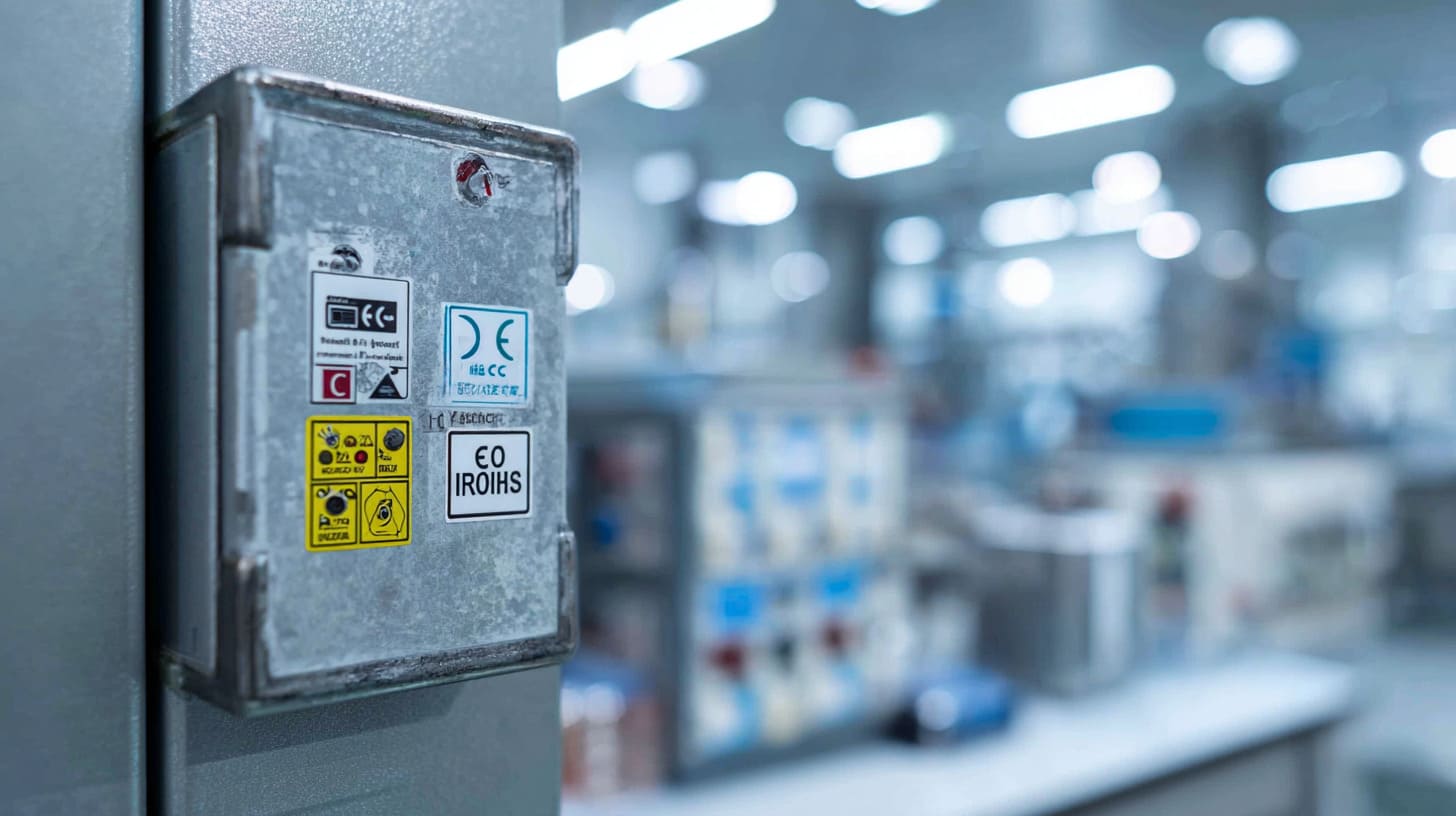
Certs aren’t just paperwork—they’re your product’s passport. No serious buyer skips this step.
How do I choose a metal enclosure supplier in China?
Here’s where most headaches start—or get solved.
Choose a supplier with experience, clear communication, fast prototyping, and the ability to handle both OEM and custom requests.
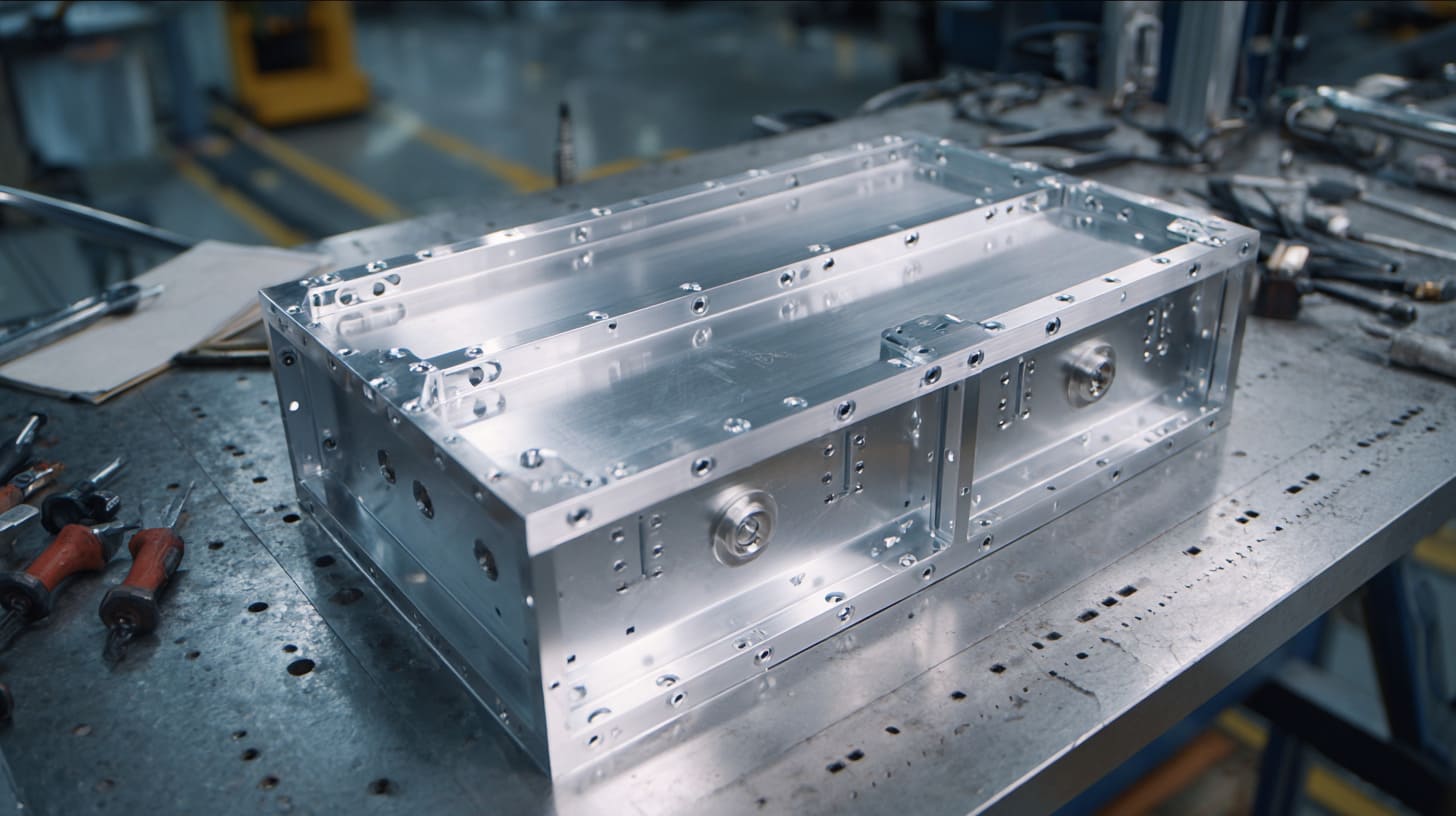
Ask for samples. Ask for lead times. Ask what their MOQ is. The good ones (like us) won’t hesitate. The bad ones? You’ll know fast.
Conclusion
Metal enclosures do more than protect—they empower your design.