Skip to content
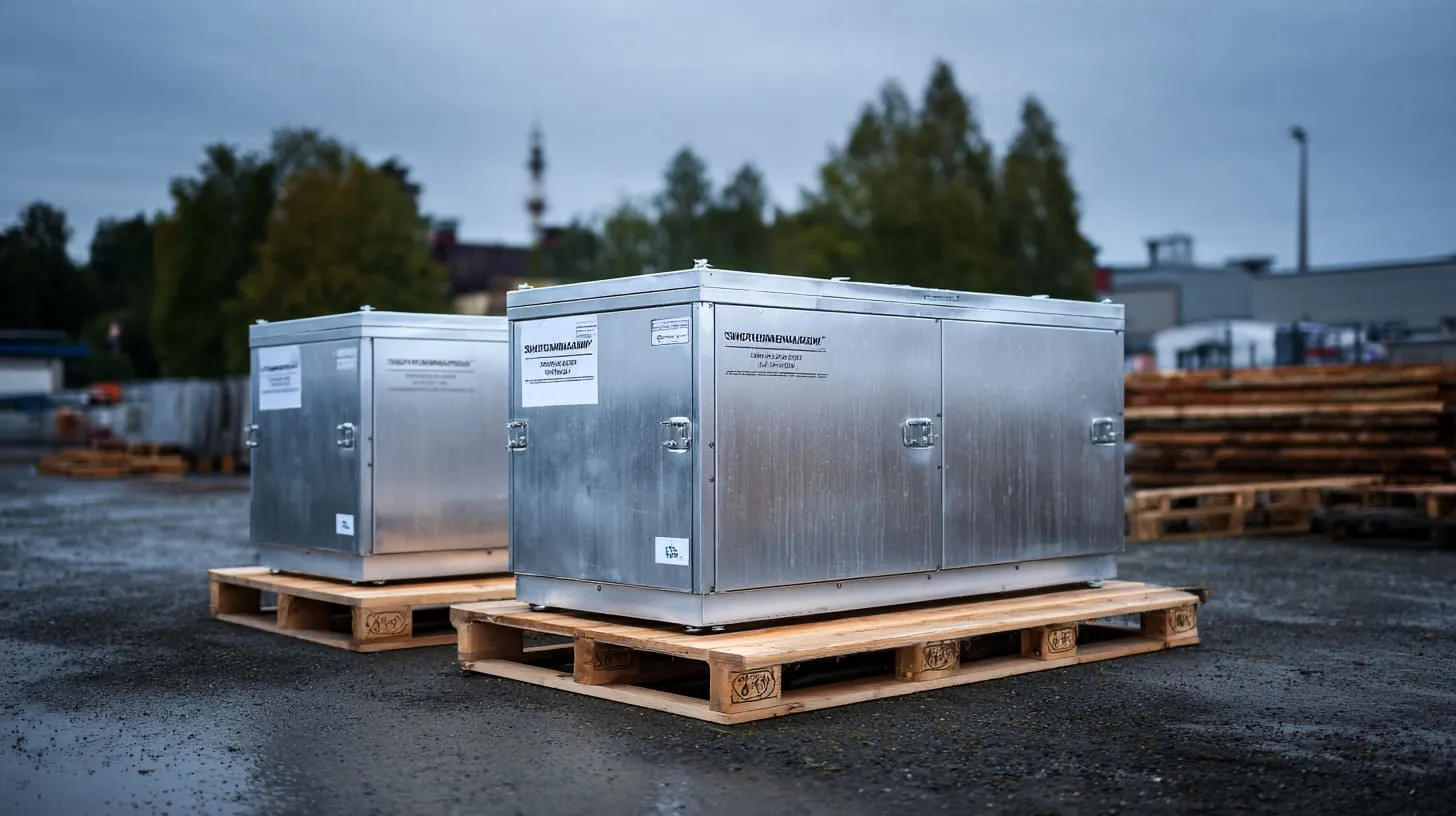
A shipment of enclosures had just arrived at our partner’s site in Finland. The boxes looked perfect—clean lines, solid aluminum, laser-etched logos shining under the cold morning light. But a week later, Davide, their product engineer, called sounding uneasy. Moisture had started forming inside several units, even though they were labeled as “weatherproof.”
That single word—weatherproof—had caused an expensive misunderstanding. His team assumed it meant total water protection. It didn’t. And by the time they realized, a few outdoor sensors had already failed during field tests.
This kind of confusion isn’t rare. I’ve seen buyers, engineers, even experienced designers mix up “weatherproof” and “waterproof” without realizing how much it can affect performance. The difference between the two isn’t just about words—it’s about reliability, cost, and whether your project survives the real world.
Let’s break it down clearly, once and for all.
What Does "Weatherproof" Actually Mean?
Protection Against Elements: What’s Included
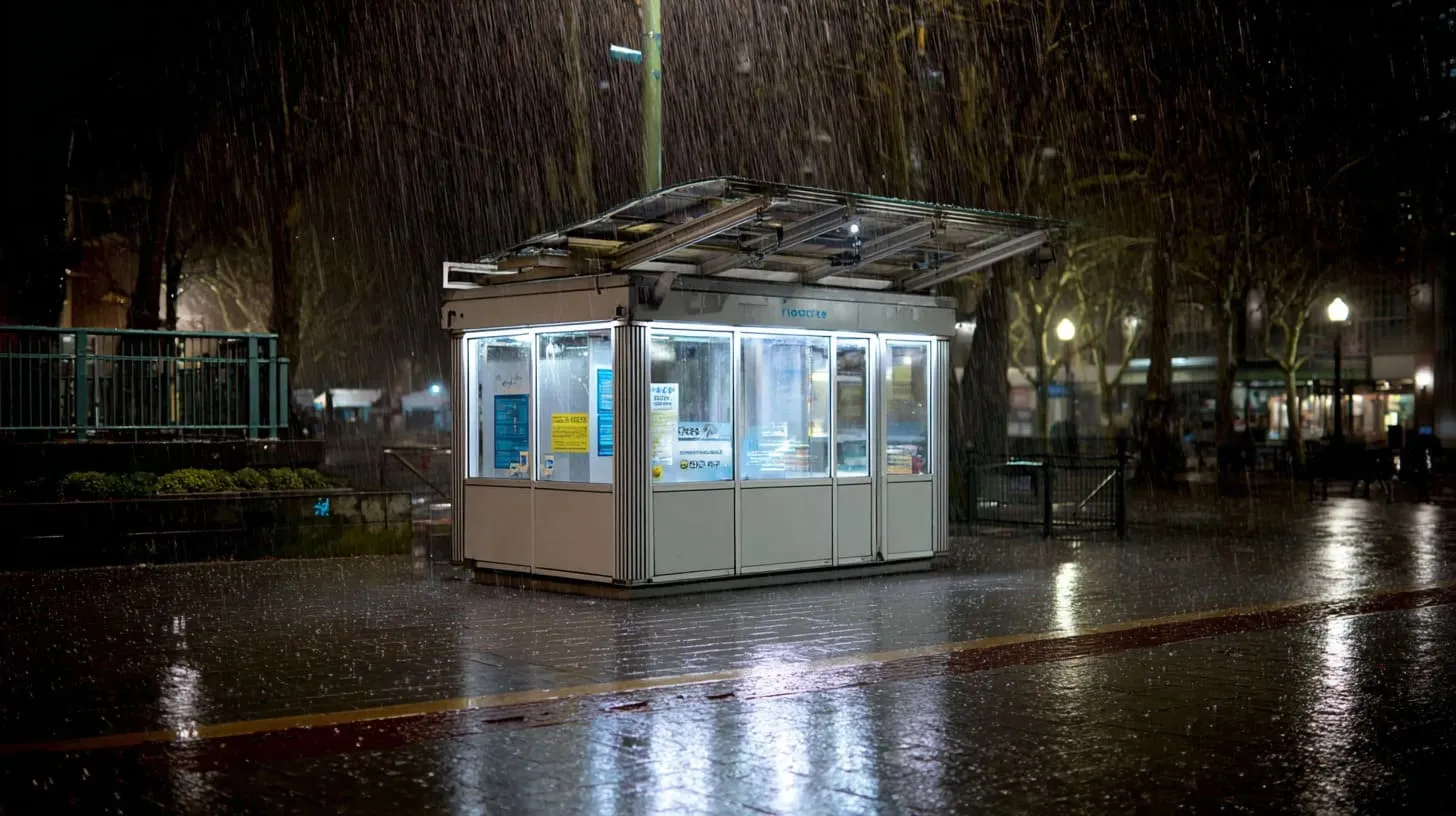
Weatherproof usually means an enclosure can handle things like light rain, dust, wind-blown debris, or sunlight. It’s tough enough to survive under a garden shed, but not a monsoon. Think of it as the raincoat of the enclosure world—not a diving suit.
For most project engineers like Davide, it’s enough for street kiosks, parking meters, and other semi-covered installs.
Typical Use Cases for Weatherproof Enclosures
- Outdoor kiosks (under awnings)
- Surveillance systems mounted under eaves
- Temporary construction site controllers
- Power supply boxes for garden or light pole applications
These applications deal with splashes, wind, dust—but not full submersion or direct pressure spray.
Weatherproof ≠ Waterproof: The Key Misconceptions
It’s easy to assume that if something is sealed and looks tough, it’s waterproof. I’ve had more than one client—especially those new to enclosure buying—get tripped up by this. But weatherproof usually stops at IP54 or IP65, while waterproof jumps much higher on the scale.
That brings us to the question I always get next...
What Does "Waterproof" Actually Mean?
Understanding Total Water Ingress Protection
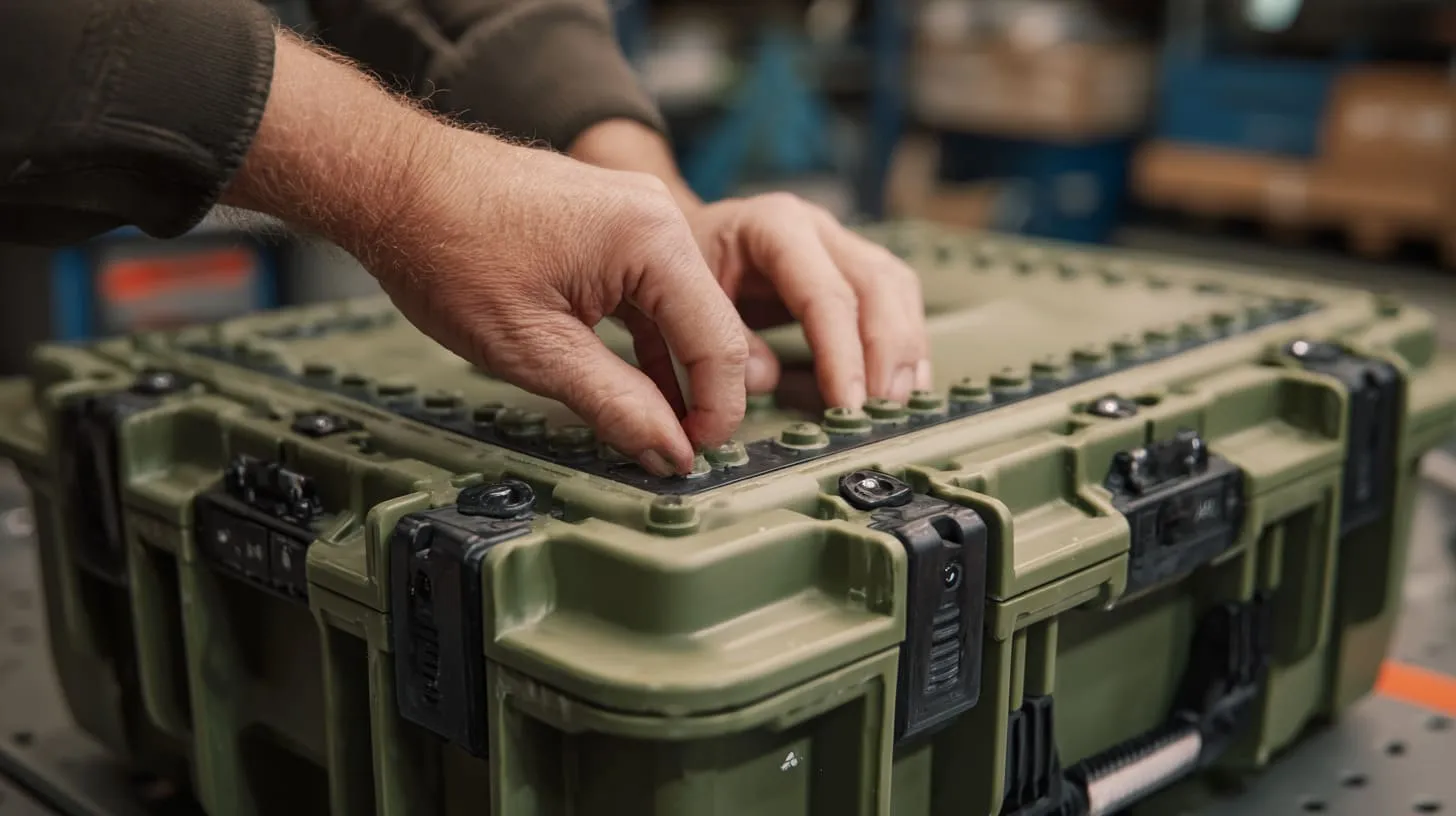
Waterproof enclosures are meant to stop water from getting in—full stop. Whether it’s from rain, a power washer, or complete submersion for 30 minutes, these boxes need to stay dry inside. They’re built with gaskets, seals, and locking mechanisms that create a barrier.
Think of waterproof enclosures like a vault for your electronics—once sealed, nothing leaks through.
Waterproof vs Submersible: Are They the Same?
Not quite. Here’s a quick table to help make sense of it:
| Term | Typical IP Rating | Use Case Example |
|---|---|---|
| Waterproof | IP67 | Outdoor LED lighting, remote sensors |
| Submersible | IP68 or IP69K | Underwater cameras, marine devices |
Submersible implies long-term or continuous exposure. Waterproof, especially at IP67, usually means short-term submersion is safe.
Common Applications That Require Waterproof Enclosures
- Boat electronics or harbor sensors
- Vehicle-mounted control units exposed to splash zones
- High-pressure washdown environments like food processing plants
- Remote monitoring units placed underground or in flood-prone areas
If water is more than a possibility—if it's a guarantee—then waterproof is your best bet.
Comparing IP Ratings: The Global Standard
What IP Ratings Mean in Practical Terms
The IP rating system breaks down protection levels using two numbers:
- The first digit = solid ingress (dust, particles)
- The second digit = liquid ingress (water, moisture)
Here’s a simple reference:
| IP Rating | Solid Protection | Water Protection |
|---|---|---|
| IP54 | Limited dust | Splashing water |
| IP65 | Dust tight | Low-pressure water jets |
| IP67 | Dust tight | Submersion up to 1m |
| IP68 | Dust tight | Long submersion |
| IP69K | Dust tight | High-pressure steam jets |
Common IP Ratings for Weatherproof (e.g., IP54, IP65)
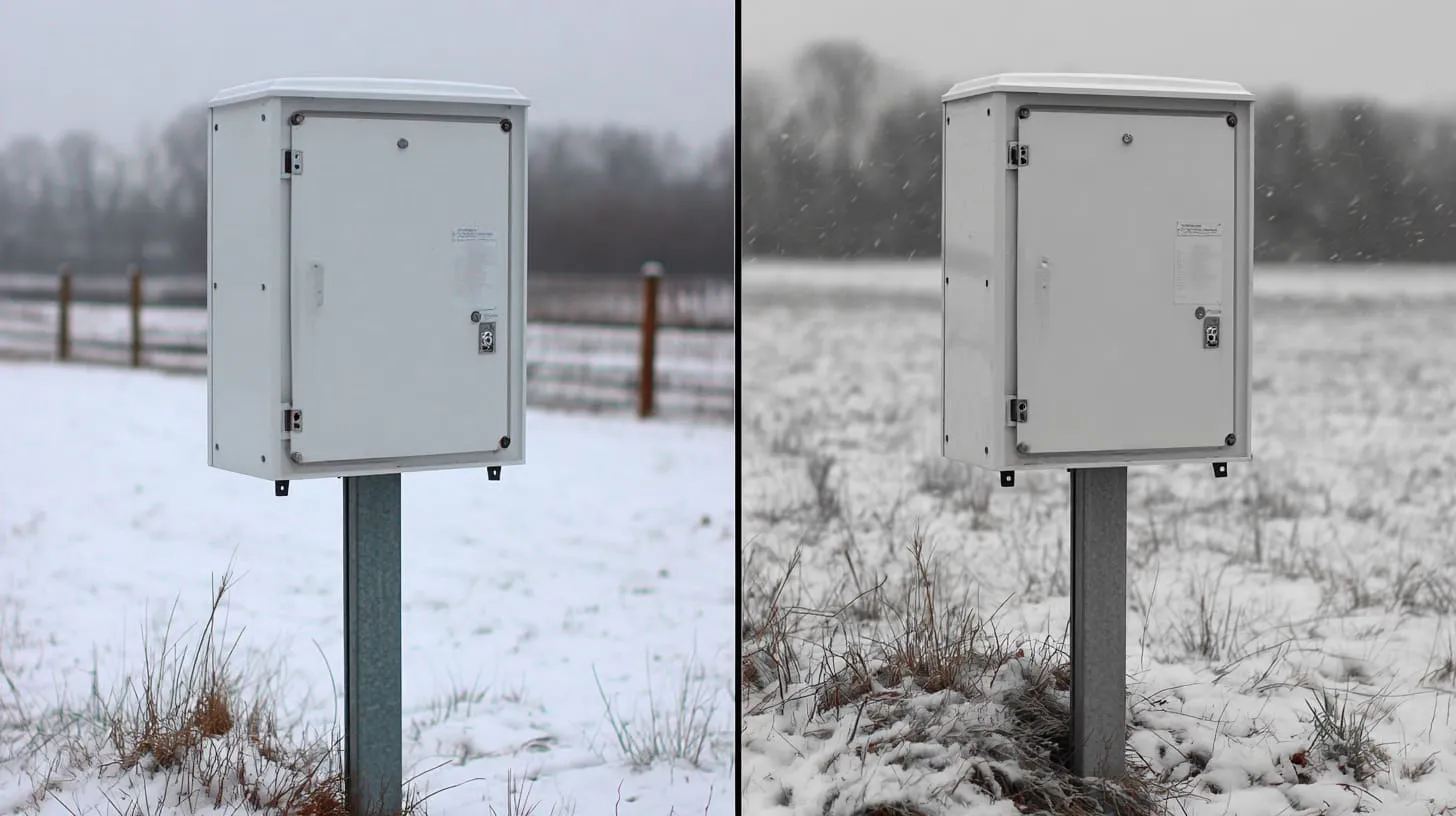
These ratings are ideal when you want a shield against the elements but don’t expect immersion. Think garden tools, wall-mounted boxes, or ventilation units.
Common IP Ratings for Waterproof (e.g., IP67, IP68, IP69K)
If your enclosure might face extreme washdowns, pressure jets, or underwater exposure, aim for at least IP67. IP69K is the highest—often overkill unless you're in food, marine, or industrial cleaning environments.
Real Example: How IP67 Compares to IP54
One of our Canadian clients tested both types side-by-side during a pilot project. The IP54 box was cheaper and looked solid, but after two months in winter slush and ice, its contents failed. The IP67 version? Dry and working.
Sometimes spending a little more upfront saves you a ton later.
Let’s say you’ve picked your rating—but what about the material?
Material Matters: How Enclosure Material Affects Weatherproofing
Aluminum vs Plastic vs Stainless Steel for Outdoor Use
Here’s a quick comparison table:
| Material | Durability | UV Resistance | Corrosion Resistance | Weight |
|---|---|---|---|---|
| Aluminum | High | High | Moderate | Lightweight |
| Plastic (ABS/PC) | Medium | Varies | Low (unless treated) | Lightweight |
| Stainless Steel | Very High | High | Very High | Heavy |
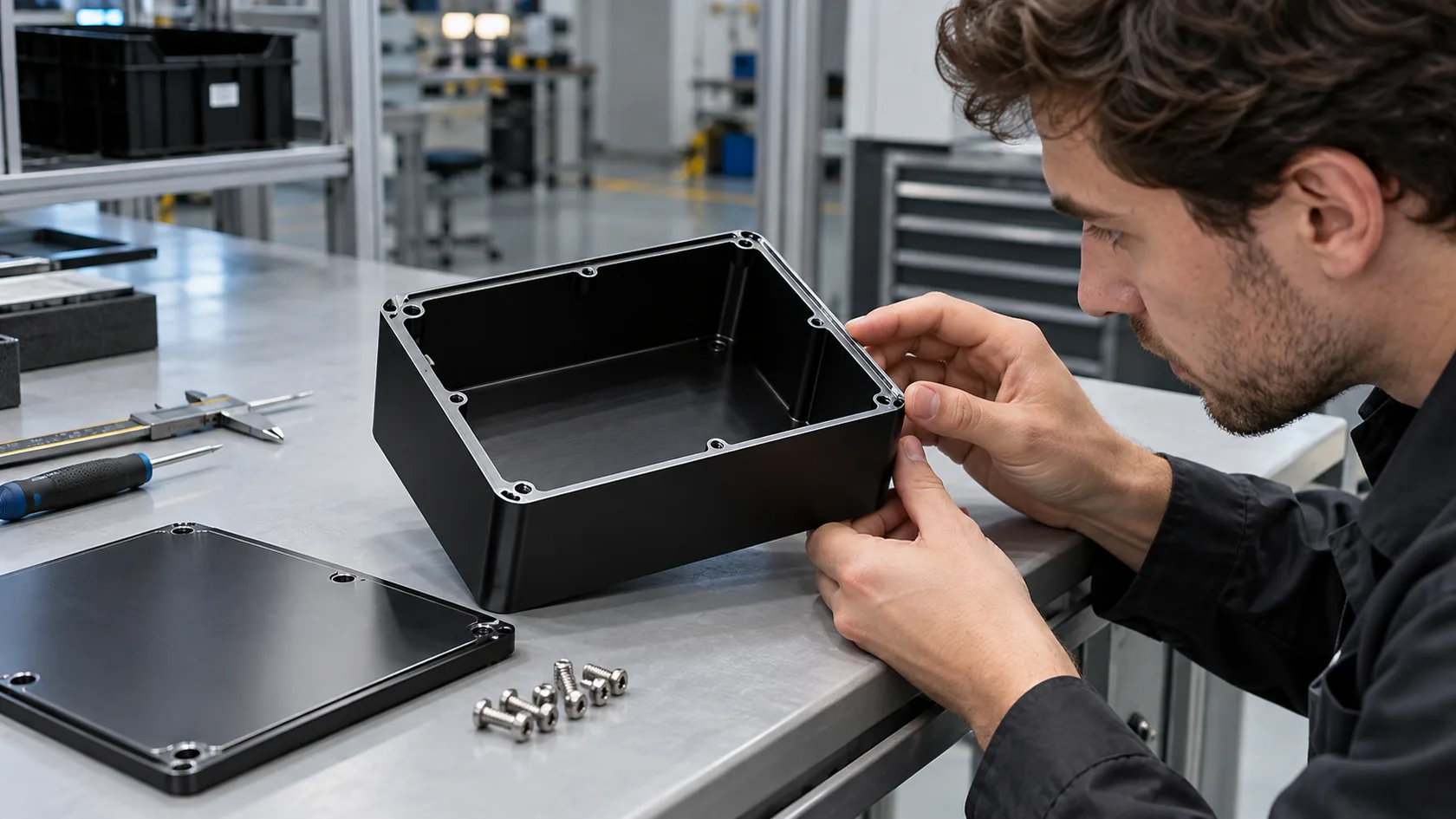
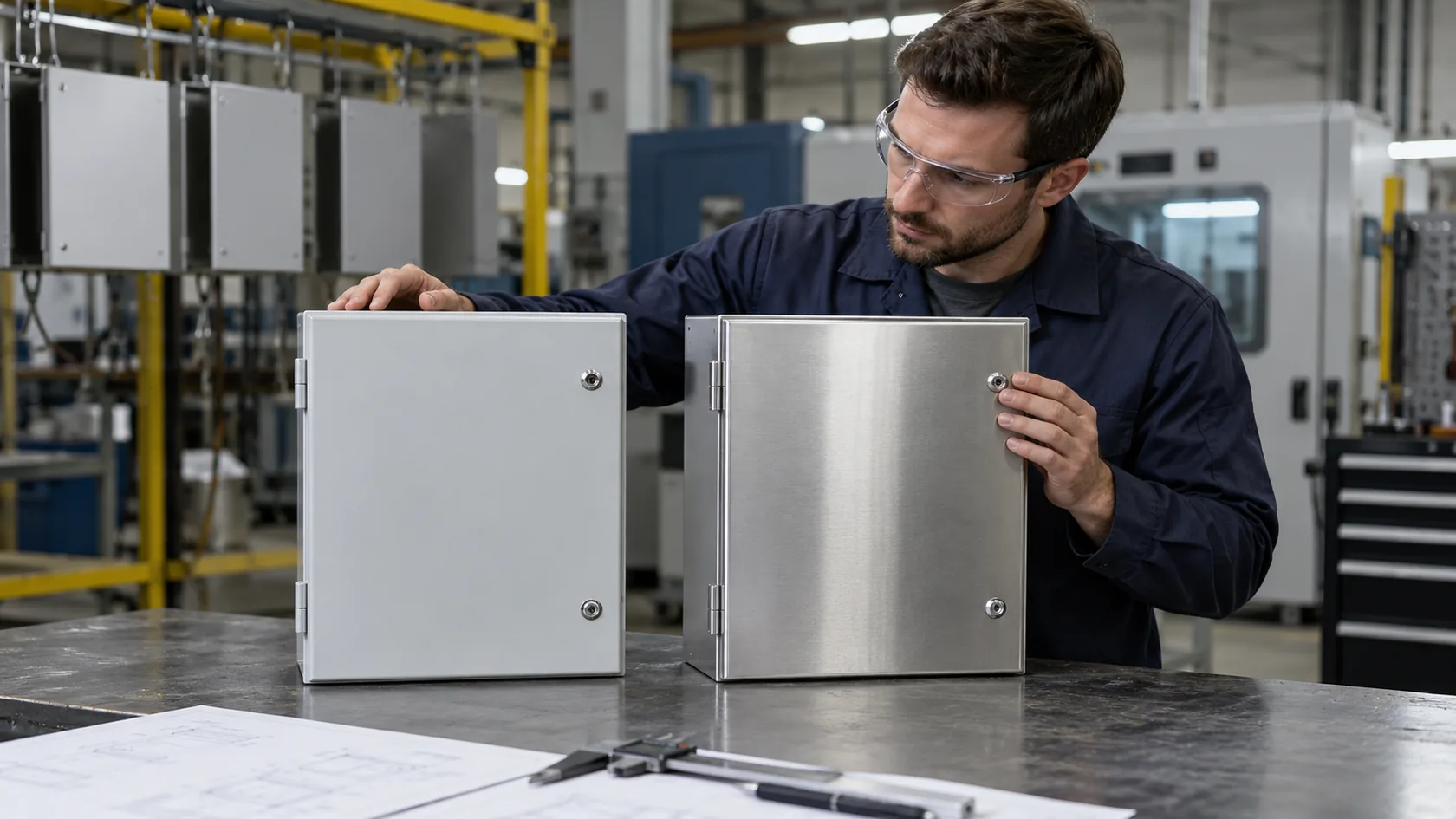
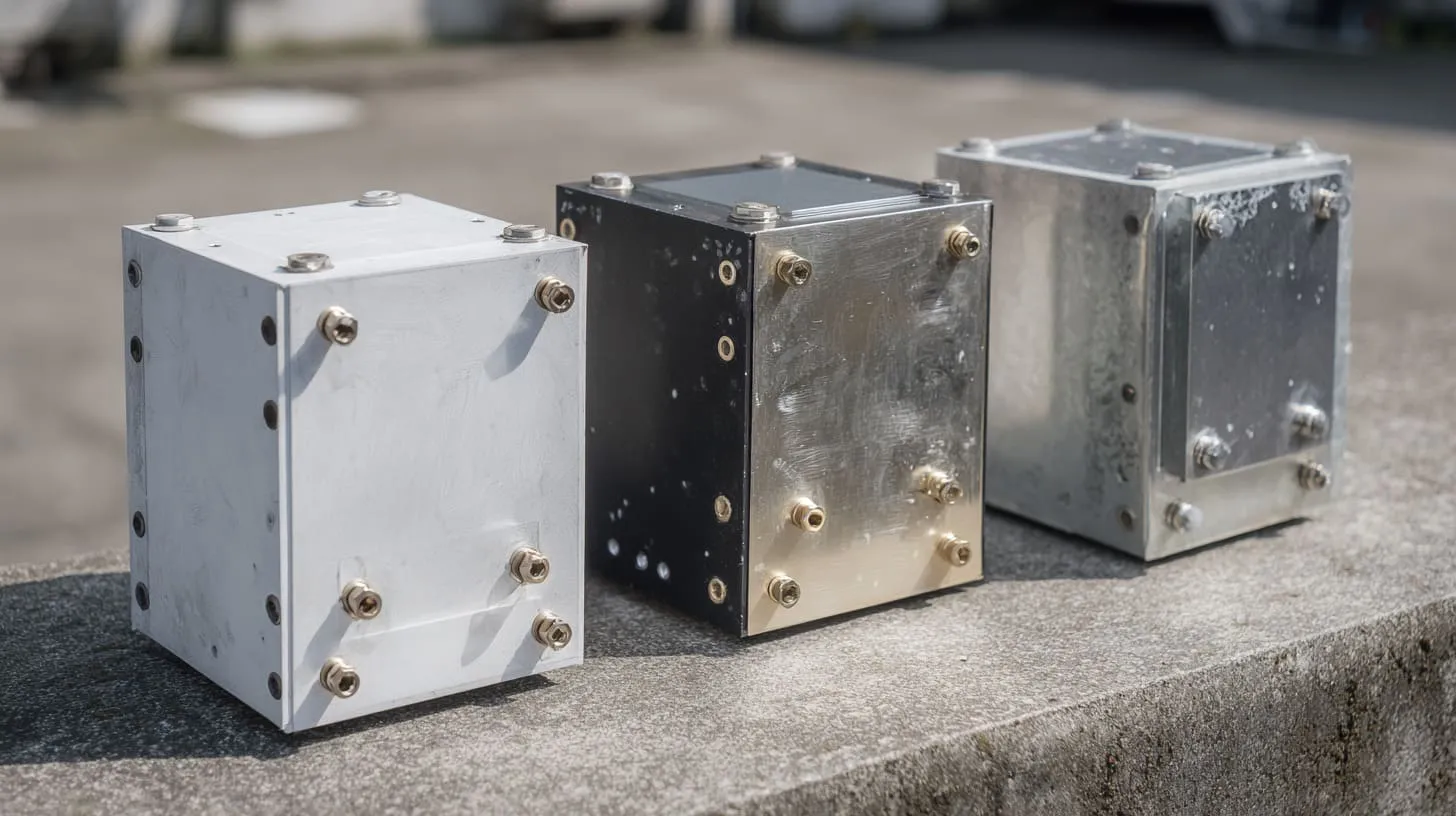
Each has its place. Aluminum offers the best all-around solution for strength and workability. Plastic is cost-effective but needs UV-stabilization. Stainless steel is bulletproof—but it costs and weighs more.
Surface Finishing: Anodizing, Powder Coating, Gasket Design
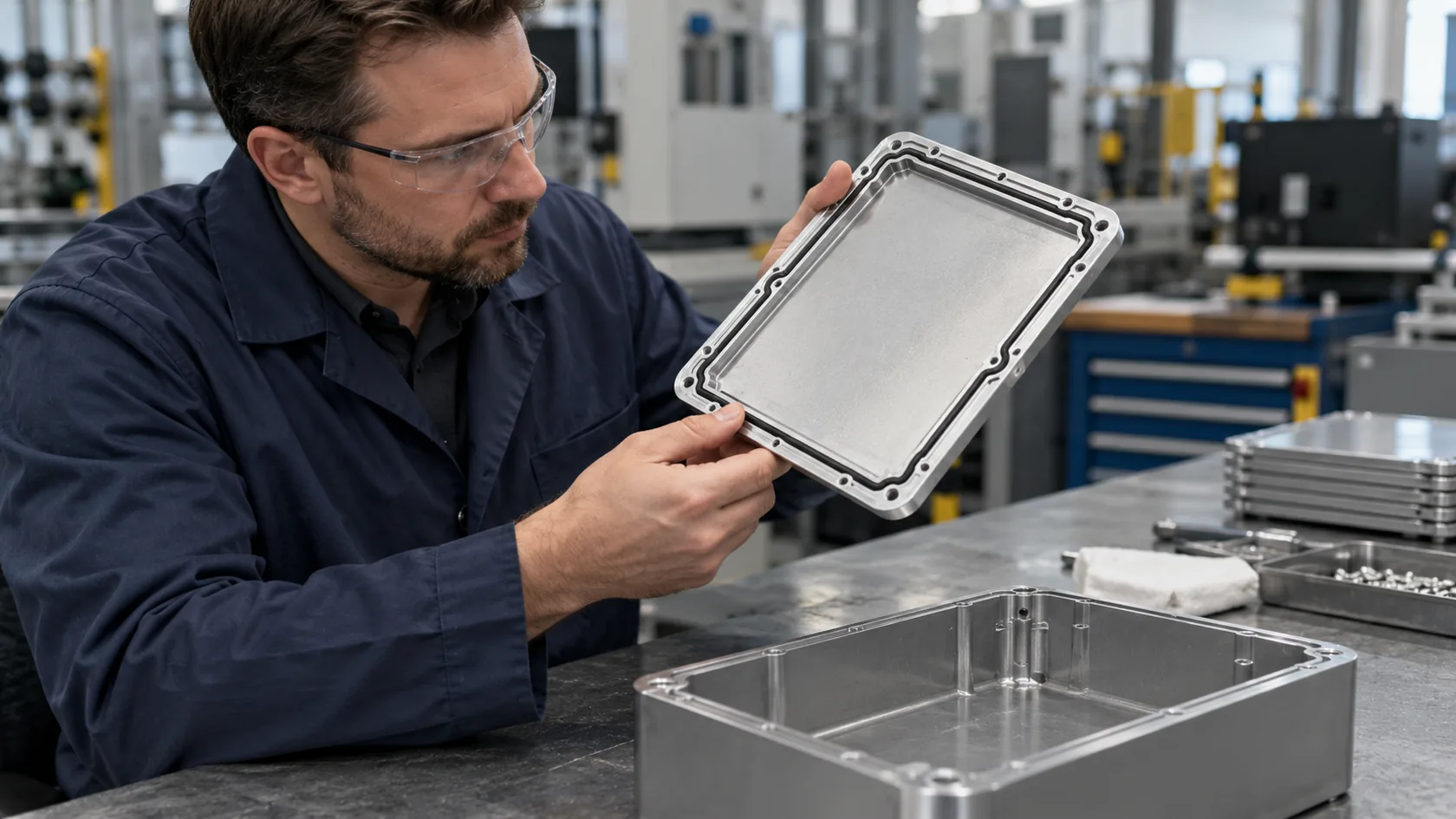
How you treat the surface changes the game. I’ve seen powder-coated aluminum hold up better than raw stainless in beachside installations—because of smart design and sealing.
Gaskets are equally crucial. A weak seal means even the best-rated box will fail.
Thermal Expansion and Seal Integrity Over Time
If your enclosure faces heat cycles (like desert sun to cool nights), material expansion can crack the seals. This is where engineering matters most—ask your supplier how they test for this.
I had one German client, Jackson, who requested dual-material testing because his enclosures had to survive snowy Alps and summer heatwaves. We tested, sealed, and simulated both conditions—and got the pass.
Next up, let’s talk about pricing.
Cost vs Protection: Finding the Right Balance
Is Waterproof Always Better? When It’s Overkill
Many customers start by asking for “the best” rating possible. But waterproof isn’t always the smartest move. If your device is under a roof and only sees the occasional breeze or mist, waterproofing adds unnecessary cost.
How Over-specifying Enclosures Increases Cost
Waterproof enclosures require tighter tolerances, better seals, and more complex machining. That bumps up production costs and extends lead times—sometimes without adding real value.
Here’s a comparison from one of our ODM clients:
| Specification | Price (USD) | Use Case |
|---|---|---|
| IP54 (weatherproof) | $5.20 | Entry control system |
| IP67 (waterproof) | $9.80 | Marine environment |
Multiply that by 500 units, and you're looking at a big budget shift.
Smart Selection for Long-Term ROI
Start with the end in mind. What’s the worst your enclosure will face? If it’s just rain, don’t buy for a tsunami. But if you’re unsure—go waterproof and sleep better.
That leads to the next big question...
Use-Case Scenarios: Which Enclosure Do You Need?
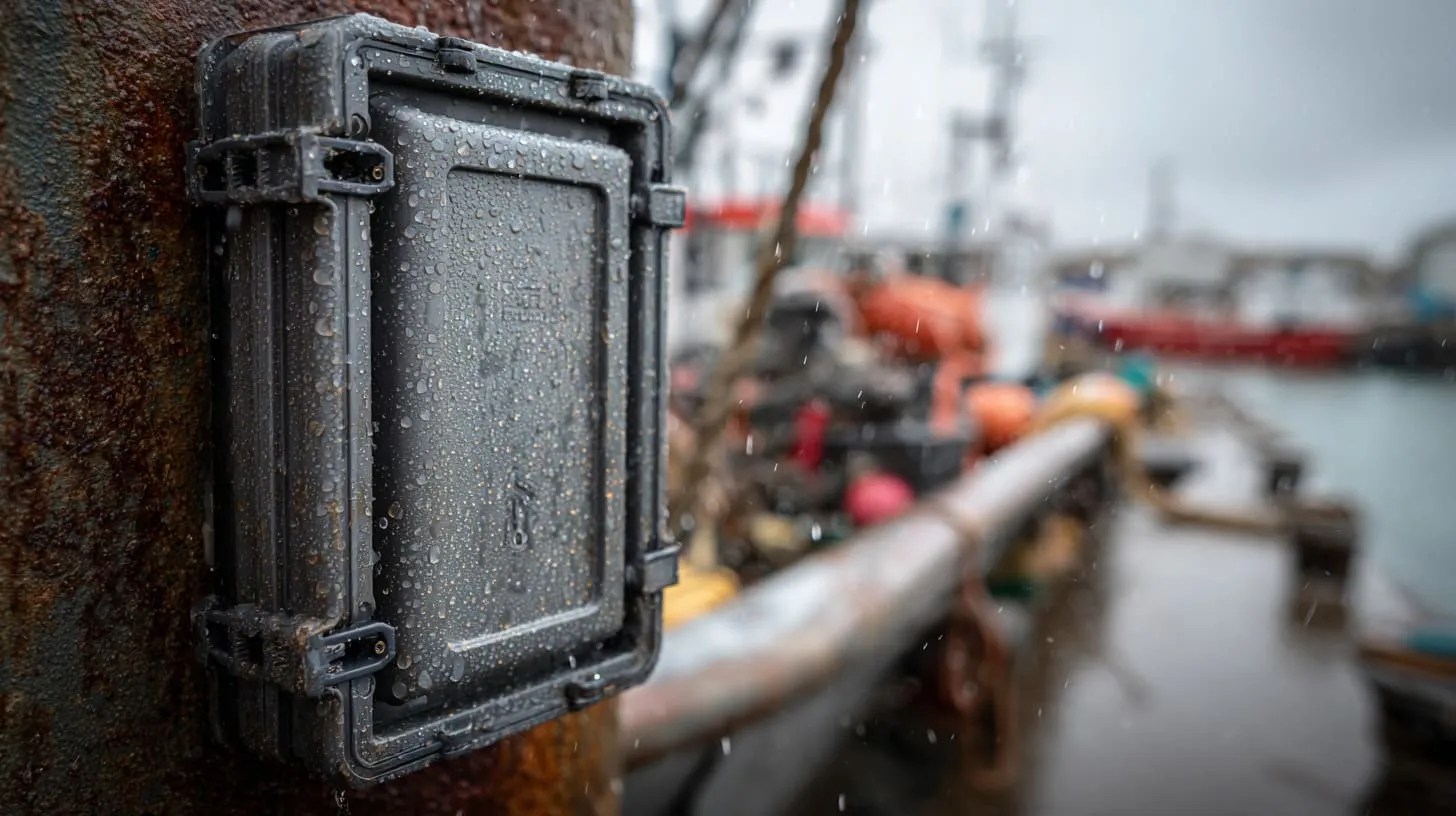
For Outdoor Industrial Installations
Go waterproof. Dust, mud, water—they all show up eventually.
For Portable or Mobile Electronics
Weatherproof may be enough, especially if it’s used briefly outdoors and stored later.
For Marine or High-Humidity Environments
IP68 or IP69K. No compromise.
For General Indoor/Outdoor Use
Weatherproof works. Just don’t let it sit in a puddle.
You may be wondering now—how do I even begin choosing?
Questions to Ask Before Choosing
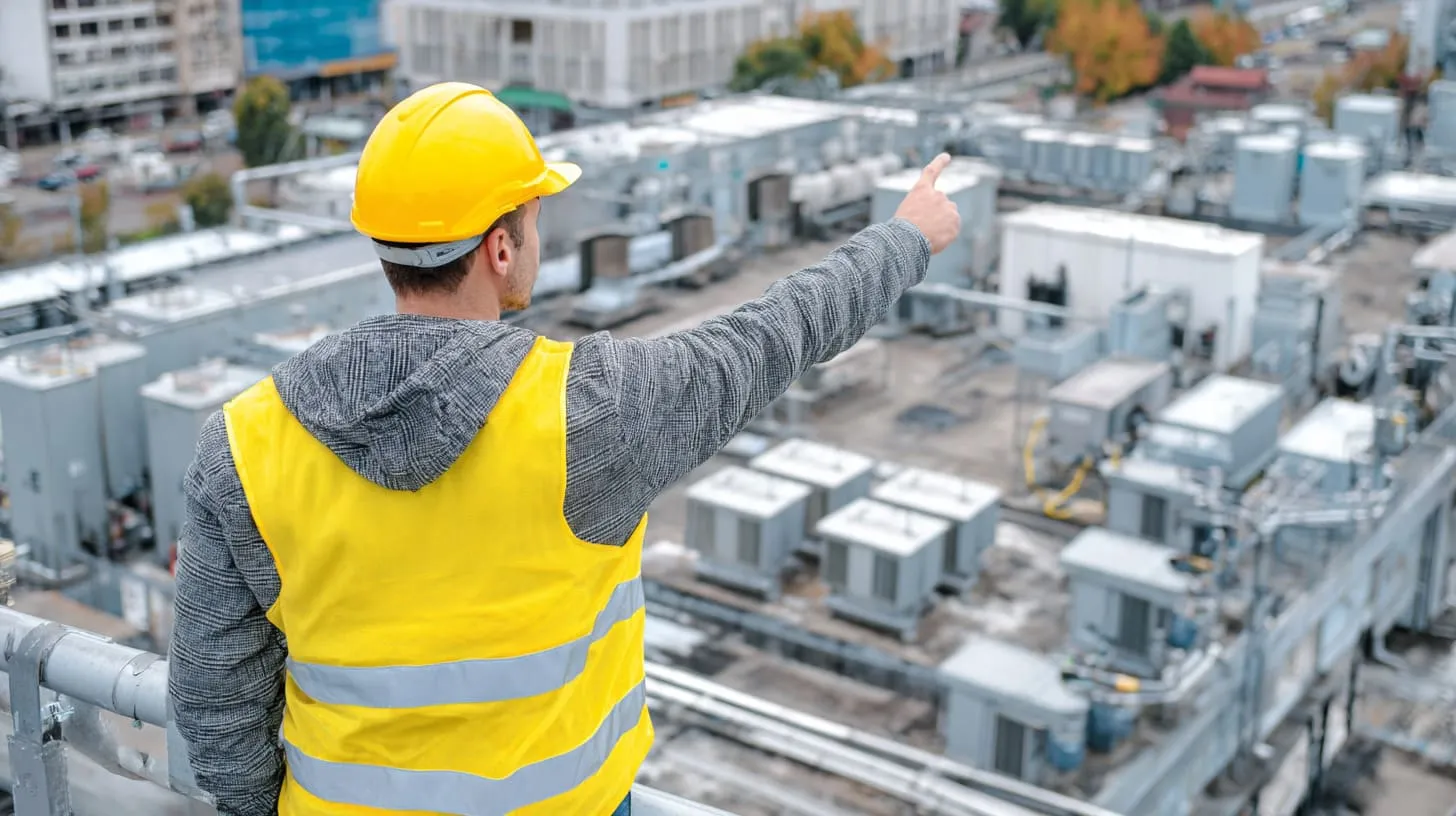
Where Will the Enclosure Be Used?
Basement? Factory floor? Rooftop? The environment changes everything.
What Will the Enclosure Protect?
A sensor worth $10? Or a controller worth $1,000? Match the protection to the value.
What Type of Exposure Is Expected (Spray, Splash, Submersion)?
Draw a worst-case scenario. Now spec for that.
Are There Regulatory Standards to Meet (UL, NEMA, CE)?
Especially for North American or European buyers like Davide, these aren't optional—they’re the bare minimum.
Now let’s get practical...
Tips for Custom Enclosure Buyers

What to Include in Your Design Brief for Weatherproofing
- Expected environment
- Required IP rating
- Material preference
- Mounting method
The more your supplier knows, the better your result.
Best Practices for Gasket and Seal Design
Ask for:
- EPDM or silicone gaskets
- Double-lip seals for waterproofing
- Lab test reports for IP ratings
Working With a Manufacturer to Test for Waterproof Claims
Don’t just trust “IP67” on the label. Ask how they tested it. Real waterproofing is more than marketing.
But even good specs can go wrong…
Common Mistakes to Avoid
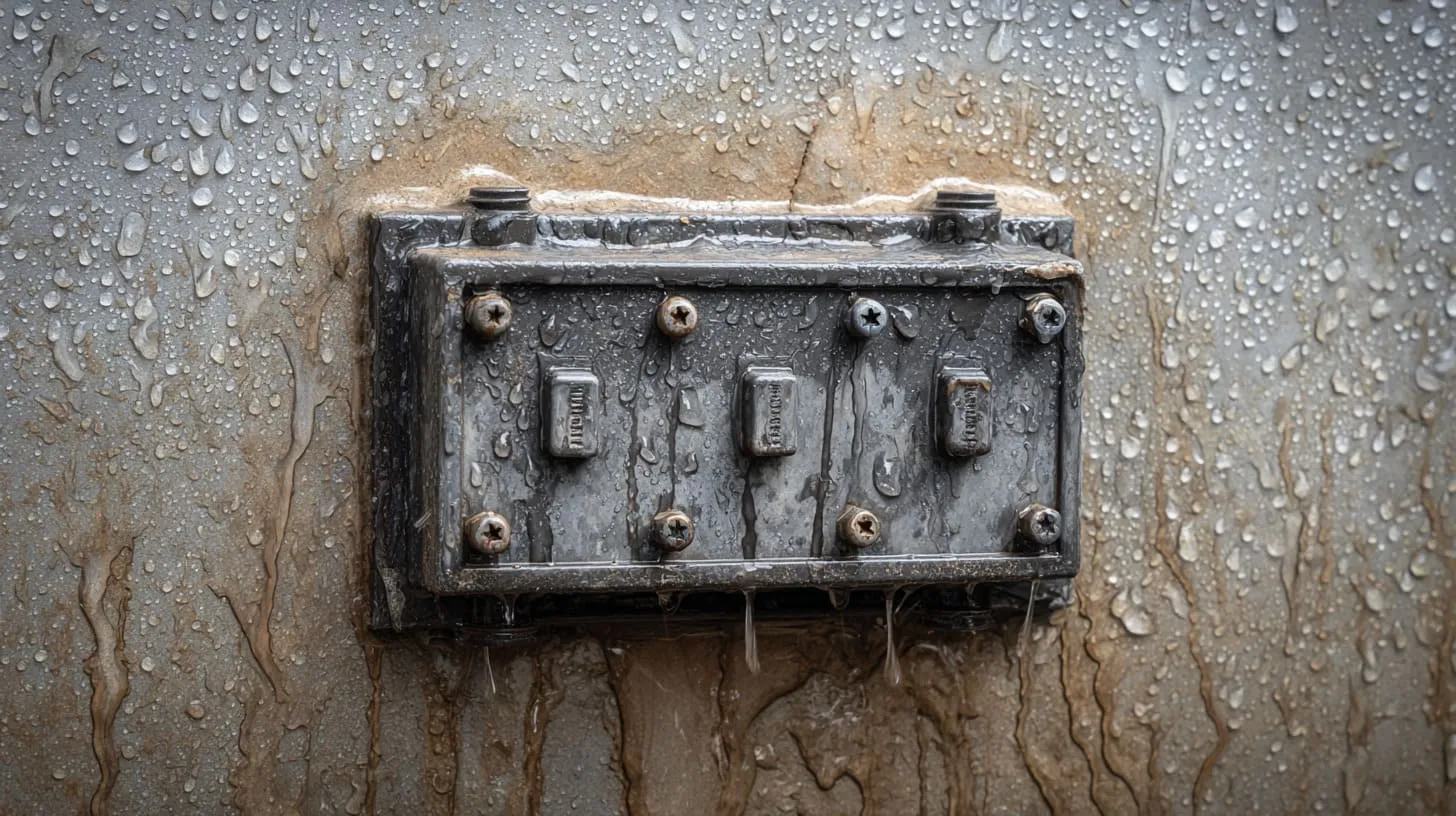
Misreading IP Ratings or Marketing Claims
IP54 ≠ waterproof. Don’t assume the rating means total protection.
Overlooking Temperature and UV Resistance
Especially if your box will sit in sun or snow—those conditions wear seals down fast.
Using Indoor Enclosures Outdoors Without Modification
I’ve seen too many projects ruined by someone taking a beautiful ABS box and screwing it to a wall in the rain. It won’t end well.
So, where do we land?
Conclusion
When someone asks me whether they should go weatherproof or waterproof, I always ask two things: “Where will it live?” and “What’s it protecting?”
If you're reading this as a product engineer, buyer, or even just someone trying to get it right for your own project—my best advice is this: don’t guess. Ask. Test. Partner with your enclosure manufacturer.
And always remember—good design starts before the box is even built.