Skip to content
Every week, we ship out batches of custom aluminum and plastic enclosures — some heading to factories in Germany, others bound for rooftops in the US. One time, a batch was returned. The customer said moisture got in during a storm. Not a flood, not high pressure — just steady rain. That single failure didn’t just cost money. It shook their confidence. That’s when I knew: we needed to treat waterproof ratings like core design, not an afterthought.
What this guide covers
In this post, I’ll explain what IP ratings actually mean, how IP68 and IP69 differ, and what you should consider before deciding which one suits your enclosure project. Whether you’re an engineer like Davide, designing for harsh weather, or someone like John from Hungary building new projects on a tight budget, this guide will give you clarity.
Why waterproof/IP ratings matter for custom enclosures
In enclosure manufacturing, IP ratings define the line between success and failure. They determine how your product survives rain, dust, cleaning pressure, or total immersion. One bad rating choice could mean a flooded circuit board or a broken brand reputation.
1. Understanding IP Ratings – The Basics

I often explain IP ratings to new buyers using a simple story. Imagine your enclosure as a submarine — it can only go as deep as its design allows. IP ratings tell us how far that submarine can go before it leaks.
1.1 What “IP” stands for (Ingress Protection)
“IP” means Ingress Protection. It’s an international standard (IEC 60529) that measures how well a device resists dust and water. The higher the numbers, the stronger the protection — but not always in the way people think.
| Code | Meaning | Description |
|---|---|---|
| IP | Ingress Protection | International code for dust and water protection |
| First Digit | Solid protection | Dust or solid particle resistance (0–6) |
| Second Digit | Liquid protection | Water resistance (0–9K) |
1.2 How the two digits work: solids vs. liquids
The first number (0–6) refers to dust and solid resistance. “6” means dust-tight — no particle entry.
The second number (0–9K) measures water protection. “8” means protection against immersion, while “9” or “9K” means resistance to high-pressure water jets and steam.
1.3 Common misconceptions (e.g., “higher number = always better”)
A common mistake I see — assuming IP69 is automatically better than IP68. Not true.
IP68 is for submersion. IP69 is for high-pressure spray. One survives underwater; the other survives cleaning hoses. Different conditions, different champions.
Sometimes, explaining this to clients feels like helping them pick between scuba gear and rain armor. Both protect you, but for totally different adventures.
2. What is IP68?
2.1 Definition of IP68: what the “6” and “8” mean
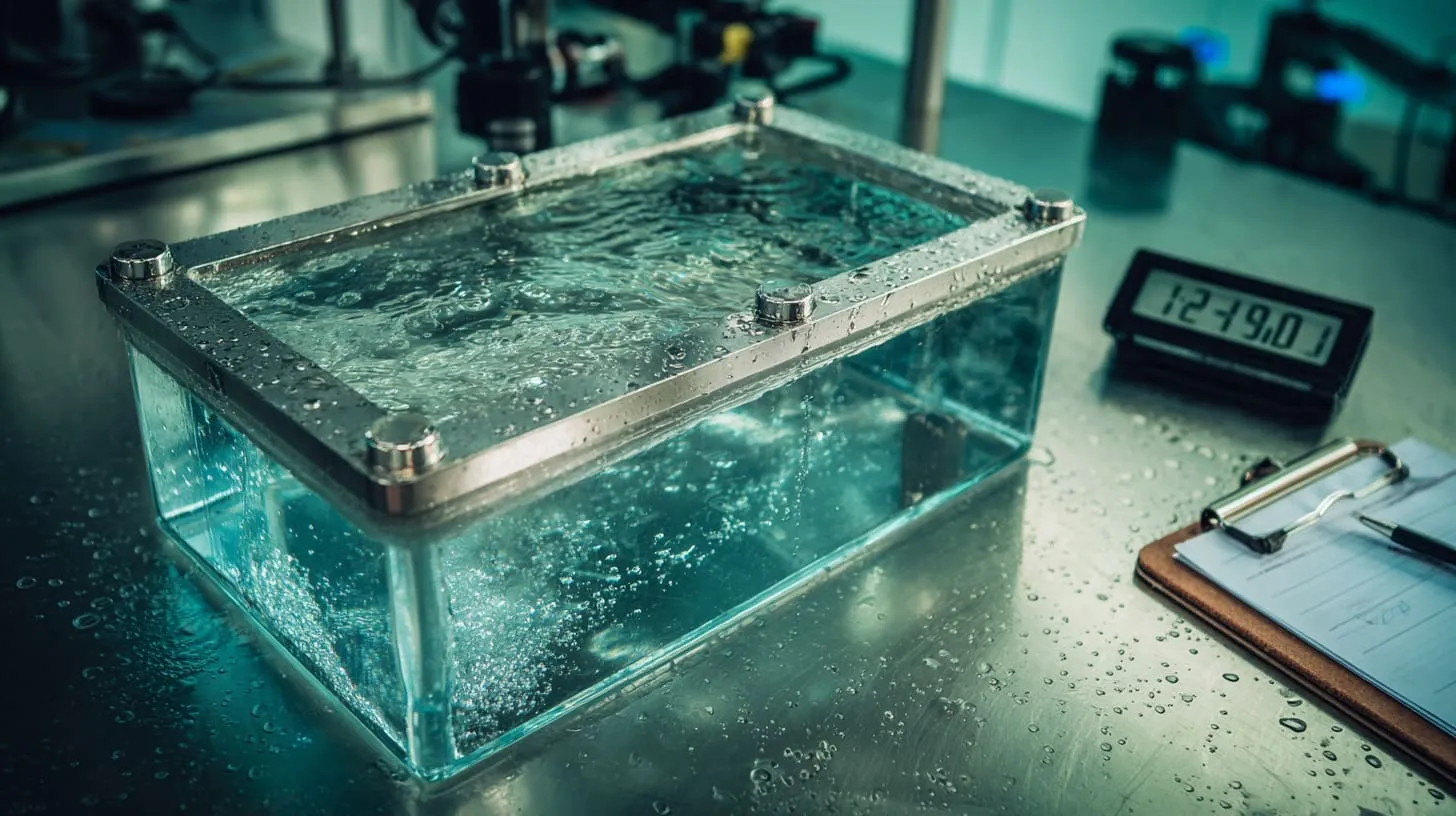
In IP68, the first “6” means the enclosure is completely dustproof. The “8” means it can handle long periods of immersion — typically beyond 1 meter — under specific conditions.
| Component | Rating | Meaning |
|---|---|---|
| 6 | Dust-tight | No ingress of dust |
| 8 | Water immersion | Protected against continuous submersion |
2.2 Test conditions for IP68 (immersion depth/time, dust‐tightness)
The IP68 test involves submerging the enclosure in water at a defined depth (usually 1.5 meters or more) for a set duration. The goal is to ensure no water leaks inside.
Dust tests involve using fine talcum powder under vacuum pressure to confirm total isolation.
2.3 Typical applications of IP68 in industrial/custom enclosures
You’ll find IP68 ratings in:
- Outdoor sensor boxes
- Underwater lighting systems
- Weather stations
- Marine controllers
- GPS tracking devices
I remember helping a Canadian client build an IP68 aluminum case for a coastal monitoring system. We had to redesign the gasket twice because salt corrosion nearly ruined the seal. That’s when you realize — every gasket matters.
2.4 Advantages & limitations of IP68
Advantages: Great for outdoor, marine, and humid environments.
Limitations: Not designed for pressure washing or hot cleaning jets.
3. What is IP69 (and IP69K)?
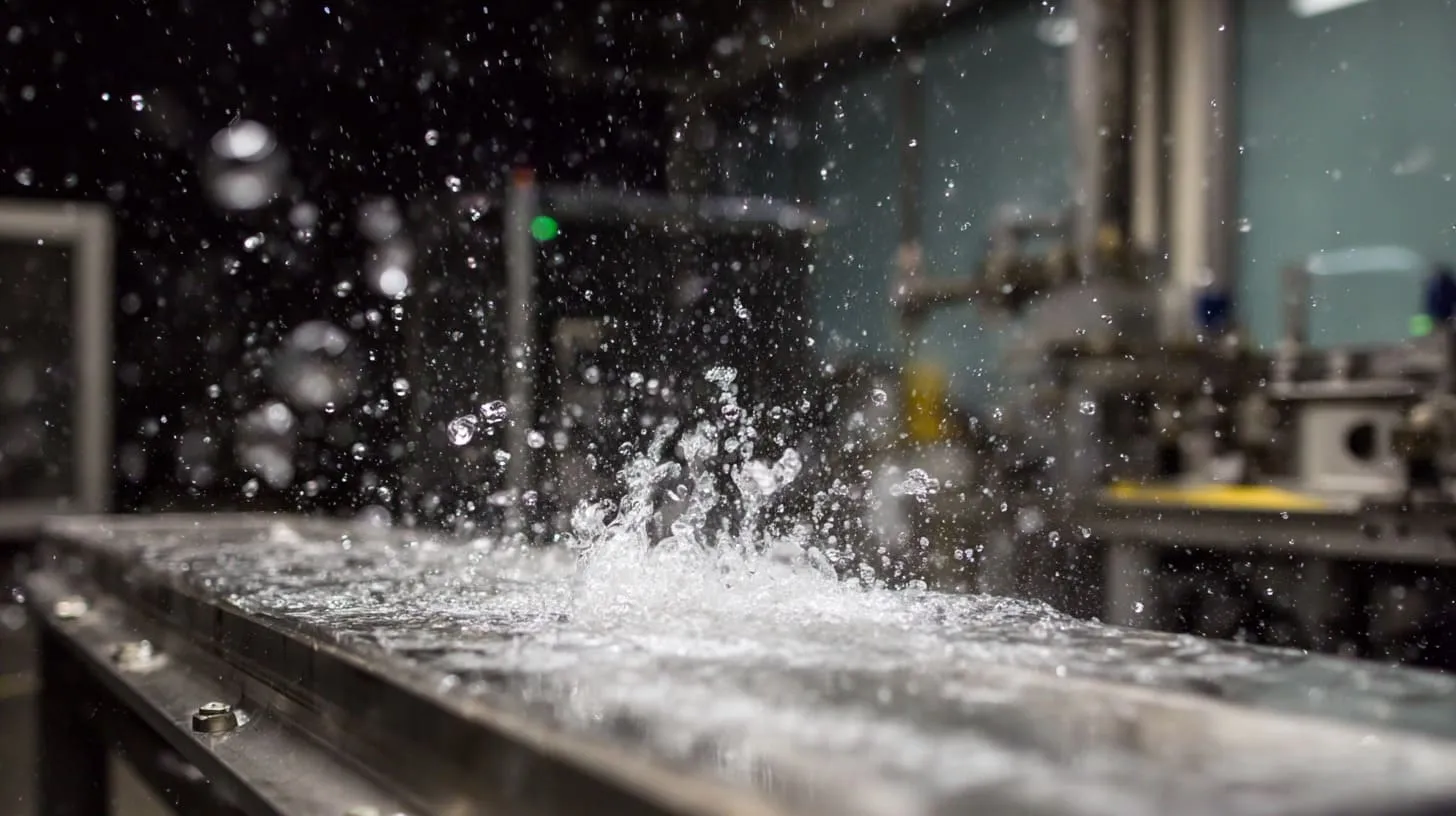
3.1 Definition of IP69 (and sometimes IP69K): what the “9” means
IP69 adds an extra layer of defense — it’s the highest rating for water ingress protection. It can withstand high-pressure and high-temperature water jets. The “K” version, IP69K, follows DIN 40050-9, often used in vehicle and industrial washdowns.
| Level | Test Description | Use Case |
|---|---|---|
| IP69 | High-pressure jets | Industrial, food processing |
| IP69K | High-temp steam jets | Automotive, factory sanitation |
3.2 Test conditions for IP69/69K (high‑pressure jets, steam, temperature)
During IP69 testing, the enclosure faces 80°C water jets at 100 bar pressure from multiple angles for several minutes. The test ensures no leaks even under extreme force.
3.3 Typical applications of IP69 in harsh/industrial environments
- Food and beverage processing
- Agricultural machinery
- Heavy industrial automation
- Transportation control boxes
- Outdoor digital signage
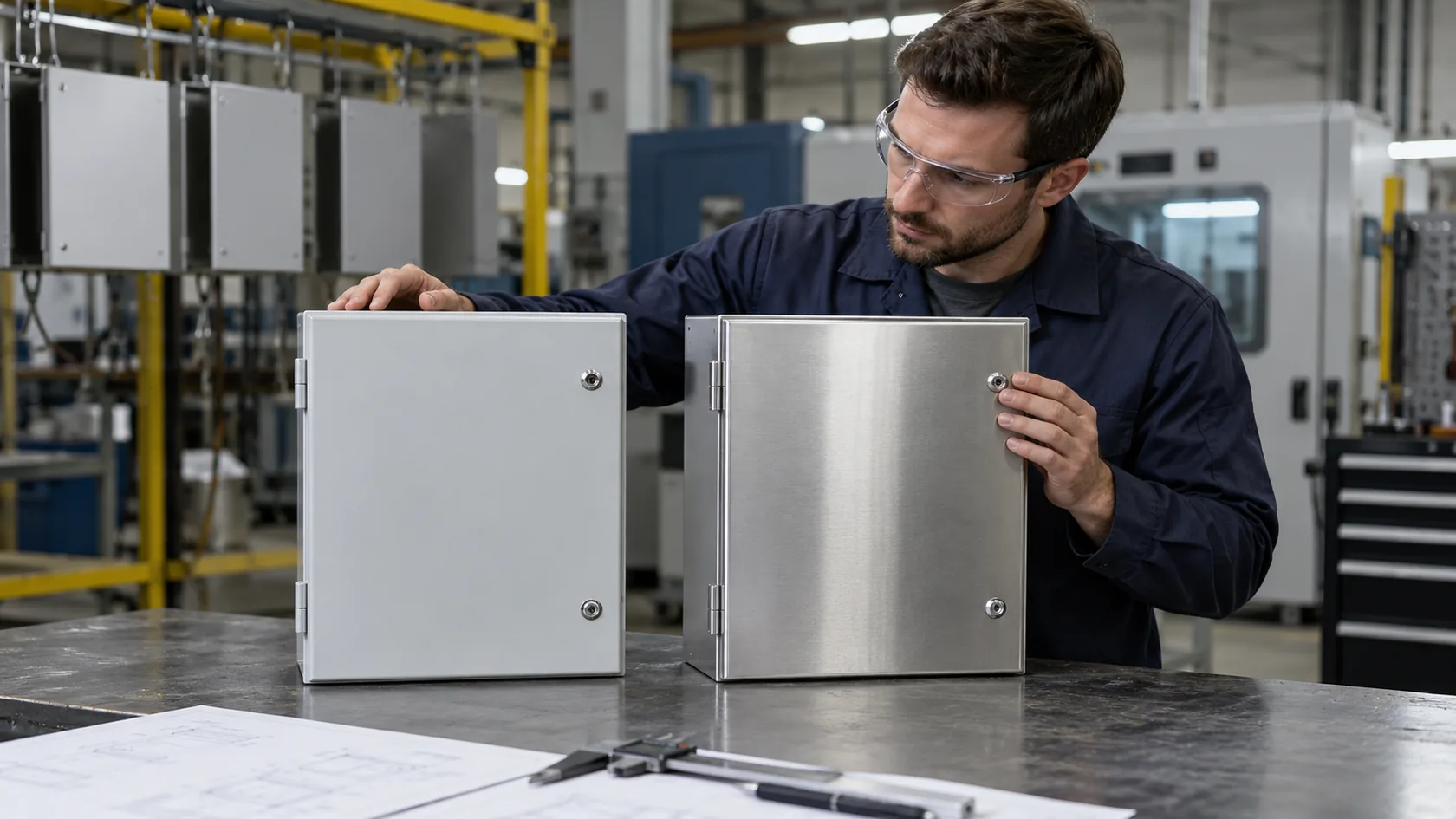
When I visited a factory in Germany, I watched an IP69K stainless-steel enclosure being pressure-washed right after production. Water blasted from all sides — yet the inside stayed bone dry. That’s engineering satisfaction.
3.4 Advantages & limitations of IP69
Advantages: Handles washdowns, high humidity, and temperature changes.
Limitations: More expensive to manufacture; not intended for long-term underwater use.
4. IP68 vs. IP69 – Key Differences
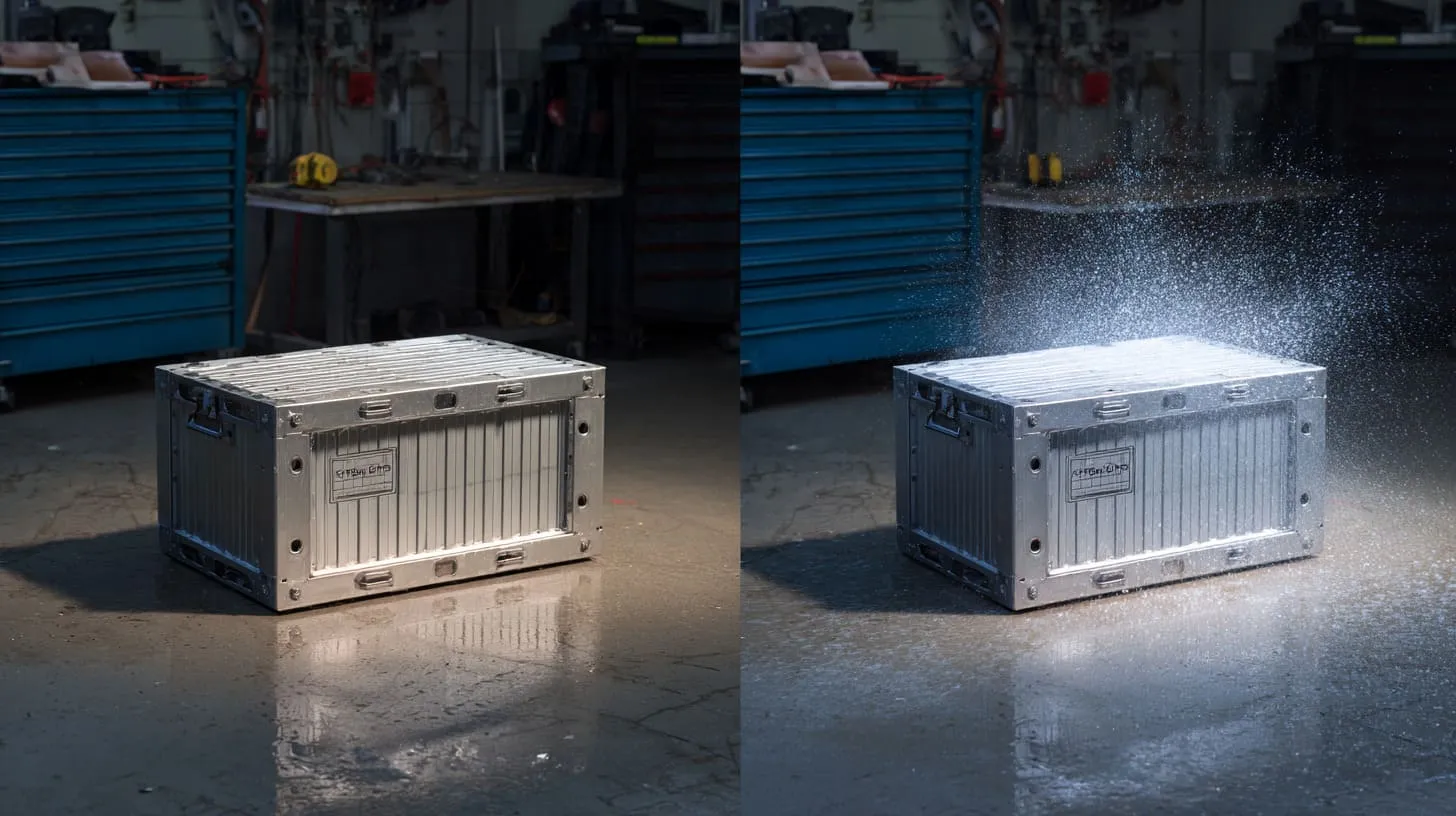
Choosing between IP68 and IP69 is like deciding whether to build a submarine or a car wash robot. Both need protection — just from different enemies.
| Feature | IP68 | IP69 |
|---|---|---|
| Dust Protection | 6 (dust-tight) | 6 (dust-tight) |
| Water Protection | 8 (immersion) | 9 (high-pressure jets) |
| Ideal Use | Submersion, marine | Cleaning, heavy-duty |
| Cost | Lower | Higher |
| Design Complexity | Moderate | High |
4.1 Protection type: immersion vs. high‑pressure spray
IP68 resists continuous submersion. IP69 survives strong water sprays. Knowing your product’s exposure environment decides which rating you need.
Both are equally dustproof. That means in sandy, dry, or factory conditions, either will perform well.
4.3 Environmental/usage differences: where one makes more sense
If your device stays underwater (like a marine GPS), go with IP68.
If it’s on machinery that needs daily washing, IP69 is the hero.
4.4 Cost, design complexity, manufacturing considerations
IP69 requires stronger seals, precision machining, and special materials. As a manufacturer, I’ve seen tooling and testing costs rise by 10–20%. But in industries like food processing, it’s worth every penny.
5. How to Choose the Right Rating for Your Custom Enclosure

I always tell clients — “Don’t pick a rating because it sounds tough. Pick it because it fits your reality.”
5.1 Assessing your device’s environment: exposure, cleaning, submersion
Ask yourself: Will it face rain, splash, or total immersion? How often will it be cleaned?
Understanding exposure helps avoid overspending or underprotecting.
5.2 Questions to ask: Will it be underwater? Will it be pressure‑washed?
Here’s a simple checklist:
| Condition | Recommended Rating |
|---|---|
| Light rain | IP65–IP66 |
| Occasional splash | IP67 |
| Long submersion | IP68 |
| High-pressure cleaning | IP69 |
5.3 Matching rating to your enclosure design/manufacturing: material, seals, access points
Every design element matters — screws, O-rings, gaskets, even printing methods. For example, a laser-engraved logo maintains waterproof integrity better than painted logos.
5.4 Pricing and business implications (especially for B2B OEM/ODM)
High IP ratings affect tooling, seal cost, and inspection time. For custom OEM buyers, it can change lead time or MOQ. But for brands like MaidaTech, we plan production around these requirements — so clients get both quality and punctuality.
6. Practical Tips for Manufacturers & Buyers in the Enclosure Industry
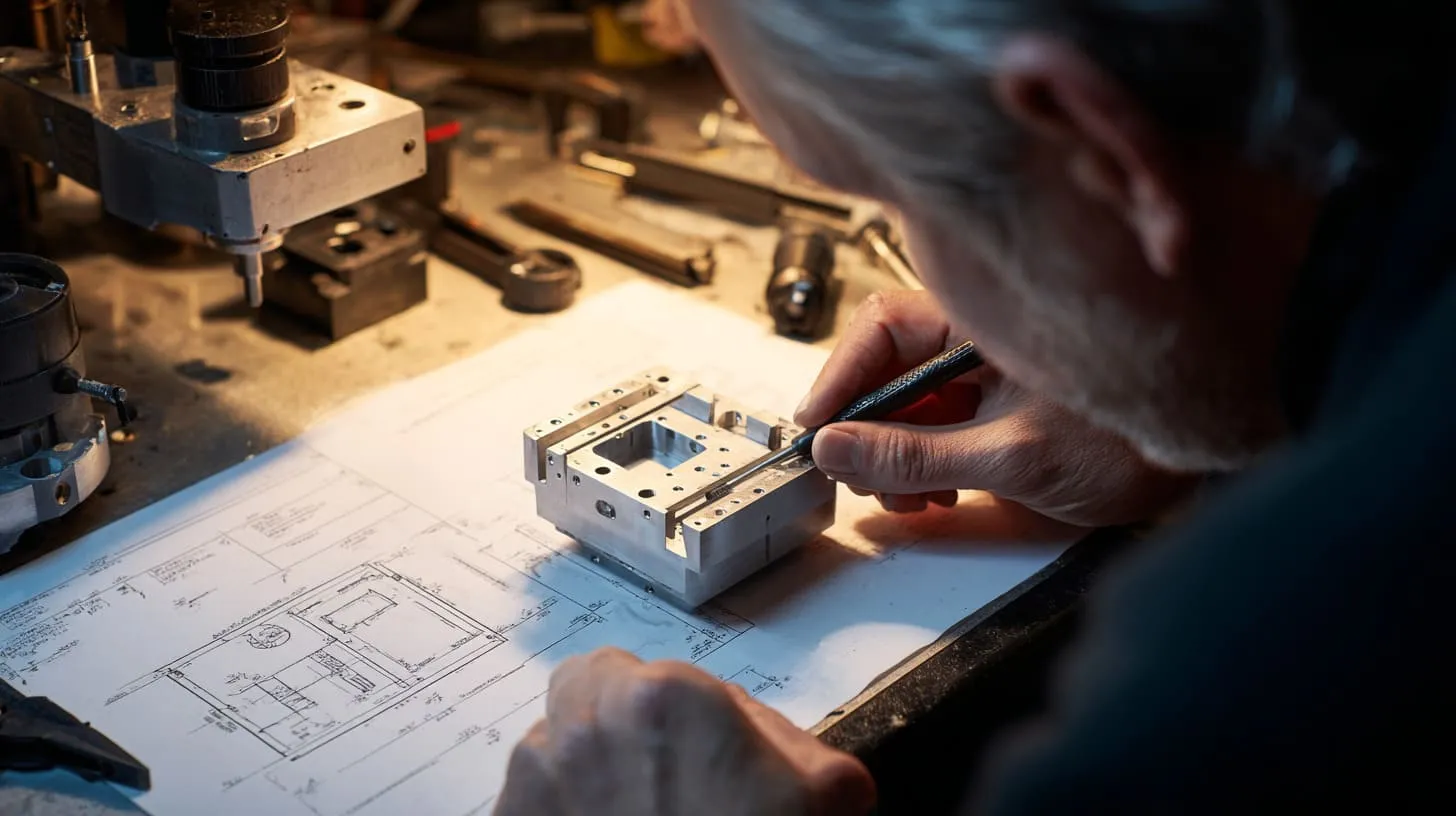
6.1 Design best practices for achieving IP68/IP69 in aluminum or plastic enclosures
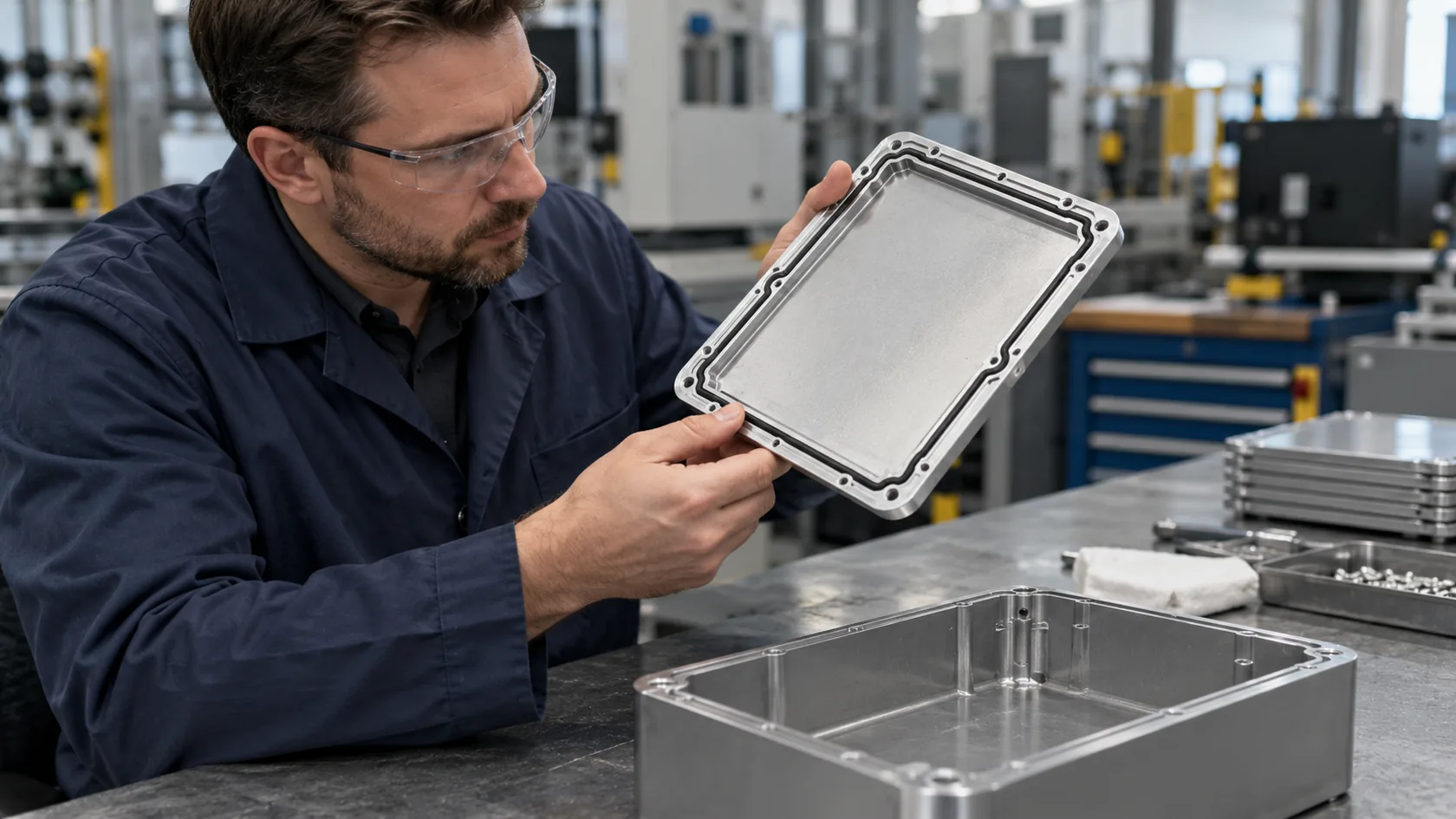
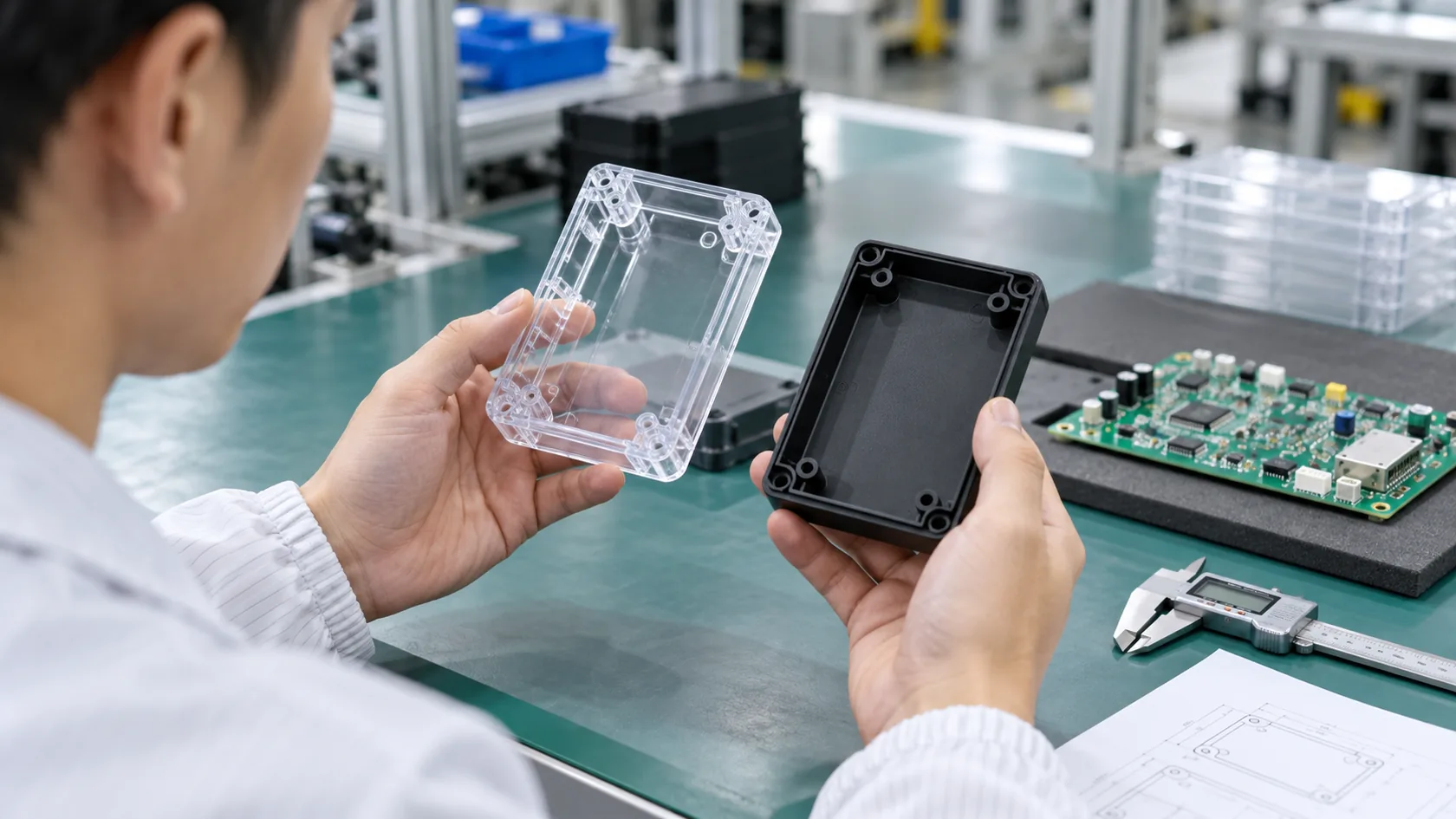
- Use precision CNC machining for sealing surfaces.
- Avoid sharp edges that distort gasket pressure.
- Choose silicone gaskets for flexibility.
- Add vent holes with waterproof membranes if needed.
6.2 Manufacturer audit: How to verify the rating is real (third‐party testing, documentation)
Always request IP test reports from accredited labs. Real factories provide IEC 60529 certification — not just “marketing claims.”
6.3 Trade‑offs: e.g., custom logo/branding options vs. maintaining waterproof integrity
Branding looks great, but deep engraving or printing might affect the sealing area. Always discuss these points with your supplier before production.
6.4 Lead time, MOQ, customization implications when requesting high IP ratings
Stricter IP demands often mean:
- Longer lead time (extra testing)
- Higher MOQ
- More quality checks
But those who value reliability — like our clients from Europe and Japan — see it as long-term investment, not extra cost.
7. Case Study Examples
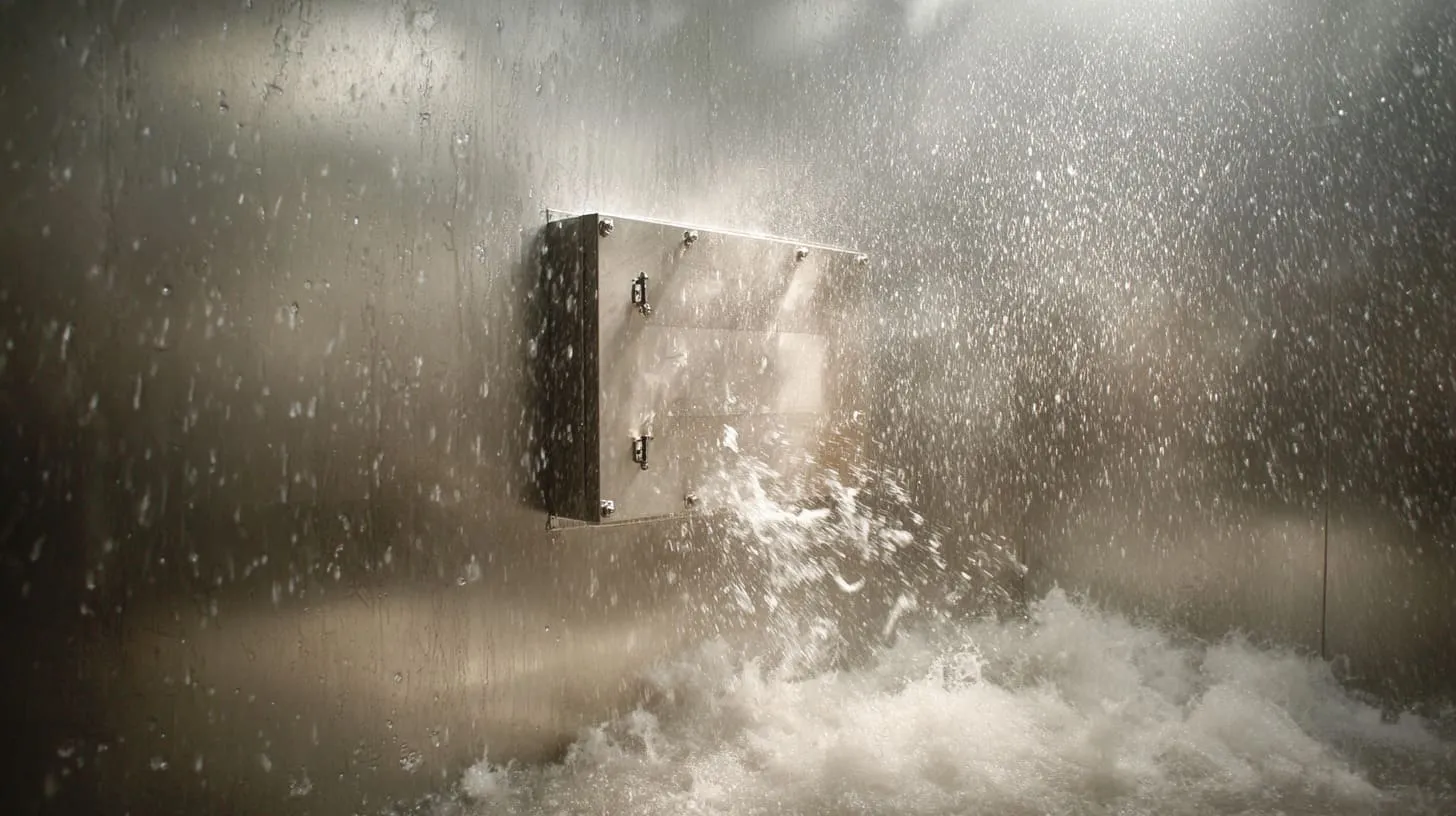
7.1 Example of IP68 enclosure usage (e.g., outdoor sensor, marine application)
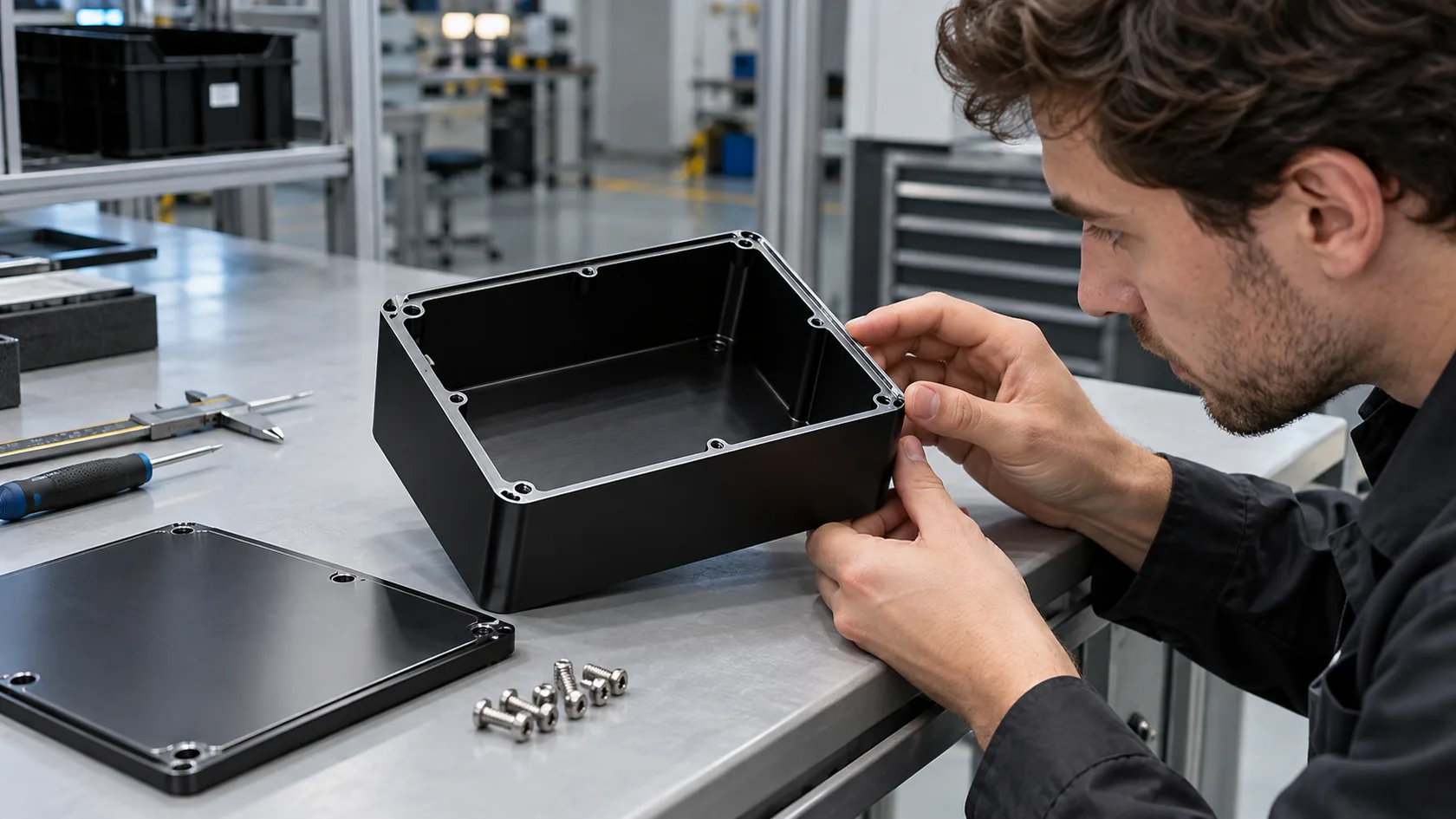
We once produced 800 aluminum enclosures for a marine company. They needed IP68 to survive deep-sea conditions. After six months, the customer sent photos — still spotless, no corrosion. That’s when IP68 earns respect.
7.2 Example of IP69 enclosure usage (e.g., food processing equipment or heavy machinery)
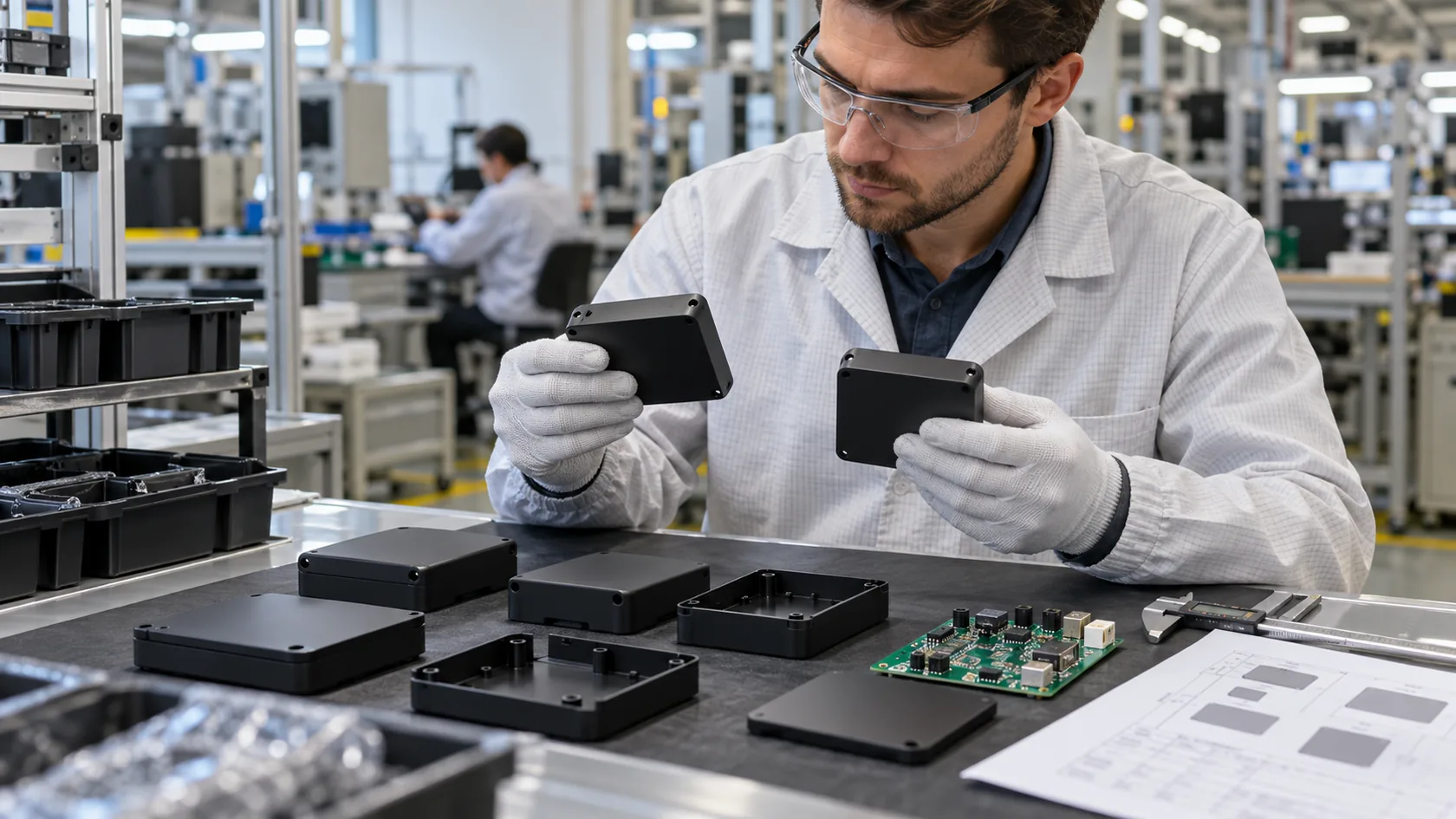
A German buyer required IP69 plastic boxes for food machinery. Our team redesigned the sealing system with double O-rings and stainless-steel screws. After factory cleaning tests, not a single drop entered the housing.
7.3 How a buyer worked with a factory (like yours) to select the right rating
John from Hungary came to us with a new project — a small SBC like Raspberry Pi but used in workshops. We tested both IP68 and IP69 versions. He finally chose IP69 due to daily washdowns. That’s how design meets real-world demand.
Conclusion
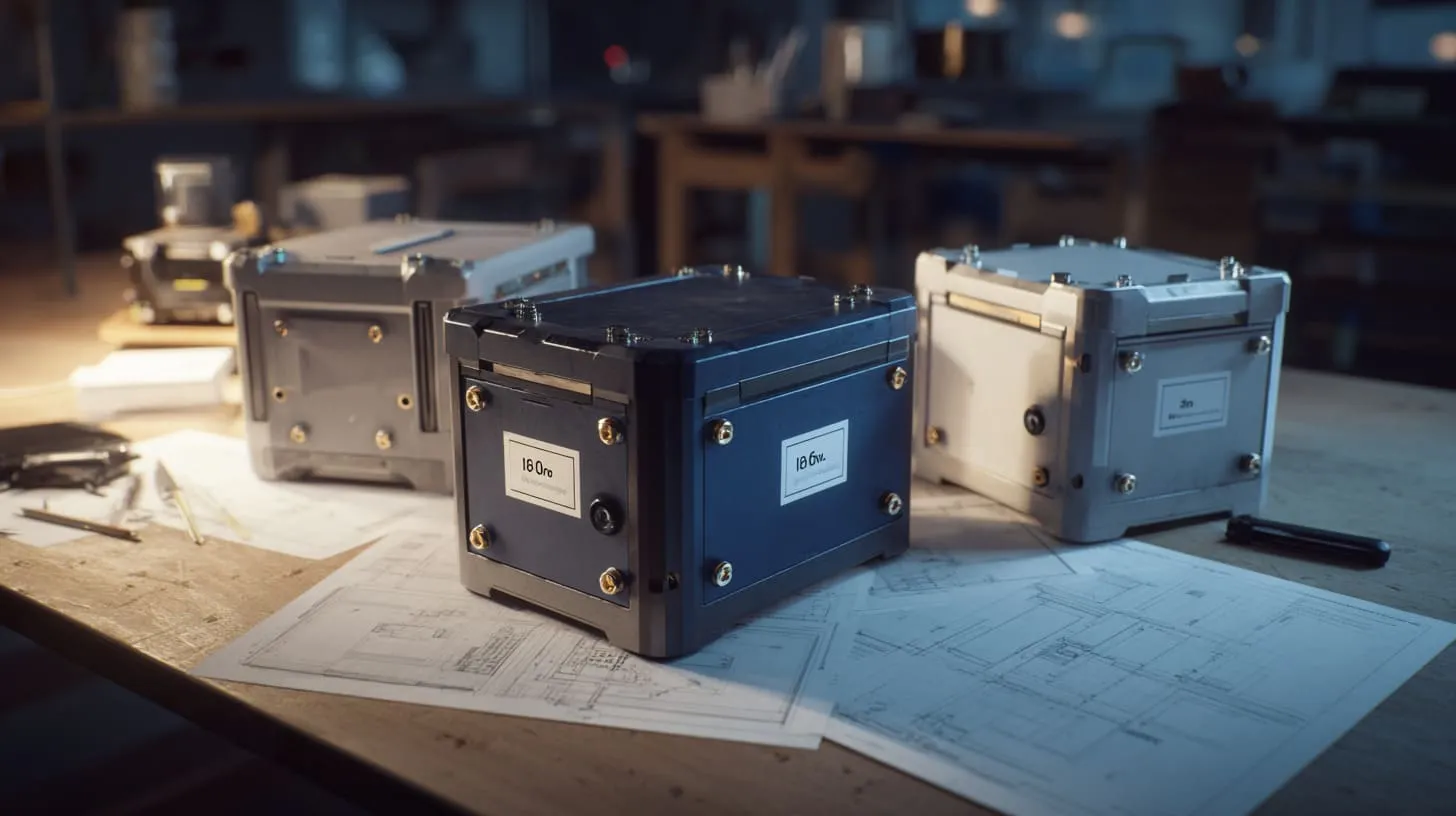
Choosing between IP68 and IP69 isn’t about “better” or “worse.” It’s about fit. One protects from depth, the other from pressure.
If your product needs to face storms, waves, or cleaning jets, I hope this guide gave you clarity.
At MaidaTech, we help engineers and OEM buyers design enclosures that actually meet these protection levels — with custom materials, logo engraving, and real testing behind every piece.
When protection matters, we don’t just build boxes.
We build trust.