Skip to content
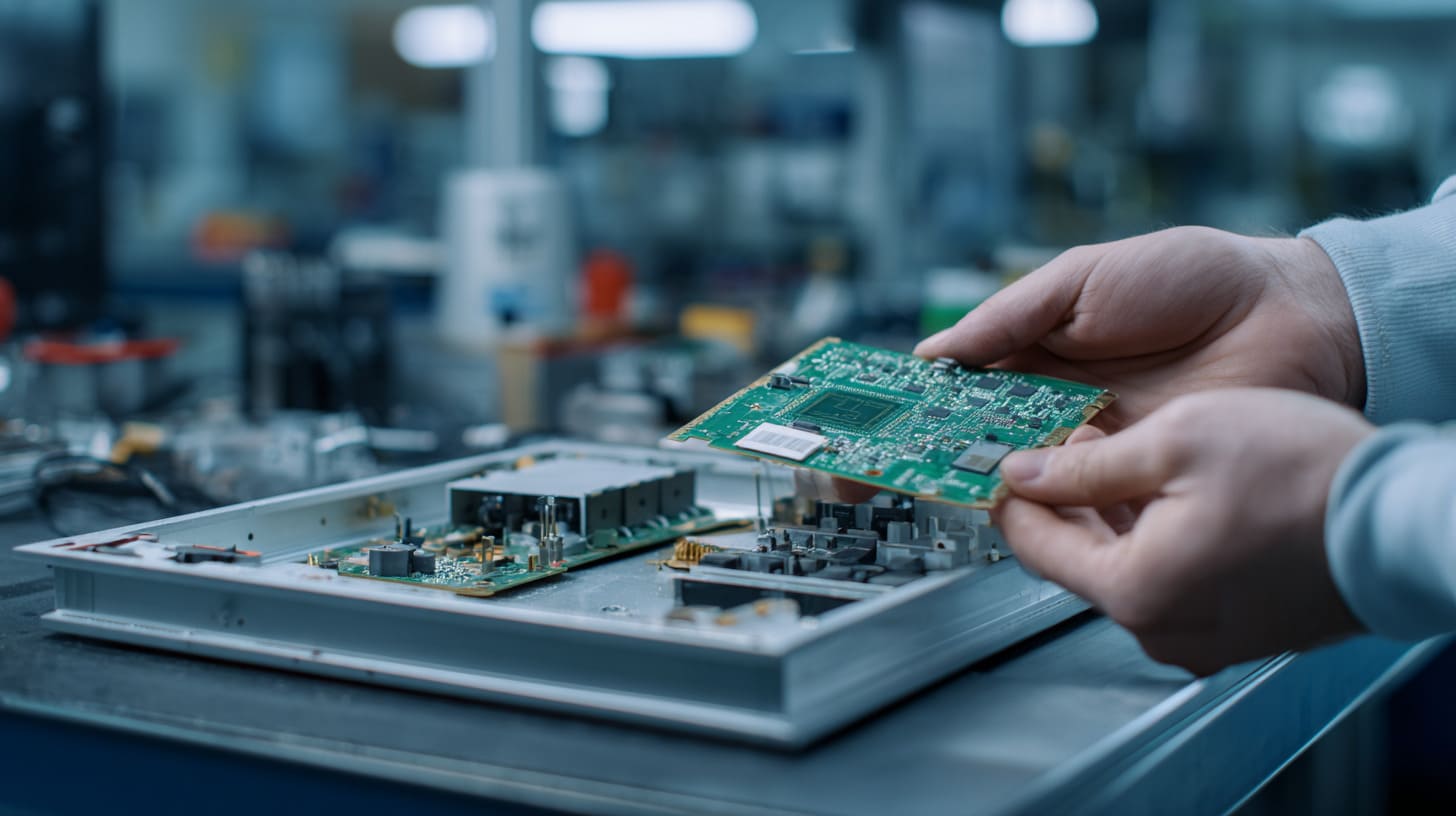
I often tell friends that most people never notice sheet metal enclosures, yet they surround us every day. They sit quietly inside machines, protect electronics in factories, and keep the small but important parts of our modern world running. I learned this the hard way years ago, during a project where a customer in Europe shipped us a board that needed a fast, protective housing. I held that bare PCB in my hands and knew one simple truth: the enclosure is never “just a box.” It decides whether the product survives the real world or fails on day one.
When I speak with buyers like Davide or ODM creators like John, they often ask the same questions:
“Which material should I choose?”
“What thickness works best?”
“How do I avoid mistakes that raise my cost?”
This guide pulls everything together—the questions, the decisions, the mistakes, and the solutions—so you can navigate sheet metal enclosure purchases with confidence.
Before we go deeper, let me say this as someone who has helped thousands of engineers: a good enclosure does more than protect electronics. It defines your brand and shapes the final product’s feel.
Now, let’s talk about what makes these enclosures work and how you can choose the right one.
To keep the energy flowing, let's dive straight into the basics and build from there.
What Is a Sheet Metal Enclosure?
When I explain this to new buyers, I usually start with something simple:
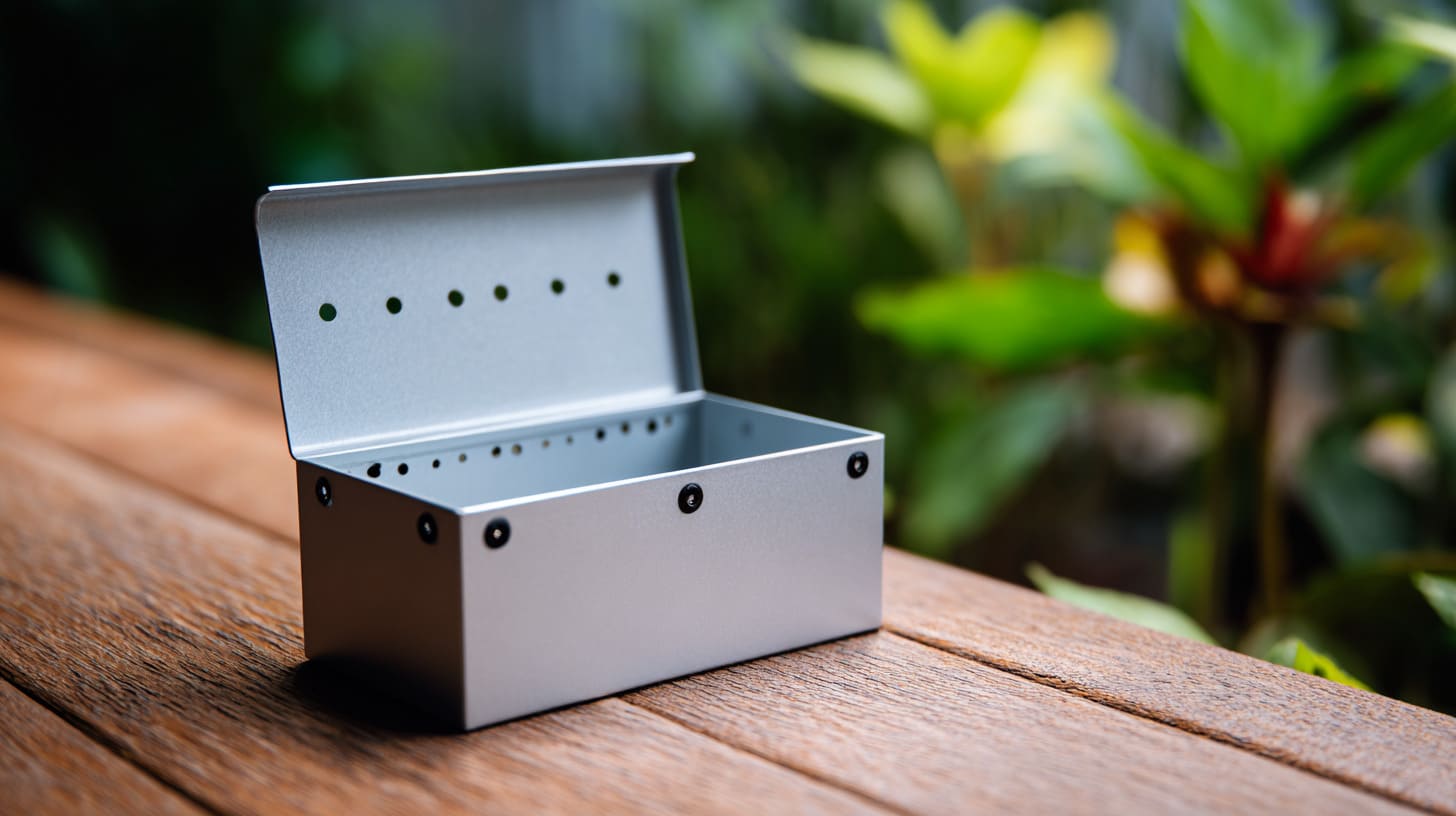
A sheet metal enclosure is a protective structure made from thin metal sheets that are cut, bent, and assembled to fit electronic components or mechanical systems.
Definition and Core Purpose
A sheet metal enclosure protects internal electronics from dust, vibration, moisture, and impact. The goal is stability and safety. Most engineers choose sheet metal because it offers a strong balance between cost, durability, and ease of fabrication.
Common Use Cases Across Industries
I’ve seen sheet metal enclosures used in:
- Industrial control boxes
- Medical device housings
- IoT gateway cases
- Power supply shells
- Network and telecommunication cabinets
- Automotive diagnostic tools
A simple example is an IoT node. It needs wire routing, ports, airflow, and a compact structure—all achievable with sheet metal.
Why Product Engineers Choose Sheet Metal
Many of my clients start with plastic but shift to metal after early testing. They realize metal offers:
- Better rigidity
- Higher heat resistance
- Longer service life
- More professional look
Here’s a quick comparison:
| Material | Strength | Heat Resistance | Cost | Finish Quality |
|---|---|---|---|---|
| Plastic | Low | Low | Low | Medium |
| Die-cast | High | High | Medium | High |
| Sheet Metal | Medium–High | High | Medium | High |
I remind customers that sheet metal is flexible for both low-volume and large-scale production. This gives buyers more room for changes.
Let’s move forward and talk about a topic that shapes everything else: your choice of material.
What Materials Are Used for Sheet Metal Enclosures?

Every enclosure starts with a material, and the material decides how your product behaves under heat, stress, or weather. I’ve handled hundreds of materials over the years, and each comes with its own personality, like a co-worker with strengths and flaws.
Aluminum (5052 / 6061 / 6063)
Aluminum is light, corrosion‑resistant, and easy to bend. It’s popular for consumer electronics and industrial devices.
- 5052 is flexible and great for bending.
- 6061 is strong and ideal for structural parts.
- 6063 is smooth and often used for extrusion parts that join with sheet metal.
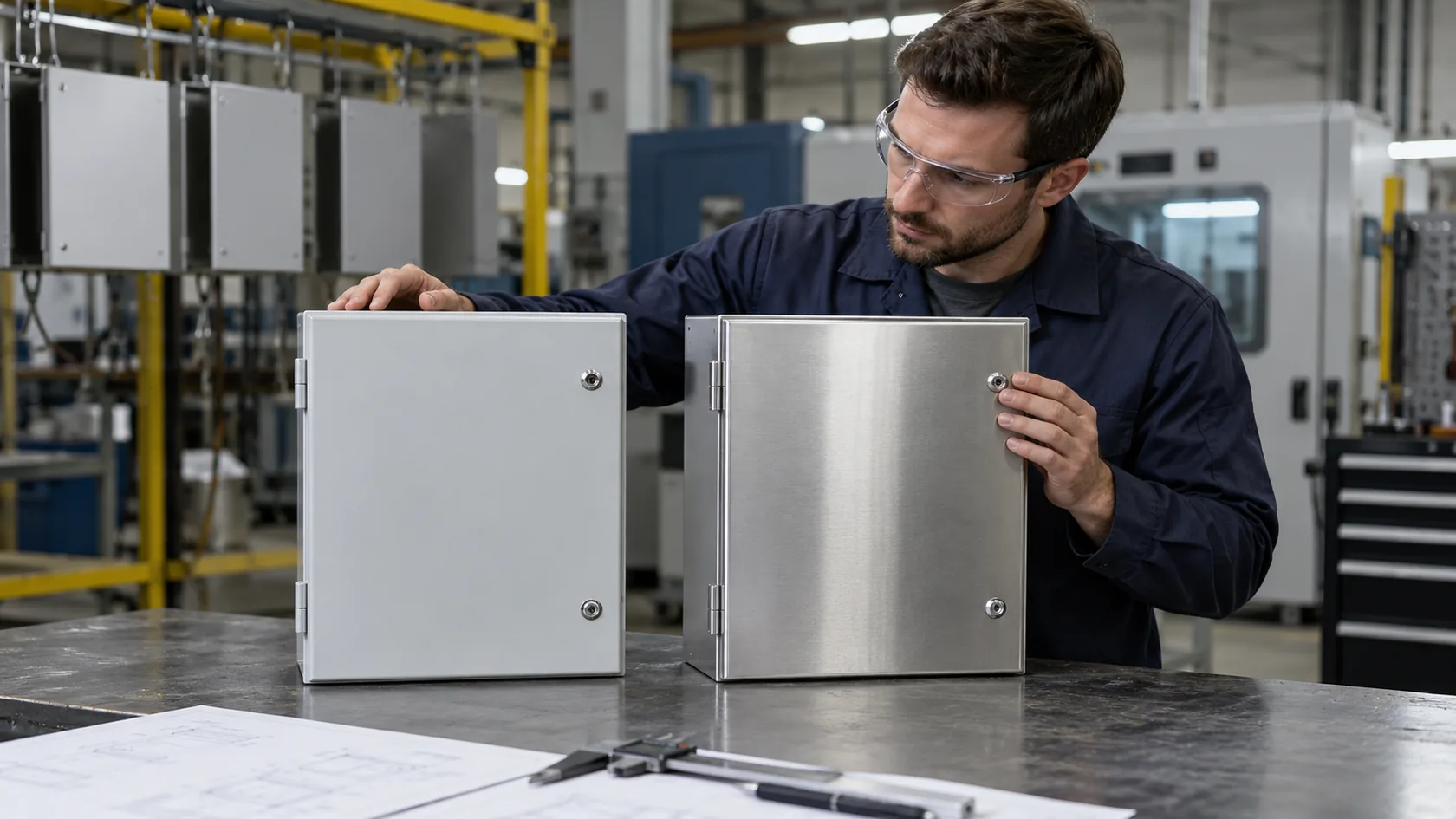
Stainless Steel (304 / 316)
If a client tells me, “My enclosure will sit outdoors for years,” I point them to stainless steel.
- 304 is common and strong.
- 316 handles salt, chemicals, and harsh weather.
These materials are heavier, but they last.
Cold‑Rolled Steel (CRS)
CRS is the “budget-friendly” choice. It works well indoors and gives a smooth finish after powder coating. Many electrical cabinets use it.
Galvanized & Zinc‑Coated Steel
These resist rust better than CRS. They’re ideal for semi‑outdoor use or warehouse environments.
How to Choose the Right Material
To simplify the decision, I often share this quick matrix:
| Environment | Best Material | Reason |
|---|---|---|
| Indoor electronics | Aluminum / CRS | Light, affordable |
| Outdoor/weather | Stainless steel | Rust‑proof |
| Cost‑sensitive projects | CRS | Lowest cost |
| High‑heat systems | Aluminum | Heat dissipation |
| Harsh chemicals | 316 stainless | Corrosion resistance |
Now that we know the materials, let’s answer one big question: How thick should the enclosure be?
What Thickness Should You Select?
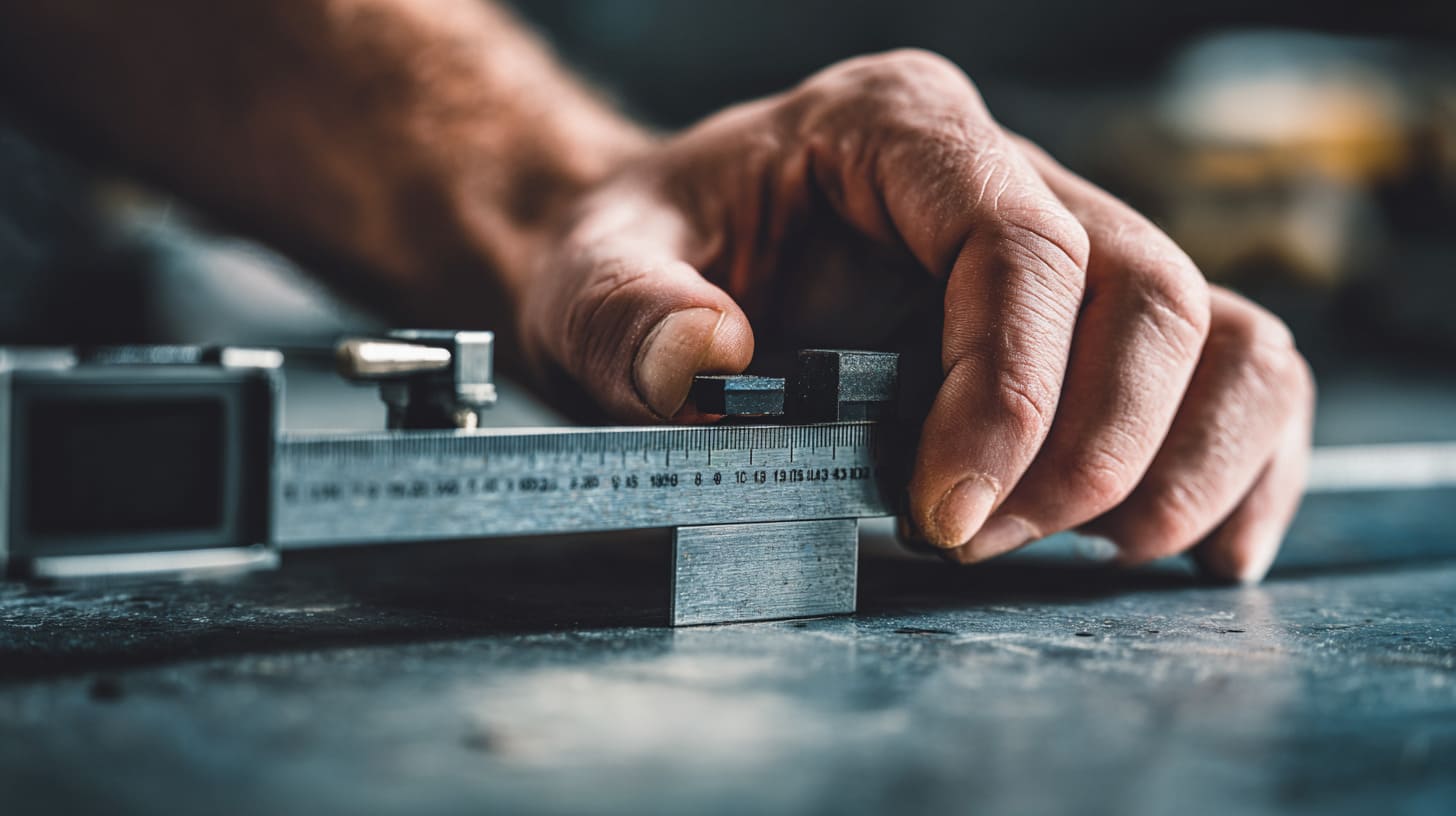
Thickness decides how “strong” the enclosure feels. When customers hold a sample and say, “This feels solid,” they’re usually responding to thickness.
Typical Thickness Ranges
For most projects:
| Application | Common Thickness |
|---|---|
| IoT / small devices | 0.8–1.2 mm |
| Industrial controllers | 1.2–1.5 mm |
| Power supplies | 1.5–2.0 mm |
| Server/networking | 1.2–1.6 mm |
| Automotive electronics | 1.5–2.5 mm |
Strength vs. Weight
I always remind clients: “More thickness doesn’t always mean better.”
Thicker metal increases:
- Weight
- Cost
- Bending difficulty
But thinner metal increases:
- Flex
- Vibration risk
- Denting
How Thickness Affects Cost & Heat
Thicker metal retains more heat. Thin aluminum cools faster. If your product generates heat, keep an eye on this.
Let’s jump next into how these enclosures are made—the part that buyers often find fascinating.
What Manufacturing Processes Are Used?
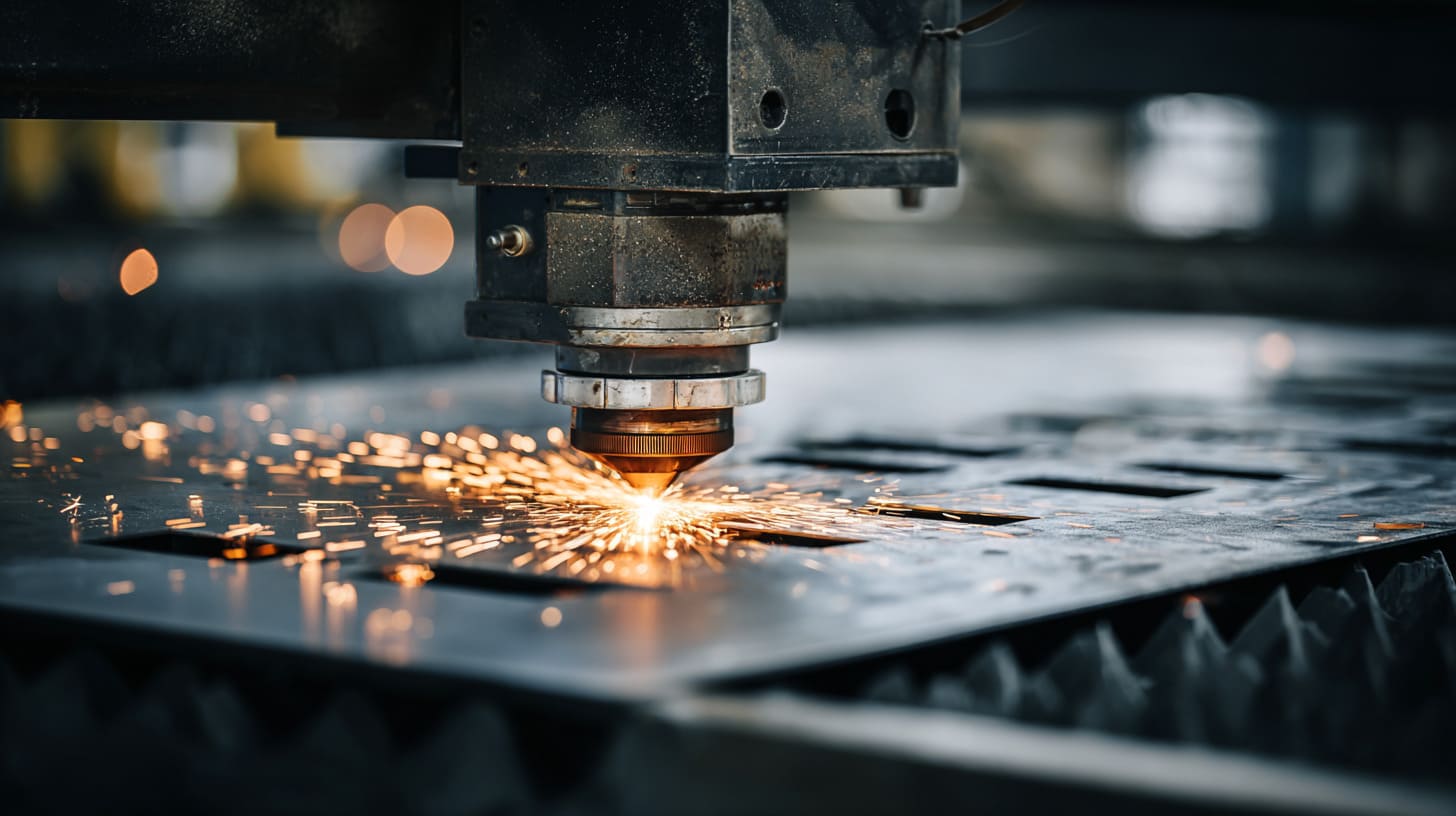
Once your material and thickness are set, we move to manufacturing. This is where sheet metal comes alive—cut, bent, and turned into the shape you imagined.
CNC Laser Cutting
This cuts flat sheets with high accuracy. It's best for:
- I/O holes
- Ventilation slots
- Complex shapes
CNC Bending & Folding
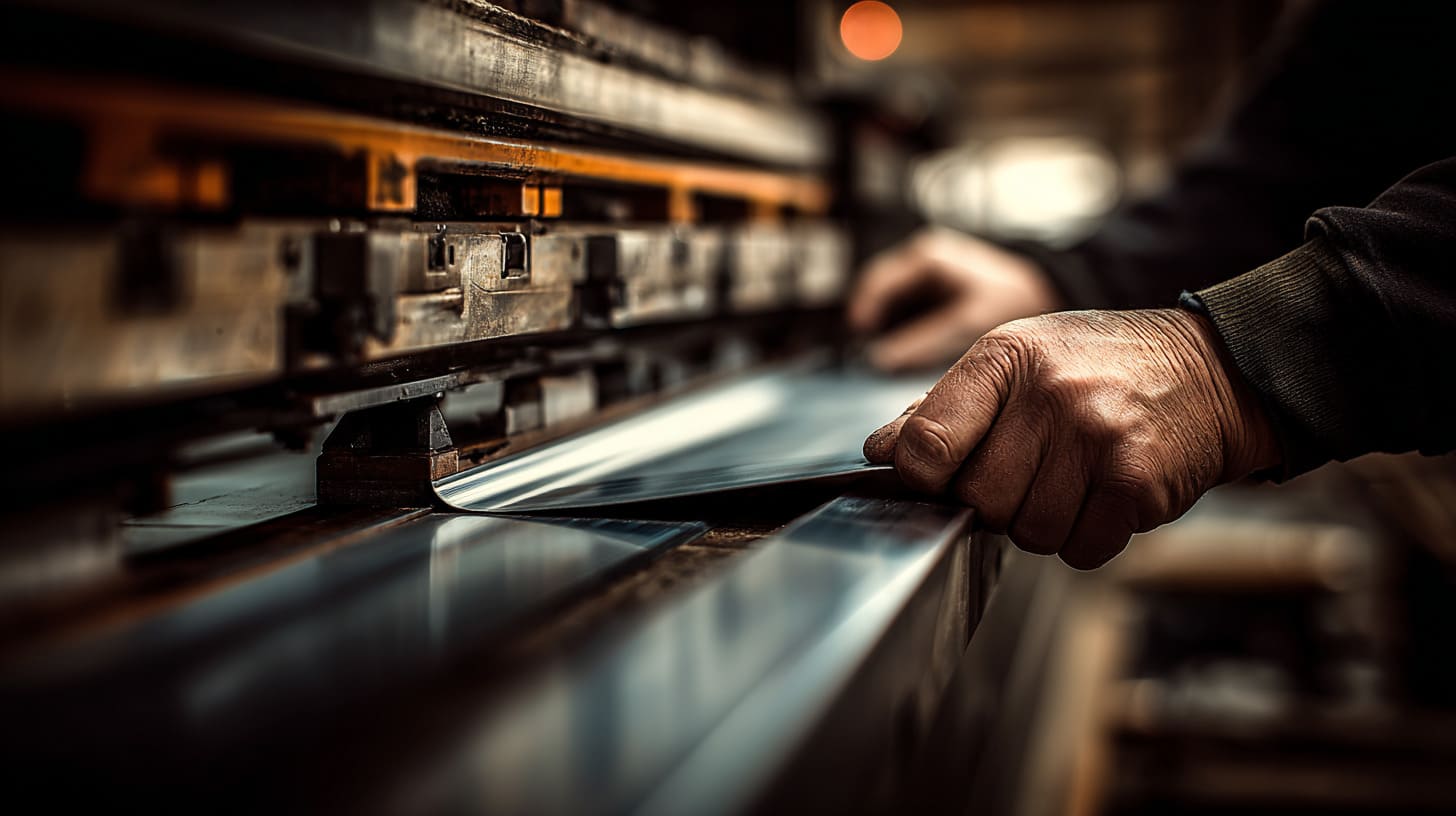
Press brakes bend the cut pieces into form. The key point is consistency—one wrong angle, and the enclosure doesn’t close.
Welding (TIG / MIG / Spot)
Welding adds strength. I advise customers not to weld too much unless needed, because excessive welding increases cost and risk of deformation.
Tapping, Countersinking, Riveting
Fasteners hold everything together. Engineers often overlook the importance of the right screw size.
Punching & Stamping
Useful for large-scale orders. It lowers cost per unit but requires high tooling fees.
Integrating CNC‑Machined Parts
Some enclosures combine sheet metal with machined aluminum pieces for extra strength.
Before moving to the next chapter, take a breath—we’re going to talk about your enclosure’s “face”: the surface finish.
What Surface Finishes Are Available?
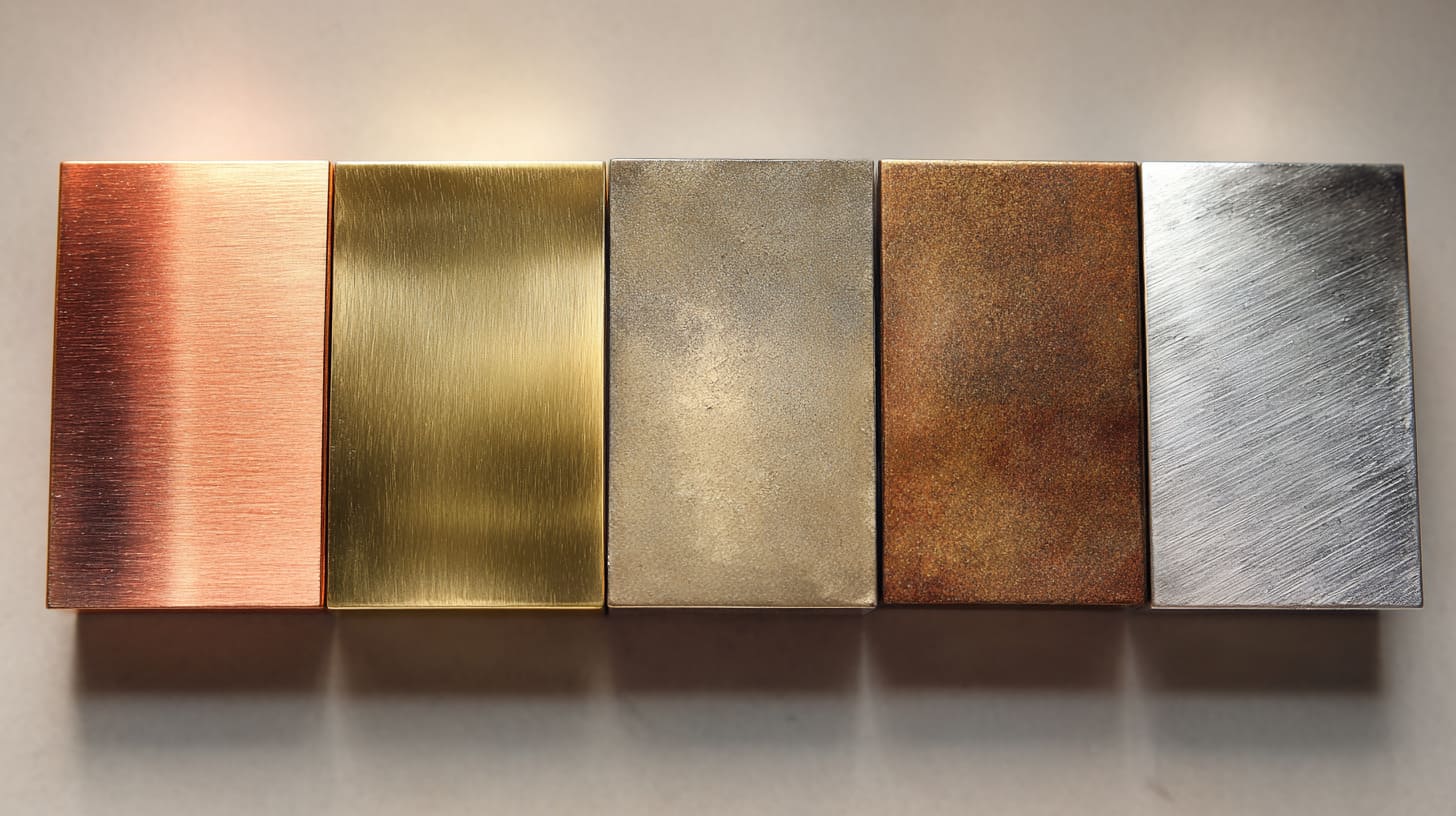
A finish can make the enclosure look modern, rugged, premium, or industrial. I’ve seen customers fall in love with a product just because the finish “felt right” in their hands.
Powder Coating
The most common finish. It’s durable, colorful, and cost-effective.
Anodizing
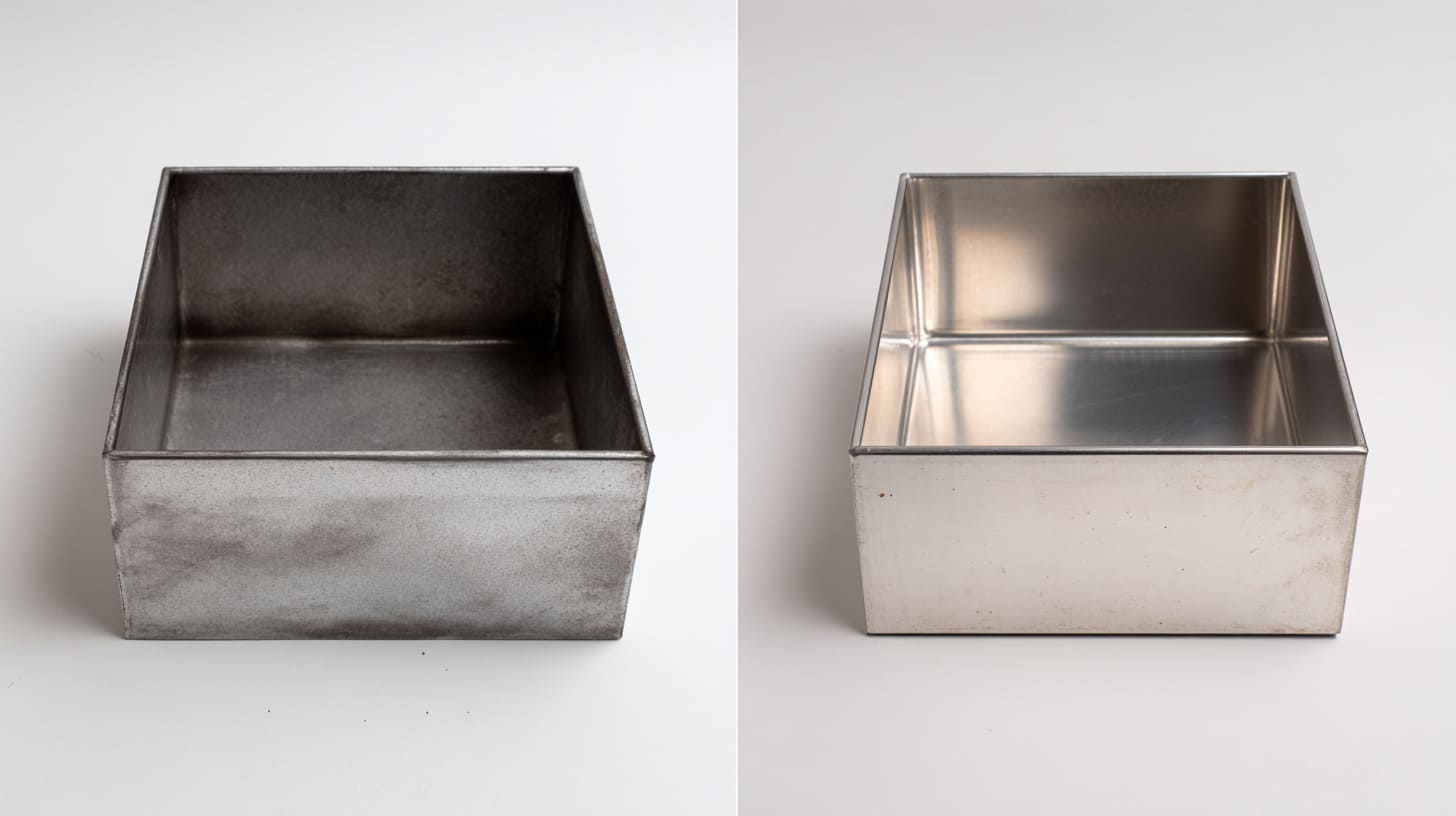
Only works on aluminum. Gives a sleek and premium look. Ideal for consumer devices.
Brushing & Polishing
This gives a clean, linear texture. Looks great but can show fingerprints.
Sandblasting
Adds a matte feel and hides minor scratches.
Electroplating
Adds extra corrosion resistance. Helpful in wet or chemical environments.
How to Choose a Finish
Here’s a simple chart I share:
| Need | Recommended Finish |
|---|---|
| Premium look | Anodizing |
| Industrial durability | Powder coating |
| Outdoor | Electroplating |
| Soft matte feel | Sandblasting |
Now that your enclosure looks good, let’s explore how you can customize it.
What Customizations Can Be Added?
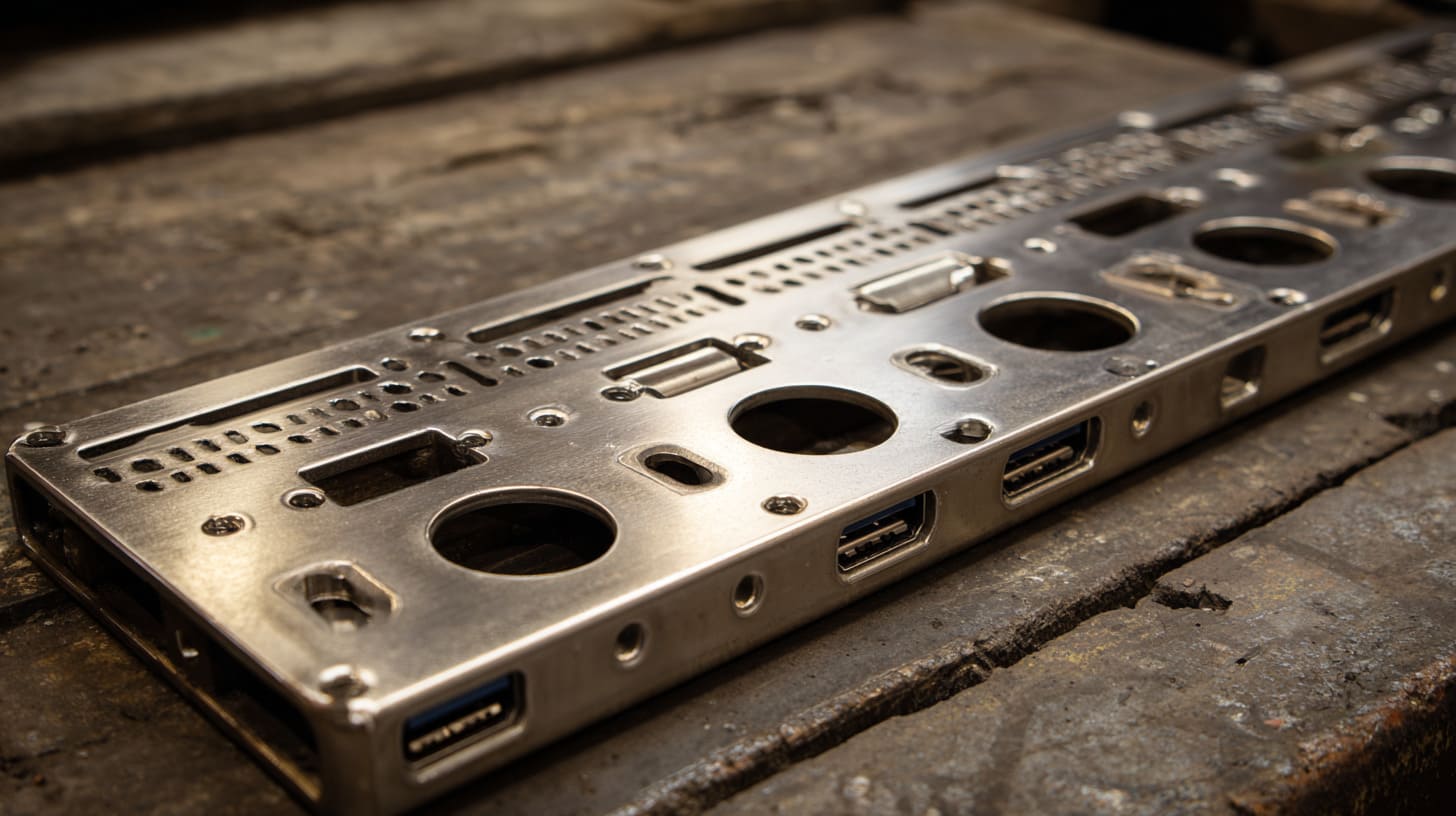
Customization is where creativity meets engineering. Buyers like John in Hungary love this part—they turn wild ideas into real products.
Custom Cutouts
Ports, vents, USB holes, HDMI cutouts—everything can be shaped.
Mounting Options
From wall‑mount brackets to VESA patterns, I’ve made all kinds of mounting systems.
Branding
Logo printing or laser engraving adds identity. Buyers who want strong branding choose engraving for a clean, permanent look.
Internal Features
Mounting studs, standoffs, cable channels—small details that keep the inside organized.
Thermal Features
Heat is the enemy. You can add:
- Vent holes
- Fan cutouts
- Heat‑sink plates
This is the part where engineering meets real-world conditions. Next, let’s talk about design decisions every product engineer should watch.
Key Design Considerations for Product Engineers
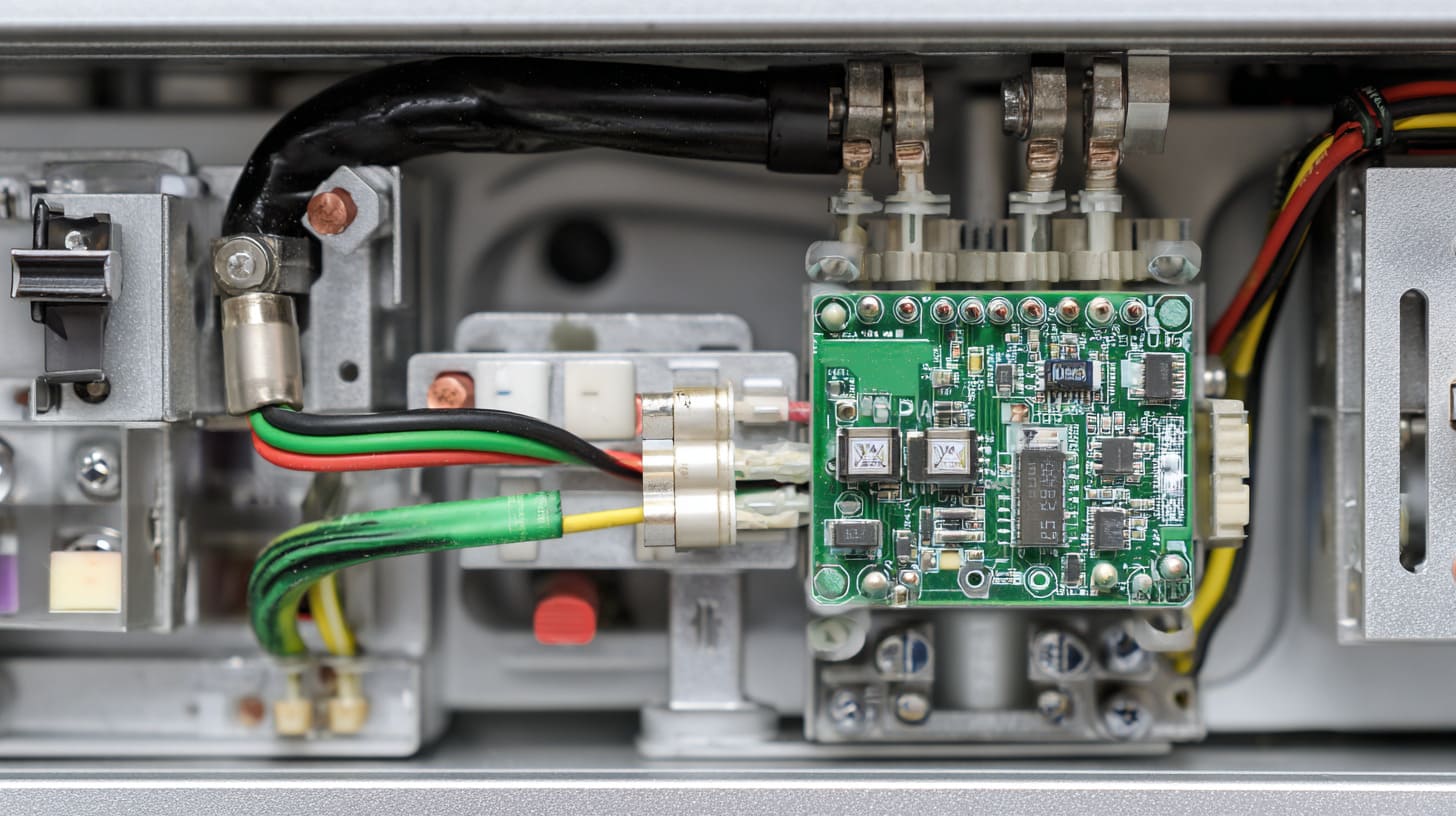
When I work with engineers, I often play the role of the “reminder guy”—the person who points out the small things that may cause trouble later.
Tolerance & Dimensional Accuracy
Metal expands, bends, and sometimes flexes. You need proper tolerances so parts fit perfectly.
Assembly Convenience
Think about the end user. How many screws? Do they remove the lid often? Is the board easy to install?
Structural Rigidity
For shipping and rough use, rigidity saves the day.
EMI / EMC
Metal blocks electromagnetic noise well. Good enclosure design improves signal stability.
Waterproofing & Weatherproofing
If you need IP ratings, planning starts early. You’ll need:
- Gaskets
- Sealed joints
- Tight fasteners
Fastener Selection
Captive screws, insert nuts, threaded standoffs—these small parts decide how “premium” the enclosure feels.
Next, let’s talk about the stage that separates ideas from production: prototypes.
Prototyping vs. Mass Production
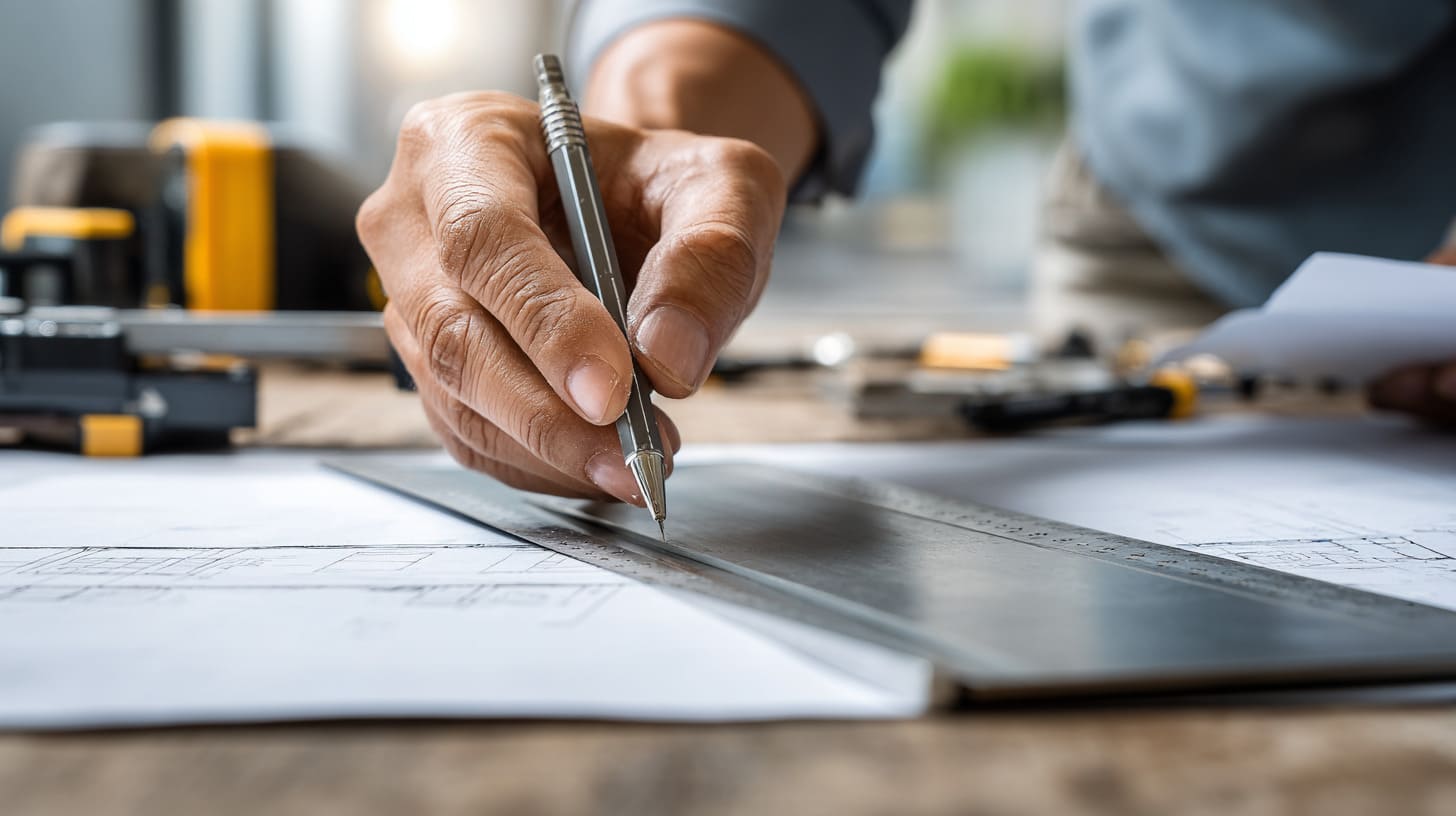
I’ve seen many customers jump straight to mass production because they’re excited. But a prototype is like a dress rehearsal—you want to catch mistakes before the real show.
When to Start with a Prototype
A prototype helps you:
- Check assembly
- Validate heat issues
- Ensure correct port alignment
- Test durability
DFM (Design for Manufacturing)
DFM saves money. I often advise customers to reduce bends or simplify shapes.
Sample Approval Workflow
This step lets you confirm everything—the feel, the color, the weight.
Cost Differences
Prototypes cost more per unit. Mass production reduces cost quickly.
Once prototypes pass, the next step is choosing the right supplier.
How to Evaluate a Sheet Metal Enclosure Supplier
Choosing a supplier is like hiring a partner, not just a factory. A good supplier saves you money—not by lowering price, but by preventing mistakes.
Experience & Capacity
Years of experience matter. You want a team that has failed before and learned from it.
Machinery
Ask if they have:
- CNC laser cutters
- Press brakes
- Welding stations
Quality Control
QC includes inspections and measurement tools.
Lead Time & Communication
Good suppliers confirm details fast. This prevents slow projects.
Engineering Support
This is key for OEM/ODM customers. You want a supplier who thinks, not just follows.
Ability to Re-design Files
Some factories cannot edit complex CAD files. Choose one that can.
Next, let’s talk about how to give the supplier clear instructions.
How to Request a Quote (RFQ Best Practices)
RFQs decide whether you waste time or save it. A clear RFQ gets a fast and accurate quote.
CAD Drawings
Send STEP, DXF, DWG, or PDF files.
Essential Data
Include:
- Material
- Thickness
- Finish
- Quantity
Logo Requirements
Vector files help: AI, PDF, or SVG.
Packaging
Bulk or individual packaging affects cost.
Tips to Reduce Cost
I often tell customers:
- Use standard screws
- Avoid unnecessary welding
- Choose simpler bends
Once you get the quote, the next question is: why do prices vary so much?
Pricing Factors for Sheet Metal Enclosures
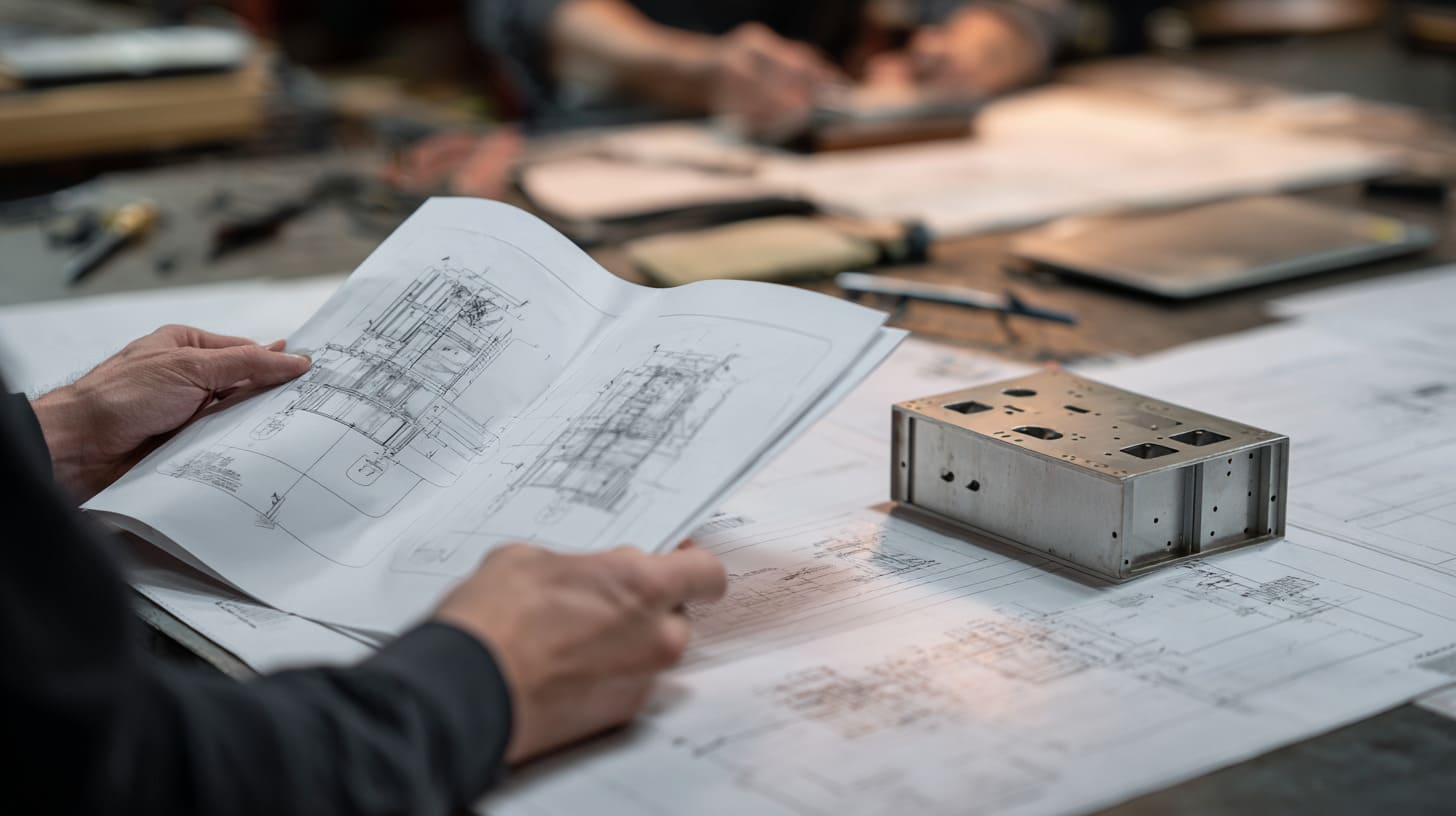
Price depends on something deeper than size. It’s about process complexity.
Material Type & Thickness
Thicker material means higher cost.
Complexity of Bends & Cutouts
More operations mean more labor and machine time.
Surface Finish
Anodizing takes more time than powder coating.
Hardware
Captive screws cost more than standard ones.
Prototype vs. Bulk
Large quantities lower the cost significantly.
Labor & Machine Time
Precision work always costs more.
But even with careful planning, buyers still fall into a few common traps.
Common Mistakes Buyers Should Avoid
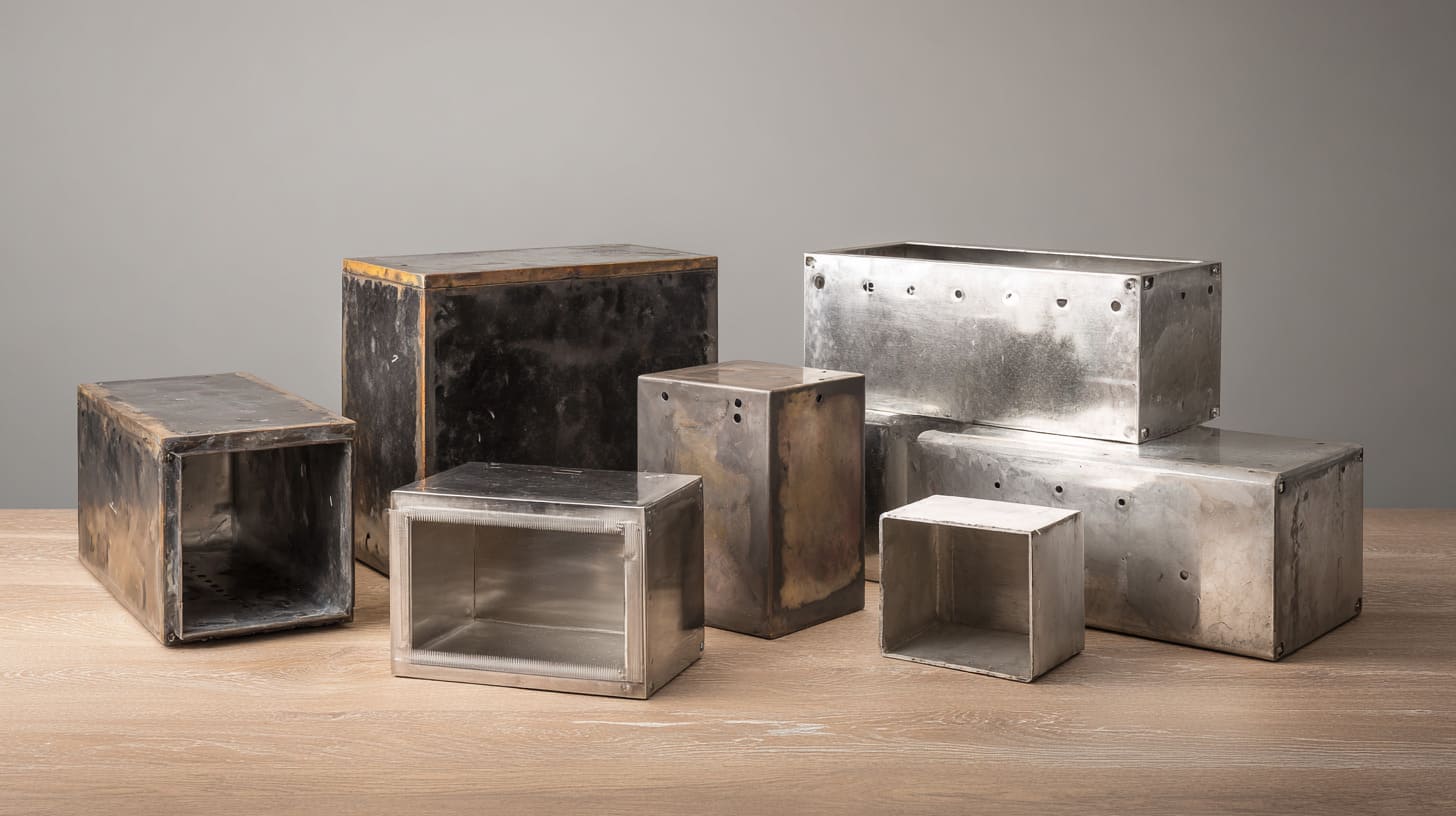
I’ve seen these mistakes many times, even from experienced engineers.
Over‑Complicated Designs
Too many bends or welded joints increase cost.
Missing Specifications
Leaving out finish or tolerance details causes delays.
Poor Ventilation
Heat kills electronics fast.
Wrong Material
For outdoor use, aluminum or stainless steel is better.
Ignoring DFM
Not listening to manufacturer suggestions increases risk.
Now let’s talk about why many buyers choose MaidaTech.
Why Choose MaidaTech for Custom Sheet Metal Enclosures?

I don’t like to brag, but customers often tell me that working with us “feels easy.” That’s because we built our factory around one idea: support buyers who need customization, quality, and speed.
9 Years of OEM/ODM Experience
We’ve helped customers from startups to enterprise-level teams.
ISO-Level Quality
We use strict QC systems.
10% Lower Factory Pricing
More competitive than many suppliers.
Support for Davide- and John-Type Buyers
Whether you know exactly what you want or you need advice, we help you shape your idea into a working enclosure.
Fast Lead Times & Large Stock
Speed is our biggest strength.
And now, we’ve reached the last part of this guide.
Conclusion
Sheet metal enclosures are simple on the outside but complex behind the scenes. From choosing the right material to understanding thickness, finishes, and customizations, each decision shapes how your final product looks and performs. I’ve seen many buyers save time and cost by understanding these basics early—and I’ve seen others struggle because small details were missed.
If you’re planning a new project, or you're improving an old design, I’m always happy to talk through your ideas. You can reach me anytime at info@maidatech.com or visit maidatechenclosure.com. Whether you need OEM, ODM, or a fresh redesign, we’re ready to support you and help your product come to life.
Thanks for reading, and I hope this guide gives you clarity and confidence in your next enclosure project.