Skip to content

Is stainless steel or aluminum better for outdoors?
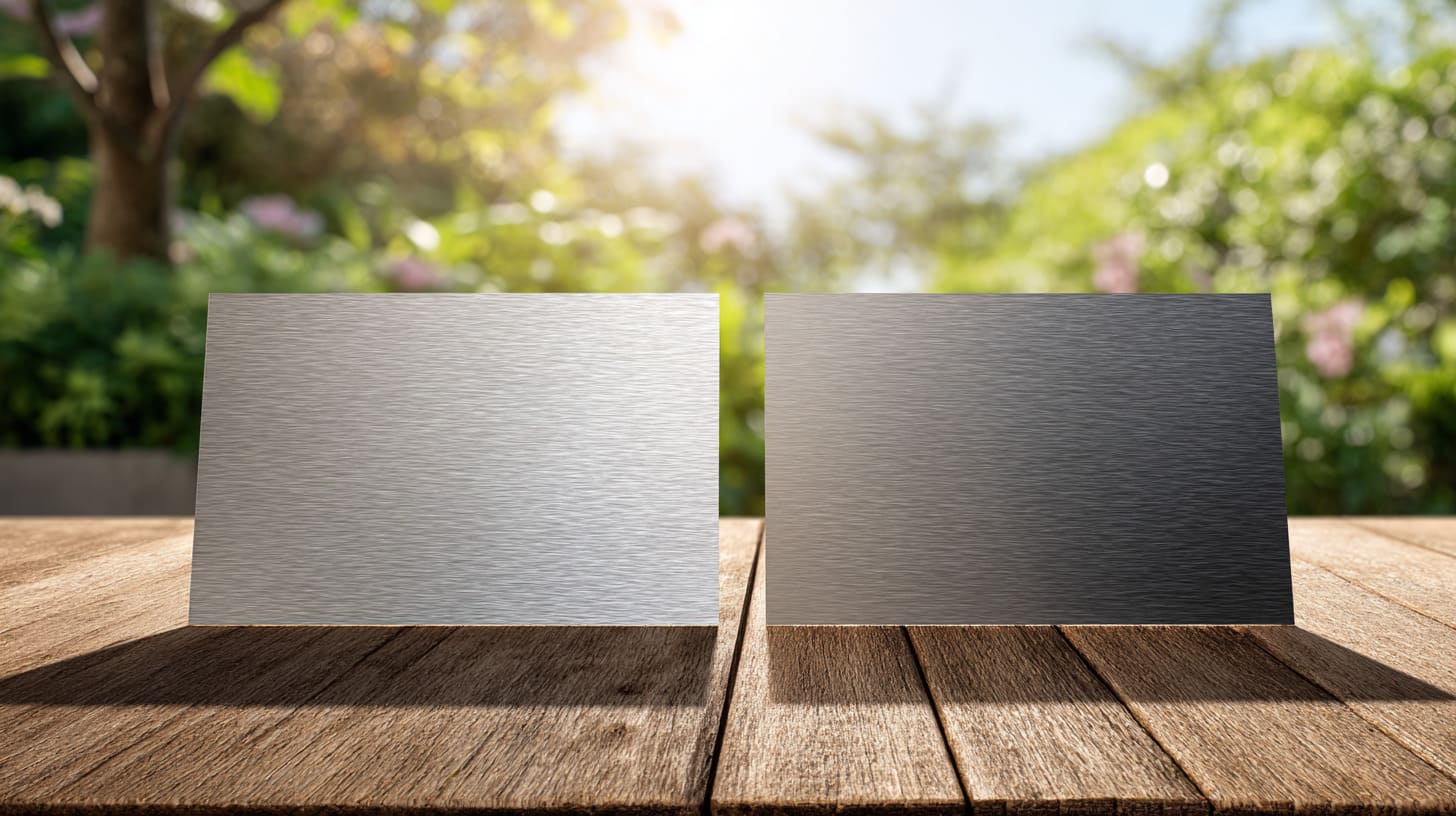
Sometimes I get asked this during trade shows: “Vincent, which one should I use outside—stainless steel or aluminum?”
It sounds simple, but trust me, it’s one of those questions that can make or break a project.
Both stainless steel and aluminum perform well outdoors, but aluminum offers better corrosion resistance in most environments and lower weight, while stainless steel provides superior strength and durability under impact.
I’ve seen clients spend double just to get “peace of mind” with the wrong metal. Let’s walk through how to choose wisely.
What metal is best for outdoor use?
It depends on where you’re using it and what you’re protecting.
Aluminum is the best all-around choice for outdoor use due to its natural corrosion resistance, light weight, and adaptability to coatings or anodizing.
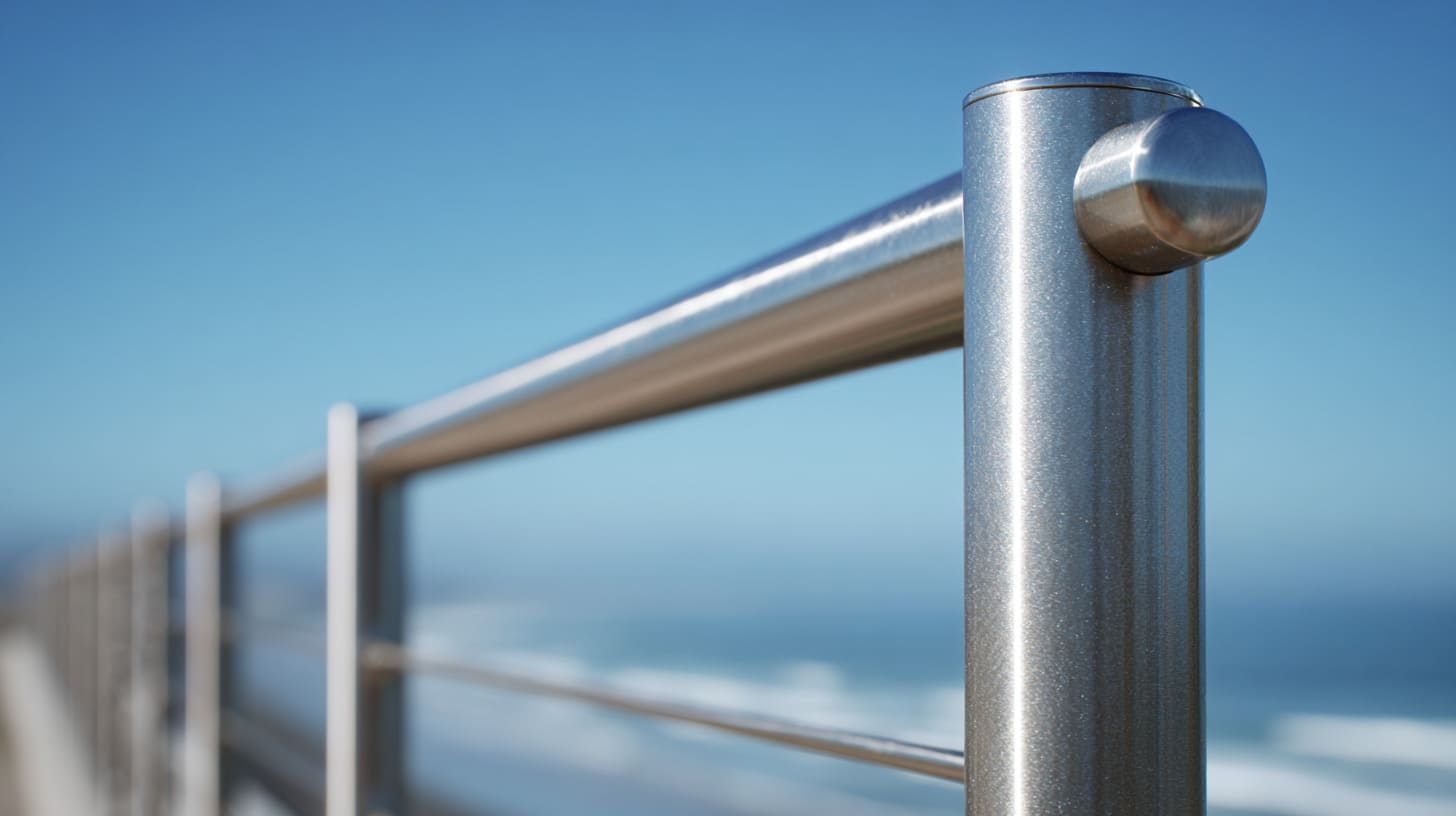
Choosing metal depends on environment
For coastal areas or humid climates, aluminum beats most metals because of its protective oxide layer. In industrial areas with chemicals or salt spray, stainless steel can last longer if properly graded.
| Environment | Best Metal Choice | Reason |
|---|---|---|
| Coastal / Marine | Aluminum 6061 / 5052 | Salt-resistant, lightweight |
| Industrial | Stainless 304 / 316 | Resistant to acids and chemicals |
| Dry Urban | Aluminum | Cheaper, easy to machine |
Is stainless steel good outdoors?
If you’ve ever seen a polished stainless handrail on a seaside pier—yes, it’s good, but not perfect.
Stainless steel performs excellently outdoors, but some grades like 304 can stain or pit over time if exposed to salt or chemicals.
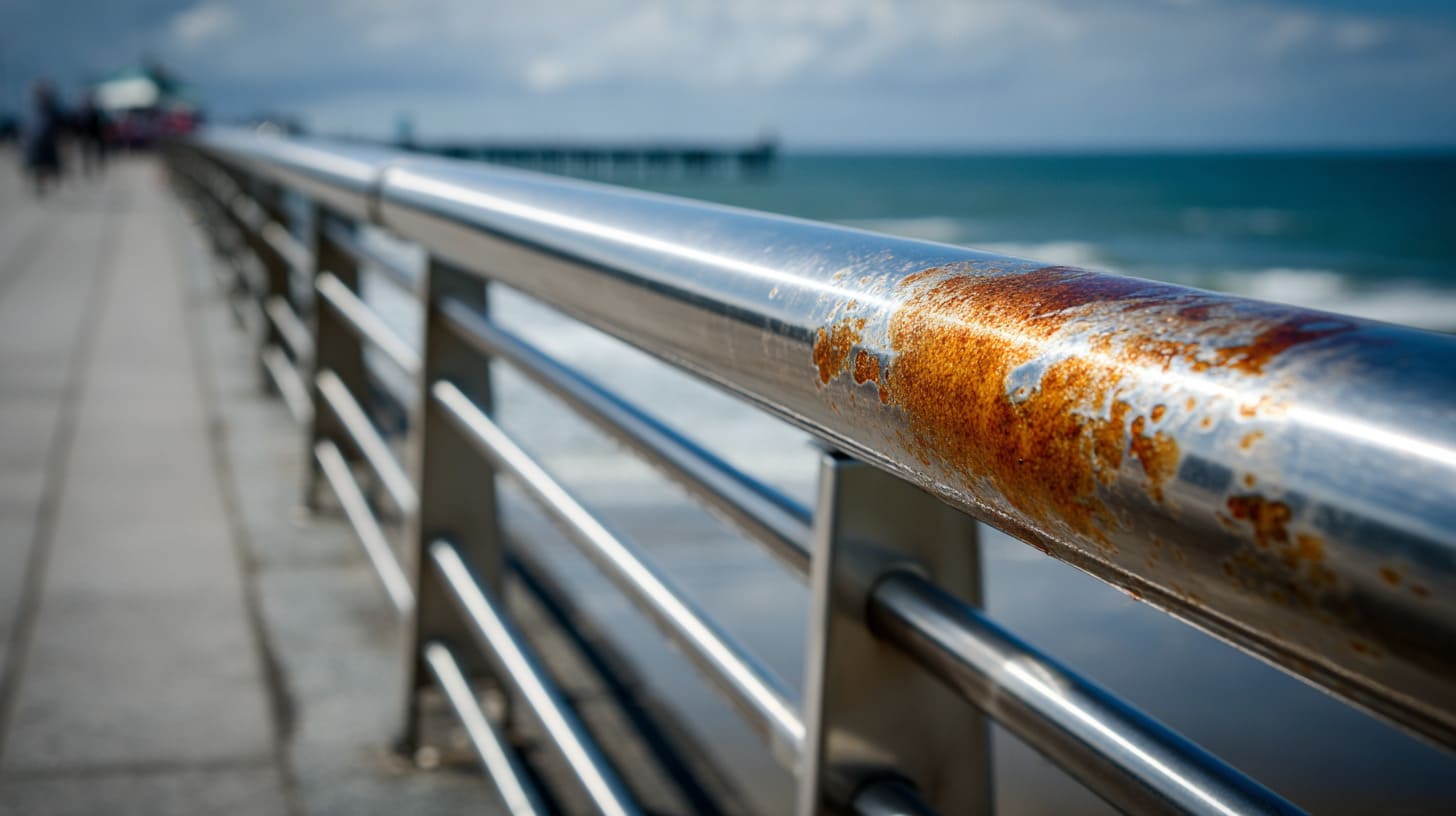
Stainless steel shines in mechanical strength and toughness, but it needs care. I once had a client in Finland who installed stainless boxes near a chemical plant; six months later, the surface had tea-colored spots. He switched to aluminum with powder coating—and the problem disappeared.
Which is more rust proof, stainless steel or aluminum?
Aluminum is technically more “rust-proof” because it doesn’t rust—it forms an oxide film that seals the surface. Stainless steel can corrode under harsh chloride conditions.
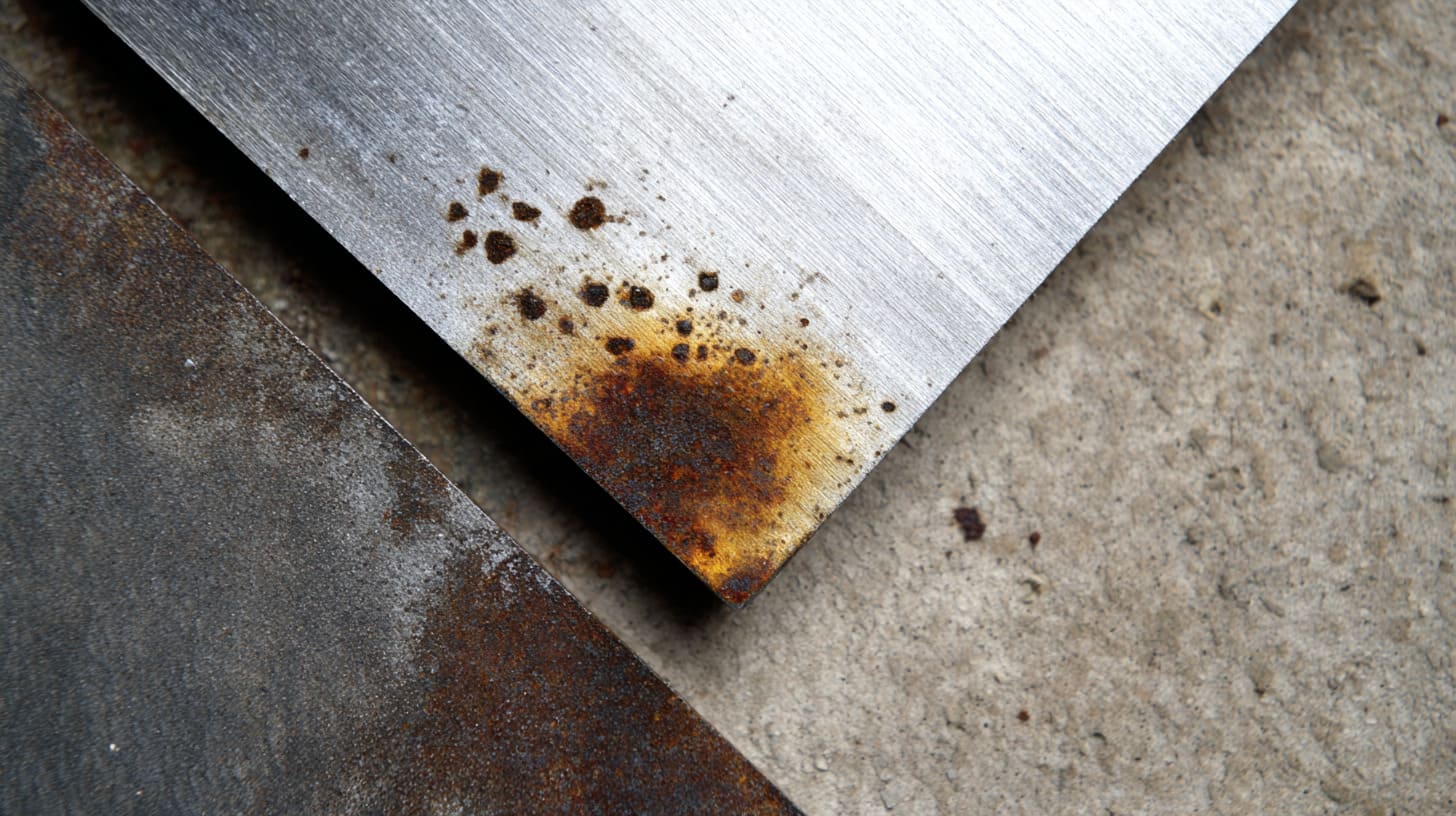
Aluminum doesn’t need oxygen maintenance like steel; once oxidized, it protects itself. Stainless resists rust due to chromium but can still pit when that chromium layer breaks.
| Property | Stainless Steel | Aluminum |
|---|---|---|
| Rust Resistance | Very High (depends on grade) | Excellent, no rust |
| Surface Film | Chromium oxide | Aluminum oxide |
| Maintenance | Needs cleaning | Minimal |
How long will stainless steel last outside?
Good stainless steel can last decades outdoors, especially grades like 316 that resist corrosion in harsh conditions.
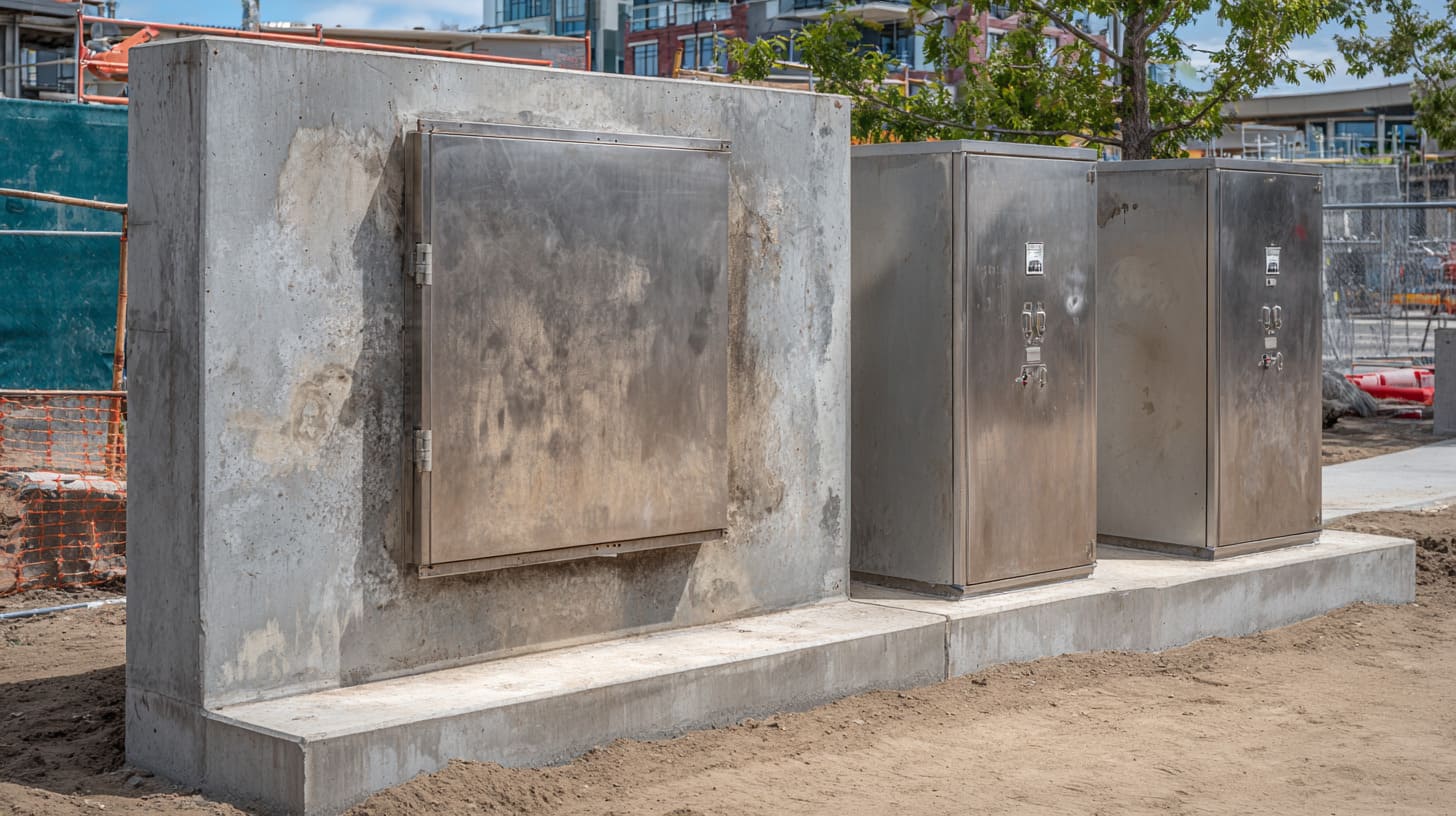
If you pick the right grade and polish finish, stainless steel can outlive the project itself. However, if you go with cheaper 201 or 304 in salty air, you’ll start noticing brown streaks within a year.
What lasts longer, aluminum or stainless steel?
In most conditions, stainless steel lasts longer because it’s harder and more resistant to physical wear, but aluminum wins in marine or humid climates.
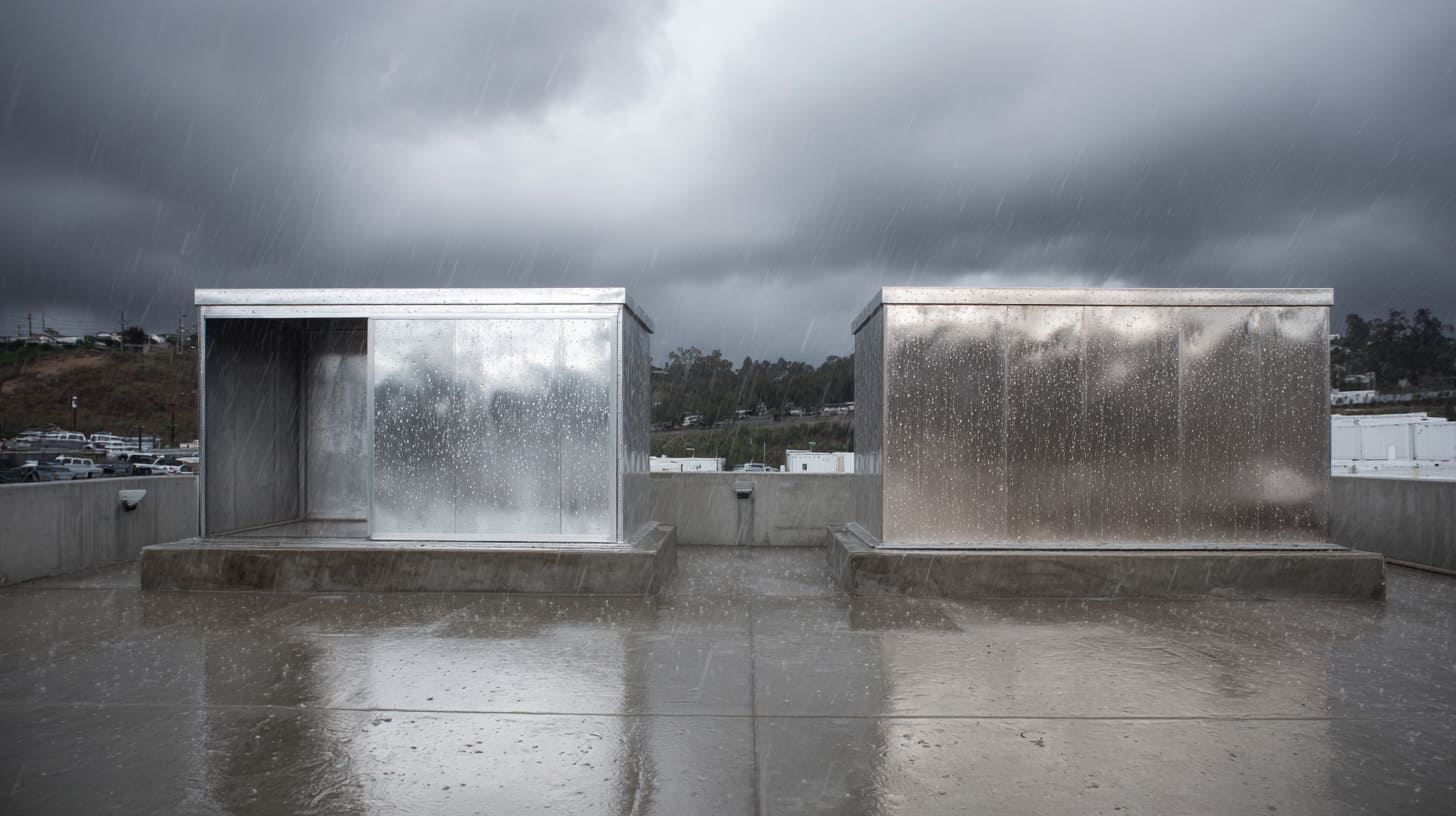
Think of it like this—stainless is like armor; aluminum is like a shield with self-healing paint. Both survive, but in different battles.
Is aluminum ok for outdoor use?
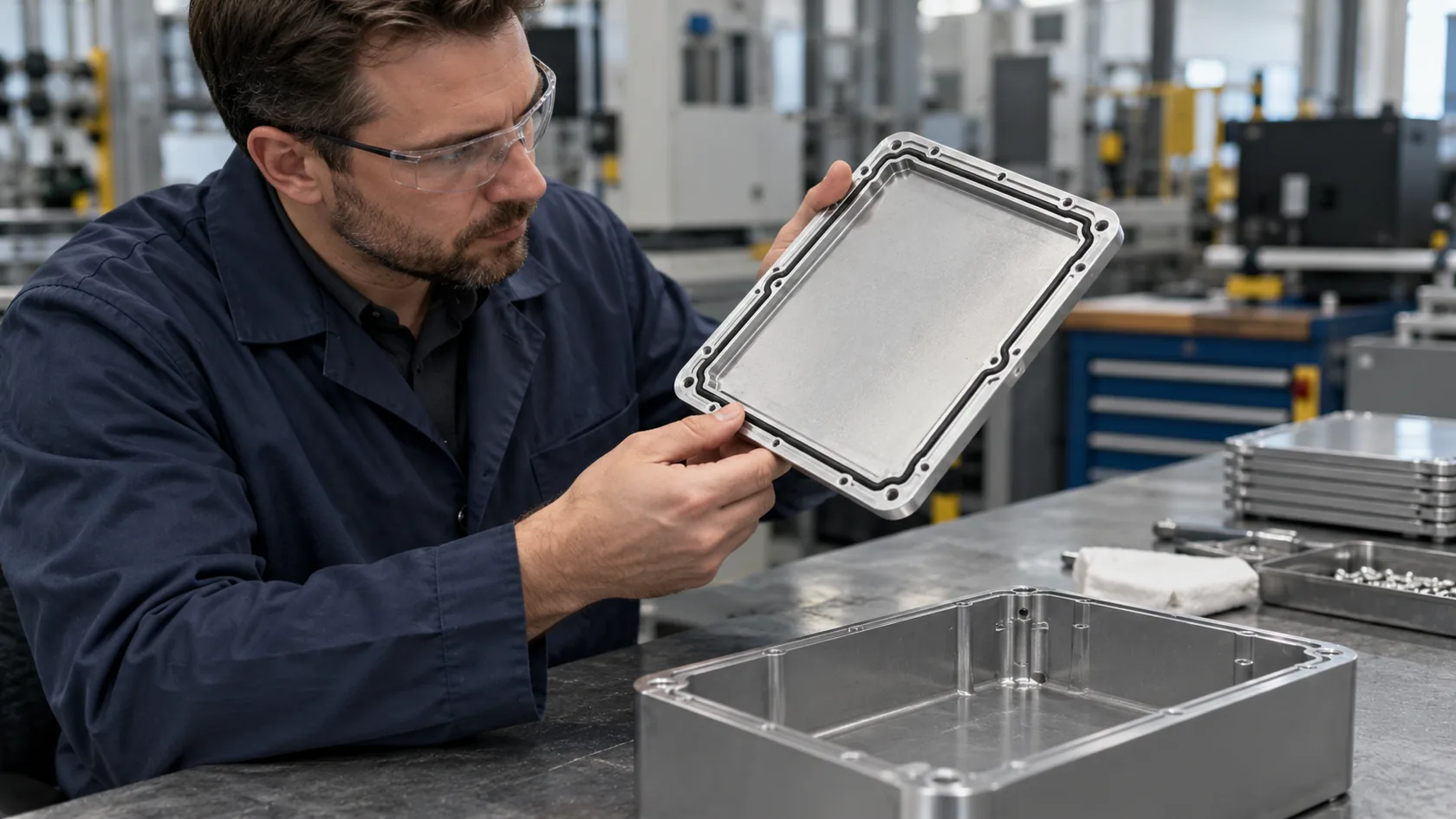
Yes, aluminum is perfectly fine outdoors—it naturally resists corrosion and can be coated for extra protection.
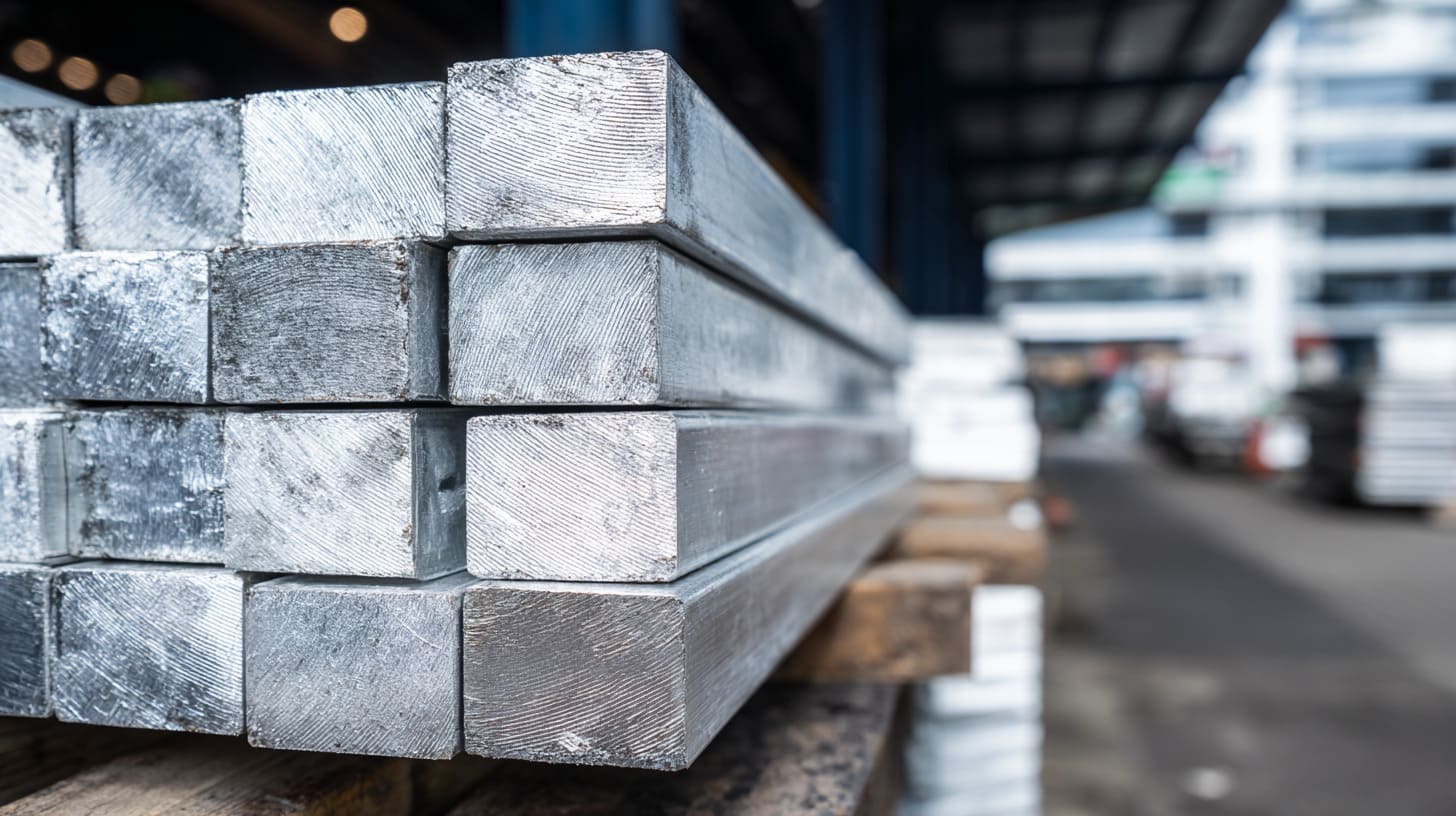
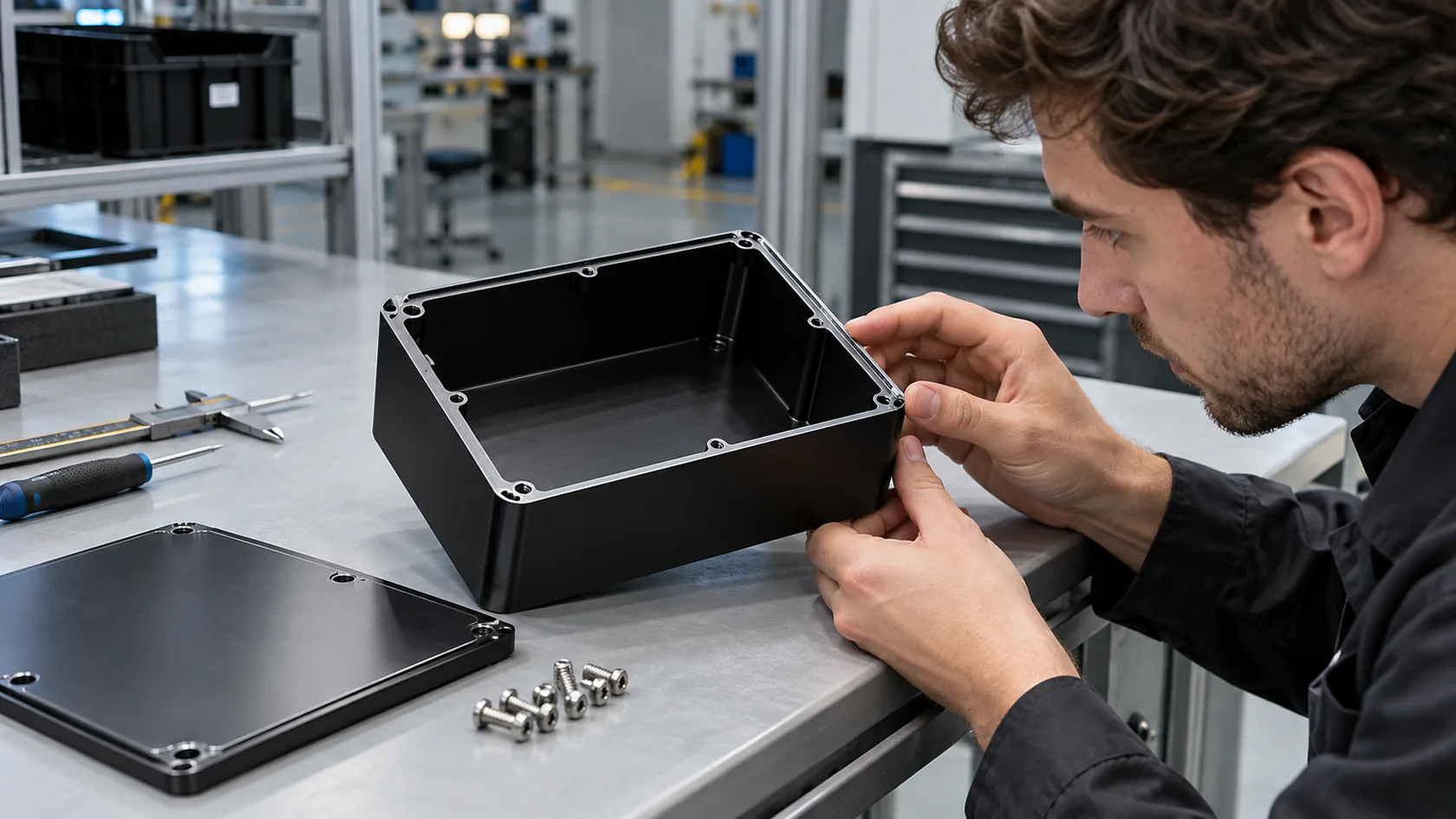
I’ve shipped thousands of aluminum enclosures to Japan and Europe. Even after years of rain, UV, and temperature changes, they still look fresh. The key is choosing the right alloy and finish.
What are the main differences between stainless steel and aluminum for outdoor enclosures?
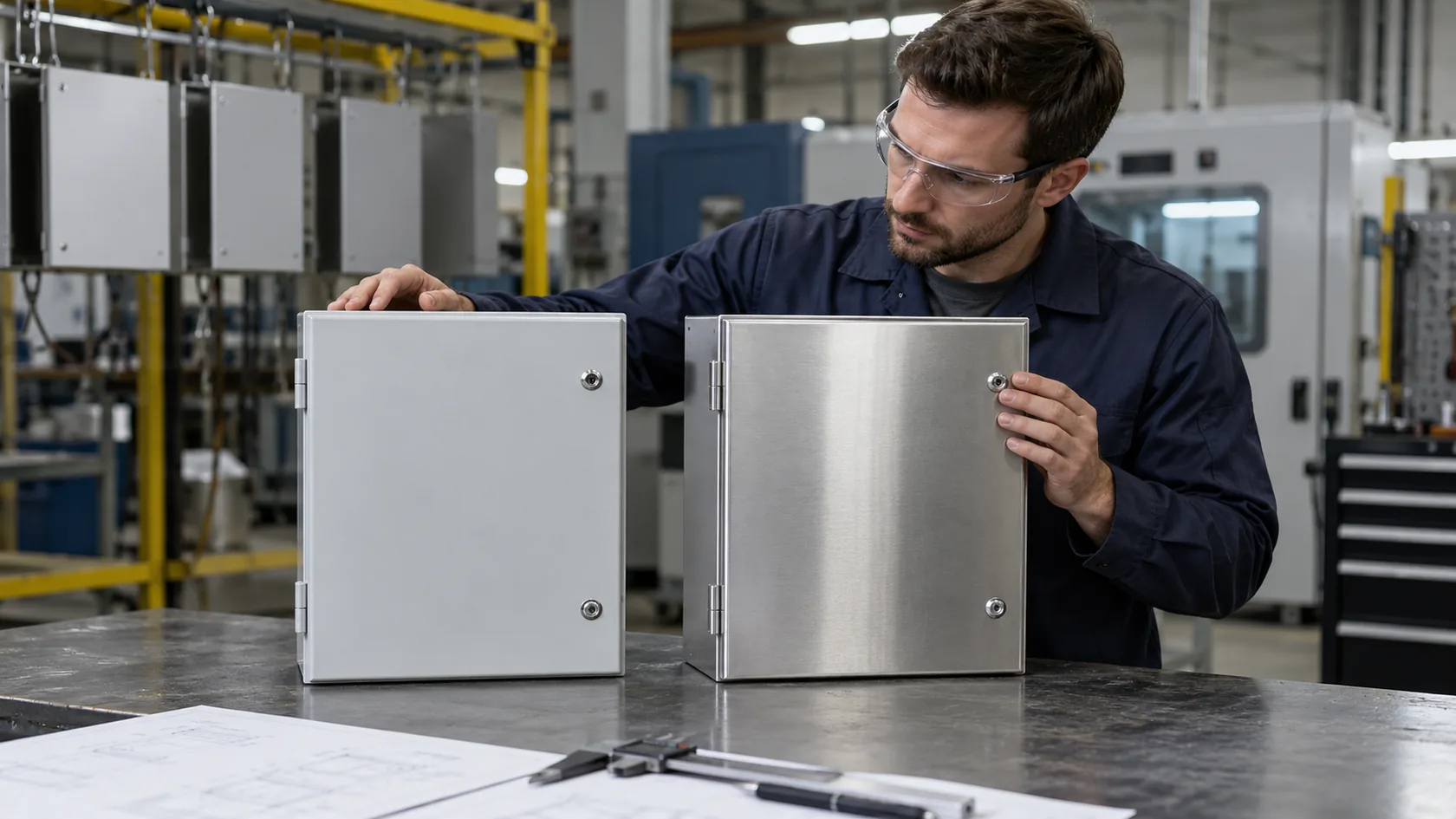
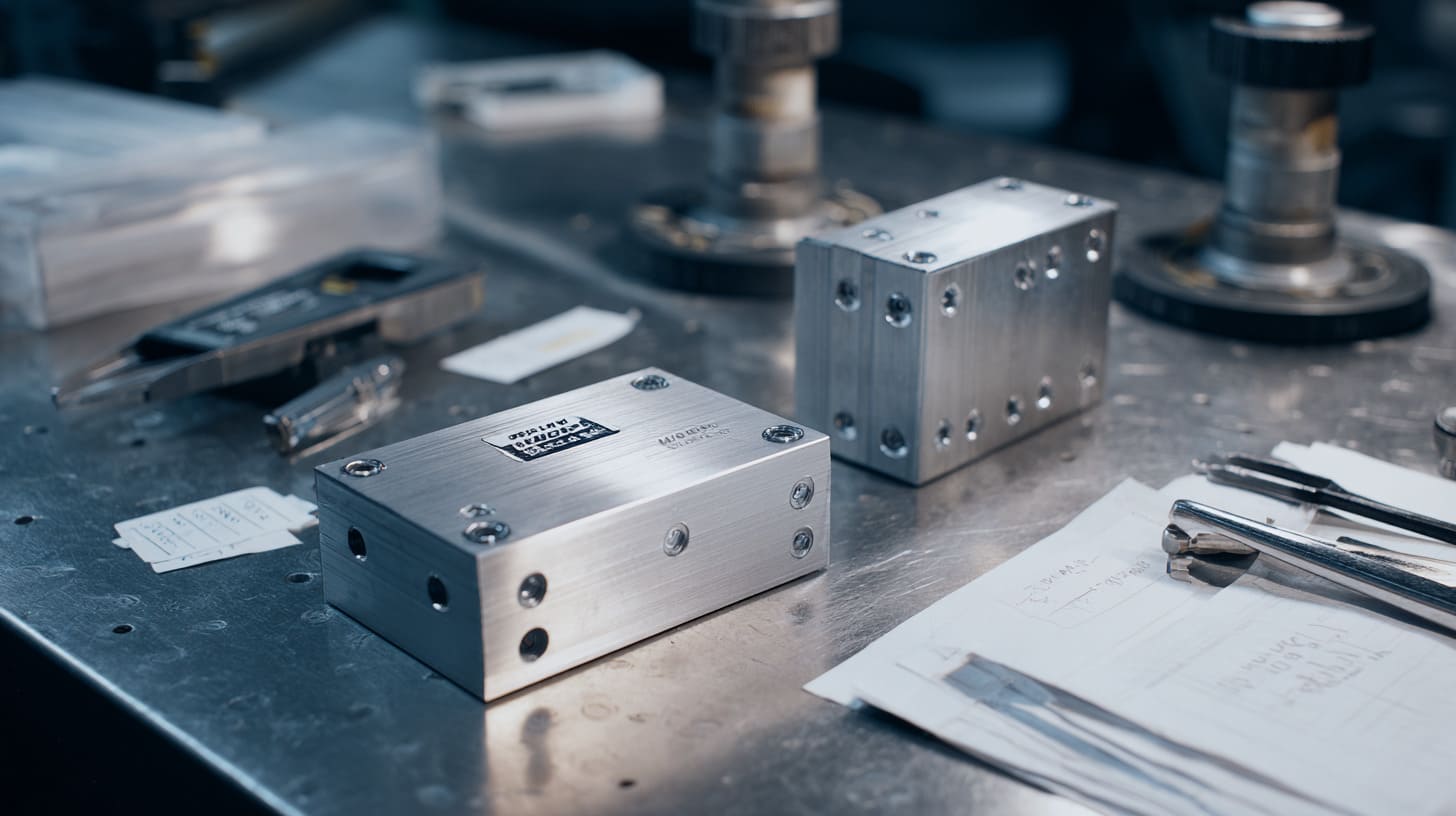
The main differences are in weight, strength, corrosion behavior, and cost.
| Feature | Aluminum | Stainless Steel |
|---|---|---|
| Density | ~2.7 g/cm³ | ~8 g/cm³ |
| Strength | Moderate | High |
| Corrosion | Excellent | Very Good (depends on grade) |
| Cost | Lower | Higher |
| Machinability | Easier | Harder |
Aluminum saves you in logistics and machining costs. Stainless adds weight but feels premium in heavy-duty designs.
Does aluminum rust or corrode outdoors like stainless steel?
No, aluminum doesn’t rust, but it can corrode under certain conditions like prolonged contact with saltwater or acidic rain.
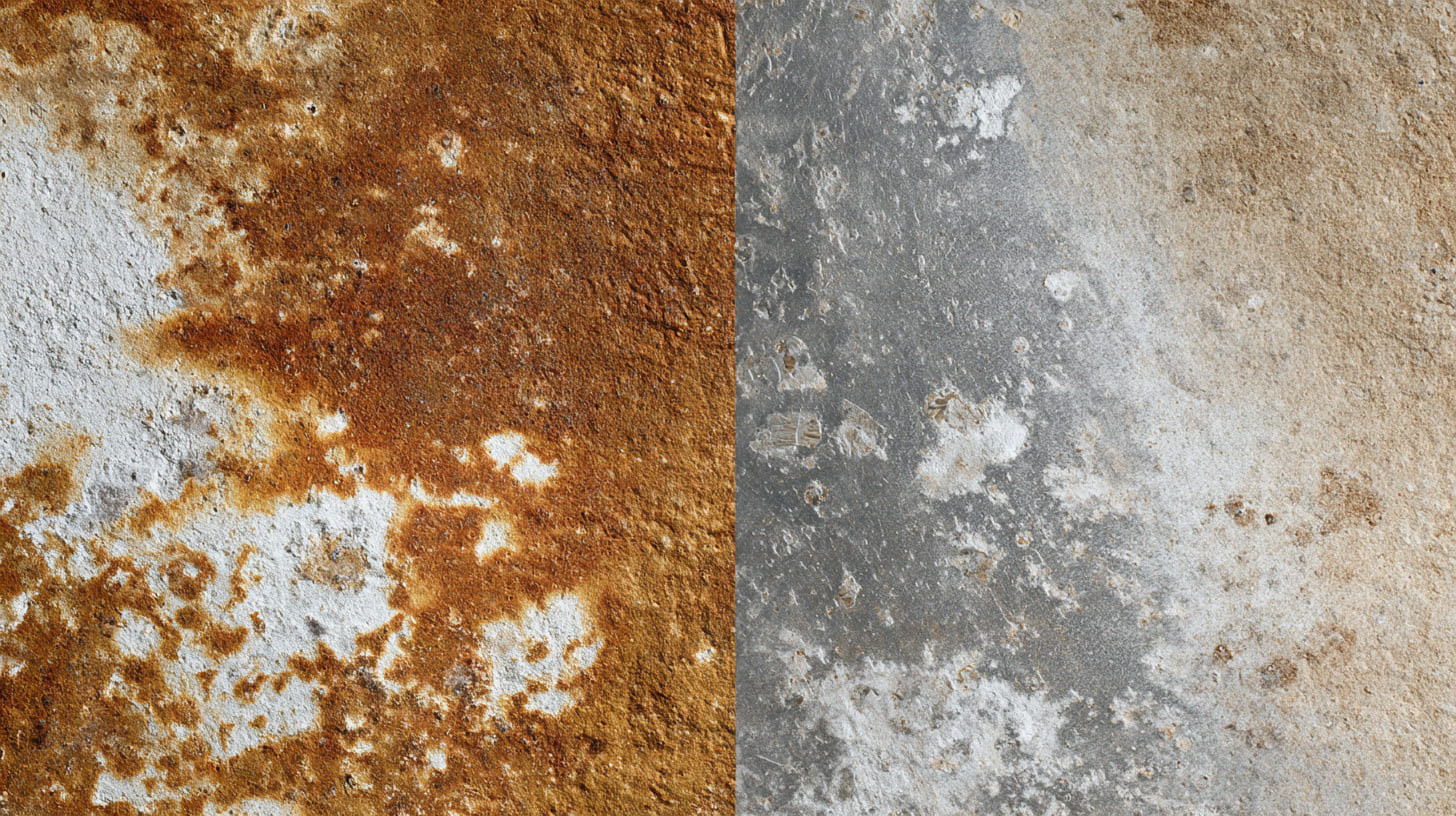
However, its corrosion doesn’t spread like rust—it stays localized. A quick rinse or anodizing usually prevents issues altogether.
Which is more cost-effective for outdoor custom enclosures: stainless steel or aluminum?
Aluminum is more cost-effective for outdoor custom enclosures due to lower raw material and processing costs.
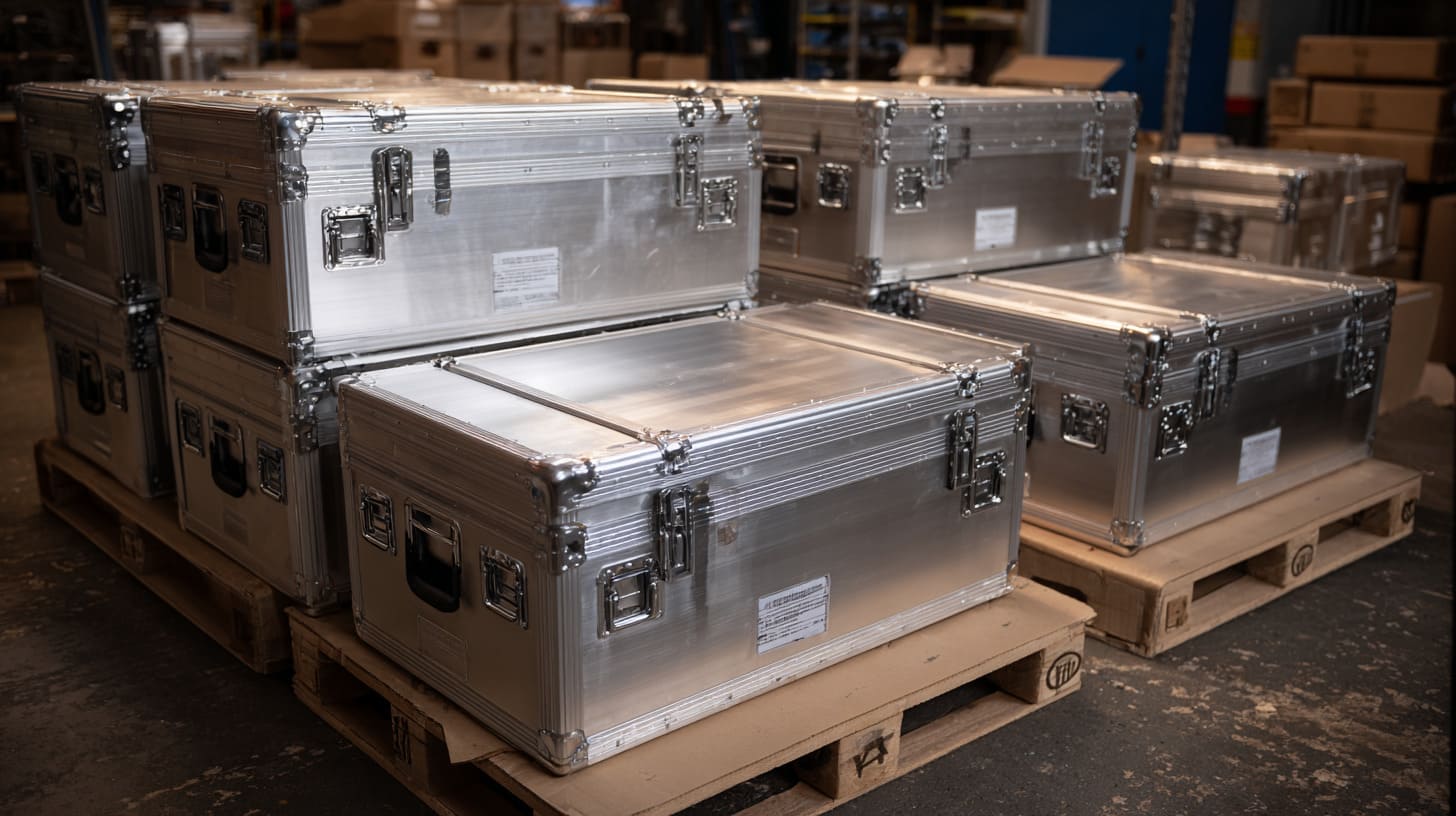
For OEM projects, aluminum offers huge savings in machining time and shipping weight. Stainless might double the cost for large housings.
How does aluminum perform in coastal or marine environments compared to stainless steel?
Marine-grade aluminum (5052 or 6061) performs better than stainless 304 in salt air, but stainless 316 still holds the crown in seawater immersion.
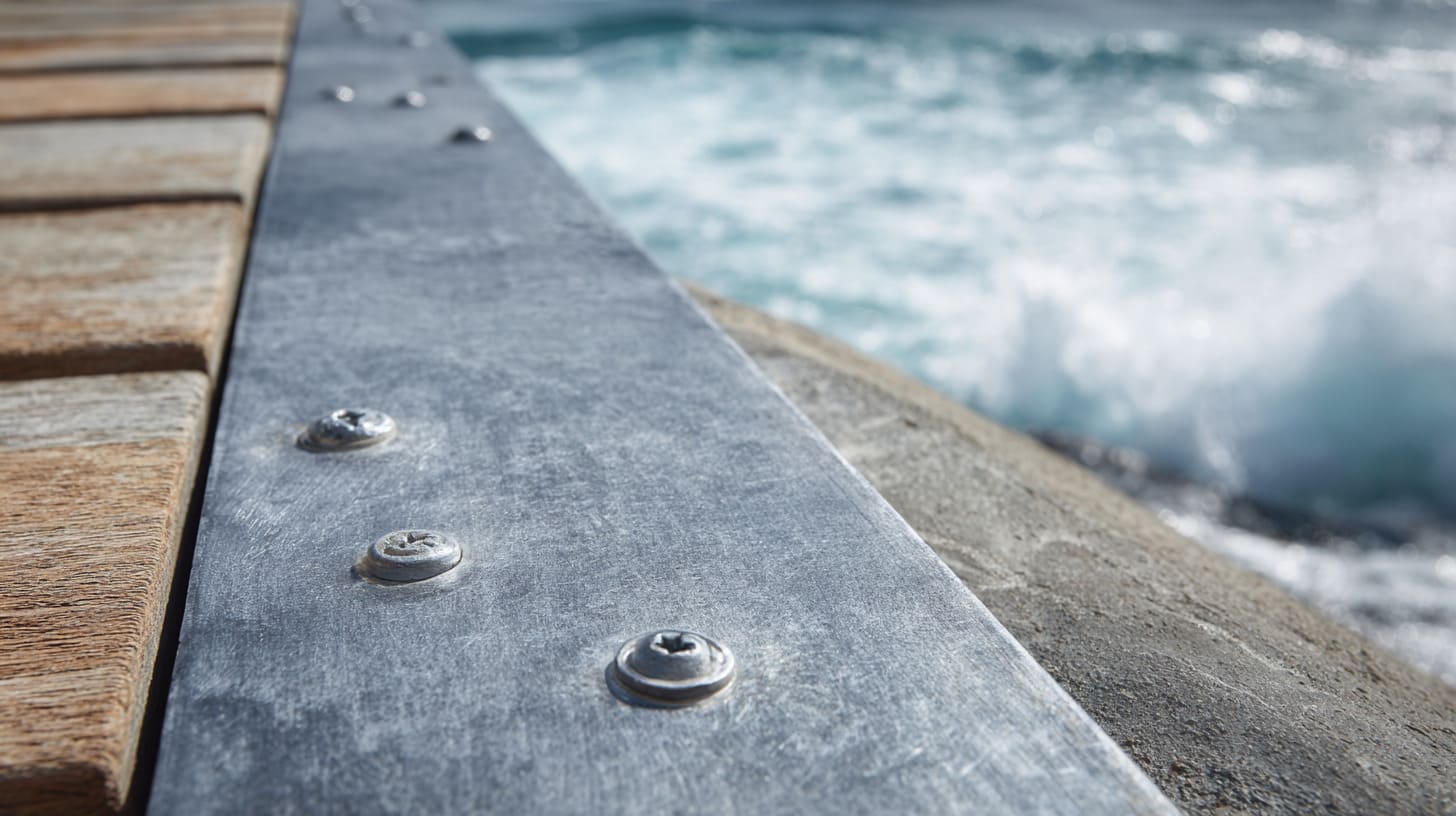
If your product is near the beach, aluminum with powder coating or anodizing usually wins. For direct ocean contact, stainless 316 is safer.
Is stainless steel stronger than aluminum for outdoor impact resistance?
Yes, stainless steel is stronger and more impact-resistant than aluminum, making it ideal for vandal-proof or structural enclosures.
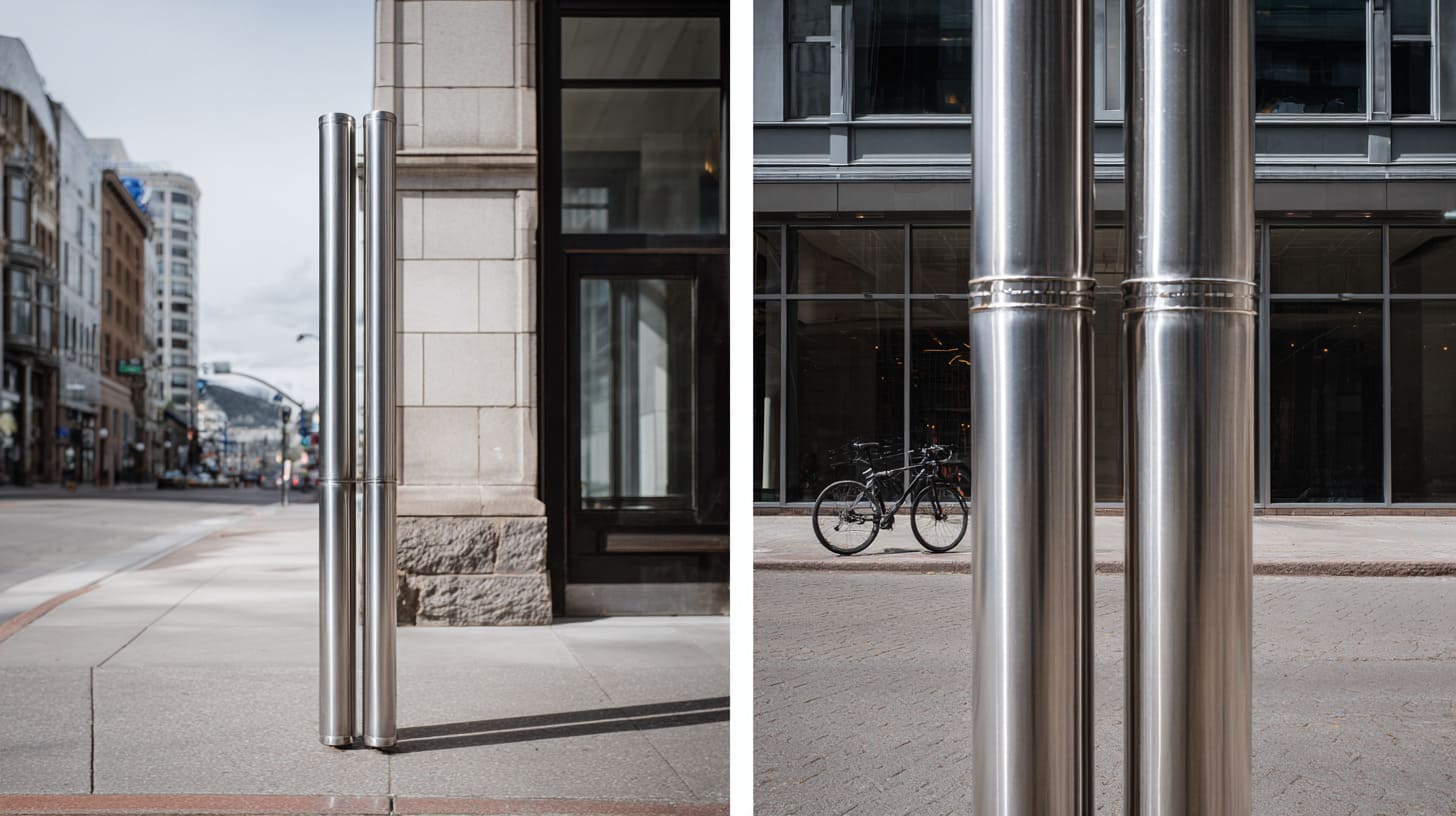
That’s why city utility boxes and lamp posts often use stainless. But remember—strength comes with extra weight.
What surface finishes help aluminum enclosures survive better outdoors?
Anodizing, powder coating, and electrophoretic coatings extend aluminum’s outdoor life by sealing its surface against oxidation and UV.
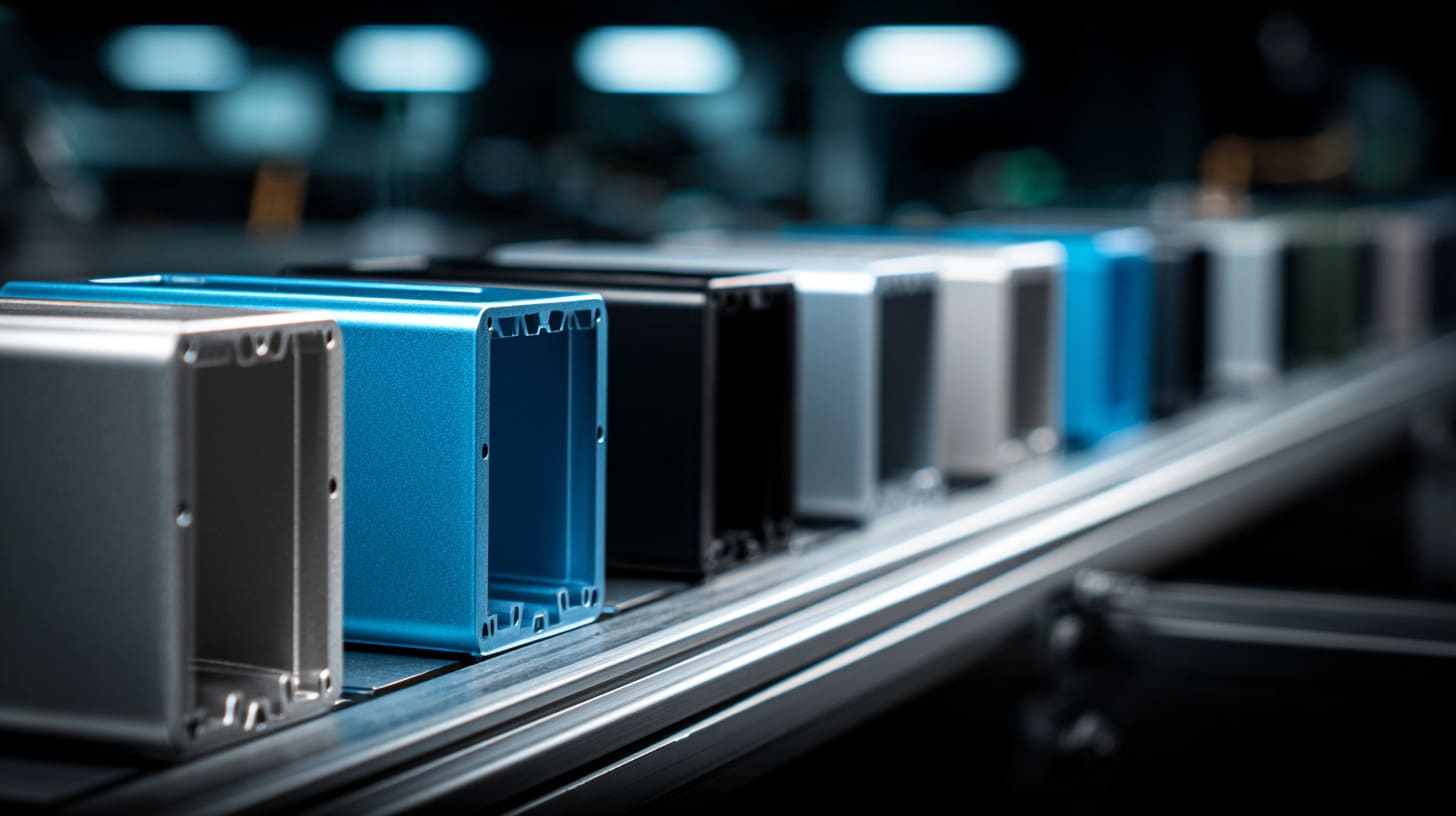
| Finish Type | Durability | Visual Effect | Cost |
|---|---|---|---|
| Anodizing | Excellent | Matte/metallic | Medium |
| Powder Coating | Excellent | Colored | Low-Med |
| E-coating | High | Uniform | High |
I usually recommend anodizing for industrial clients—it keeps that clean metallic look without extra layers.
Which metal has better thermal performance in outdoor electrical enclosures?
Aluminum conducts heat far better than stainless steel, making it the better choice for outdoor electrical or power applications.
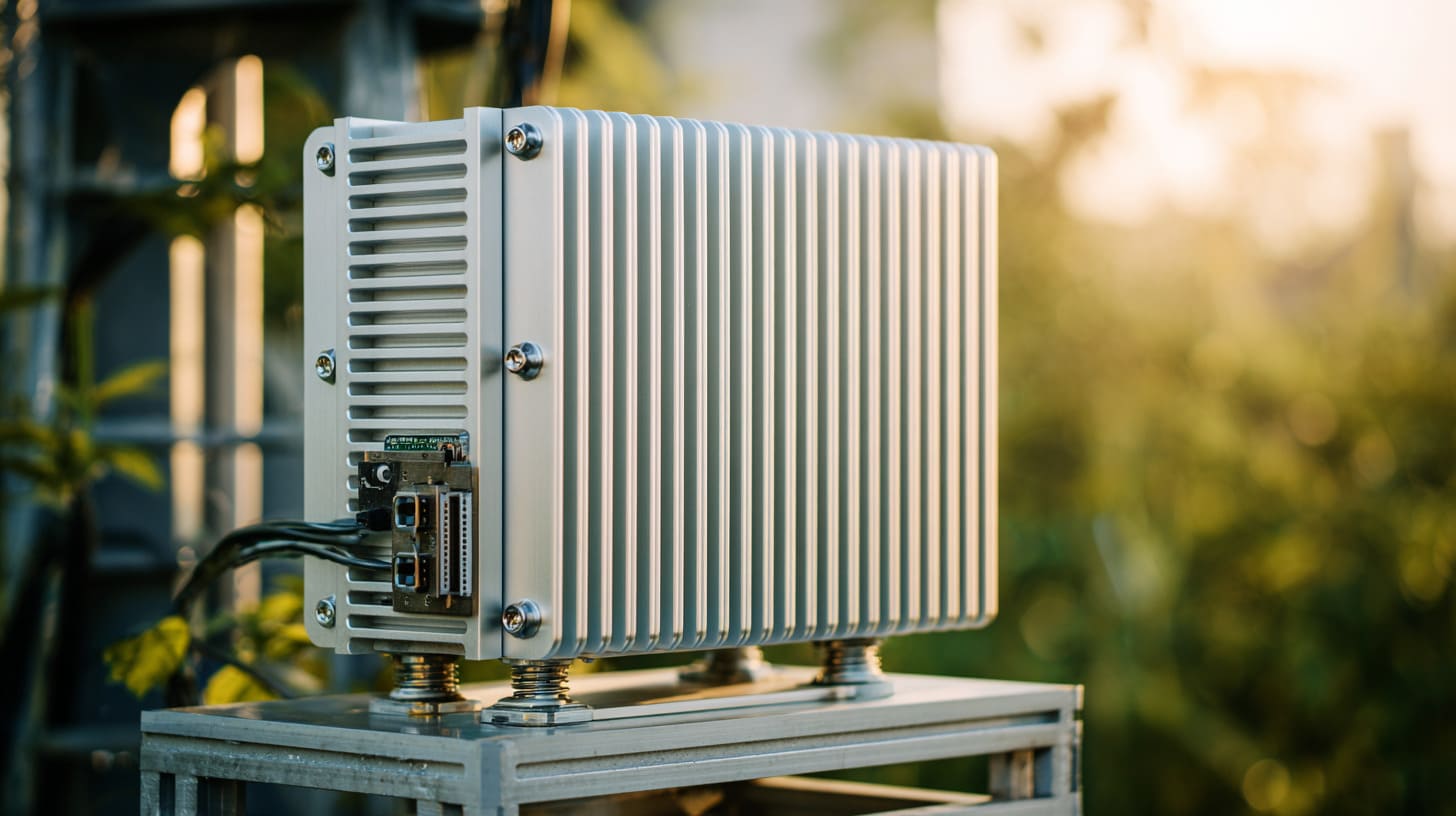
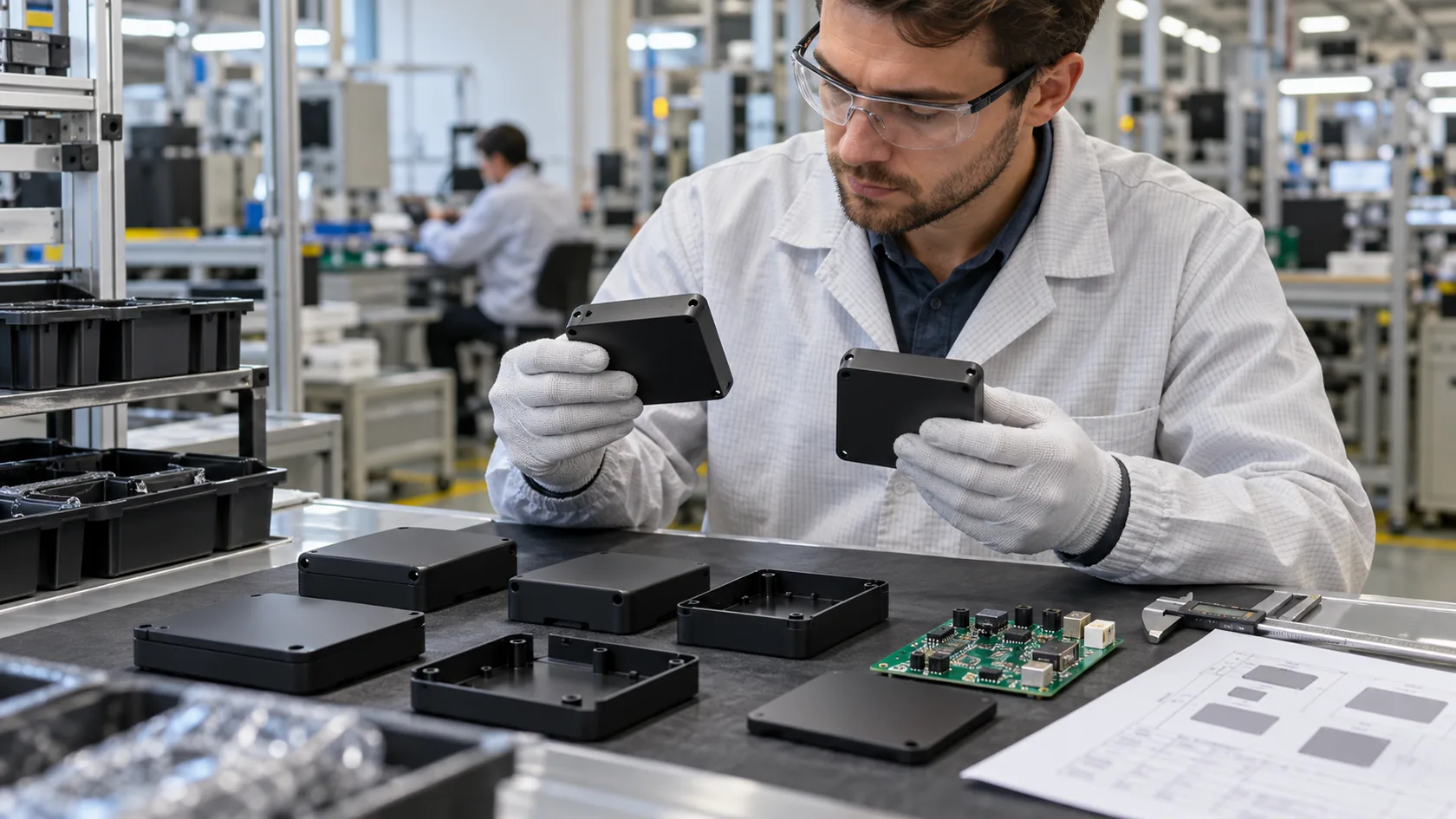
That’s why we use aluminum for Raspberry Pi cases, battery housings, and solar equipment—it helps dissipate heat fast and evenly.
When should I choose aluminum over stainless steel for outdoor projects?
Choose aluminum when you need light weight, high corrosion resistance, better thermal management, or a lower overall cost.
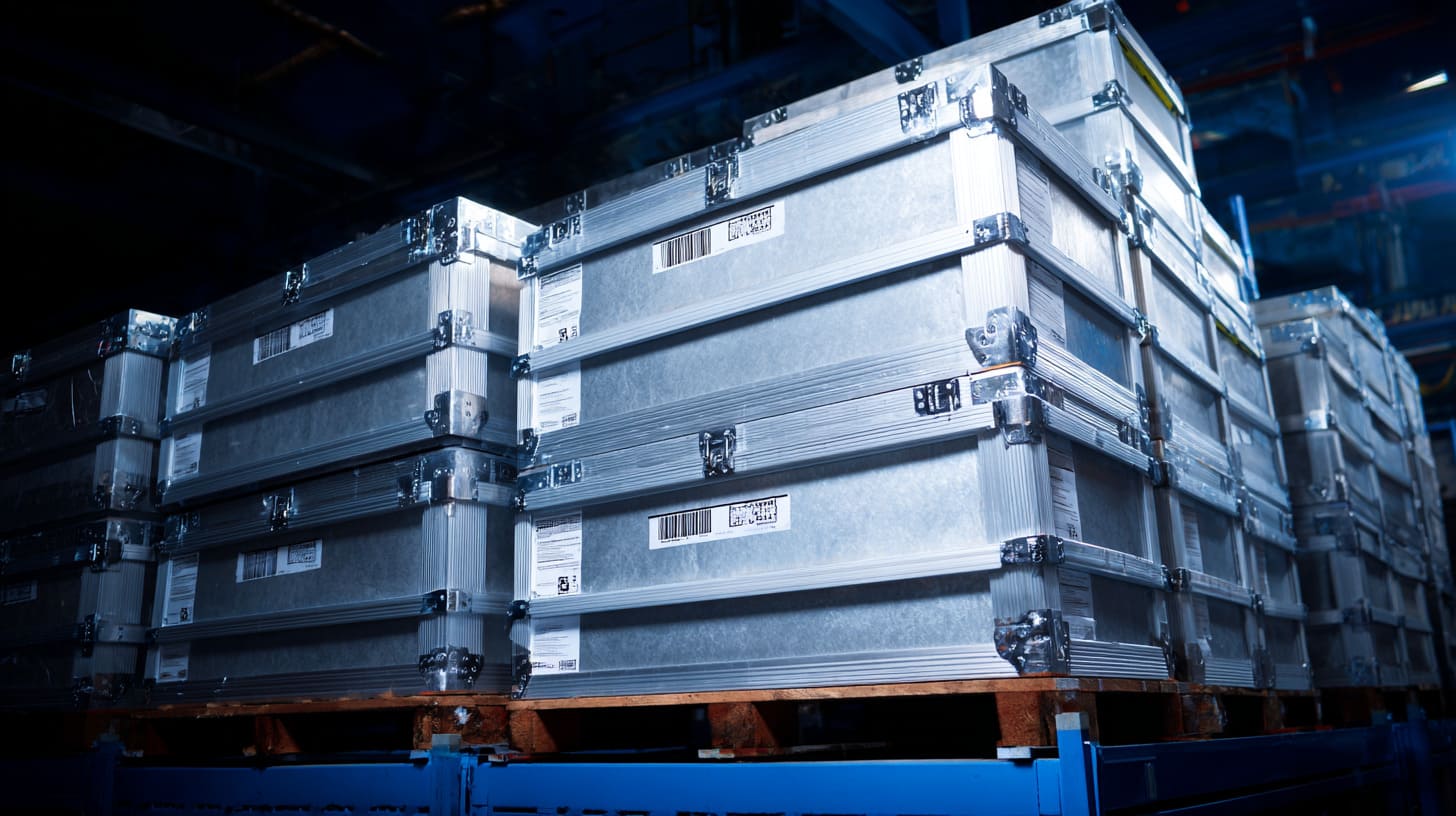
I often tell clients: if your enclosure moves, cools, or ships far—choose aluminum. If it stays fixed, carries loads, or faces abuse—stainless might be worth it.
Conclusion
Both materials have their place—choose based on environment, function, and budget, not assumption.