Skip to content
In the world of product design and manufacturing, it’s easy to assume that all enclosure suppliers deliver the same thing — metal boxes that protect electronics. But once you start managing an OEM project yourself, you quickly realize how wrong that assumption can be.
The difference between a reliable junction box manufacturer and an average one isn’t just visible in the final product — it’s hidden in the unseen details: material quality, precision, communication, and timing. I’ve seen projects fail not because the design was flawed, but because the factory missed the small things that mattered most.
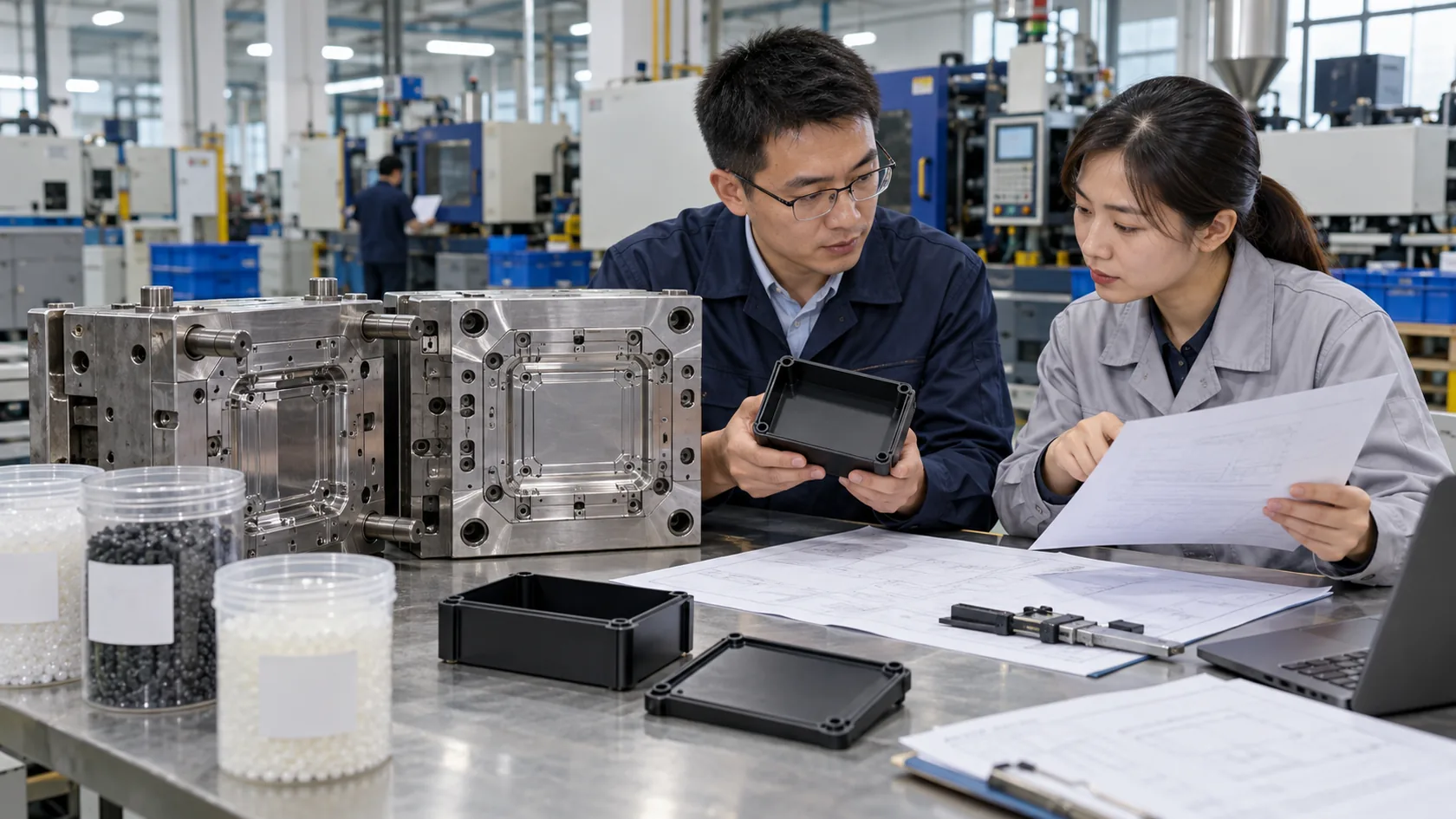
A junction box enclosure manufacturer for OEM projects is not merely a fabricator. They’re part of your engineering chain — someone who understands your drawings, your brand standards, and your production deadlines. Whether you’re an engineer like Davide who needs custom aluminum housings with tight tolerances, or a creative buyer like John developing a new enclosure design from scratch, you depend on a manufacturer who listens and adapts.
In this guide, I’ll share what I’ve learned from years of working with OEM clients across Europe and North America — how to evaluate a manufacturer’s real capabilities, avoid common traps, and build a partnership that keeps your project on time, on spec, and stress‑free.
1. Understand Your Project Requirements
1.1 Define the enclosure’s functional role
Before anything else, I always ask clients a simple question: “What will this enclosure actually do?”
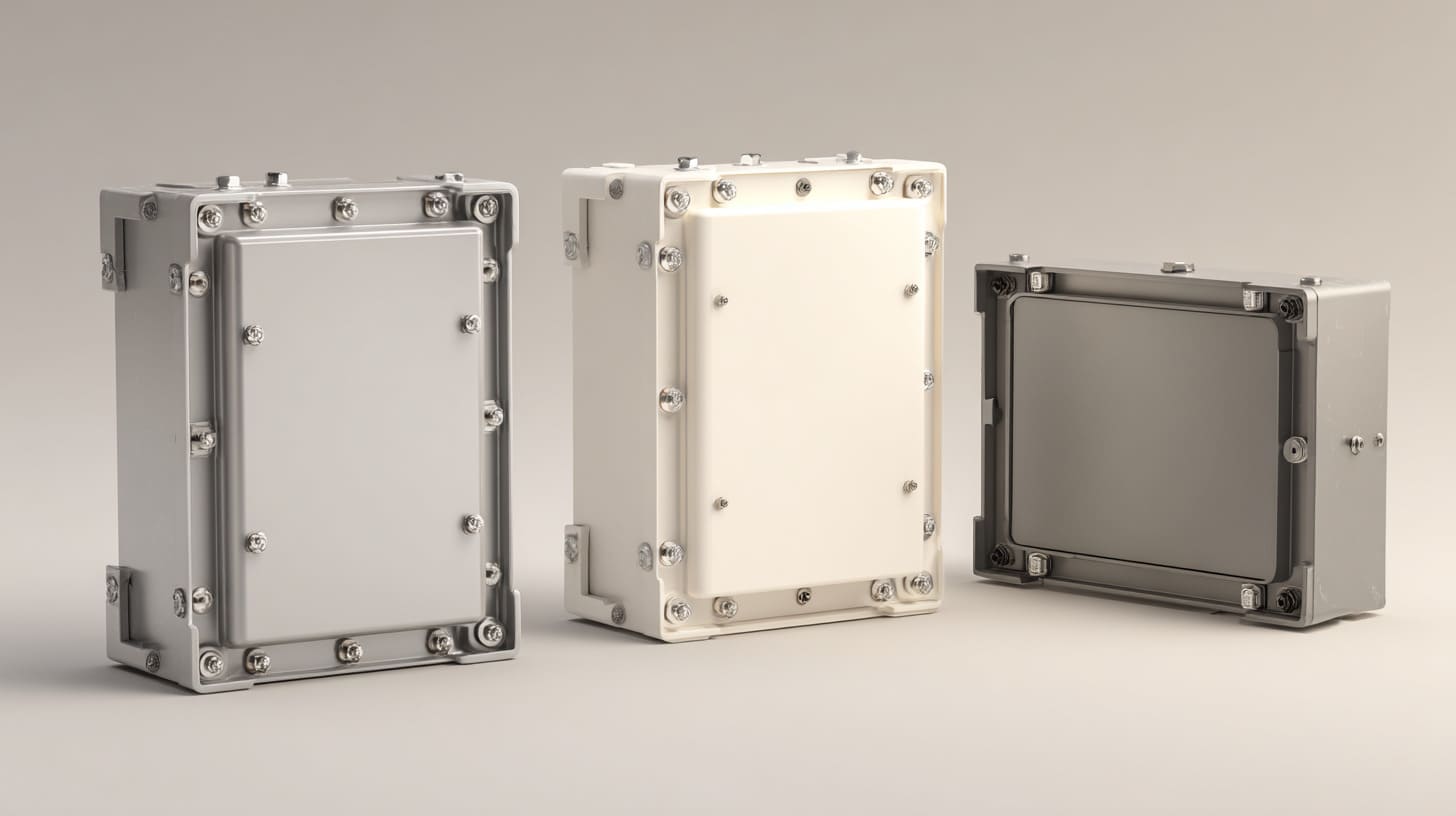
Some need a waterproof box for outdoor power controls. Others need a compact housing for a Raspberry Pi module. The functional role determines everything — from the material and size to how the lid seals and how cables exit the box.
1.2 Identify the environment & application conditions
Think about the environment. Indoors? Outdoors? Industrial? Consumer?
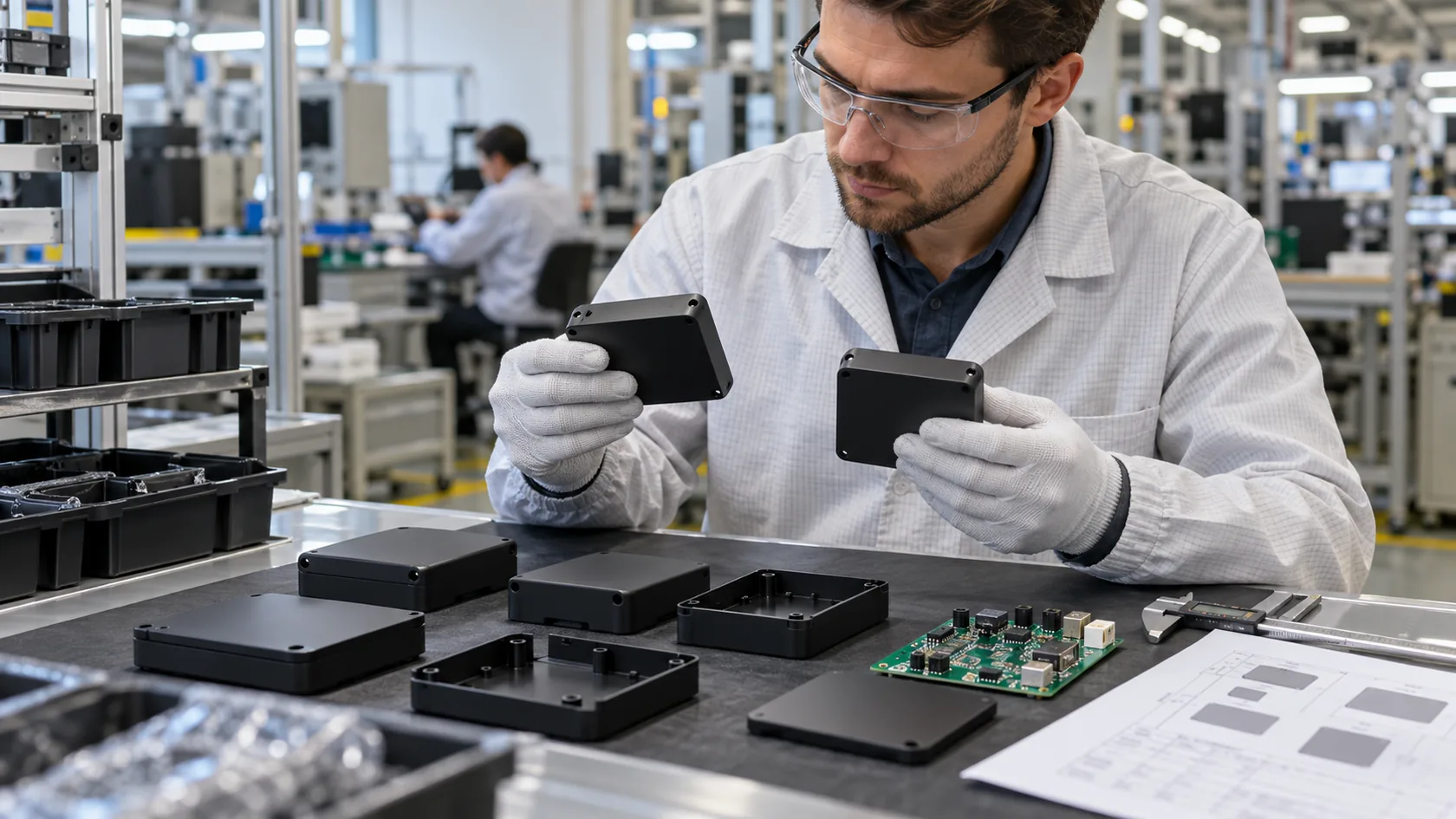
An aluminum junction box for a humid warehouse will need IP65 or higher protection. But a lightweight ABS box might be enough for indoor IoT use.
| Environment | Suggested Material | IP/NEMA Rating |
|---|---|---|
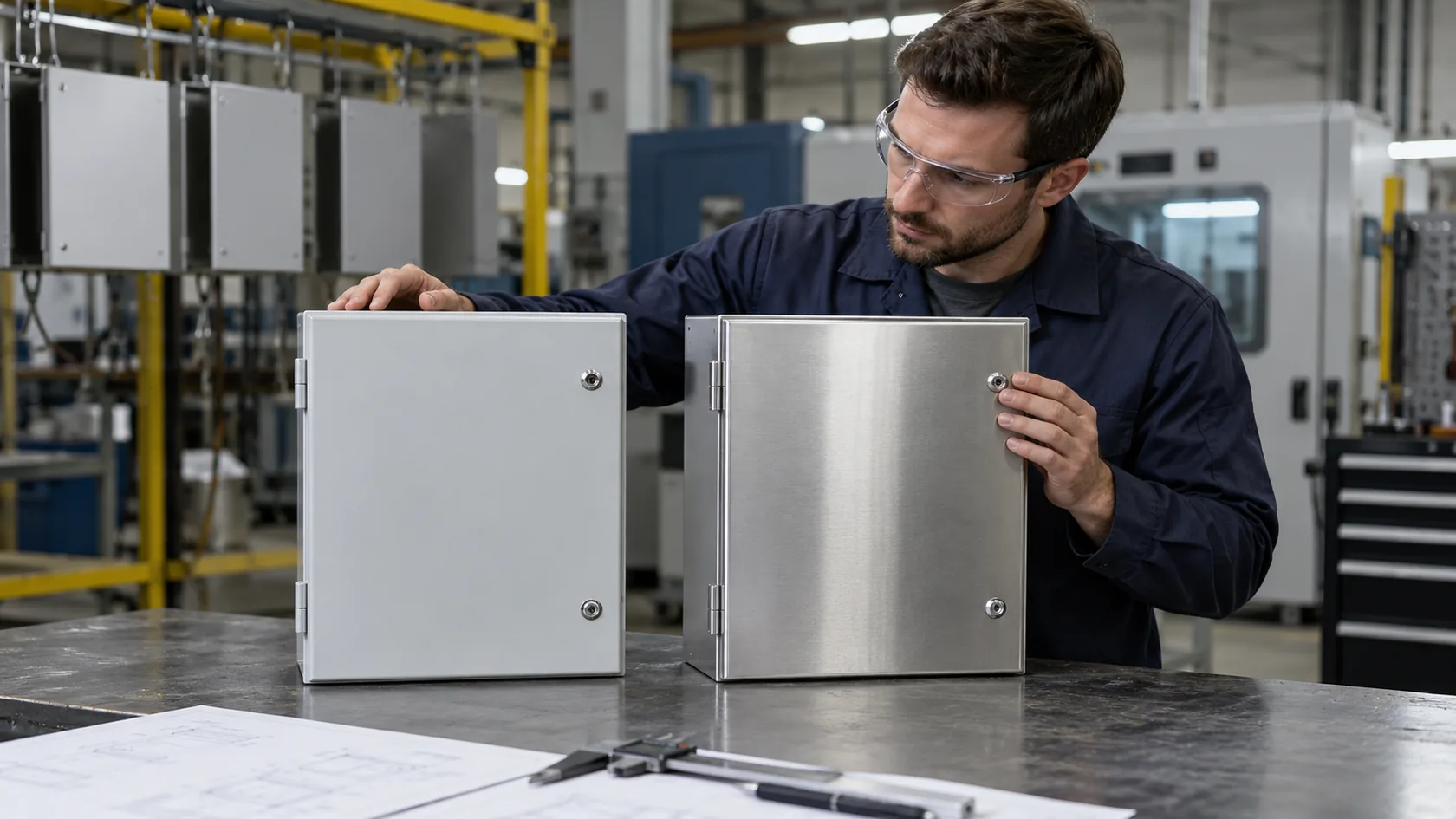
| Outdoor / Dusty | Aluminum / Stainless Steel | IP65–IP67 |
| Indoor / Consumer | ABS / PC Plastic | IP44–IP54 |
| Industrial / Hazardous | Powder-Coated Aluminum | IP68 / NEMA 4X |
1.3 Specify customization & branding needs
Every OEM project has its own look and story. A clean logo engraving or printed brand mark gives your enclosure identity.
Custom cutouts for switches, displays, or cable glands make the difference between a generic box and a finished product.
1.4 Determine volume, lead time, and cost targets
Be clear about how many units you need — and when.
I’ve seen clients lose weeks simply because they underestimated lead time. A good manufacturer should be honest about their production window and MOQ.
Sometimes, saving a few dollars per unit ends up costing more in delays.
(Next, let’s talk about how to judge if a manufacturer can truly handle your project.)
2. Evaluate Manufacturer Capabilities
2.1 Experience and track record
In manufacturing, experience isn’t just about years — it’s about what those years produced.
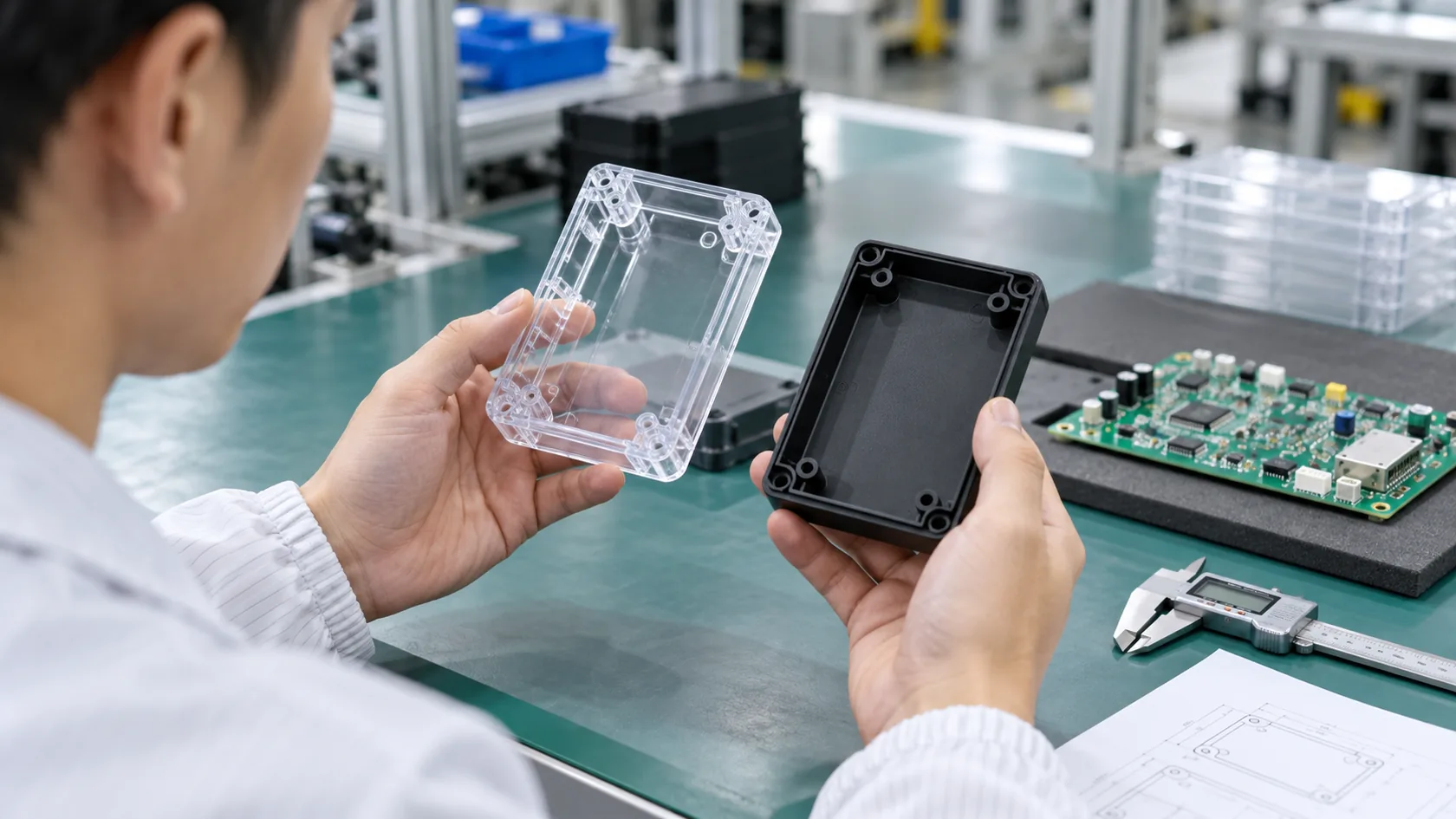
Ask for past OEM cases, photos, or sample runs. A manufacturer who has worked on both aluminum and plastic junction boxes for industrial clients knows how to meet compliance and deadlines.
2.2 Production infrastructure
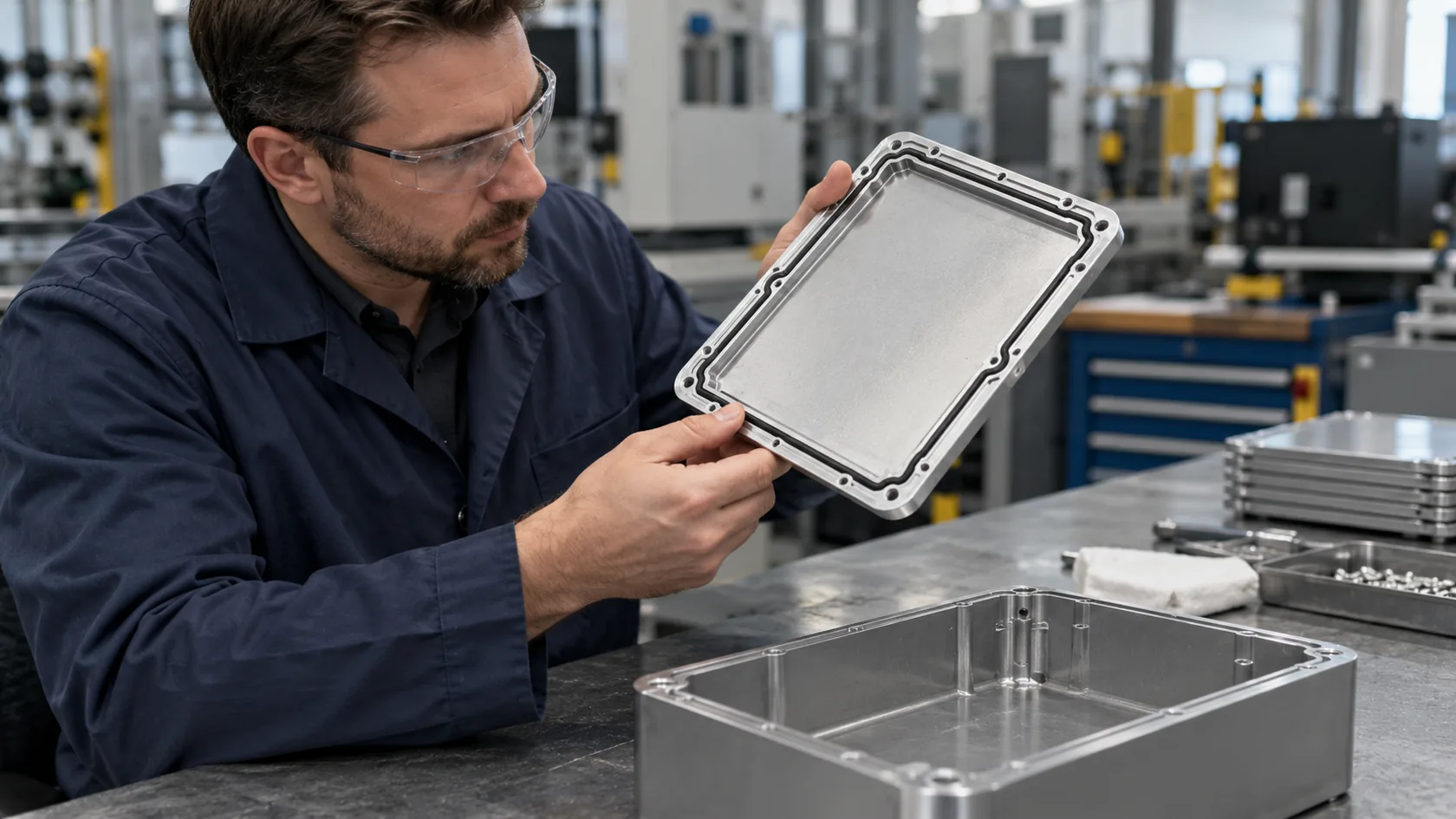
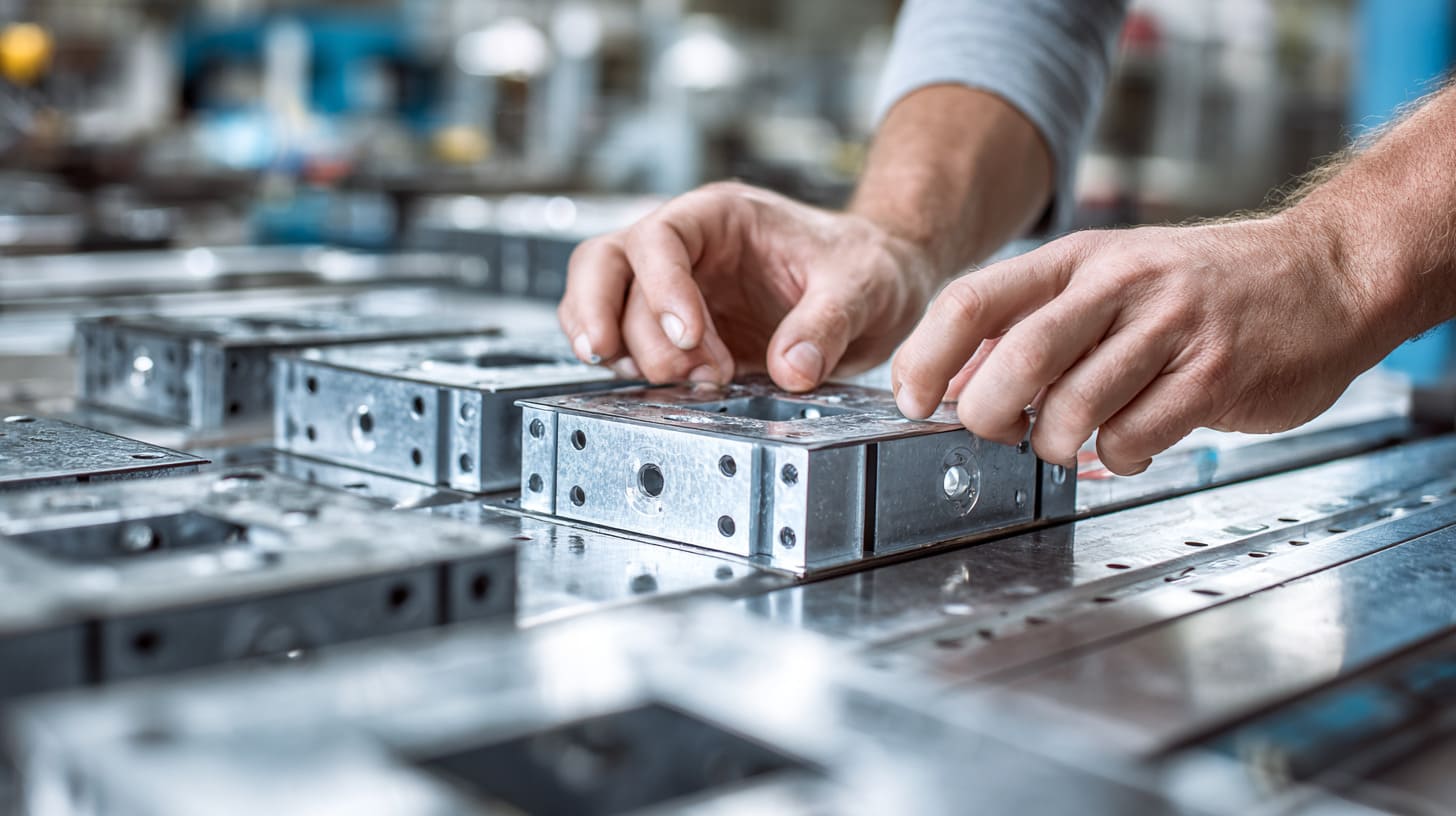
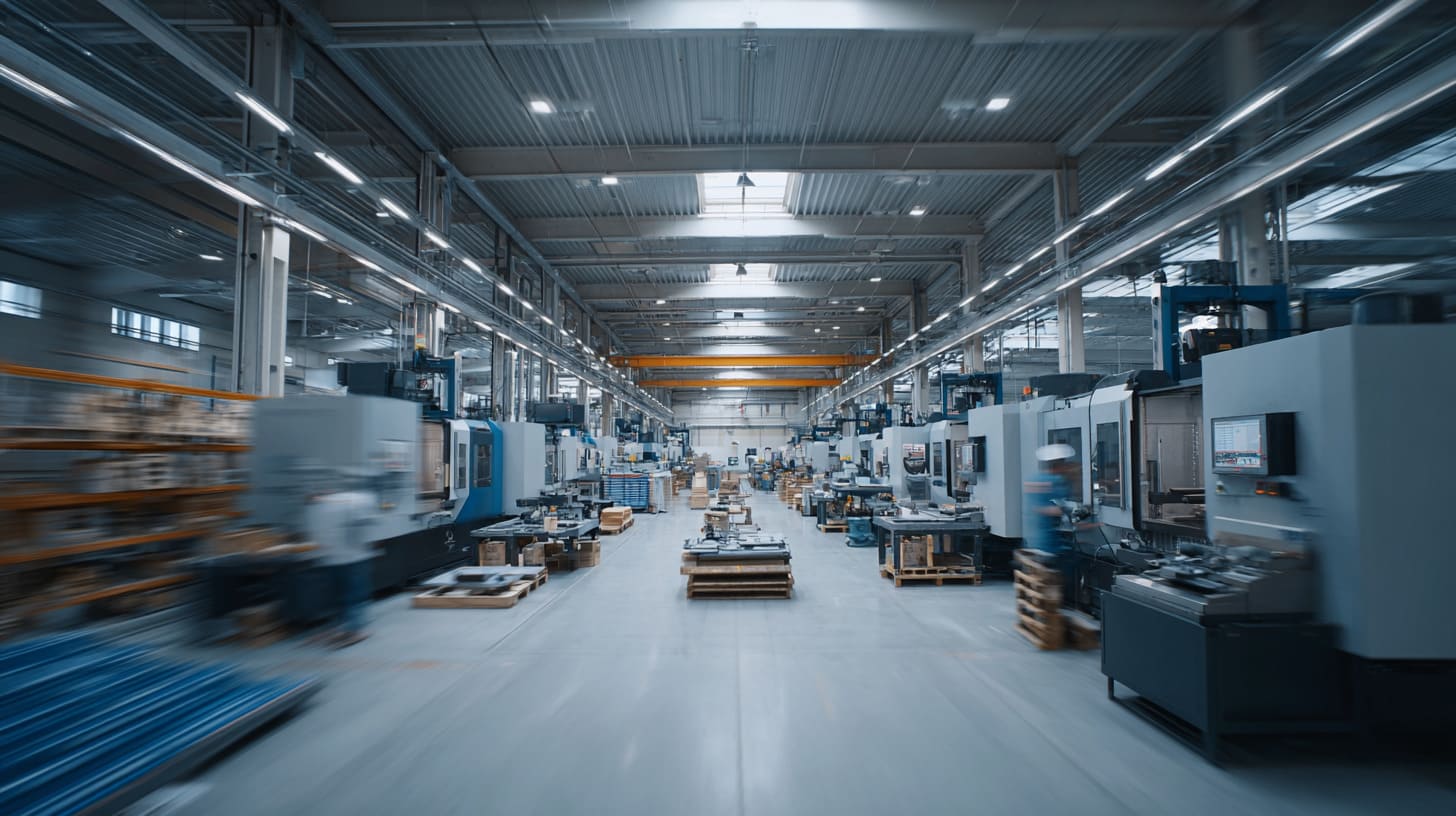
A factory with CNC milling, bending machines, and laser cutters can handle high precision aluminum work. If you see manual drills and hand-cutting tools only, be careful.
2.3 Material types and finishes offered
Good manufacturers should offer a wide range:
- Aluminum (6061, 5052) for strength and heat dissipation
- ABS or PC plastics for cost efficiency
- Powder coating, anodizing, brushing for surface protection
| Material | Strength | Heat Resistance | Typical Use |
|---|---|---|---|
| Aluminum | High | Excellent | Industrial control boxes |
| ABS | Medium | Moderate | Consumer devices |
| PC | Medium | High | Outdoor electronics |
2.4 Design & engineering support
If you’re not a mechanical designer, DFM (Design for Manufacturing) support is gold.
A reliable factory helps optimize your drawings, suggests thickness adjustments, and checks fit before production.
2.5 Customisation flexibility
Look for flexibility. Can they engrave logos, make cutouts, or customize packaging?
OEM projects always evolve — and so should your manufacturer’s mindset.
2.6 Lead times and run volume
Ask how long their average production cycle is.
Do they accept small trial orders? Factories like ours often run sample batches to confirm everything before mass production.
2.7 Cost‑competitiveness and direct pricing
Price is never the only factor — but direct factory pricing avoids unnecessary markups.
When you buy through a middleman, you pay for communication delays too.
(But even the best machines mean little if the quality isn’t under control — let’s go deeper.)
3. Quality, Standards & Testing
3.1 Material certifications and test reports
A professional manufacturer provides RoHS, REACH, and ISO9001 certifications.
These aren’t just papers — they prove process stability and material safety.
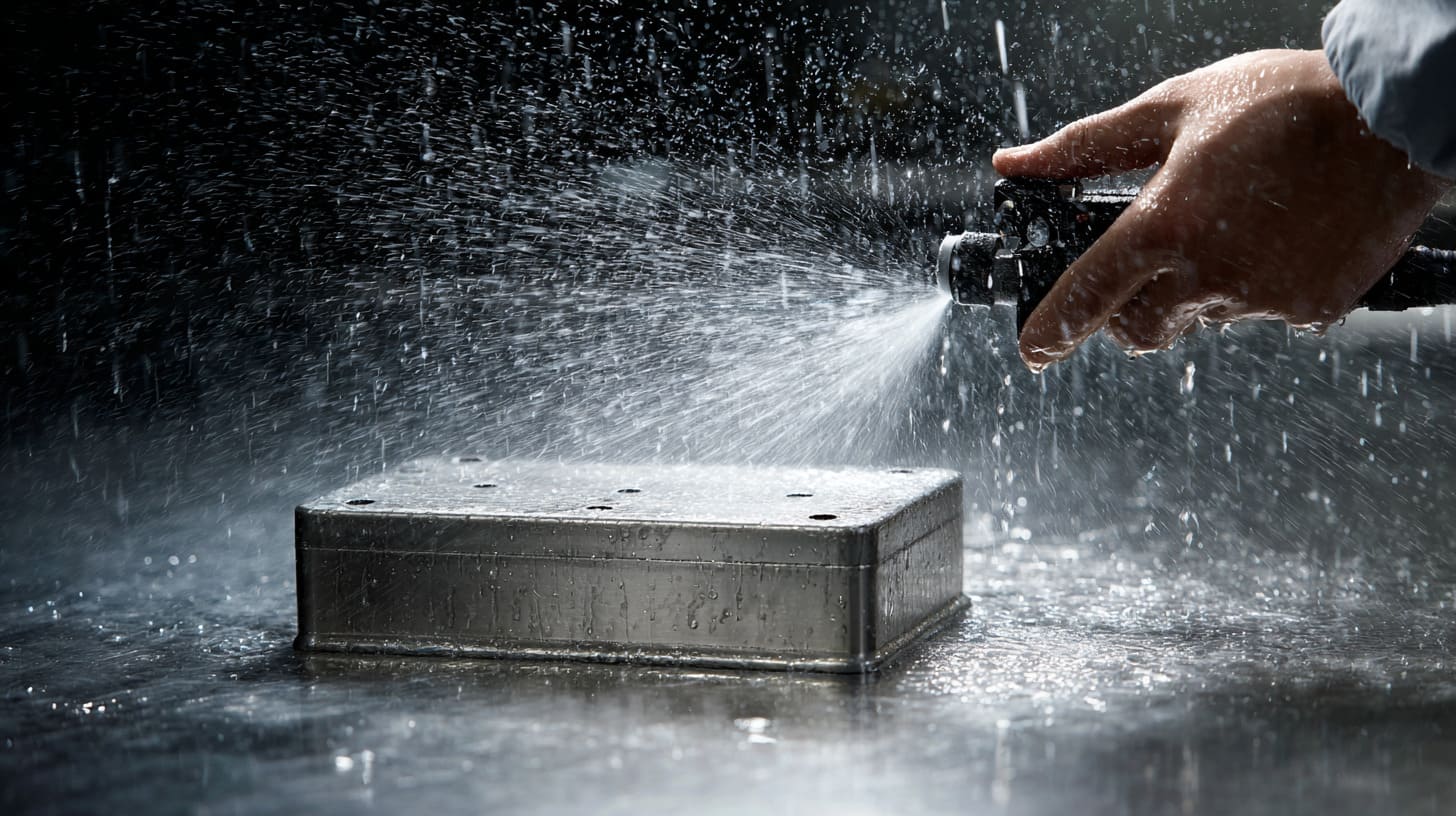
3.2 Enclosure protection ratings (IP, NEMA, IK)
IP65 means “dust tight and water resistant.”
IK ratings define impact resistance.
If a supplier hesitates when you ask for these details, consider it a red flag.
3.3 Manufacturing process controls
CNC cutting, sheet‑metal bending, or plastic injection all have tolerances.
I’ve seen cases fail because the bend radius wasn’t consistent — or because plastic molds were poorly maintained.
3.4 Final inspection & quality assurance
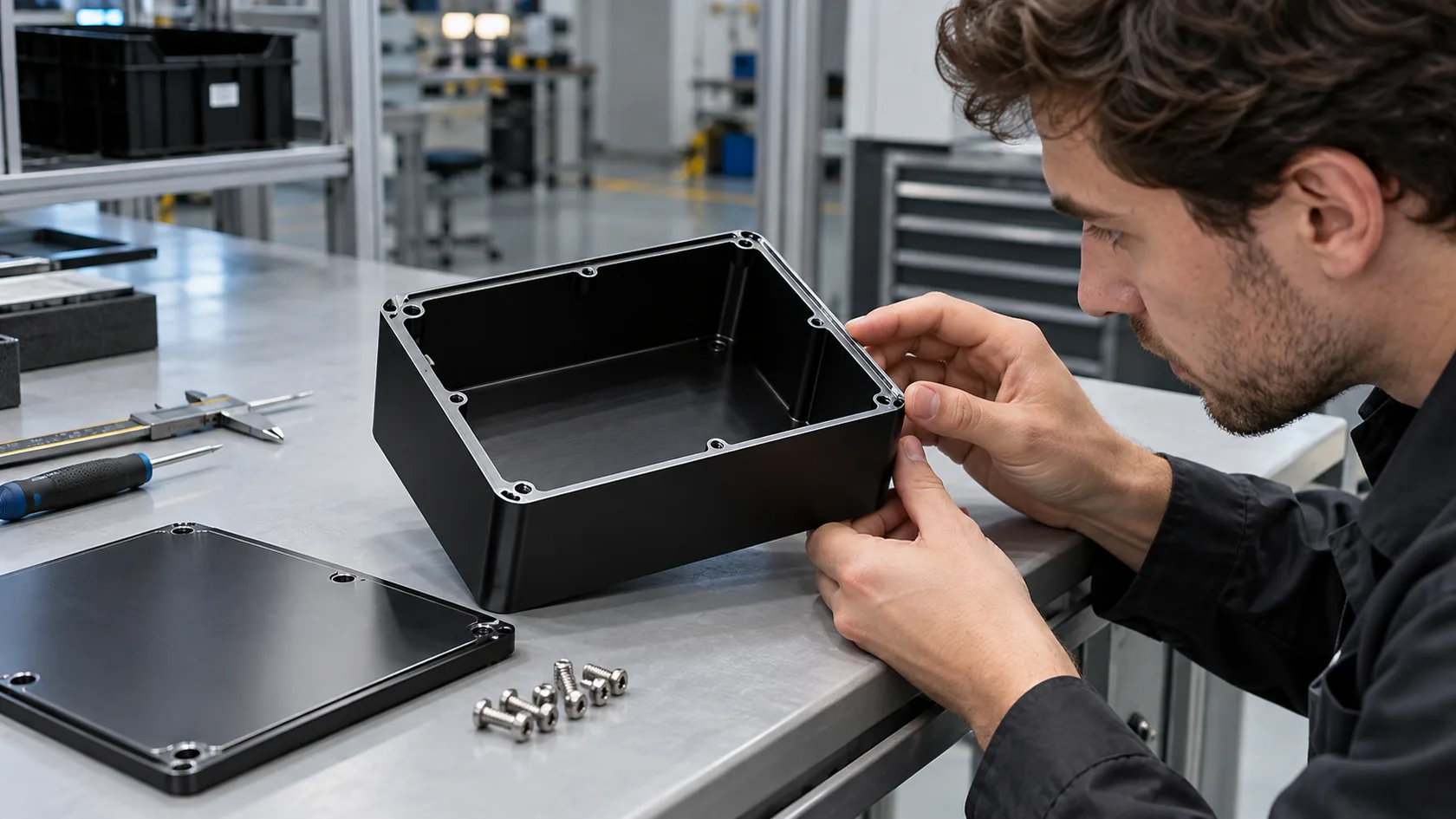
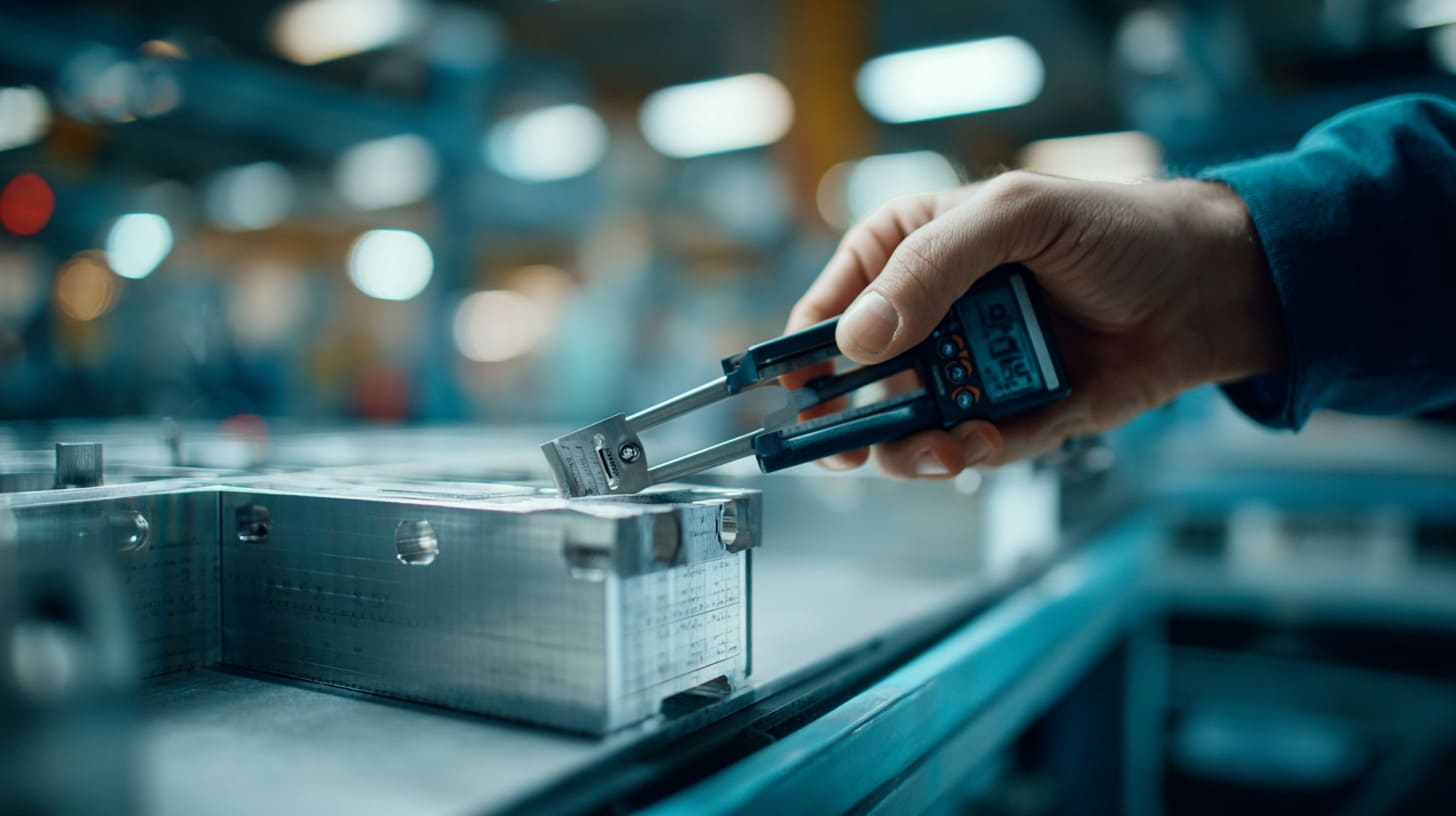
At MaidaTech, we check every piece — size, finish, and screw alignment.
It sounds small, but for OEM customers, even a 0.5 mm tolerance gap can mean a failed assembly.
3.5 Supplier audit and visits
If possible, visit the factory or request a video audit.
A clean, organized workspace often tells you more about quality than a PowerPoint presentation.
(Quality control is one thing — but smooth communication keeps everything moving. Let’s talk about that.)
4. Supply Chain, Logistics & Communication
4.1 Communication smoothness
One thing I’ve learned from working with buyers like Davide in Finland — communication can make or break a project.
Factories in different time zones must be responsive. A delay in response can easily cost two days of progress.
4.2 Shipping, delivery reliability and contingency planning
A good factory offers multiple shipping methods and has experience with export documentation.
If delays happen, they should provide proactive updates — not excuses.
4.3 Minimum order quantities and flexibility
OEM projects vary. Some clients order 50 pieces to test; others 5,000 for rollout.
Flexible factories can handle both without punishing you for being small.
4.4 After‑sales support
After production, things can still go wrong — scratches, missing screws, fitting issues.
A reliable manufacturer responds quickly and offers practical solutions, not silence.
4.5 Traceability and transparency
Every order should have a clear paper trail — from raw material batch to final shipment.
This is how real manufacturers build long‑term trust.
(Of course, communication is only one side of the story. Let’s see how cost and value balance in the long run.)
5. Cost‑vs‑Value Consideration
5.1 Direct factory pricing advantage
Working directly with factories gives you a clear view of cost — materials, labor, and finishing.
That’s why at MaidaTech, we keep our prices about 10 % lower than average suppliers without cutting corners.
5.2 Hidden costs
Cheap quotes often hide expensive risks:
- Missed deadlines
- Poor surface finishing
- Rework and wasted shipping fees
| Cost Type | Visible | Hidden Impact |
|---|---|---|
| Unit Price | ✅ | None |
| Delay | ❌ | Project delivery failure |
| Rework | ❌ | Customer loss |
5.3 Balancing price and reliability
Sometimes a slightly higher price buys you peace of mind.
I’ve learned that reliable delivery is often the best discount you’ll ever get.
5.4 Value of flexibility
Factories that allow quick design changes or custom packaging save you from retooling costs later.
Flexibility isn’t a feature — it’s insurance for fast-moving OEM projects.
(Now, let’s look at what happens when things don’t go as planned.)
6. Red Flags & How to Avoid Them
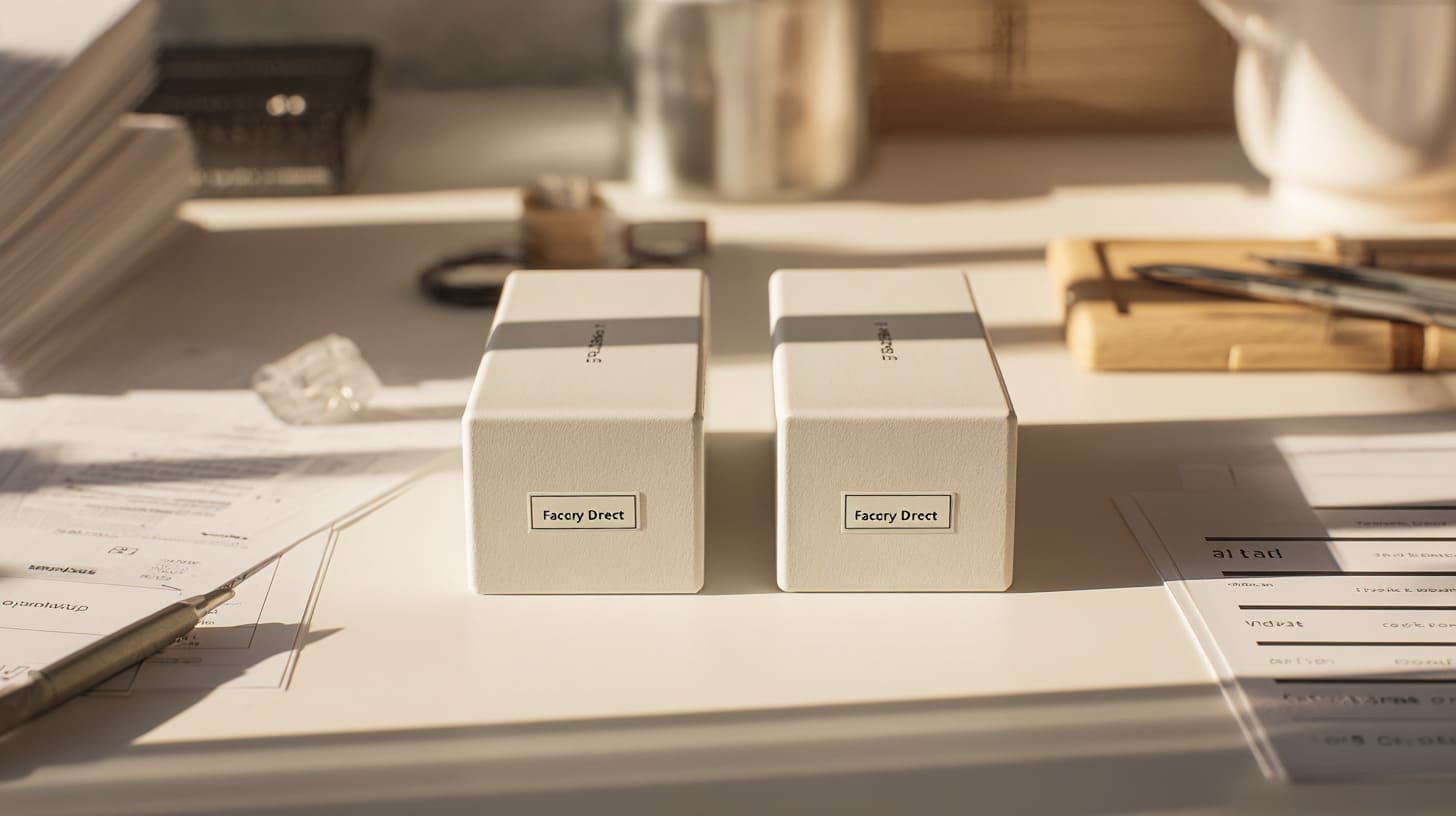
6.1 Over‑promising but under‑delivering
If a supplier agrees to every request without hesitation, be cautious.
Real factories calculate before they commit.
6.2 Lack of documentation
If you can’t get drawings, QC reports, or invoices clearly — walk away.
Transparency should come standard.
6.3 Poor communication
Slow replies or vague answers are warning signs. OEM projects live on details — not guesswork.
6.4 Hidden additional charges
Some suppliers charge separately for prototypes or tooling after you’ve committed.
Clarify everything upfront.
6.5 Inflexibility to changes
Projects evolve. If your supplier can’t adapt, your project will stall.
(Once you know what to avoid, you can focus on building the right relationship.)
7. Making the Final Decision and Onboarding

7.1 Establishing clear requirements
Always begin with a detailed RFQ — including drawings, materials, surface treatment, and quantity.
Good suppliers will ask questions, not just quote a number.
7.2 Requesting samples and prototypes
Samples tell you more than words.
At MaidaTech, we often run a prototype batch before full production to ensure every detail matches.
7.3 Contract terms
Clarify MOQ, tooling ownership, and IP protection before production starts.
Trust begins with transparency.
7.4 Pilot production and full scale
Run a small batch, verify quality, then scale.
This process saves time and avoids expensive rework later.
7.5 Building long‑term partnership
A manufacturer who understands your preferences will become an extension of your own engineering team.
That’s how successful OEM relationships are built — slowly, but surely.
(Now, let’s wrap this up.)
Conclusion
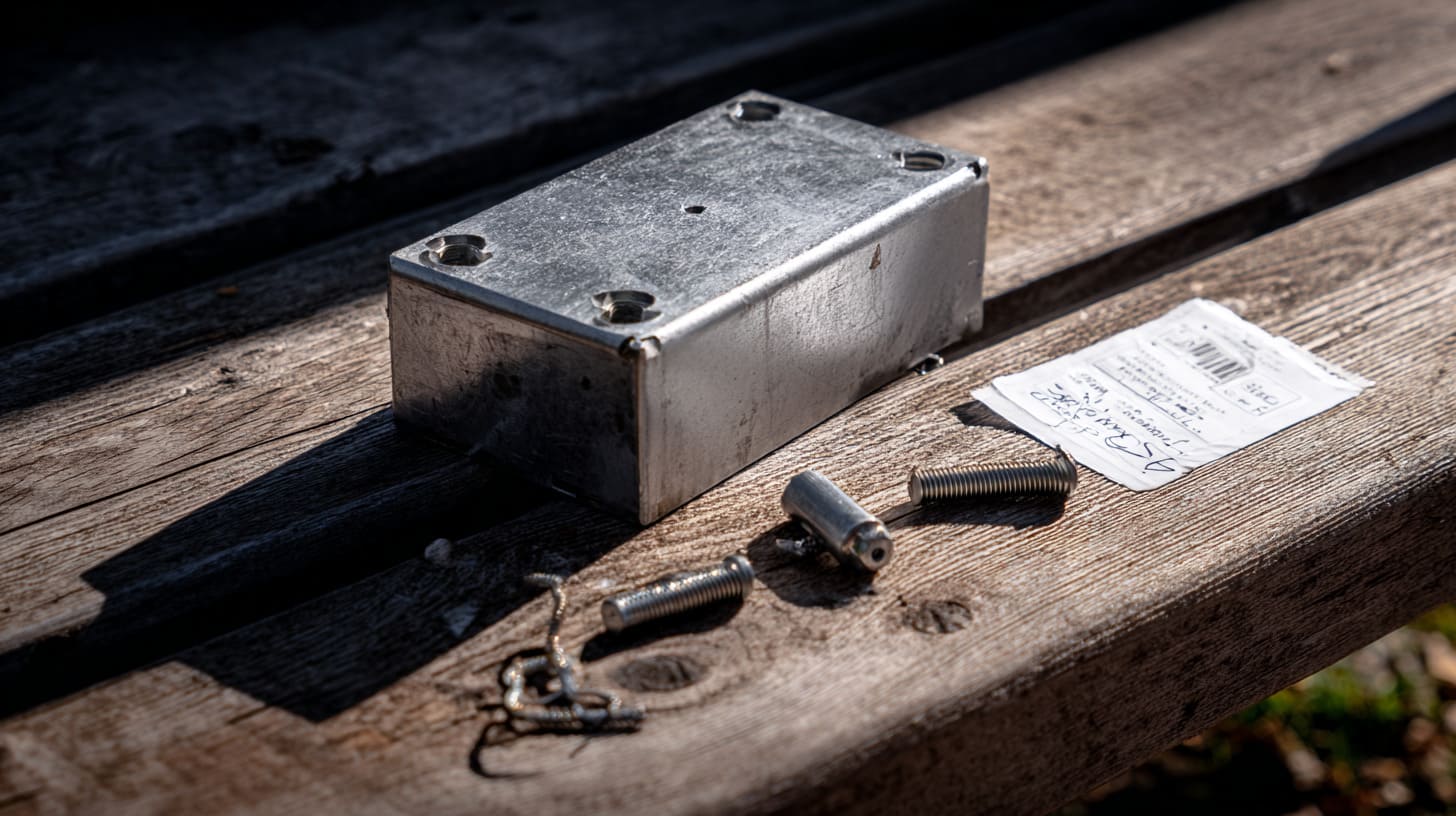
Choosing a reliable junction box enclosure manufacturer isn’t just about finding a supplier — it’s about finding a partner who understands your goals.
Know your requirements. Check their capabilities. Test their quality. Watch for red flags.
The right manufacturer doesn’t just build enclosures — they help you build confidence in your product.
At MaidaTech, we’ve spent years refining every step — from CNC machining and powder coating to packaging and inspection — to make OEM collaboration smoother and faster for clients like you.
If you’re ready to turn your design into reality, reach out for a custom quotation today.
Your next reliable enclosure partner might just be one message away.