Skip to content

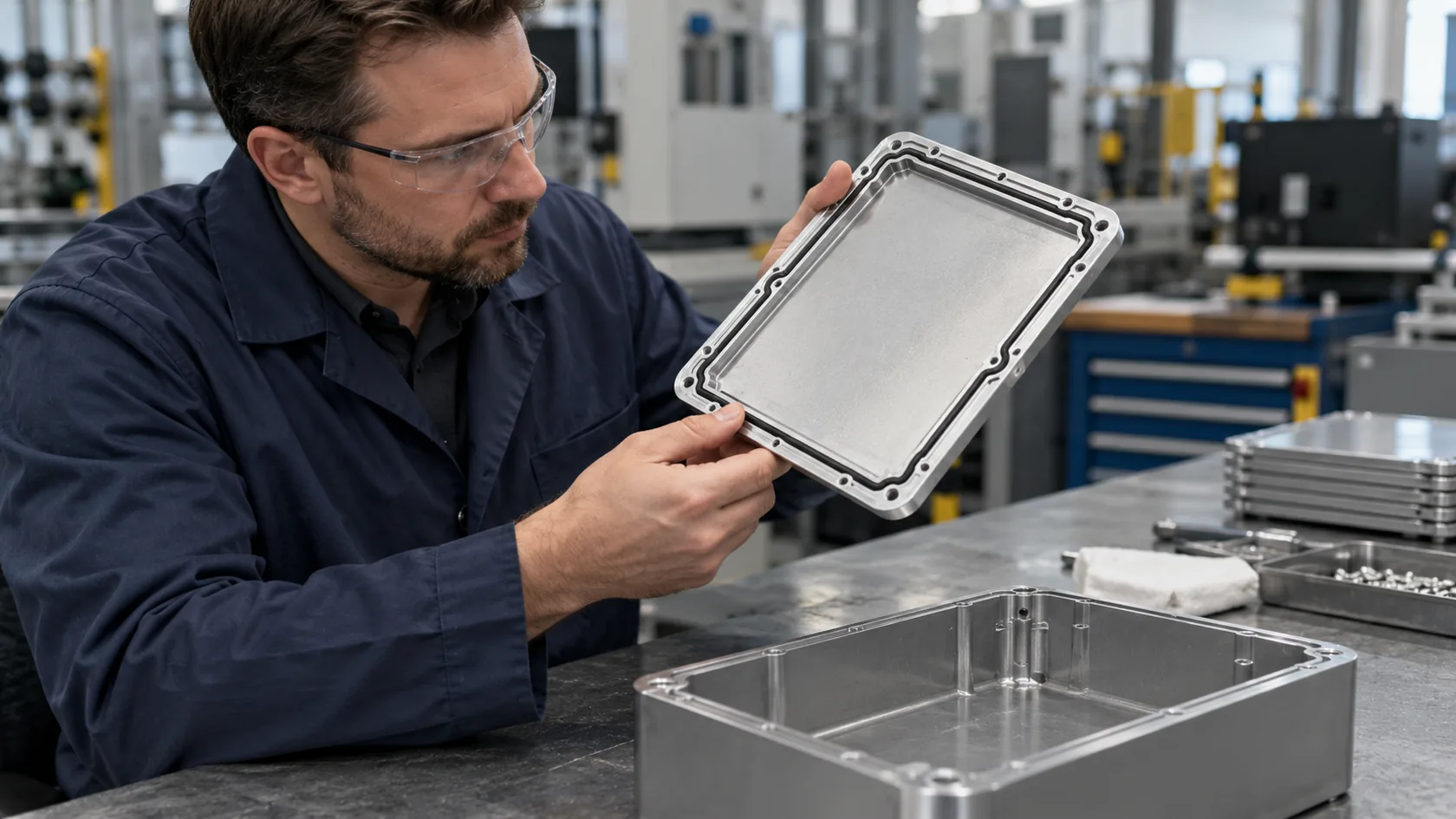
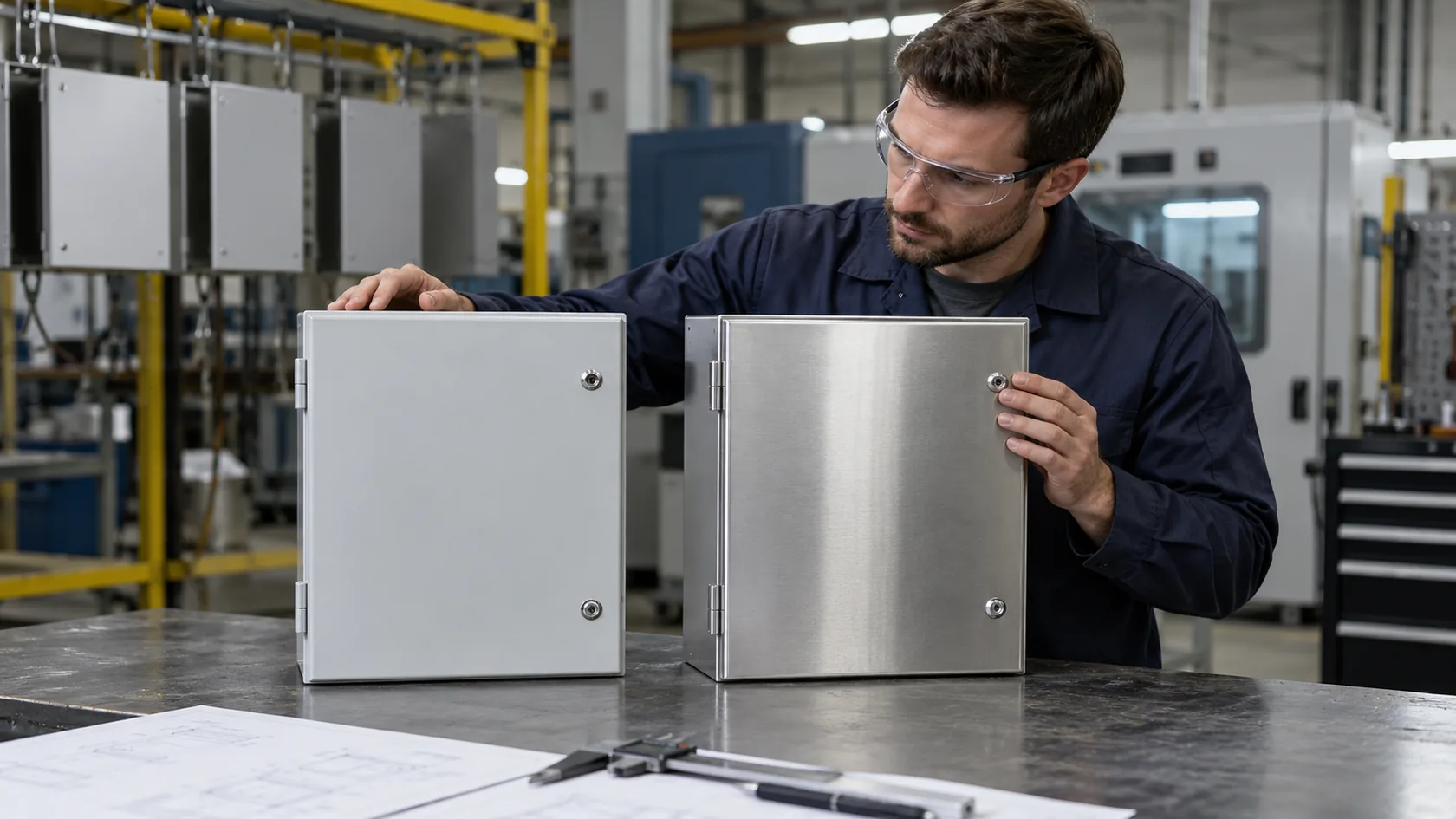
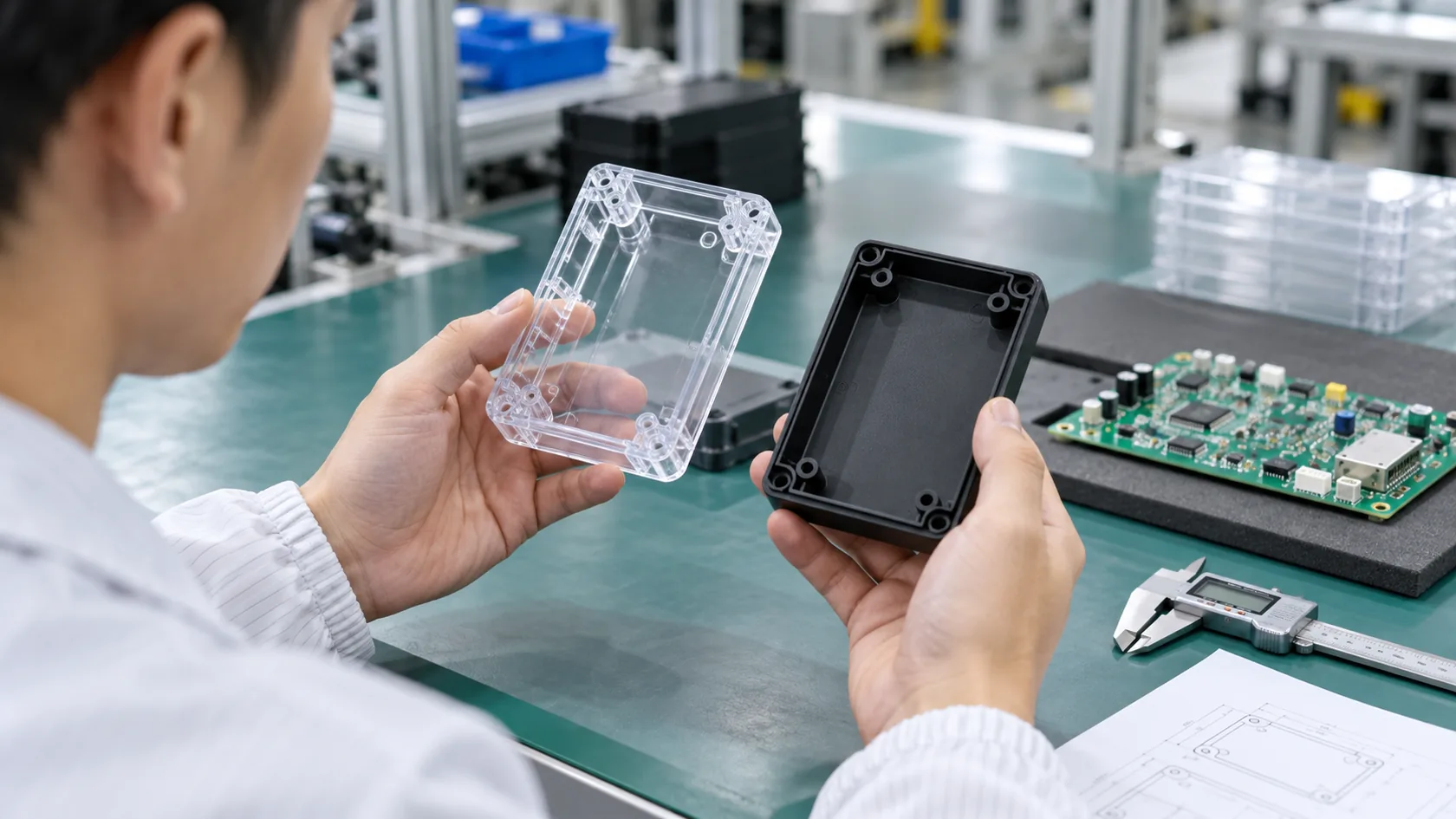
The workshop was quiet except for the hum of machines. On one table, two junction boxes sat side by side—one aluminum, one plastic. Both looked sturdy. Both were sealed tight. Yet after an hour under a heat lamp, the difference was obvious: the plastic box had softened, slightly bent at the corners, while the aluminum one stayed cool and firm.
That simple test said more than a dozen spec sheets ever could.
Material choice isn’t just a checkbox in design—it decides whether your product endures or gives up under stress.
In my work, I’ve seen how these decisions ripple through entire projects. A buyer like Davide once lost weeks of progress because his plastic boxes couldn’t handle an outdoor test in Finland’s winter. Another, John, pushed a redesign forward after discovering how aluminum kept his circuit boards stable through vibration tests.
So, if you’ve ever wondered whether the box really matters—it does. More than most realize.
Let’s explore why.
What Are Junction Boxes And Why Are They Critical?

What functions do junction boxes serve in electrical and industrial applications?
A junction box is like the nervous system hub of your device. It houses critical electrical connections, protects wiring from moisture, impact, and tampering—and ensures safety for both the product and the people around it.
How do enclosure failures impact system reliability?
Failure doesn’t always come with fireworks. Sometimes, it’s a slow burn—literally. I’ve seen aluminum boxes prevent a meltdown during an overcurrent spike, and plastic ones warp from minor heat exposure. When these boxes fail, so does everything inside.
Typical industries and use cases for junction boxes
- Industrial control systems
- Outdoor lighting setups
- Smart home and IoT devices
- Factory automation
- Marine and transportation projects
Wherever there's voltage and variables, there’s a junction box keeping it together—hopefully the right kind.
When a box fails in the field, no one asks what you saved on material. They just ask why it failed.
Now, let’s compare aluminum and plastic at their core—before we pick sides.
Material Matters: Aluminum vs Plastic at a Glance

What are the most common materials used in junction boxes?
- Aluminum (extruded or cast)
- ABS plastic
- Polycarbonate (PC)
- Fiberglass-reinforced plastic (FRP)
Each has its strengths. But not all of them are right for your use case.
Pros and cons table: Aluminum vs Plastic
| Feature | Aluminum Enclosure | Plastic Enclosure |
|---|---|---|
| Heat Resistance | Excellent | Moderate |
| Weight | Heavier | Lightweight |
| EMI Shielding | Strong | Weak |
| Custom Machining | Easy | Requires molds |
| Corrosion Resistance | Moderate (coated) | High |
| Cost | Higher | Lower |
Quick comparison chart (durability, weight, cost, thermal properties)
| Property | Aluminum | Plastic |
|---|---|---|
| Durability | ★★★★★ | ★★☆☆☆ |
| Thermal Dissipation | ★★★★★ | ★☆☆☆☆ |
| Weight | ★★☆☆☆ | ★★★★★ |
| Cost | ★★☆☆☆ | ★★★★☆ |
Let’s dive deeper into what aluminum really offers once it’s on the field.
Deep Dive: Advantages of Aluminum Junction Box Enclosures

Superior thermal conductivity and heat dissipation
Aluminum disperses heat like a champ. In high-power electronics or hot environments, this makes all the difference—especially if you're running boards that push voltage.
High mechanical strength and impact resistance
Ever dropped a box during install? Aluminum might dent, but it won't shatter. I've seen forklifts graze aluminum cases that just shrugged it off. Try that with ABS.
Better electromagnetic shielding (EMI/RFI protection)
Sensitive components? Go aluminum. It naturally blocks EMI and RFI noise without extra shielding tape or fancy board layouts.
Resistance to UV and outdoor environmental degradation
Rain. Snow. Blazing sun. Coated aluminum holds up where plastic degrades, cracks, or yellows.
When to choose aluminum over plastic
- High-power electronics
- Outdoor installs
- Industrial automation
- Marine and transit systems
But sometimes, lightweight and fast beats tough and heavy. Let’s give plastic its fair moment.
Deep Dive: Advantages of Plastic Junction Box Enclosures

Lightweight and easy to install
No metal shards. No grounding wires. One person can easily mount a plastic enclosure with nothing but a screwdriver.
Non-conductive and safe for low-voltage or DIY use
For low-voltage or DIY projects, plastic is safer by default. No accidental shorts, no electrical conductivity concerns.
Corrosion resistance in chemically aggressive environments
In chemical plants or saline environments, plastic resists what eats away at metal—especially without coatings.
Cost-effectiveness for indoor applications
For indoor setups where exposure is minimal, plastic’s cost savings are hard to ignore—especially for bulk projects or short-run installs.
When to choose plastic over aluminum
- Indoor IoT devices
- Temporary or budget-conscious installations
- DIY projects
- Non-critical signal control boxes
Still unsure? Here’s where ratings step in to break the tie.
Why IP Ratings and NEMA Standards Are Crucial

What is IP rating and how does it affect protection level?
An IP (Ingress Protection) rating tells you how well an enclosure keeps out dust and water. Think IP65 = dust-tight and water jet resistant. IP68 = can be submerged.
Differences between NEMA and IP classifications
| NEMA Type | Equivalent IP | Protection Level |
|---|---|---|
| NEMA 1 | IP20 | Indoor, basic |
| NEMA 4X | IP66/IP67 | Outdoor, corrosion-resistant |
| NEMA 6P | IP68+ | Submersible, harsh environments |
Typical ratings for aluminum vs plastic enclosures
- Aluminum: IP66 to IP68 with seals
- Plastic: IP54 to IP67 depending on design and quality
Real project case studies where ratings saved (or doomed) a project
John once tested a new aluminum case in a snowy industrial site—IP67 kept the board safe. Davide, on the other hand, saw a plastic enclosure buckle under a summer rainstorm due to misjudged IP.
Now let’s talk conditions. The real world isn’t a datasheet.
Environmental Conditions and Site Demands

Indoor vs outdoor: How climate changes enclosure performance
Aluminum handles wide temperature swings better. Plastic softens under heat, hardens and cracks in cold. Both need seals—but aluminum keeps its shape.
Water exposure, dust, sunlight, and temperature extremes
Environments like greenhouses, coastal docks, and rooftops all demand more from your material. That’s where aluminum often wins out.
Corrosive or high-vibration environments
Plastic shines in chemically aggressive zones. But if there’s constant vibration? Plastic becomes a fatigue risk. Metal holds.
Examples of material failure due to wrong selection
- Plastic box warped under a skylight, ruining PCB alignment
- Aluminum corroded near a chemical exhaust vent, no protective coating used
Which brings us to another critical point—customization.
Customization and OEM Use Cases
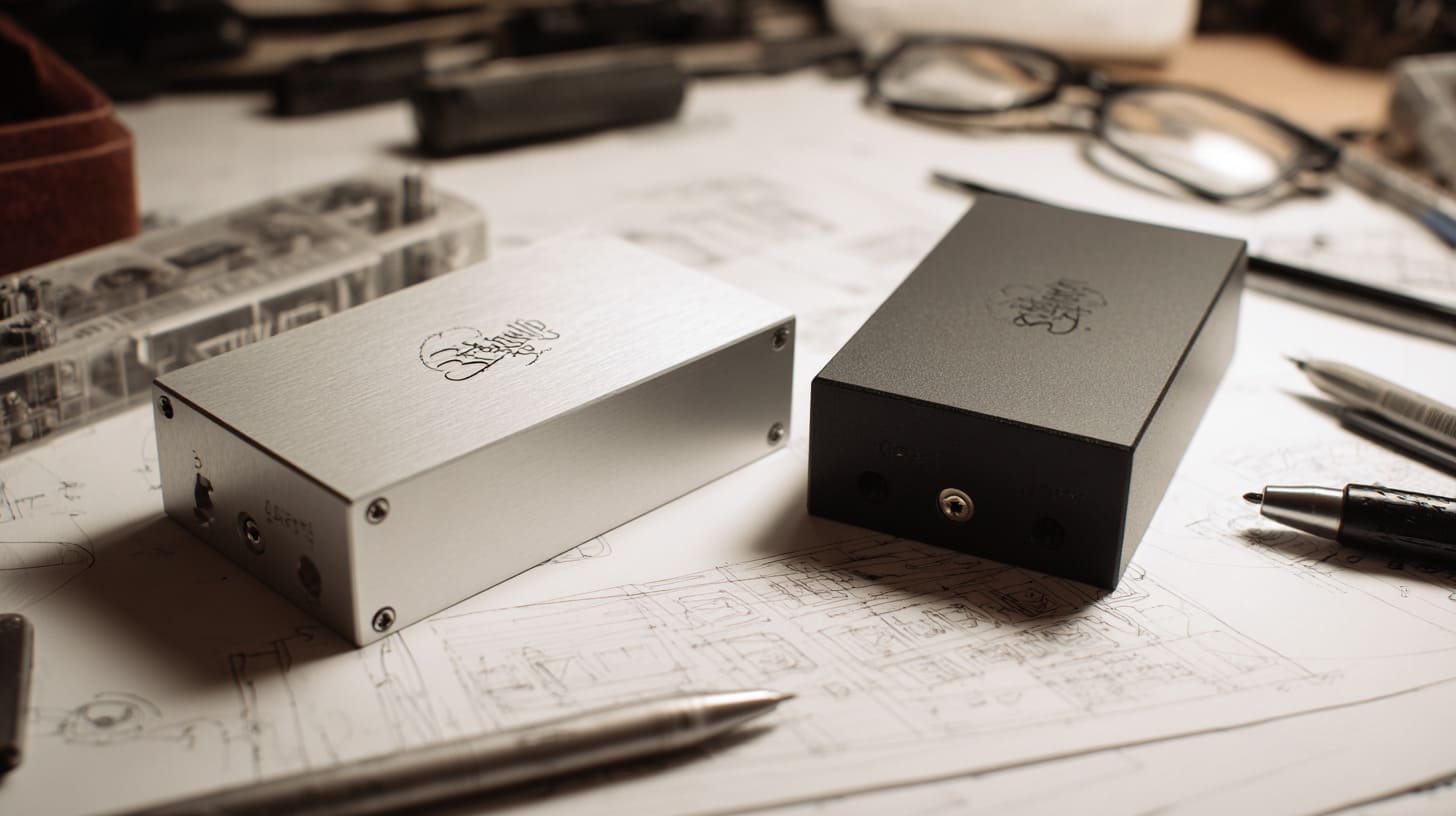
Branding options: Printing, engraving, custom cutouts
Aluminum gives you engraving, anodizing, brushed finishes. Plastic offers silk-screening or label embedding. Choose based on visual impact and cost.
Aluminum’s machinability vs plastic’s moldability
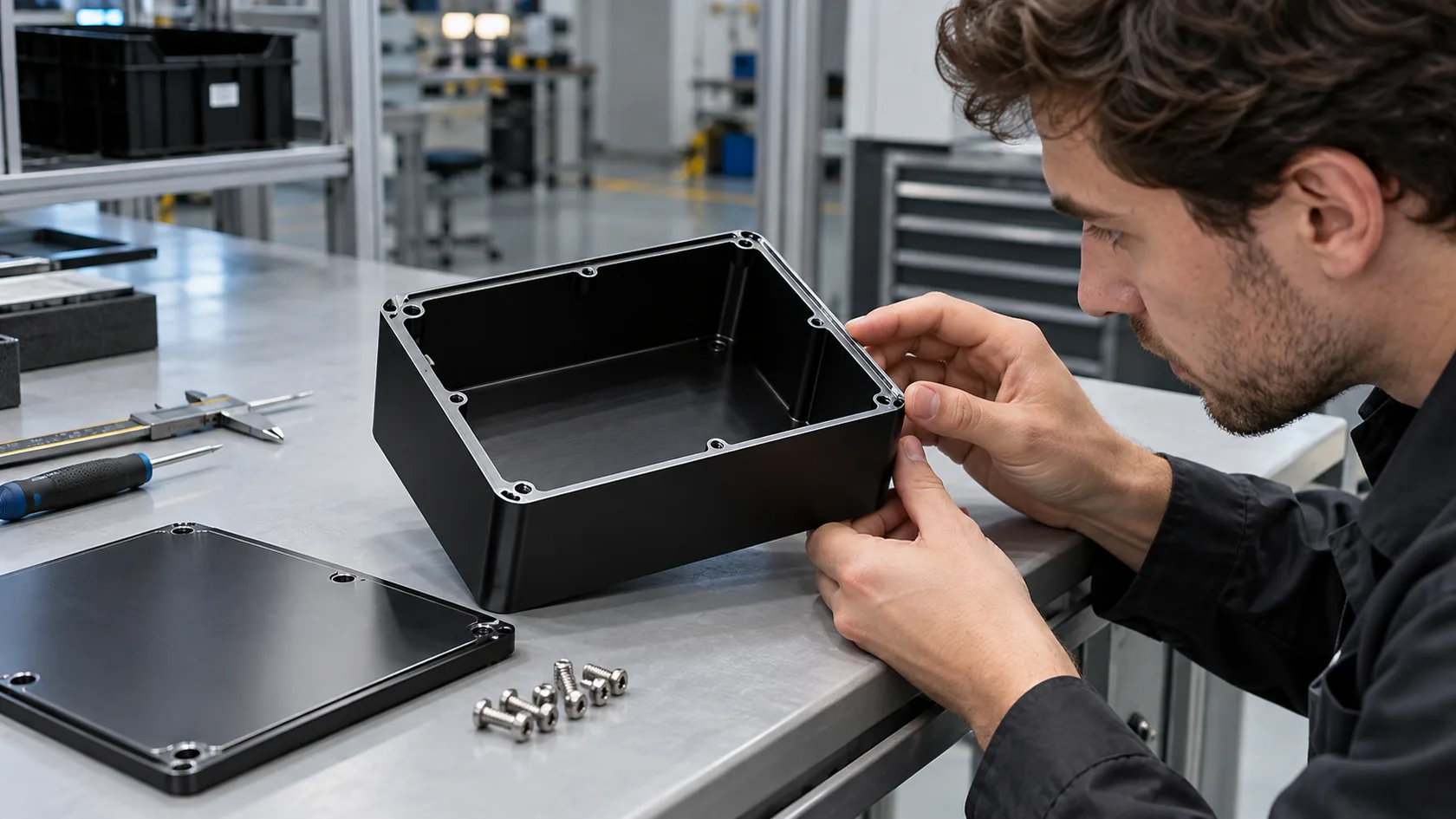
Need one-off prototypes or tight tolerances? CNC aluminum wins. Mass production with repeating designs? Plastic injection saves cost.
How John (ODM buyer persona) benefits from re-designed aluminum enclosures
John sent us sketches for a custom Pi-sized enclosure with extra USB ports and laser holes. We CNC’ed prototypes in days, tweaked them twice, and shipped a batch of 300 by month-end.
How Davide (OEM engineer persona) chooses material for specific applications
Davide specs plastic for indoor models, aluminum for flagship industrial kits. He prints QR codes on plastic boxes and engraves logos on brushed metal for higher-end versions.
Let’s talk dollars and sense.
Cost vs Performance Trade-offs
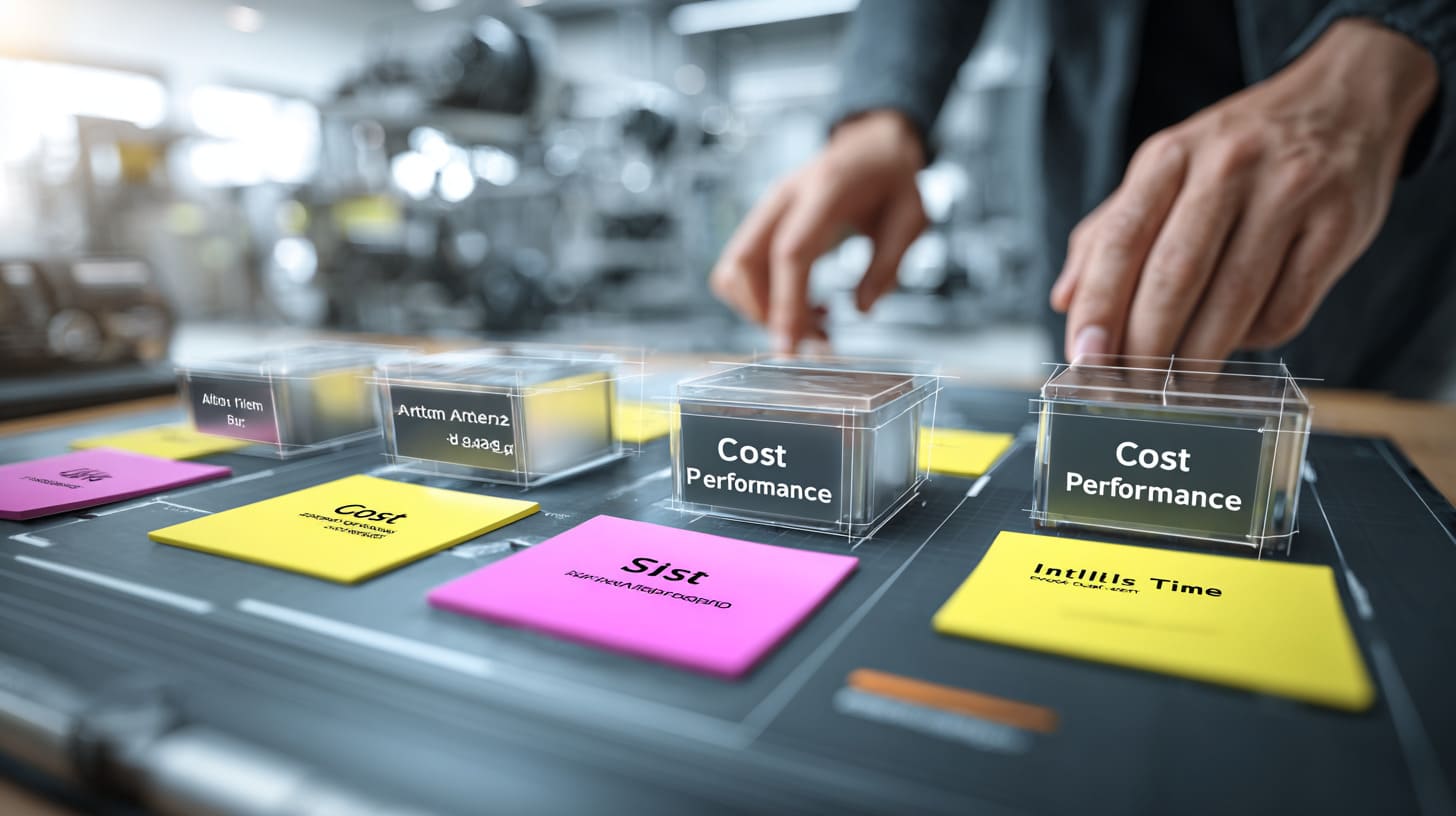
Total cost of ownership: initial price vs long-term reliability
A cheaper plastic box might cost less upfront. But if you’re replacing it in 18 months? It’s not cheaper anymore.
When it’s worth paying extra for aluminum
- Long-term deployment
- Outdoor installations
- Where branding matters
When plastic provides better ROI for simpler projects
- Short-run or seasonal devices
- Indoor use
- Non-sensitive electronics
If you're sourcing from overseas like most of our clients, choosing the right partner can change everything.
Supplier Considerations: Choosing the Right Partner

What to look for in a junction box supplier
- Real customization ability
- Quick DFM (design for manufacturing) feedback
- Good communication, even across time zones
Importance of factory certifications and material traceability
Ask for ISO, RoHS, or UL certifications. Reputable factories track material batches. That means no surprise resin swaps or off-spec aluminum.
OEM/ODM support for custom designs
Make sure your supplier understands drawings and speaks your “design language.” Rapid prototyping? A must.
Avoiding the common pitfalls when sourcing from China
- Delayed confirmations
- Inflexible sales reps
- Poor packaging for overseas shipping
We’ve helped clients recover from failed supplier experiences by simply being present, fast, and flexible.
Conclusion
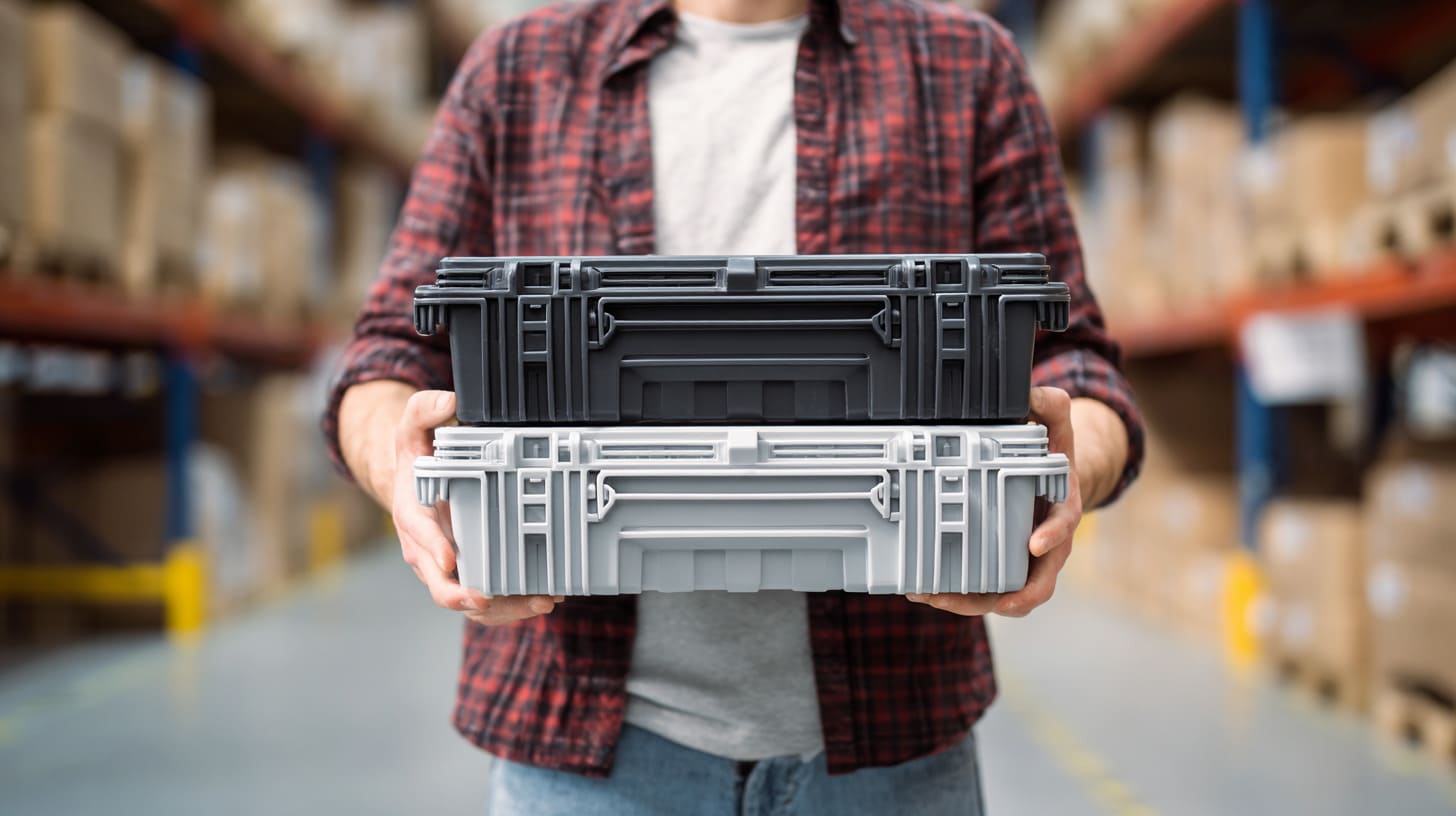
Choosing between aluminum and plastic isn’t about which is better—it’s about which fits your environment, your design, and your business model.
I’ve seen cheap boxes ruin great products. And I’ve seen the right box save the day.
So if you're Davide trying to scale your kit for retail, or John testing prototypes for a new idea—pick smart. And talk to your supplier. The right box is out there.