Skip to content

In the middle of a product review meeting, a client leaned over his laptop and asked, “7075 or 6061—what’s the better choice for this enclosure?”
No fuss, no build-up. Just a quiet, practical question that carried more pressure than it seemed.
When people talk about 7075 vs 6061, they’re not only asking about metal properties. They’re trying to avoid design regret. They want to prevent stress cracks, overspending, and last-minute redesigns. One small choice often defines the rest of the project.
This comparison matters—especially in custom enclosures and sheet metal builds, where material choice affects machining, welding, finishing, and even shipping timelines.
So I’ve pulled together what we’ve learned from years of working with both alloys. This isn’t theory from a textbook. It’s shop-floor experience. The kind of knowledge that comes from prototypes gone wrong, or perfectly finished enclosures shipped just in time.
By the end, you'll have a clearer way to make the call. No guesswork. No back-and-forth.
What Are 7075 and 6061 Aluminum Alloys?
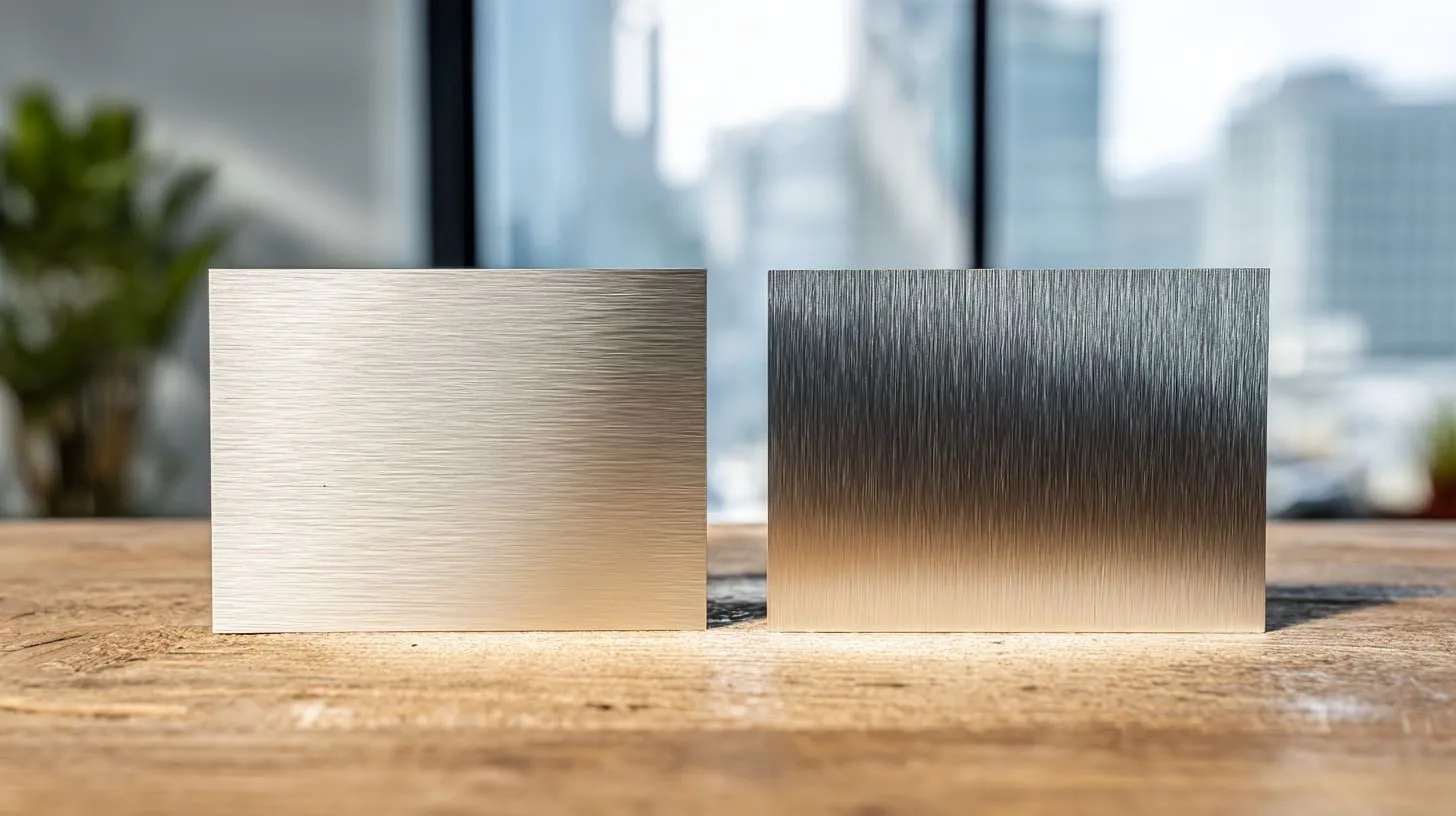
Before comparing, I always slow things down. I ask one simple question:
What are these alloys really meant to do?
What Is 6061 Aluminum?
6061 is the alloy I see every single week on our shop floor.
It is an aluminum alloy mixed mainly with magnesium and silicon. That mix gives it balance. Not extreme strength. Not weak either. Just… reliable.
Key points I often explain to clients:
- Easy to machine
- Easy to weld
- Stable during forming
- Widely available
Most of the time, when someone sends me a drawing for a custom enclosure, they expect 6061 unless they say otherwise.
Common tempers
- T6 is the most common. It adds strength after heat treatment.
Typical uses
- Electronic enclosures
- Frames and brackets
- General CNC parts
- Sheet metal housings
6061 is not flashy. But it rarely causes trouble.
What Is 7075 Aluminum?
7075 feels very different the moment you touch it.
It is aluminum alloyed mainly with zinc and copper. That mix pushes strength much higher. Almost steel‑like, in some cases.
When clients ask for 7075, it is usually for one reason: strength anxiety.
What stands out
- Very high strength
- Hard surface
- Less forgiving during fabrication
Common tempers
- T6 for strength
- T73 when stress corrosion matters
Typical uses
- Aerospace parts
- High‑load mechanical parts
- Precision components
7075 is impressive. But it demands respect.
Once you understand this contrast, the next question always comes naturally:
What’s inside these alloys that makes them behave so differently?
Chemical Composition Comparison
I often say this to engineers: the alloying elements decide your pain points.
Key Alloying Elements in 6061
6061 relies on a gentle mix.
- Magnesium
- Silicon
- Small amounts of chromium
This combo creates:
- Good corrosion resistance
- Good weldability
- Stable structure
It bends when it needs to. It cools evenly. It forgives mistakes.
Key Alloying Elements in 7075
7075 is more aggressive.
- Zinc
- Copper
- Magnesium
This mix creates:
- Much higher strength
- Higher hardness
- Lower tolerance during welding
It does not like shortcuts.
How Composition Affects Properties
Here’s how I explain it to buyers in simple terms:
| Alloy | Strength | Welding | Corrosion |
|---|---|---|---|
| 6061 | Medium | Good | Good |
| 7075 | Very high | Poor | Fair |
More alloying power gives more strength.
But it also brings more limitations.
This trade‑off becomes even clearer when we look at mechanical data.
Mechanical Properties
This is where many people stop reading brochures and start asking hard questions.
Tensile Strength & Yield Strength
7075 wins here. No debate.
It can almost double the tensile strength of 6061 in T6 condition.
But I always ask back:
Do you really need that strength?
Many enclosures never see that kind of load.
Hardness & Strength‑to‑Weight Ratio
7075 feels stiff. It resists deformation. That’s great for stress parts.
6061 feels softer. But that softness often prevents cracking during assembly.
Elastic Modulus & Fatigue Resistance
Both alloys share similar stiffness.
But fatigue performance depends heavily on design, not just material.
A bad design in 7075 still fails.
Density & Weight Considerations
Here’s something people forget:
| Alloy | Density |
|---|---|
| 6061 | ~2.70 g/cm³ |
| 7075 | ~2.81 g/cm³ |
The weight difference is small. Strength is the real difference.
Once strength is clear, machining becomes the next concern.
Machinability & Workability
I’ve seen projects delayed not because of design—but because the alloy fought back.
Machinability of 6061
6061 is friendly.
- Smooth chip flow
- Predictable cutting
- Lower tool wear
For CNC work, it saves time. And time saves money.
Machinability of 7075
7075 machines well too—but differently.
- Harder surface
- More tool wear
- Less tolerance for mistakes
It rewards precision. It punishes rushing.
Forming & Fabrication Differences
This is where many enclosures fail.
| Process | 6061 | 7075 |
|---|---|---|
| Bending | Good | Poor |
| Extrusion | Excellent | Limited |
| Pressing | Stable | Risky |
If your enclosure needs bending or forming, 6061 is usually safer.
And once parts are cut and shaped, welding becomes the next headache.
Weldability and Fabrication
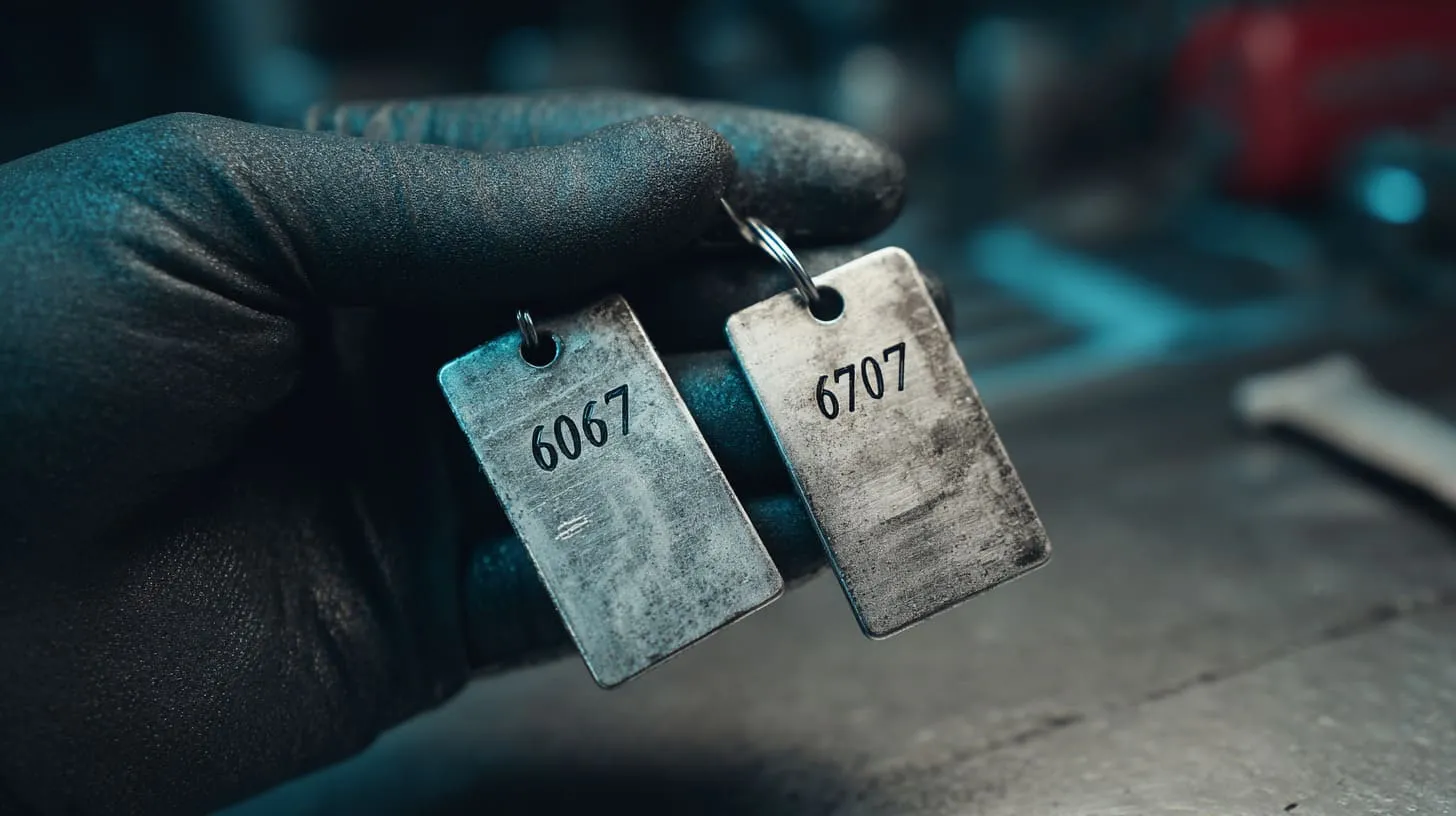
I still remember a client who insisted on 7075 for a welded frame.
We warned him. He tried anyway. The cracks showed up fast.
Welding Behavior of 6061
6061 welds cleanly.
- TIG and MIG work well
- Post‑weld heat treatment restores strength
It behaves the way most engineers expect.
Welding Challenges with 7075
7075 is stubborn.
- High crack risk
- Sensitive to heat
- Strength loss after welding
Most welded structures should avoid it.
Forming and Assembly Considerations
Fasteners, inserts, and assembly stress matter.
6061 absorbs stress better.
7075 transfers stress directly to joints.
Then comes the silent enemy: corrosion.
Corrosion Resistance
Corrosion doesn’t show up in drawings. It shows up months later.
General Corrosion Resistance
6061 holds up well in air and moisture.
7075 needs protection. Especially in humid or coastal environments.
Stress Corrosion Cracking Susceptibility
7075 can crack under constant stress and moisture.
That risk is real. I’ve seen returns because of it.
Anodizing & Surface Treatment Effects
Anodizing helps both alloys.
But 6061 anodizes more evenly.
7075 needs tighter process control.
Now let’s talk about the question everyone asks quietly: cost.
Cost and Supply
Price is never just material cost.
Material Cost Differences
7075 costs more. Period.
- Higher alloy content
- More processing
- Lower availability
Availability & Market Supply
6061 is everywhere.
7075 is more limited.
Impact on Manufacturing Cost & Lead Time
Harder machining. More rejects. Slower welding.
Those costs add up.
And that’s why application matters more than theory.
Typical Applications & Use Cases
This is where decisions become clear.
When to Choose 6061 Alloy
- Electronic enclosures
- Welded frames
- Marine or outdoor use
- Cost‑controlled projects
When to Choose 7075 Alloy
- High‑load parts
- Aerospace components
- Precision mechanical parts
Overlap & Boundary Cases
Sometimes both work.
Design and budget decide the winner.
So how do you decide fast?
A Practical Decision Guide
I often walk clients through this checklist.
Strength‑Focused Designs
Choose 7075 only if strength is critical.
Cost‑Sensitive Projects
6061 wins almost every time.
Welded or Complex Fabrications
Avoid 7075.
Corrosion‑Critical Environments
6061 is safer.
Prototyping vs Volume Production
6061 reduces risk during iteration.
Still have doubts? That’s normal. Let’s answer the common questions.
FAQs
Can 6061 Be Replaced by 7075 (or Vice Versa)?
Yes. But design must change.
Material swaps are never neutral.
Does Anodizing Affect Performance?
Yes. It improves corrosion resistance but doesn’t fix poor design.
How to Pick Alloy for Custom CNC Parts?
Start with load, not habit.
Then check fabrication steps.
Which Alloy Is Better for Enclosures?
Most enclosures do not need 7075.
That realization saves many projects.
Conclusion
After years in manufacturing, I’ve learned this:
the best alloy is the one that solves the real problem.
7075 is strong. Impressive. Demanding.
6061 is balanced. Forgiving. Reliable.
When you choose based on use, not fear, projects move faster. Costs stay under control. And surprises disappear.
That’s the difference between designing on paper and building in real life.