Skip to content
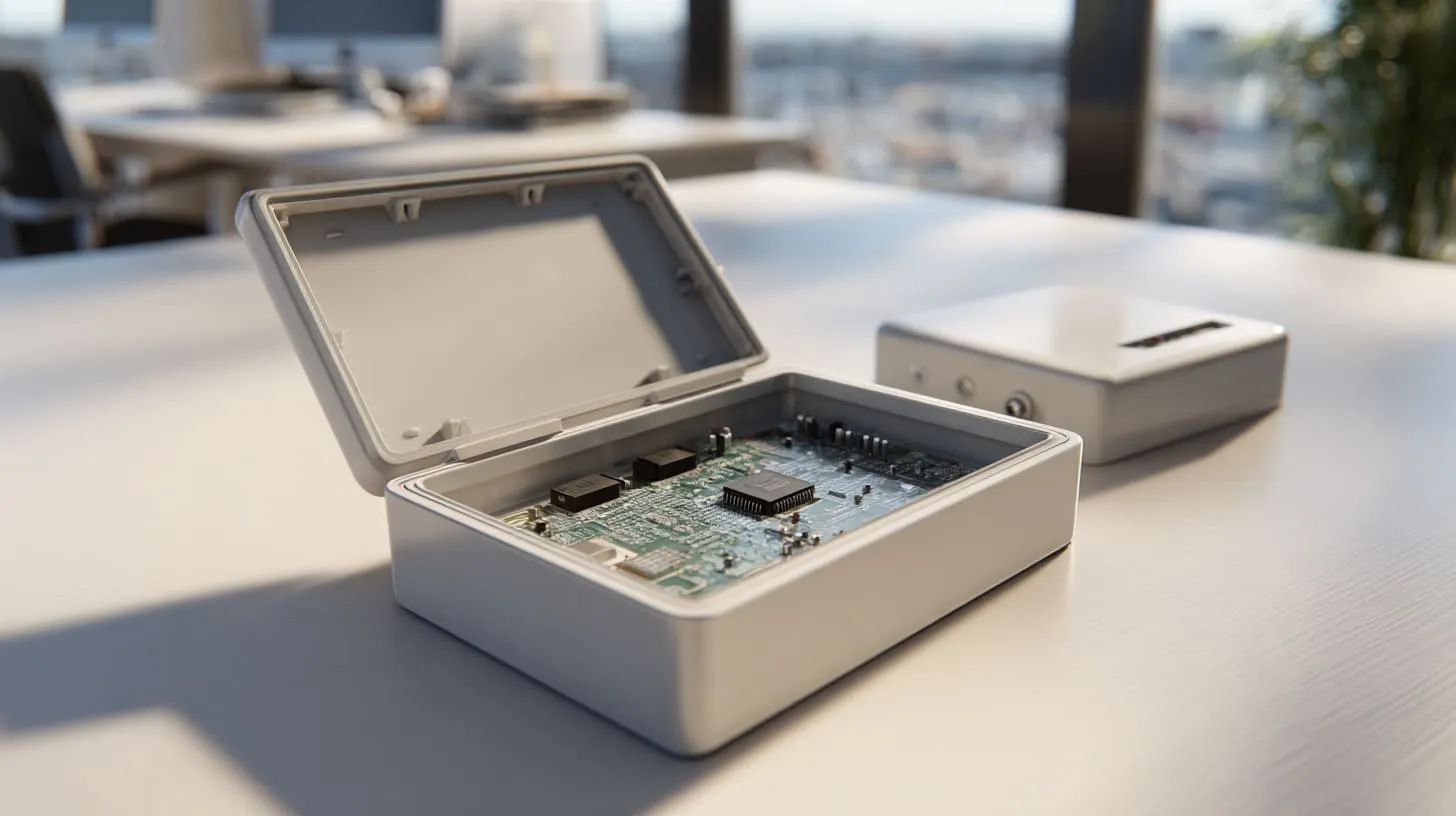
When people talk about electronic enclosures, the focus often jumps straight to aluminum or steel. I get it. Metal feels safe. Solid. Familiar.
But over the years, especially when working with product engineers on cost‑sensitive or mass‑production projects, I’ve seen plastic quietly solve problems that metal creates.
ABS plastic is one of those materials.
It looks simple. It feels ordinary. But it shows up again and again in real products that survive drops, heat, and daily abuse.
Engineers often ask me the same questions:
- Will it crack?
- Will it warp?
- Will it pass safety tests?
- And most of all, will it keep costs under control?
Let’s walk through this slowly and honestly.
What Is ABS Plastic?
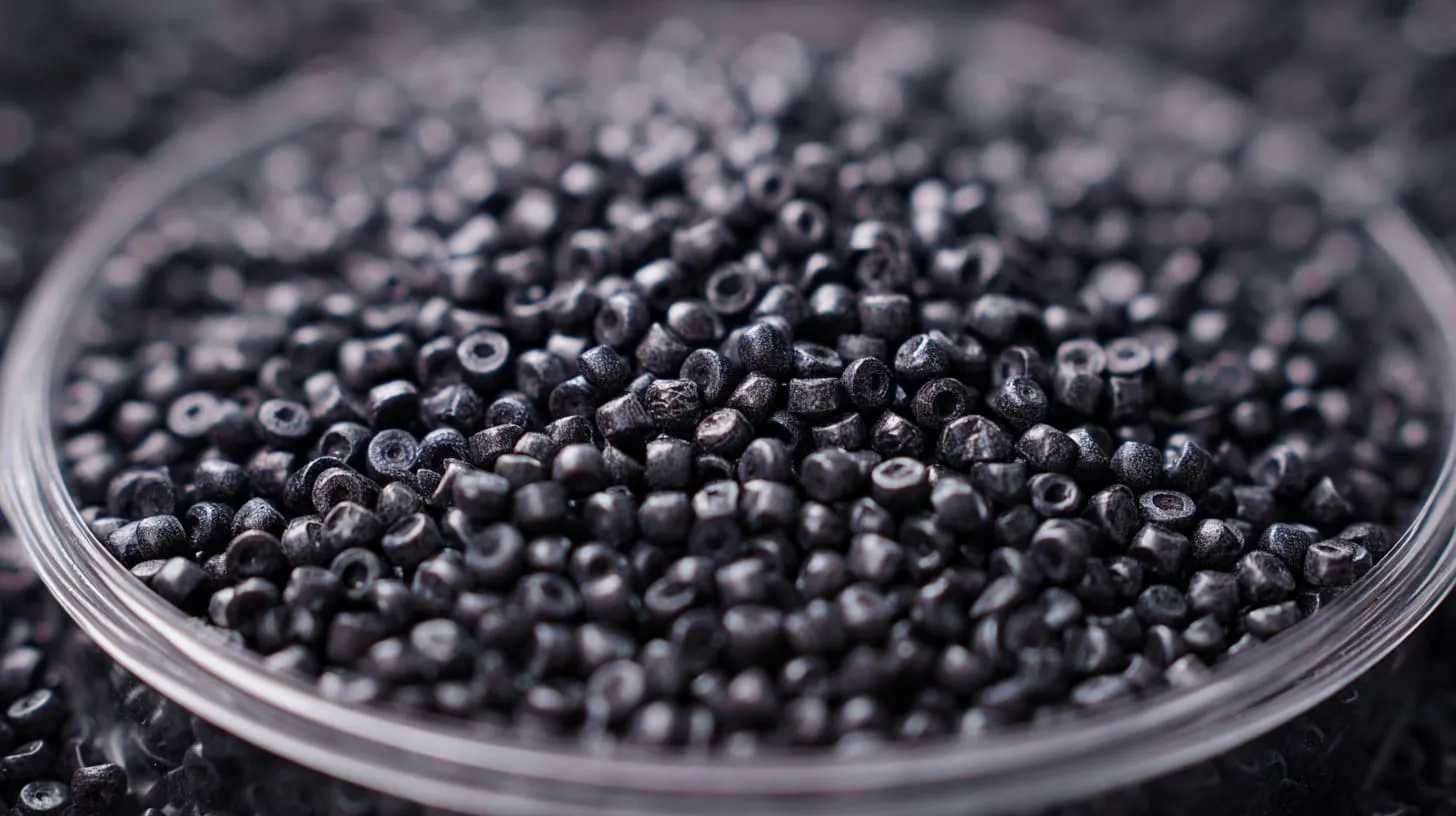
ABS is one of those materials everyone has touched, but few have really examined. Before we talk about benefits, it helps to understand what it actually is.
What Does ABS Stand For?
ABS stands for Acrylonitrile Butadiene Styrene.
That sounds complex, but I always explain it this way to clients:
- One part gives strength
- One part adds toughness
- One part improves surface quality
Each component solves a different problem. Together, they create balance.
How Is ABS Made?
ABS is a thermoplastic.
That means it softens when heated and hardens when cooled. This matters a lot for manufacturing.
From a factory view, this allows:
- Injection molding
- CNC machining
- Consistent repeatability
Once the mold is stable, the parts come out the same. Over and over.
Physical and Chemical Properties of ABS
Here’s a simple snapshot engineers usually want:
| Property | Typical Behavior |
|---|---|
| Impact resistance | High |
| Density | Low |
| Heat resistance | Moderate |
| Electrical insulation | Good |
| Surface finish | Very good |
It’s not perfect. No material is.
But it performs predictably, and that matters.
Comparison with Other Plastics
ABS often sits in the middle of common enclosure plastics.
| Material | Key Strength | Key Weakness |
|---|---|---|
| ABS | Balance | Limited UV without additives |
| Polycarbonate | Very strong | Higher cost |
| Acrylic | Clear | Brittle |
| PVC | Chemical resistant | Lower impact strength |
That balance is why ABS shows up so often.
As we move forward, the real value of this balance becomes clearer.
Key Benefits of ABS Plastic
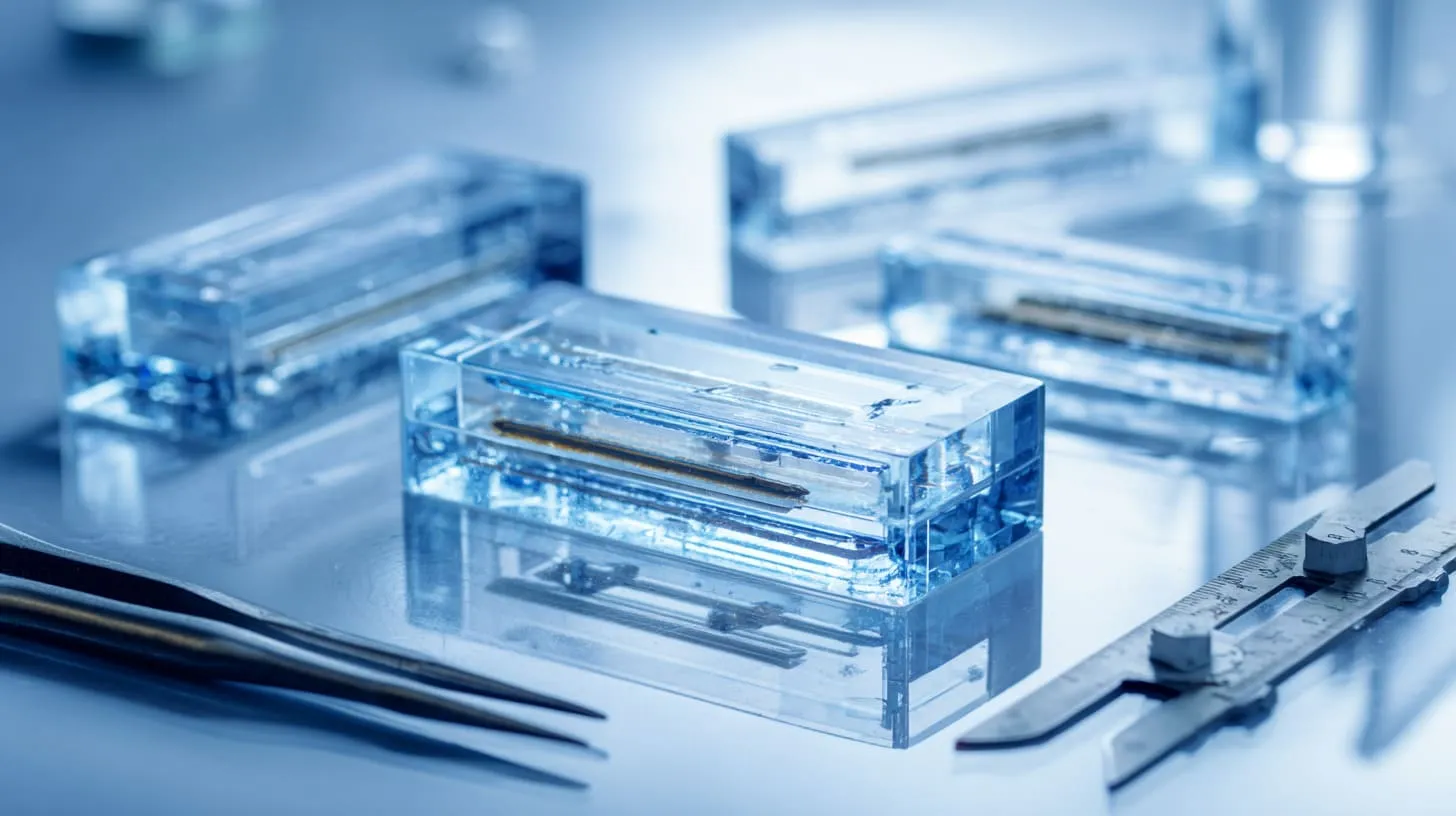
I’ve seen many projects switch to ABS after early testing fails with other materials. The reasons repeat.
High Impact Resistance
ABS handles drops well.
Not forever. Not from extreme heights. But for daily use, it absorbs shock instead of cracking.
I once saw a handheld device fall off a test bench five times.
The PCB failed. The enclosure didn’t.
That sticks with you.
Lightweight but Rigid
Weight matters more than people admit.
Shipping. Handling. Installation. Even user comfort.
ABS keeps structure without adding bulk.
Thermal Stability and Heat Resistance
ABS handles normal electronic heat well.
It’s not for high‑temperature industrial ovens.
But for power supplies, control boards, and small electronics, it stays stable.
Good Electrical Insulation
This is often overlooked.
ABS does not conduct electricity.
That alone removes many safety concerns in enclosure design.
Easy to Machine, Mold, and Paint
From a manufacturing side, this is huge.
ABS allows:
- Clean CNC edges
- Stable injection molding
- Easy painting and coating
Design changes also cost less.
Cost-Effectiveness in Production
This is where ABS wins many arguments.
| Cost Area | ABS Performance |
|---|---|
| Tooling | Moderate |
| Unit cost | Low |
| Scrap rate | Low |
| Rework | Easy |
For B2B buyers, this matters more than marketing claims.
Recyclability and Sustainability
ABS is recyclable.
It’s not perfect, but it fits better into modern sustainability goals than many alternatives.
And now, the natural question appears: where is ABS actually used?
Common Applications of ABS Plastic
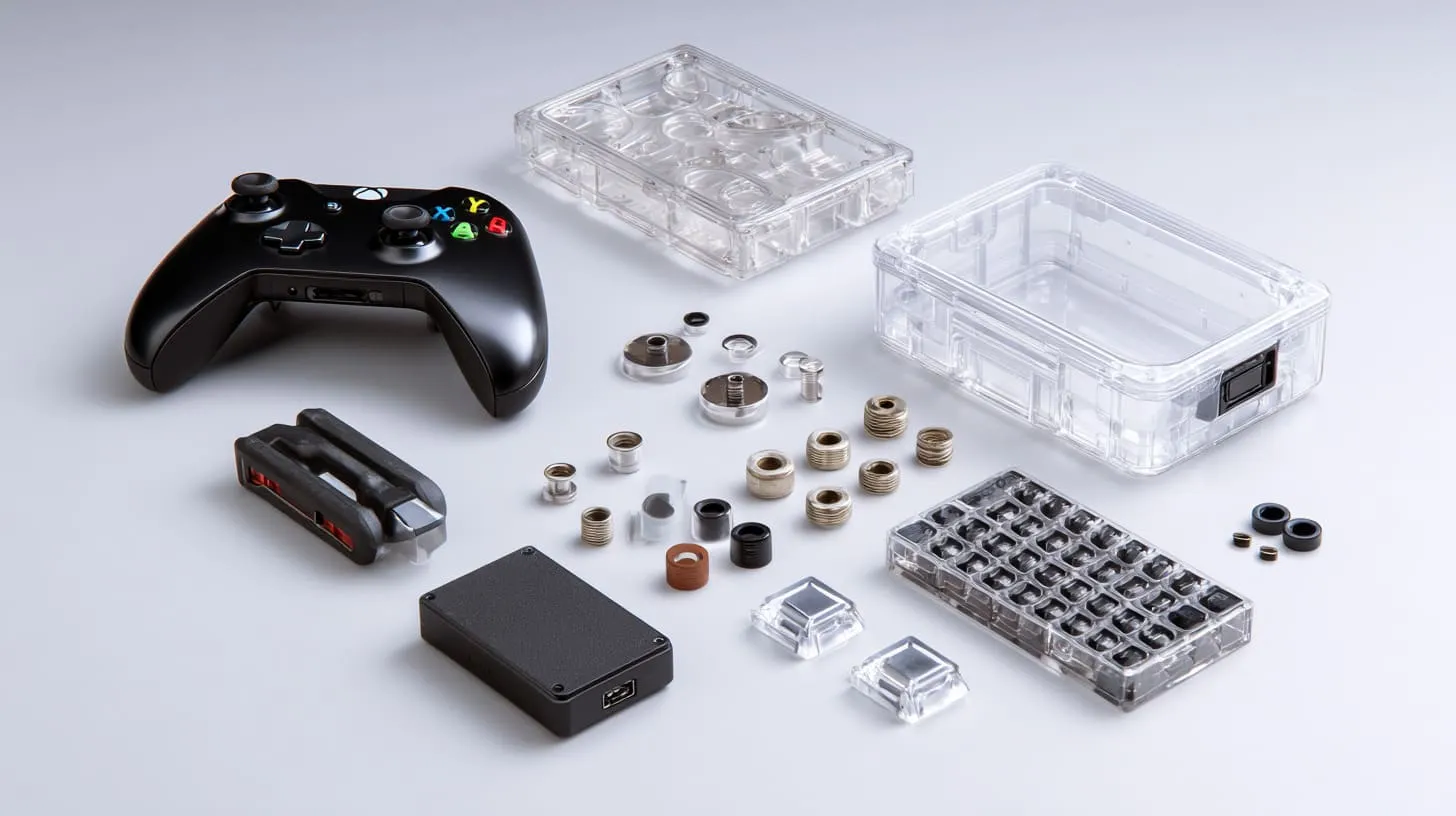
If ABS were unreliable, it wouldn’t survive in these industries.
Automotive Components
Dashboards. Trim. Interior panels.
Cars vibrate, heat up, and cool down. ABS survives that cycle.
Consumer Electronics
TV shells. Routers. Keyboard housings.
These products:
- Ship worldwide
- Get dropped
- Get opened and closed
ABS handles that abuse quietly.
Medical Devices (Non‑Implantable)
ABS shows up in external medical equipment where cleanliness and reliability matter.
Toys and Household Goods
LEGO bricks are the famous example.
If ABS cracks, kids notice. Parents complain.
3D Printing and Prototyping
ABS is still widely used in prototyping because it behaves close to injection‑molded parts.
Industrial and Utility Products
Control boxes. Small housings. Test equipment.
Not flashy. Very practical.
This leads directly to enclosure design.
Why ABS Plastic Is Ideal for Electronic Enclosures
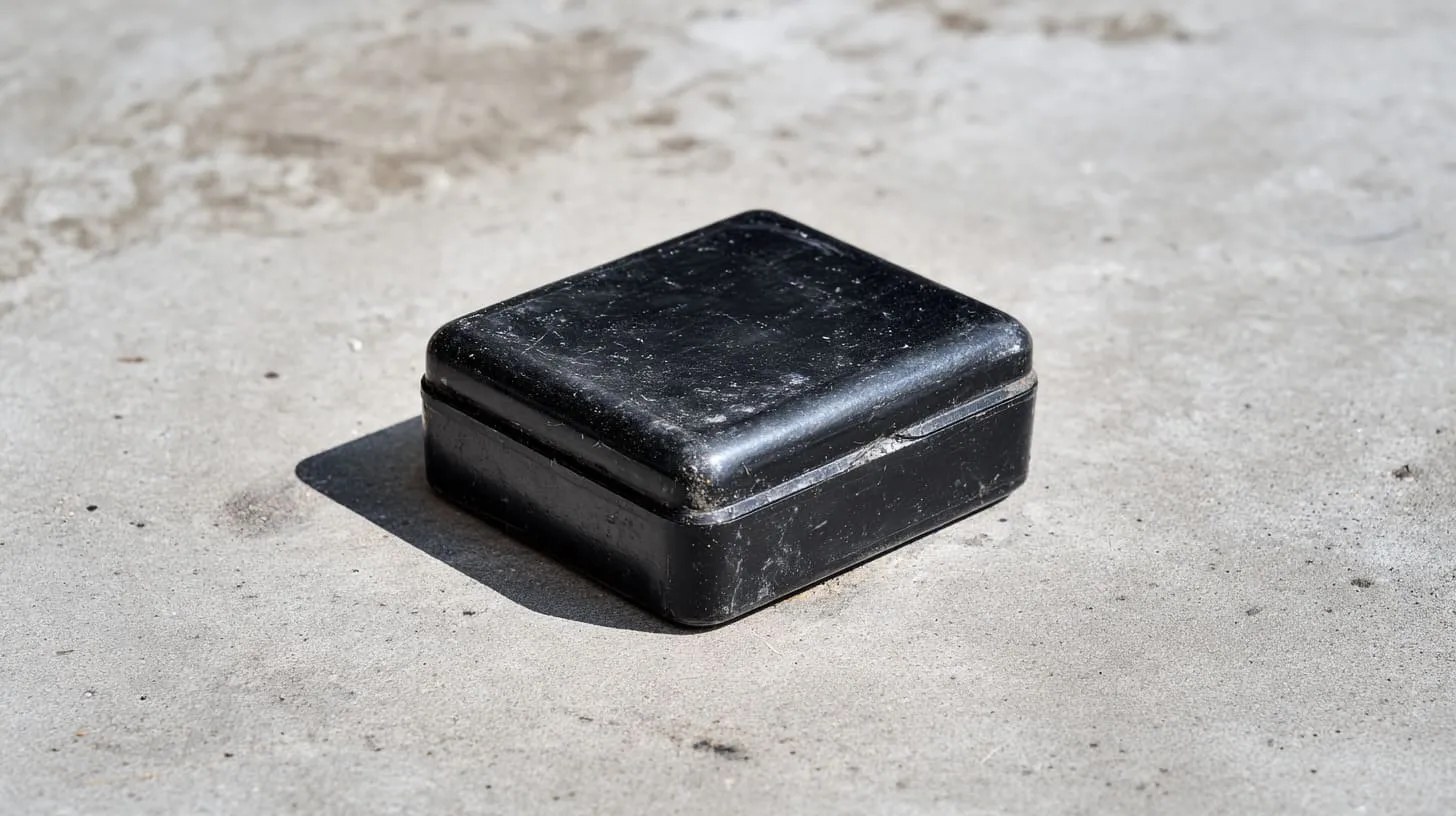
When engineers ask me why ABS works so well for enclosures, I usually flip the question.
What do enclosures really need to do?
Resistance to Impact and Dropping
Electronics fall.
During shipping. During installation. During use.
ABS absorbs impact instead of transferring it straight to the PCB.
Electrical Insulation and Safety Compliance
This reduces risk.
It also helps pass safety reviews faster.
Dimensional Stability for Tight Tolerance Parts
Connectors need alignment.
Buttons need consistent travel.
ABS holds shape well when designed correctly.
UV Resistance Options for Outdoor Units
Standard ABS dislikes UV.
But UV‑stabilized grades solve this for outdoor use.
Flame Retardant Grades (UL 94 V‑0)
Many enclosure projects require flame ratings.
ABS can meet:
- UL 94 V‑0
- UL 94 V‑1
This opens doors in regulated markets.
Surface Finish Options
ABS gives freedom:
- Matte
- Glossy
- Textured
Designers care about this more than they admit.
Cost vs. Performance Balance
This is the real reason ABS wins.
| Requirement | ABS Result |
|---|---|
| Safety | Passable |
| Cost | Controlled |
| Appearance | Flexible |
| Production speed | Fast |
No drama. Just balance.
But ABS isn’t alone. Let’s compare it honestly.
ABS vs. Other Plastics for Enclosures

Choosing a material is rarely about what’s “best.”
It’s about what fits the job.
ABS vs. Polycarbonate
Polycarbonate is stronger. No debate.
But it costs more.
If the product won’t face extreme abuse, ABS often makes more sense.
ABS vs. Acrylic
Acrylic looks great.
But it cracks under impact.
For clear panels, acrylic wins.
For protection, ABS wins.
ABS vs. PVC
PVC resists chemicals well.
But it lacks the impact strength many enclosures need.
When to Choose ABS
ABS fits when:
- Cost matters
- Volumes are medium to high
- Appearance matters
- Abuse is moderate
Now let’s talk customization, because that’s where real projects live.
Customizing ABS Enclosures for OEM Projects
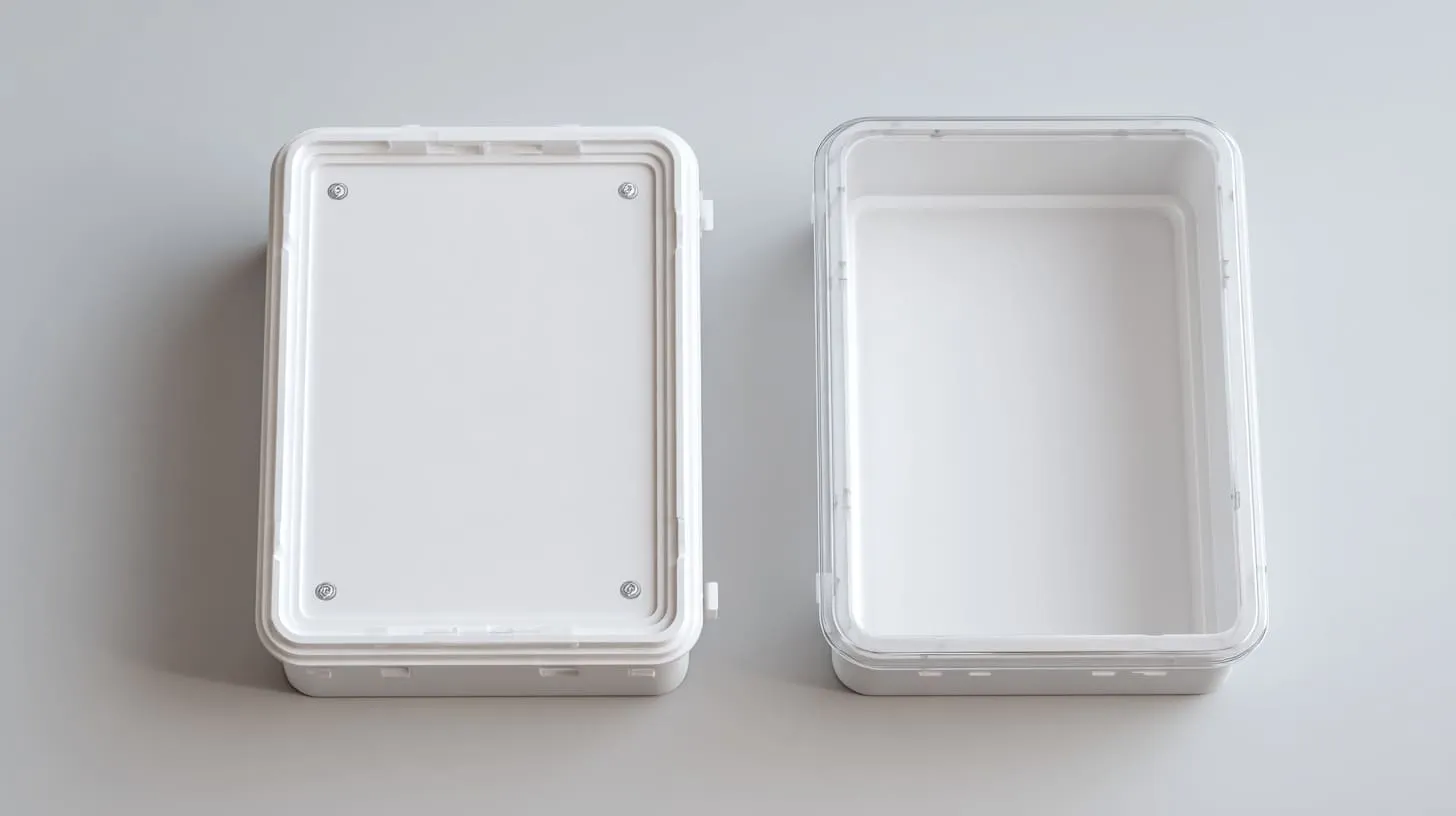
Most clients don’t buy off‑the‑shelf boxes forever.
They customize.
Injection Molding vs. CNC Machining
| Method | Best For |
|---|---|
| CNC | Low volume |
| Injection molding | Mass production |
ABS supports both paths well.
Branding and Logo Printing
ABS accepts:
- Silk printing
- Pad printing
- Laser marking
This matters for re‑branding projects.
Color Matching and Surface Finishing
Color consistency is easier with ABS than many plastics.
Structural Modifications and Snap‑Fit Design
ABS works well with snap‑fits and clips.
This reduces screws. Assembly speeds up.
Cost Considerations for Mass Production
Once tooling is ready, ABS unit cost drops fast.
That’s why many projects start slow, then scale quickly.
But ABS isn’t magic. There are limits.
Considerations When Working with ABS Plastic
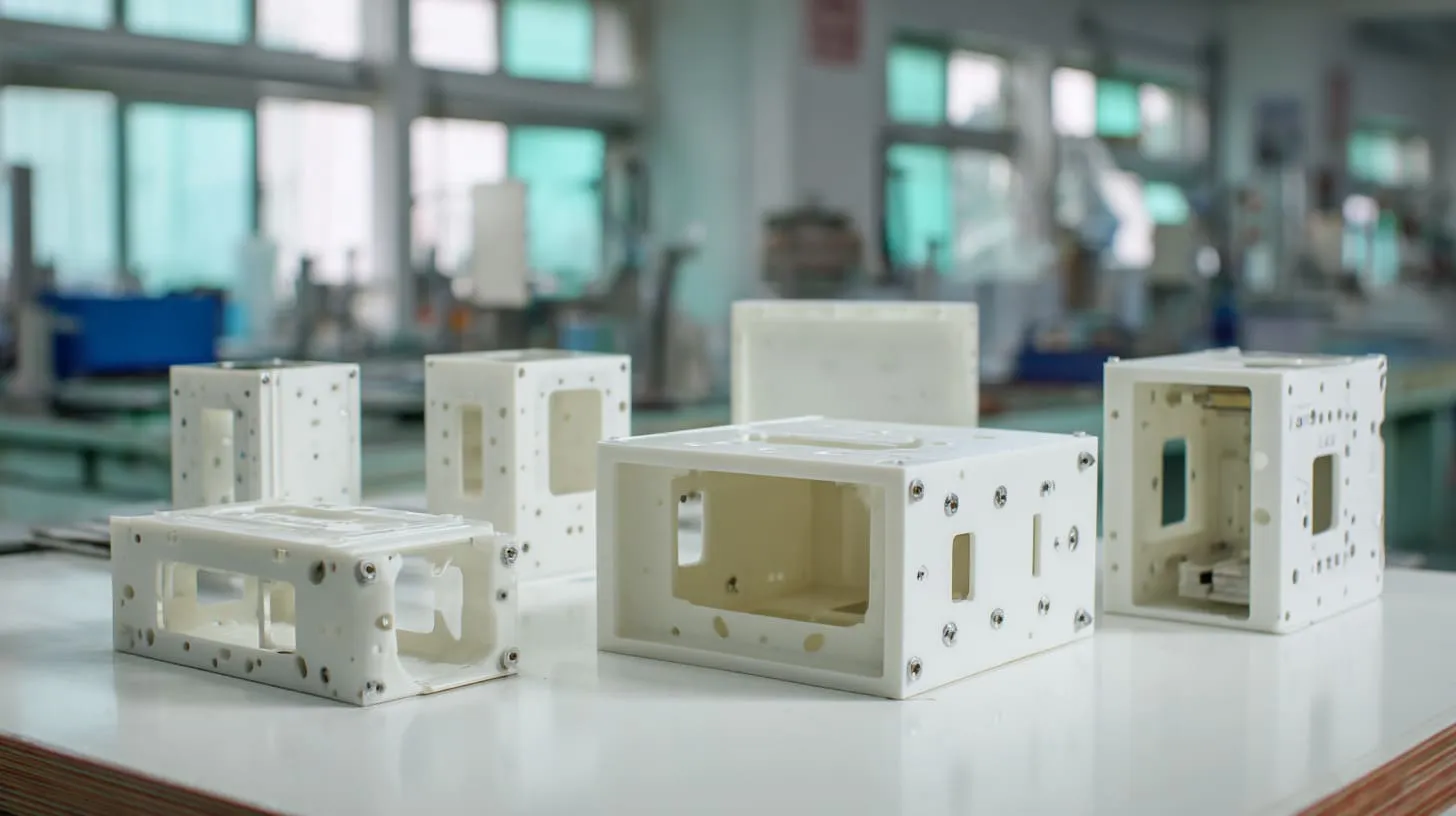
Every material has boundaries. ABS is no exception.
Temperature Limits and Warping Risk
High heat can soften ABS.
Design must respect that.
Chemical Sensitivities
ABS dislikes some solvents.
Environment matters.
Fire Rating Requirements
Not all ABS is flame‑retardant.
Grades matter.
Best Practices for Design and Assembly
Good design reduces problems more than material choice alone.
This brings us to the real decision.
Is ABS Right for Your Project?
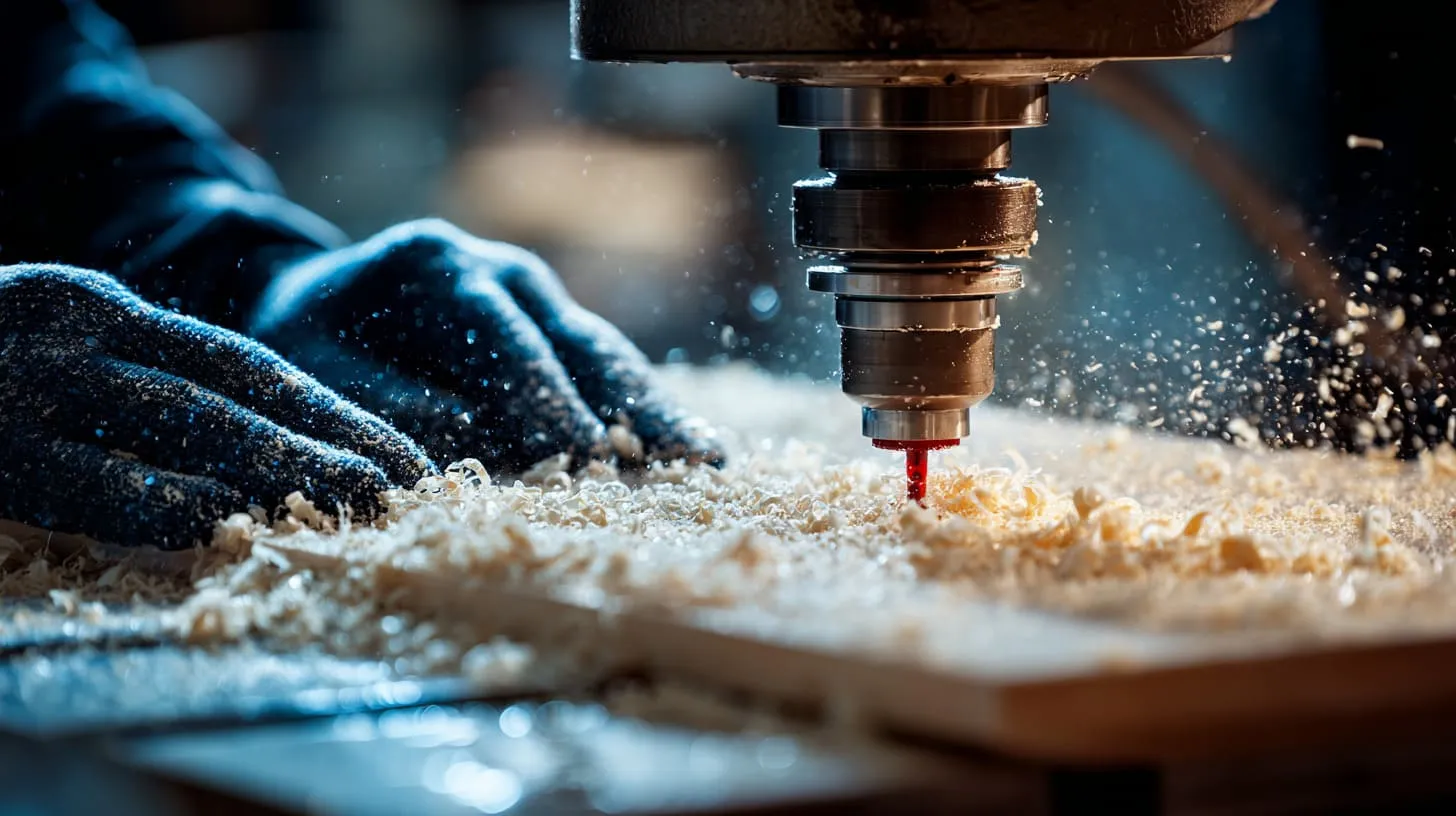
This is where engineers pause.
Ideal Use Cases
ABS fits:
- Consumer electronics
- Control units
- Indoor enclosures
- Cost‑sensitive projects
When Not to Use ABS
ABS struggles with:
- High UV without additives
- Extreme heat
- Heavy chemical exposure
Questions to Ask Before Choosing ABS
- Where will it be used?
- How hot will it get?
- How many units?
- What certifications are needed?
Answer these honestly, and the choice becomes clear.
Conclusion
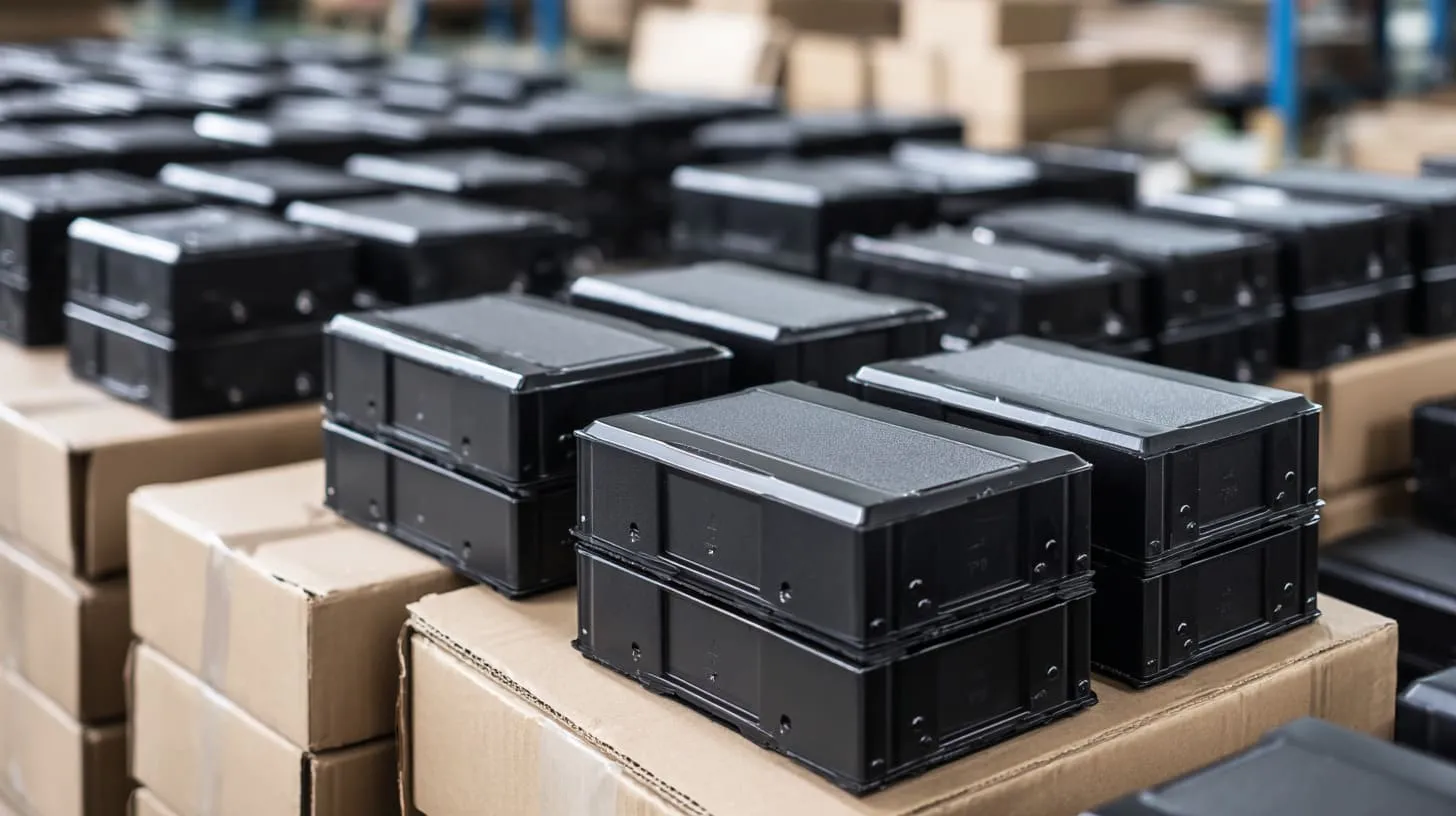
ABS plastic isn’t exciting.
And that’s exactly why it works.
It solves problems quietly.
It keeps costs steady.
It supports design freedom without drama.
For many electronic enclosure projects, ABS is not a compromise.
It’s a practical decision.
When used correctly, it becomes invisible.
And in engineering, that’s often the highest compliment.