Skip to content

Choosing between NEMA 4 and IP65 doesn’t always start with a technical discussion. Sometimes it begins with a quiet message from a client. One line. No extra details. Just a direct question: “Vincent, which one should we use?”
That kind of question lands on my screen more often than you’d think — not just from engineers, but also from buyers, designers, and even project managers in a rush. It’s deceptively simple. Because at first glance, NEMA 4 and IP65 seem almost interchangeable. Both promise dust protection. Both claim water resistance. Both look good on a product sheet.
But in my world — where enclosures get mounted on factory walls, rooftop units, or near high-pressure wash-down stations — these ratings tell two very different stories.
So before you tick a box on a datasheet or finalize a design, let’s unpack what these two ratings really mean, where they differ, and how to choose the right one for your next project.
What do “NEMA 4” and IP65 actually mean?

When I first started in this industry, I treated NEMA and IP like two languages that talked about the same thing. But with time — and a few painful customer returns — I realized they describe protection in very different ways.
NEMA is an American standard. It talks about more than dust and water. It includes things like corrosion, icing, and even how solid a product feels against external force.
IP is an international standard. It focuses on dust and water only. Nothing more. Nothing less.
A simple comparison to get the idea:
| Item | NEMA 4 | IP65 |
|---|---|---|
| Dust protection | Yes | Yes |
| Water protection | Strong (hose‑down, rain) | Medium (low‑pressure jets) |
| Corrosion | Included | Not included |
| Ice formation | Included | Not included |
| Mechanical strength | Included | Not included |
| Testing method | Physical tests | Numerical classification only |
When I explain this during calls, I often say: “IP65 tells you if something gets wet. NEMA 4 tells you if something survives the real world.”
As we go deeper, you’ll see exactly why that difference matters.
A story from a customer in Hungary once reminded me how easy it is to get confused. He looked at IP65 and said, “It stops water, so it’s the same as NEMA 4, right?”
I smiled, took a deep breath, and said, “Let’s look at it together.”
NEMA 4 vs. IP65: Key Differences and Similarities

Sometimes these two ratings feel like cousins — related, but never identical. Buyers often think, “If IP65 is waterproof and dustproof, why would I choose NEMA 4?” So let me break down both sides from what I’ve seen in real projects.
What does IP65 rating cover?
IP65 promises two things:
- Full protection against dust
- Protection from low‑pressure water jets
In other words, a light hose splash or rain won’t get inside. But it does not promise anything about corrosion, internal moisture buildup, or long‑term outdoor stress.
What does NEMA 4 rating cover?
NEMA 4 goes further. It includes:
- Complete dust-tight protection
- Strong water jets
- Protection against ice formation
- Basic corrosion resistance
- Higher build strength requirements
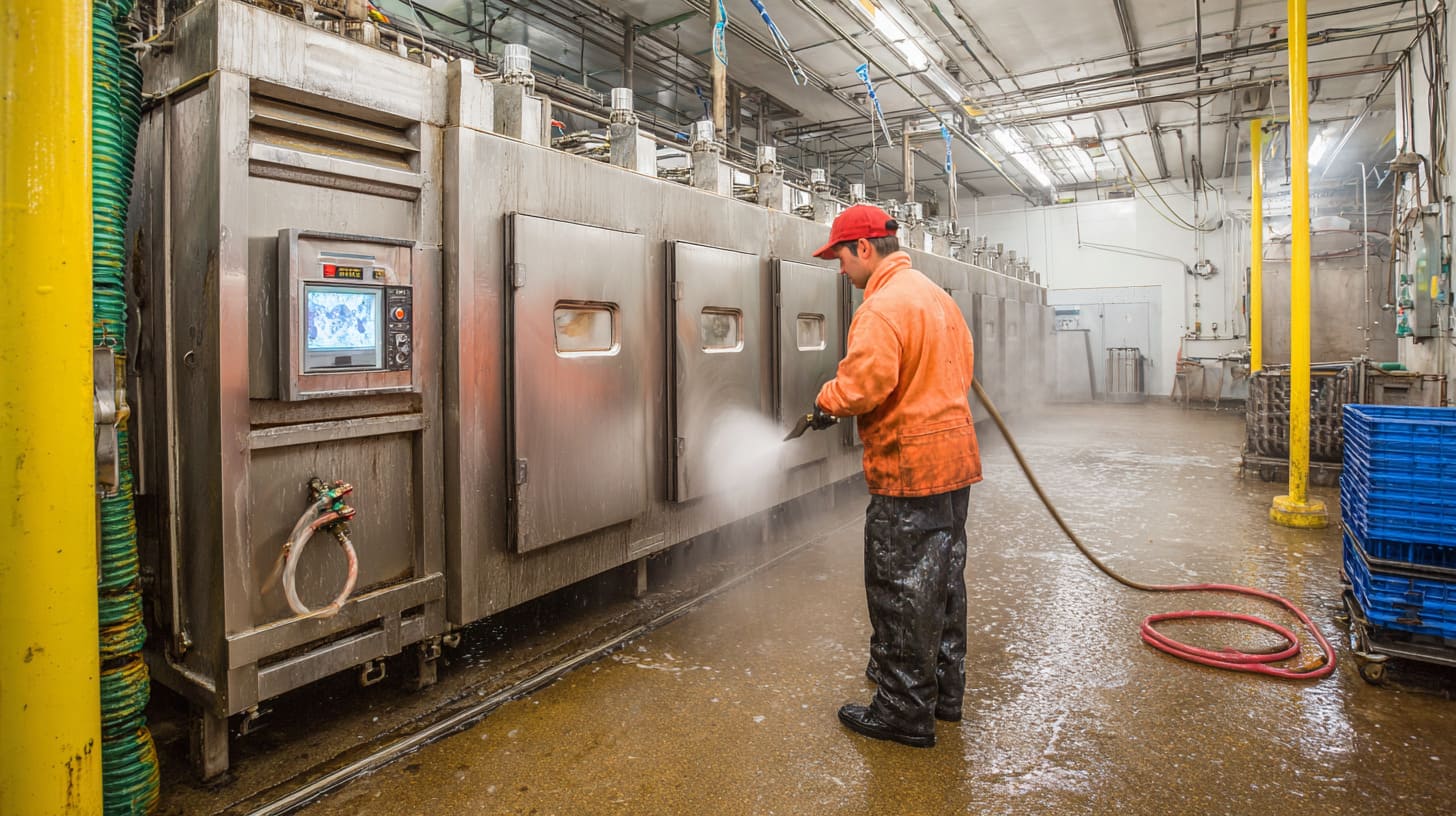
I once saw a NEMA 4 box installed in a seafood processing area. The customer washed the machine every day with a pressure hose. The enclosure survived without a single leak. That’s the difference NEMA 4 brings.
Where the two standards overlap
Yes, they share similar dust and water protection. But when people say “NEMA 4 = IP65,” they miss everything else NEMA requires.
A quick table to see the overlap:
| Feature | Both Support? | Notes |
|---|---|---|
| Dust-tight | Yes | Same grade |
| Basic water spray | Yes | But NEMA 4 can withstand stronger jets |
| Outdoor readiness | Partially | IP65 depends on material; NEMA 4 tested for it |
| Corrosion | No | Only NEMA includes it |
| Ice | No | Only NEMA includes protection |
When I explain this to new OEM buyers, I say, “If you need simple splash resistance, IP65 is fine. But if you need confidence, choose NEMA 4.”
And speaking of confidence… let’s see why they are not interchangeable.
Why NEMA 4 and IP65 are not fully interchangeable
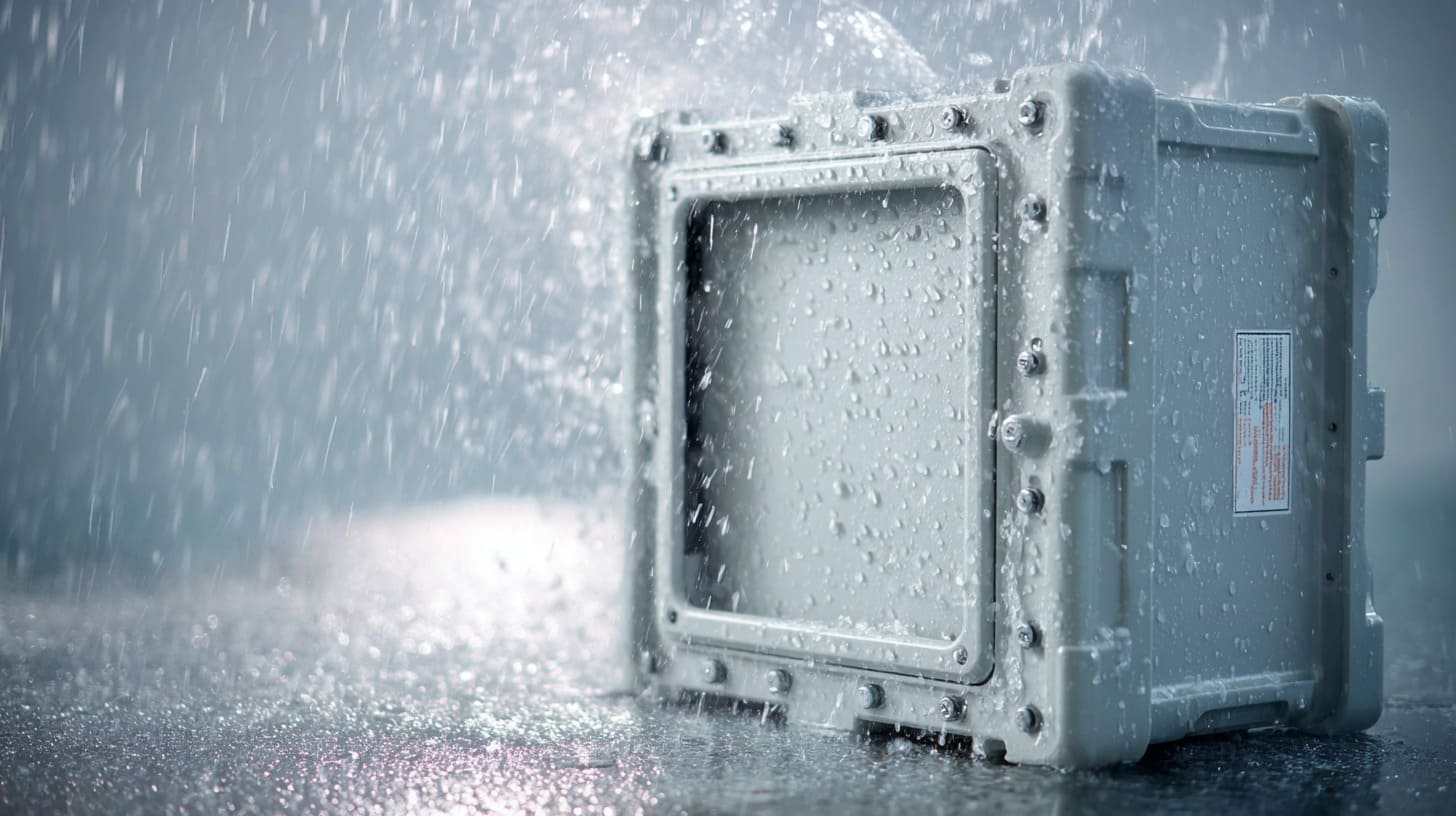
The biggest mistake I see — from engineers and purchasing teams — is assuming NEMA 4 equals IP65. This assumption has caused more product failures than you would believe.
Different testing scopes: dust & water vs. broader environmental hazards
- IP65 tests only two things: dust and water spray.
- NEMA 4 tests dust, water, icing, corrosion, and external damage.
It’s like comparing a two‑part exam with a five‑part exam. You can pass the first but still fail the second.
Corrosion, ice, mechanical hazards — what IP65 doesn’t cover
In Europe, I worked with a German buyer who tested an IP65 enclosure outdoors near the sea. After three months, the screws rusted. The gasket became soft. The customer was confused — “But it’s IP65!”
Exactly. IP65 doesn’t say anything about salt, chemicals, or temperature cycles. NEMA 4 considers these factors.
A short table for clarity:
| Condition | IP65 Handles It? | NEMA 4 Handles It? |
|---|---|---|
| Dust | ✔ | ✔ |
| Low-pressure water | ✔ | ✔ |
| High-pressure water jets | ✖ | ✔ |
| Ice | ✖ | ✔ |
| Corrosion | ✖ | ✔ (basic) |
| Outdoor UV & rain cycles | Depends on material | ✔ |
The more you compare them, the more you understand why these standards do not replace each other.
Let’s shift to something practical — where IP65 is actually the right fit.
When to choose IP65 (and when it suffices)
Sometimes customers think I always push them toward NEMA 4. But that’s not true. There are many cases where IP65 is enough — and choosing it saves money, time, and stress.
Typical use‑cases for IP65
I recommend IP65 in situations like:
- Indoor installations
- Control boxes inside machines
- Office equipment
- Light industrial use
- Areas with occasional splashes but no pressure washing
In these scenarios, IP65 is like a raincoat for light weather — simple, reliable, affordable.
Advantages of IP65 (cost, simplicity, sufficiency for indoor/light environments)
From my experience, the benefits of IP65 are:
- Lower manufacturing cost
- Faster production
- Easier sealing requirements
- Suitable for basic dust/water protection
- Common for consumer-grade electronics
In most office or indoor factory environments, IP65 works smoothly and rarely causes trouble.
Right when everything feels simple, real industrial work appears — and that’s when we shift back to NEMA 4.
When NEMA 4 is a better (or required) choice
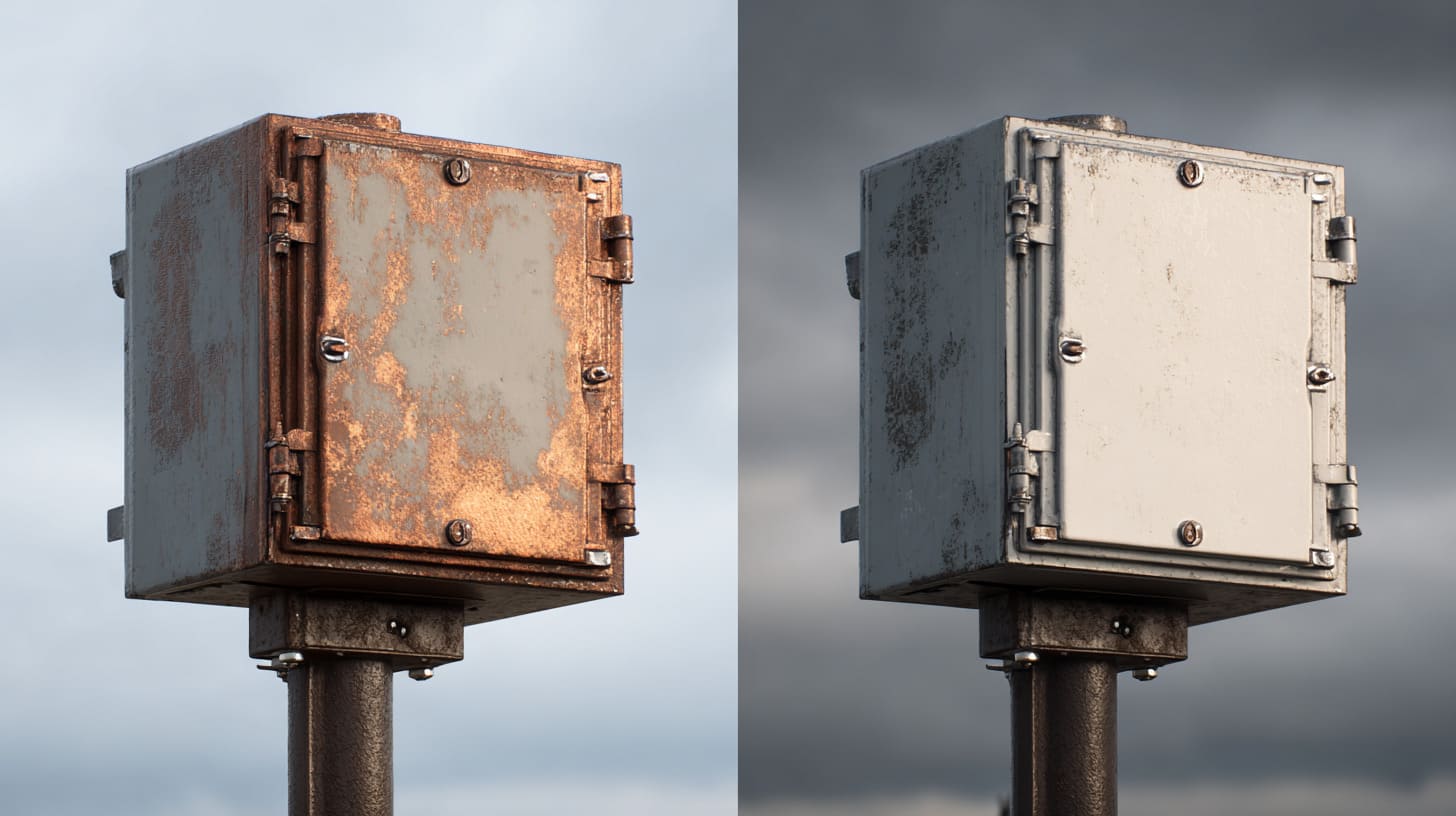
Almost every tough environment I’ve visited — rooftop units, car washes, outdoor telecom devices — used NEMA 4 enclosures. And there’s a reason. Problems outdoors don’t only come from water. They come from pressure, freezing, salt, cleaning chemicals, and sudden temperature changes.
Use‑cases demanding more protection: outdoor, industrial, wash‑down, harsh environments
You should choose NEMA 4 when:
- Equipment is outdoors
- There is pressure washing
- There are heavy temperature cycles
- Workers clean machines daily
- There is exposure to chemicals, salt, or moisture
- You need stronger mechanical reliability
I once supplied NEMA 4 enclosures to a buyer in Canada. They stored the units under heavy snow. IP65 would have failed in days.
Additional protections from NEMA 4 (and NEMA 4X) — water jets, hose‑down, ice, corrosion
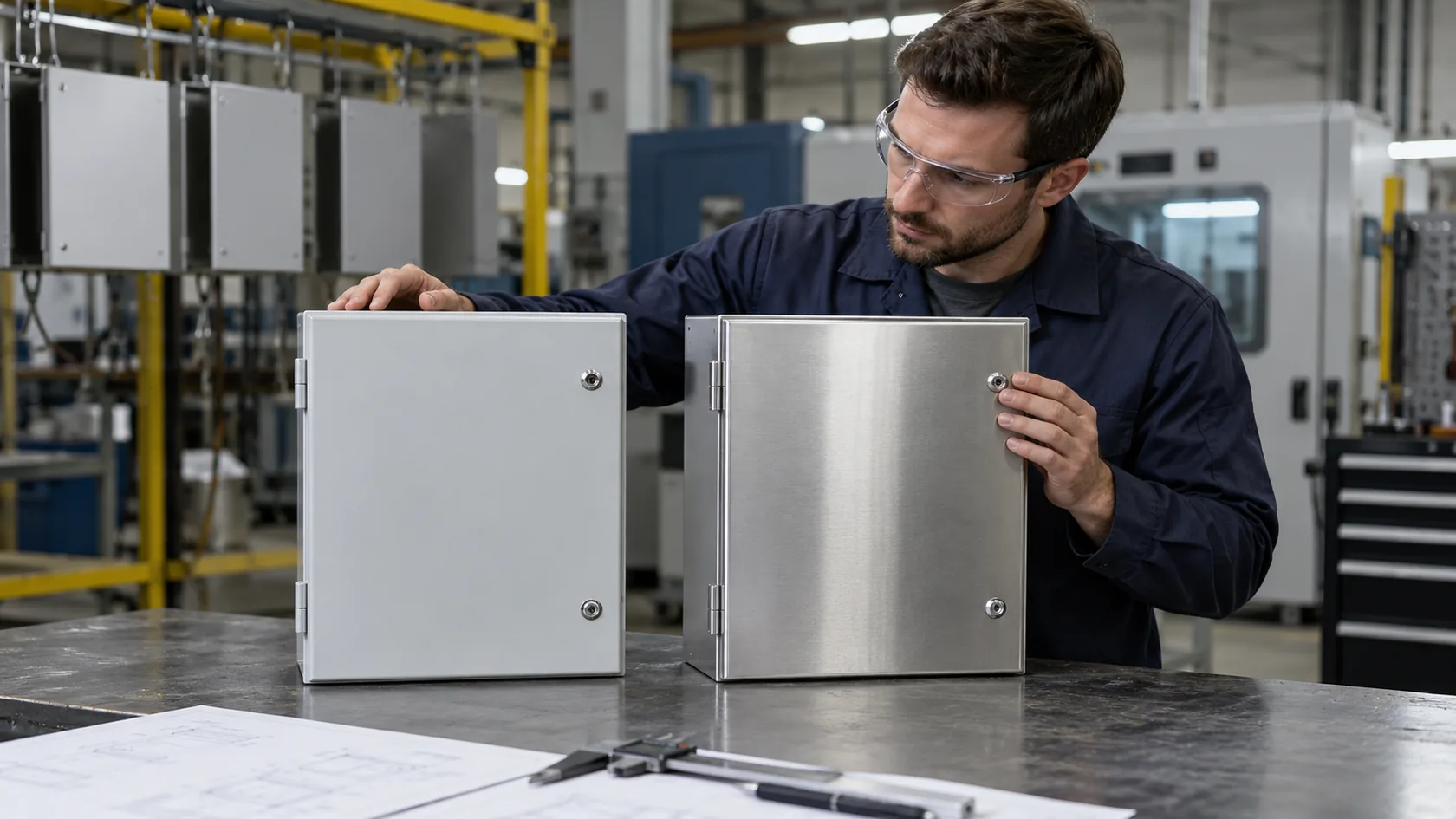
NEMA 4X goes even further with corrosion resistance. Buyers in coastal regions or food processing factories often choose 4X.
Quick breakdown:
| Feature | NEMA 4 | NEMA 4X |
|---|---|---|
| Dust-tight | ✔ | ✔ |
| Water jets | ✔ | ✔ |
| Ice | ✔ | ✔ |
| Corrosion resistance | Basic | High |
| Material options | Steel, aluminum, plastic | Stainless steel, better coatings |
When someone asks me whether they should choose NEMA 4X instead of 4, my question is simple:
“Will it meet salt, chemicals, or cleaning?”
If yes, 4X is safer.
Now let’s talk about how we guide customers as manufacturers.
What this means for custom enclosure manufacturers / OEMs (like you)
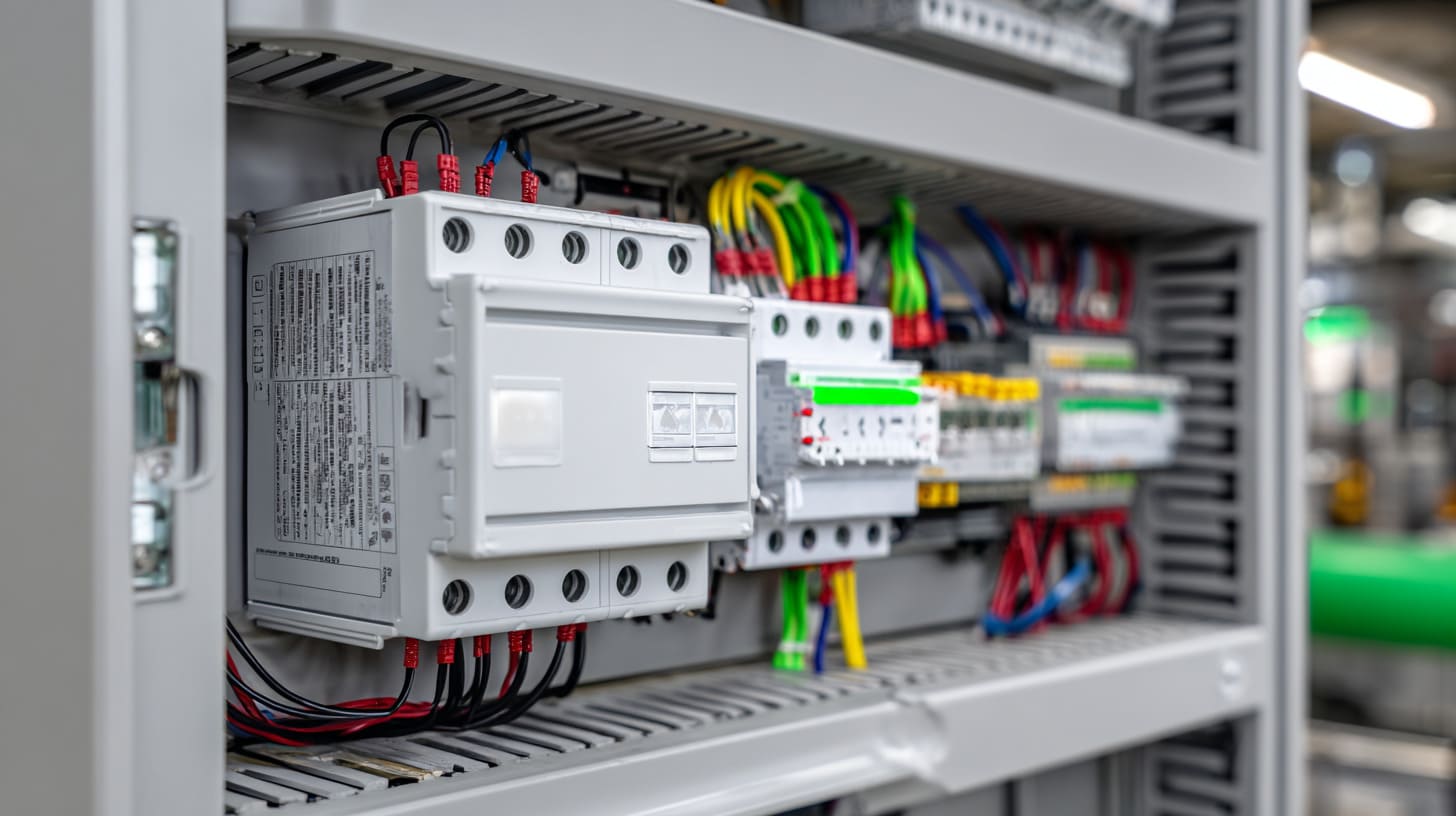
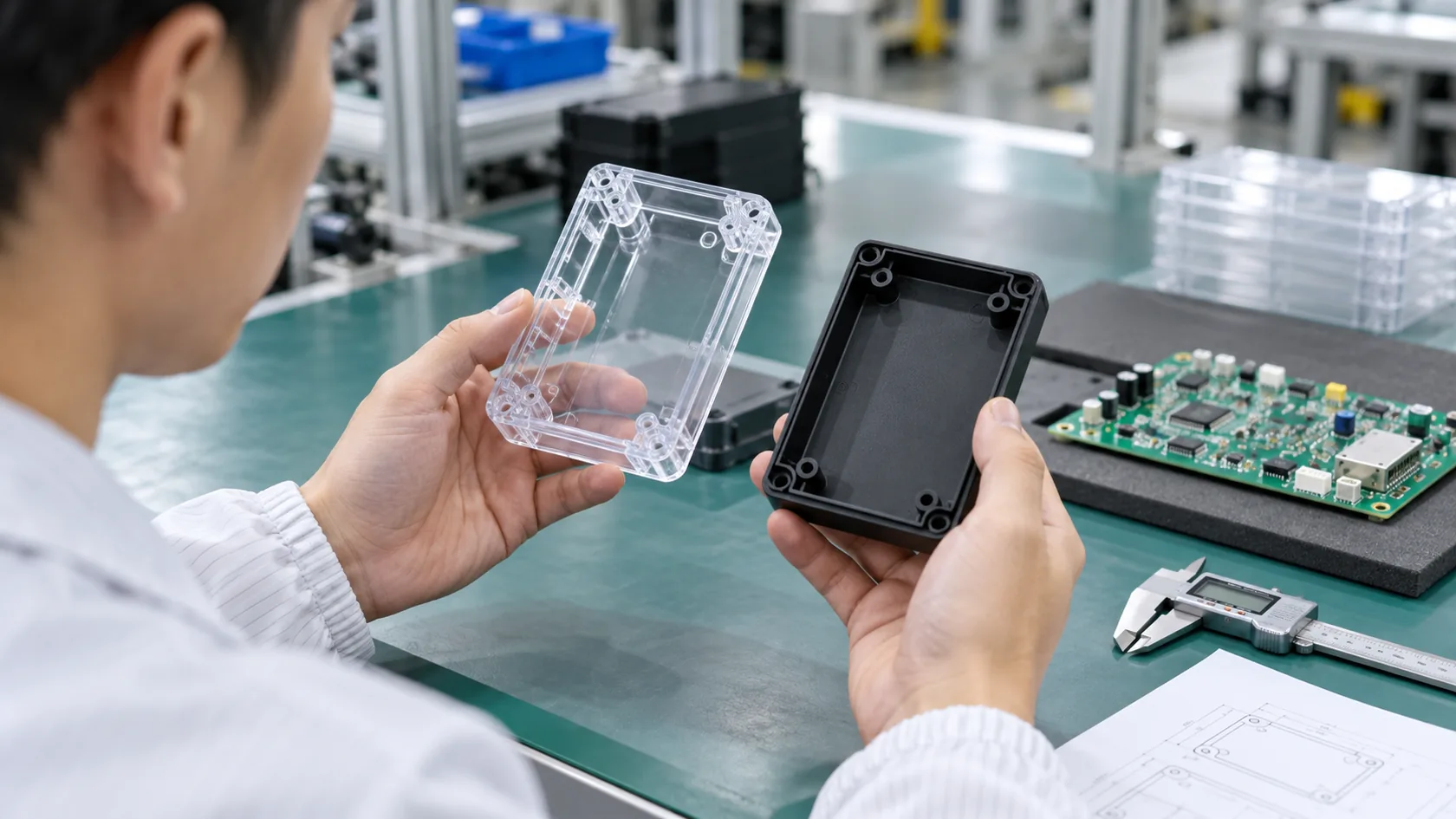
As a factory that produces aluminum and plastic enclosures every day, I often find myself acting not only as a manufacturer but also as a consultant. Davide from Finland, John from Hungary, Jackson from Belgium — they don’t just want a box. They want a box that works in the real world.
How to evaluate customer environment and end‑use requirements
When a customer sends me a drawing, I ask them:
- Where will the enclosure be installed?
- Will it face water or pressure washing?
- Any chemicals or salt?
- Indoors or outdoors?
- What temperature range?
These questions decide everything — gasket choice, wall thickness, coating, and even screw material.
When to recommend NEMA 4 vs. IP65 depending on region / application
Here is how I approach recommendations:
| Environment | My Recommendation |
|---|---|
| Indoor, clean | IP65 |
| Light industrial | IP65 / NEMA 4 depending on water exposure |
| Outdoor general | NEMA 4 |
| Coastal outdoor | NEMA 4X |
| Food processing | NEMA 4X |
| Machinery with wash‑down | NEMA 4 or 4X |
Sometimes, suggesting the stronger rating saves the customer from future replacement costs — and they appreciate that honesty.
Implications for material choice, sealing method, and manufacturing cost
Choosing the rating changes production:
| Component | IP65 | NEMA 4 |
|---|---|---|
| Gasket | Soft, simple | Strong, molded or foam-in-place |
| Material | Plastic or aluminum | Aluminum, stainless steel |
| Cost | Lower | Higher |
| Seal tests | Basic | Stronger tests |
The design must follow the rating. The rating is never an afterthought.
When you design with the right rating from the start, the project feels effortless later.
Quick Comparison Table (NEMA 4 vs IP65)

Here is the kind of table I often send to my customers during early discussions:
| Feature | IP65 | NEMA 4 |
|---|---|---|
| Dust-tight | ✔ | ✔ |
| Water spray | ✔ | ✔ (stronger) |
| High-pressure jets | ✖ | ✔ |
| Corrosion | ✖ | ✔ |
| Ice | ✖ | ✔ |
| Outdoor reliability | Depends | High |
| Cost | Lower | Higher |
| Typical use | Indoor | Industrial/outdoor |
This table alone has helped many people make the right choice in seconds.
And speaking of mistakes… let’s address the most common ones.
Common Mistakes & Misconceptions when specifying enclosure ratings
I have seen companies lose time, money, and clients because they misunderstood enclosure ratings. These mistakes show up again and again — even with experienced engineers.
Mistaking IP65 as “full outdoor / industrial grade”
IP65 only tells you it can handle limited water spray. Not storms. Not long-term sun. Not corrosion. I once saw an IP65 box installed on a tower. After one winter, everything inside was wet.
Assuming equivalence between NEMA 4 and IP65 (or using labels interchangeably)
Sales teams sometimes write “IP65 / NEMA 4 equivalent” in catalogs. But “equivalent” is only true for dust and basic water spray. It ignores:
- Ice
- Corrosion
- Strong jets
- Physical strength
These differences matter when real equipment is on the line.
Neglecting corrosion, chemical, ice or wash‑down environment when spec’ing IP65
This is the most painful mistake because it usually shows up too late. When corrosion starts, when ice cracks seals, when a wash-down line destroys a weak gasket — the cost is far higher than choosing NEMA 4 from the beginning.
I tell every buyer: “A correct rating is cheaper than a replacement.”
Conclusion
When Davide asked me, “Which one should we choose — NEMA 4 or IP65?” I realized how often this question appears. And it matters because these ratings decide not only the life of the enclosure but also the safety and stability of everything inside.
IP65 is great for indoor and light environments. Simple, clean, efficient.
NEMA 4 is the choice for real outdoor challenges, heavy cleaning, and serious industrial use.
Both have their place. But they are not the same. Understanding the difference helps you avoid failure, protect your project, and give your customers a product they can trust.
If you ever need help choosing the right rating for your next enclosure — or designing one from scratch — I am always here to support you.
— Vincent Li
MaidaTech | info@maidatech.com