Skip to content


The question usually arrives without much context.
An email with one short line. A WhatsApp message sent between meetings. Sometimes a quick call with a tired voice on the other end.
“Vincent, should I use a terminal box or a junction box here?”
On the surface, it sounds simple. Just pick a box.
But I’ve learned that when someone asks this question, something deeper is already going wrong—or is about to.
In one project, an engineer chose a junction box because it was cheaper and available locally. A few weeks later, the system needed changes. New sensors. Extra cables. Suddenly, every adjustment meant cutting wires again. What looked like a small saving turned into lost time, rework, and frustration.
That confusion matters. Not because one box is better than the other, but because they solve very different problems. And mixing them up can quietly push a project off track.
So in this guide, I want to slow things down.
I’ll walk through how I think about terminal boxes and junction boxes, why people confuse them, and how to choose the right one before problems show up on your desk.
What Is a Terminal Box?
Definition and Purpose
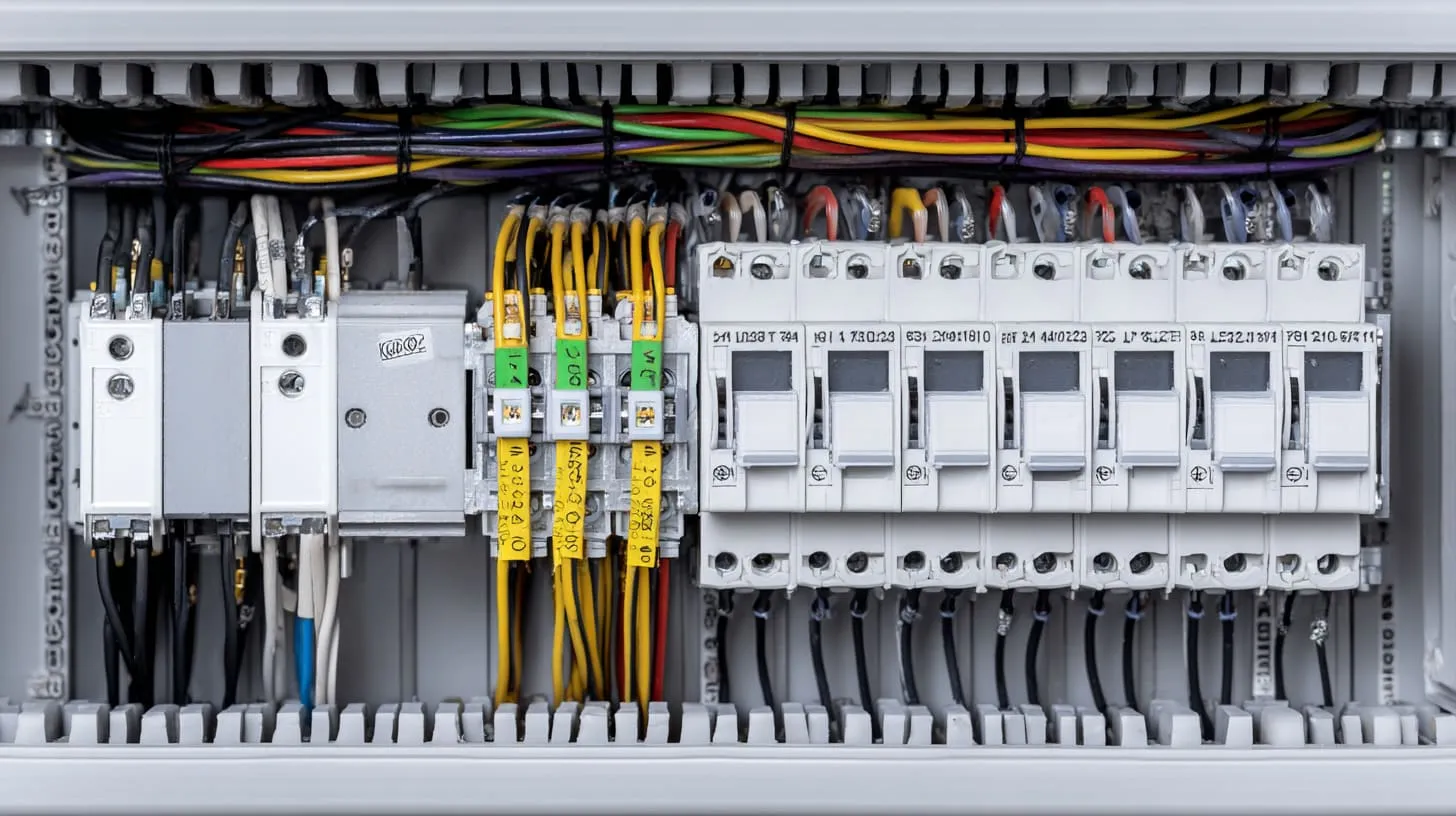
A terminal box is like the organized desk drawer of electrical connections.
Instead of loose wires or chaotic splicing, it gives each wire a clean, labeled home.
You’ll usually find these boxes equipped with:
- Pre-installed terminals
- DIN rails for mounting components
- Internal labeling spaces for easier identification
That’s what makes them ideal when clarity and future access matter.
Typical Applications
Let me give you a few real-world spots where I’ve seen terminal boxes shine:
- Control Panels: Especially in factory automation where wires multiply like rabbits
- Power Distribution in Machinery: Neat separation of input/output lines
- Industrial Automation Systems: Where you want modularity, monitoring, and quick changes
Here’s a simple snapshot:
| Application Area | Why Terminal Box Works Well |
|---|---|
| CNC Machines | Neat organization of signal and power lines |
| HVAC Control Systems | Easy diagnostics and labeling for maintenance teams |
| Solar Inverter Panels | Keeps wiring tidy and accessible for adjustments |
Design Features
What makes a terminal box truly functional comes down to the details:
- Cable Entry Sizes: Usually more standardized
- Number of Terminals: Customizable based on project needs
- Maintenance Access: Open the lid, and everything is clear—no guesswork
And if you’ve ever tried troubleshooting blind wiring at 11 PM, you know how much that clarity matters.
Now, that’s a neat setup—but not every project needs that kind of wiring elegance.
Let’s talk about when things are simpler, but still critical.
What Is a Junction Box?

Definition and Function
Junction boxes are more humble.
They’re usually just protective boxes—nothing more, nothing less.
Their job? To hide, protect, and isolate wire splices.
They don’t organize wires; they just safeguard the mess.
Sometimes, that’s all you need.
Common Usage Scenarios
You’ll see them everywhere—mostly in spaces no one thinks about:
- Ceilings and wall cavities in commercial buildings
- Street lighting poles (those gray boxes you never notice)
- Outdoor cabling with simple cable splicing
And here’s a breakdown of where they dominate:
| Location | Typical Use |
|---|---|
| Residential Buildings | Light fixture wiring junctions |
| Outdoor Electrical Posts | Cable split-off and weather sealing |
| Factory Utility Corridors | Basic connection protection |
Variants and Styles
While basic in function, junction boxes come in quite a few flavors:
- IP66/IP67 Rated Boxes: For rain, dust, or snow exposure
- Screw-On vs Snap-On Covers: Depending on installation speed or security
- Surface Mount or Flush Mount: Based on aesthetics or depth constraints
So, while not fancy, they’re flexible.
But the real puzzle starts when people mix them up.
Key Differences Between Terminal Box and Junction Box

Let’s lay it all out clearly.
Because from the outside, these boxes can look the same. It’s what’s inside—and what it’s for—that matters.
Internal Structure
| Feature | Terminal Box | Junction Box |
|---|---|---|
| Inside Contents | Terminal strips, DIN rails | Empty or basic splice area |
| Mounting | Often pre-configured | Mounting optional |
Intended Use
- Terminal boxes are for organized control
- Junction boxes are for passive protection
Think of it like this:
If your project is a train station, terminal boxes are the dispatch office.
Junction boxes? Just the tunnels.
Size and Cost Considerations
- Terminal boxes usually come with higher upfront costs.
- But they save time during installation, labeling, and future maintenance.
- Junction boxes are cheaper and simpler—but may add labor costs later if changes are needed.
Here’s a clearer cost comparison based on typical market prices:
| Type | Price Range (USD) | Typical Size Range |
|---|---|---|
| Terminal Box | $12 – $60 | Medium to Large (150–400mm) |
| Junction Box | $3 – $18 | Small to Medium (80–250mm) |
The prices above vary depending on material (ABS, polycarbonate, aluminum), waterproof rating (like IP66), and whether terminal blocks are pre-installed. If you're buying in bulk or customizing with logos and cutouts, expect some variation—but this gives you a realistic starting point.
Material Options
Material matters—especially when things get hot, wet, or dusty.
| Material | Typical Use Cases |
|---|---|
| ABS Plastic | Indoor, dry conditions |
| Polycarbonate | Outdoor, UV-resistant |
| Aluminum | Industrial, heat-resistant |
| Stainless Steel | Harsh environments, food-grade applications |
Let’s bring this to life with real use cases.
When Should You Use a Terminal Box?
Use Case: OEM Machinery
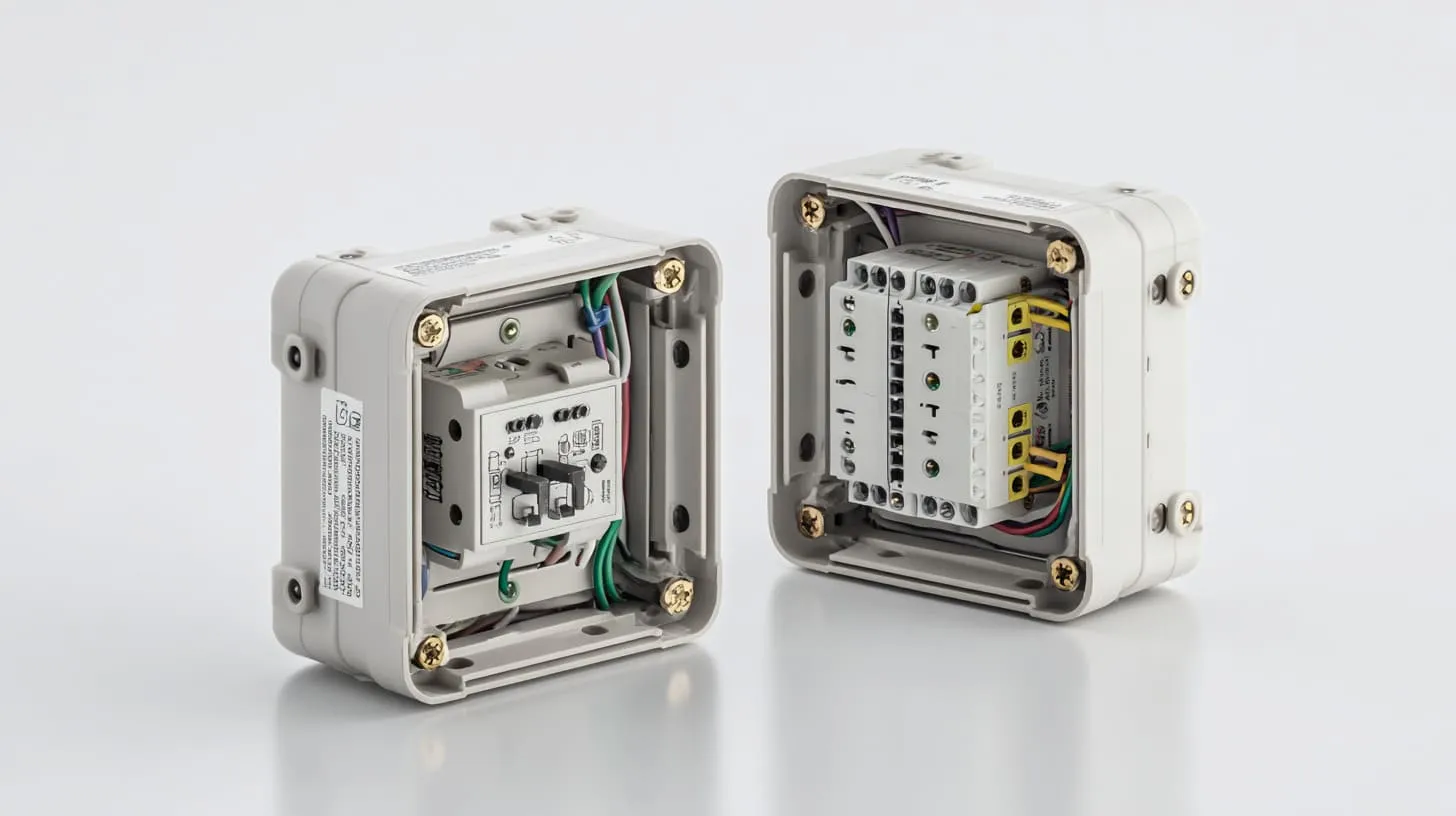
We worked with a Canadian company building compact industrial lasers.
Every millimeter mattered. The wires? Even more so.
They used a terminal box to:
- Route control signals safely
- Separate high and low voltage
- Label every terminal for easy field support
Use Case: Panel Design
For service teams, labeled terminal strips are gold.
I’ve seen service technicians give up on a panel mid-repair because the wires looked like spaghetti.
Terminal boxes let you:
- Assign labels
- Document wiring maps
- Make replacements easy
Use Case: Industrial Automation
In PLC setups, modularity is everything.
You can’t afford to cut and re-splice every time you change a sensor.
So, use terminal boxes when you:
- Need neatness and logic
- Plan for frequent upgrades
- Care about future-proofing
But what if you’re just running power behind a wall and never touching it again?
When Should You Use a Junction Box?

Use Case: Wall Wiring or Ceilings
This is the classic.
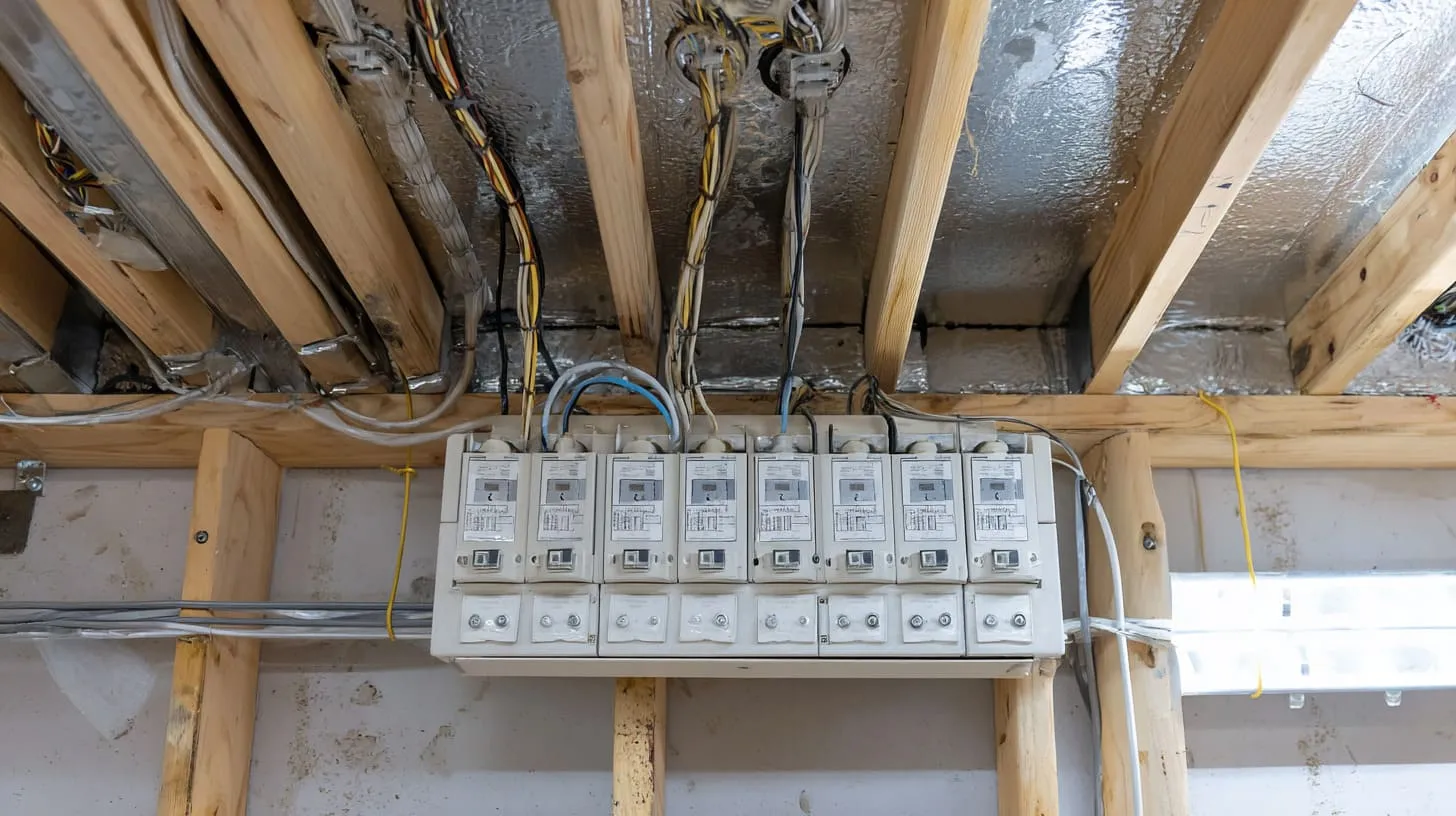
Electricians love junction boxes for ceiling fans, wall lights, and switch loops.
- They keep splices safe
- Hide the wiring
- Meet building codes
Use Case: Outdoor Electrical Work
One of our German clients once emailed me mid-winter.
They needed a quick fix for outdoor holiday lights on lamp posts.
Answer? IP67-rated junction boxes with silicone gaskets.
They’re simple, waterproof, and easy to swap.
Use Case: Low-Cost Installations
For projects where price wins, junction boxes offer just enough.
- Temporary setups
- Budget housing
- Small DIY solutions
But what if you’re still unsure?
Let’s walk through a step-by-step decision table.
Buying Guide: Which One Should You Choose?
Evaluate Your Wiring Complexity
| Complexity Level | Recommended Box |
|---|---|
| Simple splicing | Junction Box |
| Multi-line control | Terminal Box |
| Sensor-actuator loop | Terminal Box |
Check Space Constraints and Cable Entry Needs
If you’re working with tight spaces—watch out.
Terminal boxes are bigger and need clearance for terminals, labels, and DIN rails.
Consider Environmental Exposure
- Indoor use: ABS or basic enclosure
- Dusty factory: IP65 aluminum enclosure
- Coastal or humid: Polycarbonate or stainless steel
Review Standards and Certifications
Always double-check:
- UL, CE, or IEC marks
- Local code compliance (especially in EU or NA)
- IP or NEMA ratings
Choosing without checking can lead to compliance failure and rework.
Ask me how I know. (Yes, it was Davide again.)
Mistakes to Avoid When Choosing Between Terminal and Junction Boxes
Assuming All Enclosures Are Interchangeable
I’ve had buyers ask, “Can I just buy the cheaper one?”
Yes, but not without risk.
Your technician’s time—and your customer’s trust—cost more.
Overlooking Long-Term Maintenance
If your system needs regular inspection, don’t choose a box that hides the problem.
Choose the one that shows it.
Ignoring Project Compliance
Failing a safety inspection because of the wrong box?
It’s not just embarrassing. It delays everything.
Certifications exist for a reason. Follow them.
Examples from the Field

Case Study: Canadian OEM Machine Builder
Davide (remember him?) switched mid-project from junction to terminal boxes.
Why? Because the field team couldn’t debug wire errors without terminals.
In the end, they saved more on reduced labor than they lost on the switch.
Case Study: European Electrical Contractor
Jonah needed 200 enclosures for drywall wiring.
We quoted both types. He went with junction boxes.
Saved 15% on material and 3 hours of install time per house.
No need for labeled terminals—just fast, code-compliant wiring.
Conclusion
Choosing between a terminal box and a junction box comes down to this:
| Scenario | Best Choice |
|---|---|
| Clean control with labels | Terminal Box |
| Quick splicing in walls or ceilings | Junction Box |
| Industrial or modular applications | Terminal Box |
| Budget wiring with few upgrades | Junction Box |
Before ordering, talk to your manufacturer.
I’ve helped buyers like Jackson and John tweak designs, add logos, or upgrade to IP-rated options without blowing their budget.
So, don’t just buy a box. Choose the right one—with eyes wide open.