Skip to content

What do we mean by a “junction box”?

Every electrical system has its quiet heroes—the places where wires meet, signals merge, and safety begins. That’s where the junction box comes in. It’s not glamorous, but it’s the foundation of every clean, reliable, and safe electrical connection.
In technical terms, a junction box is an enclosure that protects and organizes wire connections, keeping them safe from moisture, dust, and accidental contact. Yet in industrial applications, it becomes far more than a simple container—it’s a decision that influences performance, safety, and long‑term reliability.
Why choosing the right type matters for B2B/industrial applications
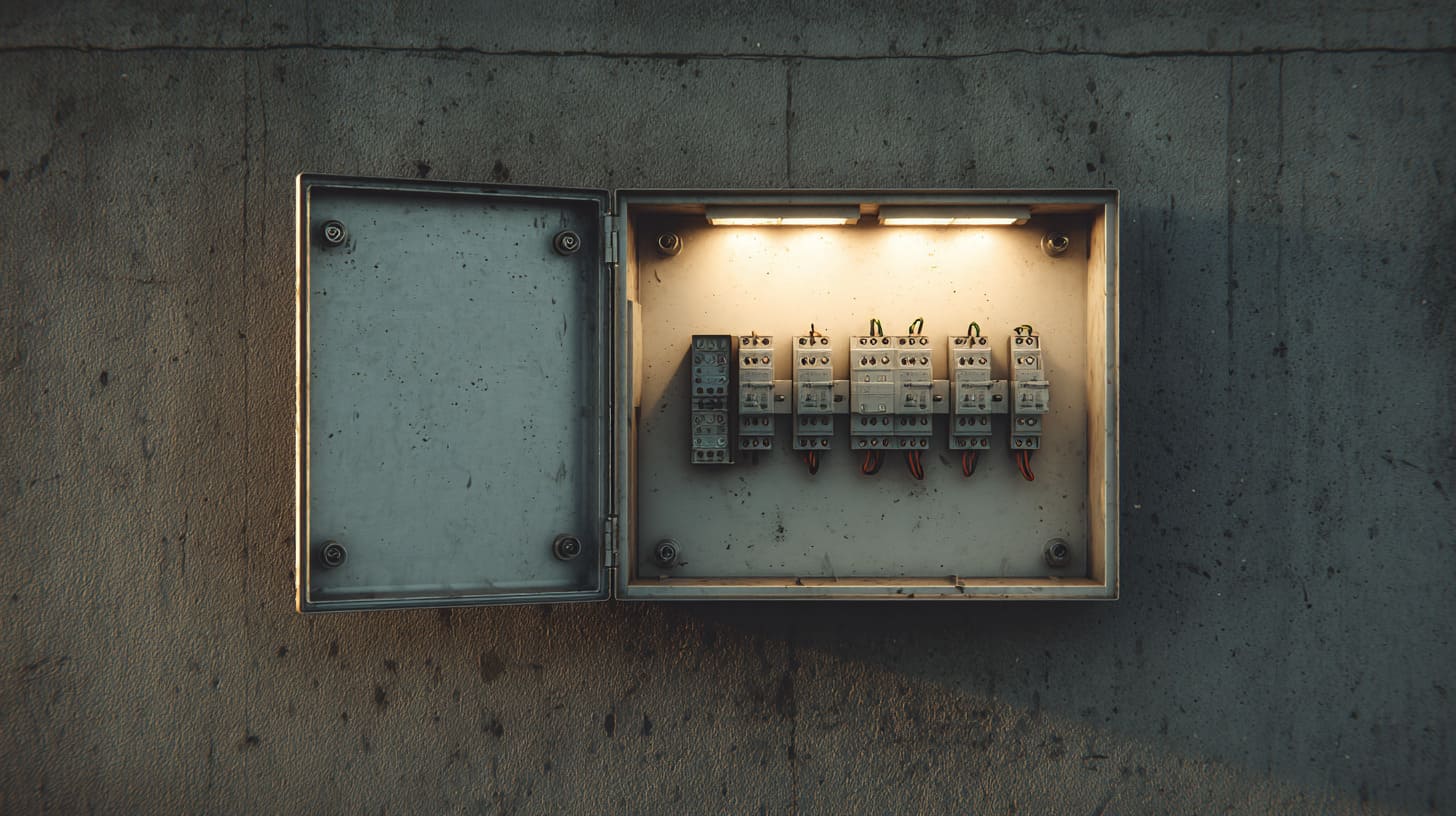
Let me share a scenario. A procurement manager orders a cheap plastic junction box for an outdoor industrial control panel. A year later, corrosion sets in, moisture finds its way in, wires loosen and the system fails—costing weeks of downtime.
In custom manufacturing and B2B settings (think OEMs, ODMs, distributors) the right selection—material, rating, size, environment—makes the difference between a reliable system and one that causes your customer endless headaches.
It affects safety, regulatory compliance, lifespan, cost of ownership. It impacts how your client sees you as a supplier.
As someone who runs a custom enclosure factory (hello—I’m Vincent Li from MaidaTech) I’ve seen cases where what looked like a simple box became the weakest link in a project.
My story: how I (Vincent Li at MaidaTech) helped a customer pick the wrong box and learned from it
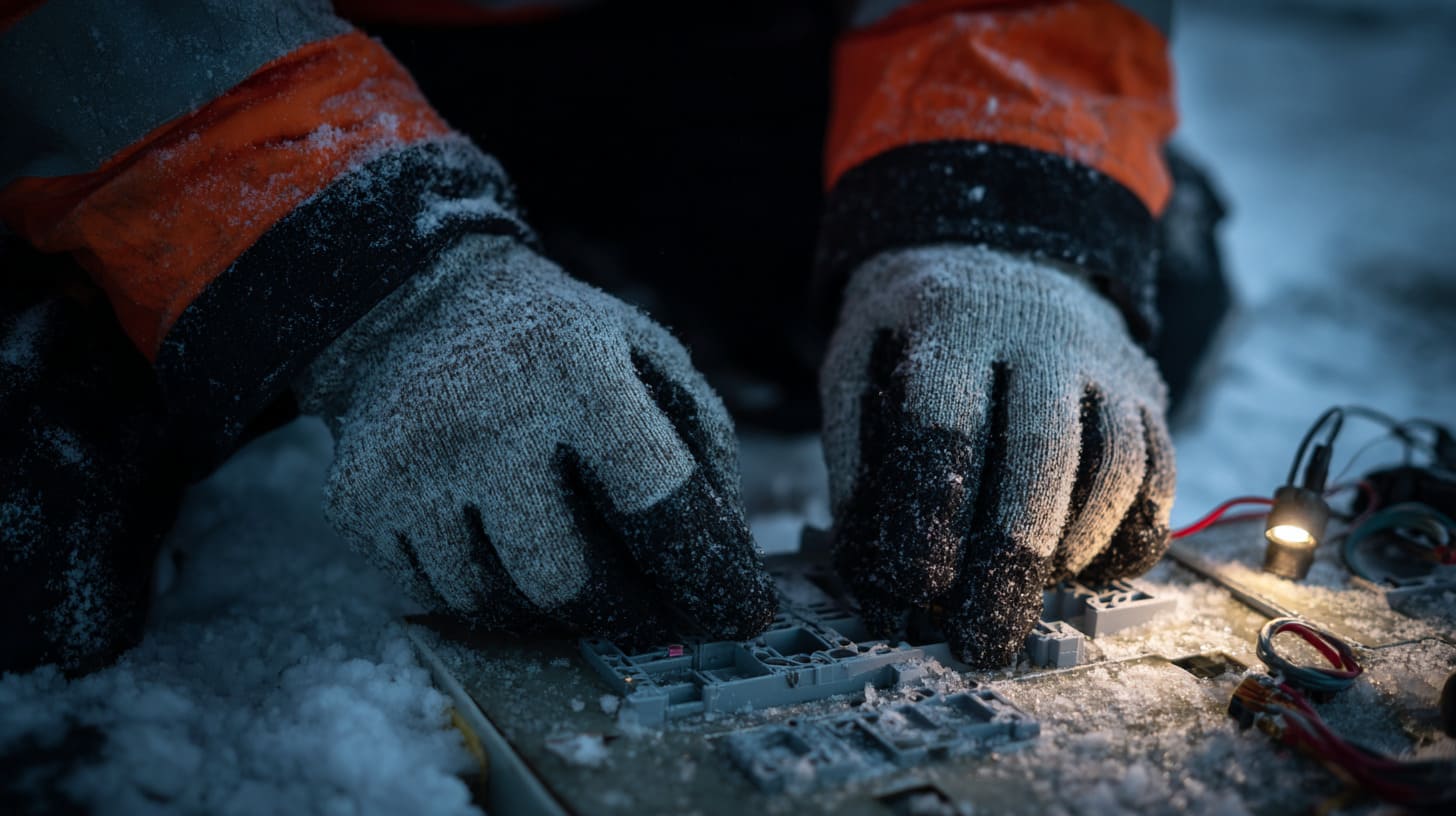
A few years ago, we had a customer in Europe who needed junction boxes for outdoor instrumentation. They asked for “just something weather‑proof”. We provided a mid‑priced plastic box with seals. After shipment, within six months some units failed: the cover seal loosened, moisture ingress happened, and they had to replace large batches.
We went back, analysed: the material didn’t hold up in cold winters, the rating was insufficient for overseas export conditions, and the wire‑fill inside was underestimated. It cost us trust and extra cost to fix. It taught me that every junction box order must be treated like a custom project, especially in B2B/industrial supply.
I tell this story because I want you (the engineer, the buyer, the distributor) to benefit from that lesson. Let’s dive into how to avoid that kind of mistake.
1. Understanding the key criteria for selecting a junction box
Material and construction – metal vs plastic vs composite
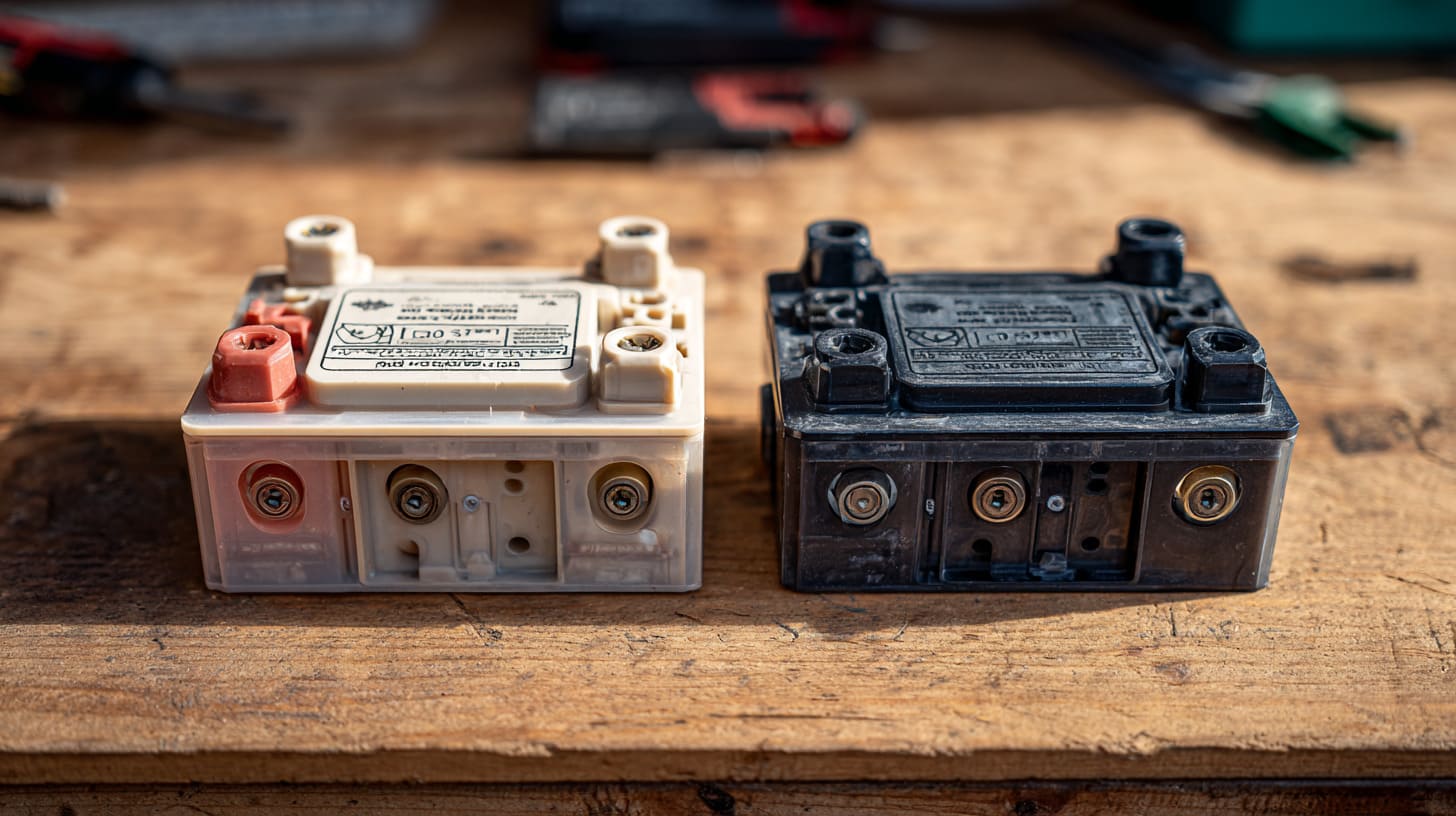
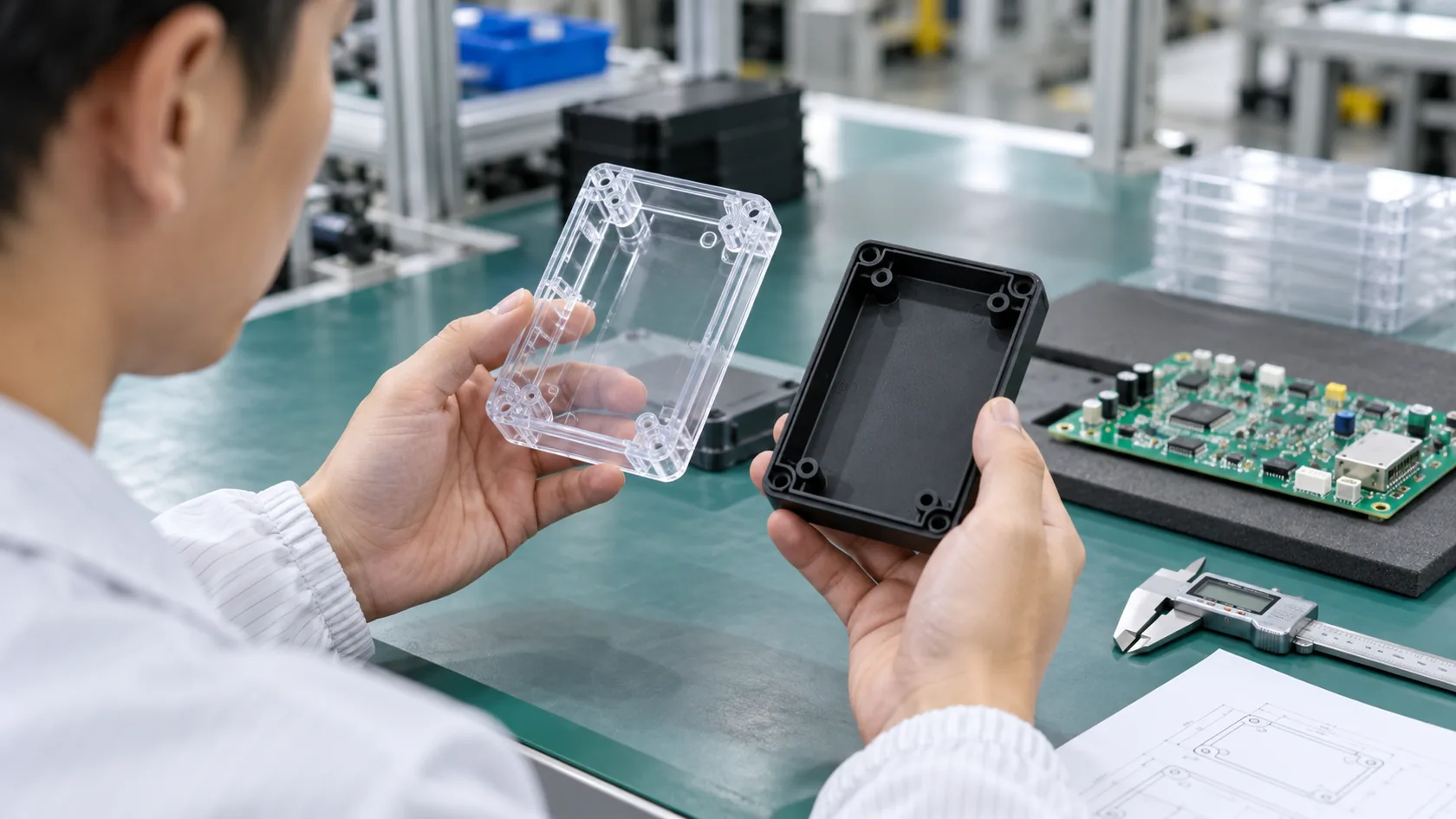
When you pick a junction box material, you’re making a decision that affects durability, cost, weight, shielding, corrosion resistance. I ask my customers: Will the box be exposed to the elements? Will it need grounding? Will weight matter?
- Metal (aluminum, steel): strong, good for shielding, robust in harsh environments. But heavier, and may cost more. Plastic: light, cheaper, easy to install—but less rugged, may not suit high‑heat or outdoor conditions.
- Composite/fiberglass: sometimes used for specialty environments (chemical, UV, extreme cold).
I often challenge buyers: don’t pick the cheapest material just to hit a price. Consider life‑cycle cost: if the box fails early, it costs more in the long run.
Size, capacity and wire‑fill considerations
Size matters a lot—even though it’s easily overlooked. If you cram too many wires or devices into a tiny box, you risk overheating, poor connections, maintenance nightmares.
Here’s a quick table I use when talking with customers:
| Factor | Why it matters |
|---|---|
| Wire count / splices | Each conductor takes space; overcrowded = risk of heat and short circuits |
| Box depth & setback | If too shallow, connectors may stick out; if too deep, mounting becomes bulky |
| Future devices | If you plan to add more sensors or wiring later, pick a box that allows expansion |
As a factory supplying custom enclosures, I always ask clients: What’s inside the box now and what might you add in 12 months?
Environmental and installation conditions (indoor/outdoor, temperature, corrosion)
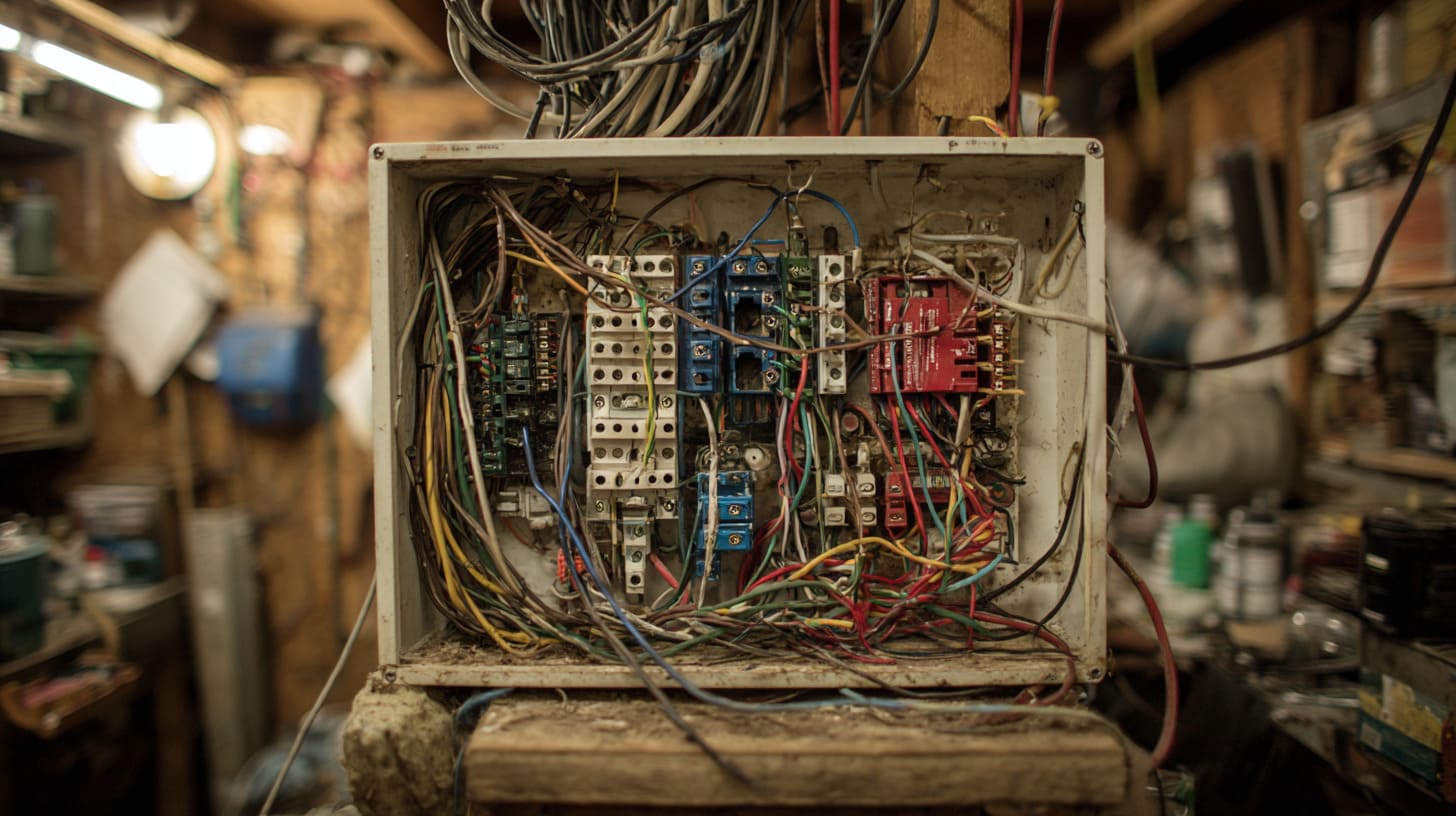
This is where many mistakes happen. A box that works fine indoors might fail outdoors under UV, rain, freezing, vibration, chemical atmosphere. Consider:
- Will it be exposed to moisture or outdoor rain?
- Will it face corrosion (salt air, chemicals)?
- Are there temperature extremes or rapid changes?
- Is it mounted in a panel, on a wall, or exposed surface?
When you ask these questions early, you avoid surprises like warping plastic, rusted hinges, failed gaskets.
Compliance, standards and safety (IP/NEMA ratings, code requirements)
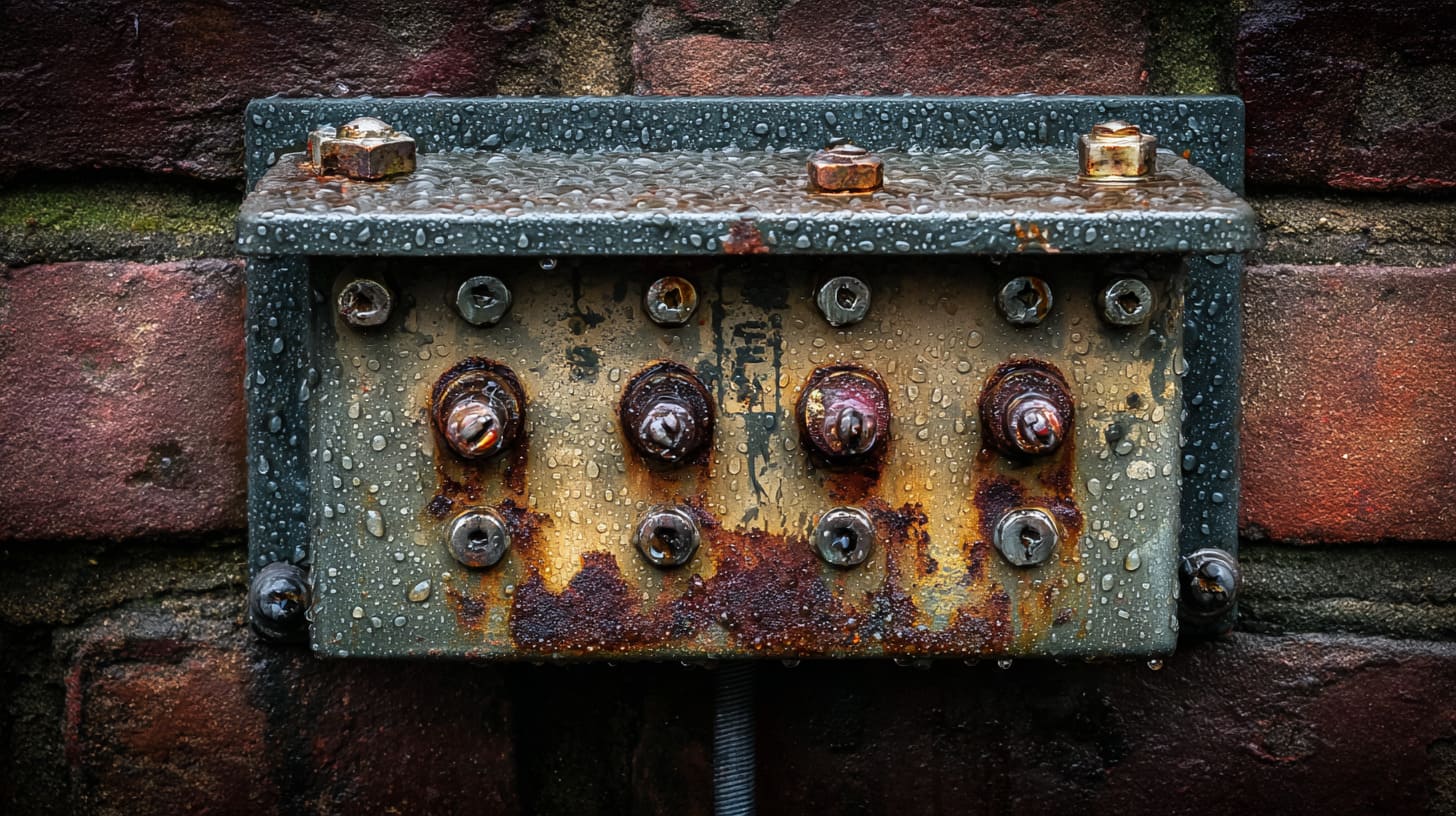
In industrial and export markets the standards matter. You can’t just pick any box and call it done. Customers in North America, Europe, Japan expect proper rating sheets and certificates.
- IP ratings (Ingress Protection): dust/water resistance.
- NEMA ratings (US): enclosure types for indoor/outdoor, corrosion, etc. :contentReference[oaicite:5]{index=5}
- Local building or wiring codes: e.g., the box must remain accessible, correct material if using metal conduit. :contentReference[oaicite:6]{index=6}
My tip: If you source from a Chinese factory (like ours) ensure they can supply test reports and declare compliance. It saves you headaches when your product ships to an overseas client.
Cost vs lifecycle trade‑off – what you pay now vs what you’ll save later
Finally: cost. But better phrased as: What does total cost of ownership look like?
A cheaper box might save you money upfront—but if it fails, you pay in downtime, replacement, reputation. On the flip side, an overdressed box might cost more than necessary.
Critically, think:
- How many units? (Wholesale volumes)
- Expected life‑span of project?
- Maintenance or replacement cost?
- Will customisation (branding, engraving, special coatings) drive cost anyway?
I often advise buyers: “Let’s pick the smart cost box, not the cheapest box.” Because for many of our B2B clients (wholesalers, Amazon sellers, etc.) the margin is thin and reliability is essential.
When you’re ready, we’ll move on to the next section: Types of junction boxes and their typical use cases—where I’ll share examples and help you visualise each scenario.
2. Types of junction boxes and their typical use cases
Surface‑mount vs flush‑mount boxes
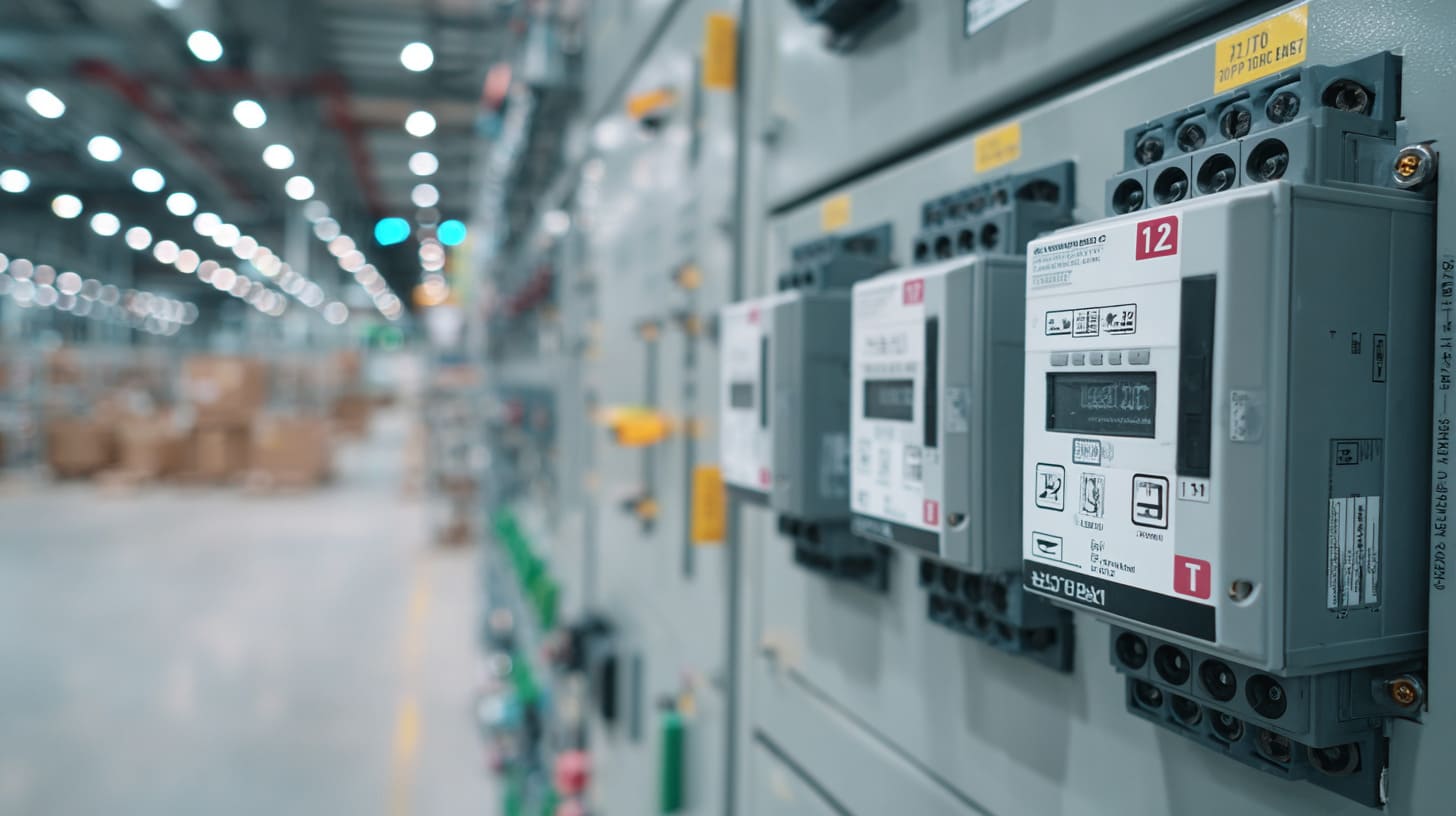
Let me paint you a scene: you walk into a factory floor, you see cables running along the wall, securing into boxes that sit visibly on the surface (surface‑mount). Next you enter a cleanroom control panel where boxes are recessed behind the panel face (flush‑mount). Both are “junction boxes” but the installation style, accessibility and aesthetics differ.
- Surface‑mount: quick to install, easy to access, ideal for retrofit or exposed wiring.
- Flush‑mount: cleaner look, protected location, good for panel or finished wall installations.
When you think about sourcing custom enclosures, ask: Which mounting style fits my application and my customer expectations? Because the box design (knockouts, mounting tabs, face finish) differs.
Indoor building wiring boxes (residential/commercial)
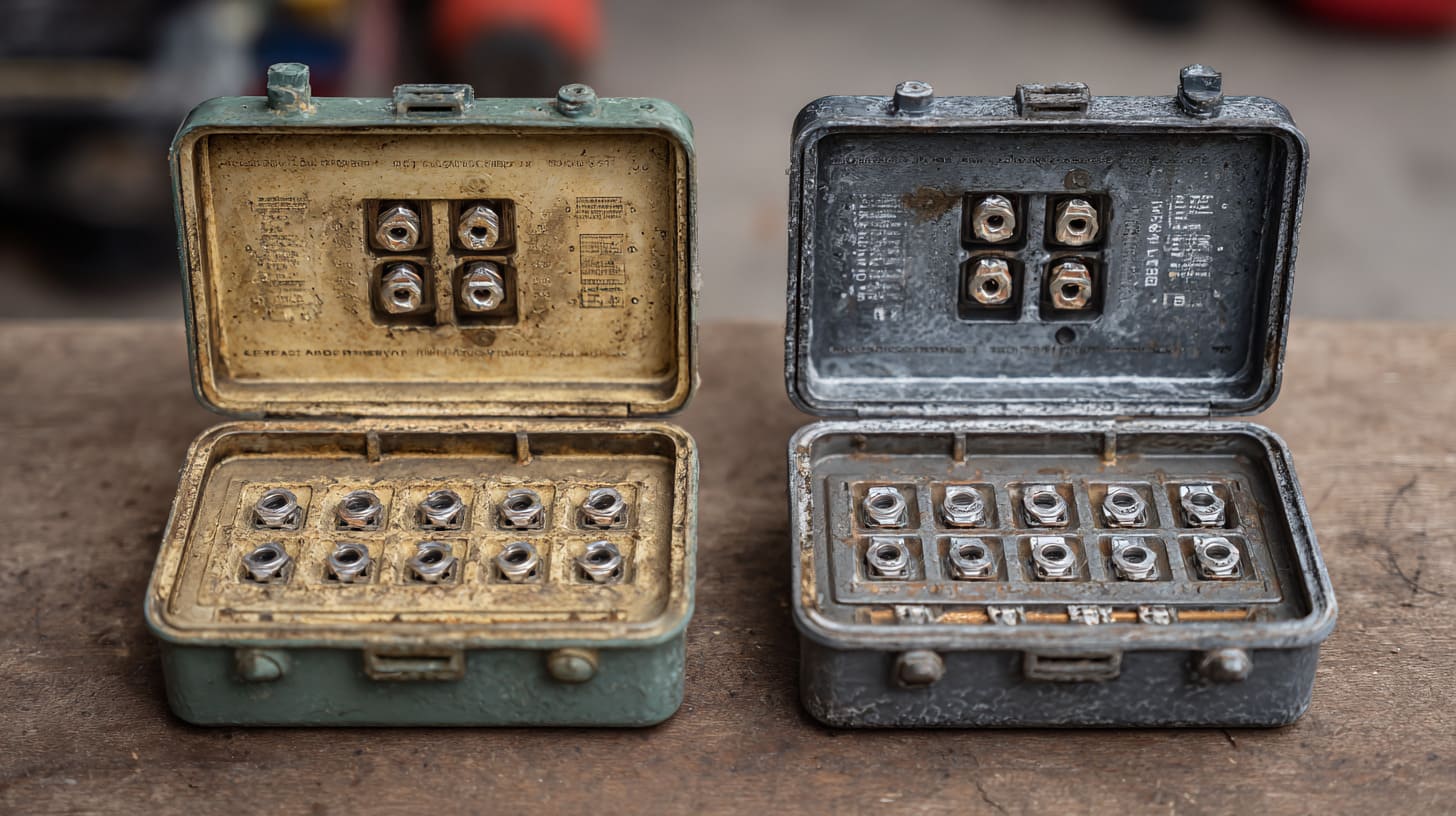
In an office or commercial building you’ll see standard typical boxes: single‑ or double‑gang, plastic or metal, behind drywall, inside walls or ceilings. The demands are moderate: finished appearance, ease of access, cost efficiency.
Sources emphasise the most common “junction box” concept is simply a standard electrical box used to house wiring connections.
Even for B2B custom enclosure buyers: if your product includes a small wiring junction inside a protected panel, this category often applies.
Outdoor/weatherproof junction boxes
Here’s where things get tougher. An outdoor junction box faces rain, UV, temperature swings, maybe dust or insect ingress.
Key features: weather‑resistant material, gasketed cover, appropriate IP/NEMA rating, corrosion resistant.
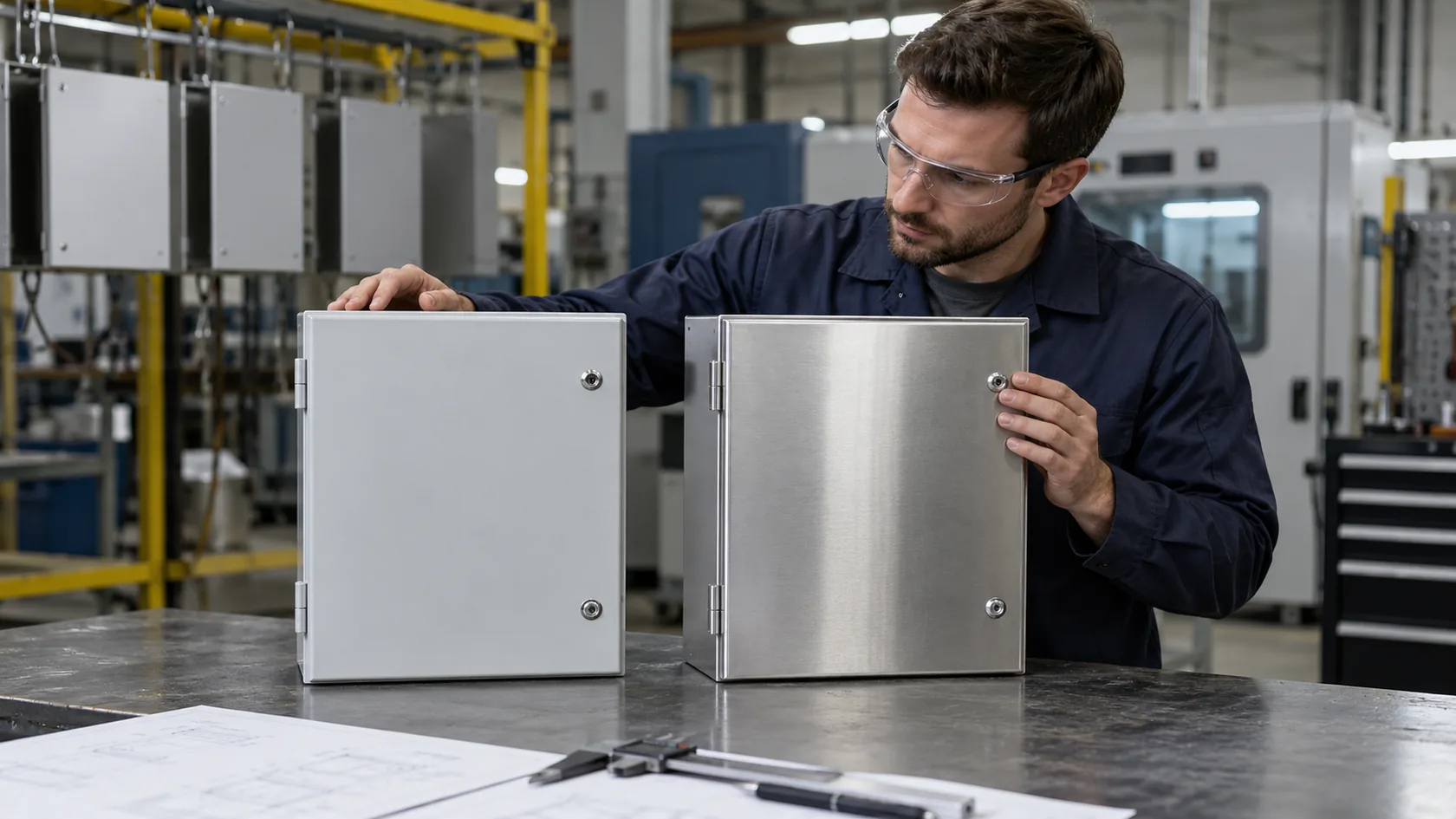
For example, a NEMA 4X rated metal enclosure with stainless hardware may be needed for outdoor export equipment. If you supply for customers in North America or Europe who will install outdoors—you must consider this.
Industrial / harsh‑environment boxes (corrosive, high temp, explosion‑proof)
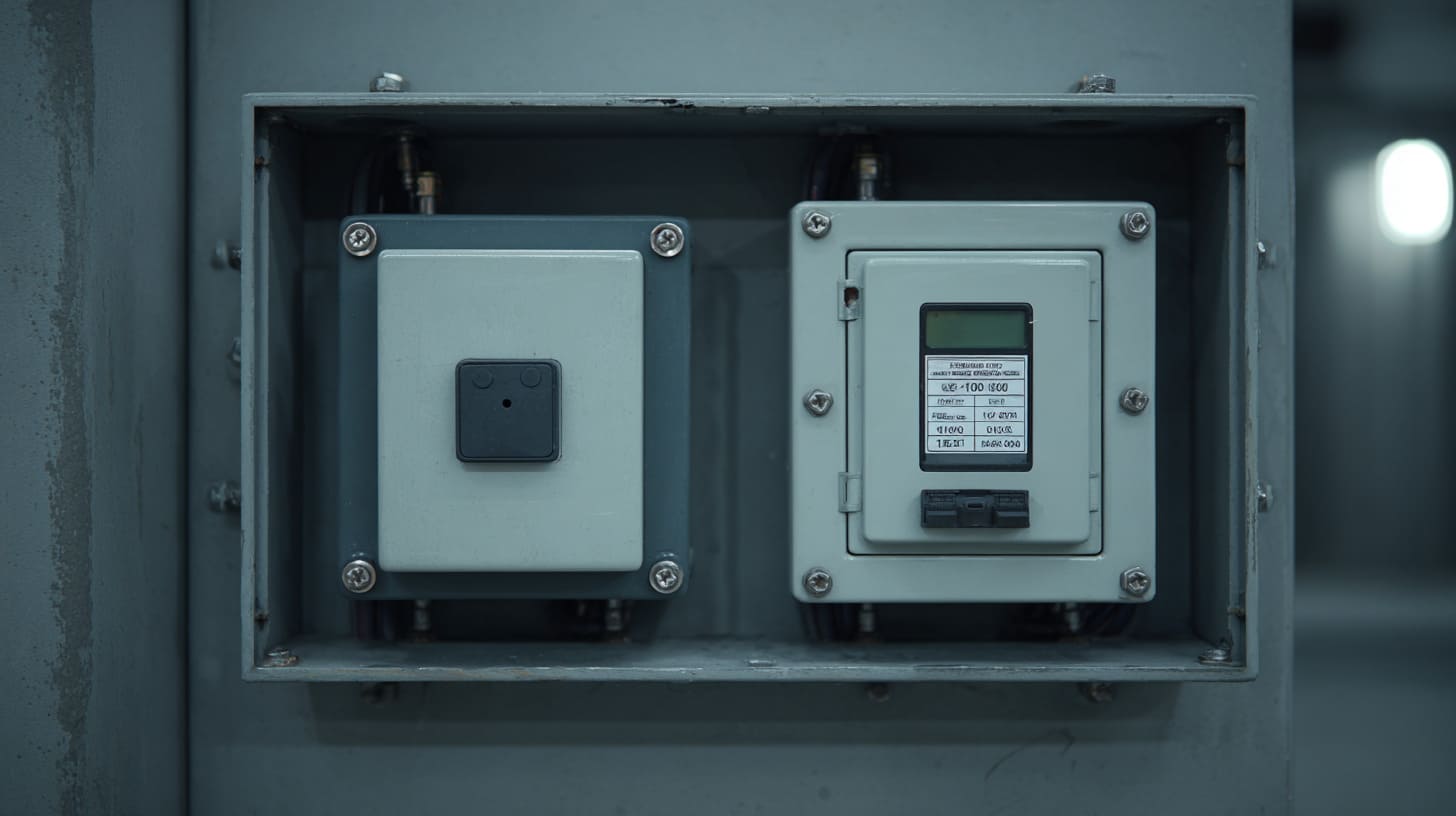
Now we move into the heavy stuff. If your customer’s application includes chemical plants, offshore platforms, high‑temperature motors or explosion‑hazard zones—then you require specially designed junction boxes. These are not “just ordinary” boxes. They may need stainless steel, special seals, explosion‑proof certification, thicker walls, shock/vibration resistance.
As a supplier of custom enclosures, we often see OEMs and distributors asking: Can you make this junction box suitable for -40°C to +70°C, salt spray 1000 h, IP69K, etc. It adds cost—but if you get it wrong you pay far more.
In your buying brief, ask: What environment exactly? What hazards? What maintenance cycle?
Specialty boxes (solar junction boxes, instrumentation junction boxes)
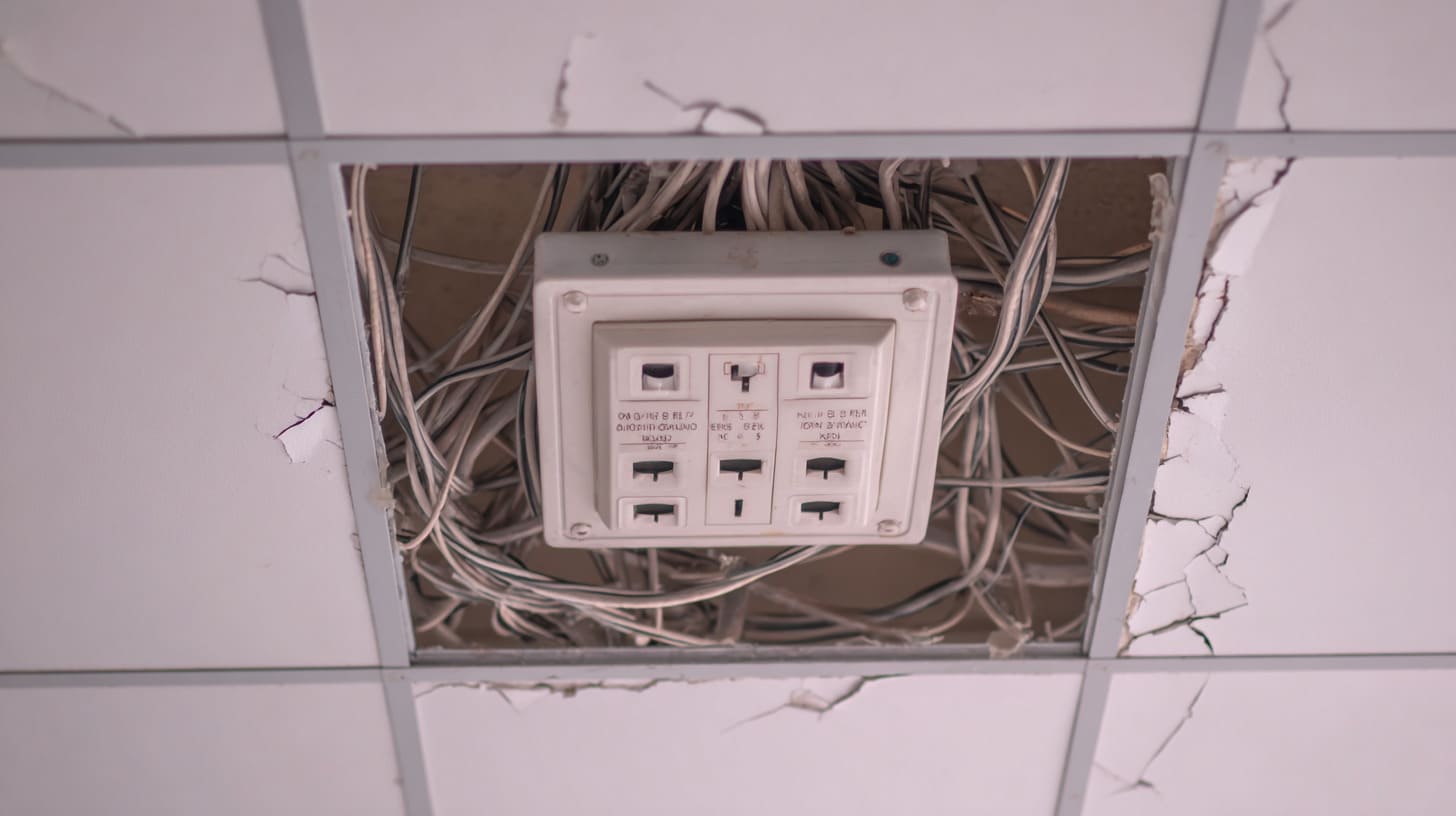
Then there’s the niche. Solar panel junction boxes, instrumentation junction boxes, boxes for IoT sensors, boxes built into lighting fixtures—they all come with special constraints: size, thermal management, custom knock‑outs, branding, mounting orientation.
If your customer is designing a new product (think our typical ODM buyer John from Hungary) they’ll want a junction box that fits their board, their form factor, their brand. That’s when custom options and OEM/ODM services come into play—something we specialise in at MaidaTech.
At this point, stay tuned—we’ll now shift to the next key area: Matching your application: questions to ask before specifying.
3. Matching your application: questions to ask before specifying
What wiring or components will go inside? (number of wires, splices, devices)
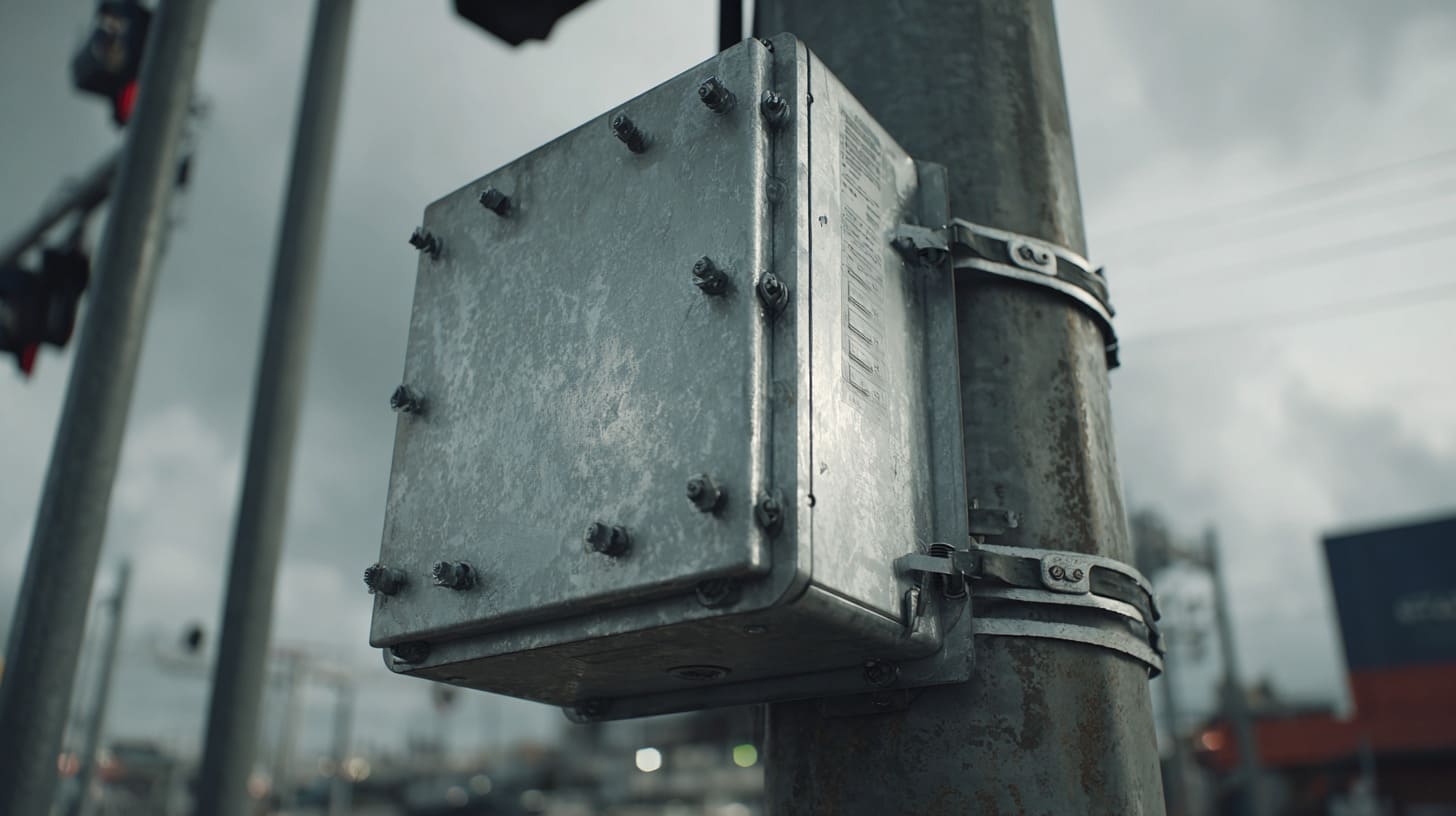
When I talk to buyers, I always say: “Tell me what’s going in the box.” Is it just a few wires? Or does it contain a small PCB, terminal blocks, sensors, connectors, a fan? The number of connections and devices drives the internal layout, box size, clearance, heat dissipation.
Ask:
- How many cables/cores?
- Are there devices (relays, PCBs) inside the box or just splices?
- Is there space for future wiring?
This question forces you to think ahead and avoid the “just small box now, add later and then we run out of space” trap.
What environment will it face? (moisture, dust, UV, mechanical abuse)
We already touched on environment in a previous section, but here I urge you to specify it precisely for your supplier.
- Will the box be outdoors? Under cover or fully exposed?
- Is there dust, airborne particles, salt spray?
- Will there be vibration, impact, mechanical knock‑ons?
- What temperature range will it face?
The more you disclose the environment, the better the factory can select material, seals, mounting features and anticipate failures before they happen.
What mounting or space constraints exist? (wall, ceiling, panel, exposed)
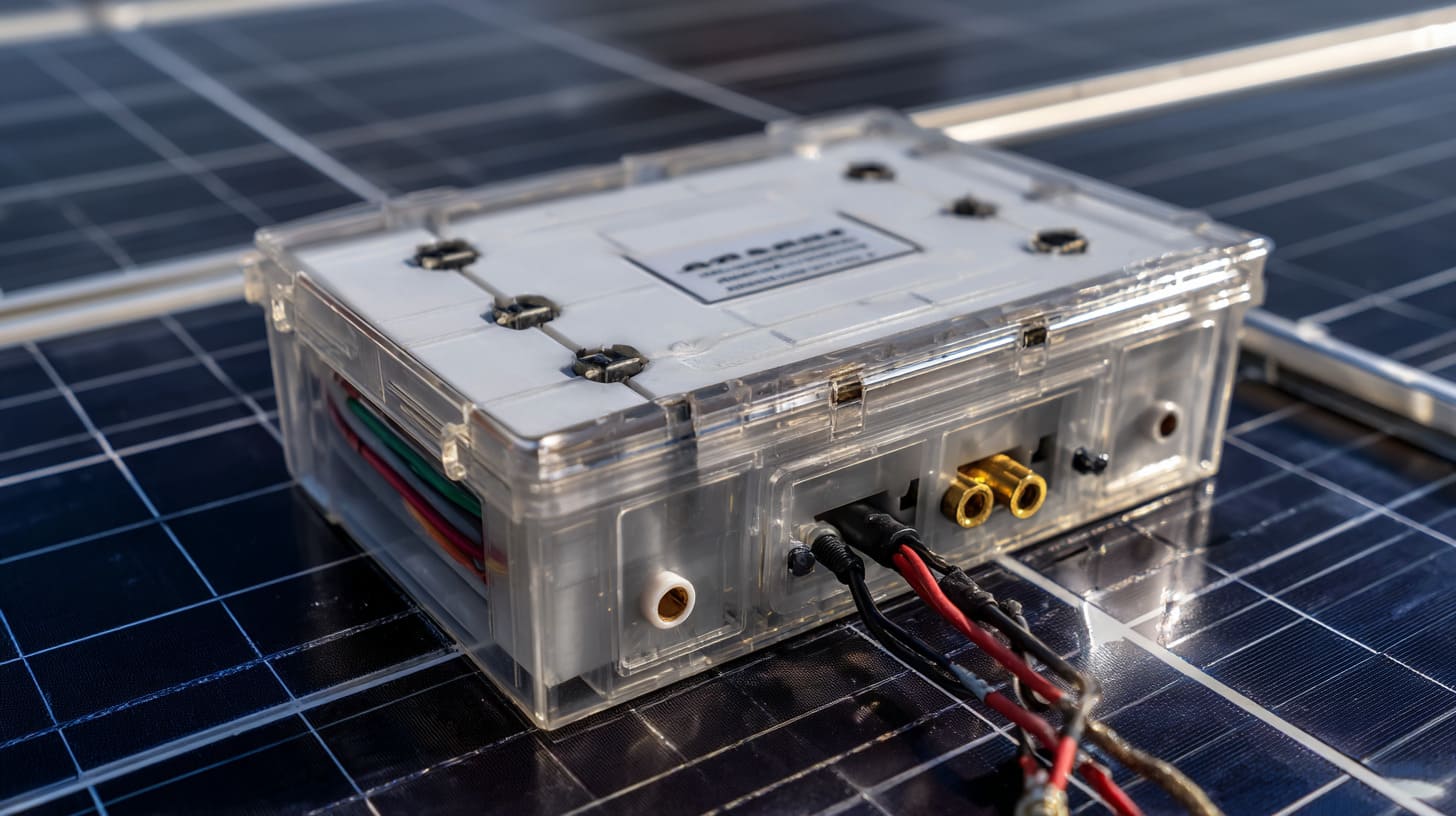
Sometimes the box must fit into a tight panel space. Or it needs to mount on a curved surface. Or sit in a control cabinet with only a few mm clearance. These constraints affect box design: mounting holes, external shape, footprint, knock‑out locations.
In our custom enclosure work at MaidaTech we ask: What space do you have? Can you send a drawing? Because if a box is physically too large or the mounting isn’t right the project can stall.
Future‑proofing: can you allow for expansion or modification?
Here’s a thought I mined from years of project work: Build for today—plan for tomorrow.
If your customer might add sensors, upgrade firmware, wire more cables—then pick a box that allows margin.
Some of my clients regret using a minimal box because “we’ll just add one more cable next year” then they find no knock‑outs, no spare space, and change means replacing everything.
Better: design in spare volume, spare knock‑outs, and access for assembly and maintenance.
Supplier/manufacturer considerations – quality, customization, support
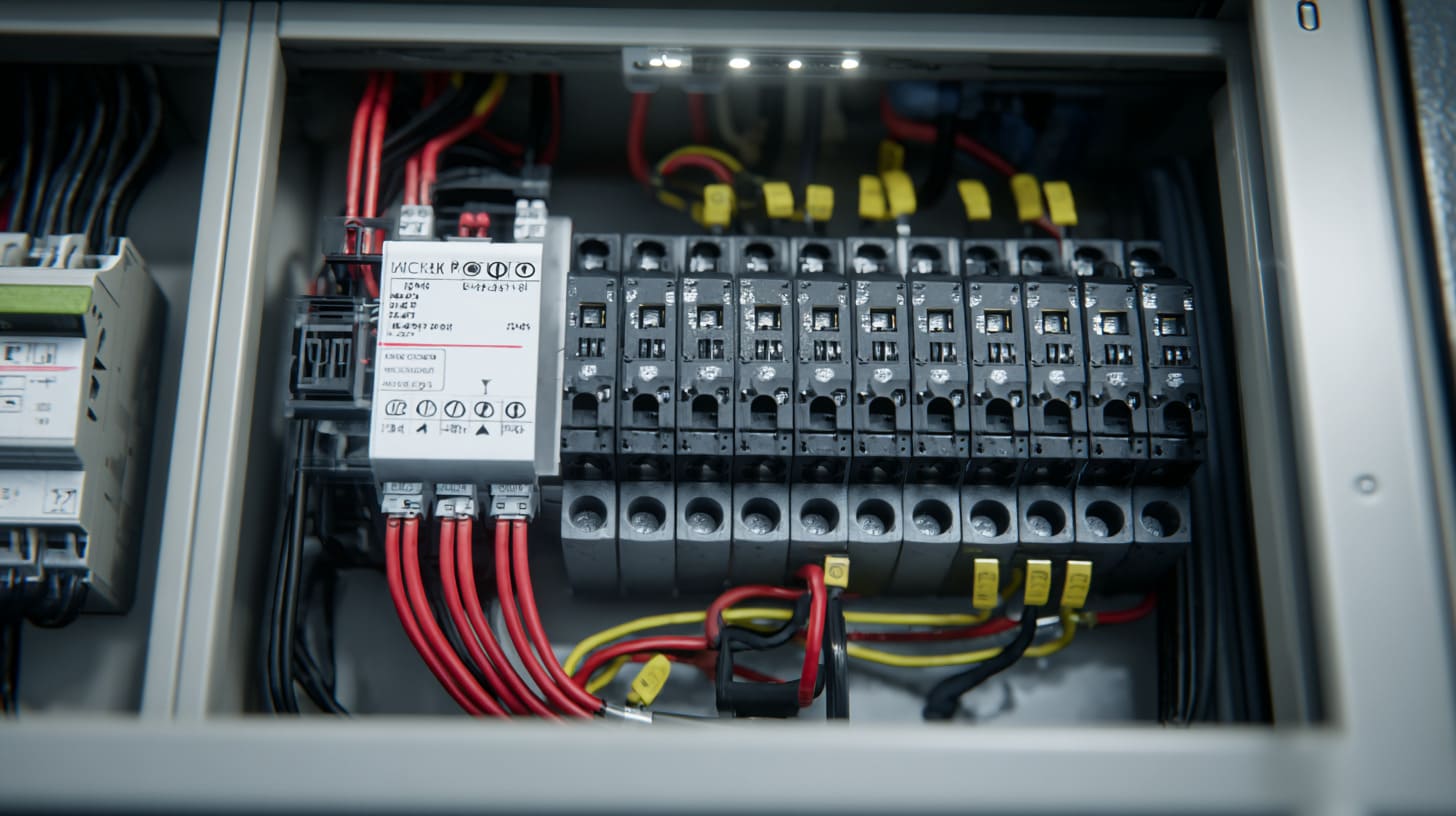
Finally—and this is close to me because this is our business—pick your supplier carefully. Custom junction boxes (and enclosures) need:
- Clear communication and drawings
- Ability to customise: printing/engraving logos, custom packaging, re‑design if needed
- Good lead time, able to hold stock or fast production
- Strong quality control and documentation (especially for export markets)
If the supplier is slow, unresponsive, or lacks experience with custom B2B orders—your project may hit delays or costs. I tell clients: it’s not just “which box” but “who makes it, how they support you, how they ship and document it”.
Next up: we’ll look deeper into one key topic for buyers like you: Material choice deep dive for custom enclosure buyers.
4. Material choice deep dive for custom enclosure buyers
Pros and cons: metal (aluminum, steel) vs plastic (PVC, ABS) vs fiberglass/composite
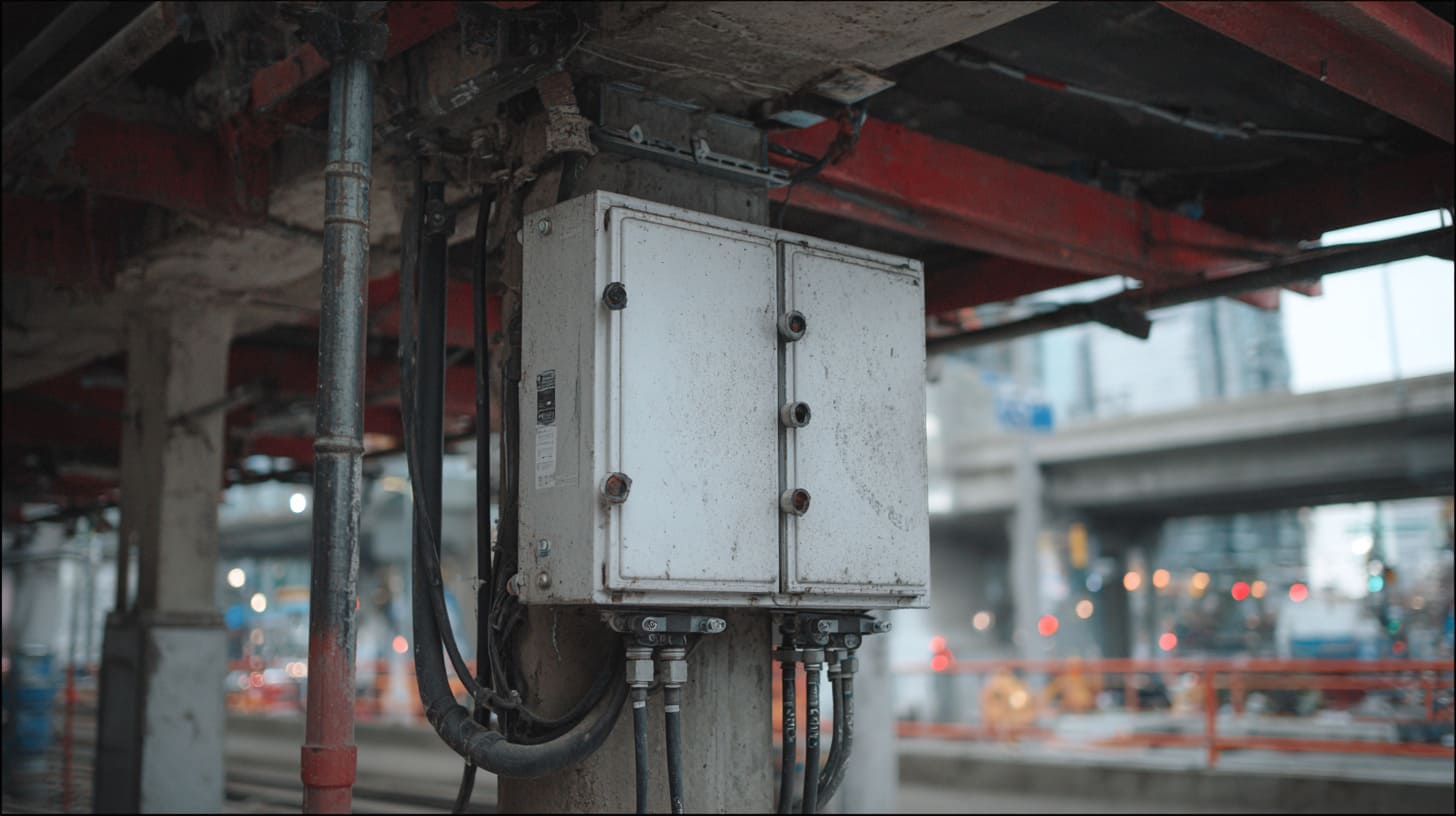
Let’s zoom in. I often see confusion when buyers think “plastic = cheap = ok” without examining trade‑offs. Here’s a breakdown:
| Material | Advantages | Disadvantages |
|---|---|---|
| Aluminum/Steel | Strong, durable, good for shielding/grounding, robust in harsh or outdoor environments | Heavier, more costly, may need surface treatment/coating |
| Plastic (PVC, ABS) | Lightweight, lower cost, easy to machine/mold, non‑conductive | Less rugged, may degrade under UV or heat, limited shielding, may not be suitable for certain export standards |
| Fiberglass/Composite | Excellent corrosion resistance, good strength, suitable for harsh chemical/UV exposure | Higher cost, less common, may have limitations in finish or customisation |
Materials articles confirm: choose material based on environment and application—not just cost.
From a custom enclosure factory viewpoint, I always ask: What’s the expected life? What environmental stress? Does the box need shielding or aesthetic finish?
Corrosion, grounding and shielding issues – when metal is essential
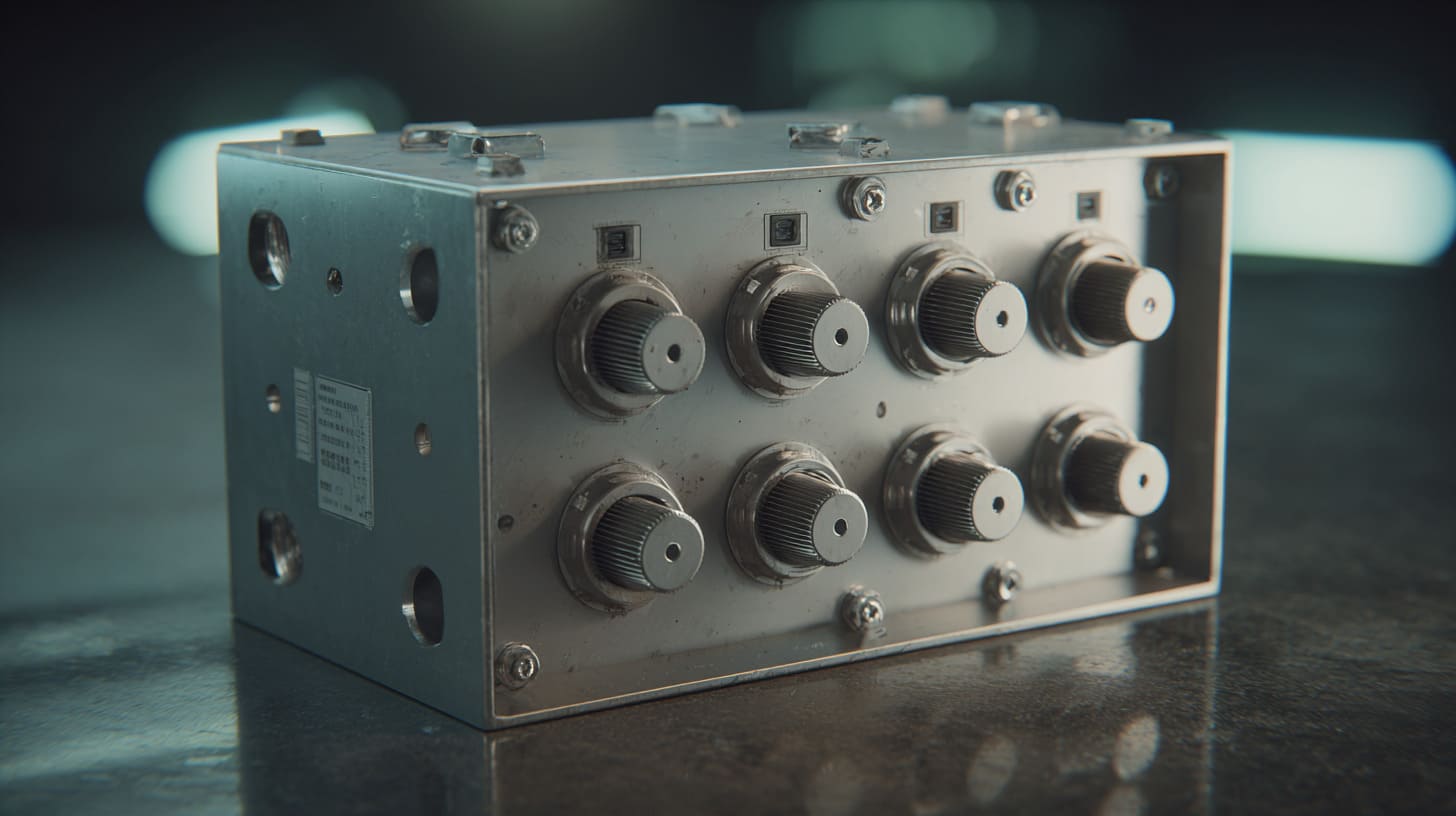
Here’s a real‑world angle: A customer making networking equipment for outdoor use tried a plastic box. The system overheated because the plastic didn’t dissipate heat and shielding was poor. They switched to aluminum with internal heat spreader, and the reliability improved.
If your junction box application involves grounding, EMI/EMC shielding, or severe corrosion (salt air, chemical fumes) then metal becomes not just an option—it’s essential.
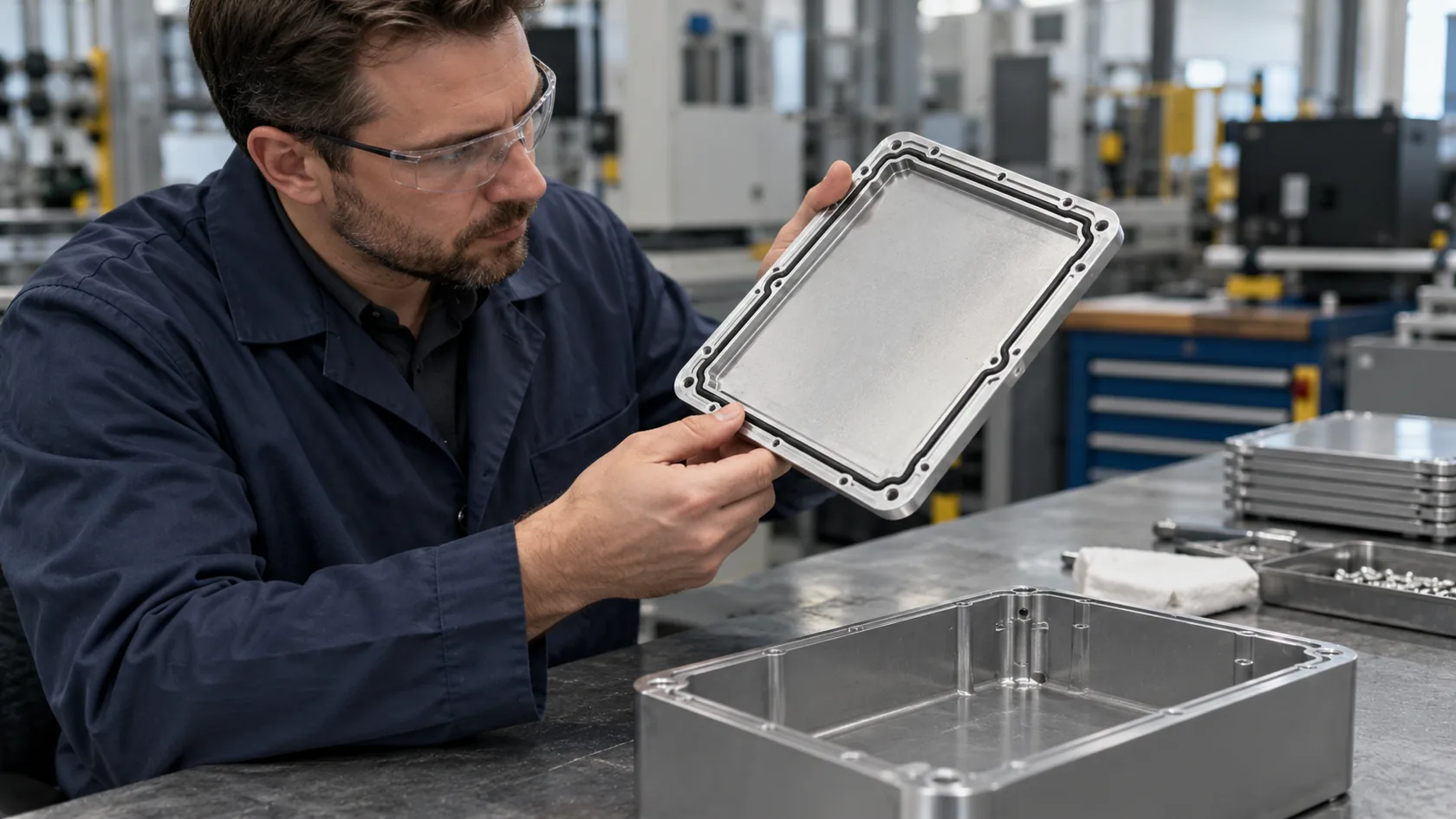
In our factory conversations we emphasise: metal boxes require correct surface treatment (anodising, powder coating), proper gasket sealing, and often special fasteners. Don’t skimp.
Thermals, heat dissipation and electrical clearance – what matters for heavier duty boxes
Especially in industrial or export‑market junction boxes, there may be heat generated inside: power supplies, transformers, terminals. The box material and design must allow for heat dissipation and safe clearance.
Plastic might insulate heat and lead to higher internal temperatures. Metal will help radiate heat away. Also internal electrical clearances matter—spacing between conductors, proper knock‑outs, ventilation if required.
I remind buyers: Ask the question: how hot will the inside of the box get? If you don’t, you risk reliability problems.
Customisation/branding opportunity – how material affects logo, engraving, finish
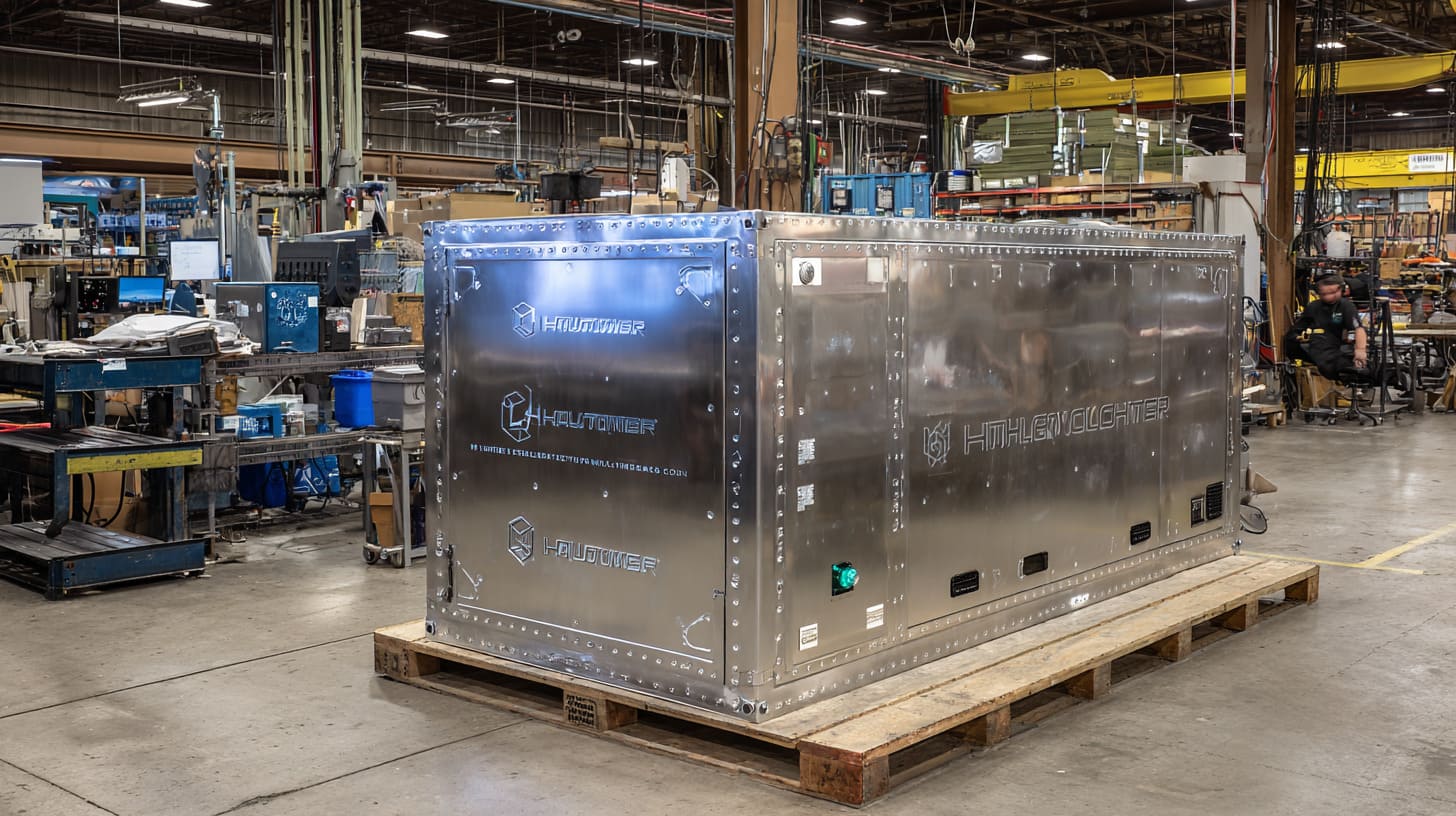
You may be a purchaser re‑branding enclosures for your market (like our client Jackson in Germany). The material you choose affects how easy it is to add branding, finish, engraving.
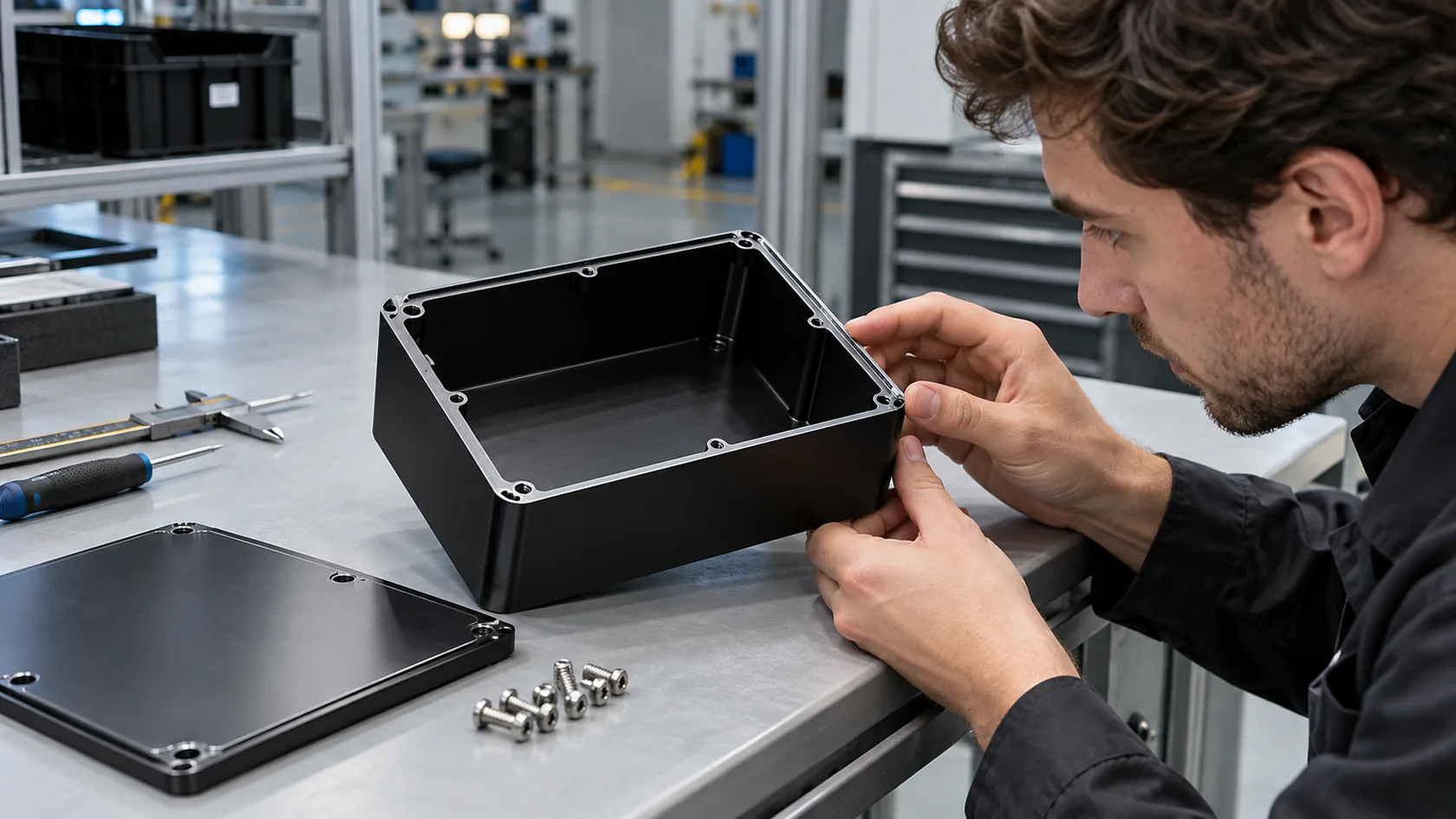
For example: aluminum allows laser engraving or anodised logos. Plastic may allow moulded logos or printing but might age differently. Fiberglass may limit surface finish options.
From our perspective at MaidaTech: when a buyer asks for custom colour, engraving or custom packaging, we factor in material effects, cost and lead time.
So, if you’re sourcing custom junction boxes, make sure the material supports the branding and finish you want. Don’t treat branding as after‑thought—it must be integrated.
For B2B OEM/ODM: why you, as a buyer, should talk to your enclosure factory (like MaidaTech) about material options
Because you’re not buying off‑the‑shelf—you’re buying custom. So material conversation matters early.
I tell my clients: send your design, your functional requirements, your environment conditions plus your branding/finish expectations. Then let’s pick material together.
At our factory we emphasise: “If you tell us only dimension and colour, but not environment or wire count, we might pick plastic and you’ll regret it in six months.”
In short: don’t skip the material talk. It’s part of your specification, part of your negotiation (cost vs performance), and part of your risk mitigation.
Now that you understand material deeply, let’s move into good practices on sizing and volume—because a perfect material with wrong size is still a wrong box.
5. Size and volume calculation: avoiding common mistakes
Wire‑fill rules and conductor capacity (why box size matters)
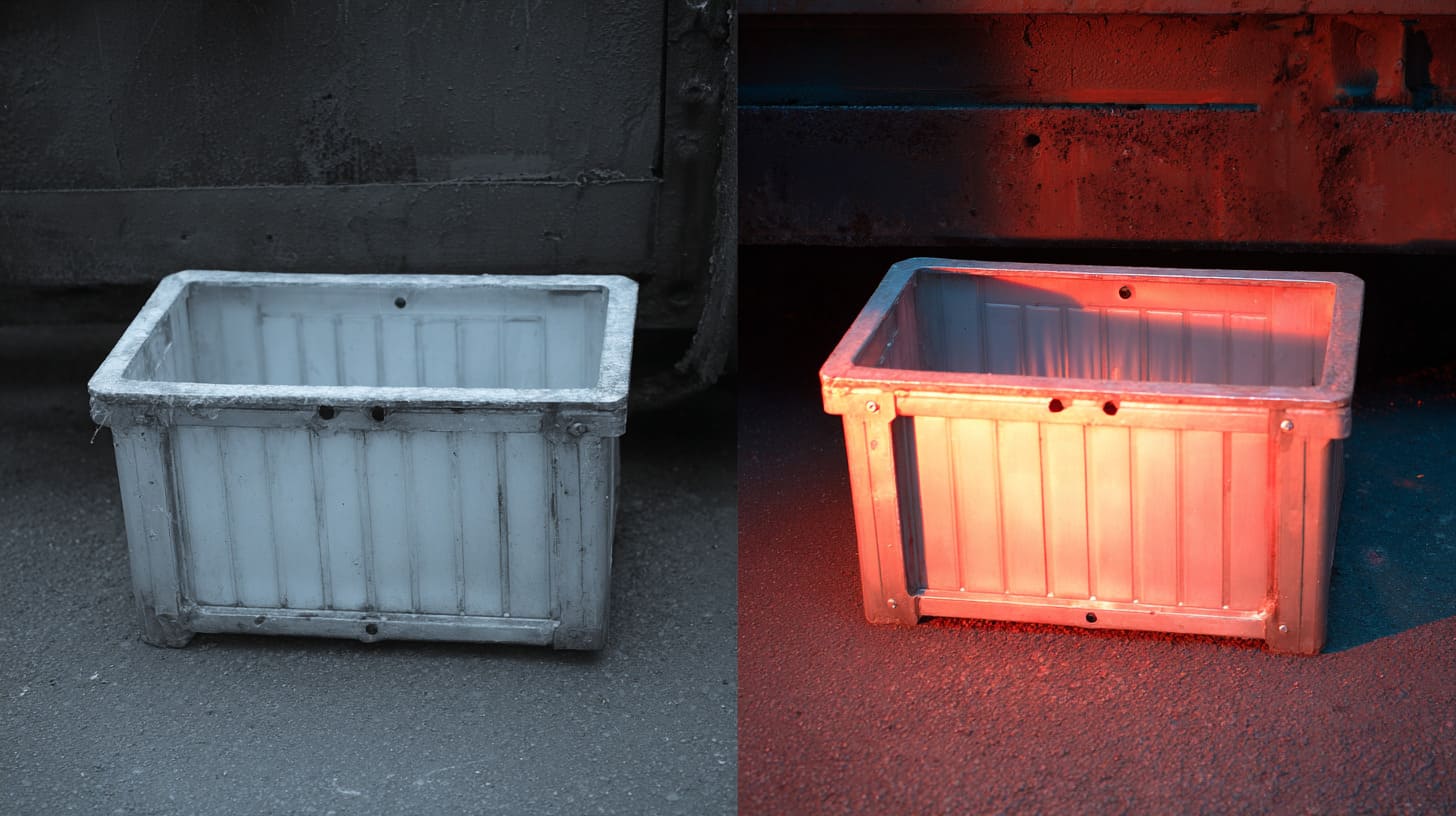
Sizing is one of the least glamorous but most failure‑prone aspects. If you undersize the box, you risk overheating, shortcuts in wiring, difficult maintenance. And yes—industry forums discuss this rigorously. :contentReference[oaicite:10]{index=10}
Here are touch‑points:
- Each conductor adds a certain volume requirement.
- Devices (like terminal blocks, transformers) take up volume too.
- Sometimes you must comply with local code (e.g., NEC in US) for box fill.
So when you quote a custom junction box, make sure you supply your wire count, device count, splices, future expansion. Ask the factory: What’s our minimum volume? What depth/width do we need?
Depth, setback and accessibility – ensure maintenance access
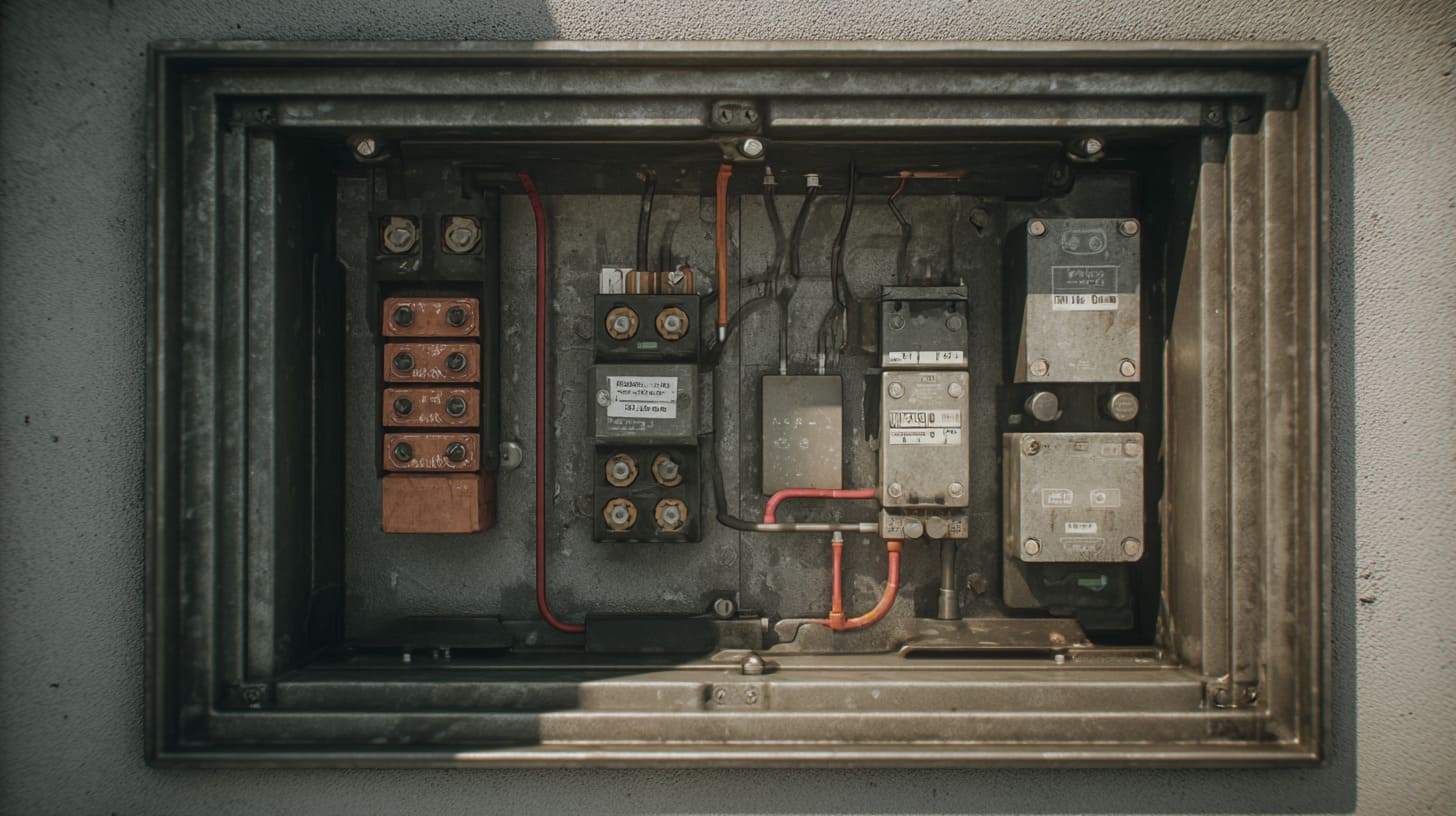
It’s not just width & height. Depth matters. If you mount a box too shallow, wiring may bunch up, multiterminals stick out, covers may not close properly. On the flip side, too deep may make installation bulky or clash with panel design.
Setback (how far from finished wall or panel surface) also matters for access and cover clearance.
When I visited a client’s site in North America, their maintenance tech complained about ‘tight box’—he couldn’t reach splices inside. That means future servicing costs more.
So I recommend: ensure your spec includes maintenance clearance. Consider future servicing, not just initial install.
Multi‑gang or multiple device boxes – anticipating future adds
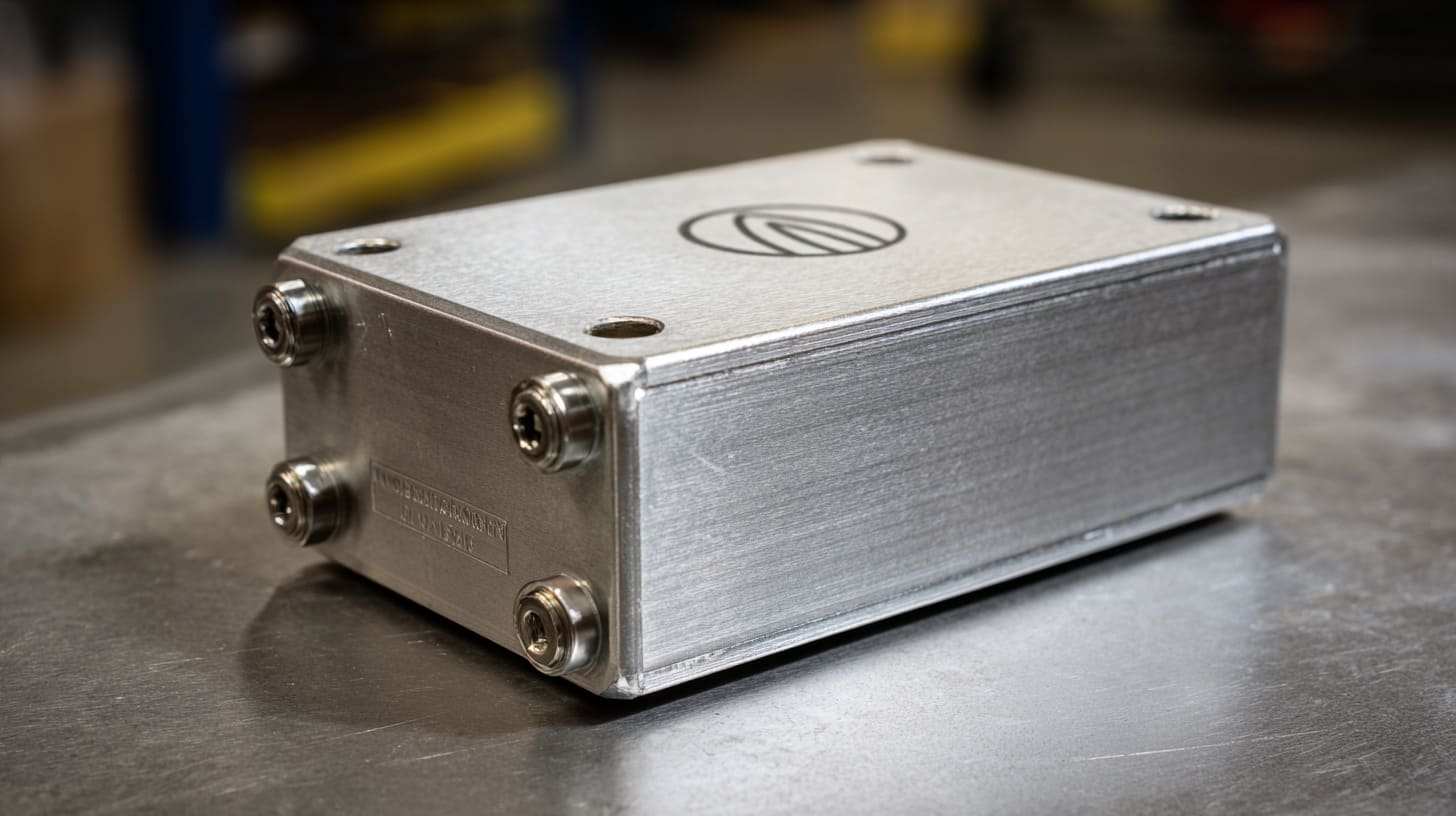
If you believe you’ll add more devices or wiring later (and many of our B2B clients do), plan for multi‑gang or larger volume now rather than retrofit later.
Example: you specify a junction box for 3 sensors now. But six months later you add two more sensors. If the box was too small, you’ll either have to abandon the box or rebuild it.
In our custom enclosure business we often propose a modest “future proof margin” (say +20% volume) for such cases. It costs little more, but saves a lot later.
Practical tips: oversizing vs too tight – when bigger is safer
Here’s a rule of thumb I share: Undersize to your cost risk, oversize to your future proofing.
Better to choose a box slightly larger (within reason) than too tight. Being too big might waste some space or cost slightly more upfront—but being too tight leads to risk.
But don’t go to extremes: an enormous box for a tiny application adds cost and may create other issues (heat, ingress, aesthetics). Balance is key.
Case study: A project where wrong size box caused issues, and how we fixed it

A client in Europe had ordered junction boxes for a monitoring module. They designed it with 4 wires inside and selected a compact box. Six months later they added a battery backup inside the same box. Suddenly the wiring was crowded, the cover didn’t close flush, technicians complained, lead time for maintenance went up.
We revisited: we designed a custom enclosure with extra depth, knock‑outs for future wiring, better access for maintenance, and a small cost premium. The client appreciated not only the fix but the foresight.
This story reminds you: Sometimes paying a little more now avoids paying a lot later.
Okay—next up we’ll look at environment & rating considerations for industrial/export scenarios. This is where many B2B purchasers stumble, so stay tuned.
6. Environmental & rating considerations in industrial/export scenarios
IP and NEMA ratings: what they mean and when they apply

Let’s talk ratings. These are the safety & protection standards your junction box must meet depending on application.
- IP rating (Ingress Protection): two digits where first digit = solids (dust) and second digit = water protection.
- NEMA rating (US): defines enclosure types (1, 3R, 4, 4X, 6, etc) for indoor/outdoor, corrosion, weather.
If you’re exporting to North America or Europe, your customer may require certain rating proof, test certificates. As a buyer you must ask: “What rating do you require? Does the supplier provide test reports?”
Failing on rating = risk of rejection at import, disruptive audits, lost business.
Outdoor vs indoor: UV, water ingress, temperature cycles
Earlier we touched on environment, but here’s the nuance: outdoor exposure adds UV, rain, snow, wide temperature swings, sometimes ice or salt air.
For indoor you may be in a controlled panel room—needs are simpler. But for export machines used worldwide, you should assume worst‑case unless clearly specified.
For example: UV can degrade plastic over time; metal with cheap coating may rust; gaskets may fail if temperature cycles are large.
In our factory we ask export buyers: What climate zone will the box be in? Will it face direct sunlight? Will it see condensation? This helps select proper sealing and coatings.
Corrosive or mechanical environments: choosing stainless, aluminum or specialty coatings
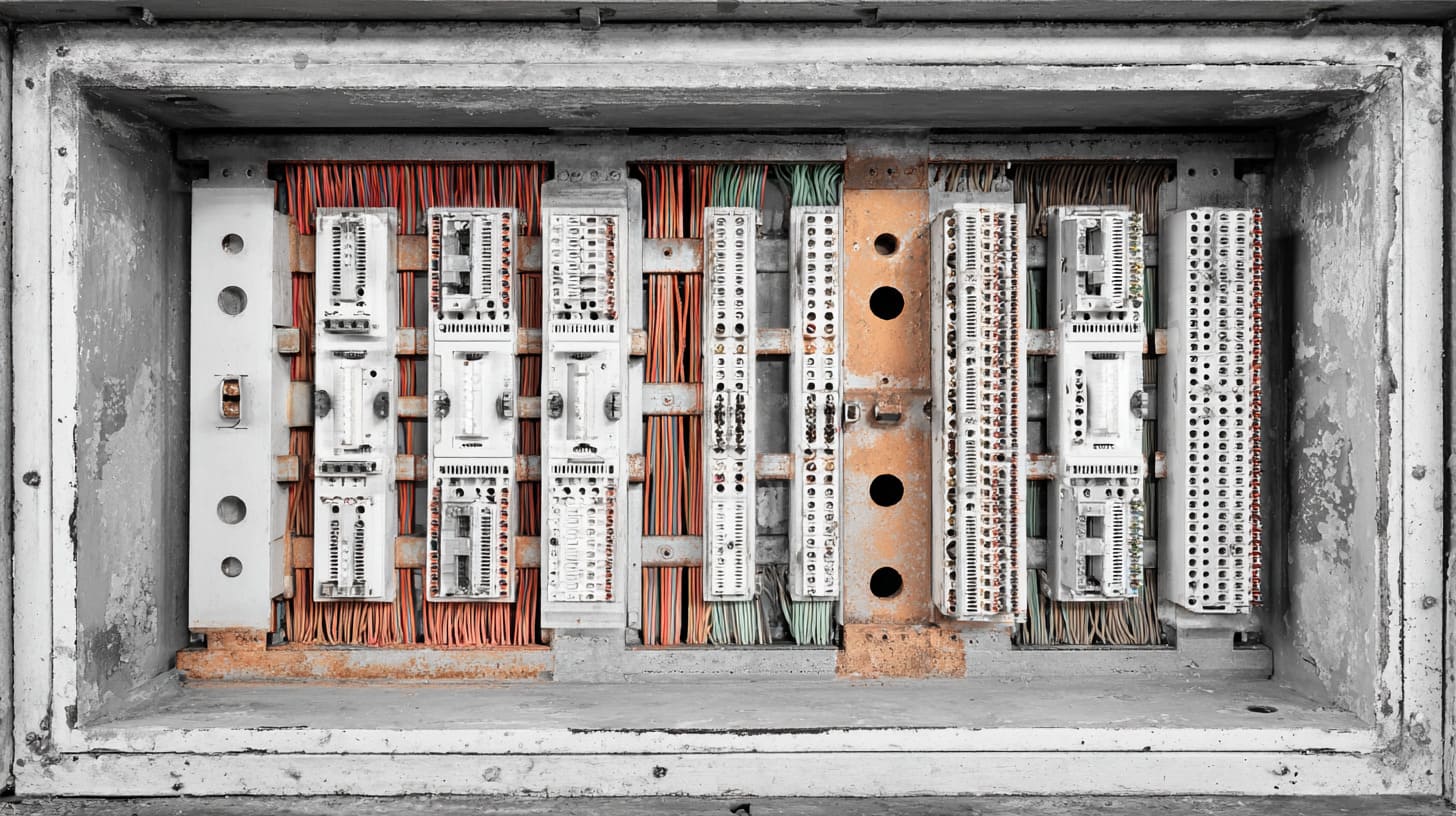
In factories, chemical plants, offshore rigs, the enclosure may face chemicals, salt spray, strong vibrations. That changes everything.
In such cases: stainless steel or aluminium with special coating may be required. Plastic may simply degrade. Fasteners must be corrosion‑resistant too.
My advice: if your customer mentions “chemical, offshore, salt” treat it as a red flag to upgrade specs, get a premium build, higher price—but far less risk.
Global export markets: what standards buyers in Europe, North America, Japan expect
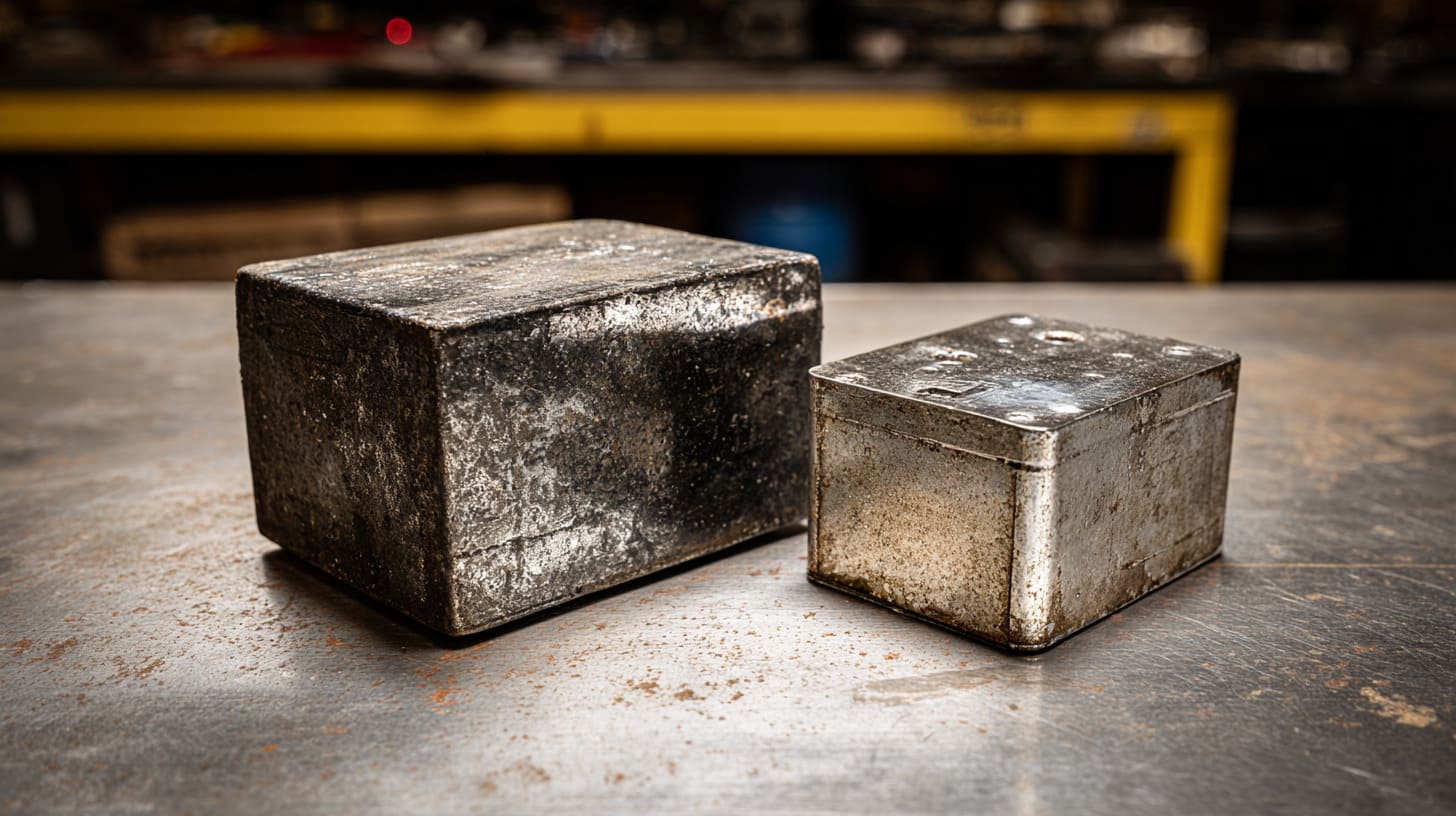
As you know, many of your clients (and mine) are in Europe, North America, Japan, South Korea. These markets have their expectations:
- CE marking, UL listing, RoHS compliance, sometimes ATEX for hazardous areas in Europe
- Standardised ratings (IP, NEMA)
- Documentation, traceability, certificates
When I liaise with buyers I say: Don’t assume “export box” is generic—ask your factory for documentation and references.
If you don’t, you risk rejection at customs, project delays—or worse, product recall.
Supplier checklist: ask for test certificates, materials reports, rating proof
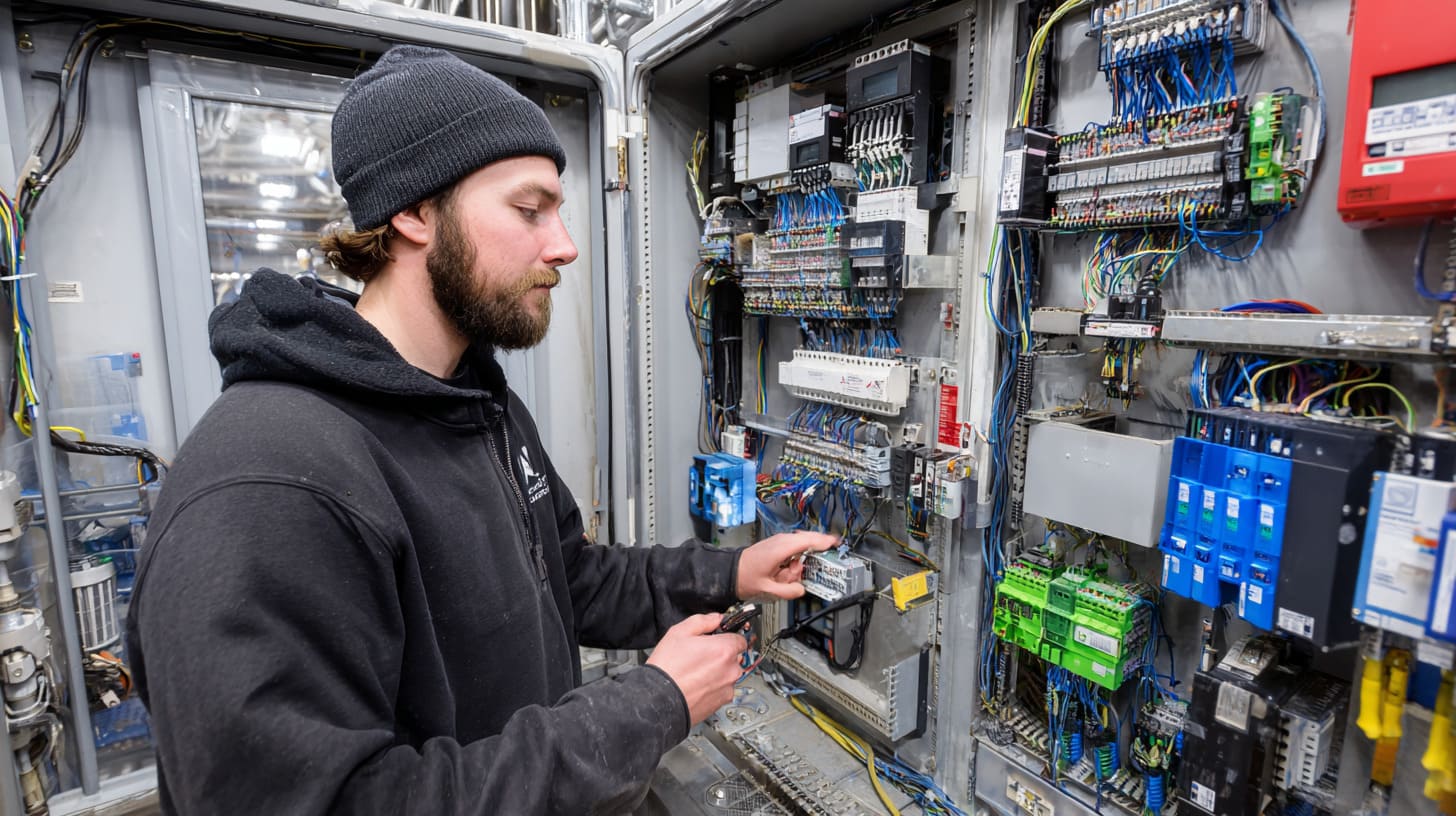
Here’s a mini‑checklist you can use when sourcing junction boxes (or custom enclosures) for export:
- Material certificate (aluminium grade, stainless grade)
- Surface treatment records (anodise, powder coating thickness)
- Rated for IP/NEMA: supplier provides test report or independent lab certificate
- Proof of suitability for environment (e.g., salt spray, UV exposure, vibration)
- Photographs of finished sample showing logo/engraving, finish quality
- Sample delivered and inspected before volume order
If your factory cannot provide these, you should raise concerns. At MaidaTech we always secure these documents for our clients.
Right—now we’ll wrap up with the final stage: Implementation and purchasing: bringing it all together. Stay with me, we’re nearly done—and I’ll share practical steps you can take immediately.
7. Implementation and purchasing: bringing it all together
Spec sheet checklist: what to include when requesting a quote from your factory

Here is what I usually ask customers to send when they request a quote:
- Application description: indoor/outdoor, environment, mounting style
- Material preference or requirement (aluminum grade, plastic type, required coating)
- Internal components: wire count, devices, future expansion plan
- Dimensions and mounting constraints (size, depth, setback)
- Rating requirements: IP/NEMA, export market standards
- Branding/printing/engraving: logo, colour, package requirements
- Quality and documentation: material certificates, test reports, inspection plan
Having everything clear at quote stage means fewer revisions, fewer delays, better pricing.
OEM/ODM customization: logo, packaging, design tweaks – what to negotiate

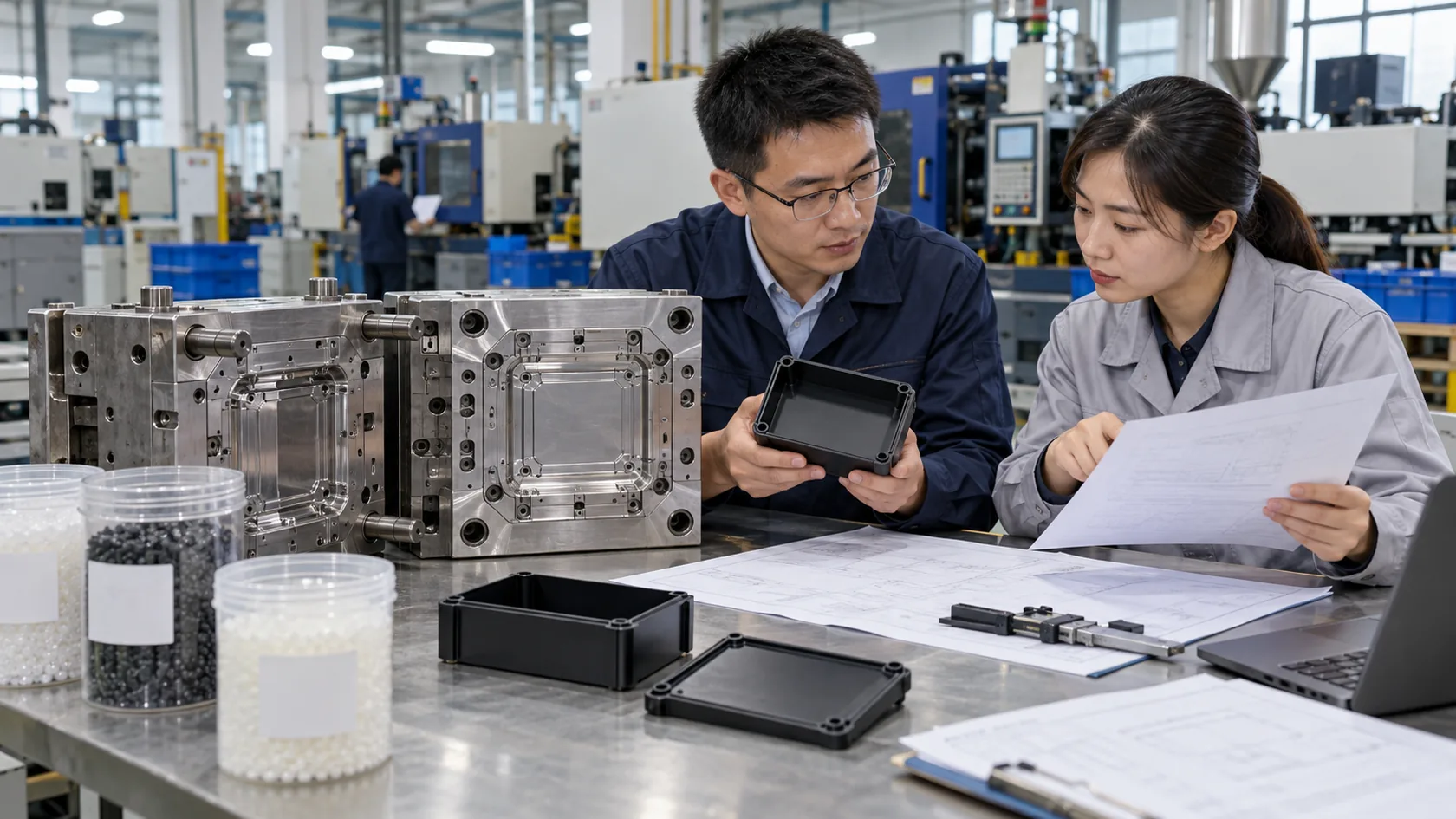
Since many of our clients are OEM/ODM or re‑branders, you’ll often want customization: logo, brand printing or engraving, special packaging, perhaps custom knock‑outs or internal layout.
When negotiating:
- Ask for tooling or mould cost (if any)
- Clarify minimum order quantity for custom features
- Confirm lead‑time and stock availability (especially if you’ll reorder)
- Specify sample approval process: you need to sign off finish, size, branding before bulk run
- Ask for cost breakdown: base enclosure cost plus customization cost
In our factory we offer direct‑factory pricing (we’re 10% lower than many competitors) and large stock, but still need clarity up‑front on custom features to avoid surprises.
Lead‑time, stock and delivery: why fast delivery matters for project‑based buyers (like David & John)
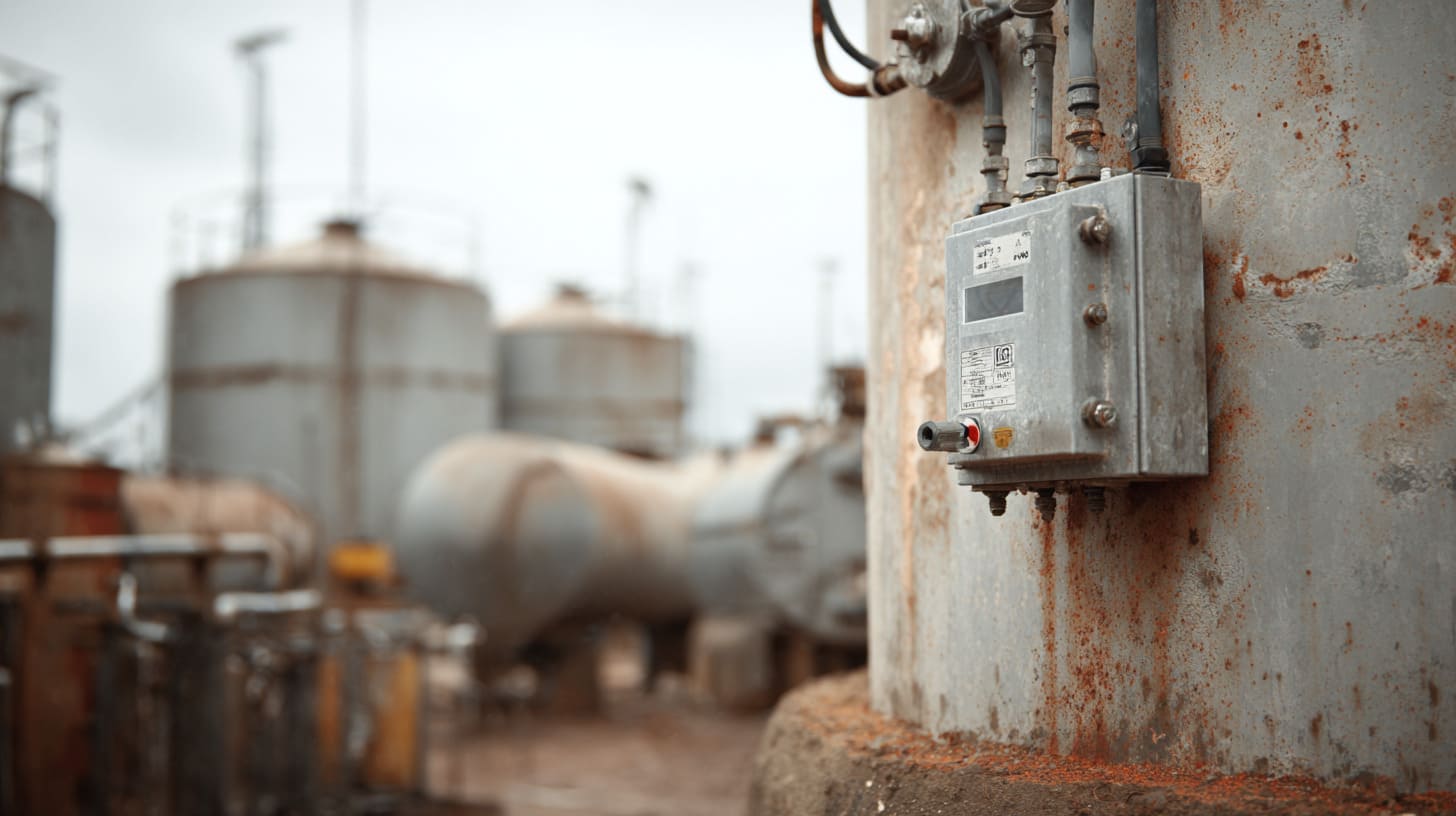
For buyers like David (Product Engineering Manager) or John (Creative ODM buyer), lead‑time is often critical. A delayed enclosure means a delayed product launch, delayed shipping—and that can erode margins.
Therefore:
- Check factory lead‑time for custom enclosures.
- Ask about stock availability for repeat orders.
- Understand shipping modes from China (air, sea) and how this affects total delivery time.
- Build in buffer for inspection, testing, customs.
In my experience: a transparent factory will provide realistic lead‑time and communicate clearly if there’s a delay. That makes you the reliable vendor in your customer’s eyes.
Quality control tips: inspection, sample approval, material verification
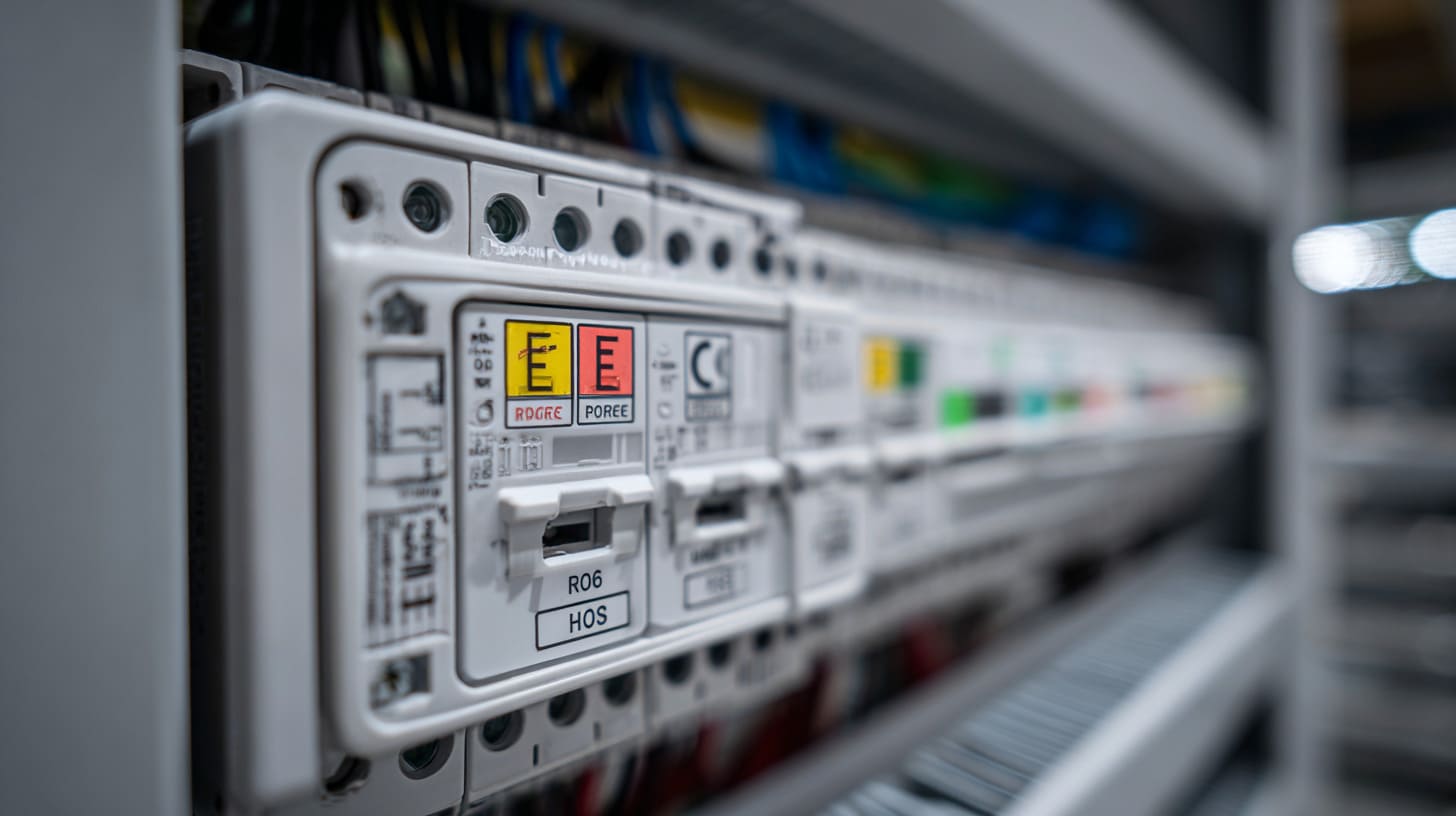
Quality control can’t be an after‑thought. As the buyer, you should ask:
- Can we inspect a pre‑production sample?
- Can we approve drawing, finish, branding, and internal layout?
- Will the factory provide material test certificates, plating thickness, coating reports?
- If quantity is large, consider third‑party inspection at the factory.
At MaidaTech we welcome these checks because it increases trust and helps us deliver exactly what the buyer needs.
Vendor communication best practices: timezone, revisions, clarity of drawings
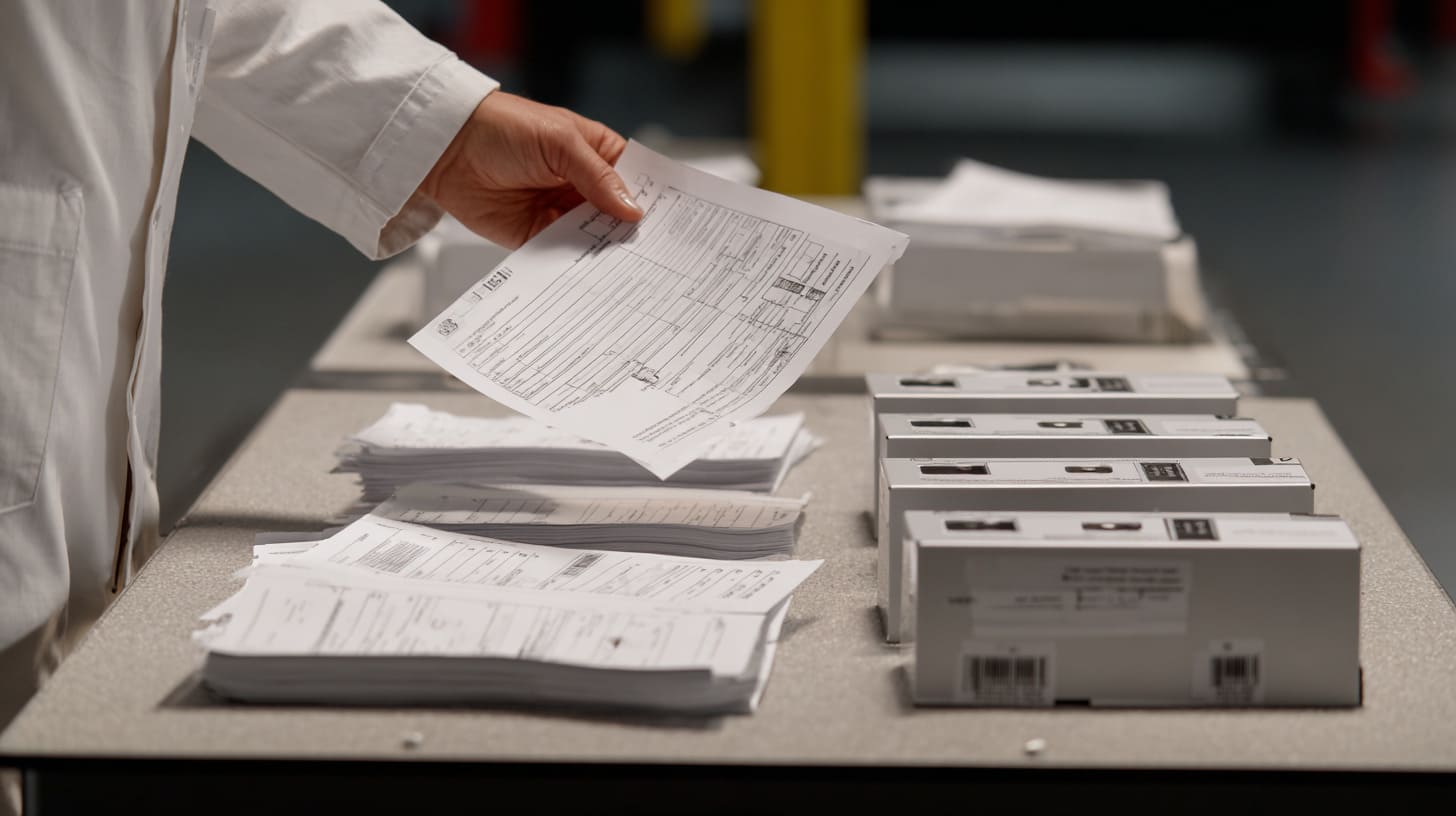
Finally: communication. Many pain‑points in sourcing custom enclosures come from poor communication: slow response, unclear drawings, changes lost in translation.
I always tell my buyers:
- Use clear drawings (2D/3D) with dimensions, material call‑outs, finish specs.
- Confirm revision process: if you change something, how many days extra? What cost?
- Agree time‑zone overlap windows for calls/emails to avoid delays.
- Ask for a point‑person at the factory who speaks your language and understands custom B2B sourcing.
It may sound basic—but done right, it saves so many headaches.
Conclusion
Recap of the most important takeaways
In choosing the right junction box type you must think beyond “just a box”. You must consider material, size & volume, environment & rating, application use case, future‑proofing, and supplier capability. Getting these right means your product holds up, your project hits schedule, and you maintain your reputation.
My parting advice: how to avoid the costly wrong junction box selection
If there’s one thing I’ve learned after nearly a decade running a custom enclosure factory it’s this: The cheapest box upfront often costs more later. Investing time in specs, asking detailed questions, working with a capable supplier—this is the smart path. Avoid shortcuts and you’ll avoid regrets.
How MaidaTech (my factory) can help you get the right junction box for your project
At MaidaTech, we’ve specialised for 9 years in custom aluminum and plastic enclosures, including junction boxes. We offer
- Direct‑factory pricing (typically 10% lower than competitors)
- Flexible customisation (logo, engraving, re‑design)
- Fast lead times and large stock
- Full documentation support for export markets
If you’re sourcing for North America, Europe, Japan, South Korea, we’d love to help you get the right box for your project.Contact us at info@maidatech.com and let’s find the perfect enclosure together
Drop me a line, share your application details, wire count, environment conditions—and we’ll work through the right junction box choice together. I’m here to help.