Skip to content

A message came through from a client working on an outdoor EV charger. It was just one sentence: “Can I leave this control box in the rain?” That one line said a lot—about urgency, about trust, and about how little room there is for guessing when electronics meet harsh environments.
A NEMA enclosure is a rated protective case designed to guard electrical or electronic equipment from environmental hazards like dust, water, and corrosion.
But there’s more to it than just weatherproofing. NEMA ratings are like a secret language—once you understand them, you can pick exactly what your project needs without wasting time or money.
What is NEMA material?
Not all enclosures are born equal. The material used often tells the story.
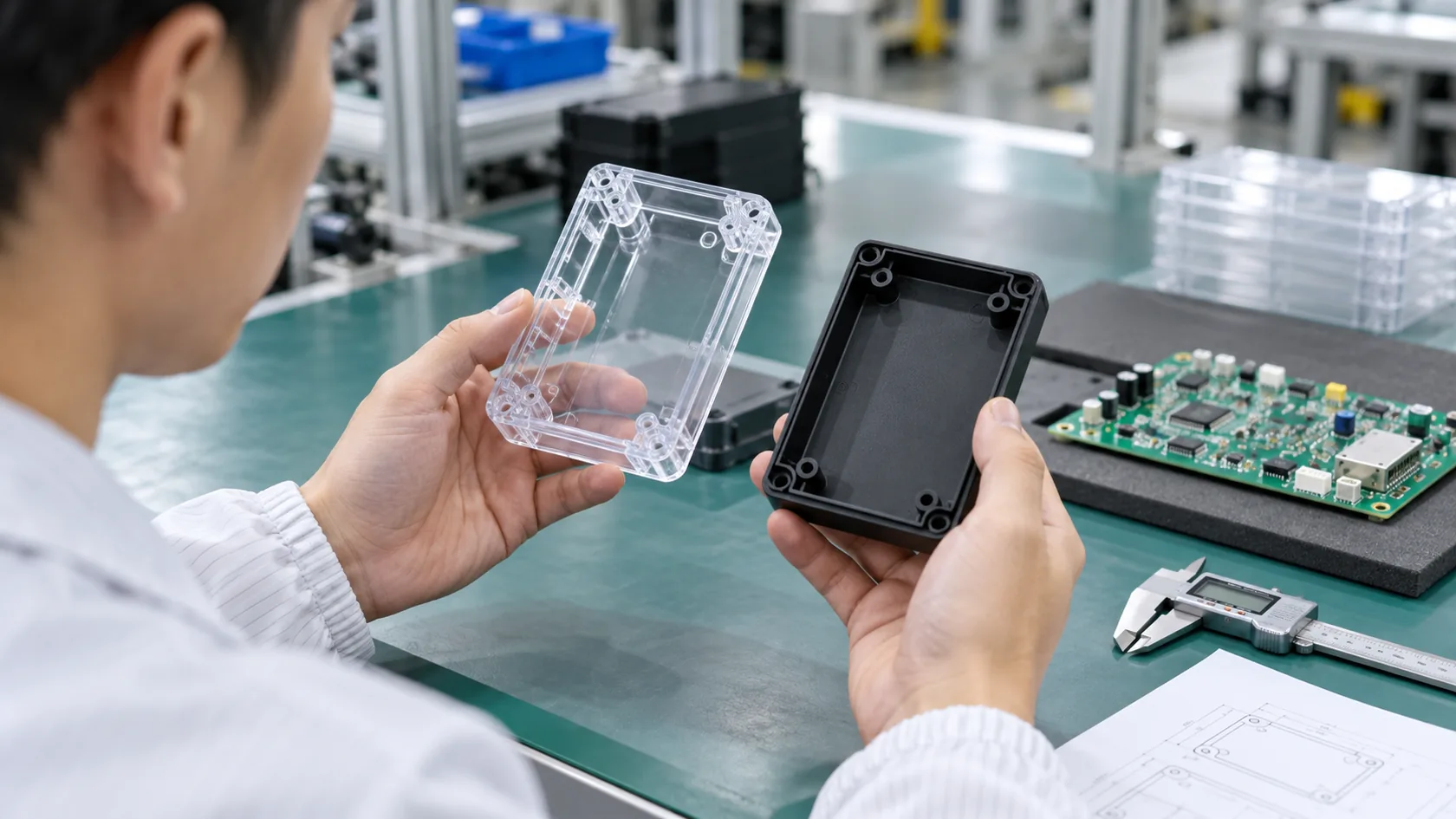
NEMA materials range from powder-coated steel to polycarbonate and stainless steel, depending on the required protection level.

Common NEMA Materials
| Material | Best For | Weakness |
|---|---|---|
| Steel | Indoor dry areas | Prone to corrosion outdoors |
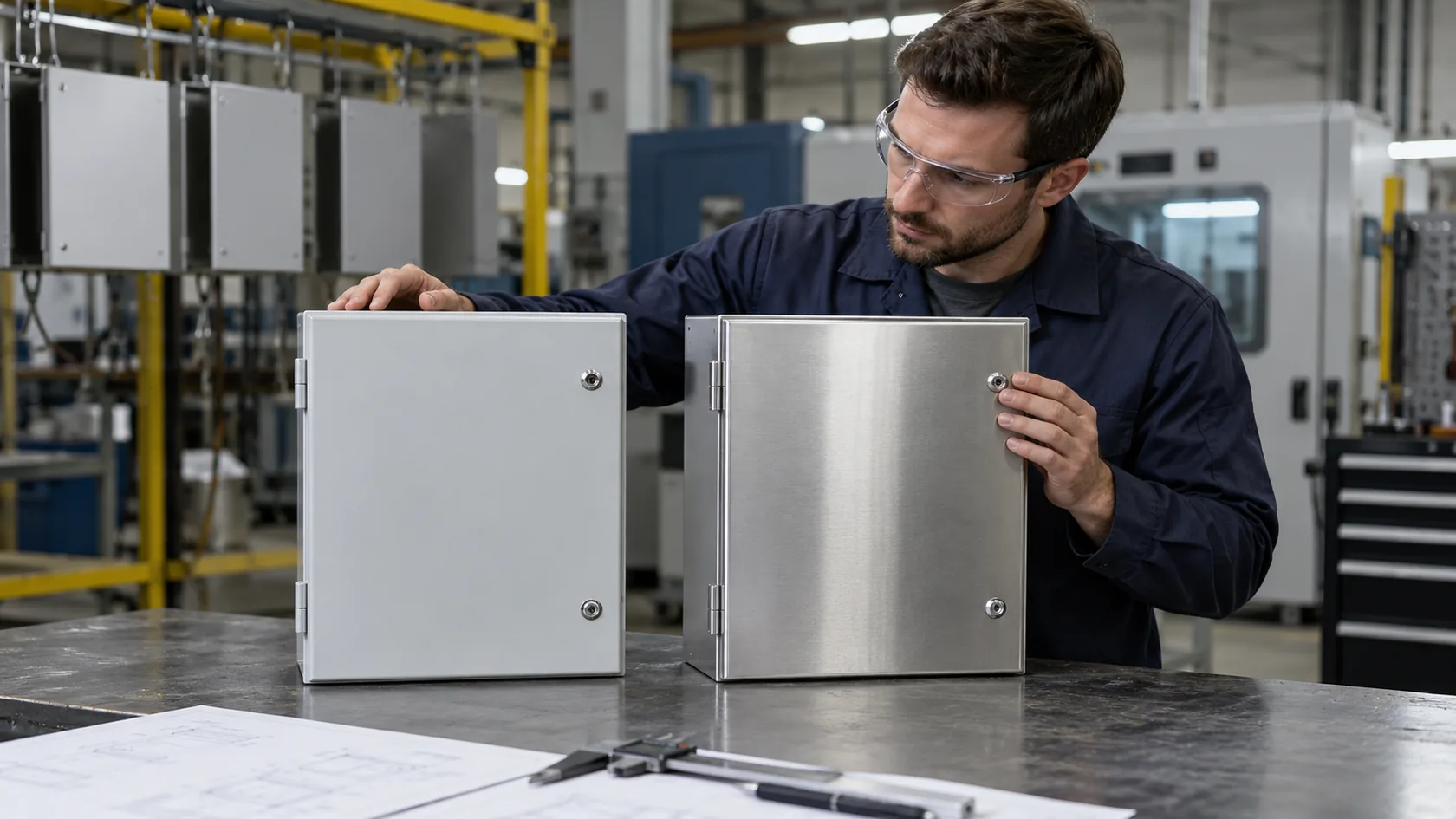
| Stainless Steel | Corrosive or wet environments | Heavier and costlier |
| Polycarbonate | UV resistance and impact strength | Less heat-resistant |
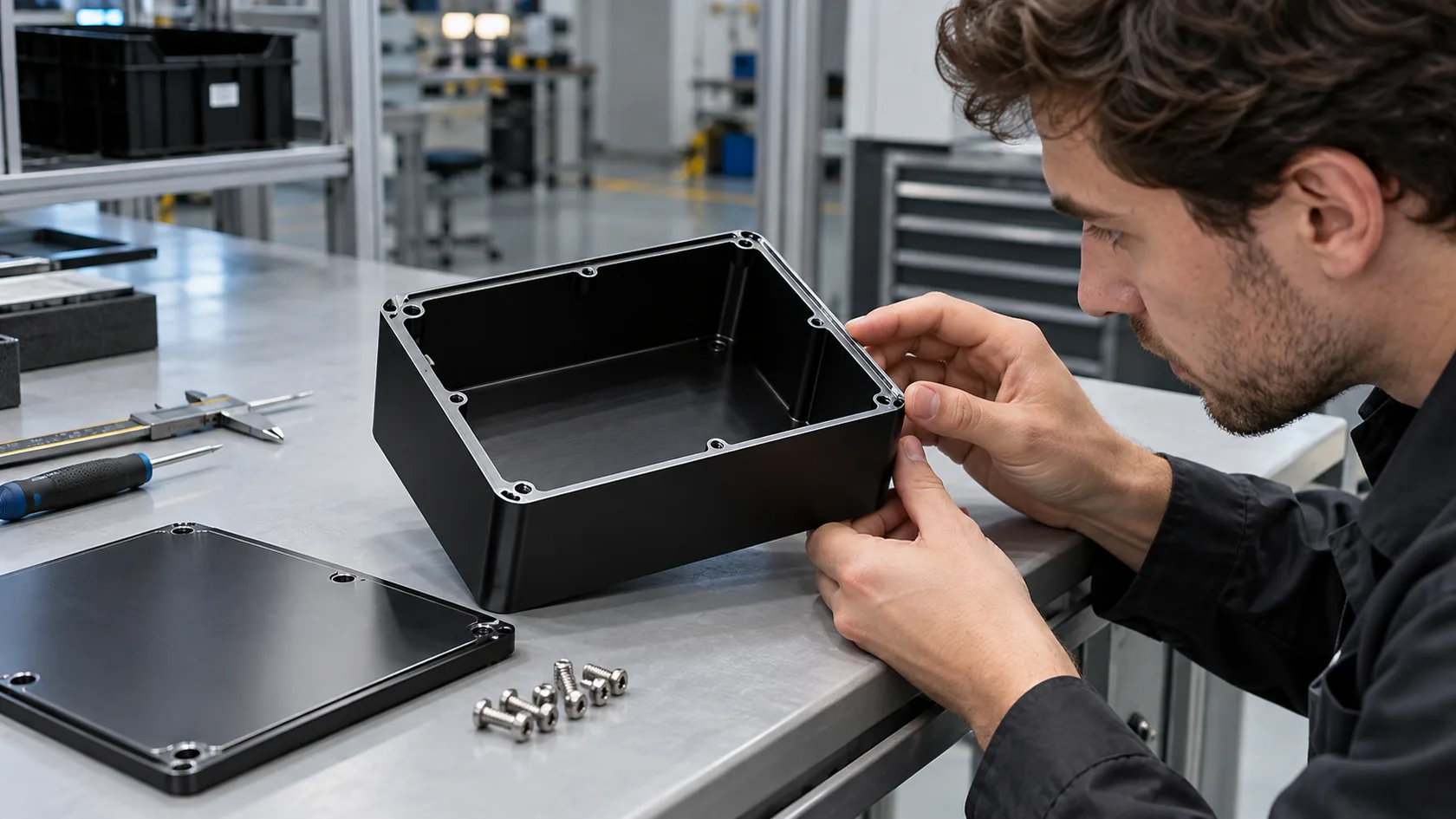
| Aluminum | Lightweight and rust-free | Lower impact resistance |
What is the purpose of NEMA?
At its core, it’s about protection—plain and simple.
The main purpose of NEMA standards is to ensure enclosures reliably protect electrical components from specific environmental threats.

Whether it’s dust, water, oil, or ice—you name it—NEMA wants you to be ready for it.
How are NEMA enclosures made?
It’s not magic—it’s meticulous engineering.
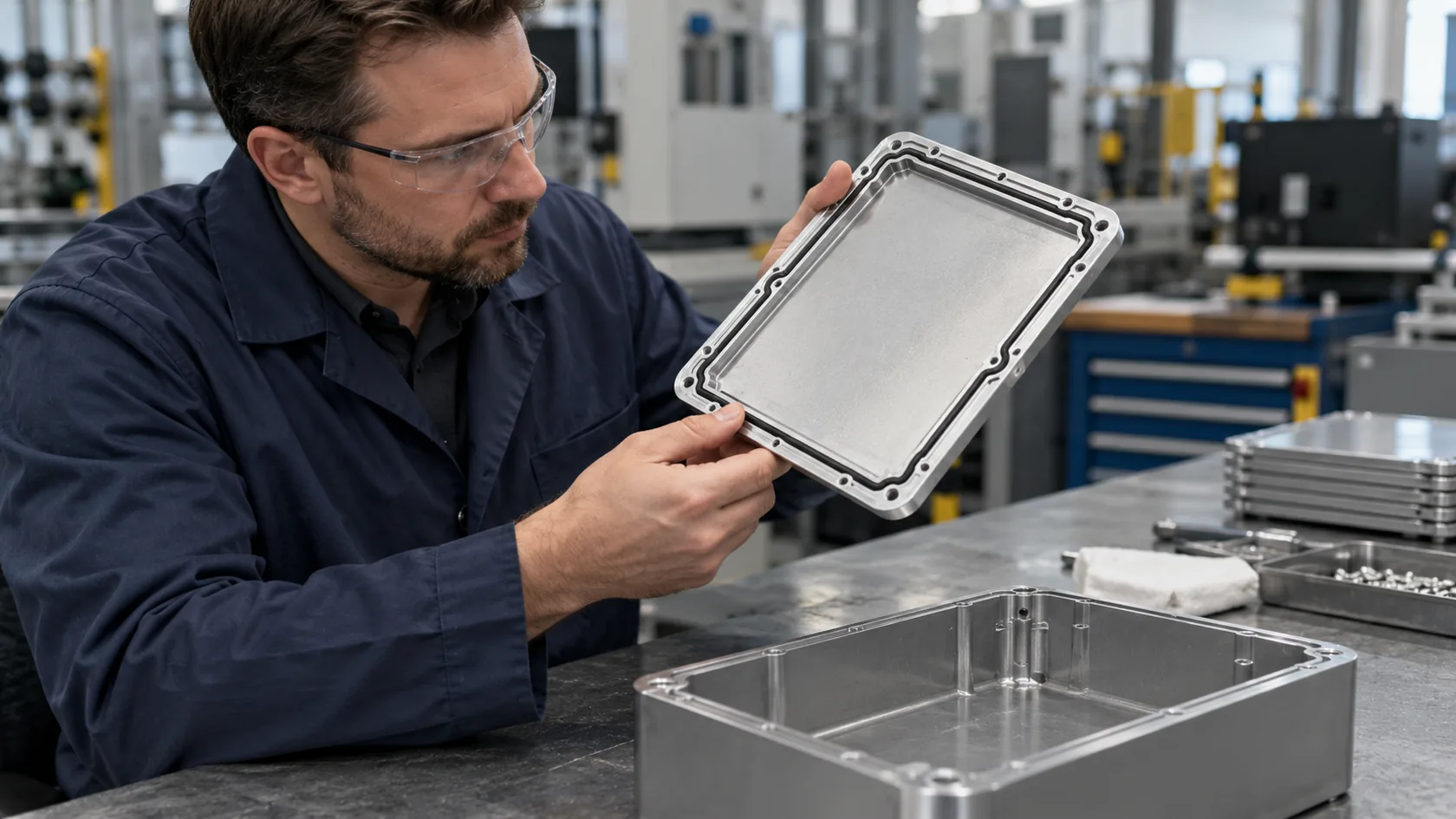
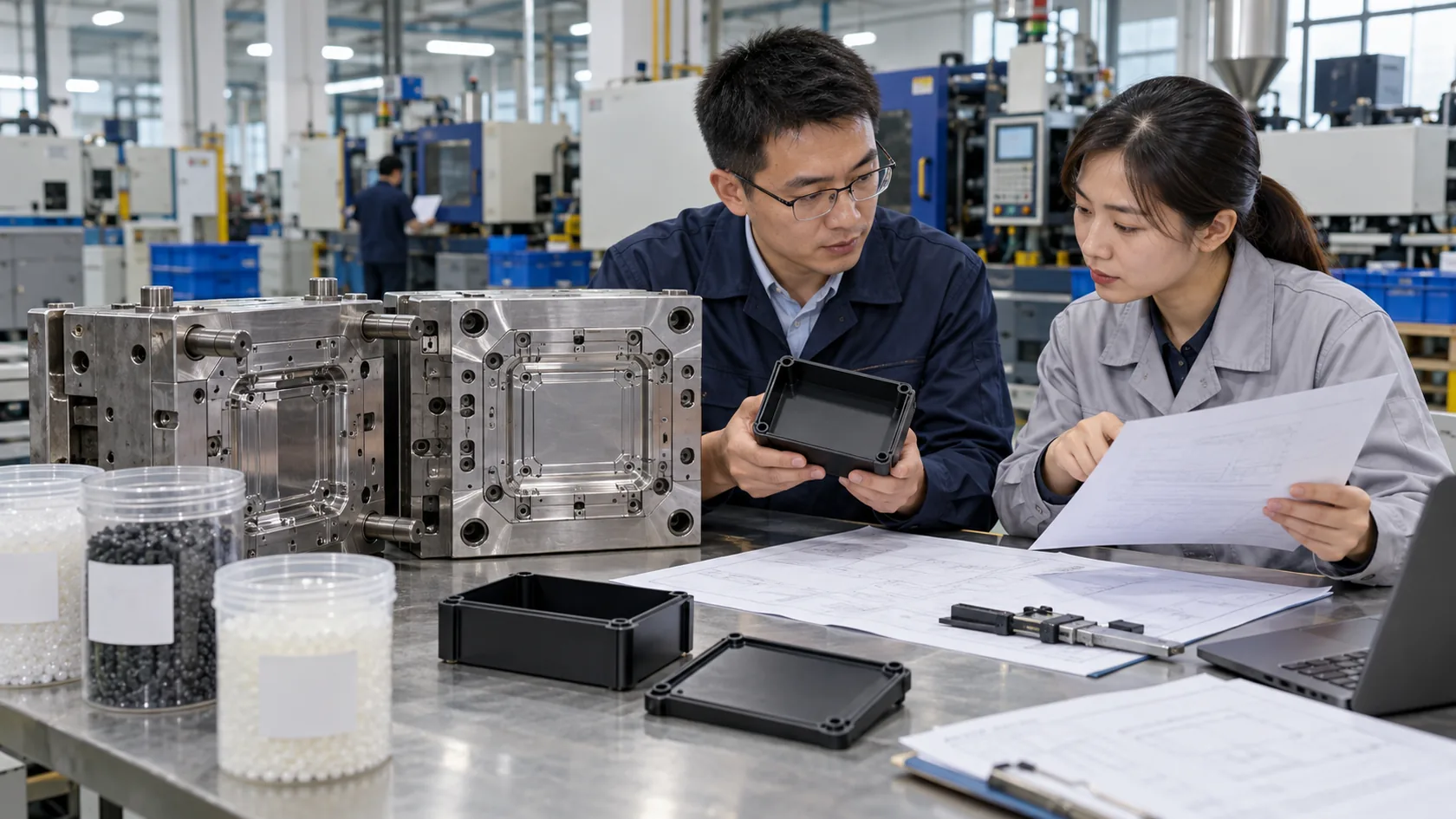
NEMA enclosures are made through processes like sheet metal bending, plastic injection molding, sealing, and surface treatments.

Dive deeper into the process:
- Cutting & Forming: Metal sheets are CNC-cut and bent.
- Welding or Assembly: Panels are joined with precision.
- Sealing: Rubber gaskets are added for water/dustproofing.
- Finishing: Powder coating or polishing enhances durability.
What is the difference between IP and NEMA enclosures?
This one gets tricky—lots of overlap, but different languages.
IP ratings follow IEC standards globally, while NEMA is specific to North America and often covers more use-case details.

Comparison Table
| Feature | NEMA | IP |
|---|---|---|
| Region | Mainly North America | International |
| Detail Level | Covers corrosion, oil, ice | Focus on solids/liquids |
| Format | Numbers + Letters (e.g., 4X) | Two digits (e.g., IP66) |
What does a NEMA enclosure rating mean?
Each rating is a code—if you can read it, you can choose with confidence.
A NEMA rating defines the protection level an enclosure offers against elements like water, dust, corrosion, and more.

For example:
What are the differences between NEMA 1, 3, 4, 4X, and 12 enclosures?
These are the models that come up again and again in B2B work.
Each NEMA number reflects a different use scenario—from indoor dust protection to outdoor waterproof and corrosion-resistant builds.

Quick Comparison Table
| NEMA Type | Indoor/Outdoor | Waterproof | Corrosion-Resistant | Typical Use |
|---|---|---|---|---|
| 1 | Indoor | No | No | Offices, electronics |
| 3 | Outdoor | Yes | No | Light outdoor conditions |
| 4 | Outdoor | Yes | No | Hose-down, wet environments |
| 4X | Outdoor | Yes | Yes | Marine, industrial, chemical |
| 12 | Indoor | No | No | Dust/oil-prone industrial |
How do NEMA enclosures compare to IP-rated enclosures?
Here’s how I explain it to my clients:
NEMA covers a wider range of threats, while IP focuses strictly on ingress protection (solids/liquids).
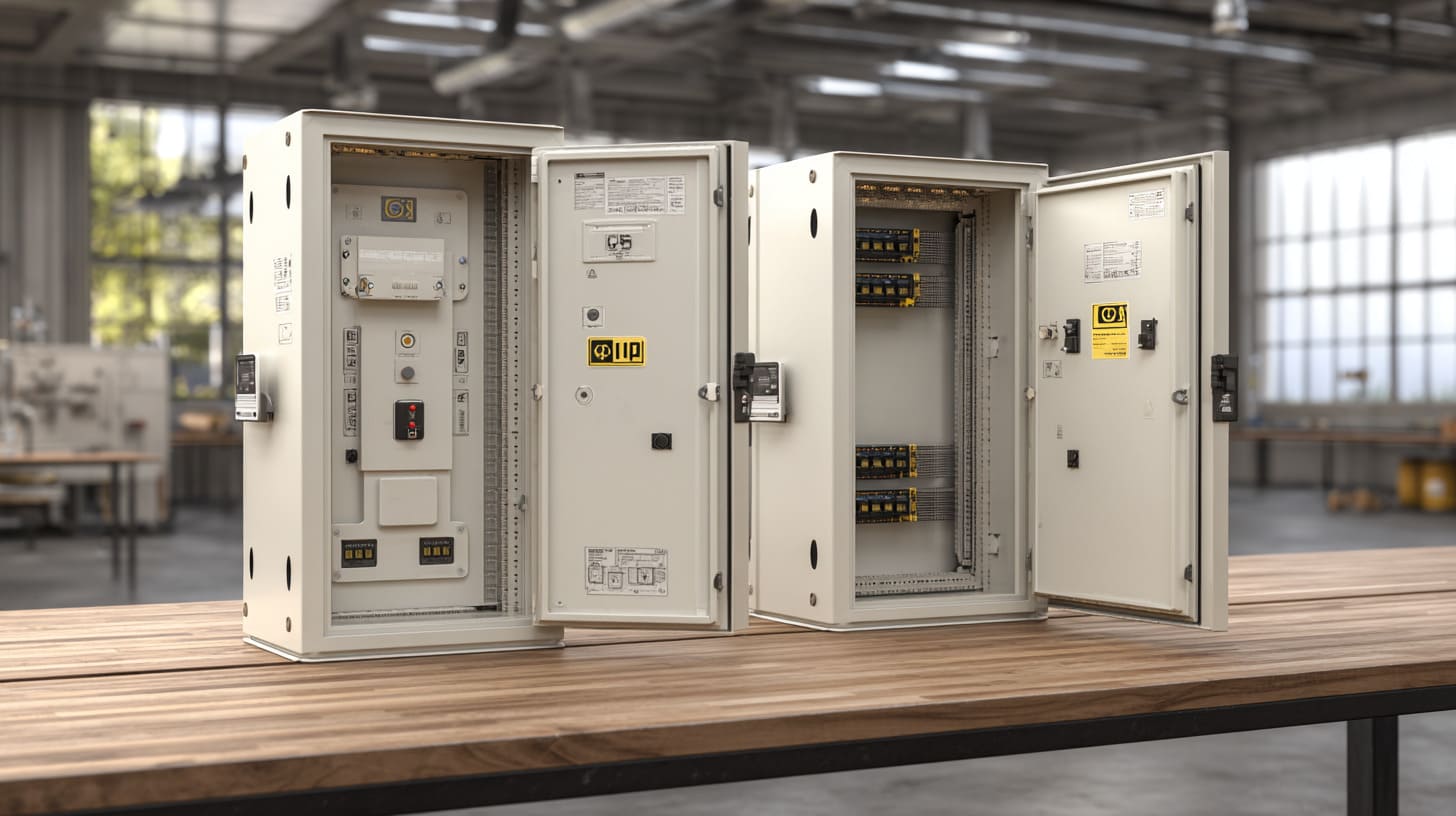
If your project lives in North America, start with NEMA. For global specs or IEC compliance, IP might be your go-to.
Which NEMA enclosure should I choose for outdoor use?
Good question—don’t guess on this one.
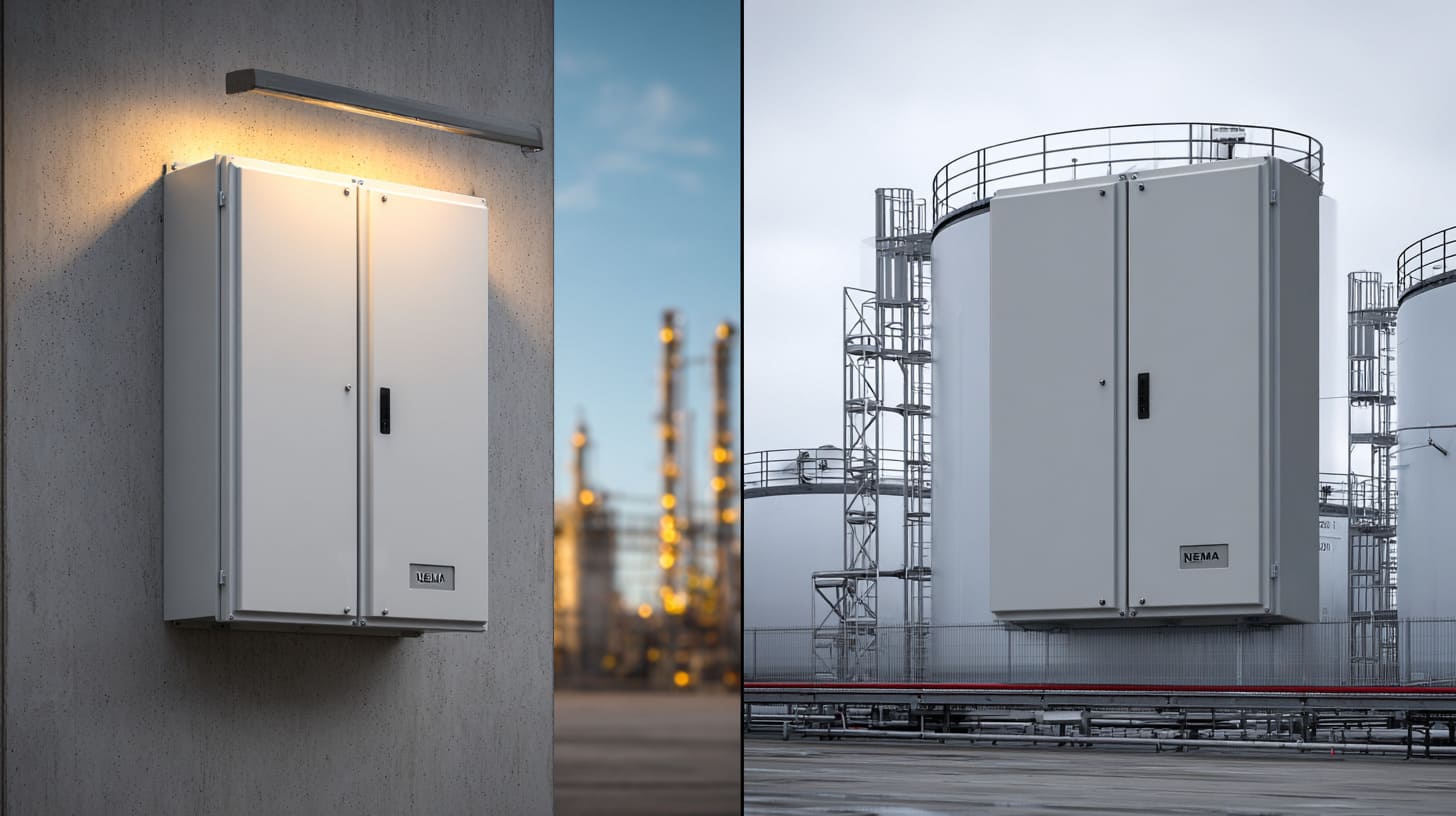
For outdoor use, NEMA 3, 4, or 4X are ideal depending on exposure to weather, washdowns, or corrosive conditions.
Real-life tips:
- Dry, shaded outdoor areas? Try NEMA 3.
- High-pressure water spray? Go for NEMA 4.
- Saltwater or chemicals? NEMA 4X is the hero.
Is NEMA 4X enclosure waterproof or corrosion-resistant?
Short answer: Yes and yes.
NEMA 4X enclosures offer protection against both water (including hose-down) and corrosion from chemicals or salty air.
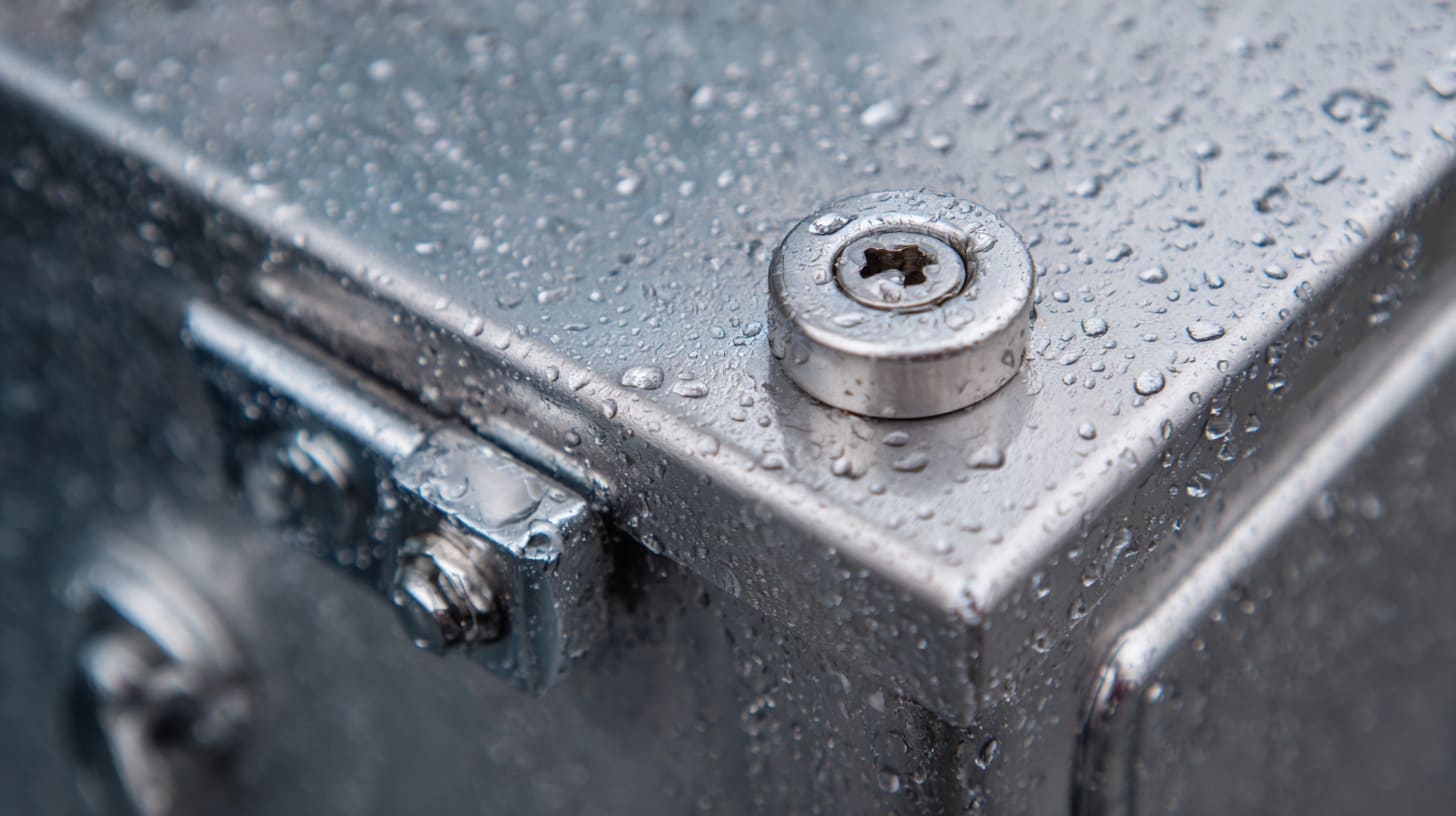
This one’s a favorite among marine engineers and food processing lines.
What materials are used in NEMA-rated enclosures?
Material matters—more than most realize.
Common NEMA enclosure materials include stainless steel, aluminum, fiberglass, and polycarbonate, each chosen for specific resistance properties.
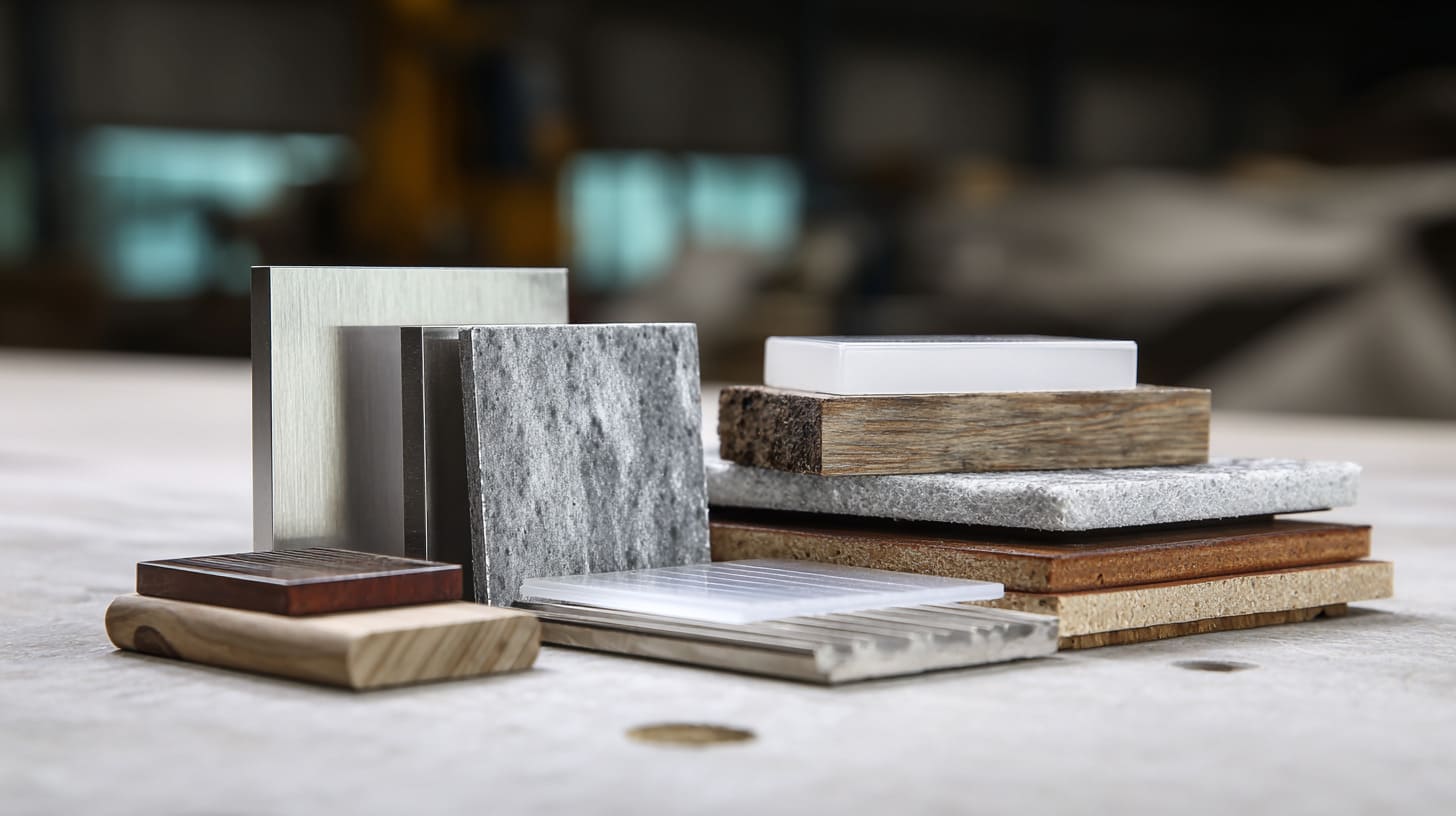
Selection Guide
- Stainless Steel: Best for corrosion-heavy environments
- Aluminum: Lightweight and rust-proof
- Polycarbonate: UV-stable and impact-resistant
- Fiberglass: Great insulator, non-conductive
Why are NEMA enclosures important for industrial applications?
Factories are not friendly to electronics.
NEMA enclosures shield sensitive components from dust, oil, water, and impact, making them essential for industrial operations.

If you’re running automation lines or field equipment, skipping NEMA is asking for downtime.
How to select the right NEMA enclosure for your project?
It’s not just about rating—it’s about fit.
Consider environment, mounting method, material, and rating when selecting your NEMA enclosure.

Quick Checklist
- What will the environment be like?
- Is corrosion a concern?
- Will it be sprayed or submerged?
- Indoor or outdoor?
- Budget constraints?
Can NEMA enclosures be customized for OEM or branding?
Absolutely—and that’s where we come in.
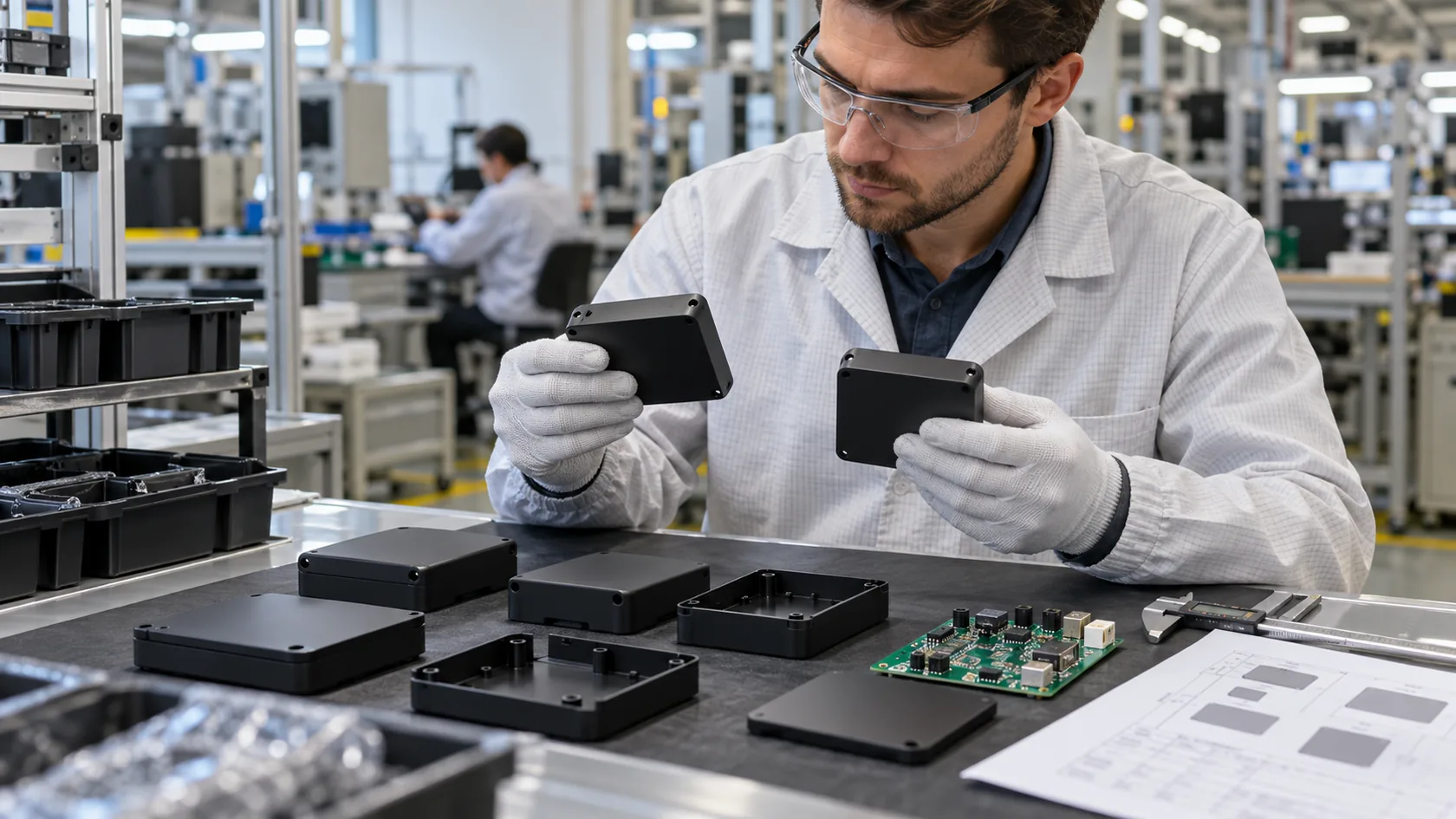
Yes, NEMA enclosures can be customized with logos, custom cutouts, colors, and even internal mount layouts for OEMs.
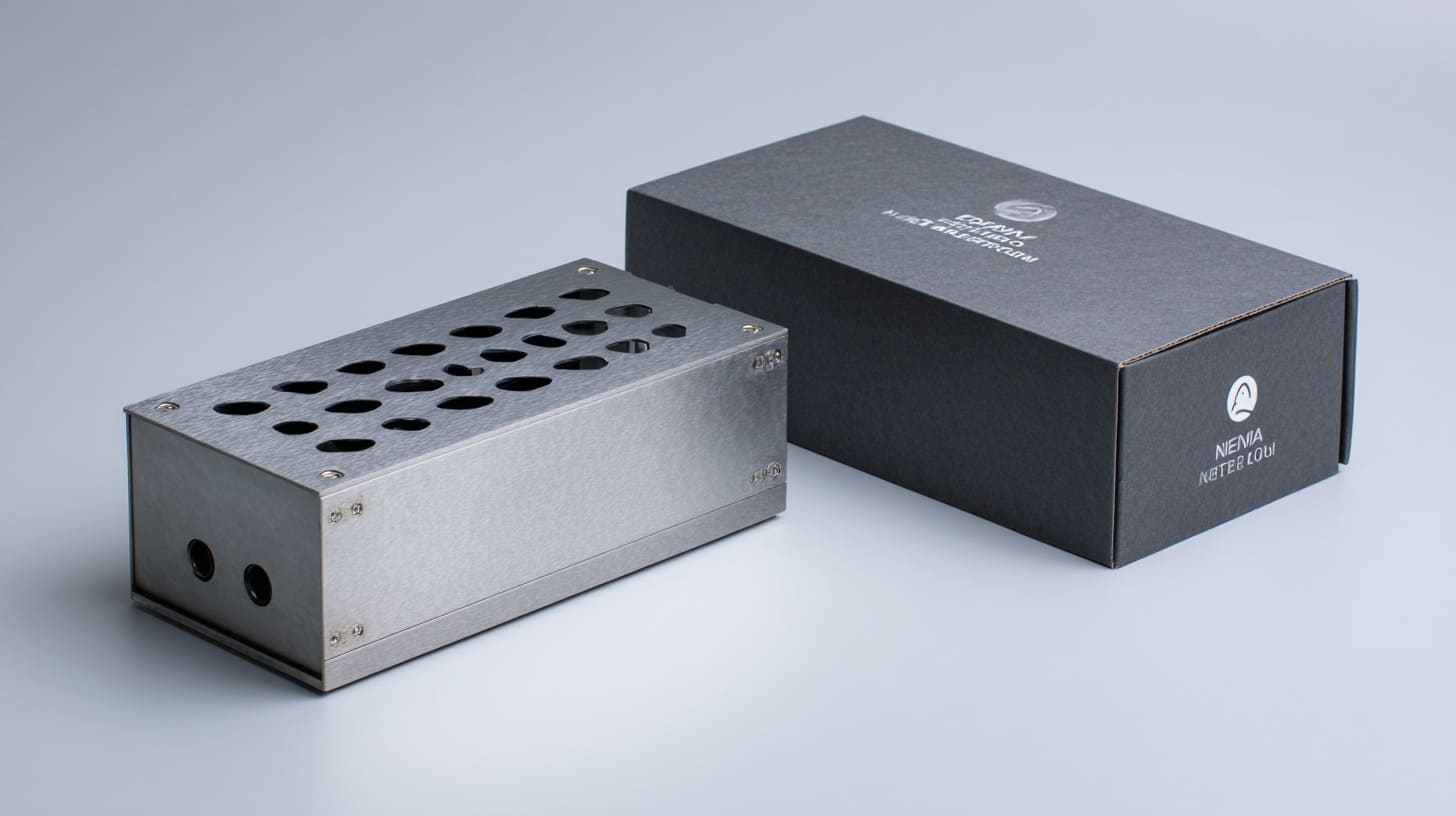
At MaidaTech, we offer:
- CNC cutouts
- Laser logo engraving
- Silk-screened branding
- Custom packaging for retail
What is the difference between NEMA and UL enclosure standards?
Both matter—but they focus on different things.
NEMA defines environmental protection, while UL focuses on safety and compliance testing for enclosures.
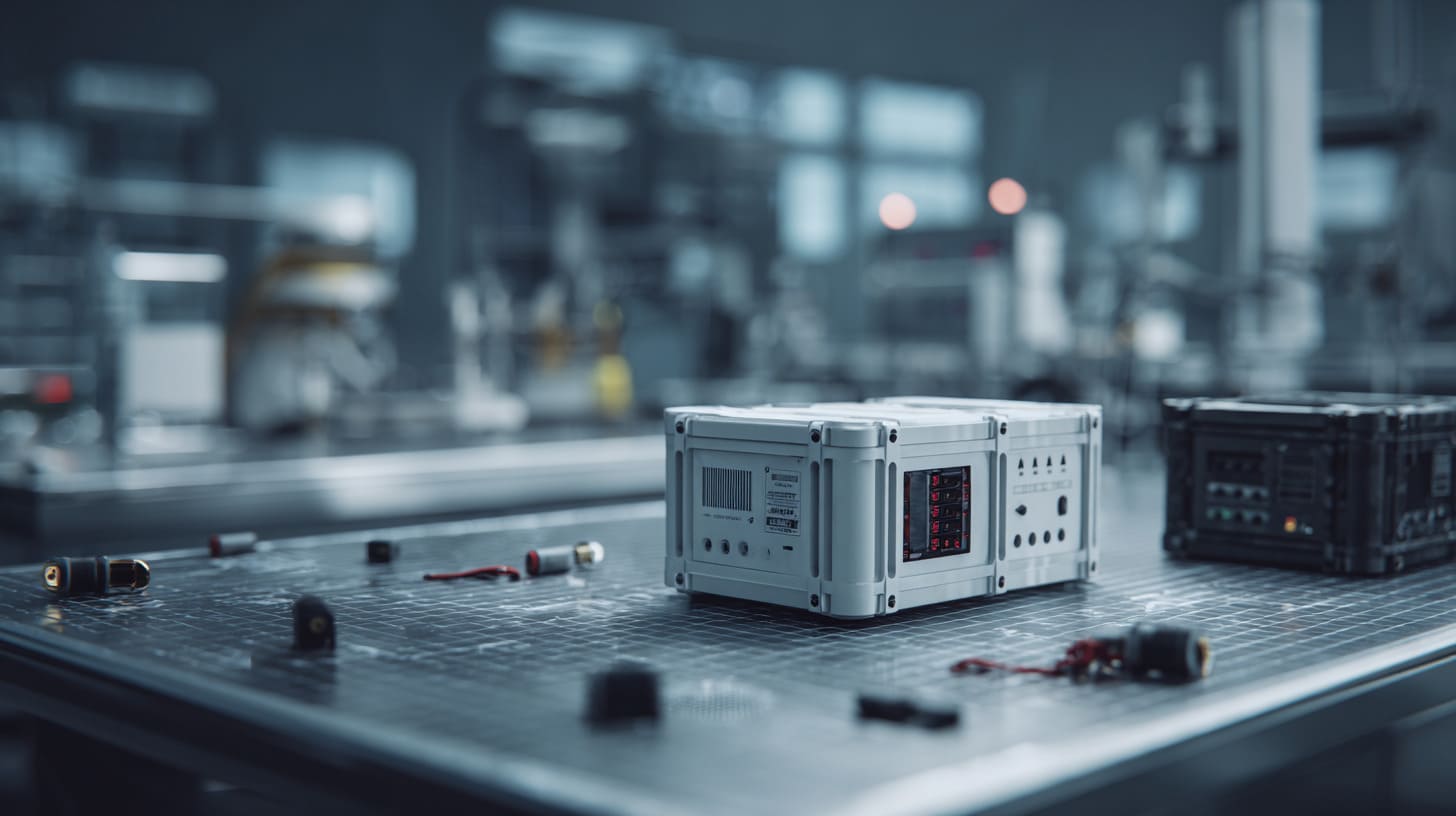
If you're exporting to the U.S. market, you might need both: a NEMA rating for environmental specs and a UL listing for compliance.
Conclusion
NEMA enclosures aren't just boxes—they’re protection with purpose.