Skip to content


You’re testing a new control board. The software runs perfectly. The wiring is clean. But the moment it’s installed outdoors, problems start creeping in—condensation, EMI noise, or maybe just a cracked housing no one saw coming. It’s not the circuit’s fault. It’s the box.
Electrical enclosures aren’t just protection—they’re the context in which your product lives or fails.
I work with engineers like Davide from Finland and creative OEM buyers like John in Hungary. They don’t just buy enclosures. They integrate them into ideas, timelines, and systems that have no room for rework. When they ask, “Which type do I really need?”—what they mean is: “How do I make sure this thing holds up when no one’s watching?”
In this guide, I’m walking you through 10 of the most common electrical enclosure types we build—and exactly when to use each one. If you’ve ever had a project delayed because the housing didn’t match the job, this article is for you.
1. Wall‑mount enclosure

What is a wall‑mount enclosure?
Wall-mount enclosures are designed to be attached directly to vertical surfaces—walls, poles, or control cabinets. You’ll find them everywhere from factory halls to retail kiosks. They save floor space and are easy to wire up from behind.
Typical materials & ratings
Most wall-mounts are made from aluminum, steel, or plastic. We often make aluminum versions for industrial clients—lightweight, corrosion-resistant, easy to customize with CNC.
| Material | Typical Use Case | Weather Resistance |
|---|---|---|
| Aluminum | Industrial environments | High |
| Steel | Budget installations | Moderate |
| ABS/PC | Indoor consumer devices | Low to moderate |
They’re usually rated around NEMA 1–4 or IP65, depending on exposure level.
Practical uses — when to choose wall‑mount
If space is tight and wiring needs to come from the back or side—this is your guy. We’ve built wall-mounts for:
- Control panels in packaging lines
- Alarm systems in data centers
- Smart meters in apartment blocks
Pros & cons
Pros: Easy to install, customizable, low footprint
Cons: Limited space inside, may require surface sealing
Sometimes clients start with wall-mounts and then ask: what if we need more space or internal equipment? That naturally leads us to the next type.
2. Floor‑standing (free‑standing) enclosure

Definition and distinguishing features
Free-standing enclosures don’t need wall support. They're typically larger and designed for complex equipment—PLC systems, telecom switches, high-voltage cabinets.
They’re the “server racks” of the industrial world.
Common industries & applications
- Automotive plants
- Power distribution centers
- Manufacturing automation systems
Some clients ask us to integrate removable doors, internal partitions, even swing panels.
Design considerations for custom orders
Here’s where buyers like Jackson get creative. You may want:
- Forklift-compatible base for easy movement
- Laser-engraved logo for brand compliance
- Removable side panels for maintenance
A poorly designed floor-standing unit wastes space and frustrates techs. A smart one makes work easier. And you can feel the difference just by opening the door.
The transition from large units to compact ones brings us to the next unsung hero—the junction box.
3. Junction box / pull box enclosure
Definition and purpose (splicing, branching)
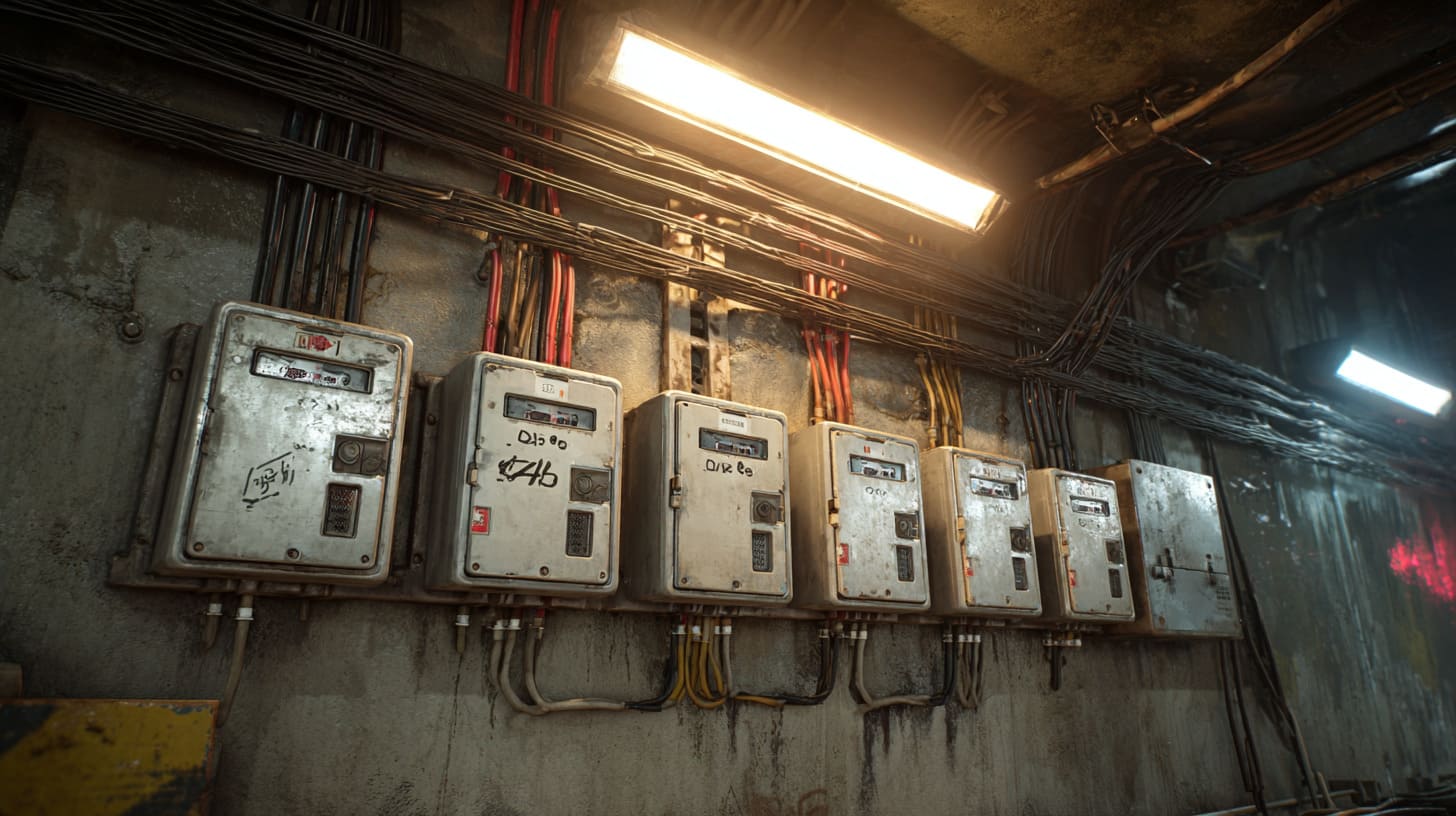
Junction boxes protect electrical connections from dust, moisture, and tampering. They’re small, but vital—used where wires branch off or need inspection access.
Typical materials, sizes
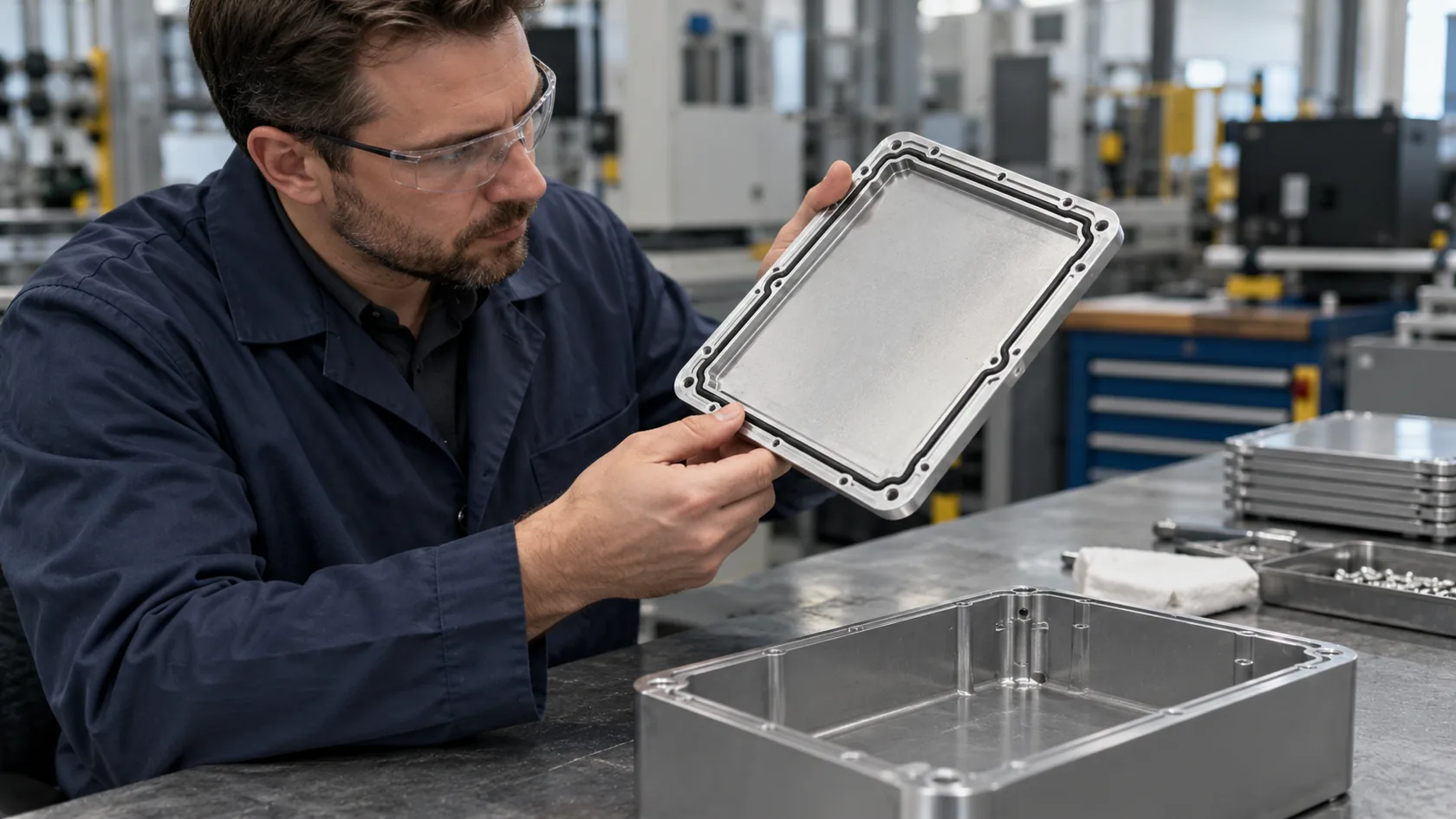
We mostly produce ABS or PC versions for indoor installs. For rugged outdoor or factory use, aluminum with silicone gaskets is a safer bet.
| Size | Typical Use |
|---|---|
| 100×100 mm | Wall switch connections |
| 200×300 mm | Network/relay junctions |
| Custom cut | Field wiring branches |
Use‑case scenarios
- Splice boxes in underground tunnels
- Wiring hubs in rooftop solar systems
- Sensor branches in smart farming systems
What makes junction boxes tricky is accessibility—you want it sealed, but also openable. This fine balance takes good design and good judgment.
But what if the environment is less forgiving? Let’s talk about nature.
4. Weatherproof / outdoor enclosure

What makes an enclosure “weatherproof”?
Water is sneaky. Dust even more so. A weatherproof enclosure is sealed against both—often with rubber gaskets, overhang lips, and screw-sealed doors.
Weatherproof doesn’t just mean rain. It means:
- UV resistance
- Salt spray protection
- Wide temp tolerance
Relevant rating systems (NEMA types for outdoor)
| NEMA Type | Protection Level |
|---|---|
| NEMA 3R | Rain & sleet |
| NEMA 4X | Corrosion & washdown |
| NEMA 6 | Submersible, limited time |
Our European clients usually ask for IP66 or IP67. We help them match the rating to reality—not just brochure specs.
Practical uses
- Telecom base stations
- Security system enclosures
- Electric car charging pedestals
I remember John once told me: “We can’t test every field condition. We count on your design to survive it.” That’s exactly where weatherproof enclosures earn their keep.
Speaking of survival—what if the risk isn’t water, but explosion?
5. Hazardous‑location / explosion‑proof enclosure

What defines a hazardous‑location enclosure?
These are built to contain explosions—not prevent them. If flammable gas leaks and ignites inside, the enclosure keeps the blast in.
It’s serious stuff. We’re talking Class I, Division 1 or 2 in North America, or ATEX for Europe.
Common classification systems and critical features
- Heavy-duty aluminum or stainless steel
- Flame-paths (precise gaps to cool sparks)
- Certified locking hardware
Typical uses
- Oil rigs
- Chemical blending rooms
- Grain silos (yes, even dust can explode)
We partner with certified bodies for these projects. It’s slow, technical work—but when you imagine what could happen without it, the stakes become very clear.
Not every enclosure has to fight explosions. Some just need to sit on a desk and do their job.
6. Instrument / electronics enclosure (small‑format)

What differentiates these from large enclosures?
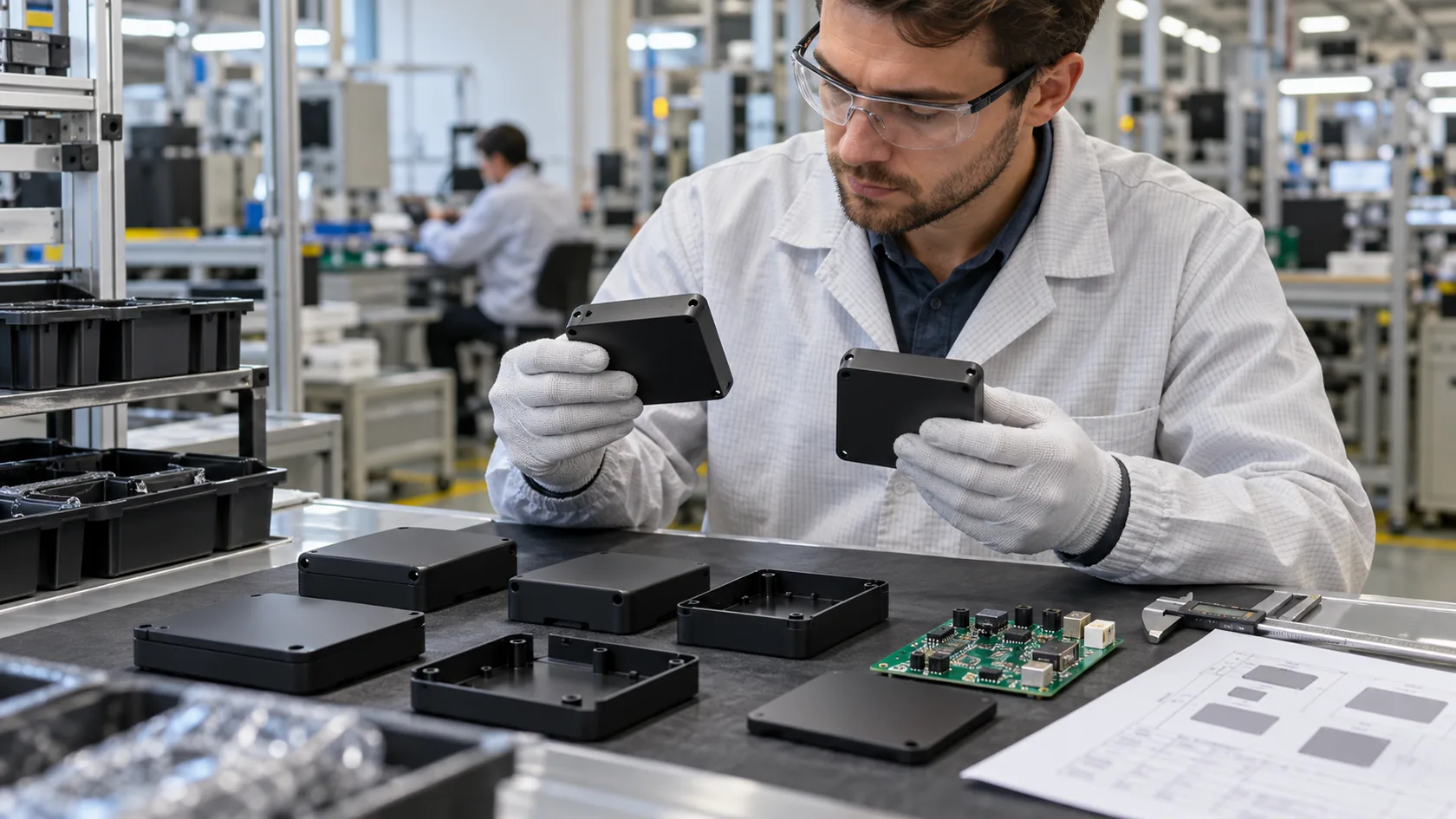
Think Raspberry Pi cases, sensor modules, handheld controls. These enclosures are about compact protection, aesthetics, and port access.
Materials, design flexibility
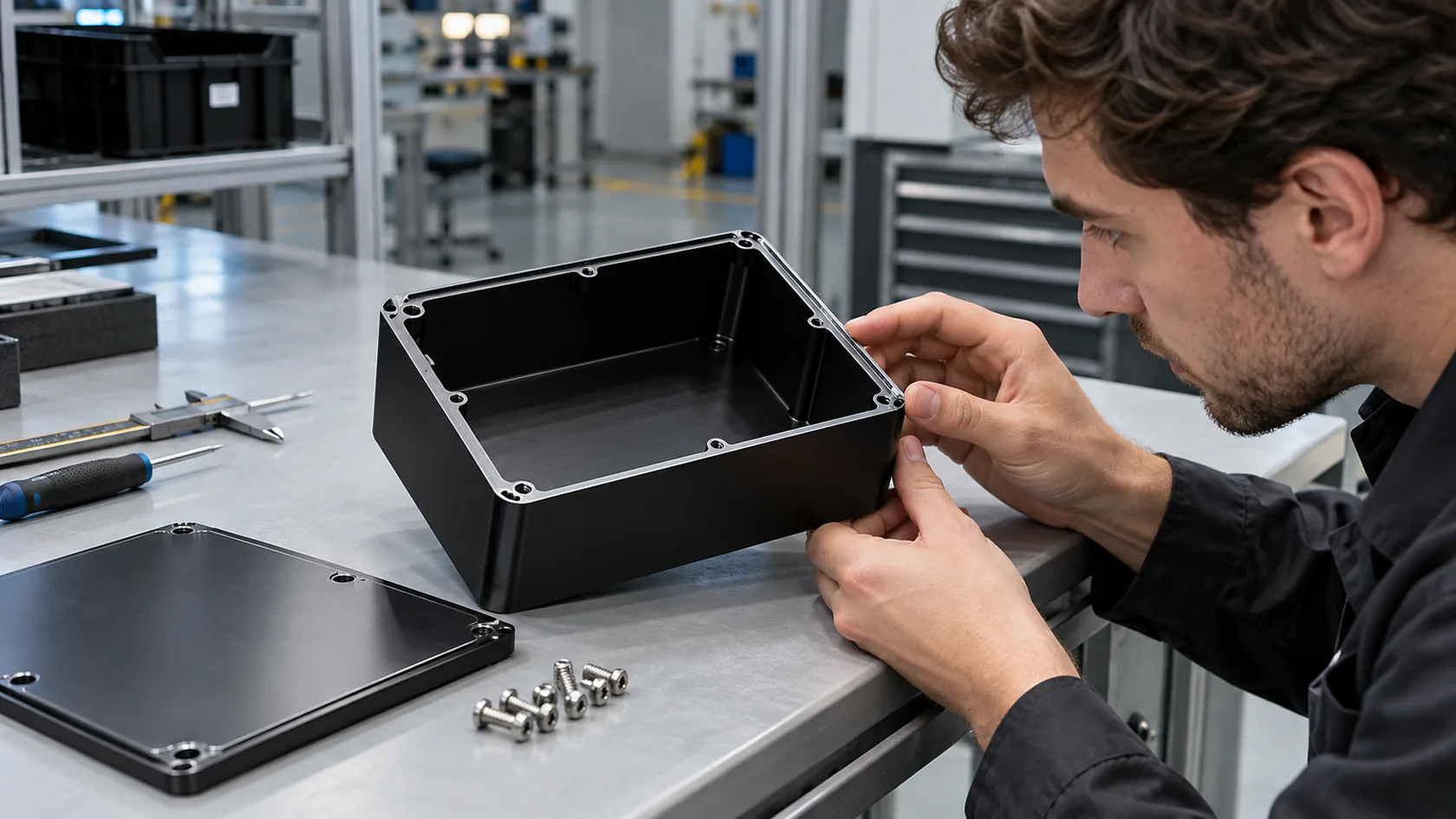
- CNC-milled aluminum: great heat dissipation
- Molded ABS: good for volume production
- Laser-cut acrylic: for prototypes and quick samples
Practical uses
- Remote control units
- Gateway enclosures
- Environmental monitors
These are where ODM buyers like Lasle shine—they reimagine the shell around the function. We’ve built Pi-like enclosures that look nothing like a Pi anymore.
Now imagine this: you’ve got 12 servers, 48 cables, and zero room for mess…
7. Rack‑mount / 19‑inch equipment cabinet
Definition and standard size (e.g., 19‑inch rack)
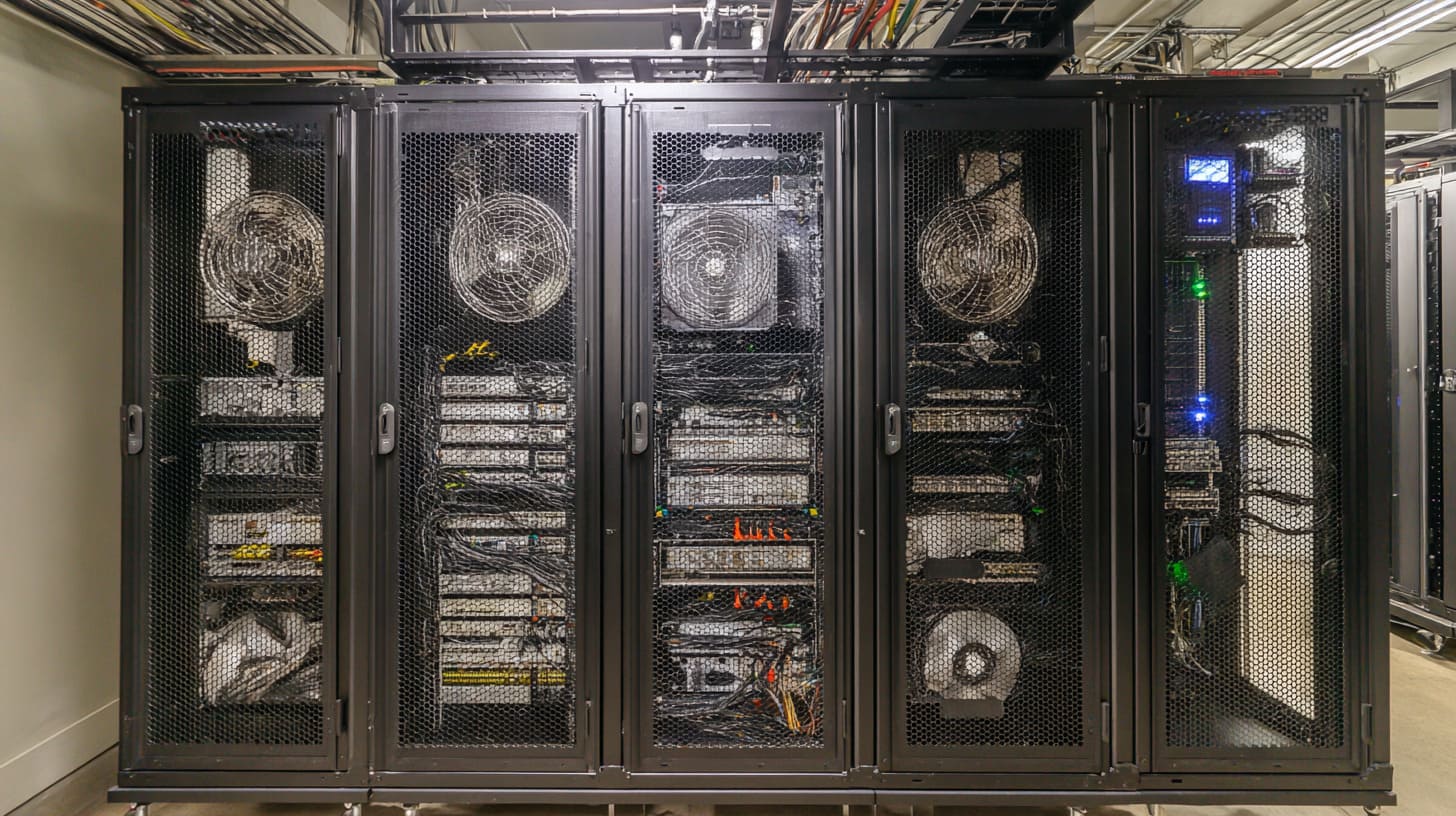
A rack enclosure is a standardized cabinet—usually 19 inches wide—built to hold networking gear, servers, AV gear.
What makes it useful isn’t just the box—it’s the standard.
Use in server rooms, telecom, network equipment
- Data centers
- Broadcast studios
- Control stations
Many of our clients ask for perforated doors (for airflow), lockable handles (for compliance), and branding (because every rack tells a story).
Design aspects: ventilation, cable management
Poor airflow can kill a server. Poor cable layout can kill your patience.
We’ve helped OEM buyers design racks with built-in fans, filtered vents, and even sliding trays. When your engineer calls and says, “This thing is a dream to maintain”—that’s what you want.
Speaking of dreams—some industries just want peace of mind that nothing dusty or wet will mess up their process.
8. NEMA/IEC rated “Dust‑tight / washdown” enclosure

Understanding rating systems: NEMA vs IEC / IP ratings
- NEMA 4X: Washdown, corrosion-proof
- IP69K: High-pressure, high-temp water jets
These are serious ratings—especially in food processing or pharma.
What “dust‑tight” or “washdown” means in practice
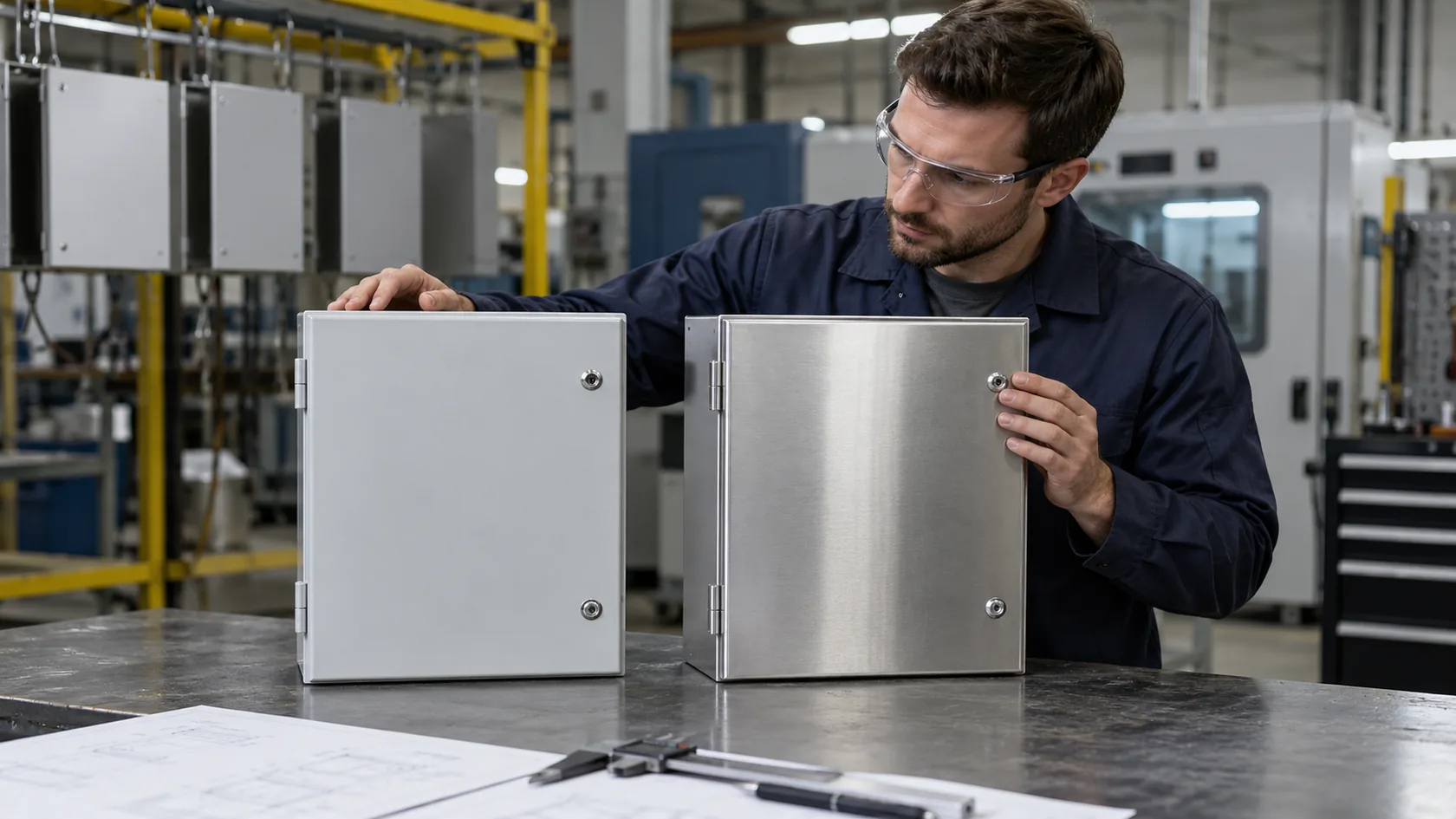
It means sealing every gap. Smoothing every weld. Using stainless steel, not just aluminum. Even the hinges matter.
Use cases
- Food packaging lines
- Lab control units
- Beverage bottling stations
We once shipped a batch to a yogurt factory in Belgium. Their requirement? “You can eat off the enclosure.” That’s not just hygiene—it’s design discipline.
But not every project needs such heavy armor. Sometimes, simple plastic gets the job done.
9. Plastic / polymer enclosure (light‑duty)
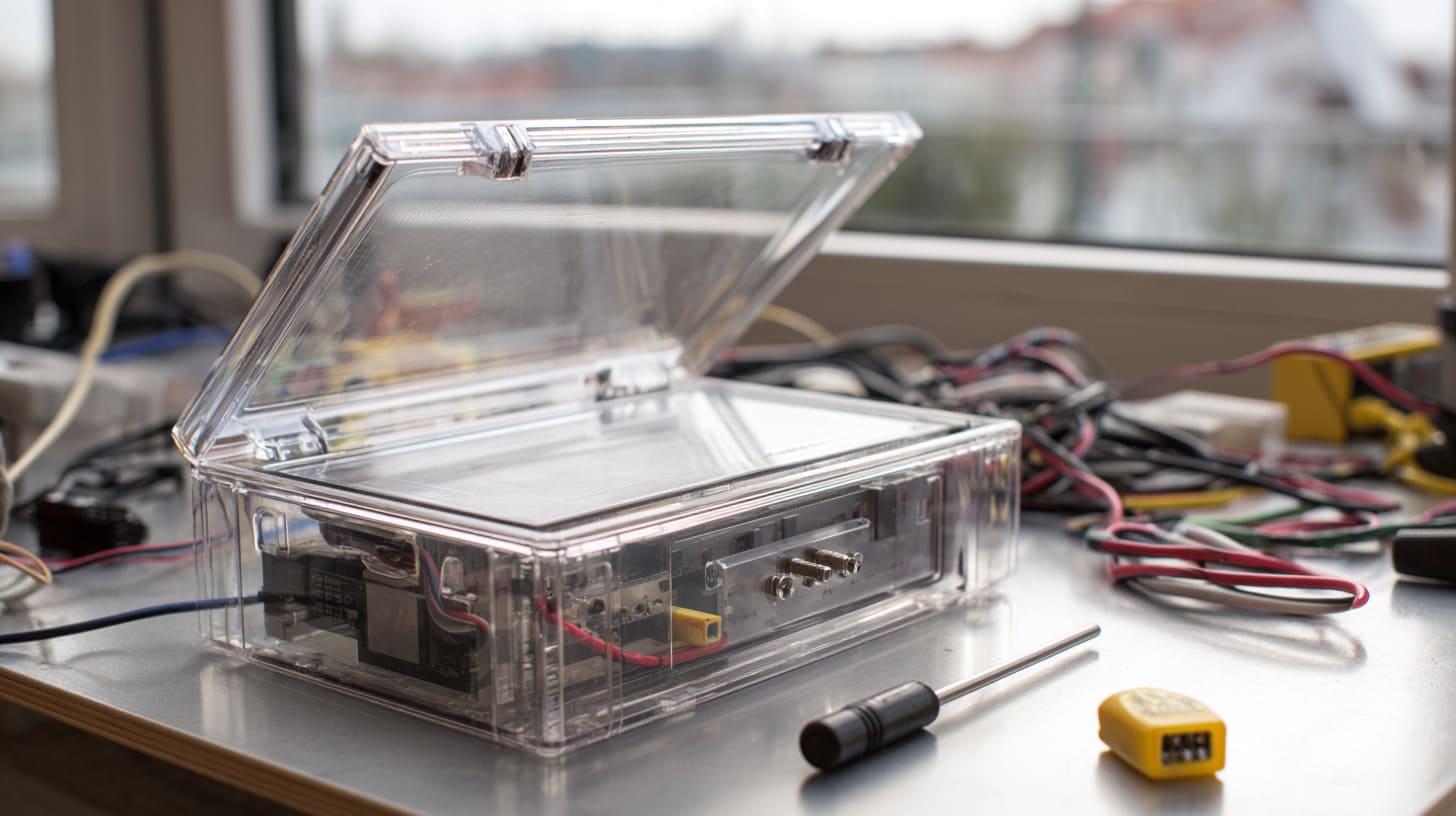
Materials (ABS, polycarbonate) and their advantages
- ABS: Cheap, easy to mold
- Polycarbonate: Stronger, UV resistant
- PVC: Good for conduit interfaces
When plastic is appropriate versus metal
Use it when:
- There’s no harsh environment
- Budget is tight
- Weight is critical
Don’t use it when:
- There’s heat
- There's risk of impact
- UV exposure is daily
Use cases
- Smart home hubs
- Custom IoT boxes
- Desk-top test equipment
These are often the first step for startups or small-batch OEM orders. They look simple—but getting the screw boss location right? That takes care.
And if nothing off-the-shelf fits, well…
10. Custom‑engineered enclosure (OEM/ODM)

Why you might need a custom enclosure
Because your board isn’t standard. Your brand isn’t generic. And your users expect more.
Custom enclosures mean you control:
- The shape
- The feel
- The function
What to check in a supplier
- Prototyping service
- Surface finish quality
- Logo application (print or engrave)
- Packaging for retail
Practical uses
- Consumer electronics
- White-labeled products
- Kickstarter launches
We’ve supported dozens of projects that began with: “This is just an idea…” By the end, it’s a full branded product, boxed and ready to ship.
Conclusion
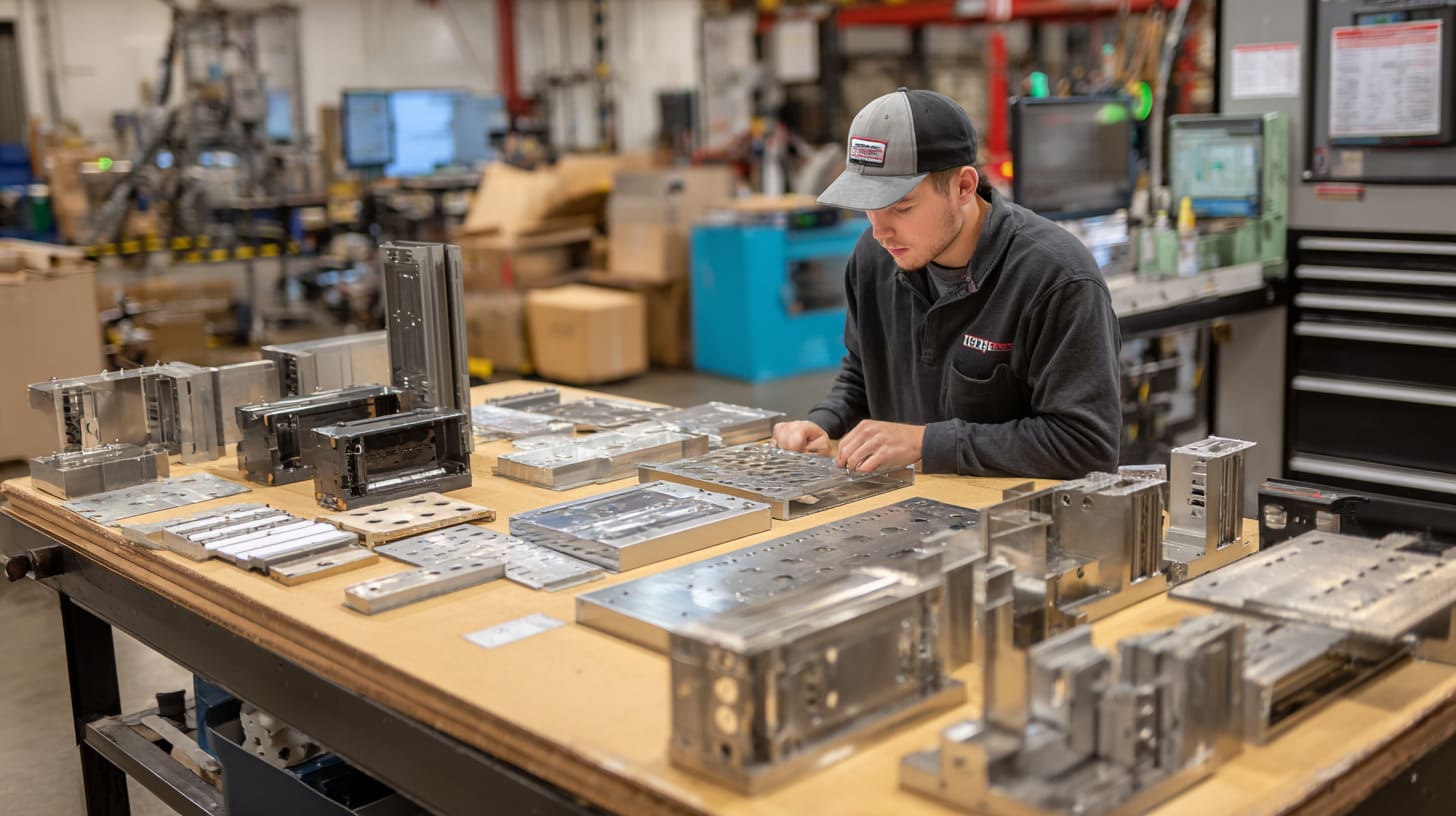
Choosing the right enclosure isn’t about metal or plastic. It’s about understanding your environment, your function, and your end-user.
Some of our clients know exactly what they want. Others figure it out along the way. Either is fine—as long as your supplier listens, asks questions, and helps you match form to function.
If you’re building something real—something that needs to survive weather, wear, or weird users—then the enclosure is not the last step. It’s the foundation.
And we’re here to help you build it right.