Skip to content
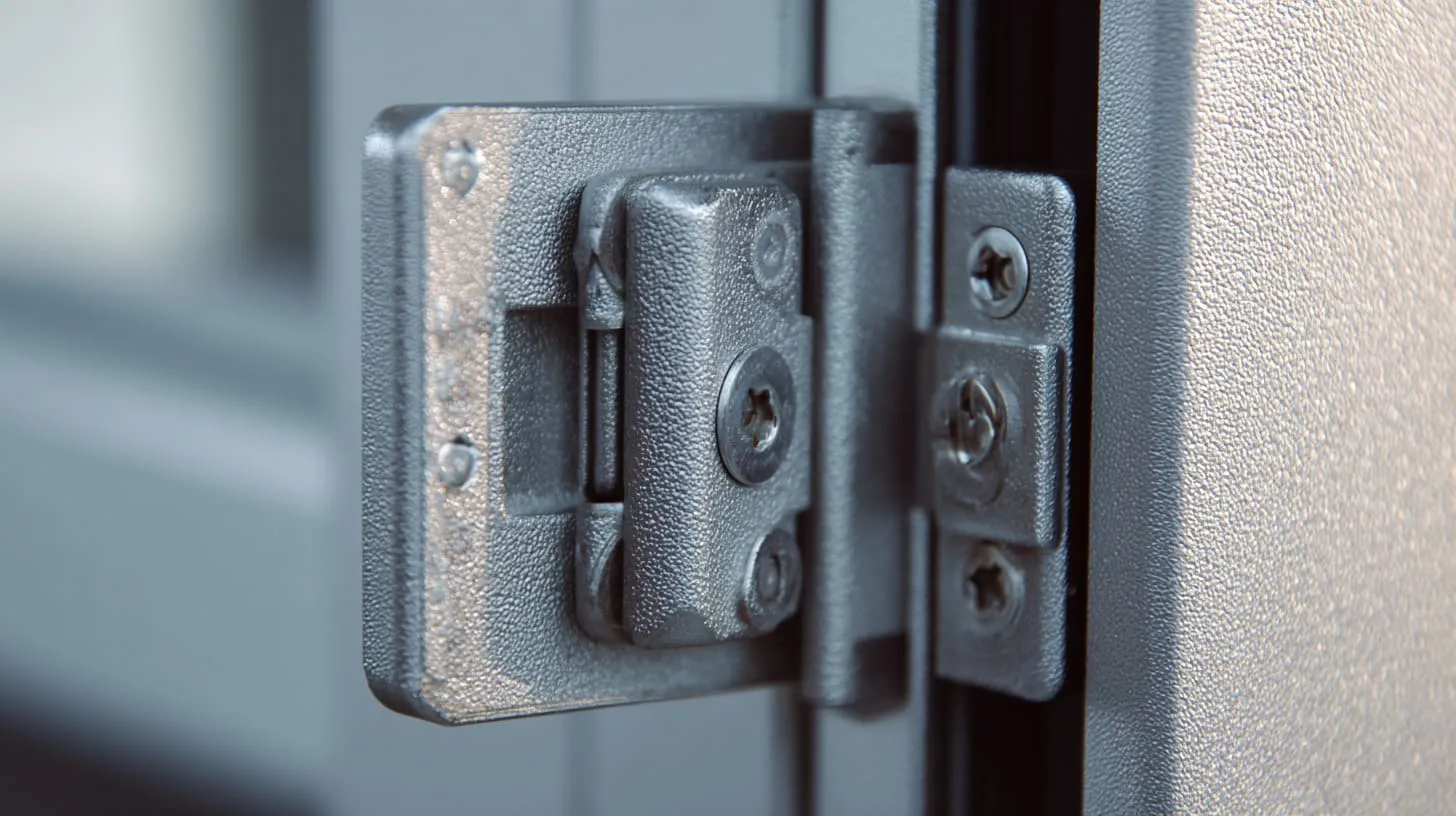
There is a moment that often happens when I visit a work site: someone calls me over to look at a metal box sitting under open sky. No drama, no big story. Just a box doing its job—until it doesn’t. One time, during a routine check at a partner’s installation in South Korea, I opened an enclosure that looked perfectly fine from the outside. Inside, moisture had already collected on the mounting plate. It wasn’t a failure caused by a storm or some dramatic event. It was simply the result of everyday weather slowly finding its way in.
That’s the reality of outdoor applications. Sunlight, temperature swings, rain, salt in the air, even random impacts from people or animals—all of these test an enclosure every single day. This is why product engineers, OEM buyers, and custom project owners ask me which metal enclosure they should choose. The right decision means peace of mind. The wrong one means maintenance calls, unhappy customers, and a lot of wasted time.
As someone who works with many B2B buyers at MaidaTech—people like Davide from Finland or John from Hungary—I’ve seen how these decisions affect real products and real timelines. So in this guide, I’ll break down the outdoor metal enclosure options we design and manufacture, and help you understand what works best in different environments.
1. Materials and construction options
1.1 Aluminum
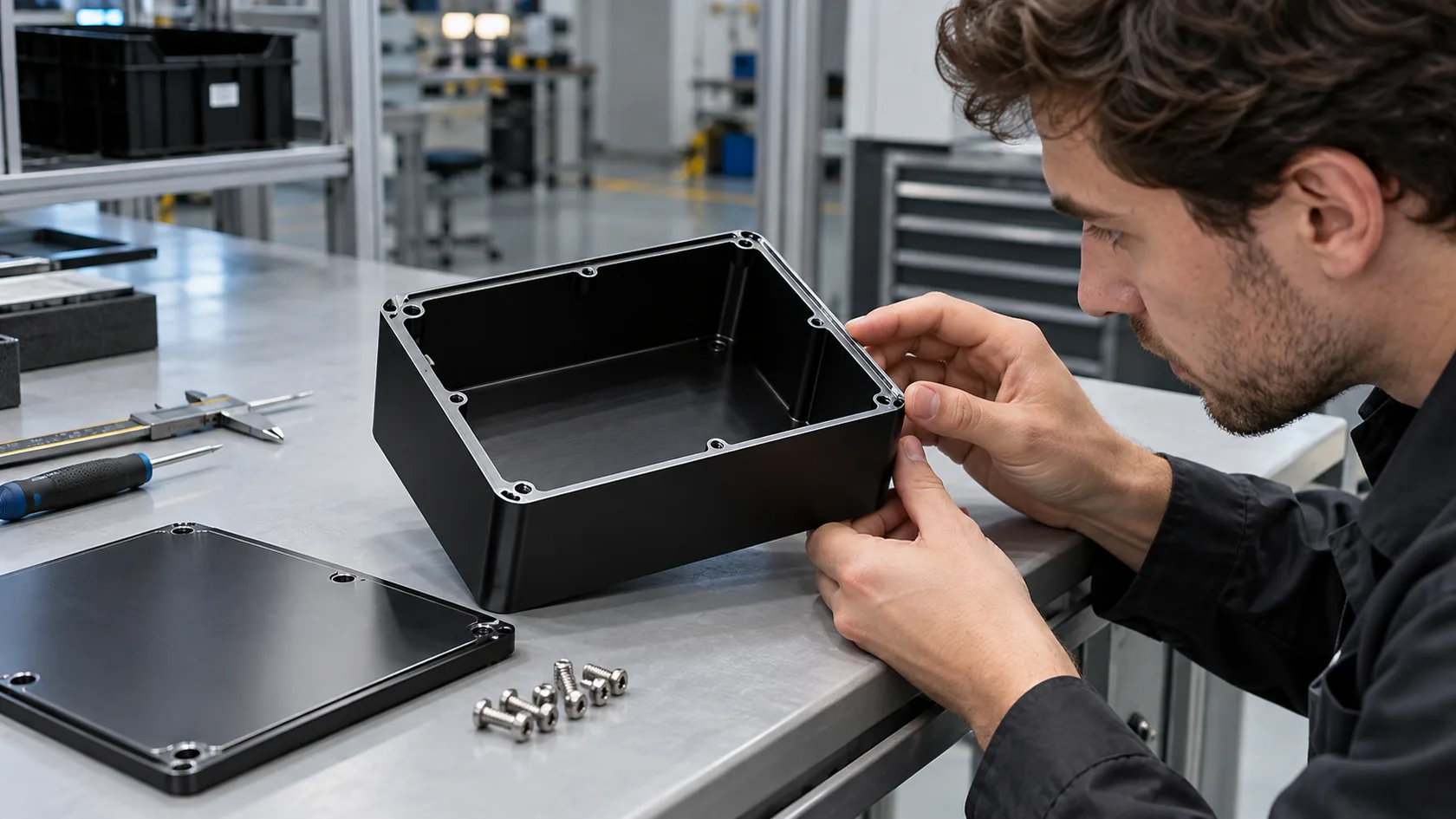
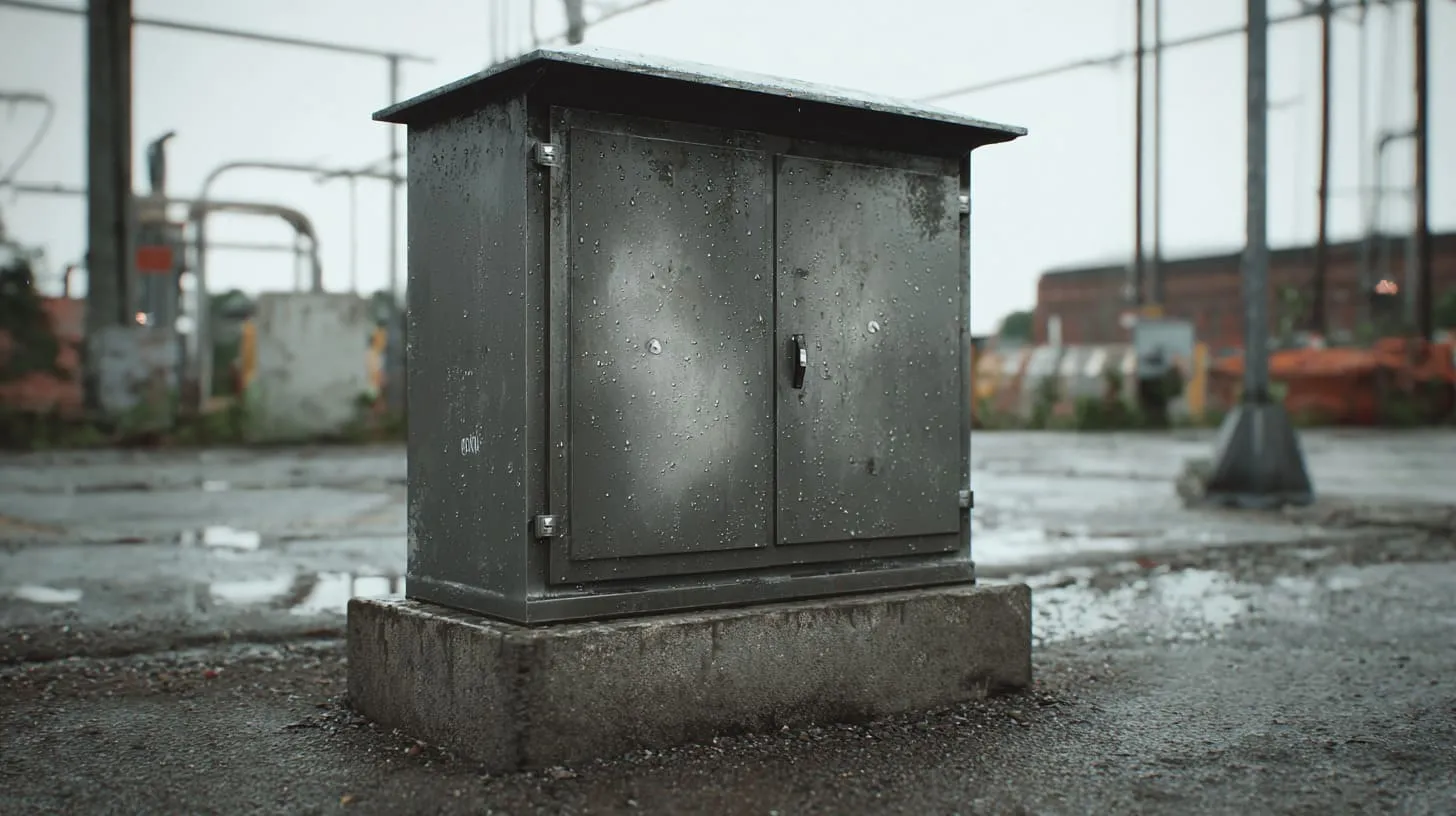
Aluminum is my go-to suggestion. Lightweight, rust-proof, and dissipates heat well. It’s easy to CNC or extrude into complex shapes, which matters a lot when your board design is irregular. Plus, anodizing adds an extra weatherproof shield.
1.2 Stainless steel
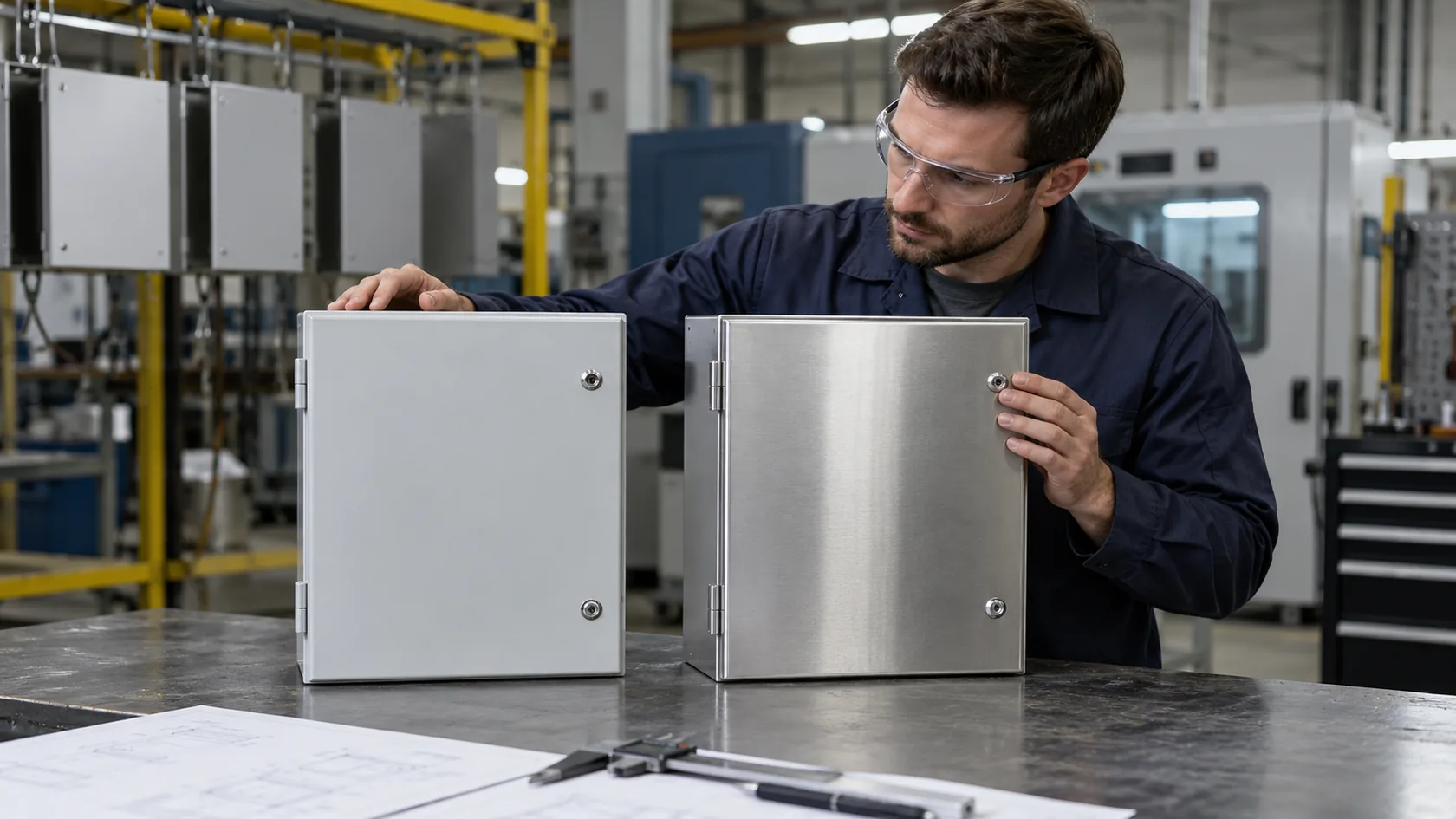
It’s heavier and costlier than aluminum—but if your enclosure sits near seawater or corrosive chemicals, stainless steel is a beast. Type 316 gives better salt resistance than 304. I’ve had clients from Finland insist on this for coastal telecom gear.
1.3 Carbon/galvanized steel
Budget tight? Galvanized or powder-coated carbon steel might do the job. It’s not as corrosion-resistant, but still strong. We’ve made many rugged junction boxes using this combo for industrial inland setups.
1.4 Comparative table: weight, corrosion resistance, cost, suitability
| Material | Weight | Corrosion Resistance | Cost | Outdoor Suitability |
|---|---|---|---|---|
| Aluminum | Light | High | Moderate | Excellent (UV + rain) |
| Stainless Steel | Heavy | Very High | High | Ideal for coastal/chemical |
| Galvanized Steel | Heavy | Moderate | Low | Good (budget-friendly) |
1.5 Construction details: wall thickness, seams, hinges, cut‐outs
Thicker walls resist dents but increase weight. Seams should be welded or folded tight. For hinges, always ask: “Will this be opened often?” If yes, go for stainless-steel hinges with removable pins. And cut-outs? Plan them upfront. Field-cutting always creates sealing headaches.
So now you know your metal. But how will it behave when nature decides to test it?
2. Environmental & performance considerations
2.1 Weather exposure: UV light, rain, snow, ice, sun/heat
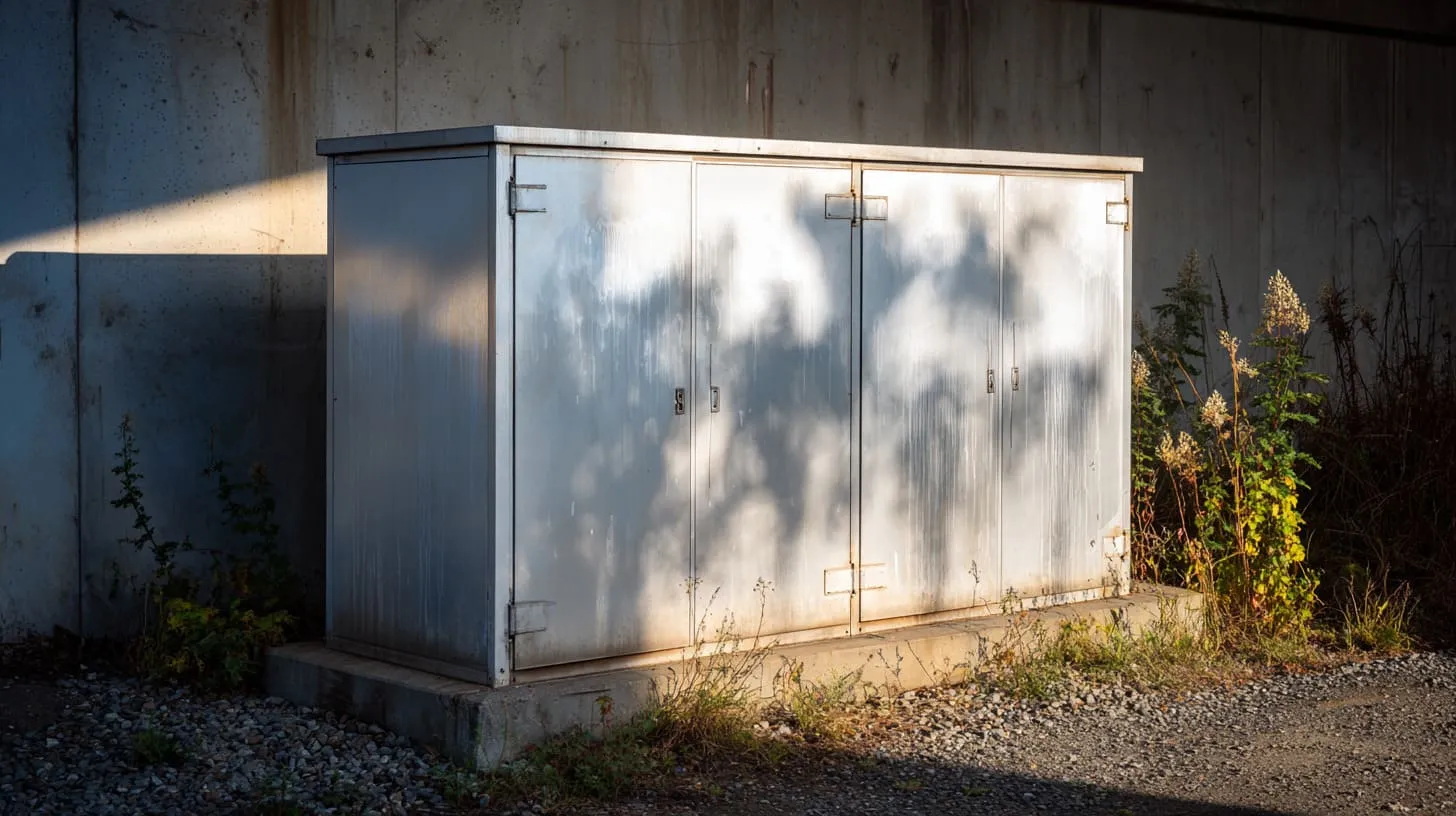
UV light fades coatings. Rain sneaks through bad gaskets. Heat builds up inside sealed boxes unless you plan for it. Snow adds weight. Ice jams hinges. All these aren’t theoretical—I’ve faced every single one in client feedback.
2.2 Corrosion factors: coastal salt spray, industrial atmosphere
Salt is a silent killer. It creeps into joints and flakes metal from inside out. If you’re placing your enclosure near the sea—or near chemical exhaust—you must go for materials like 316 stainless or anodized aluminum.
2.3 Mechanical threats: impact, vandalism, wildlife/insects
A client once had a squirrel chew through a plastic cable gland. Insect-proof vents and tamper-proof screws are underrated heroes. Urban areas? Expect vandalism. Rural? Think cows and birds. Mechanical abuse is real.
2.4 Thermal management: heat build‑up, ventilation, insulation
Sealed boxes trap heat. If your internal device already runs warm, that heat builds up fast. We often suggest aluminum with inner mounting plates and vents for passive cooling. Sometimes foam insulation helps buffer sudden cold drops too.
2.5 Standards & ratings: IP ratings, NEMA ratings for outdoor enclosures
Don’t guess—check the rating. Here’s a quick breakdown:
| Rating | Protection Type | Ideal For |
|---|---|---|
| IP65 | Dust-tight, low-pressure water jets | Outdoor control boxes |
| IP66 | Strong water jets, full dust protection | Harsh weather setups |
| NEMA 3R | Rain, sleet, ice—but not dust-tight | Telecom enclosures |
| NEMA 4X | Water + corrosion resistance | Coastal or chemical facilities |
Understanding the weather is one part—but now let’s look at the engineering details that make a box truly “outdoor ready.”
3. Design features specific to outdoor metal enclosures
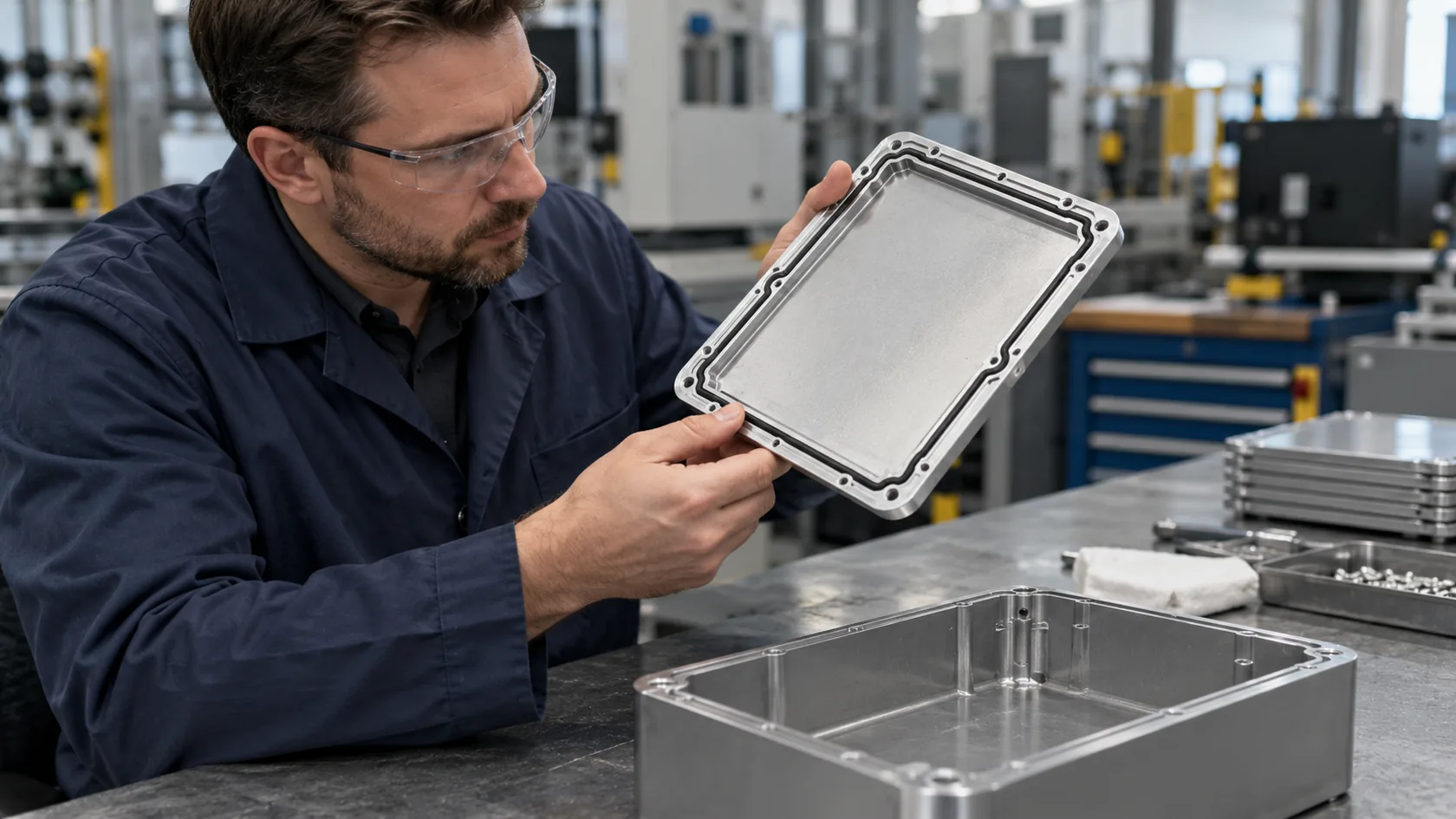
3.1 Sealing & gasketing: material choices (EPDM, silicone) and compression issues
Some gaskets sag over time. EPDM works well for general use. Silicone? Better for extreme temps. But remember—gasket compression matters. If the door warps, even the best gasket fails. I often remind customers: “Flat door + even compression = good seal.”
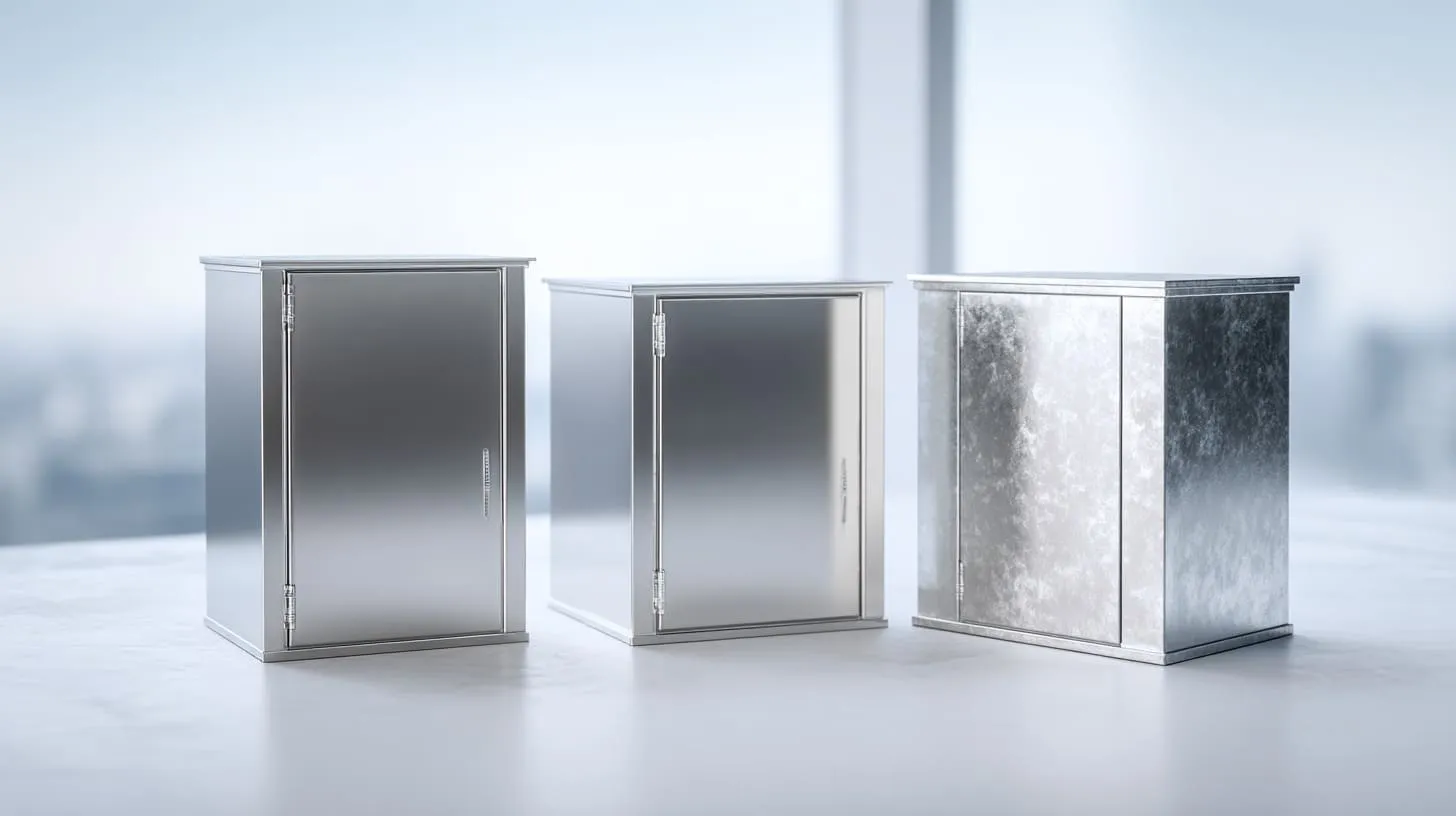
3.2 Surface finishes & coatings: powder coating, anodizing, UV‐resistant paint
Powder coating isn’t just for looks—it seals out corrosion. Want a matte black or RAL color? Easy. Anodizing on aluminum gives you corrosion + scratch resistance. Some OEM clients even request dual layers—anodize first, coat second.
3.3 Mounting & orientation: wall, pole, ground; avoiding water accumulation and direct sun
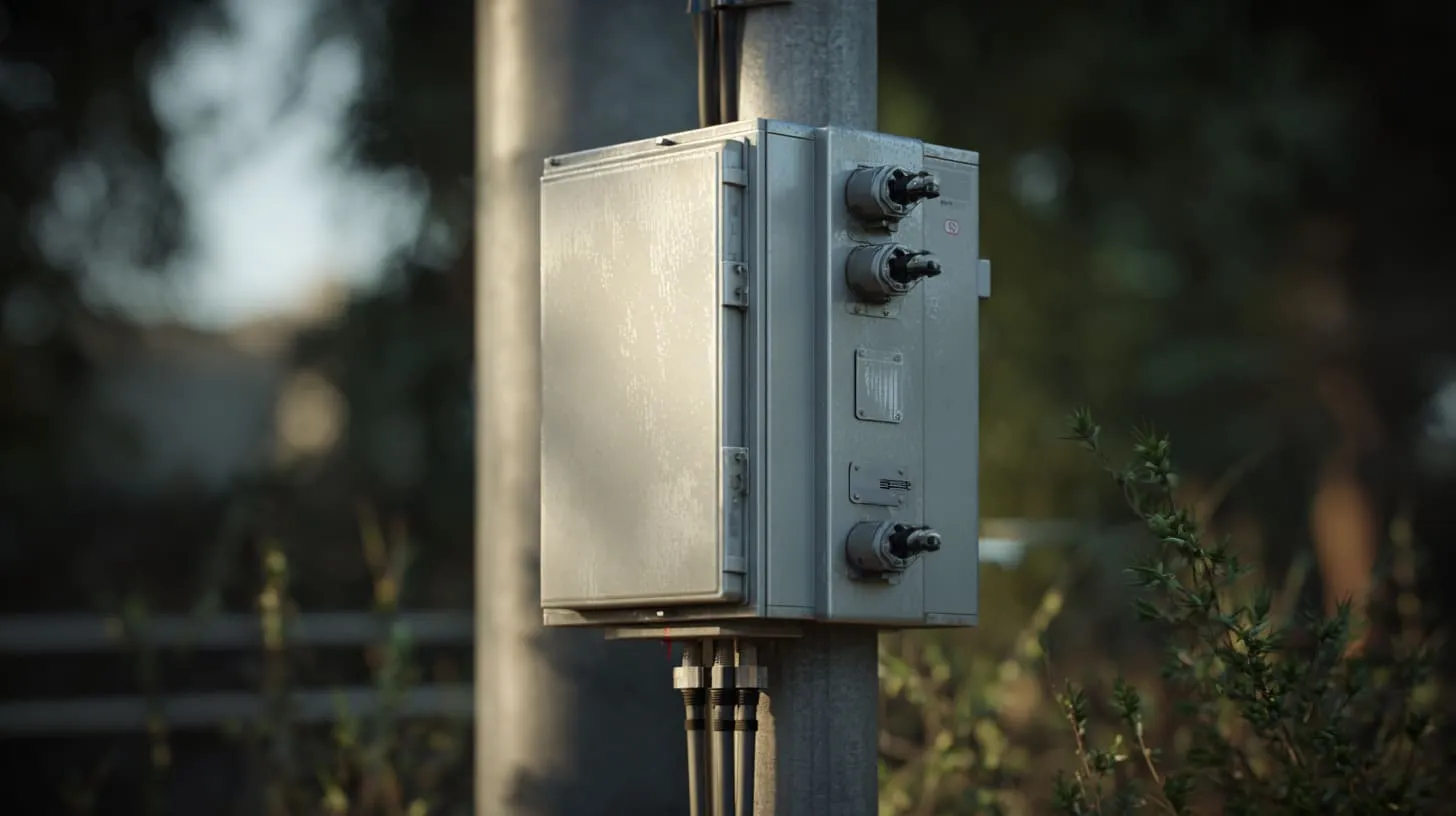
Don’t place your enclosure face-up on a flat surface. Rain will pool. Wall mounting at a slight downward angle works best. Pole mounting? Use U-bolts or brackets with vibration isolators. We’ve made pole-mount kits that saved clients hours on install.
3.4 Cable entry & management: glands, grommets, strain relief
If water gets in, it usually comes through the cable hole. Use IP-rated glands, and mount them at the bottom if possible. Also, plan for strain relief—heavy cables pull hard over time.
3.5 Security & accessibility: locks, tamper‐resistant hardware, maintenance access
John from Hungary once told me, “I need it to be secure, but also open fast for service.” We solved it with a 3-point lock and quick-remove panels. Some buyers forget this balance. Think access, but don’t compromise safety.
So we’ve got design down. But how do you pick the right one for your outdoor job?
4. Matching the enclosure to the application
4.1 Utility & telecom outdoor equipment
These often need pole-mounted boxes with secure lockouts. They must survive all weather and offer cable space. Heat is an issue too—expect fan or vent add-ons.
4.2 Renewable energy / solar / wind outdoor enclosures
Mountaintop solar setups, roadside inverters—these ask for corrosion-proof materials and lightweight mounting. Often aluminum with powder-coat and rain hood is best.
4.3 Industrial outdoor control panels (oil & gas, chemical plants)
Explosion-proof or corrosion-proof—sometimes both. We’ve done sealed stainless steel enclosures with window doors for clients in chemical zones.
4.4 Harsh environment / remote outdoor deployments
No service crew? Then durability is king. We design for longevity—overbuilt hinges, thick doors, double gaskets.
4.5 Customization: OEM & ODM clients – size, branding, finish, features
Jackson from Germany sends us files regularly—he wants his logo laser-engraved, colors to match his product line, and holes pre-cut for connectors. If you’re OEM like him, these details help your product stand out.
At this point, you're probably wondering—how much is all this going to cost?
5. Cost considerations & trade‑offs
5.1 Material cost vs lifecycle cost
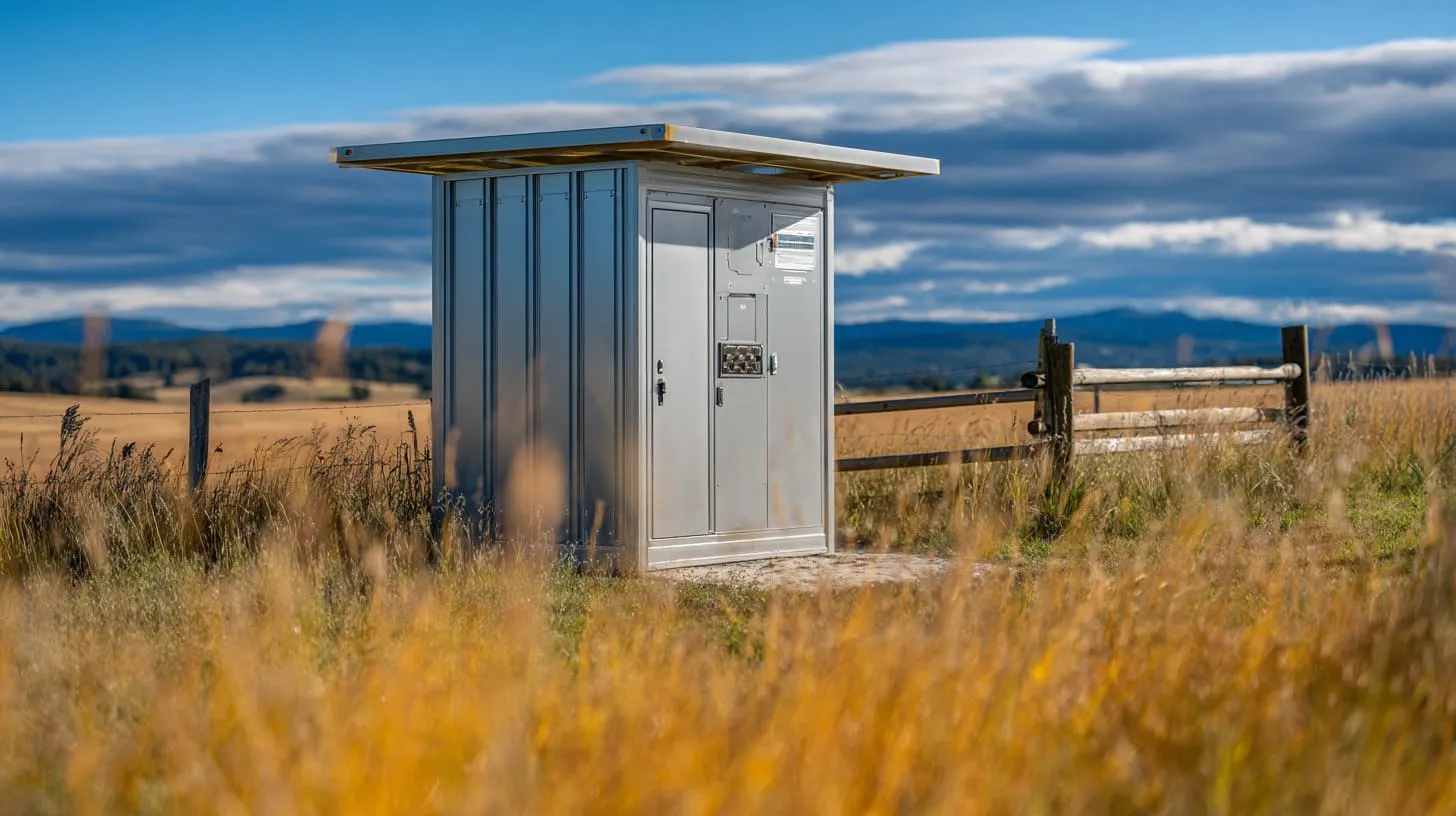
Galvanized steel is cheaper upfront. But if it rusts in a year, was it really cheaper? Aluminum lasts longer, saves on maintenance.
5.2 Custom vs standard sizes and features
Custom saves time in assembly. But yes, molds and setup cost more. If your quantities are consistent, customization pays off over time.
5.3 Shipping, installation, and logistics for outdoor metal enclosures
Heavy enclosures cost more to ship. We help by optimizing wall thickness and suggesting nested designs. Also, modularity helps cut install time.
5.4 Supplier choice: factory direct vs middle‐men (why MaidaTech’s factory model matters)
We are the factory. No markup. No middleman. That’s why we can offer 10% lower pricing—plus faster lead times. I’ve watched clients waste weeks waiting on agents to check with their "factory." We just get it done.
5.5 Hidden costs: maintenance, corrosion replacement, downtime
A cheap box that fails in six months? That costs more in downtime than you saved. Pick quality once. Avoid paying twice.
Speaking of smart decisions—how should you handle the install and upkeep?
6. Best practices & install/maintenance tips
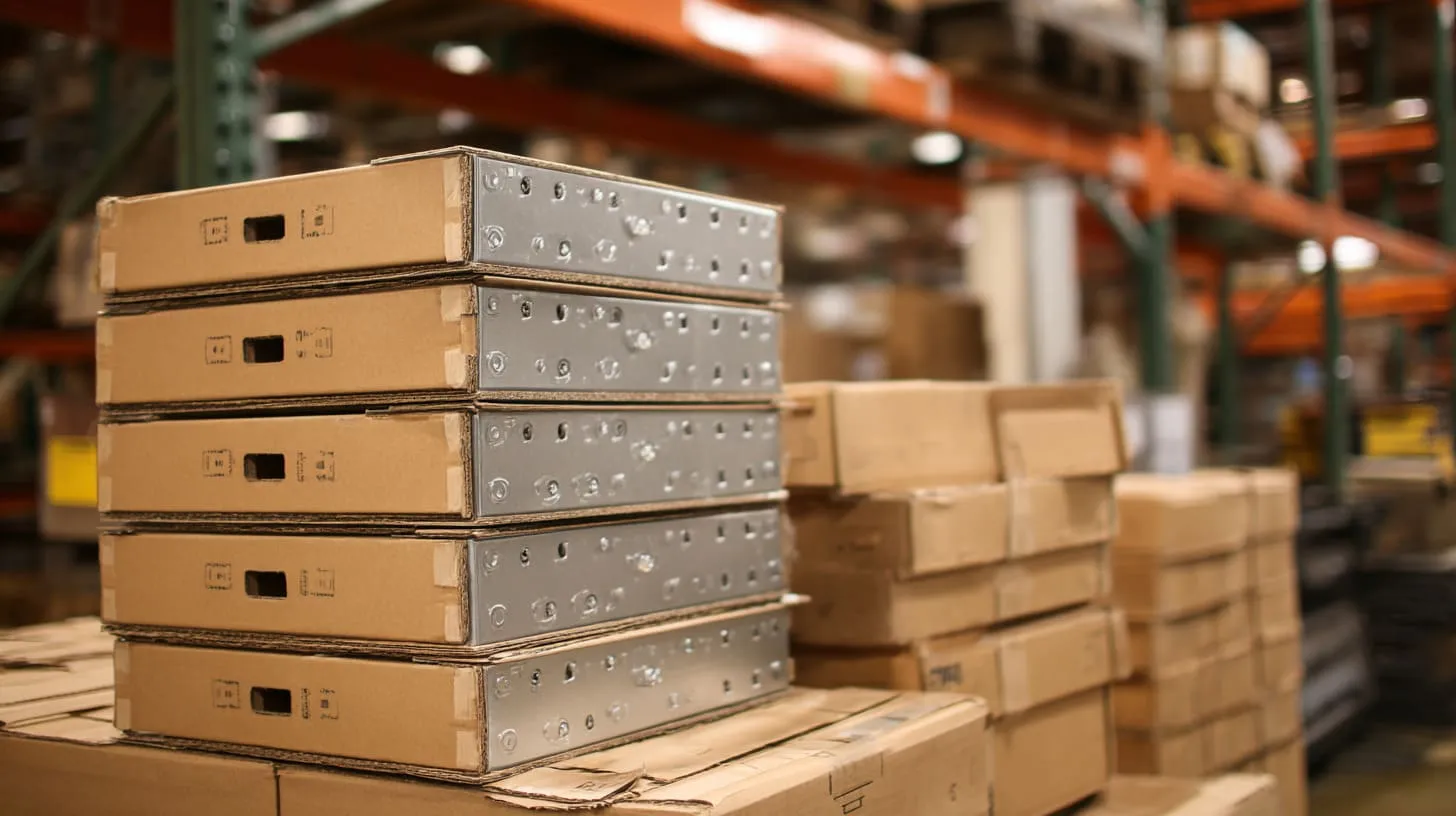
6.1 Pre‐installation: site survey, load/weight, exposure analysis
Is your site windy? Salty? Exposed to public access? Plan now. Choose materials and mounting based on real risks, not guesses.
6.2 Installation: anchoring, sealing, grounding, avoiding hotspots
Level the mount. Tighten the seals. Ground the box. Avoid installing near reflective glass or metal—those bounce heat.
6.3 Commissioning: verification of ratings, sealing tests, thermal checks
Check the seals before closing up. Use water spray tests. Use a thermal camera if you can to check heat buildup.
6.4 Maintenance: inspection schedule, gasket replacement, corrosion monitoring
Set a schedule. Quarterly checks help spot early gasket cracks or peeling paint. Touch up coatings before rust spreads.
6.5 End‑of‑life & upgrade planning: modularity and future expansion
Design today for tomorrow’s tech. Leave space inside. Use brackets that can be swapped. It saves you headaches down the road.
Conclusion
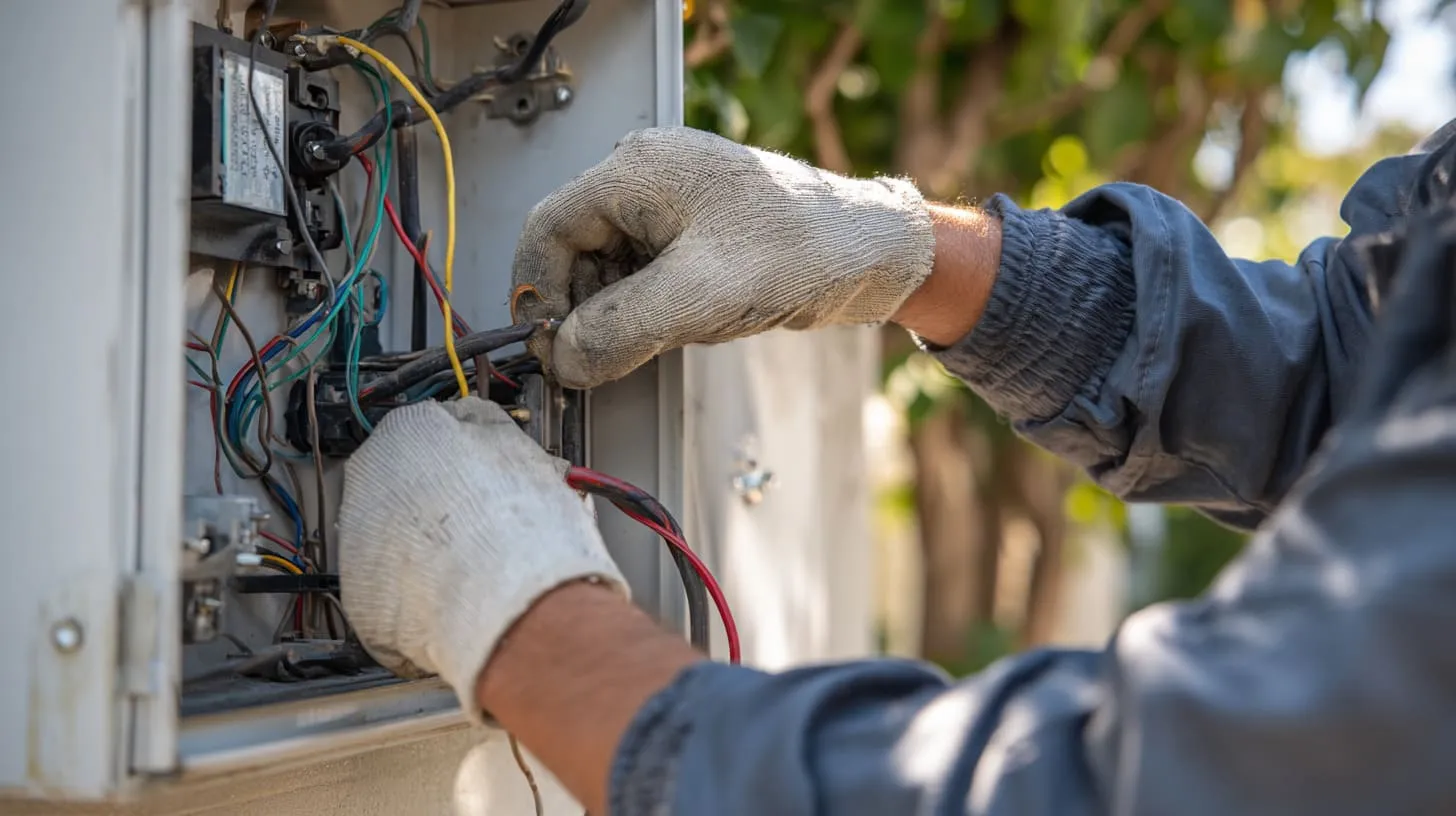
Outdoor enclosures aren’t just boxes. They’re the armor your tech wears to face the wild. Get the material right. Understand the threats. Design for reality. Choose smart. Maintain wisely.
And if you're a product engineer, a custom brand buyer, or a rebranding distributor like Davide, Jackson, or John—we’re ready. At MaidaTech, we make enclosures that work hard, look sharp, and ship fast.
Need a quote? Or just want to run your idea by me?
Email me directly at info@maidatech.com. Let’s build something that lasts.