Skip to content
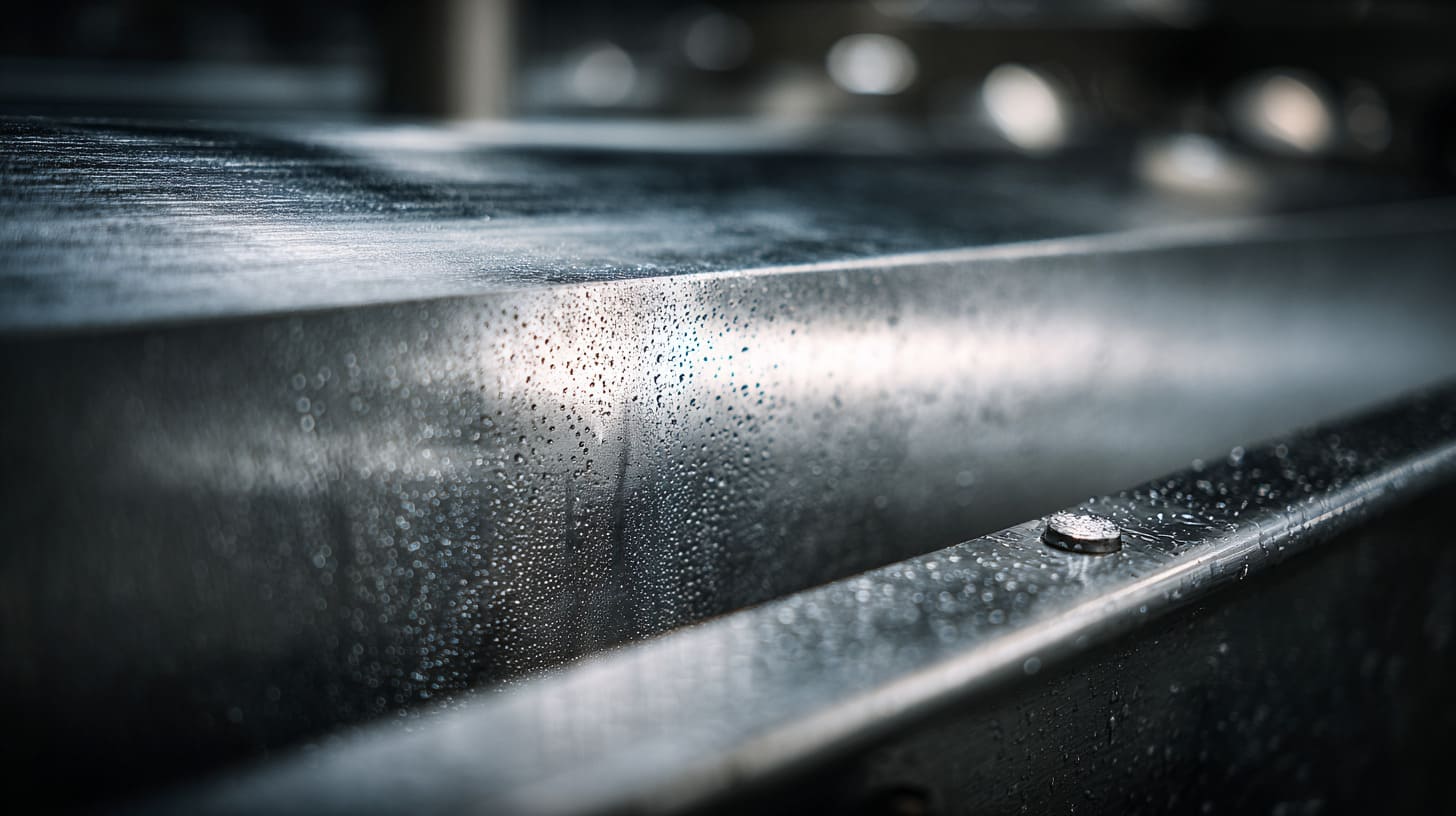
The warning sign usually shows up as a tiny line in a drawing note, not as a big argument in a meeting.
“Material: 304 SS. Food grade.”
That line looks calm. It sounds like the project is already safe. And honestly, I understand why engineers and buyers reach for it. 304 is common. It is clean. It is easy to source. It feels like the “normal” choice for food equipment.
But I have learned something from real builds and real complaints: food-grade does not mean “fits every food environment.” Food equipment does not live in a lab. It lives in salt mist, brine splash, hot washdown, chemical foam, and long nights where water sits in places nobody designed for.
Here’s my core judgment in plain words: 304 stainless steel can become the wrong choice under specific food-processing conditions. Not because 304 is bad, but because the environment can be harsher than the drawing admits.
One thing I do almost automatically now is this: if someone picks 304 before we talk about cleaning chemicals and how long the surface stays wet, I assume we are saving time today and buying risk for later.
This article is for product engineers, OEM buyers, and equipment designers who must decide materials under real pressure—cost, lead time, audits, and customer trust.
So before we talk about “better stainless,” we should answer the honest question first: why does 304 feel so safe in the first place?
Why 304 Stainless Steel Is So Widely Used in Food Equipment
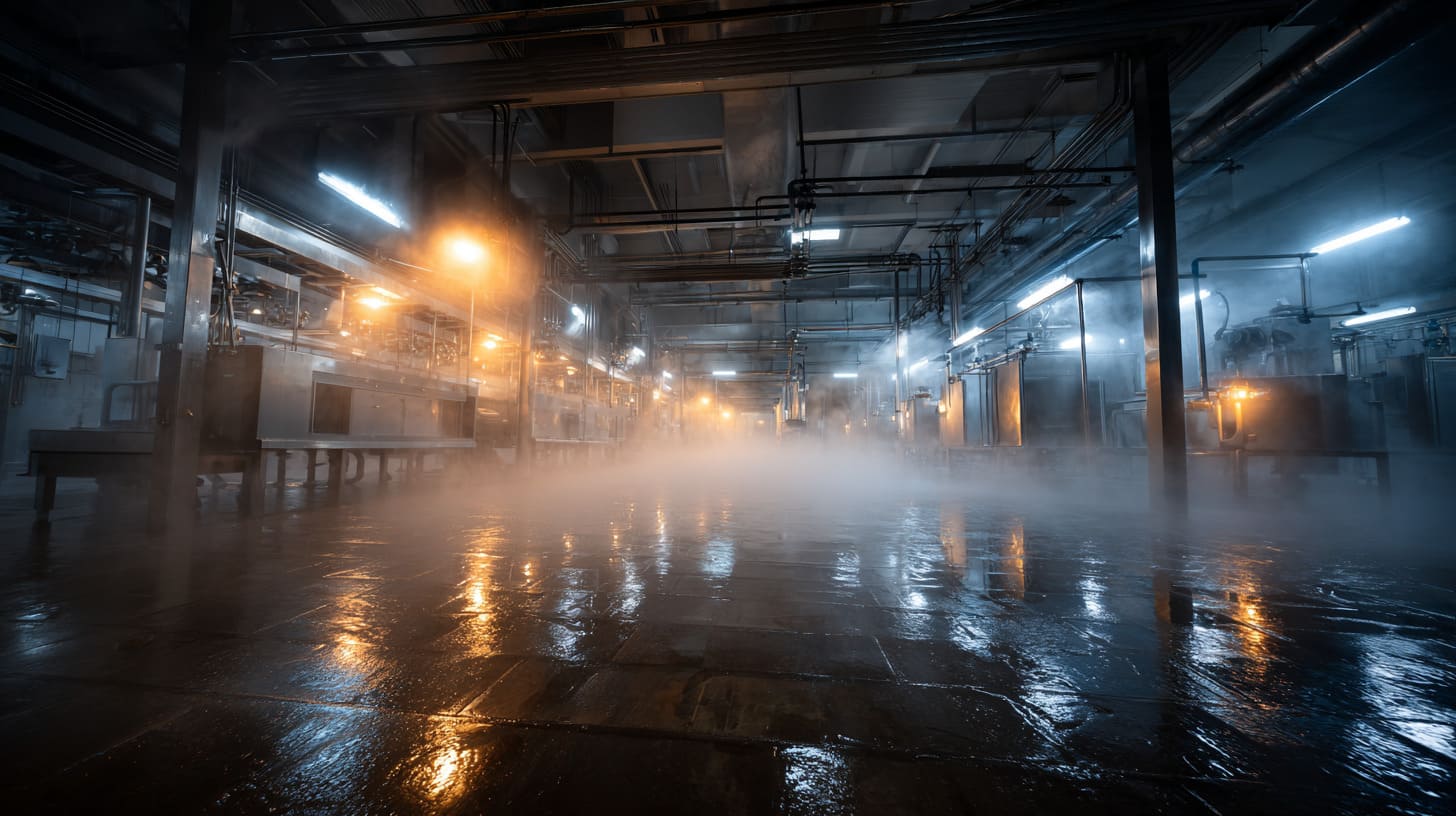
304 is popular for the same reason plain white paper is popular. It is clean, familiar, and it works in many normal cases.
My own rule is simple: if the client cannot describe the real cleaning chemistry and exposure time, I treat “304” as a placeholder, not a final answer.
What makes 304 stainless steel “food grade”
304 is an austenitic stainless steel. Many engineers trust it because it forms a thin protective oxide layer on the surface. That layer helps resist corrosion in many everyday environments.
Also, 304 is widely used in food contact applications because it can be cleaned well, it has good formability, and it is accepted in many common food equipment standards and practices.
But “accepted” is not the same as “best.” A lot of standards talk about cleanability and food contact safety, not the exact corrosion risk under your exact wash routine.
Typical food equipment applications where 304 works well
304 often performs fine when the environment stays mild and predictable.
- Dry food handling equipment
- Low-salt, low-acid mixing or staging
- Indoor equipment with stable temperature
- Equipment that dries fully after cleaning
Here is a quick way I explain it to buyers like Jackson who manage OEM work and also deal with local customer complaints:
| Environment trait | What it looks like in a plant | 304 outcome (typical) |
|---|---|---|
| Mostly dry | Flour, grains, powders | Usually stable |
| Low chloride | Minimal salt exposure | Usually stable |
| Gentle cleaning | Mild detergents, no chlorine | Usually stable |
| Good drying | Warm airflow, low condensation | Usually stable |
Why engineers and buyers default to 304
People pick 304 for practical reasons:
- The price is easier to accept
- The supply chain is wide
- Many workshops already stock it
- Many drawings already use it as a habit
There is also a psychological reason: 304 sounds like a safe “standard.” It reduces arguments early. It reduces back-and-forth.
But early peace can become late pain.
If 304 is the default, the next question is the real one: what changes the environment enough that corrosion risk rises quietly?
When Corrosion Risk Quietly Increases in Food Environments
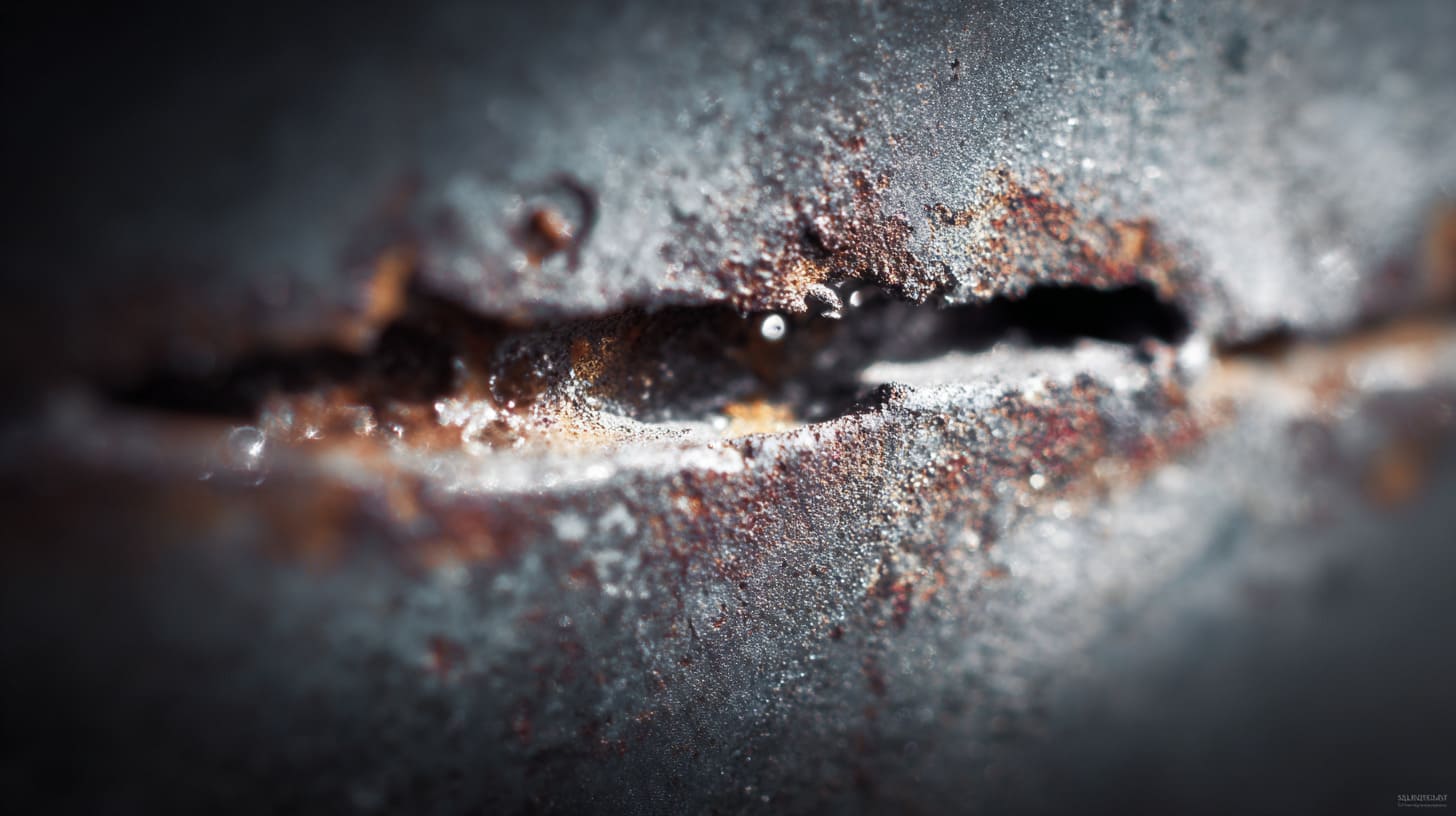
Food plants are full of “invisible exposure.” The equipment can look dry when you visit, but it can stay wet in crevices for hours after shift.
The detail that usually decides the material is not the food itself—it is the cleaning cycle and how long moisture sits on the surface.
Chlorides in real food processing
Chlorides show up everywhere:
- Salt
- Brine
- Marinades
- Seafood fluids
- Some cleaning products
- Some water supplies (it depends on region)
Chloride exposure is often underestimated because teams look at the recipe and forget the process. A product might only contain “a little salt,” but the equipment might be rinsed, sprayed, and soaked in salty liquids all day.
This is also why a short lab test can mislead. A quick rinse does not show what happens after hundreds of cycles.
Acidic environments are not rare. They hide in plain sight:
- Vinegar-based sauces
- Citrus processing
- Fermented foods
- Pickled products
- Cleaning additives that shift pH
A lot of people ask, “Is pH low?” and stop there. I think the better question is, “How long does acidic moisture stay on the steel?” Time matters.
If acid sits on the surface overnight, it can slowly attack the passive layer, especially in spots that are hard to rinse well.
Moisture, heat, and downtime cycles
This is the classic trap:
- Equipment runs hot
- Then it cools
- Moisture condenses
- Cleaning happens
- Drying is incomplete
- Equipment sits idle
Wet-dry cycling can be harsh. Condensation can act like a thin film of electrolyte. Then corrosion starts in small places.
Here is a simple “risk amplifier” table I share when engineers want a fast way to think:
| Factor | Why it increases risk | Example |
|---|---|---|
| Heat | Speeds chemical reactions | Steam zones, hot wash |
| Moisture | Enables corrosion reactions | Condensation, pooling water |
| Chloride | Breaks passive layer | Brine tanks, salty wash |
| Downtime wet | Extends exposure time | Weekend shutdown |
Once corrosion risk rises, the next thing is predictable: failures do not happen everywhere. They happen in specific weak spots.
So let’s talk about where 304 starts to fail, even when everything “looked fine” at the start.
Where 304 Stainless Steel Starts to Fail in Practice
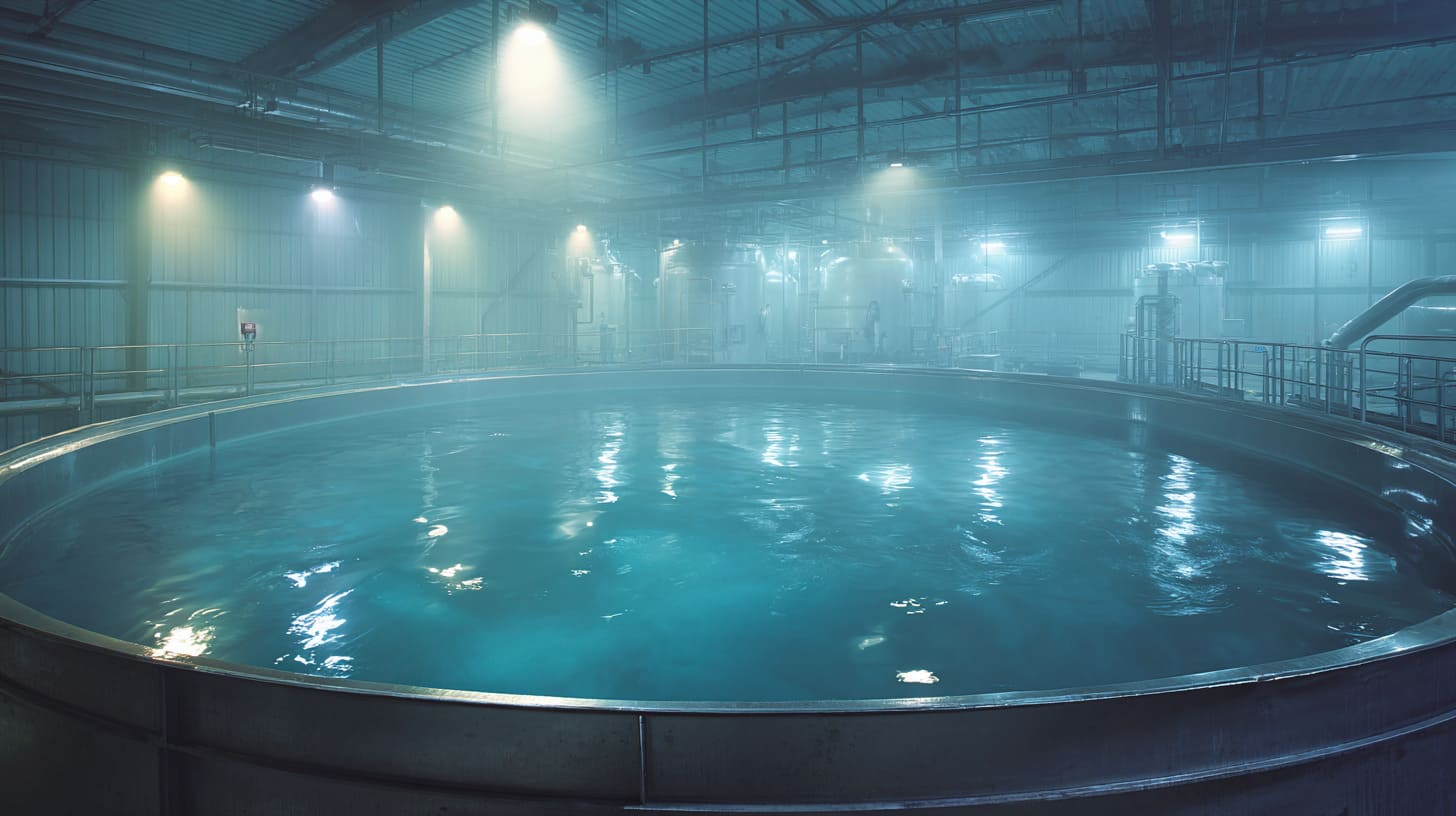
Most failures do not start with a dramatic crack. They start with tiny changes: a dull spot, a rough patch, a stain that comes back after cleaning.
The moment I see “mystery rust” near a weld or fastener, I stop debating price and start asking what liquid and cleaner touched that area.
Pitting corrosion on food-contact surfaces
Pitting is one of the most common issues. It can look like small pinholes or rough dots. People often wipe it and think it is surface dirt. Then it returns.
Why it matters in food equipment:
- Pits are hard to clean fully
- Pits can trap residues
- Pits can become hygiene and inspection problems
The scary part is this: pitting can start small, but it changes the surface from smooth to “sticky.” Once the surface changes, cleaning becomes harder, and the plant often increases chemical strength. Then the cycle gets worse.
A simple way to spot the risk early is to check if the design has areas where liquid can sit. If liquid sits, pits can start.
Stress corrosion cracking in processing equipment
This one surprises people because it feels “too serious” for food equipment, but it can happen under the right combination:
- Stress in formed parts
- Heat exposure
- Chemical exposure
- Time
Stress corrosion cracking can show up suddenly after months of normal use. The equipment might look fine until one day a crack appears near a bend, a corner, or a welded joint.
Engineers sometimes blame manufacturing first. Sometimes it is a fair point. But sometimes the material and environment combination is just pushing the steel too hard.
Weld zones and fastener areas as weak points
Weld zones and fasteners are classic weak points because:
- Heat-affected zones can behave differently than base metal
- Weld profiles can create crevices
- Fasteners create tight gaps where liquid sits
- Surface finishing can be inconsistent
These are also the places where inspections focus. If corrosion starts there, the equipment fails audits faster, even if the rest looks fine.
Here is a practical checklist I use when I review drawings:
| Area | Why it fails first | What I ask |
|---|---|---|
| Weld seams | Heat effects + crevice shapes | Is weld finish smooth and cleanable? |
| Bolts/fasteners | Trapped moisture | Can we seal or redesign joints? |
| Corners/bends | Stress concentration | Is stress high in that region? |
| Undersides | Poor drying | Does water drain fully? |
When you connect these failure patterns to real processing conditions, you can predict where 304 becomes a bad bet.
That leads to the question buyers hate, but need: “Where is 304 clearly the wrong choice?”
Food Equipment Scenarios Where 304 Is the Wrong Choice
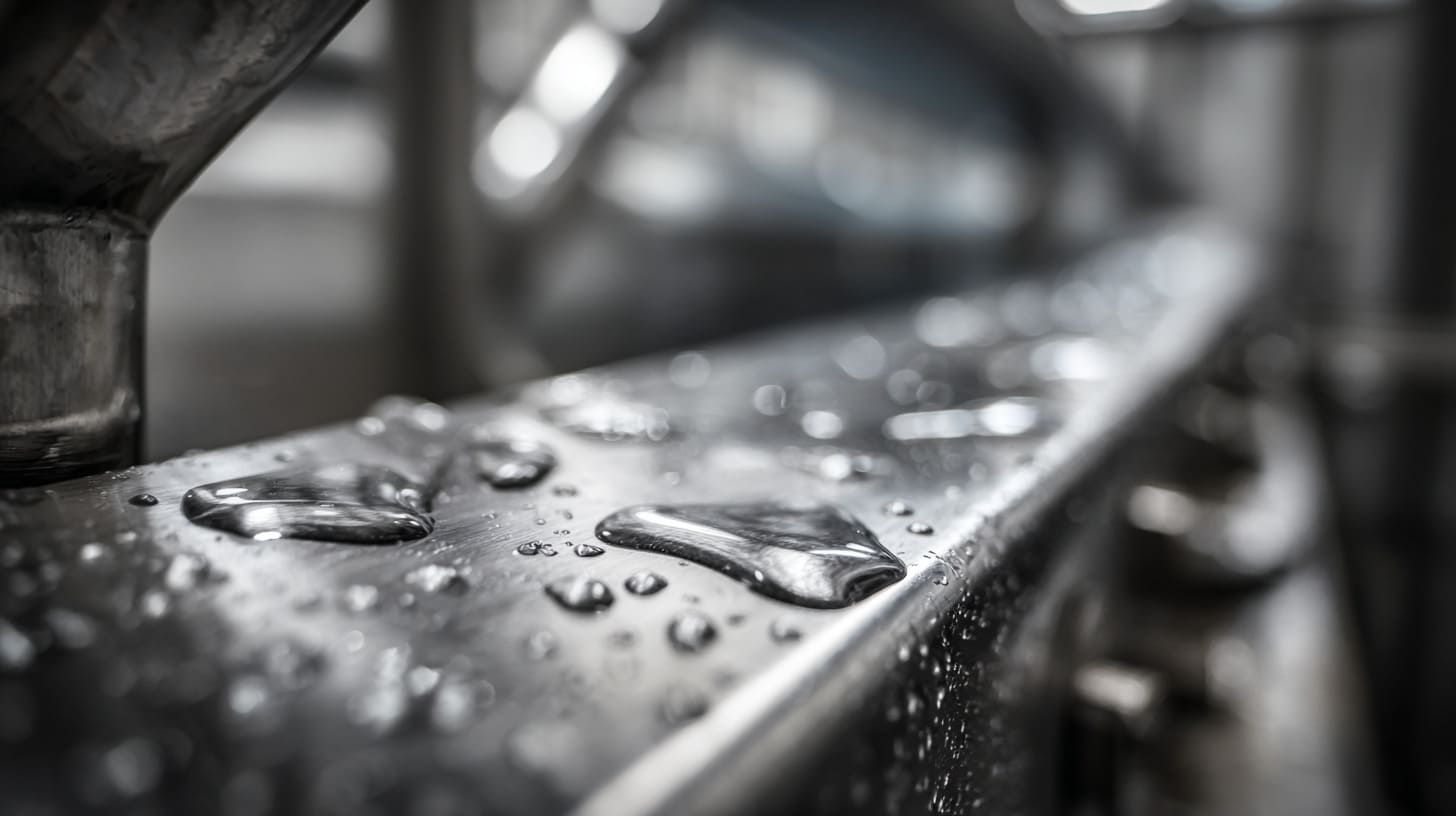
I do not like saying “never,” because engineering is full of trade-offs. But some scenarios make 304 a risky choice even before production starts.
What often decides it for me is this: if the equipment will spend more time wet than dry, I stop trusting 304 as a default.
High-salt or brine-based food processing
Salt-heavy environments are a common trigger.
- Meat curing rooms
- Brine injectors and brine tanks
- Seafood processing lines
- Pickled and preserved food lines
Even if the equipment is “stainless,” chlorides can push 304 toward pitting and crevice corrosion, especially around joints and welds.
If the plant uses brine, the “stainless” question becomes: which stainless, and why?
Aggressive cleaning and sanitation routines
Cleaning is not gentle in many plants. It is fast and strong, because downtime is expensive.
Common high-risk factors:
- CIP systems that circulate chemicals
- Chlorine-based cleaners (even at low concentration)
- Strong alkaline cleaners
- Hot washdowns
If the plant uses chlorine-based cleaners, I usually see 304 complaints sooner. Sometimes the cleaner is not even labeled “chlorine.” Sometimes it is a compound that releases chlorine under use.
Outdoor or semi-outdoor food equipment
Outdoor exposure is tricky because it adds:
- Washdown water
- Rain and humidity
- Coastal salt air in some regions
- Temperature swings and condensation
Even semi-outdoor zones, like equipment near open loading bays, can behave like outdoor equipment.
Here is a quick “scenario risk” table you can drop into a design review:
| Scenario | Risk level for 304 | Why |
|---|---|---|
| Dry food staging | Low | Low moisture, low chlorides |
| Brine processing | High | Chloride exposure is constant |
| Chlorine-heavy cleaning | High | Passive layer is attacked |
| Coastal semi-outdoor | Medium to high | Salt air + moisture |
| Hot acidic processing | Medium to high | Time + chemistry + heat |
Once you see these patterns, the next step is usually not “change suppliers.” It is “change material.”
So let’s talk about the move that solves many headaches: switching to 316.
Why Switching to 316 Stainless Steel Is Often the Better Decision
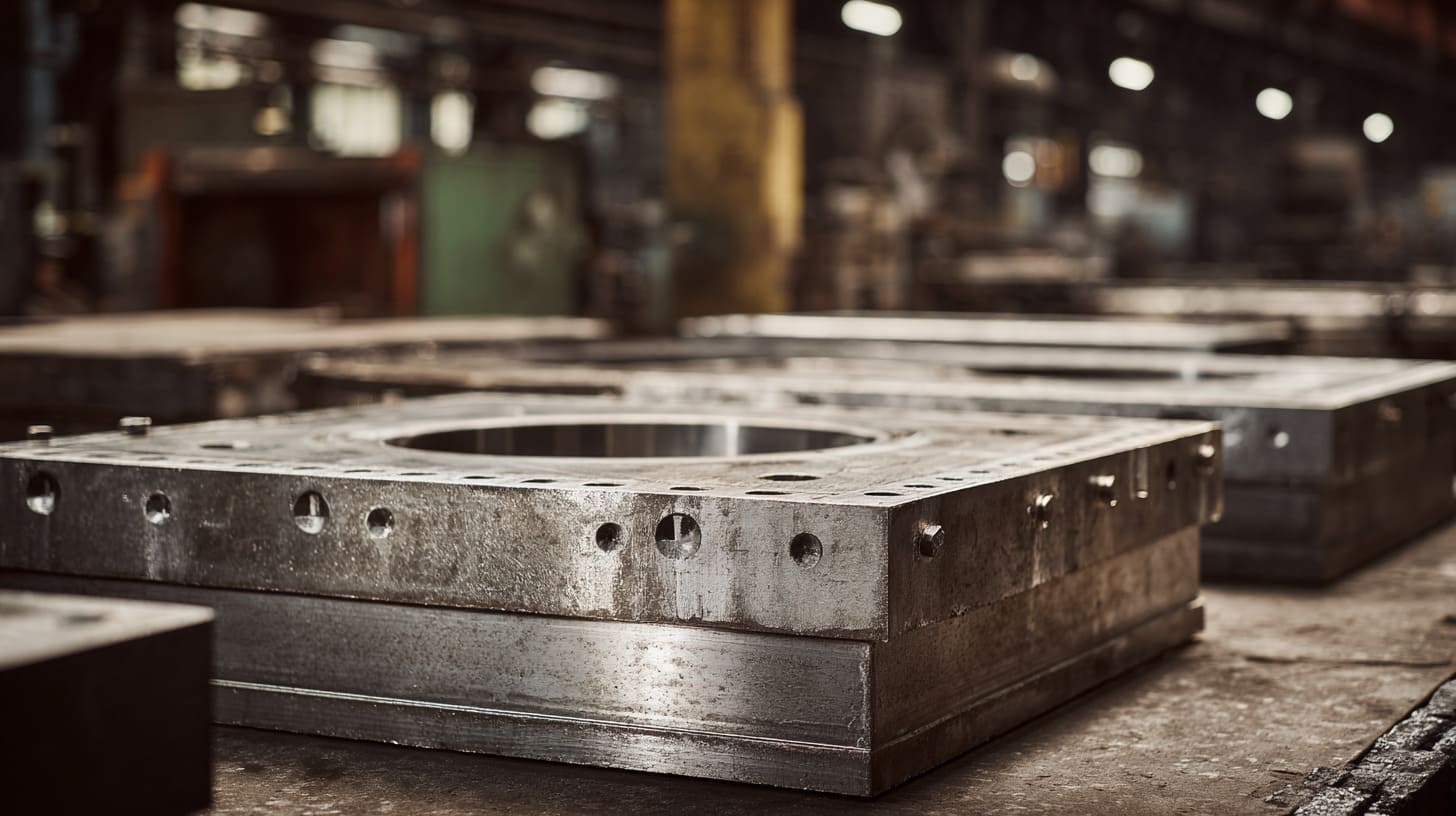
The 304 vs 316 discussion often starts as a price fight. Then it becomes a reliability discussion. Then it becomes a reputation discussion.
My personal line is this: if the equipment failure could cause hygiene complaints, I would rather argue about material cost now than argue about trust later.
Molybdenum’s role in corrosion resistance
316 contains molybdenum, and that helps it resist chloride-related corrosion better than 304 in many conditions.
I try not to oversell it. 316 is not magic. But in salty and wet environments, it usually buys you a bigger safety margin.
When engineers say “we only need a little upgrade,” 316 is often the cleanest upgrade because it fits similar fabrication processes and supply chains.
Cost difference vs lifecycle cost
This is where real projects get honest.
304 might be cheaper today, but the total cost can change fast if you get:
- early pitting
- more frequent polishing or repair
- replacement parts
- downtime
- customer complaints
- audit trouble
Here is a simple cost comparison framework I use with Davide-type buyers who watch both quality and budget:
| Cost type | 304 focus | 316 focus |
|---|---|---|
| Upfront material | Lower | Higher |
| Maintenance | Can rise fast in harsh plants | Often lower in harsh plants |
| Downtime risk | Higher in chloride + wet zones | Lower in many of those zones |
| Rework and replacement | More likely | Less likely |
The hidden cost is often the human cost. Engineers get blamed. Buyers get blamed. Suppliers get blamed. Nobody enjoys that.
Where 316 is strongly recommended
I often recommend 316 when I see:
- Continuous wet processing
- Salt-heavy food production
- Export-oriented equipment with strict expectations
- Plants where cleaning is aggressive and frequent
If you build equipment for markets that inspect hygiene closely, 316 can be the quieter choice. It reduces surprises.
But sometimes, even 316 is not enough. Some environments are so aggressive that you need a different plan.
So let’s be honest about that too.
When Even 316 Stainless Steel May Not Be Enough
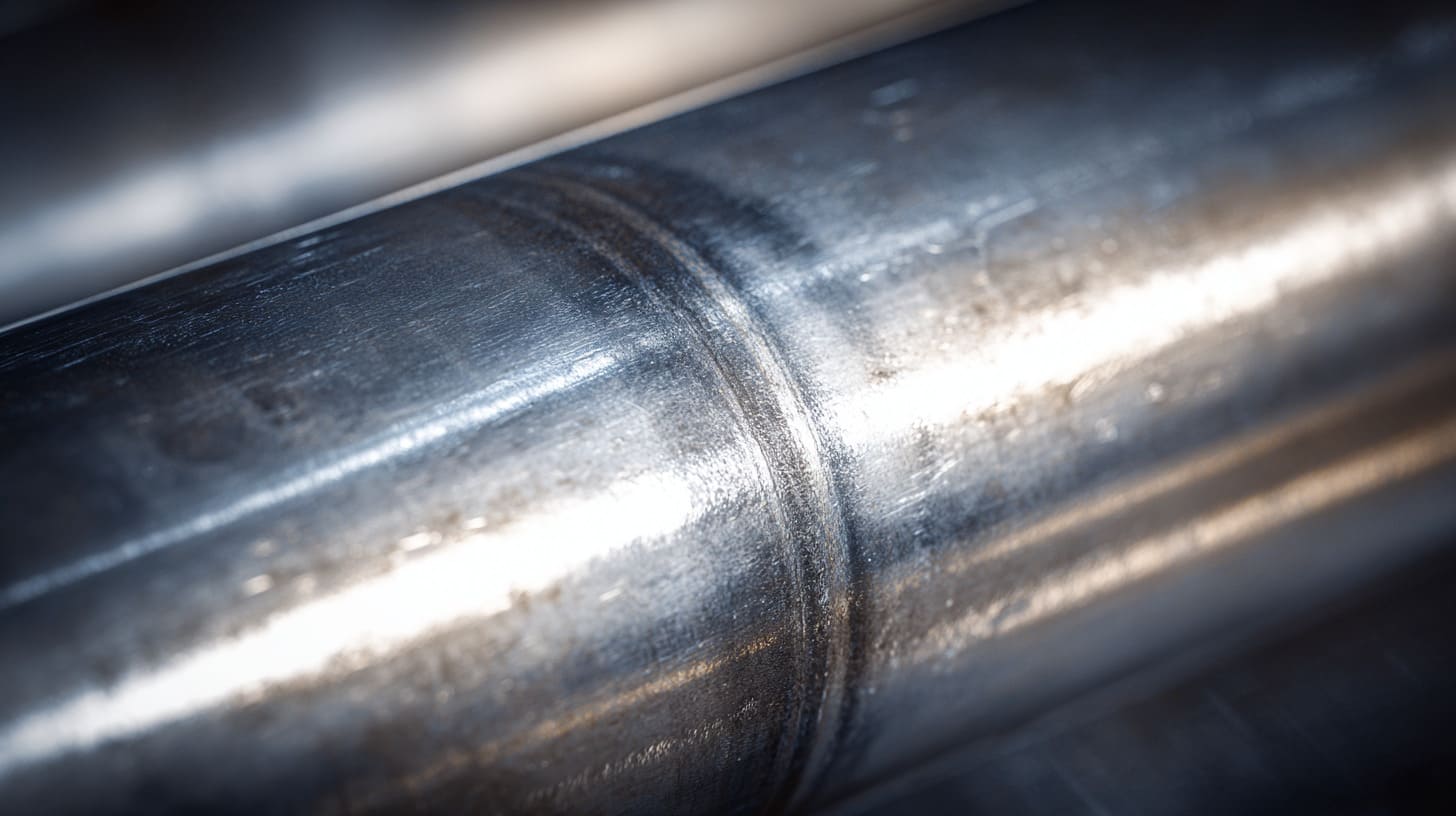
Some projects treat 316 as the “final upgrade.” Then the plant still sees corrosion in months. That is when teams feel confused, and I understand why.
The place I see people slip is this: they upgrade the material, but they keep the same geometry that traps liquid, so corrosion still finds a home.
Extremely aggressive food environments
A few examples that can push beyond 316:
- High-temperature acidic processing
- Long exposure cycles without drying
- Repeated chemical circulation with heat
- Areas with trapped residues that never rinse fully
In these cases, you can get corrosion even with good stainless, because the environment is just too harsh for “standard assumptions.”
Alternative material strategies
If 316 is still risky, there are other options. The best one depends on what the equipment does and how it is cleaned.
Common directions:
- Duplex stainless steel (stronger corrosion resistance in some cases)
- Surface treatments or coatings (only if the coating stays stable and food-safe)
- Design changes to reduce exposure and trapping
Sometimes the smartest move is not a metal upgrade. It is a design upgrade.
Here is a practical “options map” I use:
| Strategy | What it solves | What it may introduce |
|---|---|---|
| Duplex stainless | Higher corrosion resistance in some cases | Higher material + fabrication constraints |
| Surface coating | Barrier protection | Risk of damage, wear, re-certification |
| Design change | Reduces crevices and pooling | Redesign time, tooling changes |
Now, material choices fail for another reason too: people repeat old decisions.
So let’s talk about the mistakes I see again and again in real design and OEM work.
Design and Material Decision Mistakes Engineers Commonly Make
I do not blame engineers for moving fast. Projects push hard. Timelines are tight. But some “fast choices” create slow problems.
When I review a drawing, I often trust the cleaning and drainage notes more than the material note, because material notes are copied more often than people admit.
Copy-paste material notes from old projects
This is common:
- a past project used 304
- the new project looks similar
- the material note gets reused
But the process might be different now. The cleaner might be stronger. The product might be saltier. The plant might be closer to the sea.
A drawing can look identical while the environment changes completely.
Ignoring cleaning chemistry during design
Cleaning chemistry is not a detail. It is part of the operating environment.
If a plant uses chlorine-based sanitizers, it matters. If they use hot alkaline foam, it matters. If they soak parts overnight, it matters.
Many drawings do not capture this, so the material choice becomes blind.
Over-trusting “food grade” labels without context
“Food grade” often becomes a shortcut word. People use it to avoid deeper thinking.
But food safety includes:
- surface finish
- cleanability
- corrosion resistance under real cleaning cycles
- long-term durability
If corrosion creates pits, you can lose hygiene even if the base metal is “food grade.”
Designing for cost instead of environment
Cost matters. I run a factory. I understand pricing pressure. But the wrong cost focus can backfire.
I have seen buyers try to save a small amount on material, then pay a lot more on:
- rework
- replacement
- extra shipping
- reputation damage
Here is a short “mistake to consequence” table:
| Mistake | What it causes later |
|---|---|
| Copy old material note | Wrong stainless for new process |
| Skip cleaning details | Corrosion surprises after launch |
| Treat “food grade” as enough | Hygiene and audit risk |
| Only chase lowest cost | Higher total cost over time |
Once you avoid these mistakes, you still need a simple decision method. Buyers often ask me for a clear way to judge stainless steel choices.
So I will share the exact questions I push people to answer before they approve 304.
How OEM Buyers Should Judge Stainless Steel Choices
OEM buyers often feel stuck between engineering caution and budget pressure. I respect that. The goal is not to over-specify. The goal is to specify with reasons.
If I cannot write down the food type, cleaning method, and exposure time in one clear message, I tell the team we are still guessing.
Questions to ask before approving 304
I keep it simple. I want real answers, not “should be okay.”
Food type
- Is the process salty, brined, or seafood-based?
- Is it acidic or fermented?
- Does residue stick and stay?
Cleaning method
- Do they use CIP?
- Do they use chlorine-based sanitizers?
- Do they clean with heat?
Exposure time
- Does the equipment dry fully every day?
- Does it sit wet overnight or over weekends?
- Are there crevices where moisture stays?
Here is a quick decision matrix that helps buyers like John who are building new projects and want fewer surprises:
| Question | If “Yes” | Material direction |
|---|---|---|
| Brine or high salt? | Chloride risk is high | Lean to 316 or higher |
| Chlorine cleaning? | Passive layer stress | Avoid 304 in wet zones |
| Equipment stays wet long? | Time amplifies corrosion | Upgrade material and redesign drainage |
| Acid + heat? | Reaction speed increases | Consider 316+, duplex, or design change |
What information suppliers should provide
A supplier should not only quote. A supplier should help you reduce risk.
What I think a good supplier should provide:
- A simple corrosion risk explanation, based on your process
- Real application references (not marketing words)
- Suggestions on surface finish, weld treatment, and joint design
- Material options with trade-offs, not just one “best” answer
- If possible, testing or proven experience in similar environments
If a supplier avoids these questions and only talks about price, you may still get a low quote, but you also buy more risk.
At this point, the conclusion becomes clear: 304 is not wrong by default. It becomes wrong when the environment is harsher than the drawing admits.
So let me close this the way I think about it as a manufacturer who wants fewer reworks and fewer unhappy emails.
Conclusion
I do not dislike 304 stainless steel. I quote it often, and I build with it when it fits. The problem is how people use it like a blanket answer for “food equipment.”
My view comes from the same place every time: I see what happens after installation. I see the photos of pitting near welds. I see the complaints that start small and then grow. I see the extra shipping costs when parts need replacement. I see the way one wrong material note can turn a smooth project into a long email chain.
I think food equipment lives in a harsher world than drawings show. Salt and cleaners do not care about good intentions. They only care about exposure, time, and weak spots.
That is why I push for a real match between material and environment. I would rather slow down for one day to ask the right questions than spend months fixing a preventable problem.
If you are designing or sourcing food equipment right now, send me the basic details:
- what food it touches
- how it is cleaned
- how long it stays wet
- where it will be used (indoor, coastal, semi-outdoor)
I can help you judge whether 304 is safe, or whether 316 or another strategy makes more sense. And if you already have drawings, I can also point out the weld and joint areas where corrosion usually starts.