Skip to content
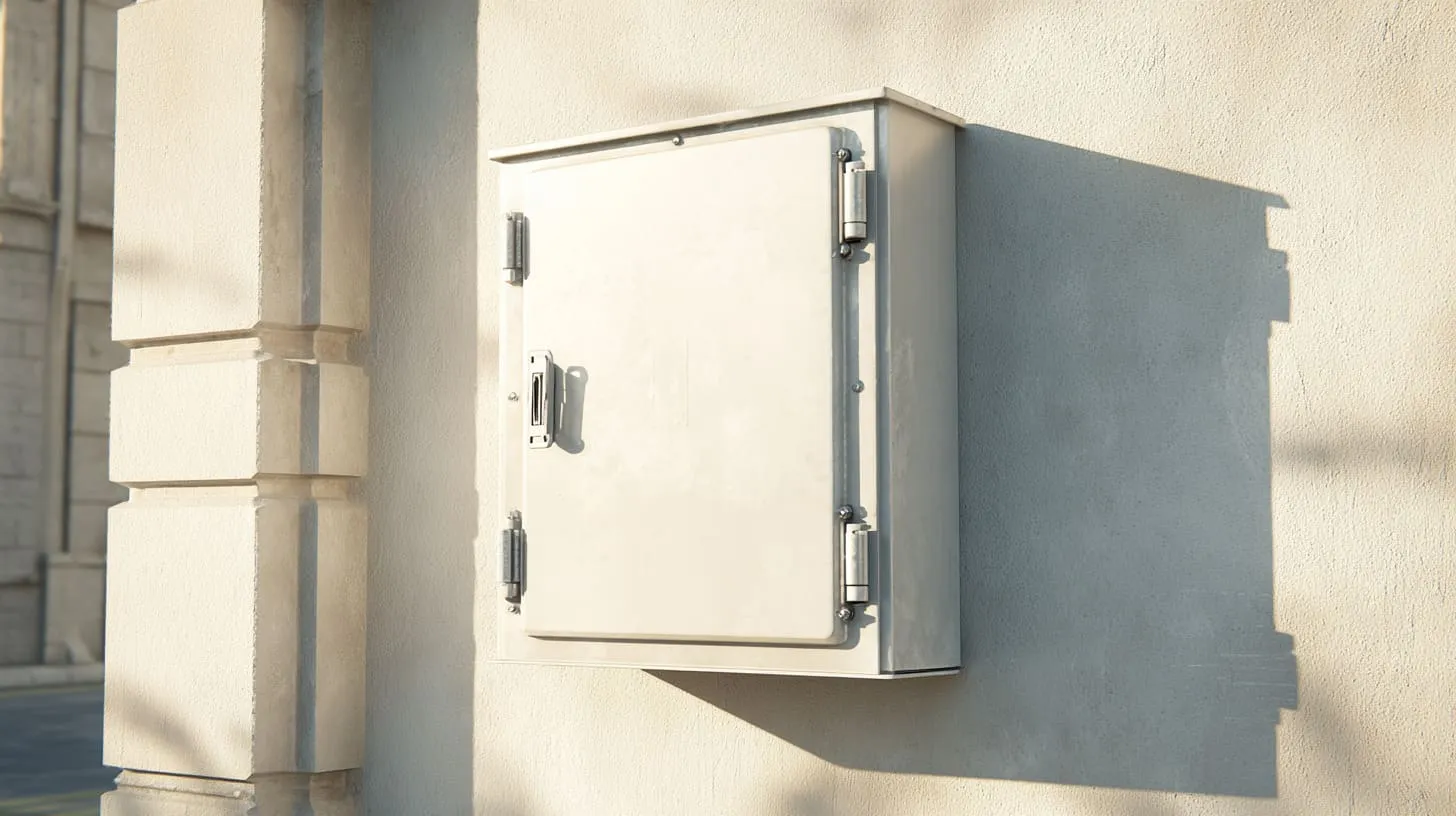
Most drawings I receive from engineers have the same pattern: pages of detail for PLCs, sensors, and network gear… and one small rectangle labelled “meter box” with almost no notes. That tiny rectangle quietly decides a lot more than people expect.
An electrical meter box is the protective enclosure around the utility meter and, often, the first part of the installation where the outside grid meets your internal system. It protects the meter, keeps connections organized, and gives utilities and electricians a safe, defined point of access.
When the meter box is chosen well, nobody talks about it. Power comes in, bills are accurate, and maintenance is simple. When it is chosen badly, you get water ingress, burnt terminals, angry utility inspectors, and service visits that cost more than the box itself.
The choice also links directly to safety and compliance. Local codes, utility company specifications, and protection ratings (IP or NEMA) shape what is acceptable. A box that looks fine in a catalog can fail very fast in a coastal, dusty, or high-traffic area if those details are not respected.
From a maintenance angle, the meter box sets the tone for everything that follows. A cramped, rusty door with improvised knockouts tells me the project was built under pressure with short-term thinking. A clean, well-sized box with correct rating tells me someone cared about the next 10–15 years, not just day one.
When I review a new enclosure project, my personal “red flag” check is simple: if the meter box looks too generic or too cheap for the environment, I assume there are other hidden risks in the design and start asking more questions.
In this article I’ll walk through how I look at meter boxes as a factory owner in China working with OEM and ODM projects, so you can make better decisions whether you are in engineering, purchasing, or re-branding.
A good place to start is not the box itself, but what it actually has to do in the real world.
What Are Electrical Meter Boxes Used For?
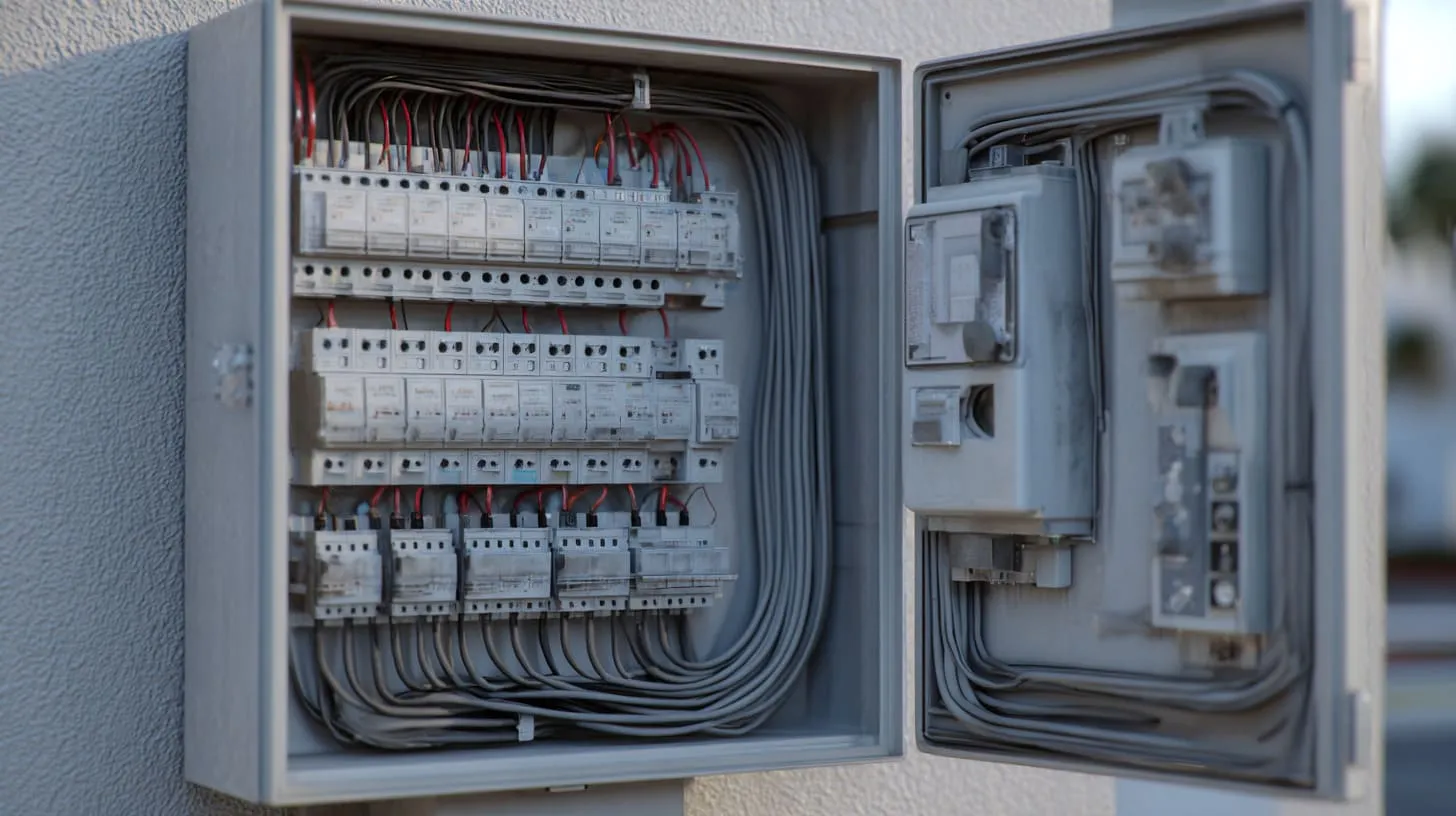
When I talk with buyers like Davide or Jackson, we rarely start with “Which brand?” We start with “What job does this meter box really need to do on your site?” The same box can be perfect in one situation and dangerous in another.
Protecting electrical meters from environment and tampering
At the most basic level, the meter box protects the meter from:
- Weather: rain, snow, salt spray, UV, condensation
- Dust and insects: which can cause tracking and corrosion
- Mechanical impact: doors slamming, forklifts, vandalism
- Unauthorized access: curious hands, cable “adjustments,” or energy theft
Common protection features include:
- Lockable doors or sealing points for utility tags
- Gaskets around the door
- Reinforced hinges and latches
- Drip edges and drainage paths
From a more critical point of view, the box is a physical border between “public” and “technical” space. It sends a message: “This area is controlled and not for improvisation.”
Organizing power distribution and utility access
In many projects, the meter box is not just a cover for a single meter. It can also hold:
- Main disconnects
- Fuses or breakers
- Neutral and earth bars
- Surge protection devices
This makes it the entry point for power distribution. It must give:
- Clear separation between utility and customer wiring
- Enough room for safe bending radius of cables
- Logical layout for testing and future upgrades
I like to think of it as the “front desk” of the electrical system. If the front desk is chaotic, the rest of the building usually is too.
Meeting utility company and local code requirements
Each region has its own expectations for:
- Mounting height of meters
- Clearance in front of the box
- Locking and sealing methods
- Space for additional devices like load limiters
Utility companies often publish detailed guides or standard drawings. Municipal codes then add rules for fire safety, access, and placement on façades or poles. Ignoring these is risky: it can delay approvals or force expensive rework after inspection.
Supporting residential, commercial, and industrial installations
Different sites demand different behaviors from the meter box:
| Application type | Typical features in the meter box | Main concerns |
|---|---|---|
| Residential | Single meter, small main breaker or switch | Safety, appearance, basic weather |
| Commercial | Multiple meters, larger disconnects, neat cable routing | Tenant separation, billing, access |
| Industrial | High current, three-phase, CTs, surge protection | Reliability, downtime cost, expansion |
My own rule of thumb is to imagine the worst day on that site – storm, rush hour, or production peak – and ask whether the meter box will still be safe and readable for the person opening it.
When clients understand the “why” behind the box, the next question comes naturally: which type should they actually choose?
What Are the Main Types of Electrical Meter Boxes?
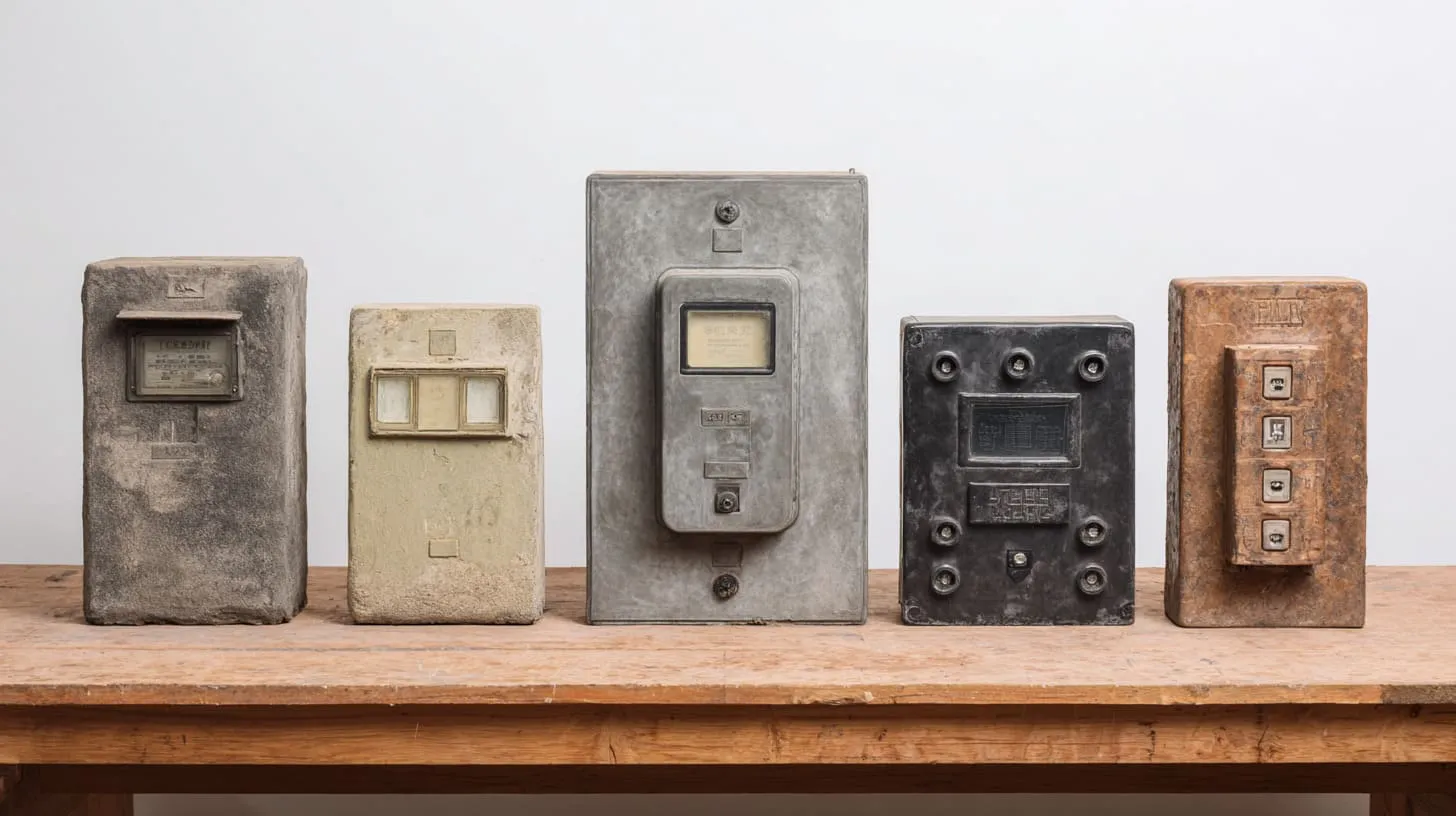
Once people accept that a meter box does more than just “hold the meter,” the next confusion is naming. Some talk about indoor/outdoor, others about plastic/metal, and some only about IP or NEMA ratings. These are different layers of the same decision.
Overview of common classification methods
You can think of meter box types in four main dimensions:
By installation location
- Indoor
- Outdoor
- Semi-outdoor (under canopy, basement entrance, etc.)
By material
- Metal (steel, stainless steel, aluminum)
- Plastics (ABS, polycarbonate, PVC, fiberglass)
By application
- Single-phase vs three-phase
- Single-customer vs multi-tenant
- Utility-only vs utility + customer devices
By protection rating
- IP ratings like IP54, IP65, IP66
- NEMA ratings like 3R, 4, 4X for North American style
A simple way to visualize it:
| Dimension | Example options | Typical question |
|---|---|---|
| Location | Indoor / Outdoor | Is it exposed to rain, dust, or sunlight? |
| Material | Metal / Plastic / Fiberglass | Do I need impact resistance or corrosion? |
| Application | 1-phase / 3-phase / Multi-meter | What current and how many users? |
| Protection rating | IP54 / IP65 / IP66, NEMA 3R / 4 / 4X | How harsh is the environment? |
When a buyer sends me a message saying “We just need a standard meter box,” I treat that as a warning that we must first agree which type along these four axes we are actually talking about.
Once these basics are clear, it becomes much easier to compare specific outdoor and indoor options.
Outdoor Electrical Meter Boxes
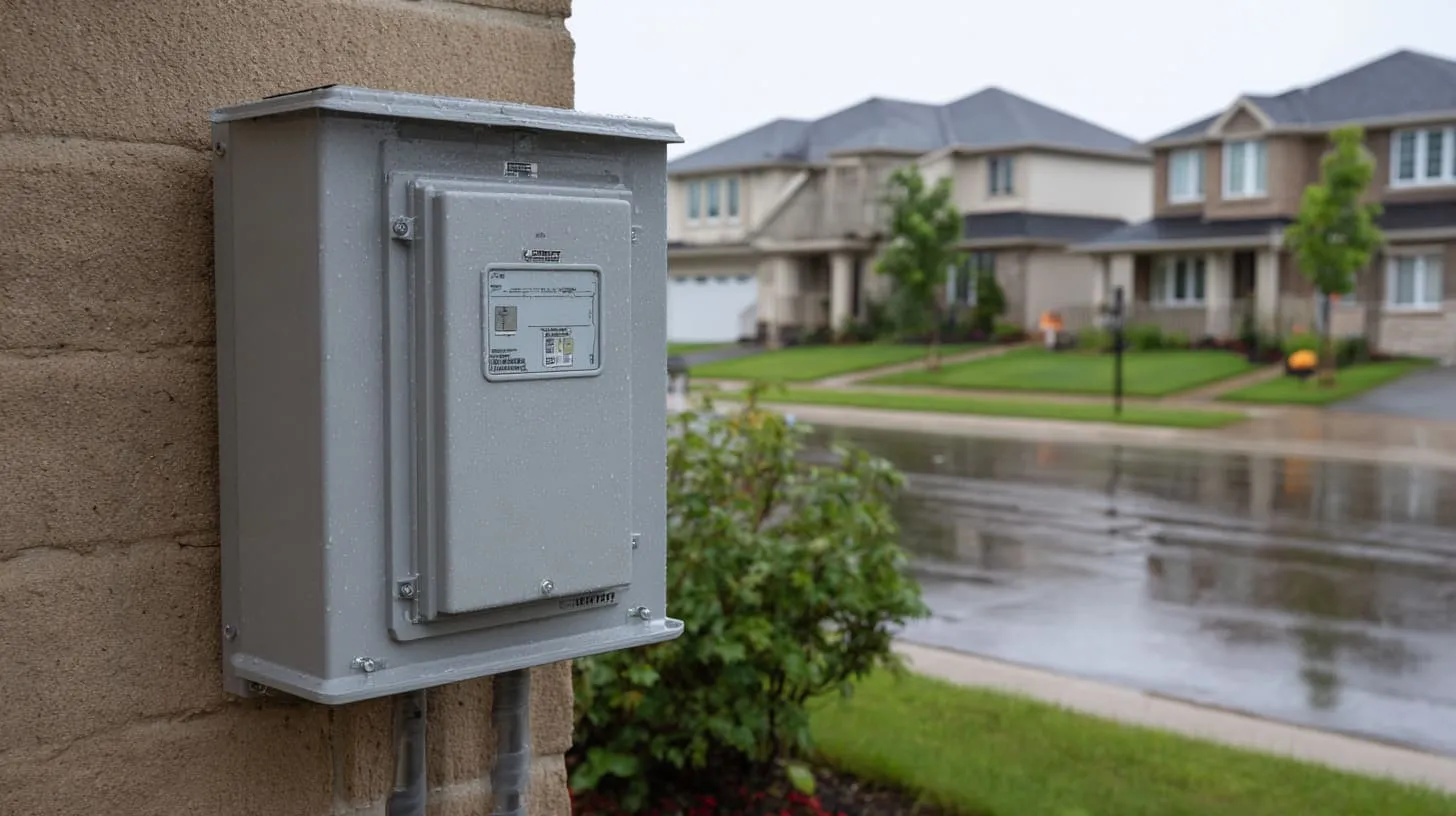
Outdoor meter boxes live the hardest life. They sit on walls, poles, and fences for years, sometimes decades, while weather, people, and vehicles do their best to damage them.
Key features of outdoor meter boxes
Outdoor designs pay special attention to:
- Weather sealing: gaskets, overlapping doors, drainage paths
- UV stability: coatings or UV-stable plastics
- Mechanical strength: thicker sheet metal, reinforced corners
- Locking: robust latches, padlock points, sealing eyes for utilities
- Mounting flexibility: pole brackets, wall brackets, adjustable fixing points
In harsher climates, you may also see:
- Sloped tops to shed water and snow
- Double doors (outer for rough access, inner for technical work)
- Ventilation with filtered or louvered openings
Common materials used for outdoor applications
Typical outdoor choices include:
| Material | Advantages | Risks / limits |
|---|---|---|
| Painted steel | Strong, low cost, easy to fabricate | Can rust if coating is damaged |
| Stainless steel | High corrosion resistance, strong | Higher cost, glare in sunlight |
| Aluminum | Light, corrosion-resistant, easy to machine | Softer, may dent more easily |
| Polycarbonate | Good impact resistance, UV-stable grades | Needs UV-stable formulation |
| Fiberglass | Very corrosion-resistant, rigid, light | Can be brittle under point impact |
In coastal or chemical environments, grades like NEMA 4X or high IP ratings (IP65/IP66) are often used to ensure the enclosure can handle water jets, driving rain, and dust.
Typical use cases (homes, factories, infrastructure)
Outdoor meter boxes show up everywhere:
- House façades and boundary walls
- Small commercial buildings and shops
- Industrial plants, pumping stations, treatment plants
- Street lighting and infrastructure cabinets
In residential settings, the emphasis is often on aesthetics and basic weather protection. In industrial or utility sites, reliability and security dominate.
Weather, corrosion, and UV resistance considerations
Outdoor boxes must deal with:
- Temperature cycling (day–night expansion and contraction)
- Rain and wind-driven water
- Snow and ice (in cold regions)
- Sunlight and UV degradation
- Pollution, salt, or chemicals
These factors drive the choice of:
- Coating systems (powder coating vs painting)
- Stainless grades vs galvanized or painted steel
- Plastic vs metal vs fiberglass
Any time I see a proposed outdoor meter box within sight of the sea or in a washdown area, I assume a basic painted steel box is not enough and push strongly for better corrosion resistance and sealing.
Often, once the outdoor environment is understood, people start asking what really changes when the box sits indoors instead.
Indoor Electrical Meter Boxes
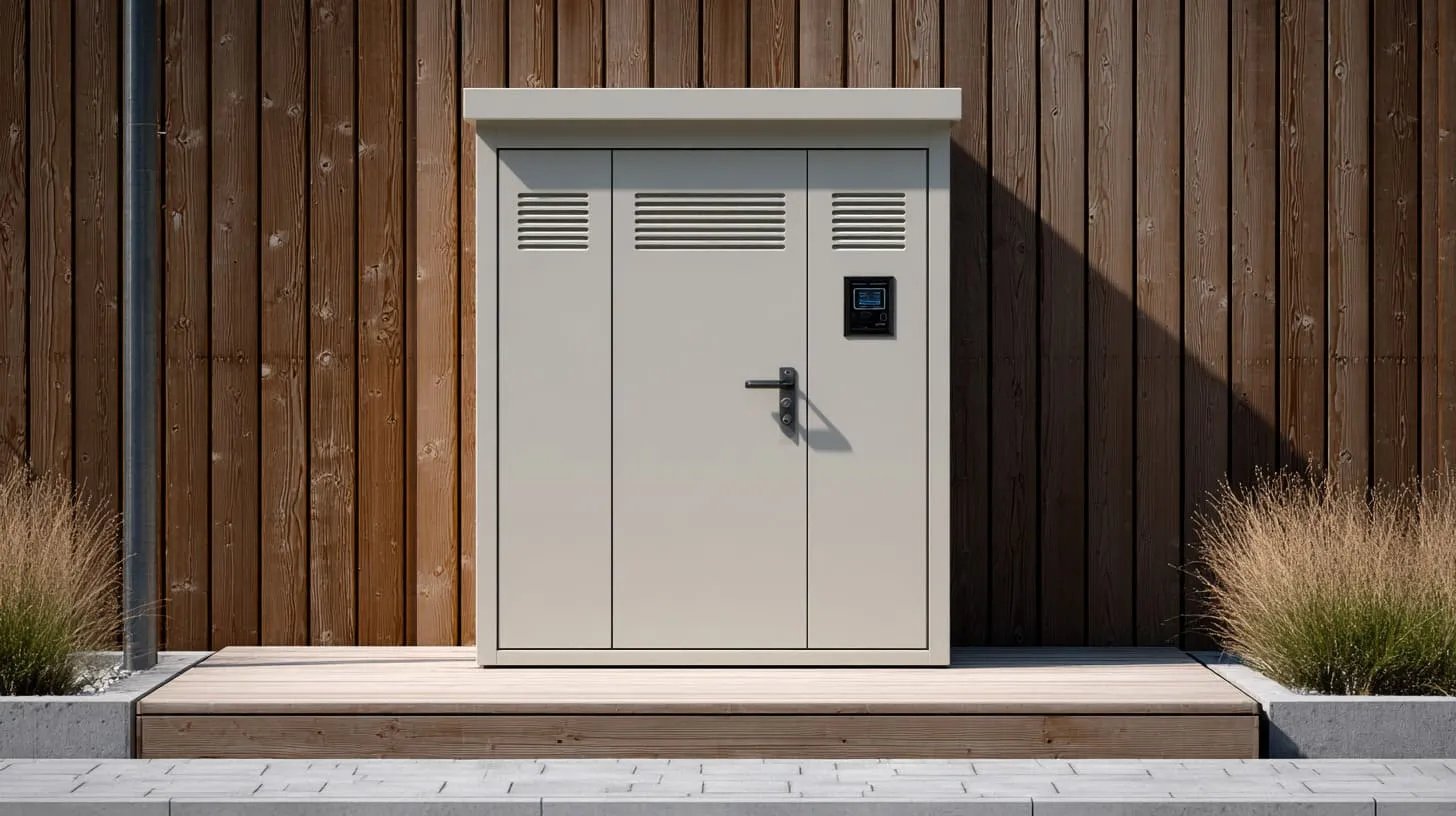
Indoor meter boxes sound simple, but they come with their own headaches: limited space, aesthetics, and human traffic in corridors or riser rooms.
Design characteristics of indoor meter boxes
Indoors, you still need safety, but the design often focuses on:
- Compact dimensions to fit risers, cabinets, or walls
- Neater appearance, especially in public areas
- Cable management to deal with multiple circuits in small spaces
- Fire behavior and materials in some regions (e.g., low smoke plastics, metal doors)
Space-saving and wall-mounted designs
Most indoor boxes are:
- Wall-mounted, sometimes recessed between studs
- Grouped into meter panels for multi-tenant buildings
- Designed with slim profiles to avoid blocking corridors
A simple layout example:
| Building type | Typical indoor meter arrangement |
|---|---|
| Apartment block | Vertical riser with stacked meter boxes |
| Office building | Central meter room with multiple panels |
| Small commercial building | Single box in back room or service corridor |
Common indoor installation environments
Indoor boxes are common in:
- Apartment corridors and stairwells
- Electrical rooms and closets
- Basements and garages
- Retail back-of-house zones
Each environment has different moisture, dust, and mechanical risks. A basement with occasional flooding demands more protection than a clean office riser.
Safety and accessibility considerations
Key indoor questions:
- Can someone reach the meter and disconnect safely?
- Is there clear space in front of the box (typically 1 m or more, depending on code)?
- Is the door orientation safe in a narrow corridor?
- Is the box likely to be covered by furniture or decorations later?
If I notice a meter box will be mounted high in a corridor with people passing under it, I give more priority to safe access and door swing than to cosmetic alignment with the wall tiles.
After we solve where the box sits, the next logical step is to look at what kind of power it needs to handle: single-phase or three-phase.
Single-Phase Electrical Meter Boxes
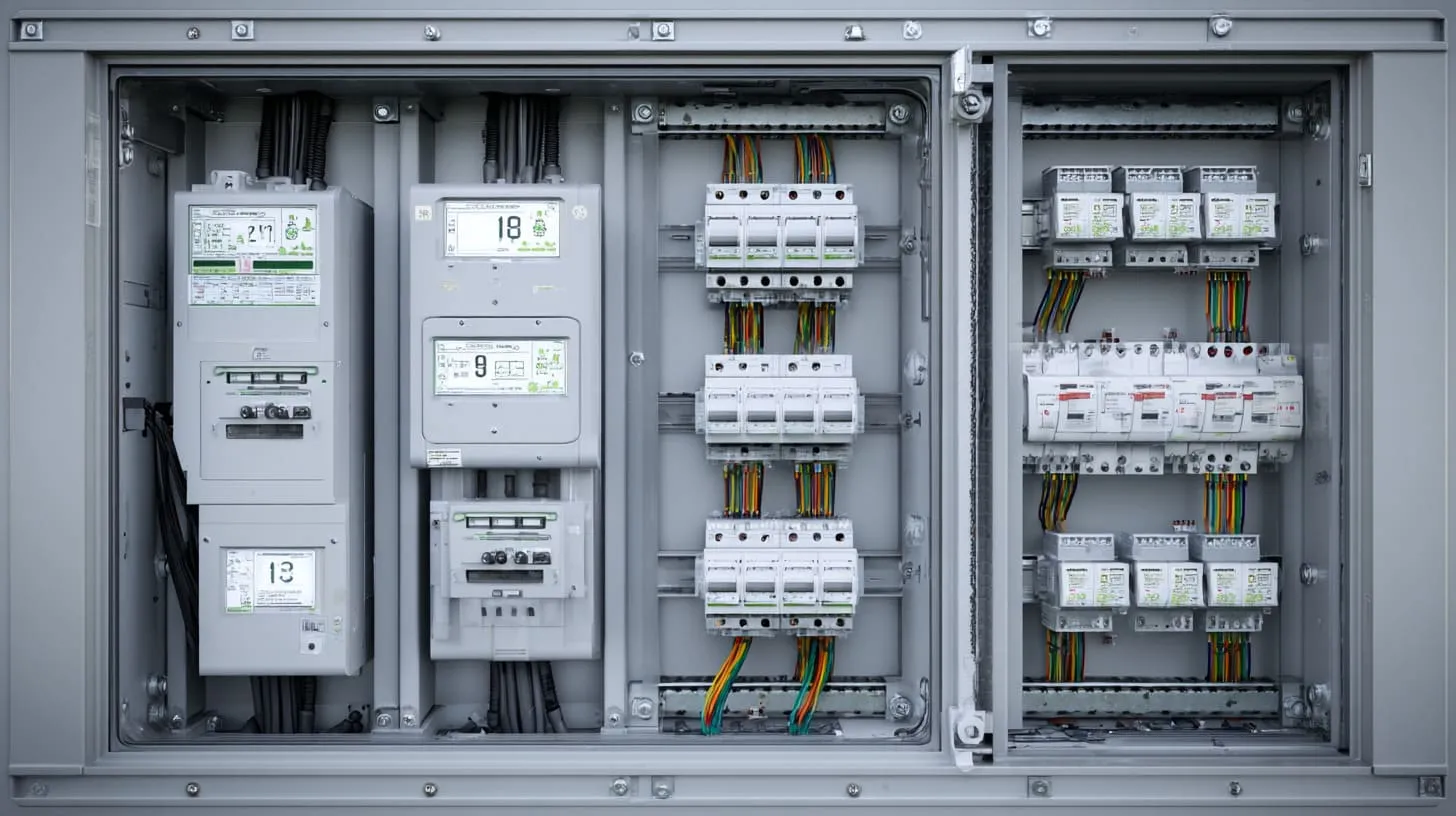
For many residential and light commercial projects, single-phase power is the default. The meter box seems small, but it still needs to be chosen with care.
What single-phase meter boxes are designed for
A single-phase meter box is usually built to:
- Hold one single-phase meter (sometimes two in small multi-tenant setups)
- Provide space for a main breaker or switch
- Offer neutral and earth bars
- Allow safe entry and exit for a limited number of circuits
Typical residential and light commercial uses
You see single-phase meter boxes in:
- Houses and townhouses
- Small shops and offices
- Small storage units and garages
These loads often include:
- Lighting and socket circuits
- Small HVAC units
- Household appliances and small machinery
Size, wiring layout, and capacity features
Even if the current is modest, good single-phase boxes should:
- Have enough internal height for breakers and wiring
- Separate line and load neatly
- Leave room for future additions like small surge protection
Example checklist:
| Question | Why it matters |
|---|---|
| Is there space for a slightly larger cable? | Upgrades, EV chargers, extra circuits |
| Are terminations easy to reach? | Faster, safer installation and maintenance |
| Is labelling clear and visible? | Easier for future work and troubleshooting |
For small houses, my bias is to always leave visible spare space in the single-phase meter box, because extra loads like EV chargers or heat pumps tend to appear much earlier than owners expect.
When loads grow beyond what single-phase can handle comfortably, the conversation moves naturally to three-phase meter boxes.
Three-Phase Electrical Meter Boxes
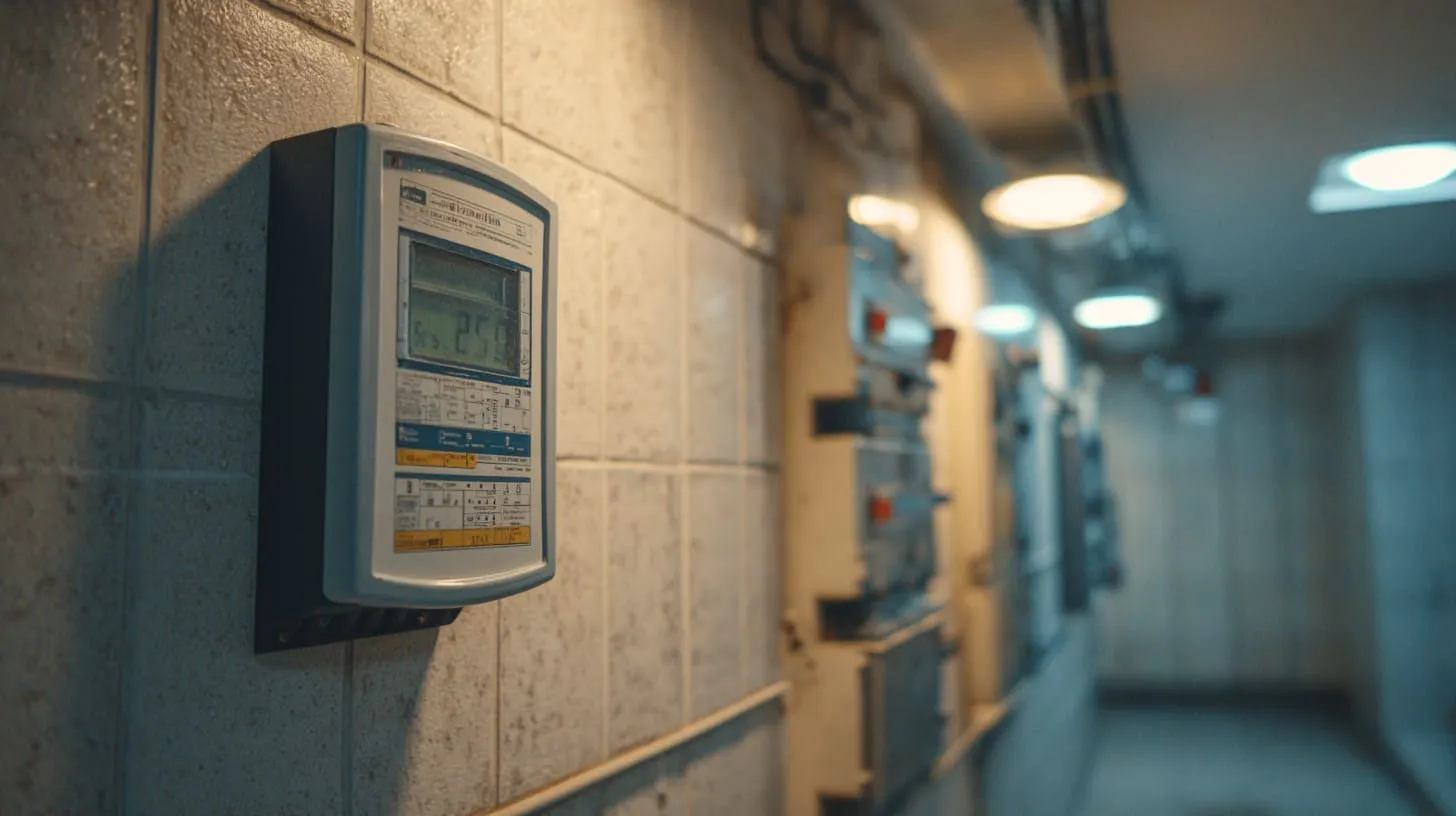
Three-phase systems bring more power and more complexity. The meter box grows in both size and importance.
Why three-phase meter boxes are different
Three-phase meter boxes often need:
- Space for larger conductors and bending radius
- Current transformers (CTs) for higher currents
- More complex neutral and earth arrangements
- Stronger mechanical support for busbars or large breakers
They also must manage phase separation clearly so that mistakes during maintenance are less likely.
Industrial and commercial power distribution needs
You typically find three-phase meter boxes in:
- Factories and processing plants
- Large commercial buildings and malls
- Data centers and server rooms
- Pumping stations, HVAC plants, cold storage
In these places, downtime is expensive. A poor-quality or undersized meter box can become a single point of failure that stops production or closes a store.
Structural strength and internal layout considerations
For three-phase, I look carefully at:
- Panel thickness and reinforcement (doors and walls must stay rigid)
- Mounting for heavy devices (large breakers, CTs, busbars)
- Clearances and creepage distances between live parts
- Access paths for test equipment and thermal imaging
A typical trade-off table:
| Design choice | Benefit | Risk |
|---|---|---|
| Very compact layout | Smaller footprint, less material | Harder maintenance, higher heating |
| Generous internal space | Easier wiring and upgrades | Higher upfront cost, larger wall area |
Whenever a project shifts into three-phase territory, I double-check short-circuit ratings and busbar arrangements before we talk about doors, paint color, or branding, because mistakes there are painful and expensive to fix later.
Once phase and current are clear, the next argument I normally see is about material: metal versus plastic.
Metal Electrical Meter Boxes
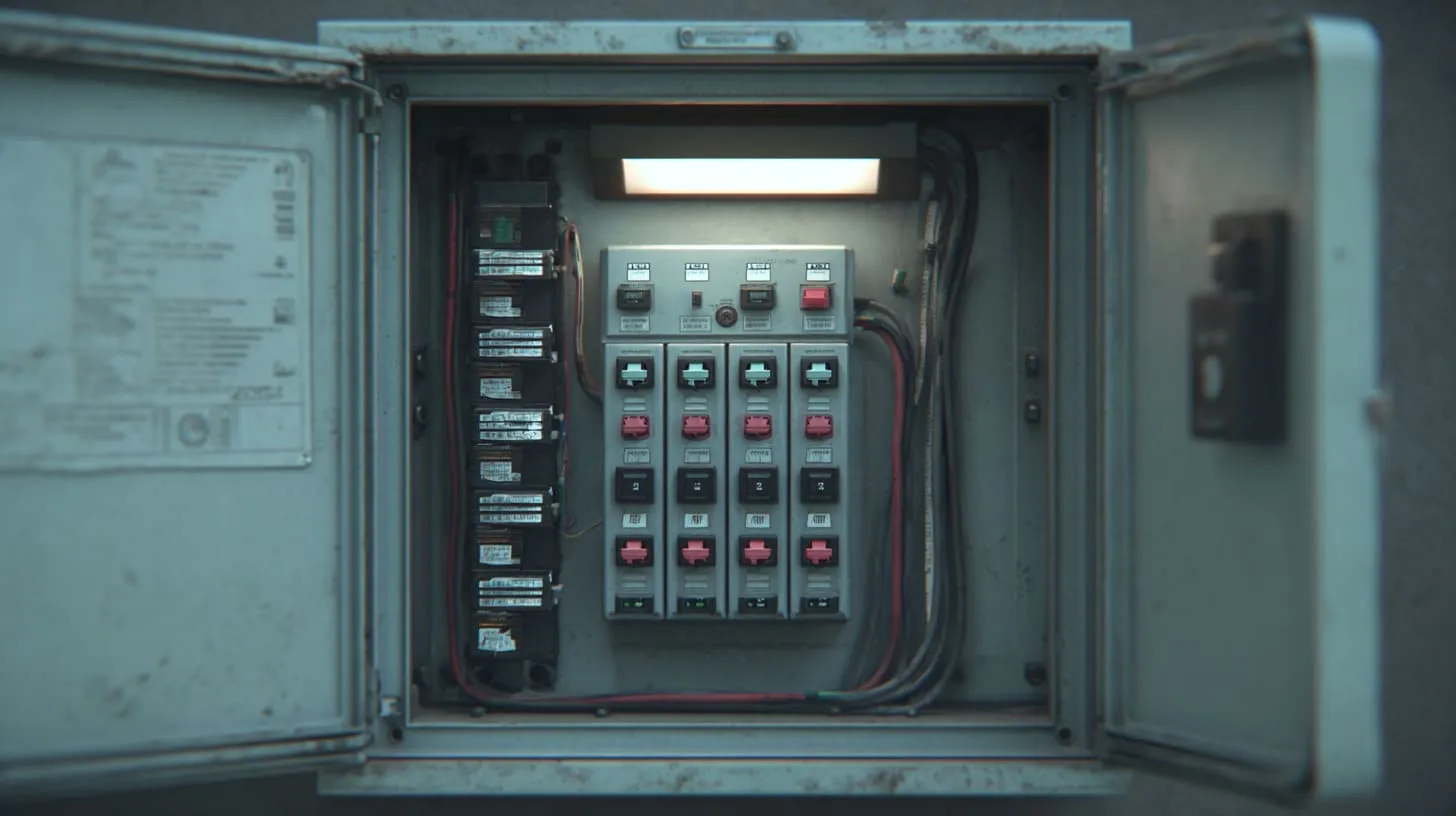
Metal meter boxes are often the instinctive choice for engineers who grew up around heavy industrial gear. There is a certain “trust feeling” when you close a solid metal door.
Aluminum vs steel meter boxes
Both aluminum and steel have strong roles:
| Property | Aluminum | Steel |
|---|---|---|
| Weight | Light | Heavier |
| Corrosion | Good, especially with coating | Needs coating, stainless is excellent |
| Workability | Easy to cut and machine | Strong but harder to machine |
| Heat conduction | Very good | Good |
| Cost | Often higher than mild steel | Often lower (for painted mild steel) |
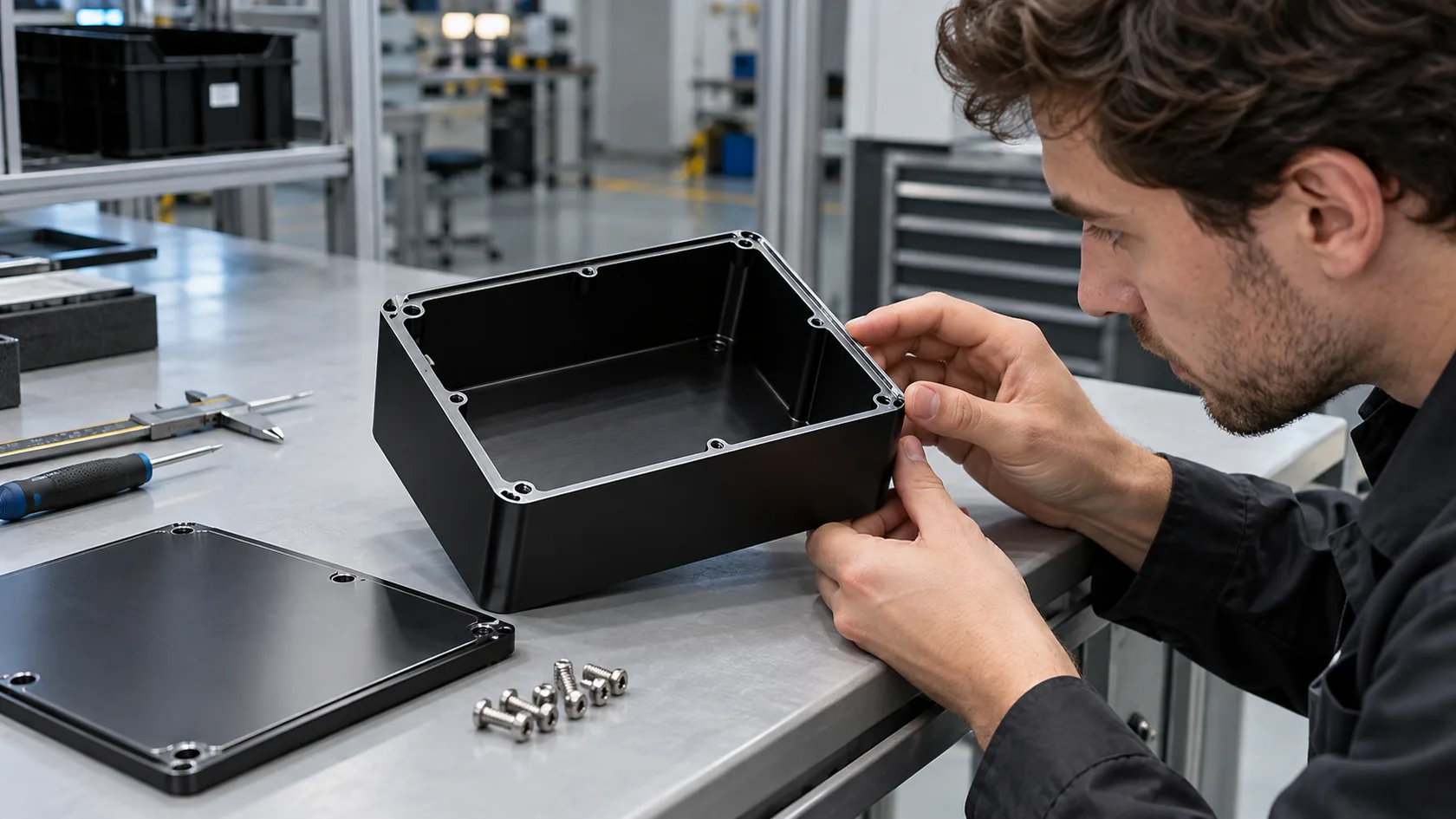
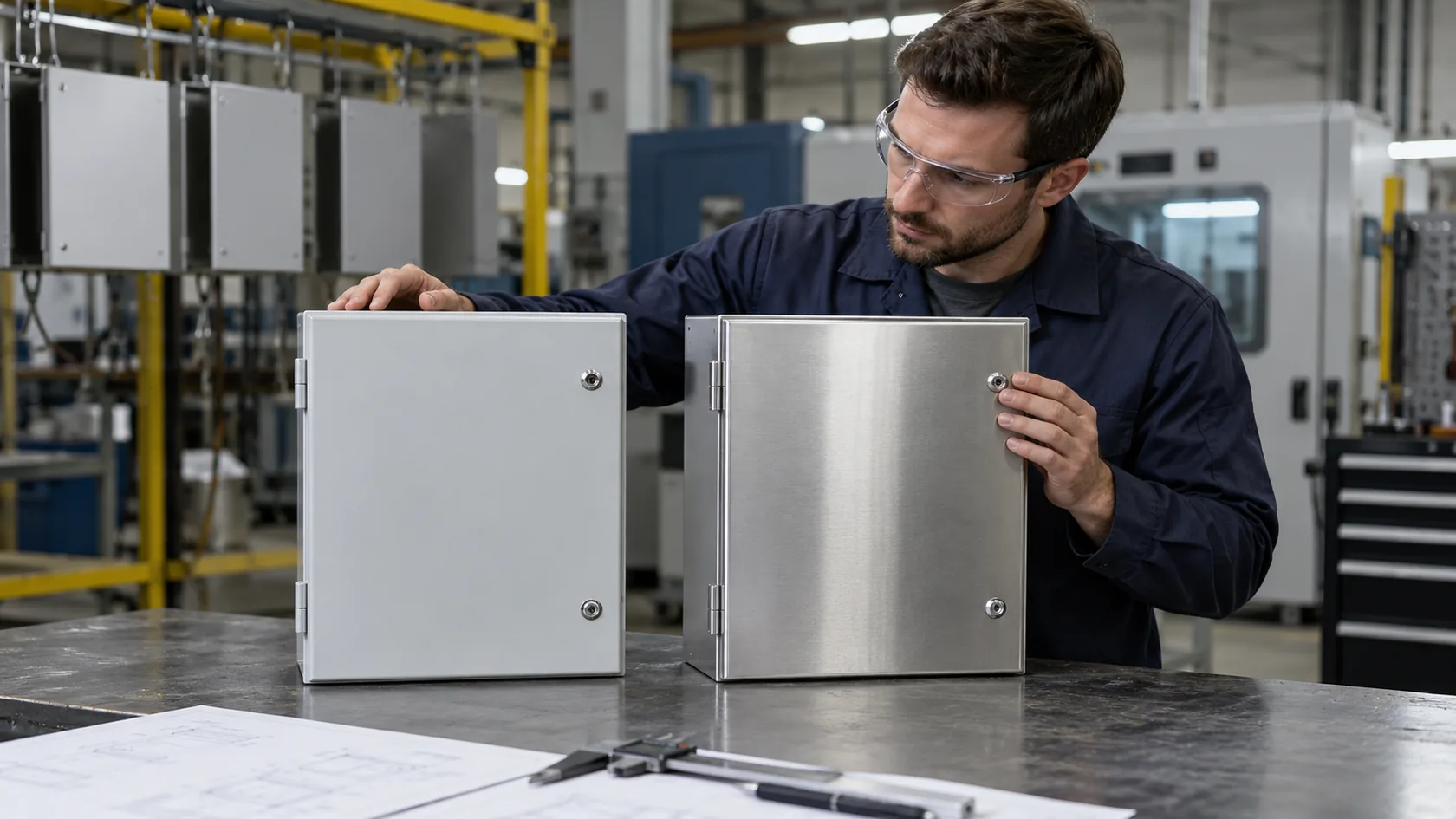
Aluminum is popular when weight, corrosion resistance, and machining flexibility are important. Painted or powder-coated steel is common for cost-sensitive but robust installations, and stainless steel for aggressive environments and food or chemical plants.
Strength, durability, and grounding advantages
Metal boxes offer:
- High impact resistance
- Natural shielding against electromagnetic interference (EMI)
- Easy earthing/grounding of the enclosure itself
- Good heat dissipation through the metal body
These points make metal enclosures attractive for:
- Industrial production halls
- Areas with moving equipment and forklifts
- Installations with strong EMI sources
Typical industrial and high-security applications
Metal meter boxes shine when:
- There is a risk of heavy mechanical impact
- Vandalism is a concern (public spaces, exposed walls)
- Fire protection rules favor metal over plastic enclosures
- There are strict requirements for screening and grounding
You will see them near:
- Transformer rooms
- Main switchboards
- Outdoor industrial fences and gates
When metal meter boxes are preferred by engineers
Engineers often choose metal when:
- They expect frequent modifications (easier to rework)
- They want a very rigid structure
- They are already using metal control panels nearby
Whenever a client says they want metal “because it feels stronger,” I step back and ask about EMI, grounding, impact, and corrosion together; sometimes a lighter aluminum box actually reduces overall risk compared to a thick but poorly protected steel one.
In many modern projects, though, the discussion quickly shifts to plastic or hybrid solutions for cost and corrosion reasons.
Plastic Electrical Meter Boxes
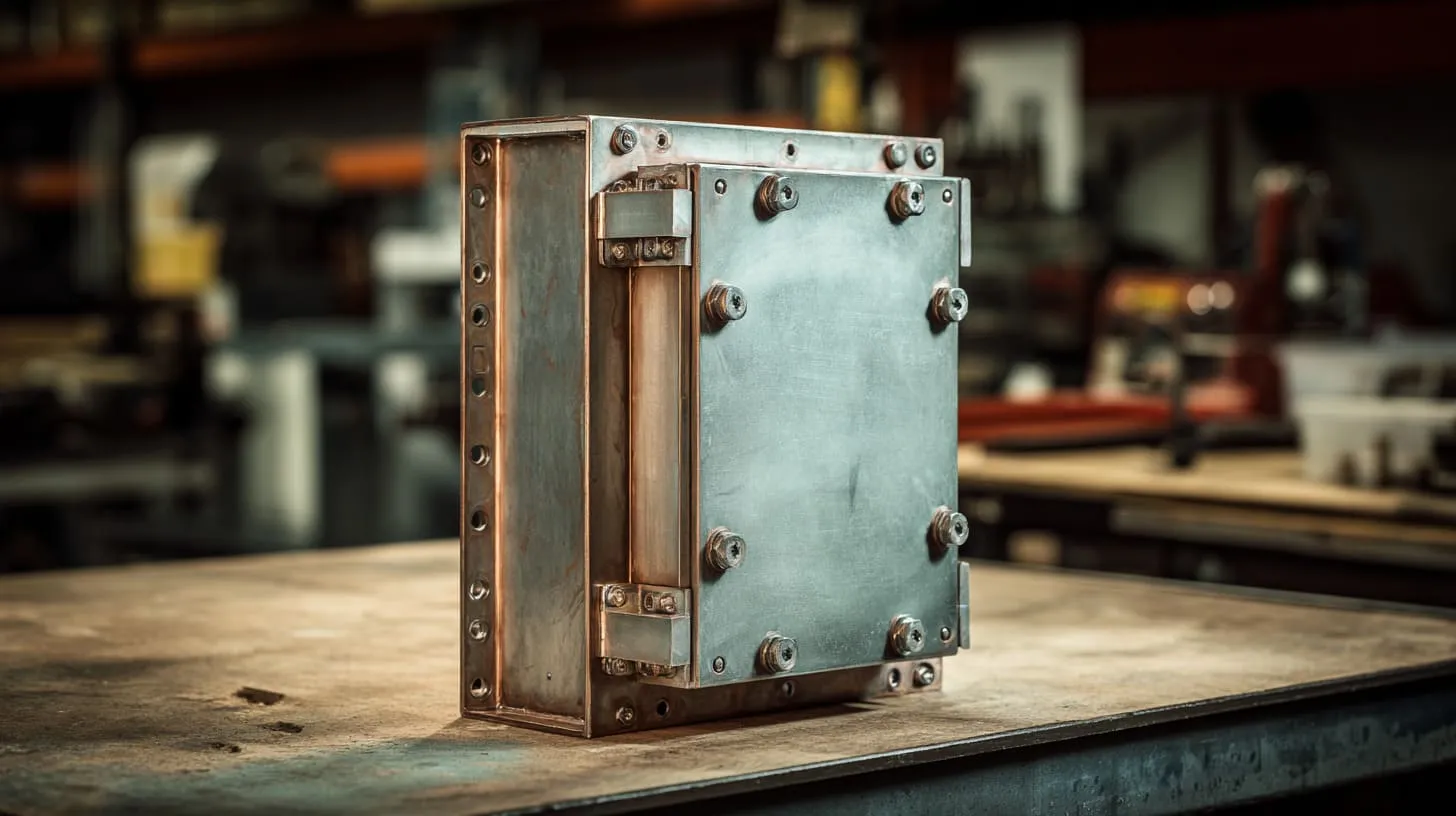
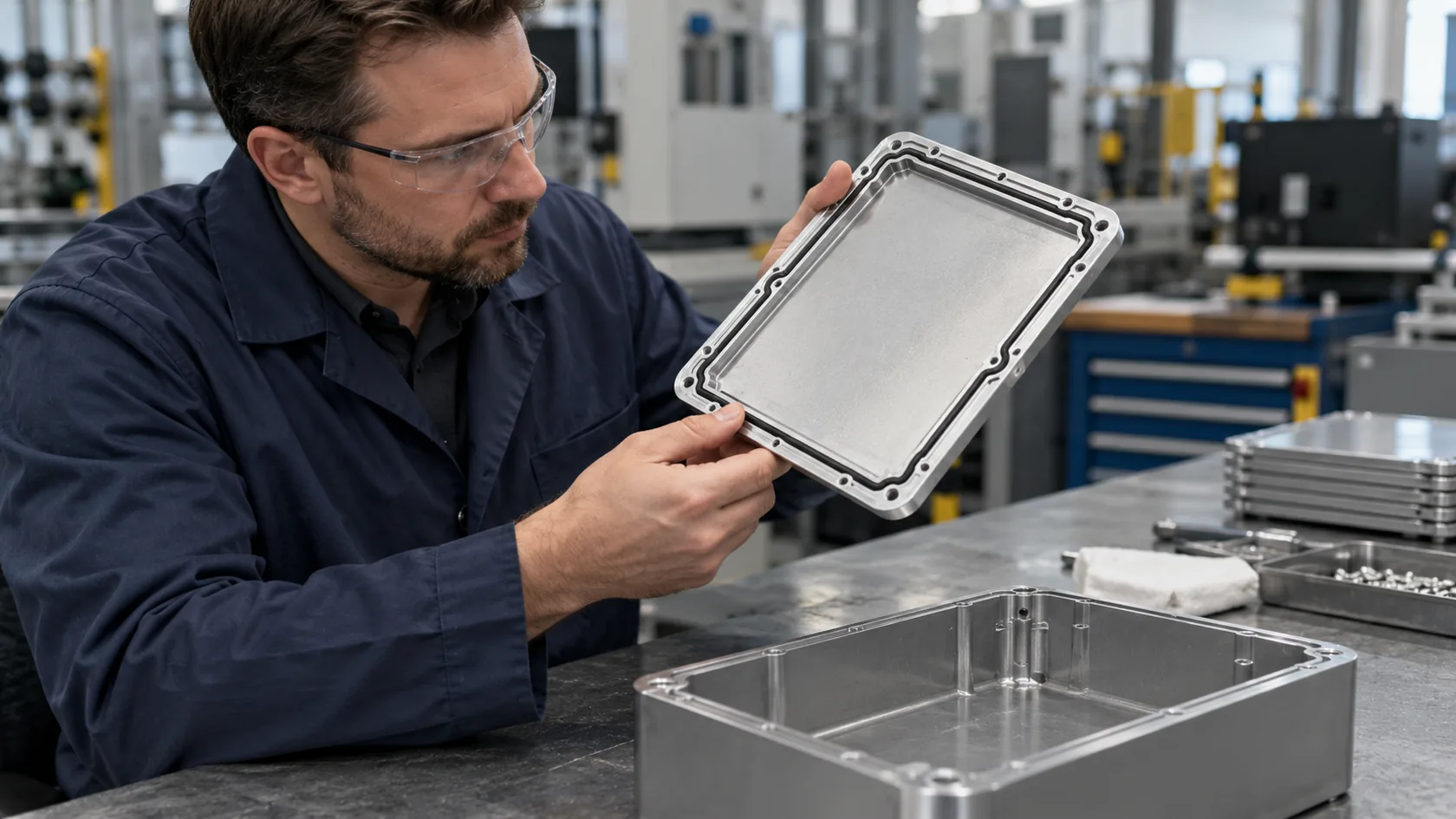
Plastic meter boxes have improved a lot in the past decade. For many light commercial and residential applications, they are now the default choice instead of metal.
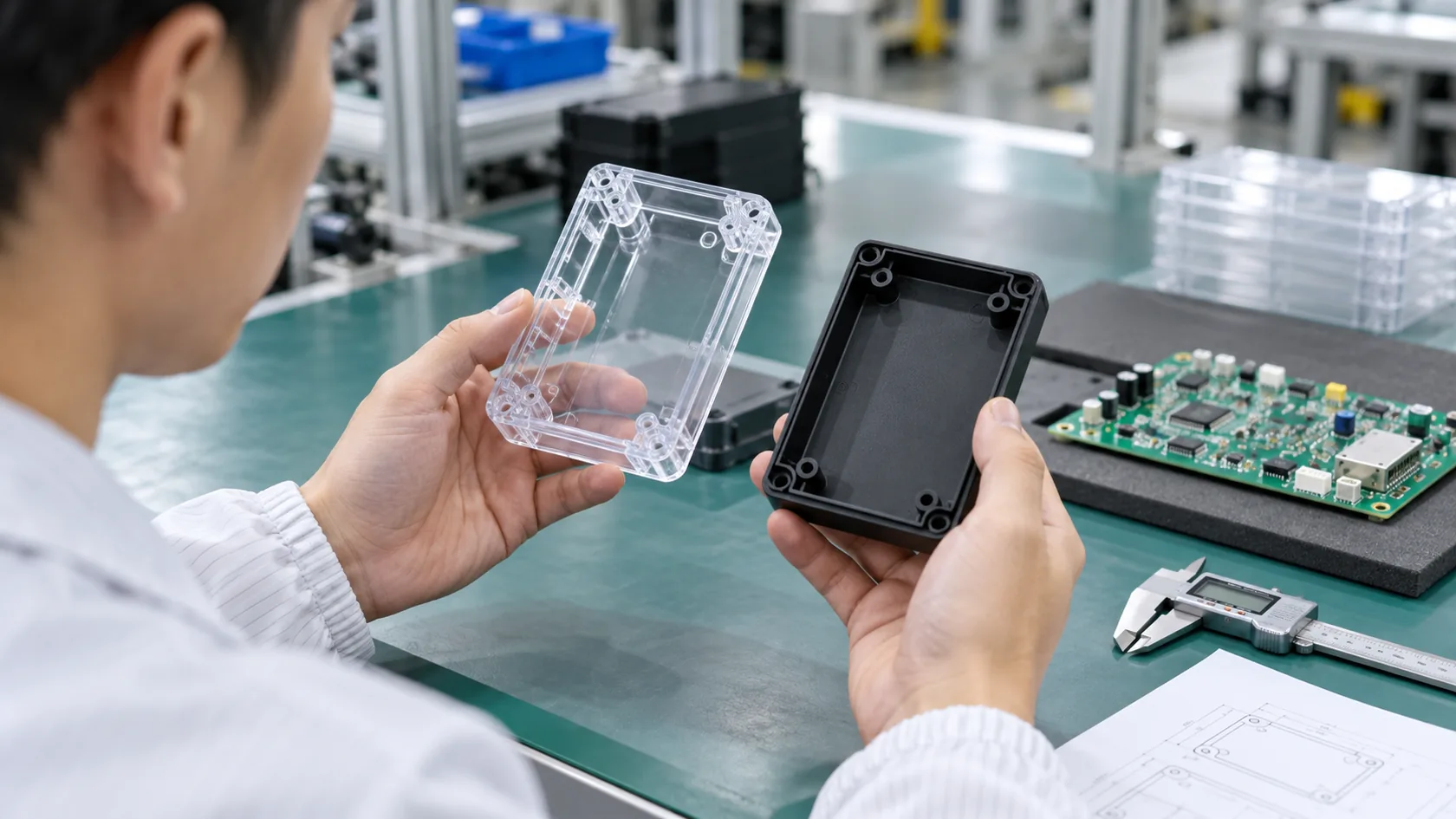
Common plastics used (ABS, polycarbonate, fiberglass)
Most non-metallic meter boxes are made from:
- ABS (Acrylonitrile Butadiene Styrene)
- Polycarbonate (PC)
- Fiberglass reinforced polyester (FRP)
- Sometimes PVC or blends, depending on region
Each has its role:
| Material | Key strengths | Watch points |
|---|---|---|
| ABS | Low cost, easy to mold, good finish | Lower UV and impact resistance |
| Polycarbonate | High impact resistance, good clarity options | Needs UV-stable grades outdoors |
| Fiberglass | Very rigid, corrosion-resistant, light | Can chip under sharp impact, rough edges |
Insulation and corrosion resistance benefits
Plastic boxes are:
- Non-conductive, which reduces shock risk if something inside loosens
- Highly resistant to corrosion, especially in coastal or chemical atmospheres
- Not affected by small coating scratches (no rust line appears)
For sites that see moisture but not high mechanical abuse, plastic can be a very practical solution.
Cost and weight advantages
Plastic enclosures are often:
- Lighter to ship and install
- Easier to handle on ladders or poles
- More cost-effective than stainless steel
They also allow more complex shapes in a single molded part, which can help with cable routing and aesthetics.
Suitable residential and light commercial scenarios
Typical uses include:
- House façades in mild climates
- Apartment meter stacks
- Light commercial buildings away from harsh industrial activity
- Smart-meter upgrades where RF signal must pass through the box easily:contentReference[oaicite:8]{index=8}
If a site has salty air but low risk of impact or vandalism, I often lean toward good-quality polycarbonate or fiberglass meter boxes instead of steel, because they quietly outlive many painted metal boxes without demanding extra maintenance.
Once material is chosen, another important decision is how the box physically sits on the wall: surface-mounted or flush-mounted.
Surface-Mounted vs Flush-Mounted Meter Boxes
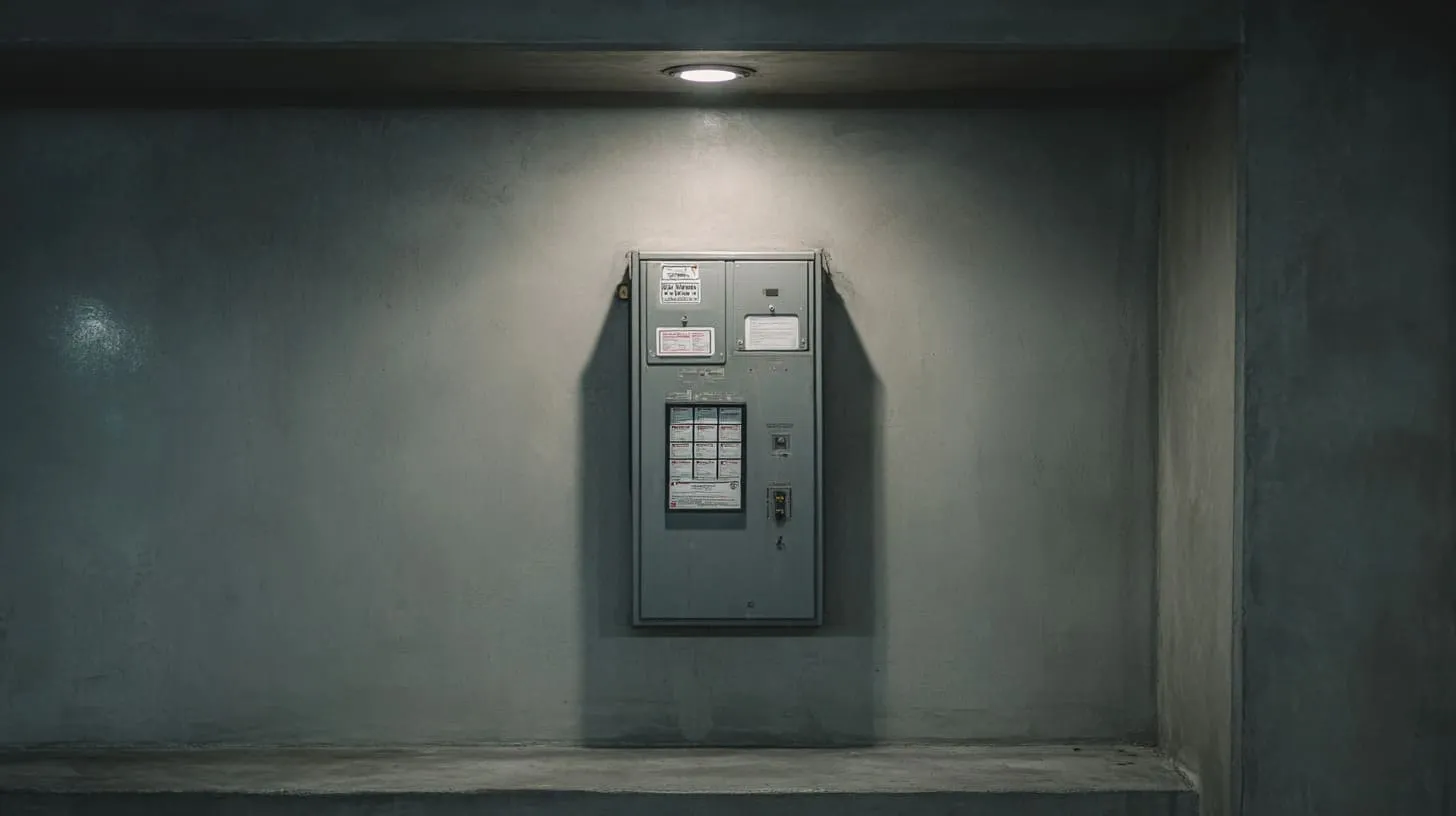
This topic looks like a simple aesthetic choice at first, but it has big consequences for cost, installation work, and maintenance.
Surface-mounted meter box features and benefits
Surface-mounted boxes:
- Sit proud of the wall
- Are easier to install or replace
- Allow cables to enter via conduits or trunking on the surface
- Cause less disruption to finishes (tiles, plaster, cladding)
They are common in:
- Industrial buildings
- Retrofit projects
- Areas where the appearance is less critical
Flush-mounted meter box design considerations
Flush-mounted boxes:
- Are recessed into the wall or cladding
- Look cleaner and more integrated
- Require more coordination with builders or drywall teams
- Are harder to enlarge or replace later
Typical trade-off:
| Type | Pros | Cons |
|---|---|---|
| Surface-mounted | Easy installation and replacement | Sticks out, may catch knocks |
| Flush-mounted | Clean look, protected from some impacts | Harder to modify, more civil work needed |
Installation complexity and cost comparison
Flush mounting can add:
- Extra cutting and framing in masonry or drywall
- More time for alignment with tiles or panels
- Coordination so the box is not buried behind finished surfaces
Surface mounting, on the other hand, can be done later in the project with less drama, especially during upgrades.
When I visit older buildings for upgrades, the boxes that cause the most headaches are often flush-mounted in beautiful finished walls, because any change risks broken tiles, cracked plaster, and unhappy building owners.
As soon as we agree how the box should sit on the wall, many modern projects bring up another layer: smart meters.
Smart Meter Boxes
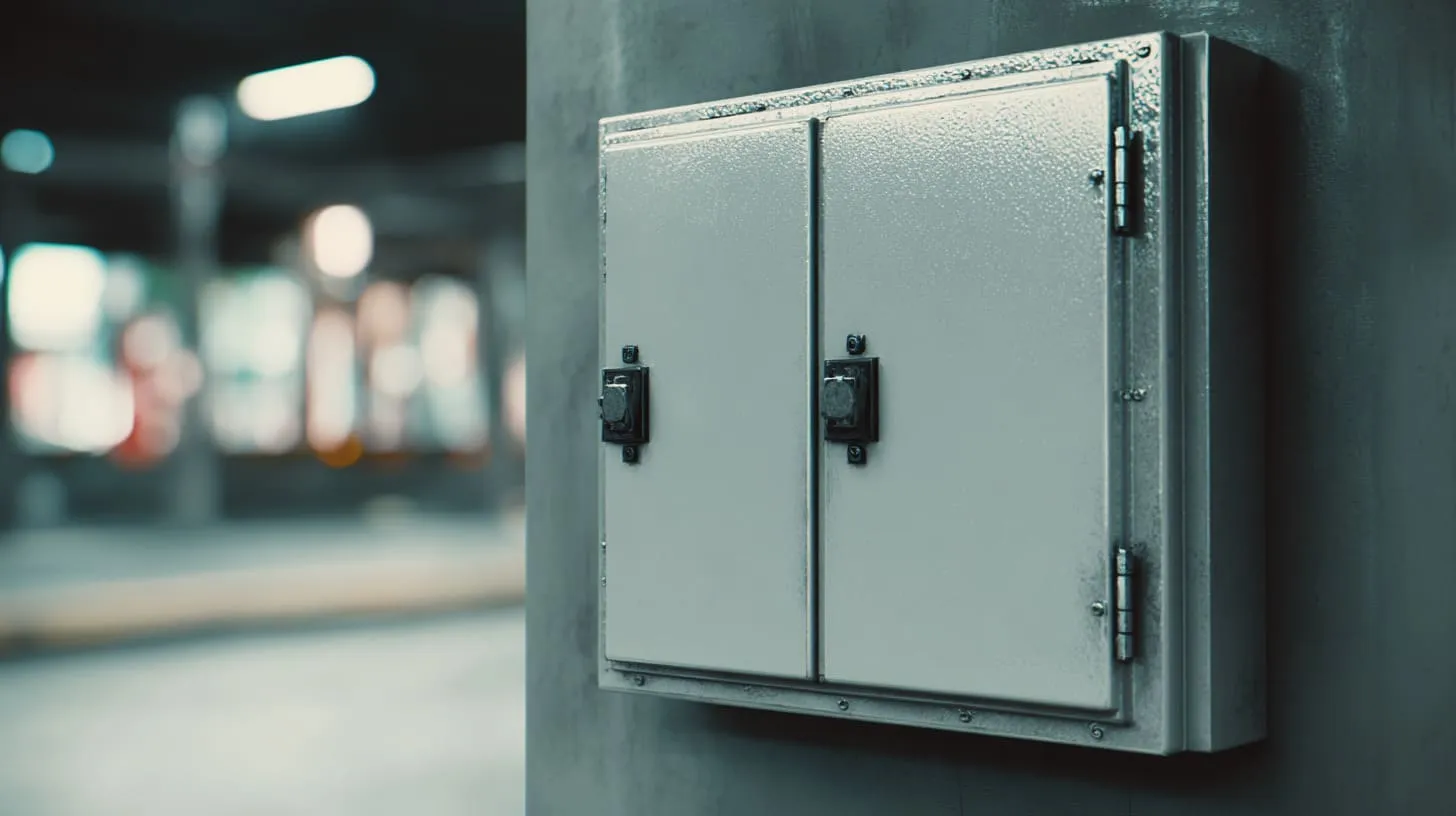
Smart meters changed meter boxes from “simple shells” into small technical environments with communication, power electronics, and sometimes extra devices.
How smart meters change box design
Smart meters can require:
- Extra depth for communication modules
- Space for auxiliary devices such as communication terminals or relays
- Attention to RF signal paths if using wireless communication
- More careful heat management when electronics run continuously
Space, ventilation, and signal considerations
Key design points:
- Avoid packing the box so tightly that heat cannot escape
- Consider small vents or larger volume where allowed by the protection rating
- Keep metal structures away from antenna zones
- For metal boxes, sometimes provide plastic windows or external antenna feedthroughs
Because many plastics are permeable to radio frequency waves, they are often a good partner for smart meters that rely on wireless communication to the utility or gateway.:contentReference[oaicite:9]{index=9}
Future-proofing power infrastructure
Smart meters might be only the first step. Future additions could include:
- Remote disconnect devices
- Load control relays
- Small communication or IoT gateways
- Extra surge protection devices
Leaving space and a logical layout now avoids ugly add-ons later.
Common mistakes when selecting boxes for smart meters
Frequent problems I see:
- Choosing metal boxes without thinking about RF performance
- Forgetting about extra cable entry for communication lines
- Underestimating the depth needed for plug-in modules
- Ignoring the possibility of firmware or device upgrades later
With smart meters, I often start by mapping the communication path and only then discuss box material and layout, because fixing weak wireless performance after installation usually costs more than choosing the right box from the beginning.
Once communications are considered, the next layer is still physical: the protection rating of the meter box against dust and water.
Electrical Meter Boxes by Protection Rating

Protection ratings are where the language splits between IP and NEMA. Both try to answer one main question: “How well does this box keep out dust and water, and under what conditions?”:contentReference[oaicite:10]{index=10}
IP-rated meter boxes (IP54, IP65, IP66)
IP ratings use two digits:
- First digit: solids (dust, objects)
- Second digit: liquids (water, spray, jets, immersion):contentReference[oaicite:11]{index=11}
Common examples for meter boxes:
| Rating | Dust protection | Water protection | Typical use | |
|---|---|---|---|---|
| IP54 | Limited dust, no harmful deposit | Splashing water from any direction | Indoor, sheltered outdoor | |
| IP55 | Dust-protected | Low-pressure water jets | Light outdoor, moderate rain | |
| IP65 | Dust-tight | Strong water jets from nozzle | Exposed outdoor industrial panels | |
| IP66 | Dust-tight | Powerful water jets, heavy seas | Washdown and heavy-duty outdoor sites | :contentReference[oaicite:12]{index=12} |
NEMA-rated meter boxes (NEMA 3R, 4, 4X)
In North America and some export projects, NEMA ratings are common. They combine dust and water resistance with other aspects like icing and corrosion.
Simplified view:
| NEMA type | Typical meaning | Common applications |
|---|---|---|
| 3R | Outdoor, rain and sleet resistant | Basic outdoor meter and distribution |
| 4 | Watertight, hose-down capable | Industrial indoor/outdoor, washdown |
| 4X | Like 4, plus corrosion resistance | Food, chemical, coastal environments |
There is no direct one-to-one mapping between IP and NEMA, but some NEMA 4/4X enclosures also satisfy high IP ratings like IP65 or IP66.
How engineers choose the right protection level
Engineers usually ask:
- Is the box indoors, outdoors, or both?
- Is it exposed to jets of water, just rain, or almost no water?
- Is dust or fine powder present?
- Is there icing, washing, or corrosive chemicals?
Outdoor vs harsh environment requirements
A box on a sheltered wall in a mild city is very different to one on a pier in winter or a washdown food factory.
If a client struggles to describe real dust and water exposure on site, I treat the lowest suggested rating as unsafe and generally step one level higher, because the cost difference is often small compared to the risk of failure.
For some projects, even the best standard rating is not enough, which is when we enter the world of custom and OEM / ODM meter boxes.
Customized Electrical Meter Boxes for OEM & ODM Projects
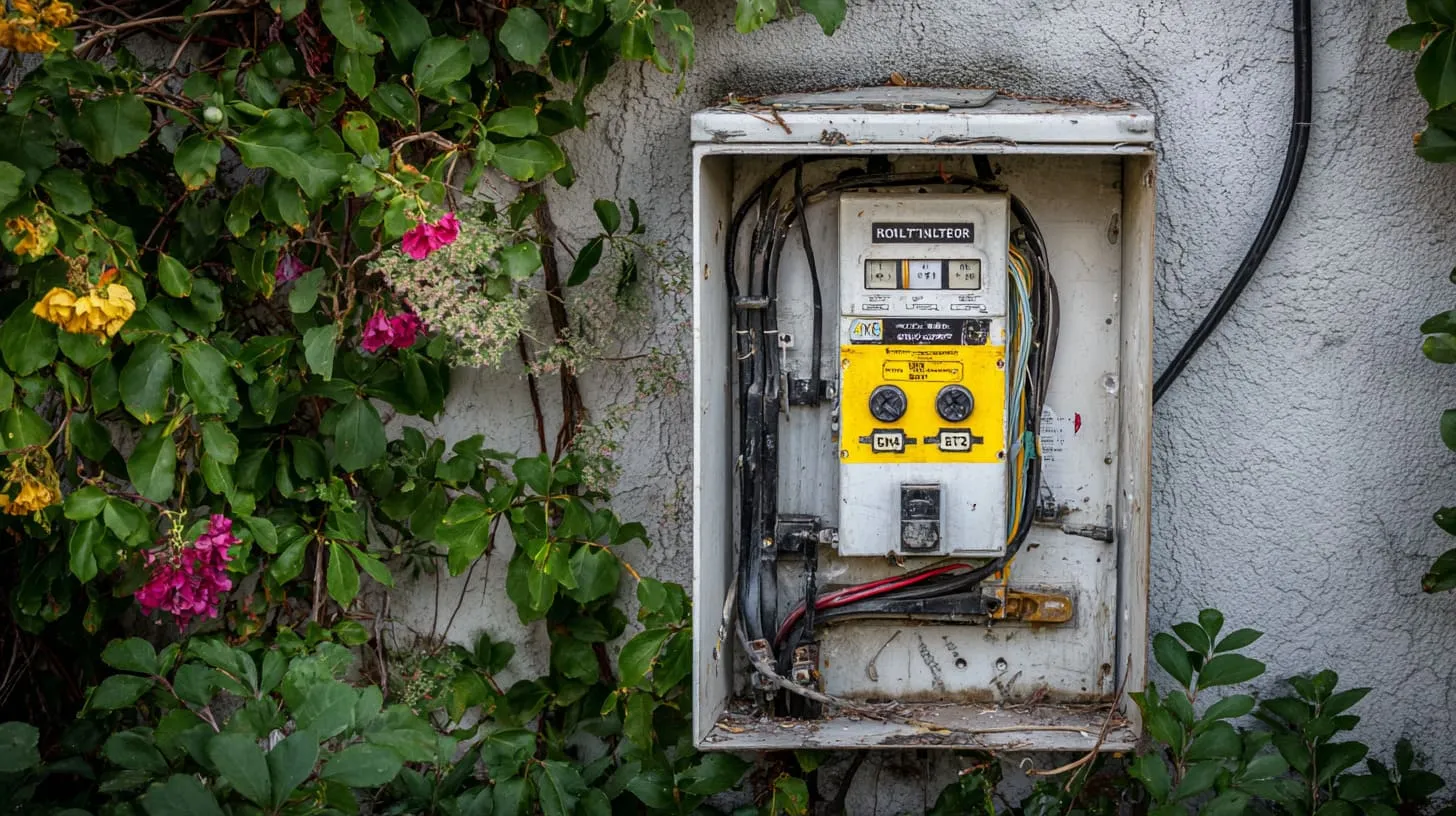
This is where my team at MaidaTech spends a lot of time with product engineers and project buyers. Standard boxes are great, but many real projects do not fit neatly into catalog dimensions.
When standard meter boxes are not enough
Common triggers for customization:
- Non-standard meter sizes or multiple meter types in one box
- Extra devices (gateways, control relays, surge protectors)
- Special mounting (on machinery, inside kiosks, integrated with other panels)
- Branding and aesthetic requirements
Custom dimensions, cutouts, and branding
Typical custom options we see:
| Custom aspect | Examples |
|---|---|
| Dimensions | Extra depth, slim profile, odd width or height |
| Cutouts | Pre-punched glands, windows, ventilation slots |
| Mounting | Special brackets, rails, backplates |
| Branding | Engraved logo, printed label, custom color |
For ODM style projects like John’s in Hungary, we may start from a known enclosure platform and re-design the front, depth, or internal fixing points to match his board layout and meter arrangement.
Logo engraving and private-label requirements
For re-branding clients like Jackson, we often:
- Add laser-engraved logos on doors
- Apply durable printed labels and rating plates
- Match color schemes to their product families
This helps them sell a coherent solution instead of a mixture of mismatched boxes from different suppliers.
Lead time, MOQ, and cost considerations
Customization always interacts with:
- Minimum order quantity (MOQ)
- Tooling or setup cost (especially for plastic or deep-drawn parts)
- Lead time for sampling and revisions
A simplified view:
| Custom level | Typical MOQ | Extra cost factors |
|---|---|---|
| Simple cutouts | Low to medium | Programming, jigs, labor |
| Custom color / logo | Medium | Coating, printing setups |
| New enclosure shape | Higher | Tooling, design, testing |
When a project drawing already shows adapters, improvised junction boxes, and strange cable routes, I usually recommend a customized meter box early, because patchwork solutions tend to be more expensive and less reliable over the project lifetime.
Once people see what customization can do, the next question is usually how to make a structured decision for a specific project.
How to Choose the Right Electrical Meter Box for Your Project

At this stage, we know there are many types and factors. The challenge is to turn that into a simple decision path that works under real project deadlines.
Installation environment checklist
I like to start with basic environment questions:
- Indoors, outdoors, or mixed?
- Risk of rain, spray, or washdown?
- Dust, powder, or fibers in the air?
- Coastal, chemical, or clean atmosphere?
- Risk of impact or vandalism?
You can turn this into a small table:
| Factor | Low risk example | High risk example |
|---|---|---|
| Water | Office corridor | Food factory washdown area |
| Dust | Clean lobby | Cement plant, woodworking shop |
| Corrosion | Inland suburb | Coastal pier, chemical plant |
| Impact/Vandal | Locked plant room | Street-level wall, parking garage |
Utility and regulatory compliance considerations
Next, check:
- Utility company meter box standards or leaflets
- Local electrical code for clearances and mounting
- Fire and building regulations (materials, ratings)
- Requirements for locks, seals, and shared spaces
Ignoring these can delay the whole project even if the technical choice is good.
Material selection based on application
A very simplified material guide:
| Scenario | Likely material direction |
|---|---|
| Industrial, high impact | Metal (steel or stainless) |
| Coastal, moderate impact | Stainless, aluminum, or fiberglass |
| Light commercial, indoor | Metal or ABS/PC plastic |
| Smart metering with RF | Plastic or metal with RF window |
Balancing cost, durability, and lead time
Meter boxes are a small part of budget, but they influence many other costs:
- A stronger box may reduce maintenance visits
- A standard box may ship faster than a fully custom one
- A slightly higher rating (e.g. IP65 vs IP54) may avoid early failures
During design reviews, the quiet question I ask myself is whether I would happily send my own technicians to service that box in five or ten years, in the middle of bad weather, without feeling nervous.
Even with a good process, some patterns of mistakes appear again and again, and they are worth calling out.
Common Mistakes Buyers Make When Selecting Meter Boxes
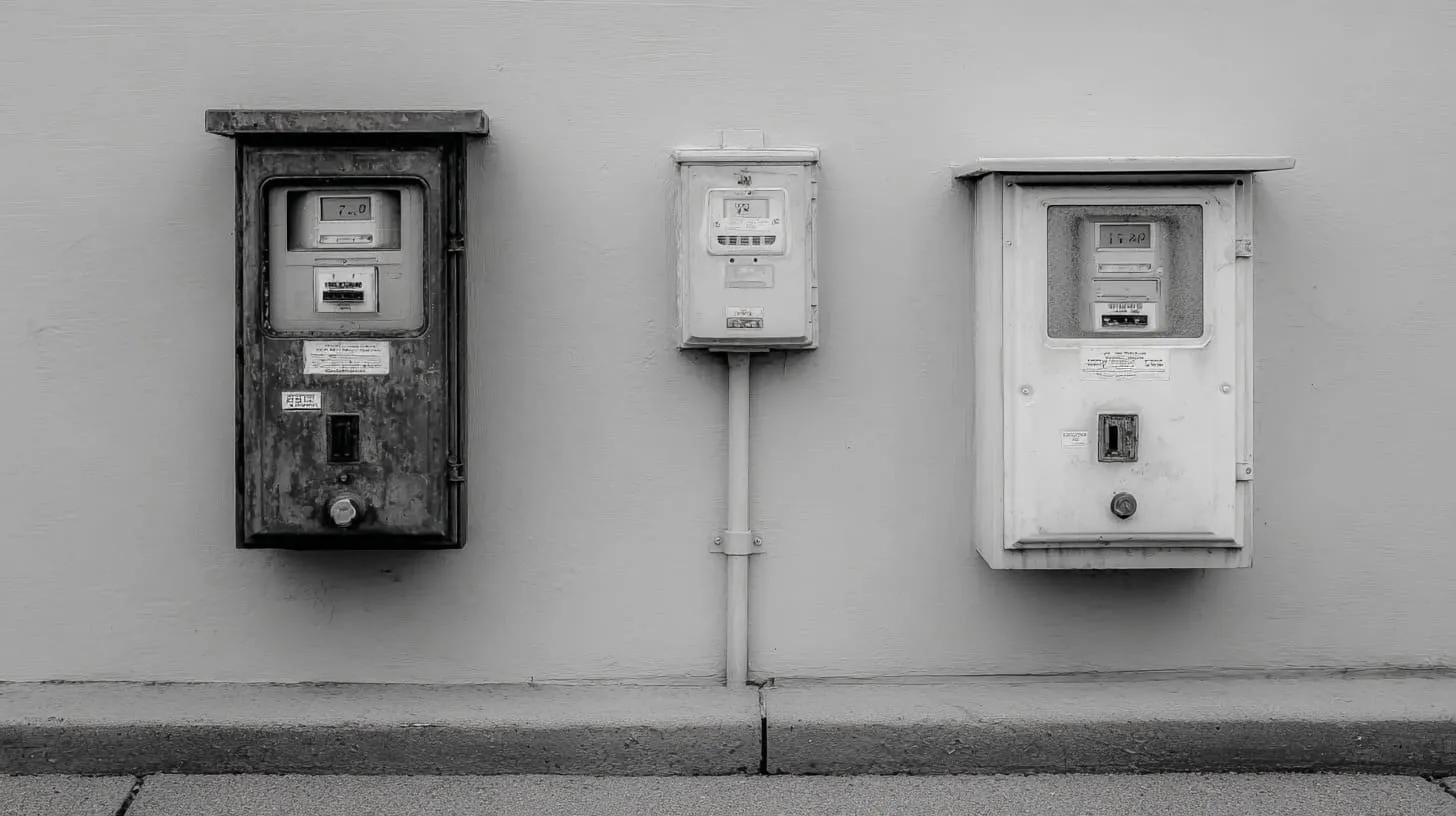
Over the years, I have seen the same problems repeat with different projects, countries, and teams. The details change, but the root causes are very similar.
Ignoring local utility standards
Some teams choose a beautiful, robust box that the utility simply does not accept:
- Meter window is wrong size or in the wrong location
- Sealing points for utility tags are missing
- Required clearances are not respected
This leads to:
- Rejection at inspection
- Costly replacements or modifications
- Delayed energization dates
Underestimating environmental exposure
A common mistake is to treat an outdoor wall in a windy city like an indoor corridor:
- Not enough protection for driving rain
- Rust on cheap steel within a few years
- UV damage on low-grade plastics
Choosing price over long-term reliability
Short-term savings come from:
- Thinner metal
- Lower IP or NEMA ratings
- Very tight internal space
But the medium-term costs show up as:
- Increased callouts
- Difficulty adding new circuits
- Angry end users when doors or hinges fail
Poor communication between design and manufacturing
Sometimes the designer, buyer, and installer each imagine a different box:
| Stage | What they think |
|---|---|
| Designer | “Any standard meter box will do.” |
| Buyer | “I should pick the lowest cost option.” |
| Installer | “I will make it fit somehow on site.” |
This mismatch creates improvisation and rework.
The most painful projects I see are not those with one clear wrong decision, but the ones where no one clearly owned the meter box choice and every trade made a small compromise that added up to a big problem.
When teams are ready to move past these mistakes, they are usually also ready to think differently about the meter box as a strategic component, not a trivial accessory.
Conclusion
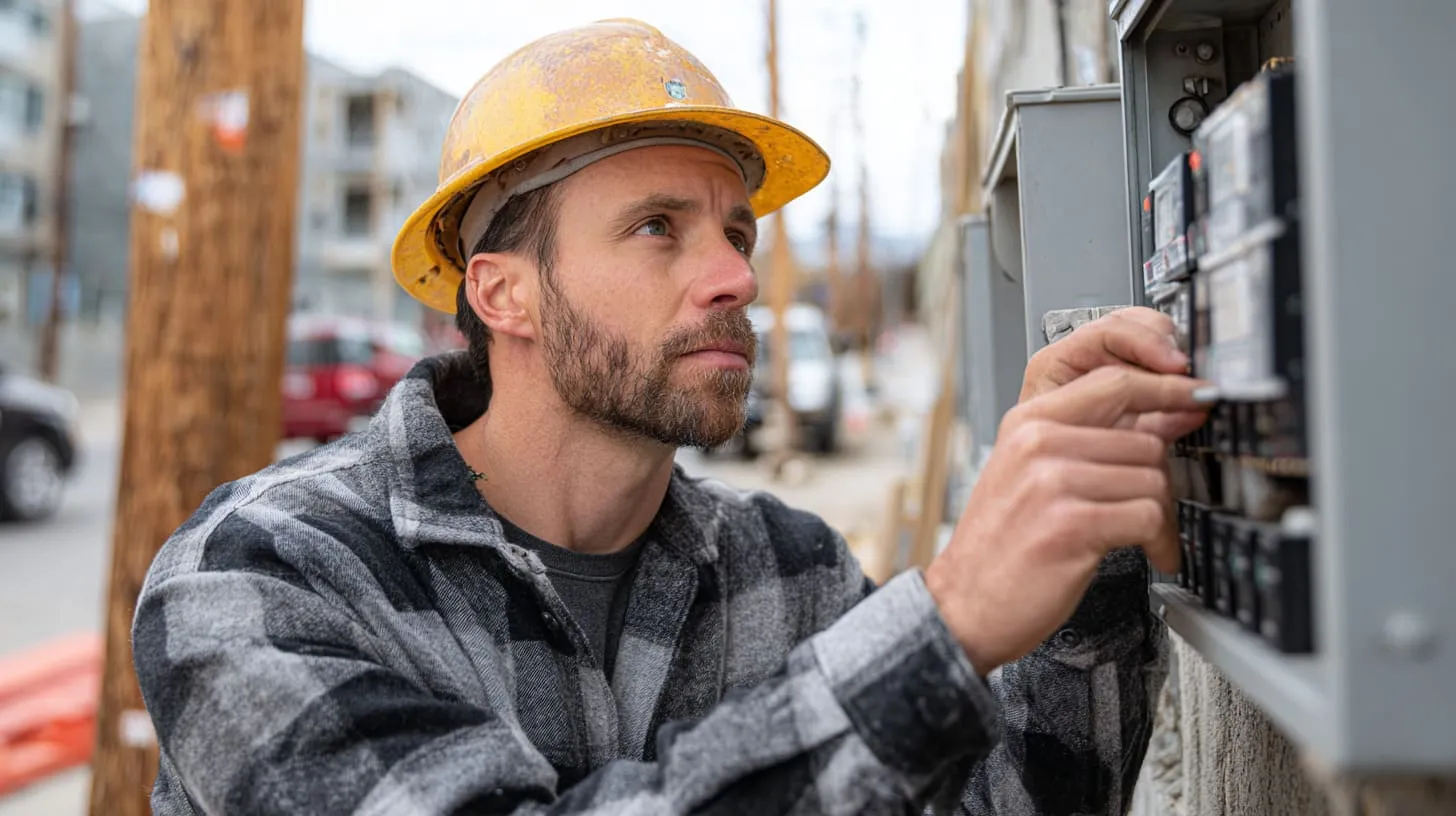
For me, a meter box is like the front door of an electrical system. It decides who can enter, under what conditions, and in what mood they find the inside. If we treat it as a cheap afterthought, the whole “house” feels fragile.
I take the topic seriously because I have seen both sides many times. On one side, there is the neat, well-rated box that passes inspection, survives storms, and gives clear working space to whoever opens it. On the other side, there is the box that rusts early, leaks, or scares the electrician every time they touch it.
I care about installation environment, material, phase, and protection rating because each of these is a small filter against future trouble. My thinking is simple: I would rather design the right box once than send people out three times to fix something that should never have failed.
I also believe that OEM and ODM projects deserve more than copy-paste solutions. When Davide or John shares their drawings with me, I do not just ask “What size do you want?” I ask “Who will live with this box for the next ten years, and what kind of days will they have?” That question changes the decisions we make about type, rating, and customization.
On real projects, the meter boxes that let me sleep well are almost never the cheapest ones; they are the ones where every small detail lines up with a real risk or need on site, from water and dust to communication and maintenance.
If you are working on a new design, planning a re-branding range, or trying to standardize meter boxes for your next roll-out, you are very welcome to send me your drawings or ideas. I am happy to walk through the options with you, ask the awkward questions early, and help you choose or customize meter boxes that protect your project, not just your meter.