Skip to content
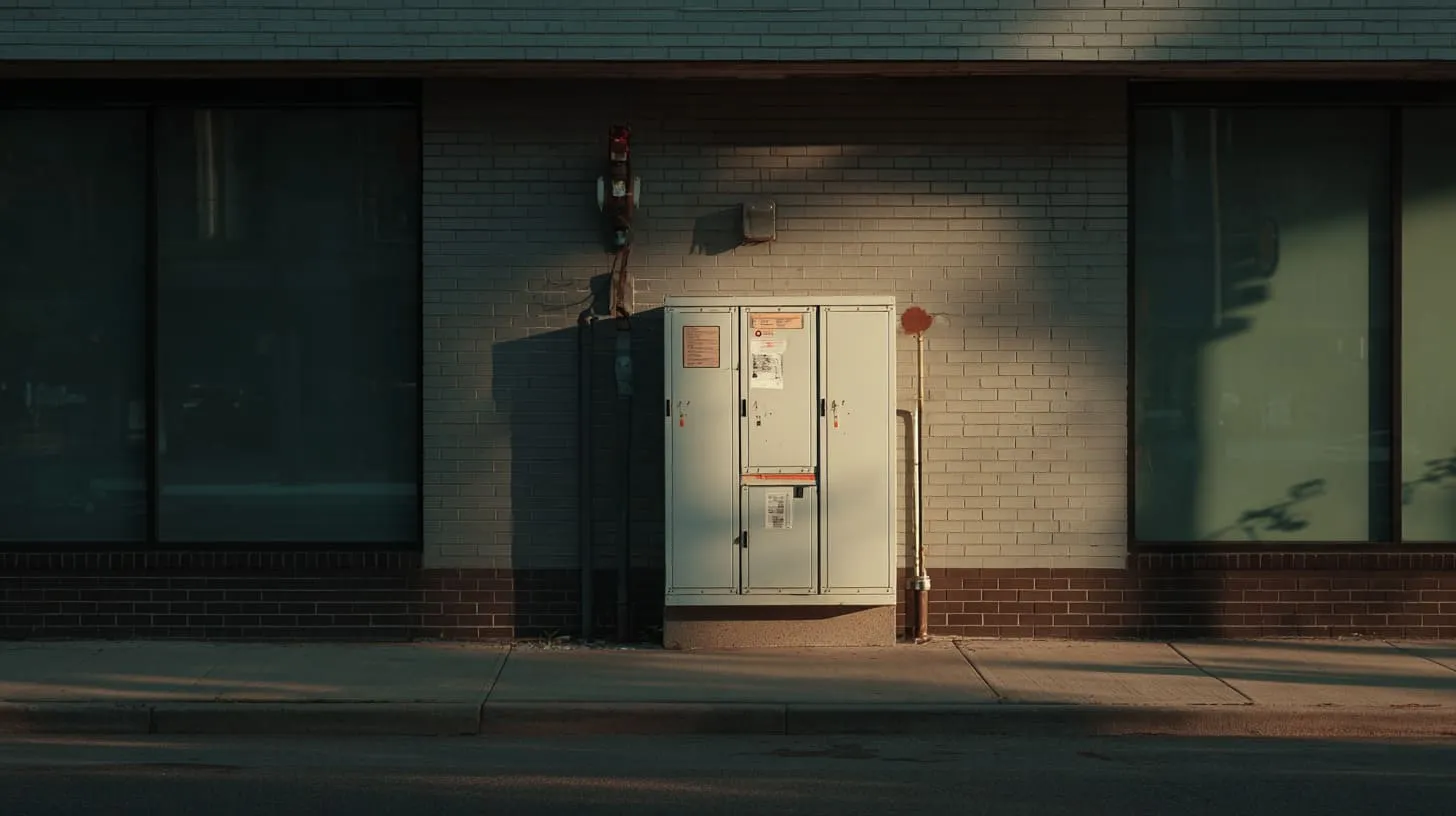
One of my clients was preparing for a product demo and needed the front of their building cleaned up—new paint, new signage, and yes, the electric meter box had to go. They didn’t want it stealing attention. But as soon as we talked placement, things got complicated—rules, clearances, utility access. It wasn’t just about looks anymore.
You can install an electrical meter box inside or outside, depending on local codes, access, clearance, and weather protection requirements.
But where you can place it and where you should place it—those are often two very different things.
Let’s walk through it together.
Can a meter box be inside a garage?
Sometimes the garage feels like the safest, most hidden spot. But is it actually allowed?
Yes, a meter box can be installed inside a garage if local regulations permit and clearances are met.
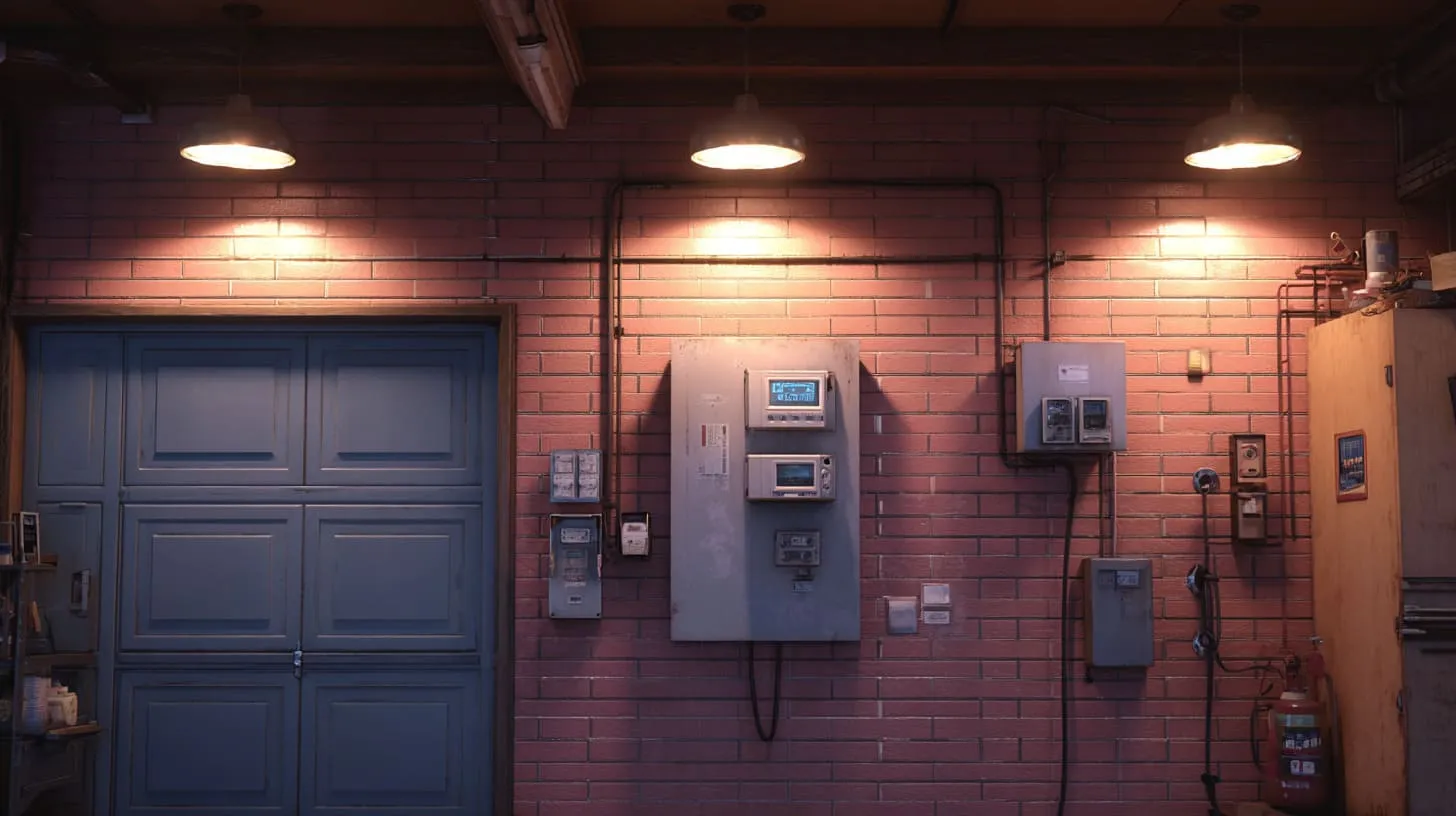
Dive deeper: Readability vs. Access
In dry climates, putting it inside makes sense. It’s protected, out of the weather, and not an eyesore. But in other places—like some parts of the U.S. and UK—it’s not even allowed. Utility companies may require outside access 24/7, especially for manual meter reading.
Here's a quick checklist:
| Factor | Garage Install Allowed? |
|---|---|
| Local code | ✅ Check with authority |
| Utility access needed | ❌ Not ideal if locked |
| Fire risk/ventilation | ⚠️ Must be safe and open |
Can a meter box be moved?
I get this question a lot—especially when someone renovates or rebrands a property.
Yes, but moving a meter box usually requires permits, licensed electricians, and utility company coordination.
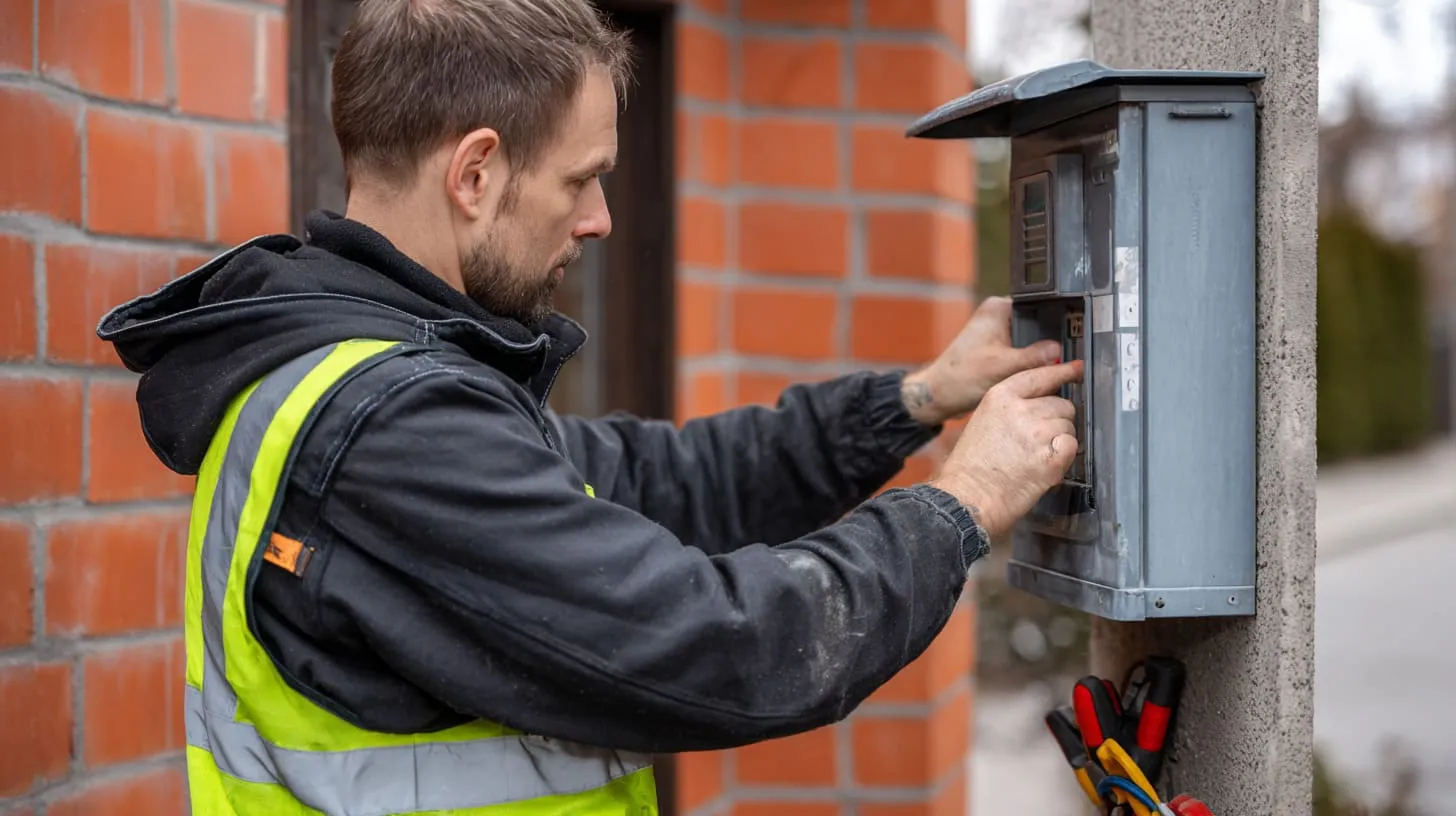
One of my clients in Belgium wanted to shift the box 2 meters to fit their new signage. Simple idea. But it triggered permit paperwork, inspection wait times, and even rewiring.
Lesson? Moving is possible—but rarely quick or cheap.
How close can an electric meter be to a door?
I once saw a meter tucked right behind a swing-out screen door. You had to lean over the steps just to read it.
An electric meter should be at least 3 feet (about 1 meter) away from any operable door.
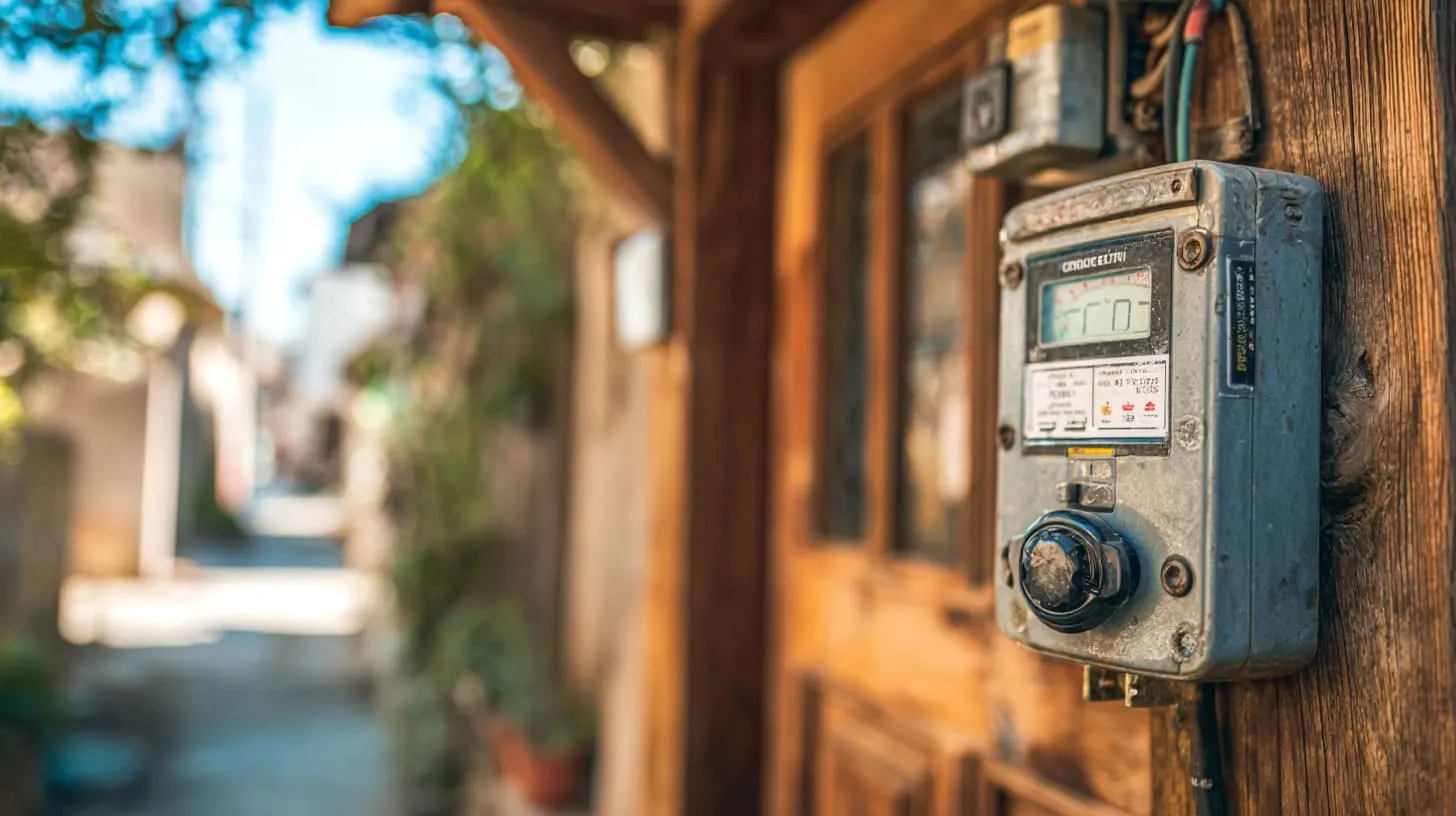
Why doors and meters don’t mix
The issue isn’t just space—it’s safety. Service technicians need working room. You don’t want someone opening a door and hitting the reader mid-inspection.
Where is the best place to put your smart meter?
Smart meters need signal, protection, and easy access—just like your Wi-Fi router.
The best spot is outside, on an easily accessible wall, with clear sky above for signal and code compliance.
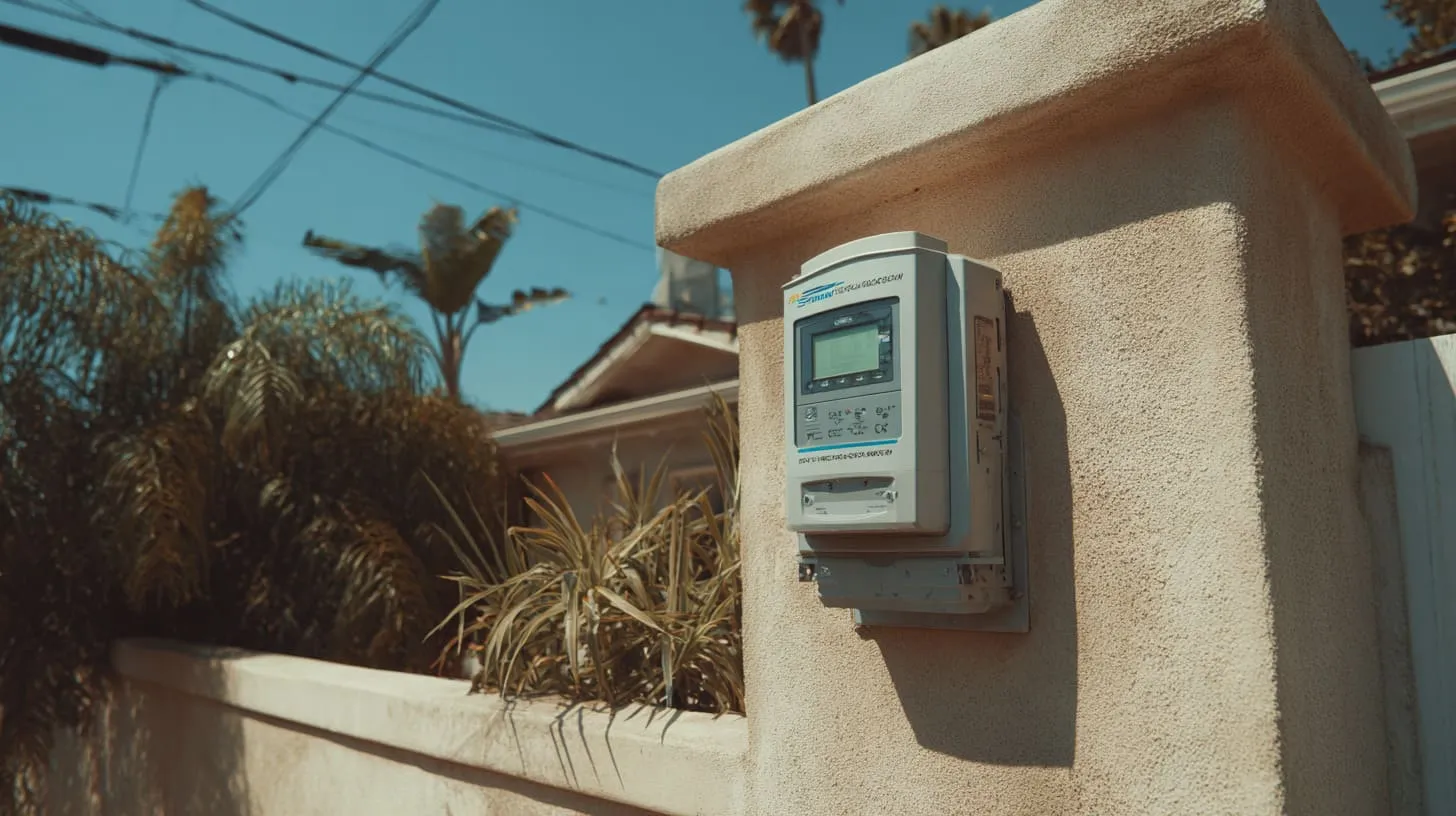
Think like a technician
Imagine standing outside in winter rain. You’re cold, holding a tablet. Now try to scan a QR code buried behind a bush. That’s why meter boxes need open, reachable space.
How high should an electric meter box be?
I once met a client who had their box installed just above ankle height. The reader had to squat every time.
Most regulations require meter height between 4 and 6 feet (1.2 to 1.8 meters) above the ground.
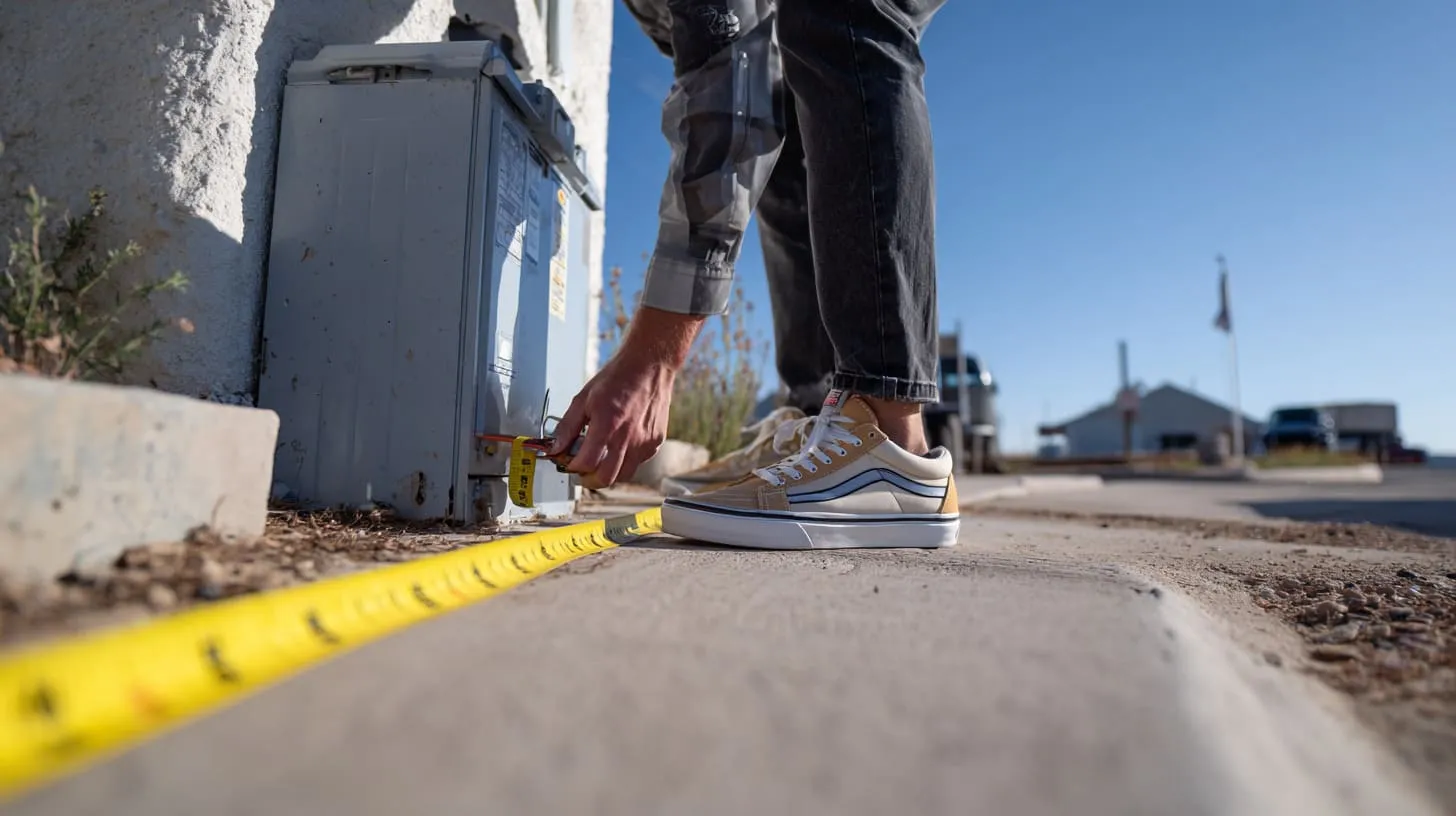
Don’t guess—measure
Here’s a rough guideline:
| Region | Min Height | Max Height |
|---|---|---|
| US | 48" | 72" |
| UK | 900mm | 1800mm |
| EU | 1000mm | 1700mm |
Check your area’s specs. It’s a small change that prevents big headaches later.
What are the legal requirements for electrical meter box placement?
This is where things get tricky—and regional.
Legal placement depends on utility codes, safety rules, and inspection guidelines specific to your country or state.
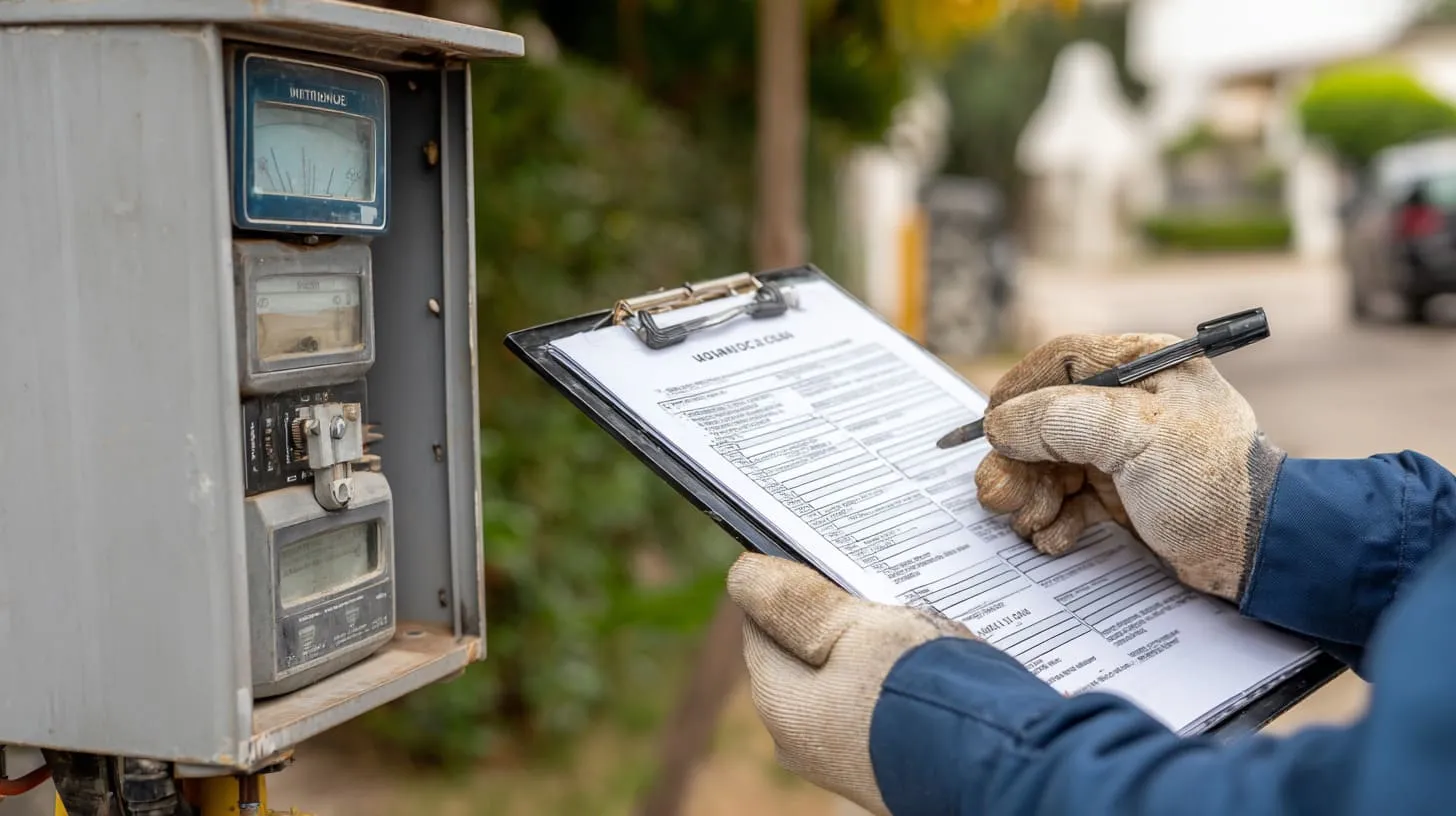
Common rules across countries
- Must be accessible without entering private areas.
- Needs weather protection and tamper resistance.
- Requires working clearance (e.g., 3 ft front clearance).
Always check local codes. And yes—reading them feels like translating old Latin.
Can I install a meter box indoors or does it have to be outside?
A client in Canada asked me this during a snowy winter. “It’d just be easier inside.”
In some places, indoor installation is allowed—but outside is more common and utility-friendly.
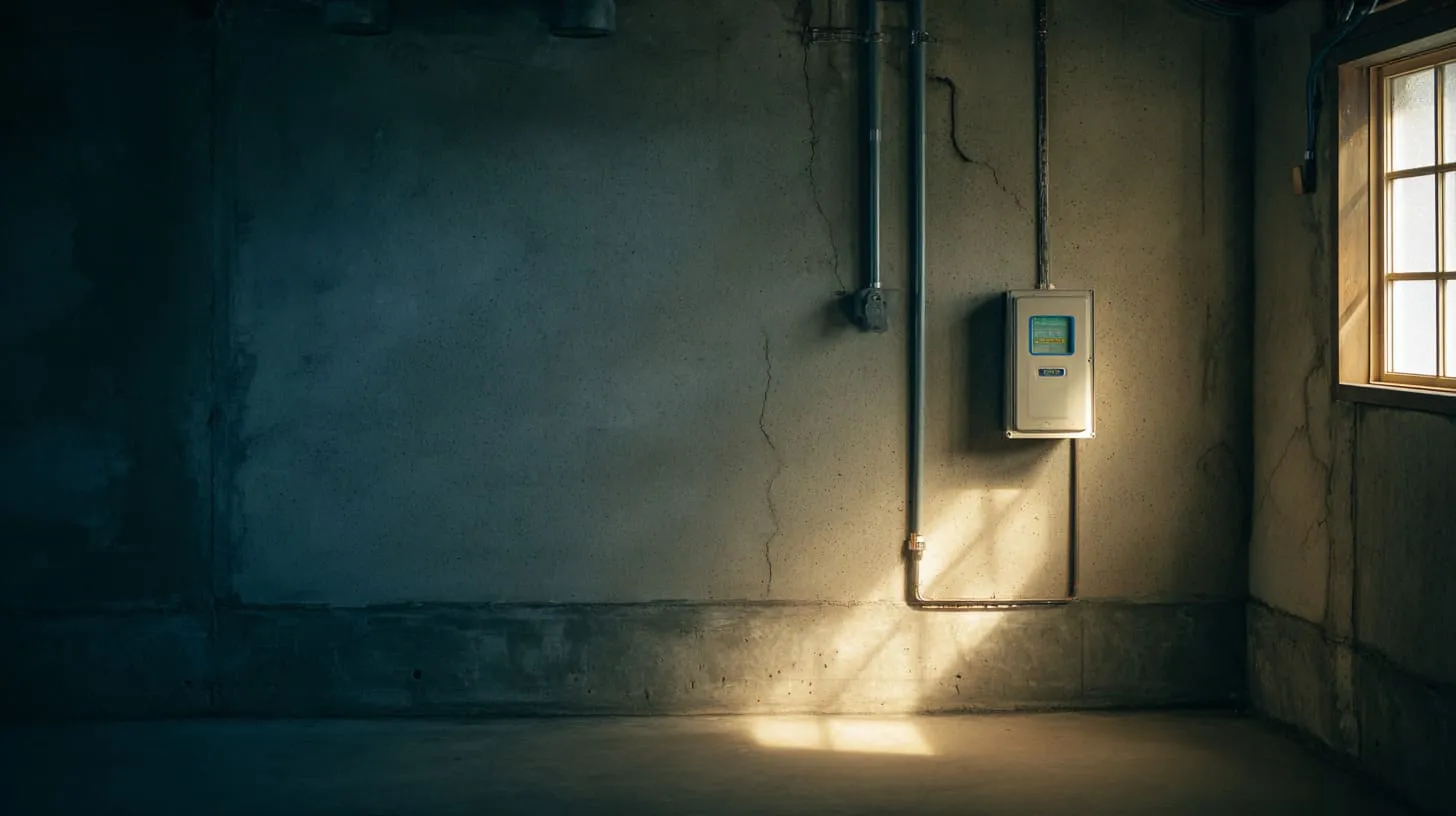
Utility perspective matters
Some areas still allow indoor meter boxes in basements or hallways. But with smart metering and remote reads, external setups are increasingly preferred.
How far should an electrical meter box be from the ground?
Sometimes I see boxes placed almost at eye level, other times awkwardly low.
The box should usually sit 4 to 6 feet above finished grade.
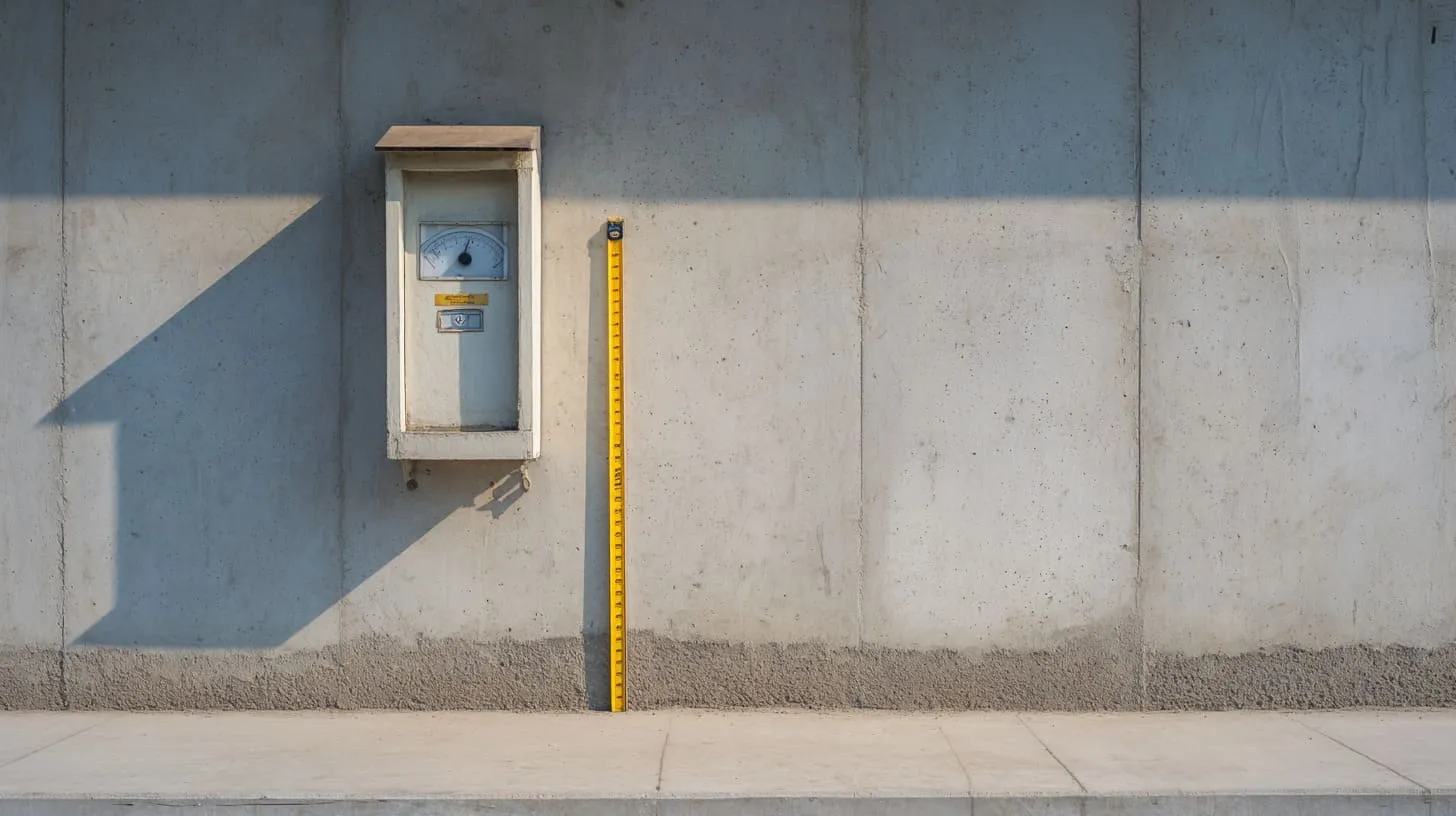
ADA and technician comfort
Think about accessibility—not just for technicians but for future owners, inspectors, or even wheelchair users. Keep it between hip and shoulder height for the average person.
Can a meter box be installed in a garage or utility room?
It sounds redundant—but there’s a twist between “garage” and “utility room.”
Yes, if the room has unrestricted access and ventilation, and it meets clearance codes.
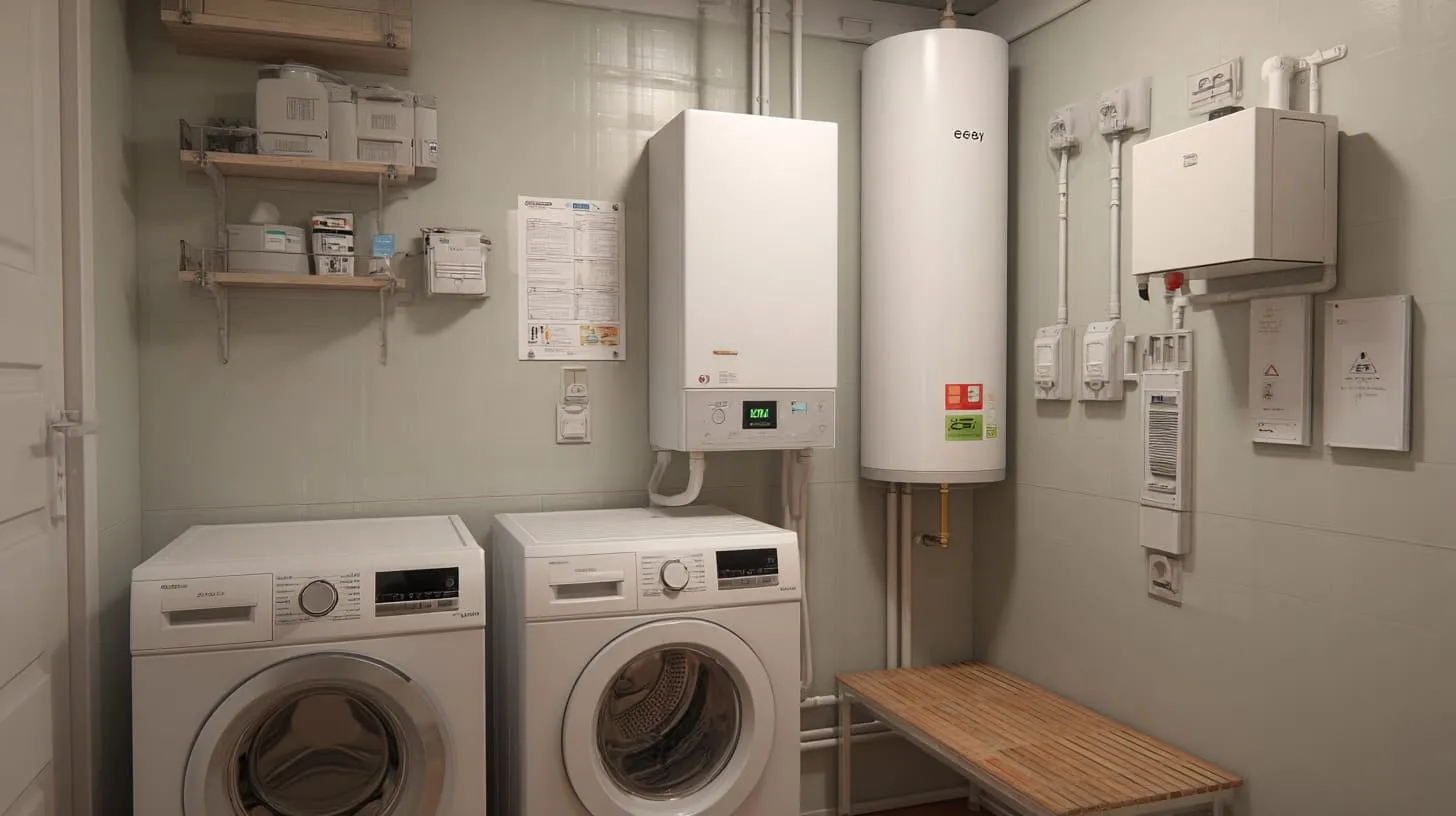
Don't block it with storage
I’ve seen meter boxes completely hidden behind washing machines or wall cabinets. That’s a no-go. Always leave clearance.
What clearances are needed around an outdoor electrical meter box?
People often plant bushes or stack tools around the meter. It's tempting—but risky.
Typically, you need at least 36 inches (91 cm) of front clearance and 12 inches (30 cm) side-to-side.
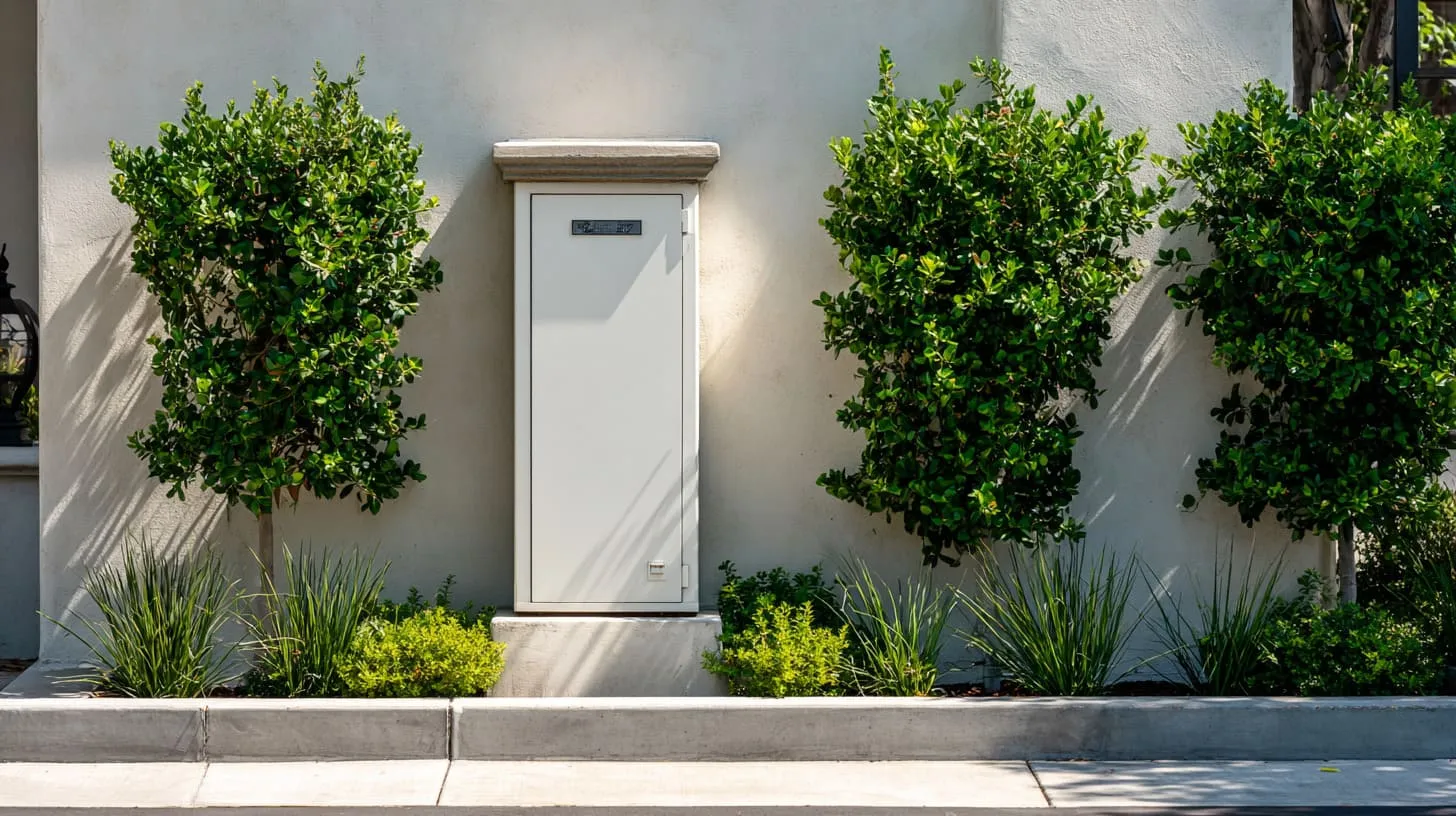
Safety buffer zones
These aren't just suggestions. Inspectors will fail the install if you can’t open the box door fully.
Are there restrictions on putting a meter box behind a fence or gate?
I had a client who built a gorgeous cedar fence… then got flagged by the utility company.
Yes. If locked or obstructed, the meter box may violate utility access rules.
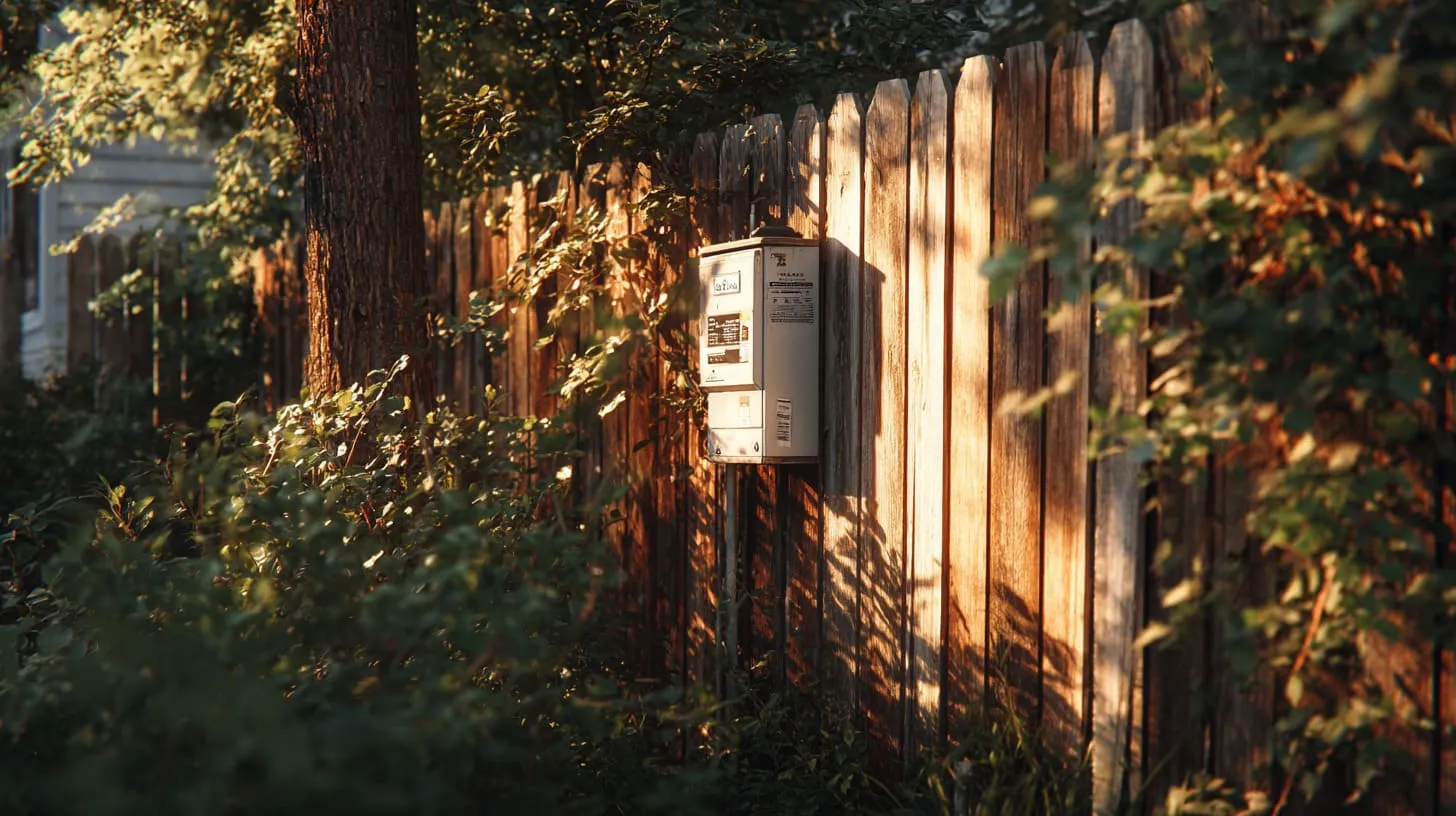
Fence rules vary
Some areas allow gates if utility workers have a universal key or code. Others want the box entirely outside the fence line. Always check first.
Can I hide my meter box for aesthetic purposes?
We’ve all seen meter boxes that clash with modern architecture. But can you cover them?
Yes, but only with approved meter box covers or camouflaging that doesn’t block access or airflow.
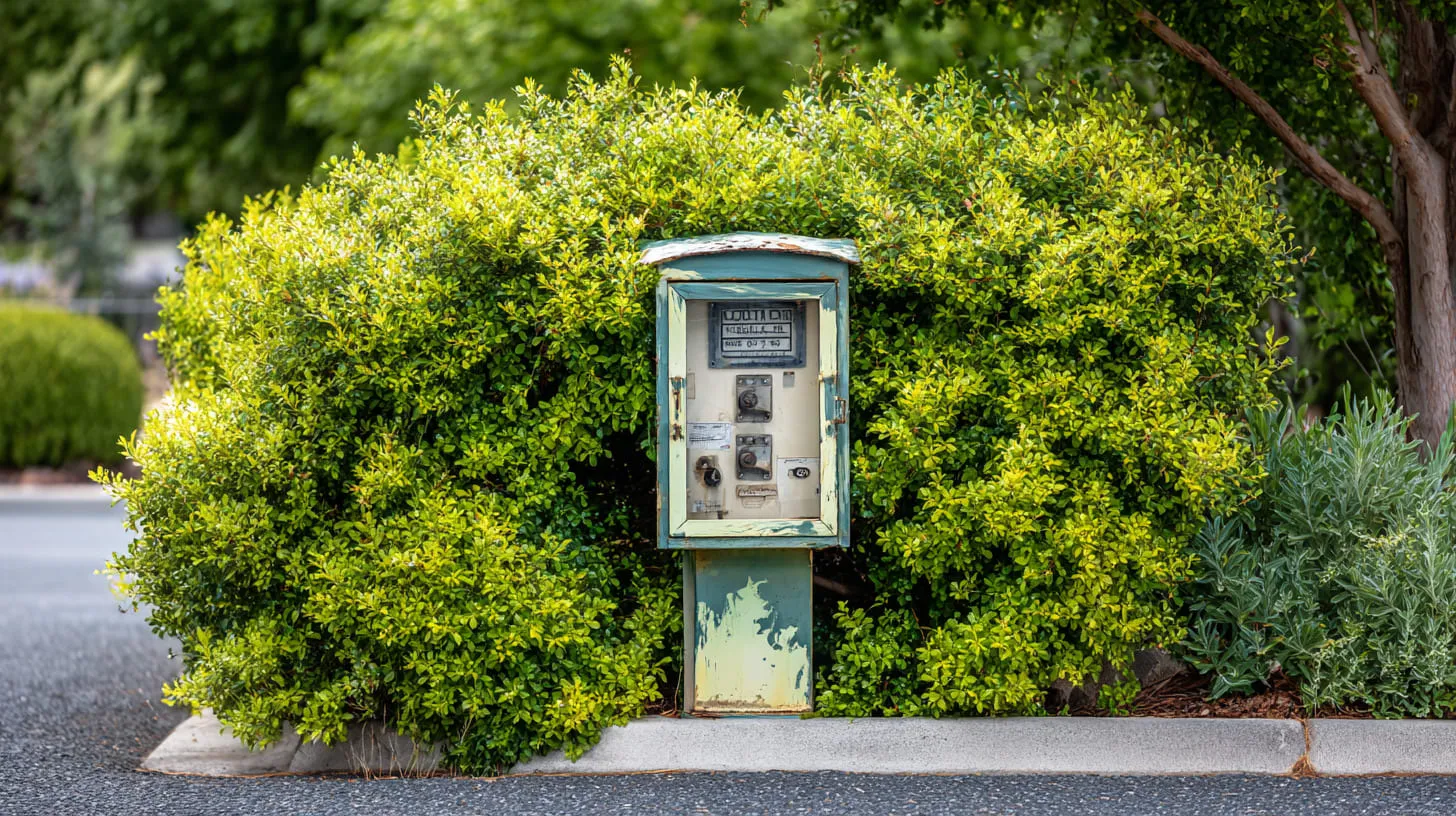
Aesthetic meets function
Here are some popular options:
- Faux shrub enclosures with open backs
- Lockable cabinets with louvers
- Paint-matching metal enclosures
Avoid anything that restricts ventilation or delays emergency access.
How do different countries regulate meter box placement (US, UK, EU)?
Every time we ship a custom enclosure abroad, we double-check the rules—because they change fast.
Regulations vary, but all prioritize access, safety, and weatherproofing.
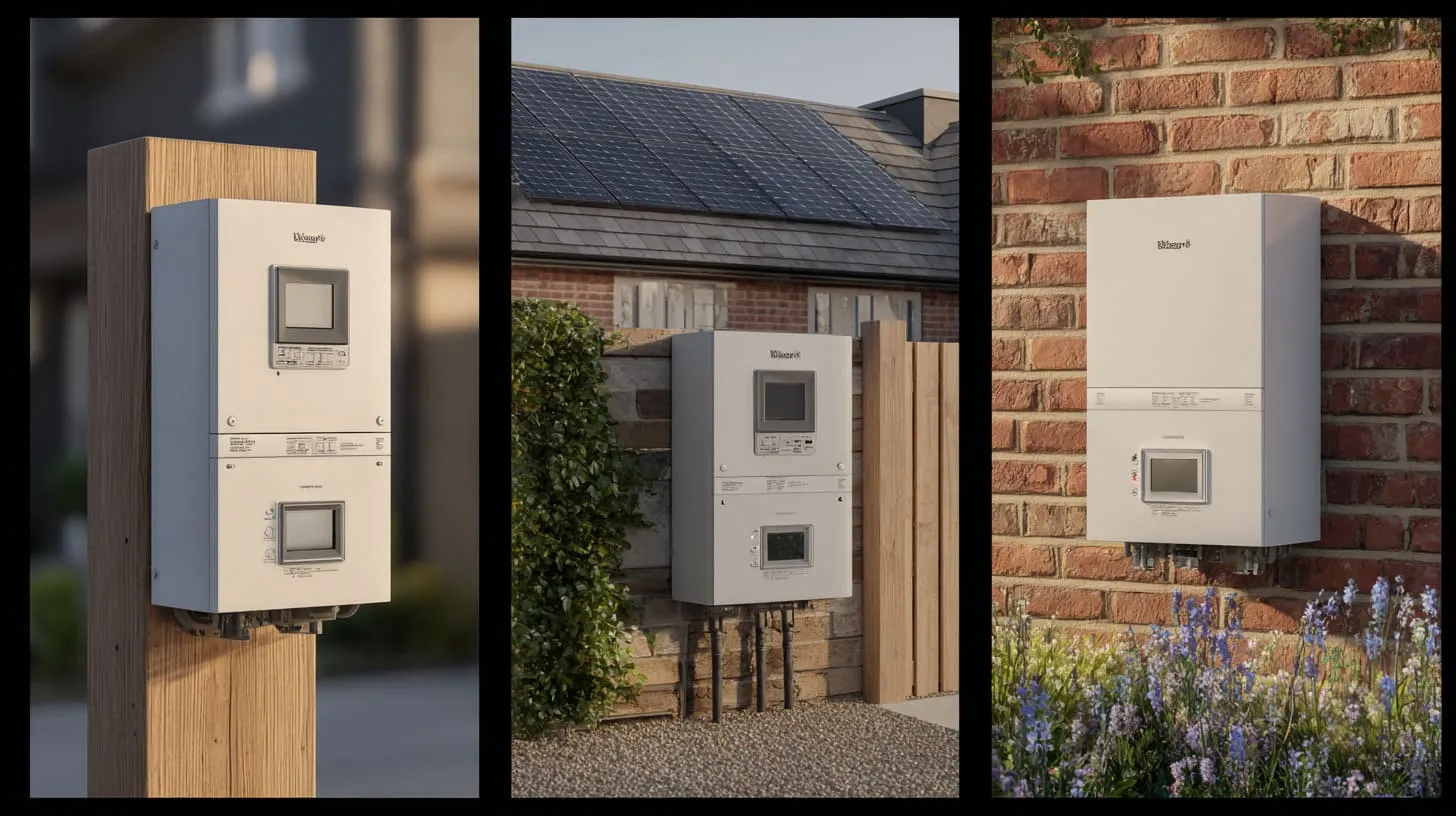
Quick comparison table
| Region | Outdoor Required? | Common Height | Notes |
|---|---|---|---|
| US | Often yes | 4-6 ft | Smart meter push ongoing |
| UK | Yes for new builds | 900–1800mm | External walls preferred |
| EU | Varies by country | ~1.5m | Thermal enclosure important |
What type of enclosure is best for an outdoor meter box?
Sometimes the box matters just as much as the placement.
Use a weatherproof, lockable, corrosion-resistant enclosure rated for outdoor electrical use (NEMA 3R or IP65+).
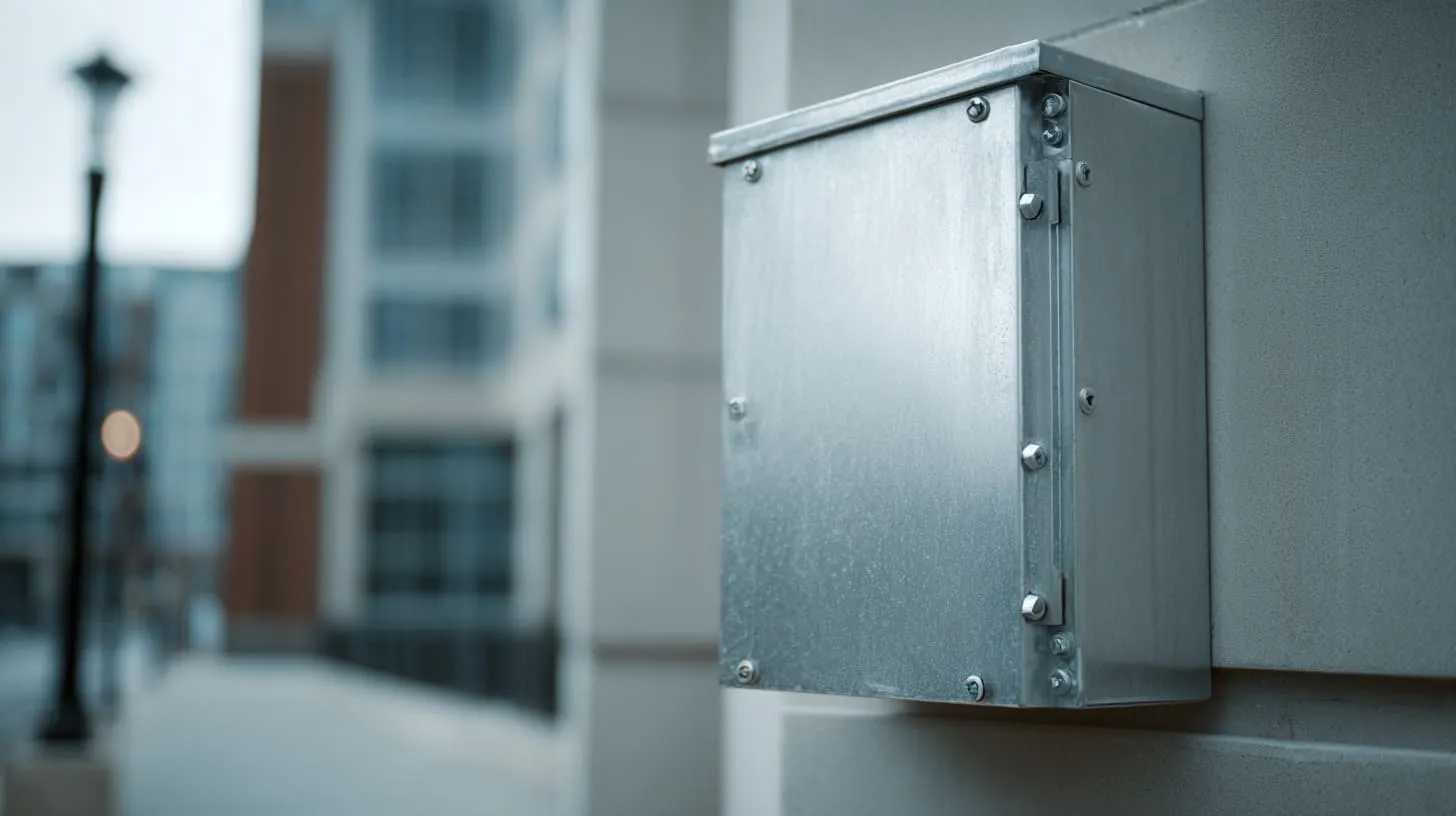
Material matters
I always recommend:
- Powder-coated steel for durability
- UV-stabilized polycarbonate for lighter installs
- Aluminum for balance between weight and weatherproofing
Look for ratings:
| Rating | Meaning |
|---|---|
| NEMA 3R | Rainproof, outdoor safe |
| NEMA 4X | Waterproof, corrosion resistant |
| IP65 | Dust-tight, splashproof |
Conclusion
Meter box placement is about more than space—it’s about safety, access, and planning ahead.