Skip to content

Sometimes, when I review a new enclosure design from a client, the spec sheet just says: IP20. No questions. No notes. Just that. And I pause—because I know it could mean two very different things: either it’s the perfect fit, or a problem waiting to happen.
IP20 means limited dust protection and no protection against water, often used for indoor applications where minimal contact risk is expected.
But honestly? The number “20” doesn’t tell the full story. You’ve got to understand where it fits in, and when it actually makes sense to use it.
What does IP20 mean in electrical enclosures?
Think of the IP code like a safety label. It’s not just a number—it’s a silent agreement between you and your enclosure.
IP20 means that the enclosure blocks fingers and solid objects over 12mm but offers zero protection against water.

Understanding the digits
| Digit | Meaning |
|---|---|
| 2 | Protected from fingers or tools >12mm |
| 0 | No water protection whatsoever |
This level is just enough for basic safety. Not more, not less.
Where is IP20 suitable for?
This is where a lot of buyers get confused. Not all indoor environments are the same.
IP20 is ideal for dry, indoor areas with no exposure to moisture or dust infiltration risks.

Common IP20 environments:
- Office network enclosures
- Home automation hubs
- Server rooms
- Indoor cabinets above ground level
When your gear isn’t near sinks, sprays, or sawdust—IP20 might just do the job.
Can IP20 go in the bathroom?
This is the kind of question I wish more people asked before placing an order.
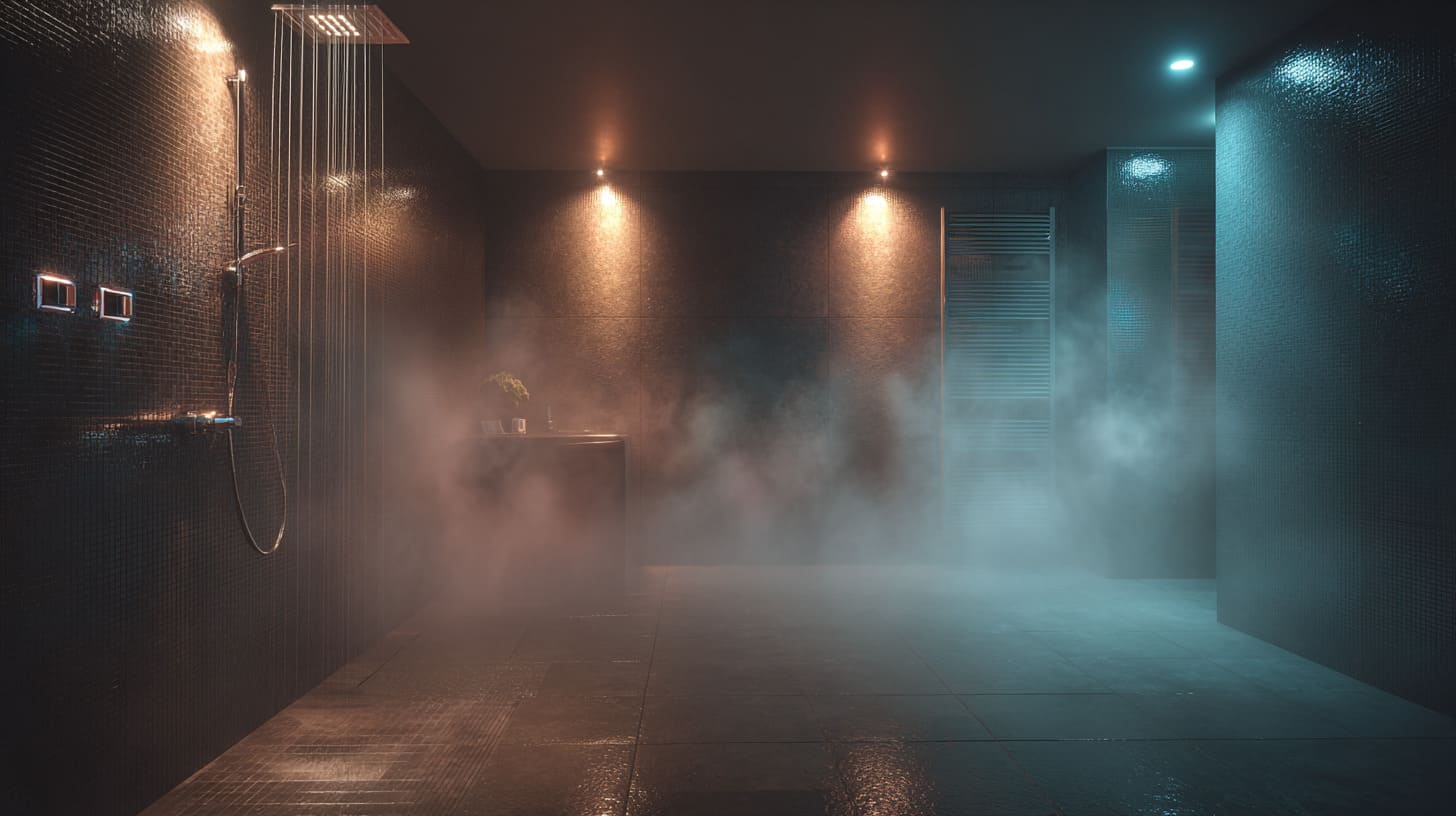
No—IP20 should never be used in bathrooms or any humid, splash-prone space.
Why it’s risky:
Bathrooms have high moisture. Even steam from a hot shower can be enough to cause trouble. Condensation = corrosion. And IP20 doesn’t stand a chance.
What are the benefits of IP20?
You might be surprised, but IP20 isn’t just about cutting corners.
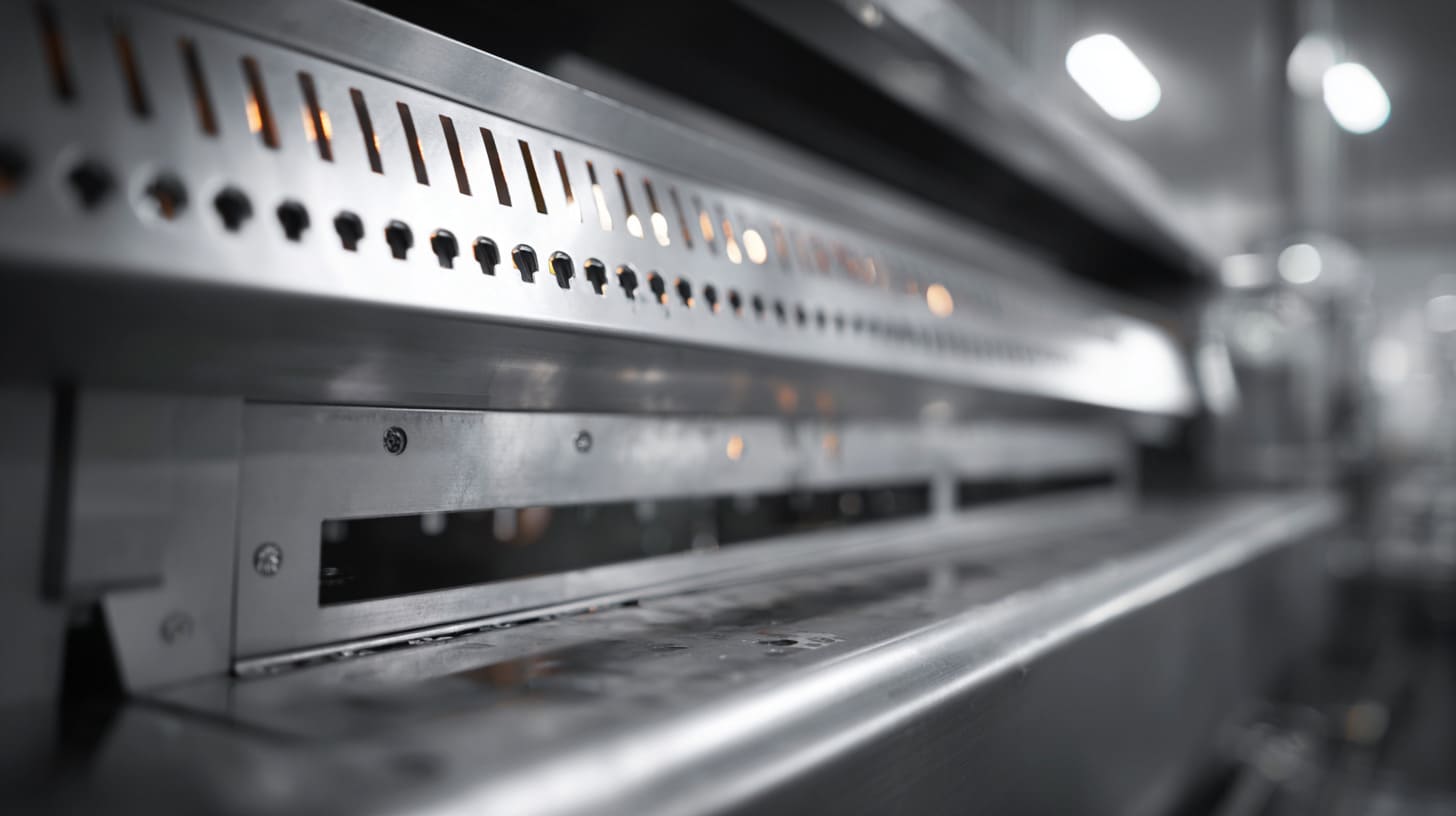
IP20 enclosures are cost-effective, lightweight, and easy to design with ventilation and cable access.
When simplicity wins:
- Lower tooling costs
- Faster production
- Easier maintenance
- More airflow (when designed right)
Especially for non-critical, indoor devices, these benefits add up fast.
Is IP20 suitable for indoor or outdoor use?
You’ve probably guessed by now—but let’s be clear.
IP20 is only suitable for indoor use—outdoor use will almost always require higher protection.

Don’t risk it:
Even a light drizzle or dust storm could damage an IP20 enclosure outdoors. That’s a repair cost waiting to happen.
What is the difference between IP20 and IP44 or IP65?
IP ratings scale like armor. Each step up adds protection.
Compared to IP44 and IP65, IP20 lacks water resistance and fine dust protection.

| Rating | Solid Protection | Water Protection | Usage |
|---|---|---|---|
| IP20 | >12mm objects only | None | Safe, dry interiors |
| IP44 | Small tools, splashproof | From all directions | Bathrooms, semi-damp locations |
| IP65 | Fully dust-tight | Low-pressure water jets | Outdoors, factories |
Choose wisely—overkill costs money, but under-protection costs trust.
Can IP20 enclosures protect against dust or water?
Here’s where expectations often need adjusting.
IP20 provides minimal dust protection and absolutely no water resistance.

What can get in?
- Dust smaller than 12mm? Yes.
- Water from a spill or splash? Yes.
- Curious fingers? No. And sometimes, that’s enough.
What applications are ideal for IP20-rated boxes?
You don’t need a battleship for every project. Sometimes a canoe works fine.
Applications with no moisture, low human contact, and simple setups are great fits for IP20 enclosures.

Example applications:
- PCB housings in dry labs
- Audio or sensor hubs inside furniture
- Internal compartments in larger devices
Why would a manufacturer choose IP20 over higher-rated enclosures?
It’s not just about saving money—it’s about smart design.
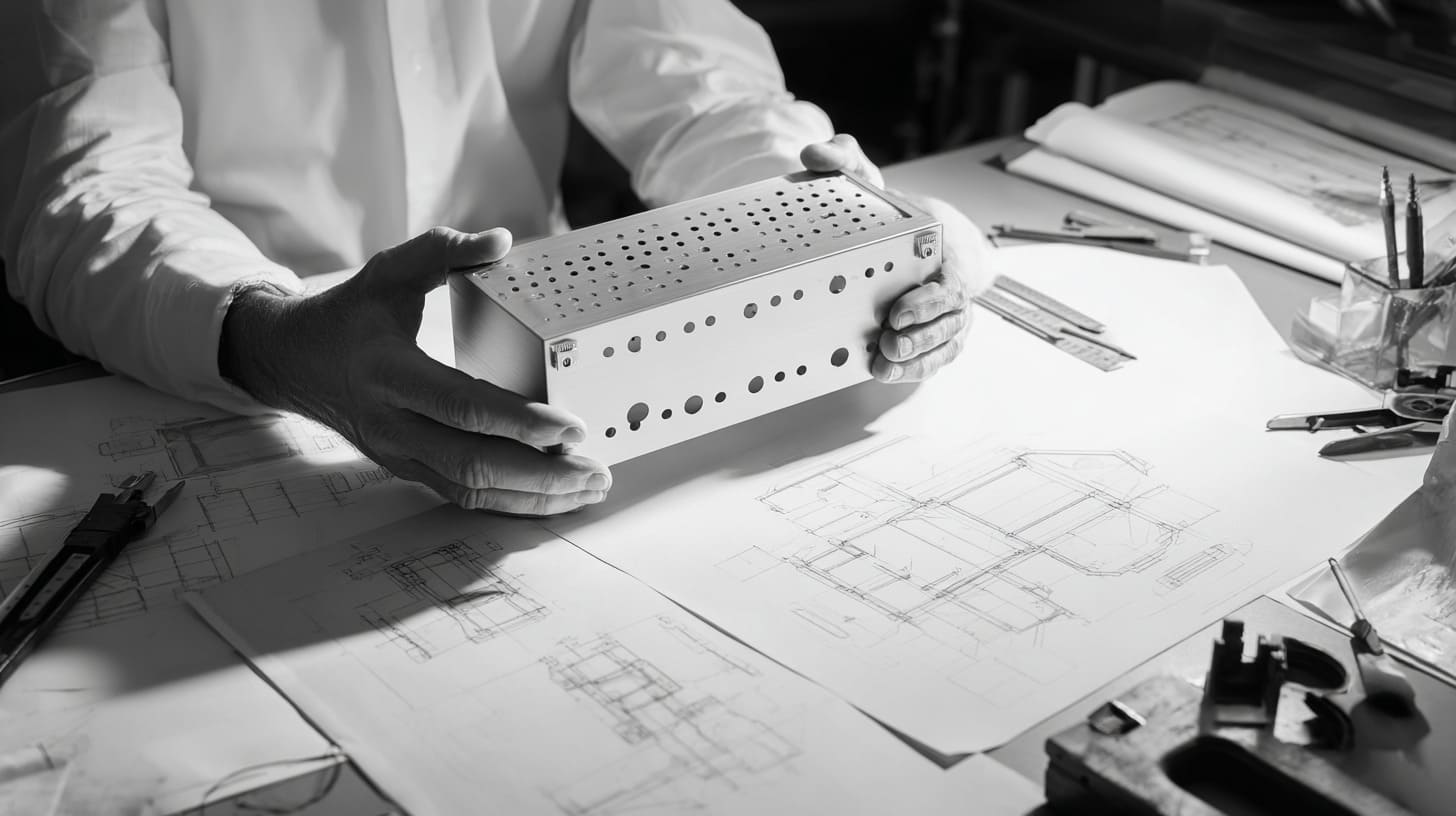
Manufacturers choose IP20 when the environment doesn’t justify higher costs, and the design demands airflow and simplicity.
Let’s break it down:
| Reason | Explanation |
|---|---|
| Budget control | Lower production costs for budget projects |
| Ventilation requirements | Higher-rated boxes may trap heat |
| Weight reduction | Lighter enclosures are easier to handle |
| Cable access | Simpler cutouts for connectors |
In the right context, IP20 just makes sense.
Does IP20 comply with international safety standards?
This is a fair concern—especially when compliance affects product approval.
Yes—IP20 is part of the IEC 60529 international standard for enclosure protection levels.

But remember, compliance only matters if your use case aligns with what IP20 offers. Don’t mix up “compliant” with “suitable.”
How does IP20 impact the design of custom aluminum enclosures?
As someone who works with custom orders daily, this is where it gets interesting.
IP20 offers more design freedom—open vents, simpler cutouts, and reduced sealing requirements.

Design implications:
- Fewer gaskets or seals needed
- Vent holes can be added freely
- Material thickness can be optimized
- CNC machining time goes down
When designing a low-voltage controller box for a dry factory floor, I can trim both cost and time—without sacrificing what matters.
Can IP20 enclosures be used in industrial control panels?
This depends on what that panel is doing—and where it’s living.
IP20 can be used inside industrial control panels—but not as the external enclosure if exposure to dust or moisture exists.

Internal use, not external
Think of IP20 enclosures as the inner layer—protecting internal modules or components inside a sealed industrial box. If it’s the outer shell, go higher.
Conclusion
IP20 isn’t weak—it’s just misunderstood.
When used in the right place, with the right goals, it becomes a smart, cost-effective choice that simplifies design and speeds up delivery. For OEM and ODM clients who understand the full picture, it’s not about chasing the highest rating—it’s about choosing the right one.
At MaidaTech, I help you make that right choice.
Want to talk IP ratings and design? Reach out to me or visit maidatechenclosure.com. Let's build something smart—together.