Skip to content

I often receive short messages that look harmless at first.
“Can we use 201 instead of 304? Price looks better.”
That single line tells me a lot. It tells me the project is under cost pressure. It also tells me the person asking may not see what happens after the enclosure leaves the factory.
Stainless steel grade choice rarely fails on paper. It fails months later. Rust at a corner. Color change near a weld. Customer complaints that feel unfair but are very real.
I write this for engineers, OEM buyers, and ODM founders who want fewer surprises. If you design enclosures, sell branded products, or source from Asia, this comparison matters more than most people think.
Before we compare them head‑to‑head, we need to slow down and look at each material on its own.
What Is 201 Stainless Steel?

201 stainless steel shows up often when budgets get tight. I see it in early-stage projects and price-driven orders.
Basic composition and alloying elements
201 is an austenitic stainless steel, but its chemistry is adjusted.
- Lower nickel
- Higher manganese
- Chromium still present, but balanced for cost
This change is not random. It is intentional.
| Element | 201 Stainless | Role |
|---|---|---|
| Chromium | Moderate | Basic corrosion resistance |
| Nickel | Low | Cost reduction |
| Manganese | High | Replaces nickel |
Why 201 was developed
Nickel prices move fast. When they rise, material costs jump.
201 was created to reduce nickel use and control price.
From a factory view, this makes sense. From a product life view, it adds risk.
Typical mechanical properties
201 is strong. Sometimes stronger than people expect.
- Good hardness
- Decent tensile strength
- Stable for basic forming
But strength is not the same as durability.
Corrosion resistance characteristics
This is where trade‑offs appear.
- Works well indoors
- Sensitive to moisture
- Sensitive to cleaning chemicals
Once corrosion starts, it does not stop politely.
Common applications
I usually see 201 used for:
- Indoor decorative panels
- Furniture frames
- Low-risk enclosures
- Short-term projects
This steel can work, but only in the right place.
That brings us to the grade most people treat as “safe by default.”
What Is 304 Stainless Steel?

304 is the material buyers ask for when they want peace of mind.
Chemical composition and nickel content
304 contains more nickel. That single change does a lot of work.
| Element | 304 Stainless | Benefit |
|---|---|---|
| Chromium | Higher | Strong oxide layer |
| Nickel | Higher | Stable corrosion resistance |
Why 304 became the standard
It performs well across many environments.
Not perfect, but predictable.
That predictability is valuable.
Mechanical strength and formability
304 bends cleanly.
It welds well.
It behaves during CNC and laser cutting.
This saves time during production.
Corrosion resistance in real use
I have seen 304 enclosures survive:
- Humid factories
- Coastal storage
- Regular cleaning
No drama. No surprises.
Typical applications
304 is common in:
- Industrial enclosures
- Branded OEM products
- Food and medical equipment
- Long-life devices
If a product carries your logo, this grade protects more than metal.
Now let’s put the two side by side.
Chemical Composition Differences Between 201 and 304

On the surface, these steels look the same. Inside, they are not.
Nickel and manganese comparison
This is the core difference.
| Grade | Nickel | Manganese |
|---|---|---|
| 201 | Low | High |
| 304 | High | Low |
Manganese helps with structure, but it does not replace nickel’s corrosion role.
Chromium content impact
Both use chromium, but the supporting elements matter.
Chromium alone is not enough.
Long-term performance effect
I have seen 201 pass inspection on day one and fail quietly after six months.
Why chemistry matters more than appearance
Shiny surfaces lie.
Chemistry does not.
Once corrosion starts inside welds or corners, polishing cannot save it.
Next comes the question buyers ask most often.
Corrosion Resistance: 201 vs 304 in Practice

Lab tests are clean. Real life is not.
Dry indoor environments
201 performs fine here.
Offices. Shops. Clean rooms.
Humid and coastal environments
This is where 201 struggles.
- Moist air
- Salt
- Condensation
304 handles these with far less risk.
Reaction to cleaning agents
Industrial cleaners expose weakness fast.
201 reacts.
304 resists.
Long-term oxidation risk
Rust rarely starts in the center.
It starts at edges.
At welds.
At screw holes.
That detail matters in enclosure design.
Next, let’s talk about how these steels behave during fabrication.
Mechanical Properties and Fabrication Behavior
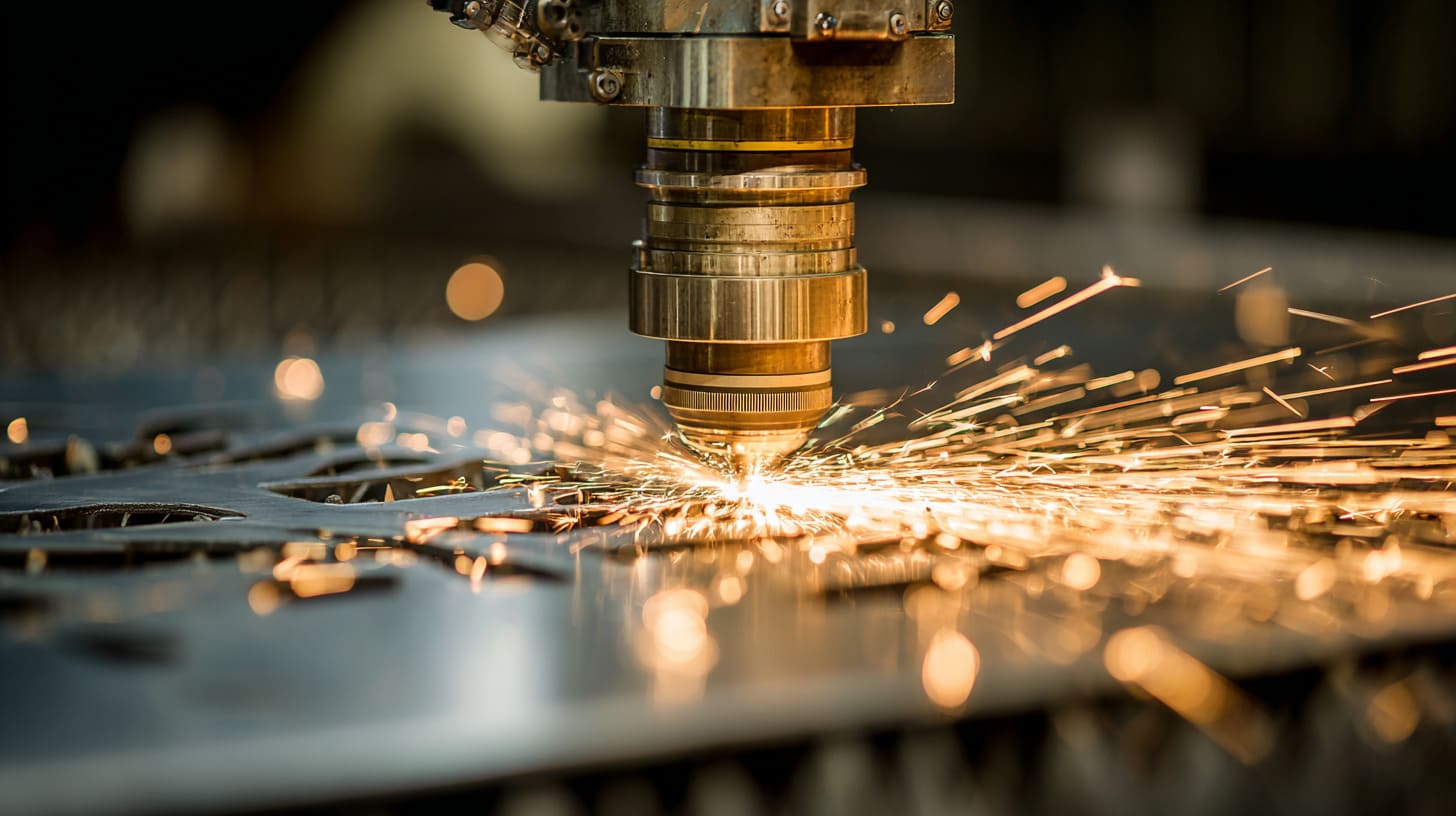
Material choice affects production more than buyers expect.
Strength and hardness
201 is harder.
304 is more forgiving.
Harder is not always better.
Bending and welding
304 bends smoothly.
201 can crack if pushed too far.
Welding 201 also needs tighter control.
Laser cutting and CNC machining
304 cuts cleaner.
Less edge stress.
More consistent results.
Risk of deformation
Thin enclosures suffer most.
This is where wrong grade choices show up fast.
Cost is always the next topic.
Cost Comparison: Is 201 Really Cheaper?

Short answer: sometimes.
Raw material price
201 is cheaper per kilo.
No argument there.
Processing cost
But harder material increases:
- Tool wear
- Rework
- Scrap rate
Hidden costs
I have seen projects save on material and lose on warranty.
Total cost view
| Factor | 201 | 304 |
|---|---|---|
| Material | Lower | Higher |
| Risk | Higher | Lower |
| Lifetime cost | Unstable | Predictable |
Then comes appearance, which often fools everyone.
Appearance and Surface Finish Differences

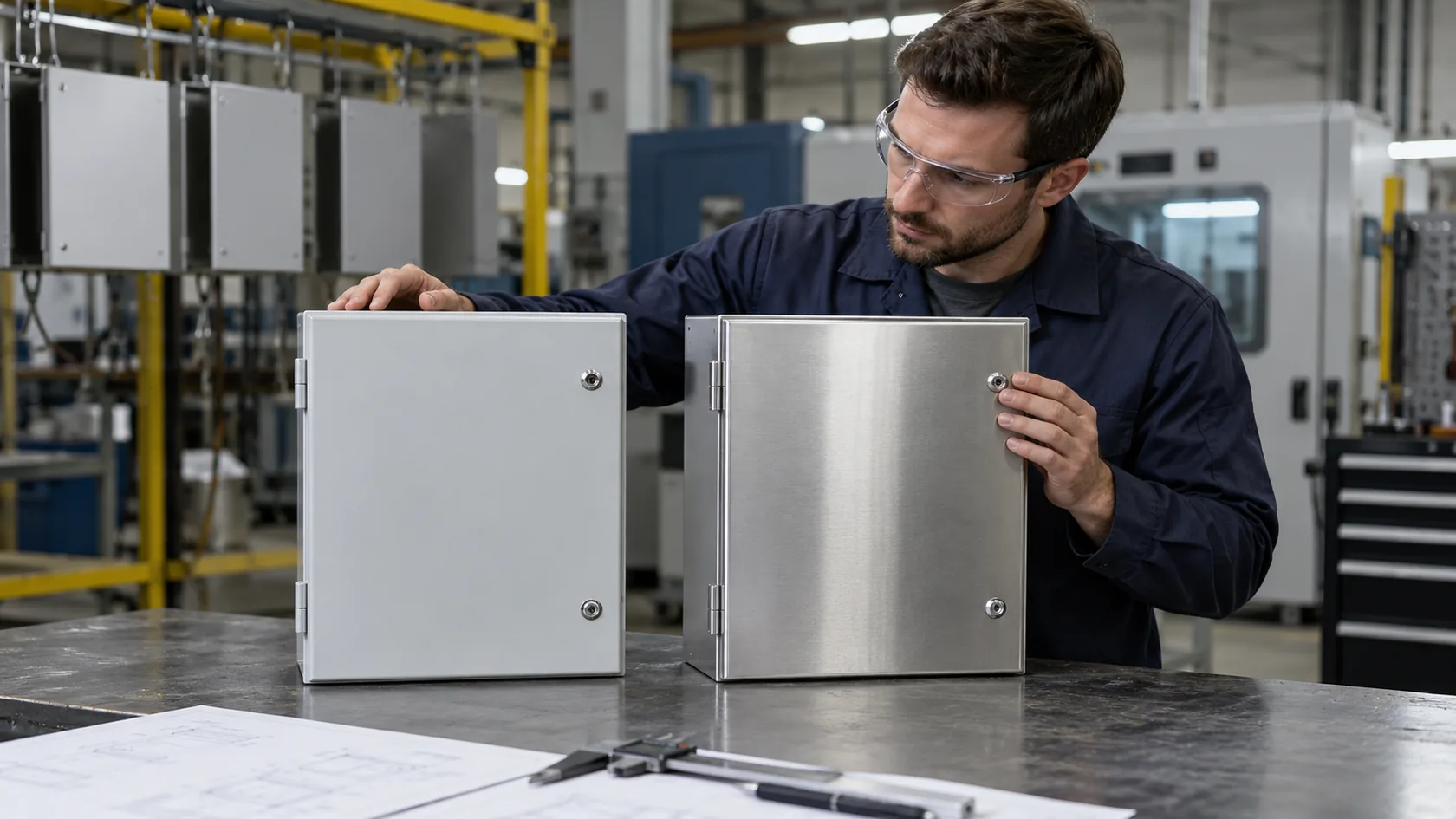
At first glance, they look identical.
Visual similarity
Most customers cannot tell the difference on day one.
Polishing and brushing
Both polish well.
But aging tells the truth.
Color tone over time
201 can yellow or dull faster.
Customer perception
If your product looks cheap after months, brand trust drops fast.
Now let’s talk about when 201 actually makes sense.
Typical Use Cases: When 201 Makes Sense

I do not hate 201. I just limit it.
Indoor decorative use
- Displays
- Frames
- Furniture parts
Cost-sensitive projects
Short lifecycle products.
Internal equipment.
Non-critical enclosures
No moisture.
No cleaning chemicals.
Used correctly, 201 can be safe.
But many projects should never use it.
Typical Use Cases: When 304 Is the Better Choice
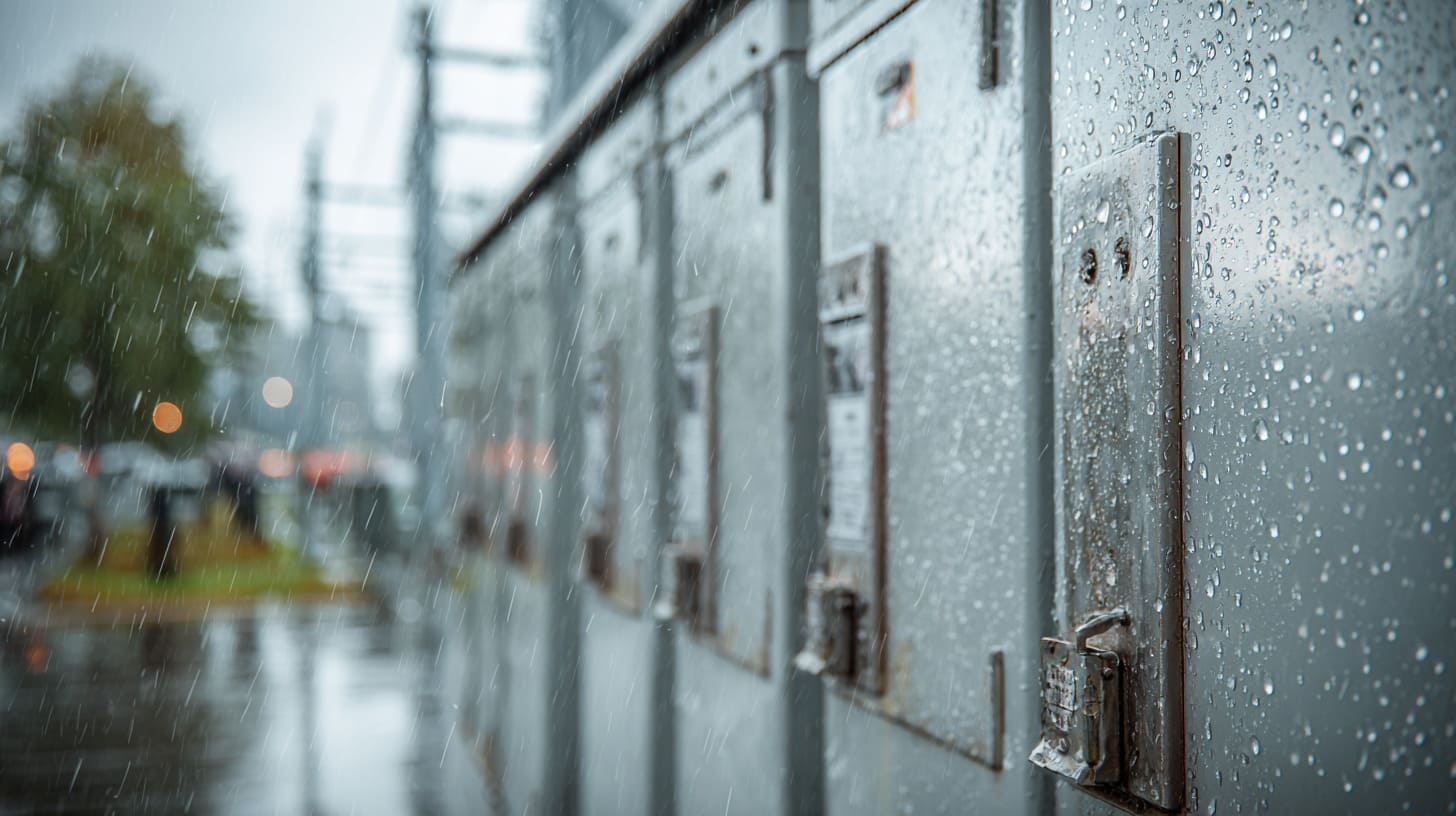
If failure costs more than material savings, choose 304.
Outdoor and semi-outdoor use
Weather always wins.
Food and medical environments
Cleaning is constant.
Risk must be low.
Branded OEM products
Your logo deserves protection.
Long-term projects
Time exposes weak choices.
Now let’s address common mistakes.
Common Buyer Mistakes When Choosing Between 201 and 304
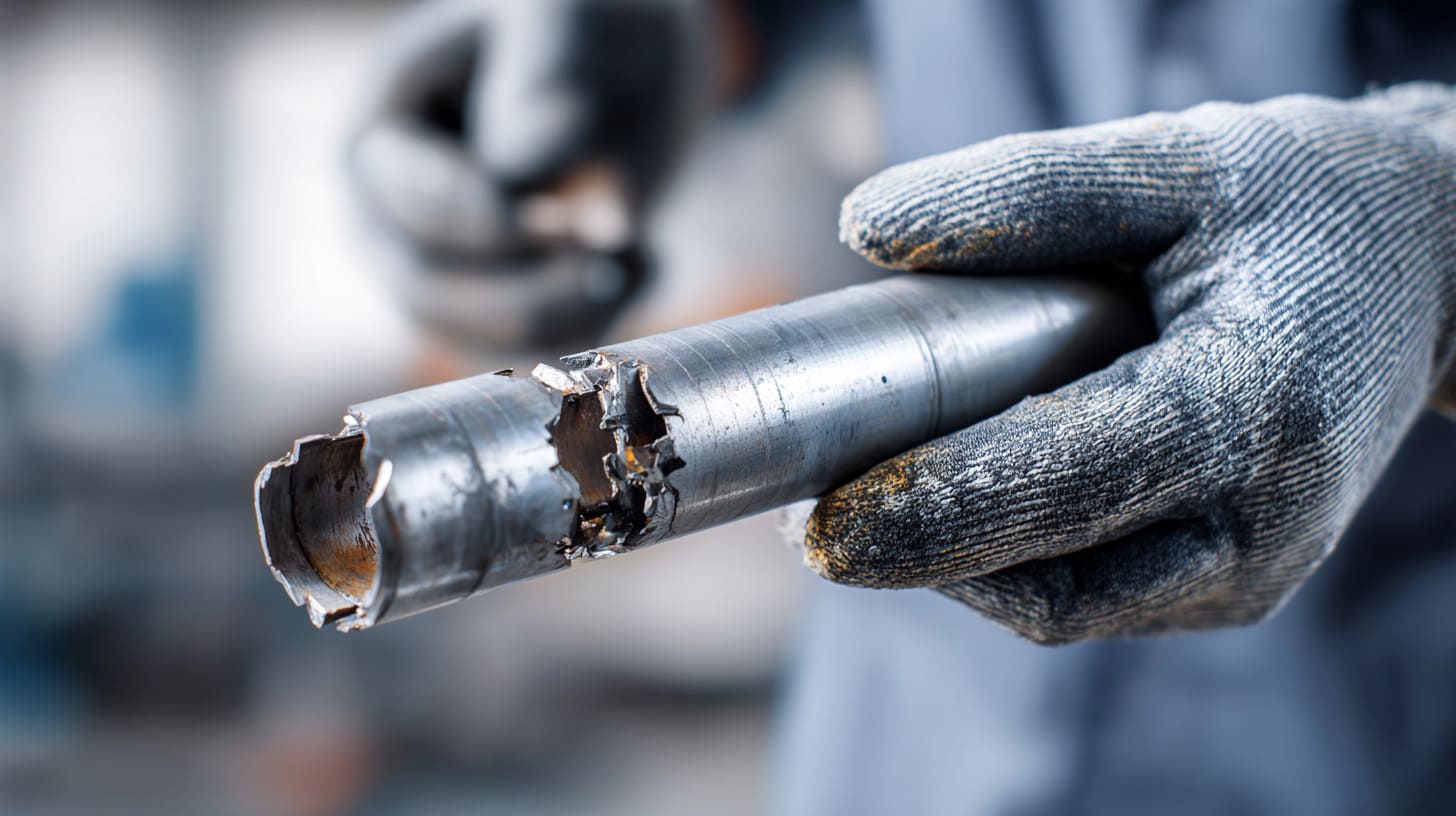
I see these every month.
Choosing by price only
Cheap now can mean expensive later.
Ignoring environment
Humidity matters more than drawings.
“Stainless is stainless” thinking
This idea causes most failures.
Underestimating long-term risk
Returns hurt more than quotes.
So how should decisions be made?
How Product Engineers and OEM Buyers Should Decide

I suggest slowing the choice down.
Questions to ask
- Where will it be used?
- How long must it last?
- How will it be cleaned?
Match material to environment
This avoids regret.
Balance cost and risk
Not every project needs 304.
Many do.
Work with manufacturers
Ask for material proof.
Ask for advice.
That leads to a clear summary.
201 vs 304 Stainless Steel: Quick Comparison Table
| Feature | 201 | 304 |
|---|---|---|
| Nickel | Low | High |
| Corrosion resistance | Moderate | Strong |
| Cost | Lower | Higher |
| Risk | Higher | Lower |
| Best use | Indoor, low risk | Industrial, long term |
Now we can close this properly.
Conclusion

There is no “better” stainless steel in isolation.
There is only a better choice for a specific job.
201 works when environment and expectations are controlled.
304 works when reputation, lifespan, and risk matter.
If you are designing enclosures, sourcing OEM parts, or building a branded product, do not let price decide alone. Let use, time, and customer trust guide the choice.
If you want help reviewing material options for your enclosure project, or need a second opinion before production, feel free to reach out. I would rather help you choose once than fix a problem later.