Skip to content
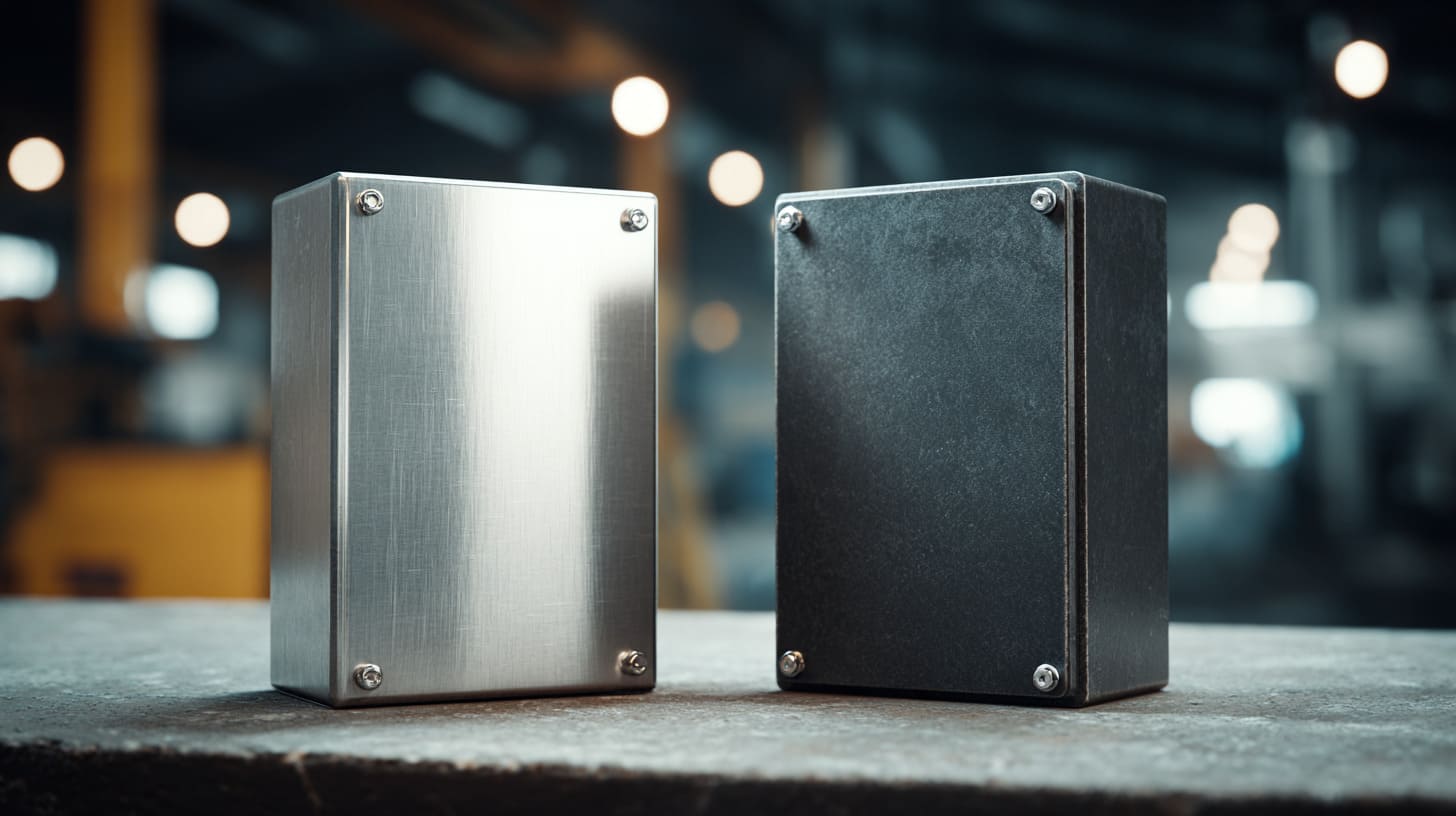
A buyer once sent me two quotes in the same email. One was for an enclosure in 316 stainless. The other was martensitic stainless, with a note: “This one is stronger and cheaper. Should we just use it?”
That sentence is how a lot of trouble starts.
When people hear stronger steel, they picture fewer dents, fewer complaints, fewer returns. That is a normal thought. I have had it too. But enclosures do not fail because they are “not strong enough” most of the time. They fail because of corrosion, weld problems, distortion, and small design traps that show up after the first month in the field.
This article is my honest view: martensitic stainless can win on strength, but it often loses on corrosion and fabrication cost. And those losses do not show up on the first quote.
A quick personal rule I use before I say yes to martensitic: if the enclosure will ever see moisture + salt + time, I treat “strong” as a sales word, not a safety plan.
If you are a product engineer, an OEM buyer like Davide, or an ODM founder like John, this is written for you. We will keep it practical. We will also look at the uncomfortable trade-offs, because that is where the real decision lives.
And if you’ve ever felt that pressure to pick the “tougher” material fast, you are not alone. Let’s slow down for five minutes and save five weeks later.
What is Martensitic Stainless Steel (in plain engineering terms)?
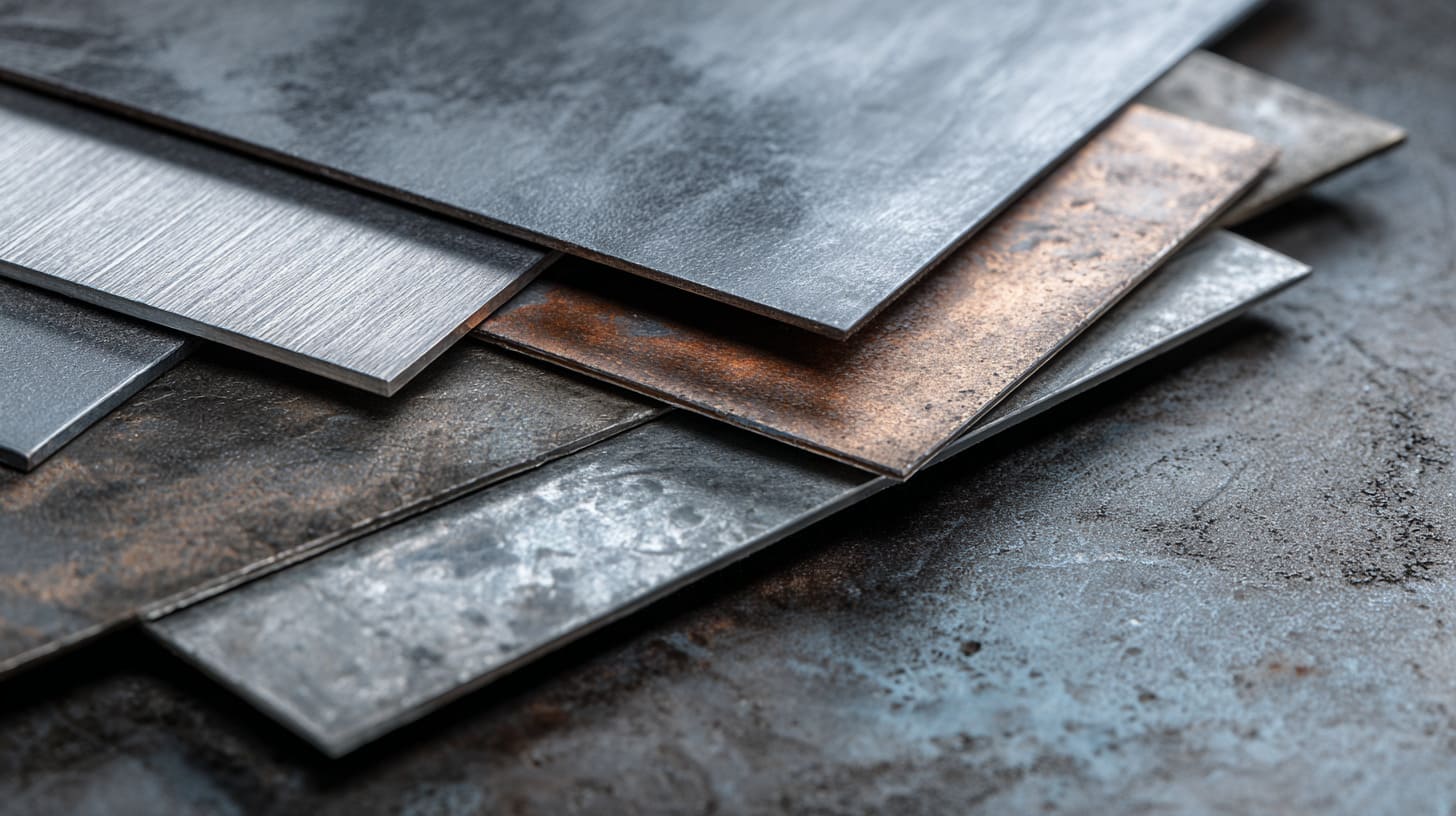
People say “stainless steel” like it is one thing. In factories, it is not one thing. It is a family. Some members are calm and forgiving. Some are strong and stubborn. Martensitic is usually in the second group.
One thing I’ve learned the hard way: when a supplier writes only “stainless” on a drawing, I assume the project is already half-risky.
The stainless “family tree” in 60 seconds
If we strip the theory down to real life:
- Austenitic (304, 316): easier to form and weld, usually best for corrosion, common for enclosures.
- Ferritic (430, 439, 441): can be cost-friendly, decent corrosion in mild environments, magnetic.
- Duplex: strong + good corrosion, but cost and fabrication can be more demanding.
- Martensitic (410, 420, 431, 440): heat-treatable, higher hardness, often weaker corrosion than 304/316.
Here is the simple “shop-floor” view:
| Family | Typical enclosure feeling | Main benefit | Main risk |
|---|---|---|---|
| Austenitic | Easy to work with | Corrosion + weldability | Cost (316) |
| Ferritic | Stable and cost-aware | Cost control | Toughness + some form limits |
| Duplex | Serious performance | Strength + corrosion | Higher cost + process control |
| Martensitic | Hard and strong | Hardness + wear resistance | Corrosion + welding risk |
What makes martensitic steel “martensitic”
Martensitic stainless is special because it can be heat treated. That is where the strength comes from.
- It can be quenched and tempered to reach higher hardness.
- It is typically magnetic.
- It can behave more like “tool-like stainless” than “enclosure stainless”.
But here is the catch: the same structure that gives strength can also make it less forgiving during fabrication.
A decision I often make fast: if a design needs a lot of welding and tight flatness, I treat martensitic as “guilty until proven safe.”
Common martensitic grades you’ll actually see in sourcing
In enclosure conversations, I see these most:
- 410: general purpose, used when cost is tight and hardness is wanted.
- 420: higher hardness potential than 410, but more sensitive and often more demanding.
- 431: sometimes chosen because it can give better corrosion than 410/420, but it still does not behave like 316 in harsh environments.
- 440 series: more “wear and cutting” territory. For full enclosures, it is often too much, and the trade-offs get ugly.
If you want my quick thought: martensitic grades make more sense for parts than for whole boxes.
Now, why do people still choose it? Because on paper it looks like a clean win.
Why Martensitic Stainless Looks Great on Paper for Enclosures
If you only read the quote and a basic datasheet, martensitic can look like a smart buyer move. Stronger. Sometimes cheaper. Sometimes “stainless” sounds like it solves corrosion too.
But the paper does not show you the cost of pain.
My personal warning sign is simple: when a buyer says “the quote is lower, so it must be better value,” I know I need to talk about welding, edges, and the first rainy week.
Strength and dent resistance in thin sheet
In thin sheet enclosures, higher hardness can help with:
- dents during shipping
- scratches from rough handling
- abrasion around high-touch zones
- tamper-prone areas (public access)
And yes, there are cases where “stronger steel” truly helps. I have seen public enclosures where softer sheet looks tired after one season.
But here’s the critical thinking part: does your failure mode really come from dents? Or from corrosion around holes, seams, and welded corners?
I usually ask one question that changes the whole conversation:
- “Where will the first complaint come from?”
If the answer is “rust spots” or “door not closing,” strength is not your first problem.
Cost perception vs reality
A common trap is comparing the material line only:
- “Martensitic is cheaper than 316.”
- “So we save money.”
But the real cost often comes from these hidden buckets:
- more process control during welding
- more rework to fix distortion
- more surface handling to reduce corrosion issues
- more inspection time
- more risk of returns
Here is a simple way I explain it:
| Cost item | What buyers see | What factories see |
|---|---|---|
| Material price | Clear | Clear |
| Fabrication difficulty | Invisible | Very real |
| Welding risk | Ignored | High-impact |
| Surface prep/passivation | “Optional” | Often necessary |
| Field failure cost | Not on quote | Always on brand |
A practical decision I make in sourcing: if the project is brand-facing (customer sees the enclosure), I value “quiet reliability” more than “strong on paper.”
Use cases where people accidentally choose martensitic
This happens more than people admit.
- Someone used martensitic for a shaft or fastener, and they copy that material to the whole enclosure.
- Someone hears “stainless” and assumes “coastal-proof.”
- A team optimizes for one KPI: “reduce cost,” and forgets the environment.
If you feel attacked by that list, don’t. This is normal. People build products under pressure.
Alright. Now we need to talk about what you pay for that strength. This is where the “wrong price” comes in.
Strength at the Wrong Price: The Hidden Penalties
This section is where most material debates get emotional. Because nobody wants to hear “your cheaper choice might cost more later.”
But I have seen enough returns to say this calmly: martensitic stainless often punishes you after delivery, not before.
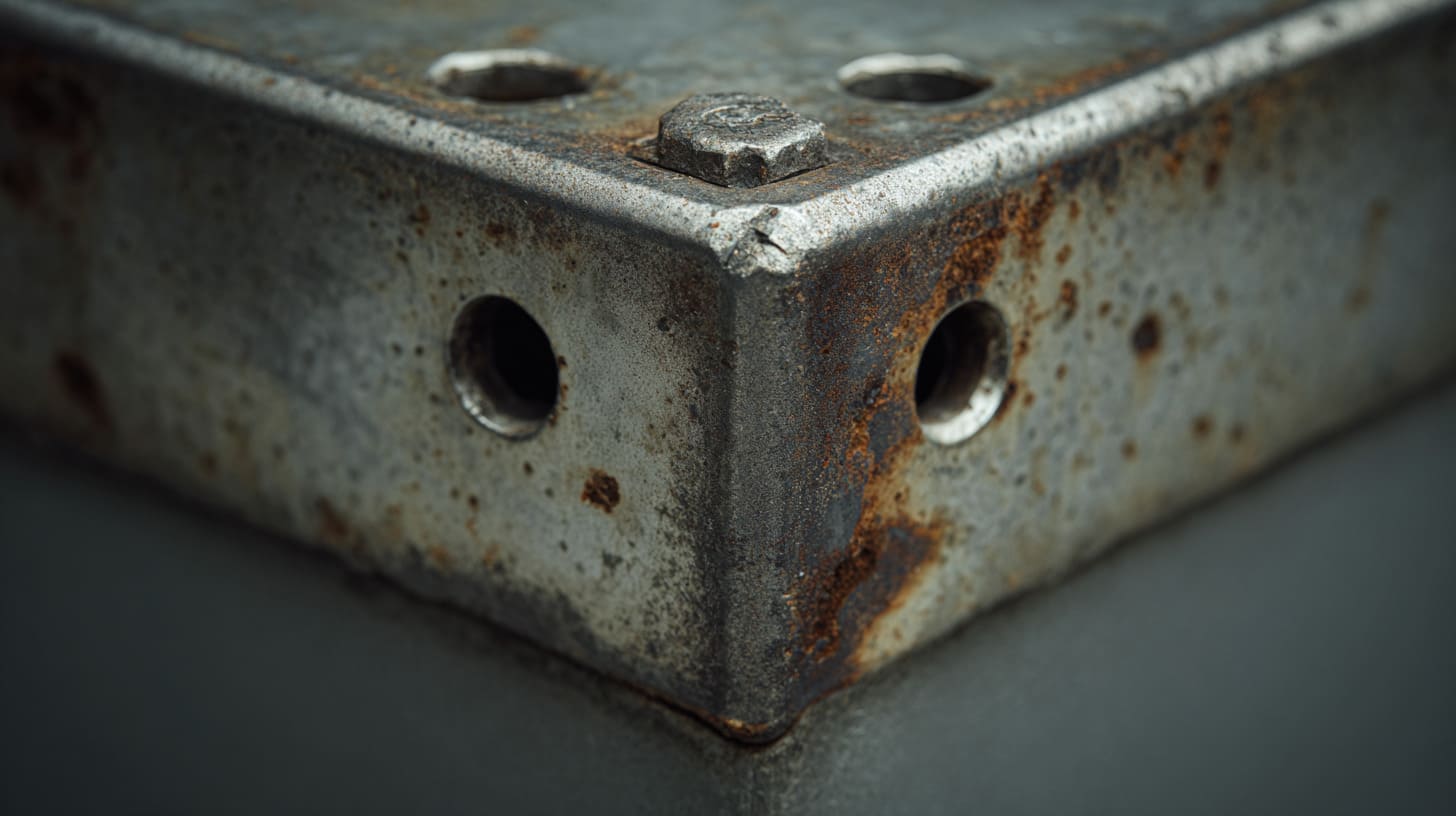
What I personally look for before approving martensitic is this: if the enclosure has edges, holes, welds, or seams exposed to moisture, I assume corrosion will start there first.
Corrosion resistance is the main trade-off (and it shows up fast)
Martensitic stainless can survive in mild environments. It is not “instant rust.” That is the myth.
But it tends to struggle more in:
- coastal air (salt)
- washdown areas (food, cleaning chemicals)
- outdoor boxes with condensation cycles
- chemical splash zones
- places where dirt + moisture sit on the surface
Common failure “looks” I have seen:
- light brown stains that buyers call “rust”
- pitting near edges or fastener areas
- rust blooms around cutouts and vents
- staining near welded corners
A lot of engineers ask me: “Is it really that serious?”
Here is my honest answer: it depends on environment. But if you guess wrong, the customer does not forgive you. They do not care about metallurgy. They only see spots.
A quick table helps:
| Environment | Martensitic risk | Typical complaint time |
|---|---|---|
| Dry indoor | Low to medium | Months to years |
| Humid indoor | Medium | Weeks to months |
| Outdoor (rain + sun) | Medium to high | Weeks to months |
| Coastal / washdown | High | Days to weeks |
| Chemical splash | High | Fast and ugly |
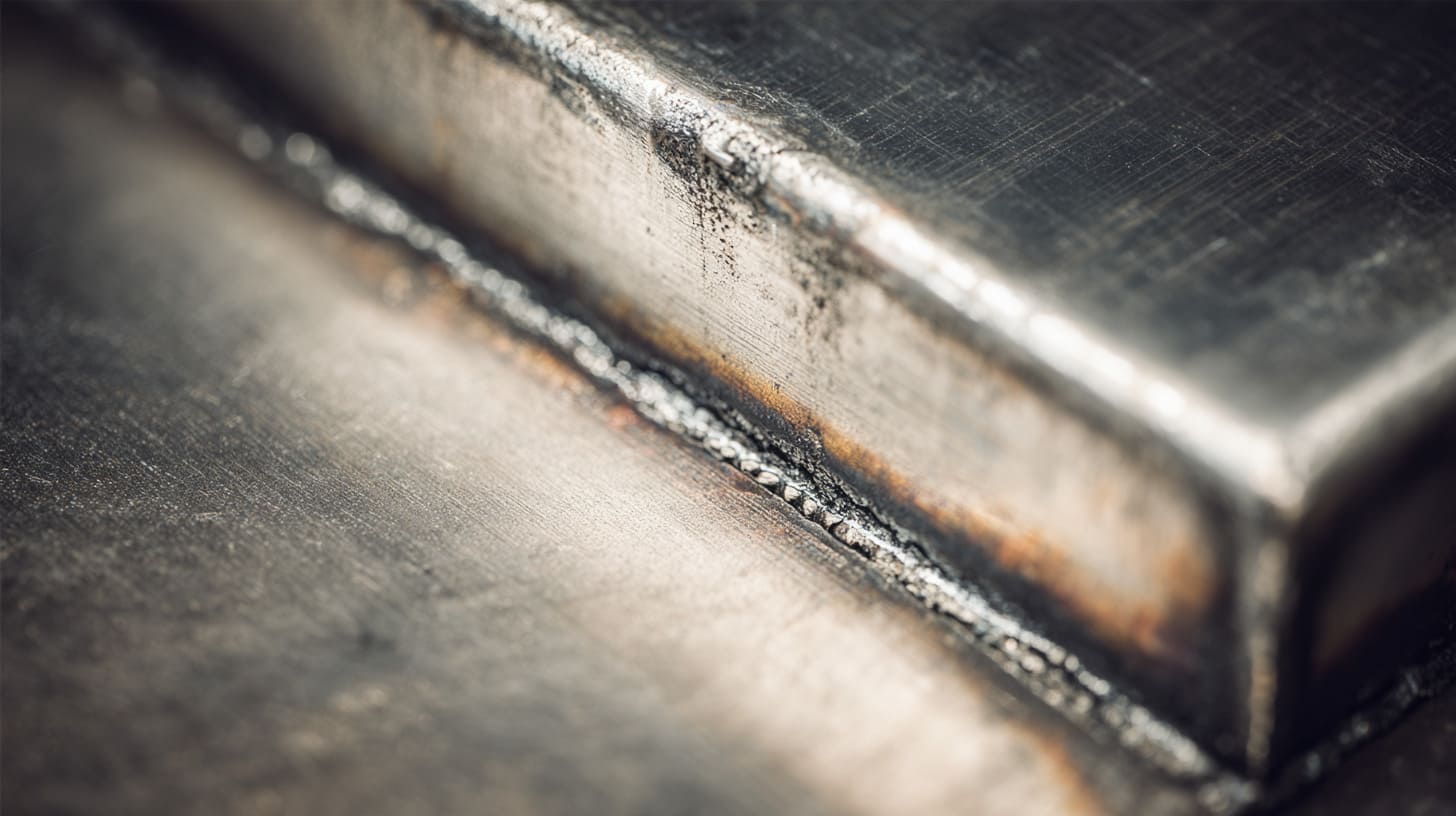
Weldability and heat-affected zone headaches
Welding is where martensitic can turn into a real cost problem.
Issues I’ve seen:
- cracking risk if process is not controlled
- distortion that makes doors misalign
- heat-affected zones that behave differently than the base metal
- extra steps to manage preheat/post-heat depending on grade and condition
And there is a “quiet” problem: a weld can look fine today, then crack later in service.
One judgment I rely on: if the enclosure design needs long weld seams and tight gasket sealing, I treat weld risk as a bigger cost than the steel price.
Brittleness and impact behavior (the surprise downside)
This part surprises buyers.
Hardness is not the same as toughness.
A harder steel can resist scratching, but it can also behave more brittle in certain conditions, especially if heat treatment and fabrication are not aligned.
- latch zones where impact is concentrated
- hinges taking repeated shock loads
- door corners during transport drops
If the enclosure must survive rough handling, you want a material behavior that is forgiving, not just hard.
A decision I often make for shipping-heavy projects: I would rather accept a small dent risk than a crack risk at a hinge or weld.
Lifecycle cost: the buyer never budgets for it
This is the part nobody likes to put in the spreadsheet.
Lifecycle costs can include:
- additional passivation or cleaning
- repaint or coating repairs
- field replacement
- time spent arguing over “is this normal?”
- lost trust
Here is the mental model I use:
- 316 is often “pay once.”
- martensitic can become “pay again and again,” depending on environment and build.
And now we shift to a bigger truth: most enclosures do not need maximum strength. They need balanced reliability.
What Enclosures Actually Need (and Strength Usually Isn’t #1)
When I review enclosure designs from buyers like Davide or Jackson, the first thing I check is not yield strength. I check where water will sit, where stress will concentrate, and where the gasket will fail.
A grounded thought I use: the enclosure only has one job—protect the inside—so anything that threatens sealing and corrosion beats “strength” in priority.
The enclosure priority stack
For most real projects, the priorities look like this:
- Corrosion resistance (the surface must stay clean and stable)
- Sealing performance (flatness + gasket compression)
- Manufacturability (repeatable bends, cutouts, welds)
- Serviceability (fasteners, grounding, finish durability)
- Strength (important, but often not #1)
And those priorities are tied together. If welding distortions ruin flatness, your IP rating suffers. If corrosion attacks edges, your brand suffers.
A simple table to keep teams aligned:
| What you want | What to watch | Typical failure |
|---|---|---|
| Good sealing | flatness, door fit, weld distortion | leaks, gasket failure |
| Long life | corrosion resistance | stains, pitting |
| Smooth production | consistent forming/welding | rework, scrap |
| Happy end user | clean look + easy service | returns, bad reviews |
When strength is a primary requirement
Strength becomes more important when:
- enclosures are in public access zones (vandal risk)
- doors carry heavy components
- large spans need stiffness
- forklift or impact risk exists
- high heat + mechanical wear occurs
Even then, I rarely jump to “martensitic whole box.” I ask: can we local-strengthen instead?
A decision I make often: if only one area needs strength, I strengthen that area, not the entire enclosure body.
Now let’s compare martensitic to the usual choices, because a good decision is a comparison, not a label.
Head-to-Head: Martensitic vs the Usual Enclosure Materials
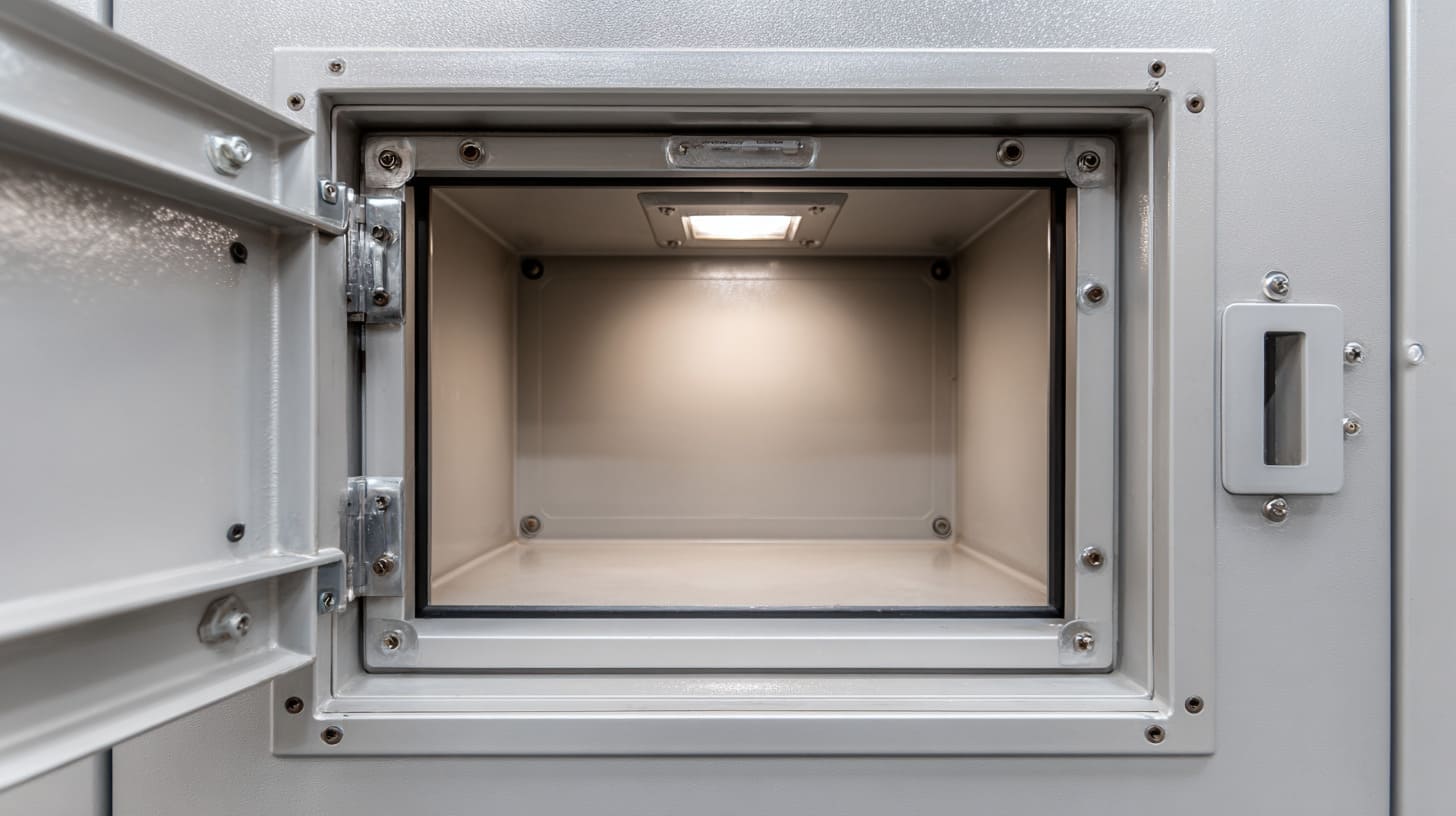
When buyers ask me “Which stainless should we use?” I answer with a question: “Where will this box live?”
Because the environment decides most of the material decision. The rest is cost tuning.
A quick judgment I use: if the environment is unclear, I default to the safer corrosion choice, because guessing wrong is expensive.
304 vs martensitic (the common “budget stainless” decision)
304 is a common enclosure material because it is workable and reasonably corrosion resistant in many indoor and mild outdoor conditions.
Where 304 tends to win:
- easier forming and welding
- fewer surprises in production
- more stable “looks” over time in mild environments
Where martensitic can win:
- localized wear
- impact zones
- tamper-resistance parts
My practical suggestion: if you are choosing between 304 and martensitic for the whole box, ask if the “strength need” is real or imagined. Often it is imagined.
316 vs martensitic (the corrosion-driven decision)
316 costs more, but it buys peace in harsh environments.
316 usually wins in:
- coastal
- washdown
- chemical exposure
- humid outdoor installations
This is the “pay once vs pay later” debate.
A sentence I’ve said to buyers more than once: I would rather explain a higher quote today than explain rust spots to your customer next month.
Ferritic options (430/439/441) as a middle path
Ferritic stainless can be a practical middle option in some cases.
Pros:
- often lower cost than austenitic
- decent corrosion in mild environments
- magnetic (sometimes desired)
Trade-offs:
- forming limits depending on design
- toughness and low-temperature behavior can matter
- still not a 316 replacement in harsh zones
I do not push ferritic as a universal answer. But it is worth discussing when the environment is mild and cost matters.
Duplex stainless and coated metals as alternatives
Sometimes the right answer is not “which stainless,” but “should it be stainless at all?”
- Duplex: strong + good corrosion, but requires tighter process control.
- Powder-coated steel / galvanized steel: great for indoor industrial if coating system is correct.
- Aluminum: strong enough for many enclosures, good corrosion strategy with proper finishing, and great for weight and machining.
Since MaidaTech works with aluminum and sheet metal, I see this often: buyers assume “stainless is safest,” but aluminum can outperform stainless in real customer happiness when weight and corrosion behavior are managed well.
Quick comparison table (decision-speed view)
| Material | Corrosion | Strength | Weldability | Cost risk | Best-fit environments |
|---|---|---|---|---|---|
| 304 | Medium-good | Medium | Good | Low-medium | Indoor, mild outdoor |
| 316 | High | Medium | Good | Medium | Coastal, washdown, chemical |
| Ferritic (430/439/441) | Medium | Medium | Medium | Medium | Mild indoor, cost-sensitive |
| Duplex | High | High | Medium | High | Harsh + high strength needs |
| Martensitic (410/420/431) | Low-medium | High | Harder | High | Parts, wear zones, controlled indoor |
| Coated steel | Depends on coating | Medium | Good | Medium | Indoor industrial |
| Aluminum | Medium-high (finish-dependent) | Medium | Good | Low-medium | Many electronics enclosures |
If you’re still tempted by martensitic, good. There are times it makes sense. But you need to use it with intention, not hope.
When Martensitic Stainless Does Make Sense in Enclosure Projects
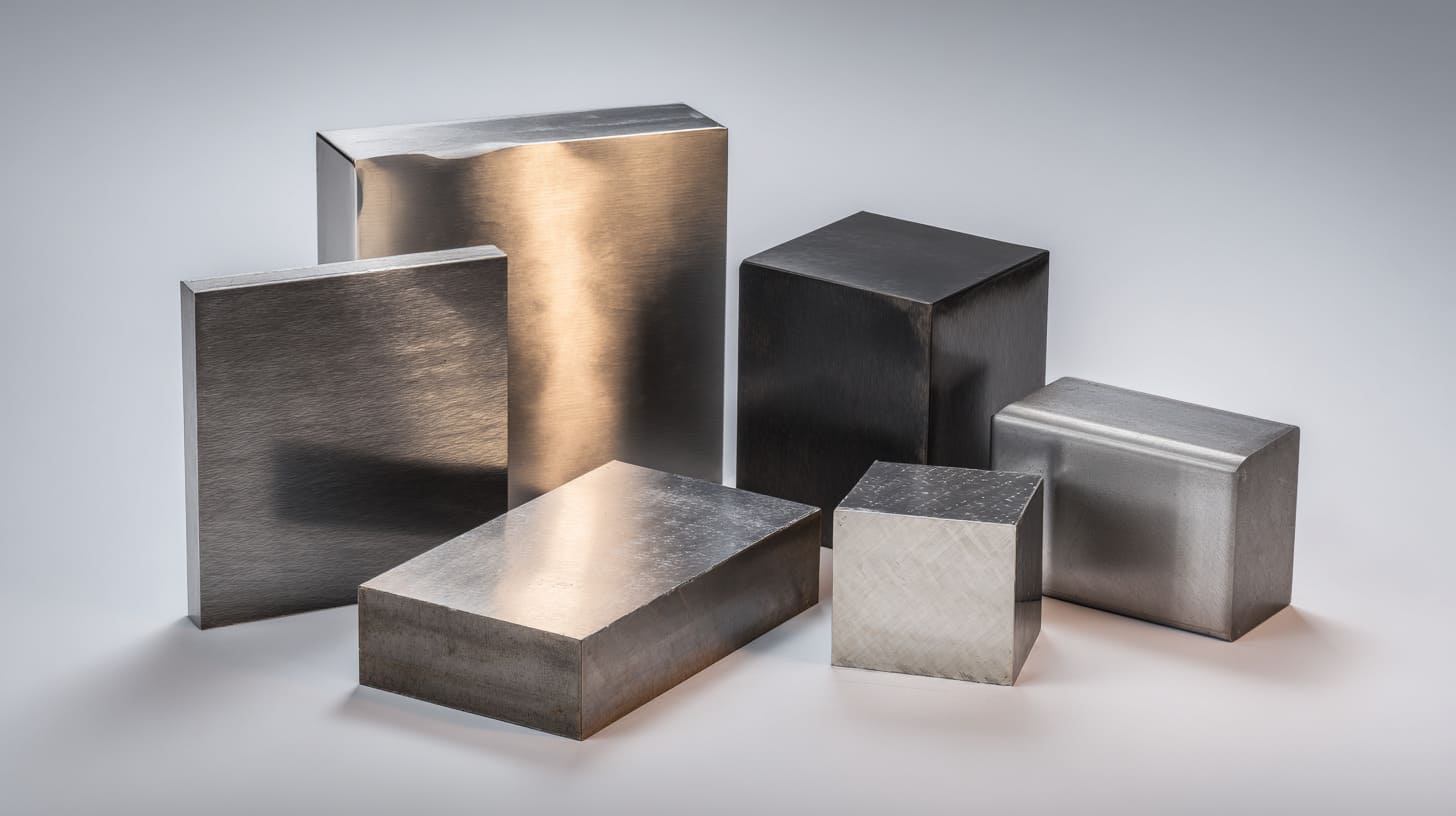
I do not hate martensitic stainless. I just hate using it as a default.
The decision I make most often is this: martensitic belongs in “contact and abuse” areas, not in “weather and time” areas.
Use it for parts, not always the whole box
This is where martensitic shines.
Good uses:
- hinges
- latch parts
- wear plates
- screw points
- anti-tamper features
- reinforcement brackets
A hybrid approach I like:
- 304/316 body
- martensitic wear components
It gives you strength where it matters, and corrosion resistance where it matters.
Controlled environments where it can be acceptable
Martensitic can be fine when:
- dry indoor industrial
- low chloride exposure
- minimal washdown
- stable temperature and humidity
But “indoor” is not always safe. Some indoor factories are wet, salty, or chemical-heavy. So indoor is not a guarantee.
A judgment I trust: I do not decide by “indoor/outdoor.” I decide by “wet/dry” and “clean/salty.”
Grade selection rules of thumb
A simple way to think:
- 410: often the entry choice for “harder stainless,” but watch corrosion.
- 420: more hardness potential, but more sensitivity in processing.
- 431: sometimes a smarter martensitic choice when you need a bit more corrosion resistance than 410/420, but still do not treat it like 316.
If a supplier cannot clearly state grade + condition, do not accept “martensitic stainless” as a vague label.
Now, what if you still choose it for the enclosure body? Then we need to reduce risk, because risk is real.
How to Reduce the Risk If You Still Choose Martensitic
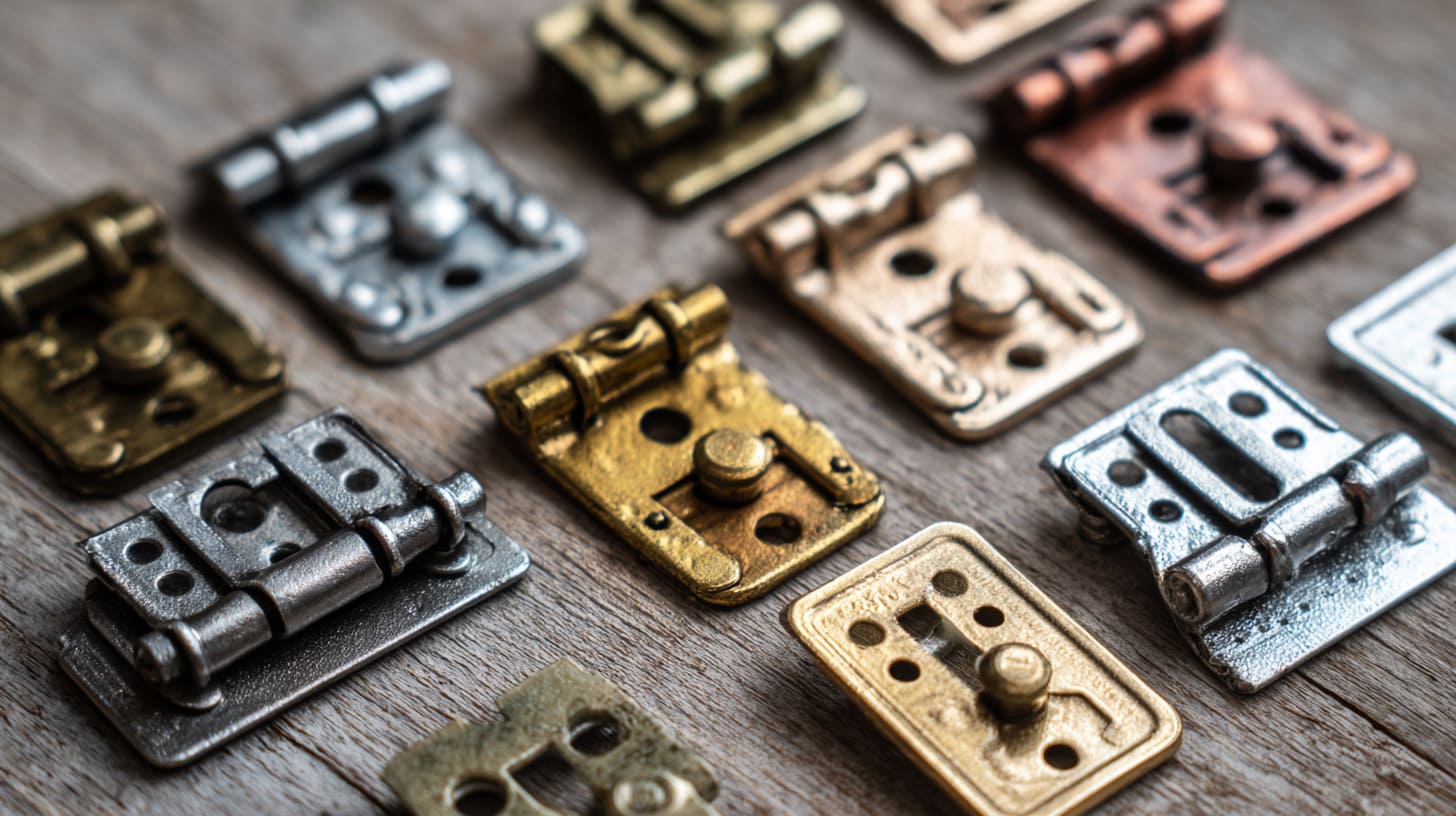
If you choose martensitic for a full enclosure, you are basically saying: “We will manage process and environment carefully.”
That is possible. But it is not free.
A real decision point I use: if the buyer cannot control where the enclosure will be used, I avoid martensitic because the field will control it for us.
Surface and corrosion protection strategy
This is where projects win or lose.
Key points:
- clean edges matter more than people think
- embedded contamination can create staining
- surface finish affects how water sits and dries
Practical actions:
- define surface finish on drawings
- require proper cleaning and surface treatment steps
- consider passivation where appropriate
- do not treat “we wiped it” as a process
A small table I use with buyers:
| Surface detail | Why it matters | Typical mistake |
|---|---|---|
| Edge quality | edges corrode first | rough cut edges left raw |
| Weld cleanup | weld zones stain | weld discoloration ignored |
| Finish consistency | water behavior changes | mixed finishes on panels |
| Cleaning process | reduces contamination | no defined cleaning spec |
Design details that prevent corrosion traps
Corrosion loves traps.
Common traps:
- tight crevices near brackets
- seams that hold water
- horizontal ledges with no drainage
- gasket interfaces that trap dirt
Design moves that help:
- add drainage paths
- avoid “pocket” geometry
- use standoffs
- keep gasket compression even and predictable
Dissimilar metal isolation and “stainless-on-stainless” mistakes
This is another hidden problem.
- wrong fastener choice can start corrosion or galling
- stainless-on-stainless can seize
- different grades behave differently under moisture
I often advise buyers to specify fasteners separately, not as “stainless fasteners.”
Typical pairing logic:
- body material chosen for corrosion and fabrication
- fasteners chosen for corrosion and serviceability
Now we get to the part that saves projects: the buyer checklist.
Buyer Checklist: What to Ask Before You Approve Martensitic for an Enclosure

Many failures happen because the spec is vague. Then everyone fills the gaps with assumptions.
My strongest habit here is simple: I do not approve a material choice until the supplier states grade, condition, and process in writing.
RFQ questions that expose risk early
Ask these in the RFQ, not after sampling:
- Exact grade (410/420/431) and material condition
- Target hardness range and how it will be verified
- Forming method and bend radii assumptions
- Welding method, filler plan, and distortion control
- Surface finish requirement and how it will be achieved
A short RFQ block you can copy:
- Material: ___ (grade + condition)
- Hardness: ___ (range + test method)
- Weld method: ___ (process + distortion control)
- Finish: ___ (Ra / polish / brush / no.2b etc.)
- Surface treatment: ___ (cleaning / passivation if needed)
Quality documents and tests that matter
Do not over-test in the wrong way. Test what matches your environment.
Useful documents:
- material certs (chemistry + mechanical)
- hardness records
- welding procedure notes (if welding is heavy)
- surface treatment records
Useful tests (environment-driven):
- salt exposure testing if coastal
- washdown simulation if cleaning is frequent
- gasket seal verification after welding and finishing
Sampling plan for OEM buyers
I like a simple sampling plan because it avoids debates later.
First article check:
- flatness and door fit
- gasket compression consistency
- weld appearance + distortion
- edge finish quality
- surface defects and staining tendency
Then a pilot run, then mass production.
This is the part many buyers skip because of time pressure. But skipping it is how time pressure becomes time disaster.
Now I want to make this real, using the buyer personas I actually deal with.
Real-World Decision Stories (MaidaTech buyer personas)
I meet three types of buyers all the time: the engineer who wants clean logic, the owner who wants speed, and the re-brand buyer who wants fewer headaches.
A line I use to keep everyone honest: the “best material” is the one that reduces complaints in your real market, not the one that wins a datasheet fight.
Davide’s scenario: “Strong enclosure, brand risk”
Davide is confident. He likes clear answers. He also sells on Amazon and similar channels. That changes the math.
If a customer sees rust spots, they do not write a polite email. They write a review.
So the risk is not only corrosion. It is brand damage.
What I tell a buyer like Davide:
- If the product is public-facing, choose the material that stays clean in your worst likely environment.
- Use martensitic for latch parts if needed.
- Keep the box body stable and corrosion-safe.
This is a business decision, not only an engineering decision.
John’s scenario: “Prototype speed vs material regret”
John is creative. He wants to build and test quickly. In prototypes, people accept more risk.
So a smart move can be:
- prototype with whatever gives fast machining and strength feel
- then switch to a production-safe material after environment is confirmed
I have seen projects where martensitic “works” in a lab prototype, then fails in real customer locations because humidity and cleaning are different.
A decision I like for ODM:
- prototype fast
- lock environment assumptions
- then lock material
Jonah/Jackson scenario: “Spec clarity across time zones”
Jackson has experience. He sends files. He expects clean communication. He hates slow confirmation.
This is where spec templates save everyone.
A simple spec template prevents:
- “stainless misunderstanding”
- unclear finish
- unclear hardware material
- unclear surface treatment
Here is a compact template I recommend:
| Item | Spec |
|---|---|
| Enclosure body material | ___ (grade + condition) |
| Parts needing extra hardness | ___ (hinge/latch/wear plate) |
| Finish | ___ (brush/polish) |
| Surface treatment | ___ (cleaning/passivation if needed) |
| Environment | ___ (coastal/washdown/indoor dry/etc.) |
| Acceptance | no staining after ___ test / visual standard |
If you use that template, you cut communication loops. And you cut risk.
Now we close this out with the real takeaway: why I think the “stronger” choice is often the wrong price.
Conclusion
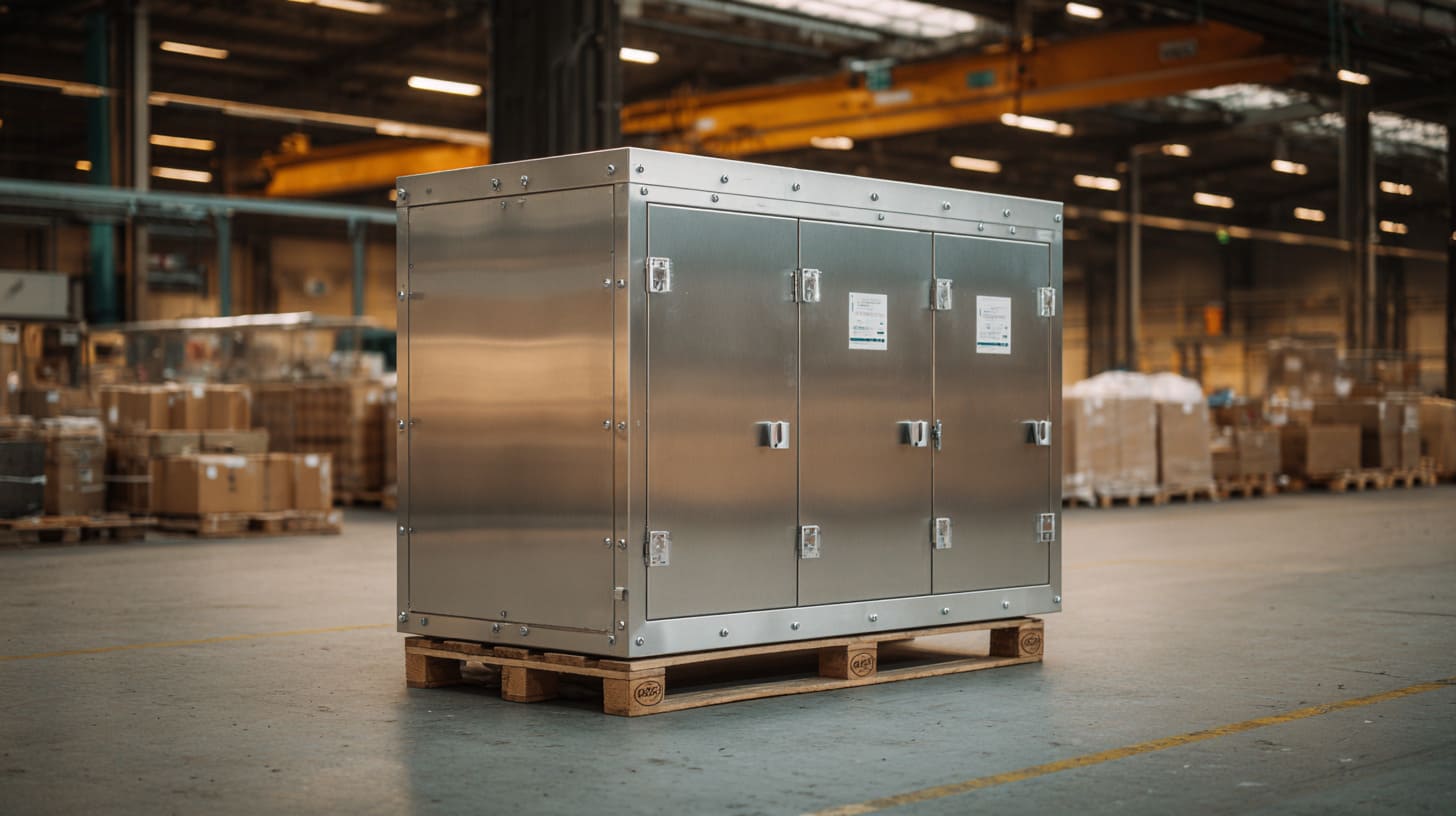
I see martensitic stainless the same way I see a sharp knife in a workshop. It is useful. It is powerful. But if you use it for the wrong job, it hurts you.
I think this way because I’ve watched the same pattern repeat: the quote looks better, the strength looks better, and then corrosion or fabrication issues show up where nobody budgeted time or money. I have also watched buyers lose weeks arguing about stains that “should not happen” because the word stainless created false confidence.
So my view is simple:
- martensitic stainless is a strength tool, not a default enclosure material
- corrosion and fabrication reality decide the true cost
- when only small areas need hardness, use martensitic as parts, not the whole box
- choose enclosure body material by environment first, then tune strength locally
If you are working on an enclosure project right now, send me four details and I can give you a clear recommendation:
- your environment (dry, humid, coastal, washdown, chemical)
- enclosure size and thickness target
- cutouts and weld level (light or heavy)
- your target standard or market expectation
Email me at info@maidatech.com or reach out on maidatechenclosure.com. I’ll tell you honestly whether martensitic is a smart strength choice, or strength at the wrong price.