Skip to content

One of my favorite emails from a European client had only one question in the middle of a long spec sheet:
“Vincent, IP44, IP55, or IP65 – which one is actually enough for us?”
The project was a series of compact control boxes on the outside wall of a food-processing plant. Not fully outdoors. Not fully indoors. There was steam, hose cleaning, dust from packaging, and a finance manager looking very closely at the budget. On the drawing, all three options were written in red, with a big question mark next to them.
In that moment, I was not thinking about textbook definitions. I was thinking about real life:
- How often will staff wash the area with water?
- Will dust build up slowly over years?
- How angry will everyone be if the enclosure fogs up or fails in winter?
That is where IP55 lives. It sits between “too weak” and “too expensive.”
It is not fully dust-tight like IP65 or IP66, but it keeps out enough dust to protect the electronics. It is not waterproof for immersion, but it can handle low-pressure water jets from any direction.
For people like Davide or John, this rating is not just a code on paper. It is a decision about:
- Risk: What happens if something fails?
- Cost: How much do we really need to pay for protection?
- Customization: Can we still cut, drill, and brand the enclosure without ruining the rating?
My goal in this guide is simple:
I want to show you what IP55 really means, how it compares to other ratings, what materials make sense, and how to customize IP55 enclosures without turning them into “IP-nothing” by accident.
When I talk with serious buyers, one thing is always true: the rating itself is not the hard part. The hard part is matching that rating to your environment, your design, and your budget.
What Does IP55 Protection Actually Mean?

When someone drops “IP55” into a drawing, it can look like a magic stamp: safe, approved, done. But if we slow down and open up the code, it is much easier to see what you really get – and what you do not.
Definition of IP Ratings
The IP code comes from IEC 60529, and it means Ingress Protection.
It always starts with the letters “IP” and then two digits:
- First digit → protection against solid objects and dust (0–6)
- Second digit → protection against water (0–9K)
So, for IP55:
- The first “5” = limited dust ingress is allowed, but not enough to interfere with normal operation. It is dust-protected, not dust-tight.
- The second “5” = the enclosure can resist low-pressure water jets from any direction (typical test uses a 6.3 mm nozzle, defined flow and distance).
I like to think of it like this:
You are not building a submarine. You are building a strong raincoat that can also handle a hose.
Quick IP Code Breakdown Table
| Part | Meaning | Range | Example for IP55 |
|---|---|---|---|
| “IP” | Ingress Protection | – | IP = Ingress Protection |
| 1st digit | Solids / Dust protection | 0–6 | 5 = dust-protected |
| 2nd digit | Water / Moisture protection | 0–9K | 5 = water jets |
| IP55 summary | Limited dust + low-pressure water jets | – | Semi-harsh environments |
From a product-engineering view, this means you accept some dust, but you block anything that would stop normal operation. You also accept water around the box, and occasional hose cleaning, but you do not expect long-term heavy rain without shelter, and definitely not immersion.
IP55 in Real-World Terms
If you read only the standards, IP55 sounds dry and abstract. When I discuss it with customers, I translate it into simple questions:
- Can you have dust in the room? → Yes, but not sandstorm-level.
- Can someone wash nearby equipment with a hose? → Yes, if it is low pressure and not a direct aggressive cleaning gun.
- Can you bury the enclosure in flour dust or blast it with a pressure washer every day? → No, at least not if you want a long, happy life for your electronics.
Typical IP55 water test uses low-pressure jets from any direction, with controlled distance and flow rate. The idea is: if water splashes or a worker rinses a nearby surface, your internal components stay dry enough to work as designed.
Typical Environments Where IP55 Is Used
Over the years, I have seen IP55 used in many “in-between” zones:
Indoor / outdoor semi-protected areas
- Under canopies
- In covered walkways
- In technical rooms with open doors and windows
Industrial automation and process lines
- Control boxes near conveyors
- Local operator panels
- Motor starters in dusty but not extreme environments
HVAC and building services
- Fan and pump control panels
- Rooftop units under partial cover
- Mechanical rooms with occasional washdown
Telecom and low-voltage systems
- Small distribution nodes in covered outdoor locations
- Network gear in semi-industrial spaces
From my experience, the most honest way to decide if IP55 is “enough” is to imagine your maintenance team on a bad day – the one where they are in a hurry, it is raining, and someone is cleaning the floor nearby. If the box can survive that scenario in your environment, then IP55 might be a good fit.
What I pay attention to first is how people will actually treat the enclosure, not how the drawing describes the room. Human behavior and cleaning habits destroy more enclosures than dust and water alone.
A lot of people stop reading after this point, but the real value comes when we put IP55 next to other ratings and start comparing.
IP55 vs Other Ratings: Should You Go Higher or Lower?
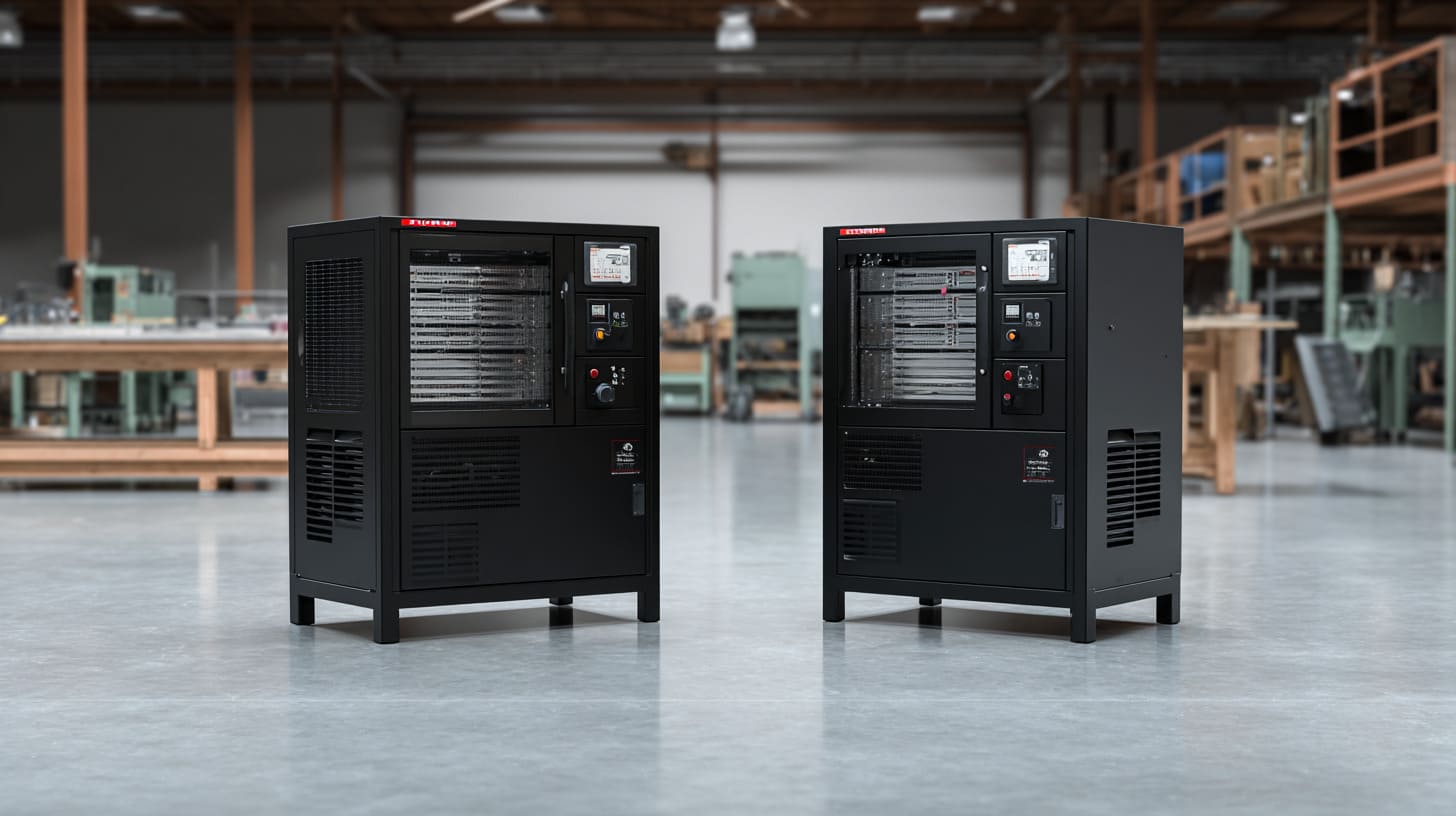
On paper, moving from IP44 to IP55 to IP65 looks like a simple ladder: higher number = better. In reality, each step adds cost, design constraints, and sometimes unnecessary complexity. The smart choice is not always “go higher.” The smart choice is “go high enough”.
IP44 vs IP55
IP44 and IP55 are often compared because they both appear in building and light industrial projects. Both start with “4” or “5” for solids and share similar ideas for water protection, but there are key differences.
Protection Difference
| Rating | Dust Protection | Water Protection | Typical Use |
|---|---|---|---|
| IP44 | Protection from solid objects > 1 mm; no rating for dust | Protection from water spray from any direction | Basic indoor / sheltered areas |
| IP55 | Limited dust ingress allowed, not harmful | Protection from low-pressure water jets from any direction | Moderate industrial / semi-outdoor |
IP44 is like an umbrella on a calm day.
IP55 is like a raincoat that also survives a gentle hose.
When IP44 is too weak
I see IP44 fail in these situations:
- Workers use a hose for cleaning around the equipment.
- Dust builds up from cutting, grinding, or packaging.
- The enclosure sits close to doors that are often open to the outside.
In those scenarios, IP55 starts to look much more reasonable.
IP55 vs IP65/IP66
IP65 and IP66 often show up in the same discussion as IP55, especially when the project is outdoors.
Comparison Table
| Rating | Dust Level | Water Protection | Typical Environment |
|---|---|---|---|
| IP55 | Limited dust ingress | Low-pressure water jets from any direction | Covered outdoor, semi-industrial |
| IP65 | Totally dust-tight | Low-pressure water jets from any direction | Dusty workshops, exposed outdoor areas |
| IP66 | Totally dust-tight | High-pressure water jets from any direction | Heavy washdown, harsh industrial, marine |
With IP65/IP66, dust is not allowed in at all under test conditions, and water protection is stronger. This normally means:
- More robust seals
- Tighter tolerances
- Higher cost and sometimes more effort in machining and assembly
Choosing Based on Use Case
This is where real life hits the spec sheet.
Ask simple, honest questions:
- Is the enclosure in a clean server room or a flour mill?
- Is it under a roof or on a pole fully exposed to wind and rain?
- Does someone wash equipment with a pressure washer close by?
Here is how I usually frame the choice:
| Environment / Scenario | Suggested Minimum Rating | Reasoning |
|---|---|---|
| Indoor server room, office IT, dry area | IP20–IP44 | No significant dust or water risk |
| Indoor factory, some dust, occasional hose nearby | IP55 | Moderate dust, low-pressure cleaning |
| Outdoor but sheltered (under canopy) | IP55–IP65 | Exposure to humidity, wind-driven spray |
| Fully exposed outdoor, heavy dust or rain | IP65 | Dust-tight and better long-term sealing |
| Food, pharma, frequent washdown with pressure gun | IP66 | High-pressure jets, strict hygiene |
From my projects, the most expensive mistakes happen when teams select IP65 or IP66 “just to be safe,” and later discover they paid more for gaskets, machining, and hardware they never really needed.
On many calls with buyers, the first thing I challenge is the assumption that higher IP rating is always safer, because over-specifying protection can quietly kill the margin of a perfectly good project.
As we talk about ratings, the next question always comes up: “Ok, but what are these IP55 enclosures actually made of?” Let’s go there.
What Are IP55 Enclosures Made Of?
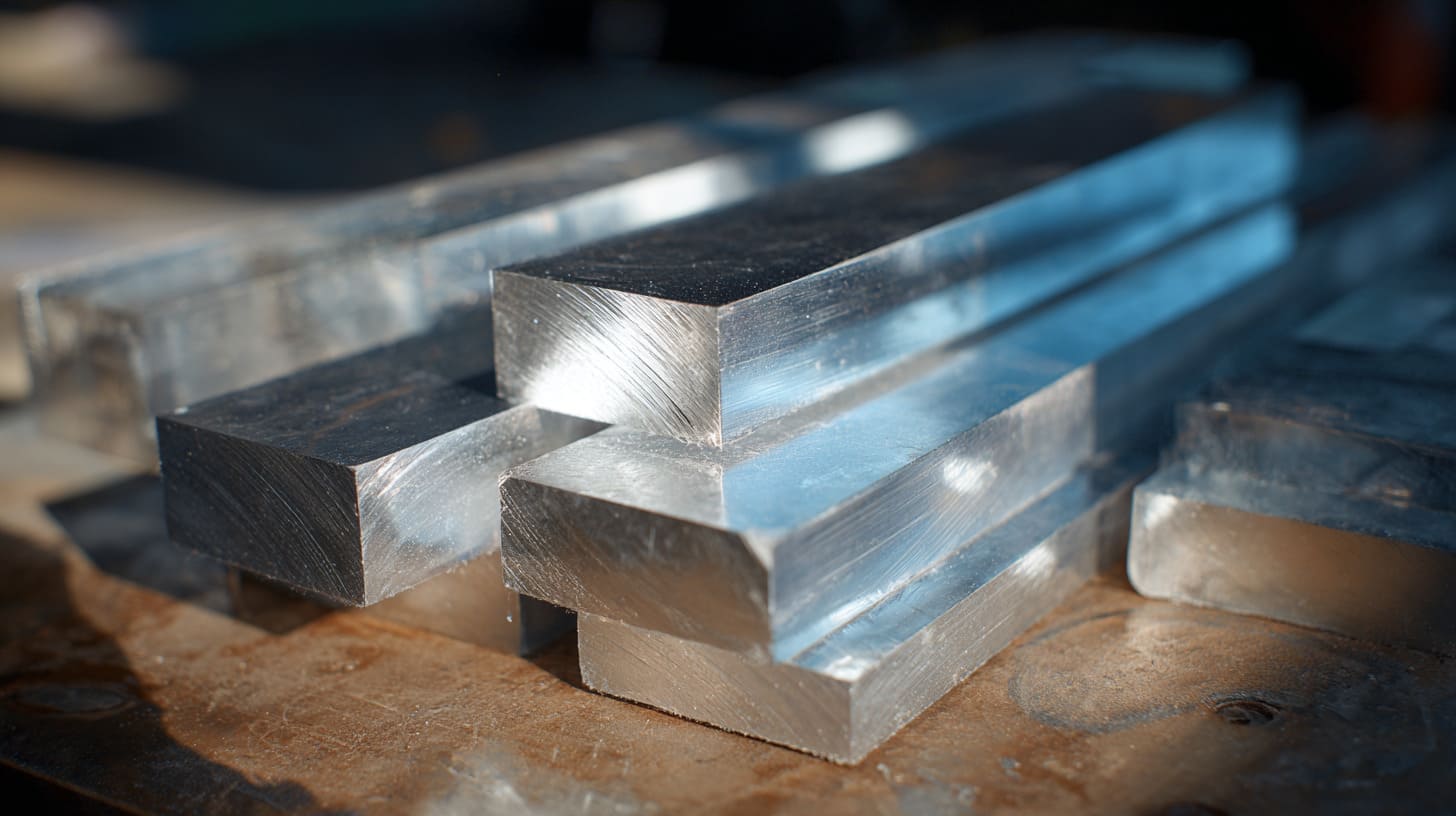
Once we agree on IP55 as a rating, the conversation quickly moves to materials. This is where Davide, John, or Jackson usually bring their own ideas: some love metal, some prefer plastic, and some want a hybrid they saw on another product.
Material Options for IP55 Protection
You can reach IP55 with several materials, as long as the design, gasket, and assembly are correct:
- Aluminum (die-cast or extruded housings)
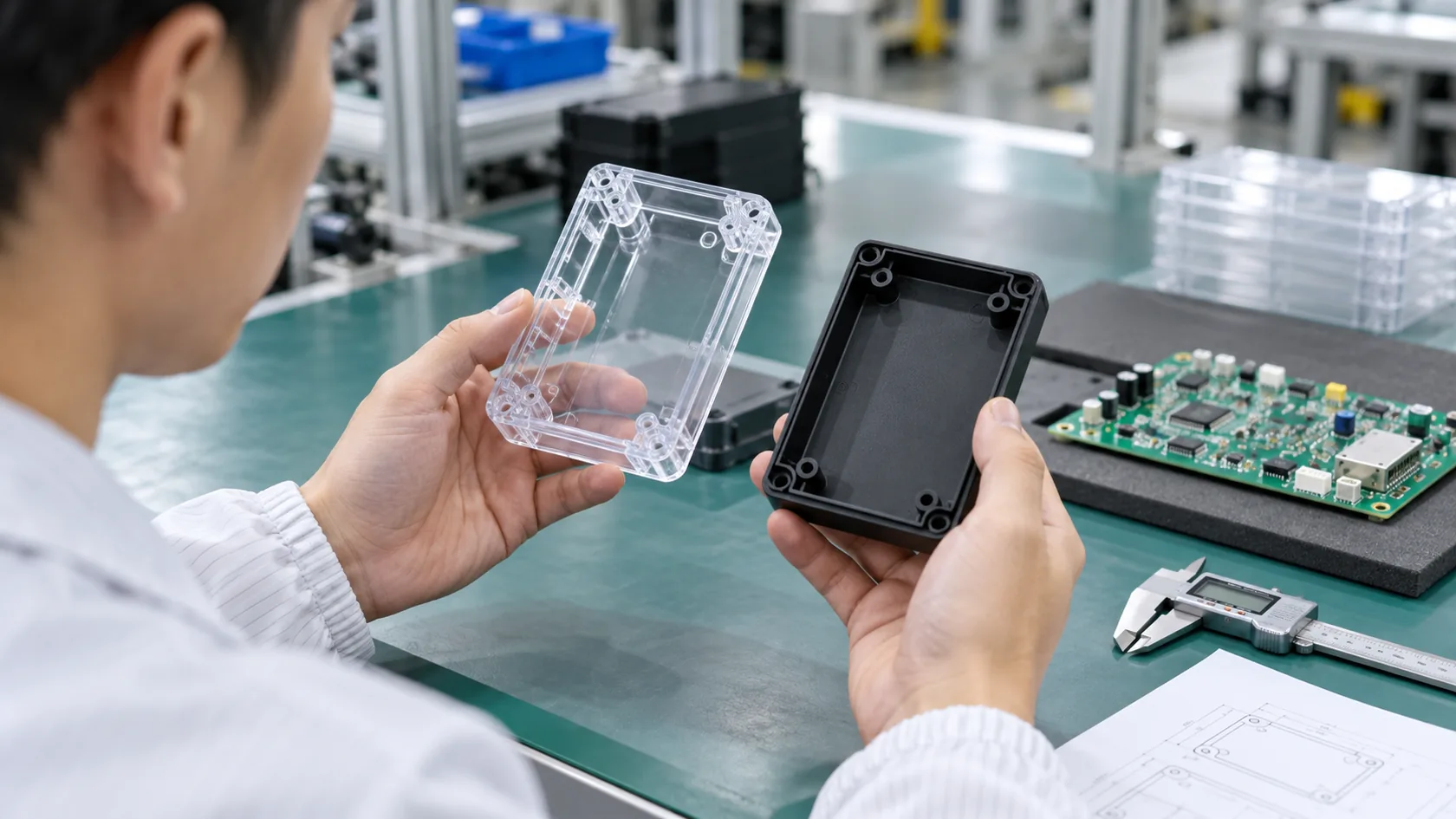
- Polycarbonate (injection-molded boxes)
- ABS plastic (more cost-driven projects)
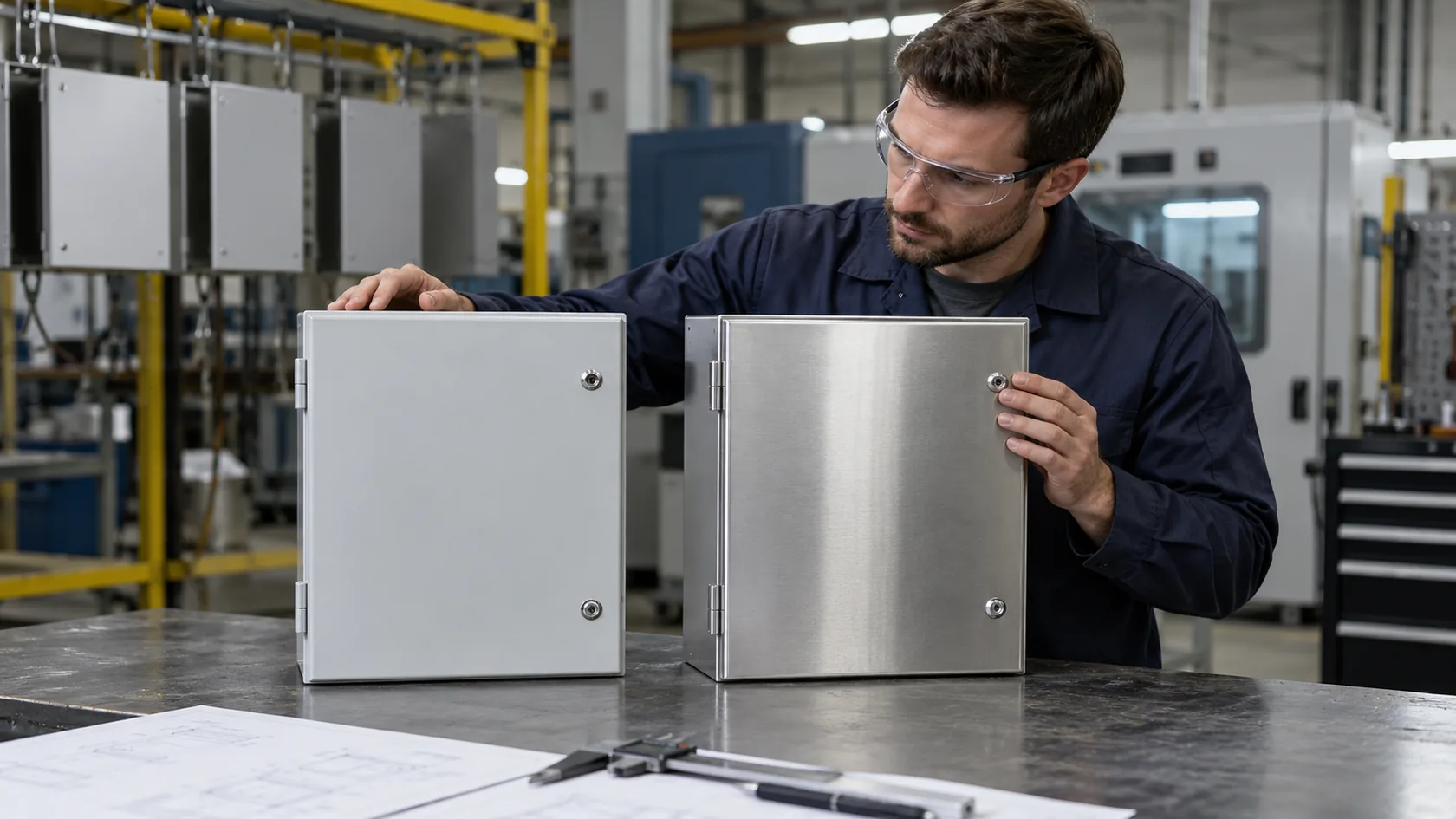
- Stainless steel (harsh or hygiene-sensitive environments)
The rating itself does not care about the material. It cares about gaps, seals, and mechanical design. But material changes many practical things: cost, weight, machining, appearance.
Quick Material Overview
| Material | Common Use for IP55 | Notes |
|---|---|---|
| Aluminum | Custom control boxes, electronics, PLC | Strong, machinable, good for OEM branding |
| Polycarbonate | Standard junction boxes, OEM housings | Impact-resistant, lighter, UV options |
| ABS | Indoor devices, low-stress enclosures | Lower cost, less UV resistance |
| Stainless steel | Food, pharma, outdoor harsh | High cost, high corrosion resistance |
Pros and Cons by Material Type
Aluminum
I work most with custom aluminum enclosures, so I see their behavior every day.
Pros:
- Strong and rigid, even with thinner walls
- Easy to machine for cutouts, threads, countersinks
- Good thermal conductivity for heat dissipation
- Premium feel for branded products
Cons:
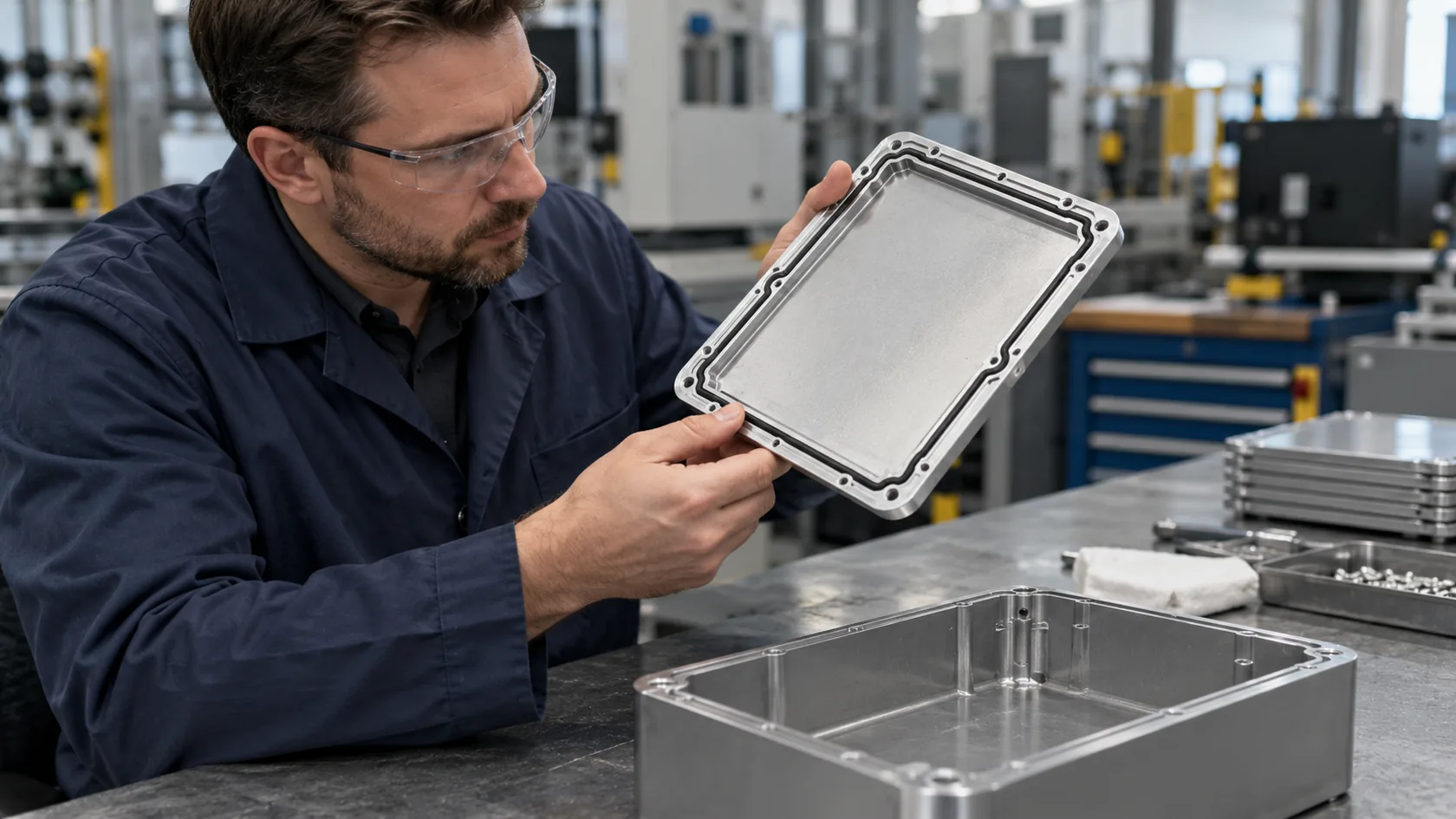
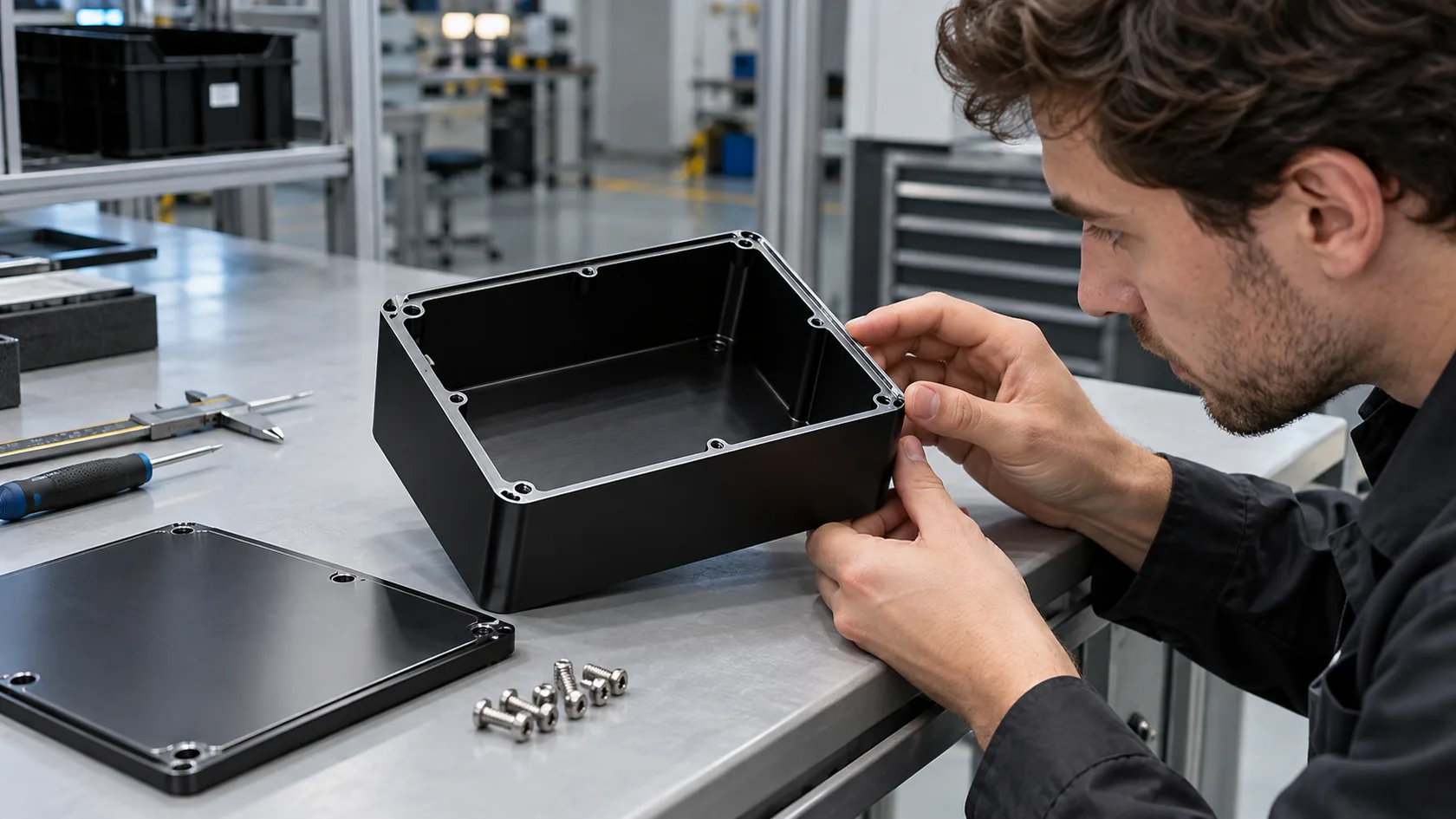
- Needs surface treatment (powder coating, anodizing) for best corrosion resistance
- Heavier than plastic for very large wall-mounted enclosures
- Material and machining cost higher than basic plastic
Polycarbonate
Pros:
- Impact-resistant and lighter than metal
- Good for transparent or semi-transparent covers
- Stable for outdoor use if UV-stabilized
Cons:
- Machining after molding can create stress and cracks if not handled well
- Appearance can change with scratches over time
- Tooling cost is high if you need full custom shapes
ABS Plastic
Pros:
- Economical for indoor boxes
- Good finish and easy to color
- Light weight and easy handling
Cons:
- Poor UV resistance unless specially formulated
- Lower impact and heat resistance than polycarbonate
- Not ideal for harsh semi-outdoor environments
Stainless Steel
Pros:
- Very strong corrosion resistance
- Good for food, pharma, marine and chemical environments
- Long service life if maintained well
Cons:
- Higher material and fabrication cost
- Heavier, may need stronger mounting hardware
- Not always necessary for “medium” environments where IP55 already covers risk
Cost Factors in Material Selection
Many buyers start with “we prefer aluminum,” and I usually nod because it fits our factory and their needs. Still, I like to break down the cost picture clearly.
| Cost Driver | Aluminum | Polycarbonate | ABS | Stainless Steel |
|---|---|---|---|---|
| Raw material cost | Medium | Medium | Low | High |
| Custom shape tooling | Low–medium (machining / extrusion tooling) | High (mold cost) | High (mold cost) | Medium–high (fixtures) |
| Small batch flexibility | Very good | Poor (if fully custom) | Poor (if fully custom) | Medium |
| Machining & custom cutouts | Excellent | Moderate | Moderate | More difficult |
| Surface finish options | Many (anodize, powder) | Limited | Paint / texture | Polish, brush, paint |
For many of our B2B clients, custom aluminum IP55 enclosures hit a nice balance:
- Stronger than plastic
- Easier to customize in smaller volumes
- More premium look than basic plastic boxes
When a new buyer shows me a spec with an IP55 rating, I do not jump straight to material cost. I look at how often they will modify the enclosure (cutouts, logo, internal rails) and how big their yearly volume is. That gives a much more honest clue about whether aluminum or plastic will serve them better over five years, not just on day one.
Once material is set, we still have a big question: how do we design the enclosure so it truly holds the IP55 rating? That is where details like gaskets, vents, and mounting come in.
Key Design Features of IP55 Enclosures
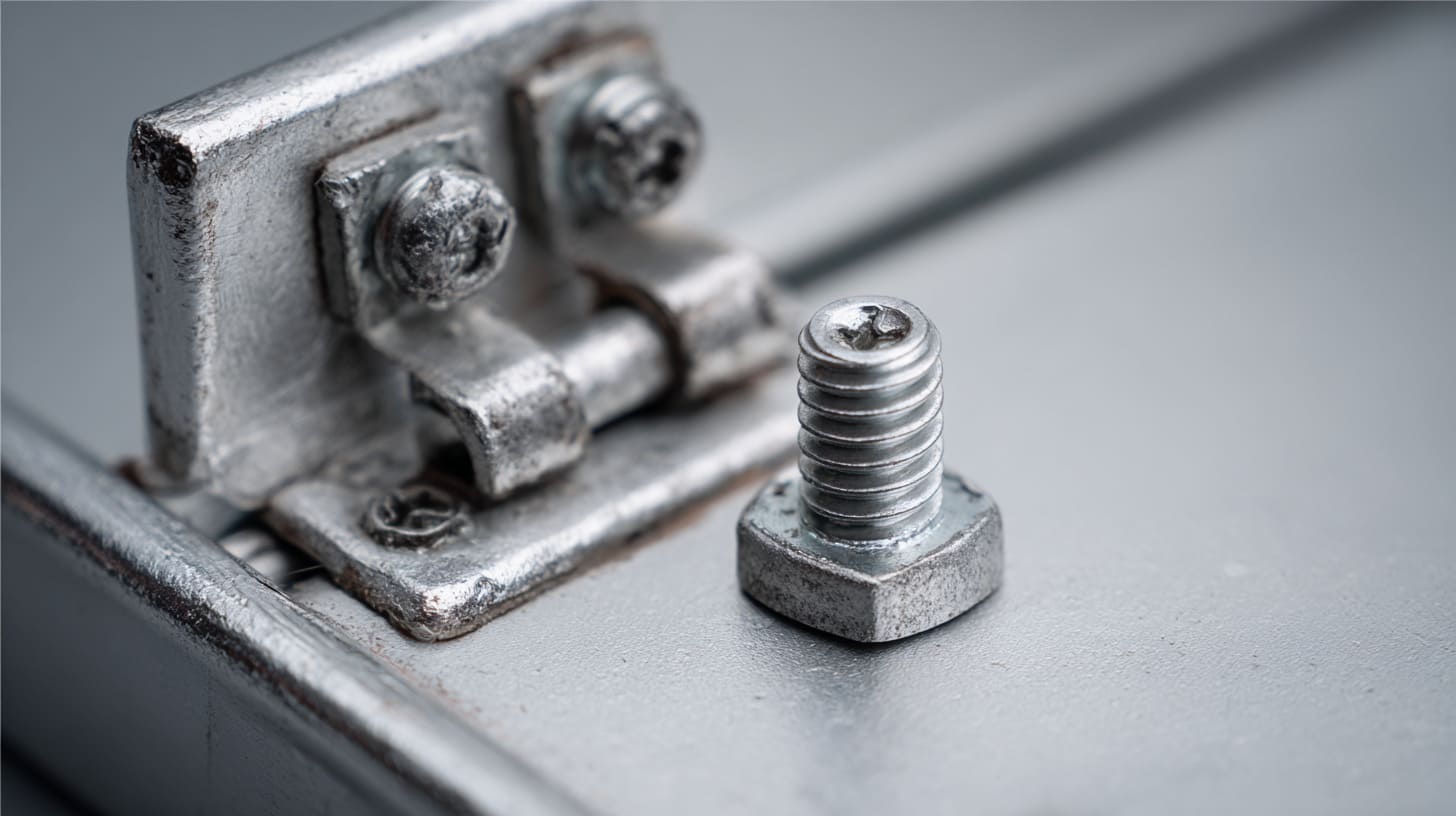
When someone sends me a 3D model and says, “This is IP55,” I always smile a little. The rating comes from testing and details, not from a nice corner radius. The real heroes are the gasket groove, screw layout, hinges, vents, and how everything fits together over time.
Gasket & Sealing Systems
The gasket is usually the first thing I inspect. If that part fails, everything else becomes decoration.
Common materials:
- Silicone
- EPDM
- Sometimes neoprene or foam tapes for less critical areas
Silicone vs EPDM – Simple View
| Property | Silicone | EPDM |
|---|---|---|
| Temperature range | Very wide, good for high/low | Good, but usually less extreme |
| UV resistance | Good | Very good |
| Compression set | Low (keeps shape well) | Low–medium |
| Cost | Higher | Often more economical |
| Typical use | Electronics, harsh temp swings | Outdoor enclosures, HVAC, roofs |
For IP55, we design the gasket to:
- Maintain continuous contact along the sealing path
- Avoid sharp corners that pinch or cut
- Survive repeated opening and closing (for maintenance)
A badly chosen gasket can downgrade an IP55 box to “IP nothing” the first time someone slams the door shut with a cable in the way.
Ventilation Without Losing Protection
Electronics heat up. Air expands and contracts. Without care, you get:
- Condensation inside the enclosure
- Pressure differences that stress the gasket
- Hot spots near power components
To deal with this, we often use:
- IP-rated vents with breathable membranes
- Pressure equalization valves mounted in non-critical positions
These parts allow air and pressure to move, while still keeping dust and jets of water out to the IP55 level.
Simple Vent Options Snapshot
| Type | Function | Notes for IP55 |
|---|---|---|
| Membrane vent (ePTFE, etc.) | Lets air and vapor pass, blocks water | Important for temperature swings |
| Pressure equalization plug | Balances pressure, some moisture control | Must be mounted per manufacturer |
| Plain hole | Cheap, but kills IP rating | Only for non-IP parts of housing |
Mounting and Access Options
How the box is mounted and opened changes daily life for installers and maintenance teams.
Common options:
- Wall mount tabs or brackets
- DIN-rail mounting inside for terminal blocks, PLCs
- Pole-mount kits for outdoor or yard equipment
- Hinged doors vs screw-on covers
Each choice influences:
- How often the gasket is compressed and released
- How easy it is to route cables without damaging the seal
- How much time is lost during service
Sometimes, a client wants a fully removable lid with many screws to “make it more sealed.” But then the maintenance team opens it often, some screws disappear, and the gasket gets damaged. In those cases, a good hinge and latch system can protect the IP55 rating better over the long term.
Whenever I review a new IP55 design, I do not just read the gasket material or look at the IP label. I imagine the installer on a ladder, tired, with gloves on, trying to close the door around too many cables – that picture tells me if the design will hold its protection after five years of real use.
From here, once the base design is right, we can finally talk about the fun part for OEM/ODM projects: customization.
Customization Options for OEM & ODM Projects
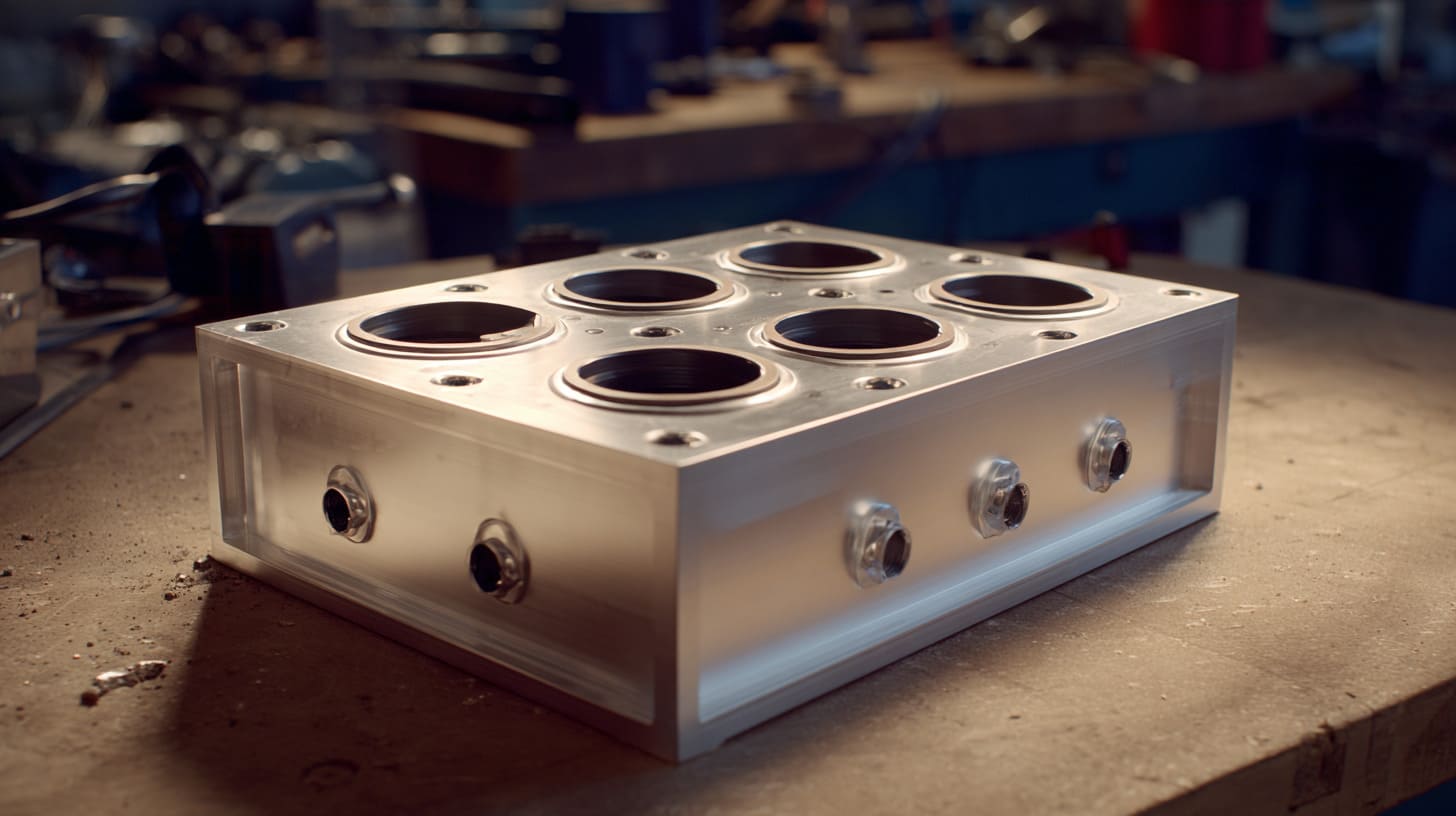
Most of my real work starts after the catalog ends. Davide and John rarely want a plain, empty box. They want something that fits their PCB, their connectors, their brand, and their wiring habits. The challenge is to do all of that without destroying the IP55 rating.
Logo Printing and Branding
The enclosure is often the only part the end user actually sees. So branding matters.
Common methods:
- Silk-screen printing (for color logos and text)
- Laser engraving (for fine details, serial numbers, scales)
- Embossing / debossing (more for custom molds and high volumes)
Branding Method Comparison
| Method | Look & Feel | Durability | Typical Use Case |
|---|---|---|---|
| Silk-screen | Colorful, flexible design | Good if coated well | Logos, labels, symbols on flat surfaces |
| Laser engraving | Precise, permanent, no ink | Very high | Company name, codes, small legends |
| Embossing | 3D effect, part of the shape | Very high | High-volume custom cast/extruded housings |
Branding normally does not affect IP55 directly, as long as we:
- Keep coatings off the gasket contact surfaces
- Avoid very deep engraving that weakens wall sections near seals
Custom Cutouts and Ports
This is where we spend a lot of time with drawings.
Common features:
- Cutouts for connectors, glands, displays, push buttons
- Cable glands with their own IP rating (e.g., IP68 glands in IP55 walls)
- USB, RJ45, and power inlets in specific positions
For aluminum or sheet metal, we use:
- CNC machining
- Laser cutting
- Punching (for standard box programs)
For plastic, we must respect wall thickness and internal ribs to avoid cracks.
Cutout Planning Checklist (Simplified)
- Check minimum distance from cutout edge to gasket
- Check if the connector/gland has its own IP rating
- Plan for drainage if water might sit around openings
- Use standard sizes where possible for easy spare parts
Thermal and EMI Considerations
Many IP55 projects are not just about keeping water out. They are about keeping heat under control and noise inside or outside the box.
Thermal Management
Options:
- Integrated heatsinks on aluminum enclosures
- Thermal pads between hot components and the housing
- IP-rated vents or heat exchangers
IP55 means you must always think:
“Does this new vent or opening still respect the jet-proof concept?”
EMI/EMC Shielding
For sensitive electronics, we can:
- Use conductive gaskets between housing parts
- Design aluminum housings as natural shields
- Add internal EMI coatings on plastic boxes
When a client sends me a long wish list – high IP rating, many cutouts, big windows, vents, and pretty logos – I know my job is to help them choose which features matter most and which ones can be simplified without hurting the project.
On custom IP55 jobs, the most useful decision I make is to protect the rating first, then the styling, and only then the nice-to-have extras. If we break that order, the design tends to look good but fail early in real use.
Once you know the customization you want, the next step is choosing who will build this enclosure for you.
How to Choose the Right IP55 Enclosure Manufacturer
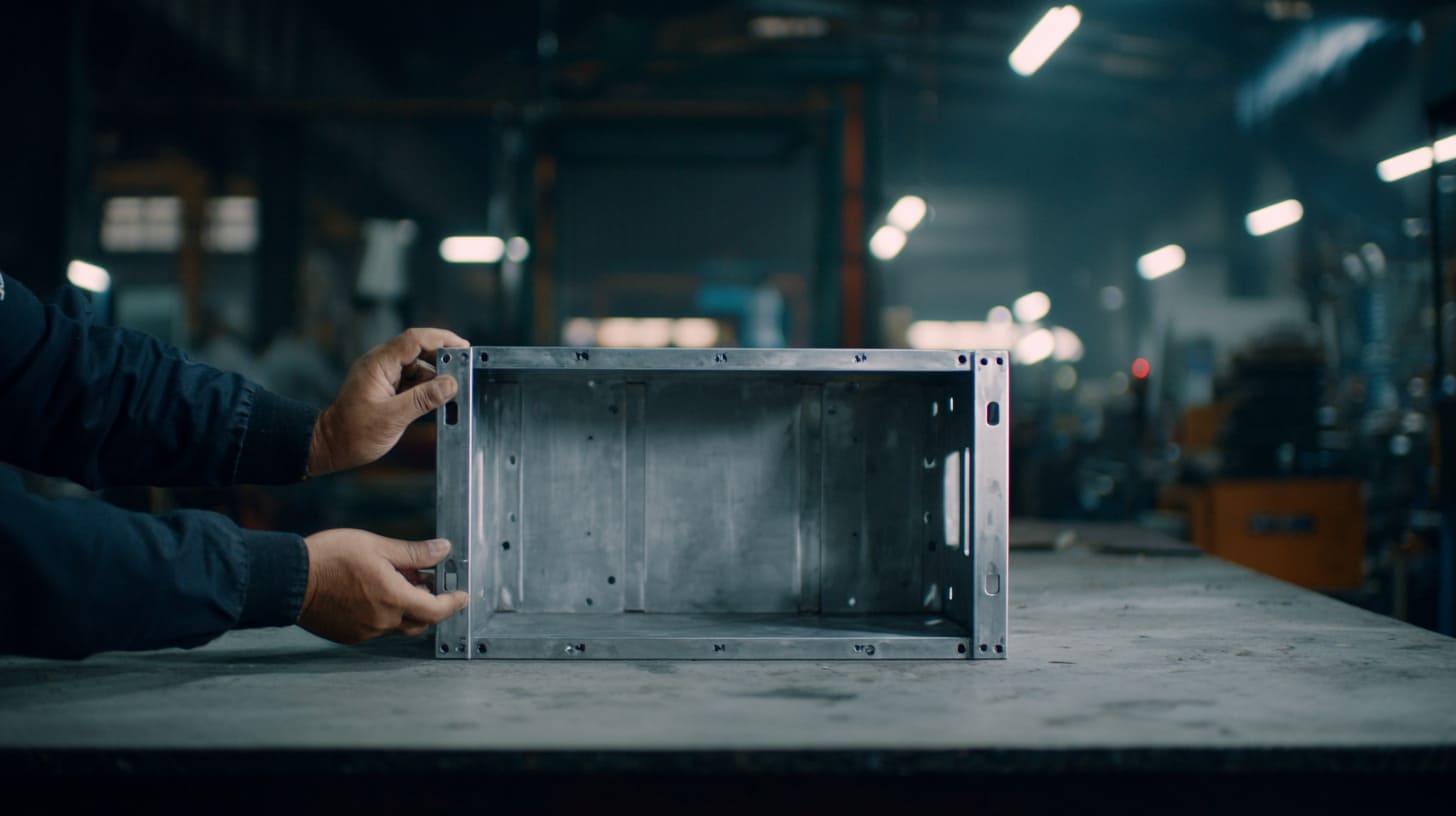
I have talked with many buyers who thought they had an IP55 solution, only to find out later that the factory just printed “IP55” on the drawing without understanding the test. Choosing the right partner is not only about price; it is about whether they truly understand the rating, materials, and customization you need.
Key Supplier Capabilities to Check
When I am on the other side of the table, these are the abilities I would check first:
In-house machining:
Can they cut, drill, and mill aluminum or plastic precisely, or do they send everything to another workshop?Gasket and sealing experience:
Do they know how to design and assemble gaskets for IP-rated products?Sample and prototype handling:
Can they quickly make small runs for validation?
A simple capability table can clarify discussion:
| Capability Area | Why It Matters for IP55 | What to Ask |
|---|---|---|
| CNC / machining | Clean, accurate cutouts maintain sealing | “Can you show previous IP-rated custom boxes you machined?” |
| Gasket design & assembly | Wrong groove or compression kills IP rating | “Who designed the gasket groove and material on your last IP project?” |
| Testing understanding | Ensures rating is more than a label | “Have any of your enclosures been tested to IEC 60529 by a lab?” |
| Packaging & logistics | Avoids damage to sealing surfaces in transit | “How do you protect gaskets and edges during shipping?” |
Questions to Ask Your Enclosure Partner
Some buyers feel shy about asking “too many questions.” I do not. A good supplier will enjoy talking about these topics.
Questions you might ask:
- Can you provide custom samples with my cutouts and logo before mass production?
- Do you have experience with IP55, IP65, or IP66 projects already? Which ones?
- Can you support or coordinate third-party IP testing if needed?
- How do you control tolerances around the gasket and door?
These questions do not just check technical skill; they also show you how the supplier communicates under detail pressure.
Avoiding Common Mistakes
I see some patterns repeat:
Overcomplicating simple designs
- Many small parts, multiple doors, strange lock systems – all increase leak risk.
Underestimating lead time for customizations
- Custom cutouts, special coatings, labeling – all add small days that become big weeks.
Trusting “IP55” on paper without checking details
- No one asks about gasket compression, screw torque, or test method.
If I were a buyer in Davide’s or John’s position, I would not choose a “cheap plus IP55” supplier. I would choose the one who can explain how they protect the rating when they modify the box for me.
When I look at a potential IP55 project, I am less worried about the code itself and more worried about how the team on both sides handles small decisions – because those small decisions usually decide if the rating survives from the drawing to the final installation.
Once the right partner is in place, the fun part is seeing where IP55 really shines in real applications.
Applications and Case Studies: Where IP55 Shines
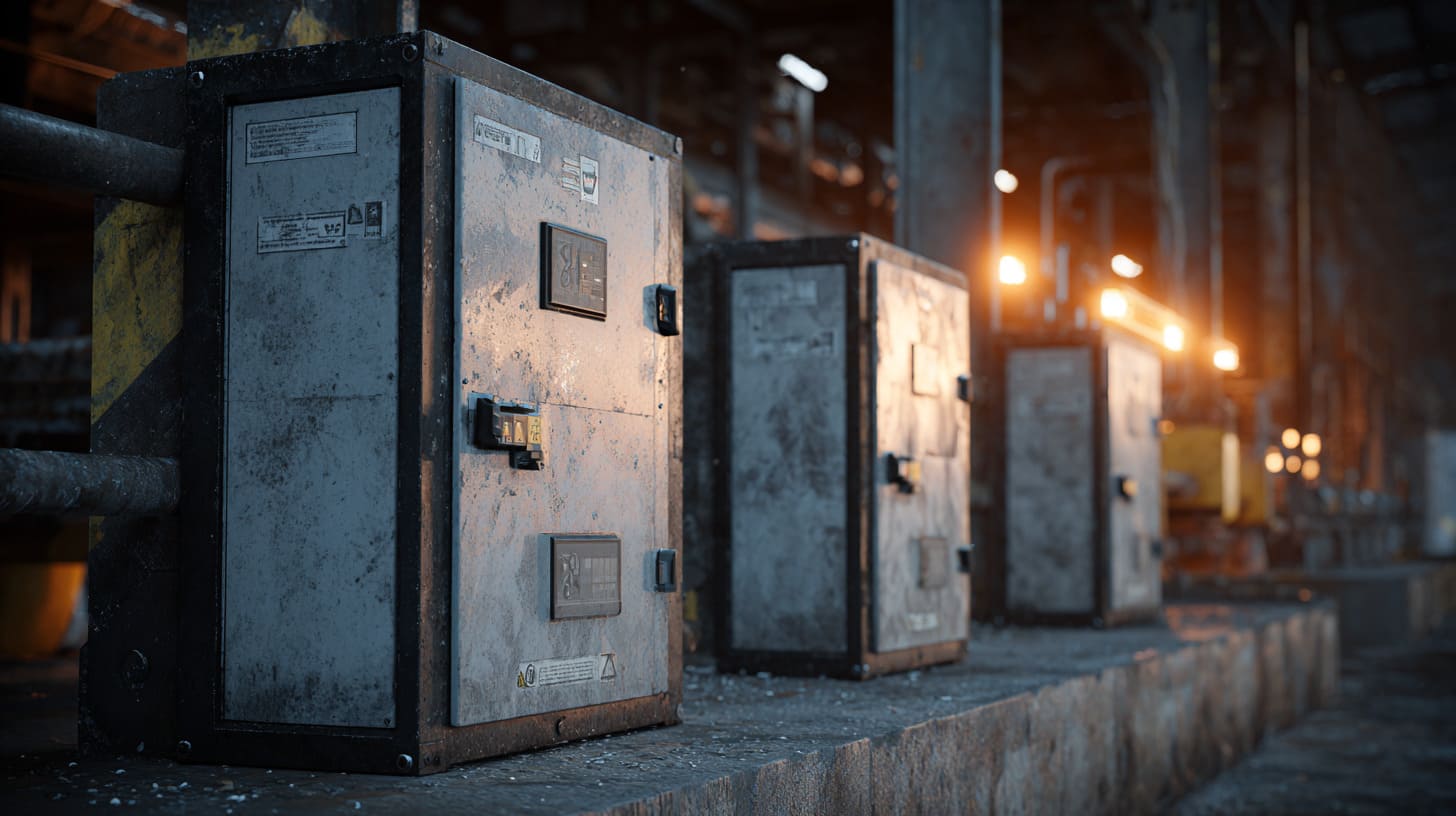
IP55 is not a “hero rating” like IP67 or IP69K. It is more like a quiet, reliable worker. It shows up in many projects where you need serious protection but not full “high-pressure washdown” or underwater performance.
Industrial Use Cases
In industry, I often see IP55 in:
Smart factory terminals
Operator panels mounted on machines, with occasional dust and cleaning.Outdoor but sheltered PLC cabinets
Under small roofs or inside structures that keep direct rain away.HVAC and pump control units
Mechanical rooms with steam, condensation, and some splashing.
Example:
A client from Northern Europe asked us for a series of aluminum enclosures to mount on a mezzanine in a packaging hall. There was paper dust, ink mist, and regular cleaning. We walked through the options and settled on:
- Aluminum body for strength and machining
- IP55 rating
- Silicone gasket
- Powder coating for corrosion resistance
They initially wanted IP65, but after talking through the environment and cost, they agreed that IP55 was the right balance.
Commercial and OEM Scenarios
Outside heavy industry, IP55 is also common in:
- Custom aluminum router or gateway boxes mounted in semi-protected outdoor spots
- Touchscreen kiosks placed in shopping centers, stations, or sheltered outdoor areas
- Telecom distribution boxes in corridors, technical floors, and semi-outdoor sites
In these situations, the rating supports:
- Occasional contact with rain or cleaning water
- Dust from people flow, traffic, or building works
- Enough robustness to keep electronics stable over years
Real Example from MaidaTech
One project that explains IP55 very well came from a European customer who designed a compact controller for a small pumping system. They needed:
- A custom aluminum enclosure, not standard catalog size
- IP55 protection
- Multiple cutouts for M12 connectors, a cable gland, and a status LED window
- Their brand engraved and a color logo printed on the lid
We suggested:
- Extruded aluminum body with custom-machined end plates
- Silicone gasket with a defined compression range
- Powder coating after machining
- Laser engraving for the logo plus a small silk-screen area for labeling
During the design review, the client wanted to add a large side window for visibility. We discussed it together and realized that:
- The window increased cost and assembly complexity
- It increased risk for leaks around that area
- The real requirement was just to see three small status LEDs
So we replaced the window with three small sealed lenses instead.
On that job, the most useful decision was not “IP55 vs IP65.” It was saying no to an unnecessary feature that would have made the IP55 harder to maintain and more expensive to build.
When I work on these projects, I try to imagine the enclosure three years after installation – dusty, a bit scratched, with people pushing and pulling cables. If the design still feels safe and manageable in that picture, then IP55 is doing its job.
Conclusion
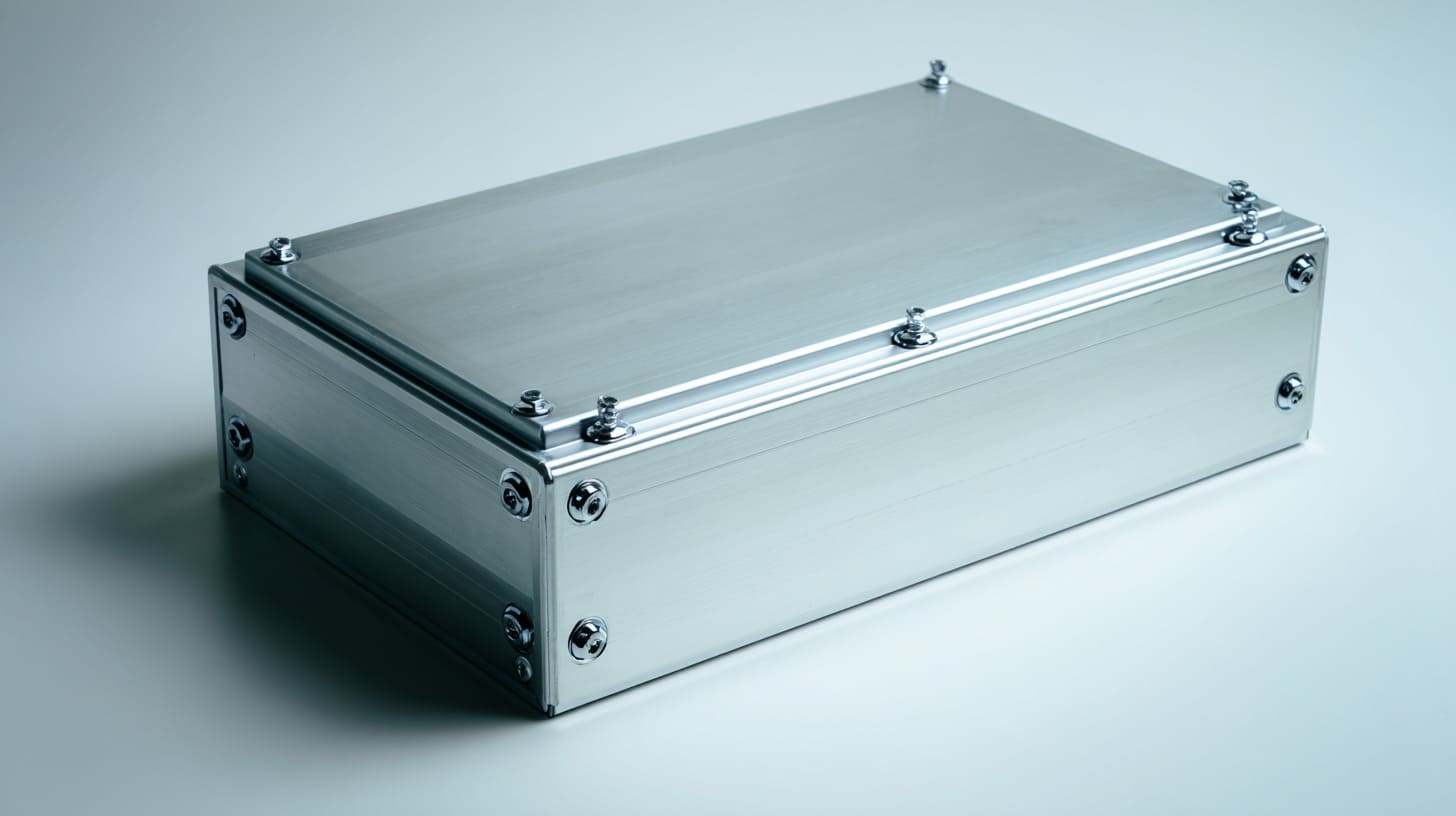
IP55 looks like a simple code, but behind those four characters there is a full story about where your enclosure lives, who touches it, how it is cleaned, and how long it must survive.
I focus on IP55 a lot because it sits at a very practical point on the curve:
- It gives real protection against dust and water jets for moderate environments.
- It still allows flexibility in materials, machining, and customization.
- It usually keeps projects away from the extra cost and constraints of very high IP ratings that are not truly needed.
When I recommend IP55 instead of IP65 or IP66, it is rarely because I want to “save money” in a simple way. It is because I have seen many projects where a slightly lower rating, combined with better design and better communication, gave a more reliable result and a healthier margin.
My thinking process is always something like this:
- Where will the box actually live, not just on the drawing?
- How will installers and maintenance teams treat it when they are tired or in a hurry?
- Which level of protection is enough to handle those behaviors without paying for protection that never gets used?
That is why I like IP55. It forces an honest conversation between engineering, purchasing, and real-world use, instead of a reflex to choose the highest number on the list.
If you are working on a project now and you are not sure whether IP55 is enough, or you want to see what a custom IP55 aluminum enclosure could look like for your PCB, your connectors, and your brand, you can always send me:
- Your drawing or 3D file
- A short description of the environment
- Any constraints on budget, size, or timeline
I am happy to look at it and tell you, from the factory side, where the real risks and trade-offs are, and how we can shape the enclosure so it actually matches your world – not just the standard.
You can reach me at info@maidatech.com, or through our website maidatechenclosure.com.
If you already have a half-finished idea in your folder, this might be the right moment to turn it into a real, tested IP55 solution.