Skip to content
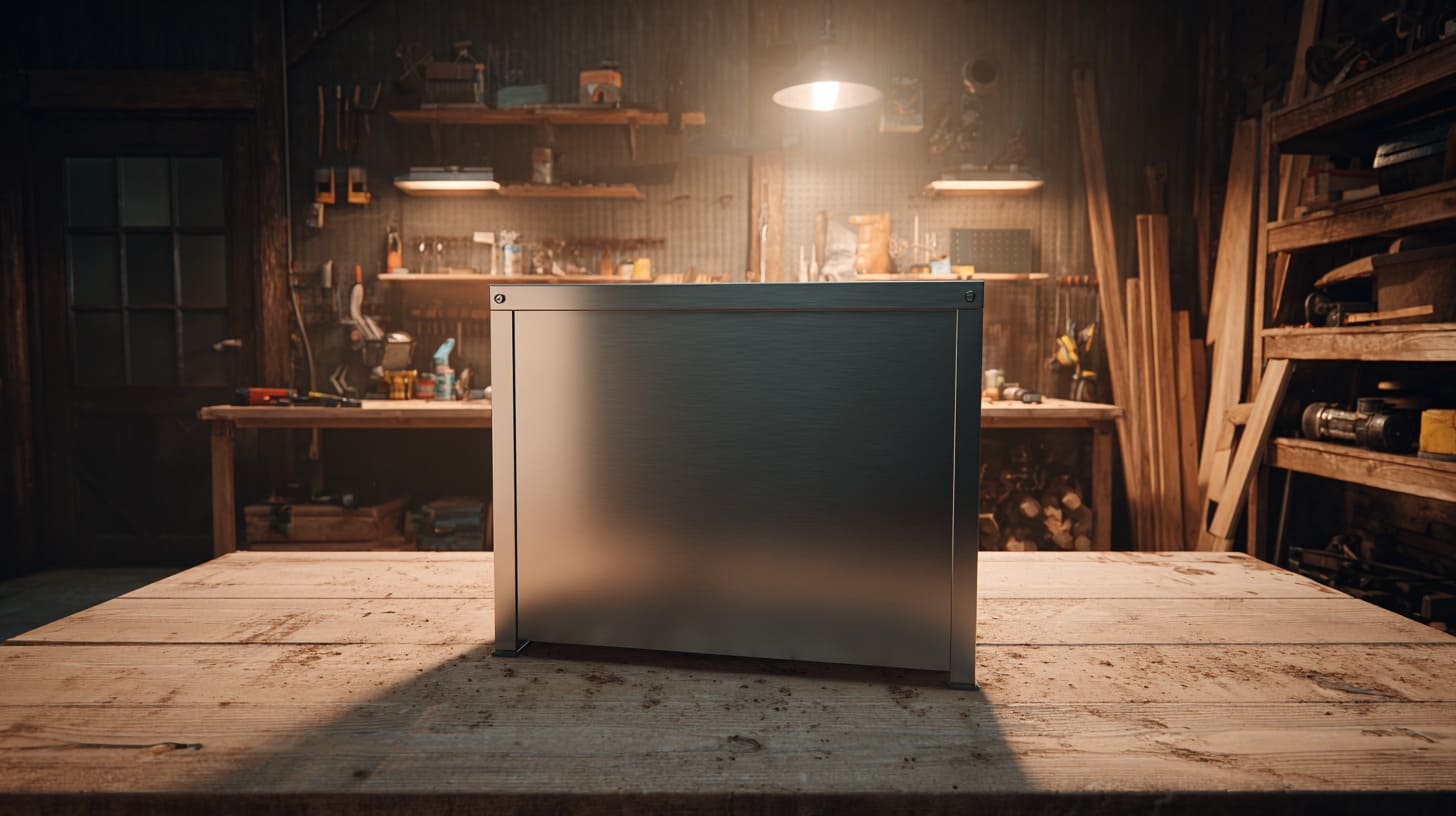
You’ve seen them everywhere—protecting electronics, sitting under control panels, or housing power supplies. But what really goes into making a sheet metal enclosure?
A sheet metal enclosure is a protective housing made from thin, flat pieces of metal that are cut, bent, and shaped to safeguard electronic or mechanical components.
I still remember the first time I held a client’s sketch in my hand. It was just a flat drawing—but I could already see the finished box, complete with vents, bends, and a powder-coated surface. That’s when I realized: this is more than metal. It’s a solution.
How are metal enclosures made?
It starts with a sheet. That’s the blank canvas.
Metal enclosures are made by cutting, bending, welding, and finishing sheet metal to form a custom-shaped housing.
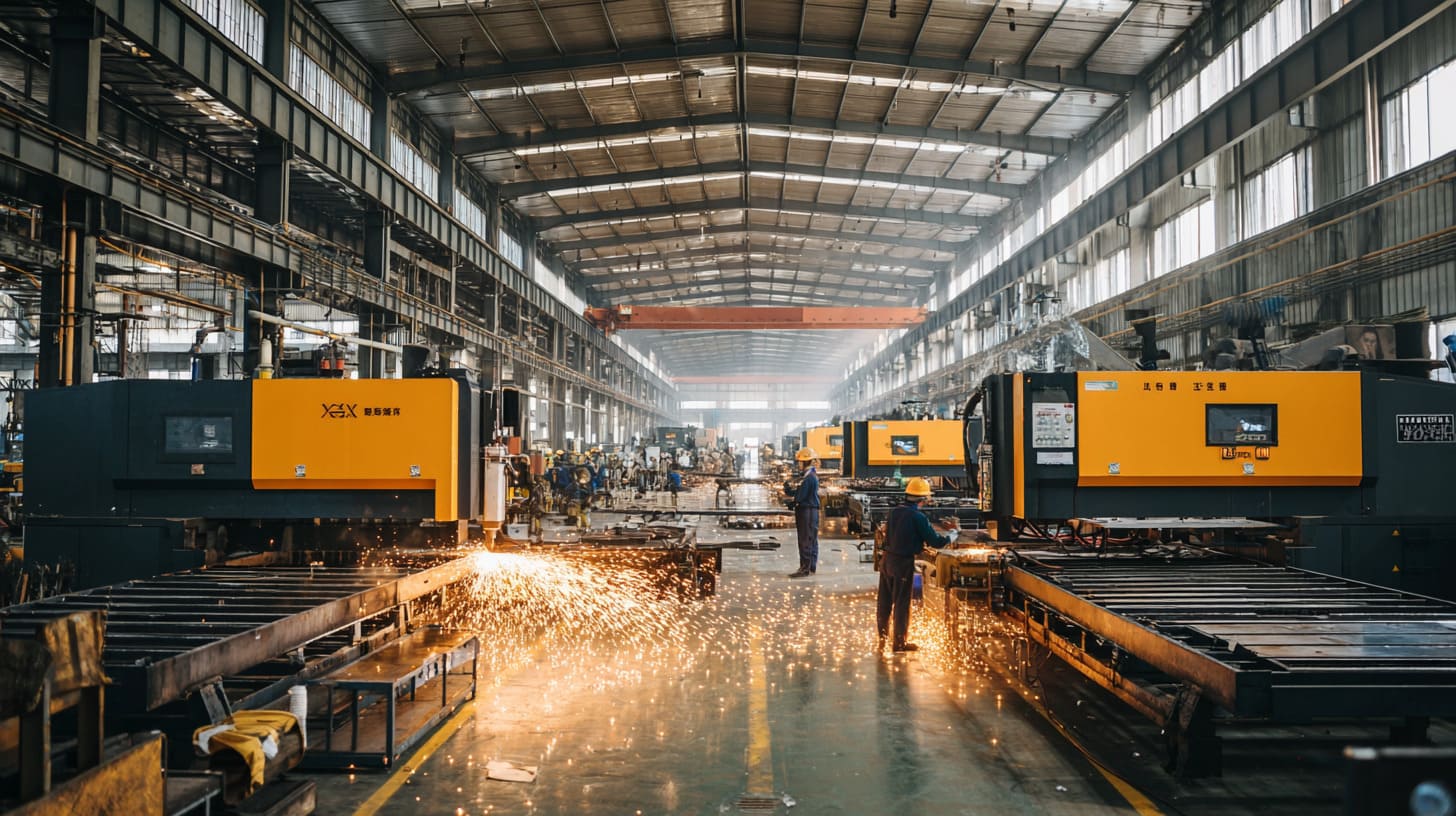
The core fabrication process:
- Laser cutting: Defines all shapes and openings
- Bending: Creates the three-dimensional shape
- Welding or riveting: Joins pieces together
- Surface finish: Powder coating, anodizing, etc.
Each step shapes not just the box, but also the identity of the product inside it.
What is metal sheeting used for?
It’s more than just a box.
Metal sheeting is used to build enclosures, panels, brackets, and frames across many industries.
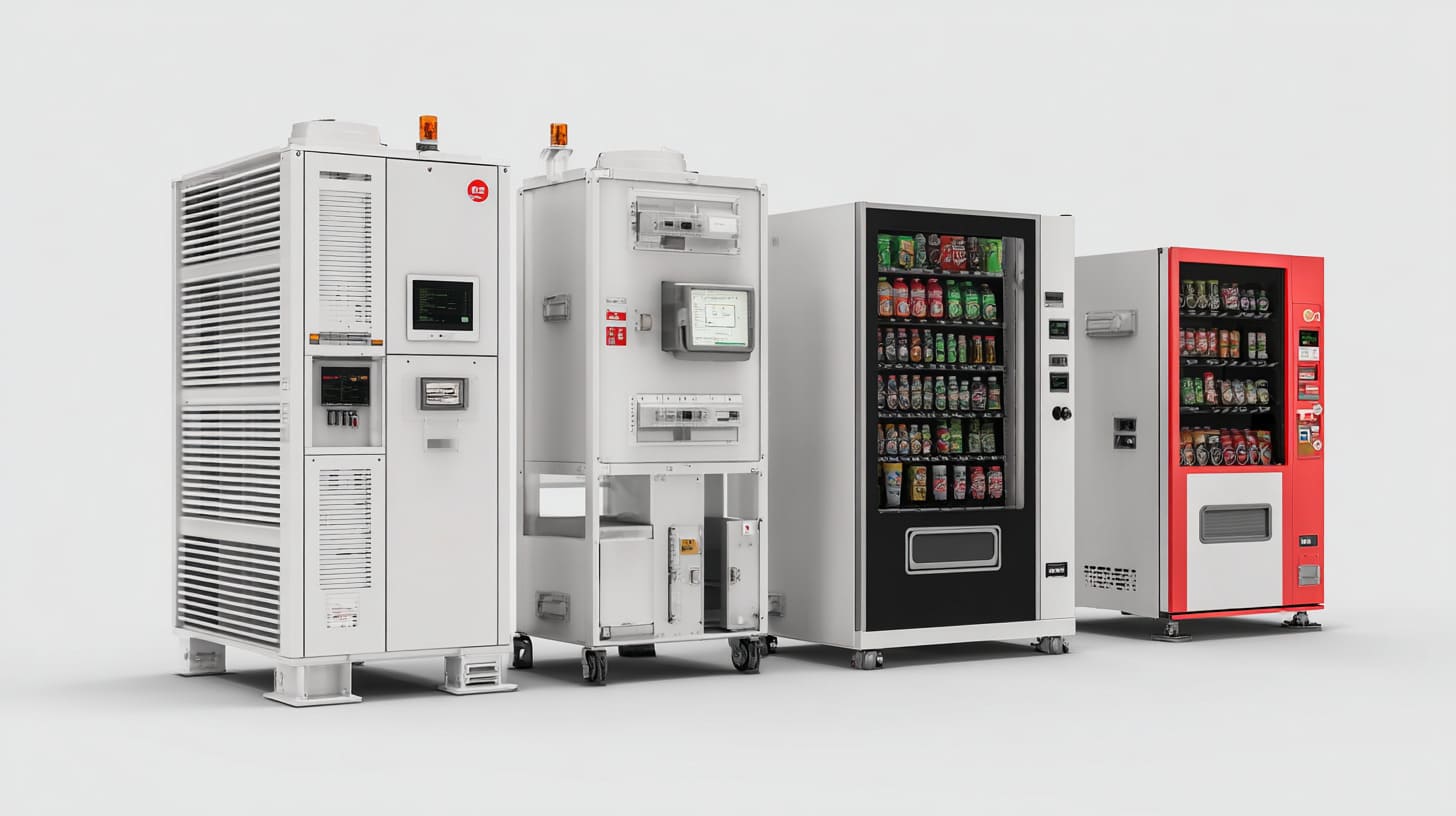
From HVAC panels to vending machine bodies, sheet metal shows up everywhere—because it’s light, strong, and adaptable. I’ve made enclosures for medical labs and also for outdoor EV chargers. Same base material, totally different lives.
What are the two types of sheet metal?
Not all sheet metal is the same.
The two main types are ferrous (like steel) and non-ferrous (like aluminum).
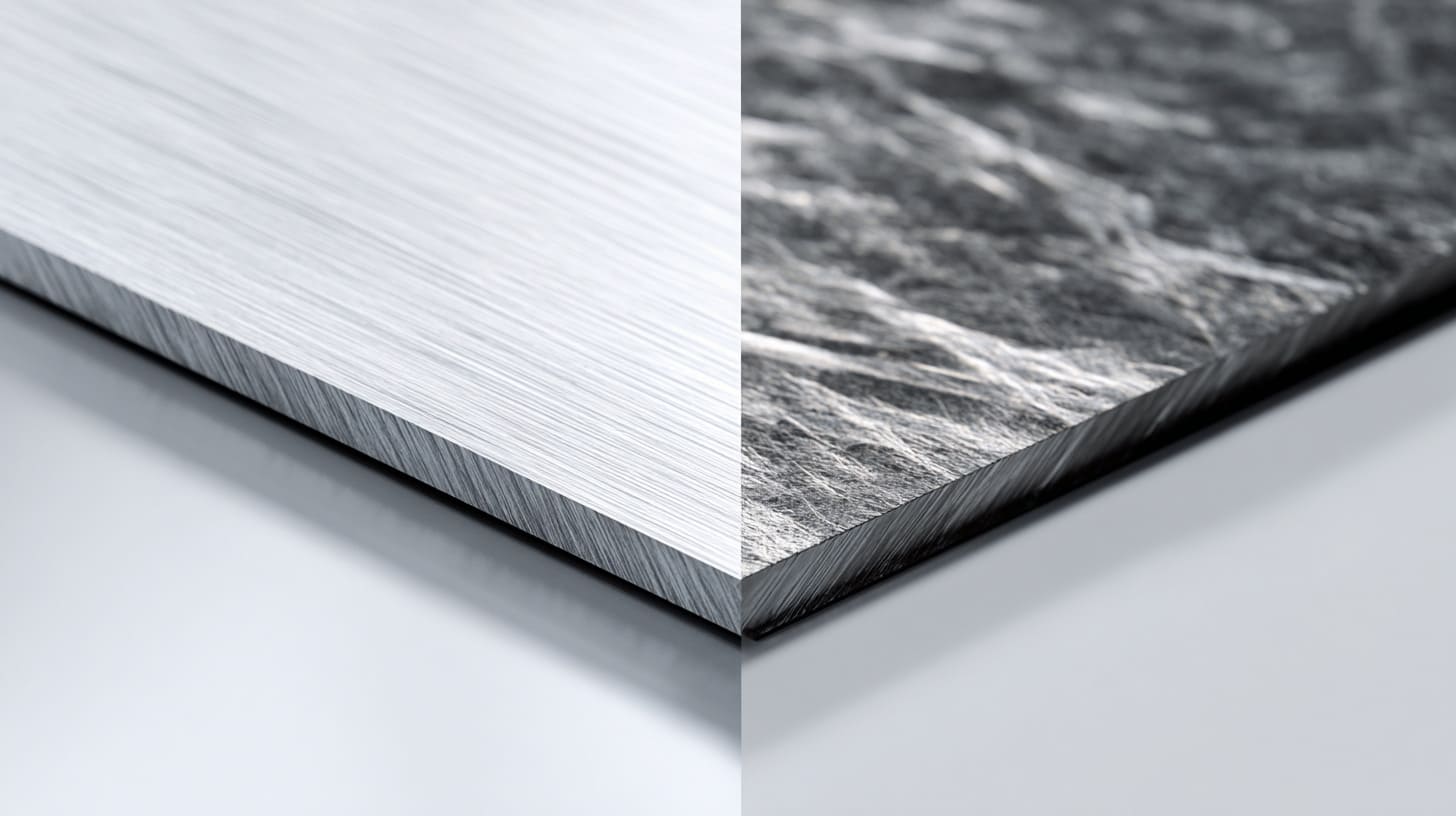
| Type | Examples | Key Traits |
|---|---|---|
| Ferrous | Cold-rolled steel | Strong, magnetic, rust-prone |
| Non-ferrous | Aluminum, copper | Lightweight, corrosion-resistant |
And yes—your choice matters a lot when you're putting electronics inside.
Why is it called sheet metal?
It's not a fancy name—just practical.
It’s called sheet metal because it's formed into thin, flat sheets before fabrication.
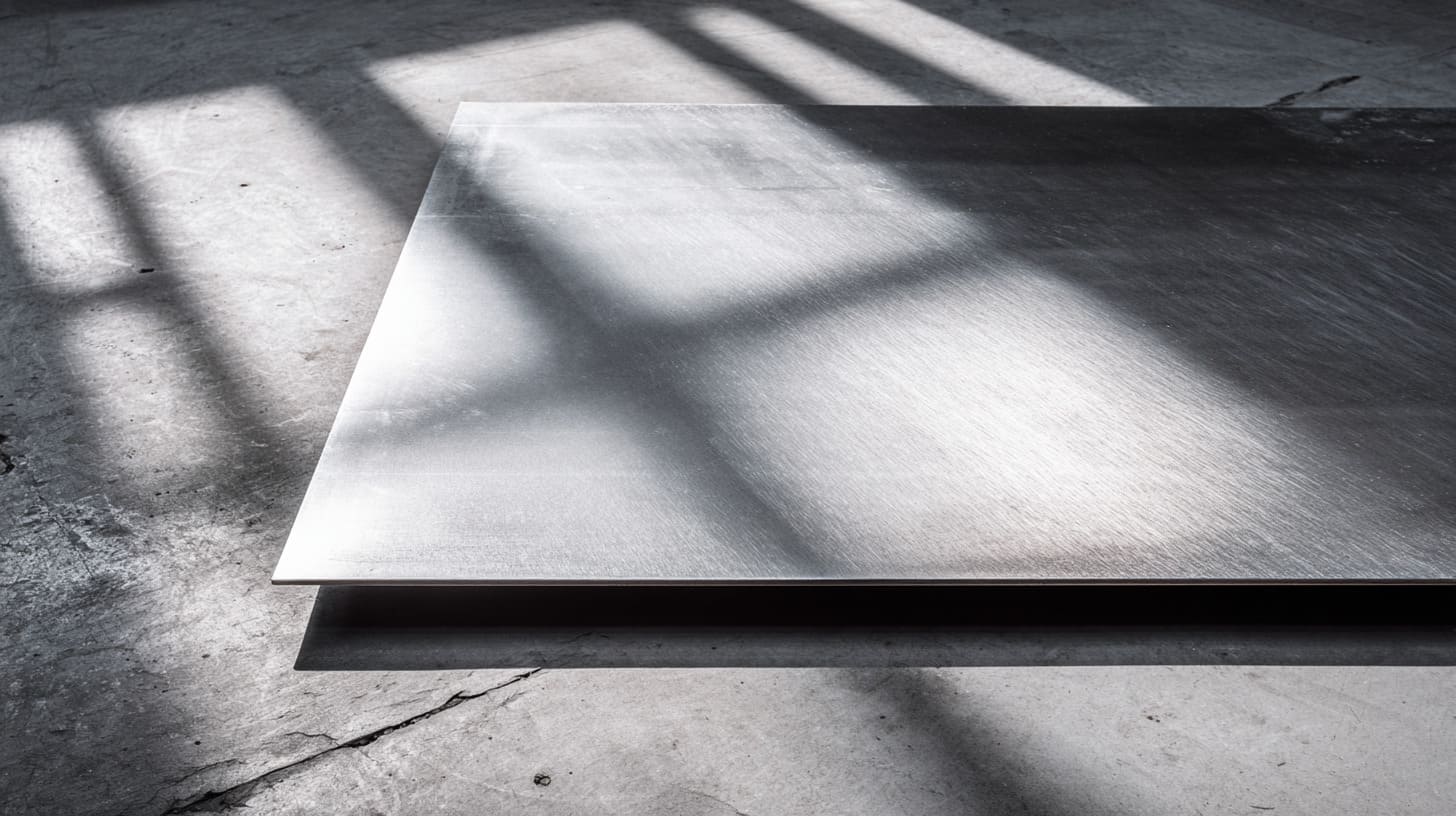
Think of it like a pizza dough before baking—it starts as a flat circle. But how you fold or cut it changes everything.
What materials are best for sheet metal enclosures?
This depends on what you need to protect.
Aluminum, stainless steel, and mild steel are the most popular materials for sheet metal enclosures.
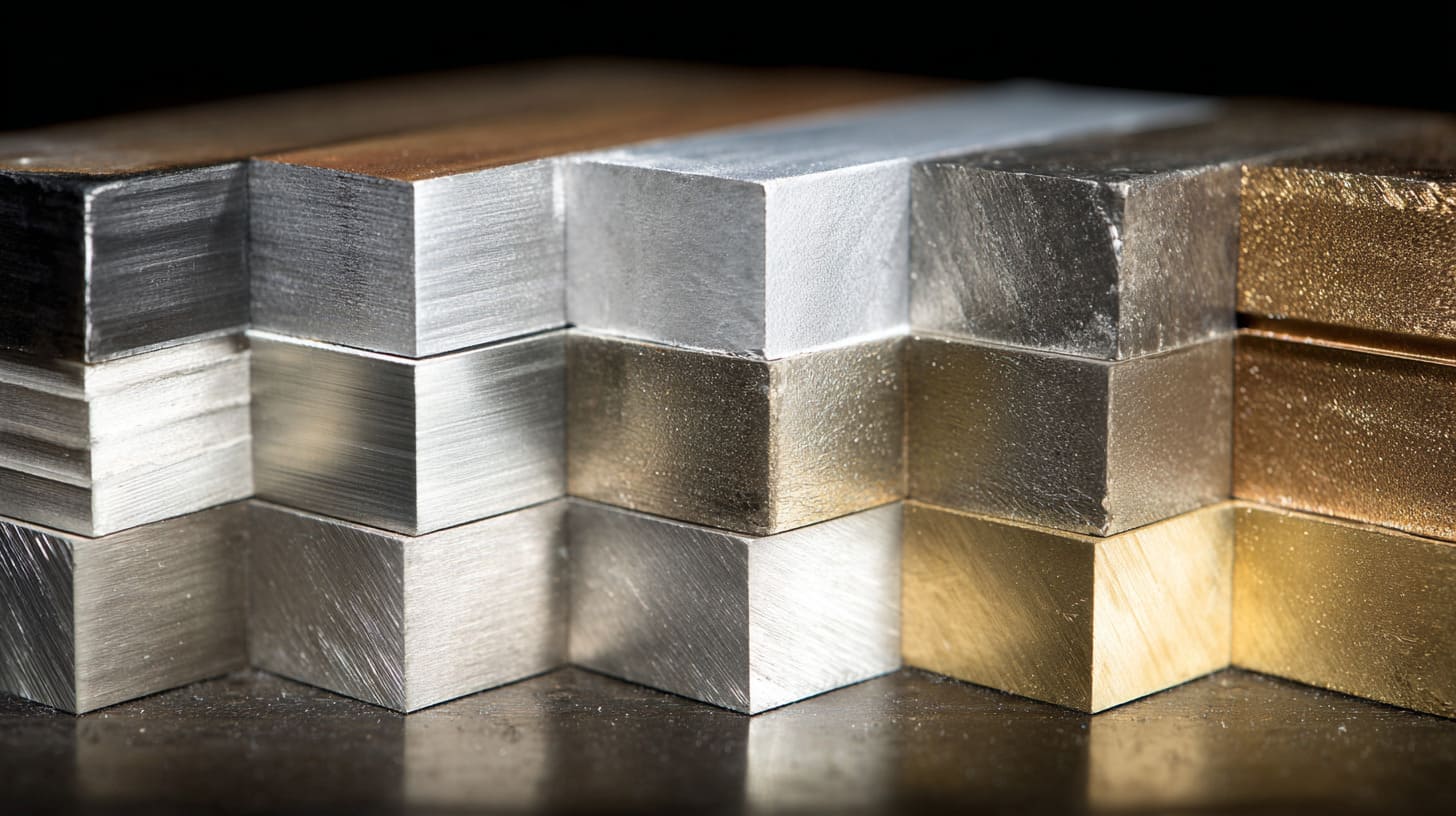
Let’s break it down:
- Aluminum: Great for lightweight or corrosion-resistant needs
- Stainless Steel: Ideal for medical or food environments
- Mild Steel: Strong and cost-effective for indoor use
Each has a place. It just depends on your budget and application.
How is a custom sheet metal enclosure made step by step?
Here’s the part most buyers don’t see—but it’s where the magic happens.
A custom sheet metal enclosure is made through design review, cutting, bending, assembly, finishing, and inspection.
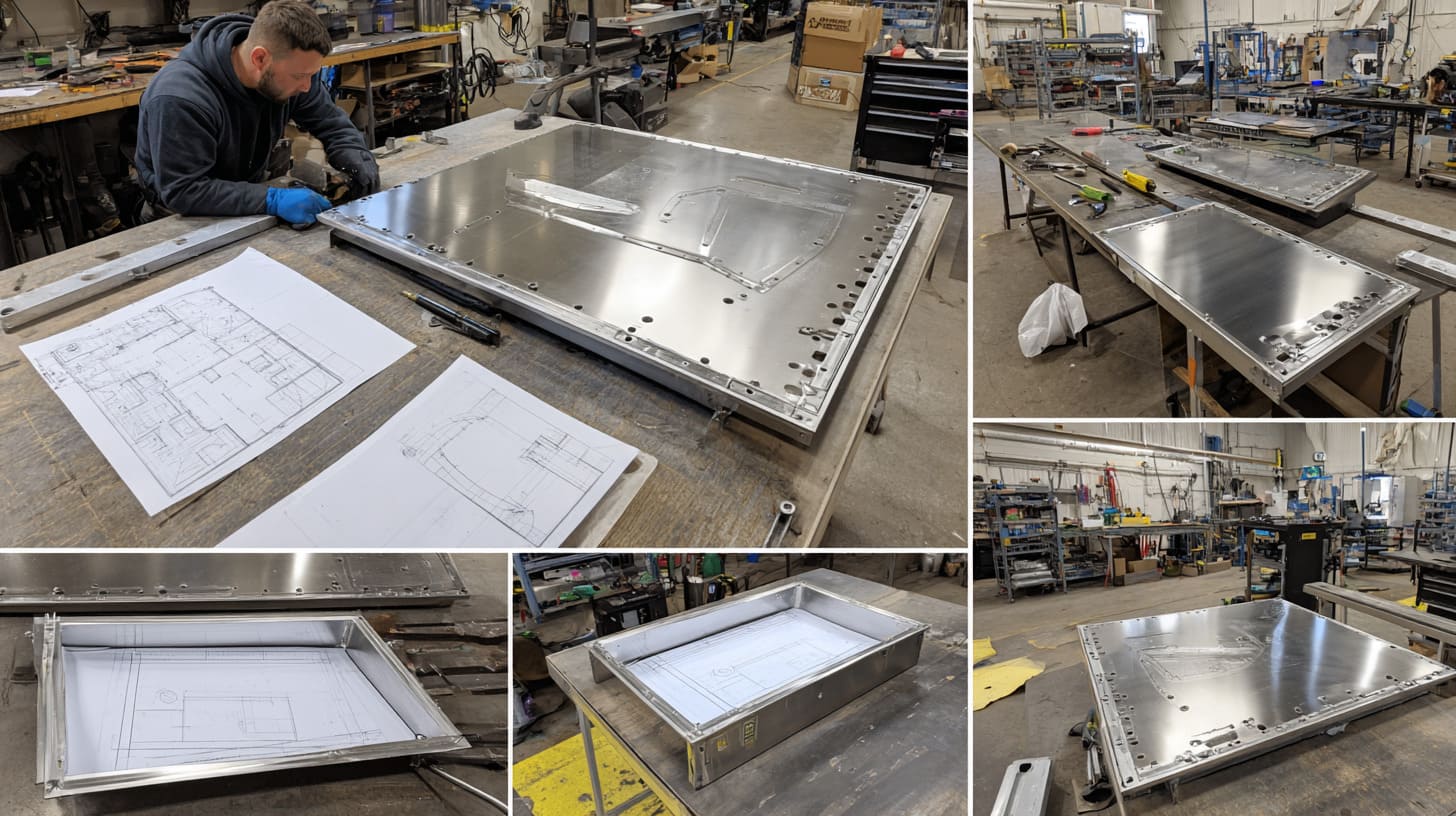
- Design & drawing review
- Material selection
- Laser cutting or CNC punching
- Bending (via press brake)
- Joining (welding or fastening)
- Surface finishing
- Logo or marking application
- Final quality check and packaging
Every step needs precision—because a 1mm error here can ruin a PCB fit there.
What thickness should I choose for my sheet metal case?
This is the #1 question I get from new customers.
Choose between 1.0–2.0mm depending on your product’s weight, use case, and design.
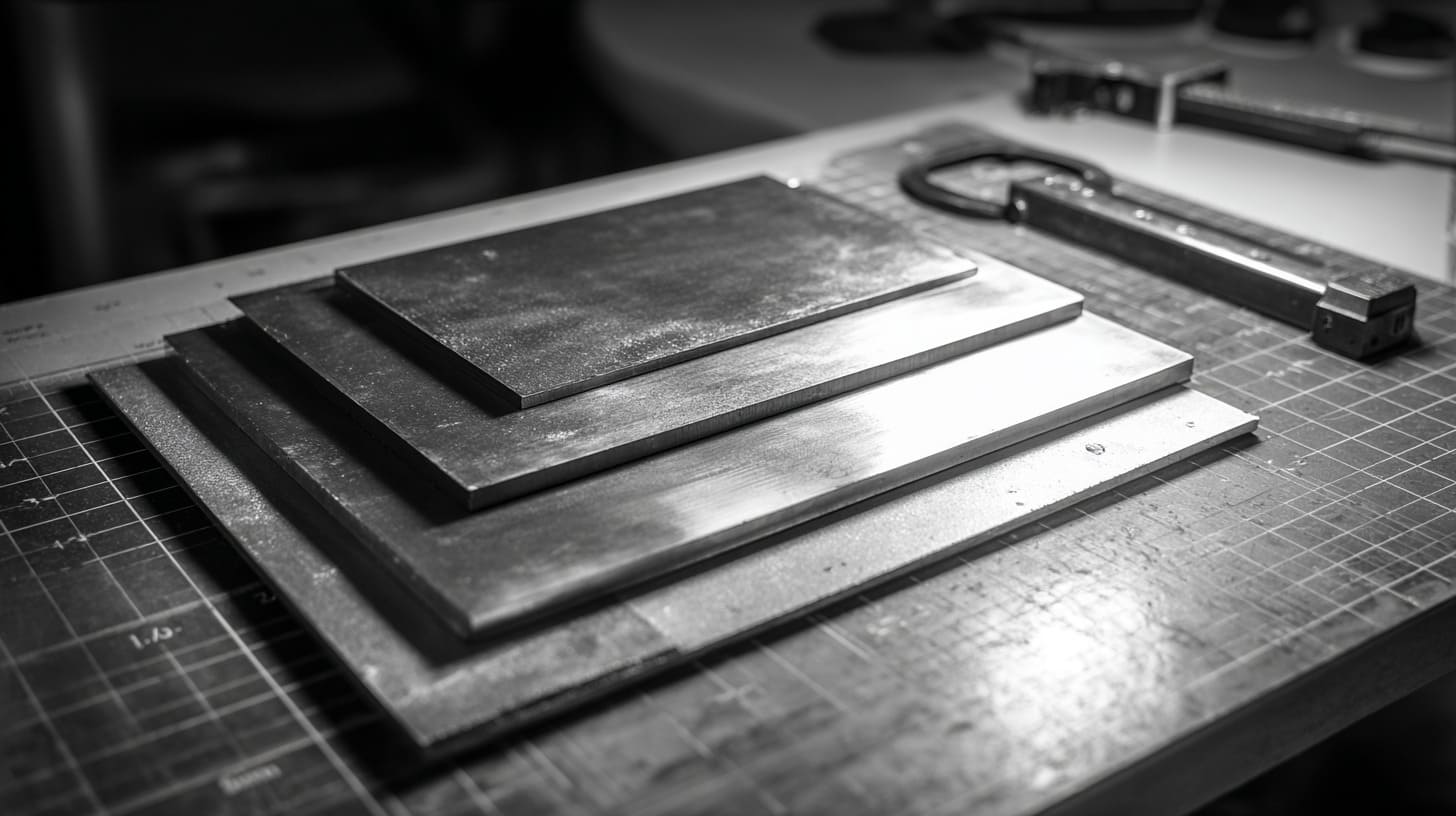
- 0.8 mm–1.2 mm: Good for handheld or light devices
- 1.5 mm–2.0 mm: Better for industrial or wall-mounted gear
I once had a buyer switch from 1.0mm to 1.5mm after a wall unit bent during installation. Saved them thousands in the long run.
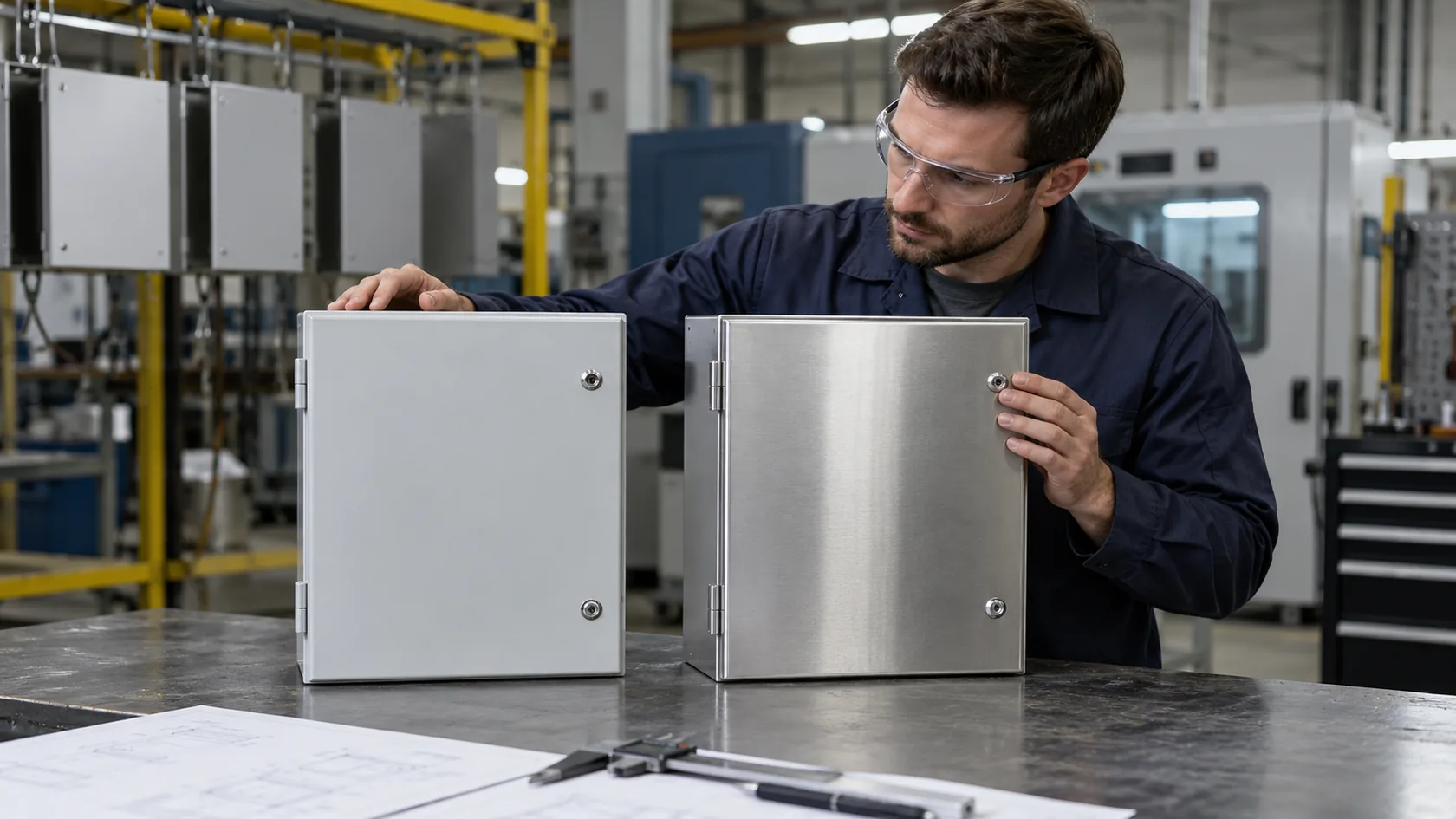
What’s the difference between aluminum and steel enclosures?
You can’t choose blindly—your project might depend on it.
Aluminum is lighter and corrosion-resistant, while steel is stronger and cheaper.
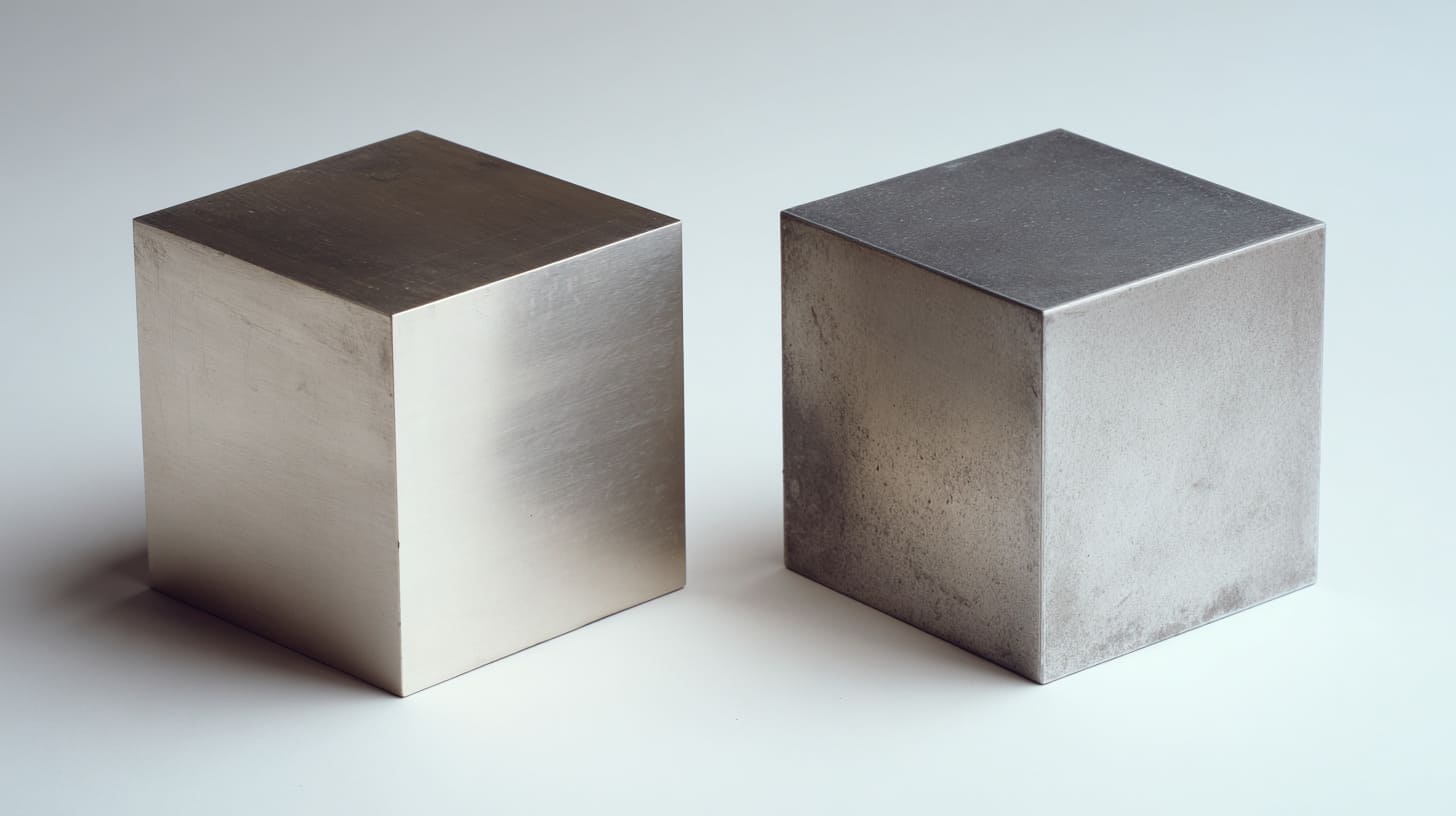
| Feature | Aluminum | Steel |
|---|---|---|
| Weight | Lightweight | Heavier |
| Rust Resistance | High | Needs coating |
| Cost | More expensive | More affordable |
| Machinability | Easier | Harder |
For outdoor or portable uses, aluminum usually wins. For fixed indoor gear, steel gets the job done.
How do I design a sheet metal enclosure for electronics?
This is where I always suggest involving your supplier early.
To design a metal enclosure, consider PCB layout, port access, airflow, fastening points, and mounting.

Tips I always give clients:
- Leave room for connectors and cables
- Add ventilation for heat
- Don’t forget grounding points
- Include standoffs or tabs for PCB mounting
I can’t tell you how many times a 3mm oversight caused a last-minute redesign.
What are the common finishes for sheet metal enclosures?
A raw metal box rarely makes it to market.
Common finishes include powder coating, anodizing, sandblasting, and brushing.
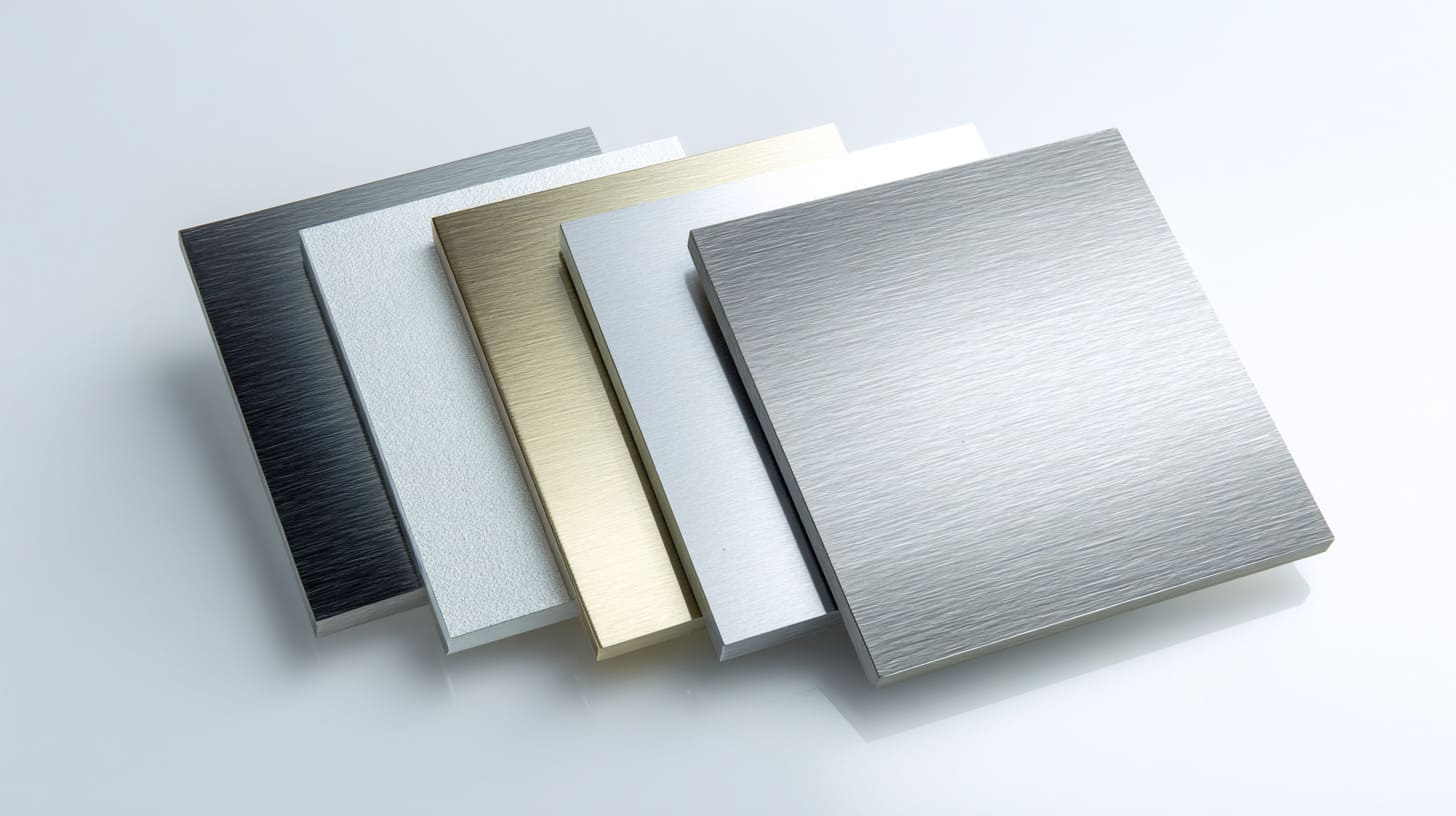
| Finish Type | Appearance | Protection Level |
|---|---|---|
| Powder coating | Matte or gloss color | Excellent |
| Anodizing | Metallic finish | Good (for aluminum) |
| Sandblasting | Textured feel | Moderate |
| Brushed finish | Linear grain | Light protection |
The right finish doesn’t just protect—it gives your product a story.
What certifications or standards apply to sheet metal enclosures?
Buyers like Davide often ask this first.
Relevant standards include IP rating, NEMA rating, UL, CE, and ISO9001.
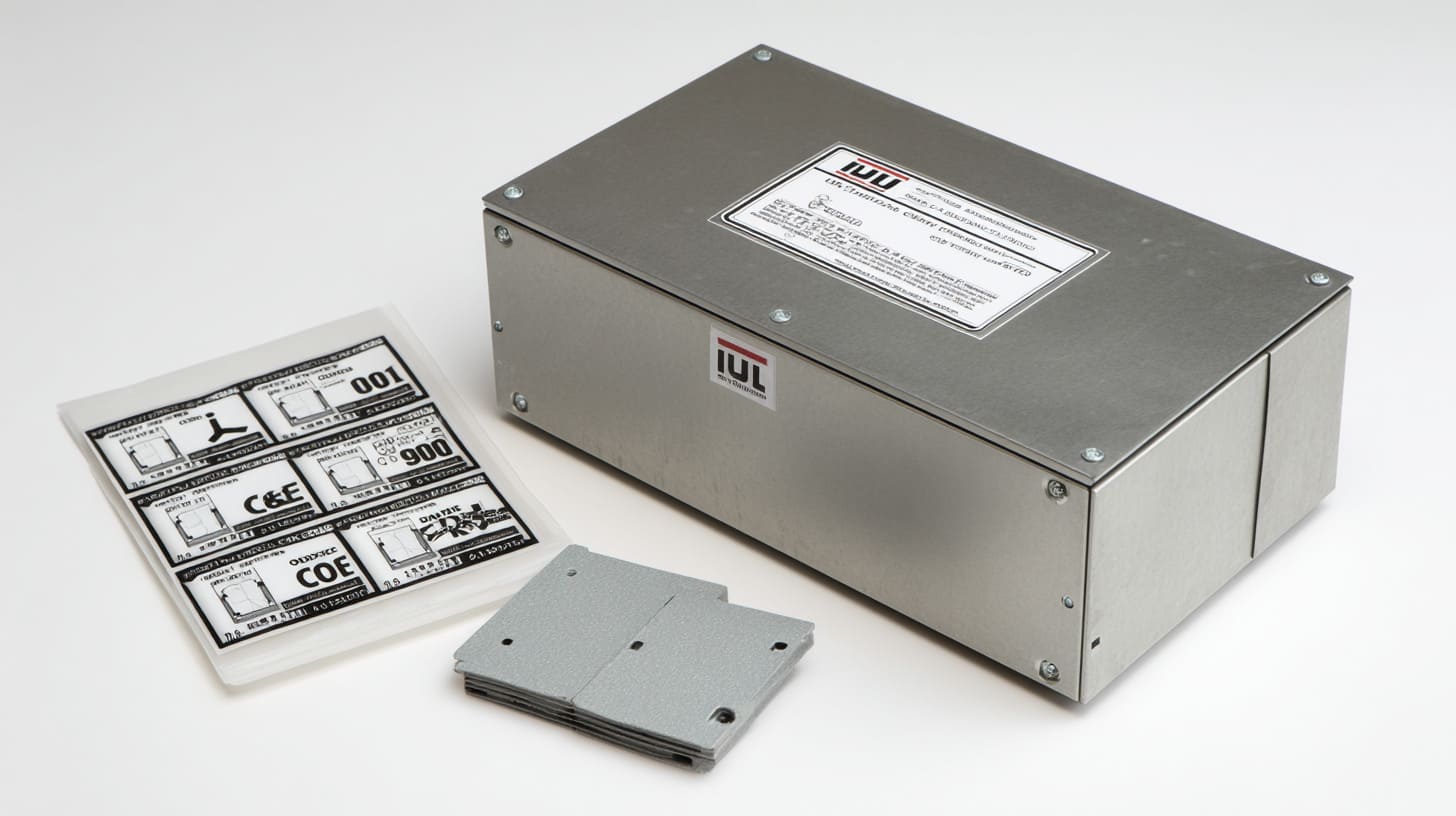
These aren’t just badges. They prove your box can survive water spray, dust, fire, or even customer reviews.
Can I add branding or logos to custom sheet metal cases?
Yes—and you should.
Logos can be added by silk-screening, engraving, laser marking, or stamping.
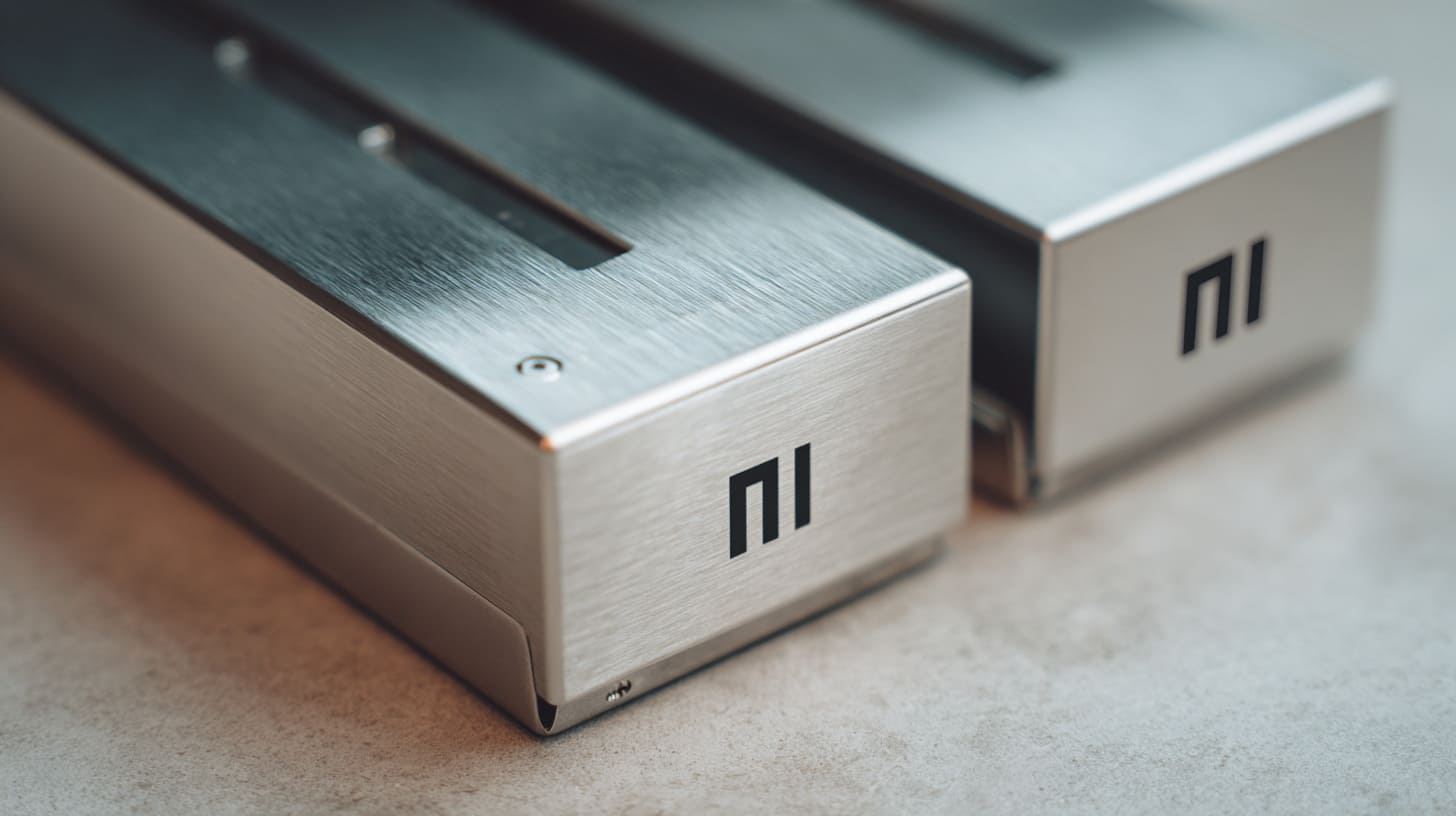
I’ve helped buyers choose methods based on their MOQ and budget. Silk screen for cheap, laser for clean. Your brand deserves to show up well.
What’s the MOQ and lead time for custom sheet metal enclosures from China?
Let’s keep it real—this is where most people start the conversation.
Typical MOQ is 100–200 pcs, and lead time is 15–25 days depending on complexity.
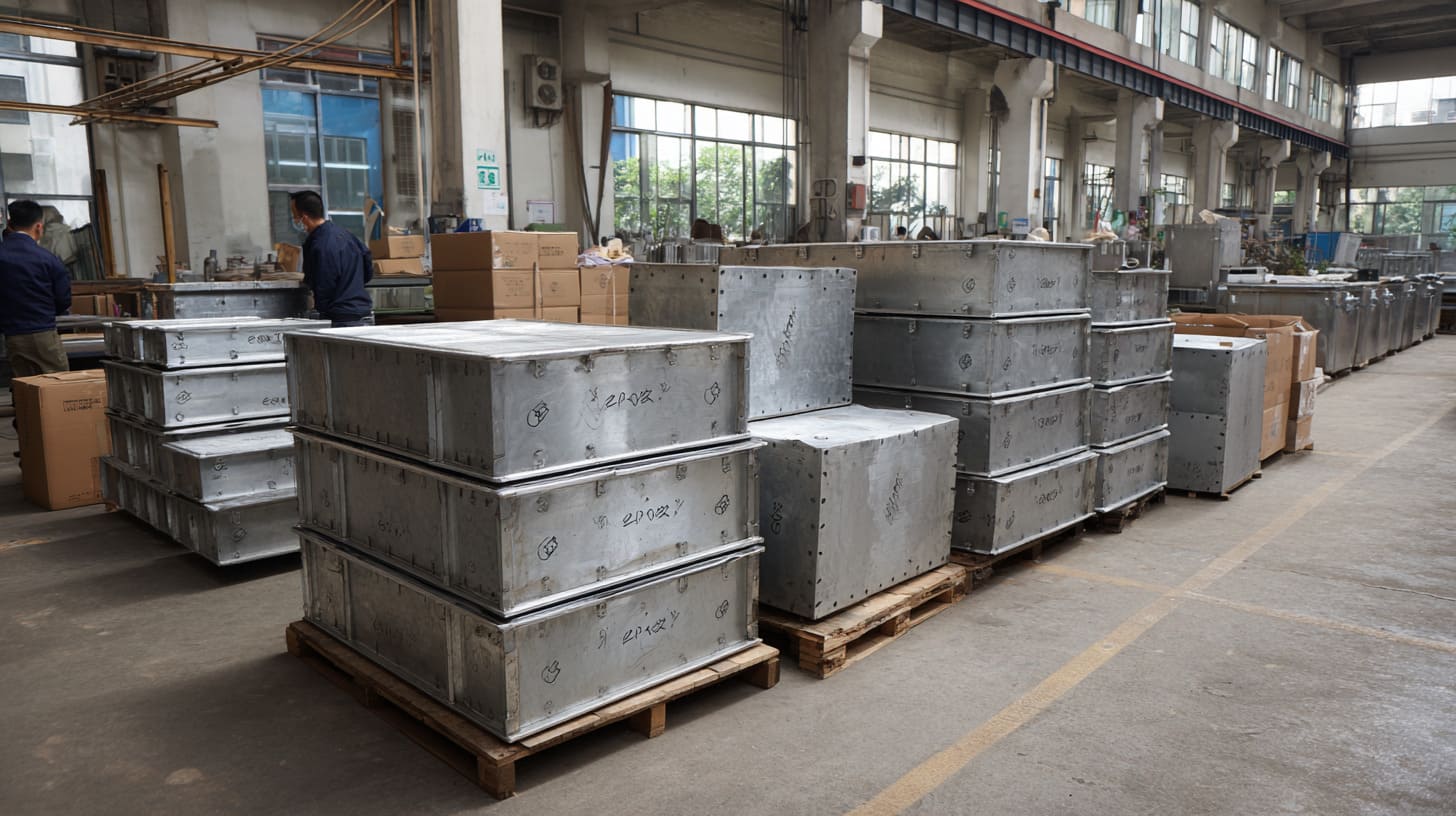
I’ve worked with startups that needed just 50 heavy-duty boxes. For those, we made exceptions. But for most orders? MOQ helps us keep setup costs down and quality high.
Conclusion
Sheet metal enclosures are more than just boxes—they're custom-fit armor for your ideas.