Skip to content
It usually starts with a quick request from a client—“Can you make it in polycarbonate?”
Sounds simple. But what they’re really asking is: Can it handle pressure, heat, impact, and time?
Polycarbonate is incredibly strong for enclosures—impact-resistant, weather-tough, and widely trusted in industrial applications.
I’ve dropped it, drilled it, baked it under heat lamps, and still seen it come out swinging. But like everything in this industry, the real answer is: It depends.
How much weight can polycarbonate hold?
It depends on the thickness and shape, but it’s way tougher than it looks.
A standard polycarbonate panel can support over 200 times its weight without breaking.
Real-world load capacity
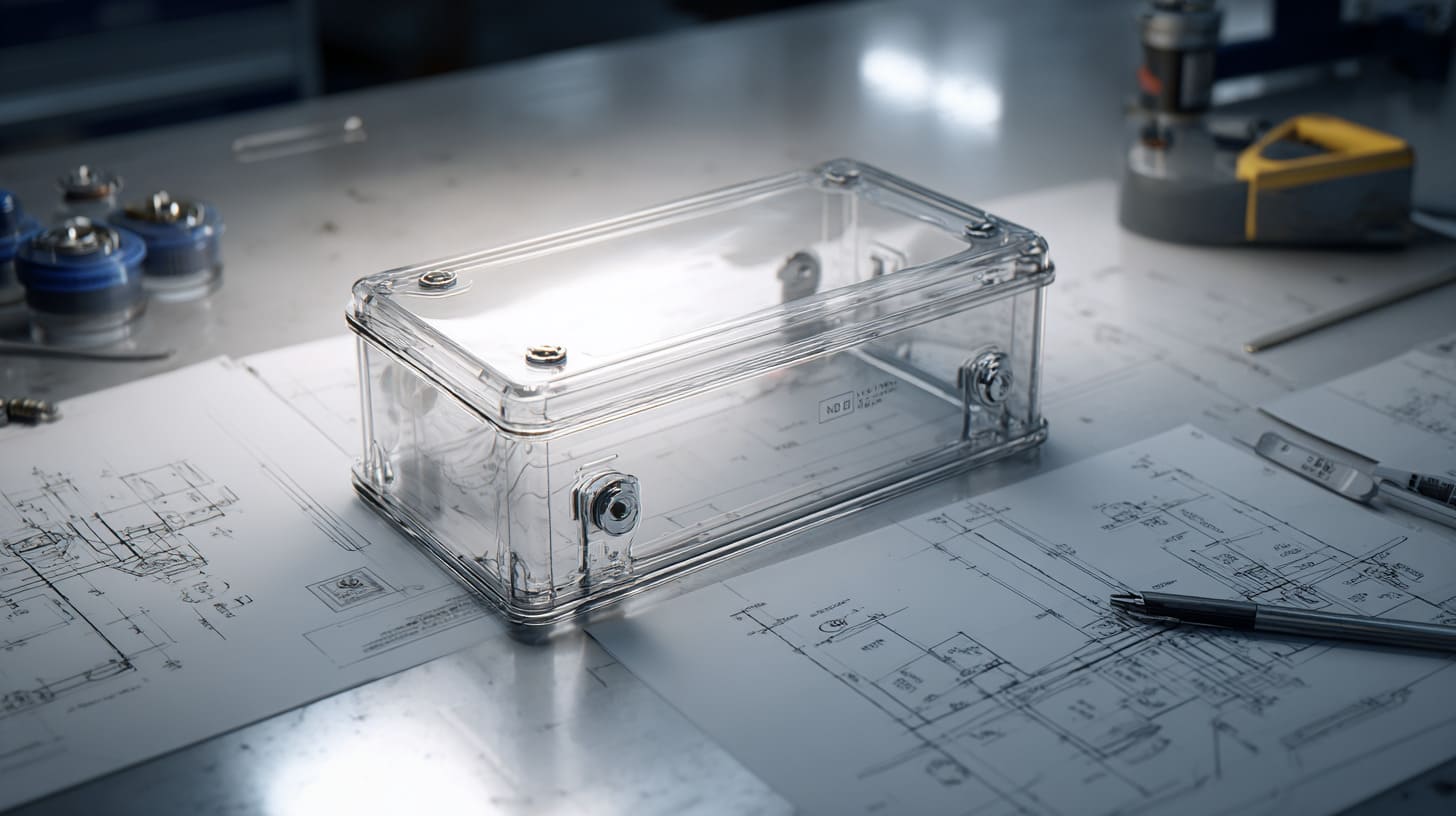
I've seen a 6mm thick polycarbonate enclosure easily support the weight of a grown man. And in one of our outdoor sensor projects, the casing held firm under snow loads for three winters straight.
| Thickness (mm) | Approx. Weight Capacity (kg, flat panel) |
|---|---|
| 3 mm | ~100 kg |
| 6 mm | ~250 kg |
| 10 mm | ~500 kg |
What are the disadvantages of polycarbonate?
It’s not invincible. No material is.
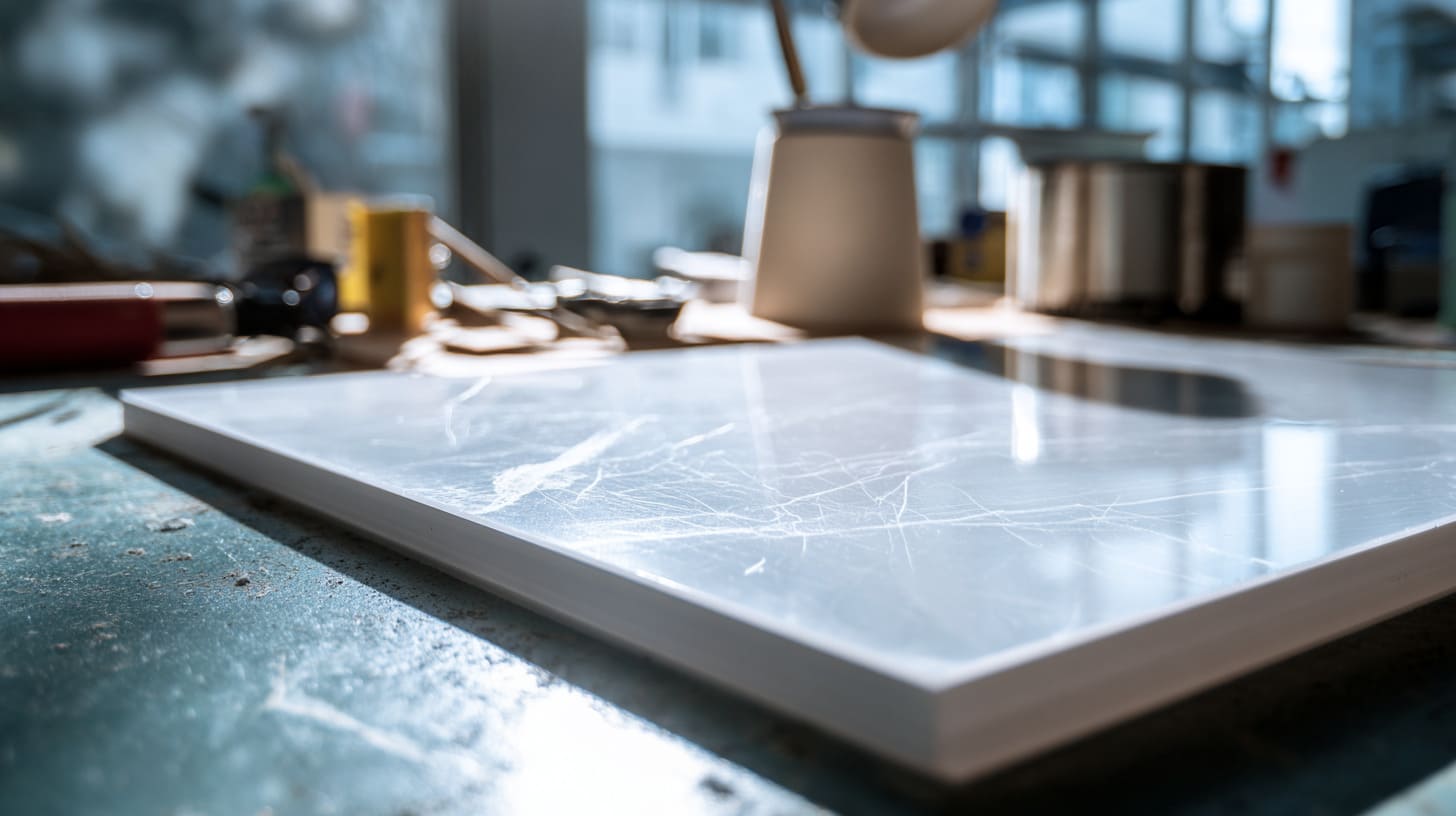
Polycarbonate can scratch easily, may yellow under constant UV, and is more expensive than some plastics.
When polycarbonate becomes the wrong choice
Here’s where it trips up:
- Aesthetic damage: It’s easy to scuff if not protected.
- Chemical sensitivity: Some solvents can cause stress cracking.
- Price: Often 2–3x more than acrylic.
For indoor-only use, acrylic might win on looks and cost.
Is polycarbonate stronger than steel?
Sounds like a wild comparison—but it’s not about brute force.
Polycarbonate is not stronger than steel in compression but absorbs impact better pound-for-pound.
Think impact vs. crush
Steel wins in rigidity. Polycarbonate wins in resilience. I once saw a steel box dent like foil under a forklift. A polycarbonate cover in the same spot? Flexed and bounced back.
Does polycarbonate crack easily?
Not unless you're trying to hurt it.
Polycarbonate is highly resistant to cracking and almost impossible to shatter under normal stress.
What it handles—and what it hates
- It shrugs off hammers.
- It flexes instead of snapping.
- But—sharp solvents or extreme cold can stress it.
Is polycarbonate stronger than acrylic for electrical enclosures?
Absolutely, especially when safety and impact matter.
Polycarbonate is stronger and safer than acrylic for electrical enclosures.
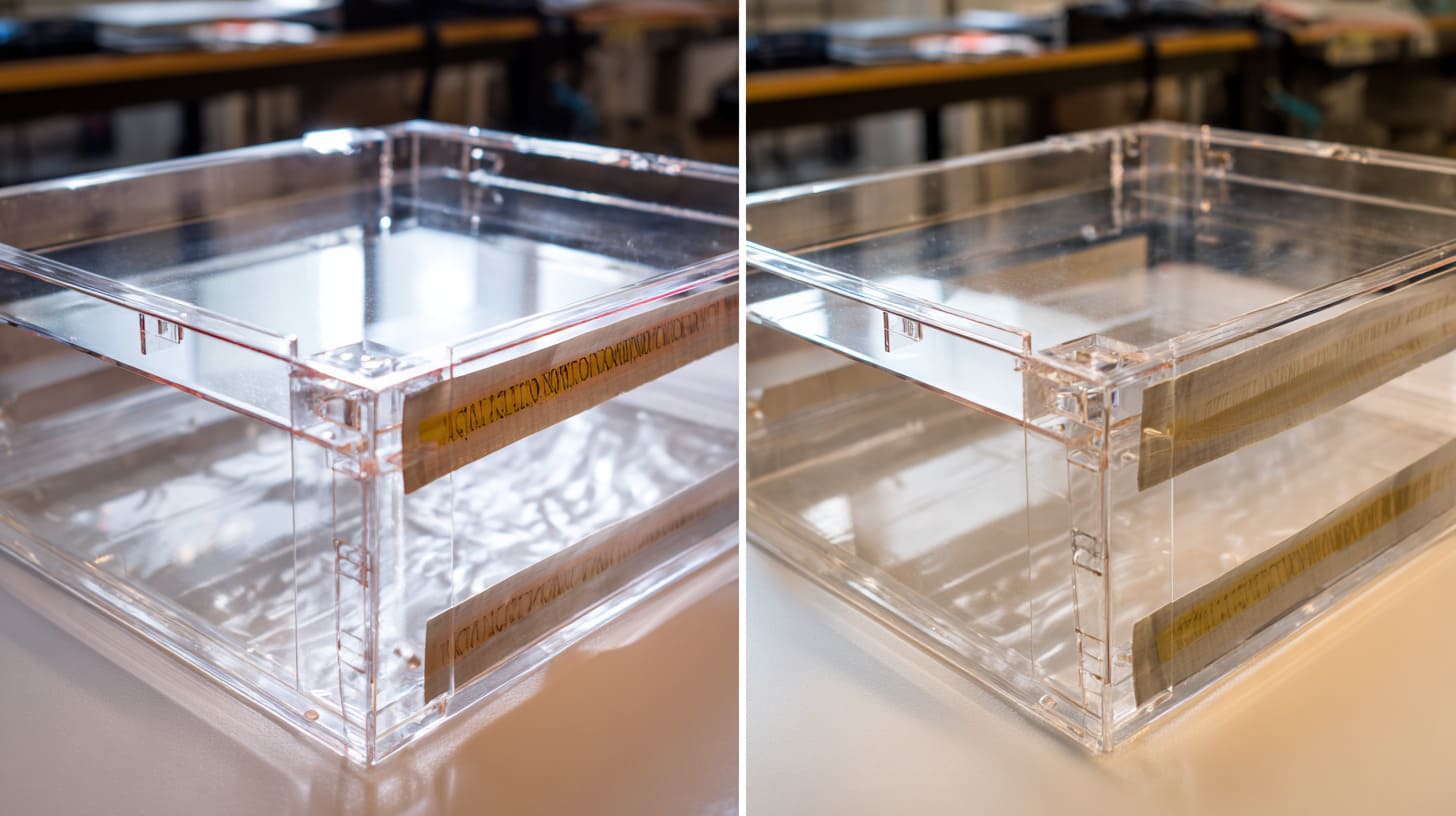
Acrylic vs Polycarbonate: Quick comparison
| Property | Acrylic | Polycarbonate |
|---|---|---|
| Impact strength | Low | Very high |
| Flammability | Higher risk | Flame-retardant |
| Machinability | Easy | Moderate |
Can polycarbonate enclosures handle outdoor weather and UV exposure?
Yes, if the grade is right.
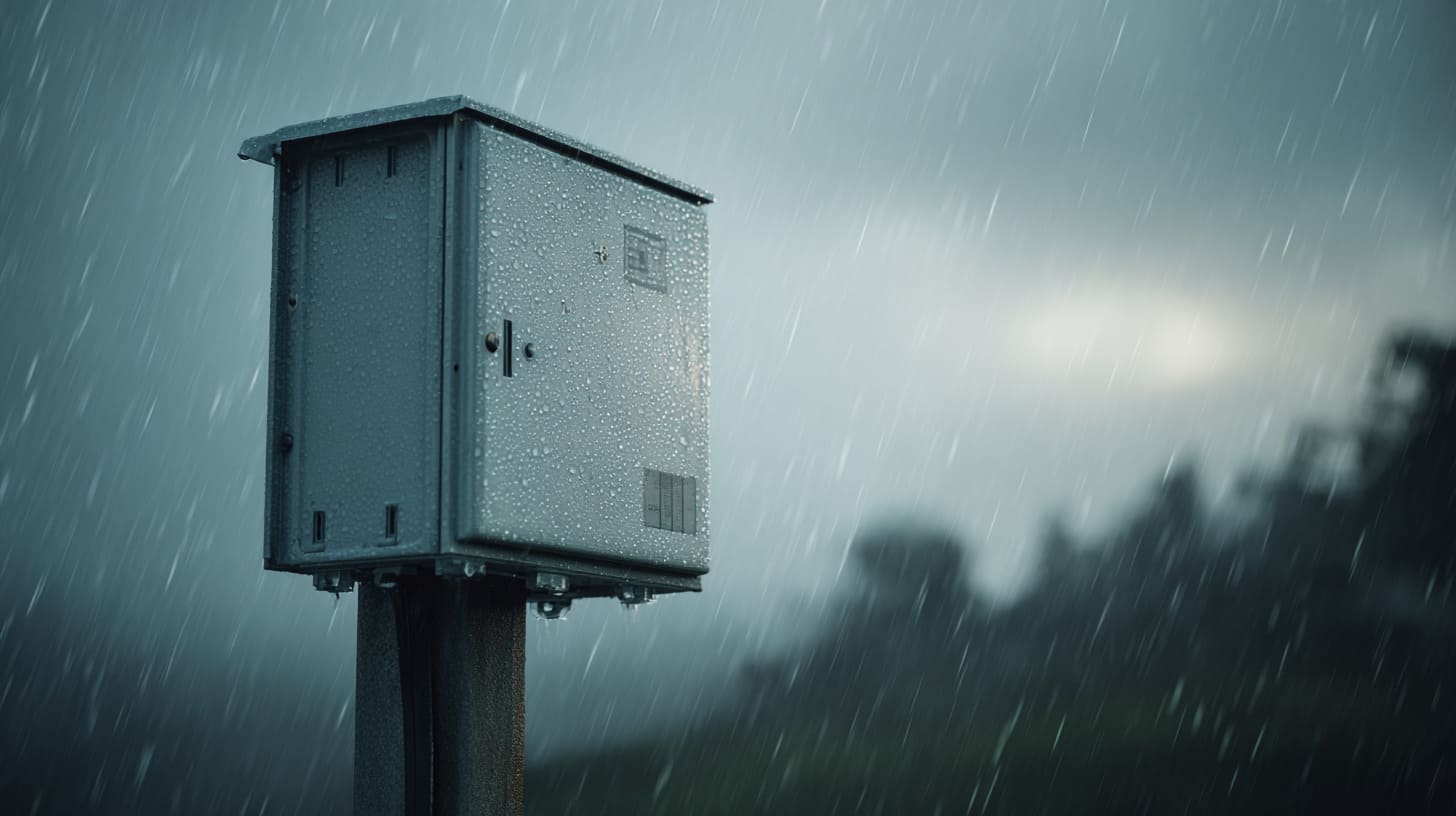
UV-stabilized polycarbonate enclosures perform well outdoors for years.
What we’ve seen in field tests
Our enclosures on telecom poles in coastal Japan? Still solid after 5 years, no cracks, no warping.
But regular-grade sheets might yellow if exposed directly to sun for too long.
How does polycarbonate compare to aluminum in terms of strength and impact resistance?
They’re both tough—but in different ways.
Polycarbonate absorbs shock better, while aluminum resists deformation better.
Polycarbonate vs Aluminum
| Property | Polycarbonate | Aluminum |
|---|---|---|
| Impact resistance | ★★★★★ | ★★★☆☆ |
| Corrosion proof | Yes | Needs coating |
| Weight | Light | Light |
| Custom shapes | Easier to mold | Requires tooling |
What temperatures can polycarbonate enclosures withstand without deforming?
It can take heat—but there’s a limit.
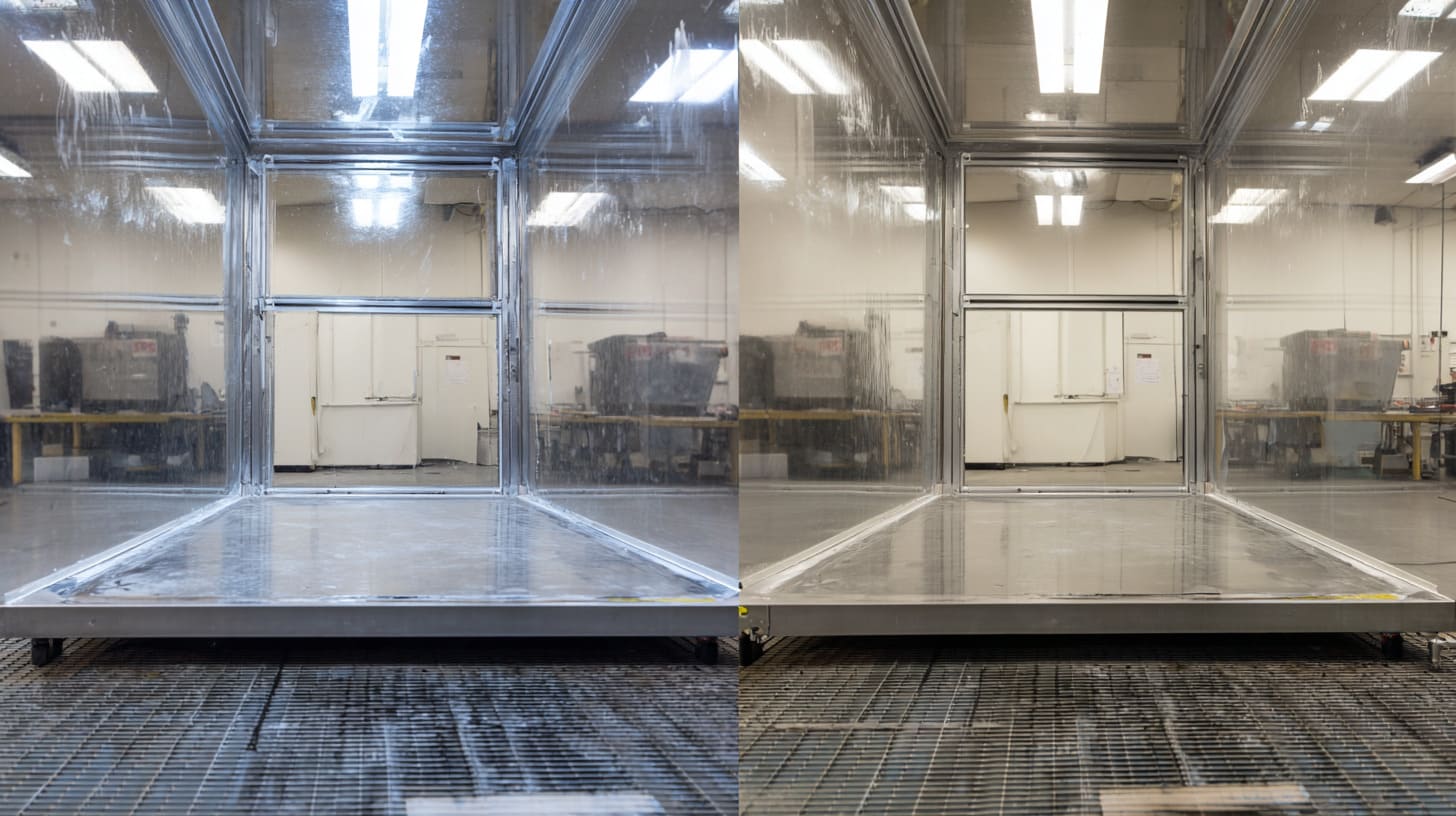
Polycarbonate holds shape up to 120°C, softens above that.
Application temperatures
- Continuous use: 100–110°C
- Short exposure: Up to 130°C
- Cold resistance: Down to -40°C
Is polycarbonate a good material for waterproof or IP-rated enclosures?
Yes—if designed right.
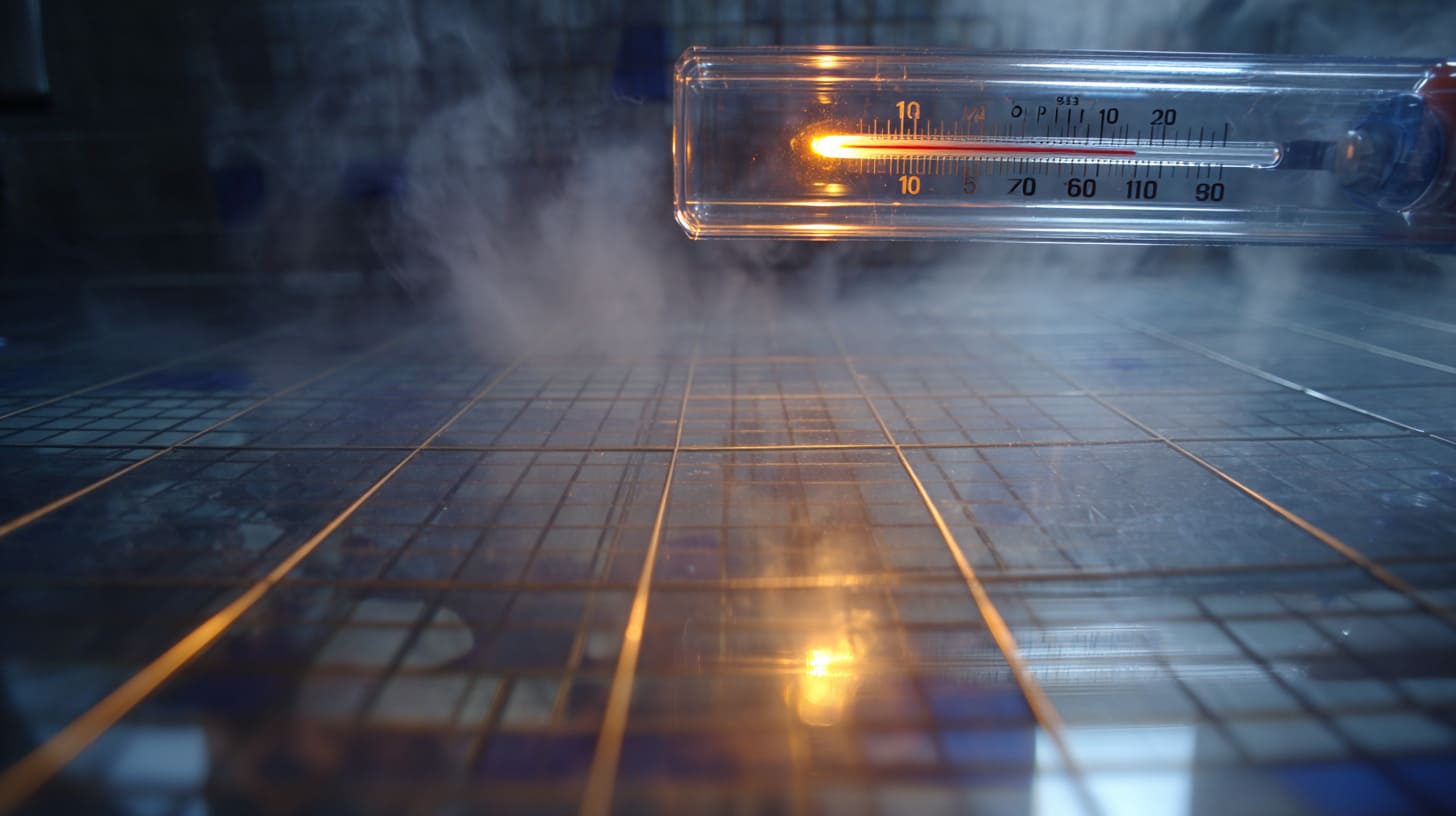
Polycarbonate enclosures can be sealed to meet IP65, IP66, even IP68 ratings.
How to make it waterproof
- Use silicone gaskets
- Mold in tongue-and-groove
- Add external latches for tight closure
We’ve done dozens of IP-rated builds with zero failures in leak tests.
How thick should a polycarbonate enclosure be for industrial use?
Depends on use, but thicker is safer.
For most industrial cases, 3mm to 6mm polycarbonate is ideal.

My quick guide
| Use case | Recommended Thickness |
|---|---|
| Light-duty indoor box | 2–3 mm |
| Outdoor or wall-mounted | 3–5 mm |
| Heavy-duty floor case | 6 mm+ |
Can I drill or machine polycarbonate enclosures without cracking them?
Yes—if you treat it right.
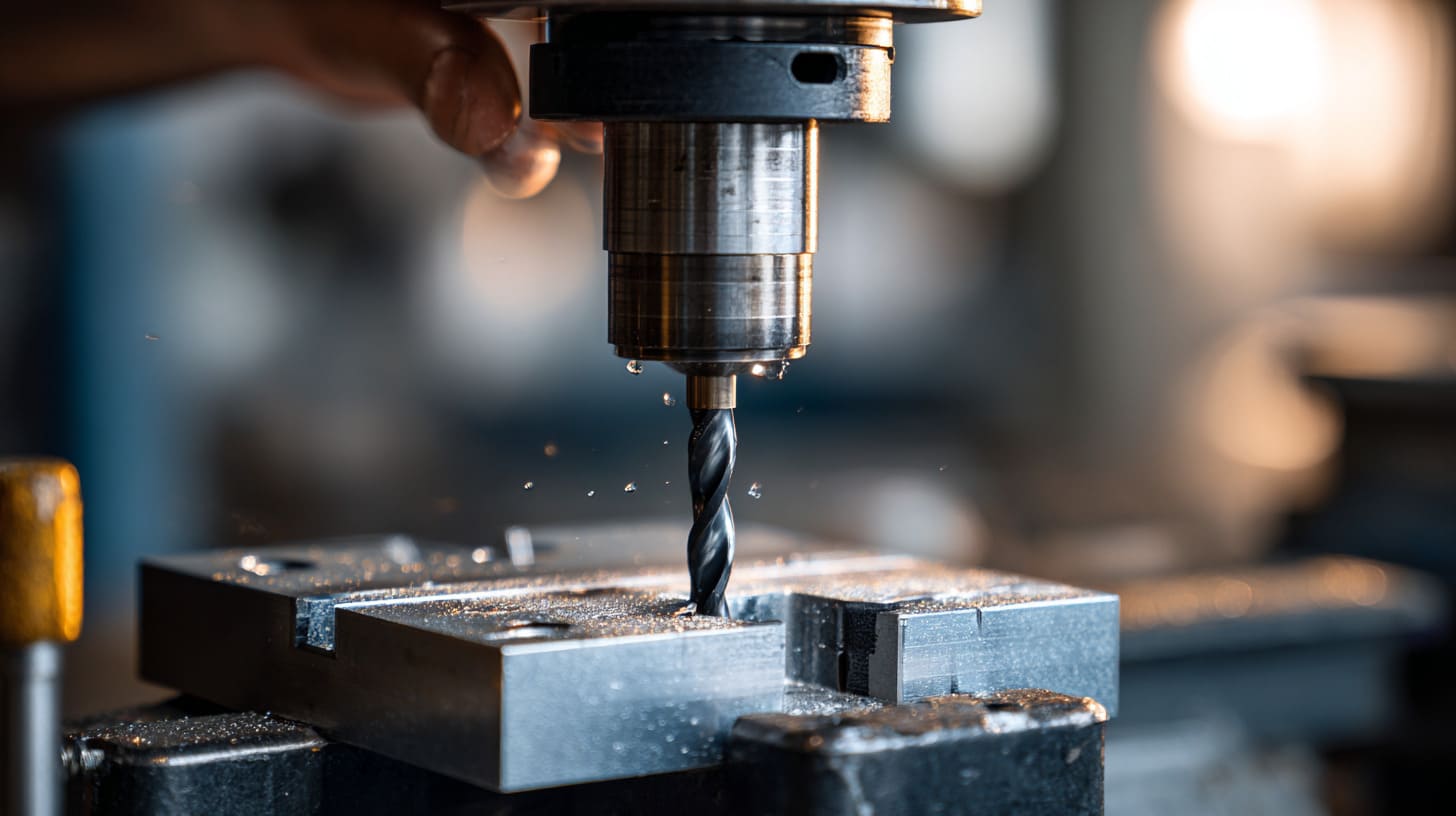
Polycarbonate can be machined, drilled, and milled safely with sharp tools.
My tips
- Use low speed, high feed
- Keep it cool—avoid friction heat
- Use brad-point or plastic bits
- Deburr edges to avoid stress points
Is polycarbonate compliant with safety and flame-retardant standards like UL94 or ROHS?
Yes, most grades are.
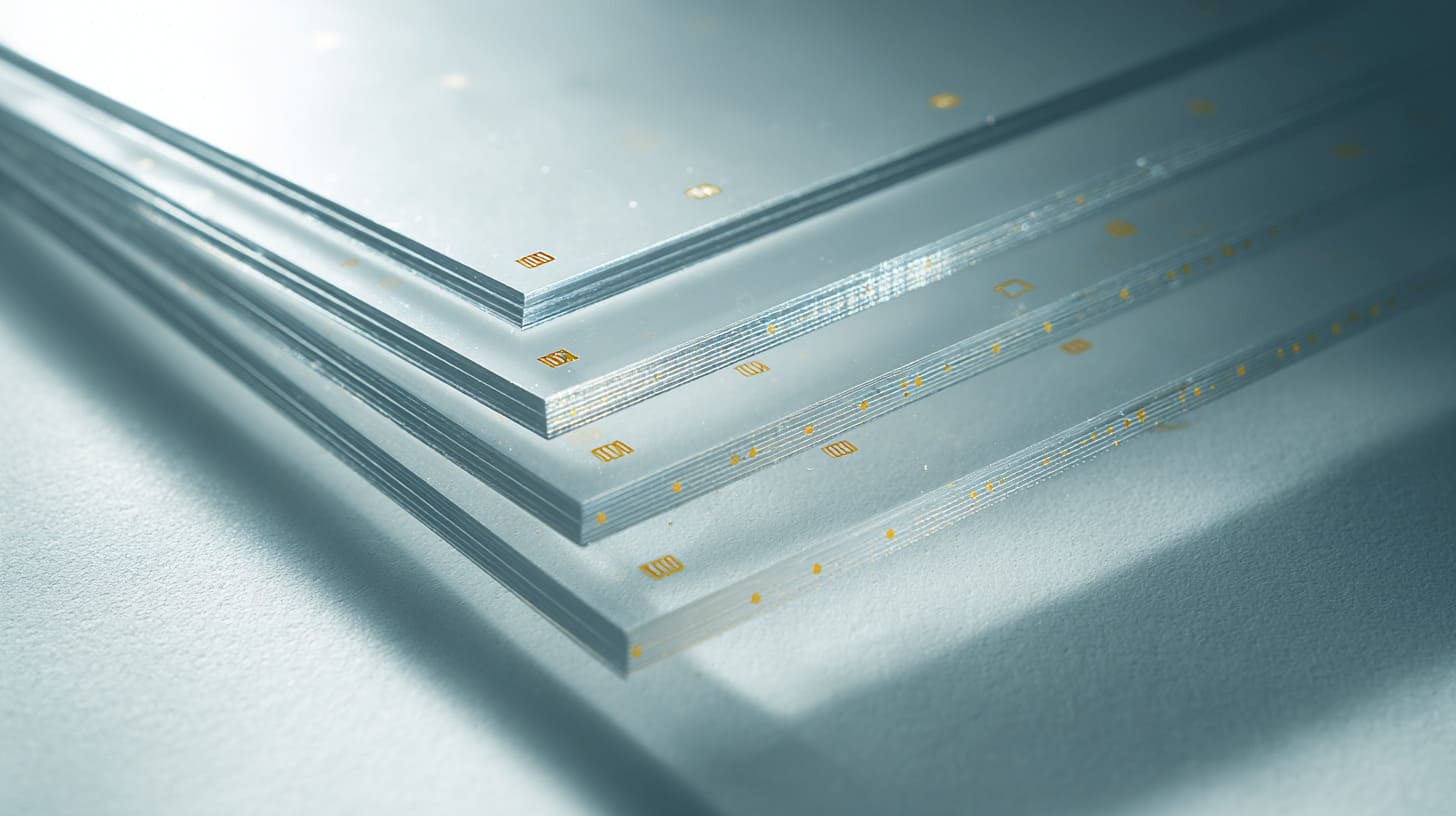
UL94 V-0 and ROHS-compliant polycarbonate is widely available.
What to check
- Ask for UL94 V-0 certification
- Request datasheet from your supplier
- Many industrial sheets are ROHS, REACH approved
What are the pros and cons of using polycarbonate for custom enclosure designs?
It depends on your priorities.
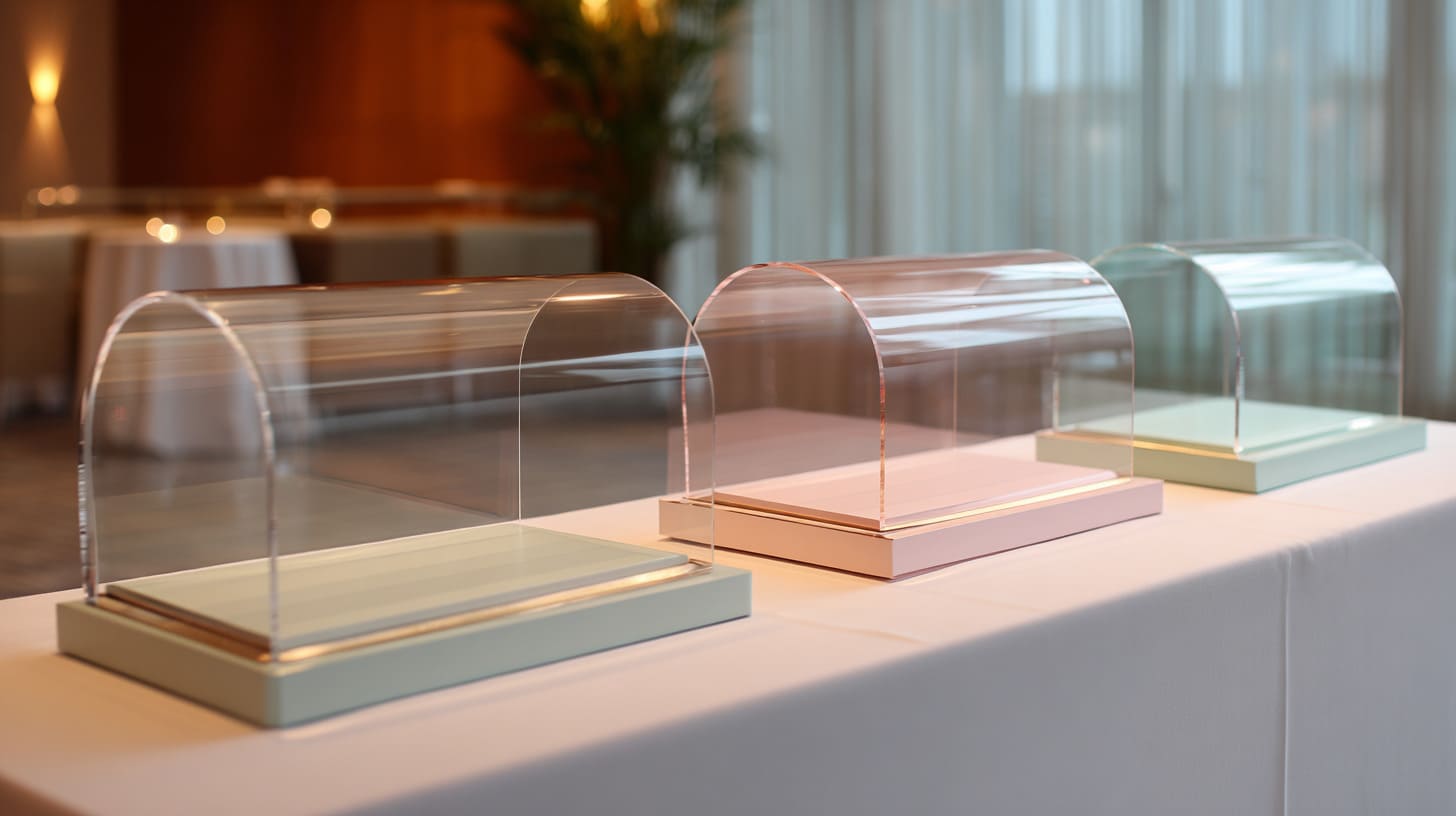
Polycarbonate is great for strength, clarity, and safety—but not always cheapest.
Summary table
| Pros | Cons |
|---|---|
| High impact strength | Can scratch easily |
| UV-stable options available | More costly than acrylic |
| Flame-retardant, safe | Needs care when machining |
| Transparent or tinted choices | May yellow over time (non-UV) |
How long do polycarbonate enclosures last under harsh industrial conditions?
Longer than most people expect.
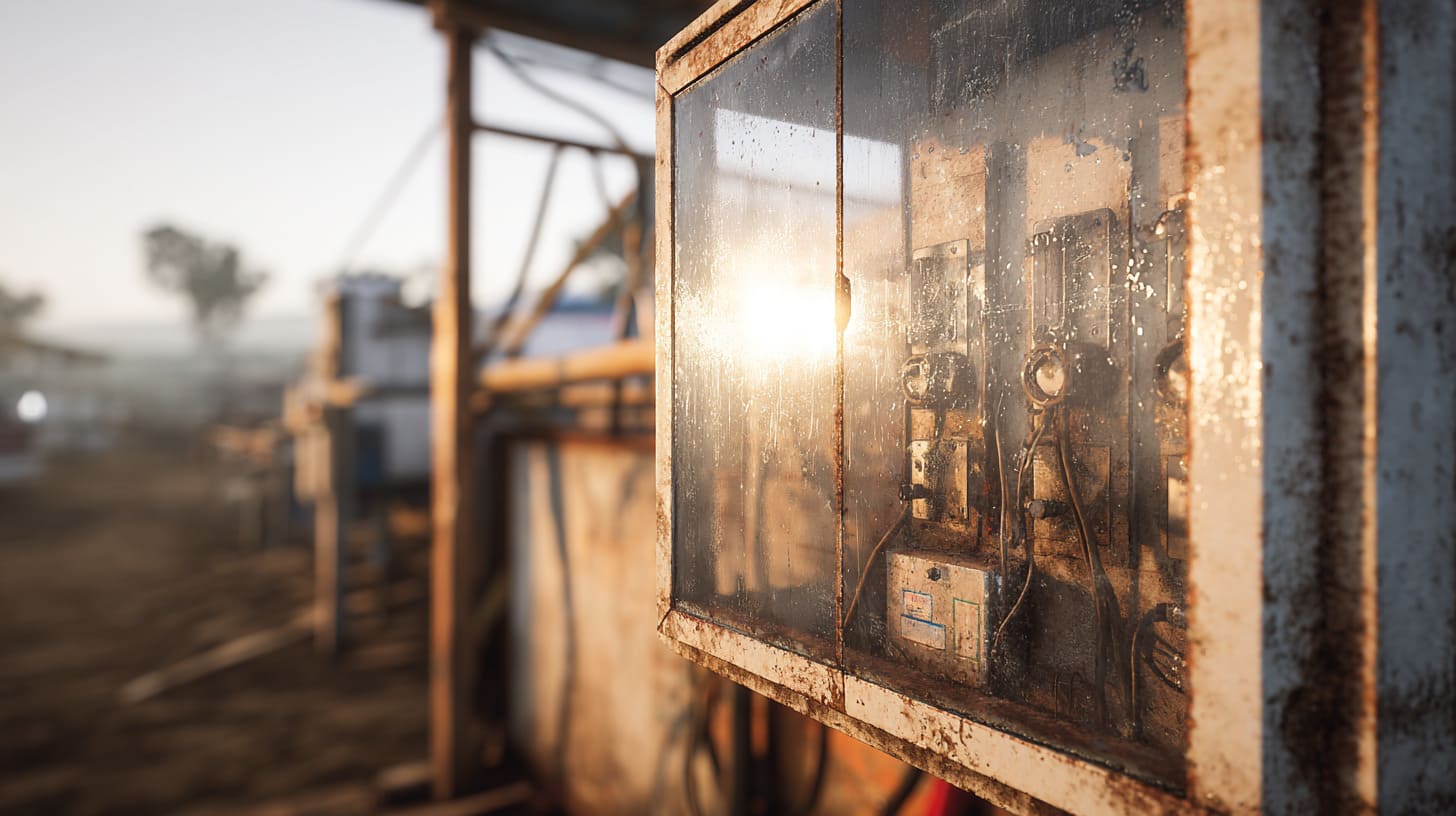
With proper design, polycarbonate enclosures can last 10–15 years in tough environments.
Real durability, proven over time
We’ve shipped control boxes to dusty mines, freezing storage units, and high-humidity greenhouses. Most are still running strong, with only surface wear. The structure? Still holding like day one.
Conclusion
Polycarbonate enclosures are tough, flexible, and built to last.