Skip to content
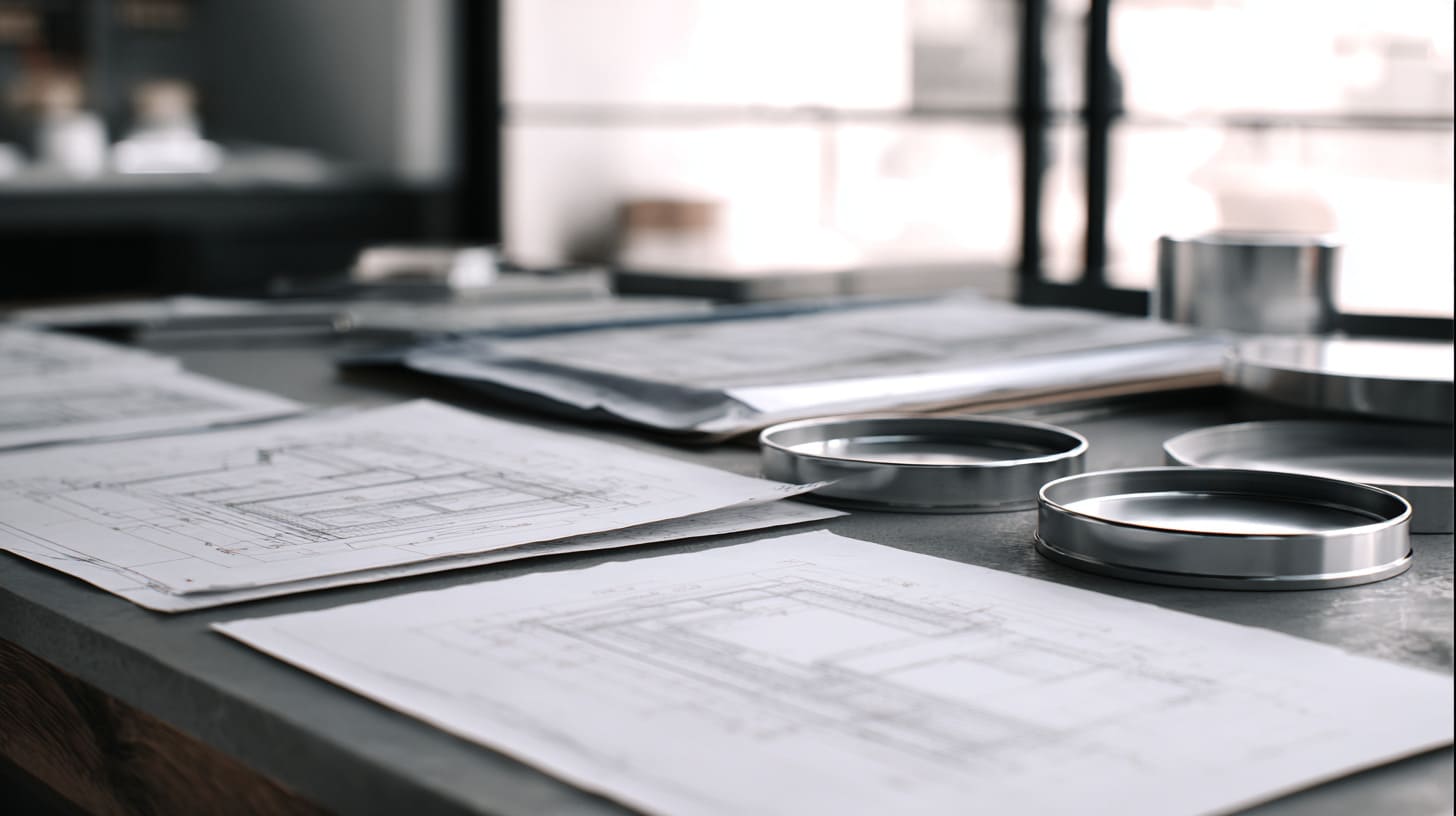
The email itself looked harmless.
Two drawings attached. One short message.
“Vincent, which stainless steel should we use? The client mentioned 316.”
No urgency. No explanation. Just that line.
I see messages like this all the time. Buyers already did most of the hard work.
They finished the design. They confirmed sizes. They aligned on finish.
Then stainless steel appears at the very end, almost like a checkbox.
That is where confusion starts.
Most people know stainless steel is “better.” But better how?
Better than aluminum? Better than carbon steel? Or just better because the number is higher?
In enclosure projects, choosing the wrong stainless steel grade rarely causes an immediate failure.
Instead, it shows up later as higher cost, slower fabrication, or corrosion in places no one expected.
This guide is for product engineers, OEM buyers, and custom enclosure users who want to make that choice with clarity, not habit.
What Is Stainless Steel?
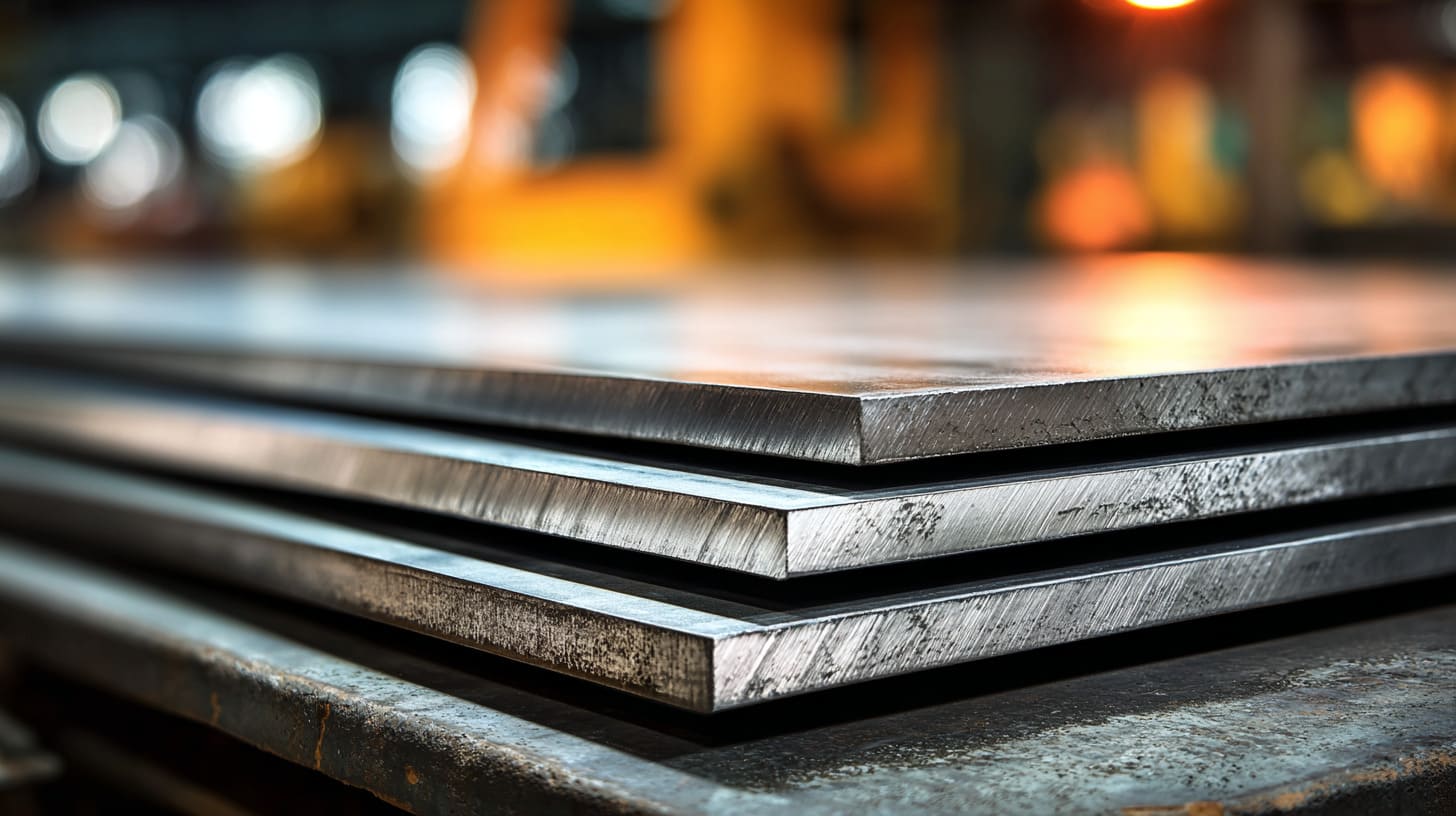
I like to explain stainless steel in plain words, not textbook ones.
Basic definition and composition
Stainless steel is steel with chromium added.
That is the core idea.
Most grades include:
- Iron
- Chromium
- Small amounts of nickel, molybdenum, or carbon
Each element changes how the metal behaves.
Why chromium content is critical
Chromium forms a thin protective layer on the surface.
You cannot see it. But it blocks rust.
If chromium drops too low, that layer breaks.
When it breaks, corrosion starts.
That is why stainless steel is “stainless,” not “rust-proof.”
Stainless steel vs carbon steel vs aluminum
I often summarize it like this:
| Material | Corrosion Resistance | Strength | Weight | Typical Cost |
|---|---|---|---|---|
| Carbon steel | Low | High | Heavy | Low |
| Aluminum | Medium | Medium | Light | Medium |
| Stainless steel | High | High | Heavy | High |
Each has a place.
Problems start when buyers expect one metal to act like another.
Before talking about grades, we need to understand how stainless steel is grouped.
How Stainless Steel Is Classified
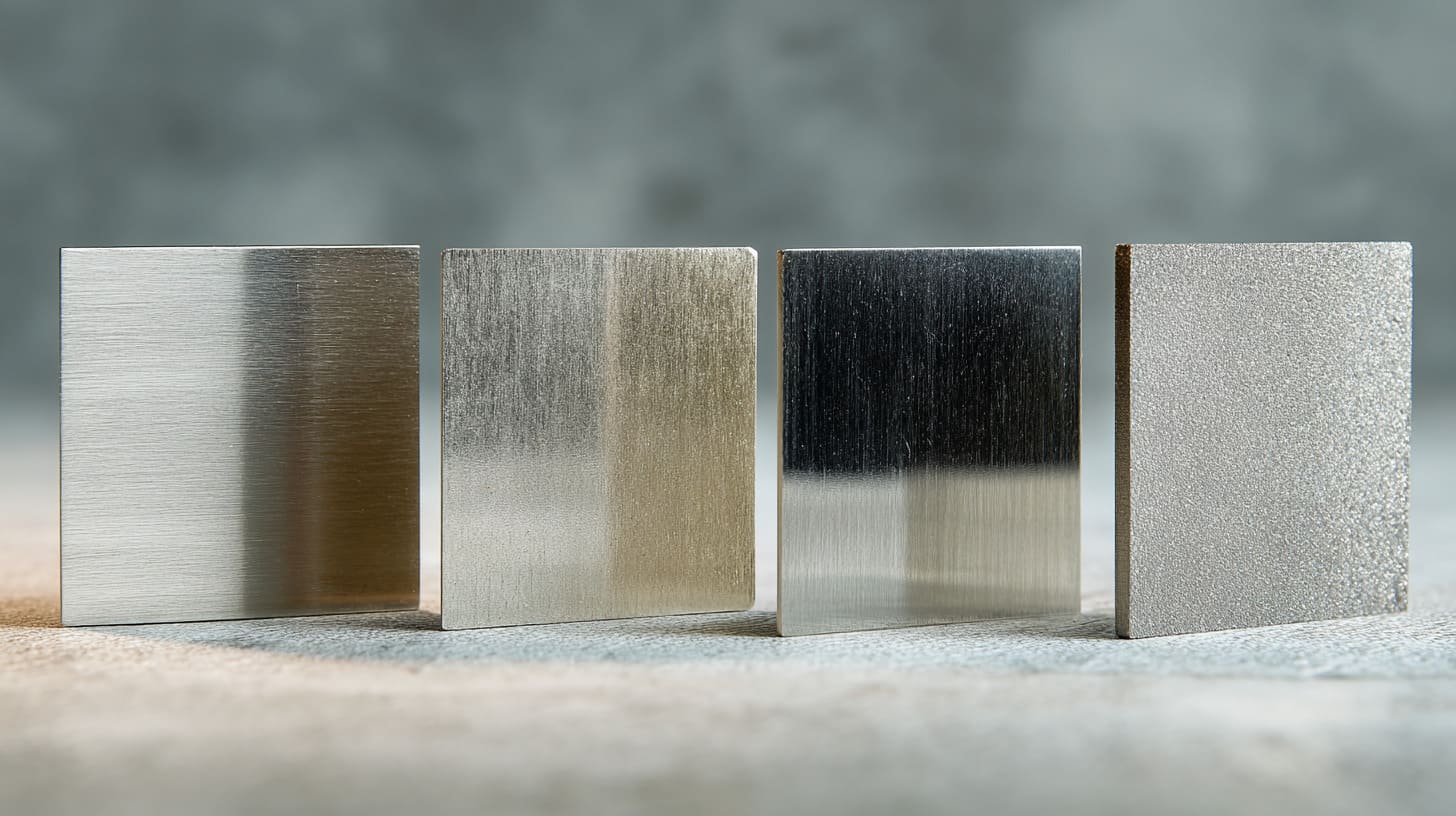
Not all stainless steel behaves the same.
Families matter more than numbers.
Main stainless steel families
The main families are:
- Austenitic
- Ferritic
- Martensitic
- Duplex
- Precipitation-hardening (PH)
Each family has a different internal structure.
That structure controls strength, magnetism, and corrosion.
Why grades exist within each family
Grades fine-tune behavior.
They change:
- Mechanical strength
- Corrosion resistance
- How easy it is to bend, weld, or machine
I tell buyers this often:
Pick the family first. Then pick the grade.
That leads us to the most common family in enclosures.
Austenitic Stainless Steel Grades
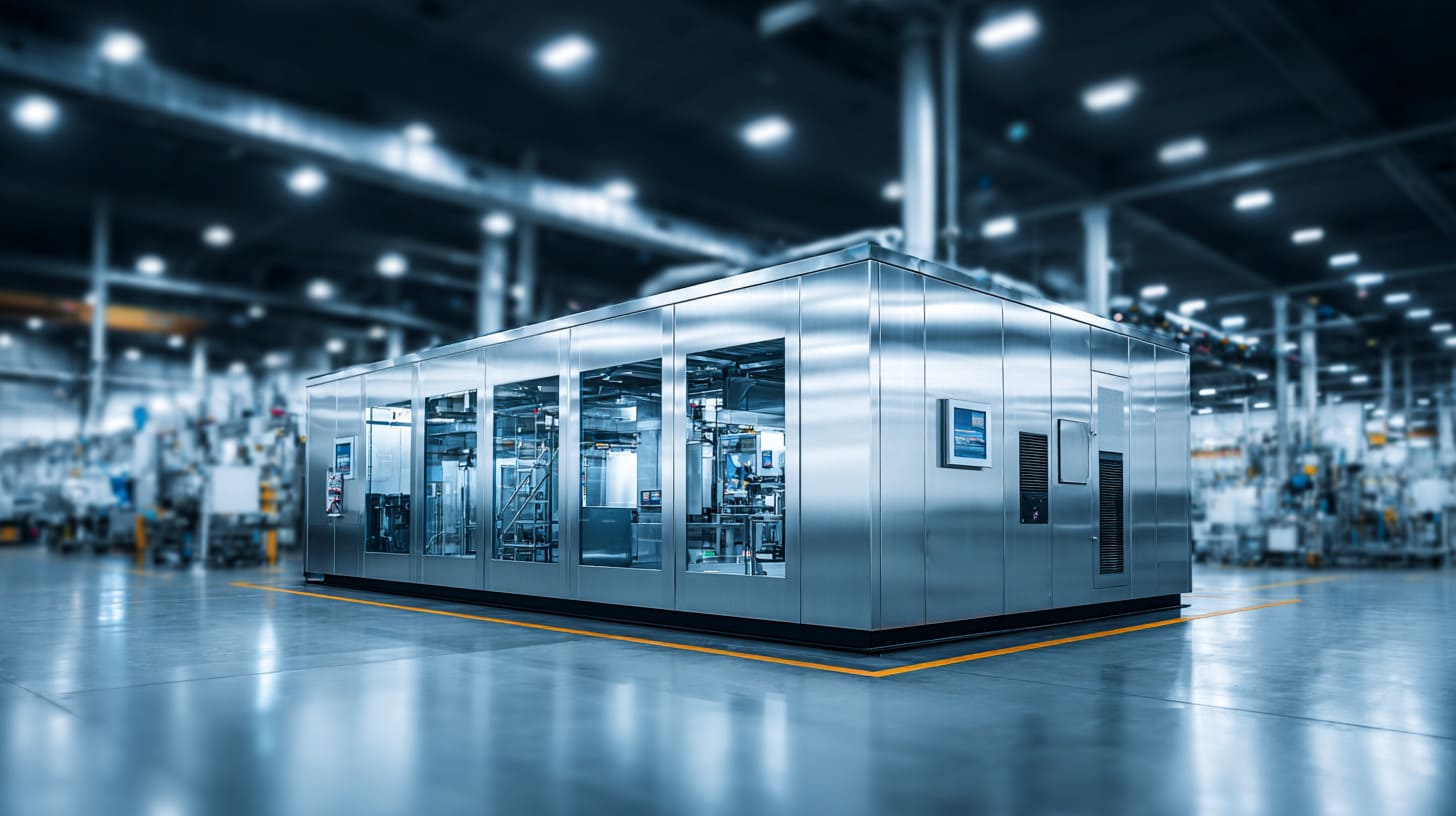
If stainless steel were a city, austenitic grades would be downtown.
Overview of austenitic stainless steel
Austenitic steel is:
- Non-magnetic
- Easy to form
- Strong against corrosion
That is why most enclosure projects start here.
Common grades and uses
| Grade | Key Feature | Typical Use |
|---|---|---|
| 304 | Balanced performance | Indoor and outdoor enclosures |
| 316 | Better chloride resistance | Marine, coastal, chemical |
| 321 | Stable at high heat | High-temperature equipment |
Pros and limitations for enclosures
Pros:
- Clean surface finish
- Stable welding
- Wide supply chain
Limits:
- Higher cost
- Slower machining than aluminum
When buyers move away from austenitic steel, it is often for cost reasons.
That brings us to ferritic grades.
Ferritic Stainless Steel Grades
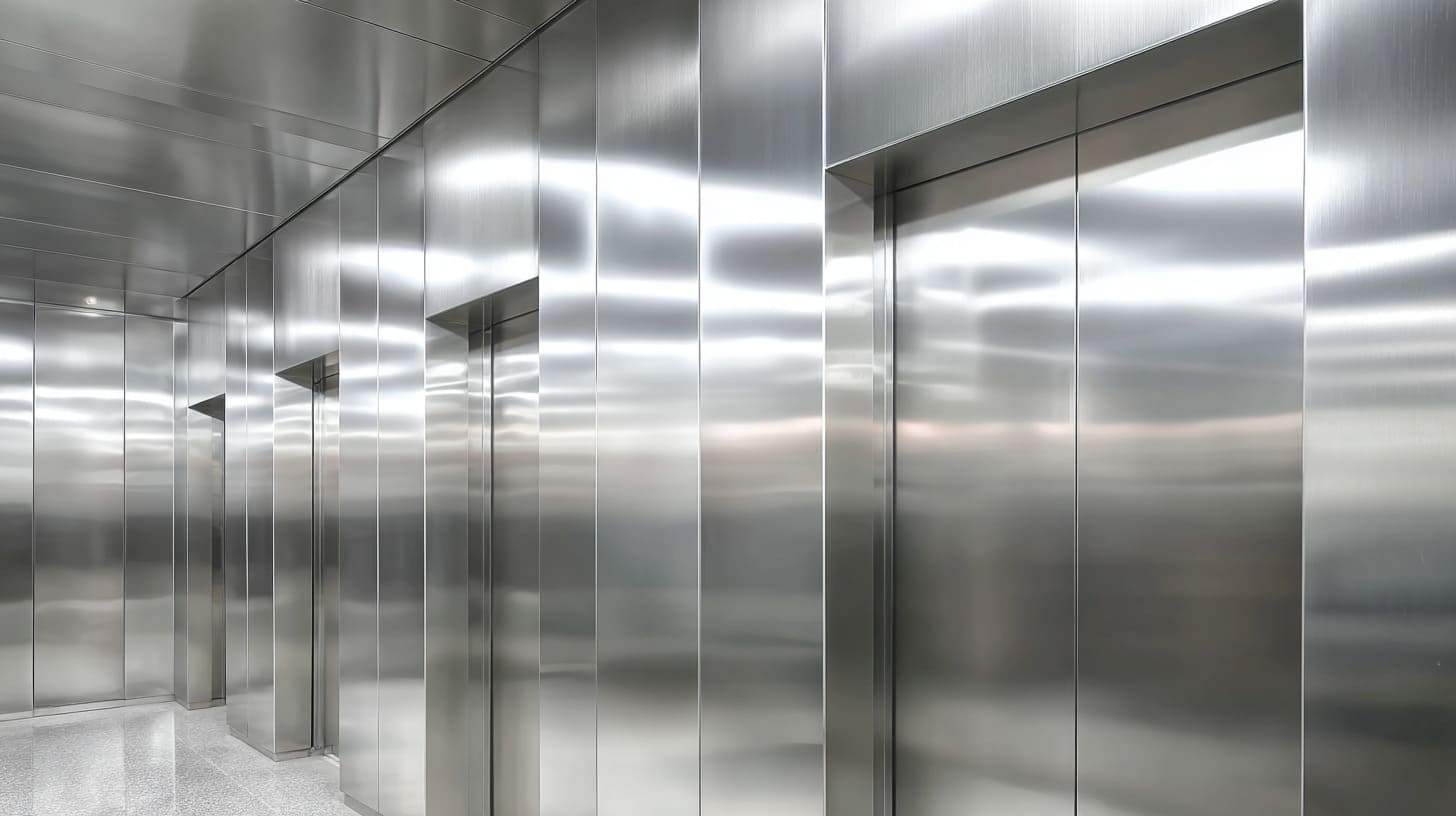
Ferritic steel does not get much attention.
That is a mistake.
What makes ferritic stainless steel different
Ferritic steel:
- Is magnetic
- Uses less nickel
- Costs less
That last point matters when volumes rise.
Common ferritic grades
| Grade | Feature | Note |
|---|---|---|
| 430 | Decorative finish | Indoor use |
| 409 | Heat resistance | Automotive parts |
Typical applications
Ferritic grades fit:
- Indoor enclosures
- Panels with low moisture exposure
- Appliance housings
When ferritic steel is a smart cost-saving option
If corrosion risk is low, ferritic steel can save real money.
But it needs honest evaluation.
Some buyers skip it out of habit.
Others use it without checking environment. Both are risky.
Now let’s look at a family that behaves very differently.
Martensitic Stainless Steel Grades
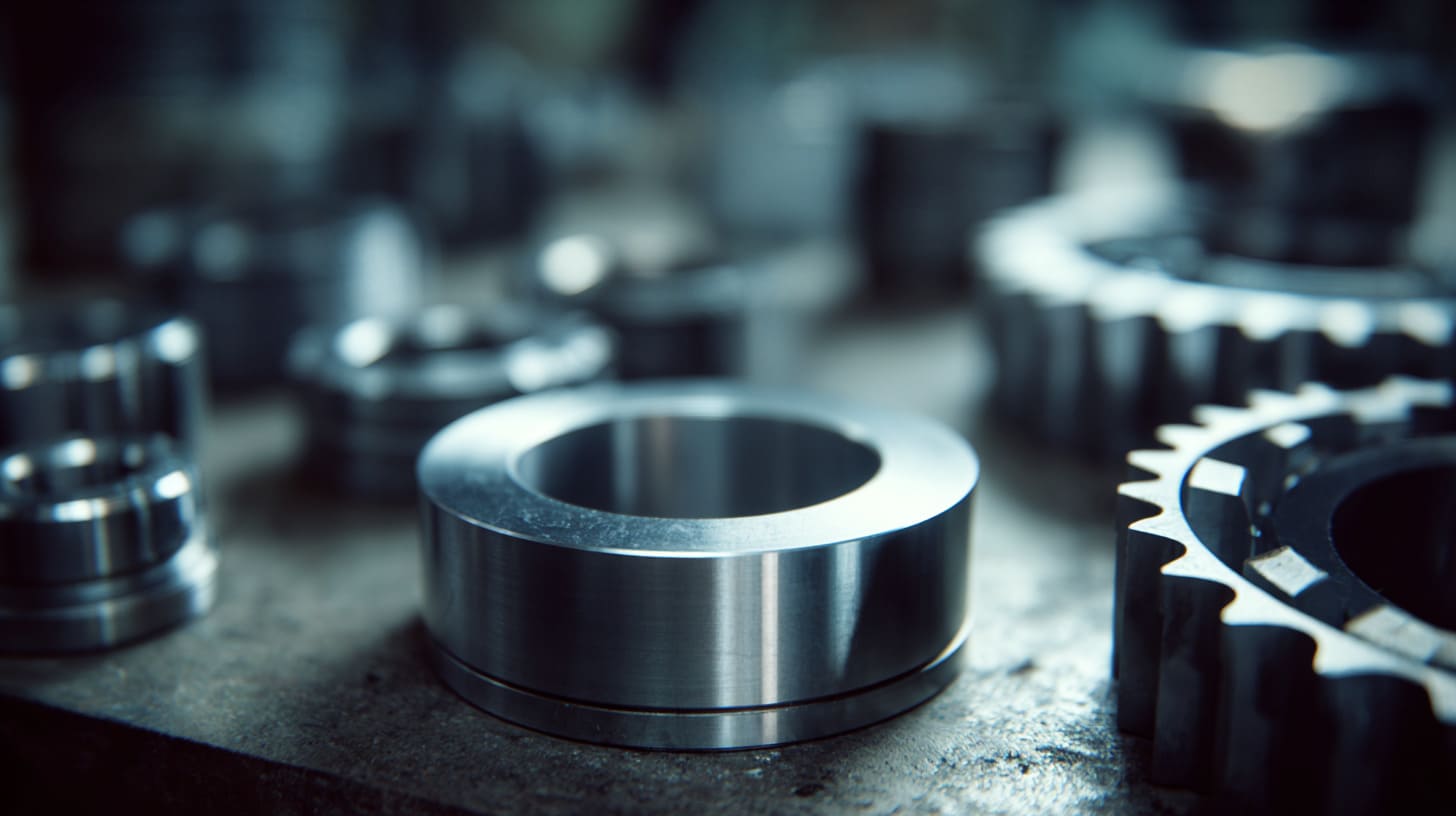
Martensitic steel feels strong.
That strength can mislead buyers.
Structural characteristics
Martensitic steel offers:
- High hardness
- High strength
- Lower corrosion resistance
It behaves more like tool steel.
Common martensitic grades
| Grade | Strength | Corrosion |
|---|---|---|
| 410 | Medium | Low |
| 420 | High | Lower |
Industrial and mechanical uses
These grades suit:
- Shafts
- Blades
- Wear parts
Why martensitic steel is rarely used for enclosures
Enclosures need balance.
Martensitic steel pushes strength too far and corrosion too low.
That imbalance often causes regret later.
For harsh environments, another family works better.
Duplex Stainless Steel Grades
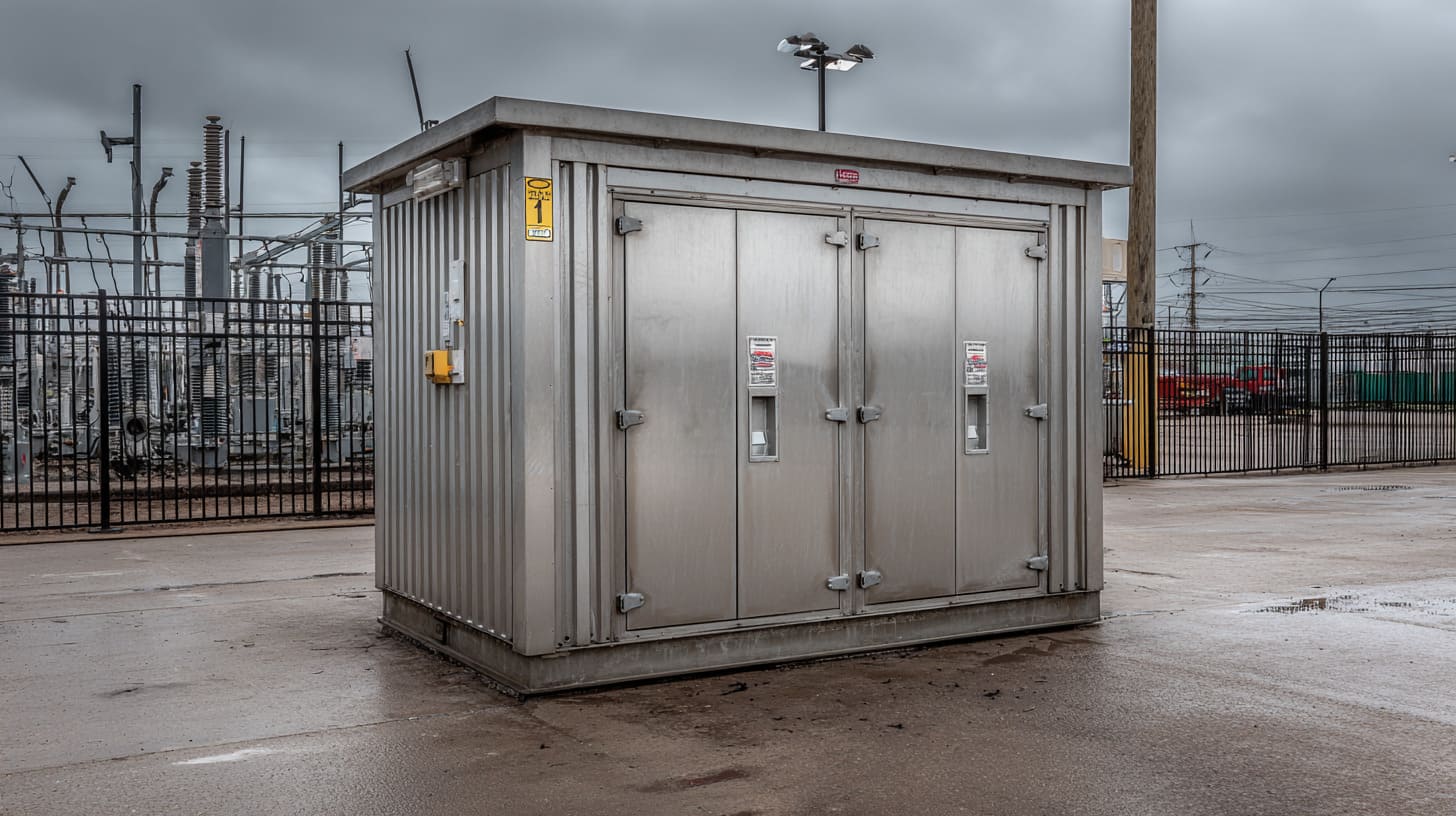
Duplex steel combines two worlds.
What duplex stainless steel is
Duplex steel mixes:
- Austenitic structure
- Ferritic structure
This mix changes everything.
Key grades and properties
| Grade | Strength | Corrosion |
|---|---|---|
| 2205 | Very high | Very high |
Strength and corrosion advantages
Duplex steel:
- Handles chlorides well
- Allows thinner walls
- Resists stress cracking
Typical industrial environments
I see duplex steel used in:
- Offshore equipment
- Chemical plants
- Heavy-duty outdoor cabinets
It costs more.
But in the right place, it saves more.
Now let’s talk about a family many buyers hear about but rarely need.
Precipitation-Hardening (PH) Stainless Steel
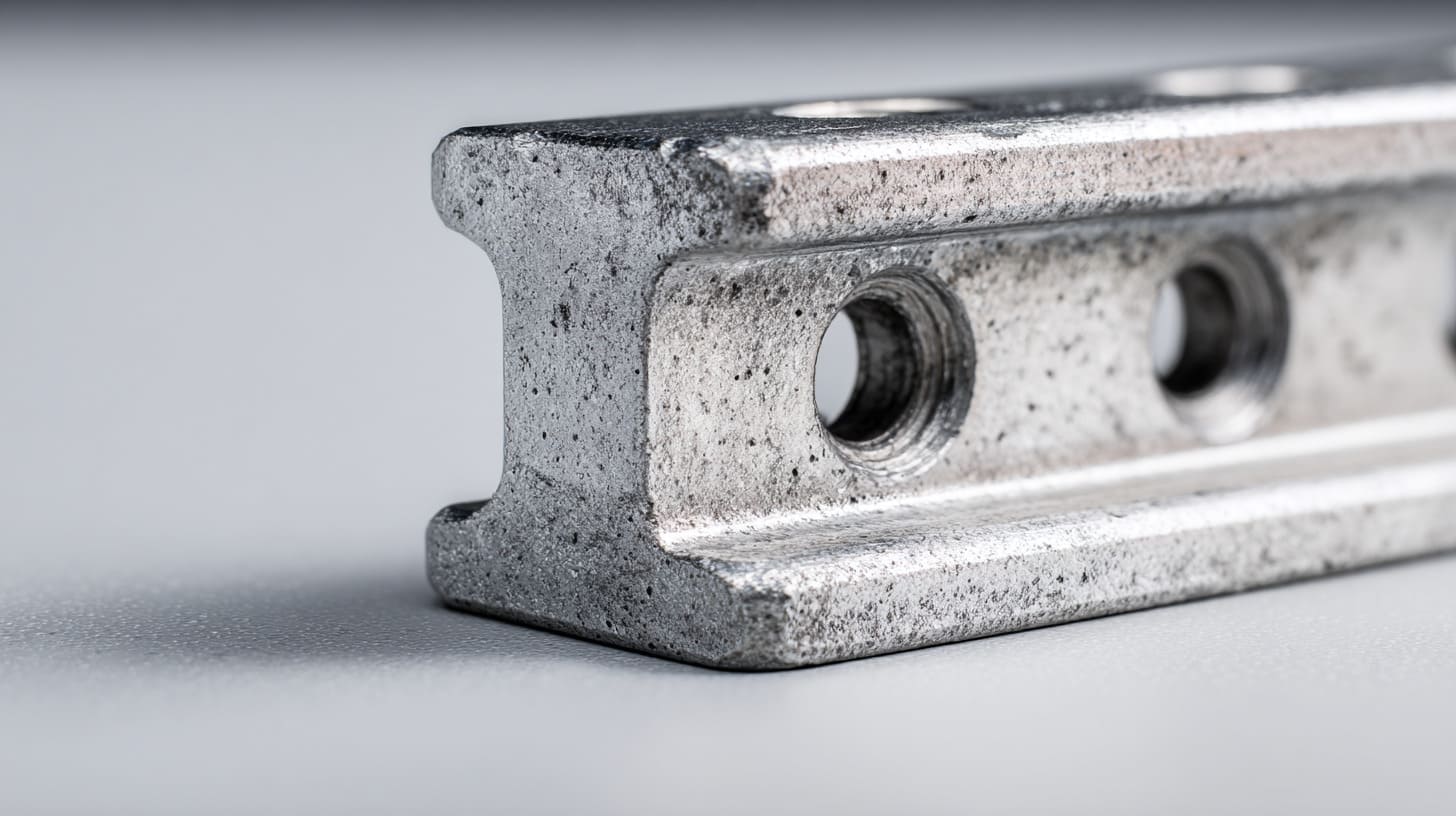
PH steel sounds advanced.
Sometimes too advanced.
How PH stainless steel works
PH steel gains strength through heat treatment.
Not through chemistry alone.
Common PH grades
| Grade | Feature |
|---|---|
| 17-4 PH | High strength after aging |
When PH grades are used
They shine in:
- Aerospace
- High-load frames
Why PH steel is uncommon in enclosure manufacturing
PH steel raises cost and process control needs.
Most enclosures do not need that level of strength.
Corrosion, not load, is usually the real enemy.
Stainless Steel Grades vs Corrosion Resistance

Corrosion is not one thing.
It changes with place.
Indoor vs outdoor exposure
Indoor spaces are forgiving.
304 often works fine.
Marine and coastal environments
Salt changes rules fast.
316 or duplex becomes safer.
Chemical and industrial atmospheres
Chemicals attack differently.
Material choice must match the actual exposure.
| Environment | Suggested Grade |
|---|---|
| Indoor | 304 |
| Coastal | 316 |
| Chemical | 316 / Duplex |
Once corrosion is controlled, strength comes next.
Mechanical Properties That Affect Enclosure Design
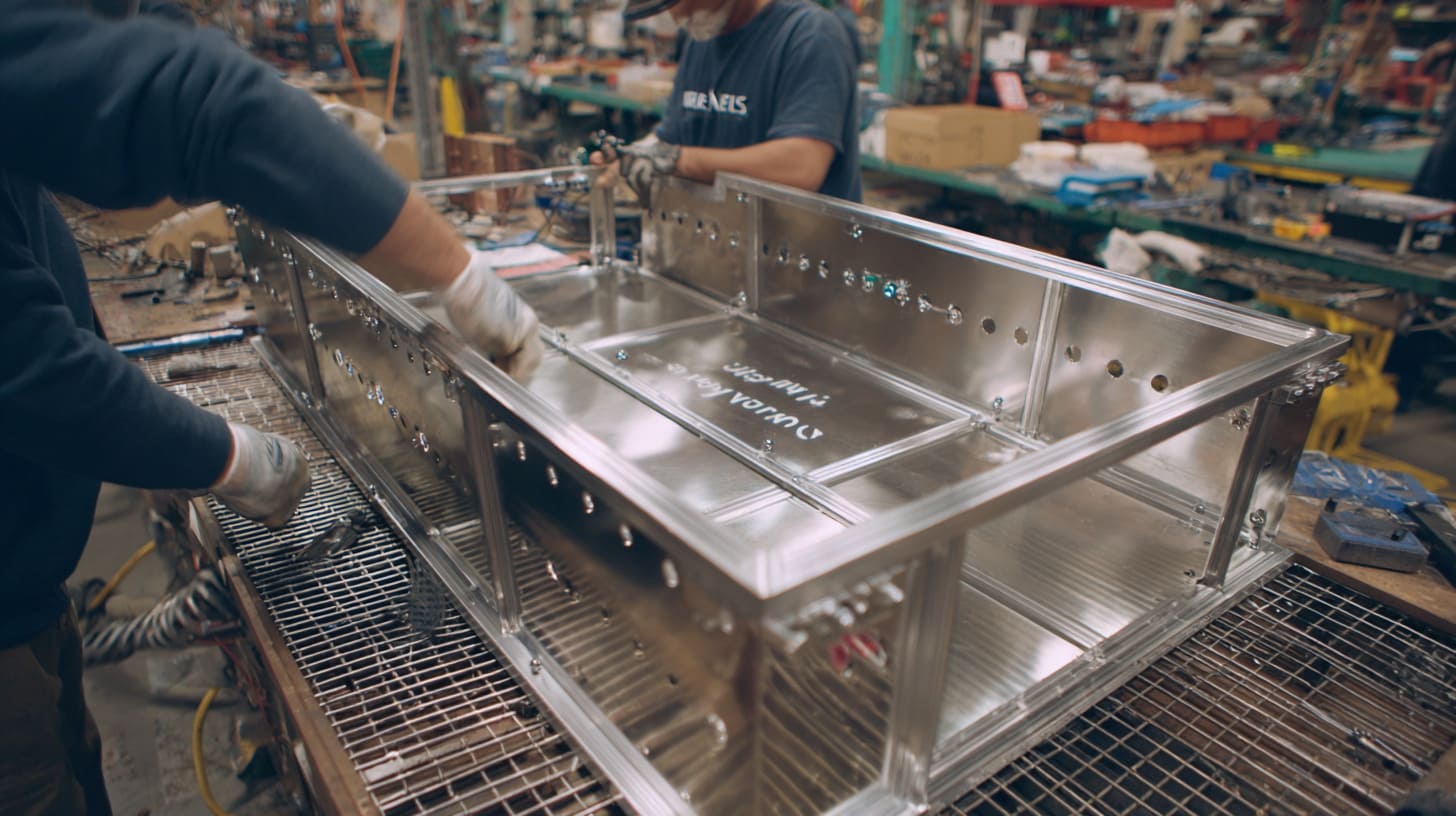
Strength is not just about numbers.
Strength and impact resistance
Higher strength allows:
- Thinner panels
- Fewer ribs
Thickness reduction opportunities
Duplex steel often lets designers reduce thickness.
That can offset material cost.
Vibration and structural stability
Stainless steel handles vibration well.
That helps in industrial control systems.
Good design uses strength wisely.
Bad design just adds thickness.
Now let’s step into the factory.
Manufacturing Considerations for Stainless Steel Enclosures
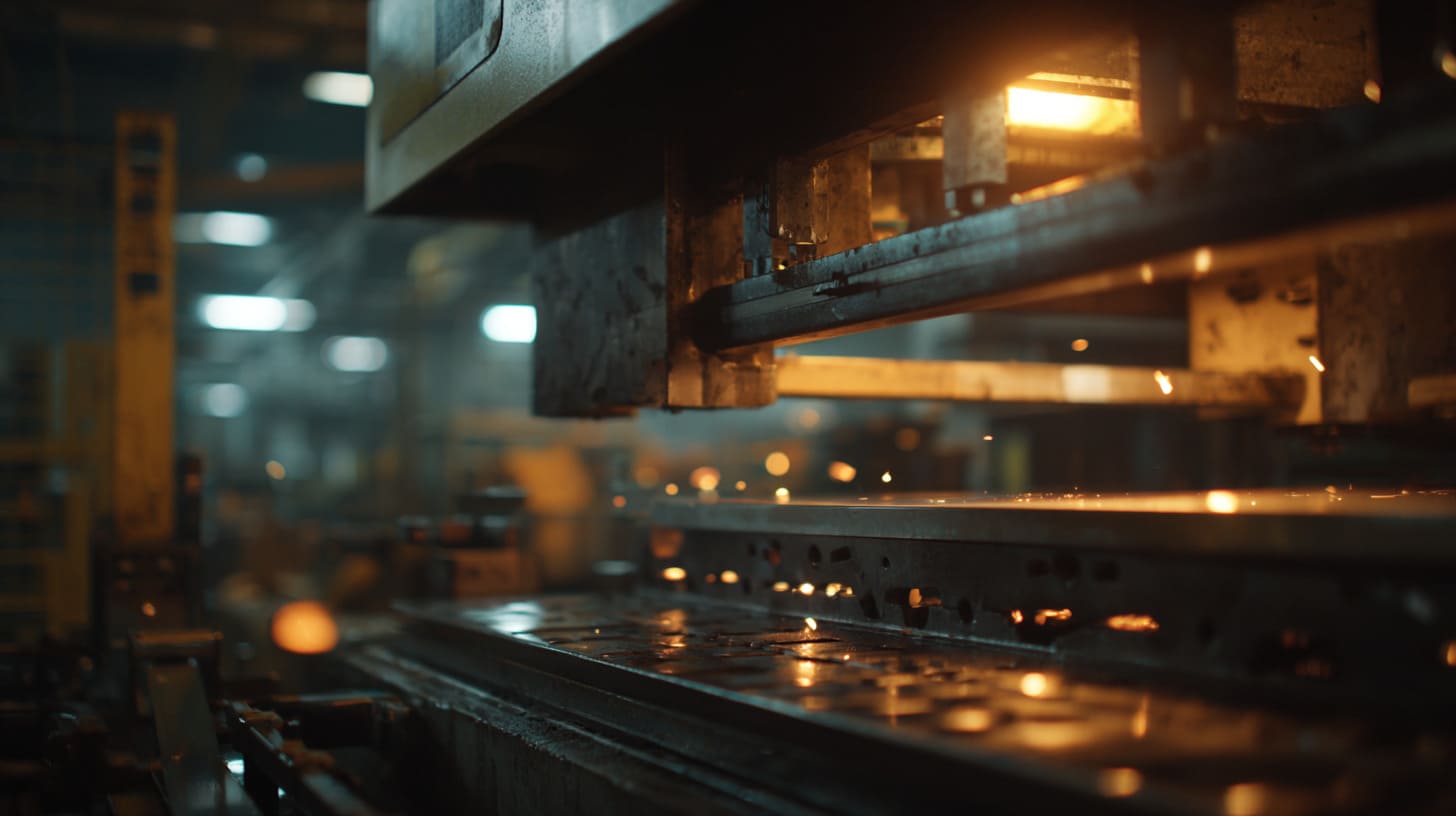
Material choice changes how we build.
Cutting, bending, and forming differences
Some grades spring back more.
Some eat tools faster.
Welding behavior by grade
| Grade | Welding Ease |
|---|---|
| 304 | Easy |
| 316 | Easy |
| Duplex | Moderate |
| Martensitic | Difficult |
Surface finishing options
- Brushed
- Polished
- Bead blasted
Each finish adds cost and time.
Cost impact of different grades
Material cost is only part of the bill.
Processing cost matters just as much.
This is why buyers often compare stainless steel with aluminum.
Stainless Steel vs Aluminum for Enclosures

I see this question weekly.
Weight comparison
Aluminum is lighter.
No debate.
Corrosion resistance trade-offs
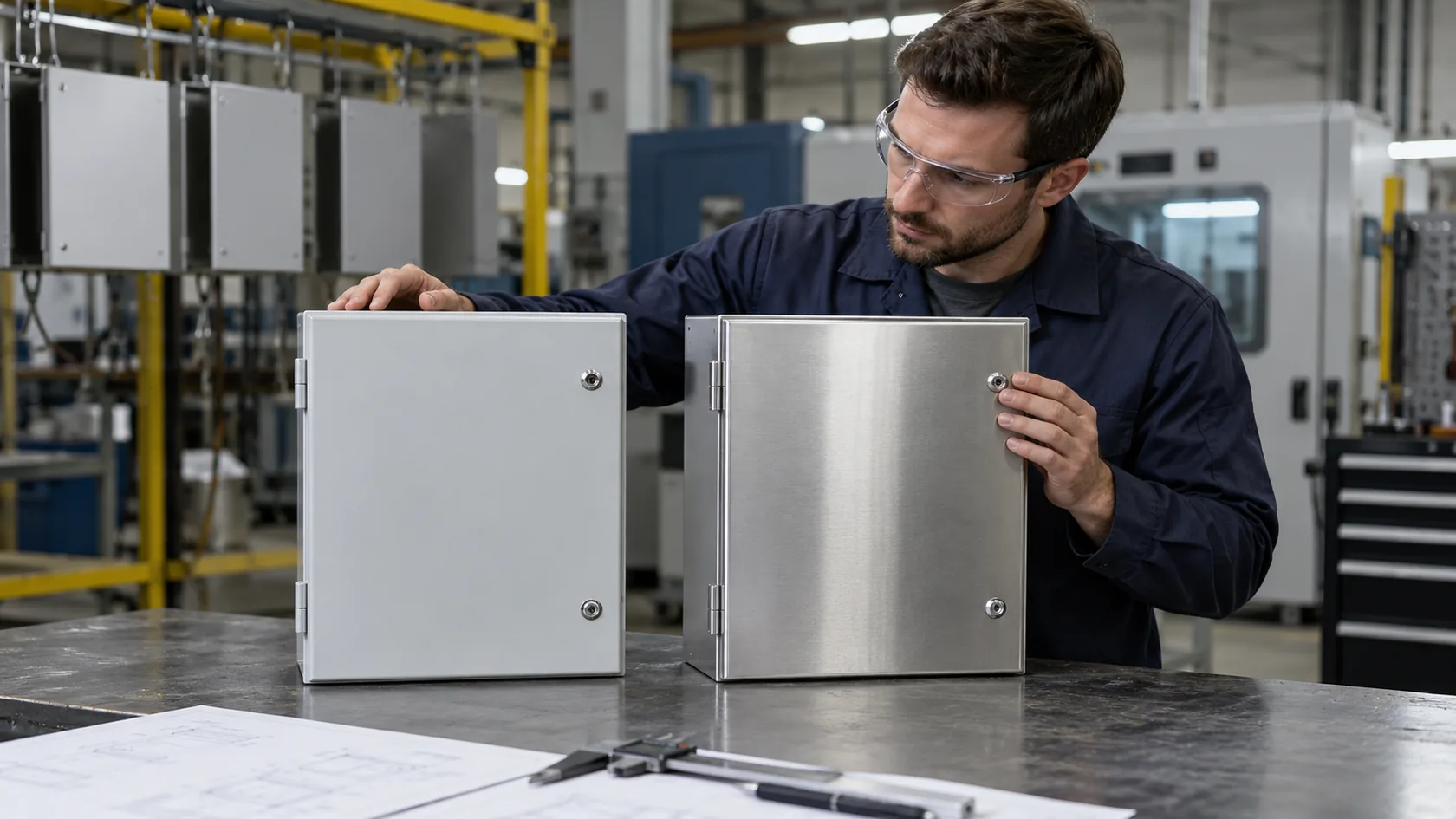
Stainless steel wins in harsh environments.
Aluminum needs coating.
Cost and lead time considerations
Aluminum machines faster.
Stainless lasts longer.
When stainless steel is the better choice
If corrosion risk is real, stainless steel earns its place.
Now let’s pull this into a clear decision process.
How to Choose the Right Stainless Steel Grade

I ask buyers three questions.
Key questions buyers should ask
- Where will it be used?
- What touches it?
- What fails first: cost or corrosion?
Decision matrix for common use cases
| Use Case | Suggested Grade |
|---|---|
| Indoor electronics | 304 |
| Outdoor cabinet | 316 |
| Coastal install | 316 / 2205 |
Avoiding over-specification and cost waste
Over-spec feels safe.
But it burns budget quietly.
That leads to common mistakes.
Common Mistakes Buyers Make When Selecting Stainless Steel
I have made some of these mistakes myself.
Choosing higher grades “just in case”
This often adds cost without value.
Ignoring fabrication difficulty
Some grades slow production.
That delays delivery.
Confusing corrosion resistance with strength
They are not the same thing.
Not aligning grade choice with real use conditions
Assumptions cause failures later.
To avoid that, I use a simple checklist.
Stainless Steel Selection Checklist for OEM Buyers
- Environment exposure
- Mechanical needs
- Budget limits
- Surface finish
- Lead time
If one box feels unclear, stop and ask.
That pause saves projects.
Conclusion
Stainless steel grade selection is not a numbers game.
It is a thinking game.
The right grade balances:
- Performance
- Cost
- Manufacturing reality
When buyers work with experienced enclosure manufacturers, these decisions get easier.
Fewer surprises. Fewer delays.
If you are planning a stainless steel enclosure and want a second opinion, reach out.
A short discussion now can prevent a long problem later.