Skip to content
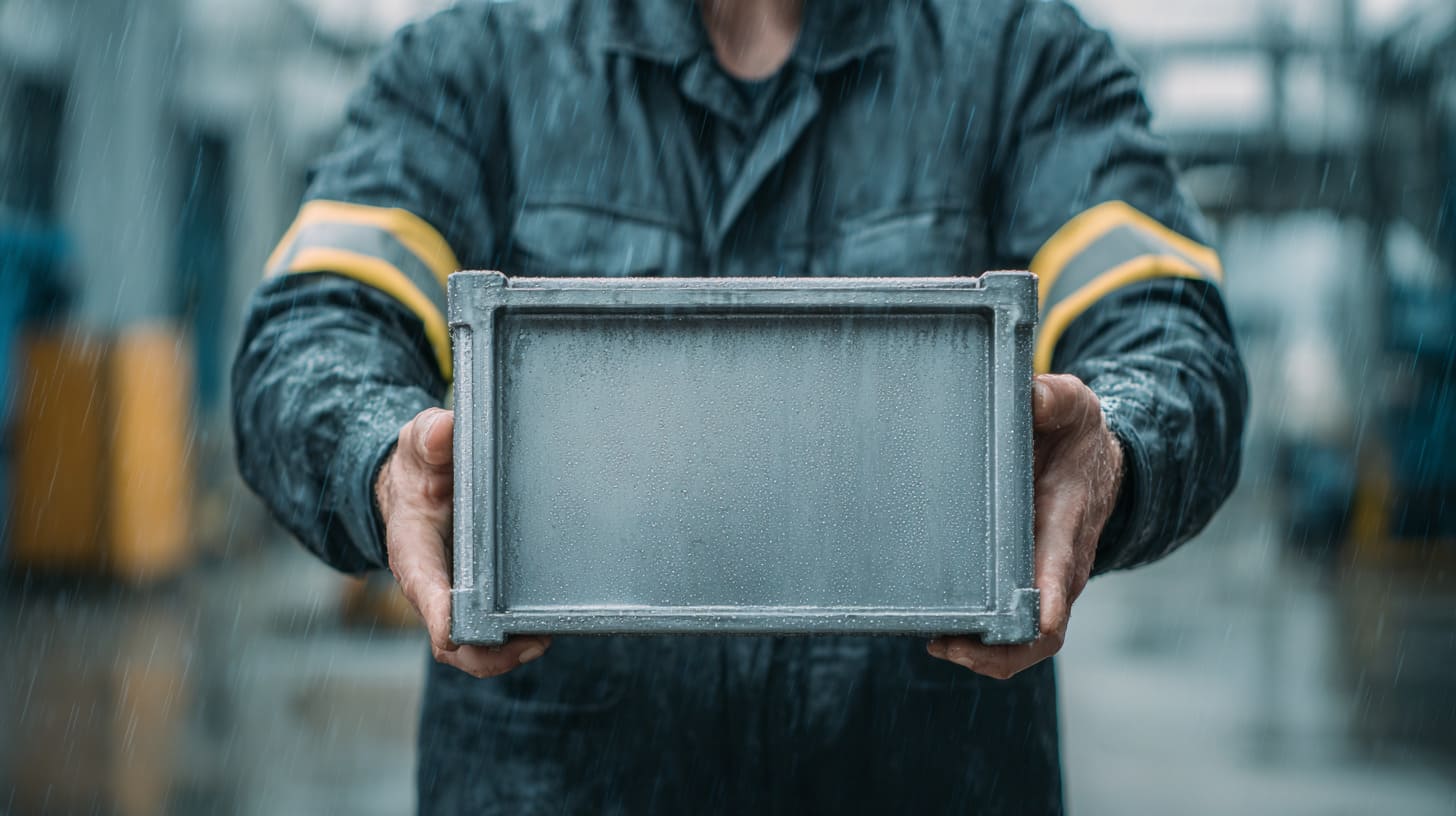
I don’t talk about IP ratings on coffee breaks, but I do think about them every time a client calls panicked. IP ratings decide if an enclosure fails on day one or lasts for years. Many engineers mix up IP54 and IP65. They think one is just a “better version” of the other. That’s not always true.
I once saw a control box fail after rain hit it for just one week. The rating was wrong. The cost of replacing it was more than the original enclosure itself.
This article cuts through the fog. I’ll guide you to see clear differences. If you are an engineer, OEM buyer, or ODM project owner, this matters. You’ll avoid costly mistakes and delays.
This is not theory. This is how things actually work in the factory, on the line, and in the field.
What does an IP rating actually mean?
I had to explain IP ratings dozens of times last month. Even smart buyers trip on this. Let’s slow down and break it apart.
What is the IP (Ingress Protection) standard?
Brief explanation of IEC 60529
The IP system comes from IEC 60529. It tells us how well an enclosure resists dust and water. It’s a global standard. OEMs everywhere use it.
Why IP ratings are internationally recognized
Because it’s honest. You get tested results. It’s not marketing fluff.
How to read IP ratings (first digit vs second digit)
Solid particle protection explained (first digit)
The first number is dust and solid protection. Bigger number means more protection.
Liquid ingress protection explained (second digit)
The second number is water protection. Bigger number means better resistance to water.
I always check both digits before quoting an enclosure. Numbers alone tell a lot.
Let’s switch gears and look at specific ratings.
What is IP54 protection?
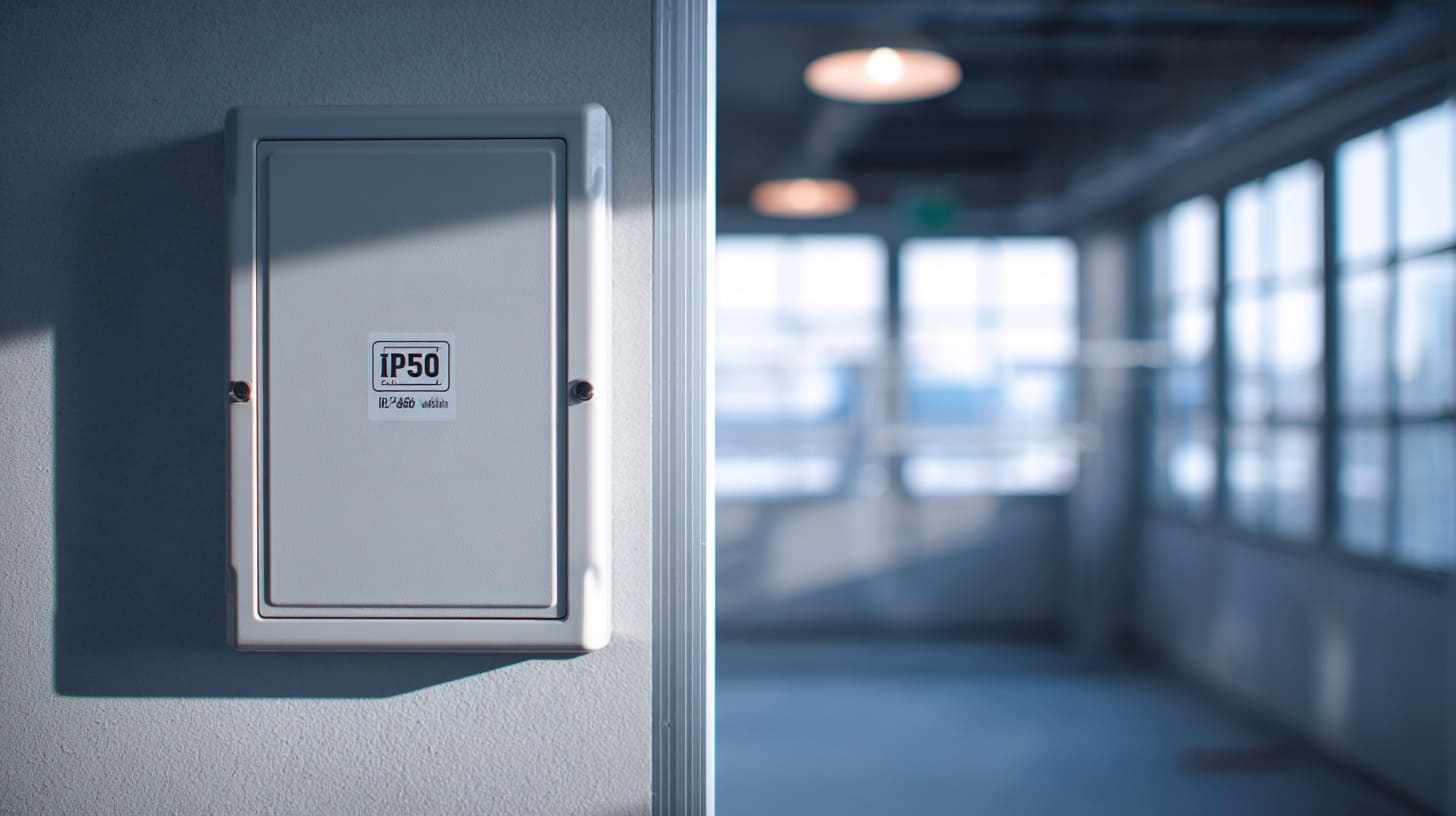
IP54 gets talked about a lot because it fits many basic needs. But it has limits that many buyers overlook.
Meaning of “5” for solid protection in IP54
Level of dust protection
A “5” means dust is limited. Enough dust might get in, but not enough to harm normal operation.
What “dust protected” really means in practice
In real shops, this means fine sawdust or grime won’t jam your PCB. But it’s not dust-tight.
Meaning of “4” for water protection in IP54
Protection against splashing water
The “4” means splashes from any side don’t hurt.
Typical test conditions
Technicians spray water at the enclosure at set angles. If electronics still work, it passes.
Common applications of IP54 enclosures
Indoor industrial environments
IP54 works indoors. Think light machine shops or clean warehouses.
Control panels, wall-mounted boxes, office or factory interiors
Many interior panels use IP54 because they don’t see rain or direct spray.
Limitations of IP54
Why it is not suitable for wash-down or outdoor exposure
IP54 struggles outside. Rain and pressure wash damage the seal.
Risks in humid or dusty outdoor environments
Dust can build up. Water can push past seals. Electronics fail.
I remember a customer who put an IP54 enclosure outside. It worked fine for a month. Then humidity started eating the circuits. That cost more than choosing IP65 in the first place.
Let’s go deeper into IP65 next.
What is IP65 protection?

When someone asks for “full protection,” they usually mean IP65. But there’s more nuance here.
Meaning of “6” for solid protection in IP65
Dust-tight definition
A “6” means zero dust in. Not “mostly,” but no dust.
Why full dust protection matters in harsh environments
In wood, metal, or plastic workshops, dust fills every crack. I’ve seen machines fail when dust enters.
Meaning of “5” for water protection in IP65
Water jet protection explained
A “5” means jets of water won’t breach the enclosure.
Typical test scenarios and expectations
In tests, water sprays at pressure. If electronics stay dry, it passes.
Common applications of IP65 enclosures
Outdoor installations
IP65 works outdoors. Light rain? No problem.
Industrial machinery, food processing, automation systems
In these fields, you get water spray and dust all the time.
Limitations of IP65
What IP65 does not protect against (immersion, high pressure wash)
IP65 is not for deep submersion or high-pressure sprays.
When higher ratings may still be required
If you need to wash equipment with power washers, you might need IP66 or higher.
Comparing IP54 and IP65 side by side helps make the choice obvious.
Key differences between IP54 and IP65
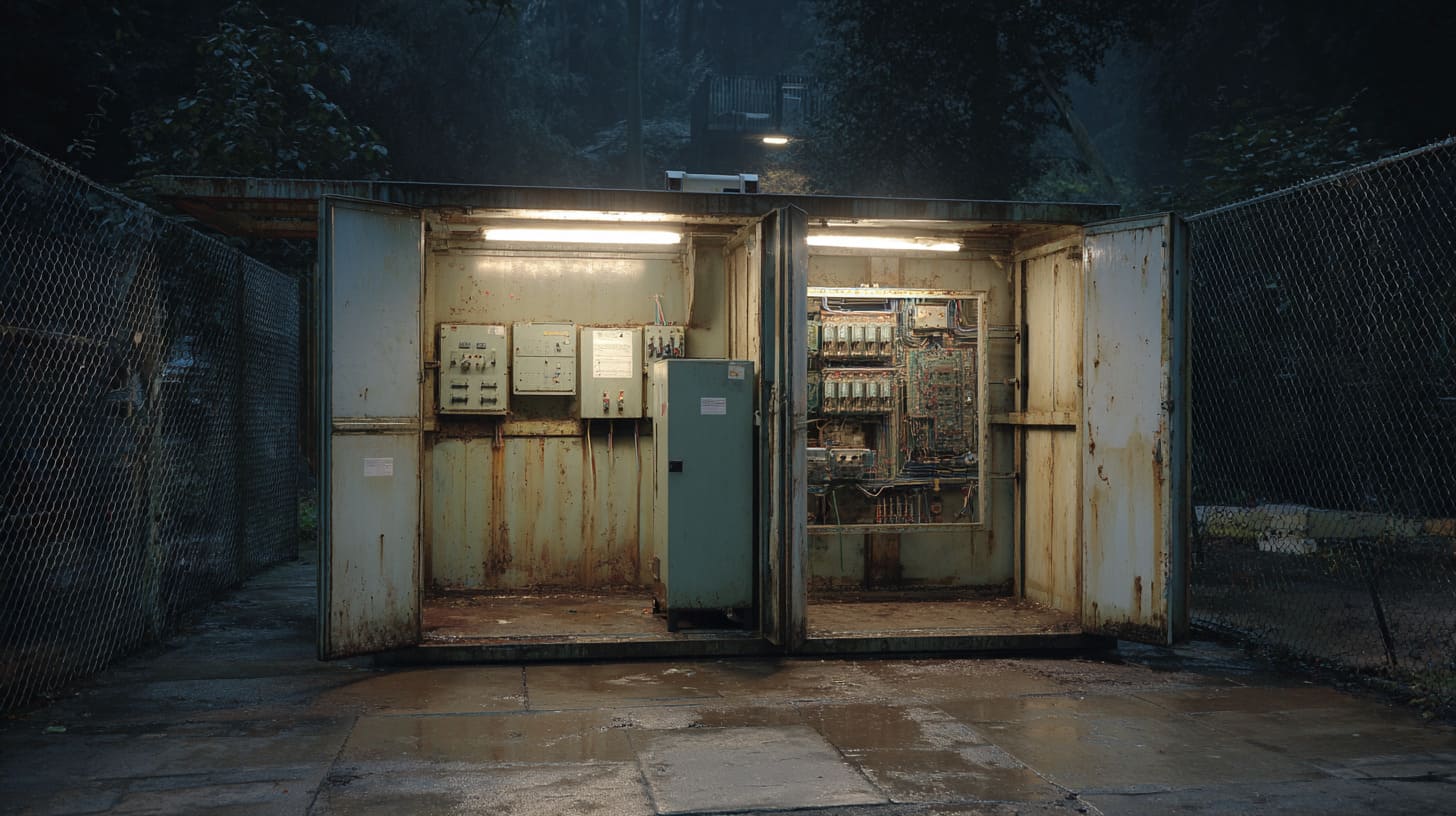
There’s a small code difference, but a big real-world impact.
Dust protection comparison: IP54 vs IP65
| Feature | IP54 | IP65 |
|---|---|---|
| Dust ingress | Limited protection | Completely dust-tight |
| Electronics lifespan | Medium | Longer in dusty places |
In dusty shops, I always push for IP65 if there’s any chance dust will rise.
Water protection comparison: splashes vs water jets
| Feature | IP54 | IP65 |
|---|---|---|
| Water resistance | Splash-level | Jet-level |
| Cleaning method | Light splash | Power spray |
When clients ask about cleaning with hoses, I never recommend IP54.
Environmental suitability comparison
| Setting | Best fit |
|---|---|
| Indoor dry | IP54 |
| Outdoor dusty or wet | IP65 |
Outdoor conditions change fast. I consider worst-case scenarios first.
These tables show how IP54 and IP65 behave. Let’s put it another way.
IP54 vs IP65: side-by-side comparison table
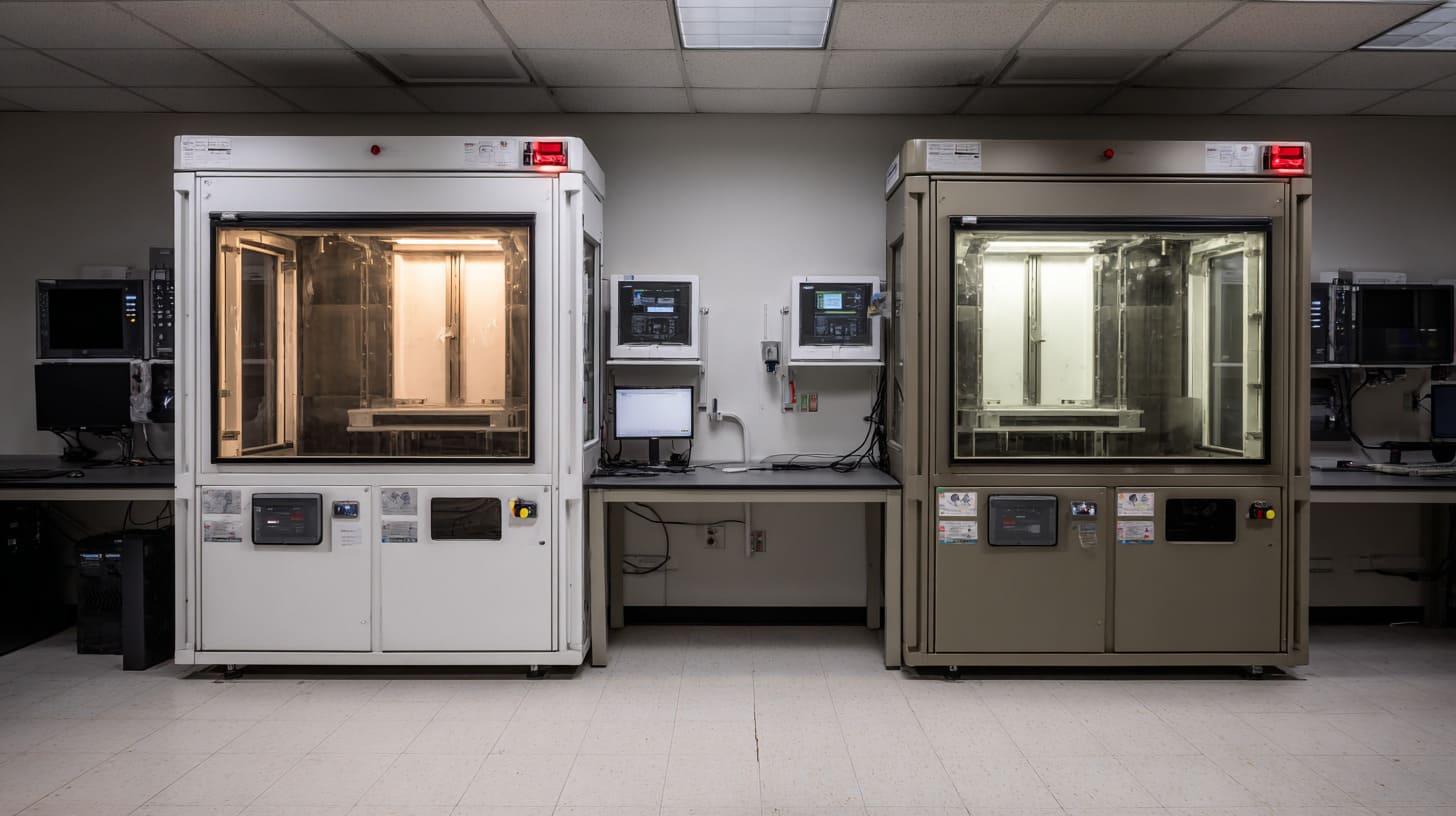
Technical specification comparison
| Element | IP54 | IP65 |
|---|---|---|
| Dust protection level | 5 | 6 |
| Water protection level | 4 | 5 |
| Test methods | Splash water | Jet water |
This table shows clear numeric differences you can trust.
Application-based comparison
| Use case | IP54 | IP65 |
|---|---|---|
| Light indoor | ✓ | ✗ (overkill) |
| Outdoor wet | ✗ | ✓ |
| Industrial dust | ✗ | ✓ |
I’ve had buyers expect IP65 to be cheaper. It isn’t. So knowing when you really need it is key.
Next, we’ll see how you choose the right rating.
How to choose between IP54 and IP65 for your project

Choosing the rating depends on the environment and use case.
Questions engineers should ask before selecting an IP rating
- Will it be outdoors?
- Will water hit it directly?
- Will dust or debris surround it?
I always imagine the worst environment first. If your box spends more time in harsh conditions than not, go higher.
Cost vs protection trade-offs
Better protection usually costs more. The seals, machining, and testing add price. But paying a bit more upfront can save you from future failures. That’s a trade-off worth thinking through before production.
Impact on enclosure design and manufacturing
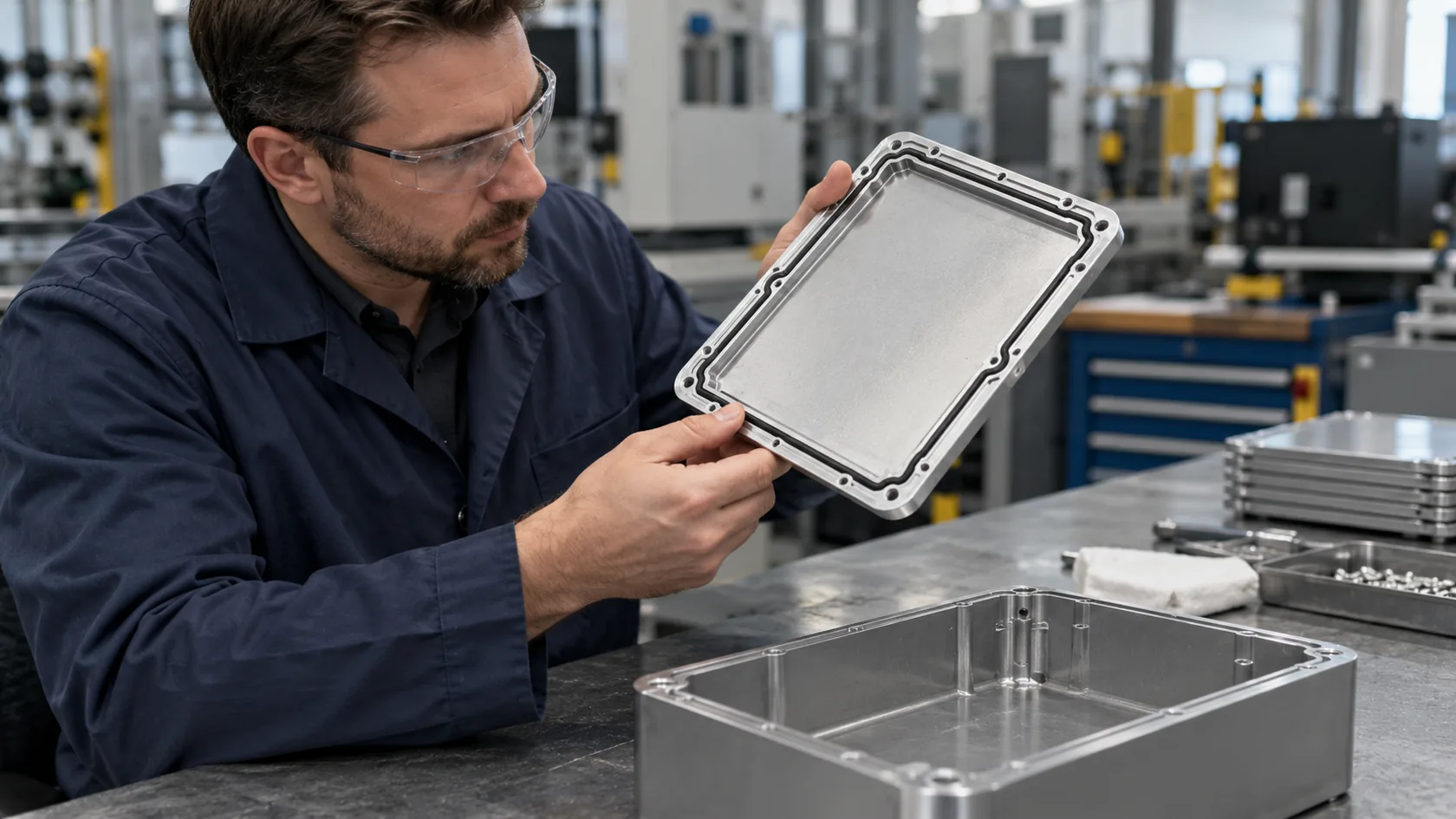
Seals and gaskets matter. The cutouts must fit perfectly. Even logo engraving can affect seals. Good machining yields good protection.
I once added a logo without checking seal layout. Water leaked right through because the gasket didn’t close well. Never make that mistake twice.
Now let’s see how custom enclosures come into play.
IP54 or IP65 for custom aluminum and plastic enclosures?
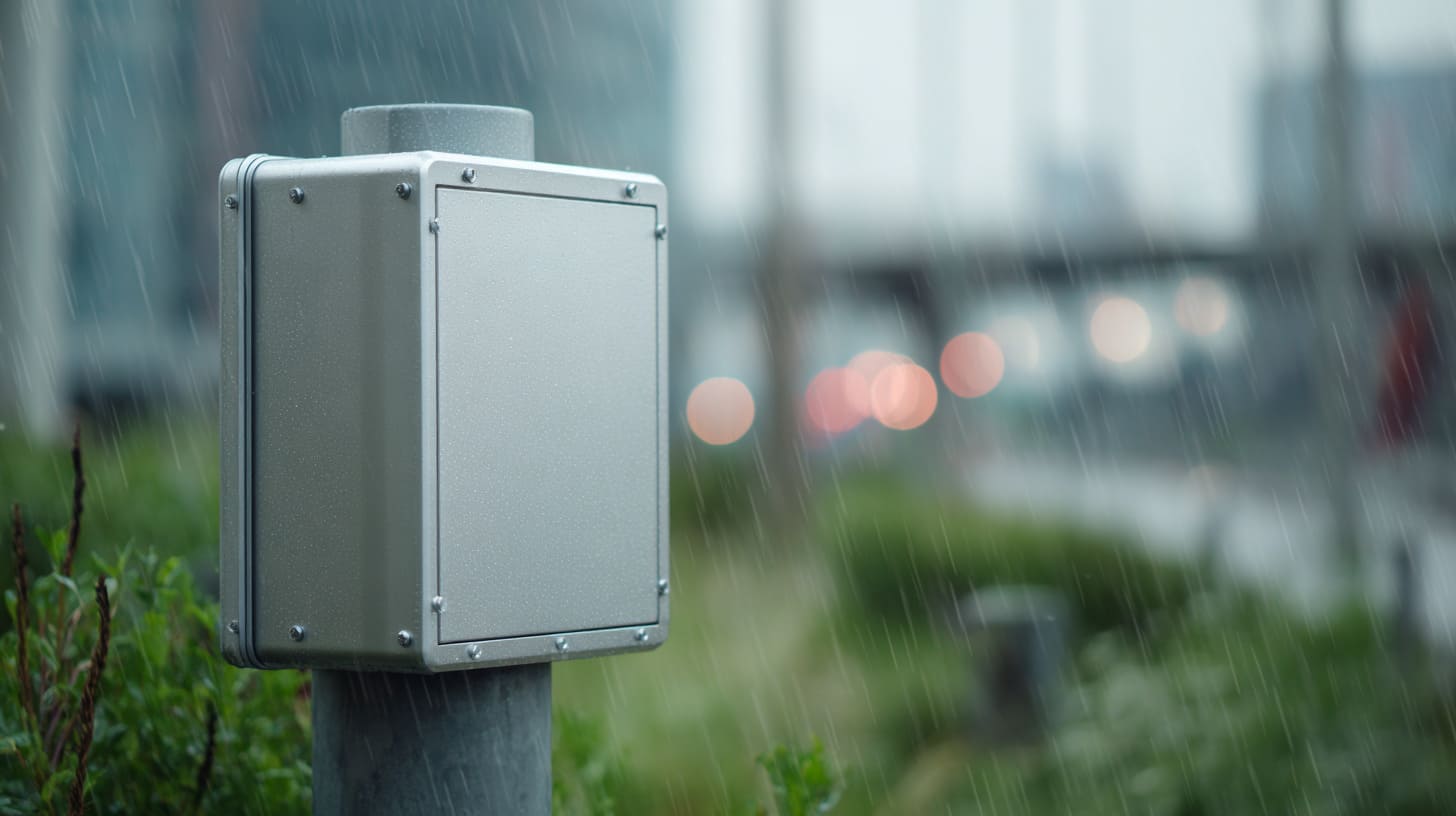
Every material behaves differently.
Material considerations (aluminum vs plastic)
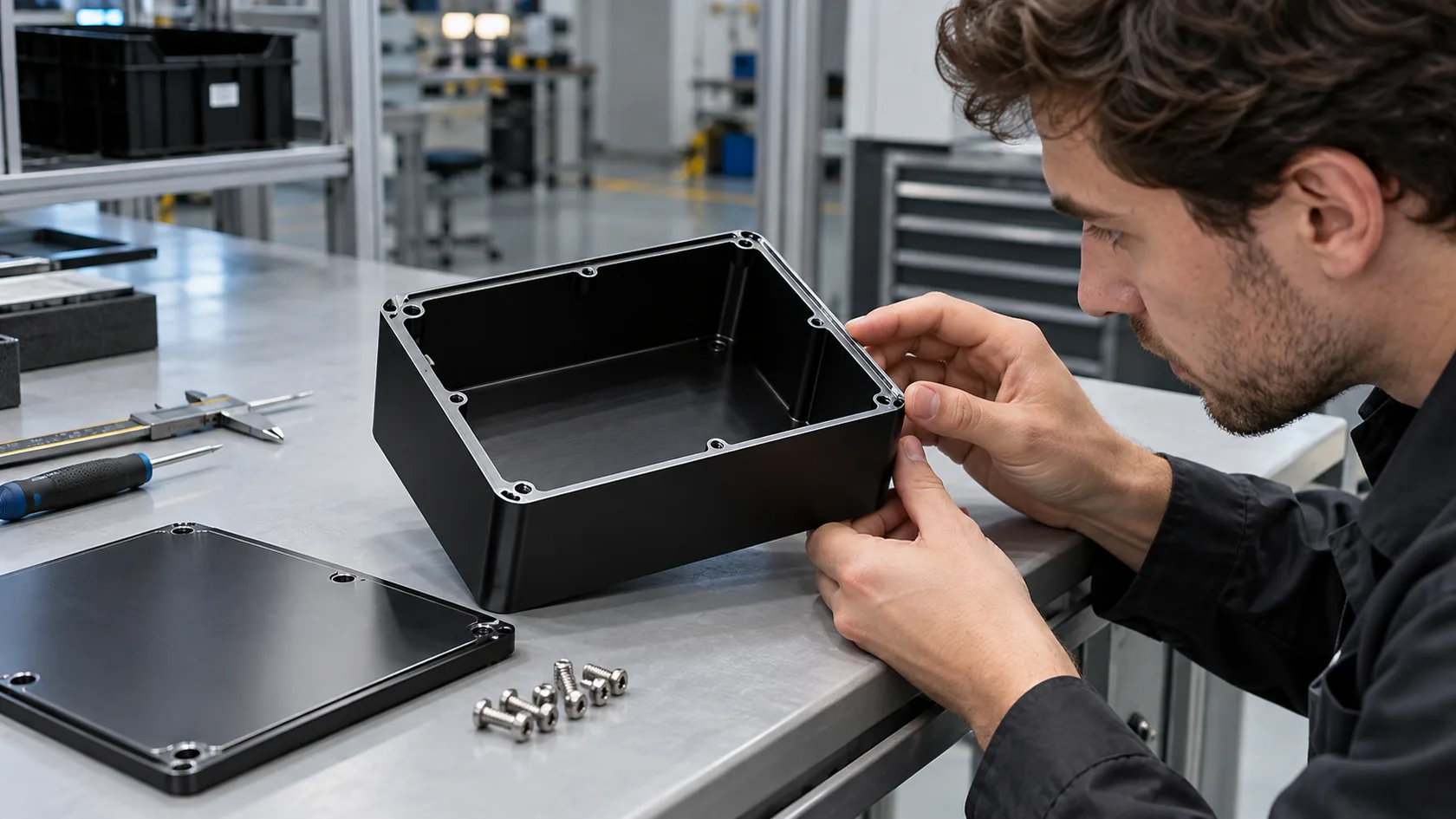
Aluminum is strong and often easier to seal tightly. Plastic can be easier to mold but needs careful design for good seals. Your choice affects sealing and durability.
Custom design considerations for OEM and ODM projects
Cutouts, vents, and logos matter. If you add holes, you must design seals around them. I often draw multiple sketches before finalizing the layout.
Typical mistakes seen in custom enclosure projects
- Forgetting cable glands
- Assuming enclosure rating equals system rating
I’ve had clients assume IP65 rating covers the entire system. It doesn’t. Cables, connectors, and panels all matter.
Let’s tackle common misconceptions.
Common misconceptions about IP54 and [IP65]
Some beliefs about IP ratings don’t hold up in real projects.
“IP65 is always better”
A higher number is not always necessary. Sometimes it’s wasted cost if conditions are mild.
“IP rating guarantees outdoor durability”
IP doesn’t cover UV, corrosion, or heat. Those need material and coating choices.
“Ventilation holes don’t affect IP rating”
They do. Any hole affects sealing. You must design them with proper gaskets and membranes.
If you think higher numbers solve everything, you’ll miss other design risks.
Conclusion
I shared this because I’ve seen too many projects stall over simple IP choices. IP54 and IP65 sound similar, but they behave differently. I think about this every time we design a custom enclosure. The right choice saves money and headache. The wrong choice leads to returns and delays.
My view is simple: understand your environment first. Ask the tough questions. Don’t assume “better” is always the right answer. If you need help choosing or designing custom enclosures with the proper IP rating, talk to me at info@maidatech.com. I’m happy to help you make the right call.