Skip to content
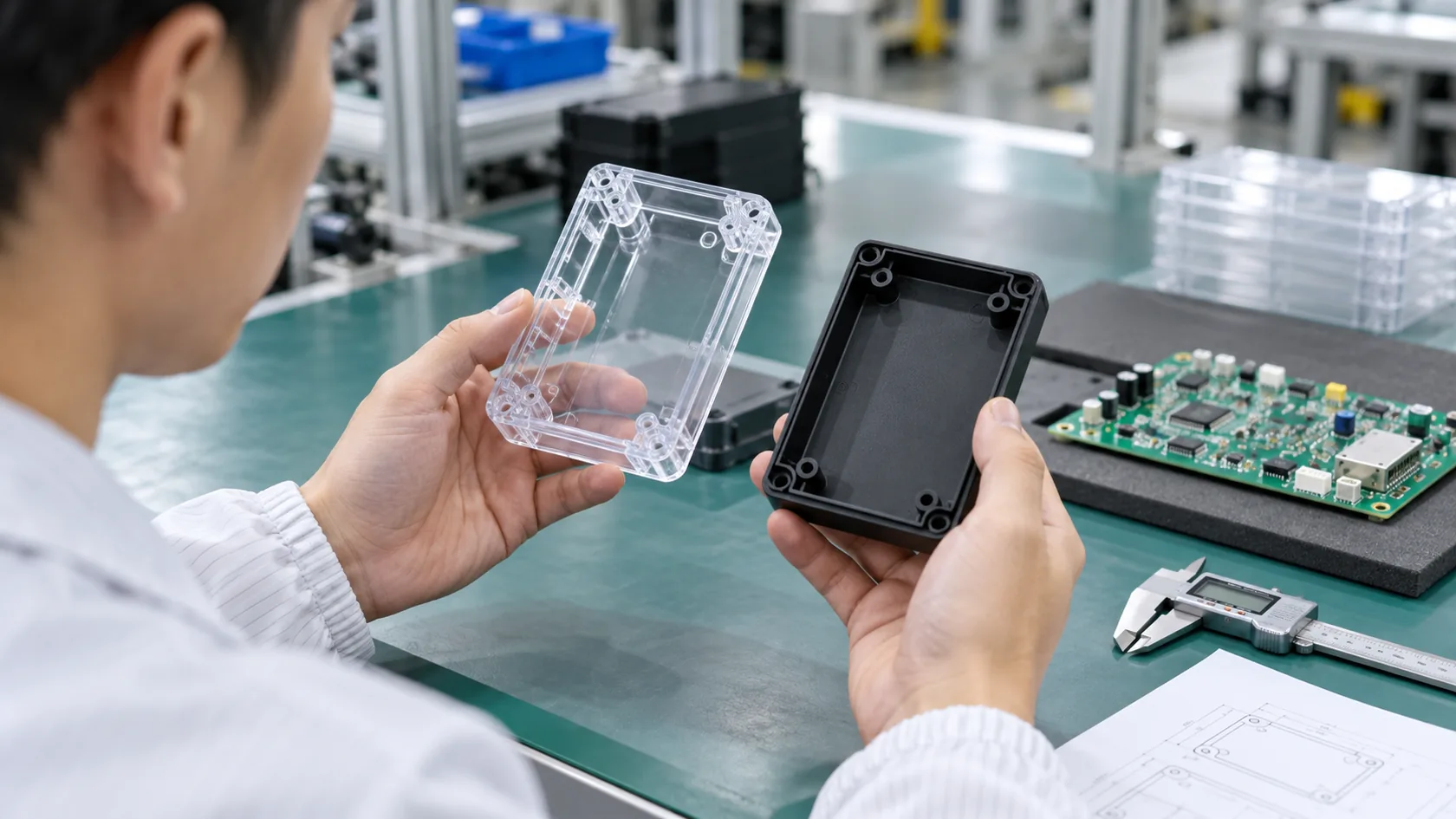
Some clients ask about IP ratings the moment we start discussing enclosure specs. Others bring it up only after their first product returns with moisture damage. Either way, it always becomes a core part of the conversation.
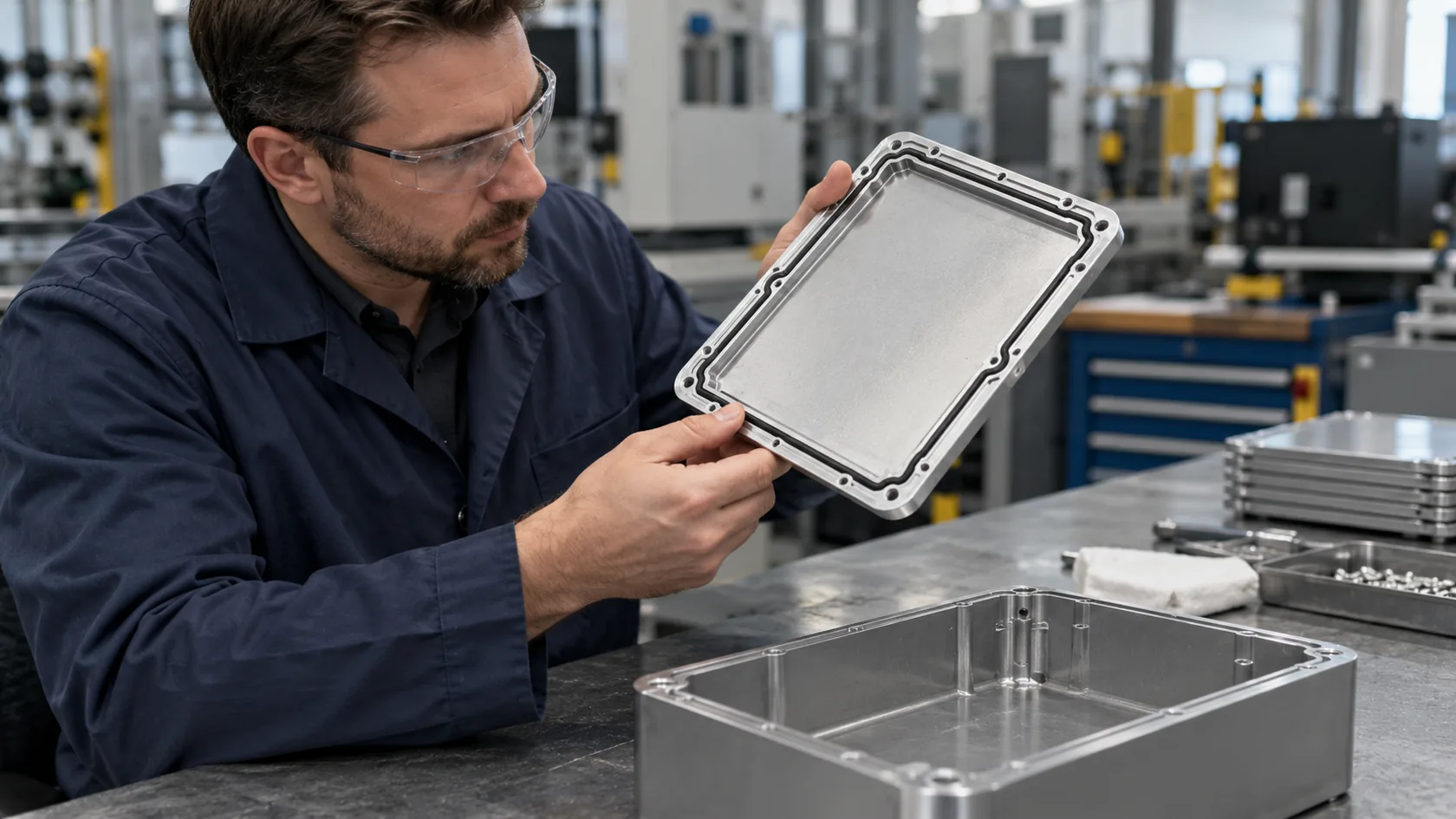
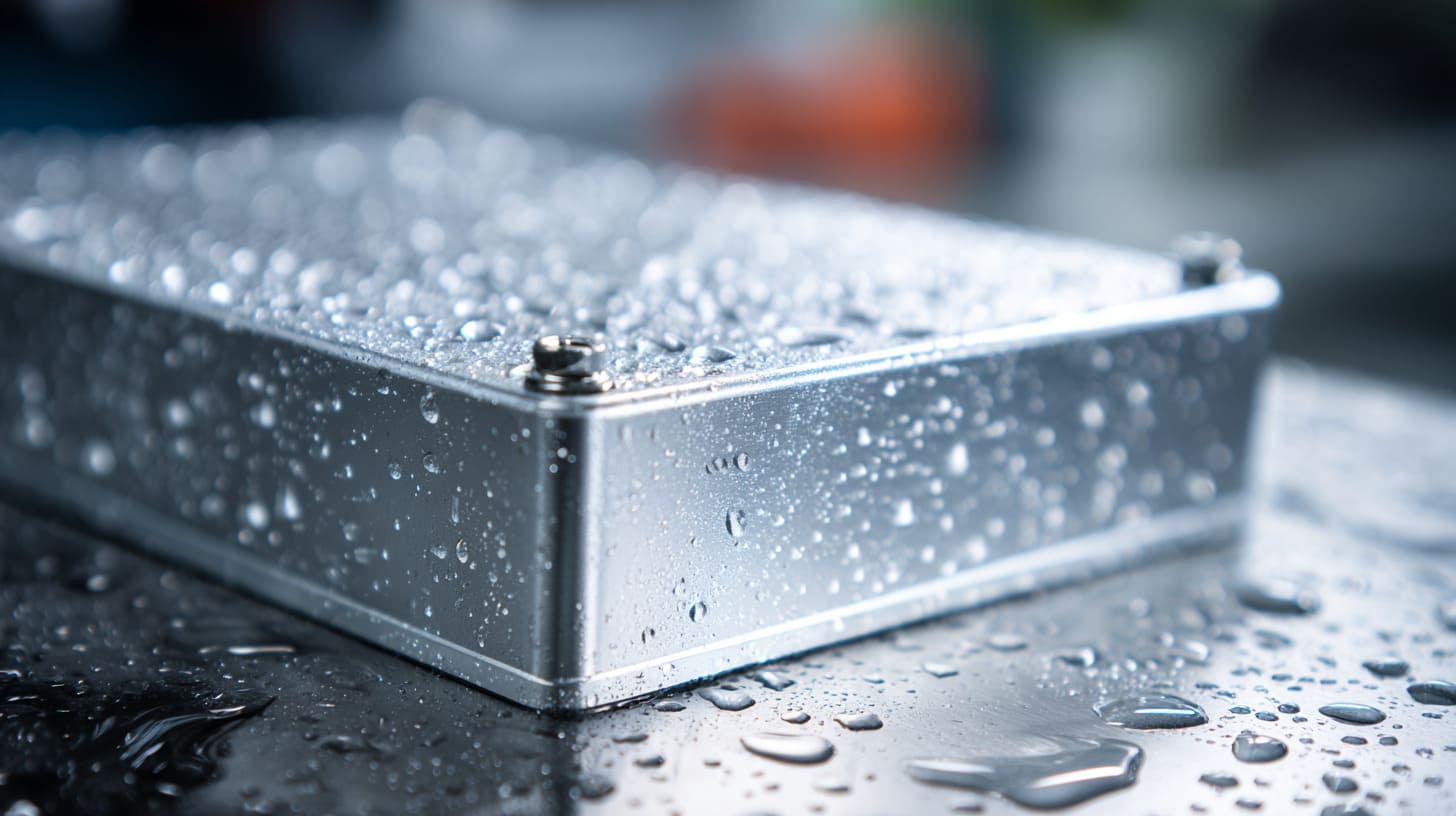
A few weeks ago, I was reviewing a production sample with one of our partners. His enclosure looked sleek—anodized aluminum, tight seams, even the logo engraving was crisp. But when I asked about the rating, he paused. “It says IP67,” he replied, “but I’m not sure it needs to go underwater. Maybe we overdid it?”
That kind of uncertainty is more common than you'd think.
IP ratings—Ingress Protection codes—aren’t just technical boxes to tick. They're practical, measurable standards that help decide how long a product survives in the real world. Whether you're sourcing enclosures, designing embedded systems, or launching a custom OEM product, knowing what those two little numbers mean can save you thousands.
In this guide, I’ll walk you through what IP ratings really mean, how to choose the right one, and what to watch out for—especially when working with custom manufacturers like us.
What is an IP Rating?

If you’ve ever read a spec sheet that says “IP67” or “IP55” and wondered what that really means, you’re not alone. I remember my first time reading one—thinking it sounded more like a password than a protection level.
The Meaning of "Ingress Protection"
The term Ingress Protection simply defines how resistant an enclosure is to foreign objects—like dust or water—entering it.
The standard was created by the IEC (International Electrotechnical Commission) to help engineers speak the same language globally.
The Two-Digit System Explained
Each IP code has two digits:
- The first measures protection from solids like dust.
- The second measures protection from liquids.
| Digit | Solid Protection | Liquid Protection |
|---|---|---|
| 0 | No protection | No protection |
| 1 | Large objects (50mm+) | Dripping water |
| 4 | Tools/wires (1mm+) | Splashing water |
| 6 | Dust-tight | Powerful jets |
| 8 | N/A | Continuous immersion |
A simple rule: the higher the number, the better the protection.
IP Rating vs NEMA Rating: What’s the Difference?
While IP ratings are global, NEMA ratings are more common in North America.
- IP focuses on dust and water resistance.
- NEMA also covers corrosion and environmental hazards.
If you’re exporting to Europe or Asia, IP ratings are your go-to. For North America, you may see both.
Sometimes, I tell clients: “If your enclosure needs to handle pressure washing in Canada and rain in Japan, aim for both IP and NEMA compliance.” It saves many headaches later.
Why IP Ratings Matter for Electronic Enclosures
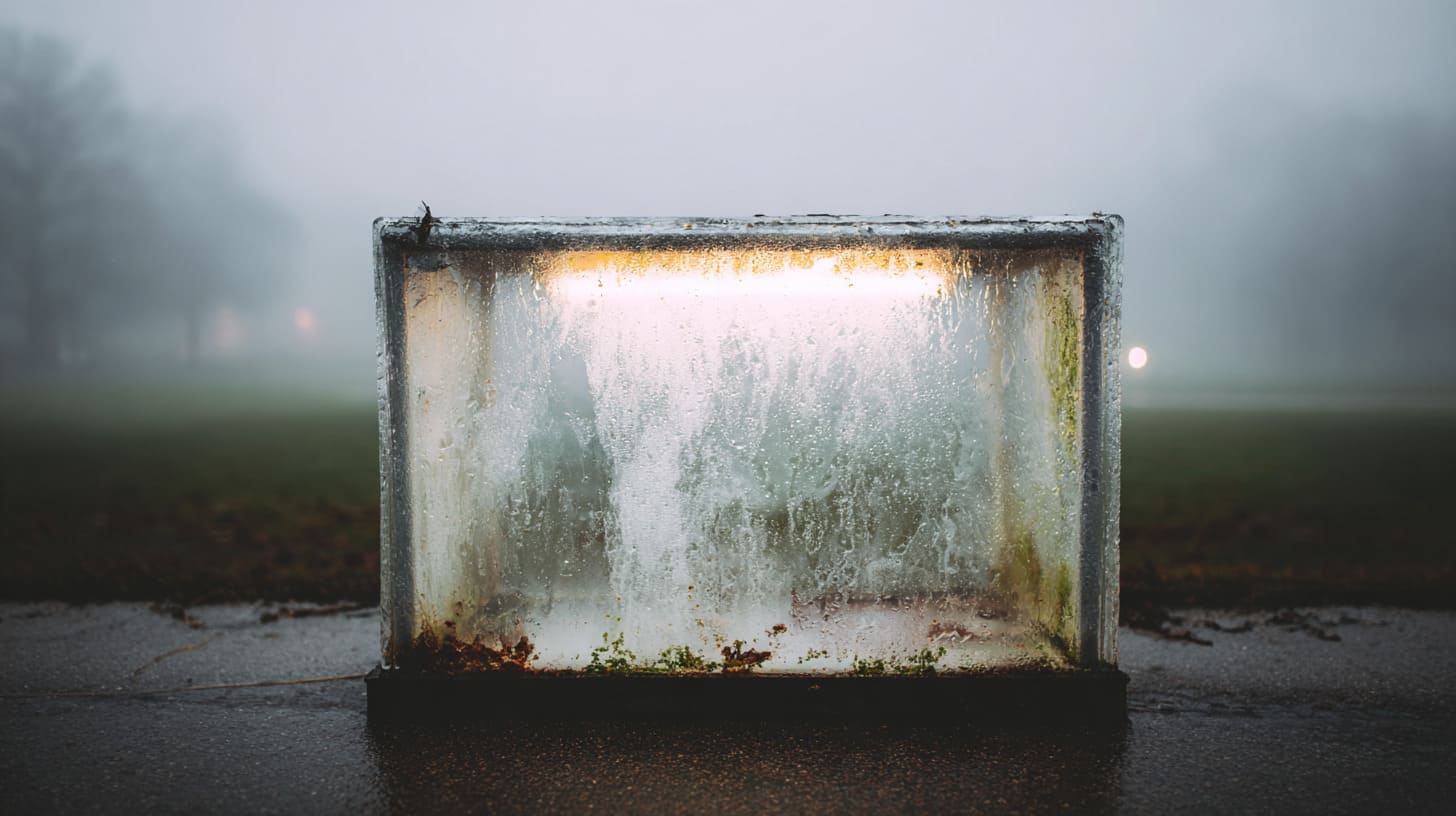
A few years ago, a distributor from Germany called me in panic. Their newly launched outdoor enclosures were fogging up inside—after just one month. The problem? They were IP54 instead of IP65.
That mistake cost thousands in returns. So yes, IP ratings matter.
Protection Against Dust and Debris
Dust is silent but deadly to electronics. Even a fine layer can trap heat and shorten the lifespan of your device.
An IP6X rating ensures the enclosure is completely sealed from dust, perfect for factories or construction sites.
Safeguarding Electronics from Moisture or Liquids
Moisture is worse—it creeps in unnoticed. A single drop can cause corrosion or short circuits.
An IPX6 or IPX7 enclosure resists rain, cleaning sprays, and even brief immersion.
Compliance for Industrial or Outdoor Applications
Many countries require certified IP ratings for compliance.
Think of outdoor telecom boxes, solar controllers, or factory automation systems—regulators want proof that they can endure the elements.
Impact on Warranty, Safety, and Certifications
Choosing the wrong IP rating can void warranties or fail inspections.
When your enclosure meets the right standard, it doesn’t just protect the product—it protects your business reputation.
How to Read an IP Rating Code
At first glance, IP codes look cryptic, but once you know the logic, it’s like reading a simple recipe.
Breakdown of First Digit (Solids)
| Code | Description | Example Use |
|---|---|---|
| IP0X | No protection | Basic indoor devices |
| IP2X | Fingers/tools | Wall plugs or adapters |
| IP5X | Limited dust entry | Office electronics |
| IP6X | Completely dust-tight | Outdoor enclosures |
A customer once asked why his equipment inside a warehouse needed IP6X. The truth? Unless dust or powder is in the air, IP5X often works fine.
Breakdown of Second Digit (Liquids)
| Code | Description | Example Use |
|---|---|---|
| IPX1 | Dripping water | Vertical dripping |
| IPX4 | Splashing water | Kitchen or workshop |
| IPX6 | Powerful jets | Outdoor rain, cleaning |
| IPX7 | Temporary immersion | Submerged sensors |
| IPX9K | High-pressure spray | Vehicle wash zones |
Special Codes and Additions (e.g., IP69K)
IP69K is the gold standard.
Used in food, transportation, and military applications, it can resist high-pressure steam jets—the kind used to sanitize machinery.
If you can imagine an enclosure being sprayed at point-blank range with boiling water and still working, that’s IP69K.
Common IP Ratings and Their Applications
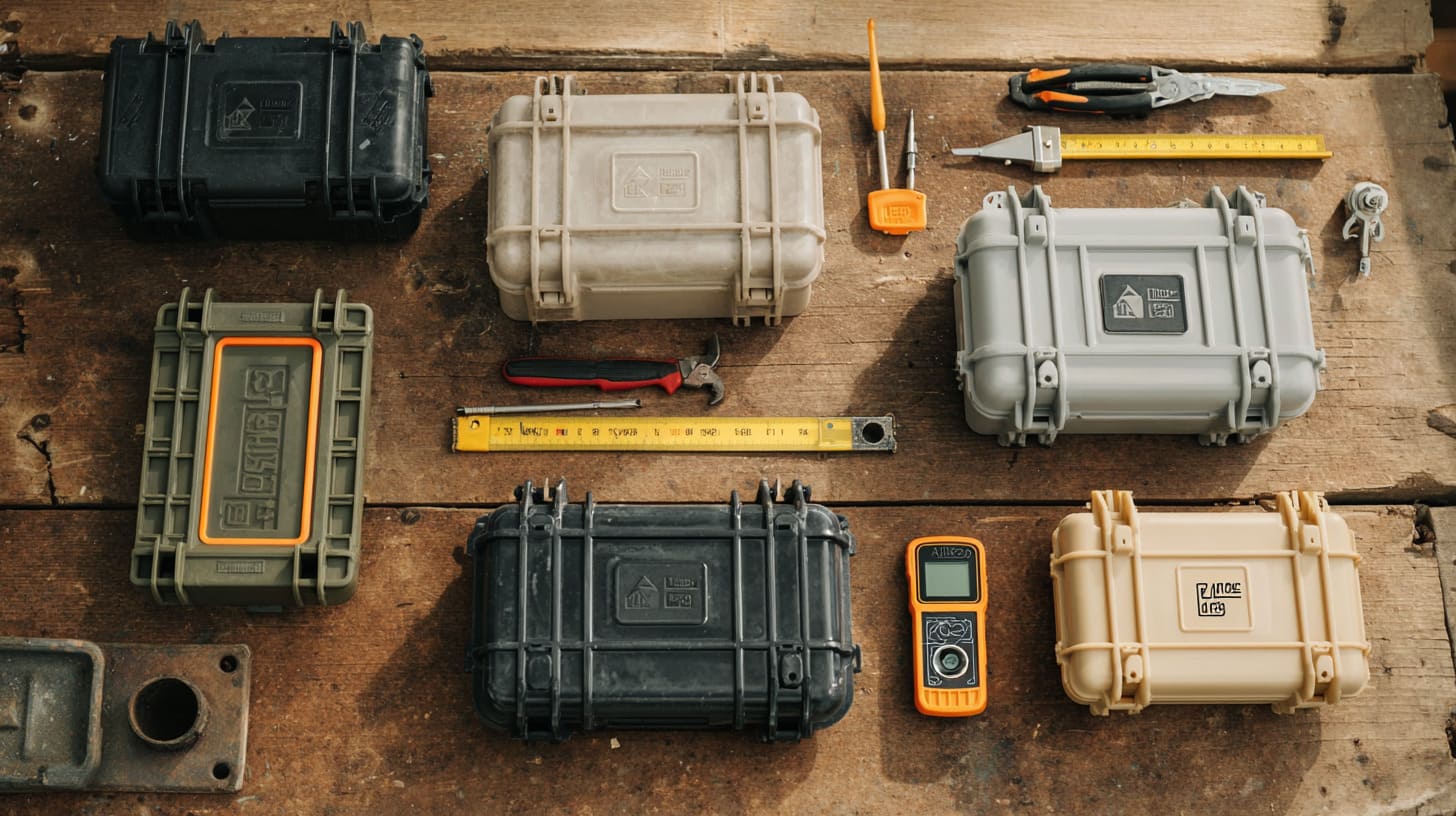
Here’s how different IP ratings translate in real-world use.
| Rating | Protection Level | Common Use |
|---|---|---|
| IP20 | Basic indoor | Office equipment |
| IP54 | Dust & splash proof | Indoor machinery |
| IP65 | Dust-tight, rainproof | Outdoor controllers |
| IP67 | Waterproof (1m submersion) | Sensors, cameras |
| IP69K | High-pressure resistant | Automotive or marine |
IP20: Basic Indoor Electronics
Ideal for devices used in clean, dry environments—like desktop controllers or office modules.
IP54/IP55: Light Splash or Dust Protection
These are the “middle ground.” Used in workshops, light industry, or semi-open areas.
IP65/IP66: Waterproof for Outdoor Use
Perfect for outdoor automation and signage. These handle strong water jets and wind-blown dust.
IP67: Submersible Enclosures
Can survive being underwater up to one meter for 30 minutes—great for temporary flooding zones or marine docks.
IP68 vs IP69K: What’s the Difference?
IP68 is designed for long-term submersion, while IP69K resists high-pressure cleaning.
If you’re unsure which to choose, ask yourself: “Will it live in water or just face water under pressure?”
Choosing the Right IP Rating for Your Use Case
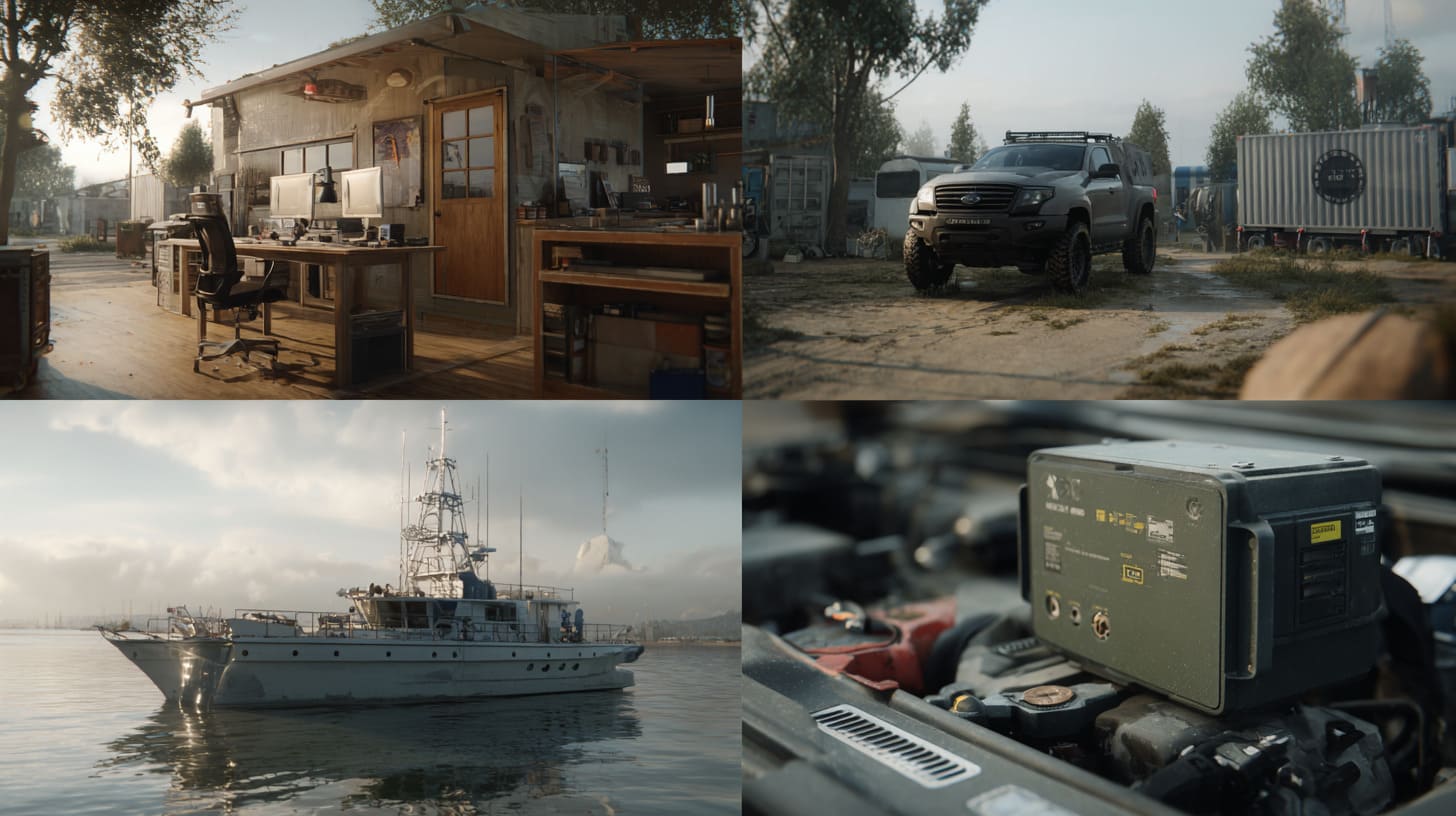
When clients come to me with custom enclosure ideas, I usually start by asking one simple question:
“Where will your device live?”
That answer usually decides everything.
Indoor Consumer Products
If the product never faces dust or moisture, IP20 or IP40 works well—and keeps costs down.
Outdoor Industrial Equipment
Use IP65 or IP66 to handle rain, dust, and daily temperature changes.
Marine and High-Humidity Environments
Go with IP67 or IP68. Saltwater corrosion is brutal—make sure your material is marine-grade aluminum or coated plastic.
Automotive and Transportation Systems
Choose IP69K when facing engine spray, road debris, or high-pressure washdowns.
Portable or Handheld Devices
Look for IP54–IP67, balancing protection with weight and cost.
Material and Design Factors That Affect IP Rating
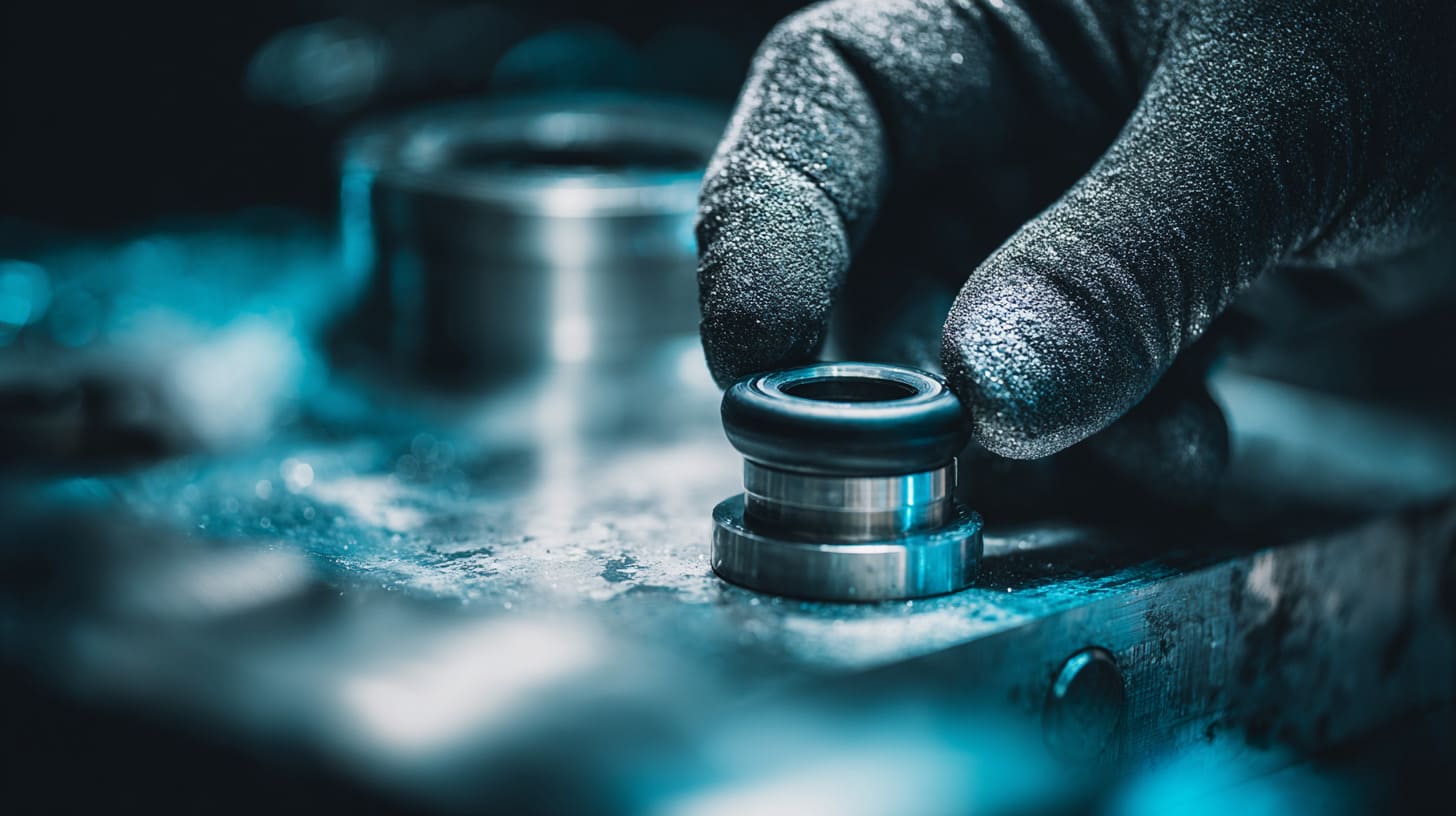
A design might look perfect on paper, but the moment it leaks—it’s game over. I’ve seen it happen in production more than once.
Sealing Techniques: Gaskets, Adhesives, and O-rings
The real hero of IP performance is the seal. Silicone gaskets, neoprene strips, or even custom-fit rubber O-rings decide whether your enclosure passes or fails testing.
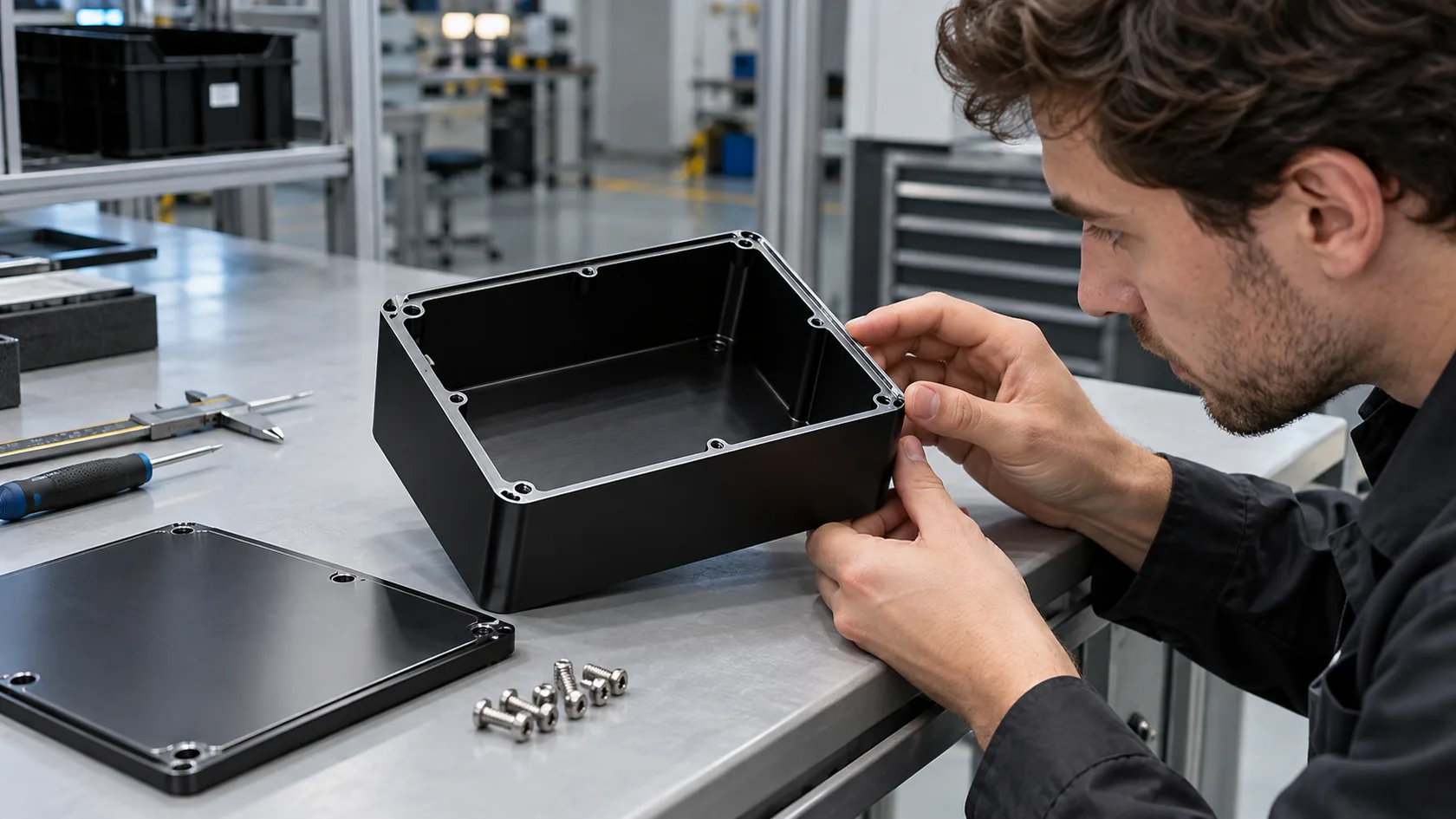
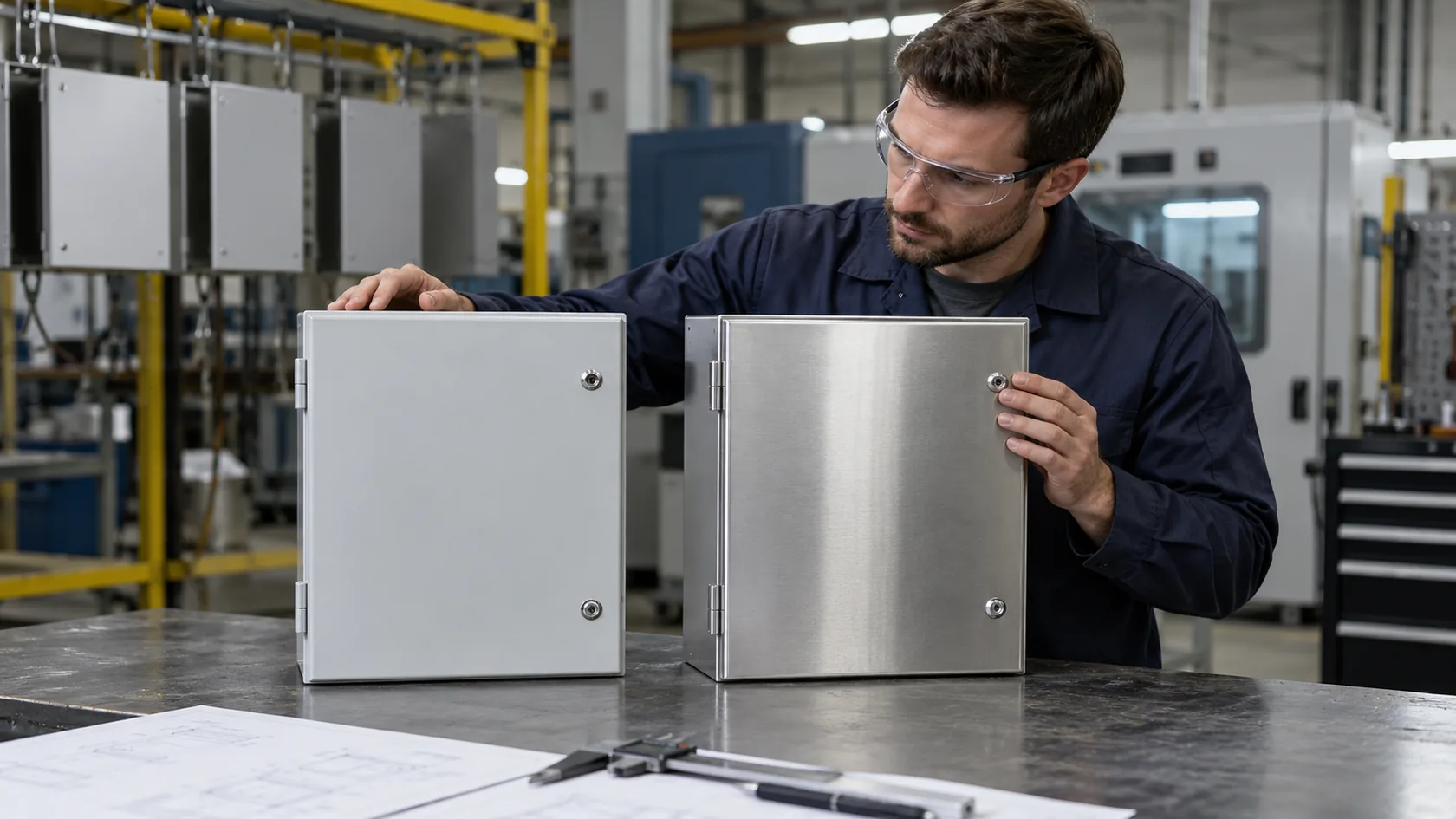
Enclosure Materials: Plastic vs Aluminum vs Stainless Steel
| Material | Pros | Cons |
|---|---|---|
| Plastic | Lightweight, non-conductive | Limited UV resistance |
| Aluminum | Strong, corrosion-resistant | Slightly heavier |
| Stainless Steel | Excellent strength | Expensive, heavy |
Mounting and Cable Entry Points: Weak Spots to Watch
Cable glands and joints are common leak points. Always match their IP rating with the enclosure—otherwise, the entire rating becomes invalid.
Testing and Certification of IP Ratings

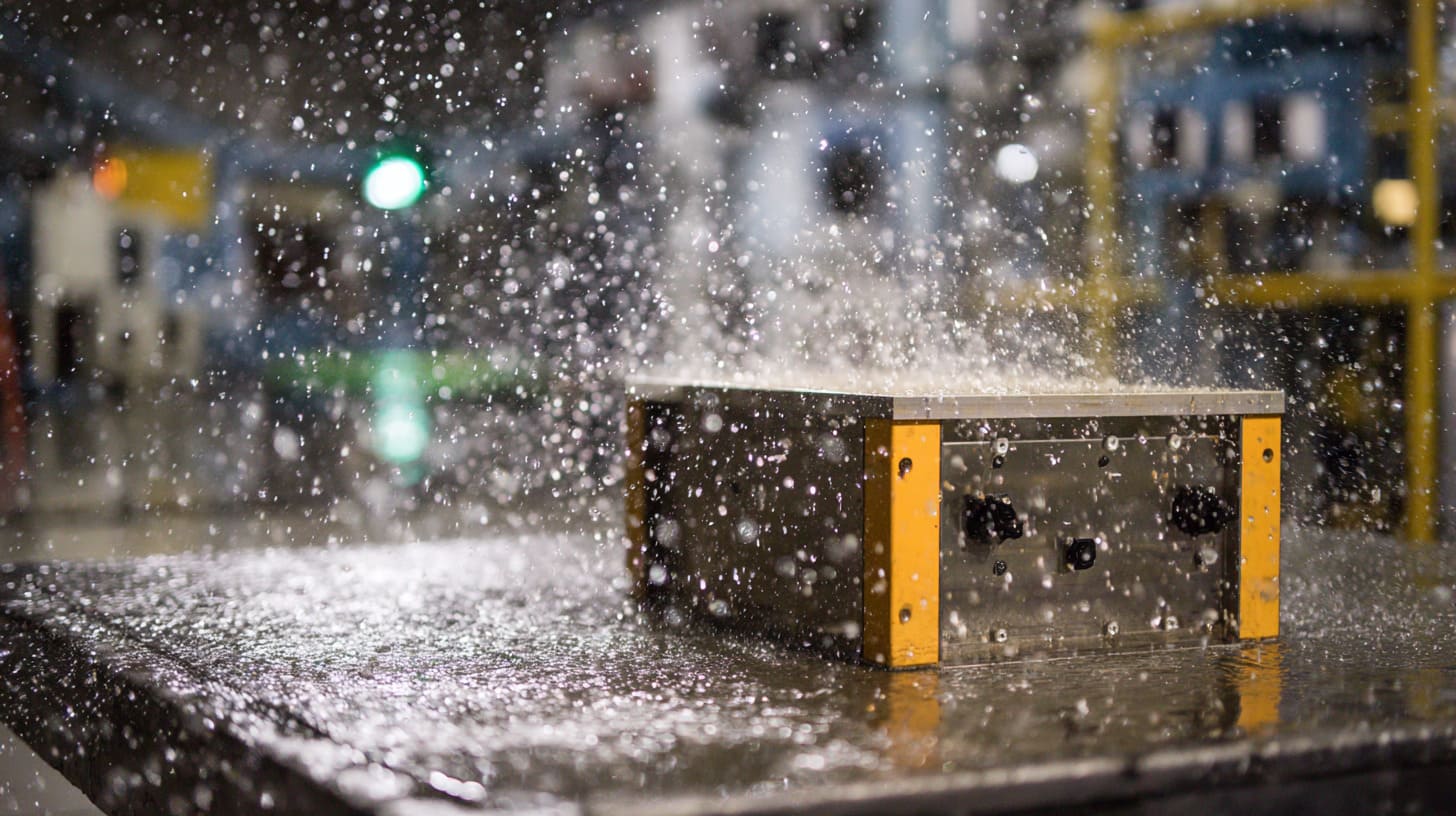
I once watched an IP test in a lab—jets of water hammering a small aluminum box like a rainstorm on steroids. It passed, but barely.
How IP Ratings are Tested
Tests follow the IEC 60529 standard. Devices are exposed to dust chambers and water spray booths to simulate real-world stress.
Who Certifies IP Ratings? (IEC, UL, etc.)
Organizations like IEC, UL, and TÜV handle certification.
In practice, many manufacturers do internal testing first before official certification.
Real-world vs Lab Testing: What to Expect
Real-world conditions are often harsher—vibration, temperature swings, and user handling can push limits.
That’s why I always recommend building safety margins beyond your target IP rating.
IP Ratings and Your Supply Chain Decisions

Let’s get practical. IP ratings aren’t just about protection—they’re also about trust between you and your manufacturer.
Why Buyers Like Davide and John Need IP Ratings
Davide’s team in Finland can’t afford product failures due to weak sealing.
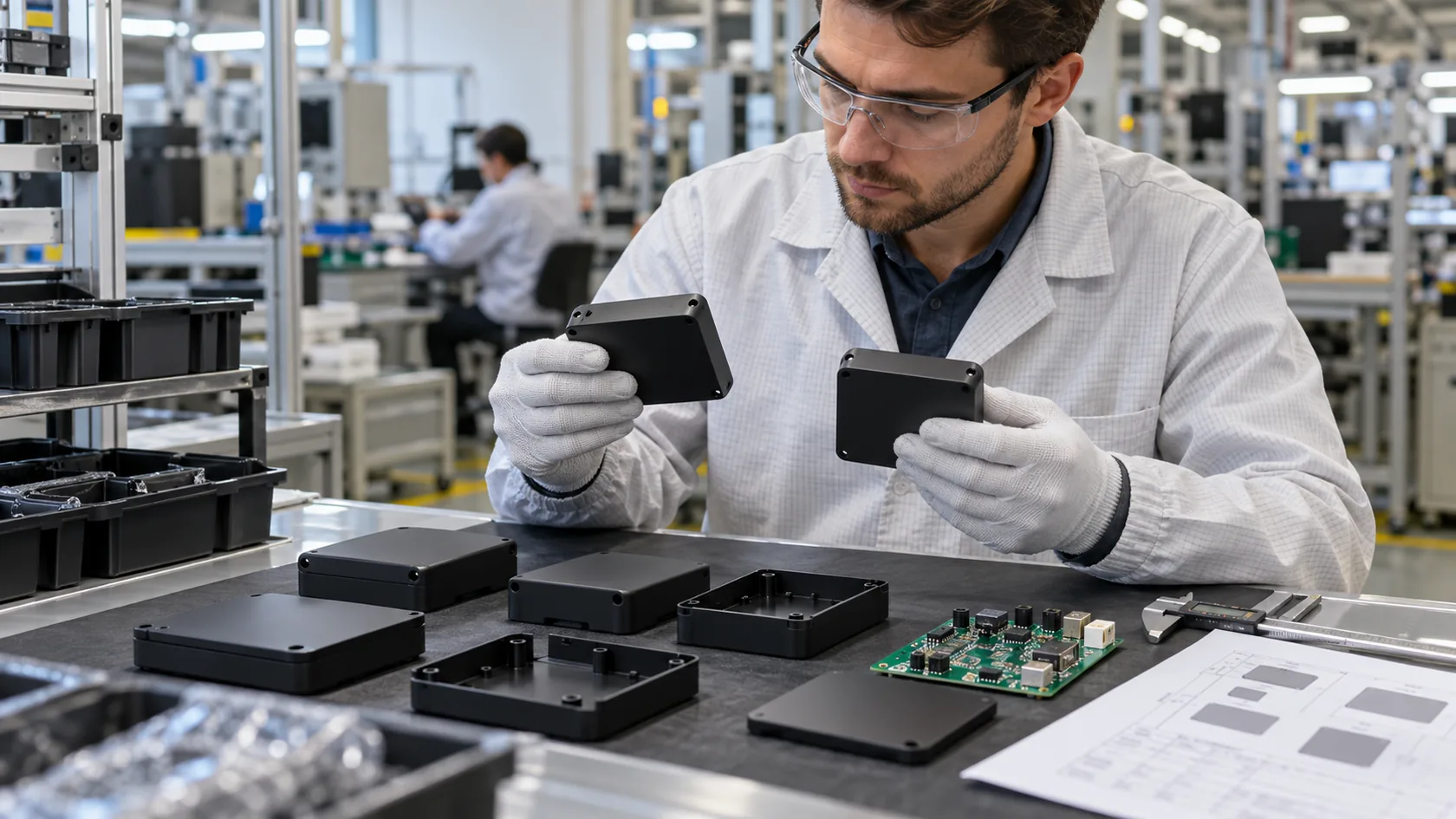
John, from Hungary, designs unique enclosures for IoT boards—he relies on our team to recommend the right rating early in design.
How to Communicate IP Needs with Chinese Manufacturers
Be specific—don’t just say “waterproof.” Mention exact IP levels.
At MaidaTech, we often receive 2D drawings with “IP65 or higher” noted—that’s perfect clarity for our engineers.
Typical Miscommunications or Pitfalls to Avoid
Common issues include:
- Overestimating the real environment exposure
- Ignoring gasket compression in design
- Assuming third-party parts (like fans) have the same IP rating
Clear documentation avoids costly rework and delays.
Case Studies: IP-Rated Enclosures in Action

Stories teach better than specs. Here are a few from our workshop floor.
Custom Aluminum IP67 Case for Outdoor IoT Sensor
We built a small batch of IP67 aluminum cases for a client monitoring soil moisture in agriculture. The enclosures faced months of rain and sun—no failure reported.
IP65 Plastic Case Used in Food Processing Equipment
A Hungarian client needed IP65-rated plastic enclosures for control panels near cleaning stations. Lightweight, easy to wash, and passed every test.
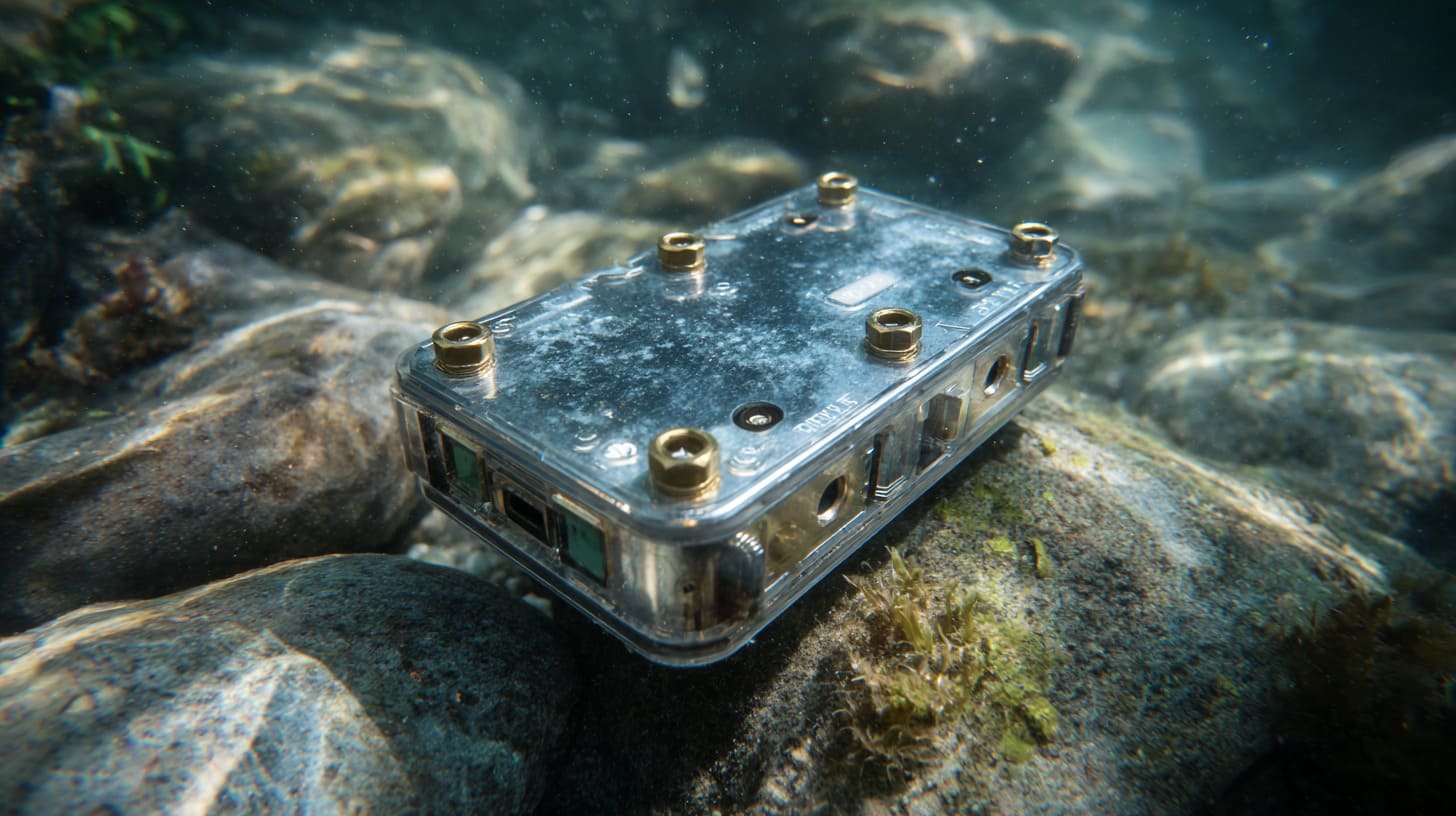
IP68 Raspberry Pi Enclosure for Marine Project
One of my favorite projects—an underwater data logger. We used anodized aluminum with O-ring sealing. It worked 10 meters below water for weeks.
Frequently Asked Questions About IP Ratings
Can IP Ratings Be Improved After Manufacturing?
Yes—but only to a point. You can enhance seals, gaskets, or coatings, but structure design limits upgrades.
Is a Higher IP Rating Always Better?
Not necessarily. Higher IP means higher cost and often more weight. Choose what your application needs, not what sounds impressive.
Do All Products Need Certification?
No. Many custom OEM enclosures rely on internal testing unless regulations require certification.
Can I Use an IP65 Case in the Rain?
Absolutely. IP65 handles heavy rain and jets—but not full immersion.
Conclusion
Understanding IP ratings is like learning a new language—it feels technical at first, but once you get it, everything makes sense.
As a manufacturer, I’ve seen how choosing the right rating turns a risky project into a reliable product.
So, next time you’re designing or sourcing an enclosure, think beyond the digits—think about the life your product will live.
And if you ever need guidance or a trusted OEM partner for your next project, we at MaidaTech are always ready to help—from design to production, with clarity, care, and confidence.