Skip to content
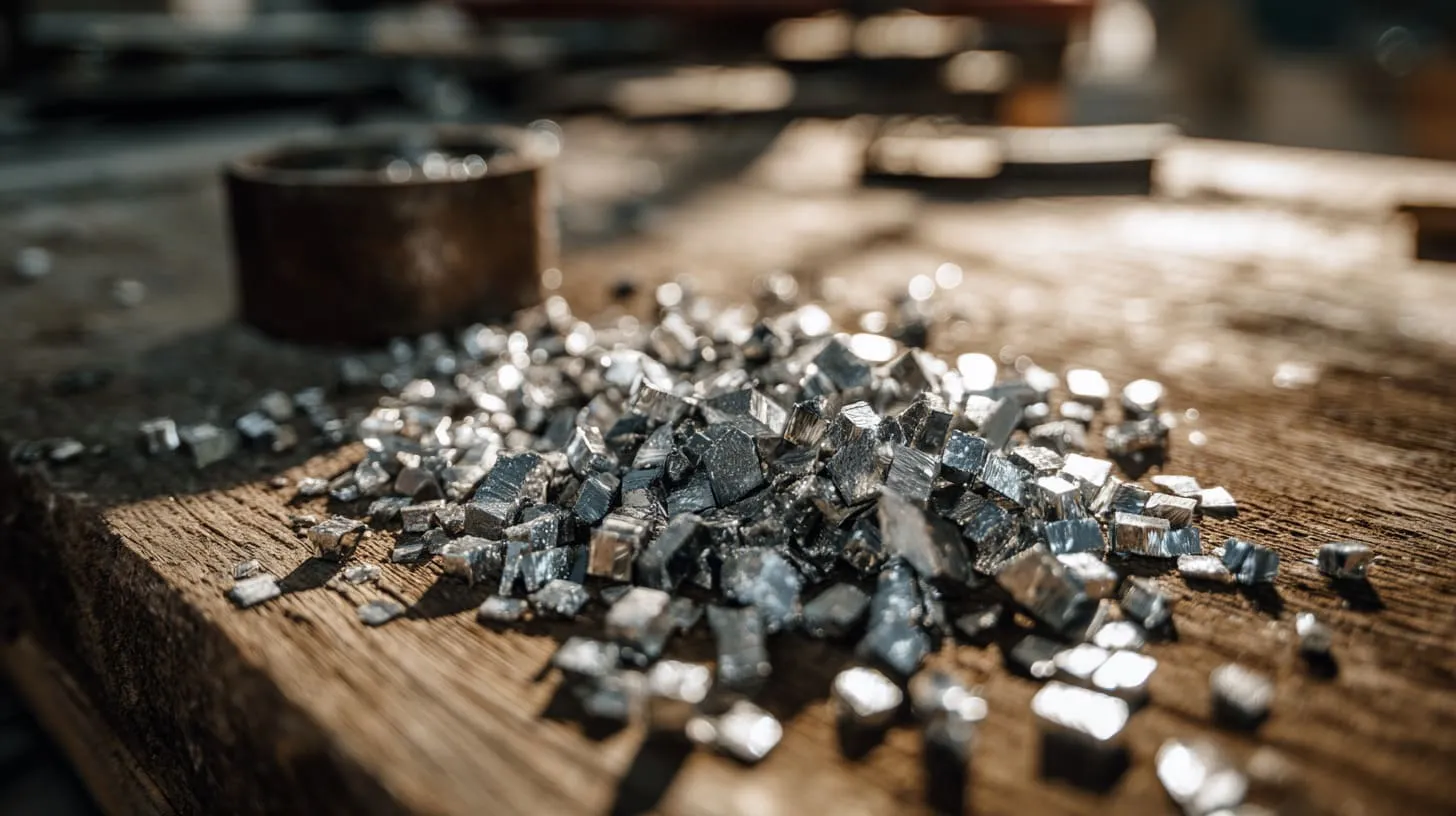
There’s a reason I keep scraps of aluminum on my workbench. Lightweight, easy to shape, and surprisingly good at carrying current. But is it really right for electrical applications?
Yes, aluminum is widely used in electrical systems—especially for power transmission, enclosures, and structural components—because of its conductivity, low weight, and cost-effectiveness.
I once held a meter-long aluminum busbar fresh off the CNC. Warm from cutting, it looked modest—but it was headed for a power station panel. That moment reminded me: aluminum’s role in electricity is quiet but critical.
What is aluminum used for in electrical?
Aluminum sneaks into more electrical applications than most people think.
It’s used in power cables, busbars, circuit breaker parts, heat sinks, and electrical enclosures.
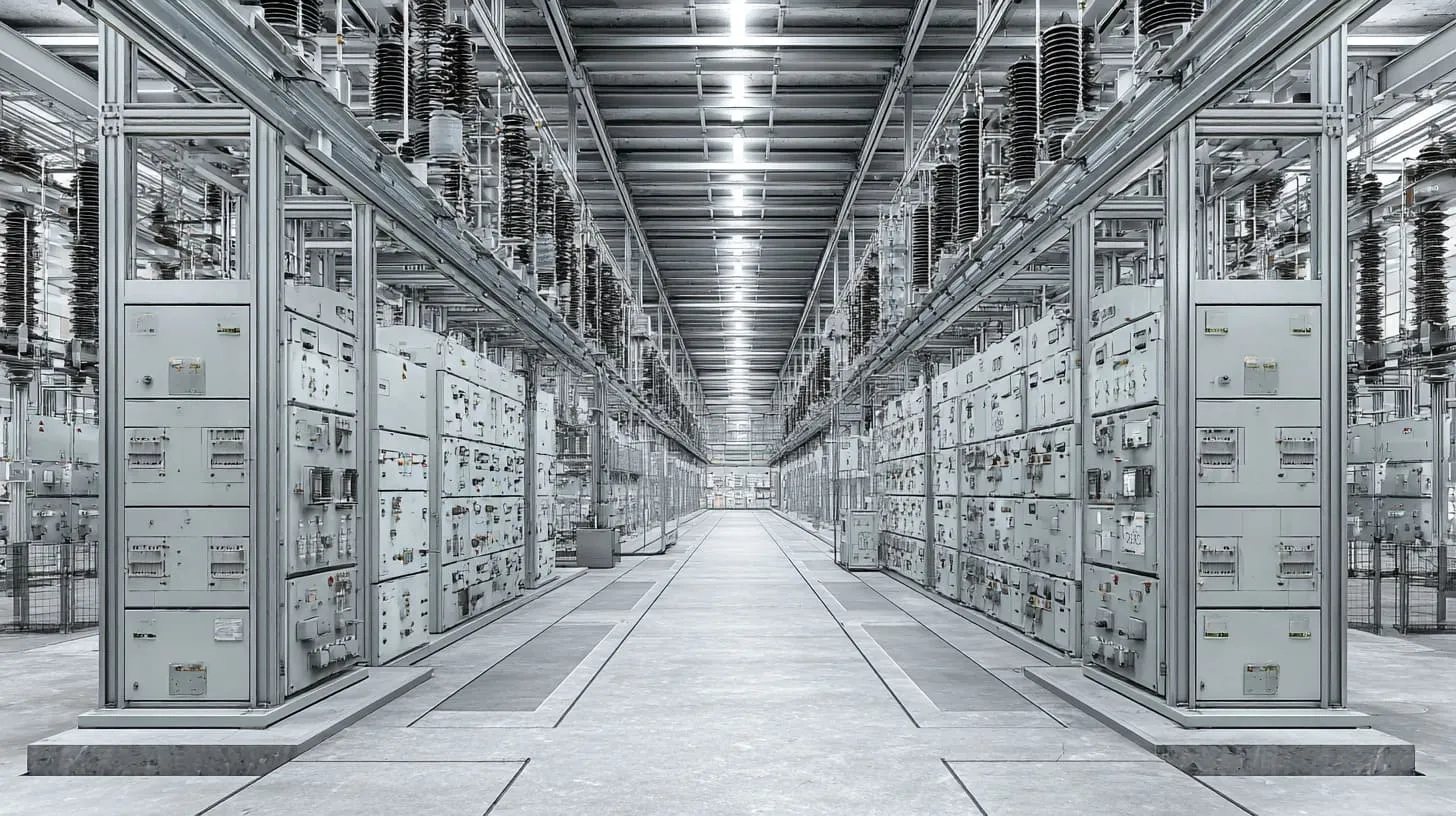
Not just wires and boxes
Sure, we know about aluminum wires. But walk into a power substation—you’ll find aluminum in busbars, grounding grids, and even switchgear frames.
Table: Common Aluminum Uses in Electrical
| Application | Why Aluminum is Chosen |
|---|---|
| Power Transmission | Low weight, cost-effective |
| Busbars | Easy to shape, decent conductivity |
| Enclosures | Lightweight, corrosion-resistant |
| Heat Sinks | Good thermal dissipation |
| Transformer Cases | Durable and non-magnetic |
Why is aluminum wiring no longer used?
Some scars in this industry come from the 1960s.
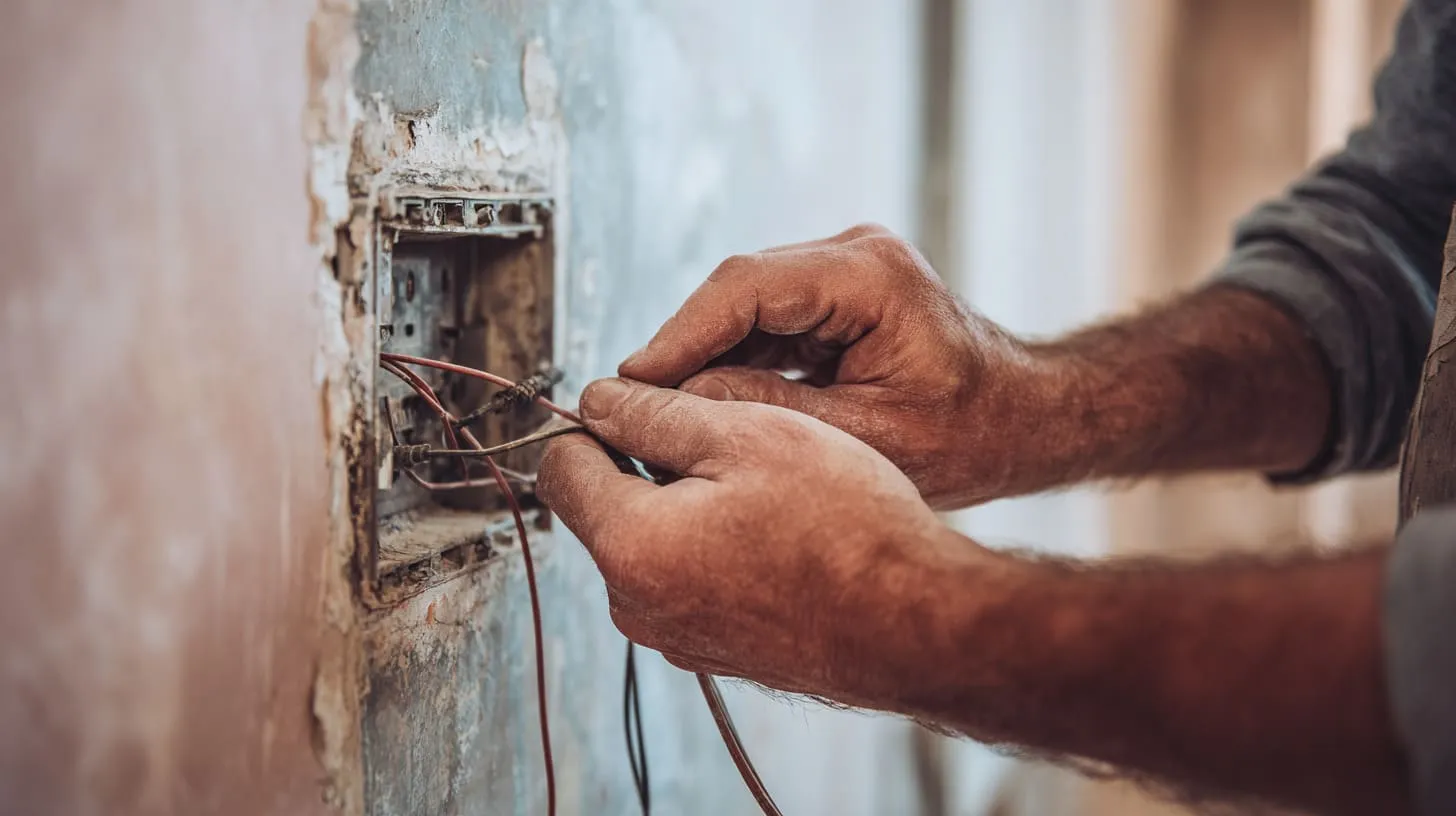
Aluminum wiring caused house fires due to thermal expansion and poor connections, leading to widespread replacement efforts.
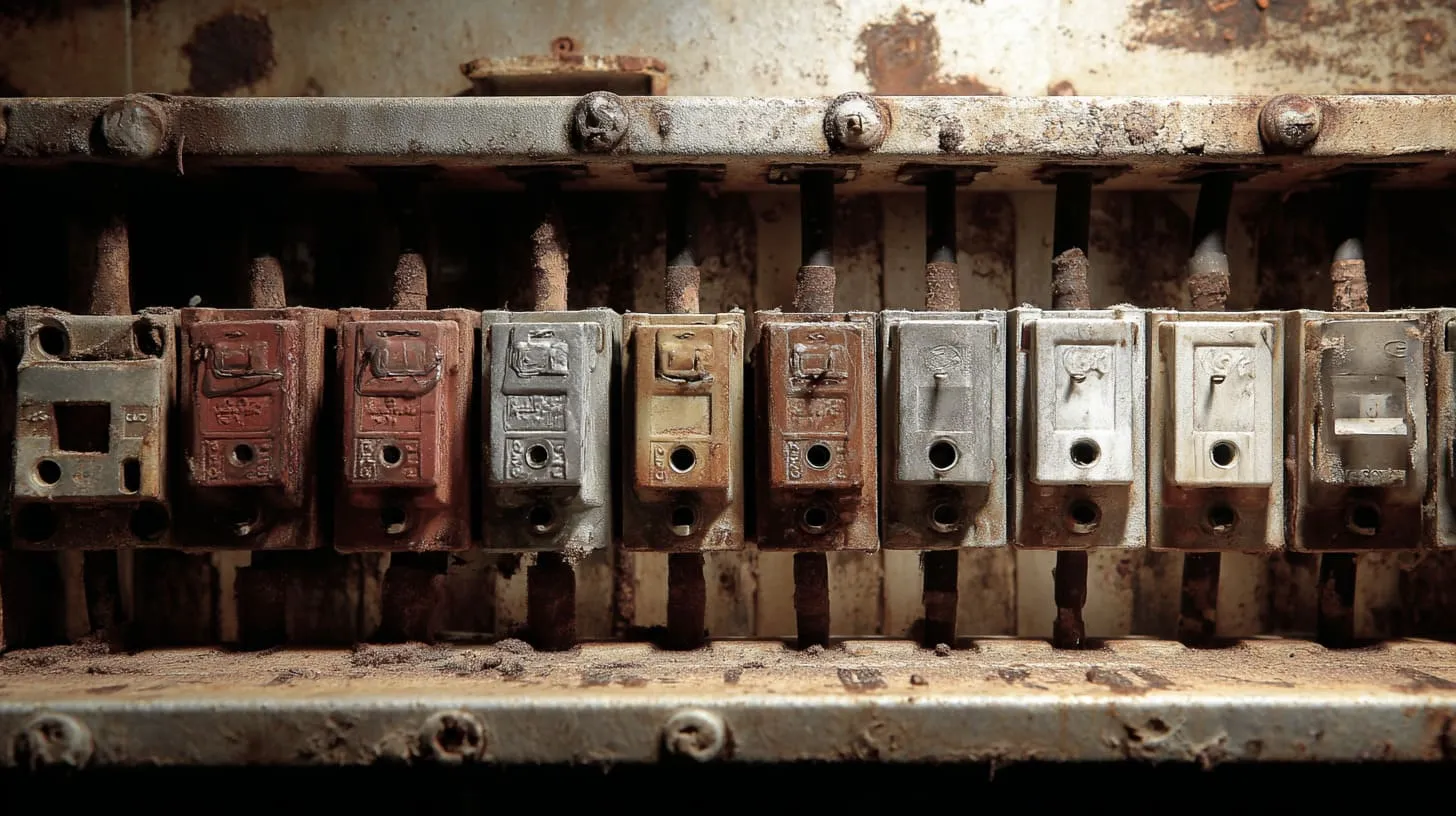
That’s not to say aluminum itself was bad—it was the mismatch between aluminum and steel connectors, along with poor installation practices, that caused the failures.
What are 5 things aluminum is used for?
Clients often ask me where else aluminum hides.
Aluminum is used in electrical cables, LED housings, transformers, heat sinks, and industrial enclosures.
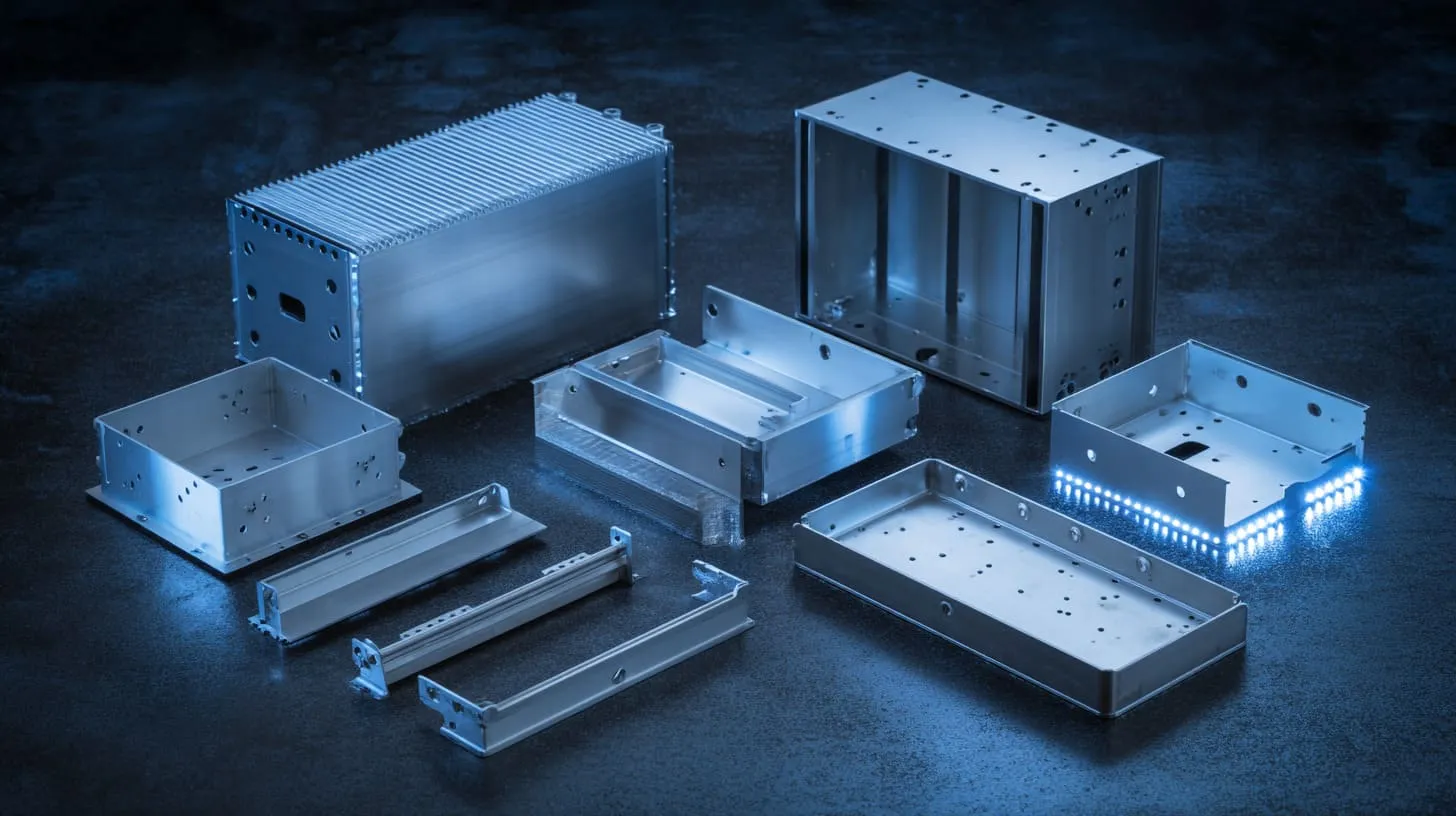
It’s the kind of material that adapts—like a quiet teammate that doesn’t need attention but always delivers.
When was aluminum wiring banned?
The word “ban” doesn’t tell the full story.
Aluminum wiring wasn't banned, but it fell out of favor in residential use by the late 1970s due to safety concerns.
Commercial and utility use continues, especially with improved aluminum alloys.
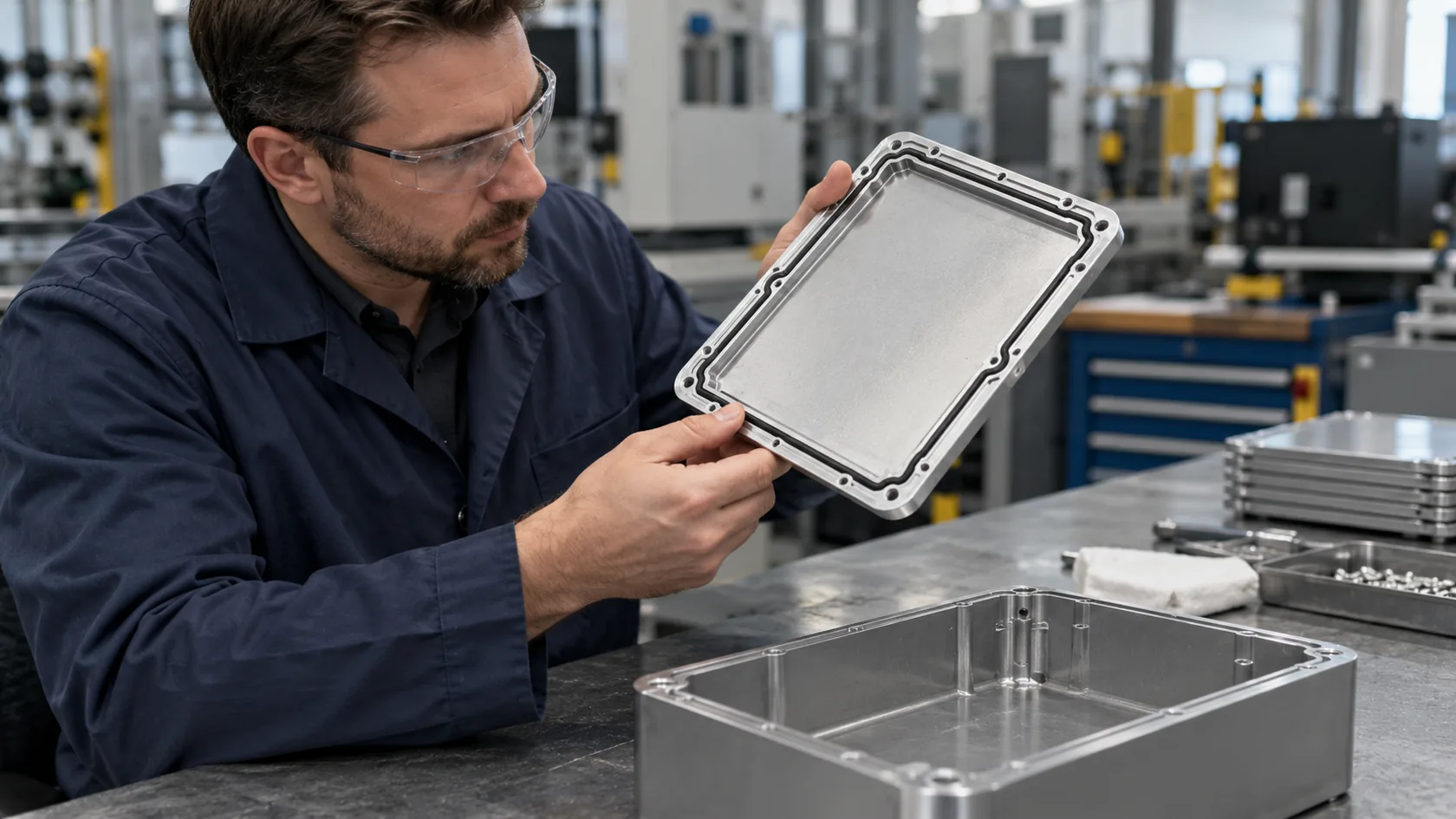
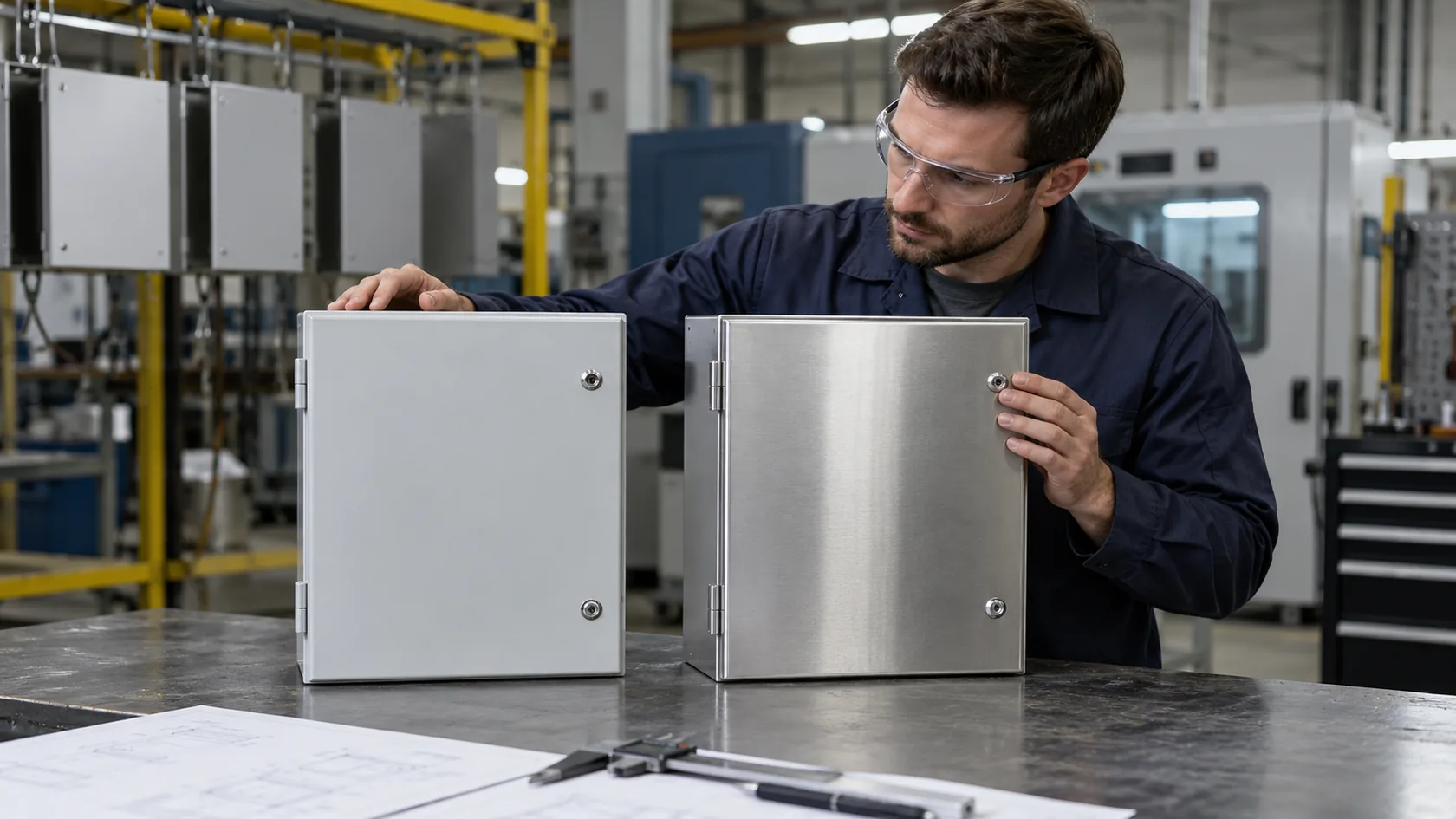
Why is aluminum used in electrical enclosures and not copper?
I've never seen a copper enclosure. And for good reason.
Aluminum is lighter, more affordable, easier to shape, and still offers decent shielding and protection.
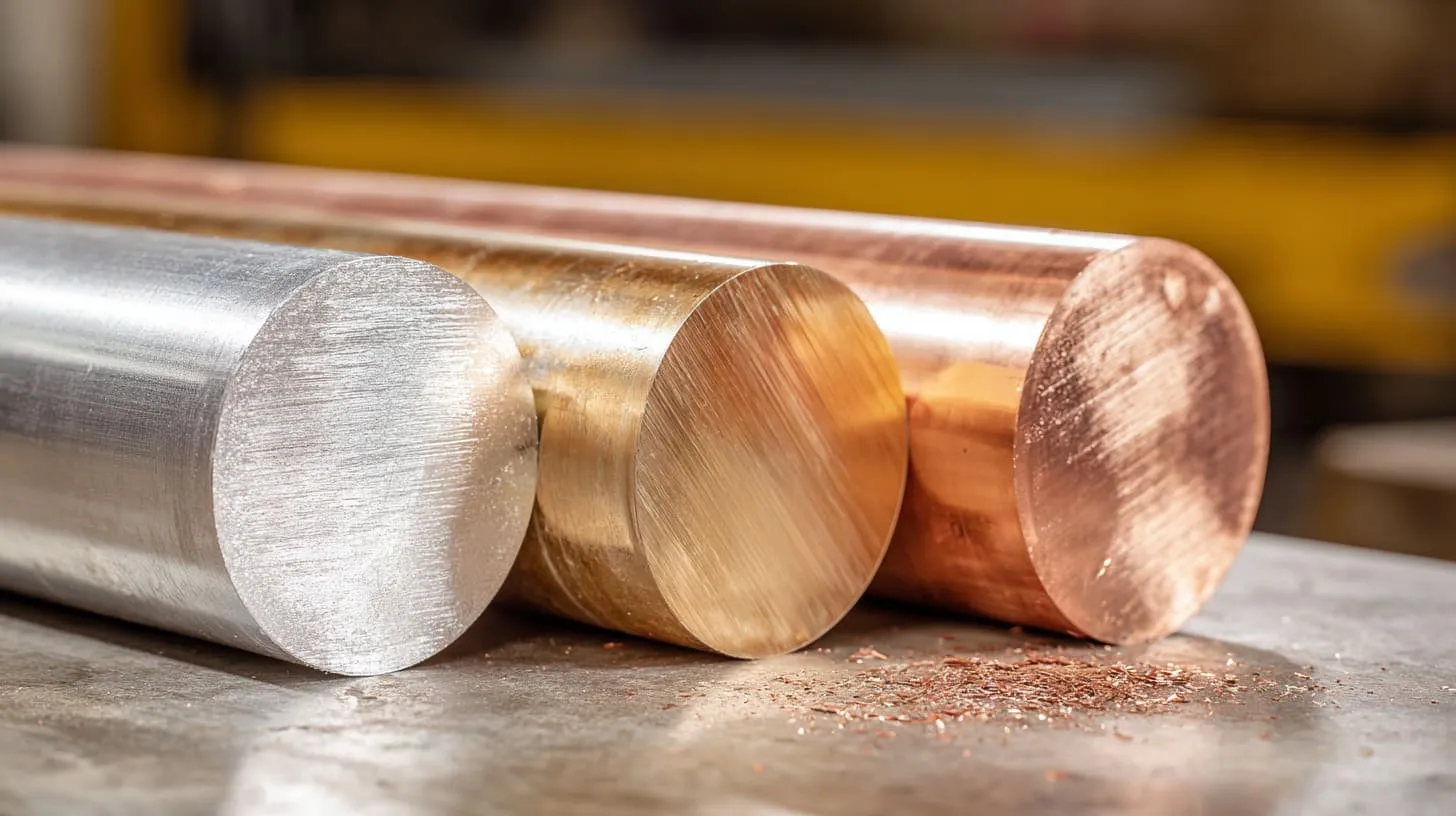
Copper is heavier, expensive, and harder to fabricate—plus, aluminum resists corrosion better when coated or anodized.
Is aluminum a good conductor for electrical applications?
Let’s be honest—it’s not copper. But it holds its own.
Aluminum has 61% of copper’s conductivity, but it’s only 30% as dense, making it great for long runs.

In fact, utility companies prefer aluminum for overhead lines because it weighs less and costs a fraction of copper.
What are the pros and cons of using aluminum for electrical conductivity?
Every choice has trade-offs. Let’s map it out.
Aluminum is cheaper and lighter but requires larger cross-sections and careful terminations.

Table: Pros and Cons
| Pros | Cons |
|---|---|
| Lower cost than copper | Less conductive than copper |
| Lightweight | Prone to thermal expansion |
| Corrosion-resistant when treated | Requires special lugs/connectors |
| Easier to shape and machine | Needs careful handling in high-load apps |
How does aluminum compare to copper in heat dissipation?
This one's a draw in most cases.
Aluminum dissipates heat faster due to lower density and higher thermal conductivity per gram.
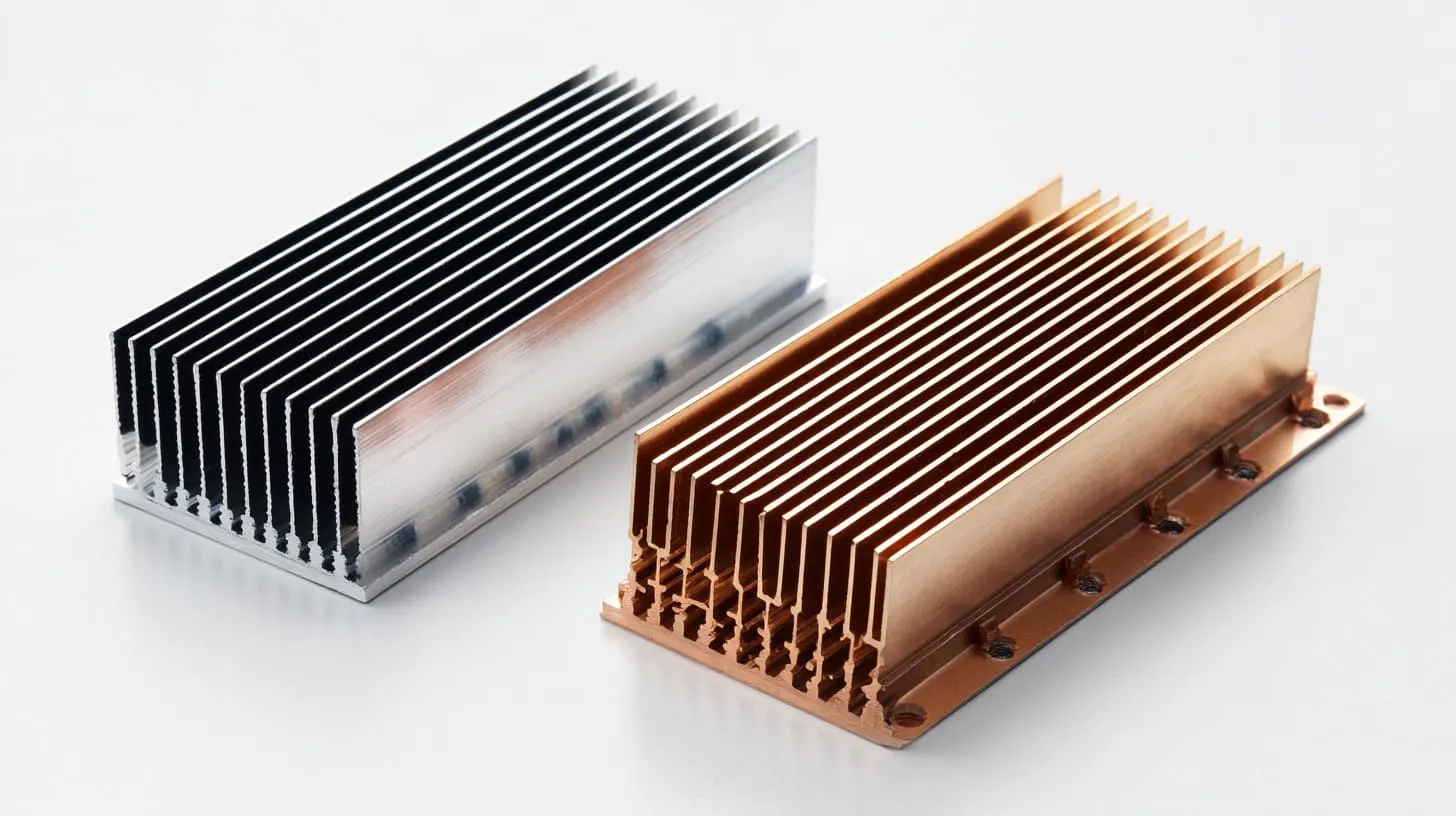
Copper conducts heat slightly better per cm³, but aluminum wins when weight and size matter—like in LED lighting or power enclosures.
Can aluminum be safely used in power distribution boxes?
Safety is all about design and details.
Yes, with the right connectors, sealing, and grounding, aluminum works safely in power boxes.
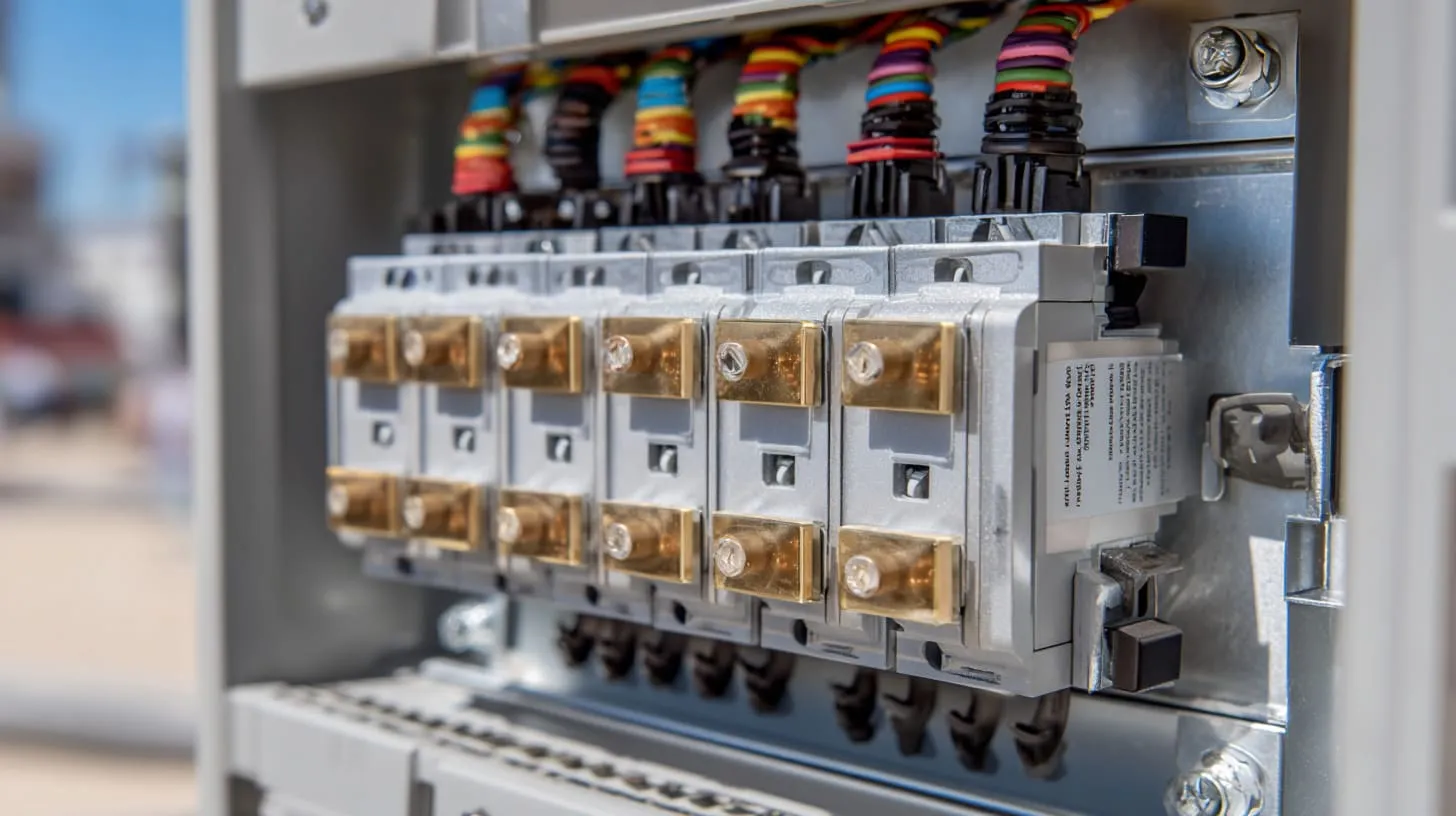
I always recommend compression lugs, anti-oxidation paste, and torque-controlled terminals. You avoid risk when you don’t cut corners.
What types of aluminum alloys are used in electrical enclosures?
Not all aluminum is the same.
6061 and 5052 aluminum alloys are commonly used for enclosures due to their strength, corrosion resistance, and machinability.
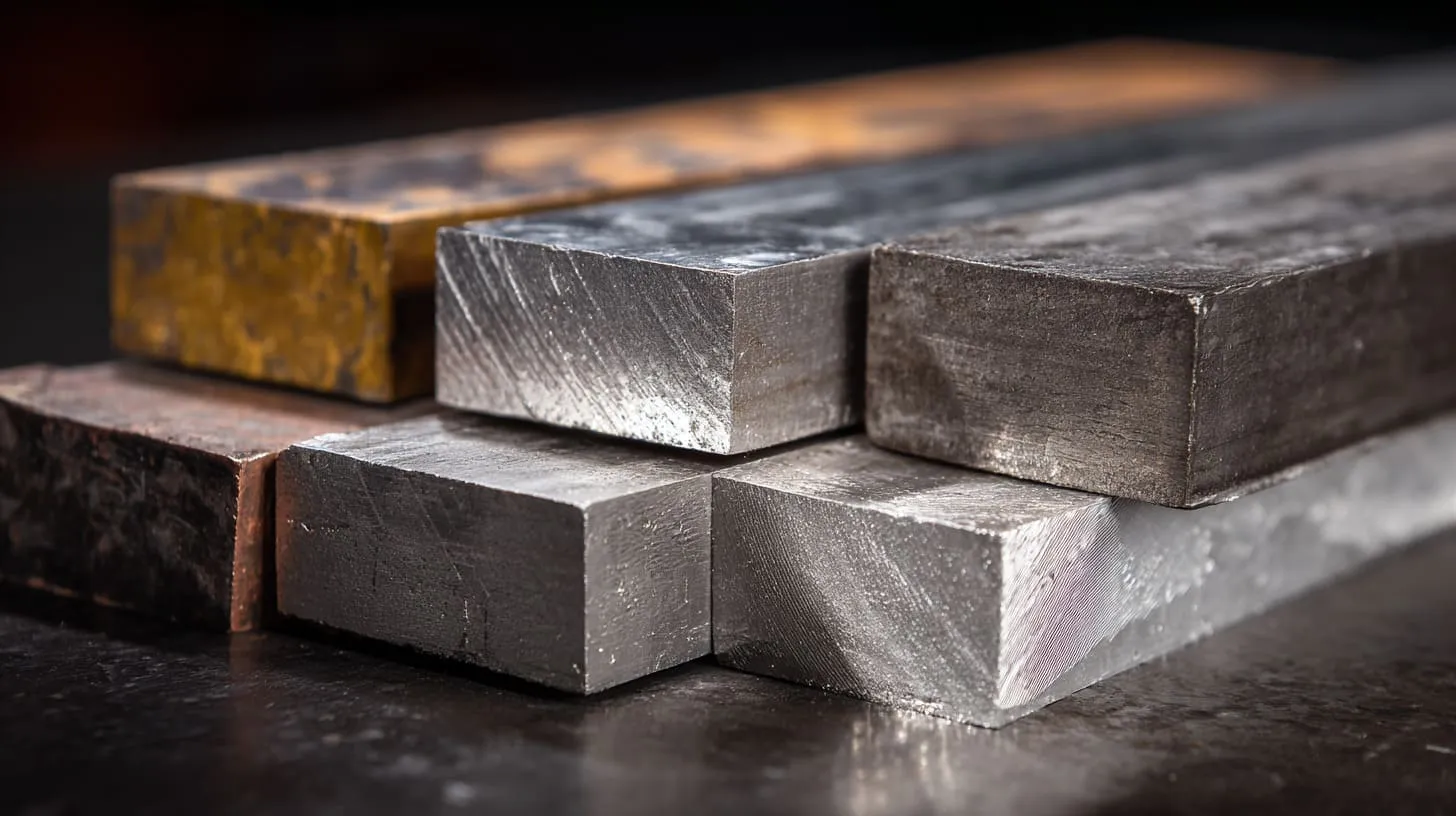
Quick Overview of Common Alloys
| Alloy | Features | Common Use |
|---|---|---|
| 5052 | High corrosion resistance, good formability | Electrical enclosures, panels |
| 6061 | Stronger, good weldability | Heavy-duty enclosures, housings |
| 1050 | High conductivity | Busbars, conductive rails |
Is aluminum suitable for EMI shielding in electronic devices?
This depends on your noise level and environment.
Yes, aluminum can block electromagnetic interference (EMI), especially when thick enough or coated properly.
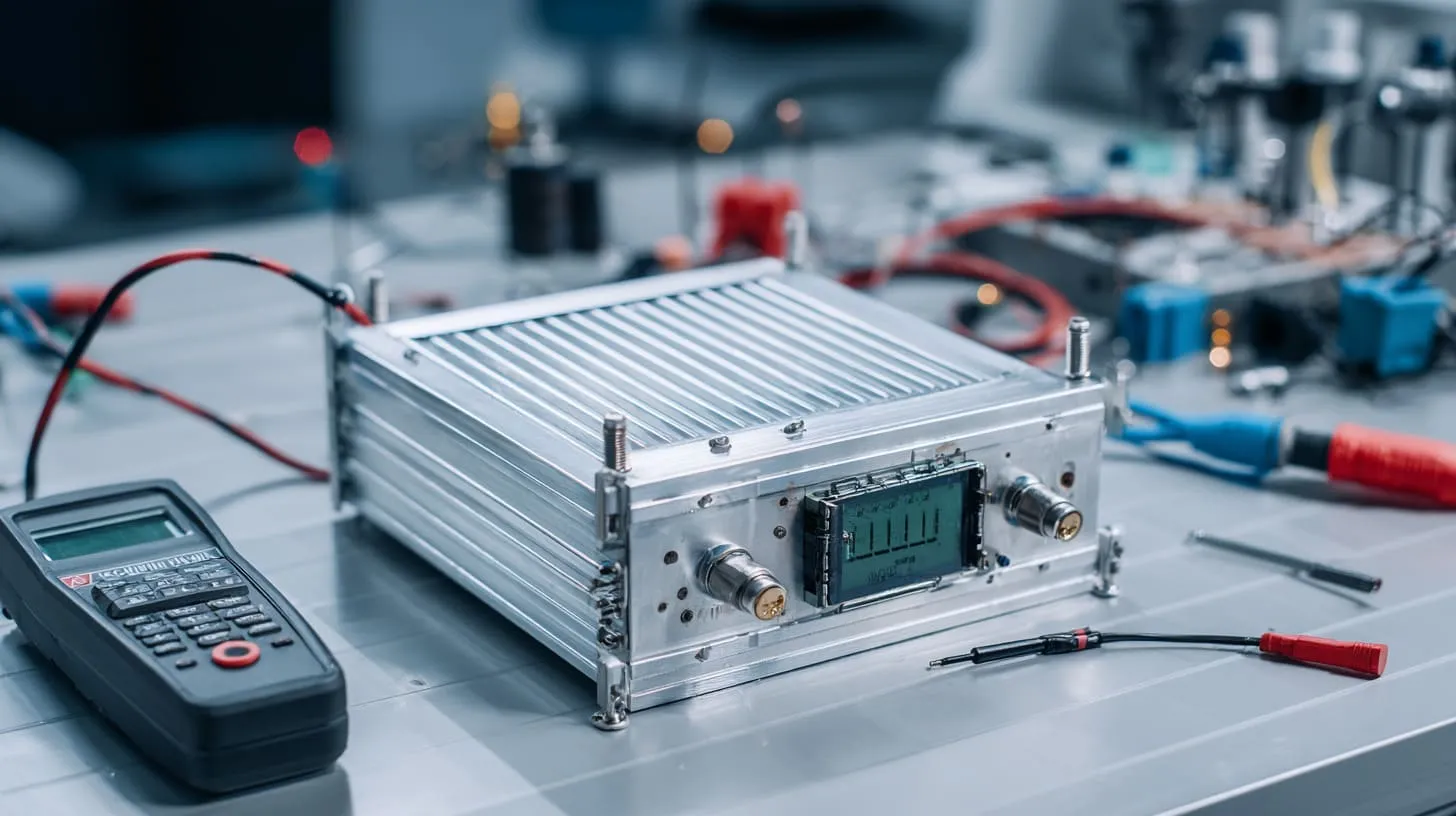
For high-frequency shielding, I’ve seen clients add conductive gaskets or use aluminum with chromate finishes.
Does aluminum meet grounding and safety standards for enclosures?
Grounding is one place you can’t cut corners.
Yes, aluminum enclosures can be grounded safely if designed according to UL, NEC, or IEC standards.
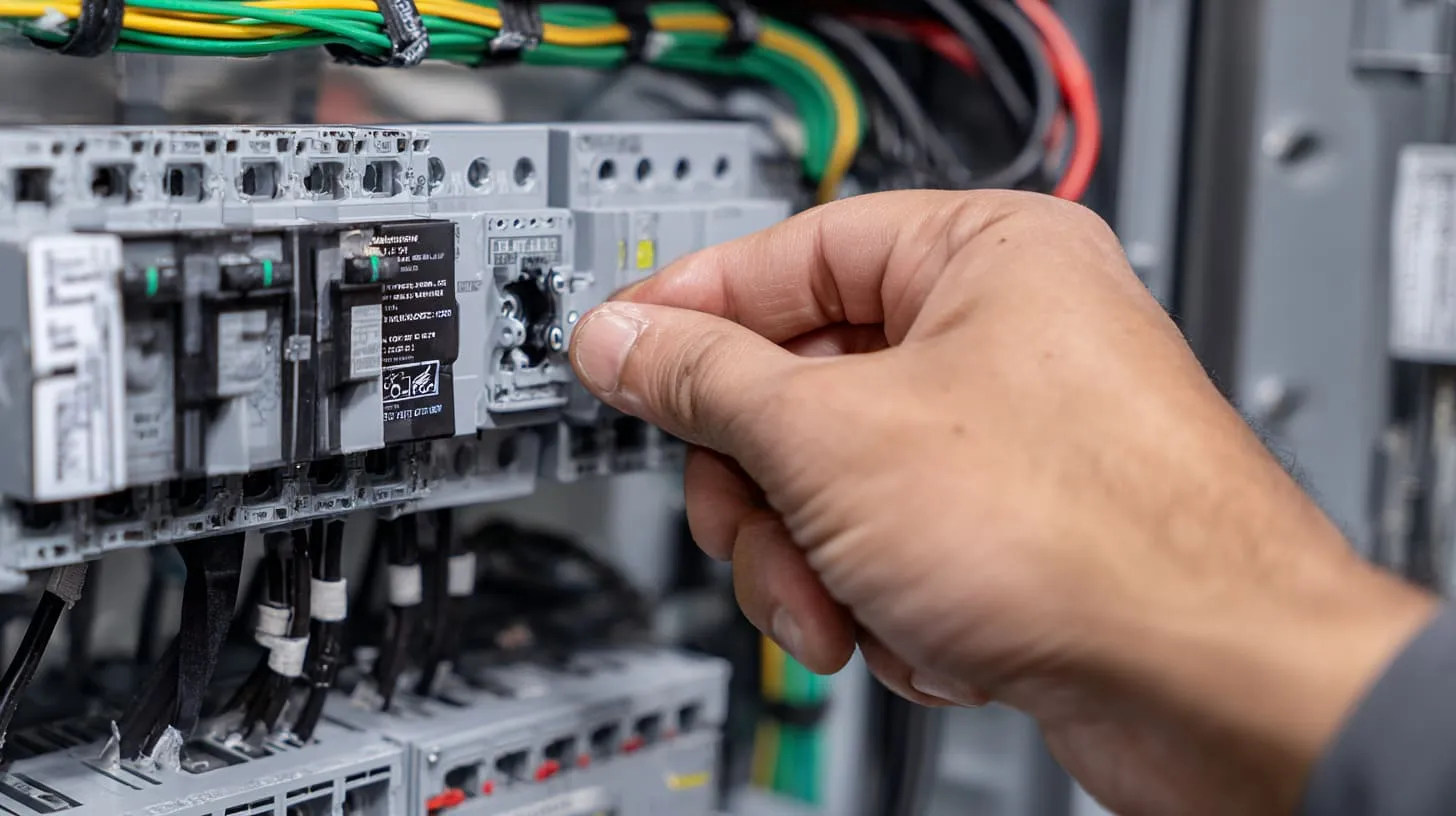
I always tell new engineers—test your continuity, and use star washers or bonding straps when fastening aluminum to ground wires.
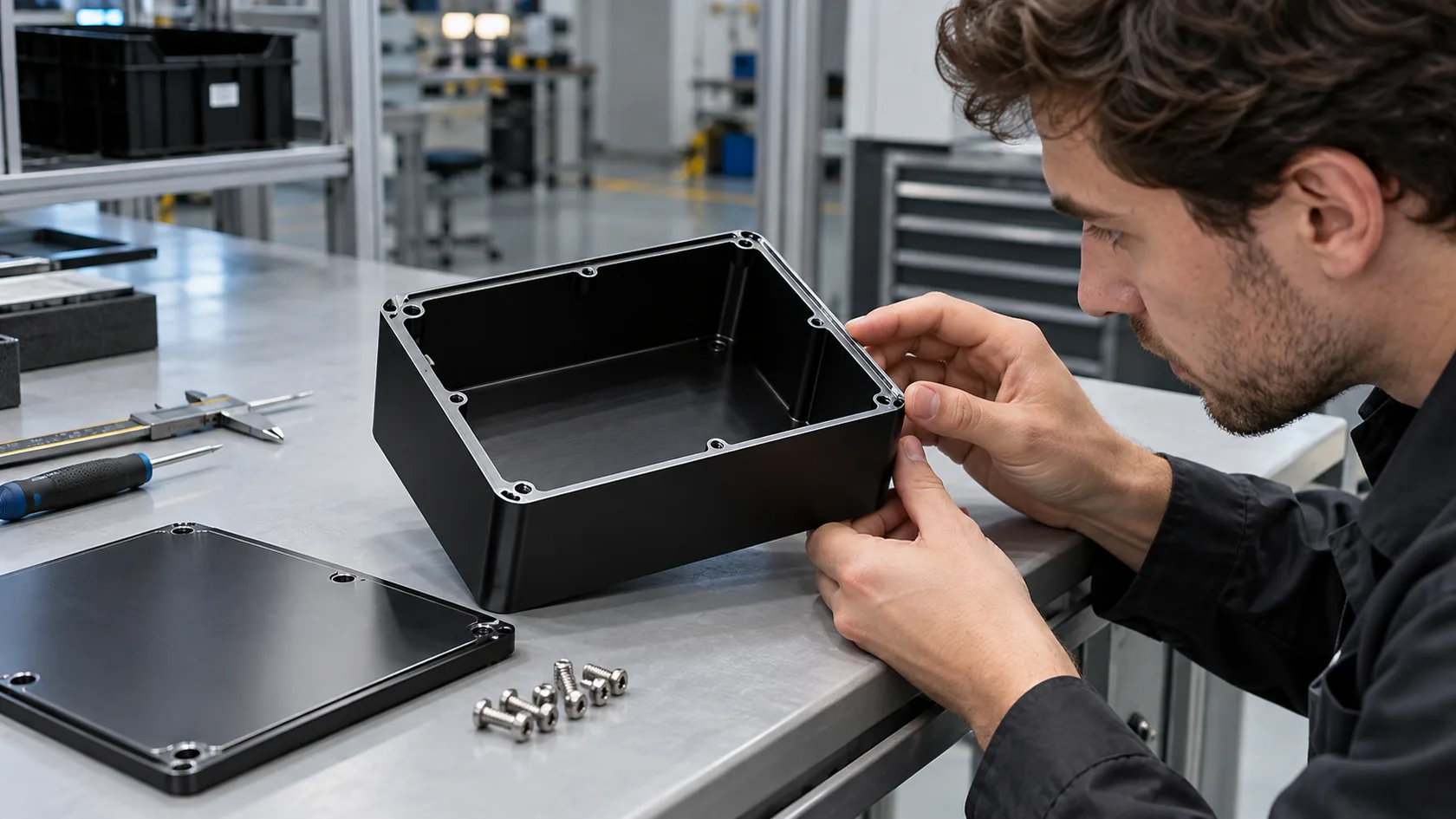
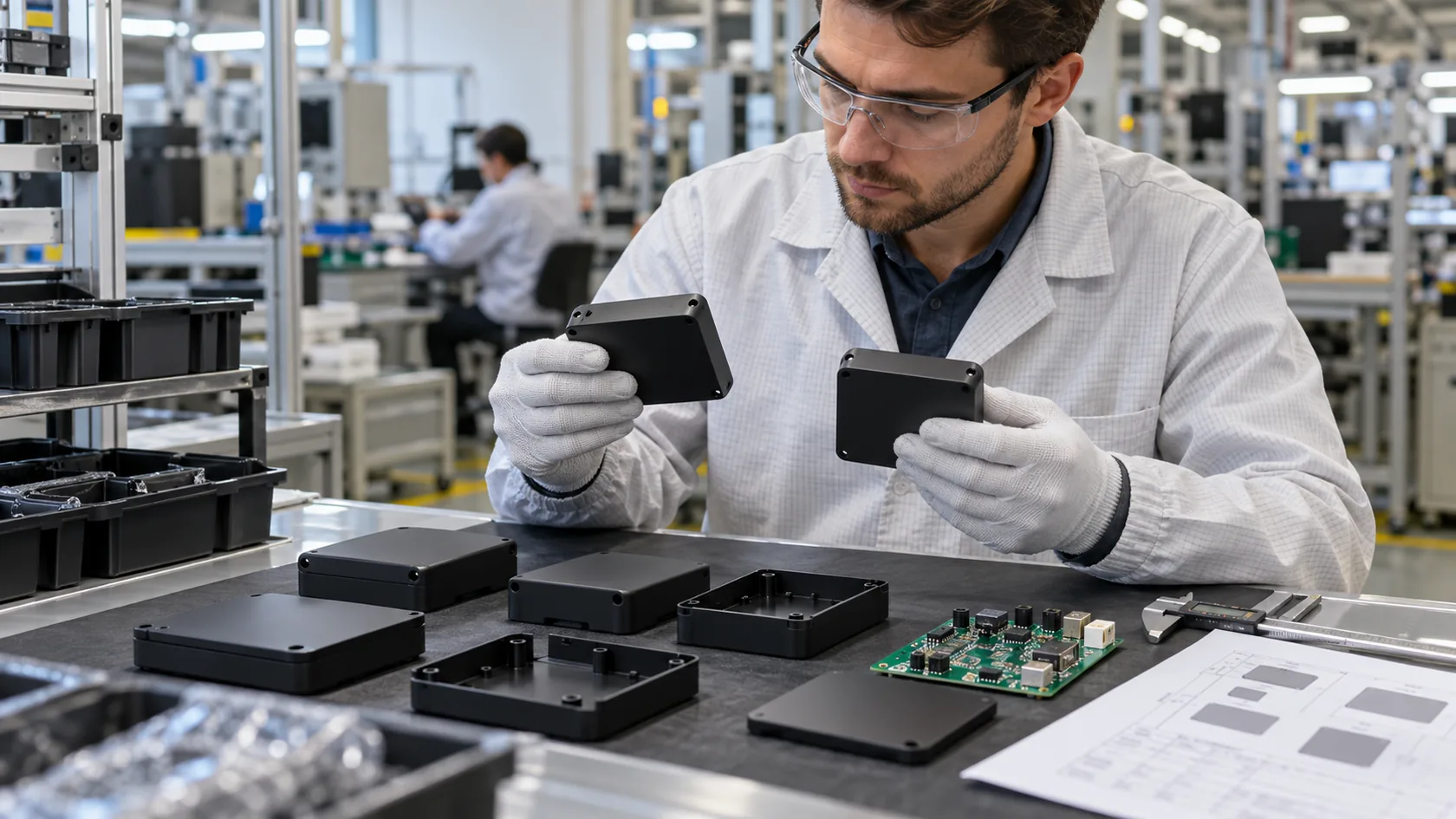
Why do manufacturers prefer aluminum for custom electrical housings?
I get this question a lot at tradeshows.
Manufacturers love aluminum because it balances weight, cost, looks, and performance.
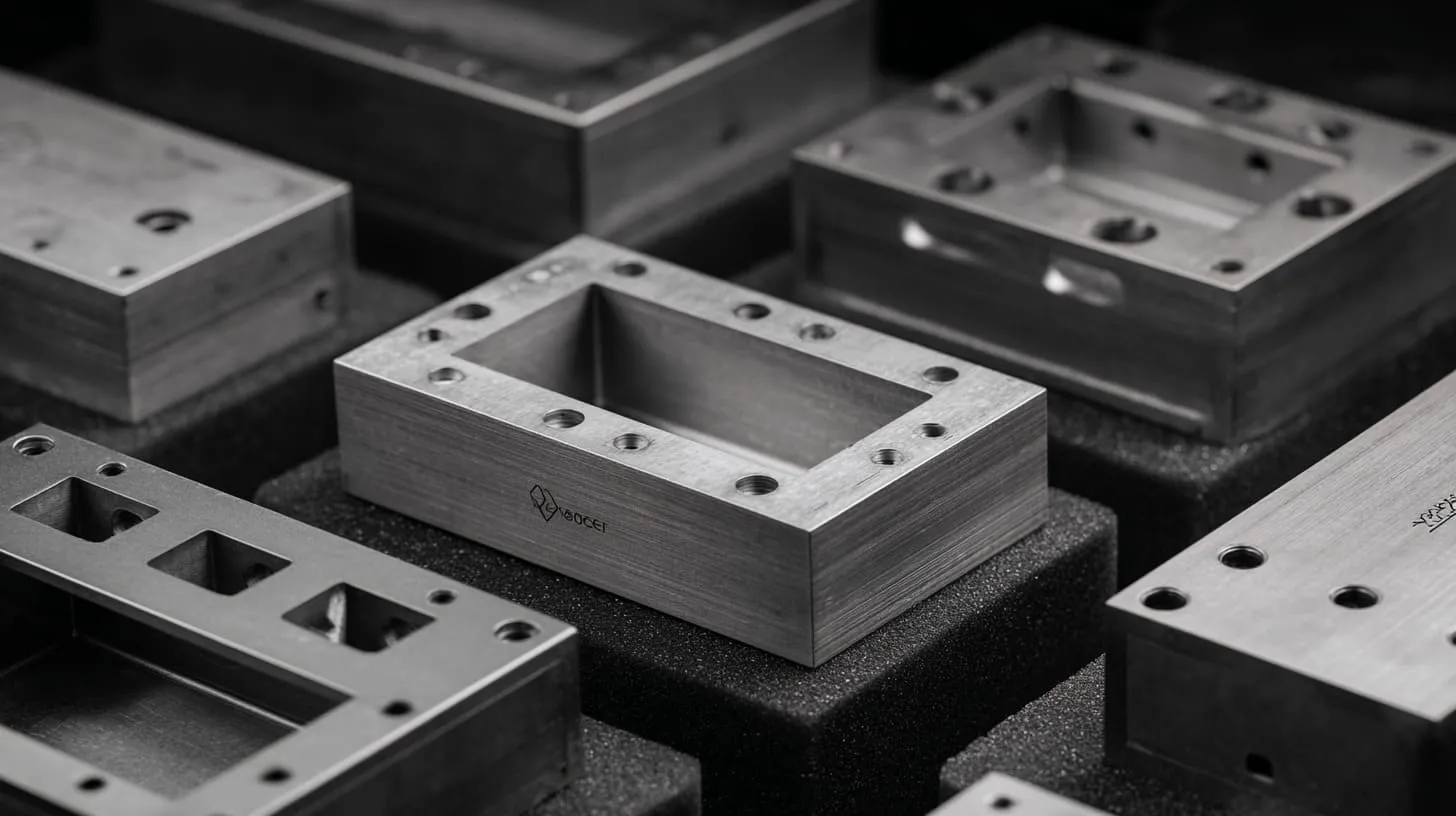
It also machines like butter on a CNC, holds branding well, and ships lighter—saving money on every box.
How do you ensure electrical safety when designing aluminum enclosures?
You design with purpose.
We ensure safety by using certified connectors, EMI gaskets, proper grounding paths, and thermal relief features.

Safety doesn’t come from the material—it comes from knowing how to use it right. I’ve learned that lesson more than once, the hard way.
Conclusion
Aluminum stays because it works.