Skip to content
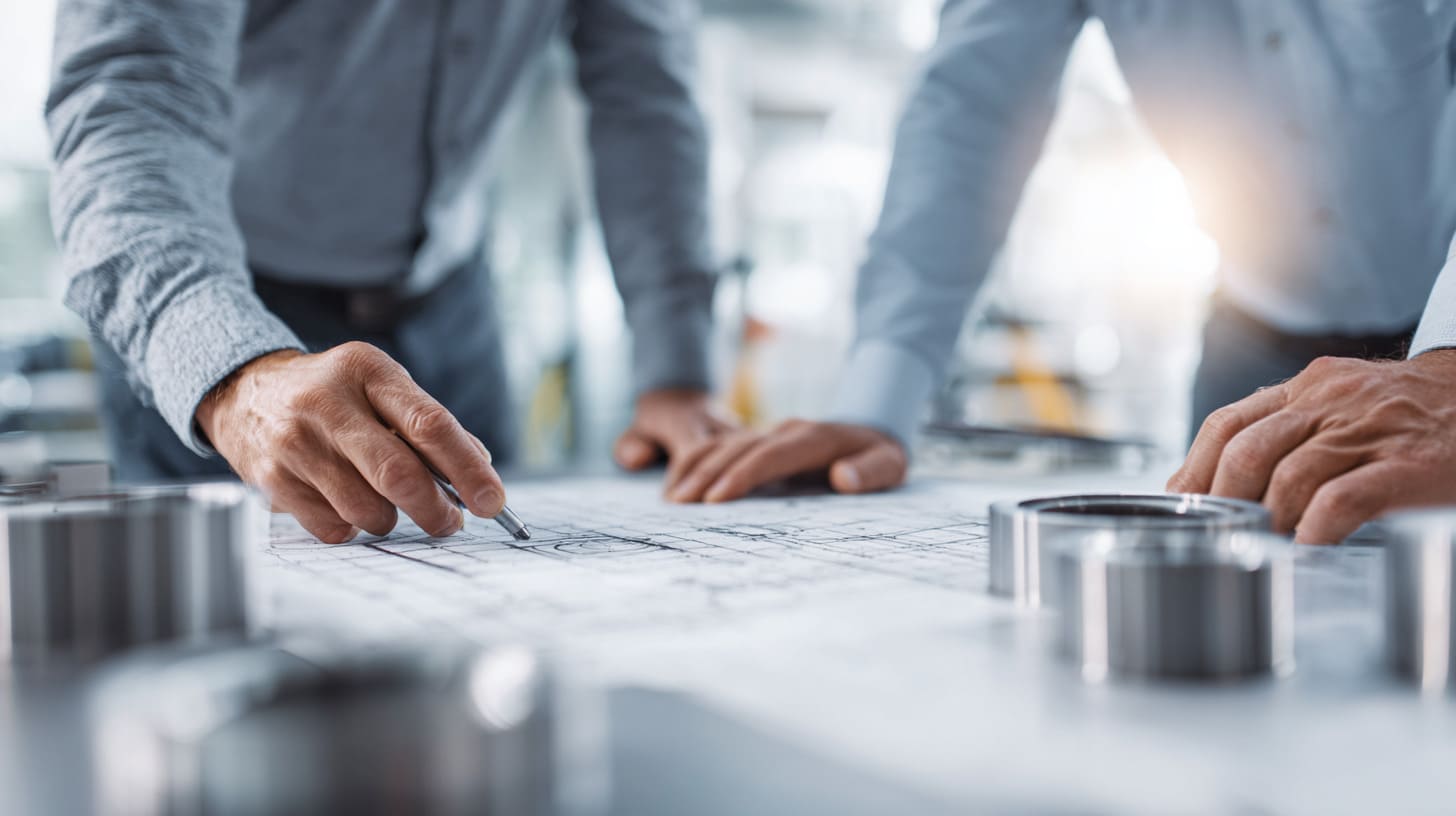
When engineers reach out to us with CAD files and a clear plan, you'd think most of the big questions are already solved. But right in the middle of those polished drawings and tight timelines, one tiny decision keeps showing up:
“Should we use 5052 or 6061 aluminum?”
On the surface, it feels like a small detail. But I’ve learned this is where projects either stay smooth—or hit unexpected bumps.
Over the years, I’ve helped product designers, re-branders, and ODM innovators figure this out across different industries. If you're trying to make the right call for your custom enclosure, this guide is for you.
Let me show you how I explain it—plain, clear, and grounded in real factory work.
What are Aluminum Alloys?
I like to explain this in plain terms.
Aluminum alloys are aluminum mixed with other elements.
Those elements change how the metal bends, breaks, resists rust, or cuts on a machine.
Pure aluminum is soft.
Useful aluminum is engineered.
That’s why we don’t just say “aluminum enclosure.”
We say which aluminum.
Why Comparing 5052 vs 6061 Matters for Custom Enclosures
I’ve seen projects fail because of this choice.
Not explode. Not snap in half.
But fail slowly.
A bend cracks during assembly.
A surface pits after one winter outdoors.
A CNC job takes twice as long as planned.
5052 and 6061 solve different problems.
If you mix them up, the metal will remind you.
Overview of Key Differences
Before we go deep, here’s the short version:
| Alloy | Best At | Weak At |
|---|---|---|
| 5052 | Bending, corrosion resistance | High structural load |
| 6061 | Strength, machining | Tight forming |
If that table already makes you pause, good.
Now let’s unpack why it matters.
And once we do, choosing becomes much easier.
5052 Aluminum Alloy
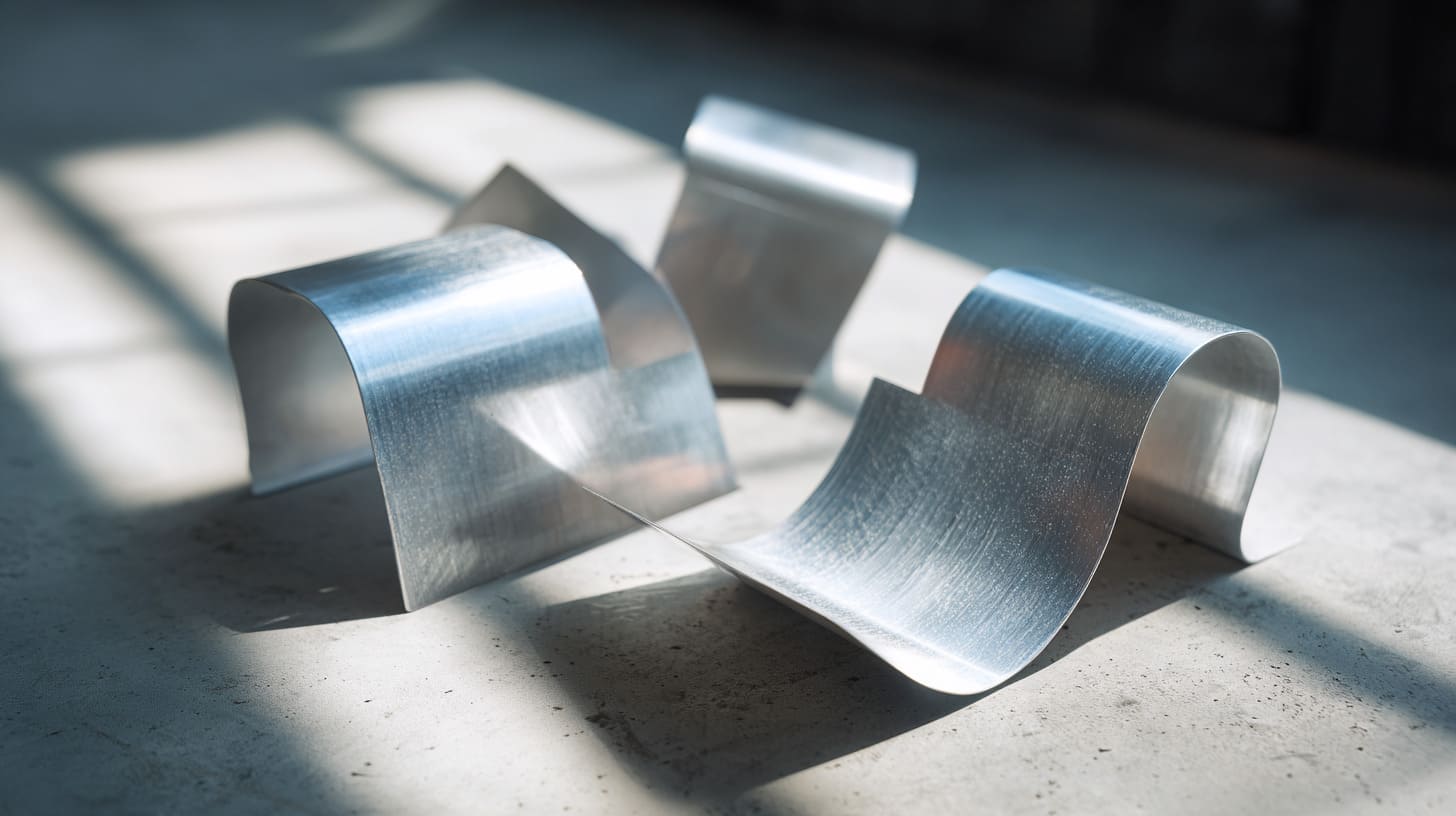
5052 feels familiar to me.
It’s the alloy I reach for when a drawing shows tight bends, soft curves, or long folded panels. When I see those shapes, I already know what the metal wants.
Chemical Composition
5052 is aluminum mixed mainly with magnesium.
That magnesium gives it:
- Better corrosion resistance
- More flexibility
- A softer, more forgiving nature
It’s not built to be hard.
It’s built to move.
Mechanical Properties
This is where expectations need a reset.
5052 is not weak.
It’s just not trying to be strong in the same way.
Tensile Strength & Yield
5052 has moderate strength.
Enough for:
- Enclosures
- Panels
- Covers
- Folded housings
Not ideal for:
- Structural frames
- Load-bearing mounts
I’ve had clients assume thicker 5052 can replace 6061. Sometimes it can. Sometimes it becomes heavy and awkward.
Fatigue Strength
5052 handles repeated movement better than many people expect.
If your enclosure:
- Gets opened often
- Vibrates lightly
- Flexes during use
5052 stays calm.
It doesn’t fight back.
Elastic Modulus & Ductility
This is where 5052 shines.
It bends.
It bends again.
And it doesn’t crack.
That’s why it’s a favorite for brake-formed parts.
Corrosion Resistance
I trust 5052 outdoors.
Salt air.
Humidity.
Industrial environments.
It holds up without special treatment.
That’s one reason marine applications love it.
Fabrication Characteristics (Forming/Welding)
From a factory view, 5052 is friendly.
- Easy to bend
- Welds cleanly
- Low crack risk
When a project has many folds, this alloy saves time and stress.
Common Uses in Manufacturing & Enclosures
I often see 5052 used for:
- Outdoor enclosures
- Folded aluminum housings
- Control panels
- Electrical boxes
When shape matters more than brute force, 5052 feels right.
And once you understand that mindset, 6061 starts to look very different.
6061 Aluminum Alloy
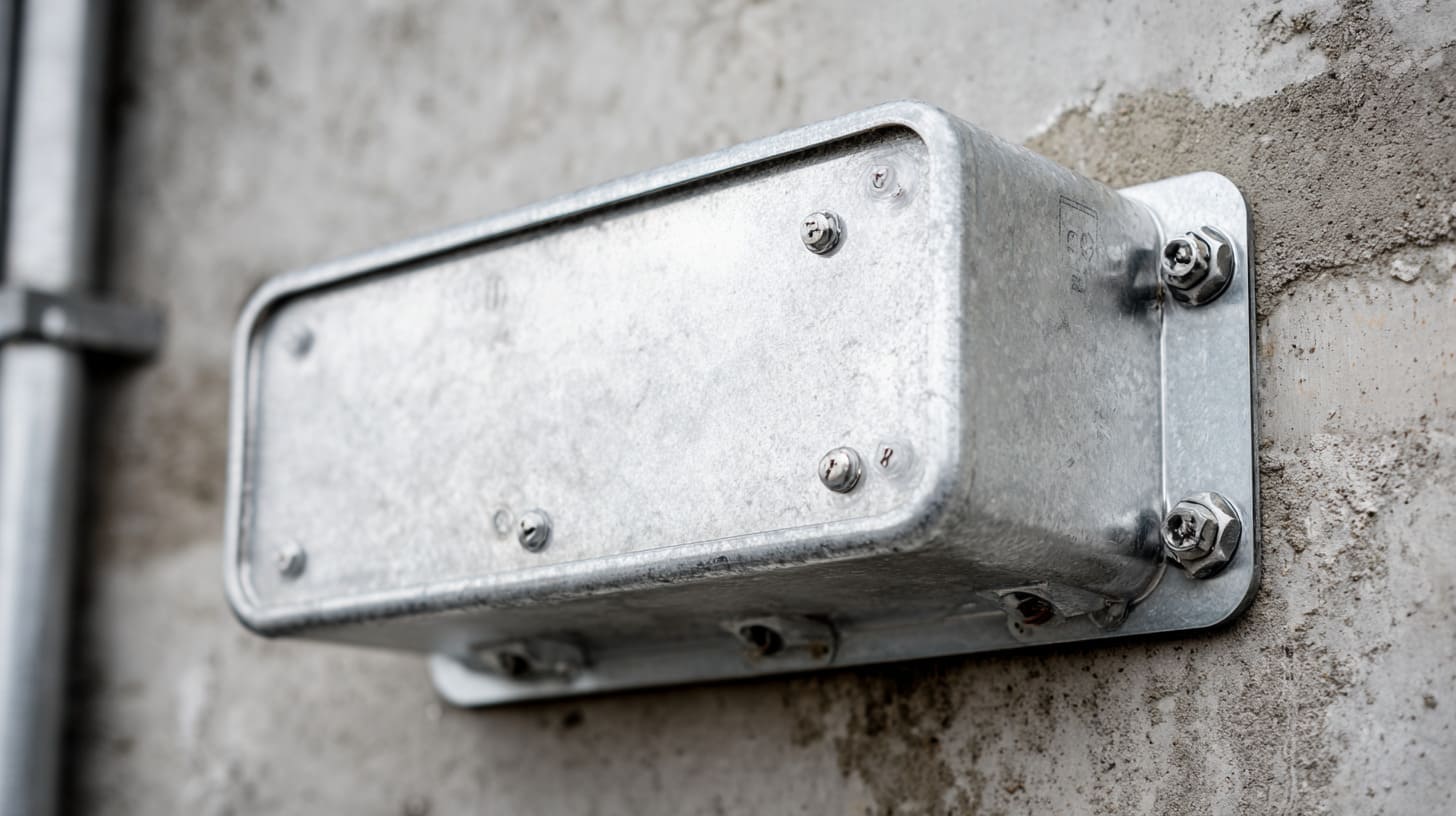
6061 has a different personality.
If 5052 is flexible and calm, 6061 is disciplined and strong.
When clients say, “We need it solid,” this is usually what they mean.
Chemical Composition
6061 includes magnesium and silicon.
That combination allows heat treatment.
And heat treatment changes everything.
Mechanical Properties
This is where 6061 earns its reputation.
Tensile Strength & Yield
6061 is strong.
It handles:
- Structural loads
- Mounted components
- Internal brackets
When engineers design with force in mind, this alloy makes sense.
Hardness & Wear Resistance
6061 resists wear better than 5052.
If parts rub.
If screws tighten often.
If surfaces see stress.
6061 keeps its shape longer.
Elastic Modulus & Ductility
Here’s the tradeoff.
6061 does not like tight bends.
Push it too far, and it cracks.
I’ve seen perfect drawings fail on the brake press because this detail was ignored.
Heat-Treatability & Temper Options
This is a big reason people choose 6061.
T6 temper is common.
It boosts strength.
But heat treatment also reduces formability.
That’s the cost.
Corrosion Resistance
6061 resists corrosion well, but not as naturally as 5052.
In harsh environments, it often needs:
- Anodizing
- Coating
That adds steps and cost.
Fabrication Characteristics (Machining/Welding)
CNC shops love 6061.
- Cuts clean
- Holds tolerances
- Predictable chips
For machined enclosures, it’s hard to beat.
Common Uses in Structural & Industrial Applications
I see 6061 used for:
- CNC aluminum enclosures
- Frames and mounts
- Heat sinks
- Load-bearing housings
When precision and strength lead the design, 6061 steps forward.
But comparing them side by side reveals more than specs ever could.
Direct Comparison: 5052 vs 6061
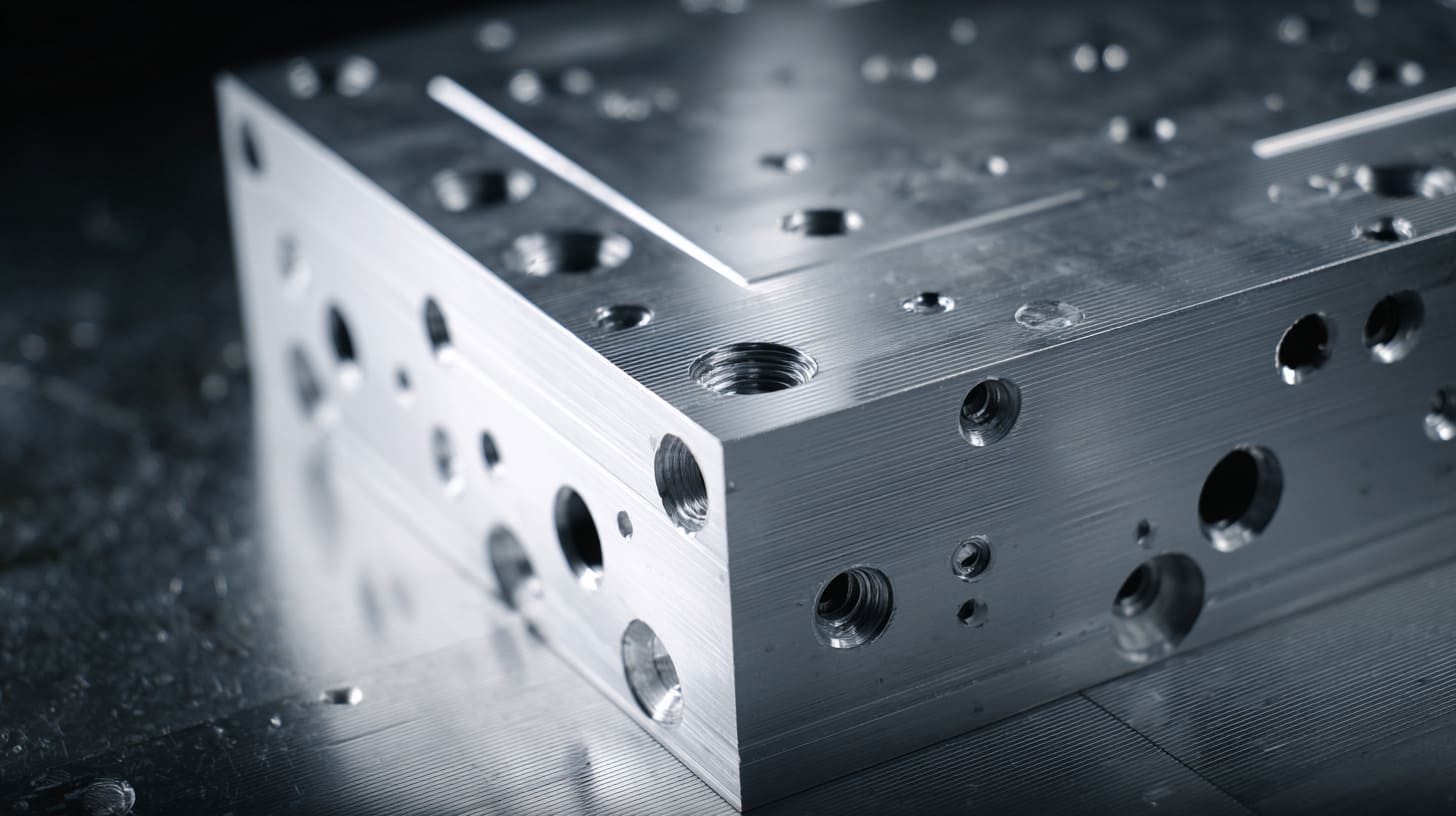
I often sketch this comparison during meetings.
Seeing it together helps clear confusion fast.
Mechanical Performance Comparison
Strength & Load-Bearing Capacity
| Aspect | 5052 | 6061 |
|---|---|---|
| Tensile Strength | Medium | High |
| Load Support | Limited | Strong |
| Structural Use | Rare | Common |
If the enclosure holds weight, 6061 usually wins.
Fatigue & Elastic Behavior
5052 handles movement better.
6061 prefers stability.
That difference matters in real use.
Corrosion & Environmental Performance
5052 survives harsh air better without help.
6061 often needs surface treatment to match it.
Manufacturability & Formability
| Process | 5052 | 6061 |
|---|---|---|
| Bending | Excellent | Limited |
| Welding | Easy | Careful |
| CNC Machining | Average | Excellent |
This table alone has saved many projects.
Surface Finish & Aesthetic Considerations
Both alloys anodize well.
But:
- 6061 gives more uniform finishes
- 5052 may show slight texture
If looks matter a lot, that can influence choice.
Cost & Material Availability
Prices move with markets.
In general:
- 5052 sheet is widely available
- 6061 bar and plate are standard
Machining time often matters more than raw price.
Weight & Density Differences
Both alloys weigh almost the same.
Material choice rarely changes shipping weight in a meaningful way.
At this point, the question shifts from which is better to which fits.
How to Choose for Your Custom Enclosure Project
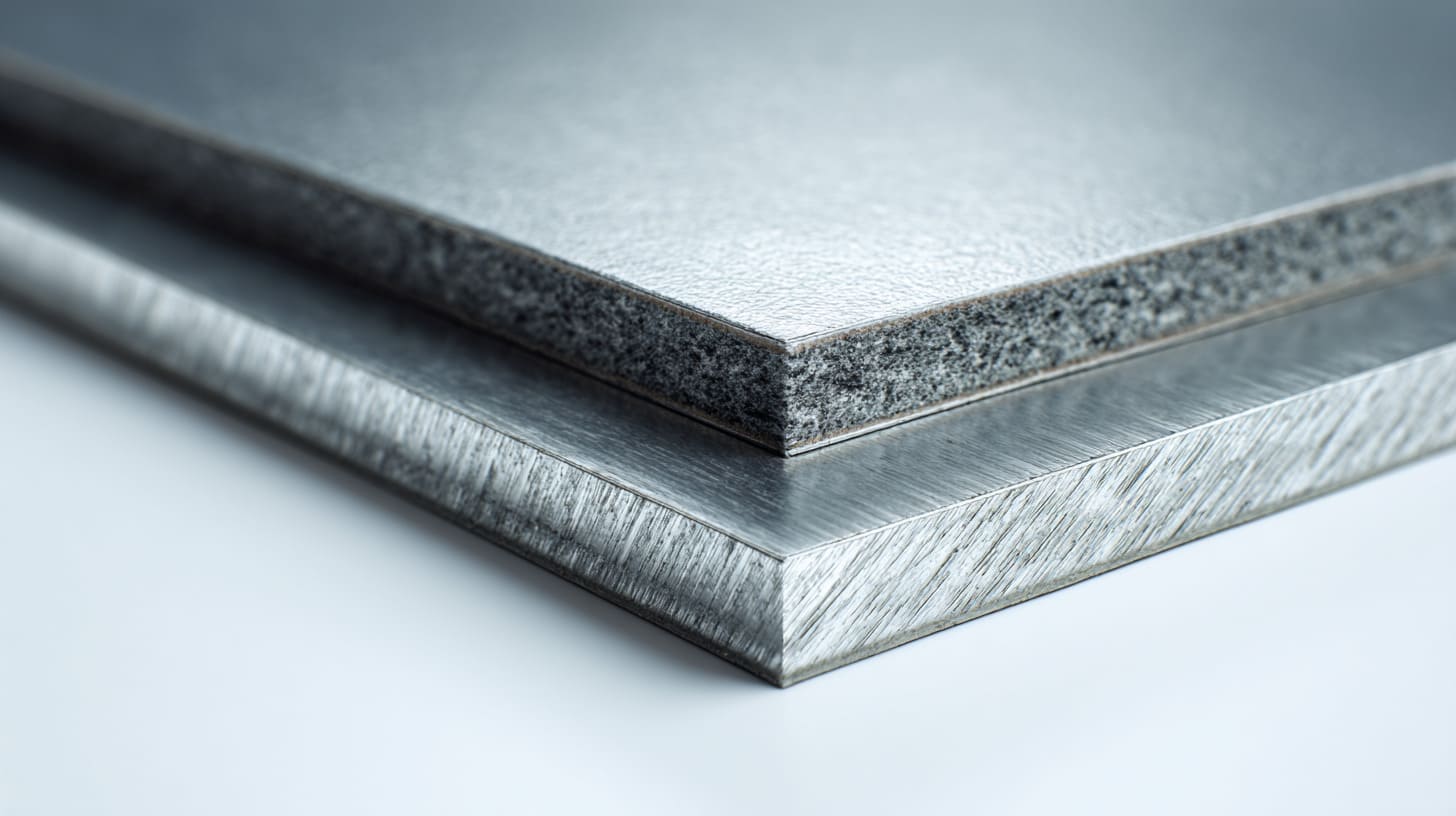
This is where experience beats theory.
I ask clients a few simple questions.
Their answers usually point to the right alloy.
Application Requirements (Strength vs Flexibility)
Ask yourself:
- Does it need to carry load?
- Or just protect electronics?
Load points to 6061.
Flex points to 5052.
Environmental & Corrosion Conditions
Outdoor?
Coastal?
Industrial air?
5052 feels safer without extra steps.
Fabrication Method (Bending, Welding, Machining)
This one is critical.
| Main Process | Better Choice |
|---|---|
| Brake forming | 5052 |
| CNC machining | 6061 |
| Mixed process | Depends |
Ignoring this leads to delays.
Budget & Lead Time Considerations
- More machining = more cost
- More forming = more risk with wrong alloy
The right choice saves both money and time.
Now let me show you how this plays out in real projects.
Case Studies / Typical Use Scenarios
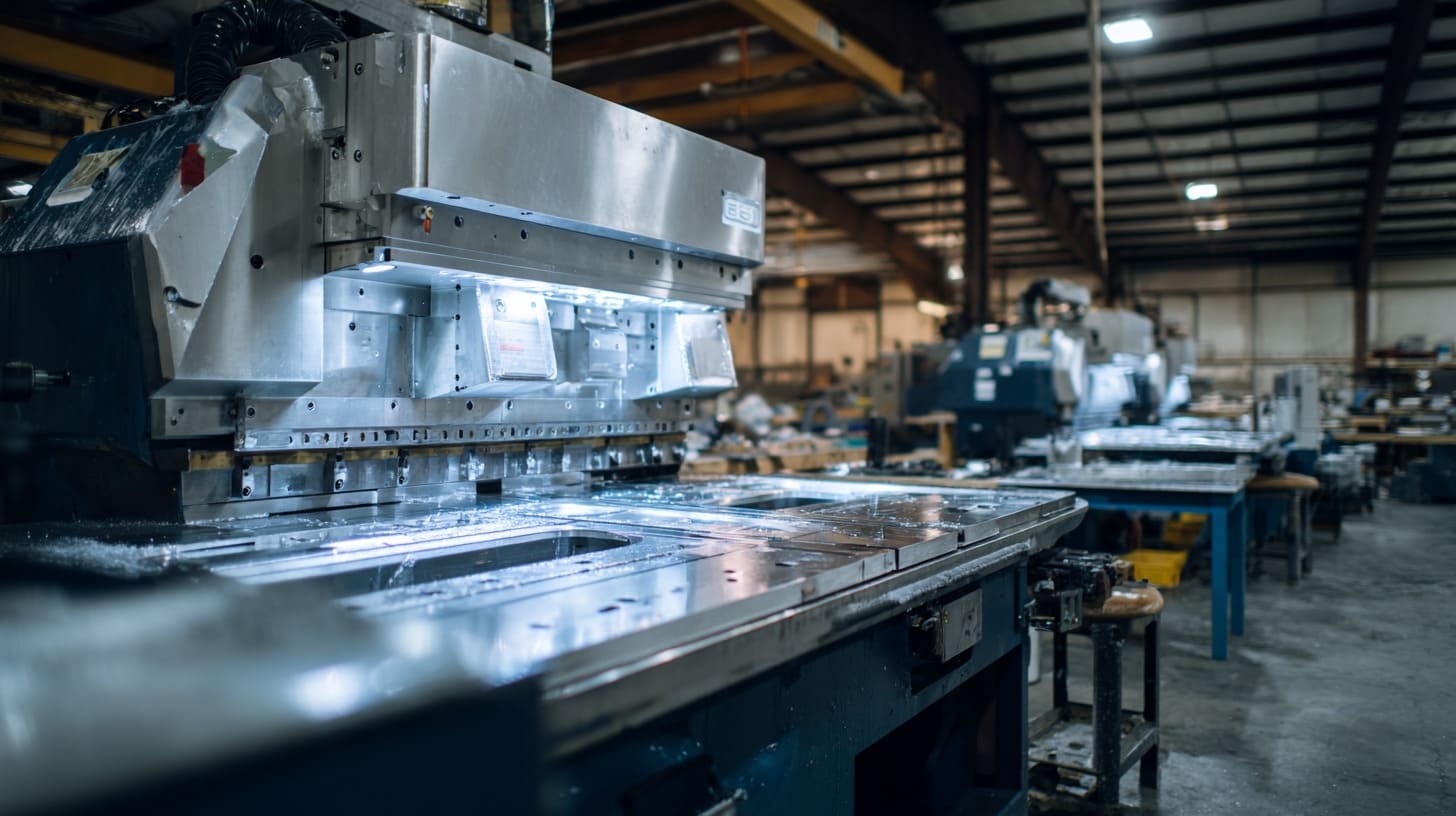
These examples come straight from real orders.
Use Case: Outdoor Enclosures with Corrosion Exposure
We used 5052.
No coating.
No surprises.
Three winters later, the enclosure still looks fine.
Use Case: Structural or Heavy Load Enclosures
We chose 6061-T6.
Machined ribs.
Solid mounting points.
The enclosure became part of the structure.
Use Case: Complex Formed Custom Aluminum Parts
Tight folds.
Clean edges.
5052 saved the project.
6061 would have cracked.
Each case had one clear winner.
And that brings us to the end.
Conclusion
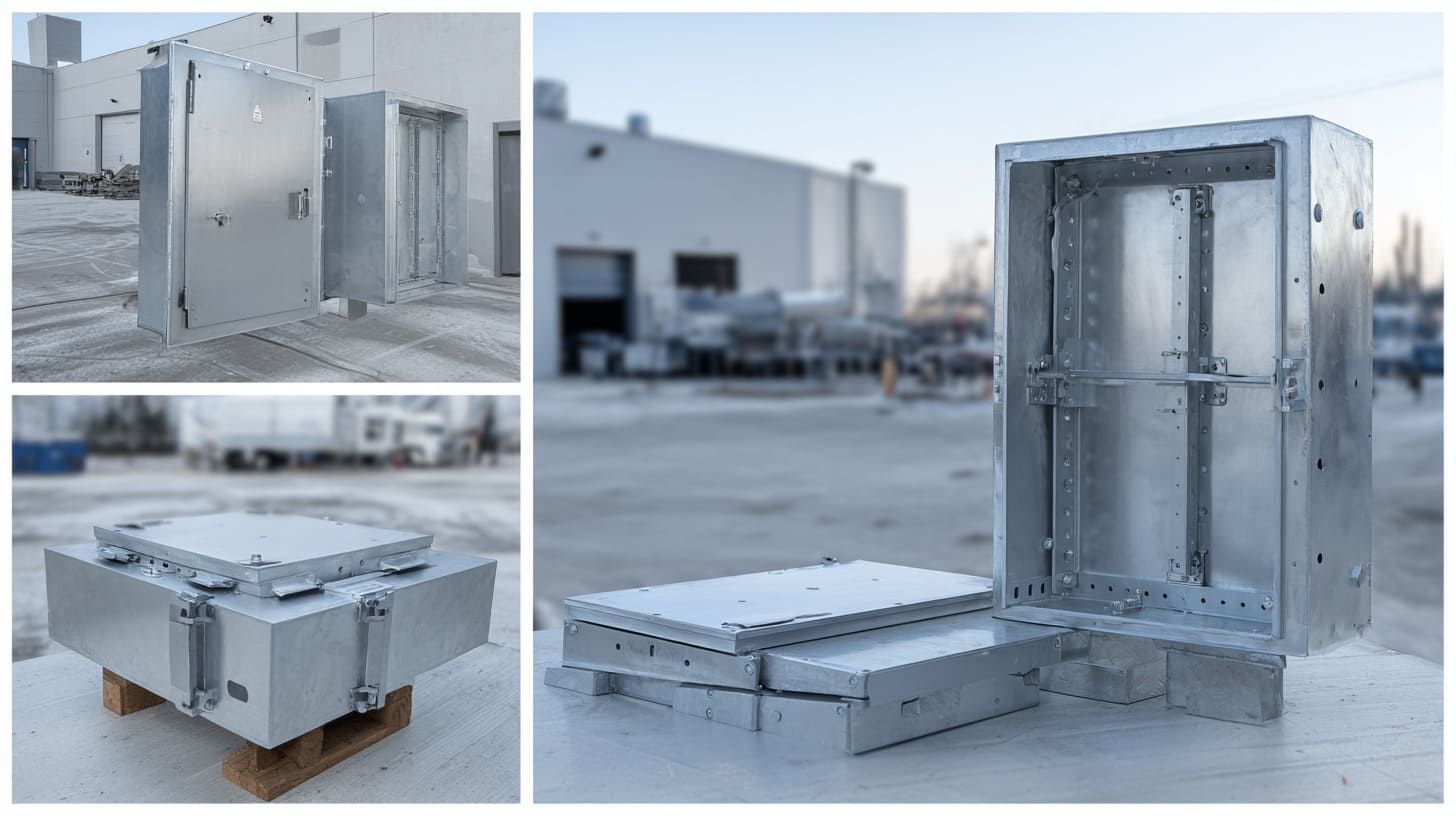
Summary of Main Differences
5052 bends and resists corrosion.
6061 carries load and machines well.
Neither is better.
Each is honest about what it can do.
Best Practices for Material Selection
- Start with use, not habit
- Match alloy to process
- Respect the metal’s limits
That mindset prevents problems.
Final Recommendations for Engineers & Buyers
When in doubt, ask early.
A ten-minute talk about alloy choice can save weeks of rework.
I’ve seen it happen many times.