Skip to content
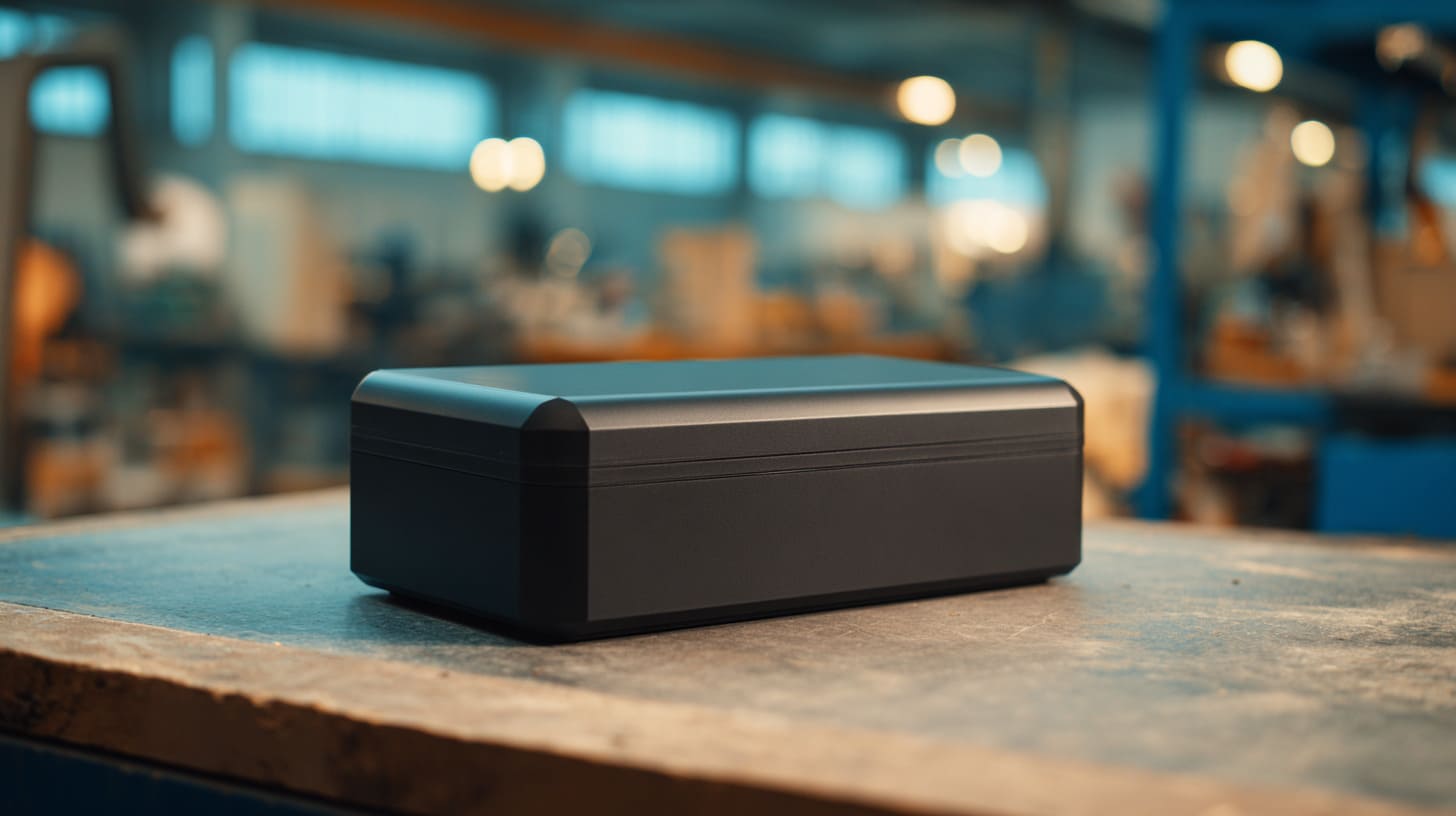
ABS shows up everywhere in enclosure projects, yet many buyers still treat it as a guess. When the material choice is unclear, cost rises, testing slows, and redesigns follow. I see this mistake often, even from experienced engineers and re-brand buyers.
ABS plastic is a common engineering plastic known for balanced strength, impact resistance, easy processing, and stable cost, making it a popular choice for electronic enclosures and industrial housings.
I have quoted hundreds of ABS enclosures over the years. Some worked perfectly. Others failed early. The difference was never luck. It was understanding what ABS is—and what it is not.
Is ABS plastic good quality?
ABS often gets labeled as “cheap plastic,” and that label causes confusion.
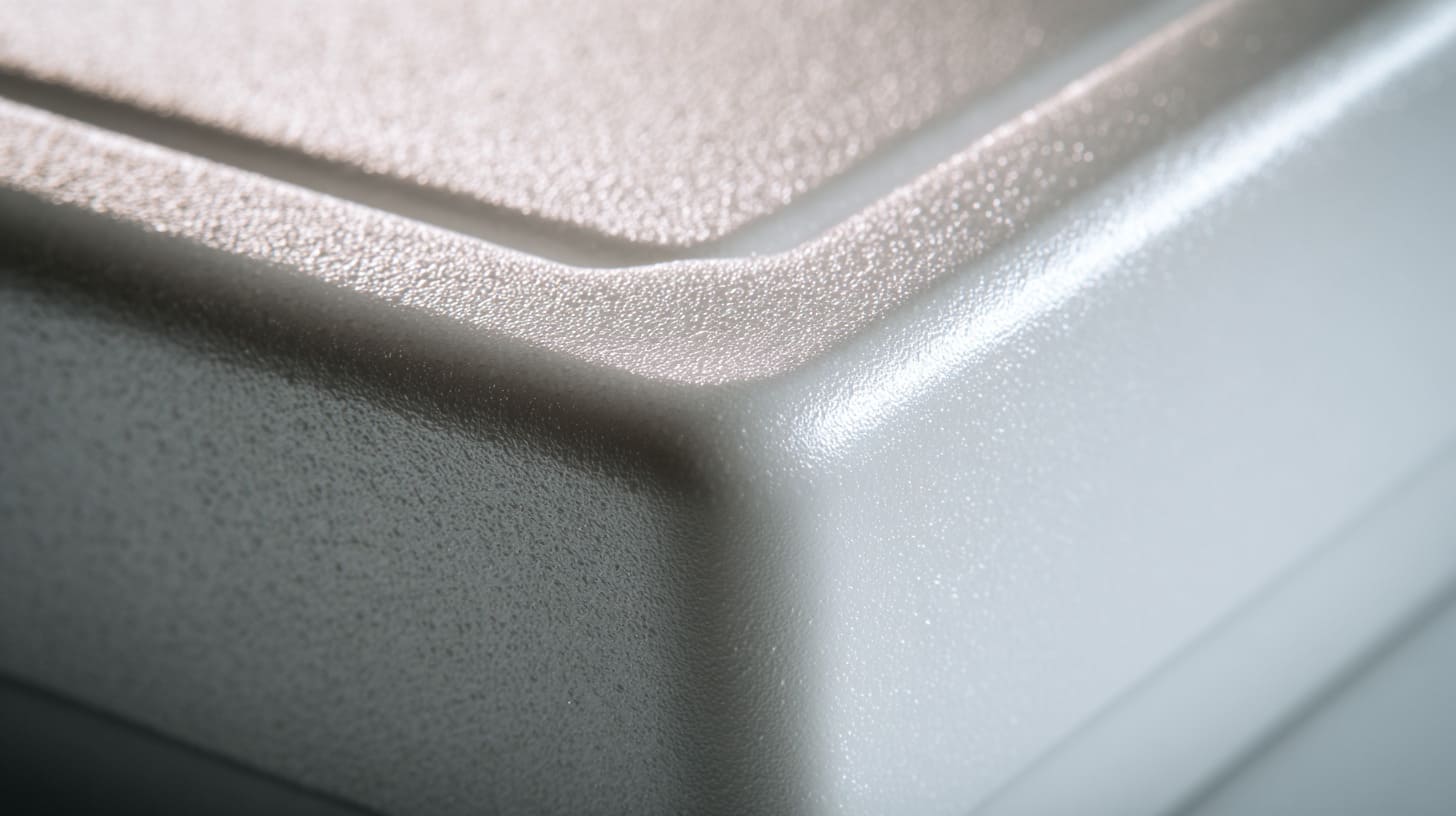
ABS is good quality when used within its design limits, especially for indoor enclosures that need impact resistance, stable shape, and clean surface finish at controlled cost.
Why ABS feels reliable in real projects
ABS does not win on one extreme property. It wins on balance.
| Aspect | ABS Performance |
|---|---|
| Impact resistance | Good |
| Surface finish | Smooth and consistent |
| Cost stability | Strong |
| Processing | Easy for molds and CNC |
| Appearance | Clean, professional |
I often suggest ABS when the enclosure must survive drops, handling, and shipping, but not heat, UV, or harsh chemicals. In those cases, ABS behaves honestly.
What are the disadvantages of ABS plastic?
Every material pays a price somewhere. ABS is no exception.
ABS plastic has weak UV resistance, limited heat tolerance, and lower stiffness compared to metals or high-end plastics, which restricts its use in outdoor and high-temperature environments.
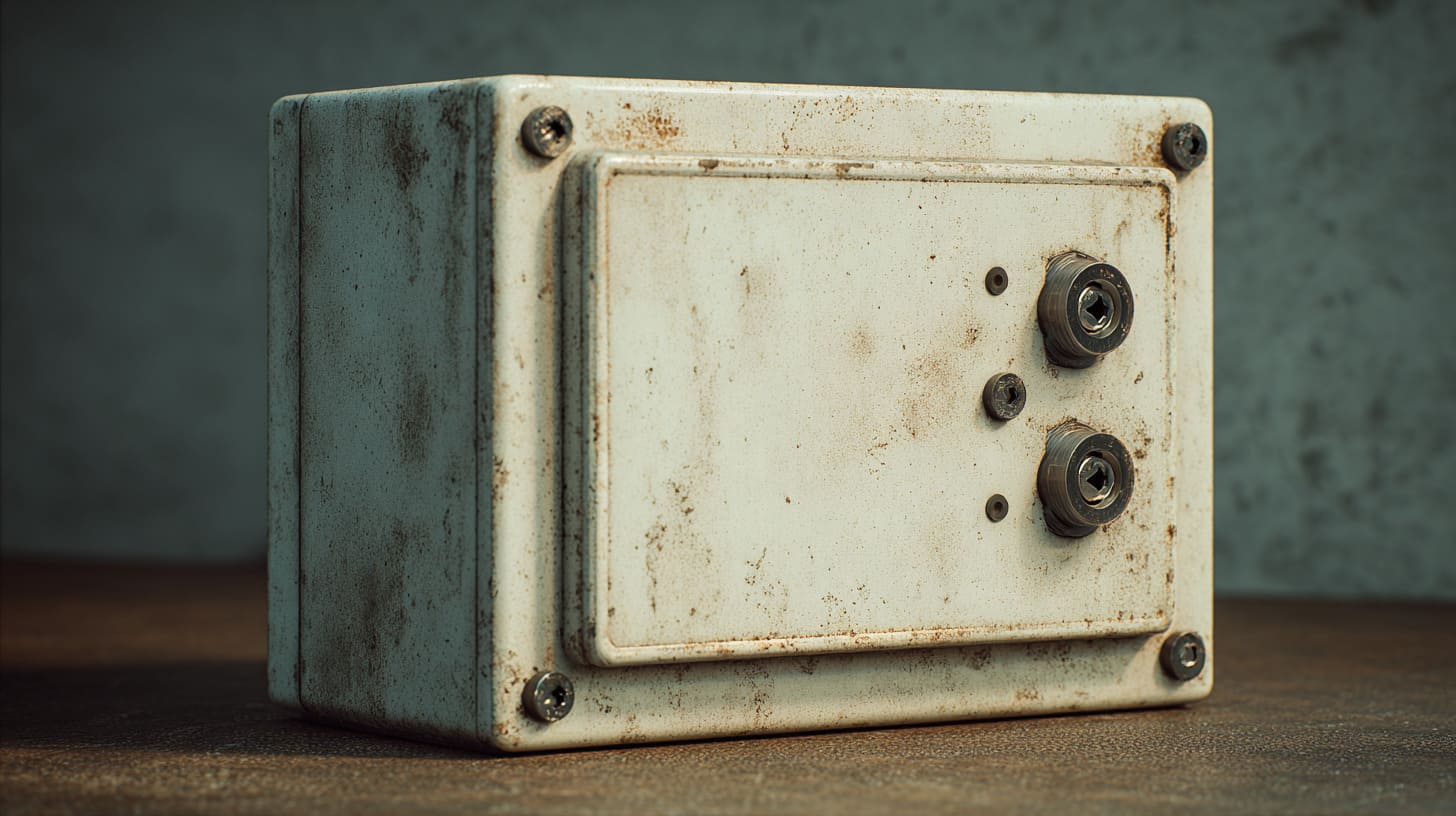
Where ABS usually fails
From factory feedback and customer complaints, the same issues repeat:
- Becomes brittle under long UV exposure
- Softens at higher temperatures
- Scratches more easily than polycarbonate
- Warps if wall thickness is poorly designed
These are not defects. They are signals that ABS was pushed into the wrong job.
Is ABS plastic stronger than steel?
This question appears more than people admit.
ABS plastic is not stronger than steel in tensile or structural strength, but it absorbs impact energy better in many drop and shock scenarios.
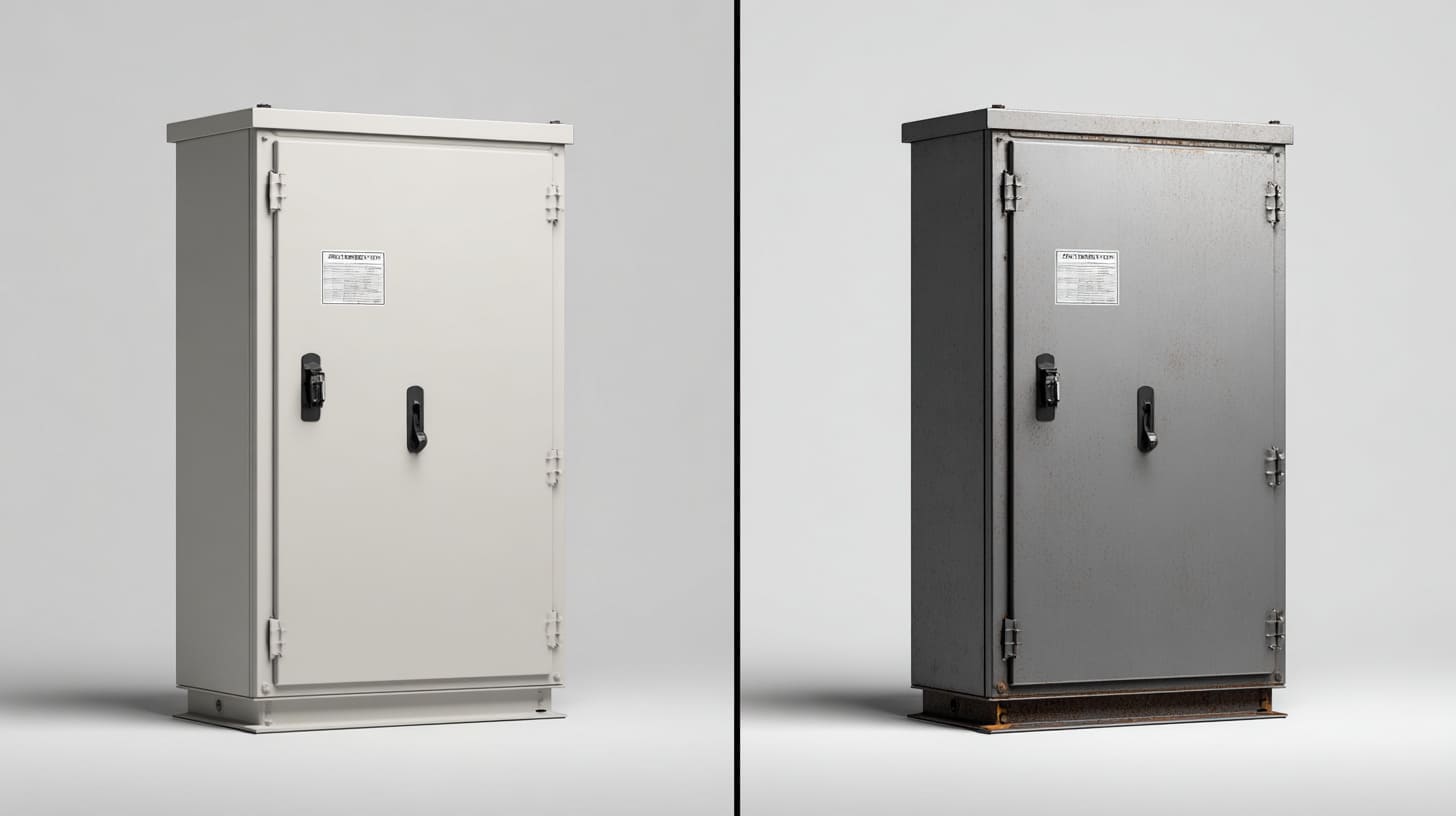
Strength vs usefulness
Steel resists force. ABS absorbs it.
| Property | ABS | Steel |
|---|---|---|
| Tensile strength | Low | Very high |
| Impact absorption | High | Low |
| Weight | Very light | Heavy |
| Corrosion | No rust | Needs coating |
In enclosures, strength is not only about resisting force. It is about surviving accidents without cracking other components.
How long will ABS plastic last?
Buyers often ask this when planning long product cycles.
ABS plastic can last 10–20 years indoors when protected from UV, heat, and chemical exposure, especially in stable electronic enclosure environments.
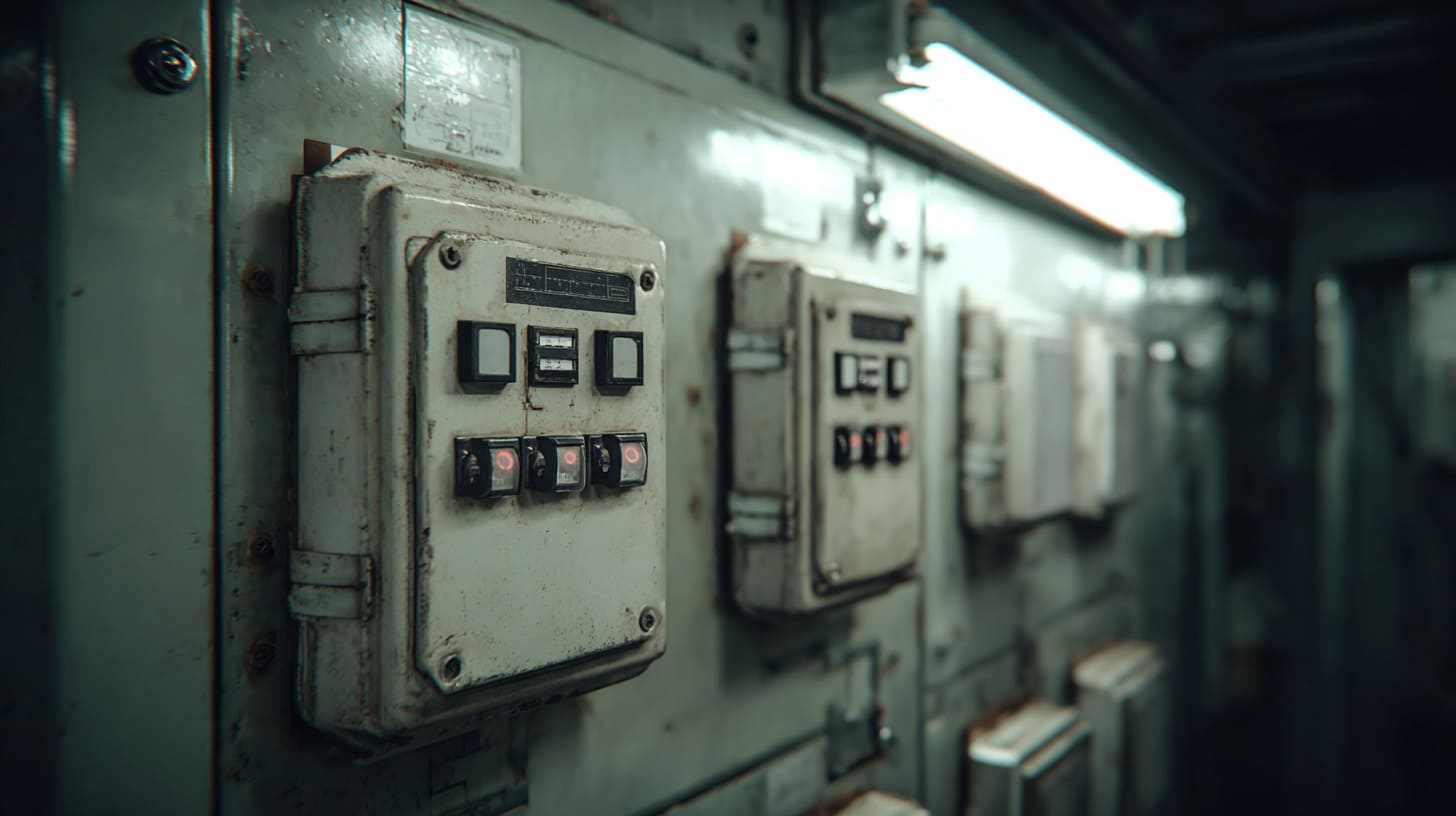
Real-life lifespan factors
ABS lifespan depends on use, not theory.
- Indoor vs outdoor use
- Temperature cycles
- Cleaning chemicals
- Wall thickness and rib design
I have seen ABS enclosures still working after 15 years in control cabinets. I have also seen outdoor ABS fail within two summers.
Is ABS safe for drinking water?
This question matters for utility boxes and plumbing-related housings.
Standard ABS is not certified for drinking water contact unless it meets specific food or potable water standards approved by local regulations.
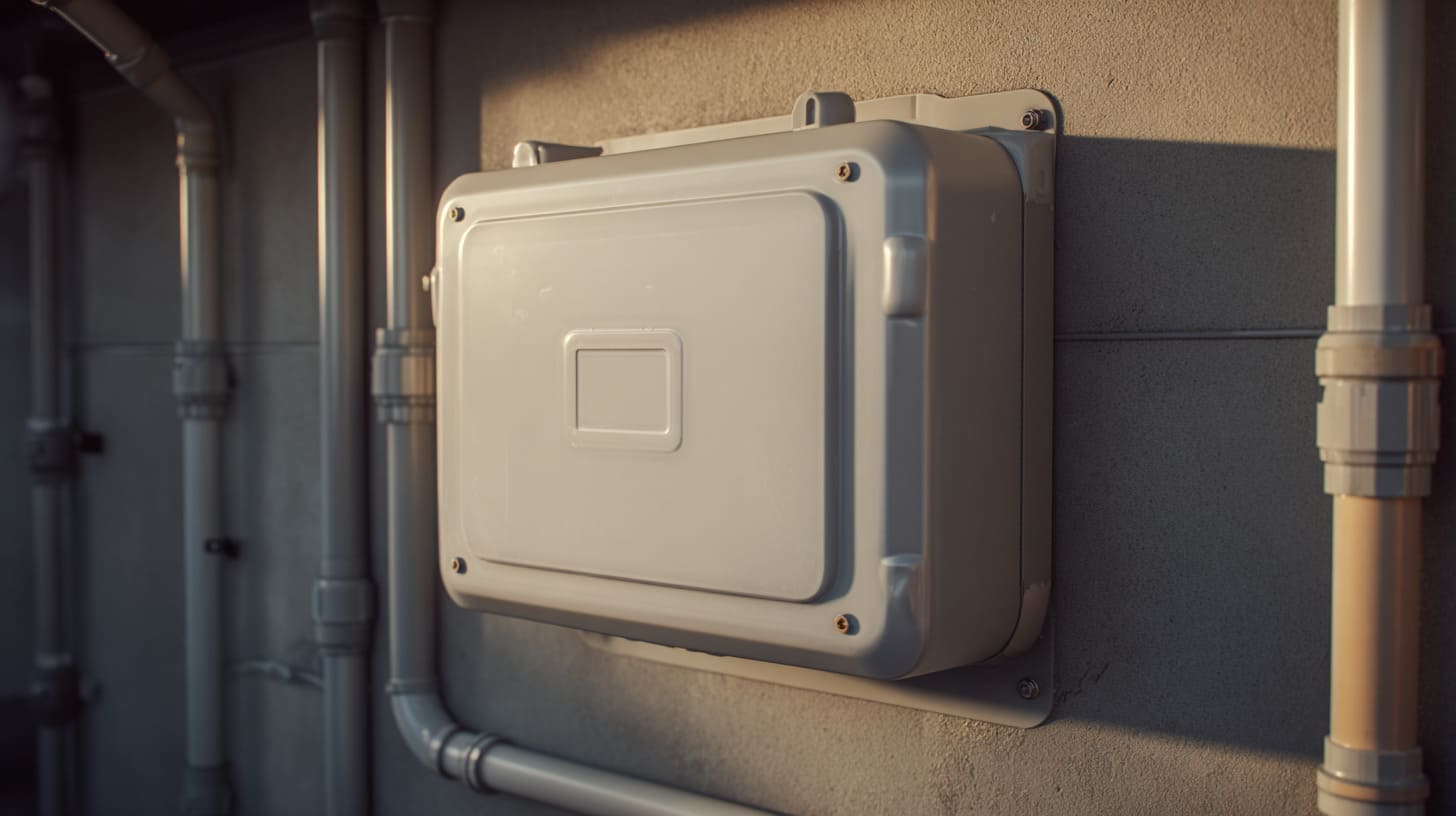
Why certification matters
ABS itself is not toxic by default. But additives and pigments change things.
| Use case | ABS suitability |
|---|---|
| Electrical enclosure | Yes |
| Control panels | Yes |
| Drinking water contact | Only certified grades |
| Food contact | Usually no |
When water safety is involved, paperwork matters more than assumptions.
What are the downsides of ABS?
This sounds repetitive, but buyers ask it again for a reason.
The main downsides of ABS are poor UV resistance, moderate heat limits, and weaker stiffness compared to aluminum or polycarbonate.
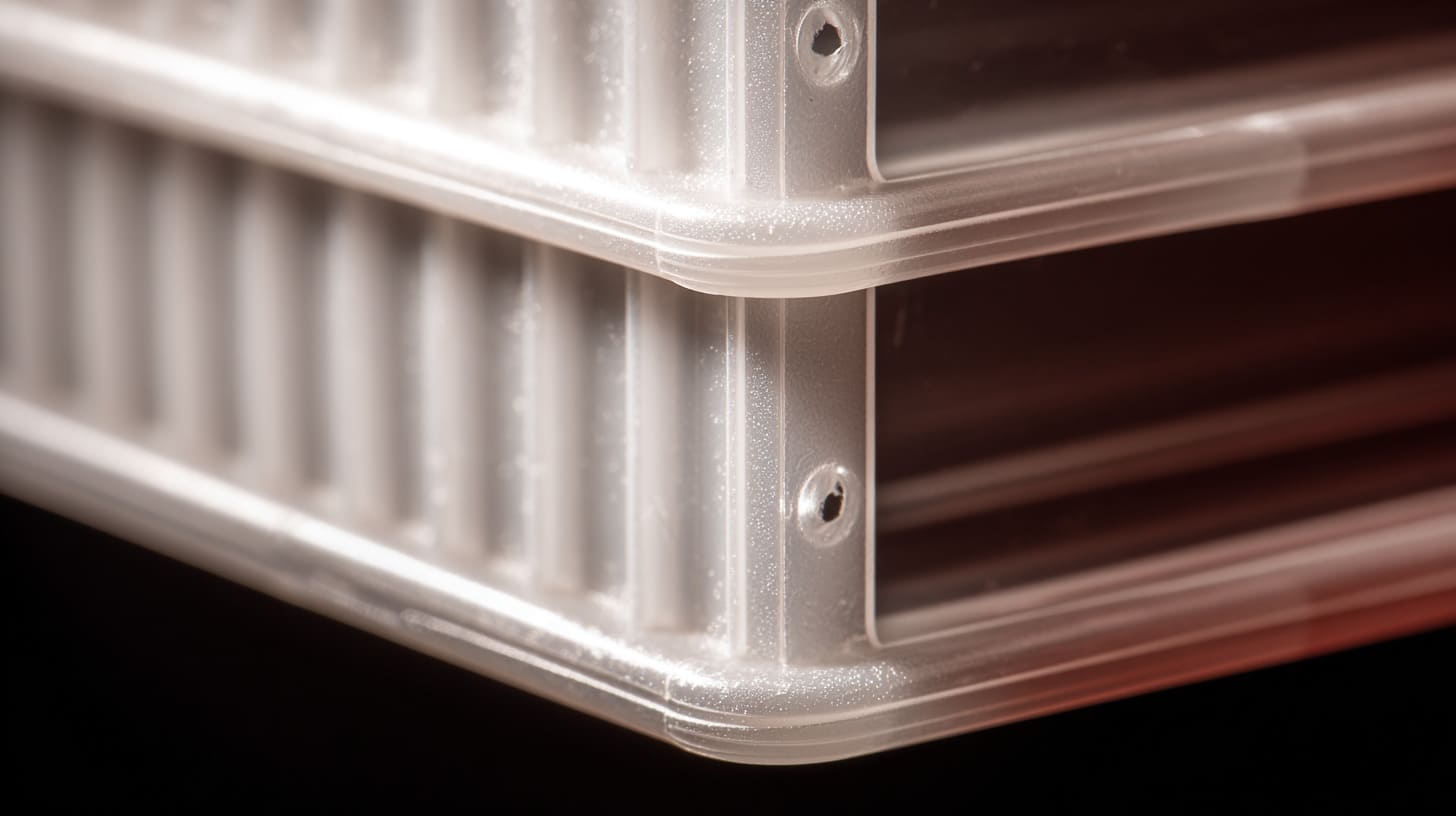
ABS forgives bad handling. But it punishes bad design.
Thin walls. Sharp corners. No ribs.
That is where failures come from, not the resin itself.
What is ABS plastic made of?
Understanding this changes how people judge it.
ABS plastic is made from three components: acrylonitrile, butadiene, and styrene, each contributing strength, toughness, and surface quality.
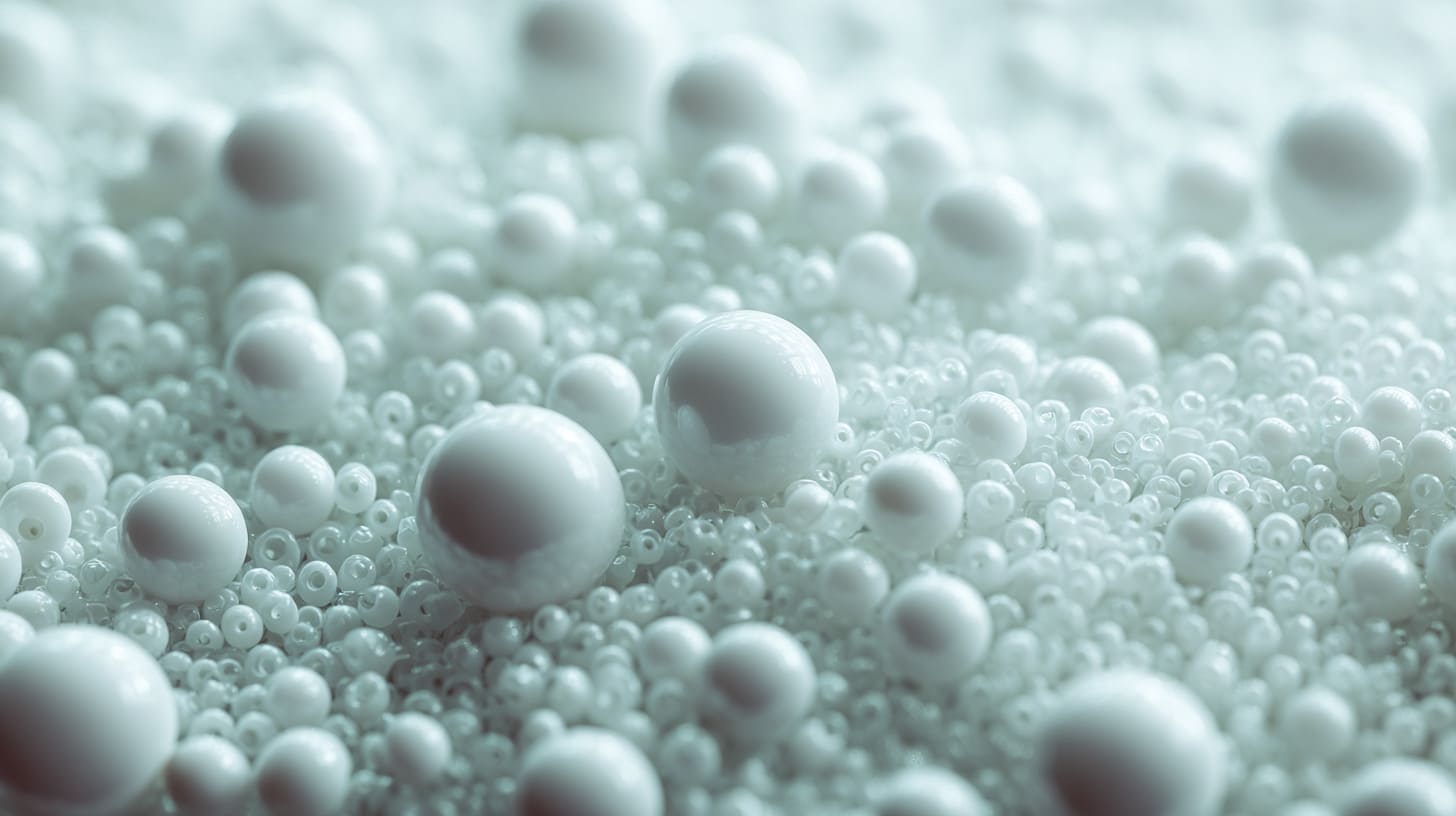
What each part does
| Component | Role |
|---|---|
| Acrylonitrile | Chemical resistance |
| Butadiene | Impact resistance |
| Styrene | Smooth finish and rigidity |
This blend is why ABS feels balanced instead of extreme.
What are the key properties of ABS plastic material?
Properties matter more than marketing names.
ABS offers impact resistance, dimensional stability, easy machining, and consistent surface finish, which is why it fits enclosure manufacturing so well.
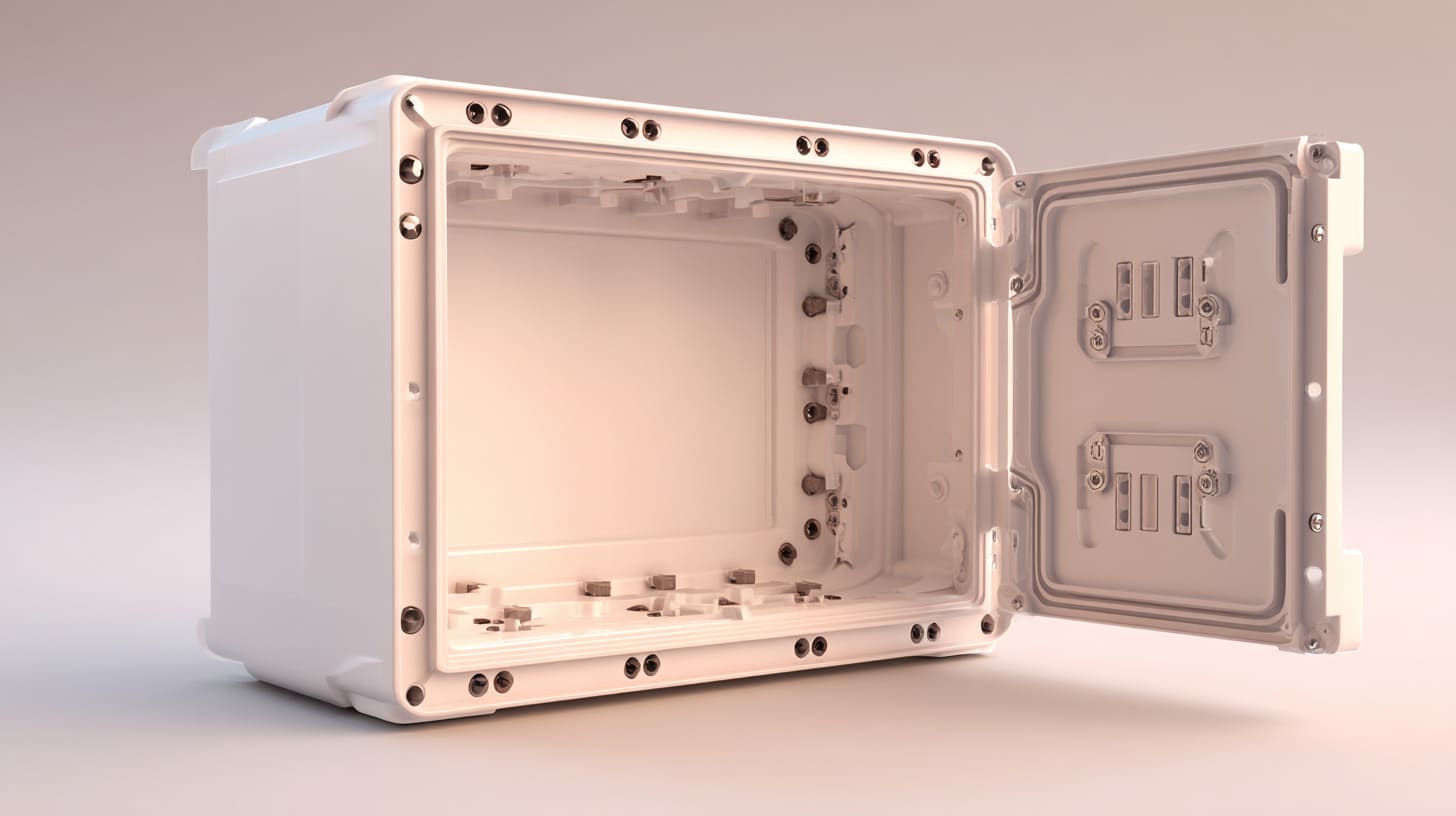
Key property snapshot
| Property | Typical Range |
|---|---|
| Density | ~1.04 g/cm³ |
| Heat deflection | ~85–100°C |
| Impact resistance | High |
| Electrical insulation | Good |
These numbers explain why ABS stays popular.
Is ABS plastic strong enough for electronic enclosures?
This is where ABS earns its place.
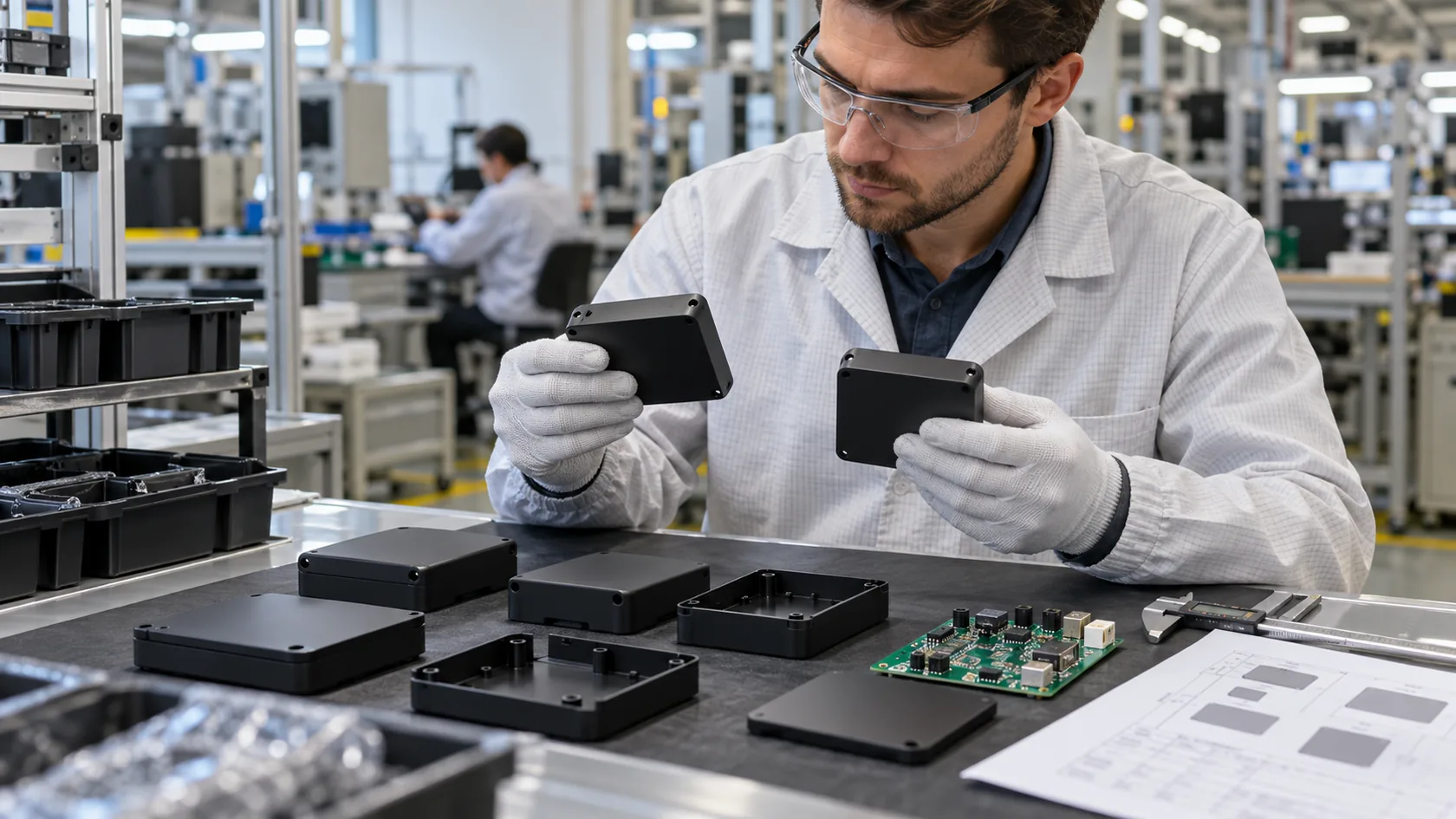
ABS plastic is strong enough for most electronic enclosures used indoors, including power supplies, controllers, IoT devices, and consumer electronics.
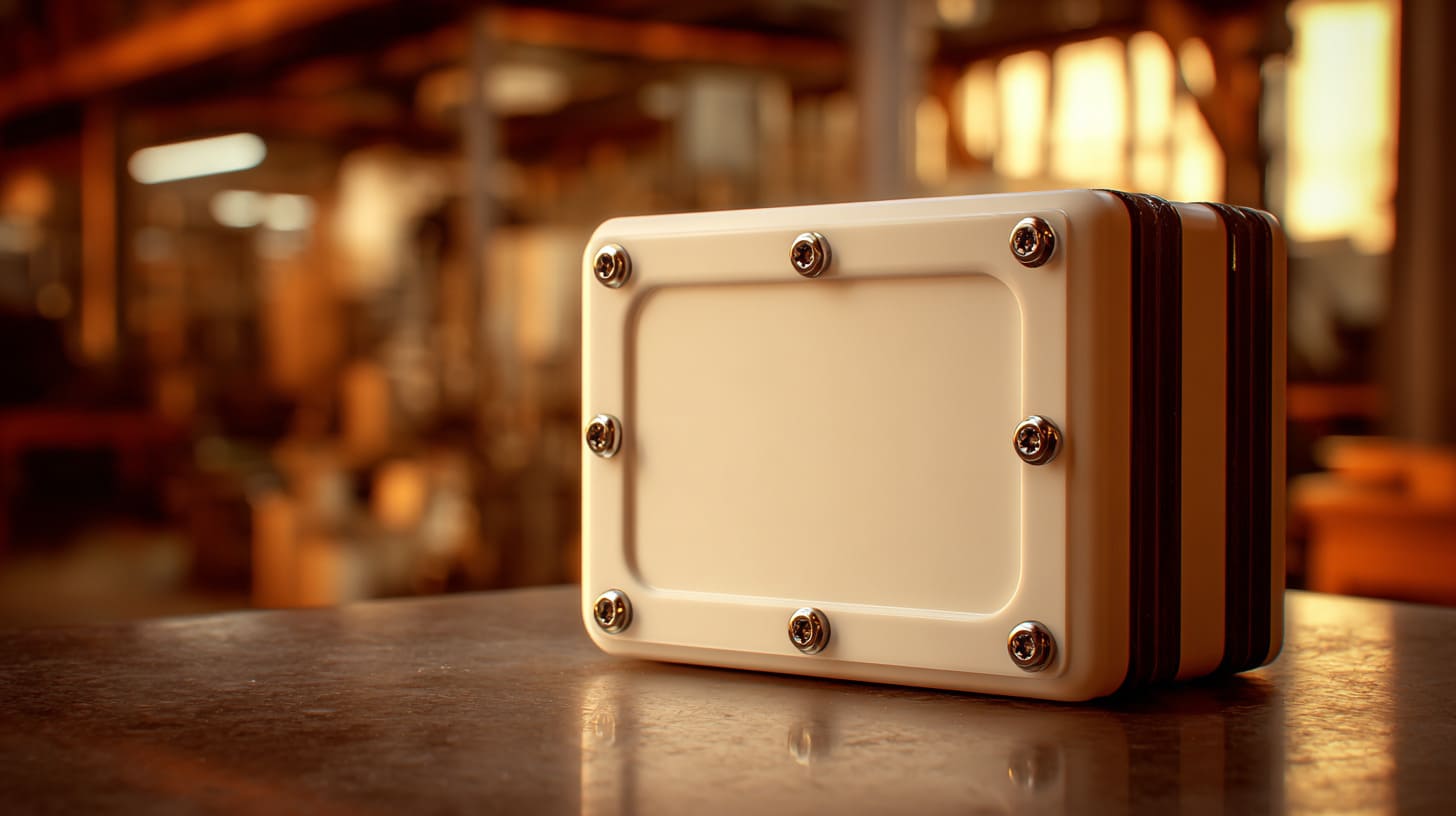
Why engineers keep choosing ABS
- Good drop resistance
- Stable mounting points
- Easy to mold vents and bosses
- Cost control for large volumes
I recommend ABS when electronics need protection, not armor.
What are the advantages and disadvantages of ABS plastic?
Seeing both sides prevents regret.
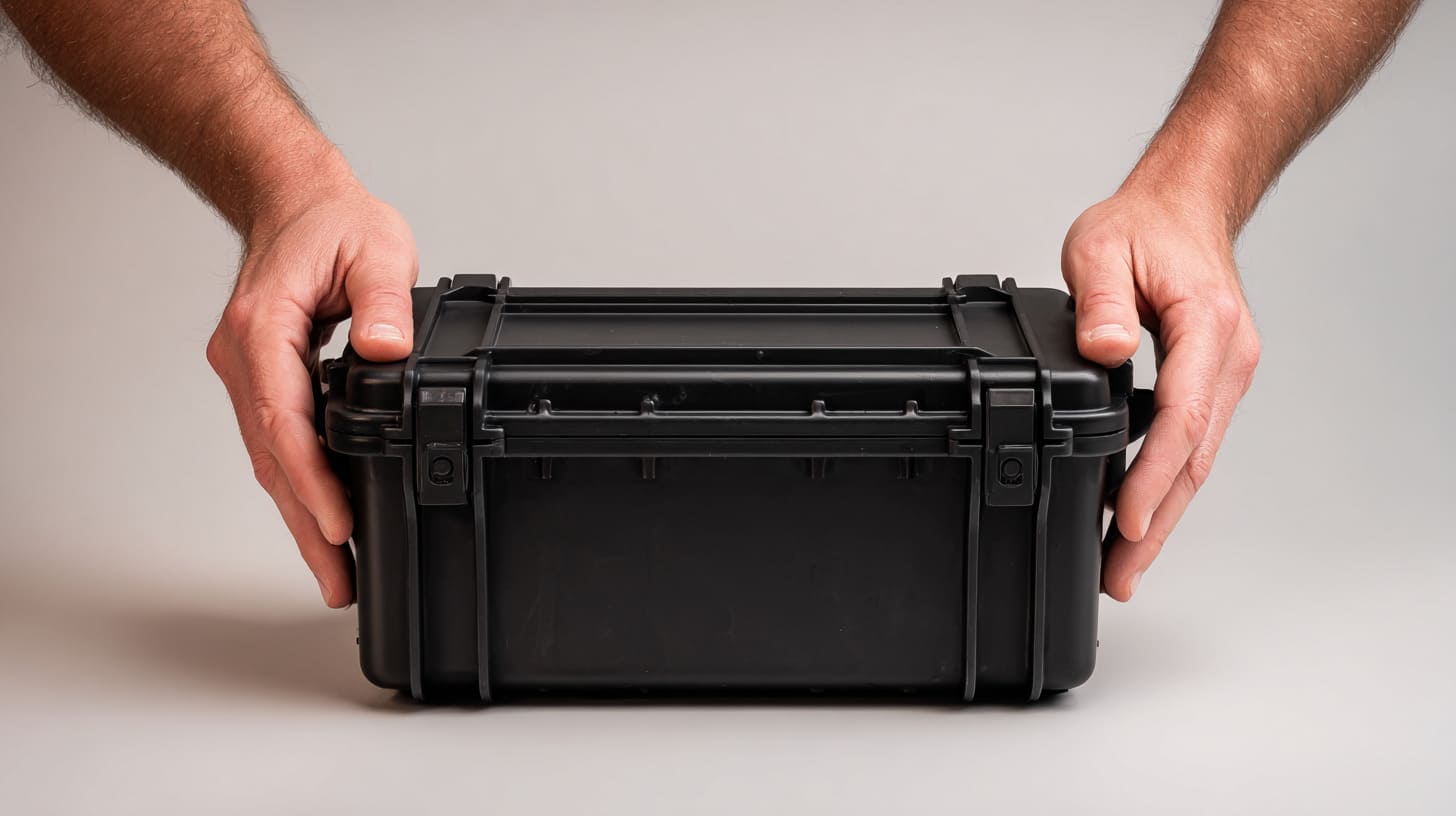
ABS offers cost control, impact resistance, and easy processing, but sacrifices UV resistance, high-temperature stability, and premium stiffness.
Balanced view
| Advantages | Disadvantages |
|---|---|
| Affordable | UV sensitive |
| Tough | Limited heat |
| Easy to customize | Not for outdoor use |
Good decisions come from balance, not optimism.
Is ABS plastic heat resistant for industrial use?
This depends on expectations.
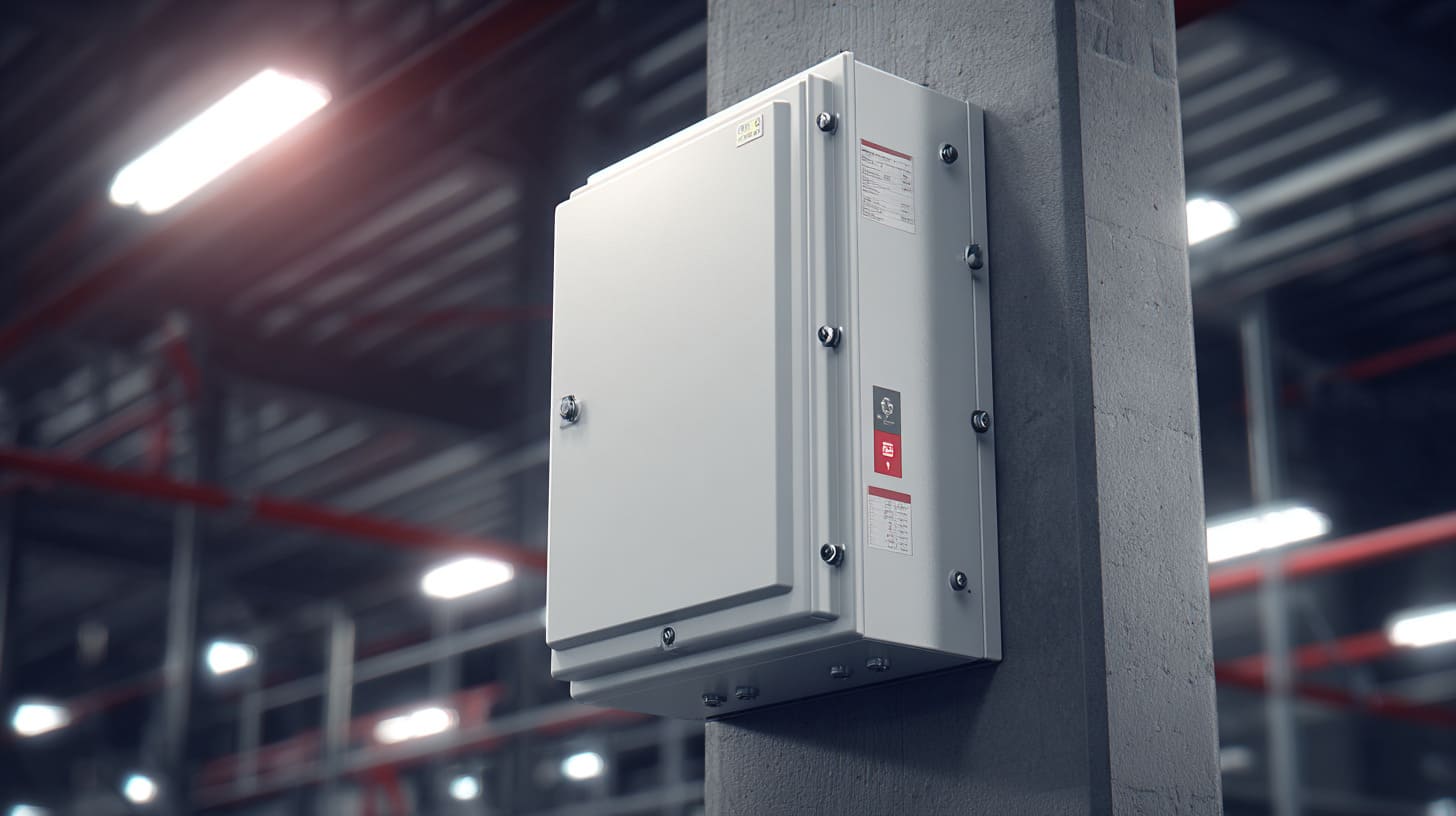
ABS is heat resistant enough for light industrial use but not suitable for high-temperature or continuous heat environments.
Where ABS heat works—and where it fails
- Works: control panels, indoor machinery housings
- Fails: near motors, furnaces, or outdoor sun
When heat rises, ABS needs help—or replacement.
ABS plastic vs polycarbonate: which material is better for enclosures?
This comparison comes up daily.
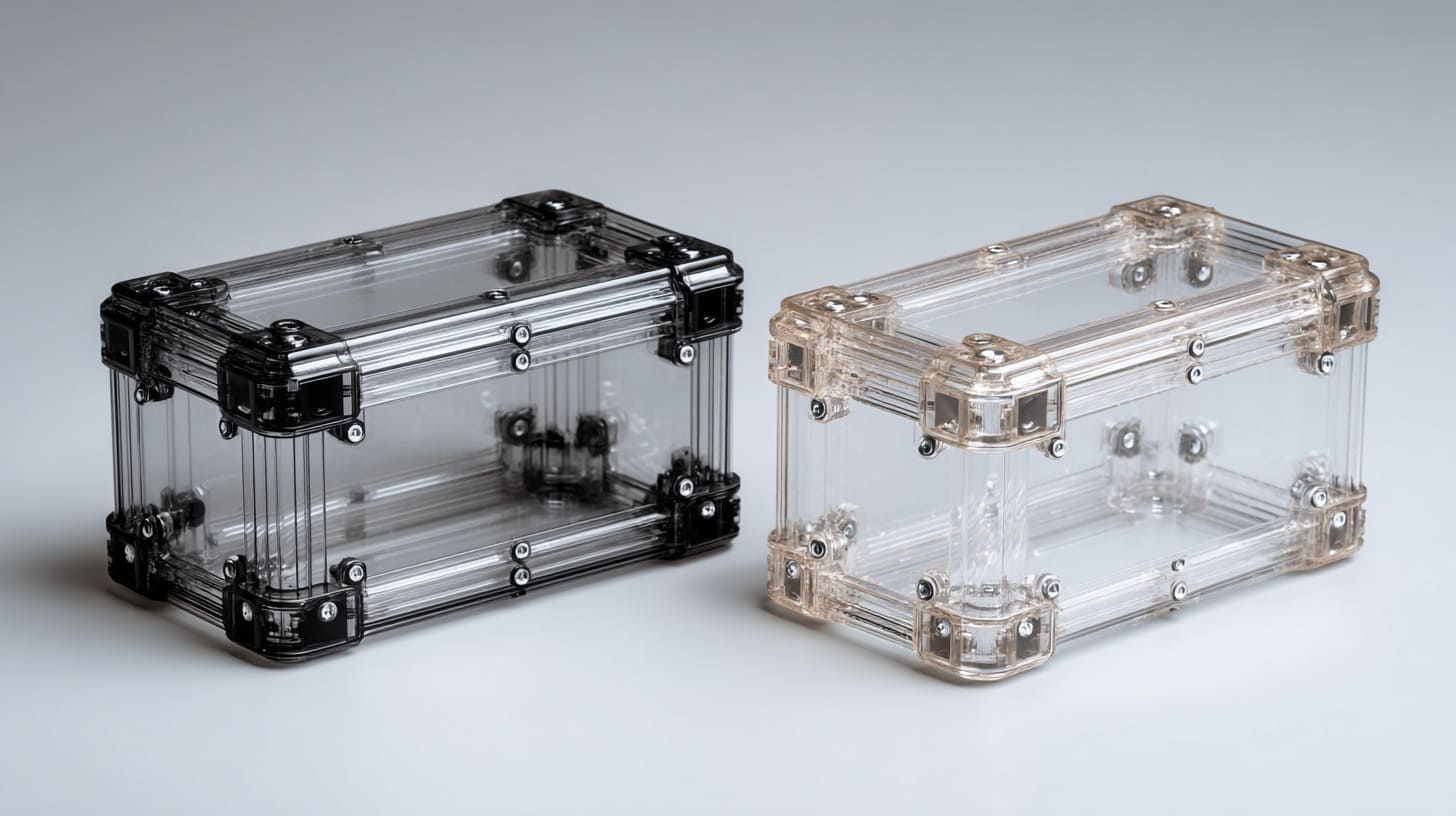
ABS is better for cost and ease of processing, while polycarbonate is better for impact strength, heat resistance, and outdoor durability.
Side-by-side view
| Feature | ABS | Polycarbonate |
|---|---|---|
| Cost | Lower | Higher |
| Impact | Good | Excellent |
| Heat | Moderate | High |
| UV | Weak | Better |
I usually ask one question: indoor or outdoor?
Is ABS plastic safe for electrical and electronic applications?
Safety here is non-negotiable.
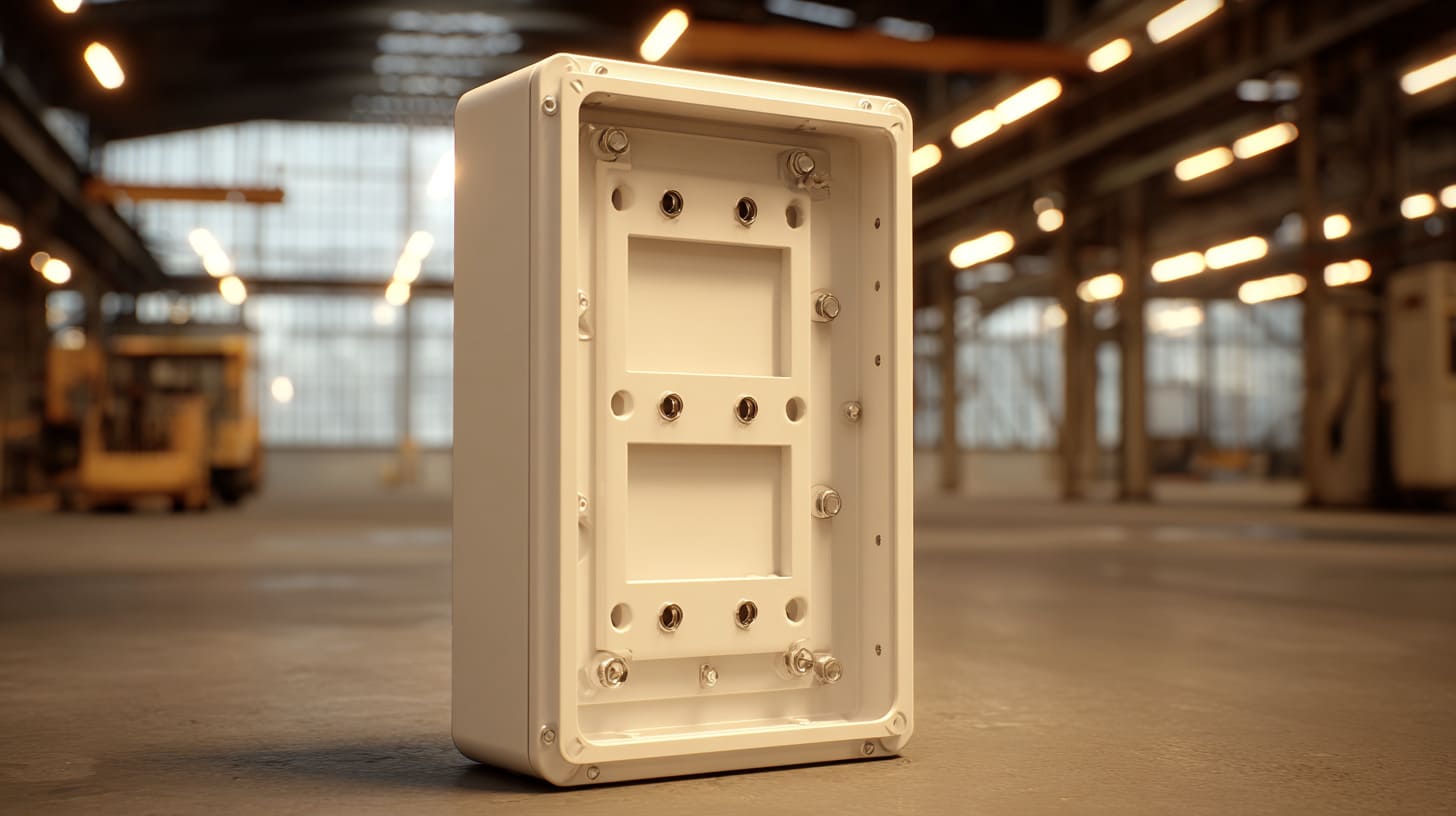
ABS plastic is widely used and considered safe for electrical and electronic enclosures when produced with proper flame-retardant grades.
What engineers should check
- Flame rating (UL94)
- Wall thickness
- Vent design
Electrical safety is a system, not a single material choice.
Can ABS plastic be used outdoors? Why or why not?
Short answer: rarely.
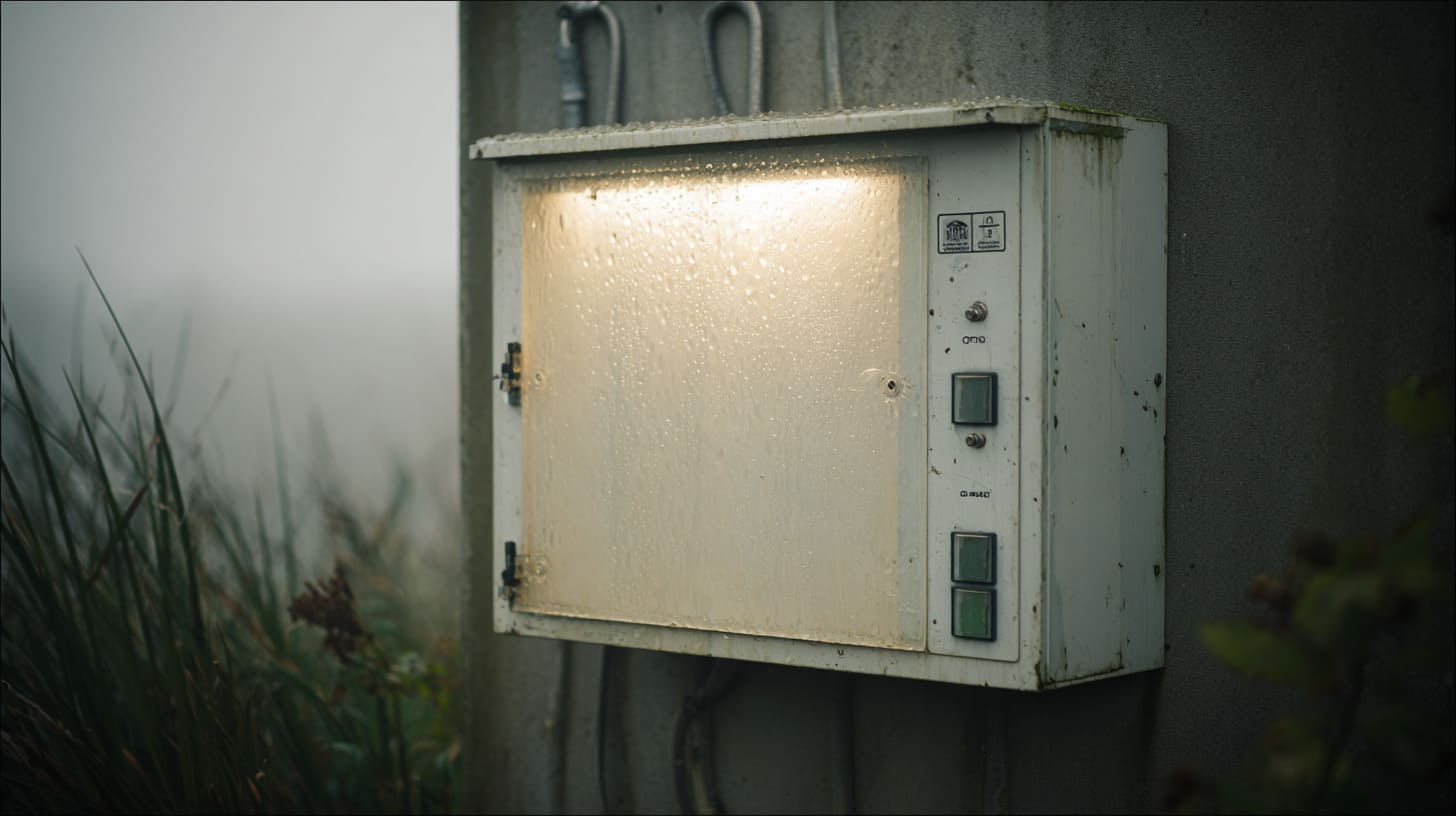
ABS plastic is not ideal for outdoor use because UV exposure causes discoloration, brittleness, and early aging without special protection.
When ABS goes outside anyway
Some projects add:
- UV coatings
- Paint layers
- Short lifespan expectations
These are compromises, not fixes.
What industries commonly use ABS plastic enclosures?
ABS has loyal users.
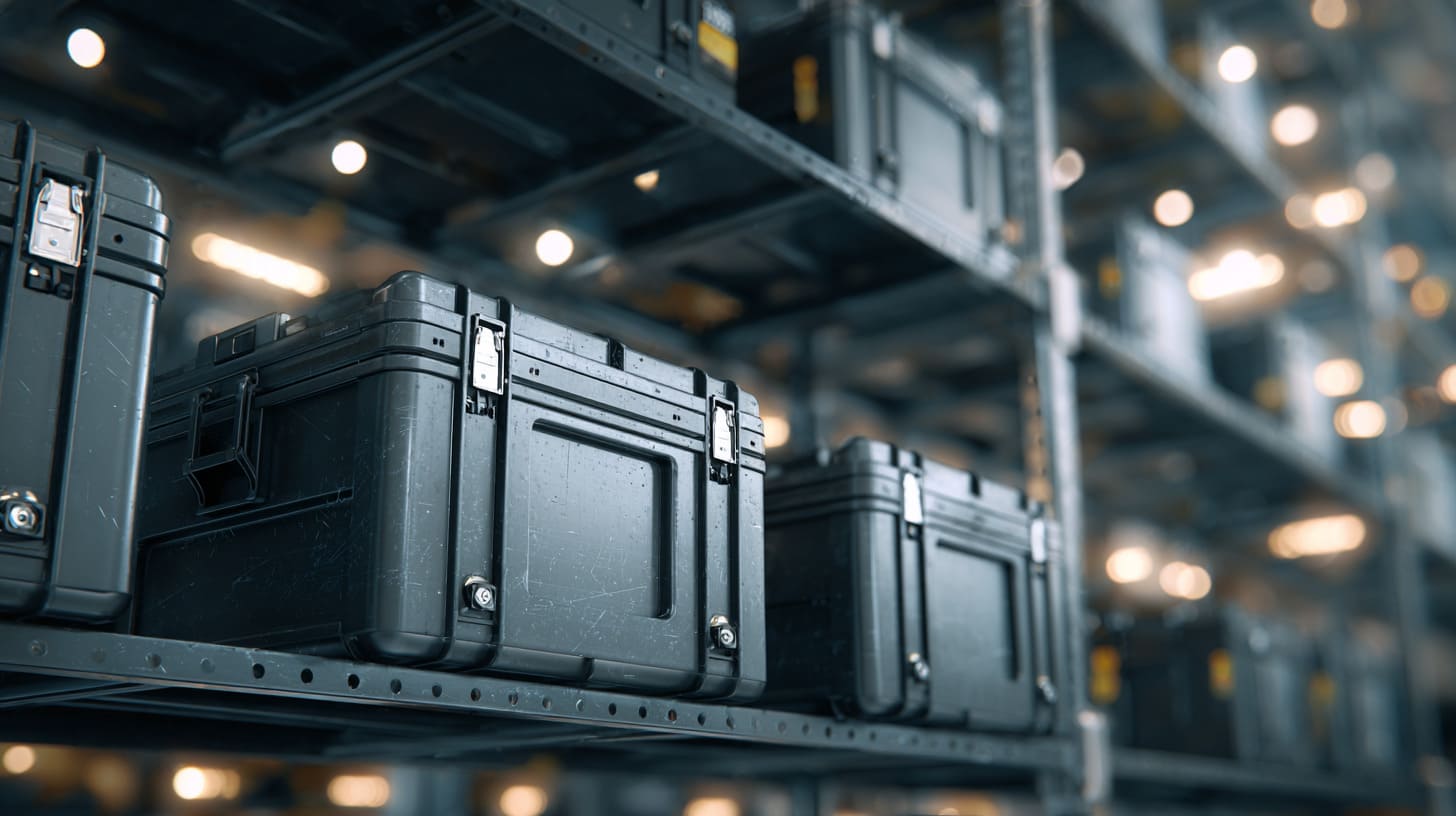
ABS plastic enclosures are common in electronics, automation, consumer devices, medical equipment housings, and light industrial controls.
Typical ABS enclosure users
- IoT startups
- Control system manufacturers
- Consumer electronics brands
- Medical device OEMs
The pattern is clear: indoor, controlled environments.
How does ABS plastic perform in custom enclosure manufacturing?
This is where I see ABS shine.
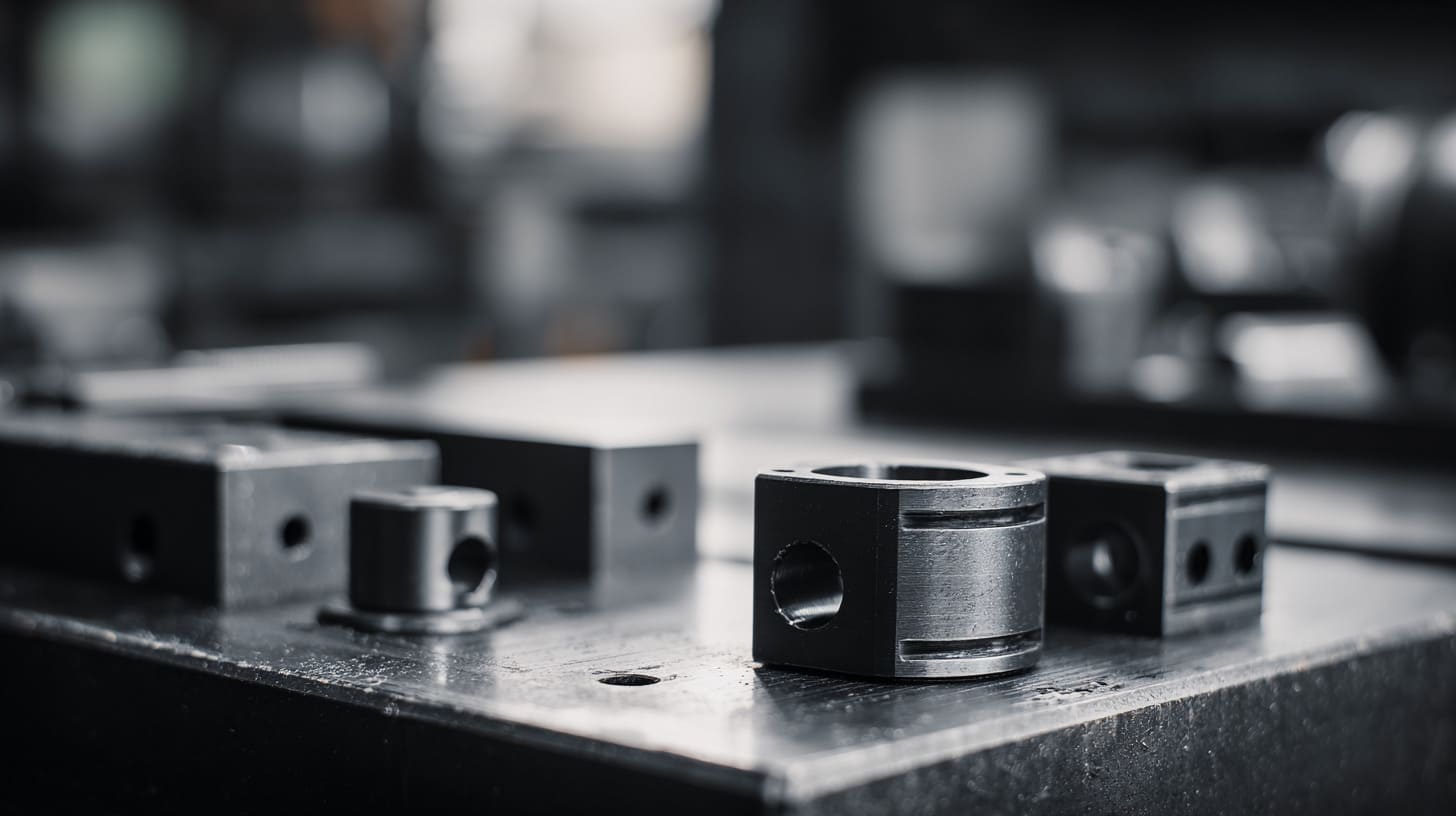
ABS performs well in custom enclosure manufacturing due to mold flexibility, CNC friendliness, stable tolerances, and predictable cost in medium to large volumes.
Why factories like ABS
- Easy to modify designs
- Low scrap rate
- Stable supply chain
- Good cosmetic results
For B2B projects, predictability matters as much as performance.
Conclusion
ABS works best when expectations are honest. If you are planning a custom enclosure and unsure whether ABS fits your use case, send me your application details. I am always happy to review and suggest the right direction.