Skip to content
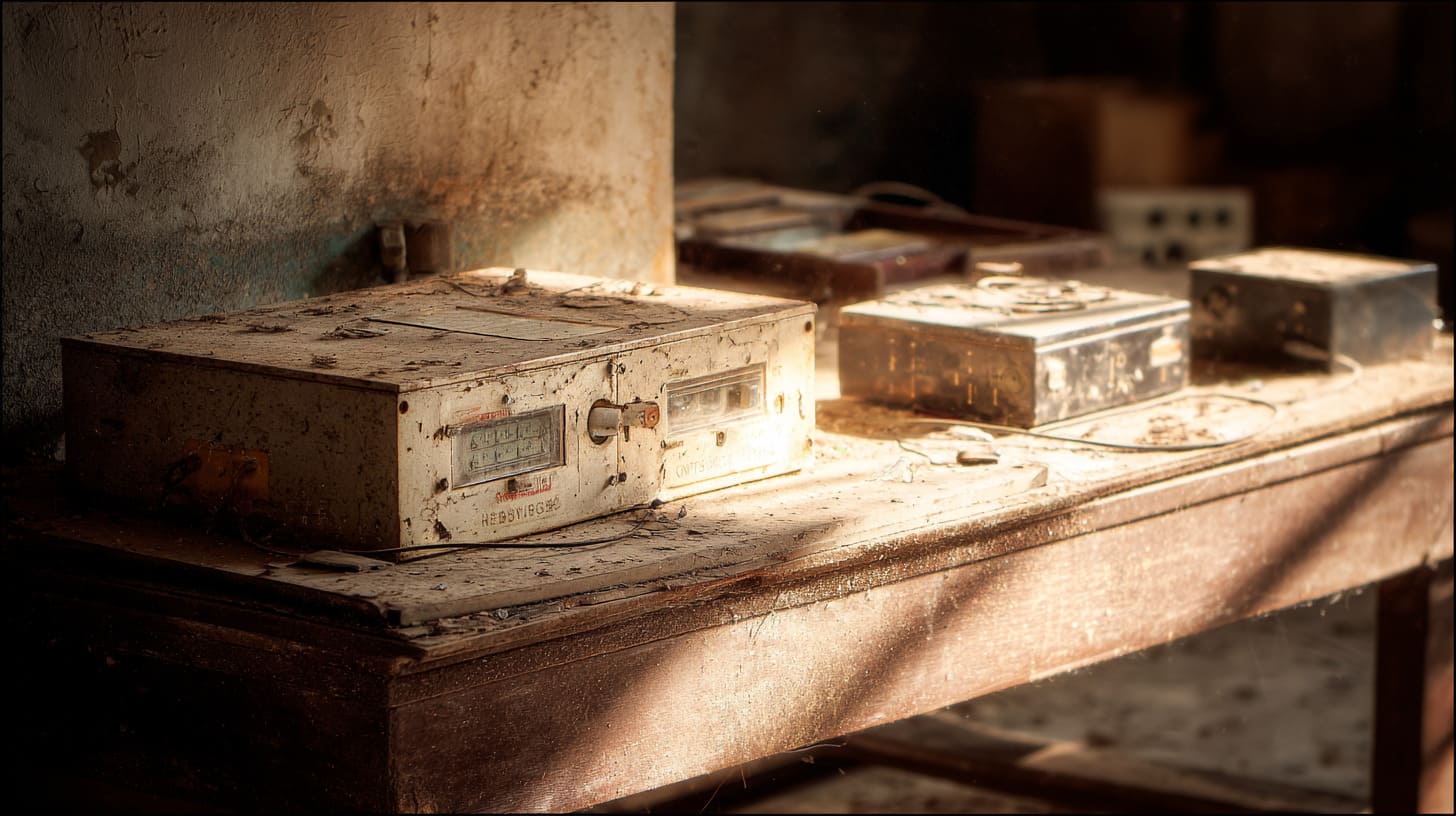
Sunlight poured through the windows of our workshop as I unboxed a batch of plastic enclosures a client had returned. The problem wasn’t a mechanical failure or a manufacturing flaw—it was that the once-smooth surface had turned chalky, brittle, and yellow. These parts had only been outdoors for eight months. That’s when the real issue hit me: they weren’t UV resistant.
UV-resistant plastic is a type of plastic treated or formulated to withstand long-term exposure to ultraviolet radiation without degrading in strength, color, or structure.
Most buyers don’t think about the sun until it ruins their product. Let’s make sure that doesn’t happen to you.
How long does UV-resistant plastic last?
Some projects need to last for years, even under harsh sunlight. So how long is long enough?
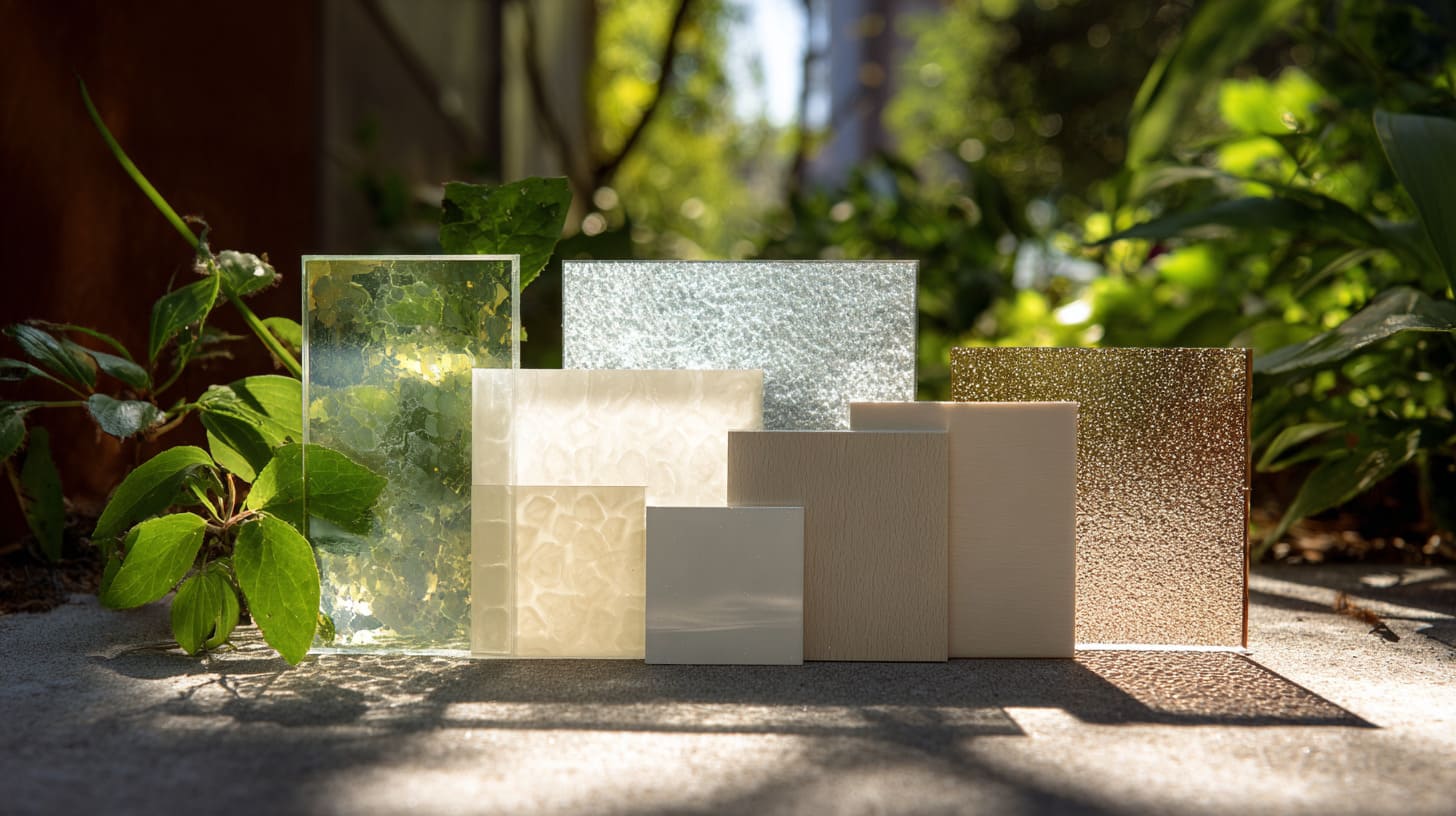
Most UV-resistant plastics last 5 to 15 years outdoors, depending on the material, formulation, and exposure level.
Longevity Factors
- Material type: Acrylic and polycarbonate tend to last longer than ABS or PVC.
- Additive quality: UV stabilizers can make or break the lifespan.
- Sunlight intensity: Tropical or high-altitude environments accelerate degradation.
| Material | Estimated Outdoor Lifespan |
|---|---|
| Acrylic | 10–15 years |
| UV-treated ABS | 3–5 years |
| UV-stabilized Polycarbonate | 7–10 years |
Sometimes I get calls from clients in Dubai or Mexico asking why their plastic housings cracked in two years. The answer usually comes down to: wrong material, wrong expectations.
Is PLA or PETG more UV resistant?
PLA is easy to print. PETG is tougher. But when it comes to UV?
PETG is more UV resistant than PLA and holds up better in outdoor environments.
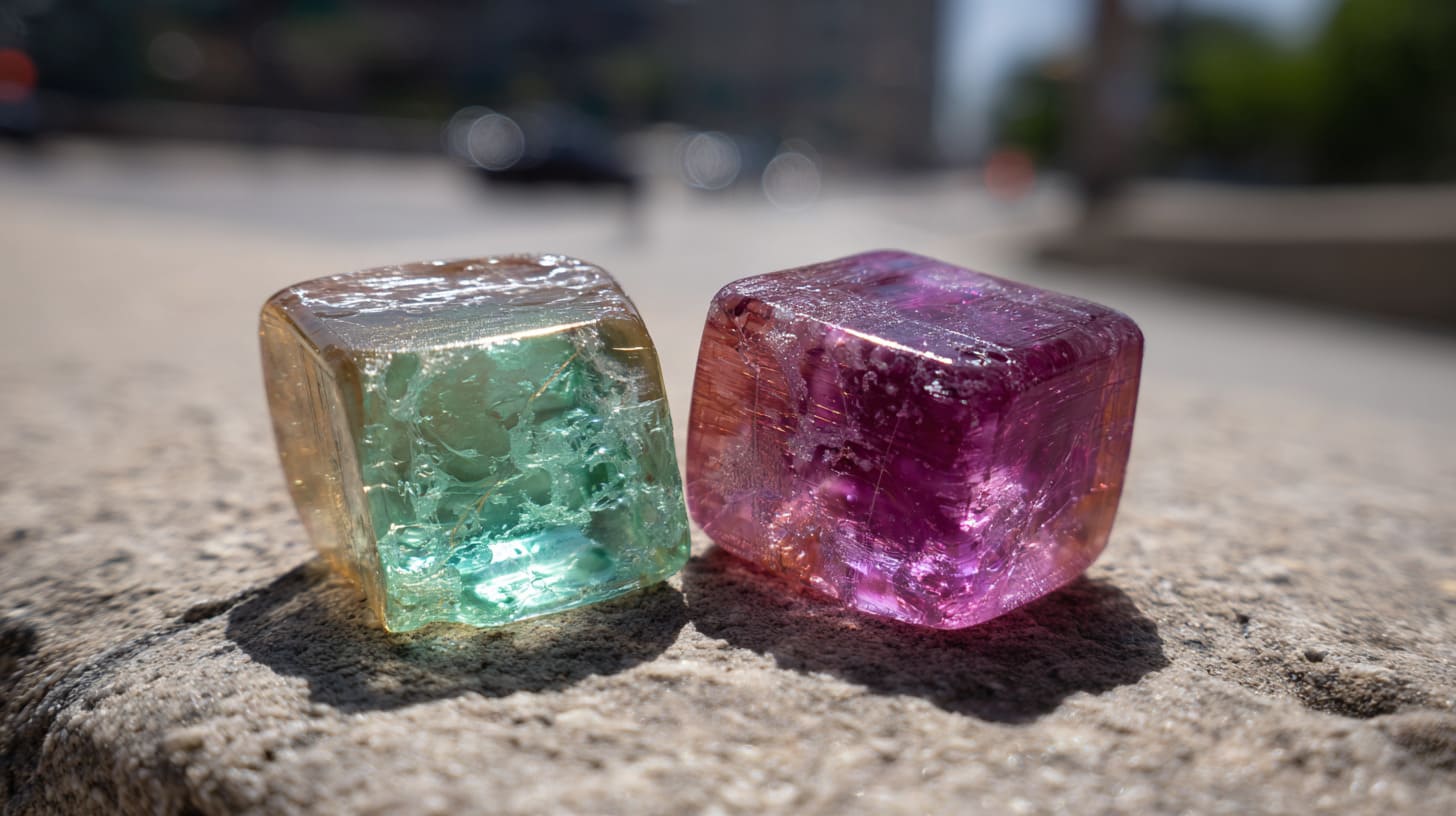
PLA starts breaking down under sunlight fairly quickly. It might be okay for indoor prototypes. But if you’re making anything that lives outside? PETG, or better yet, ASA or polycarbonate.
Real-World Tip:
Don’t just go by the filament label. Ask your supplier if the material has UV stabilizers added. Some “outdoor PETG” is just regular PETG with wishful thinking.
What is the meaning of UV resistant?
It’s not a magic shield—it’s a measured level of endurance.
UV resistant means the material can tolerate exposure to ultraviolet light without rapidly degrading or losing function.
Think of it like sunscreen for plastic
- It slows down damage, but doesn’t stop it forever.
- Some plastics are naturally UV resistant.
- Others need additives or coatings to survive outdoors.
What is the purpose of UV plastic?
It’s about keeping your product from falling apart—literally.
The purpose of UV plastic is to protect against sunlight-driven aging, discoloration, and cracking—especially for outdoor use.
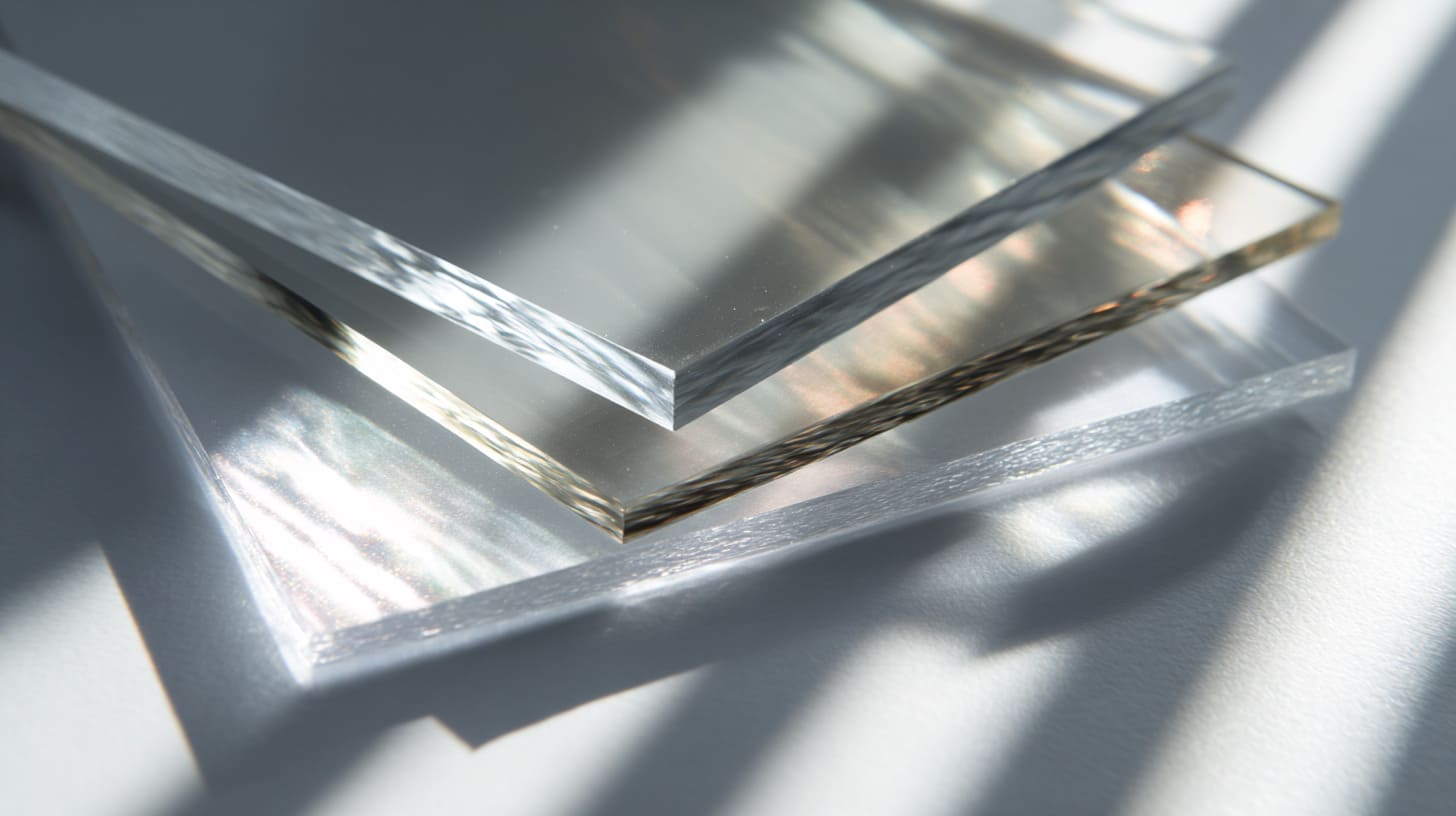
You wouldn’t build a beach bench out of cardboard, right? Same logic here. If it’s going to face the sun, it needs to be UV-ready.
Is PVC plastic UV resistant?
Not by default.
Standard PVC is not UV resistant, but UV-resistant PVC variants with additives can last longer outdoors.
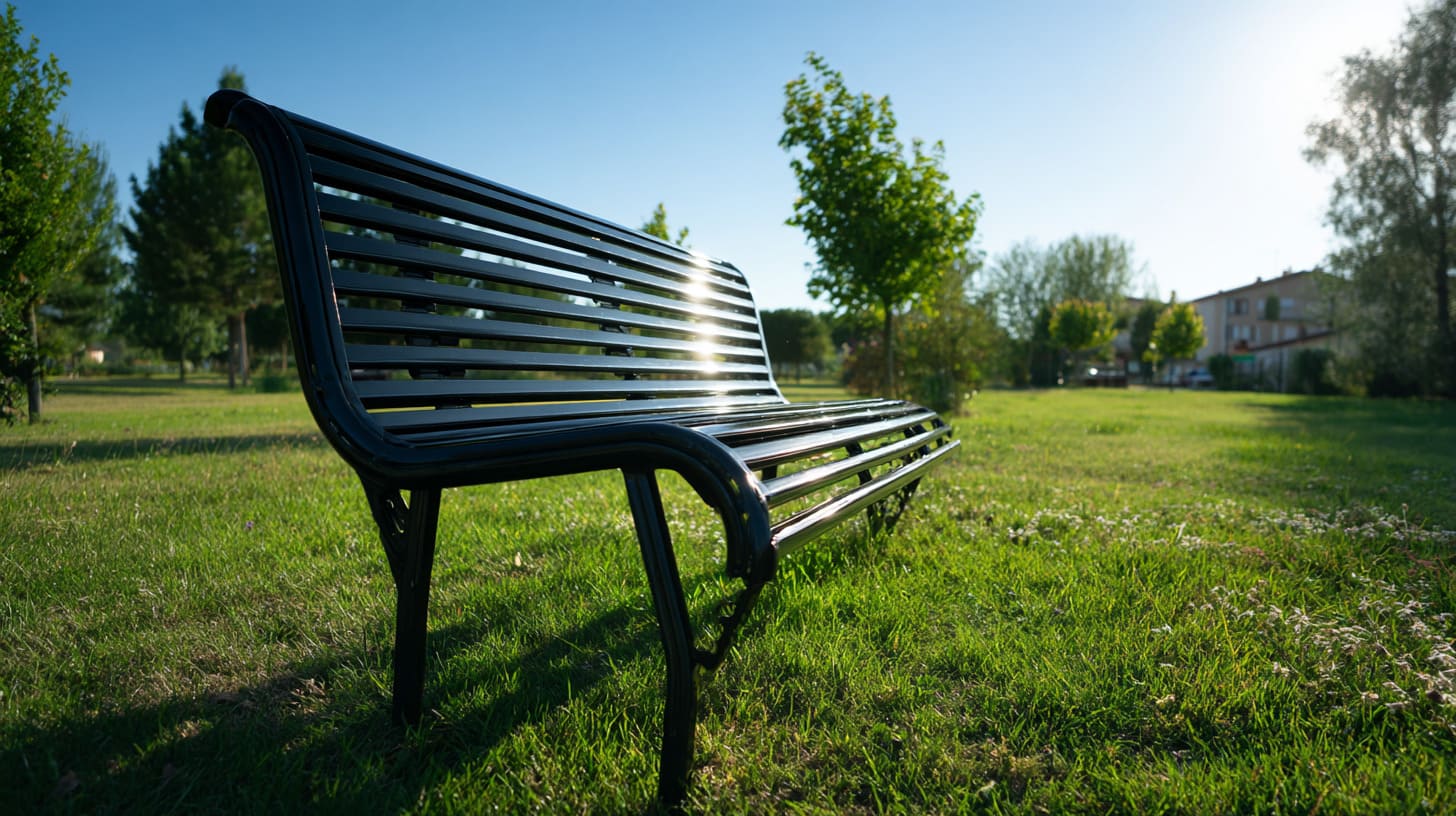
Unprotected PVC turns brittle and fades under direct sun. But manufacturers can add UV stabilizers to boost outdoor performance.
| PVC Type | UV Resistance |
|---|---|
| Standard PVC | Poor |
| UV-treated PVC | Moderate–Good |
If you’re using PVC outdoors—think cable conduits or signage—ask for UV resistance specifically.
Which plastic is best for outdoor use?
That depends on what “outdoor” means to you.
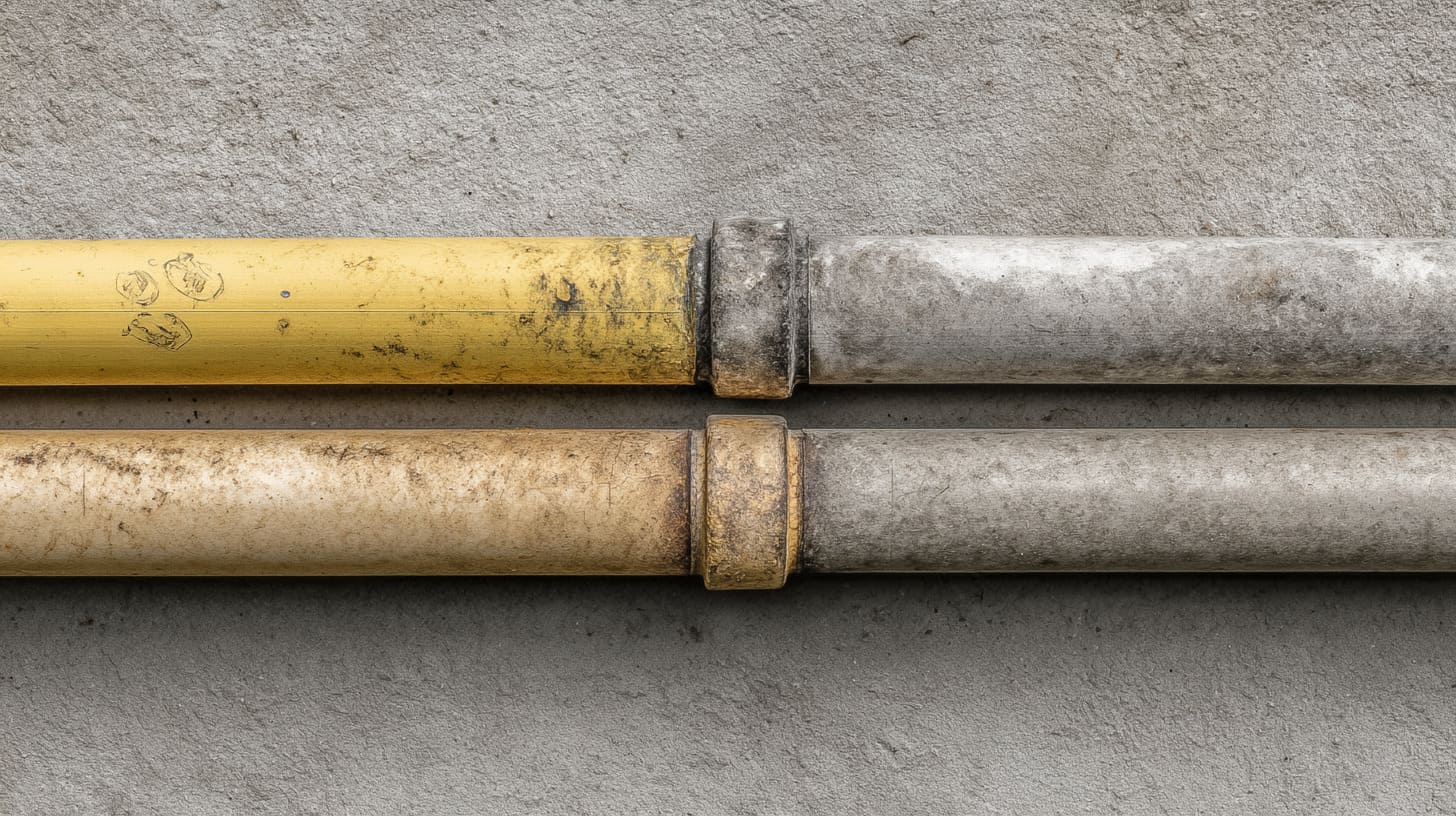
Acrylic, polycarbonate, ASA, and UV-stabilized HDPE are some of the best plastics for long-term outdoor applications.
| Plastic | UV Resistance | Impact Strength | Notes |
|---|---|---|---|
| Acrylic | Excellent | Moderate | Clear, glossy, great for signage |
| Polycarbonate | Very Good | High | Tough, clear, often pricier |
| ASA | Good | High | Popular 3D printing plastic |
| HDPE (UV-stabilized) | Good | High | Industrial, not glossy |
What does “UV resistant plastic” really mean for materials and enclosures?
In real-world use, it means peace of mind.
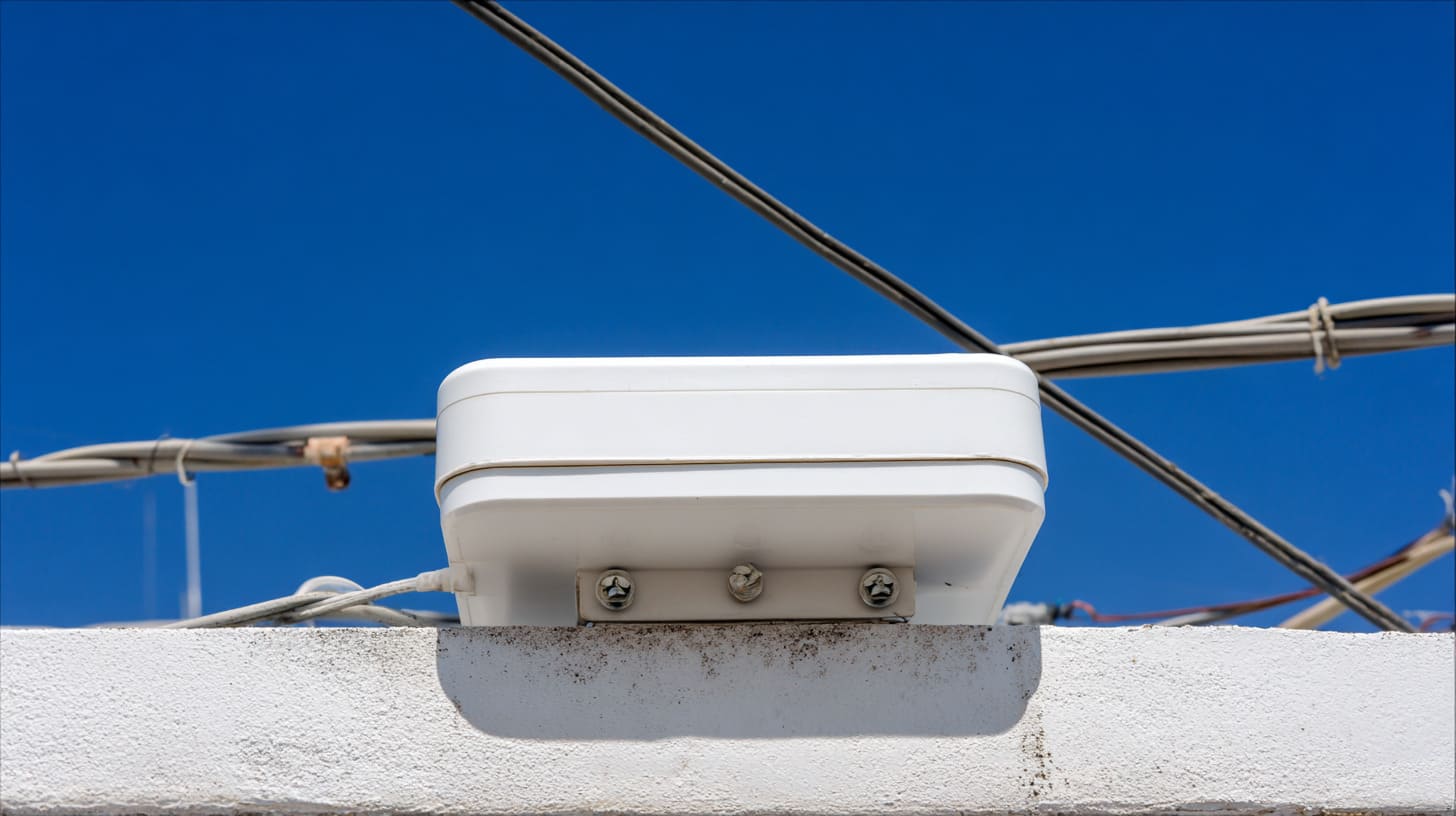
UV resistance in enclosures means the material won’t fade, crack, or lose structural integrity when exposed to sunlight over time.
Think of a plastic junction box sitting on a rooftop. Or a smart irrigation sensor in the field. The plastic can’t afford to melt, warp, or go brittle.
How does UV radiation damage ordinary plastic — and how do UV‑resistant plastics avoid that damage?
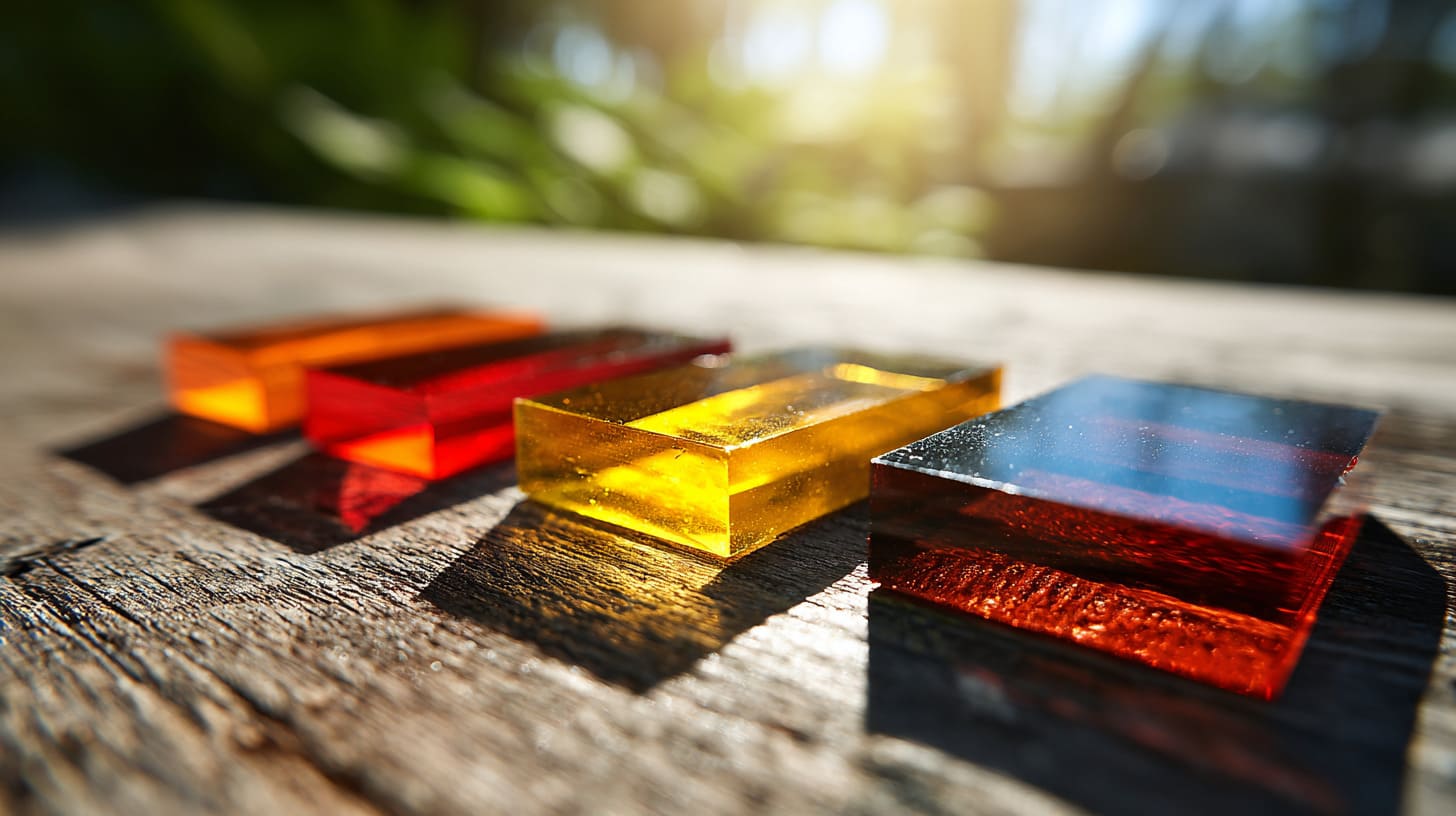
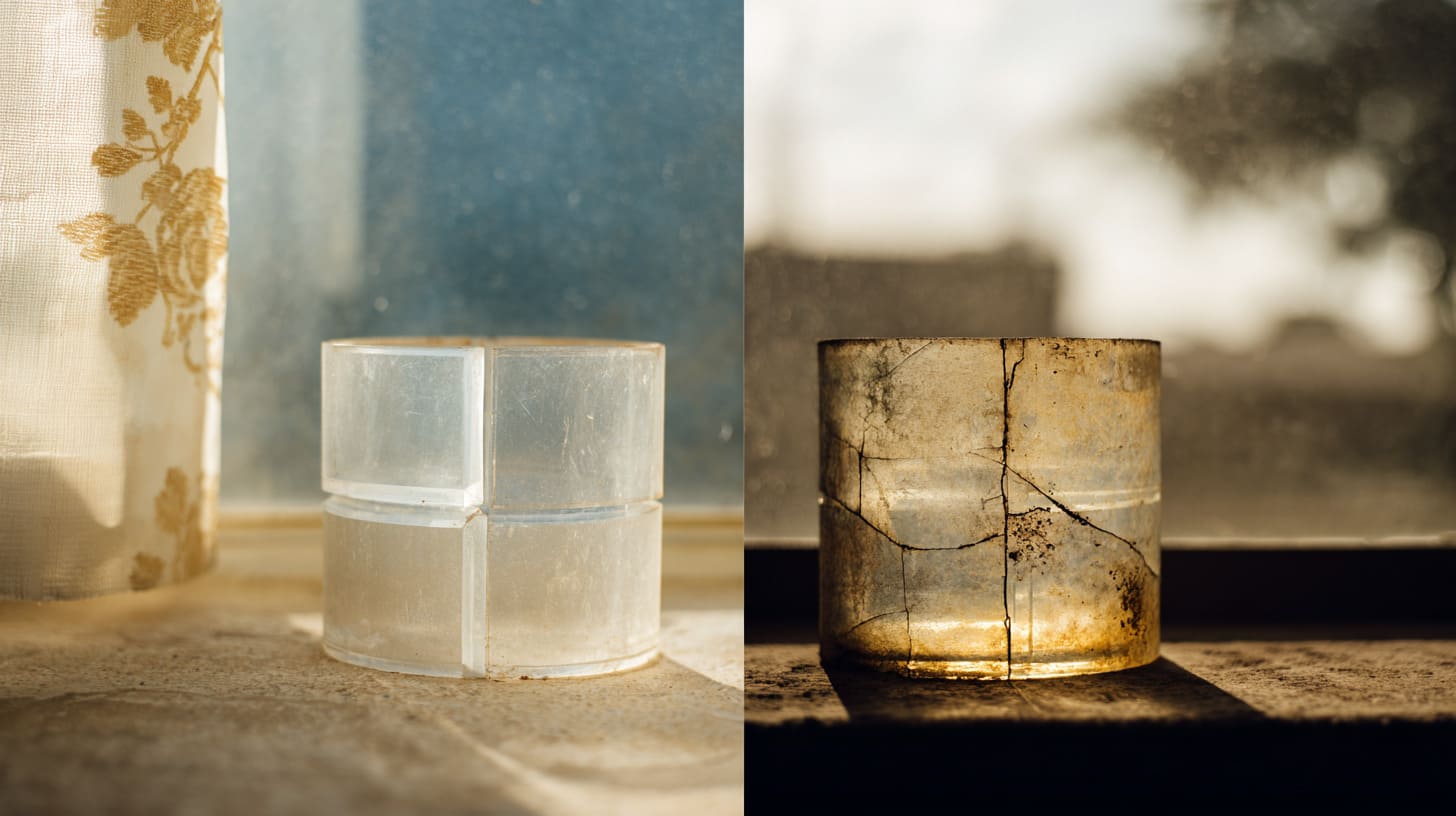
I’ve seen clear plastic turn milky white in just months. That’s UV at work.
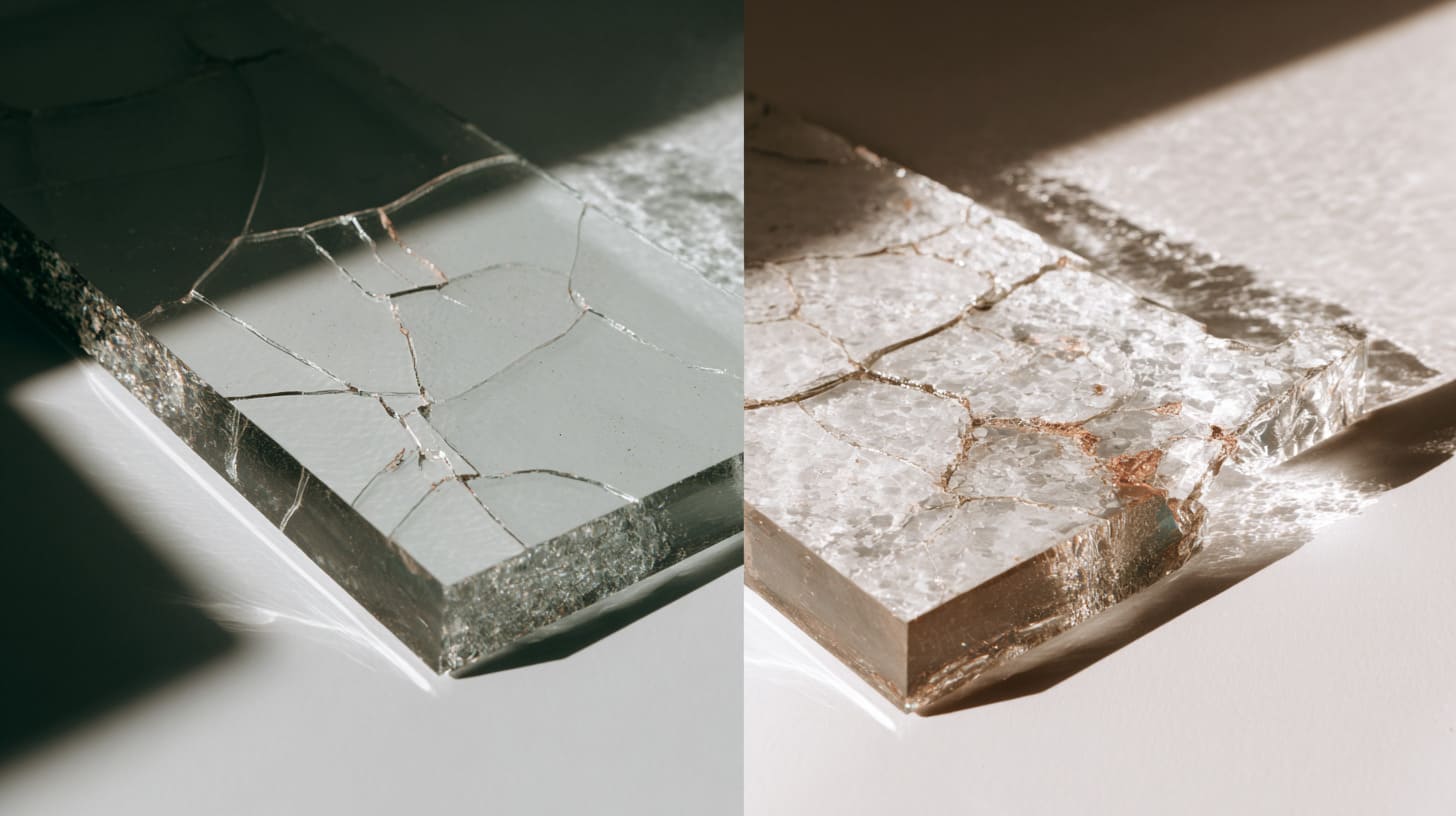
UV radiation breaks down polymer chains, causing discoloration, brittleness, and cracking in standard plastics. UV-resistant plastics use stabilizers or additives to slow this process.
The science (in simple terms):
- UV photons hit plastic like tiny hammers.
- They break the chemical bonds in the material.
- This leads to fading, yellowing, and cracking.
UV-resistant plastics include:
- UV absorbers: Like sunglasses for plastic.
- HALS (Hindered Amine Light Stabilizers): They neutralize free radicals formed by UV.
Which plastic materials are most commonly UV‑resistant (or UV‑stabilized)?
Some are naturally better. Some are helped along.
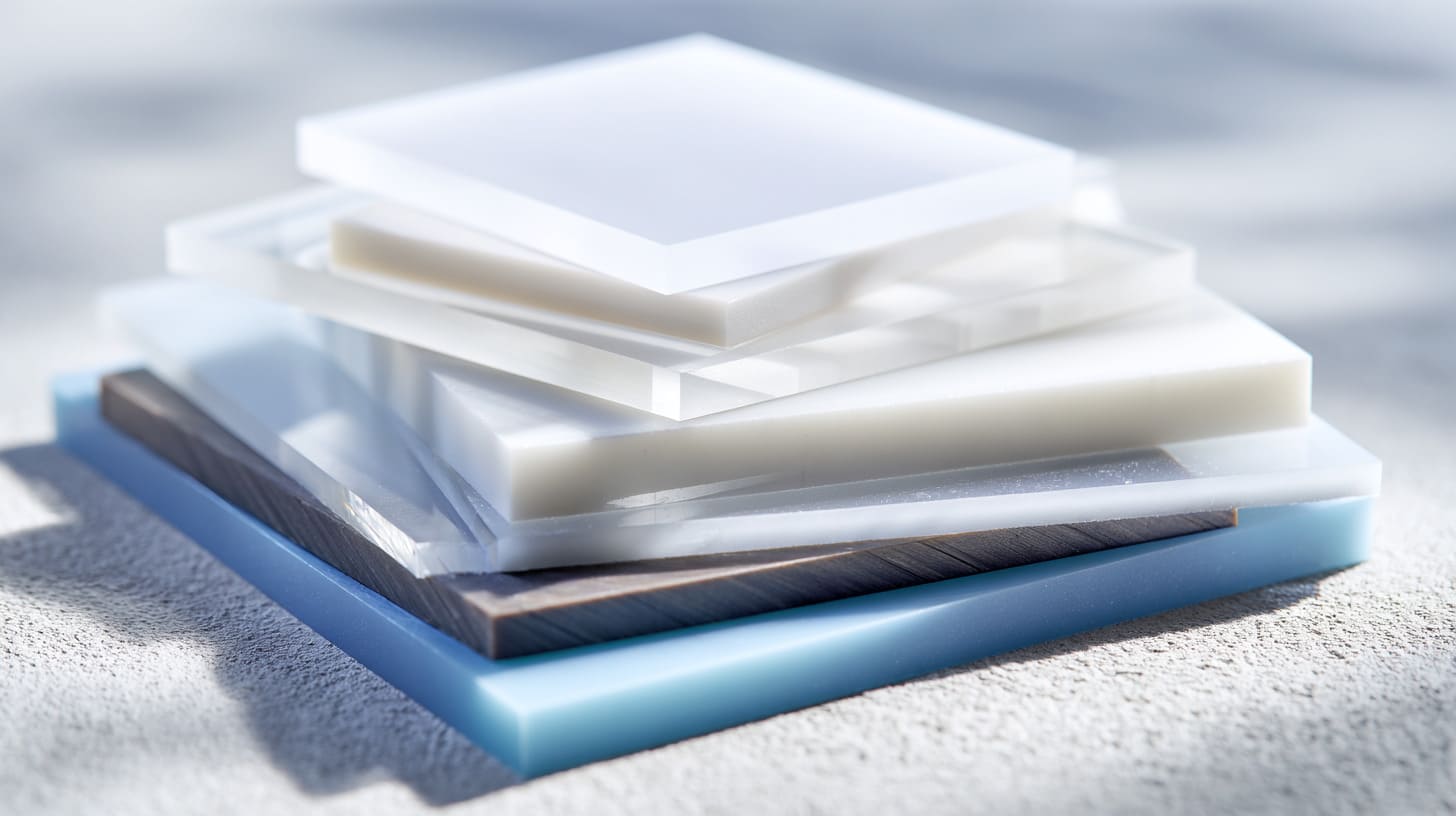
Acrylic, polycarbonate, ASA, and HDPE with UV stabilizers are commonly used for UV resistance.
Common UV-Resistant Plastics:
- Acrylic (PMMA) – Excellent clarity, strong UV resistance
- Polycarbonate – Great impact resistance and good UV durability
- ASA – Built for weather; good in sun and rain
- HDPE/LDPE with UV stabilizers – Rugged and economical
How are UV‑resistant plastics manufactured or treated to improve UV stability?
The secret’s in the mix.
UV resistance is added during manufacturing by blending stabilizers, coatings, or using special UV-resistant polymers.
Three common methods:
- Additives blended into resin (most common)
- Surface coatings or films (for optics, displays)
- Using inherently UV-resistant polymers
If you’re sourcing from a factory like mine, just ask: “Do you use HALS or UV absorbers in this blend?” That one question can save a product.
When does an enclosure really need UV resistance — indoor vs outdoor vs partially exposed use?
Not everything needs UV armor. But some things absolutely do.
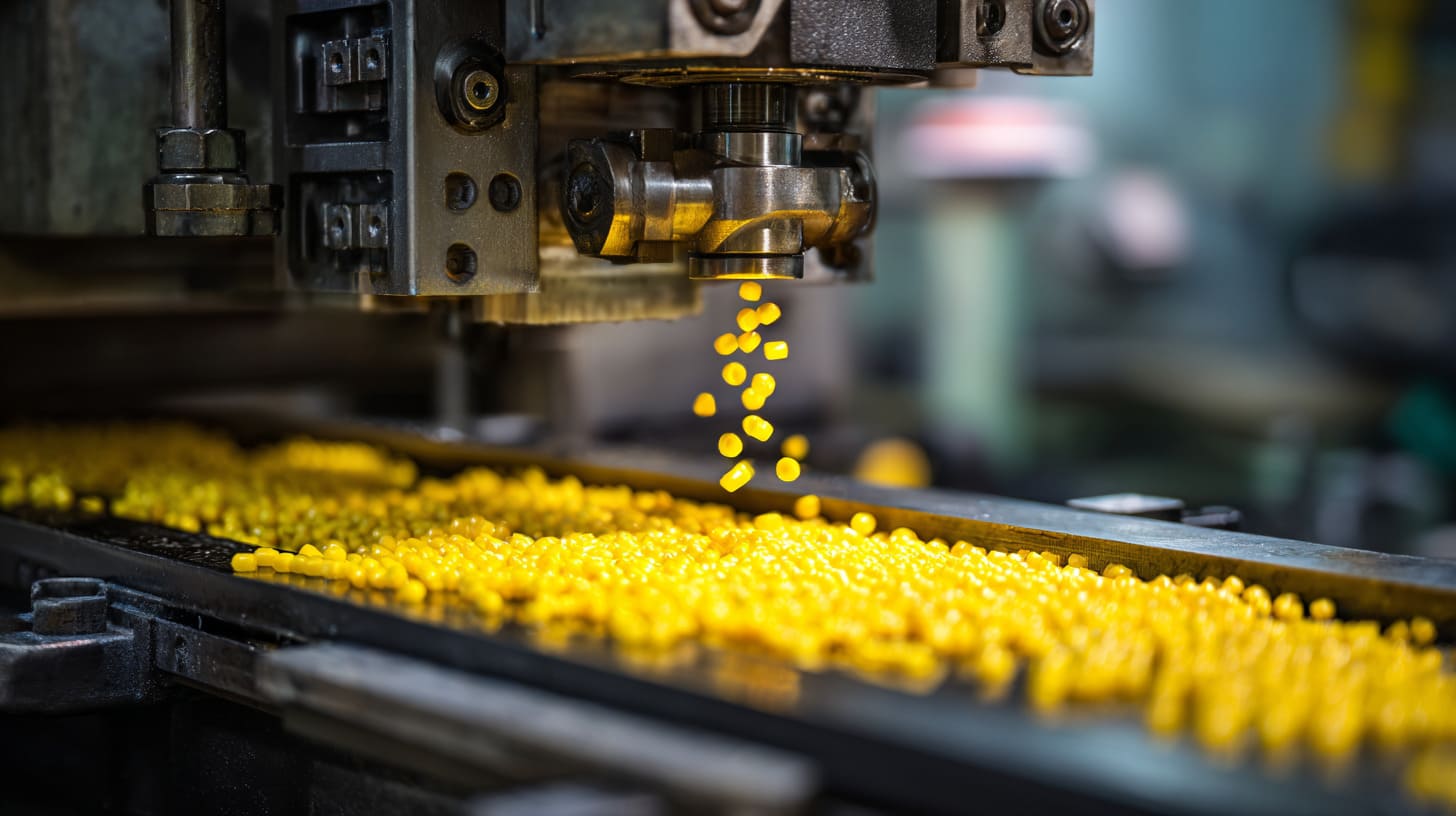
Any plastic part that’s exposed to direct or partial sunlight over time needs UV resistance to avoid premature failure.
Examples by Use Case:
| Use Location | UV Resistance Needed |
|---|---|
| Indoor (no sunlight) | No |
| Near window (partial) | Moderate |
| Outdoor (full sun) | Essential |
What are the trade‑offs (strength, cost, brittleness) when choosing UV‑resistant plastic for enclosures?
There’s no free lunch.
UV-resistant plastics may cost more or be less flexible than standard versions, but they offer better durability and color stability.
| Factor | UV-Resistant Plastics | Standard Plastics |
|---|---|---|
| Cost | Higher | Lower |
| Durability | Longer | Shorter |
| Brittleness | May increase slightly | Lower |
Sometimes I advise customers: use cheaper plastics indoors, save the good stuff for the sun.
How to choose the right UV‑resistant plastic for different applications (e.g. outdoor electronics, housings, signage, furniture, industrial equipment)?
Start from the function. Then pick the plastic.
Match the UV-resistant plastic to your product’s exposure, durability needs, and appearance goals.
| Application | Recommended Plastic |
|---|---|
| Outdoor electronics | ASA or polycarbonate |
| Signage | Acrylic |
| Furniture | HDPE or UV-treated PVC |
| Industrial enclosures | UV-stabilized ABS/PC mix |
Think beyond specs—consider color retention, gloss, and thermal expansion too.
How to test or specify UV resistance when ordering enclosures or plastic parts from manufacturers (manufacturer specs, UV rating, additives)?
You need numbers. Not guesses.
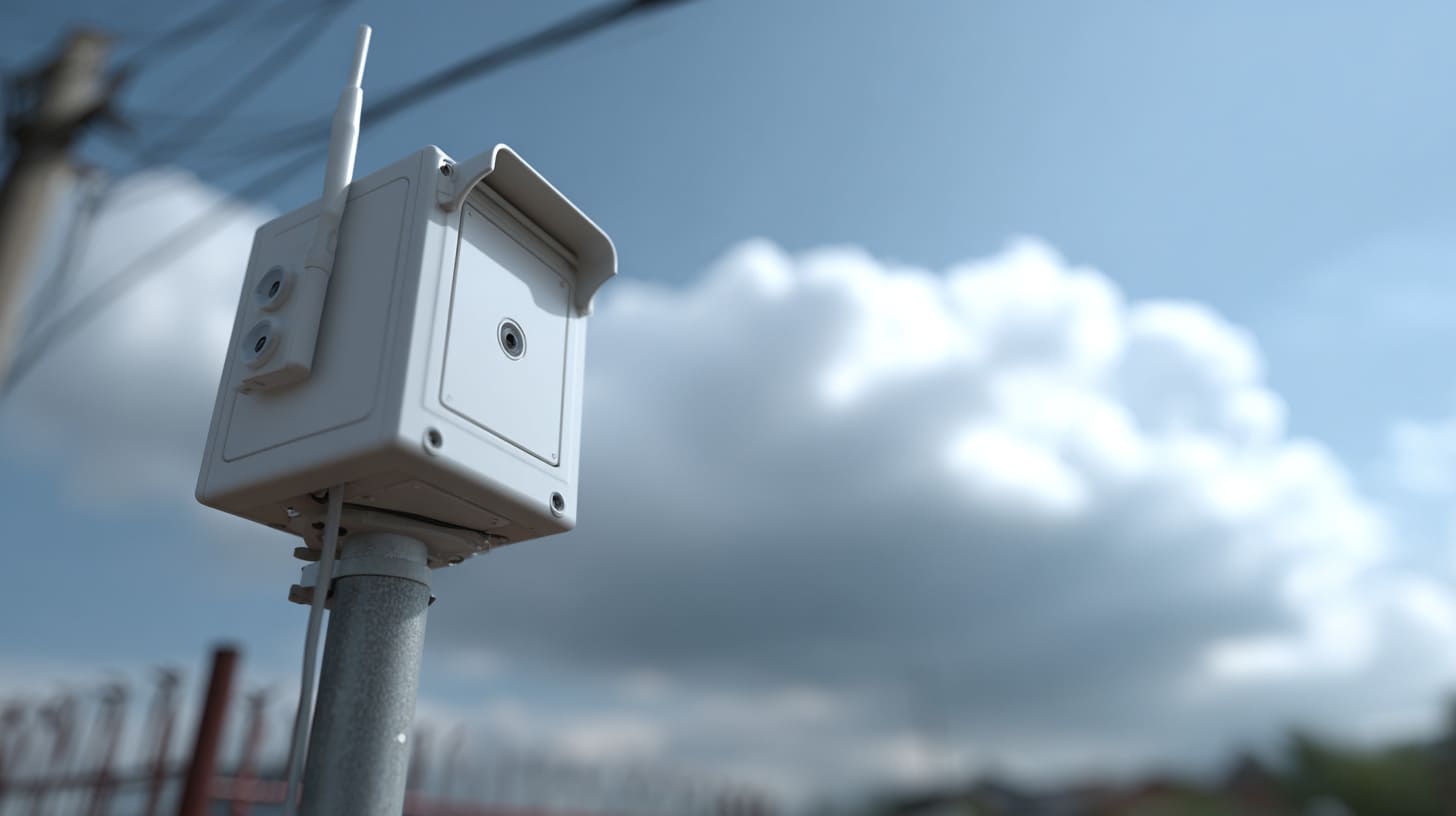
Request UV testing data (ASTM G154, ISO 4892), check for HALS or UV additive mention, and confirm outdoor durability specs with your supplier.
Tips:
- Ask for accelerated weathering test results
- Confirm outdoor exposure rating (e.g. 5-year, 10-year)
- Require additive disclosure in custom orders
If they can’t give clear answers—it’s a red flag.
Can UV‑resistant plastics degrade over time — and what maintenance or design considerations help extend lifespan under sunlight?
Even superheroes get old.
Yes, UV-resistant plastics still degrade slowly over time, but thoughtful design, regular cleaning, and protective coatings can extend their lifespan.
Maintenance Tips:
- Use light-colored plastics (they absorb less UV)
- Avoid sharp edges—cracks start there
- Consider adding a protective shield or paint
In my projects, a little design foresight adds 3–5 years to outdoor enclosures.
Conclusion
UV-resistant plastic protects products from sun damage—but only when matched wisely to the job.