Skip to content
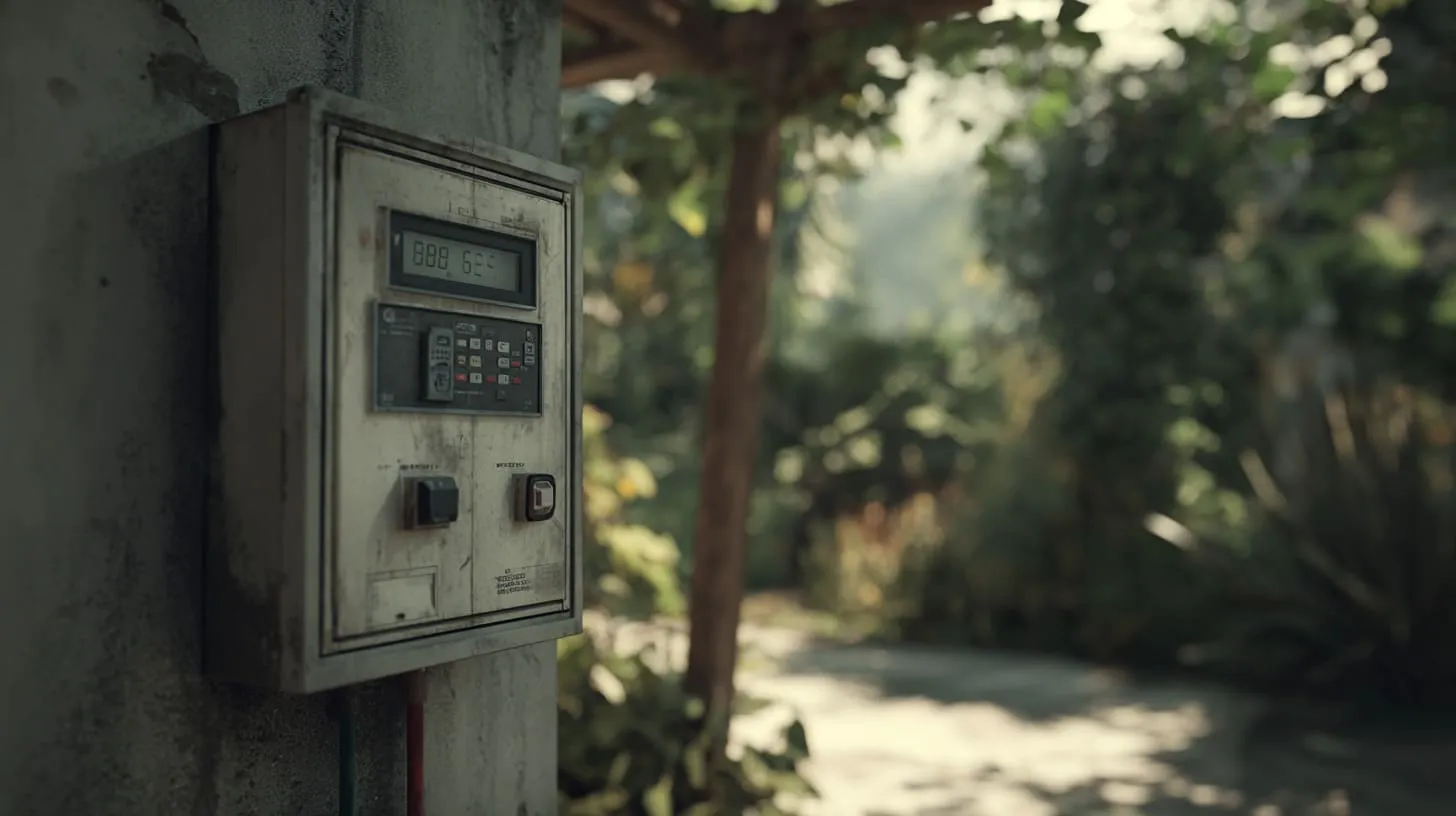
A meter box quote can look almost “too easy.”
A buyer sends dimensions. A photo. Maybe a quick note: “Outdoor. Need lock.”
Then the real decision slips in like a quiet shortcut:
“Let’s use plastic. It’s cheaper.”
I have watched that sentence save money in week one, then burn money in year two. Not because plastic is “bad.” Not because metal is “perfect.” It is because the environment always collects its bill later. Sun. Heat. Vibration. Random impacts. Even the way people open the door every day.
Here is the core idea I stand on in real work: meter boxes should be chosen by lifecycle cost, not unit price. A low price can be honest. It can also be a trap when the box lives outside for ten years.
This guide is for product engineers, OEM buyers, and enclosure decision-makers who want fewer reworks, fewer site complaints, and fewer surprise replacements.
Before we argue plastic vs metal, I want to ground the problem: what a meter box really does in the field.
What Is a Meter Box and Why Material Choice Matters
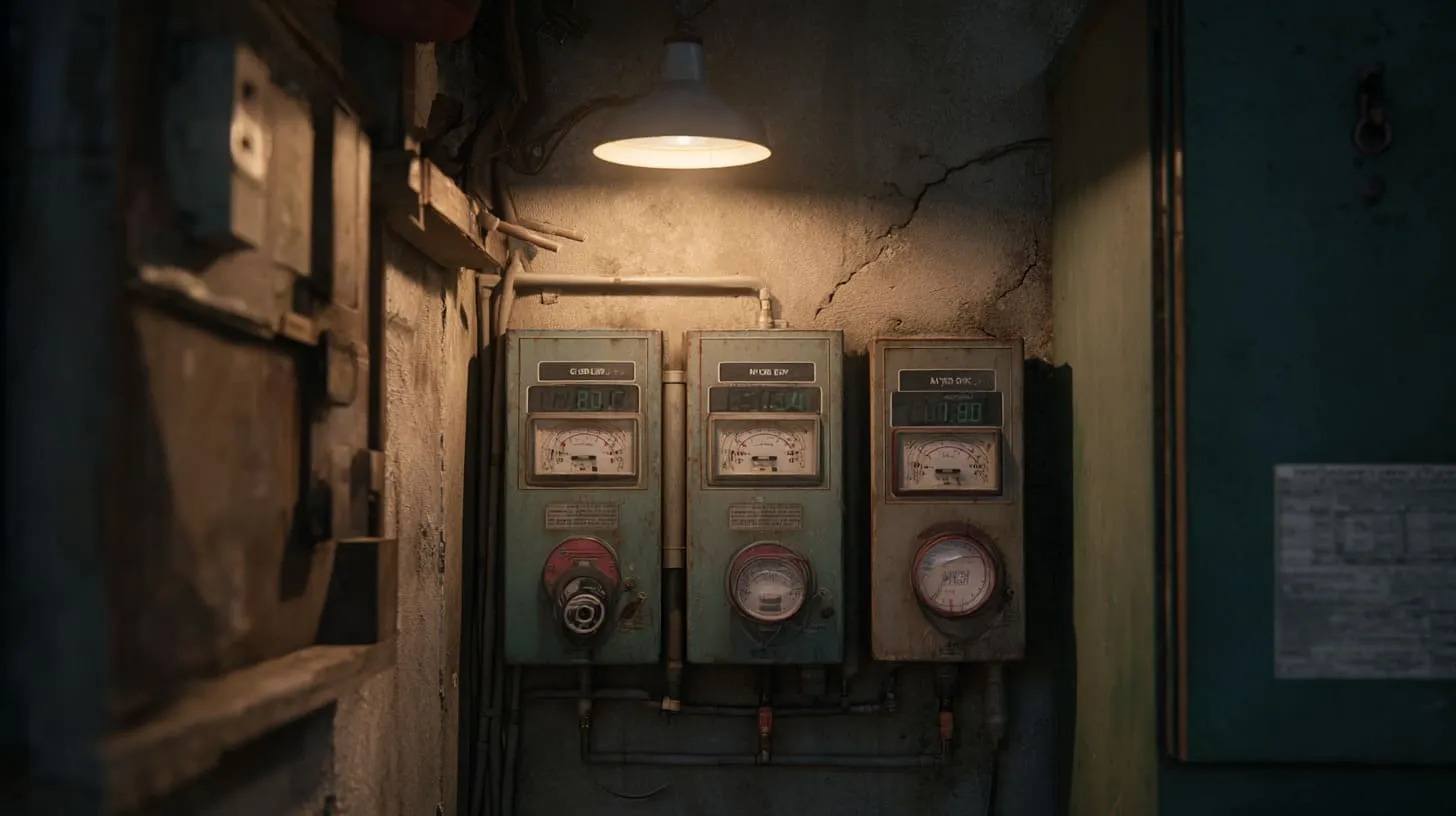
A meter box is not just a box. It is a small system that protects a measurement device, keeps people safe, and survives years of boring abuse.
One thing I keep telling myself when choosing materials is this: the meter box fails in the place where nobody is watching, and that is exactly why it matters.
Typical applications of meter boxes
Meter boxes show up in more places than people think:
- Electrical meters (residential, commercial, industrial)
- Water and gas meters (often near ground level)
- Smart meters and IoT metering systems with antennas or communication modules
- Indoor, outdoor, and semi-outdoor installations (corridors, basements, parking areas, utility poles, fence lines)
Key roles a meter box must play
A meter box usually has to do four jobs at the same time:
- Protect the meter from rain, dust, and impact
- Prevent access (tamper resistance, lock, sealing)
- Maintain safety (insulation, grounding strategy, heat behavior)
- Stay stable (door alignment, sealing surfaces, mounting points)
Why material selection affects total ownership cost
Material choice changes costs that do not show up on the first invoice:
- Installation lifespan (how long before cracks, warping, corrosion, or hinge issues)
- Maintenance frequency (seals, locks, repainting, replacement doors)
- Replacement risk (site visits, downtime, service calls, customer anger)
- Hidden labor (a technician visit is often more expensive than the box)
A simple way I explain it to buyers is this table:
| Cost Type | Shows Up When | Plastic Can Trigger | Metal Can Trigger |
|---|---|---|---|
| Unit price | Purchase day | Lower | Higher |
| Install labor | Day 1 | Usually lower (lighter) | Usually higher (heavier) |
| Service visits | Year 1–10 | More likely if aging is fast | More likely if corrosion is ignored |
| Replacement | Year 2–10 | Higher risk in harsh sun/impact | Higher risk if coating/spec is wrong |
| Brand damage | Anytime | “Why is it cracked already?” | “Why is it rusty already?” |
If this topic feels “too detailed,” that usually means the project has not reached the painful part yet.
Next, let’s look at why plastic feels like the safe shortcut at the start.
Plastic Meter Boxes: Why They Look Cheaper at First
Plastic meter boxes often win the first meeting. The reasons are simple, and I respect them.
The way I judge plastic at the start is not emotional. I ask one blunt question: is the project buying a box, or buying time?
Common plastics used in meter boxes
In the field, I see these the most:
- ABS (good for indoor, cost-friendly, but can age poorly outdoors)
- Polycarbonate (PC) (tougher, better impact, but still needs UV thinking)
- Fiberglass-reinforced plastics (stronger, often better outdoors, but cost can rise)
Advantages that attract buyers
Plastic has real advantages:
- Lower unit cost at volume
- Lower tooling cost in many designs
- Lightweight for shipping and installation
- Good insulation behavior by nature
- No rust in the classic sense
Typical use cases where plastic works well
Plastic can be a smart choice when the environment is gentle:
- Indoor utility rooms
- Protected corridors
- Low-impact zones
- Low-heat applications
- Projects where service life expectation is shorter
To keep the decision honest, I like to write down a “plastic wins” checklist:
- The box is not in direct sun most of the day
- The box is not near high heat sources
- The box is not in a high-vandalism area
- The box is not expected to last 10+ years without replacement
If you check most of these boxes, plastic can be totally fine.
But the moment a buyer says “outdoor,” I stop treating plastic as a default. Because outdoor does not mean “rain only.” Outdoor means aging.
And that leads to the part people skip: long-term cost.
Hidden Long-Term Costs of Plastic Meter Boxes
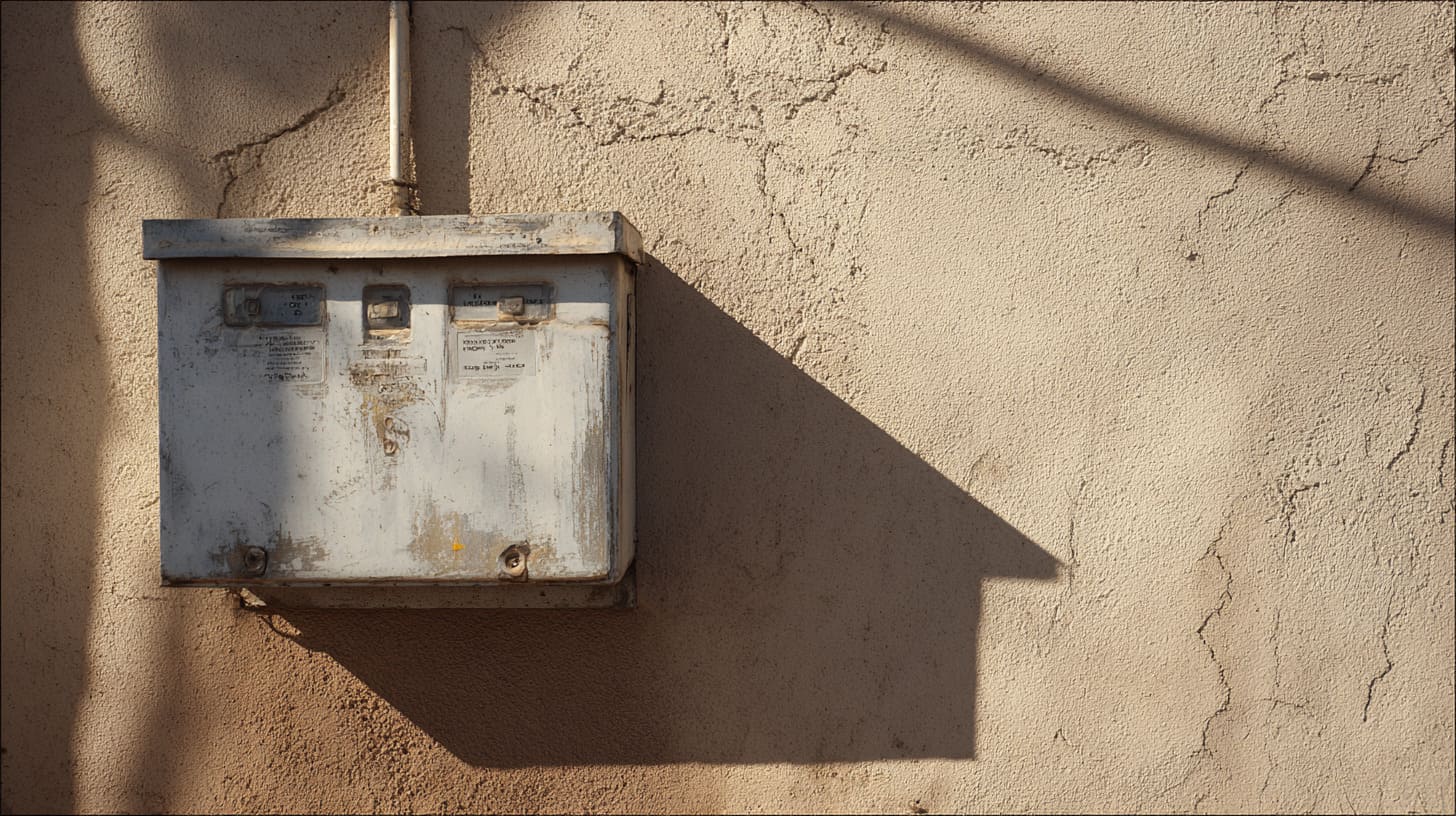
Plastic usually fails slowly, and that slow failure is what makes it dangerous.
It does not explode. It just gets “a little worse” every season.
This is where I often see decisions go wrong: people price the plastic box as if time has no cost.
Environmental aging and material fatigue
Plastic aging is not one thing. It is a stack of small changes:
- UV exposure can make surfaces chalky and brittle
- Temperature cycling can stress corners and screw bosses
- Moisture + dirt can reduce sealing performance over time
- Color fading can make a site look old fast, even if the meter works
Here is a practical way I think about it:
| Aging Trigger | What You See | Why It Matters |
|---|---|---|
| UV | Fading, chalking, cracks | Customer complaints, water ingress risk |
| Heat | Warping, door misalignment | Seal failure, lock issues |
| Cold | Brittleness, snap failures | Door tabs and hinges break |
| Chemicals | Surface attack | Cleaning can shorten life |
Structural limitations
Plastic can be tough. But toughness has a boundary.
Common issues I see in outdoor or semi-public areas:
- Warping around the door frame
- Hinges loosening because screw retention drops
- Locks feeling “soft” because the mounting area flexes
- Impact damage from carts, tools, or careless opening
If you want one sentence that captures the risk:
Plastic problems often show up at the hinge, the lock, and the seal line, not in the big flat panels.
Maintenance and replacement costs
The cost you should fear is not “a new box.”
It is the service visit.
A replacement cycle can quietly become expensive:
- Technician time
- Site access coordination
- Customer downtime
- Rework because mounting holes no longer match
- Rush shipments
I once saw a buyer save a small amount per box, then pay more in service calls because the doors stopped closing smoothly after seasons of heat. Nobody planned for it. Everyone complained. The money moved from “material” to “labor,” and labor is always louder.
If plastic is still on the table, the next step should be fair: compare it against metal with the same seriousness.
Metal Meter Boxes: Higher Cost, Higher Stability
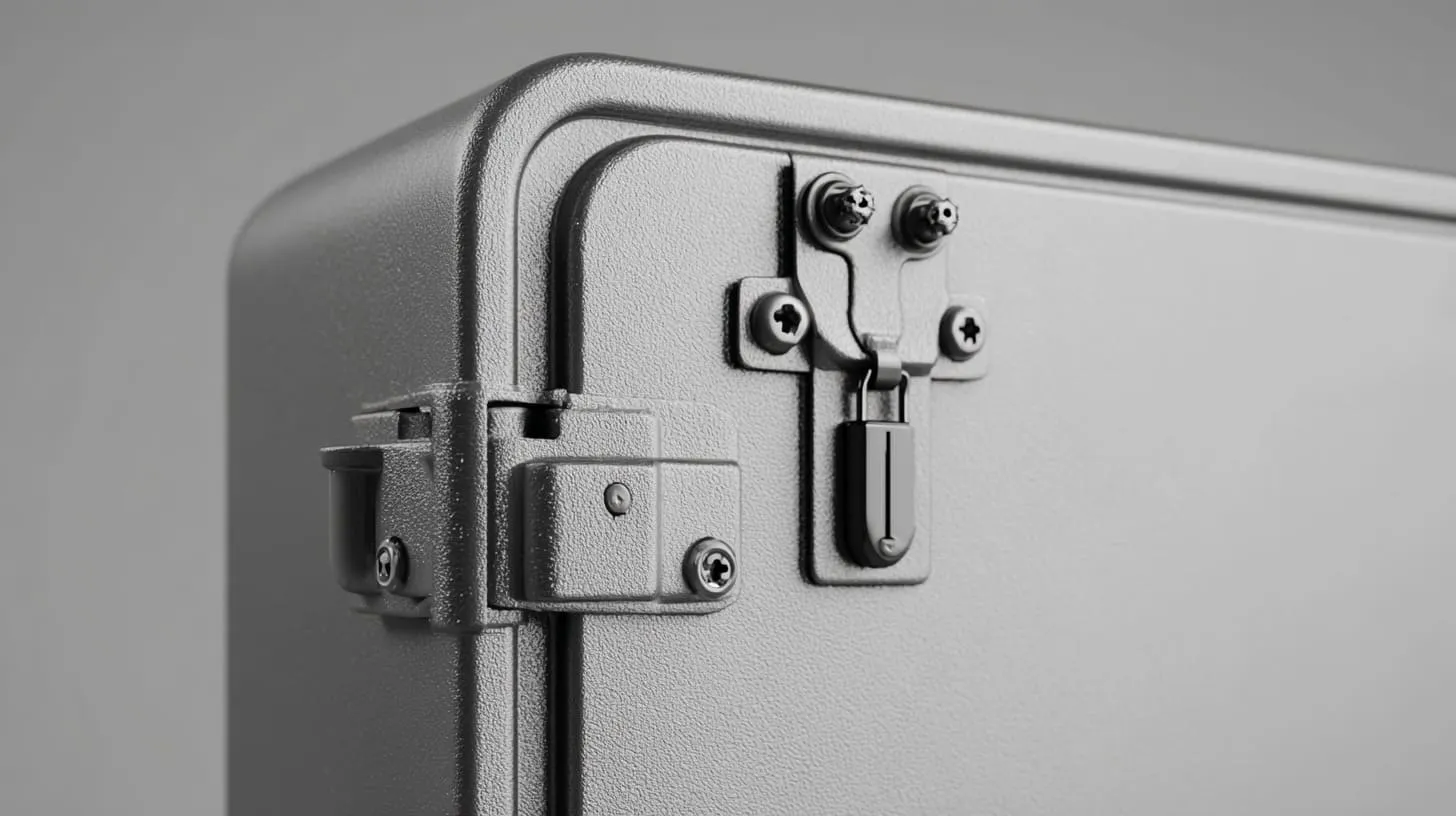
Metal usually feels “expensive” because it shows its cost upfront.
But it also shows its stability upfront. You can feel it in your hands.
When I choose metal, I am usually buying one thing: predictability.
Common metals used
The usual metal choices I see in meter box projects:
- Aluminum
- Die-cast aluminum (strong, precise features, good for repeat)
- Extruded aluminum sections (good for frames, modular builds)
- Sheet metal aluminum (flexible for custom sizes)
- Stainless steel
- Used in selected cases where corrosion risk is high or cleaning is harsh
Why metal costs more upfront
Metal cost comes from several places:
- Raw material cost
- Fabrication steps (cut, bend, weld, machine)
- Surface finishing (powder coating, anodizing, painting)
- Weight (shipping cost can rise)
- Higher expectations (buyers often demand tighter fit and nicer finish)
Performance advantages over time
Metal’s long-term value is often simple:
- Mechanical strength and better hinge/lock stability
- Dimensional stability under heat and sun
- Better heat dissipation for electronics and smart meter modules
- More durable mounting points and screw retention
I like to keep one comparison table visible when talking to engineers:
| Performance Topic | Plastic | Aluminum | Stainless Steel |
|---|---|---|---|
| UV aging | Can degrade | Stable (finish matters) | Stable (finish matters) |
| Impact risk | Medium to high | Better | Best |
| Heat behavior | Can warp | Stable | Stable |
| Corrosion | No rust, but can age | Needs proper coating | Best resistance (grade matters) |
| Weight | Light | Medium | Heavy |
| Cost | Lower | Medium | Higher |
Metal is not magic. It can corrode. Coatings can fail. Wrong alloy choices can bite you later. That is why “metal” is not a decision. The real decision is which metal and which finish for which environment.
Next, I want to show where metal clearly wins financially.
When Metal Meter Boxes Save Money Long Term
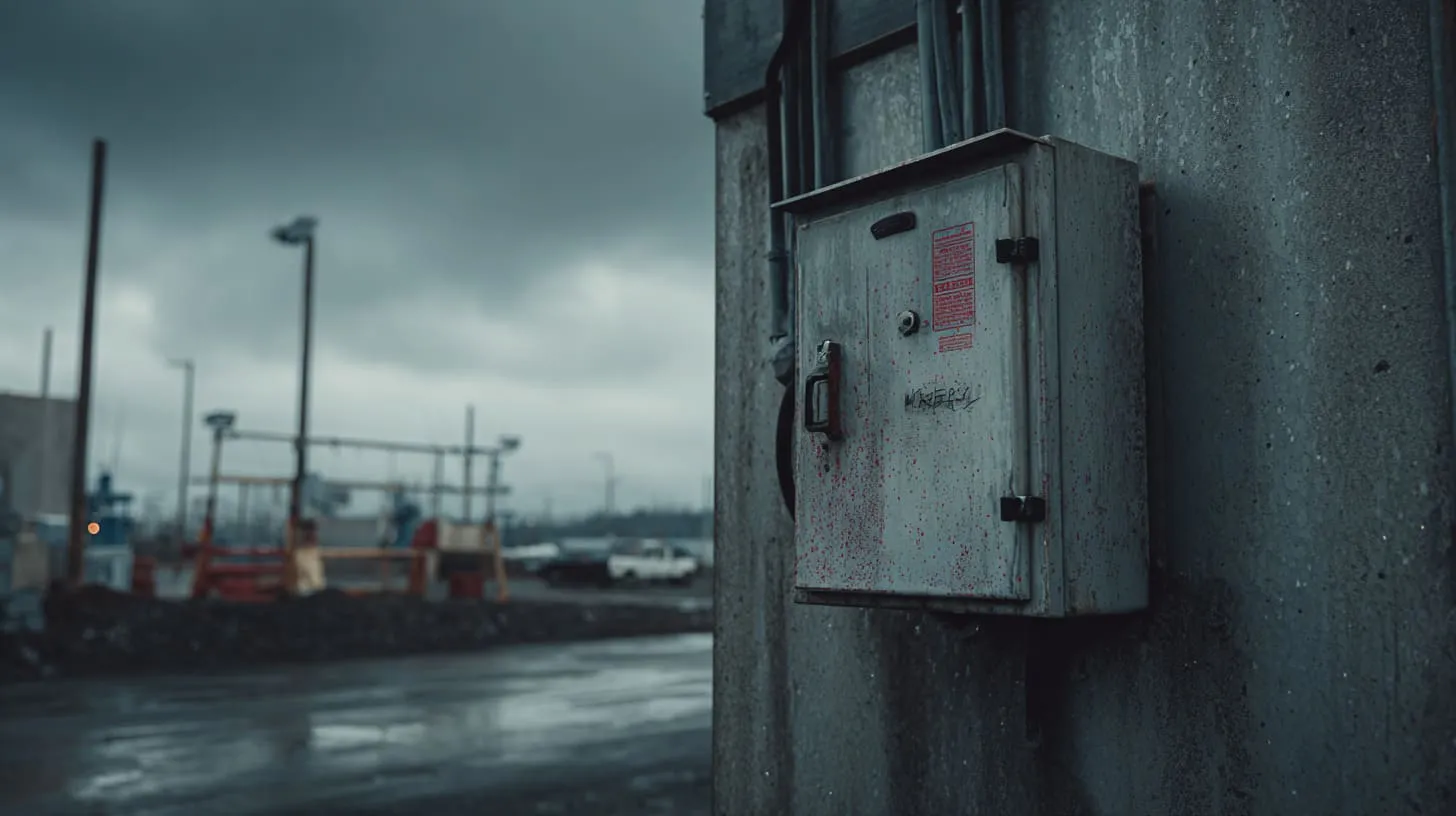
Metal saves money when the environment is harsh and the service life is long.
That is the honest pattern.
The way I decide is very practical: if replacement would be painful, I stop chasing the cheapest box.
Outdoor and harsh environment installations
Outdoor installs often include stress people forget to list:
- Direct sun for hours
- Heavy rain with wind
- Dust storms or coastal salt air
- Winter freeze-thaw cycles in some regions
- People leaning tools against the box
In these conditions, metal usually holds its shape better.
That means seals stay engaged, doors stay aligned, and locks stay reliable.
Industrial and commercial applications
Industrial and commercial sites often add extra stress:
- More frequent access (maintenance schedules)
- Higher safety expectations
- Forklifts, carts, and random impacts
- More heat sources nearby
- More inspections and compliance pressure
If a site manager calls a meter box “flimsy,” the project becomes a reputational problem, not just a material problem.
Projects with long lifecycle requirements
Long lifecycle projects are where metal wins quietly:
- Utility infrastructure
- Smart grid deployments
- Multi-site commercial rollouts
- Government tenders with long warranty expectations
A buyer can always argue about $10 today.
But nobody wants to argue about hundreds later in labor, delays, and field fixes.
Now let’s make the comparison concrete with cost thinking over time.
Plastic vs Metal Meter Boxes: Cost Comparison Over Time
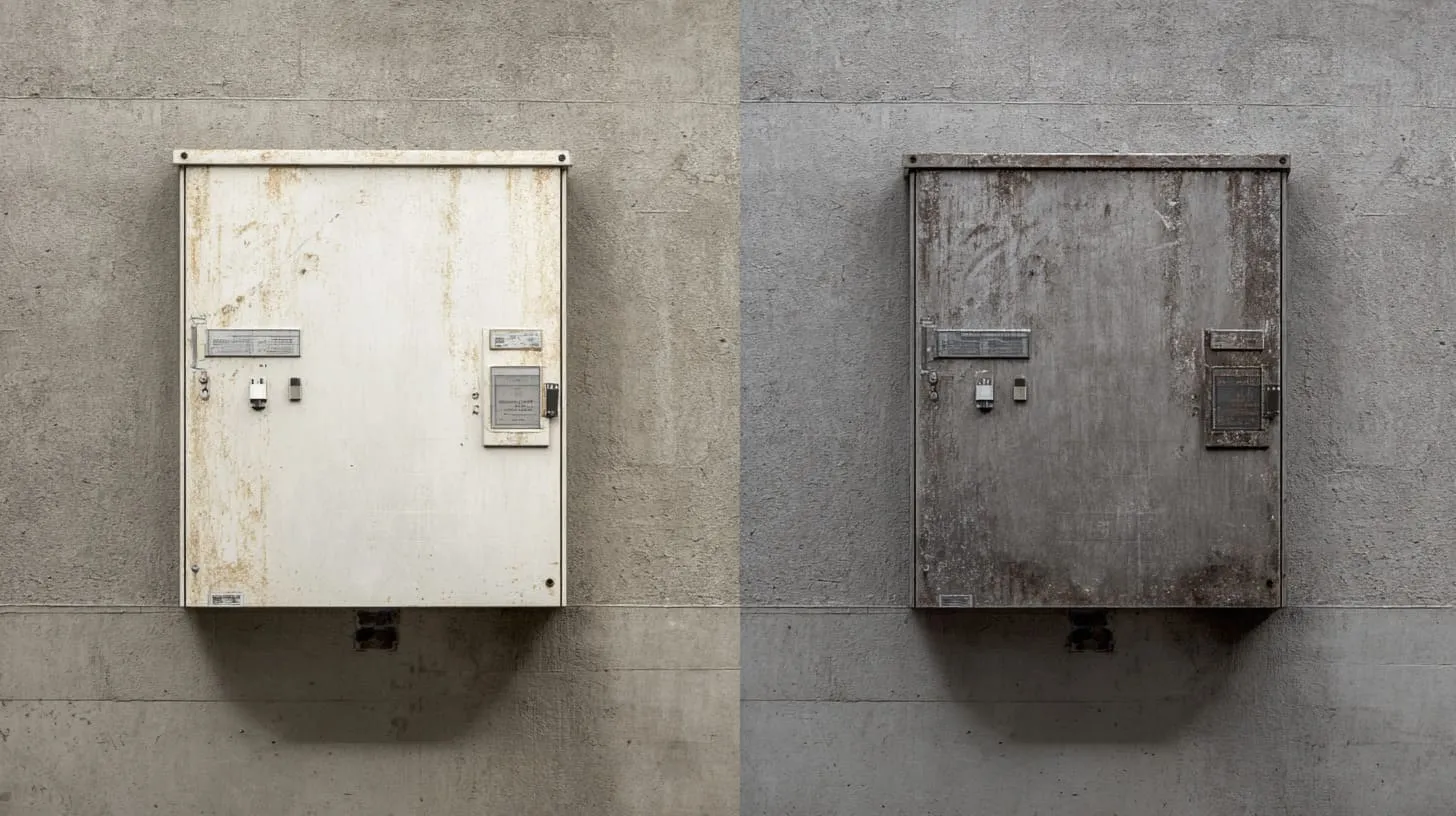
Most cost arguments die because people compare the wrong thing.
They compare unit price to unit price. That is the smallest slice of the story.
My personal rule is simple: I compare what we pay over 5–10 years, because that is where the truth lives.
Initial purchase cost comparison
Here are the common cost drivers at the start:
- Tooling style (injection mold vs die casting vs sheet metal tooling)
- Volume and part complexity
- Finish requirements
- Packaging and shipping weight
A quick table helps:
| Cost Driver | Plastic Box | Metal Box |
|---|---|---|
| Unit price | Lower | Higher |
| Weight shipping | Lower | Higher |
| Tooling | Can be high for molds | Can be medium-high for die-cast |
| Small-batch flexibility | Often weaker | Often better with sheet metal |
| Cosmetic expectations | “OK” | Often higher |
Maintenance and replacement timeline
Instead of pretending we can predict life exactly, I like to estimate ranges:
| Timeline | Plastic Risk | Metal Risk |
|---|---|---|
| 0–12 months | Usually fine | Usually fine |
| 1–3 years | UV, hinge, lock flex starts | Coating mistakes start to show |
| 3–5 years | Cracks, fading, door fit issues | Corrosion if finish/spec is wrong |
| 5–10 years | Replacement often increases | Often still stable if well specified |
This table is not “science.” It is field reality.
Real life depends on sunlight, installation angle, user behavior, and maintenance habits.
Total cost of ownership (TCO) perspective
I often explain TCO with a simple equation:
- TCO = Unit Cost + Install Cost + Service Cost + Replacement Cost + Risk Cost
Here is a practical example model (not perfect, but useful):
| Scenario | 5-Year Outlook | 10-Year Outlook |
|---|---|---|
| Plastic in indoor room | Usually lowest | Still competitive |
| Plastic outdoors in sun | Can become costly | Often painful |
| Aluminum outdoors w/ good coating | Often stable | Often best value |
| Stainless in coastal/chemical | Higher upfront | Can be cheapest long-term |
If a buyer wants “the cheapest,” I ask them:
“Cheapest when?”
That question changes the conversation fast.
Next, we need to talk about compliance and safety, because cost does not matter if approval fails.
Compliance, Safety, and Certification Considerations
Compliance is where material choices become political.
It is not only about physics. It is also about inspectors, standards, and buyer confidence.
This is where I get strict: if I feel unsure about compliance in the target market, I do not gamble with a material that barely passes.
Fire resistance and heat performance
Heat and fire topics show up in different ways:
- Heat from electronics inside smart meters
- Heat from sunlight on dark enclosures
- Heat from nearby equipment
- Fire behavior expectations in some regions
Plastic can be designed for flame resistance, but it must be specified correctly.
Metal usually gives more peace of mind in fire scenarios, but it can still need insulation strategy and grounding thinking.
A small but important point: metal can transfer heat better, so internal component placement still matters.
Regulatory and certification impacts
Different markets have different expectations.
Even when two products “work,” approvals can differ.
Typical compliance concerns include:
- Electrical safety and insulation expectations
- Ingress protection performance (dust and water)
- Mechanical strength under impact
- Tamper resistance expectations
Instead of listing standards here like a textbook, I focus on process:
- Identify the target market first (North America, EU, etc.)
- Define the installation environment clearly
- Define service life expectations
- Then pick material and finish that aligns
How material choice affects approval speed
Approval delays often come from “unknowns.”
Inspectors and reviewers like predictable materials and predictable builds.
Metal enclosures can feel easier to justify in harsh environments.
Plastic can pass too, but it often requires more careful spec, more testing proof, and more questions.
If the buyer is under schedule pressure, that friction can become real cost.
Now let’s close the loop: how should engineers and OEM buyers decide without guessing?
How Engineers and OEM Buyers Should Decide

This decision is not about “plastic vs metal.”
It is about matching material to reality.
A line I use in my own head is this: I trust the environment more than I trust the spec sheet.
Key questions to ask before choosing material
I ask buyers to answer these questions in plain words:
- Where will the meter box live?
- Full sun, shade, coastal, industrial dust, public access?
- How long is it expected to last?
- 2 years, 5 years, 10 years?
- What happens if it fails?
- Safety risk, service visit, downtime, brand damage?
If a buyer cannot answer these, the project is not ready for a material decision.
Matching material choice to project reality
I like to think in three “decision modes”:
Cost-driven
- Short lifecycle
- Controlled environment
- Plastic can be fine
Risk-driven
- Outdoor, harsh conditions
- Safety and service cost matter
- Metal often wins
Brand-driven
- Customer sees and touches the enclosure
- Complaints carry reputation cost
- Metal often gives more confidence
A quick selection guide helps:
| Project Reality | My Usual Lean |
|---|---|
| Indoor utility closet, low traffic | Plastic or sheet metal |
| Outdoor shade, moderate access | Better plastics or aluminum |
| Outdoor full sun, public access | Aluminum (or stronger choice) |
| Coastal, chemical exposure | Stainless or protected aluminum |
Common mistakes buyers make
I see the same mistakes repeat:
- People optimize for unit price and ignore service cost
- People assume “outdoor” means “just rain”
- People forget user behavior (slamming doors, forced openings, tool impacts)
- People under-spec coatings and seals for metal
- People over-trust generic “UV resistant” claims without context
If you want one practical action, it is this:
Ask your supplier to propose a material + finish package based on your environment story, not only your drawing.
Next, I want to wrap this up the way I actually explain it to customers when they are ready to decide.
Conclusion
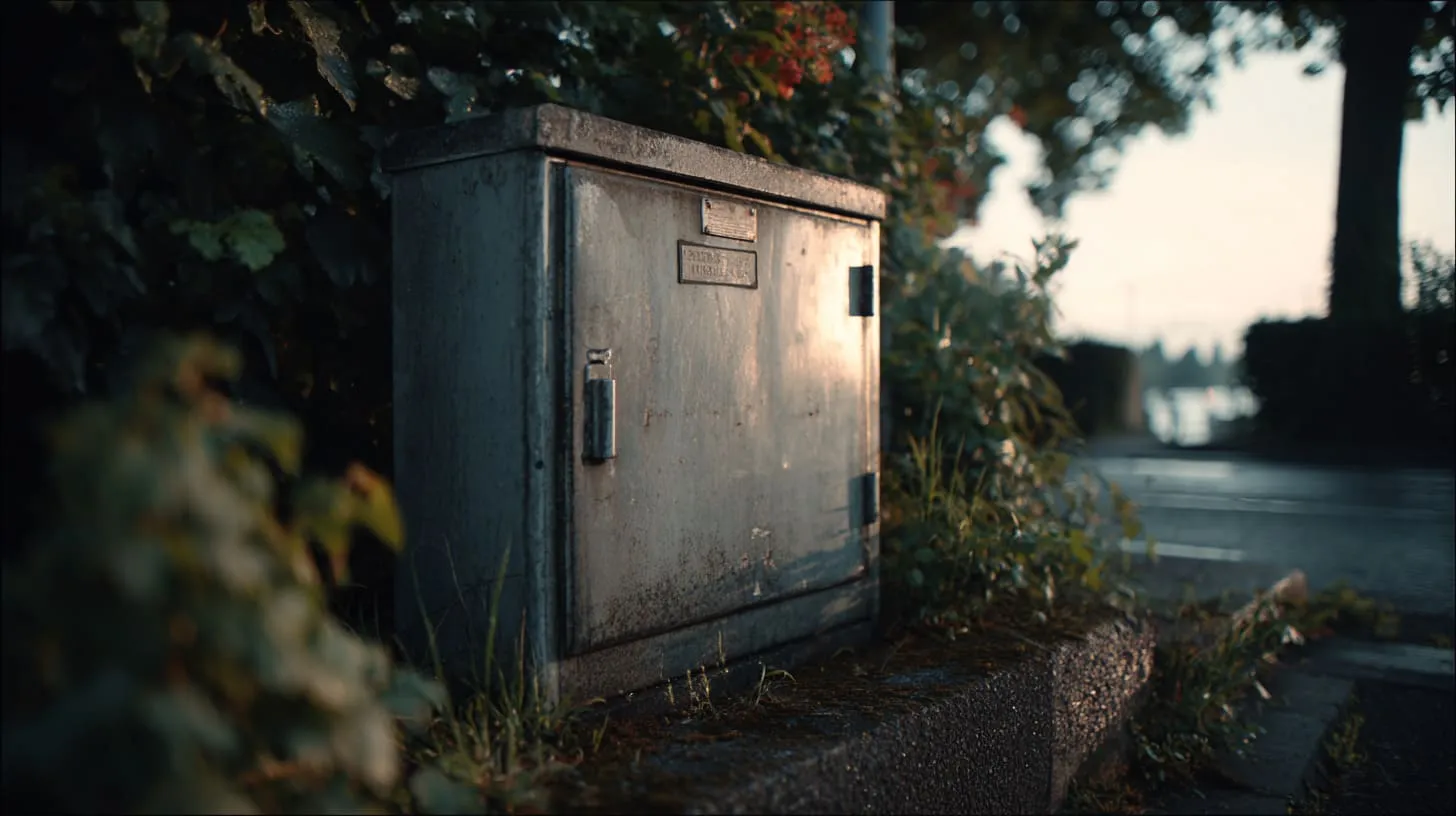
Plastic meter boxes are not “wrong.” Metal meter boxes are not “always right.”
I make my decision based on how the box will suffer over time, because time is the real test.
I think this way for a simple reason: I have seen projects where the cheapest box became expensive through service calls, replacements, and site complaints. I have also seen metal boxes cost more upfront, then quietly run for years with fewer problems. The money did not disappear. It just moved. Either it stays in the purchase order, or it shows up later as labor, delays, and frustration.
So this is my view, based on real work habits:
- I choose plastic when the environment is calm and replacement is easy.
- I choose metal when the environment is harsh and replacement is painful.
- I treat “outdoor + long life + public access” as a warning sign, not a detail.
If you are planning a meter box project now, send me three things and I can help you judge the best direction faster:
1) installation environment (sun, rain, coastal, industrial)
2) target service life (5 or 10 years)
3) your biggest fear (approval delay, replacement cost, safety risk)
If you want, I can also review your drawing notes and suggest a material + finish combination that fits your market and your cost target.