Skip to content

Water. Dust. Chemicals. Corrosion.
Projects don’t always fail loudly. Sometimes, it’s just a quiet drip behind the panel… a patch of rust nobody noticed... until the next service call turns into a full replacement job.
A Type 4X enclosure is a NEMA-rated enclosure designed to protect equipment from water, dust, corrosion, and harsh environments, including washdown and outdoor conditions.
Many of my clients didn’t think twice about their enclosure—until months later, when something gave out. And by then, it wasn’t just an enclosure problem. It was a downtime problem.
What is the difference between Type 3R and 4X enclosure?
Many people ask this after they already installed a box.
Usually, it starts with rain, then turns into rust.
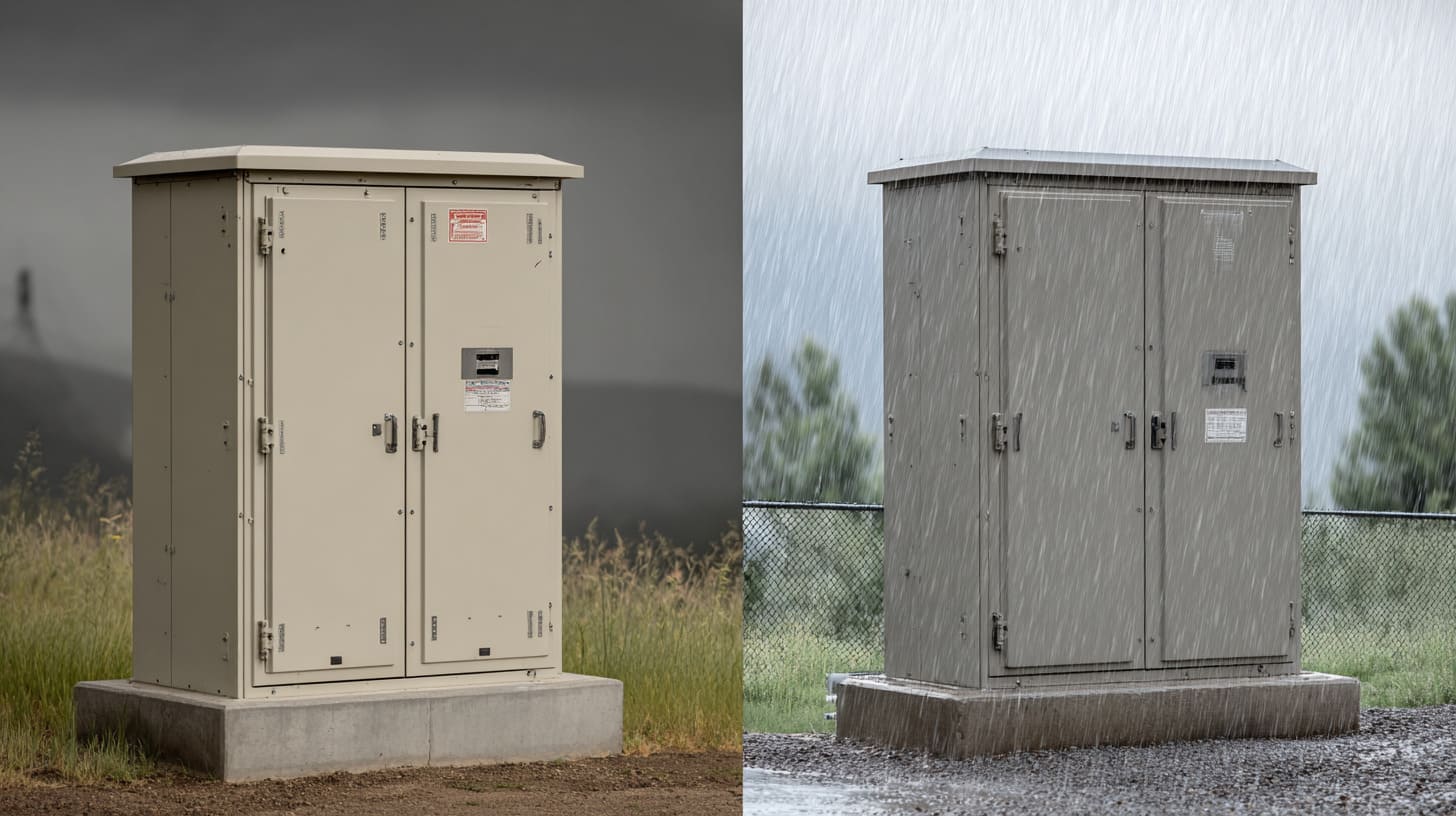
Type 3R protects against rain and ice, while Type 4X also protects against water spray, dust, corrosion, and washdown environments.
What Type 3R actually covers
Type 3R is simple.
- Rain falling straight down
- Light ice on the outside
- Basic outdoor mounting
It works for meter boxes. It fails fast near salt or chemicals.
What Type 4X adds
Type 4X goes further.
- Hose-directed water
- Fine dust
- Corrosive air
- Frequent cleaning
I often say this: 3R survives weather. 4X survives abuse.
What is the difference between Type 4 and 4X?
This is one letter, but it matters.
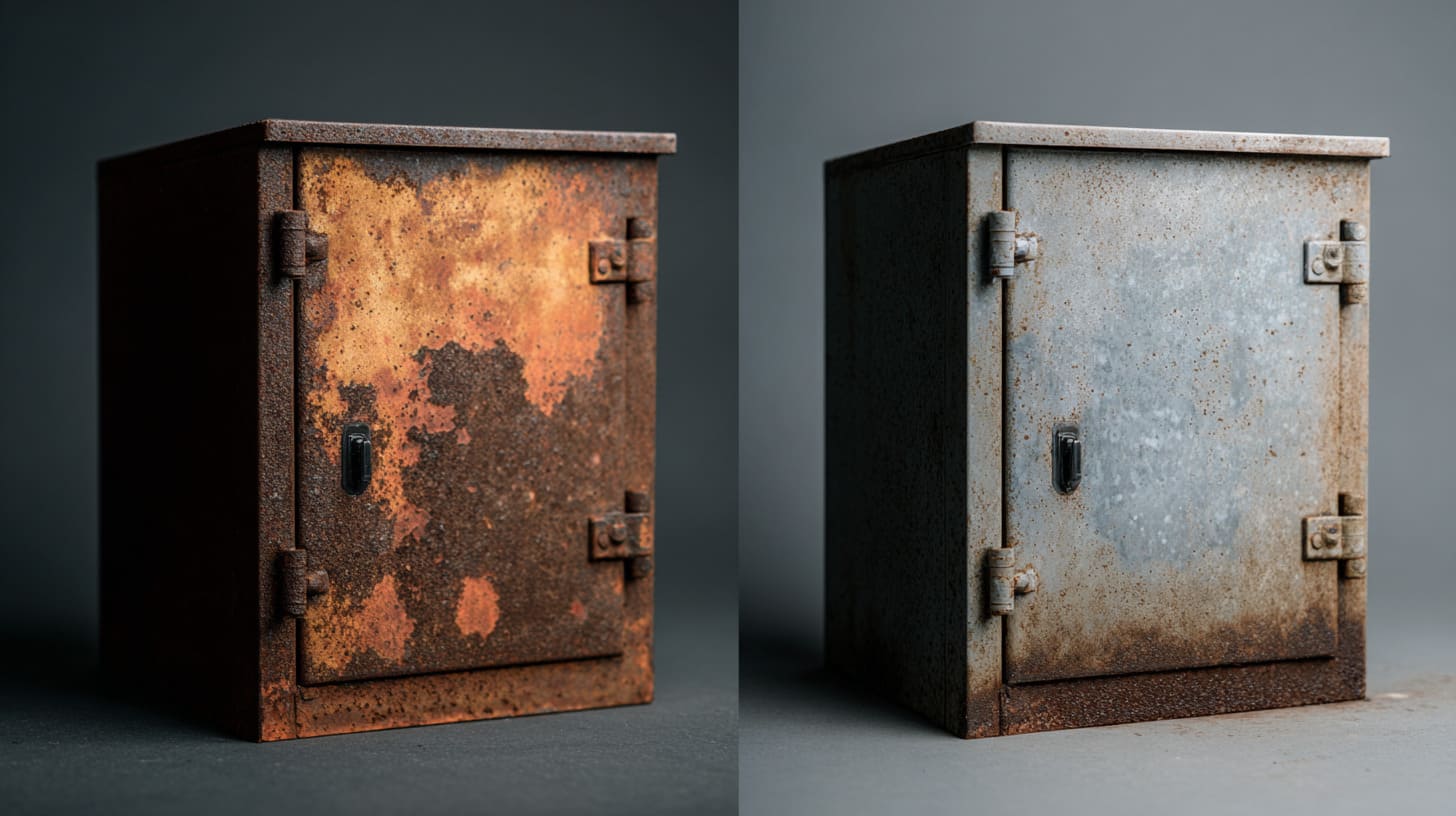
Type 4 and 4X both protect against water and dust, but 4X adds corrosion resistance as a requirement, not an option.
Why corrosion changes everything
Type 4 can be steel.
Type 4X cannot ignore rust.
| Feature | Type 4 | Type 4X |
|---|---|---|
| Water spray | Yes | Yes |
| Dust | Yes | Yes |
| Corrosion resistance | No | Yes |
| Typical materials | Painted steel | Stainless, aluminum, plastic |
I’ve seen Type 4 boxes pass water tests and still fail in six months due to corrosion.
What is the difference between IP65 and 4X?
This question comes from global buyers.
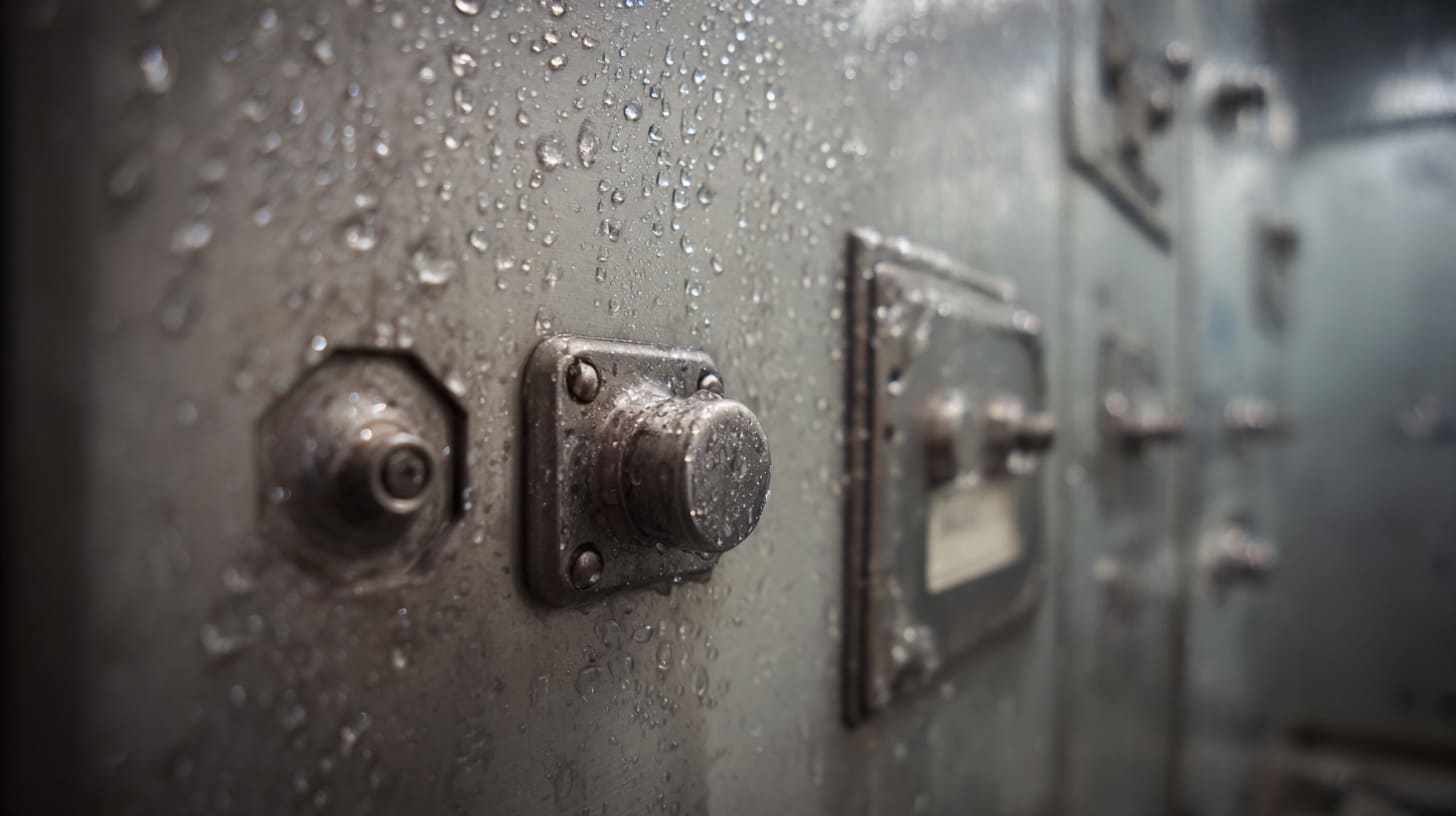
IP65 focuses on dust and water ingress, while Type 4X also includes corrosion resistance and mechanical expectations defined by NEMA.
Why IP and NEMA don’t translate directly
IP is about numbers.
NEMA is about use cases.
| Rating | Focus | Missing element |
|---|---|---|
| IP65 | Dust + water jets | Corrosion |
| 4X | Environment + durability | None for harsh use |
I never tell buyers one replaces the other. I ask where the box will live.
Is NEMA 12 better than 4X?
This sounds logical, but it’s wrong.
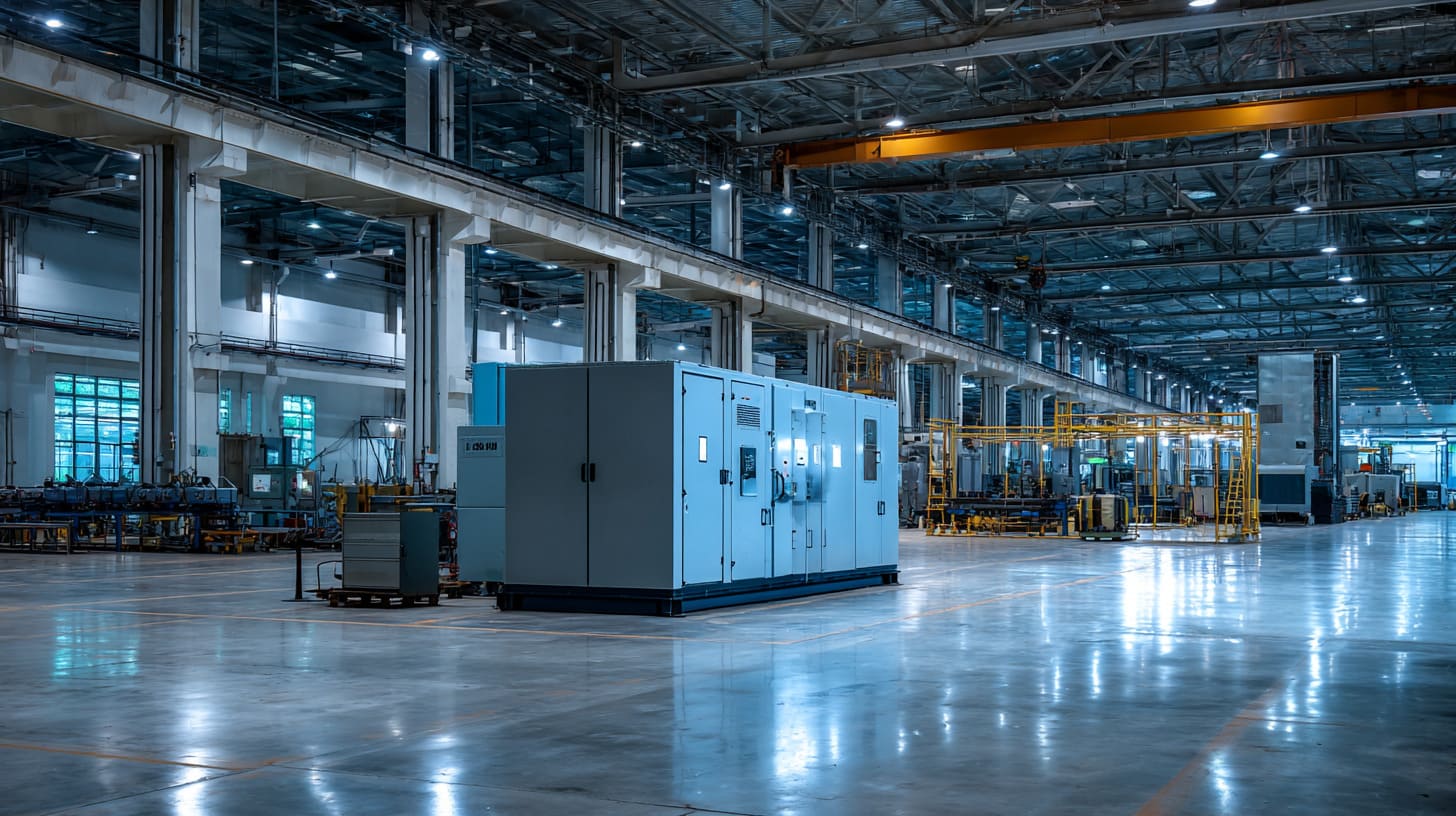
NEMA 12 is for indoor dust and oil, while 4X is for wet, corrosive, and outdoor environments.
Quick reality check
- NEMA 12 hates water
- 4X expects water
If there is washdown, moisture, or outdoor air, NEMA 12 loses every time.
What does a Type 4X enclosure protect against?
This is where 4X earns its reputation.
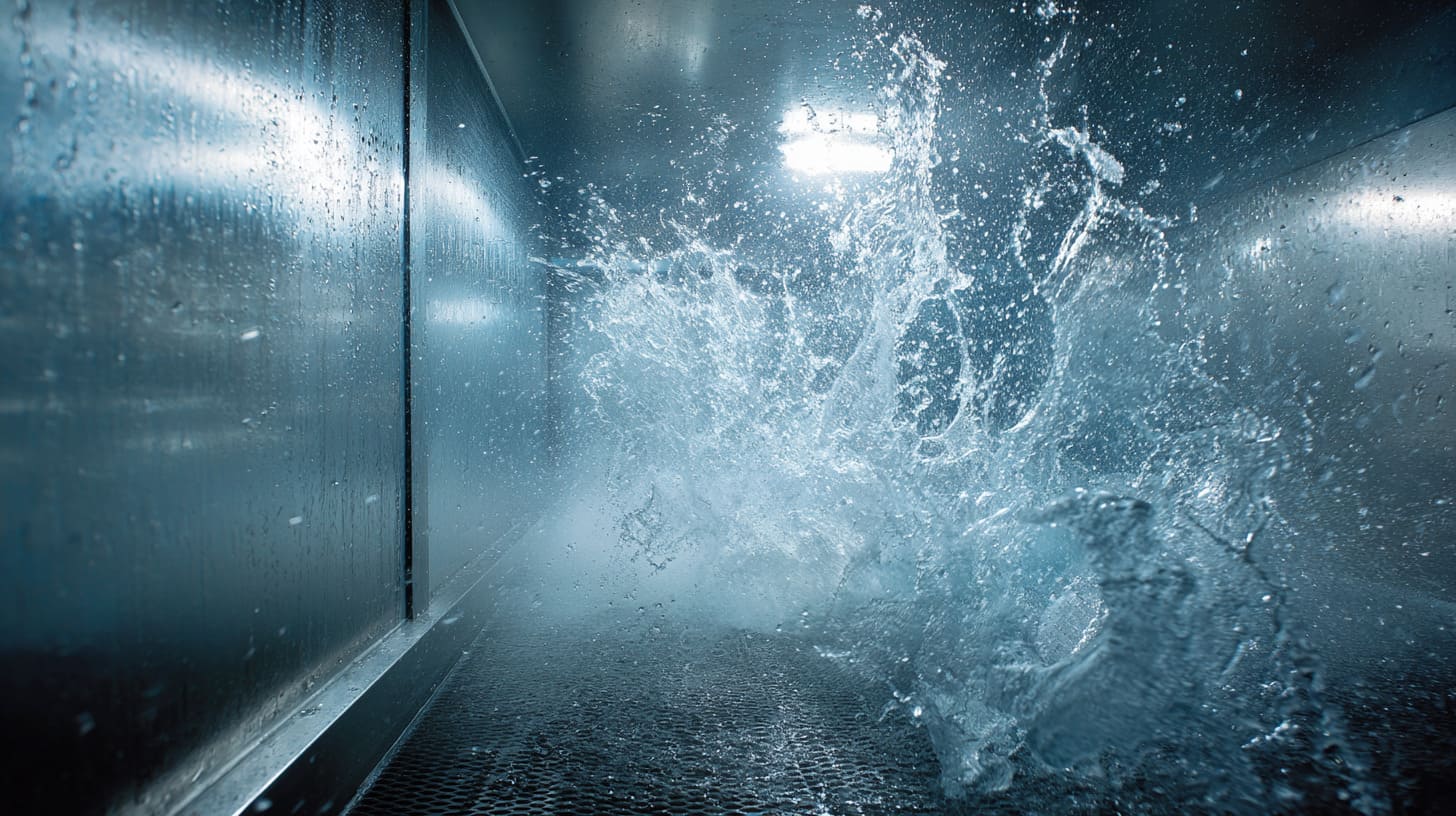
Type 4X protects against water spray, dust, corrosion, cleaning chemicals, and harsh outdoor exposure.
Real-world threats
- Salt air near the sea
- Detergents in food plants
- Acid vapor in factories
- Daily hose cleaning
I design assuming the enclosure will be mistreated. That mindset saves projects.
How is Type 4X different from Type 4 and IP66 enclosures?
Buyers often compare all three.
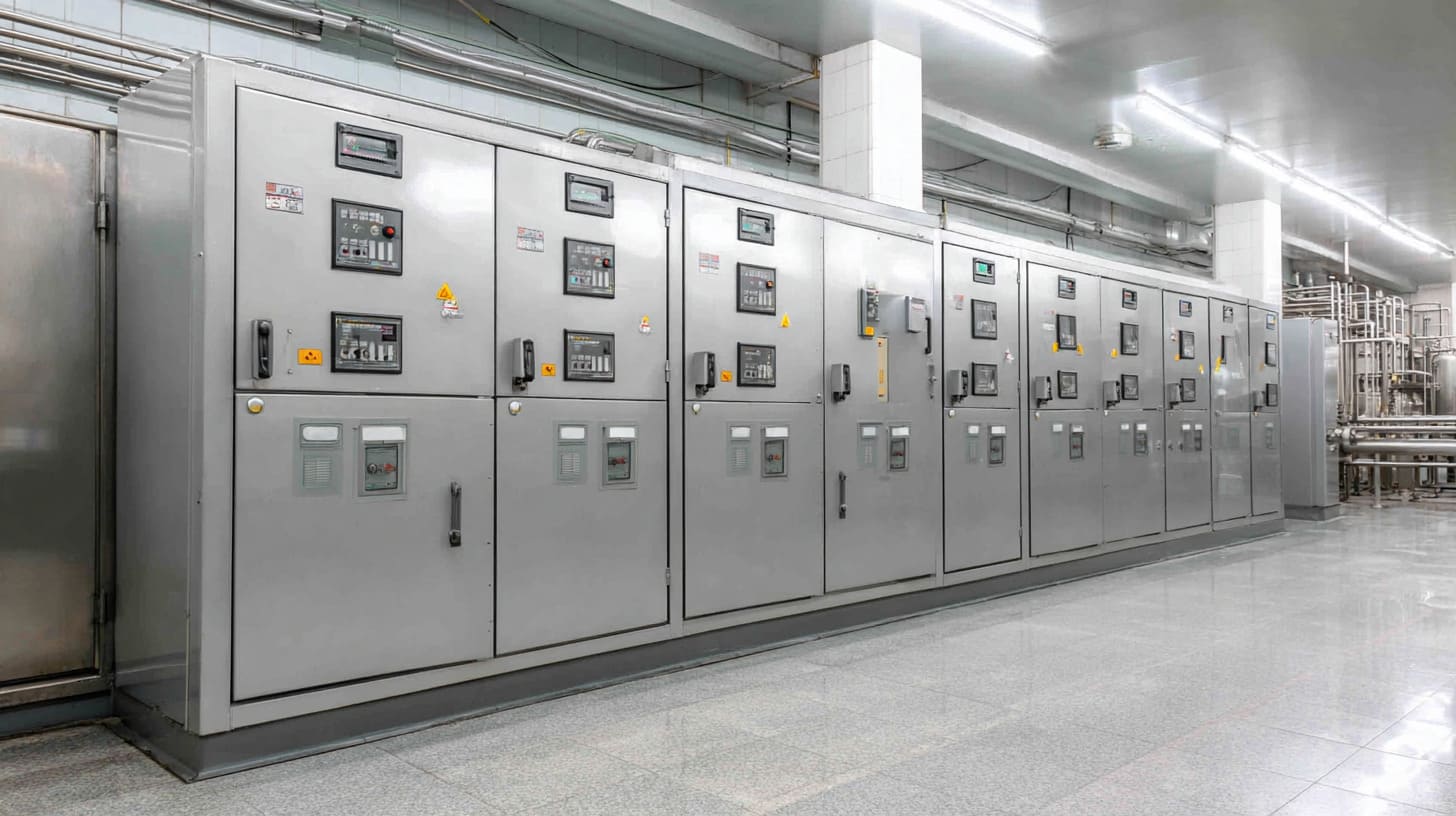
Type 4X adds corrosion protection beyond Type 4 and goes further than IP66 in material expectations.
| Rating | Water | Dust | Corrosion |
|---|---|---|---|
| Type 4 | Yes | Yes | No |
| IP66 | Strong | Strong | Not defined |
| Type 4X | Yes | Yes | Required |
Where are Type 4X enclosures typically used?
I see patterns across industries.
Type 4X enclosures are common in food plants, marine sites, outdoor controls, chemical factories, and washdown zones.

Common locations
- Food processing lines
- Coastal power systems
- Water treatment plants
- Outdoor telecom cabinets
If workers clean it with a hose, I suggest 4X.
Is stainless steel required for a Type 4X rating?
Many buyers assume this.
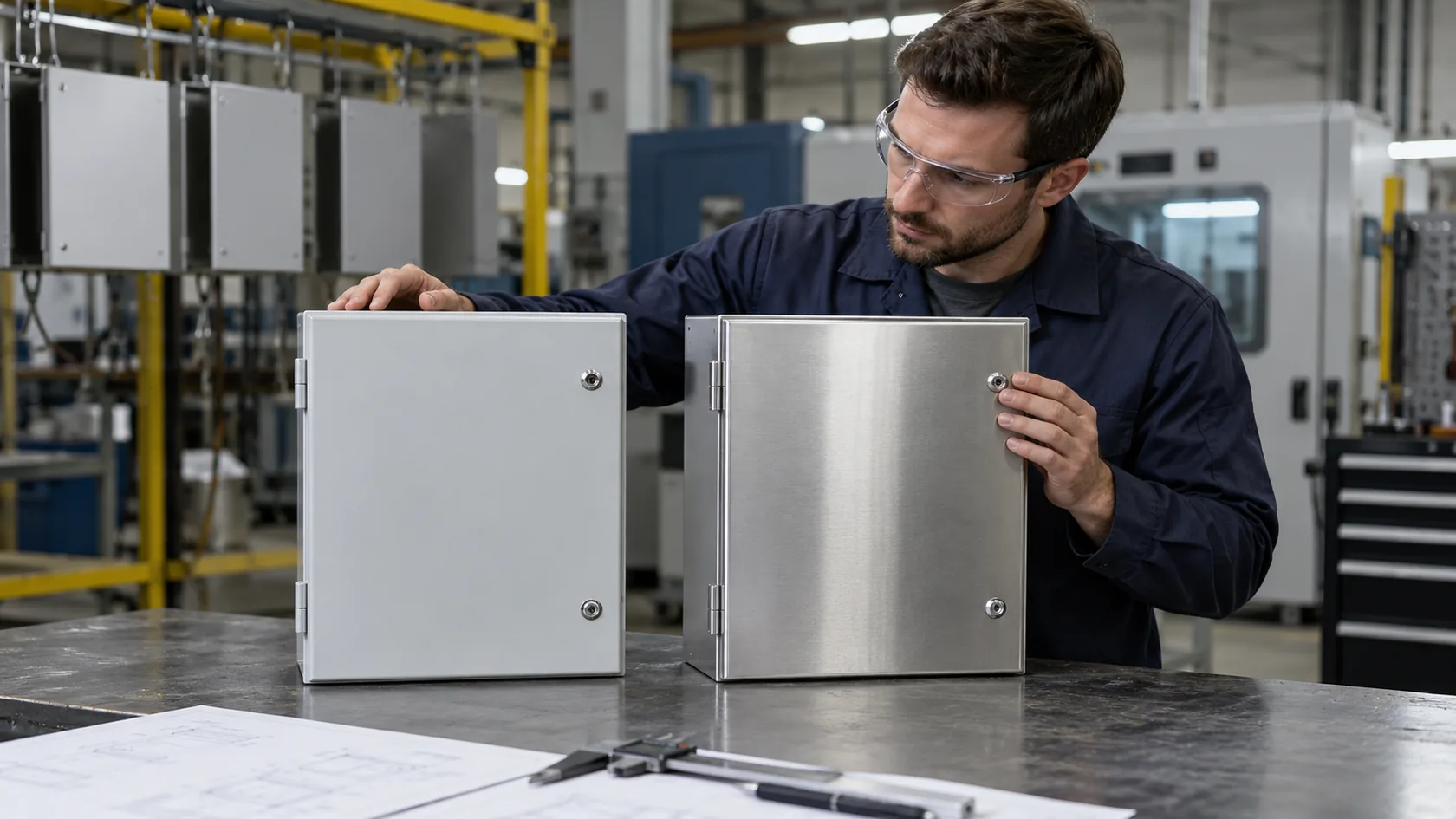
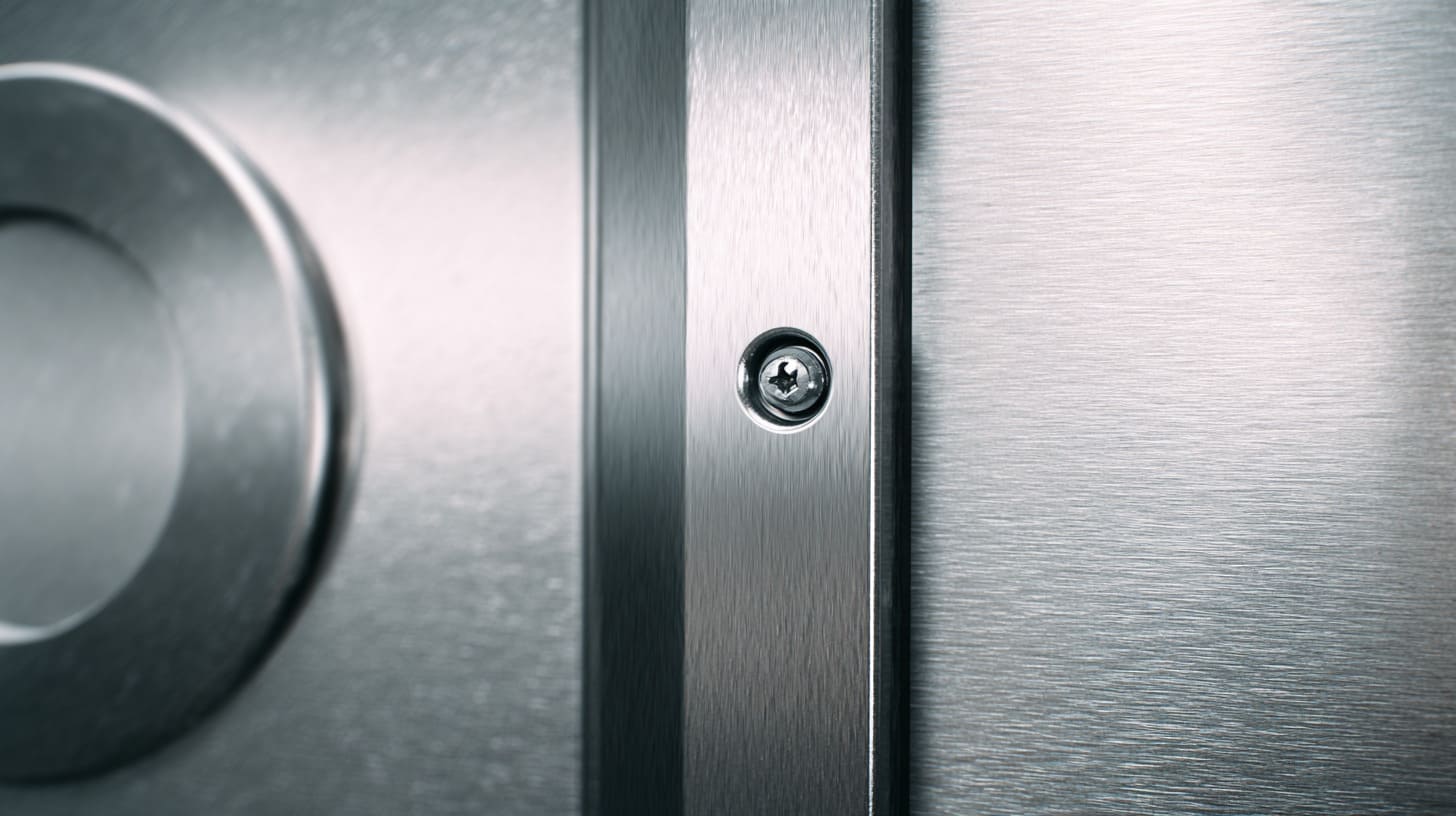
Stainless steel is common but not required; aluminum and plastics can also meet Type 4X if corrosion resistance is proven.
Material options that work
- 304 or 316 stainless steel
- Anodized aluminum
- Fiberglass or polycarbonate
The rule is performance, not metal pride.
Can Type 4X enclosures be used outdoors and in washdown areas?
Yes. That’s their job.
Type 4X enclosures are designed for outdoor exposure and repeated washdown without sealing failure.
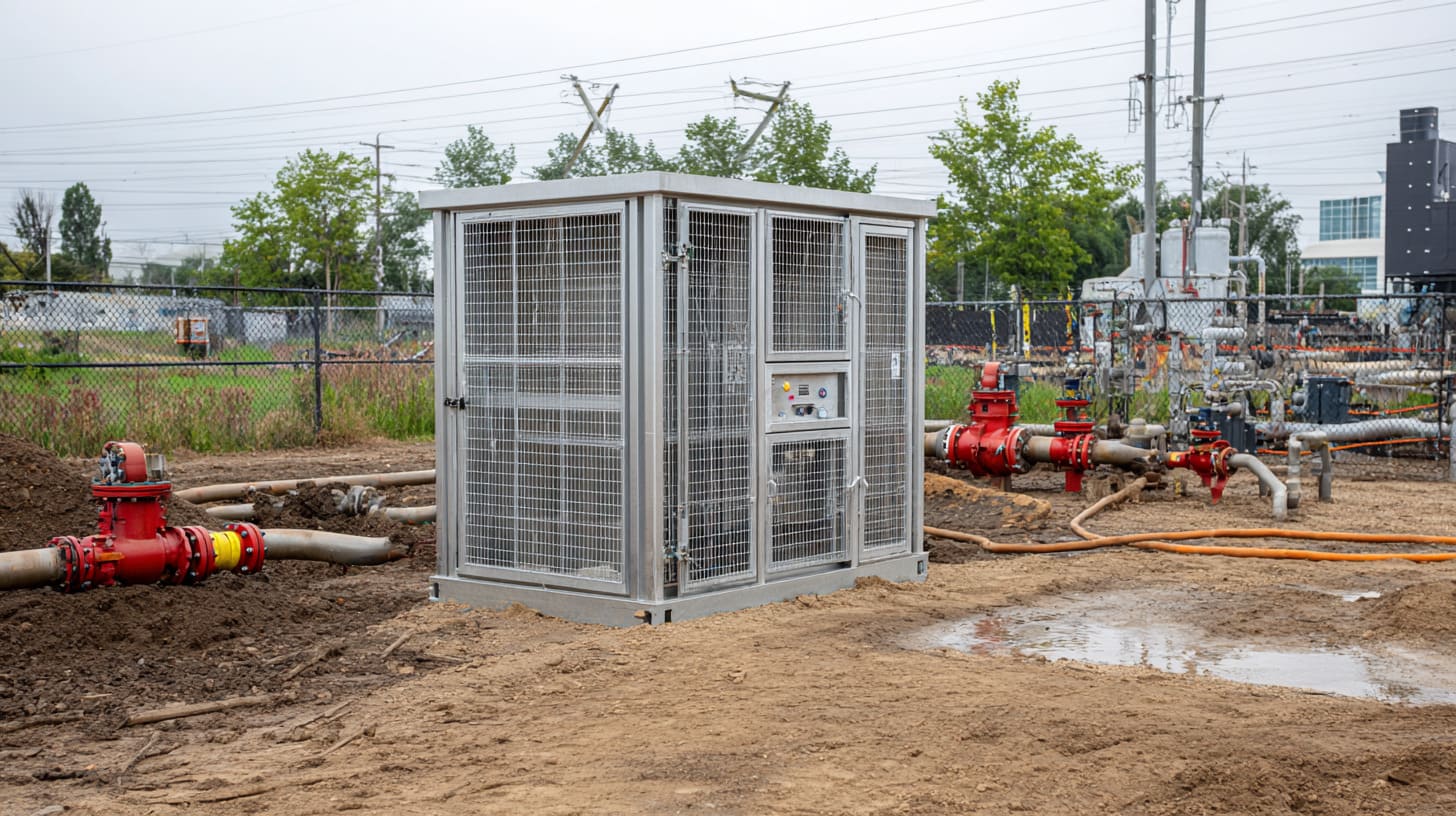
I once tested a custom door seal by spraying it for 20 minutes straight. If it survives that, it survives real life.
What are the material options for Type 4X enclosures?
Material drives cost and lifespan.
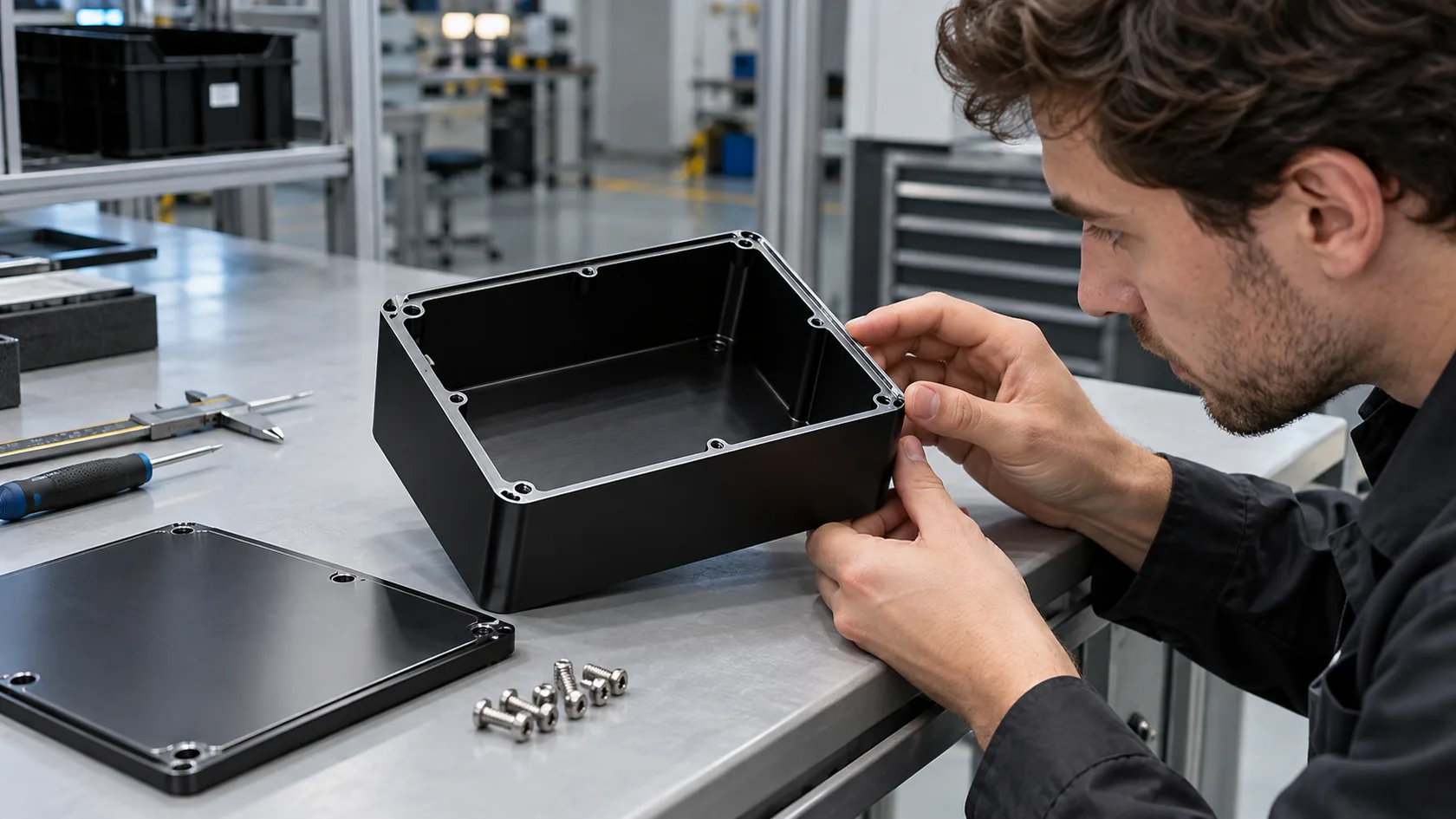
Type 4X enclosures can be made from stainless steel, aluminum, fiberglass, or engineered plastics.
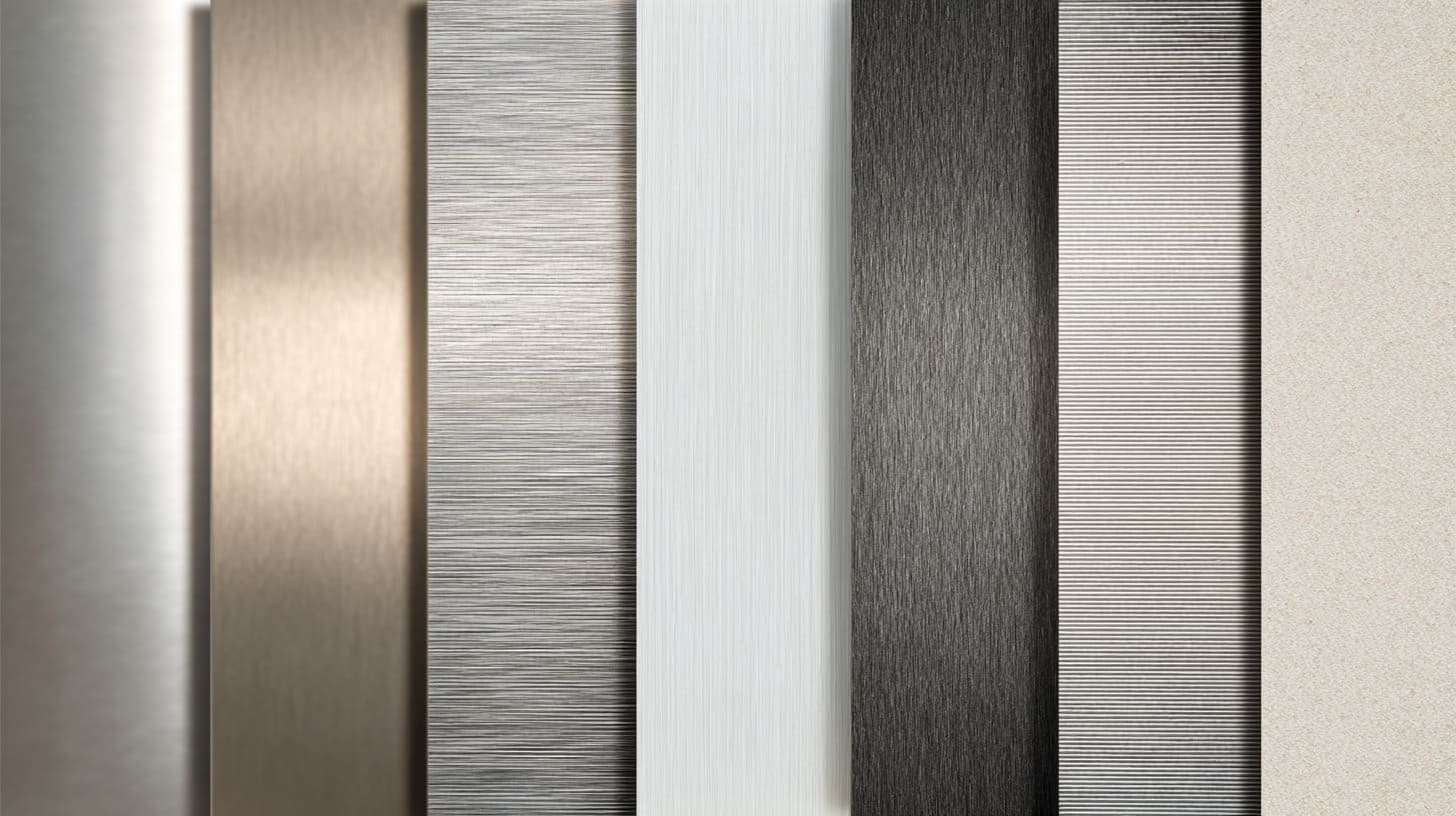
| Material | Strength | Corrosion | Cost |
|---|---|---|---|
| Stainless steel | High | Excellent | High |
| Aluminum | Medium | Good | Medium |
| Fiberglass | Medium | Excellent | Medium |
| Plastic | Light | Good | Low |
Do I need a Type 4X or Type 3R enclosure for my application?
This is the decision moment.
Choose Type 4X if water spray, cleaning, or corrosion exists; choose 3R only for basic rain protection.
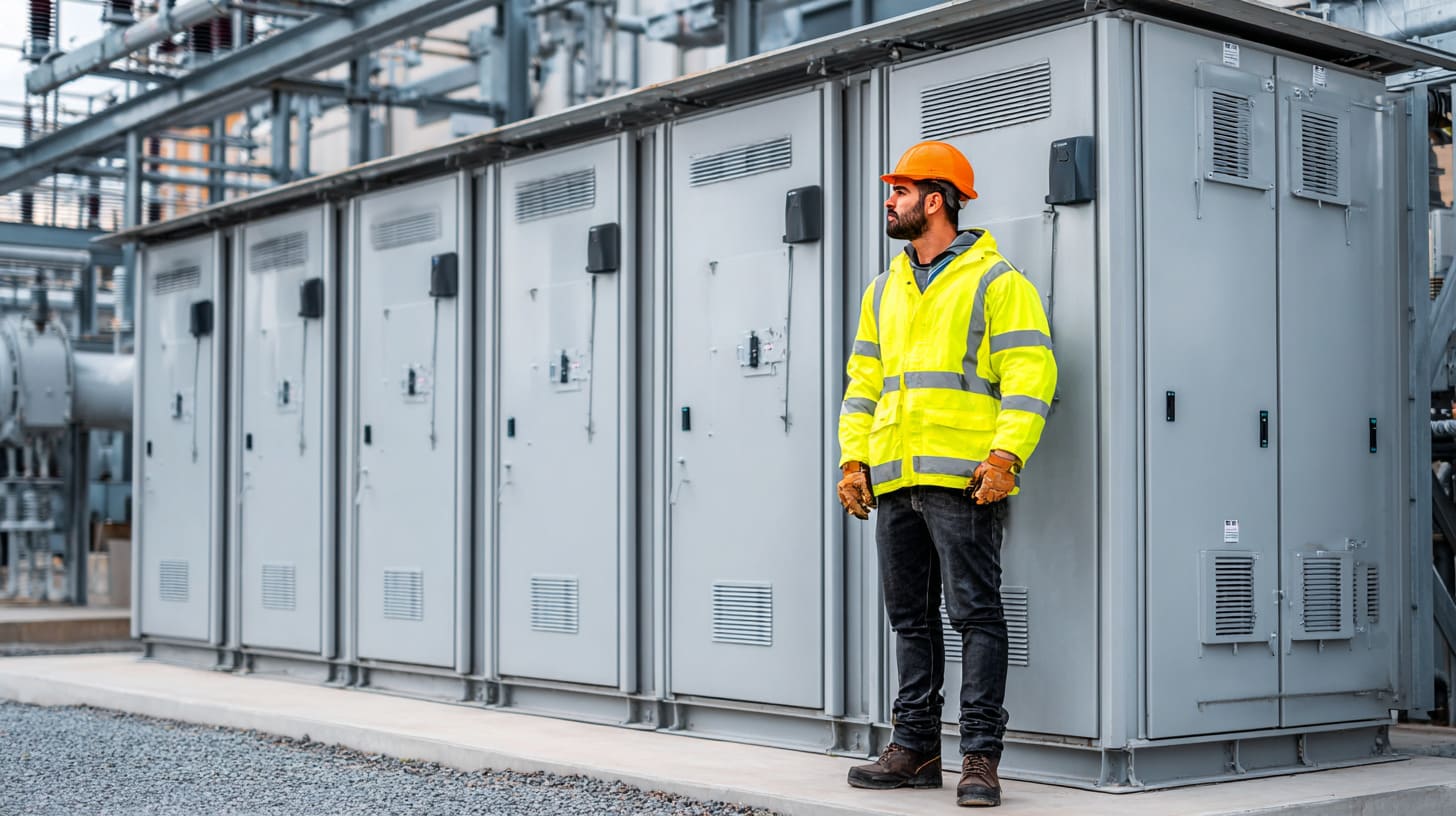
If someone mentions “hose” in the meeting, I stop them and say 4X.
How do I test if my custom enclosure meets Type 4X standards?
Testing is not guessing.
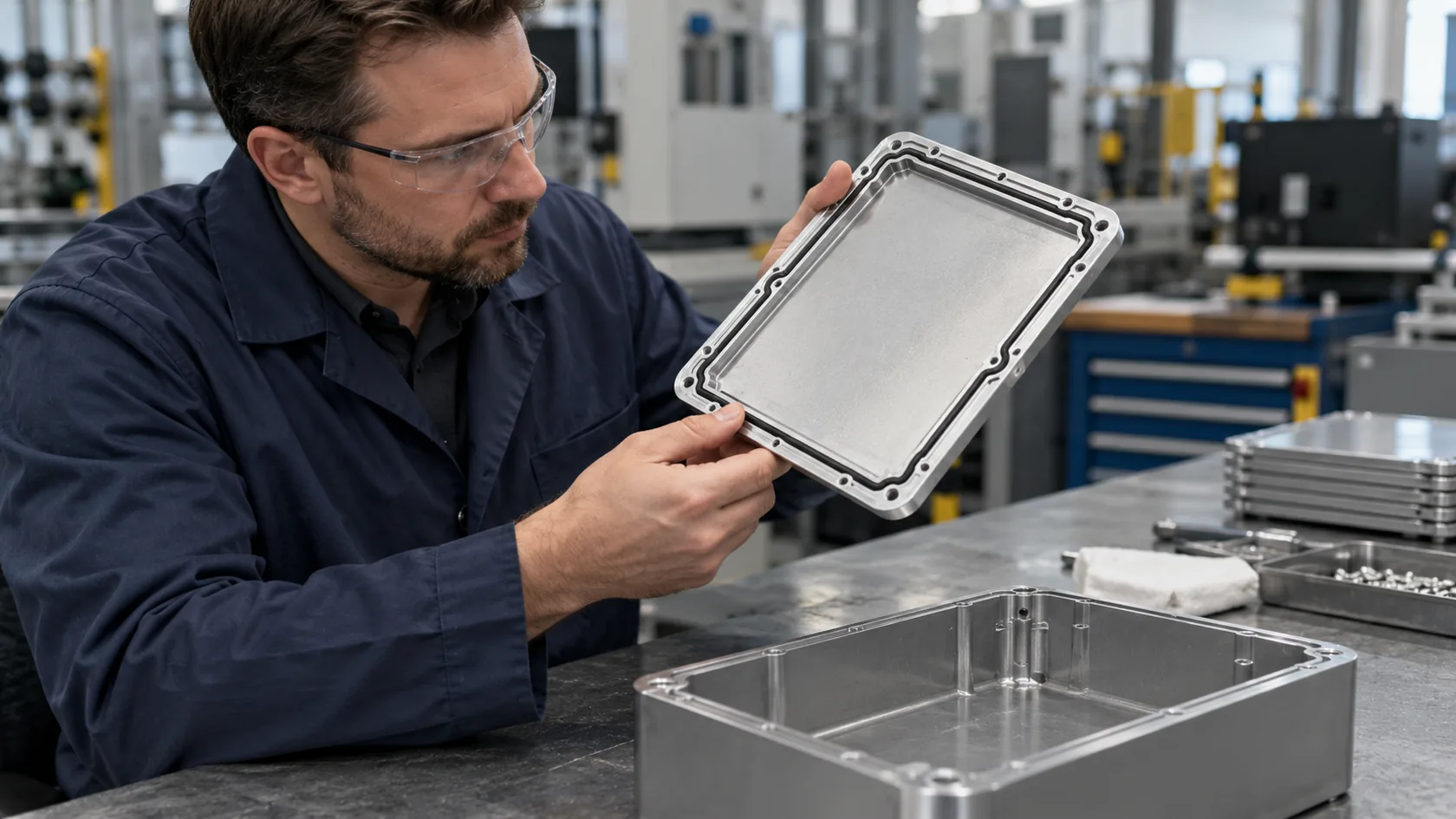
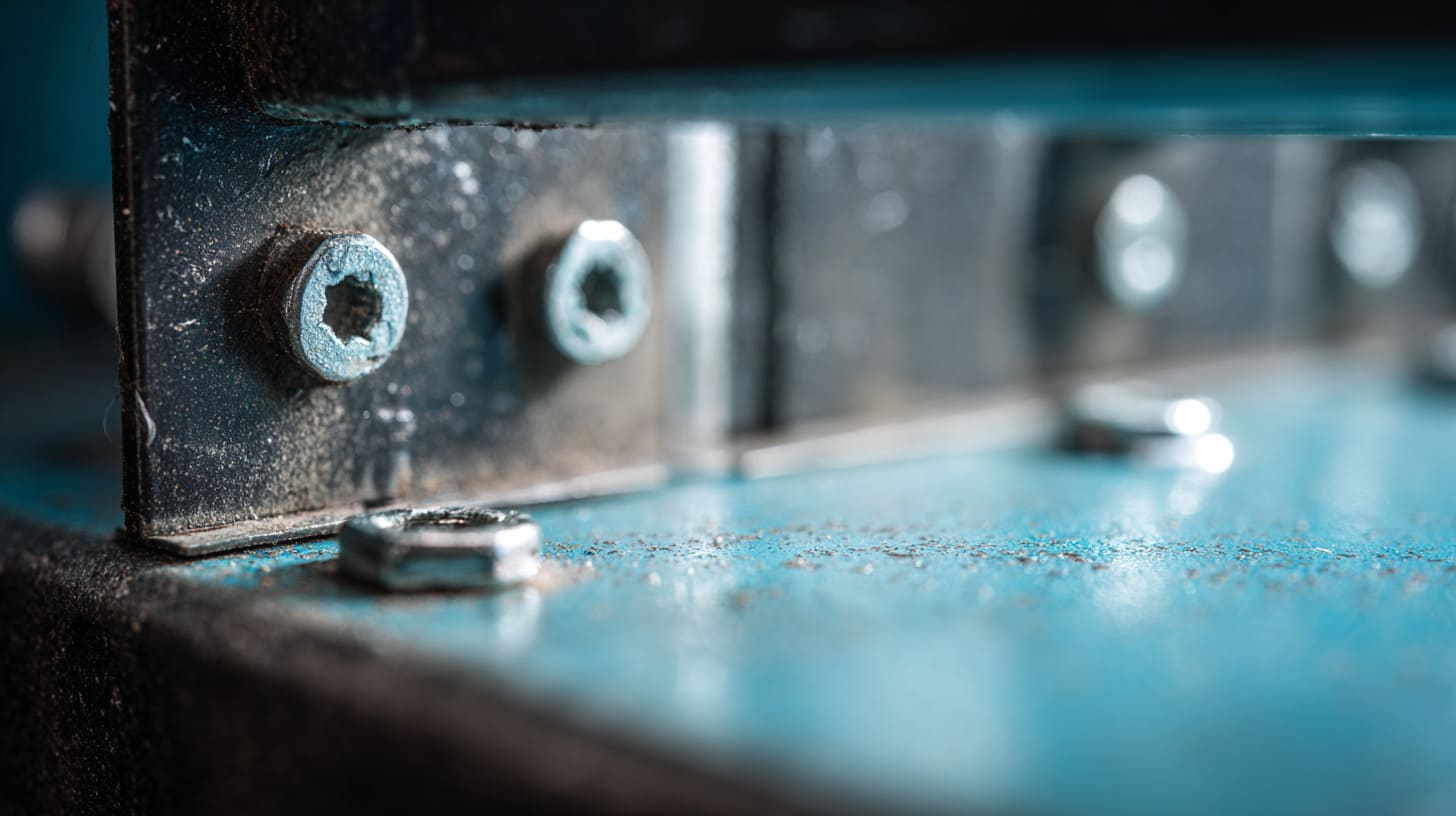
Type 4X testing involves water spray tests, dust exposure, corrosion resistance checks, and seal inspection.
Typical checks
- Door gasket compression
- Continuous weld inspection
- Coating thickness
- Drain and vent design
I never trust drawings alone.
What’s the difference between NEMA 4X and IP69K?
This comes up in food projects.
NEMA 4X focuses on corrosion and water spray, while IP69K adds high-pressure, high-temperature washdown.
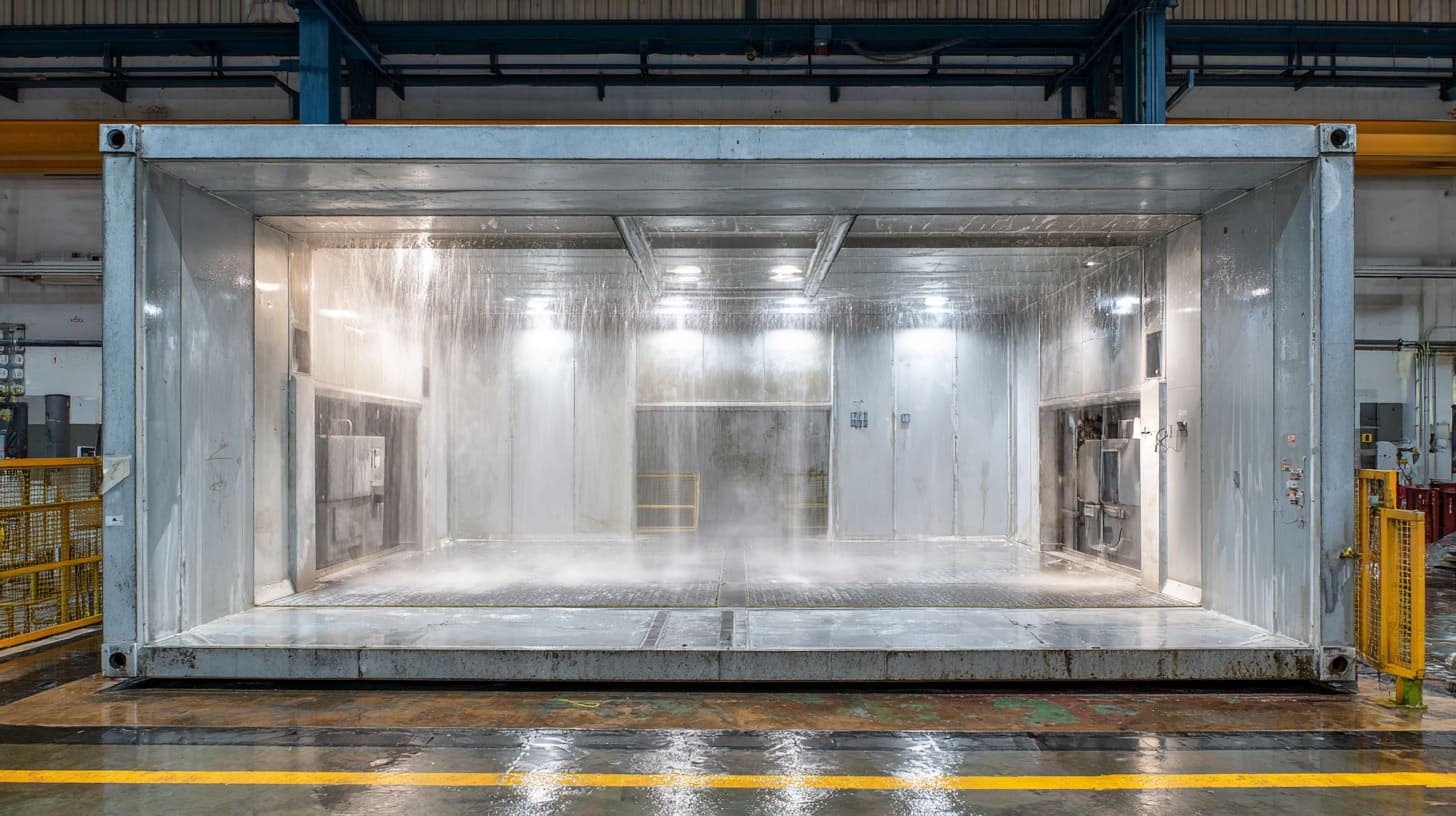
IP69K is brutal.
4X is realistic.
Sometimes you need both.
How do OEM buyers ensure proper sealing and corrosion resistance in 4X enclosures?
This is where experience matters.
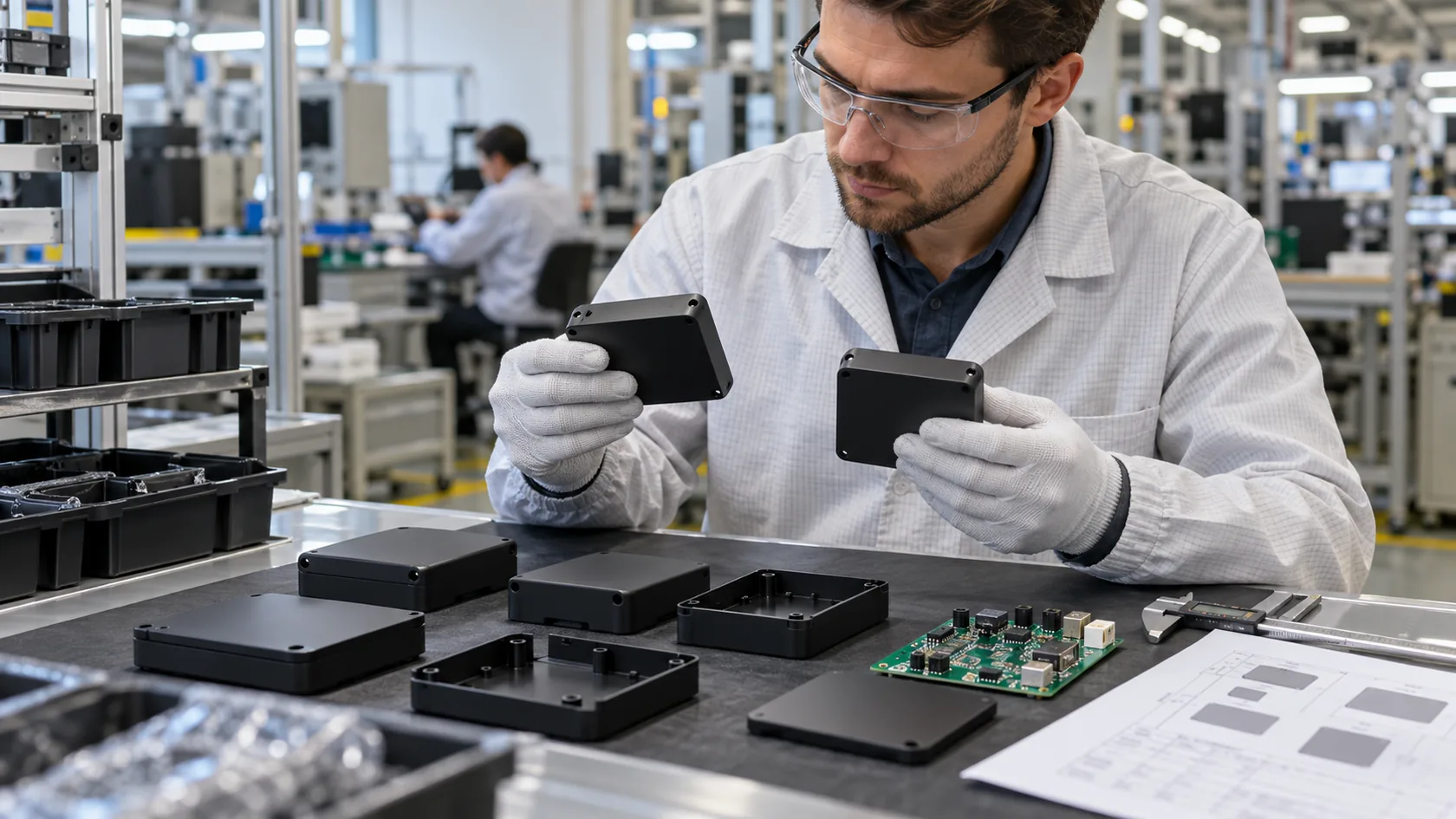
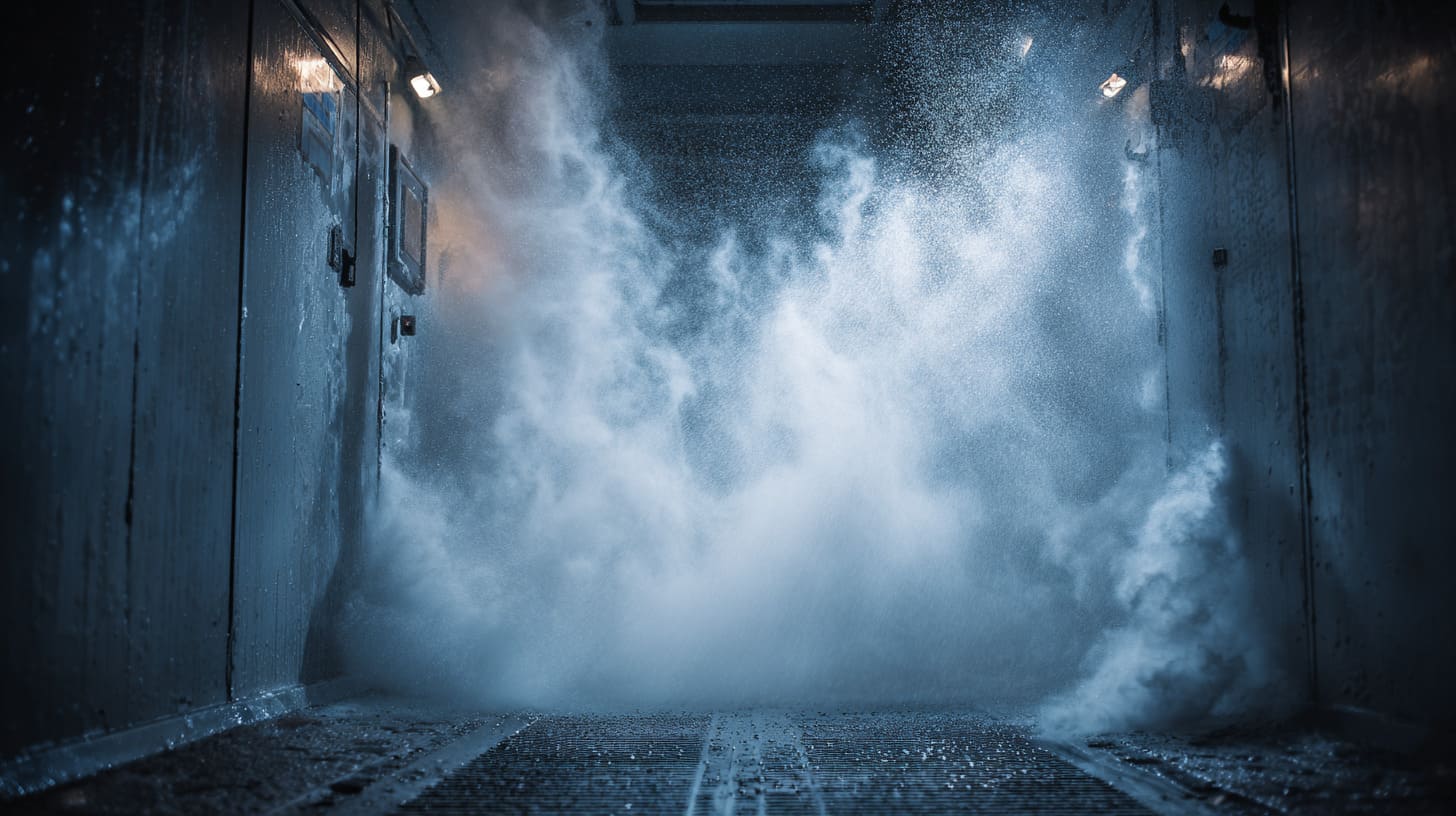
OEM buyers ensure Type 4X performance through seal design, material choice, coating control, and real testing.
What I always recommend
- One-piece gaskets
- Rounded corners, not sharp bends
- Proper fastener torque
- Clear test records
This is not about paperwork. It’s about sleeping well after installation.
Conclusion
Type 4X is not a label.
It’s a promise your enclosure keeps working when the environment stops being friendly.