Skip to content
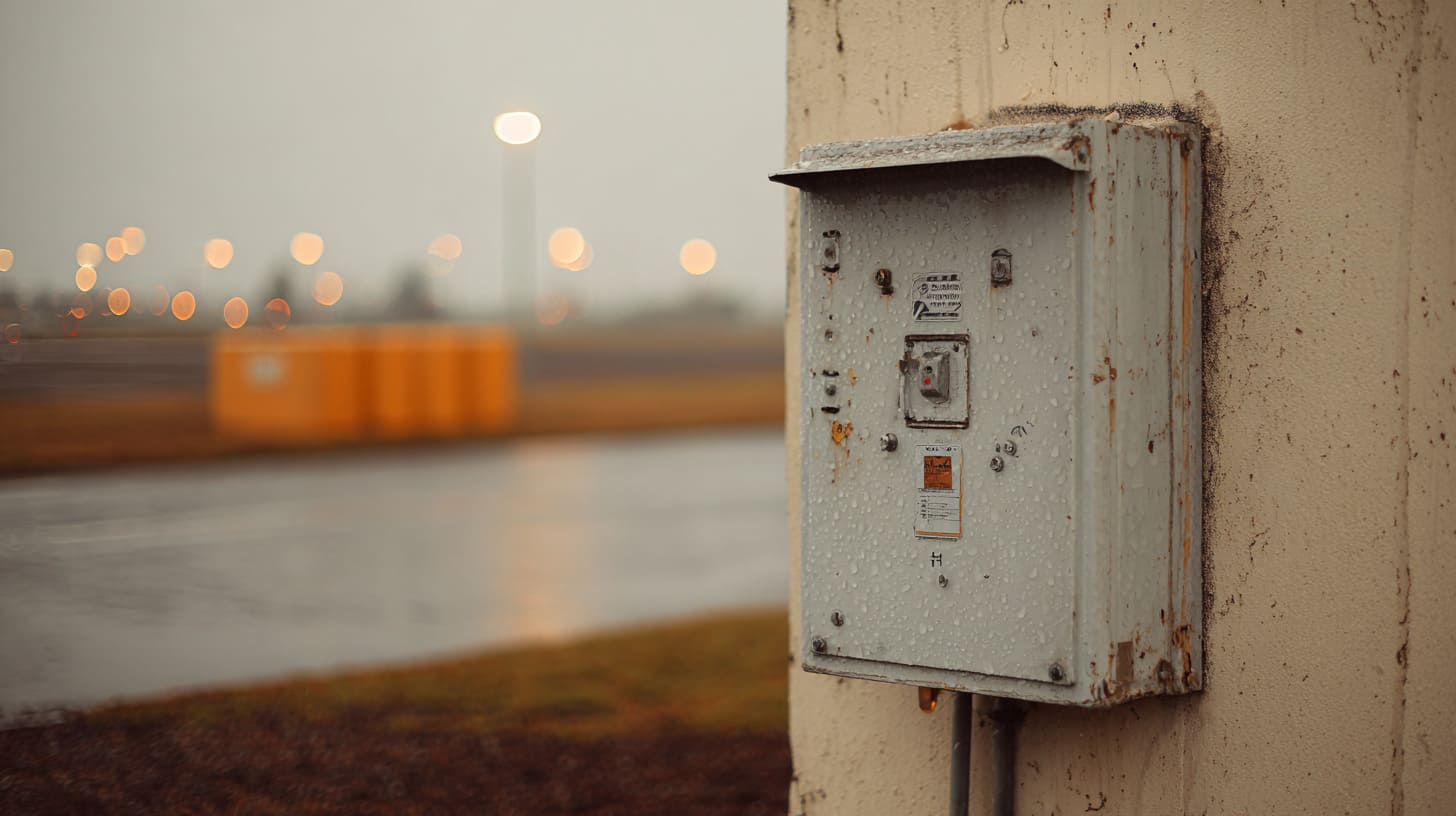
An email I get all the time looks harmless: meter box size, mounting method, and a short line that sounds “safe.”
“Outdoor. IP54.”
That one line is where projects start to drift.
I understand why IP ratings get treated like a checkbox. Buyers want a clear spec. Engineers want a clean approval. Procurement wants a price that does not scare anyone. And IP54 sits right in that sweet spot: not too low, not too expensive, and easy to find.
But outdoor installs are not polite. They are messy. Wind changes the rain angle. Dust shows up like it owns the place. People open the door in bad weather because the job still needs to get done.
Here is my main point, based on what I have seen in real supply and installation feedback: IP54 frequently fails in real outdoor meter box environments, even when the product “passed” the spec on paper.
One thing I’ve learned to judge fast is this: if a meter box will live outdoors for years, I never accept “IP54” as a complete answer until I understand the actual water, dust, and human behavior around it.
And once you start asking those questions, the next topic becomes unavoidable: what does an IP rating really mean in the first place?
What an IP Rating Actually Means for Meter Boxes
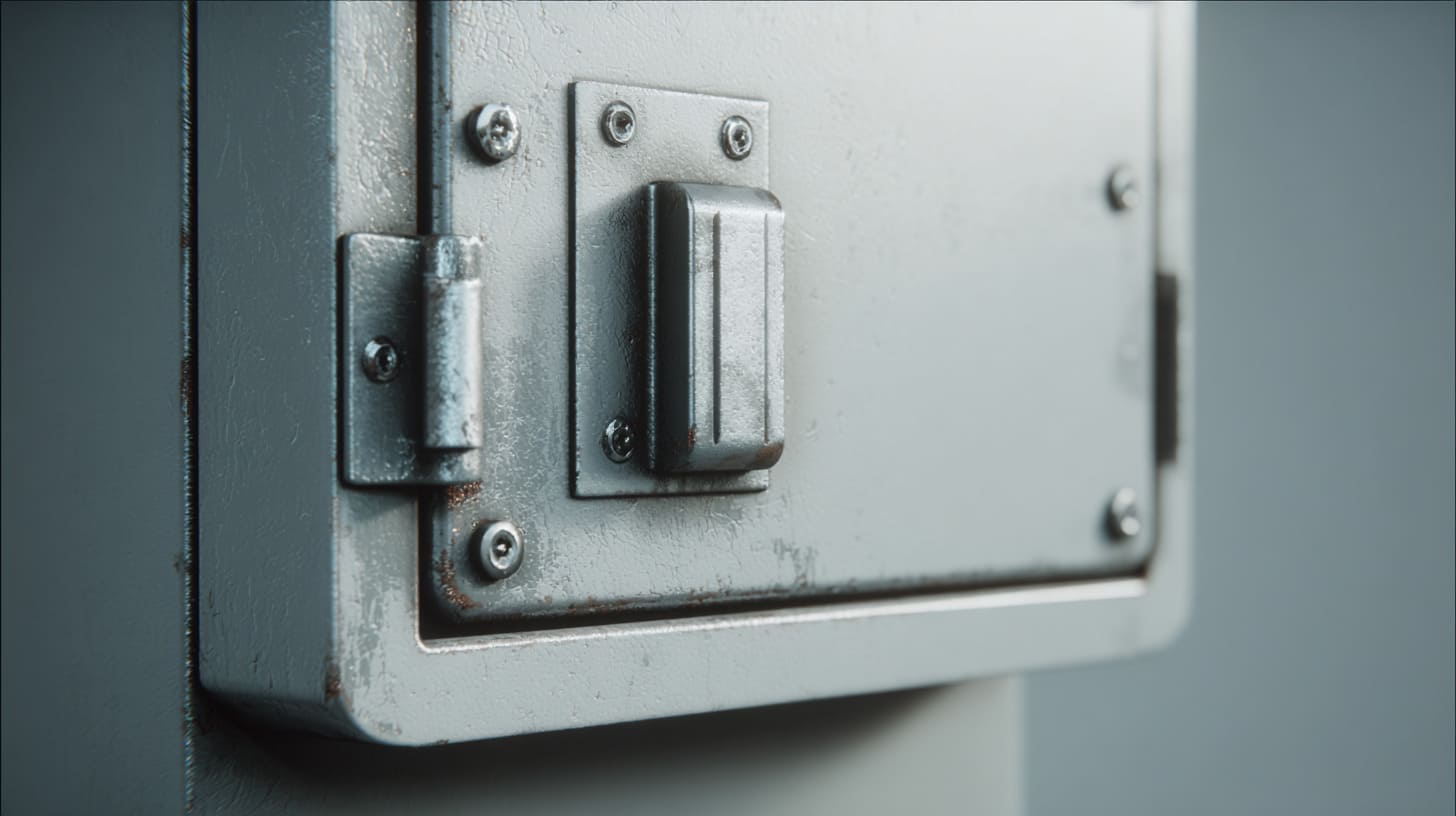
People say “IP54” as if it is one single promise. It is not. It is two separate promises: one for solids, one for water.
How the IP code system works (IPX4, IPX5, etc.)
- The first digit is for solid objects and dust.
- The second digit is for water.
So “IP54” is:
- 5 = dust protected (not dust-tight)
- 4 = protected against splashing water
That sounds fine until you notice what is missing: it does not say “rain for 5 years.” It does not say “wind-driven water jets.” It does not say “mud + vibration + sun + careless closing.”
Here is a simple table I often share when buyers mix up these levels:
| IP level | Dust protection (1st digit) | Water protection (2nd digit) | What it feels like in the field |
|---|---|---|---|
| IP54 | Dust protected (some dust can enter) | Splashing water | OK for sheltered outdoor, risky for exposed |
| IP65 | Dust-tight | Water jets | Better for exposed outdoor, better around washdowns |
| IP66 | Dust-tight | Powerful water jets | Best when rain + wind + spray are common |
Also, many teams forget the parts around the box:
- cable glands
- breathers
- locks
- hinge areas
- mounting holes
If those parts are weaker than the enclosure rating, your “IP54” label becomes a sticker, not a shield.
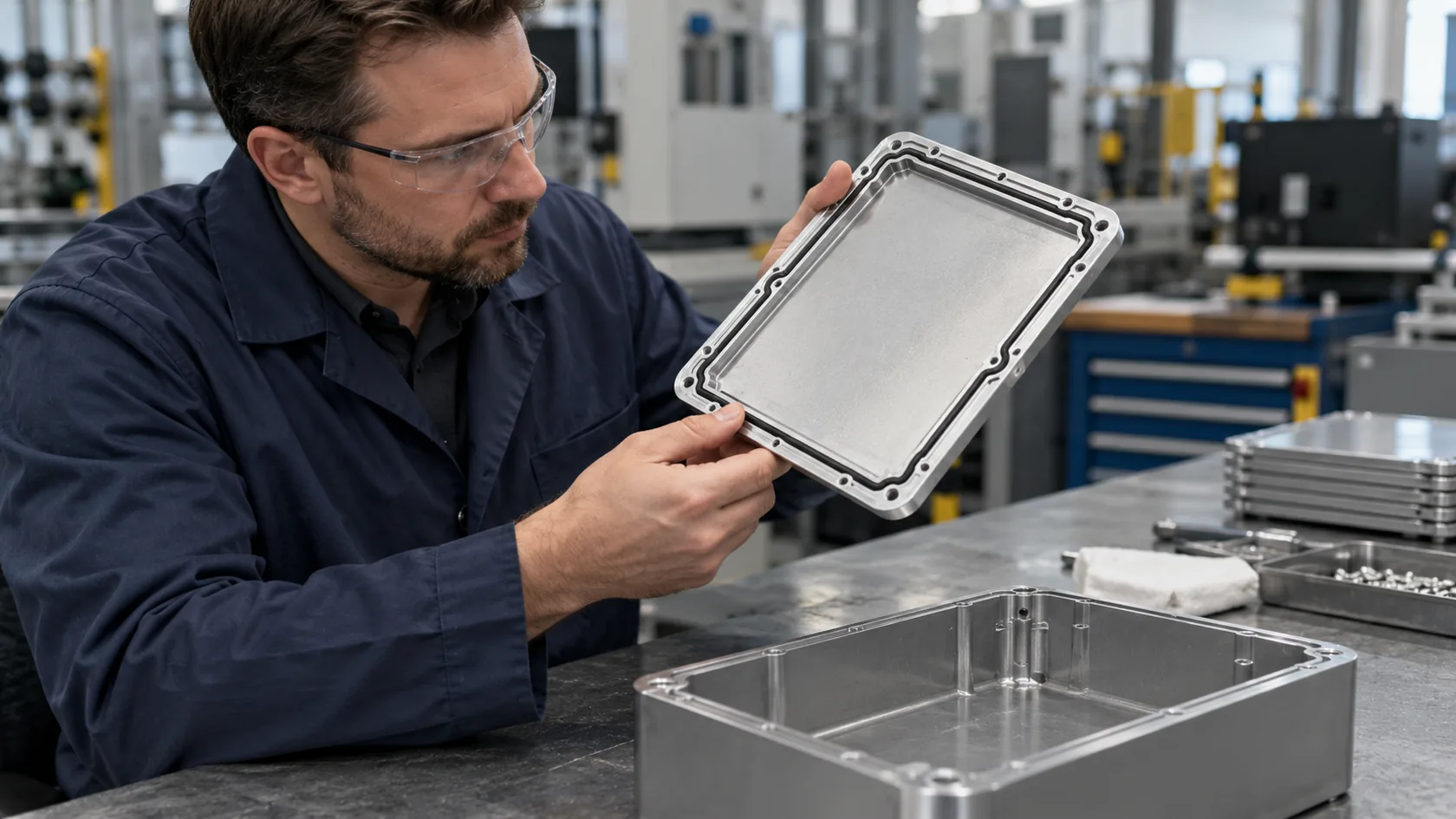
The way I judge it in real quotes is simple: I don’t trust the enclosure IP rating until I see the complete ingress path—door seam, lock, hinge, bottom edge, and every cable entry.
Why lab test conditions differ from field conditions
Lab tests are controlled. Outdoor installs are not.
In a lab:
- water hits from a defined direction
- the box is new
- the gasket is fresh
- the door is perfectly closed
- the test runs for a short time
Outdoors:
- rain changes direction
- dust builds slowly for months
- UV and heat age the gasket
- the door gets opened and slammed
- installers may overtighten or misalign hardware
One small example: a gasket can pass a test today, then lose compression after a summer of heat cycles. The IP label does not update itself when the gasket gets tired.
And that leads to the next question buyers ask me: if IP54 is risky, why is it still used so often?
Why IP54 Is Commonly Chosen for Outdoor Meter Boxes
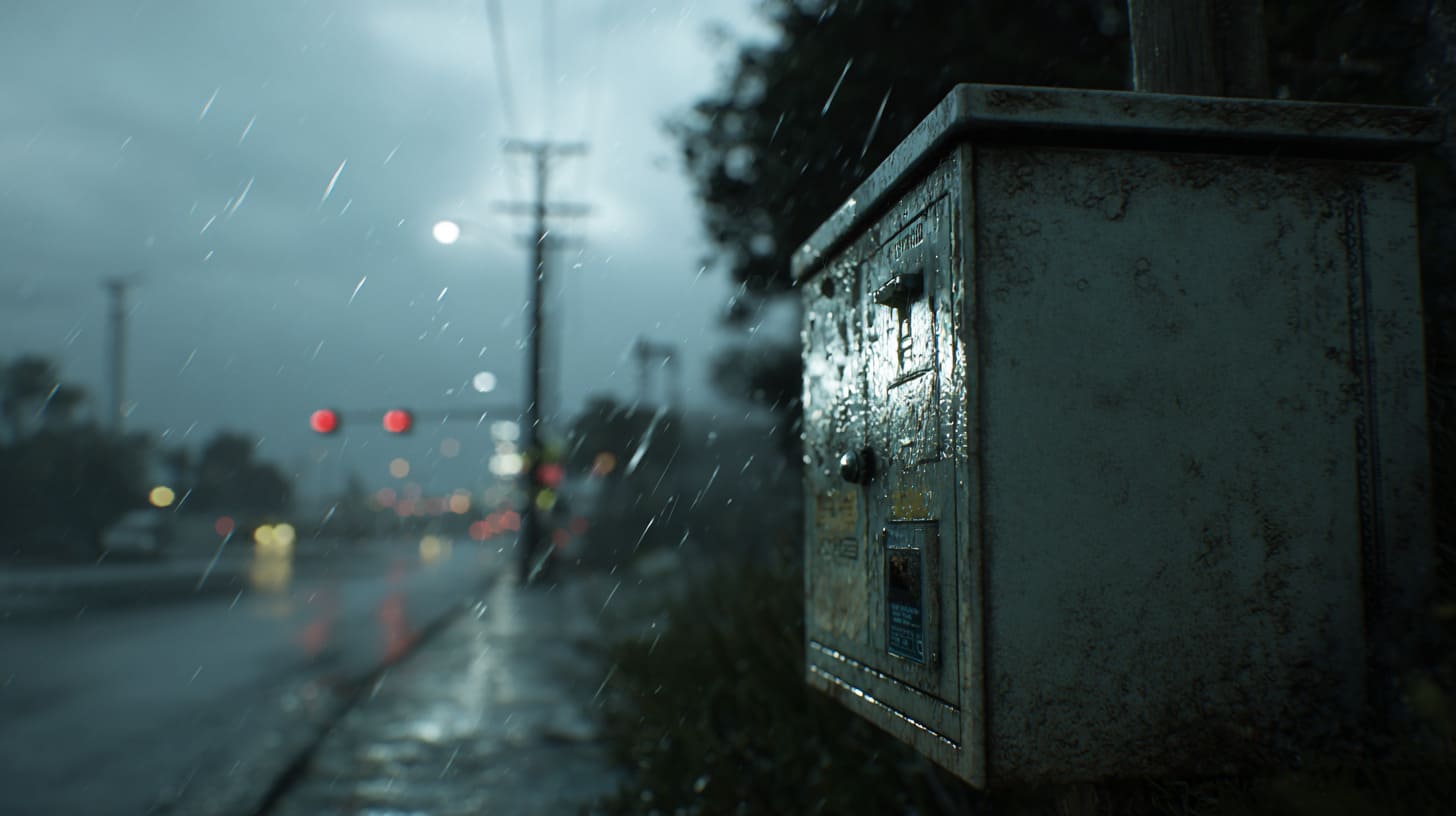
IP54 is popular for the same reason fast food is popular. It is quick, familiar, and it usually looks fine at the start.
Cost and sourcing pressure
IP65 and IP66 designs often cost more because they need:
- tighter tolerances
- better gasket geometry
- stronger latches
- more careful assembly checks
- sometimes thicker walls for stiffness
In large projects, even a small cost increase per unit becomes a big number. So procurement pushes down to “good enough.”
Here is the uncomfortable truth: IP54 is often treated as the “lowest acceptable” option, not the “right” option.
A quick cost reality table (not exact numbers, but the pattern is very common):
| Choice | Unit cost | Failure risk outdoors | Typical hidden cost |
|---|---|---|---|
| IP54 | Low | Medium to high | Service calls, replacements, complaints |
| IP65 | Medium | Lower | Fewer site issues |
| IP66 | Higher | Lowest | Best for harsh exposure |
What I personally weigh here is not the unit price difference—it’s the cost of the first failure, because that first failure usually triggers ten more emails.
Design simplicity and faster approvals
IP54 designs can be simpler:
- lighter door pressure
- fewer latch points
- less strict flatness requirements
- less strict gasket compression control
That means:
- faster drawing sign-off
- faster tooling decisions
- easier production ramp-up
But simple can become fragile when the environment is aggressive.
Misinterpretation of “outdoor” requirements
This is a classic trap:
- Sheltered outdoor: under an eave, inside a cabinet, away from direct rain.
- Exposed outdoor: open air, wind, rain, spray, dust, sun.
Both are “outdoor.” They behave like two different planets.
I’ve learned to be skeptical when a buyer says “outdoor” but cannot answer where the box sits—because the word “outdoor” is too big and too vague to protect you.
And now we get to the part people dislike: the ways IP54 fails, one by one, in real installs.
Where IP54 Fails in Real Outdoor Installations
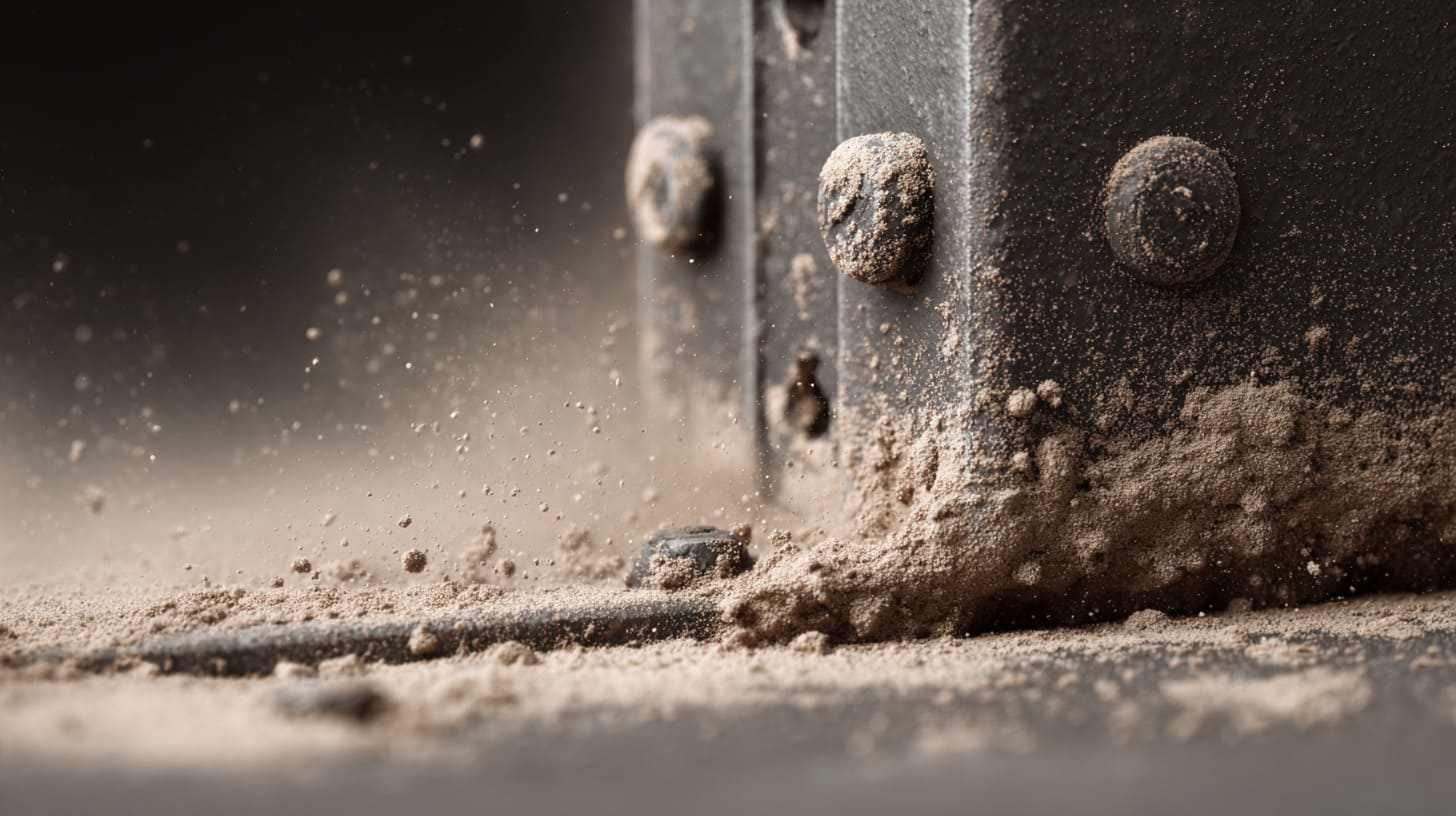
Most IP54 failures do not look dramatic. They look like small issues that become a pattern: a little dust, a little moisture, a bit of corrosion, then a call from the field.
The decision I make when reviewing an outdoor meter box spec is this: I don’t ask “Will IP54 pass a test?”—I ask “Where will water and dust want to go over time?”
Rain direction and water accumulation
IP54 protects against splashing. It does not promise protection from:
- long rain exposure
- wind-driven rain hitting seams like a jet
- water pooling at the bottom edge
- dripping from a top surface into a seam
Common entry points:
- around the lock cylinder
- hinge gaps
- door seam corners
- cable entry that faces upward
- bottom flange where dirt and water collect together
A small detail that gets overlooked: if the door seam faces the prevailing wind direction, even “splashing” becomes a steady push of water into the gap.
Dust ingress over long-term exposure
“5” for dust does not mean “dust-tight.” It means dust can enter, but not enough to interfere under test conditions.
In the field, dust is patient. It keeps coming.
Fine dust and sand can:
- sit on the gasket surface
- scratch or abrade it during door closing
- reduce sealing contact
- jam locks and latches
- create conductive paths if mixed with moisture
If you want one simple mental image: dust is like flour. It gets into places you did not expect, and it does not leave by itself.
Condensation and internal moisture buildup
Even if rain never enters directly, moisture can still appear inside.
Why?
- hot daytime air gets trapped inside
- temperature drops at night
- water vapor condenses on cooler internal surfaces
Then you find:
- droplets on the inner door
- foggy marks on plastic windows
- moisture around terminals
- corrosion at screws and bonding points
This is why “no leaks observed” is not the same as “dry and stable inside for years.”
Human interaction and maintenance reality
This is the part nobody likes to write into a spec.
Real behaviors:
- doors opened during rain
- doors not fully latched
- gasket pinched by misalignment
- installers overtighten hinges
- gaskets get replaced with “whatever fits”
Even a great enclosure can be defeated by a rushed close in bad weather.
A short field checklist I use mentally:
- Will someone open it while water is falling?
- Can they close it with one hand?
- Is the latch feel “obviously locked” or easy to misclose?
These are human details, but they decide whether water gets inside.
And once you see these failure modes, you start to notice which environments punish IP54 the fastest.
Typical Outdoor Scenarios Where IP54 Is Not Enough
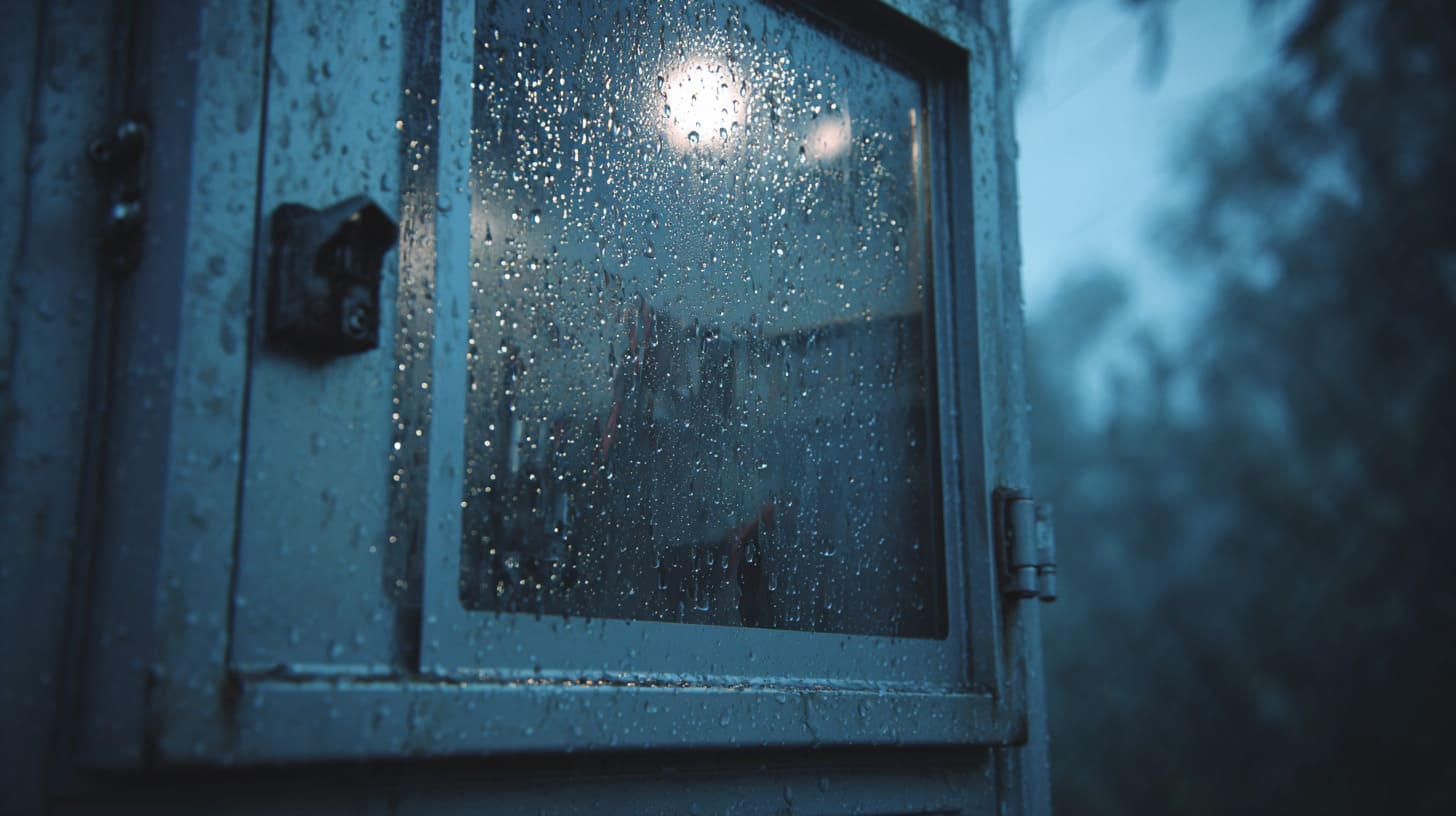
Not all outdoor sites are equal. Some are gentle. Some are brutal. IP54 lives on the edge in the brutal ones.
My honest rule here is: if the site has spray, dust clouds, or careless access, I treat IP54 as a short-term bet, not a long-term plan.
Roadside and utility pole meter boxes
These spots add three enemies:
- traffic spray
- vibration
- grime
Traffic spray is not a “splash.” It is often a dirty, continuous mist hitting from the side. Vibration also loosens fasteners over time and can shift door alignment.
Common problems:
- seam wear from repeated micro-movement
- mud buildup at the bottom edge
- cable entry seals stressed by vibration
Industrial and construction environments
Here the air itself is “dirty”:
- cement dust
- metal grinding particles
- oil mist
Also, cleaning habits can be rough:
- pressure washing nearby
- hoses used without care
- detergents and solvents in the area
If water jets are involved, IP54 is simply in the wrong class.
Coastal and high-humidity regions
Coastal air carries salt. Salt finds metal. Then corrosion starts where you least want it:
- grounding points
- screws and inserts
- terminals if moisture enters
High humidity also increases condensation risk.
Even if the box stays “mostly dry,” a thin film of moisture plus salt is enough to create headaches.
Now let’s compare IP54 with the ratings people usually jump to next: IP65 and IP66.
IP54 vs IP65 vs IP66 for Meter Boxes
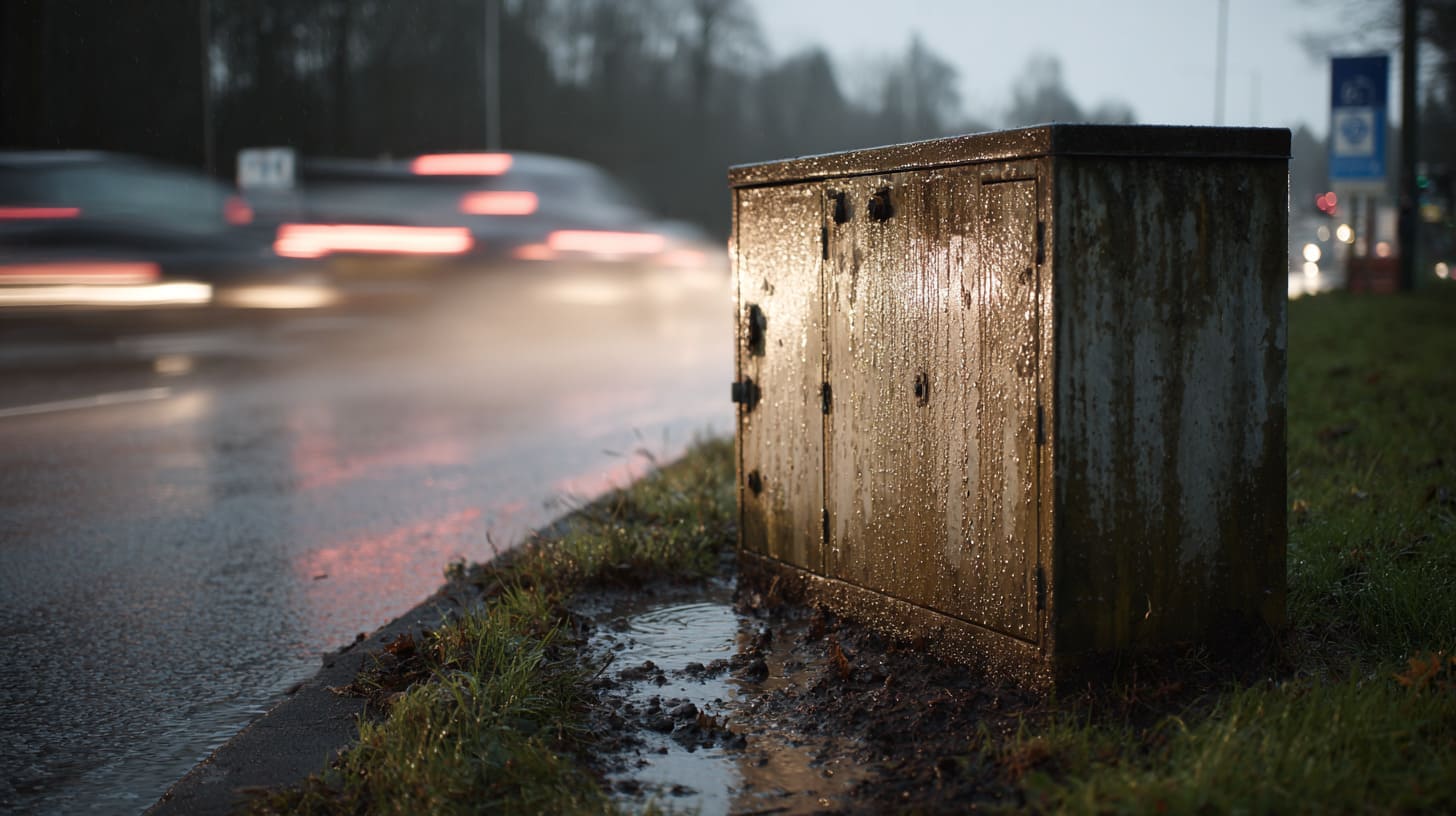
Engineers sometimes ask me, “Is IP66 always better?”
Bigger numbers help, but they also bring trade-offs: stronger sealing force, harder door closing, sometimes higher cost, and sometimes worse heat management if ventilation is ignored.
The way I decide is this: I pick the rating that matches the worst realistic condition, not the best day of the year.
Key protection differences that matter outdoors
Let’s keep it simple:
- IP54: splashing water, dust protected
- IP65: water jets, dust-tight
- IP66: powerful water jets, dust-tight
A quick comparison for outdoor thinking:
| Rating | What water it can handle | Typical outdoor fit |
|---|---|---|
| IP54 | Splashing | Sheltered outdoor, low spray |
| IP65 | Hose / water jet | Exposed outdoor, rain + wind, dusty areas |
| IP66 | Strong jets / heavy spray | Roadside spray, industrial washdown zones |
Practical impact on enclosure lifespan
What I see in feedback loops is not “IP54 instantly fails.”
It is more like:
- IP54 works for a while
- then dust and water slowly reduce margin
- then one bad day causes a failure
IP65 and IP66 increase margin. They do not make you immortal. But they reduce surprise.
A simple “failure timeline” pattern I have seen:
| Environment harshness | IP54 outcome | IP65 outcome |
|---|---|---|
| Mild, sheltered | Often OK | Very stable |
| Mixed exposure | Frequent complaints | Usually OK |
| Harsh, spray/dust | High failure risk | Much better |
Cost comparison vs. lifecycle cost
This is where many buyers flip their decision.
The cost you see:
- higher unit cost for IP65/66
The cost you do not see until later:
- site visit labor
- replacement shipping
- customer complaints
- brand damage
- project delays
If you are Jackson in Belgium selling re-branded products, one return wave can wipe out the savings from choosing IP54. If you are Davide in Finland and your client is impatient, one bad batch becomes a trust problem, not just a technical problem.
Once you decide to aim higher than IP54, design details suddenly matter a lot more.
Design Details That Expose IP54 Weaknesses
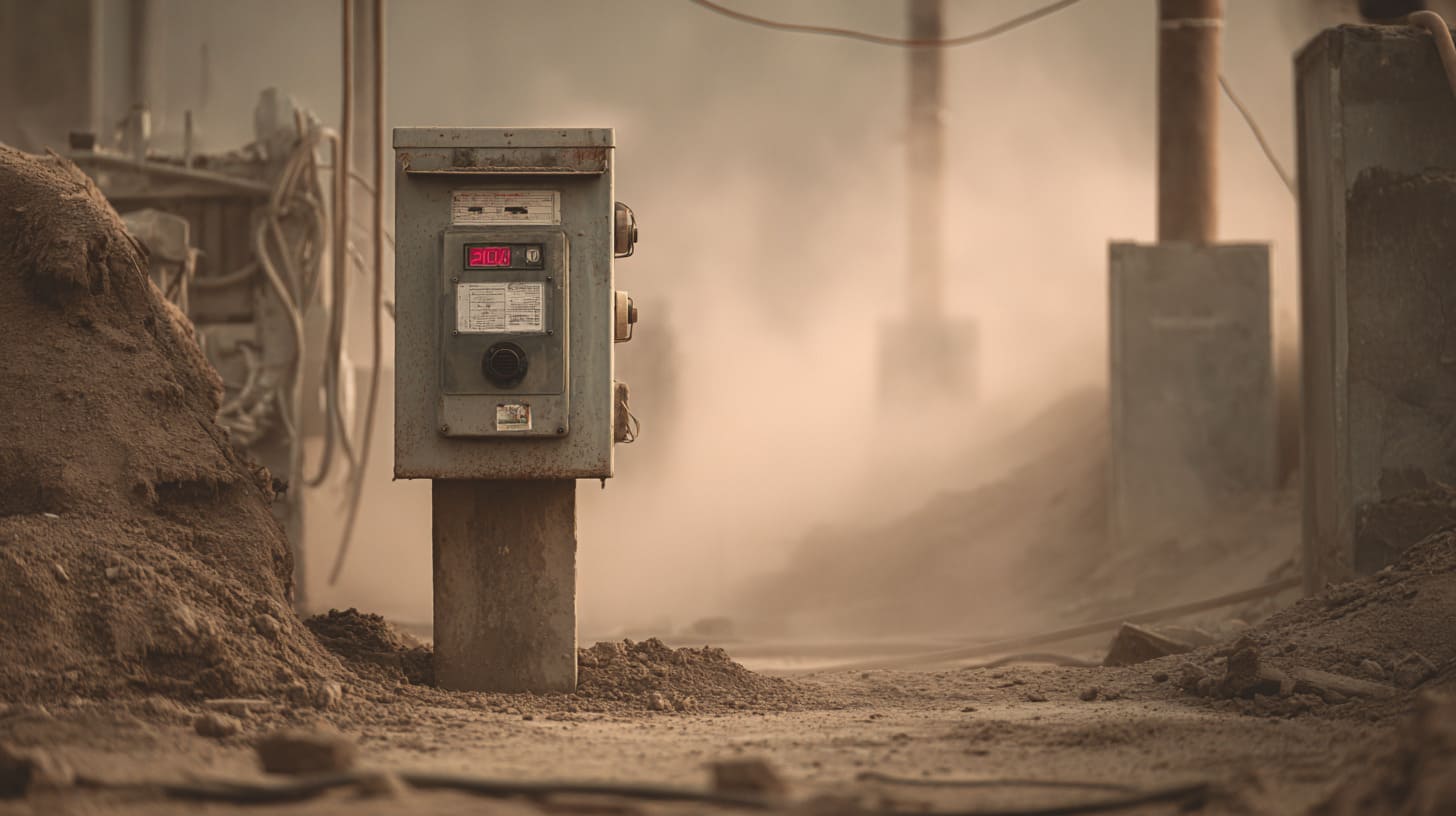
Many enclosures fail not because of the rating label, but because of the small “leaks” in design thinking.
The moment I see “IP54 outdoor” on a drawing, I zoom into three areas: door seam design, cable entry method, and anything that moves (locks, hinges, vents).
Door seals and gasket compression
A gasket is not magic rubber. It is a system:
- gasket shape
- door stiffness
- frame flatness
- latch force
- compression consistency
Single-lip vs double-lip is a real difference:
| Gasket style | Pros | Cons |
|---|---|---|
| Single-lip | Lower closing force, cheaper | Less margin, more sensitive to dust and misalignment |
| Double-lip | Better barrier, more margin | Higher closing force, needs better stiffness control |
Also, compression changes over time. Heat cycling, UV, and repeated opening all age the gasket.
Cable glands and entry points
A very common failure is mismatch:
- enclosure rated IP65
- cable gland rated lower
- installation done poorly
Then water enters at the weakest point.
I often ask for a simple “entry map” in drawings:
- number of cable holes
- direction they face
- gland model
- sealing method
- strain relief plan
If cable entries face upward, water gets invited in. If they face downward with drip loops, water has a harder time.
Locks, hinges, and ventilation features
Locks and hinges are moving parts. Moving parts create gaps.
Common water paths:
- lock cylinder clearance
- hinge pin area
- door corner gaps under stress
- vents that are “nice for heat” but weak for water
Ventilation is a trade-off. You want heat out, but you also want moisture out, and you do not want water in. Some projects need breathable membranes or controlled vents. Some need a different enclosure size to reduce heat problems instead of opening holes.
This is why higher IP ratings cannot be “slapped on.” They require design discipline.
Still, IP54 is not always wrong. It just needs the right situation.
When IP54 Can Still Work Outdoors
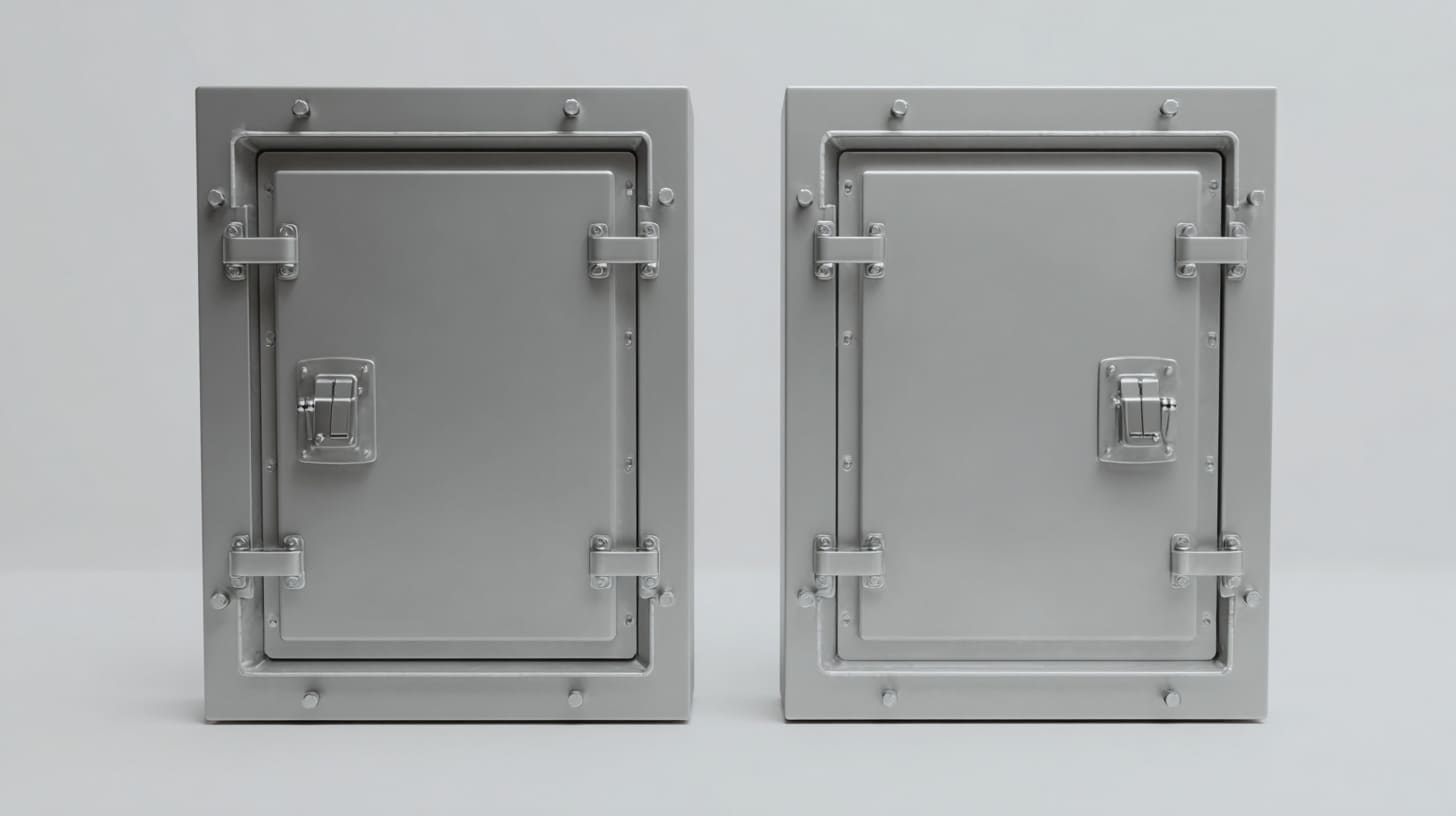
There are cases where IP54 is a smart choice. Not because it is “good enough,” but because it matches the real conditions and the real risk.
My practical filter is: if I can’t clearly describe how the box stays away from direct water jets and heavy dust, I don’t recommend IP54.
Sheltered or semi-outdoor installations
Examples where IP54 can be fine:
- under eaves
- inside secondary cabinets
- protected corridors
- areas with low wind exposure
Even then, I still check:
- door seam orientation
- cable entries facing down
- gasket quality level
- lock design
Short-term or temporary installations
Temporary power setups can justify IP54 because:
- the lifespan is short
- inspection is frequent
- replacement is expected
Here, the project goal is speed and cost control, not long-term stability.
Low-risk environments with controlled access
Some sites are outdoors but controlled:
- restricted access
- trained operators
- routine maintenance schedules
If someone checks the enclosure regularly, small issues get caught early.
But “controlled access” is rare in many public installs. People assume it exists, then reality shows up.
So if you want to choose right, you need a selection method that starts from the field, not from the rating chart.
How to Choose the Right IP Rating for Meter Boxes
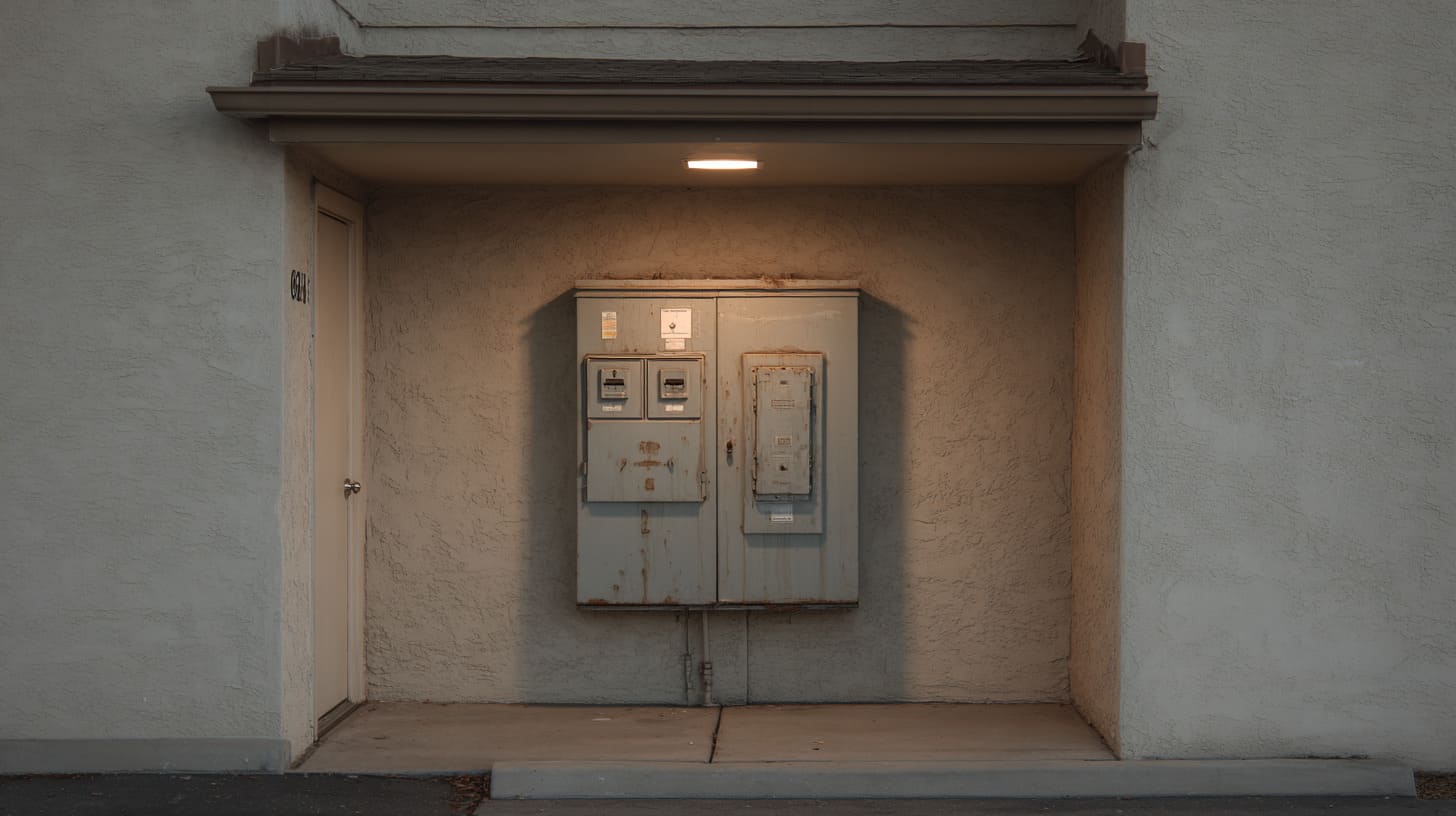
I do not start with “IP54 vs IP65.” I start with “What is going to attack this box?”
My decision habit is this: I choose an IP level only after I can picture the worst weather day, the worst dust day, and the most careless door close—because those three events decide the real outcome.
Start from the environment, not the standard
Ask simple, real questions:
- How strong is the rain in that region?
- Does wind push rain sideways?
- Is there traffic spray nearby?
- Is it dusty? Sand? Cement? Industrial powder?
- Is cleaning done with a hose or pressure washer?
- Is the box mounted low where water pools?
A quick environment-to-rating guide:
| Environment clue | Risk type | Safer IP direction |
|---|---|---|
| Wind-driven rain | Water jets through seams | IP65+ |
| Dusty road / construction | Dust buildup and abrasion | 6X for dust-tight |
| Coastal humidity | Condensation + corrosion | Better sealing + material choices |
| Washdown nearby | Water jets | IP65/66 |
Ask the right questions early in the project
This part saves weeks.
- Who opens the box, and how often?
- Do they open it in the rain?
- Do they wear gloves?
- Do they close it carefully or fast?
- What happens during storms?
I like asking one uncomfortable question:
- “If this fails once, who will pay for the service call?”
The answer changes how serious people become about the rating.
Balance IP rating with material and structure
IP rating is not the only tool.
Material matters:
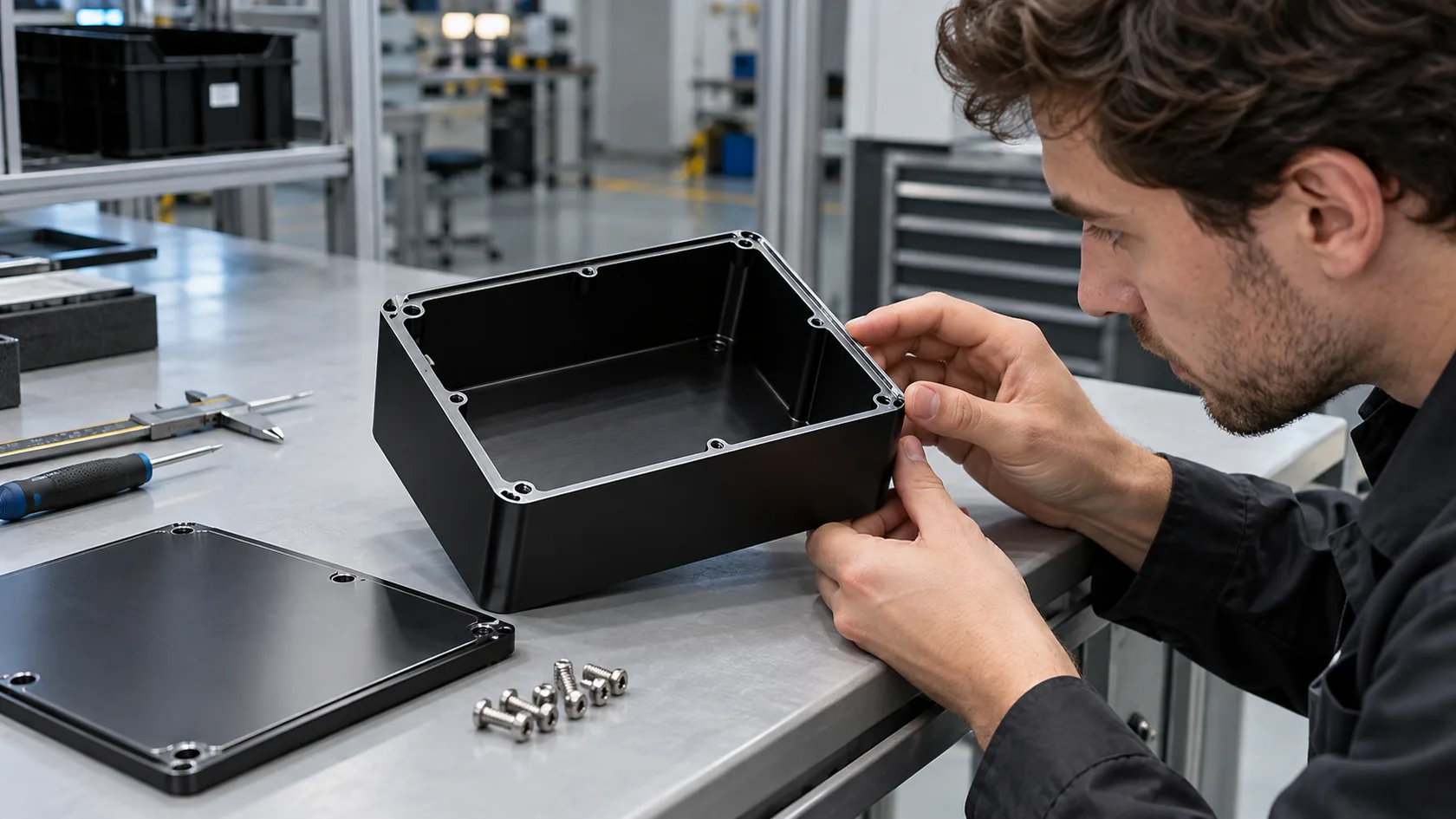
- aluminum: strong, stable, good for stiffness, helps keep gasket compression consistent
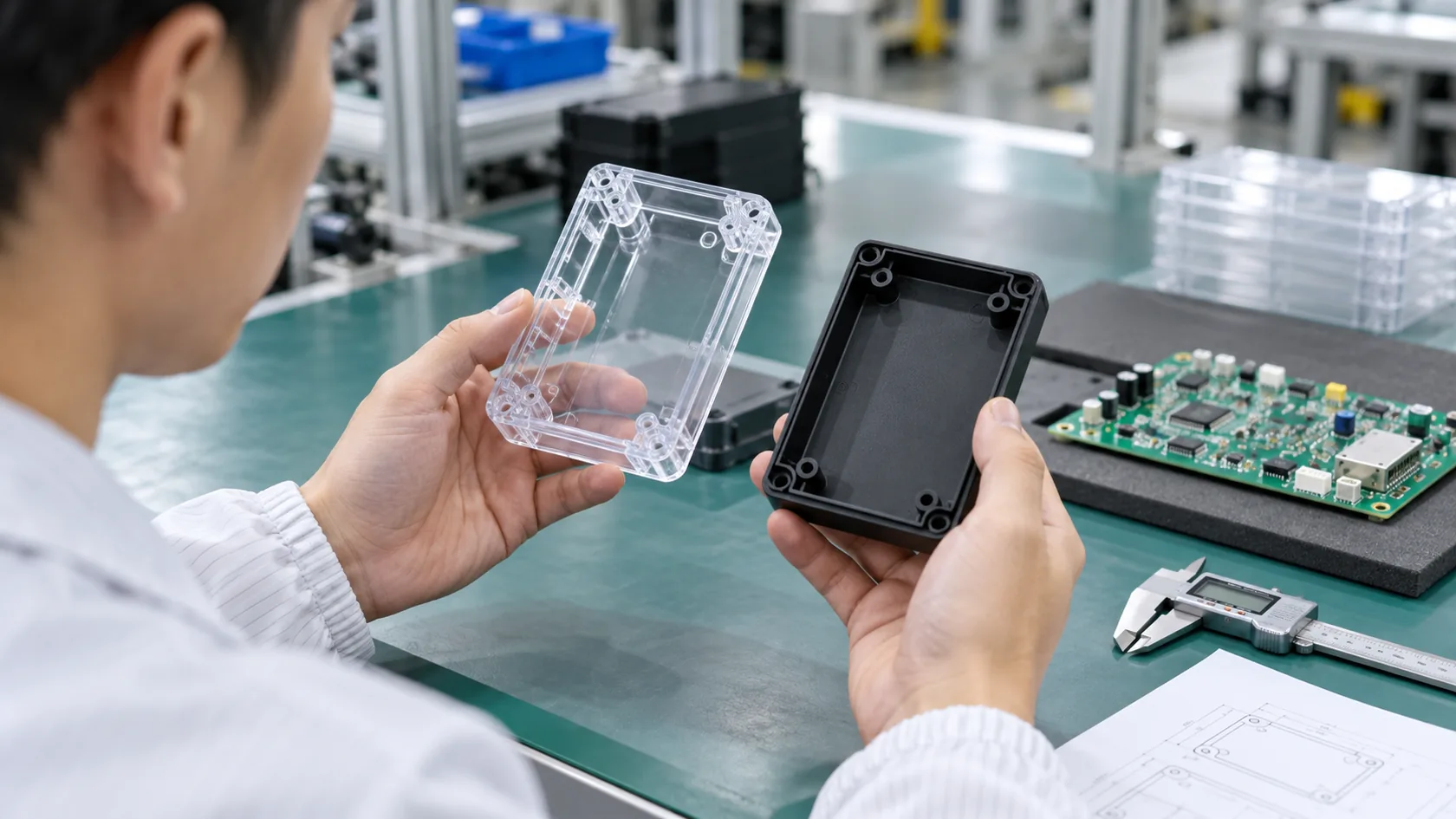
- plastic: can be fine, but watch UV aging, creep, and deformation over time
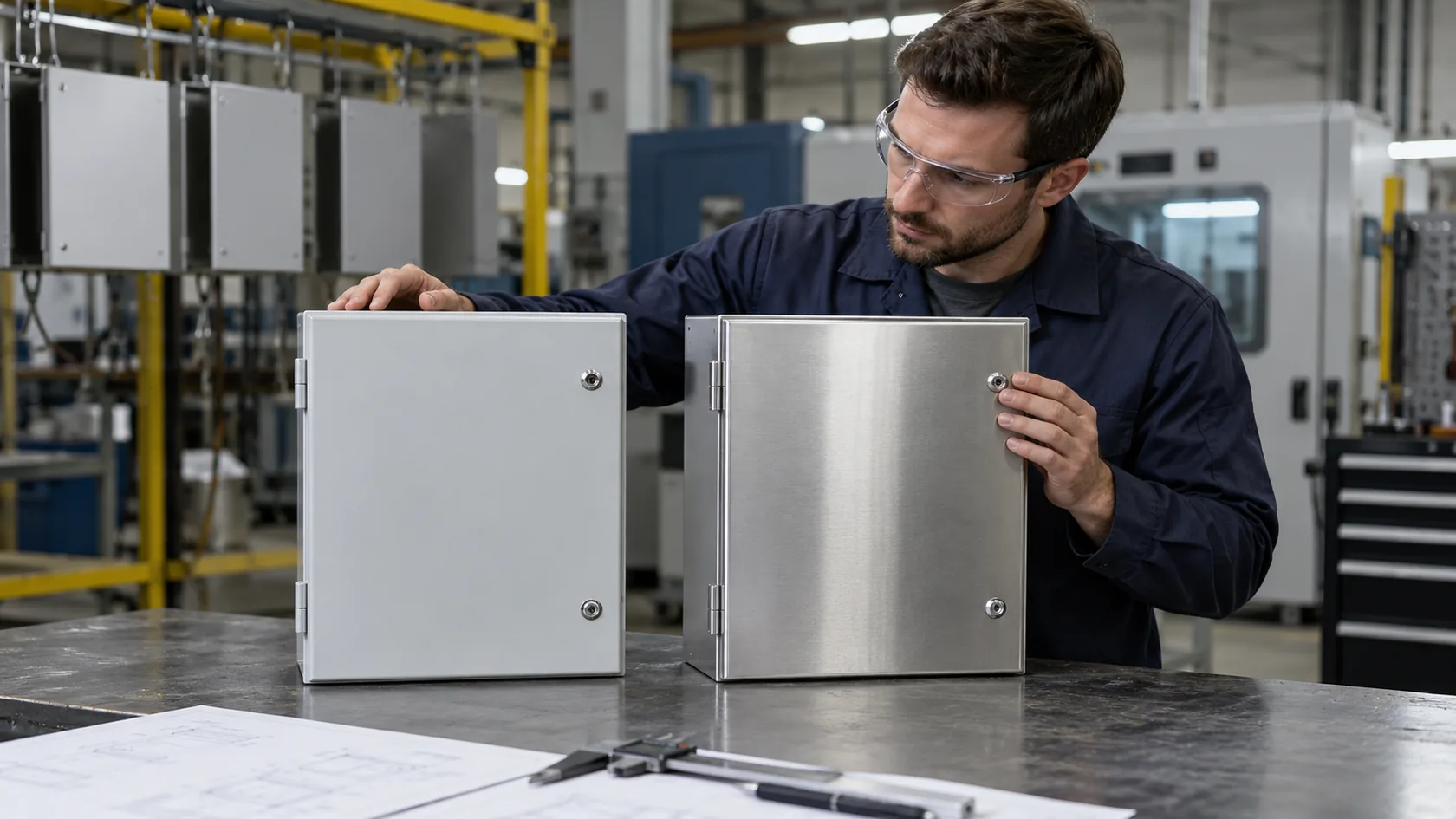
- stainless steel: strong corrosion resistance, but higher cost and weight
Structure matters:
- wall thickness
- ribbing
- door stiffness
- latch count
- hinge design
Here is a simple “design balance” table:
| Goal | What helps | What can hurt |
|---|---|---|
| Better sealing | stiff door, good gasket, strong latch | thin walls, weak latch, warped frames |
| Better durability | better materials, UV resistance, corrosion control | cheap fasteners, poor coating, mixed metals |
| Better usability | smooth closing force, clear latch feel | too much force, unclear latch engagement |
If you want an enclosure that lasts, you treat IP rating as one piece of the whole system.
And once you see it as a system, the conclusion becomes simple, but not easy.
Conclusion
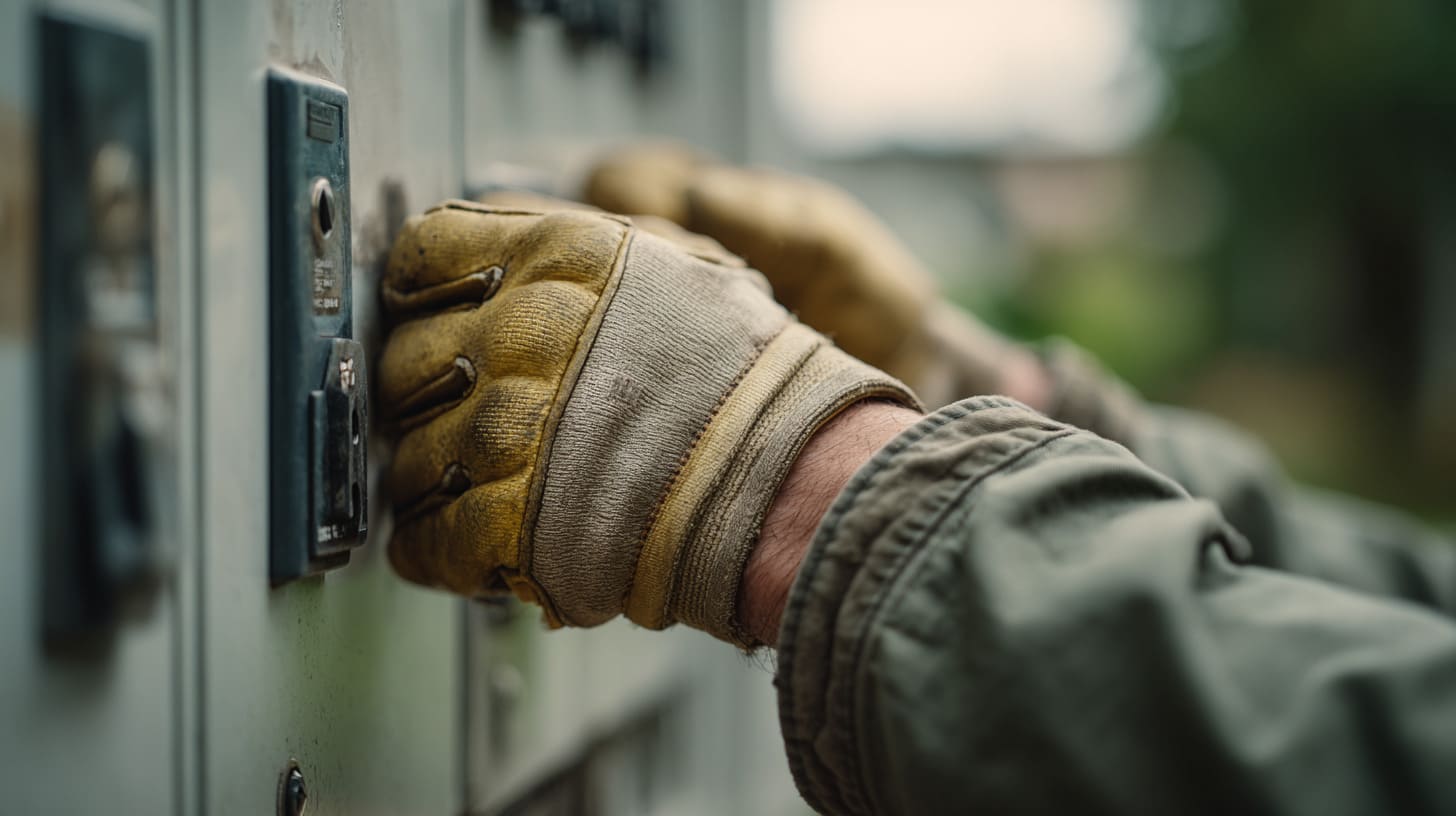
IP54 is not “bad.” I have shipped many projects where IP54 was the right call. But IP54 becomes dangerous when teams use it as a shortcut for “outdoor,” because outdoor is not one condition—it is a pile of conditions that change every day.
I think this way for a simple reason: I have watched small leaks turn into big costs. Not just money, but trust. The buyer loses patience. The end customer loses confidence. The project team loses time.
That is why I push hard on real-world questions:
- where the rain hits
- where the dust sits
- how people open and close the box
- what happens during the worst week of the year
If you are choosing IP ratings for meter boxes right now, send me your installation story, not just your drawing. Tell me:
- mounting location (wall, pole, roadside, cabinet)
- exposure (direct rain or sheltered)
- cable entry direction and count
- any washdown or spray nearby
- target lifespan
And if you want, I can help you match an IP rating and enclosure structure that fits your real outdoor risk—so you spend less time fixing problems later and more time shipping the next project on schedule.