Skip to content

I see “food grade stainless steel” written in drawings more often than people admit.
Sometimes it is one short note. Sometimes it is a hard requirement. And very often, it ends with the same sentence:
“Let’s just use 304.”
I understand why this happens. When pressure is high, timelines are tight, and budgets are fixed, buyers want a safe answer. 304 feels safe. It sounds correct. It sounds professional. But in real enclosure and equipment projects, that shortcut creates quiet risk.
I have seen projects pass inspection smoothly. I have also seen them get stuck because nobody asked what food grade really means. This article is for product engineers, OEM buyers, and enclosure designers who want fewer surprises later—and fewer emails that start with “we need to change the material.”
What Does “Food Grade” Stainless Steel Mean?
When people say “food grade,” they often think it is a material label. It is not.
Food grade is about use, not just name.
How “food grade” is defined in manufacturing and regulation
Food grade means a material is safe to touch food under specific conditions. Those conditions include temperature, cleaning method, exposure time, and chemicals used.
It is not a universal stamp. It is closer to a promise: used correctly, this material will not contaminate food.
Common food-contact standards (FDA, NSF, EU, LFGB)
Different regions use different rules. This already creates confusion.
| Standard | Region | What it focuses on |
|---|---|---|
| FDA | USA | Food contact safety |
| NSF | USA | Hygiene and cleanability |
| EU 1935/2004 | Europe | Migration limits |
| LFGB | Germany/EU | Strict food safety testing |
None of these standards say, “304 is always food grade.” They all say, “it depends.”
Why “food grade” is about application, not just material name
A polished 304 surface used near dry food is very different from a rough 304 surface used with salt water. Same steel. Very different outcome.
This is where many projects drift into trouble—quietly.
What Is 304 Stainless Steel?

304 is popular for a reason. I use it often. But I never treat it as magic.
Basic composition of 304 stainless steel
304 contains chromium and nickel. This mix forms a passive layer that protects the surface.
| Element | Purpose |
|---|---|
| Chromium | Corrosion resistance |
| Nickel | Stability and toughness |
This balance makes 304 flexible and easy to work with.
Mechanical and corrosion-resistance properties
304 resists rust in normal environments. It handles heat well. It bends and welds cleanly. For enclosures, that matters.
But it is not designed for extreme salt or strong acid.
Cost plays a role. Availability does too.
Most factories stock it. Most fabricators understand it. That makes it the default choice.
And defaults are comfortable—until the environment proves otherwise.
Is 304 Stainless Steel Considered Food Grade?
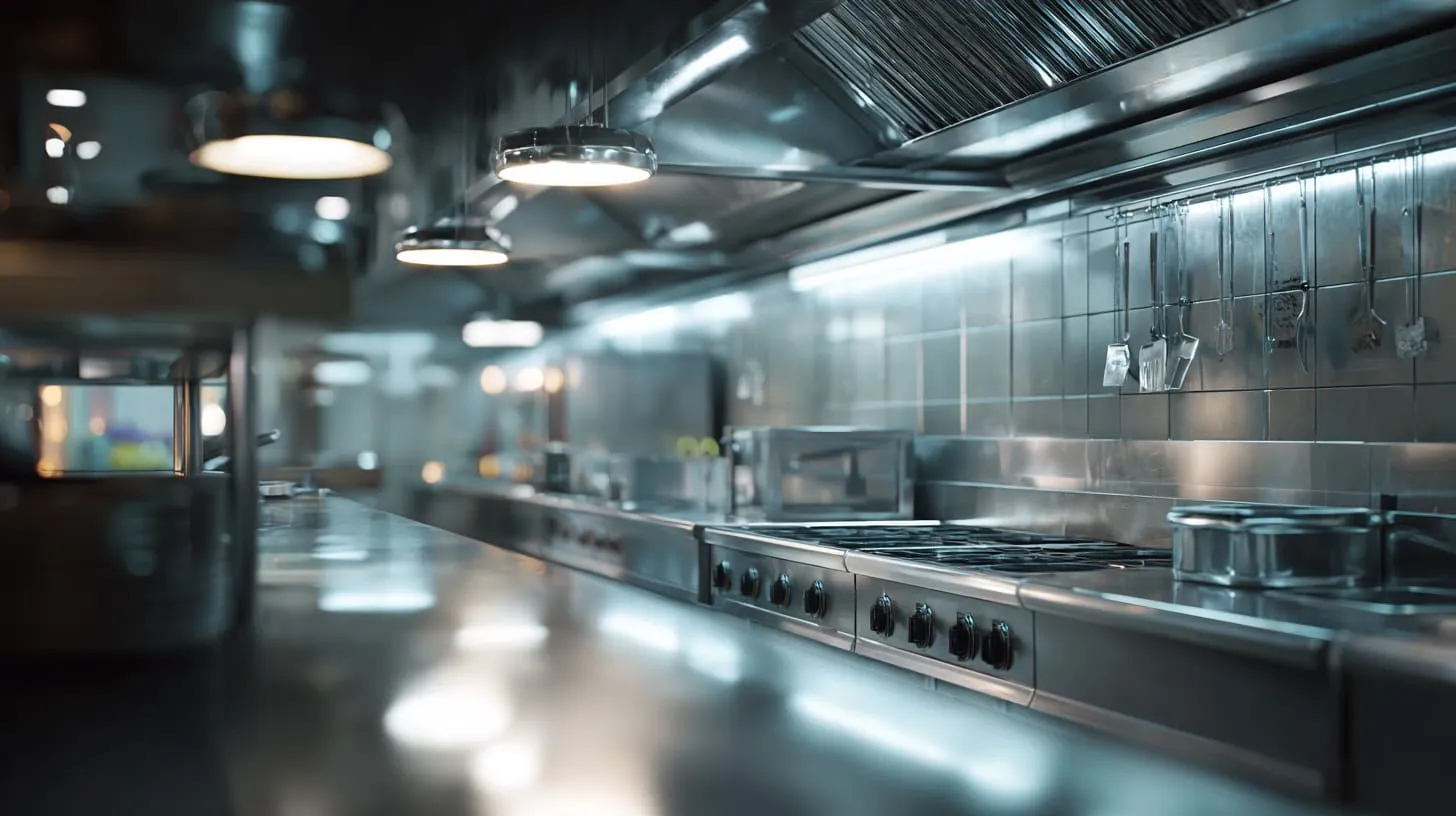
The short answer is yes, sometimes.
The useful answer is longer.
Regulatory acceptance of 304 stainless steel for food contact
Most food safety bodies accept 304 when processed and used correctly. That includes surface finish, welding quality, and cleaning access.
Conditions under which 304 qualifies as food grade
304 works well when:
- Food contact is mild
- Salt and acid exposure are limited
- Surfaces are smooth and cleanable
- Cleaning chemicals are controlled
Situations where 304 may not be suitable for food use
304 struggles when:
- Salt levels are high
- Acid cleaning is frequent
- Water sits on the surface
- Surface finish is rough
This is where I see regret later. The steel itself did not fail. The assumption did.
Why 304 Stainless Steel Is Commonly Used in Food Equipment
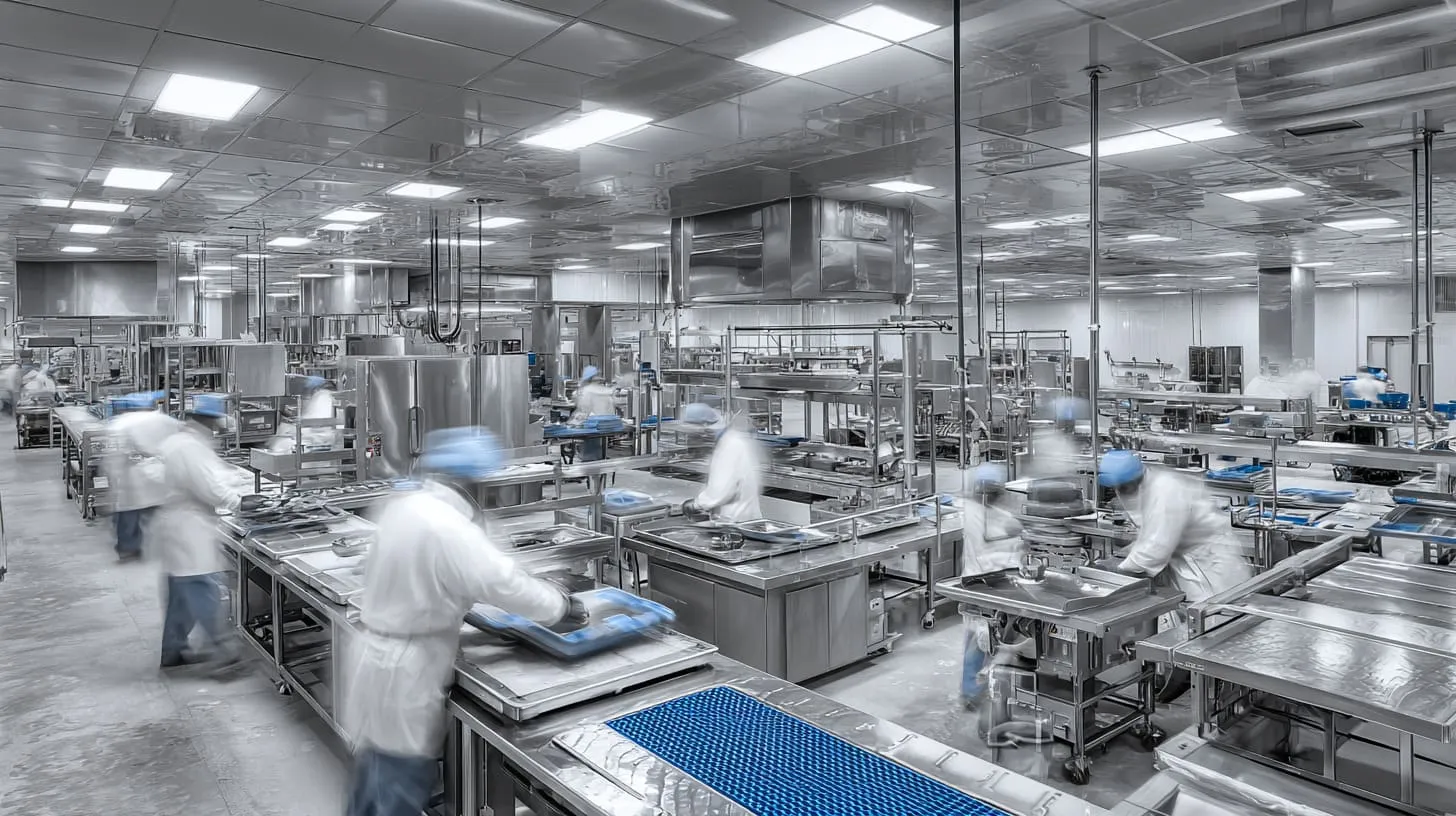
There are good reasons buyers keep choosing 304.
Corrosion resistance in typical food environments
In dry food lines, bakeries, and packaging zones, 304 performs well. It stays stable and predictable.
Ease of cleaning and hygiene advantages
Smooth 304 surfaces clean easily. That matters in daily washdowns.
Cost-performance balance compared with other stainless steels
Here is the trade-off most buyers accept:
| Material | Cost | Corrosion resistance | Typical use |
|---|---|---|---|
| 304 | Medium | Good | General food equipment |
| 316 | High | Very high | Harsh environments |
304 often wins because it is “good enough.”
But “good enough” must match reality.
304 vs 316 Stainless Steel for Food Applications
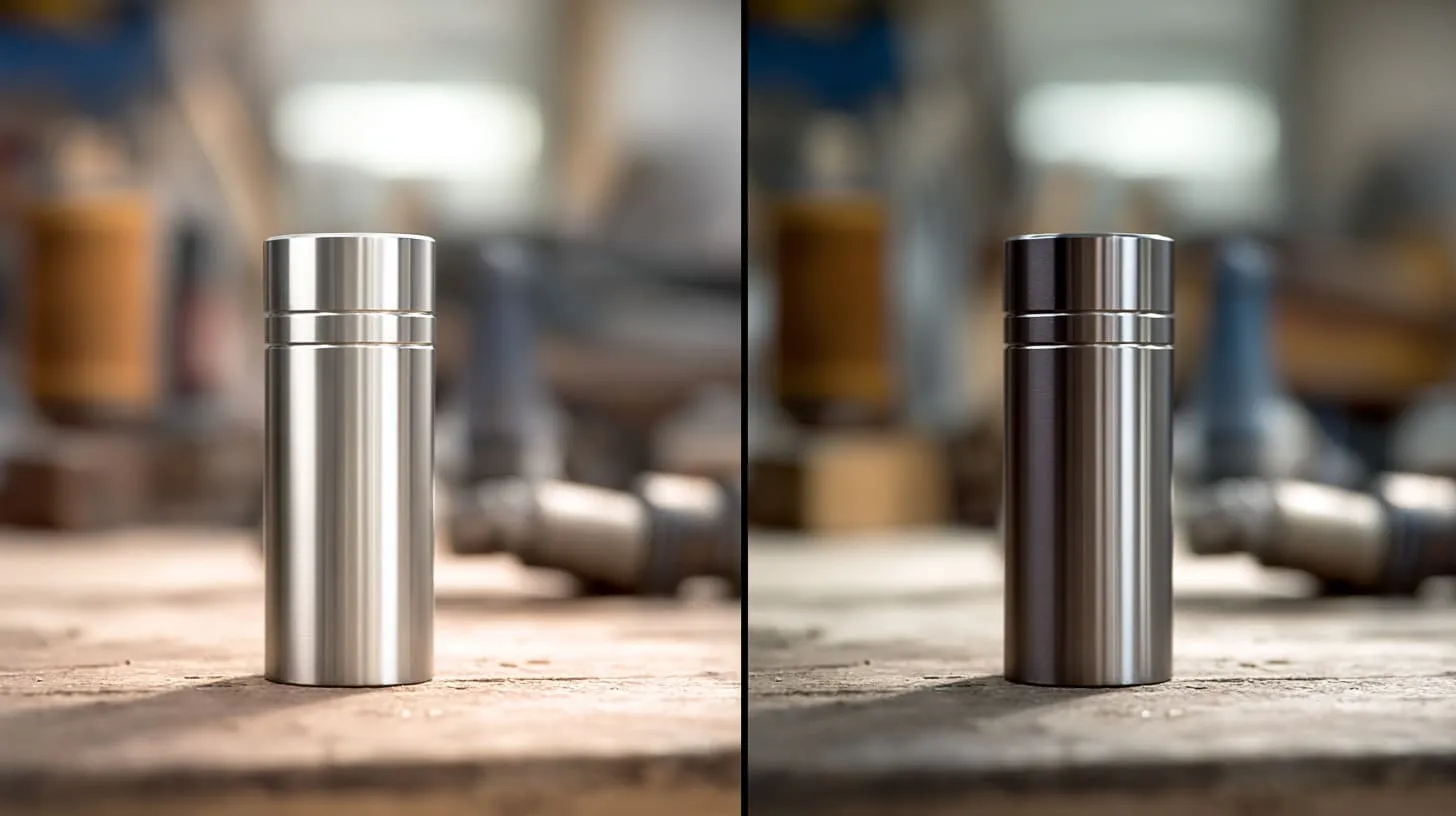
This comparison comes up in almost every food project I quote.
Chemical composition differences and why they matter
316 adds molybdenum. That one change improves resistance to salt and acid.
| Grade | Key addition | Result |
|---|---|---|
| 304 | None | Balanced performance |
| 316 | Molybdenum | Better corrosion resistance |
Performance in salt, acid, and aggressive cleaning environments
If chlorine, brine, or acidic cleaners are common, 316 lasts longer. It costs more. But it avoids rework.
When 316 is required instead of 304
I suggest 316 when:
- The environment is wet
- Salt exposure is regular
- Cleaning is aggressive
Overusing 316 wastes money. Underusing it creates risk.
Surface Finish and Food Safety: More Important Than You Think

I have seen good material fail because of bad finish.
Why surface roughness affects hygiene
Rough surfaces trap residue. Residue invites bacteria. This has nothing to do with steel grade.
Common finishes for food-grade stainless steel
| Finish | Surface | Typical use |
|---|---|---|
| 2B | Smooth | General equipment |
| BA | Very smooth | Visible food contact |
| Polished | Mirror-like | High hygiene zones |
Practical finish recommendations for food-contact enclosures
If cleaning speed matters, smoother is better.
If budget matters, choose carefully—but never ignore finish.
Does 304 Stainless Steel Rust or React With Food?

This question always comes from fear—and that fear is reasonable.
Passive layer and corrosion behavior explained simply
304 protects itself with a thin oxide layer. When damaged, it rebuilds. That is why it resists rust.
What causes staining, discoloration, or surface rust
Problems usually come from:
- Poor welding
- Iron contamination
- Standing water
Not from food itself.
How proper processing and maintenance prevent problems
Good fabrication matters more than grade choice.
I say this often—and I mean it.
Certifications and Documentation Buyers Should Ask For

Paper does not replace reality, but it helps.
Mill test reports (MTC) and material traceability
MTC confirms composition. It does not confirm food safety.
Food-contact compliance statements
Suppliers can state material compliance. Final approval still depends on use.
What factories can and cannot legally certify
Factories can provide data. They cannot certify your application. That line matters.
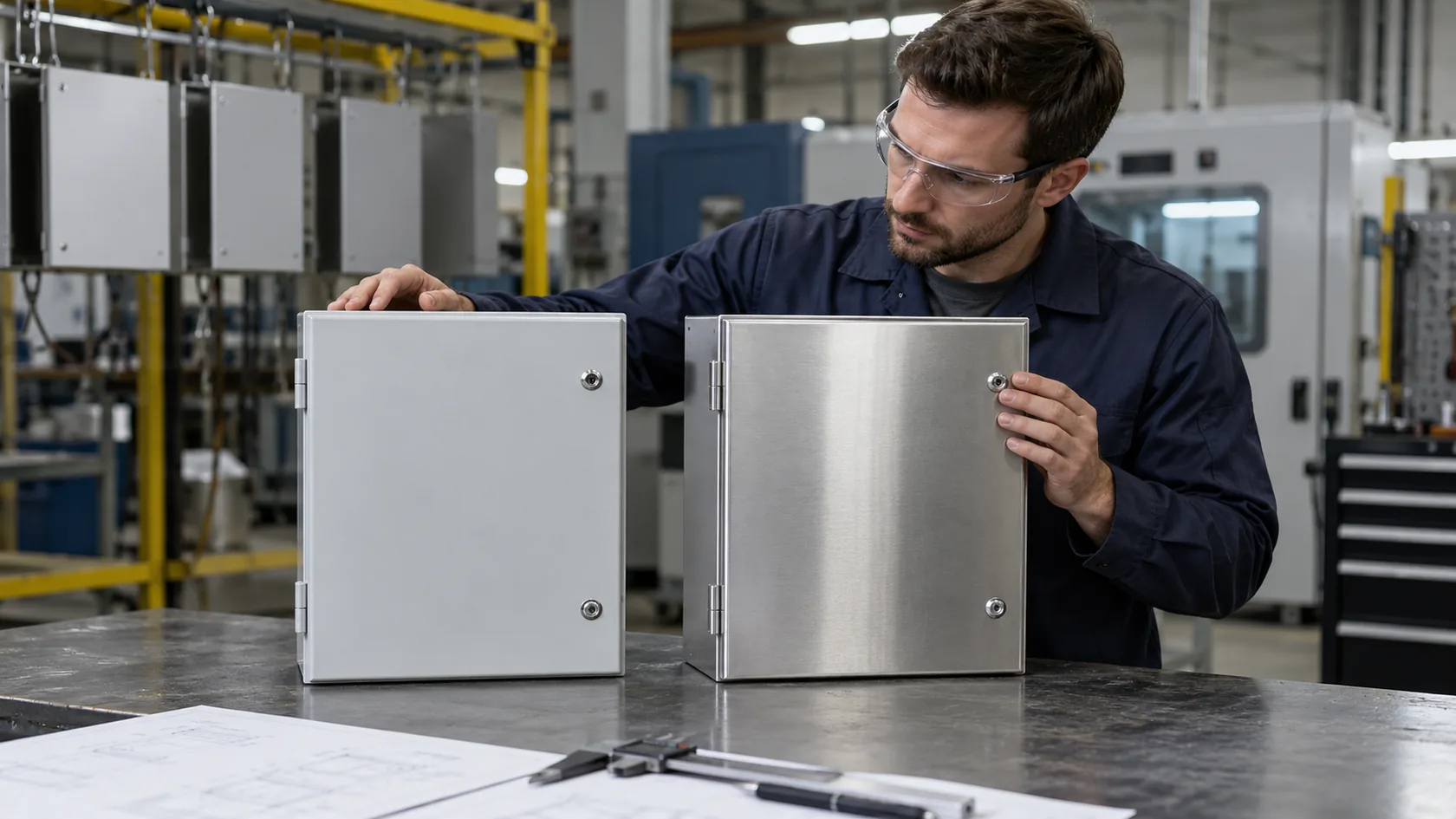
Using 304 Stainless Steel in Food-Related Enclosures
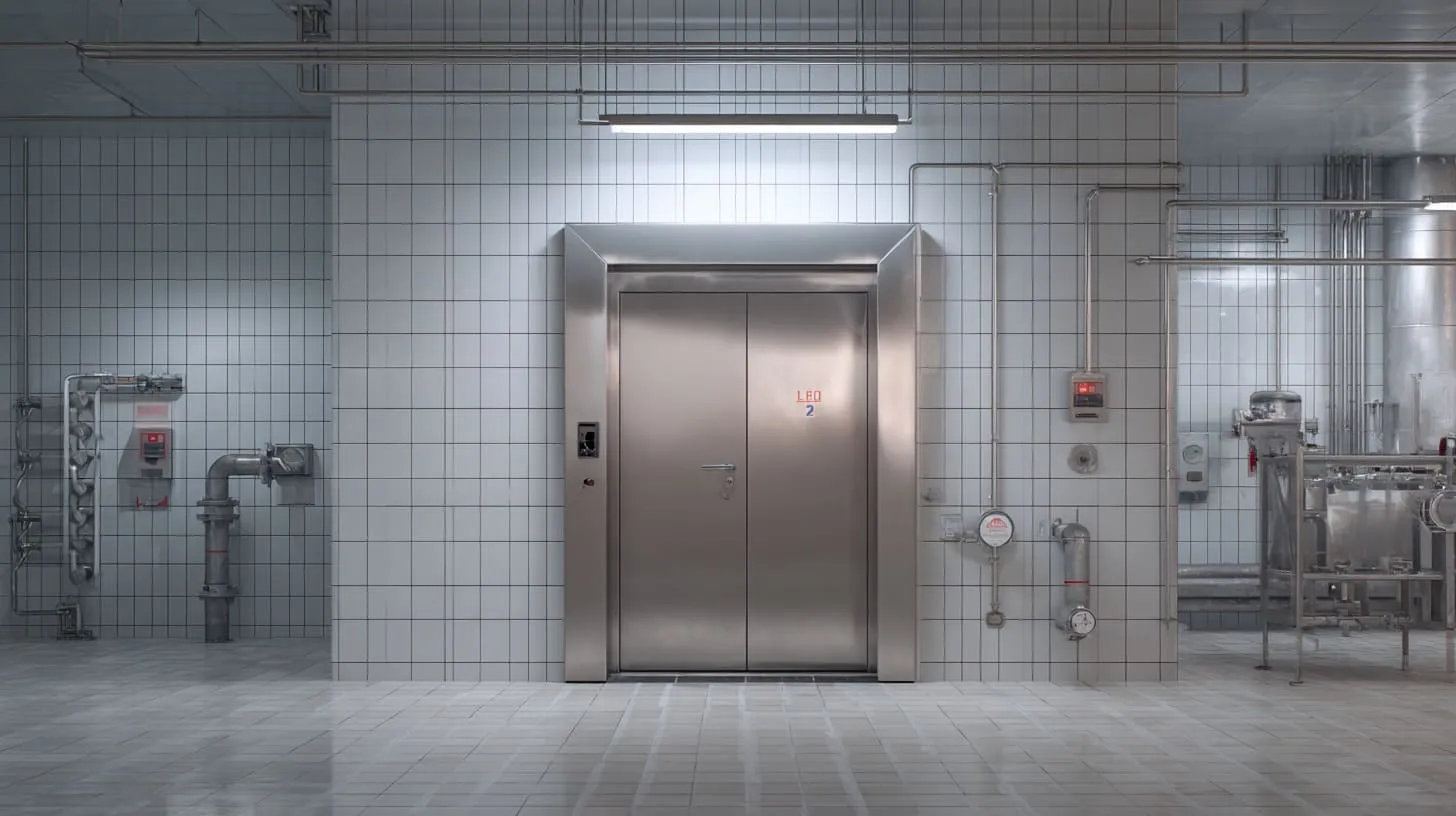
Enclosures often sit near food, not inside it.
Typical enclosure applications near food processing areas
Control boxes, sensor housings, and covers often use 304 safely.
Indirect vs direct food contact considerations
Indirect contact lowers risk. Direct contact raises standards.
Design tips for hygiene-focused enclosure projects
- Avoid sharp corners
- Reduce gaps
- Improve drainage
Design protects material. Not the other way around.
Common Mistakes Buyers Make When Choosing Food-Grade Stainless Steel
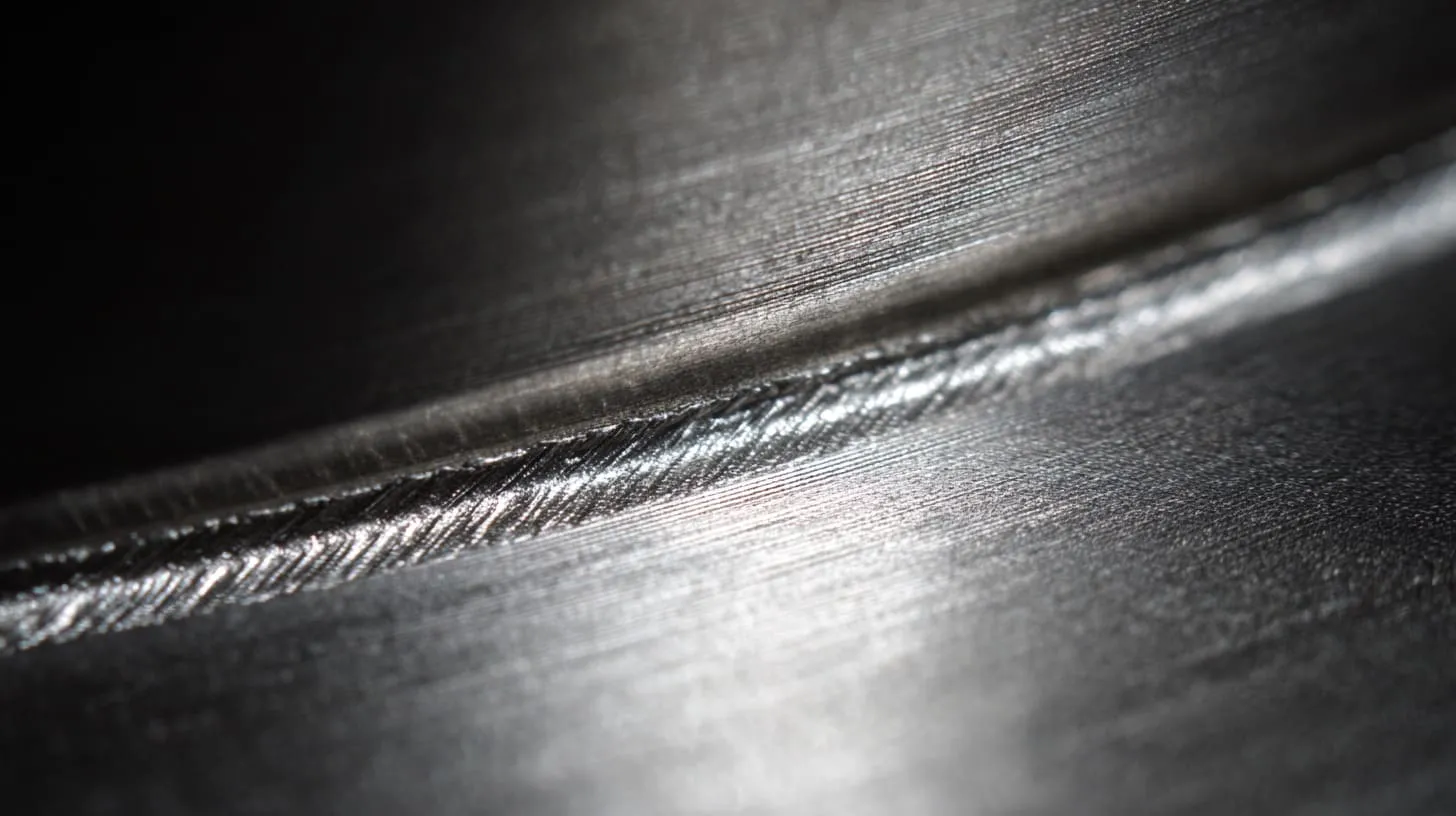
I see the same mistakes repeat.
Assuming “304” automatically means safe for all food uses
It does not.
Ignoring surface finish and fabrication quality
Finish is not decoration. It is function.
Over-specifying material and increasing cost unnecessarily
316 everywhere feels safe. It is often wasteful.
How to Decide If 304 Stainless Steel Is Right for Your Project
This decision should feel calm—not rushed.
Key questions to ask about environment and cleaning
- Is salt present?
- How often is cleaning done?
- What chemicals are used?
Decision checklist for engineers and OEM buyers
| Question | Yes | No |
|---|---|---|
| Harsh cleaning? | Consider 316 | 304 ok |
| High salt? | 316 | 304 |
| Dry environment? | 304 | Review |
When to consult suppliers for material optimization
Early. Always early. Late questions cost more.
Conclusion
304 stainless steel can be food grade.
But only when the environment, finish, and use match its limits.
I have learned that material choice is never just about steel. It is about context. When buyers slow down and ask the right questions, projects move faster later.
If you are working on a food-related enclosure and feel unsure, that is a good sign. It means you are thinking ahead. If you want a second opinion—from someone who sees these decisions every day—I am always open to talk.