Skip to content
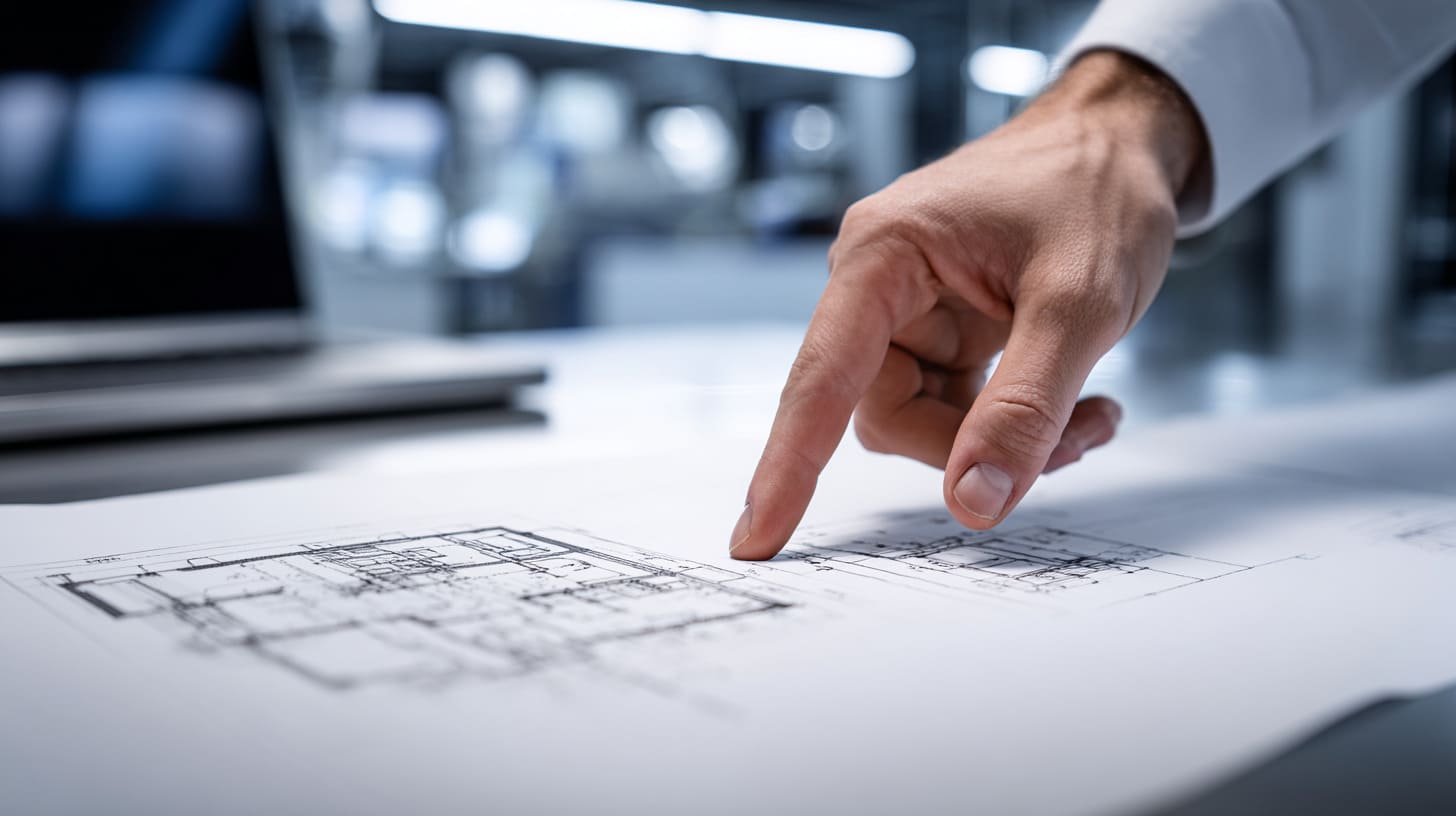
A stainless steel enclosure can look like a simple line on a drawing. Then one small note changes the whole mood of the project: 316 stainless steel.
I have seen that happen many times. The size is confirmed. The cutouts are done. The logo position is fixed. The finish is almost decided. Then somebody says, “Let’s use 316 just to be safe.”
That sentence sounds careful. It sounds responsible. It also causes a lot of quiet waste.
I do not say that because 316 is bad. I say it because I have watched buyers use 316 for the wrong reason. They were not solving a real environment problem. They were trying to calm a fear problem. That is not the same thing at all.
I work with OEM enclosure buyers who are smart people. Some are engineers. Some are brand owners. Some are project buyers who already know China factories well. They are not careless. Still, I often notice the same pattern: when the application is not fully clear, the material grade starts carrying emotional weight. A more expensive steel begins to feel like a safer answer.
That is where I get cautious.
I do not judge 316 by its reputation first. I judge it by where the enclosure will live, what will touch it, how often it will be cleaned, and what failure would actually look like. That small shift changes the whole buying logic.
The hidden problem is simple. A higher material cost does not always buy a better project result. In some cases, it only buys a heavier quote, a tighter margin, and a product that was overbuilt for no reason.
So this is the real question I want to deal with in this article: When does 316 truly protect the project, and when does it quietly become a cost trap?
That question matters more than it seems, because once I start pulling on this thread, the whole logic of OEM material selection starts to show its weak spots.
Why Do Buyers Default to 316 Stainless Steel?

Buyers rarely start with chemistry. They start with risk.
That is why I do not think the 316 discussion begins on a material chart. I think it begins in the buyer’s head. It begins with pressure. Nobody wants rust complaints. Nobody wants field failure. Nobody wants to explain later why a cheaper grade was chosen.
That pressure pushes a lot of projects toward 316 before the real working conditions are even clear.
What trips people up here is not lack of intelligence. It is the very human habit of using cost as a shortcut for safety.
Fear-driven decision making
A lot of OEM buyers are trying to avoid one painful sentence: “Why did this enclosure corrode?”
I understand that. I really do.
I have seen buyers ask for 316 on indoor projects with no salt exposure, no chemical washdown, and no serious humidity issue. They were not reacting to the actual application. They were reacting to the idea of future blame.
That is a very expensive emotion.
I once discussed a project with a buyer who sold industrial devices in Northern Europe. He had a clean design, nice branding, and a solid sales plan. The enclosure was going into a controlled indoor electrical cabinet area. Still, his first line on material was 316. When I asked why, he said he did not want to “take chances.”
That answer told me everything. He was buying emotional comfort, not technical fit.
Here is how I often see this play out:
| Buyer concern | What they fear | What they choose too fast |
|---|---|---|
| Rust complaint | Customer dissatisfaction | 316 by default |
| Outdoor uncertainty | Premature corrosion | Highest grade available |
| Past bad experience | Repeating old mistakes | Over-specification |
| Brand protection | Damage to reputation | Costlier material without validation |
The hard part is this: fear is not always irrational. It just becomes dangerous when it replaces definition.
Misunderstanding material differences
A lot of people hear one simple message: 316 is better than 304.
That sentence is not fully wrong. It is also not useful enough to guide a project.
The real problem is that many buyers stretch that message too far. They move from “316 has better corrosion resistance in certain conditions” to “316 is always the smarter choice.”
That leap causes trouble.
I often notice another confusion too. Buyers hear that 316 is called “marine grade,” and then they start treating it like a universal upgrade. But marine grade does not mean all-purpose grade. It means the steel has a stronger reason to exist in chloride-heavy or more aggressive settings.
That is a big difference.
A quick reality check helps:
| Belief | What I think instead |
|---|---|
| 316 is always safer | 316 is safer in the right environment |
| 304 is a budget option | 304 is often the correct option |
| Marine grade means best grade | Marine grade means specialized advantage |
| Higher grade means better project | Better fit means better project |
I have learned to be careful when a buyer cannot explain the environment but can quickly explain why 316 sounds premium. That usually means the material choice is being led by language, not by use.
Influence from past failures or industry habits
Old failures leave long shadows.
A buyer who once saw rust on a poor enclosure may carry that memory into every future project. A team that had one bad supplier may start forcing 316 into projects that never needed it. An industry may repeat one safe-sounding rule until nobody remembers where it came from.
That is how habits turn into silent cost leaks.
I do not dismiss those habits right away. Some of them came from real pain. But I always want to know the backstory. Was the old failure caused by the wrong grade? Or was it caused by poor surface finish, bad sealing, trapped moisture, wrong installation, or cheap fabrication?
That distinction matters.
Sometimes the material gets blamed for failures that were really process problems.
I have seen cases where buyers upgraded the metal but kept the same weak design details. Water still sat in corners. Surface treatment was still inconsistent. Fastener choice was still poor. The team felt better because the material name changed, but the weak points stayed in place.
That kind of mistake is common.
Here is what usually sits behind the 316 habit:
- A past corrosion complaint with unclear root cause
- A company rule that no one re-checks
- A sales team using “premium material” as a comfort phrase
- An engineer trying to reduce future argument
- A buyer using the material line to avoid internal risk
That is why this topic is not just about steel. It is also about memory, fear, and lazy assumptions dressed up as caution.
And once I see that, I naturally want to strip the emotion away and look at the metal itself.
What Are the Real Differences Between 304 and 316?
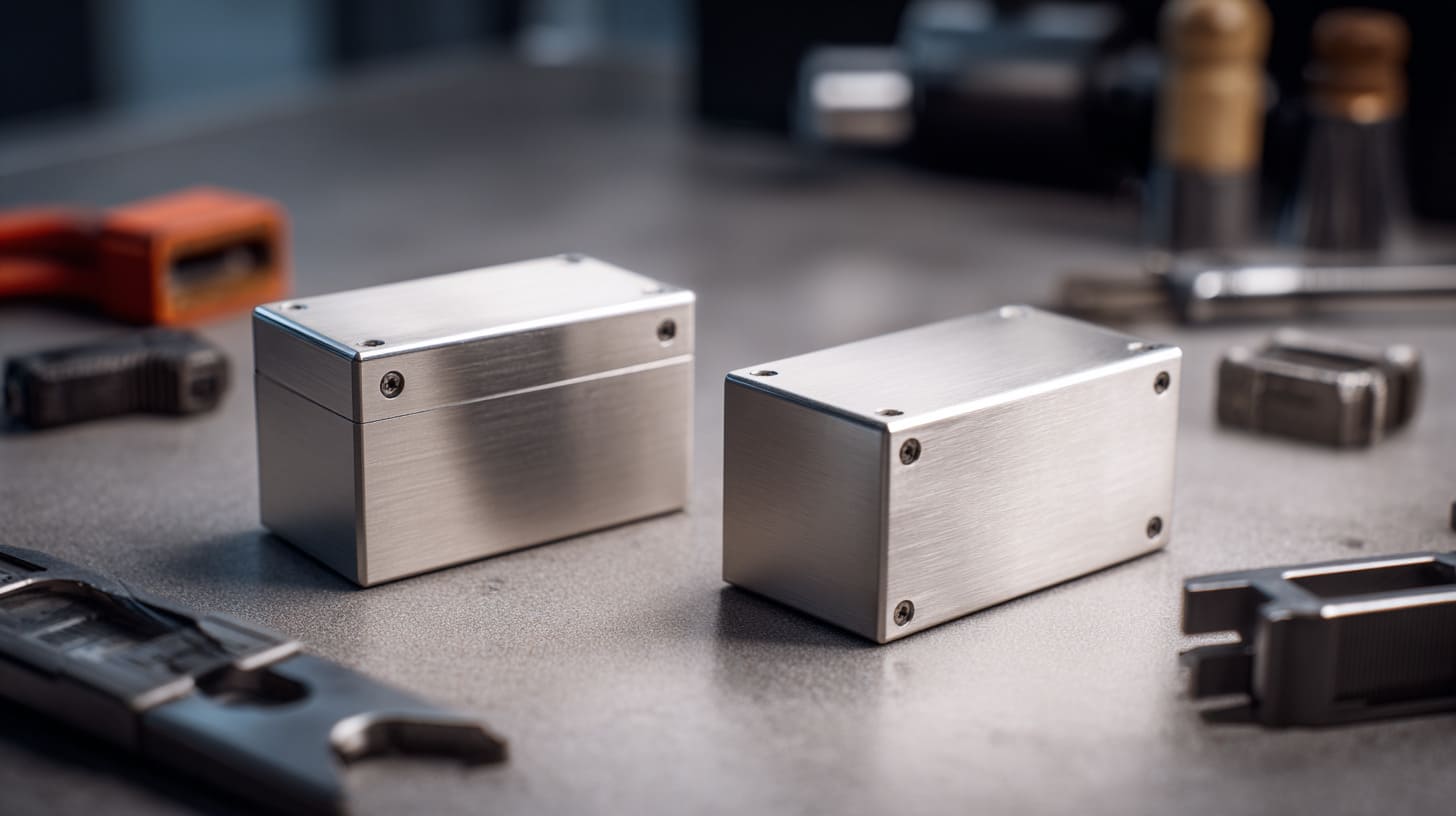
Once the emotional fog clears, the material comparison becomes much easier.
I like this part because it brings the conversation back to facts. Not abstract facts. Working facts. The kind that affect quotes, fabrication, field life, and whether a buyer is paying for something useful or simply paying more.
The two materials are related. They are not identical. The gap between them matters. But the gap only matters in the right kind of project.
That is the key point I keep coming back to.
Chemical composition and corrosion resistance
The difference most people care about is corrosion resistance.
316 stainless steel includes molybdenum. That helps it resist chlorides better than 304. So when an enclosure will face salt, sea air, aggressive cleaning, or certain chemicals, 316 can give real protection that 304 may not match over time.
That part is real.
But this is where many buyers stop thinking. They hear that 316 handles chlorides better, and then they assume every outdoor or every industrial project should jump to 316. I do not think that way.
I look at what kind of exposure the enclosure will see, how often it will happen, and how severe it will be.
That changes the decision fast.
| Factor | 304 | 316 |
|---|---|---|
| General corrosion resistance | Good | Better |
| Chloride resistance | Limited in harsher settings | Stronger |
| Marine or coastal tolerance | More risk over time | Safer choice |
| Aggressive washdown areas | May be risky | Often preferred |
A clean indoor enclosure in a stable room is not the same as a coastal enclosure exposed to salty mist every day. I know that sounds obvious. Still, many quotes ignore that difference.
Mechanical and fabrication properties
A lot of buyers assume 316 is not only more corrosion-resistant, but also much stronger in every way.
That is where the story gets messy.
For many enclosure applications, 304 and 316 are not dramatically different in the way the buyer imagines. They can both be fabricated well. They can both be bent, welded, and formed. They can both produce strong, workable enclosure structures when the design is right.
So the decision is often less about basic “strength” and more about environmental survival plus total cost.
That matters because some buyers are solving the wrong problem. They ask for 316 to get “more toughness,” when what they really need is better bracket design, thicker gauge, stronger mounting points, or cleaner weld planning.
I have had to say this more than once: a poor enclosure design made in 316 is still a poor enclosure design.
This is one of the places where real judgment matters most. If the load risk is structural, I check thickness, form, reinforcement, and mounting points before I let the material grade steal the spotlight.
A simple comparison helps here:
| Project need | Better question to ask |
|---|---|
| Stronger enclosure | Do I need thicker material or better structure? |
| Better durability | Is the real issue impact, vibration, or corrosion? |
| Better field life | What actually attacks the enclosure in use? |
| Better welding result | What finish and fabrication standard do I need? |
Cost comparison in real projects
This is where the conversation becomes very real, very fast.
On paper, the price increase may look manageable. In a quote, it can look like a small upgrade line. In a full OEM project, it spreads everywhere.
That is what many buyers miss.
The raw material difference between 304 and 316 is one thing. The effect on the total project is another thing entirely. Material cost touches fabrication, finishing, inventory planning, cash flow, and final selling price.
That is why I never look only at the steel price.
Here is how the increase can travel through a project:
| Cost area | What can happen when switching to 316 |
|---|---|
| Raw material | Higher base material spend |
| Fabrication | Higher processing pressure in some cases |
| Finishing | More expensive polishing or brushing expectations |
| Procurement | Longer sourcing time for some specs |
| Inventory | More cash tied up in stock |
| Sales price | Harder to stay competitive |
A buyer may accept a 20% or 30% material increase thinking it is a simple insurance cost. But once that cost moves through the quote and then through resale pricing, the enclosure may no longer fit the market it was meant to serve.
I have seen this happen with private-label buyers and ODM startups. They choose 316 to feel safe. Then they realize their product has become too expensive for the channel they planned to sell through.
That kind of mistake hurts twice. It raises cost, and it weakens positioning.
The moment I start seeing that ripple effect, I stop asking “Which grade is better?” and start asking “Which environment really demands the higher grade?”
That question leads straight to the next part.
Where Does 316 Actually Make Sense?
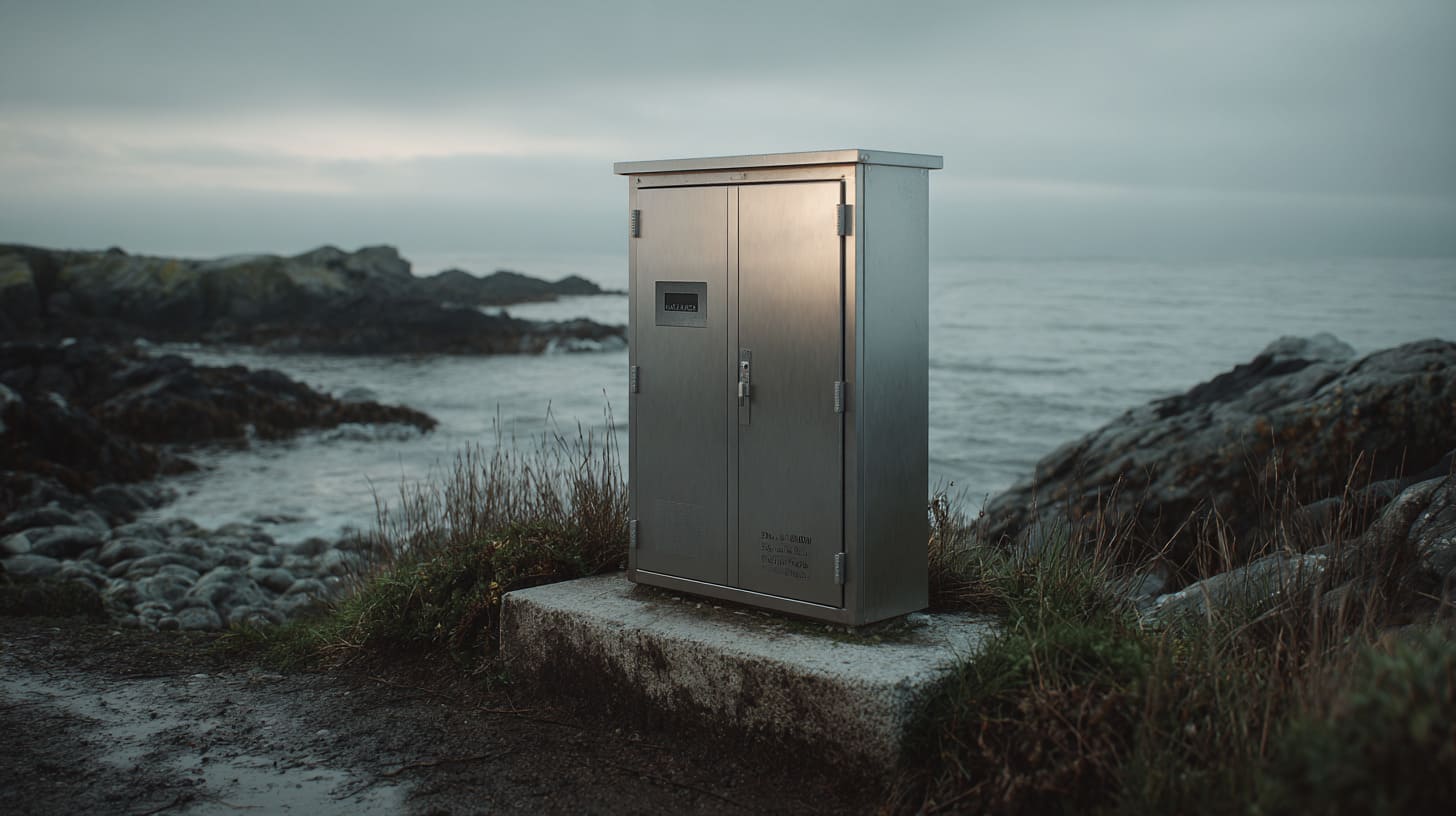
I do not like articles that make 316 sound foolish. That would be just as unhelpful as treating it like magic.
316 has a real place. In the right setting, it is not wasteful at all. In fact, it can save a project from field failure, service trouble, and ugly long-term complaints.
So the goal is not to avoid 316. The goal is to stop using it blindly.
When the environment is harsh enough, 316 can be a very sensible decision.
Harsh environments with chloride exposure
This is the first place I take seriously.
If an enclosure will live near the sea, on a coastal site, offshore, or anywhere with strong salt exposure, I become much more open to 316. Chlorides are not a small detail. They quietly attack weak assumptions.
I have seen projects where the enclosure was not directly splashed by seawater, yet the air itself carried enough salt to change the material decision. That kind of environment can fool buyers because it does not look dramatic. It looks normal. It just keeps working against the metal.
That is the danger.
The situations below often push me toward 316:
- Coastal outdoor control boxes
- Marine support systems
- Port-side equipment housings
- Enclosures near salt-heavy road treatment
- High-humidity areas with chloride contamination
Here is a practical view:
| Environment | My likely material view |
|---|---|
| Dry indoor room | 304 is often enough |
| Standard outdoor urban use | Case-by-case |
| Coastal outdoor site | 316 often makes sense |
| Offshore or marine area | 316 strongly considered |
| Salt-cleaning or salt-heavy process area | 316 often preferred |
The mistake I try to avoid here is underestimating a “mild-looking” coastal environment. Salt does not need drama to do damage.
Chemical and industrial exposure scenarios
Salt is not the only issue.
Some enclosures face aggressive cleaning agents, industrial chemicals, repeated washdown, or process residues that stay on the surface. In those cases, 316 can move from “nice to have” to “smart protection.”
Food processing and pharmaceutical settings often bring this question up. The enclosure may not be under the ocean. It may simply be cleaned often, exposed to demanding washdown routines, or expected to stay visually clean under stricter hygiene conditions.
That changes the logic.
I once reviewed a project where the buyer first described the application as “indoor.” That sounded simple. Then later I learned the enclosure would sit in a production area with frequent chemical cleaning. That one detail turned the material conversation upside down.
Indoor is not always gentle.
That is why I pay close attention to these points:
| Exposure type | Why it matters |
|---|---|
| Frequent washdown | Surface sees repeated stress |
| Cleaning chemicals | Can raise corrosion risk |
| Food or pharma environment | Cleanliness and durability both matter |
| Process splash or residue | Localized attack can build over time |
| High humidity plus contamination | Corrosion risk becomes less predictable |
One of the easiest ways to make a bad material call is to label an application “indoor” and stop asking questions.
Compliance-driven applications
Some projects choose 316 because the environment is tough. Some choose it because the market or standard leaves little room for argument.
That is valid too.
There are times when the buyer is not just making a technical choice. They are making a compliance, warranty, or brand-risk choice. The enclosure may need to align with customer specifications, internal standards, or sector expectations.
In those cases, fighting 316 too hard can be just as foolish as choosing it too fast.
My instinct shifts when I know the enclosure must meet a known standard or serve a customer base that expects a higher corrosion-resistance level. At that point, the steel grade is not just about exposure. It is also about approval, acceptance, and long lifecycle confidence.
Here is how I think about it:
| Situation | Why 316 may be worth it |
|---|---|
| Customer specification requires it | Simplifies approval |
| High-end industrial branding | Supports long-life expectation |
| Low-maintenance service model | Reduces future service risk |
| Regulated environment | Avoids later compliance dispute |
I do not like paying for metal pride. I am much more comfortable paying for real exposure or real requirement. That is the dividing line for me.
And once I know where 316 truly belongs, I can also see very clearly where it starts wasting money.
Where 316 Becomes a Cost Trap in OEM Projects
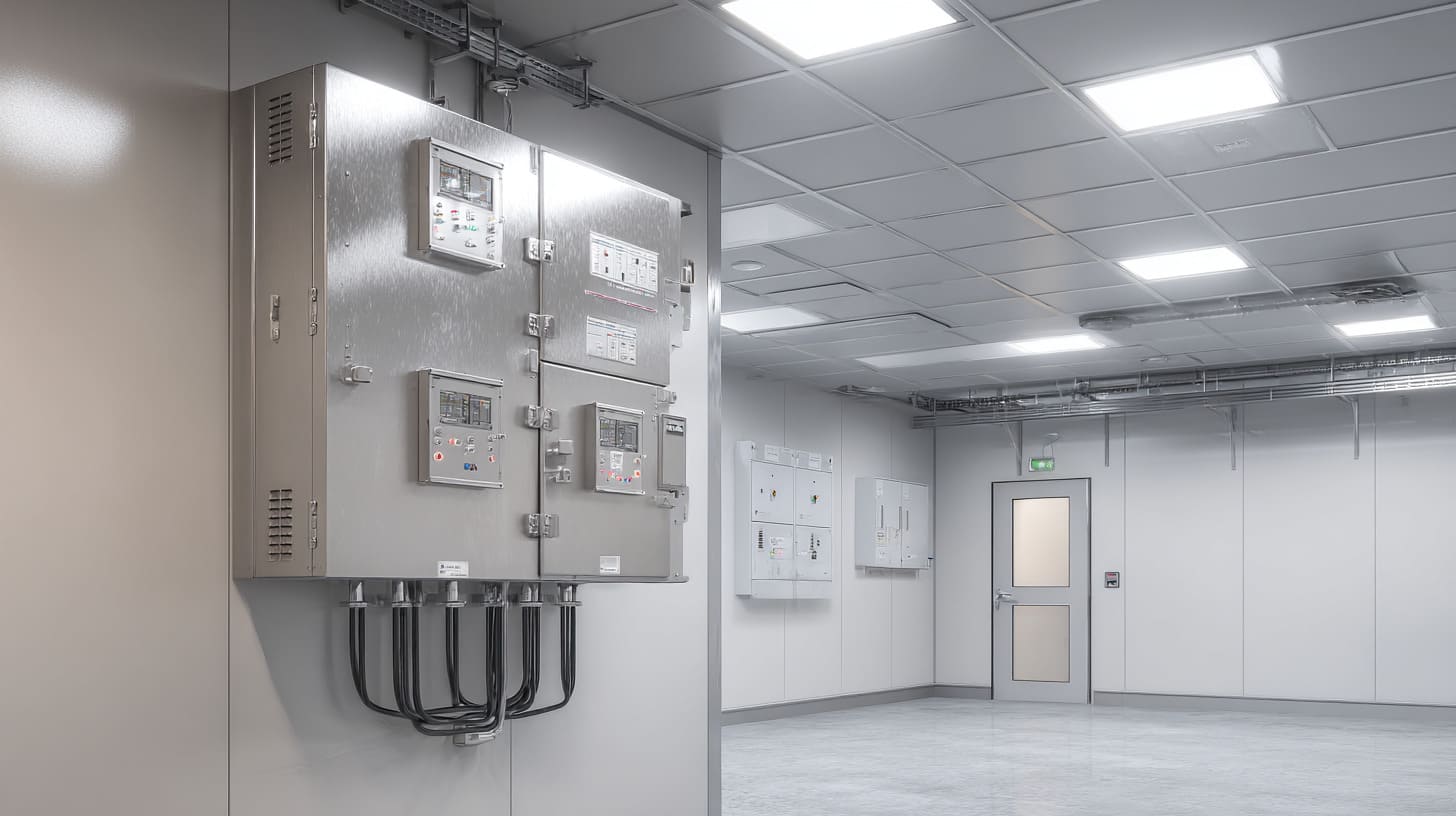
This is the part that frustrates me most, because it is so common and so preventable.
I have watched buyers spend more for 316 in projects where the environment never had a real chance of challenging 304. Nobody felt reckless. Everyone felt careful. Yet the project still moved in the wrong direction.
That is what makes the trap dangerous. It does not look like a mistake while it is happening.
It looks like responsibility.
Indoor and controlled environments
A lot of OEM enclosures live comfortable lives.
They sit in offices, control rooms, indoor production areas, lab corners, equipment racks, or protected cabinet systems. They are not fighting salt spray. They are not seeing harsh washdown. They are not exposed to aggressive chemical cycles.
Still, many of these projects get quoted in 316.
That is where I usually start pushing back.
When an enclosure will stay in a dry, stable, controlled space, the jump to 316 often adds cost without adding meaningful protection. The buyer pays more, but the real working life of the enclosure does not improve enough to justify it.
That is a hard truth because it sounds less cautious. But I think it is more honest.
Here is a simple way I look at these projects:
| Application | Typical risk | My first instinct |
|---|---|---|
| Office electronics housing | Low corrosion risk | 304 is usually enough |
| Indoor machine control box | Low to moderate | Review actual exposure first |
| Data or network cabinet parts | Low | 304 often fits well |
| Protected indoor OEM product case | Low | Do not jump to 316 |
I have seen indoor projects lose price competitiveness for no good reason because one person said “better safe than sorry” and nobody challenged it.
Over-specification in early design stages
This problem starts early.
The board design is still moving. The mounting points are still changing. The gasket is not finalized. The finish is still under review. Yet the material is already locked at 316 because someone wants to avoid rethinking it later.
That is backwards.
Material should come after the use case gets sharper. Not before.
A lot of teams over-specify because uncertainty feels uncomfortable. They want one quick answer while many details are still open. The steel grade becomes a placeholder for confidence.
I do not think that is wise.
When the design is still fluid, I prefer to keep the material decision tied to actual evidence. That means asking more questions before adding more grade.
I often see these early-stage mistakes:
- Choosing 316 before installation conditions are known
- Using the same grade as a past project without checking new conditions
- Copying competitor specs without knowing why they used them
- Treating premium material as a shortcut for premium engineering
This is where I get especially careful, because over-specification early in the process tends to infect every later cost decision.
Cost amplification across the supply chain
The biggest trap is not the metal itself. It is how the extra cost spreads.
A lot of buyers look only at the first quote line. I look at the chain reaction.
The moment 316 enters the project, the cost can grow in more than one place. The raw sheet price goes up. The processing expectations may go up. The polishing expectations may go up. The stock plan may change. The resale price may drift upward. The buyer’s margin may tighten.
This does not always happen in a dramatic way. Sometimes it happens quietly, line by line.
And that quiet spread is exactly why 316 becomes so expensive in the wrong project.
| Supply chain stage | What extra cost can appear |
|---|---|
| Material purchase | Higher input cost |
| Fabrication | More care, time, or tooling burden |
| Finishing | Higher appearance expectation |
| Inventory | More capital locked in stock |
| Export pricing | Less room for competitive offers |
| Distribution | Margin pressure on the buyer side |
When I review a quote, I do not only ask, “Can the buyer afford 316?” I ask, “Can the final product still sell smoothly after 316 reshapes the full cost structure?”
That is a very different question.
Once I start thinking that way, the project stops being a steel discussion and becomes a business discussion. And business pressure does not stop at material cost.
Hidden Costs Beyond Material Price
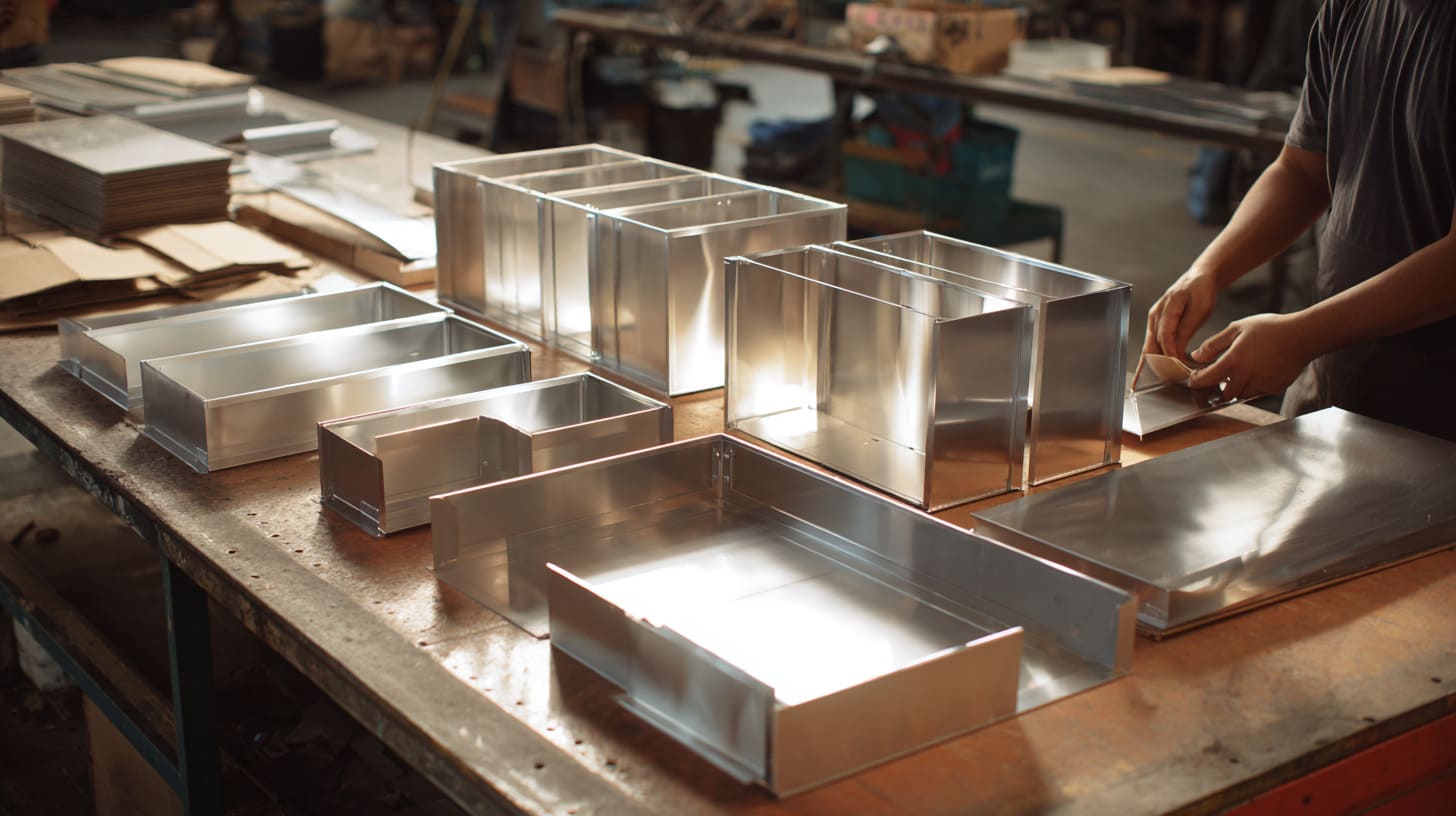
Material price gets the attention. Hidden costs do the real damage.
This is the part many buyers miss because the quote does not always show it clearly. A more expensive metal does not just change one number. It can change rhythm, lead time, finish expectations, and how much room the buyer still has to compete in the market.
That is why I never stop at the raw material comparison.
A project can look healthy on the front page of a quote and still become weak by the time it reaches production and selling.
Manufacturing complexity and lead time
Some buyers think the cost story ends once the material is purchased.
I wish that were true.
In real factory work, material choice can affect sourcing flexibility, production rhythm, and the way a schedule breathes under pressure. A project with tight launch timing does not only need the right grade. It needs the right grade without causing avoidable delay.
This is one of the first practical things I watch. If a customer is already worried about deadline risk, I do not want to add a material choice that makes planning harder unless it is truly necessary.
That sounds simple, but it gets ignored all the time.
| Production factor | Possible effect of unnecessary 316 |
|---|---|
| Material sourcing | Narrower options or longer wait |
| Factory scheduling | Less flexibility |
| Sample revision cycle | Higher cost for each change |
| Urgent production | More stress on timing and procurement |
A buyer like Davide usually cares about delivery almost as much as material. So when a project does not truly need 316, I would rather keep the pipeline smooth than create delay in the name of caution.
Surface finishing and aesthetic challenges
Buyers often focus on corrosion and forget appearance.
That is a mistake, especially in OEM work.
A stainless steel enclosure is not only a protective shell. In many products, it is part of the brand impression. It sits in front of end users. It gets photographed. It gets touched. It gets judged.
And 316 does not automatically fix that.
In some projects, surface finish expectations become more demanding once the buyer pays for a premium material. The logic becomes emotional again: if the grade is higher, the finish should also look perfect. That can create extra pressure around brushing, polishing, texture consistency, and fingerprint control.
I have had buyers react more critically to minor visual variation simply because the material line said 316. The steel grade raised the emotional standard.
That is why I look at finish behavior too, not just corrosion logic.
| Finish issue | Why I care |
|---|---|
| Brushed consistency | Affects product image |
| Polished surface marks | Can look worse under close inspection |
| Fingerprint visibility | Matters in user-facing applications |
| Cleaning marks | Affects long-term appearance |
Some buyers think premium steel will automatically create premium visual experience. I do not trust that assumption. The finish process still has to do the heavy lifting.
Opportunity cost in product pricing
This is the hidden cost that hurts the most.
A buyer can absorb a higher enclosure cost and still tell himself the project is fine. But if that extra cost makes the final product less competitive, the material choice has started hurting the business model itself.
That is where the real trap shows up.
I have seen this happen with rebranders, ODM teams, and small equipment makers. They choose 316 because it feels safer. Then their retail or distribution price becomes harder to defend. Their margin gets thinner. Their ability to offer promotions drops. Their product starts competing from a weaker position.
That is not a materials problem anymore. That is a sales problem created by a materials decision.
I often think about it this way:
| Decision | Immediate feeling | Long-term business effect |
|---|---|---|
| Choose 316 without real need | Feels safer | Higher selling pressure |
| Keep 304 where it fits | Feels less flashy | Better price control |
| Overbuild the enclosure | Feels premium | Margin may suffer |
| Fit material to real use | Feels disciplined | Product stays flexible |
I respect buyers who think past the quote and into the channel. That is where good judgment lives.
And once a buyer is ready to think that way, the next question becomes much sharper: how do I actually evaluate the right material instead of guessing?
How to Evaluate the Right Material for Your Enclosure
This is where I slow down and get practical.
A lot of confusion disappears when I stop asking “Which stainless steel is better?” and start asking “What exactly will this enclosure face in real life?”
That one change fixes many bad decisions before they happen.
I do not believe in choosing metal by habit. I believe in choosing it by environment, risk, and business fit.
Define the real working environment first
I always want the use environment described in plain language before the material is locked.
Not marketing language. Not vague language. Real language.
Will the enclosure be indoors or outdoors? Will it face salt? Will workers clean it with chemicals? Will it sit in humidity all year? Will it be touched daily? Will it see splash, residue, or trapped moisture? Will it be installed near the coast?
Those questions matter much more than broad labels like “industrial” or “heavy duty.”
One thing that often saves a project is forcing the team to describe exposure in direct words instead of abstract ones. “Outdoor” is not enough. “Outdoor, two kilometers from the sea, with regular rain and no shelter” is useful.
Here is the basic screen I like to use:
| Question | Why I ask it |
|---|---|
| Is the enclosure indoor or outdoor? | Sets the first risk level |
| Is there salt in the air or process? | Changes corrosion logic fast |
| Is there chemical cleaning? | May justify higher resistance |
| Is humidity constant? | Affects long-term behavior |
| Is appearance important over time? | Impacts finish expectations |
| How long must it last? | Helps judge lifecycle value |
I get uneasy whenever a team wants premium material before they can answer these simple environment questions.
Use testing instead of assumptions
Assumptions feel fast. Testing feels slower. But wrong assumptions are usually slower in the end.
I am not saying every project needs a lab program. That would be excessive. I am saying that when the exposure is uncertain, some kind of validation is better than buying peace of mind through a higher steel grade.
That validation can come from field examples, reference projects, known environmental data, or actual corrosion testing if the project size justifies it.
I trust evidence more than habit.
This is especially important when a buyer says things like:
- “It might be outdoors later”
- “The customer wants extra safety”
- “We heard the area is humid”
- “We are not fully sure how cleaning will be handled”
Those are not useless comments. But they are not enough to spend freely either.
| Decision basis | My confidence level |
|---|---|
| Guesswork | Low |
| Old habit | Low |
| Competitor copy | Low |
| Known field history | Better |
| Environment-specific testing | Strong |
| Real-use validation | Strongest |
A project does not become smarter because the steel grade is more expensive. It becomes smarter when the risk is actually measured, compared, and understood.
Balance cost vs performance
This is where material selection becomes real engineering, not emotional purchasing.
I do not think the goal is to buy the highest performance available. I think the goal is to buy the right level of performance for the job.
That sounds obvious. In real work, it gets ignored all the time.
Some projects truly need 316. Others only need the discipline to admit that 304 is enough. That second decision can feel less exciting, but it is often the better one.
This is one of the most honest checks I use: if I removed the material names from the quote and only showed the real environment, would anyone still insist on the higher grade?
If the answer is no, I know the decision may be inflated by image rather than need.
A practical balance table helps:
| Situation | My likely view |
|---|---|
| Clean indoor OEM housing | 304 is often enough |
| Standard outdoor protected site | Review details first |
| Coastal or chloride-heavy area | 316 often justified |
| Frequent chemical washdown | 316 often stronger choice |
| Unclear environment | Delay final grade decision until clarified |
Once I look at material this way, the next step becomes much easier. I can build a decision process that is repeatable, fast, and far less emotional.
Practical Decision Framework for OEM Buyers
A good material decision should not depend on mood.
That is why I like a simple framework. Not a complicated document. Just a clear way to stop guesswork from taking over the project.
When buyers have a repeatable process, they are less likely to jump toward 316 just because it sounds safer in the moment.
Step-by-step material selection logic
I often reduce the decision to three steps.
First, I define the environment severity.
Second, I check whether the application or customer requires something specific.
Third, I compare the business impact against the real technical gain.
That order matters.
If I start with “Which grade sounds better?” I usually get noise. If I start with “What is trying to damage this enclosure?” I usually get clarity.
Here is the logic I like:
Identify the environment
- Indoor or outdoor
- Chloride exposure or none
- Chemical cleaning or none
- Humidity level
- Service life expectation
Check external requirements
- Customer spec
- Industry norm
- Compliance demand
- Warranty pressure
Compare value
- What risk does 316 reduce?
- Is that risk real or assumed?
- Does the gain justify the cost?
That sequence keeps the project grounded.
Quick comparison table for decision-making
I like tables because they cut through vague opinions fast.
Here is a simple one I would actually use in a project discussion:
| Scenario | Risk level | 304 or 316? | My reason |
|---|---|---|---|
| Office control enclosure | Low | 304 | Low corrosion pressure |
| Standard indoor OEM electronics case | Low | 304 | Fit-for-purpose |
| Outdoor urban unit under shelter | Medium | Review | Depends on humidity and contamination |
| Coastal telecom enclosure | High | 316 | Chloride risk is real |
| Food processing washdown box | High | 316 | Cleaning conditions matter |
| Indoor lab with mild conditions | Low to medium | Usually 304 | Need details, not fear |
This table is not magic. It is just honest. And honest tools help buyers move faster.
Supplier collaboration strategy
I do not think buyers should solve this alone.
A good supplier should not just take the material request and say yes. A good supplier should ask why, ask where, and ask what the enclosure will face.
That is what I try to do.
I value supplier input most when the supplier is willing to challenge a costly choice with a practical reason. Not with sales pressure. With project logic.
A useful supplier conversation often includes:
- Real examples from similar projects
- Advice on finish and fabrication impact
- Comments on lead time and stock flow
- Warnings about over-specification
- Suggestions based on field use, not brochure language
When a supplier only nods and quotes, I get suspicious. When a supplier asks sharper questions than the buyer expected, that is often a better sign.
That leads naturally to another issue: even smart buyers make avoidable mistakes in this part of the project.
Common Mistakes OEM Buyers Should Avoid

I do not think most buyers make bad material calls because they are careless. I think they make them because the wrong detail gets attention at the wrong time.
That is why the same mistakes keep showing up across very different projects.
I have seen them with experienced engineers. I have seen them with young ODM founders. I have seen them with rebranders who know the market well but still rush the early material choice.
Choosing material before defining application
This is probably the most common mistake.
A buyer has a drawing. A supplier needs a quote. The team wants to move fast. So the material gets selected before the real environment is fully described.
That sounds efficient. It usually creates confusion later.
I prefer the opposite order. I want the application defined first, then the material chosen with that context in mind. Otherwise, the project starts carrying a false certainty.
This is where bad habits appear:
- Fixing 316 in the RFQ before use conditions are clear
- Copying old project specs into a new product
- Letting sales language drive technical decisions
- Treating “premium” as a substitute for analysis
A material line should be a conclusion. It should not be a placeholder.
Ignoring total project cost impact
A lot of buyers are very smart on unit price. Fewer are equally sharp on full project effect.
That gap matters.
If I only compare the raw sheet price, I may tell myself the upgrade is manageable. If I compare fabrication, finish, lead time, selling pressure, and channel margin, the story changes.
That is why I dislike narrow cost thinking. It makes expensive decisions look harmless.
Here is the broader cost lens I use:
| Cost view | What it misses |
|---|---|
| Raw material only | Downstream cost spread |
| Unit cost only | Business model effect |
| Factory quote only | Market pricing pressure |
| Final delivered cost | Much closer to reality |
Some buyers save themselves from a bad decision simply by asking one extra question: What does this choice do to the whole product, not just the enclosure?
Lack of communication with manufacturers
This is the quiet mistake that causes the most avoidable pain.
A buyer may know the market well. A buyer may know the application fairly well too. But if the supplier never hears the real use conditions, the material advice will stay shallow.
That is why I care so much about communication quality in custom projects.
I have seen RFQs with exact dimensions, beautiful drawings, and clean logo files, but almost no useful environmental detail. Then later the buyer feels frustrated because the quote does not guide the project enough.
I understand that frustration. But the supplier cannot guess everything.
One of the quickest signs of a risky project is when the technical file is detailed but the use case is vague. That combination leads to expensive assumptions.
A better exchange often includes:
- Installation location
- Cleaning method
- User contact frequency
- Weather or salt exposure
- Expected service life
- Whether appearance matters as much as corrosion resistance
The more clearly the buyer explains real use, the better the supplier can prevent overbuilding.
And this is exactly where I think a factory like ours should prove its value instead of just pushing metal.
How MaidaTech Helps Avoid This Cost Trap
I do not think my job is to say yes to every line in a buyer’s request.
I think my job is to help the buyer get the right enclosure for the right use, at a cost that still leaves room for the business to work.
That is the standard I try to hold.
At MaidaTech, we work with OEM and ODM buyers who often arrive with strong ideas but incomplete risk definitions. That is normal. A custom project usually starts that way. What matters is whether the supplier helps sharpen the decision or simply hides inside the quote.
I do not want to hide inside the quote.
Engineering-based material recommendations
When a buyer asks for 316, I do not reject it just to lower the price. I also do not accept it blindly just to win the order faster.
I want to know the reason.
If the project environment clearly supports 316, I will say so directly. If the application sounds like a solid 304 case, I will say that too. I think buyers deserve that honesty, especially when they are balancing performance and market pressure at the same time.
I trust a supplier more when they are willing to protect the customer from unnecessary specification, even if the more expensive option would increase the order amount. That is also the kind of supplier I try to be.
Cost optimization through design feedback
Material is not the only lever.
Sometimes the buyer focuses so much on 304 vs 316 that they forget there are other ways to improve durability and value. Better structure, cleaner drainage, smarter finish choice, stronger mounting design, or a revised enclosure shape can often create a better result than simply buying a higher grade.
This is where real OEM work becomes interesting to me.
I have seen projects where a small design change solved more practical risk than a full material upgrade would have solved. That is why I like to discuss the enclosure as a system, not just as a metal shell.
| Project issue | Better path than blind material upgrade |
|---|---|
| Water pooling risk | Improve geometry or drainage |
| Appearance wear | Adjust finish or texture |
| Structural weakness | Improve bend or reinforcement |
| Brand concern | Refine finish consistency and details |
| Cost pressure | Match grade to real use |
That kind of feedback saves money in a more intelligent way. It does not just make the quote smaller. It makes the product logic stronger.
Fast communication and OEM support
A lot of buyers do not only need a factory. They need a factory that can think with them quickly.
That matters for customers like Davide and John. One cares a lot about speed, control, and smooth execution. The other may need more support while shaping a new case around a fresh board design. In both cases, delays in clarification can damage the whole project rhythm.
This is why I value fast, plain, practical communication.
I try to give answers that help the buyer move. Not vague answers. Not polished sales language. Just clear responses tied to design, use, timing, and cost.
That is especially important when the material grade is still being debated. A slow answer often pushes buyers toward the safest-sounding option. A clear answer can help them choose the right one instead.
I have learned that buyers stay calmer when they feel the supplier is thinking through the same risks they are trying to manage. That kind of trust reduces over-specification more than many people realize.
And once trust enters the project, the material decision becomes a lot less emotional and a lot more useful.
Conclusion
I do not believe 316 is the “best” stainless steel for OEM enclosures in any simple, universal way. I believe it is the right answer in the right environment, and an expensive distraction in the wrong one.
That is why I keep coming back to the same view: the real cost trap is not 316 itself. The trap is unclear thinking.
When buyers choose 316 because the application truly demands stronger chloride resistance, chemical durability, or compliance confidence, I respect that decision. It protects the project for a real reason. But when the grade is chosen to calm uncertainty, copy old habits, or make the quote feel safer, I think the project starts leaking value before production even begins.
I came to this view because I have seen what happens on both sides. I have seen underbuilt projects create avoidable risk. I have also seen overbuilt projects lose margin, lose speed, and lose price competitiveness for no good technical reason. That is why I do not like material decisions built on fear. Fear sounds careful, but it often hides lazy definition.
What convinces me most is simple: once I define the real environment clearly, the material answer usually becomes much less dramatic. That is the kind of decision I trust. Not the loud one. The grounded one.
So when I look at 304 and 316, I do not ask which one sounds stronger on paper. I ask which one fits the life the enclosure will actually live.
That is how I protect cost. That is how I protect lead time. That is how I protect the buyer’s market position. And honestly, that is also how I protect the relationship, because a buyer who feels guided with clear judgment usually makes better long-term decisions.
If you are planning a custom OEM enclosure and you are not fully sure whether 304 or 316 is the smarter choice, send the project details to me. I would rather help you judge the real working conditions first, then recommend the material that fits your product, budget, and market. That way, the steel grade supports the business instead of quietly fighting it.