Skip to content

A project feels stable until the enclosure choice goes wrong.
Heat builds up. Holes misalign. Delivery slips. And suddenly, the “box” becomes the bottleneck.
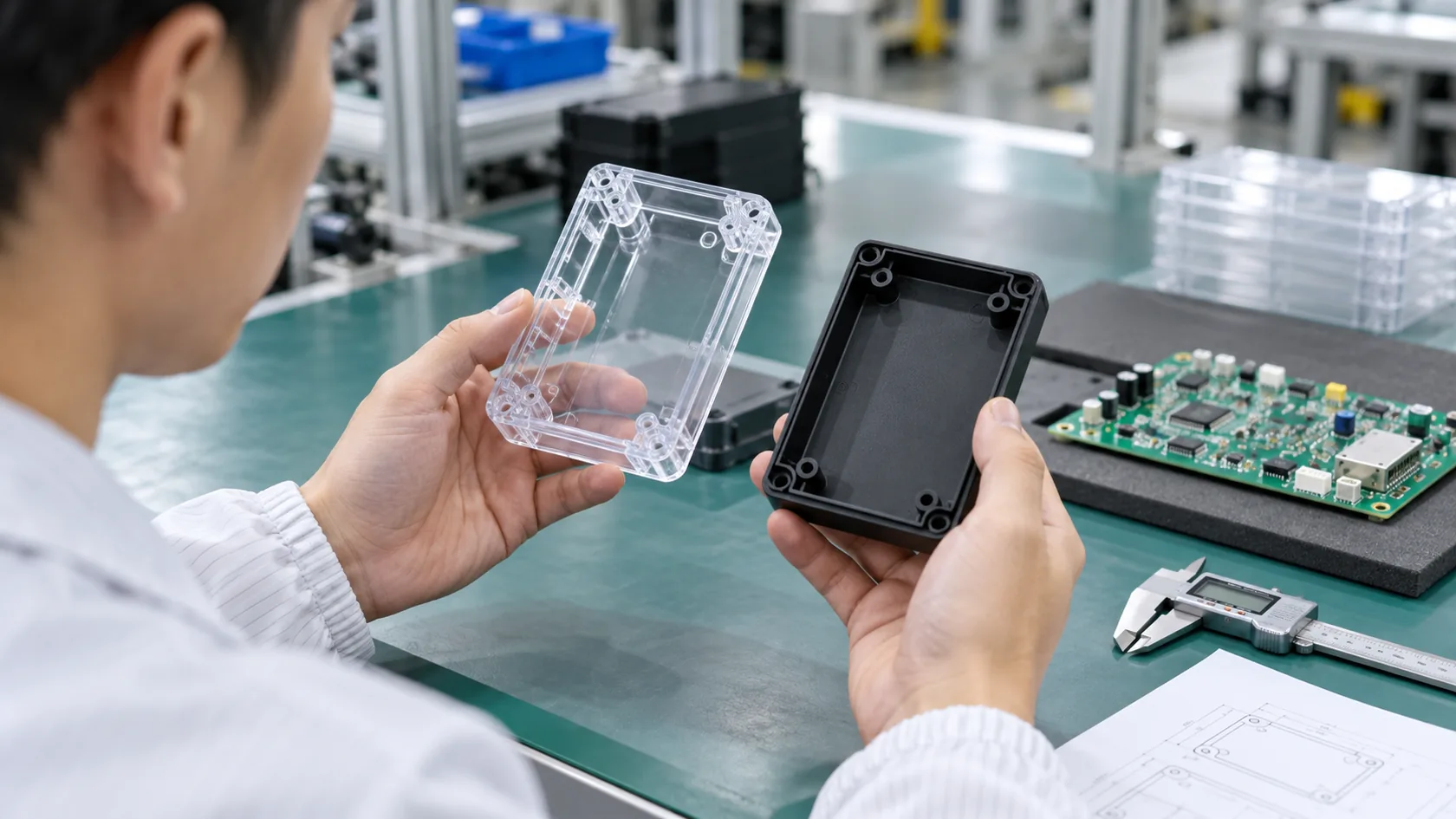
To choose the right sheet metal enclosure, I always start from the system, not the box. I check material, thickness, size, heat, rating, mounting style, and real working conditions. The enclosure must match the electronics, environment, and long-term use.
I learned this the hard way. A design can look perfect on CAD. But once cables bend, air heats up, and installers use real hands, reality speaks louder than drawings.
How to select sheet metal material?
Material choice looks simple. It never is.
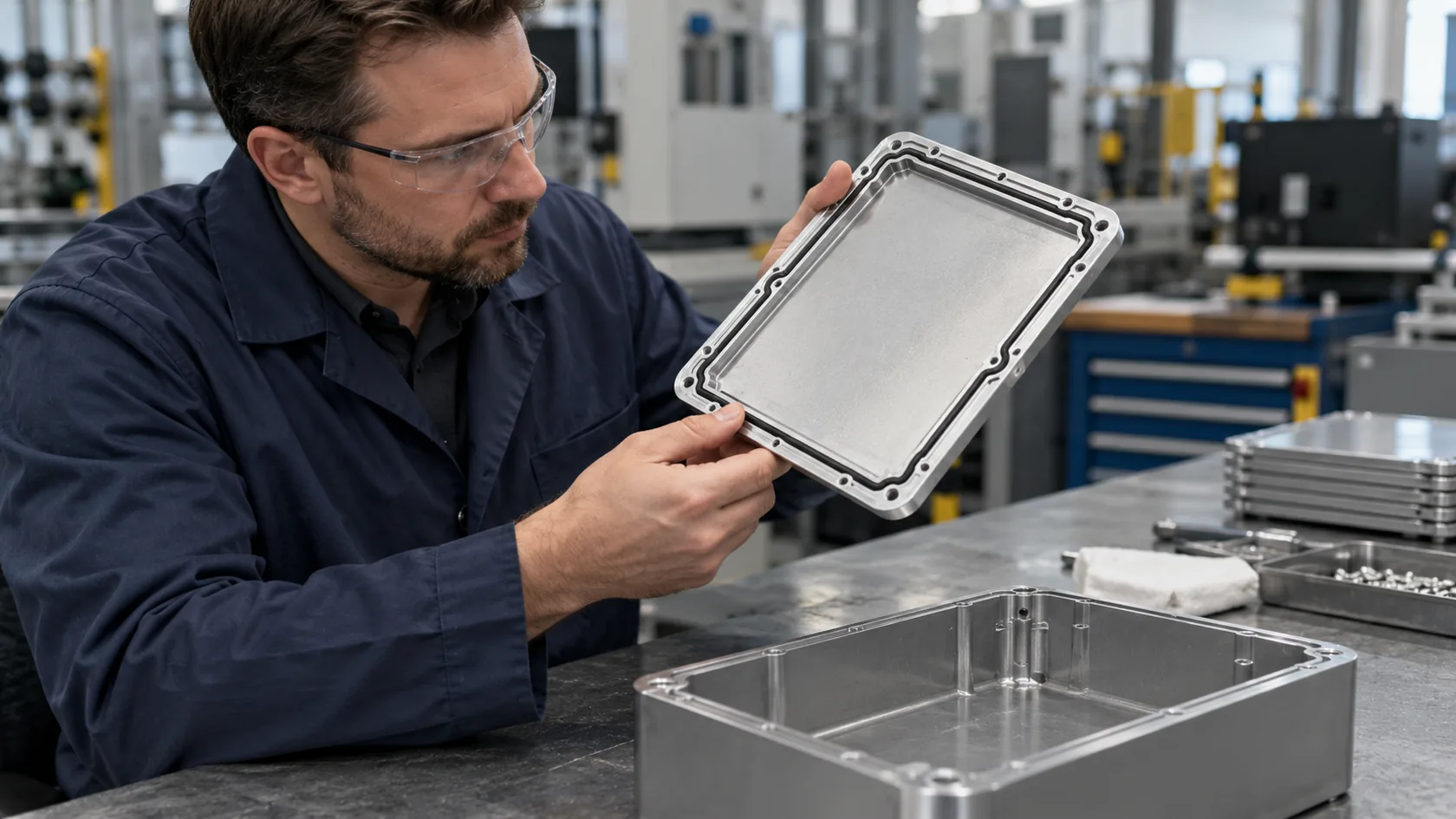
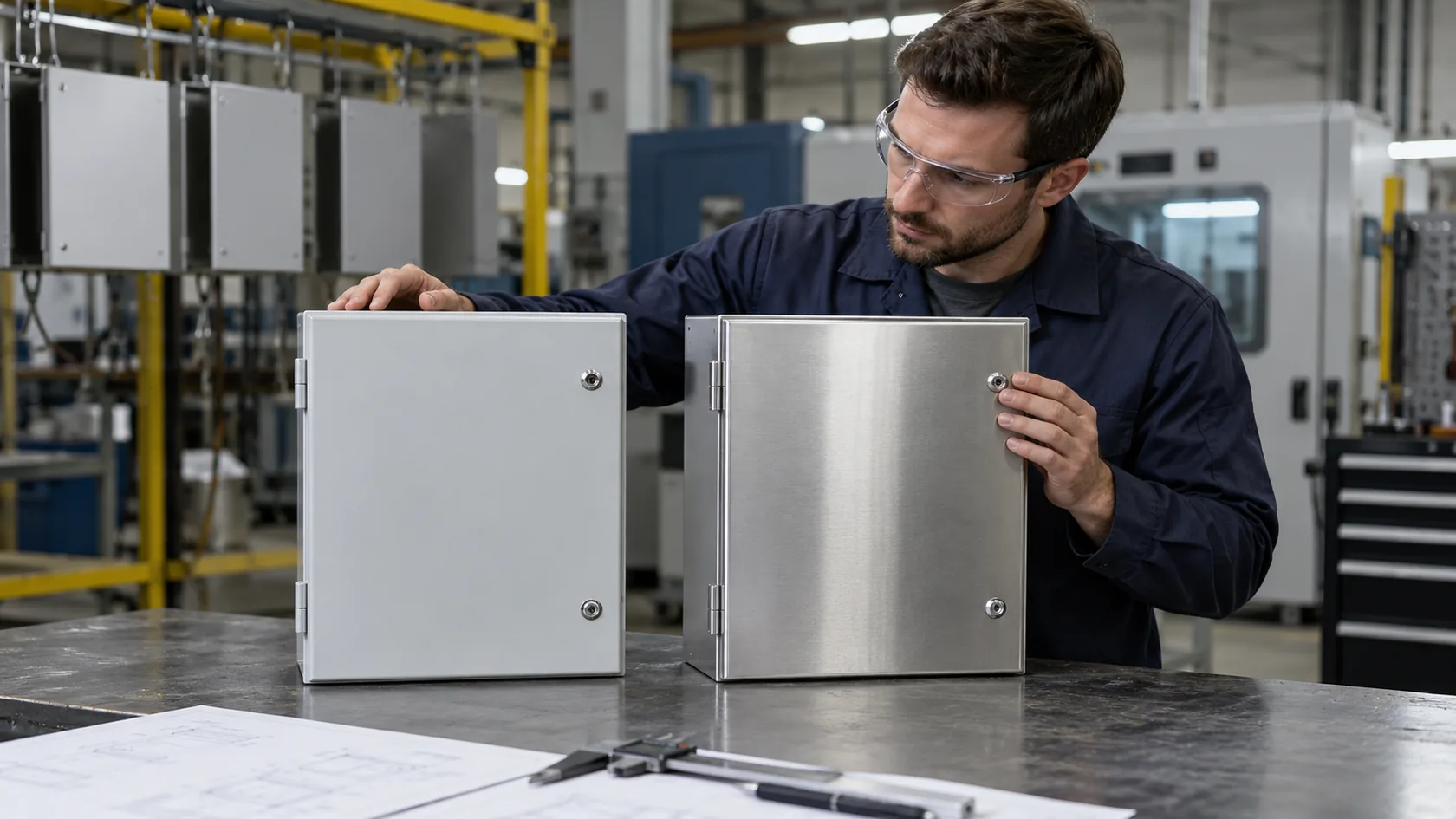
I select sheet metal material based on environment, weight target, corrosion risk, strength needs, and budget. Steel is strong and low cost. Aluminum is light and corrosion resistant. Stainless steel handles harsh or food-grade environments.
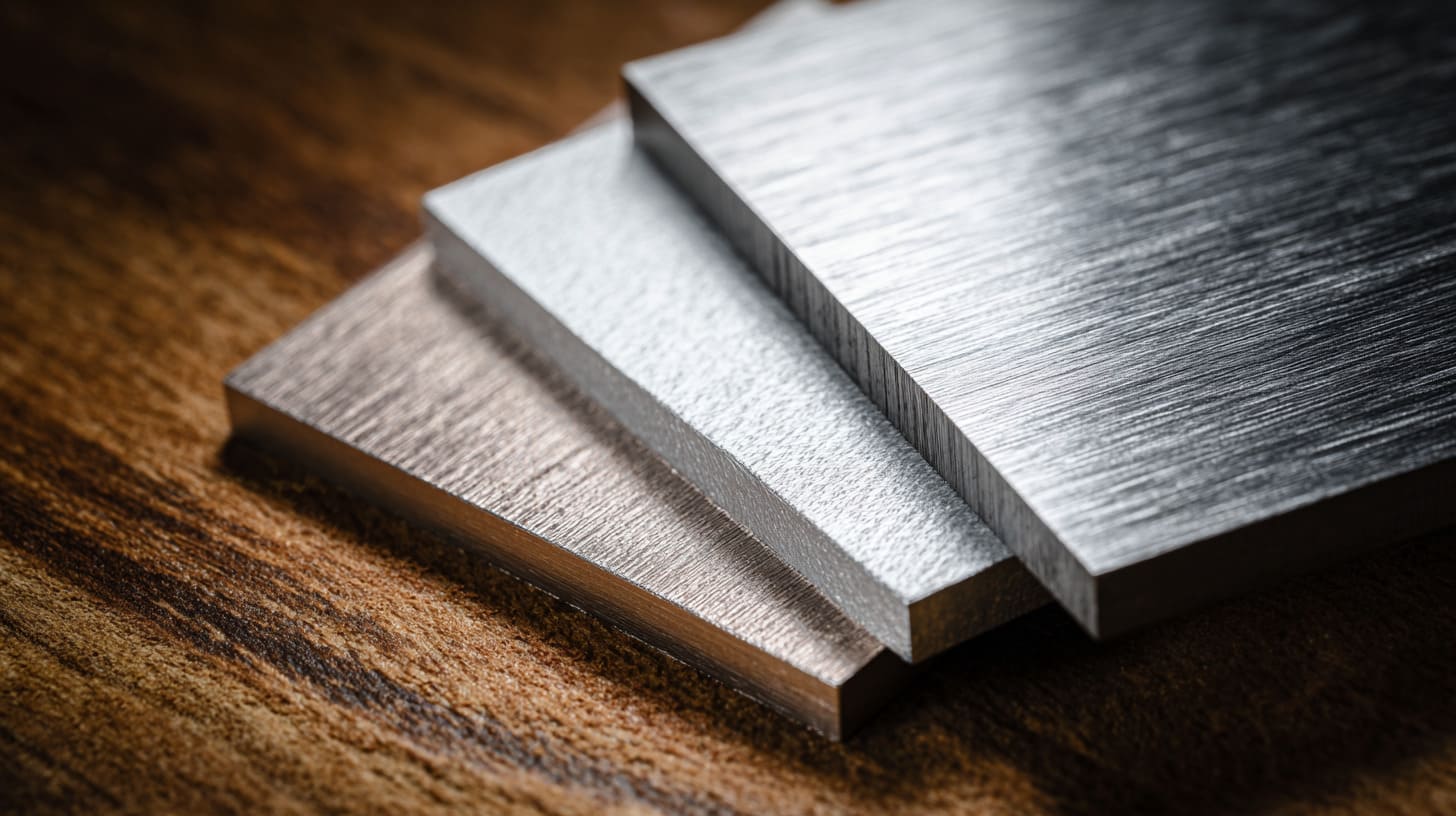
Steel vs Aluminum vs Stainless Steel
| Material | Strength | Weight | Corrosion Resistance | Cost | Typical Use |
|---|---|---|---|---|---|
| Mild Steel | High | Heavy | Low (needs coating) | Low | Indoor industrial |
| Aluminum | Medium | Light | Good | Medium | Electronics, export |
| Stainless Steel | High | Heavy | Excellent | High | Food, marine, outdoor |
I often tell Davide from Finland this:
If your cabinet sits indoors, steel works well.
If you ship overseas and care about weight, aluminum helps.
If water, salt, or chemicals exist, stainless is safer.
My Rule of Thumb
- Indoor dry factory → Powder-coated steel
- Export electronics project → Aluminum
- Washdown area → 304 or 316 stainless
Material is not about preference. It is about risk control.
What is the best material for an enclosure?
People ask me this often. They want one answer.
There is no universal “best” material. The best enclosure material depends on corrosion exposure, weight limits, EMI needs, budget, and product life cycle.
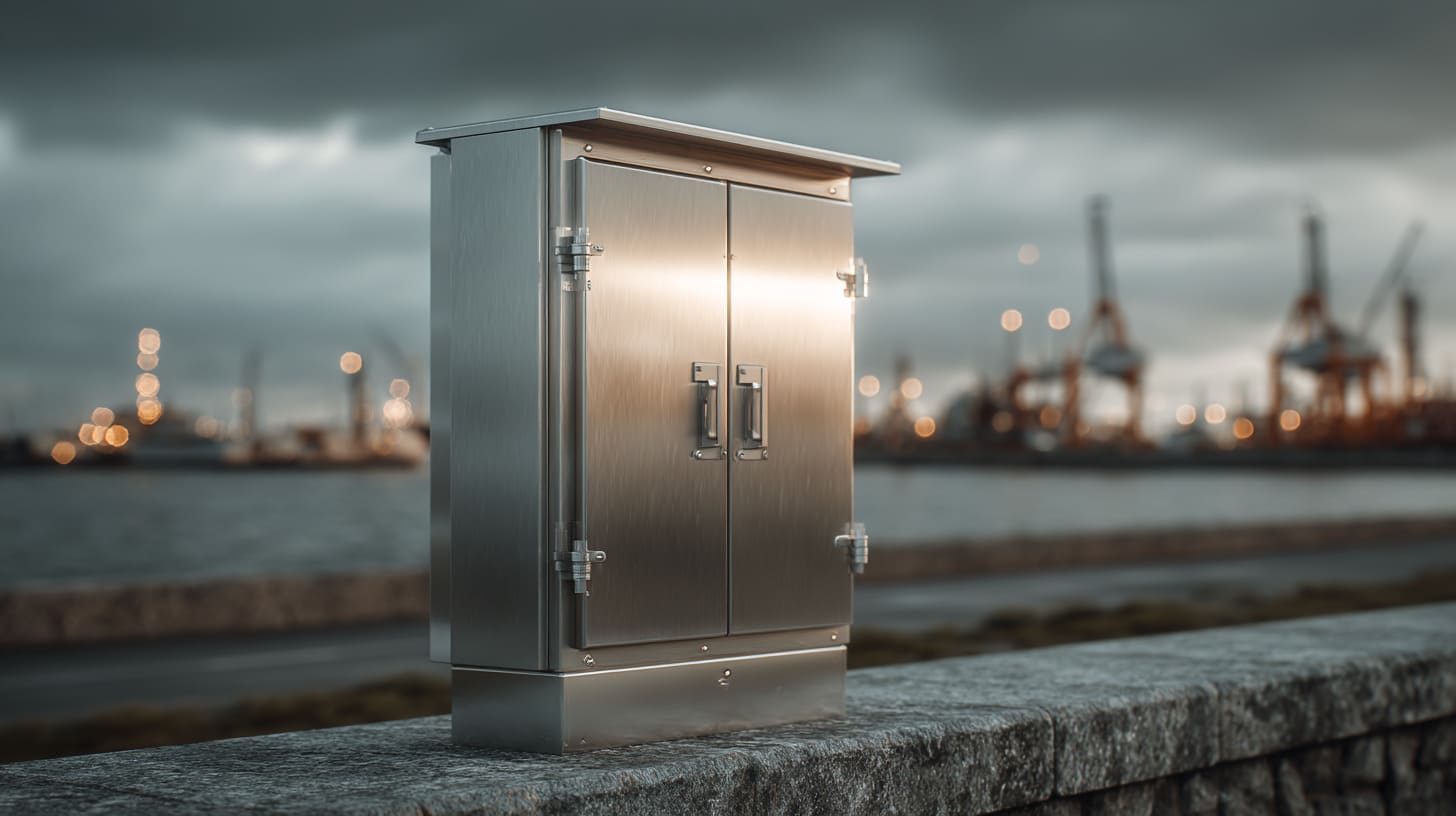
Think About These Questions
- Will the enclosure face rain or chemicals?
- Is shipping cost sensitive?
- Does the system need EMI shielding?
- How long should it last?
If a buyer wants low price and indoor use, I do not push stainless steel.
If someone installs near the ocean, I do not recommend painted steel.
Best means balanced.
How to size electrical enclosures?
Sizing mistakes cost weeks.
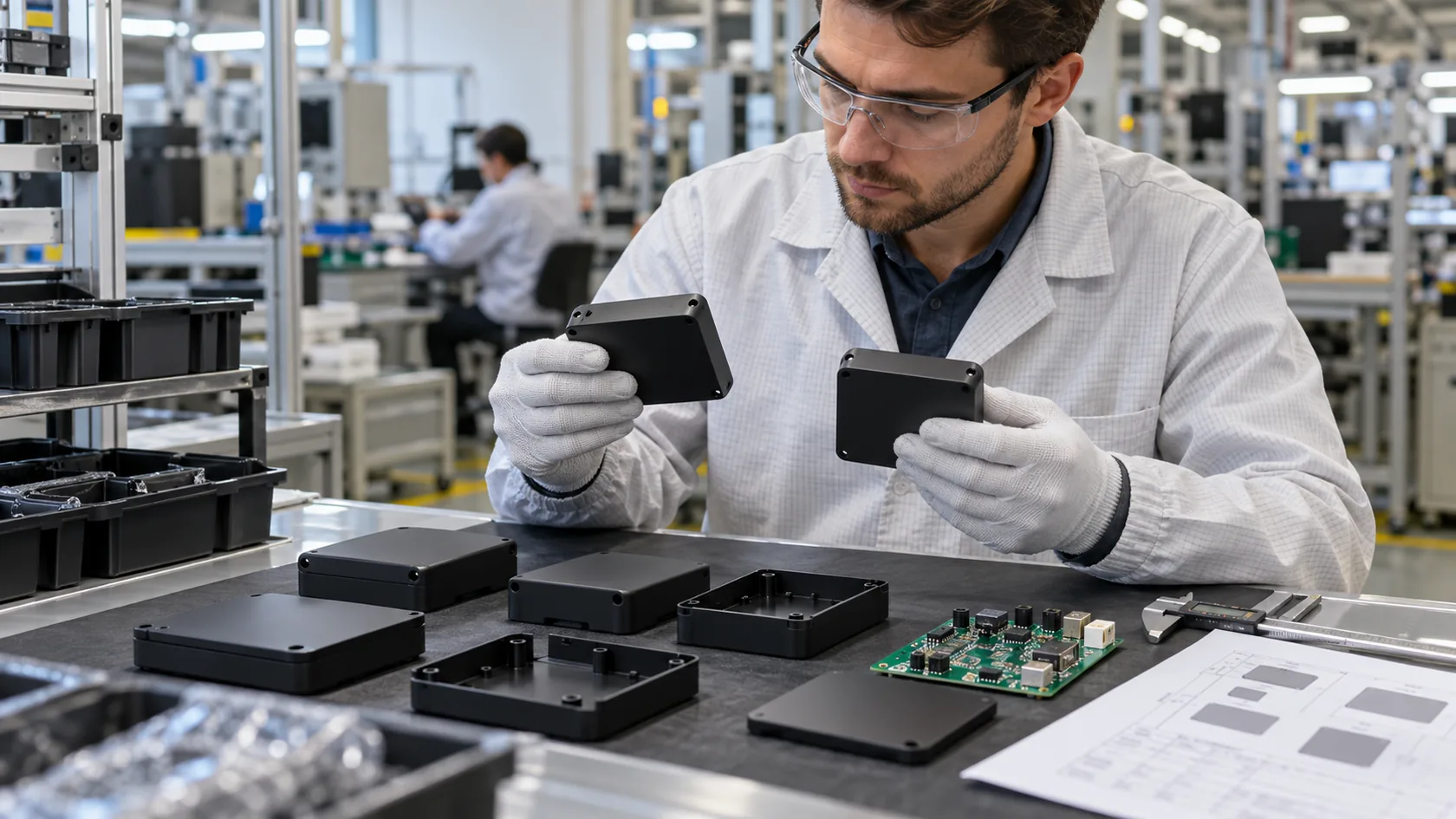
I size electrical enclosures by calculating internal component space, airflow clearance, cable bending radius, and future expansion. I never size only based on PCB length and width.

Step-by-Step Sizing Logic
| Step | What I Check |
|---|---|
| 1 | PCB dimensions |
| 2 | Connector height |
| 3 | Cable bending space |
| 4 | Heat clearance |
| 5 | Mounting bracket space |
| 6 | 10–20% future margin |
I once saw a connector hit the wall by 2 mm.
Two millimeters stopped production. That moment changed how I size enclosures.
What are common sheet metal design mistakes?
Design errors hide in small details.
Common sheet metal mistakes include ignoring bend radius, poor tolerance control, wrong hole alignment, underestimating heat, and choosing incorrect thickness.
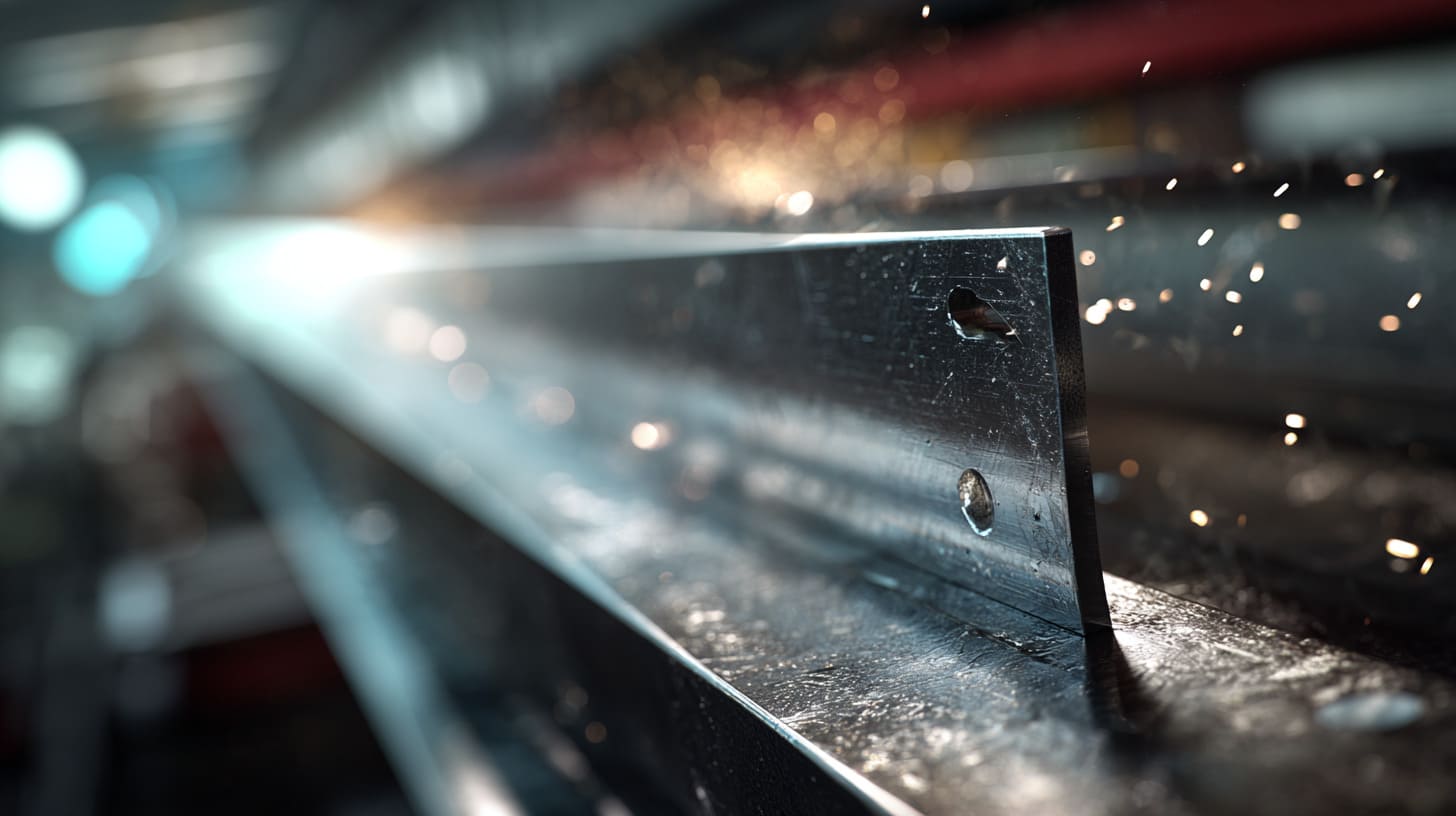
Frequent Problems I See
- Holes too close to bends
- No grounding design
- Sharp edges not treated
- No access for maintenance
- Zero space for cables
Engineers focus on function.
Installers focus on usability.
I stand between both.
What factors should I consider when choosing a sheet metal enclosure?
Many buyers focus only on price.
When choosing a sheet metal enclosure, I consider environment, heat, material, thickness, IP/NEMA rating, mounting style, transport, and long-term maintenance.
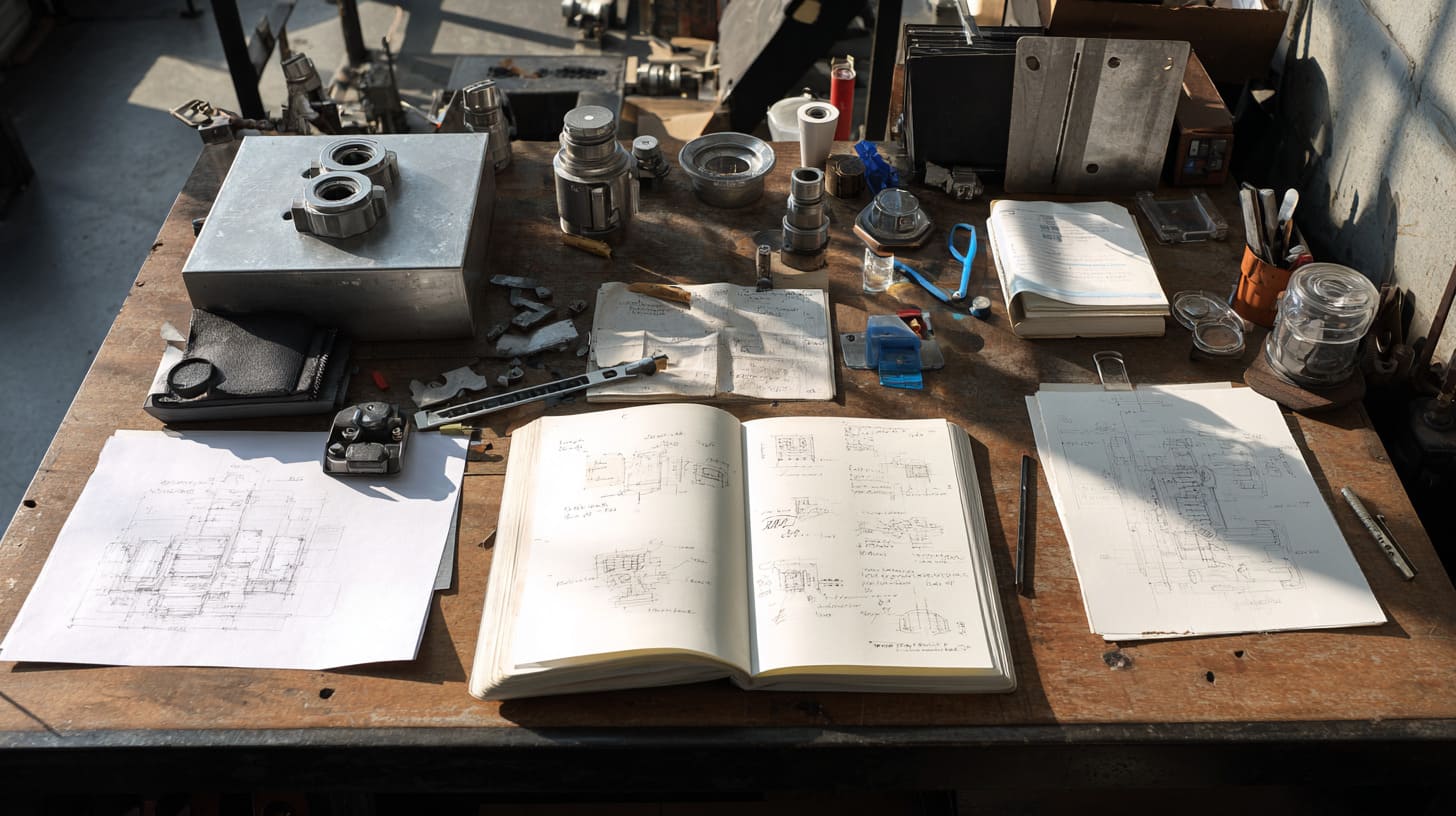
My Practical Checklist
- Indoor or outdoor?
- Heat source inside?
- Need waterproof rating?
- Wall, floor, or rack?
- Budget range?
- Custom logo required?
A box without context is just metal.
What thickness of sheet metal should I use for an enclosure?
Thickness affects strength and cost.
I choose thickness based on enclosure size, load requirement, vibration level, and mounting type. Small electronic housings often use 1.0–1.5mm. Larger cabinets may require 2.0–3.0mm.
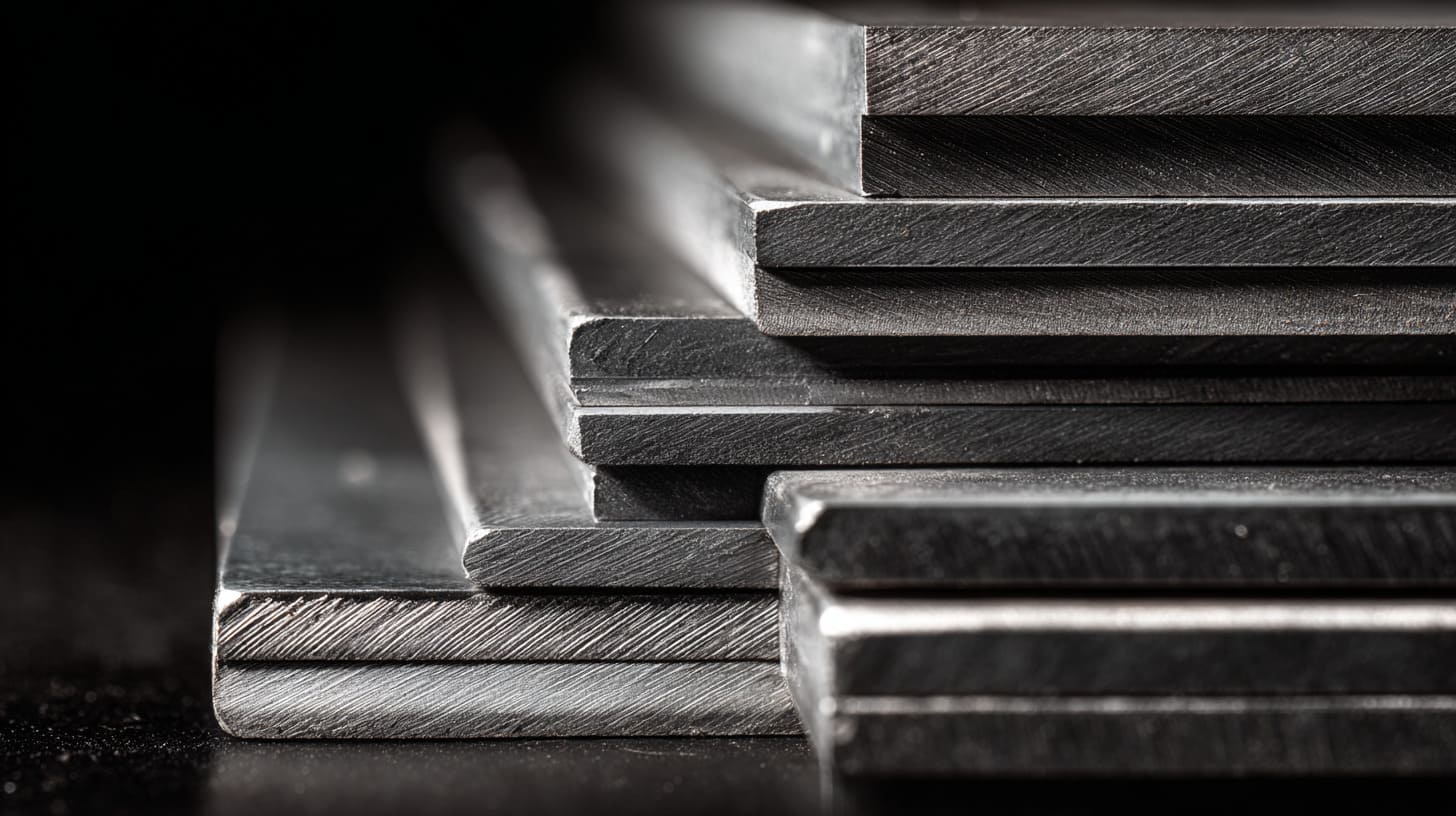
Thickness Reference
| Application | Typical Thickness |
|---|---|
| Small box | 1.0–1.2mm |
| Medium enclosure | 1.5–2.0mm |
| Floor cabinet | 2.0–3.0mm |
Too thin bends.
Too thick increases cost and weight.
Balance matters.
How do I determine the correct IP or NEMA rating?
Ratings confuse many buyers.
I determine IP or NEMA rating by studying dust level, water exposure, washdown risk, and certification needs. Over-specifying increases cost. Under-specifying increases failure risk.
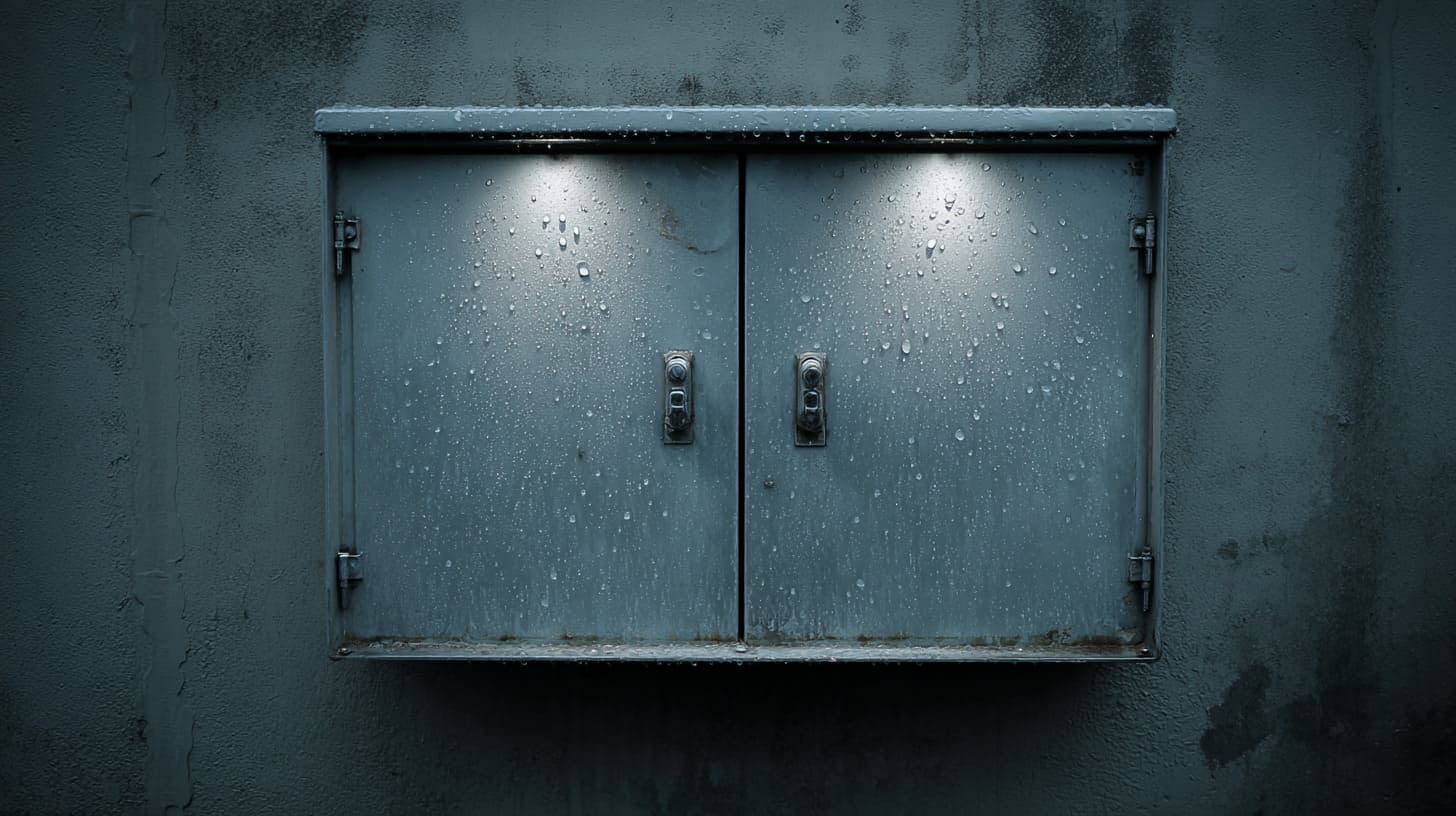
Quick Guide
| Environment | Suggested Rating |
|---|---|
| Indoor dry | IP20–IP31 |
| Outdoor rain | IP65 |
| Industrial washdown | IP66 / NEMA 4X |
I match rating with reality, not fear.
How does ventilation and heat dissipation affect enclosure selection?
Heat is silent. Then it kills electronics.
Ventilation and heat dissipation affect enclosure size, material choice, vent design, and fan use. Poor airflow shortens component life.
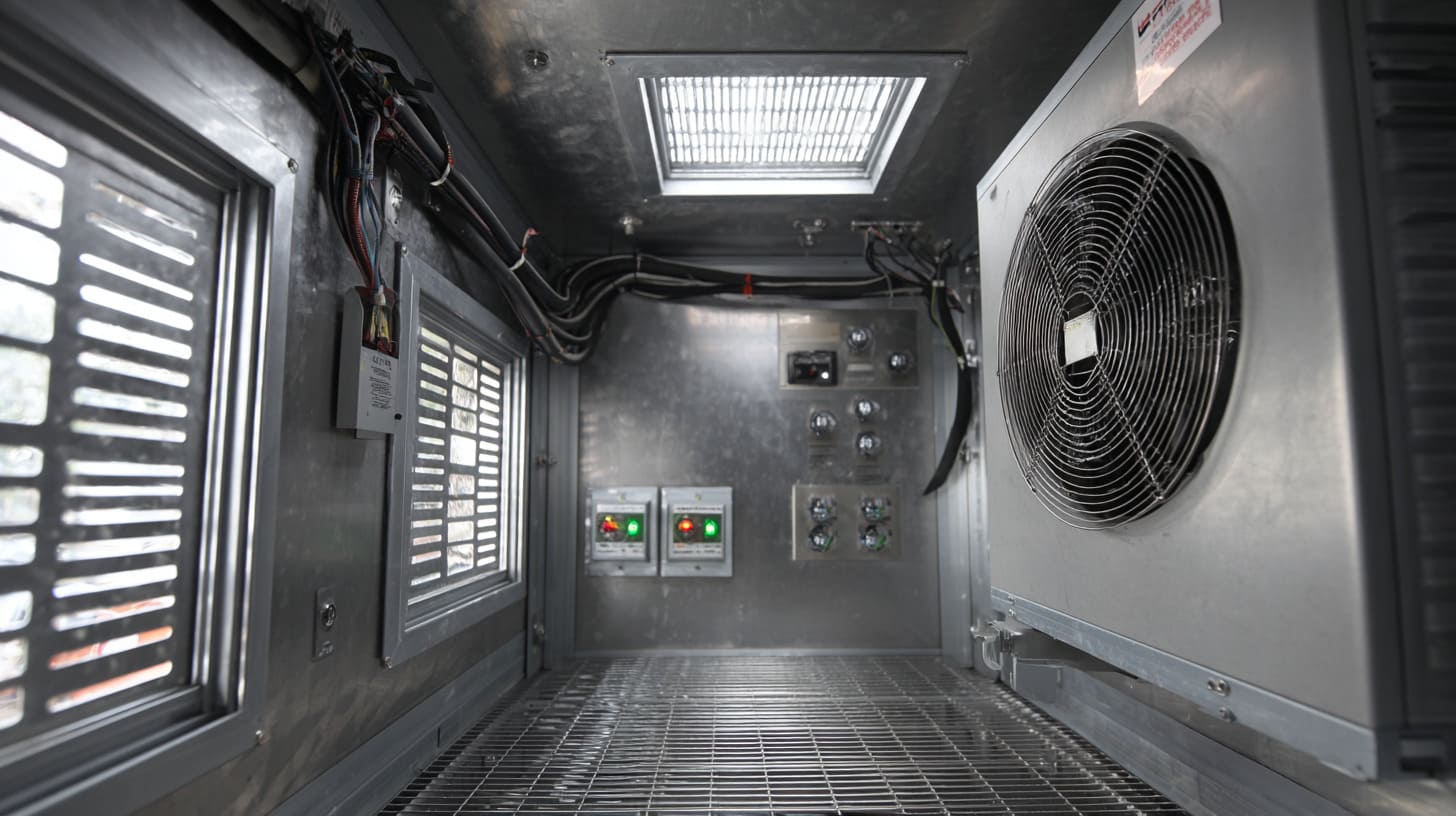
Cooling Options
- Vent slots
- Cooling fans
- Heat sinks
- Larger internal volume
I always calculate total power consumption before finalizing enclosure design.
What surface finishing options are available?
Surface finishing protects and beautifies.
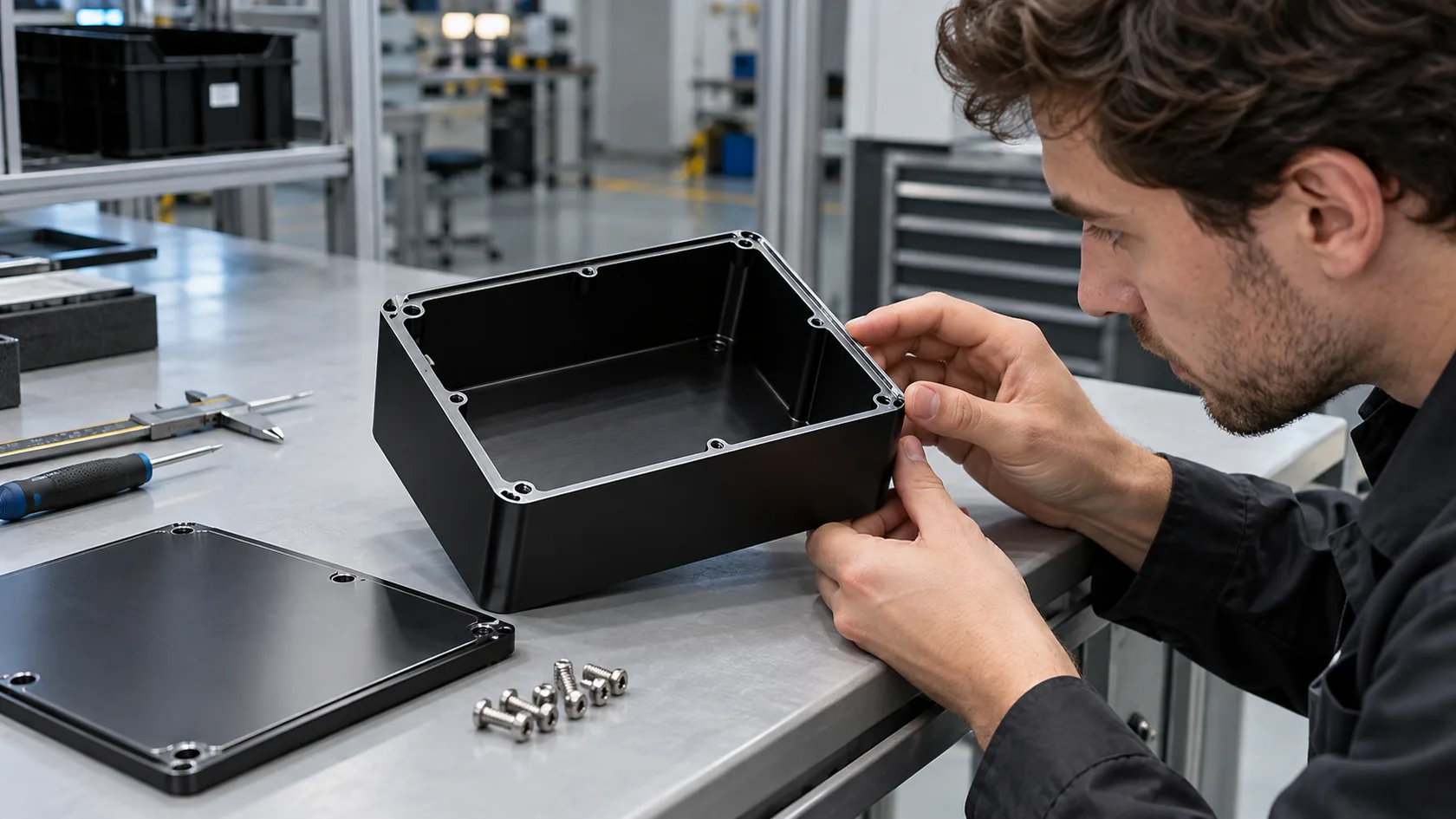
Common surface finishes include powder coating, anodizing, brushing, sandblasting, and plating. Each finish affects corrosion resistance, appearance, and cost.

Surface Finish Comparison
| Finish | Best For |
|---|---|
| Powder Coating | Steel corrosion protection |
| Anodizing | Aluminum durability |
| Brushing | Premium look |
| Galvanizing | Heavy corrosion |
Finish choice reflects brand image too.
How do I choose mounting type?
Mounting affects installation ease.
I choose wall-mounted for compact systems, floor-standing for large industrial setups, and rack-mounted for IT or telecom equipment.
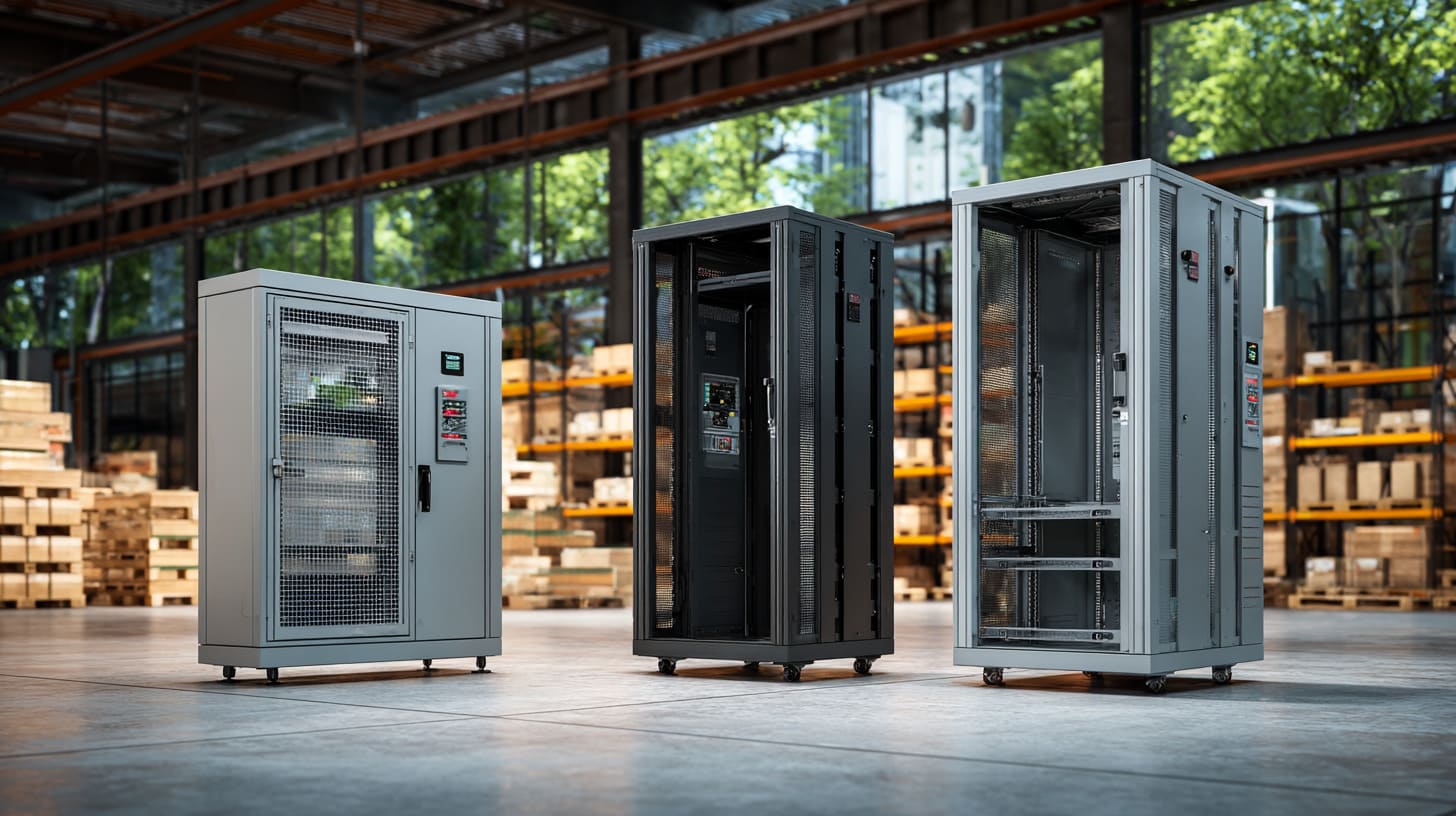
Mounting Comparison
| Type | Ideal Use |
|---|---|
| Wall-mounted | Small control units |
| Floor-standing | Large machinery |
| Rack-mounted | Server & telecom |
I always ask how technicians will install it.
What common mistakes should I avoid?
Most mistakes come from rushing.
Avoid under-sizing, ignoring heat, choosing wrong material, skipping tolerance checks, and focusing only on price. A cheap enclosure that fails costs more later.
I tell buyers this gently:
If you save 10% now but delay your launch by one month, did you really save?
Conclusion
Choosing the right sheet metal enclosure means thinking beyond the box. I design around real use, real heat, and real installation. If you want help reviewing your design, I am always ready to discuss it.