Skip to content
A PLC panel can look fine on paper and still become a quiet source of trouble later. I have seen this happen more than once. The PLC brand was good. The I/O count looked correct. The drawing passed review. Still, the cabinet felt tight the moment real wiring started. Then the problems showed up one by one. Heat built up too fast. Wiring became messy. Maintenance turned into a slow and annoying job. What looked like a small size choice at the start became a chain of extra costs later.
The hidden cost of choosing the wrong PLC panel size is not only the cabinet price itself. It shows up in heat problems, wiring delays, maintenance difficulty, upgrade limits, wasted floor space, and avoidable project cost over the full life of the system.
I think this topic matters because many people judge a control panel by what they can count. They count modules, breakers, terminals, and power supplies. That part is easy. What they often miss is working space, airflow, service space, and future change. Those parts do not look dramatic at the quotation stage. They become very dramatic when a machine stops and a technician cannot even fit a hand inside the cabinet.
I write this from a very practical angle. I work with enclosure projects, and I often see the same gap between drawing logic and real factory use. A panel is never just a box. It is a working environment for electricity, heat, wiring, maintenance, and future decisions. That is why I want to break this topic down in a direct way and show where the real cost hides.
Why Does PLC Panel Size Matter in Industrial Automation?
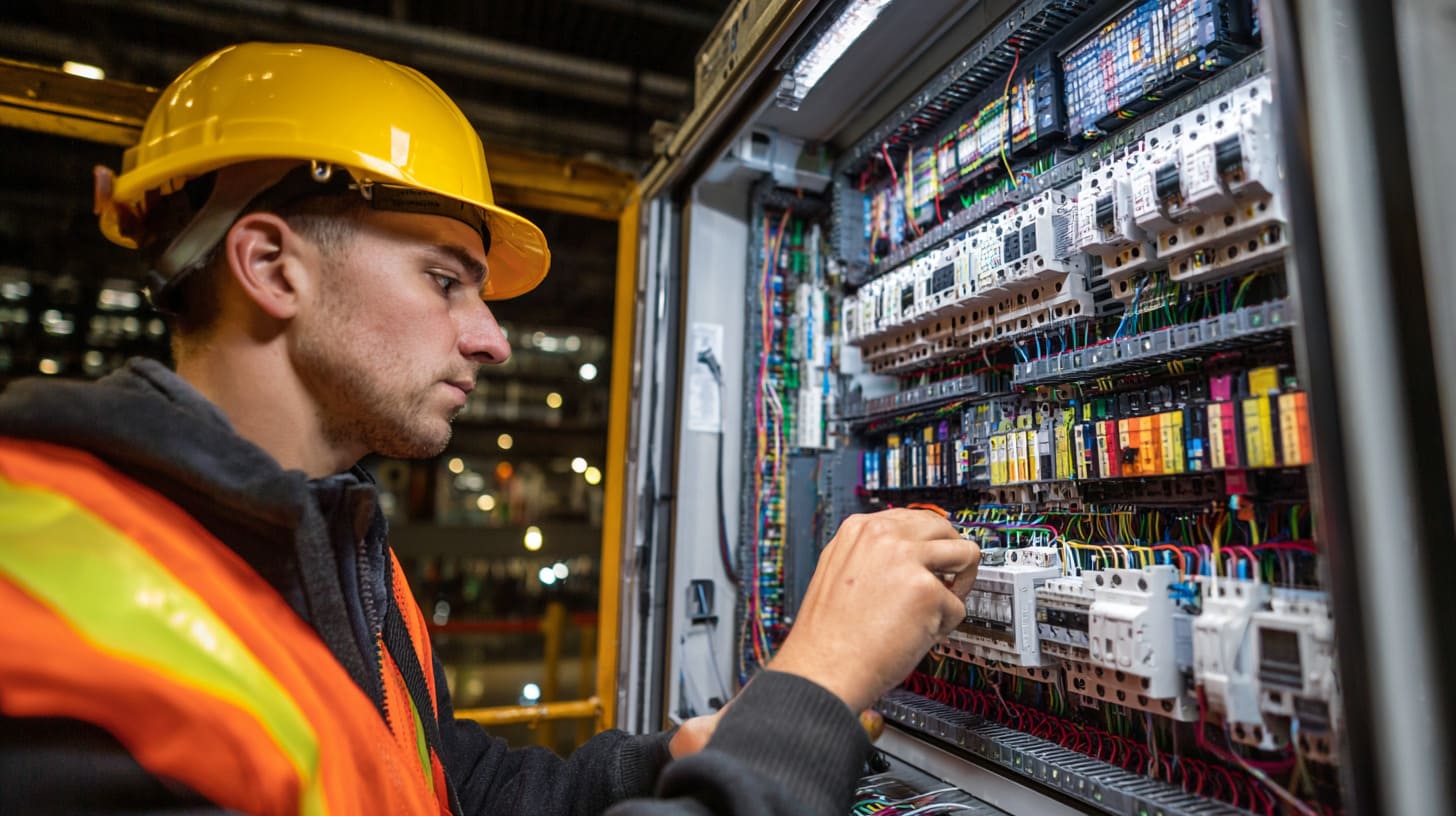
A PLC panel is not a decorative shell around components. It is the place where the control system has to live, breathe, and stay serviceable. If that space is wrong, the system may still run for a while, but it often runs with stress built into it.
When I look at panel size, I do not start with the empty box price. I start with the question nobody likes to ask early enough: will this cabinet still feel workable after wiring, heat, and future service all show up at the same time?
The Role of a PLC Panel in a Control System
A PLC panel is the control center of an automation system. It usually holds:
- PLC CPU
- I/O modules
- power supply
- relays
- breakers
- terminal blocks
- communication modules
- contactors
- cooling parts if needed
It does several jobs at once. It protects the components. It organizes the wiring. It supports safe operation. It also gives technicians a controlled place to inspect, adjust, and repair the system.
I sometimes explain it in a simple way: the PLC is the brain, but the panel is the body that keeps that brain usable. A good brain inside a bad body still struggles.
| Panel Function | Why It Matters |
|---|---|
| Component protection | Keeps dust, touch, and outside damage under control |
| Wiring organization | Reduces error and makes service easier |
| Thermal management | Helps parts stay within safe temperature range |
| Maintenance access | Makes replacement and testing faster |
| Expansion support | Leaves room for future modules or changes |
How Panel Size Affects System Stability
Panel size affects stability in very ordinary ways. That is why people miss it. It affects airflow. It affects wire bending radius. It affects separation between power and signal lines. It affects how easy it is to tighten terminals or replace parts.
A cabinet that is too tight can create:
- poor heat release
- cable crowding
- harder troubleshooting
- more wiring mistakes
- more vibration or stress on wires and terminals
I have seen cabinets where the wiring looked acceptable in photos but felt terrible in real work. The installer had to push wires into corners. The duct was too full. The relay row sat too close to the power supply. Nothing looked like a disaster at first glance. Still, the whole cabinet felt like it was one small fault away from becoming an expensive afternoon.
Why Many Projects Still Get Panel Size Wrong
This mistake is common for a reason. It usually starts with pressure.
One team wants a smaller machine footprint. Another team wants lower enclosure cost. Someone else assumes the technician will “make it fit.” Then the panel size gets frozen too early.
The common reasons are simple:
- The machine layout leaves too little room for the cabinet.
- The electrical design focuses on device count, not usable space.
- The project budget pushes for the smallest possible enclosure.
- The mechanical and electrical teams do not review the layout together.
- Future expansion is treated like a maybe, not a real design factor.
That last one matters a lot. Many projects say, “We can always add it later.” I have learned to be careful with that sentence. “Later” is often where cost starts to multiply.
| Why Size Gets Misjudged | What Happens Later |
|---|---|
| Device count only | No room for wiring or service |
| Budget pressure | Cabinet becomes too tight |
| No expansion allowance | Costly retrofit later |
| Poor team coordination | Layout conflicts during assembly |
| Machine space limits | Forced design compromises |
That is exactly where the next issue begins, because the hidden cost becomes most painful when the panel is too small.
What Hidden Costs Come From Choosing a PLC Panel That Is Too Small?
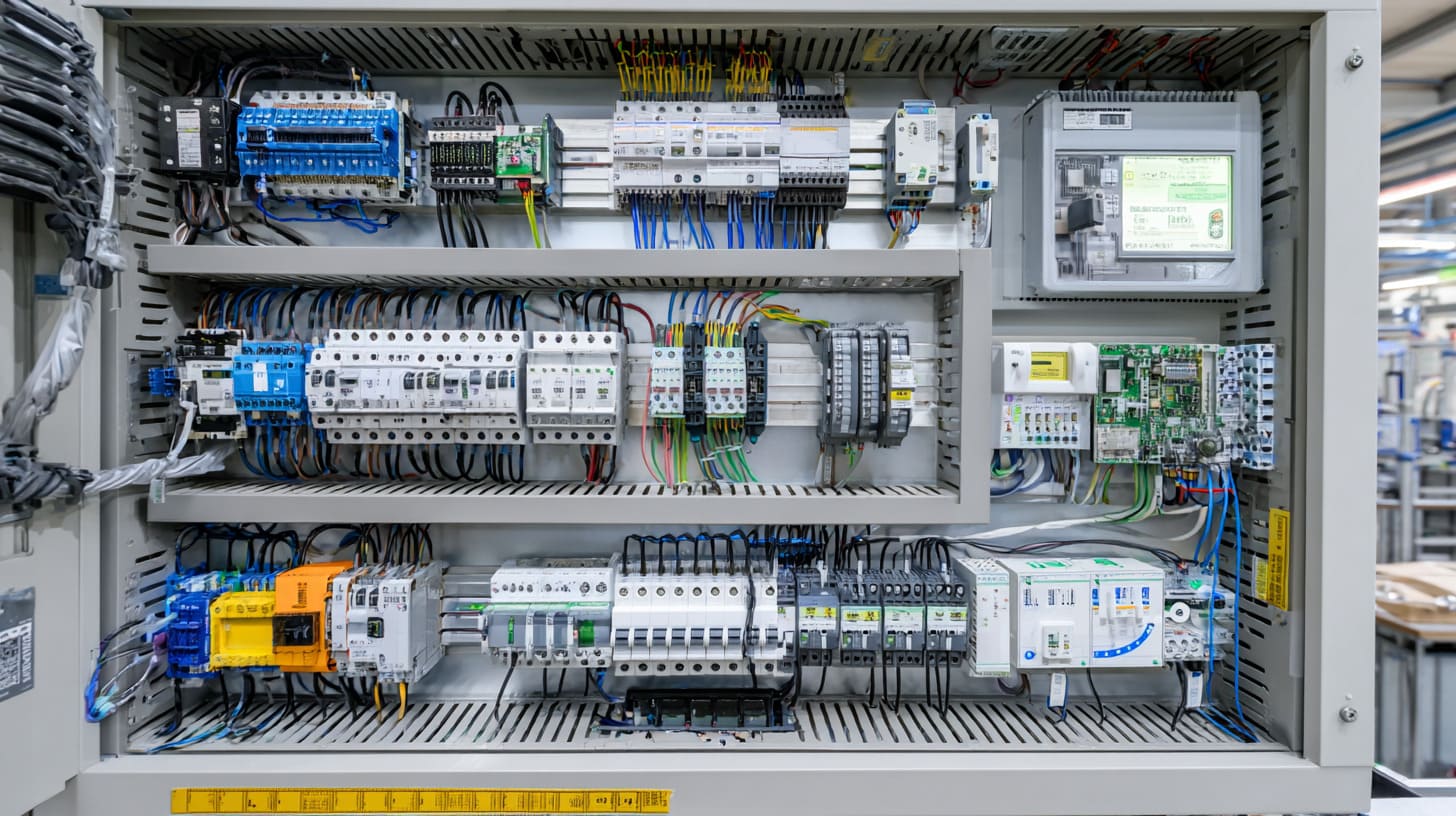
A panel that is too small often looks like a clever cost-saving move at the start. Then real work begins, and the savings start leaking away from every corner.
The first warning sign I pay attention to is not just whether the parts fit. It is whether the finished cabinet still leaves enough room for heat, hand tools, and one future mistake that needs to be fixed fast.
Overheating and Reduced Component Lifespan
Heat is usually the first hidden cost. Electronics do not need drama to fail. They just need the wrong temperature for long enough.
When parts are packed too tightly:
- airflow drops
- heat gathers around power devices
- internal temperature rises
- component life can shorten
- system reliability goes down
This is especially true when the panel includes drives, power supplies, contactors, or high-load components. The cabinet may pass an early bench test. Still, after long operating hours, summer conditions, or poor ventilation, the real thermal weakness shows up.
Why Heat Becomes Expensive Fast
A hot cabinet can create cost in several layers:
| Heat Issue | Hidden Cost |
|---|---|
| Higher internal temperature | Shorter life of electronics |
| Frequent thermal stress | More failures over time |
| Added cooling devices | Extra material and energy cost |
| Unplanned downtime | Production loss and service cost |
| Emergency redesign | Engineering and retrofit expense |
I once saw a panel that needed extra cooling fans after installation because the original enclosure was too tight. The fan cost was not the real problem. The real problem was the redesign time, the new cutouts, the extra wiring, the retest work, and the project delay. That is how a “small saving” turns expensive.
Difficult Maintenance and Troubleshooting
A small PLC panel punishes the maintenance team. It slows everything down.
Fault finding becomes harder when:
- wires overlap too tightly
- labels are blocked
- terminal access is poor
- relays cannot be replaced easily
- test probes barely fit into the space
This is where things often go wrong in real life: a cabinet may work fine during normal operation, but the moment a fault appears, the lack of space turns a 20-minute job into a 2-hour one.
Why Service Cost Rises in Small Cabinets
Service time is not just labor. It also affects machine uptime, technician mood, and the chance of making a second mistake during repair.
| Maintenance Condition | Likely Result |
|---|---|
| Tight wire duct | Slow tracing of circuits |
| Poor access to relays or terminals | Longer replacement time |
| No spare room for testing | More awkward troubleshooting |
| Dense component placement | Higher risk of accidental damage |
| Hard-to-read labels | More human error |
I have learned that a cabinet should not only be easy to build. It should also be easy to open after six months, when someone is tired, under pressure, and trying to restore production.
Limited Space for Future Expansion
This is another hidden cost that hurts slowly, then all at once. A project may begin with a fixed scope. Later, the customer wants one extra sensor, another communication module, a safety relay, or remote monitoring.
If the panel is already full, the upgrade becomes awkward.
You may need to:
- add an external box
- change the backplate
- reroute wiring
- redesign terminal arrangement
- replace the enclosure completely
That is not a minor update anymore. That is a second project.
Expansion Cost Comparison
| Design Choice | Future Upgrade Result |
|---|---|
| No reserved space | Major retrofit |
| Small spare DIN rail area | Limited low-cost changes |
| Reserved wire duct capacity | Easier add-on wiring |
| Expansion-ready panel design | Faster and cheaper upgrade |
A cramped cabinet tells me the design team only solved today’s problem. A good cabinet tells me they also respected tomorrow’s reality.
And yet, oversizing is not automatically smart either. That mistake comes with its own set of costs.
What Problems Can Occur When the PLC Panel Is Too Large?

People often talk about undersized cabinets, and they should. Still, oversized cabinets can be wasteful in ways that buyers and engineers should not ignore.
I do not treat “bigger is safer” as a smart rule by itself, because too much empty space can quietly raise cost, complicate layout, and create a panel that feels careless rather than well planned.
Higher Material and Manufacturing Cost
A larger enclosure usually means:
- more raw material
- more fabrication cost
- larger backplate
- more surface treatment cost
- higher packing and transport cost
That part is obvious. But there is also a softer cost. Oversized cabinets can make a project look poorly engineered. They send the message that space planning was rough, not precise.
| Oversized Panel Factor | Cost Impact |
|---|---|
| Larger enclosure body | Higher material cost |
| Bigger backplate | More metal and machining |
| Larger shipping carton | Higher freight charge |
| Bigger mounting hardware | Extra installation cost |
| Unused internal volume | Poor cost efficiency |
Inefficient Use of Space in Machine Layout
Machine layout is rarely generous. Floor space matters. Access space matters. Door opening space matters. A cabinet that is bigger than needed can create new constraints.
This is common in:
- compact machines
- production lines with tight walkways
- retrofit projects
- wall-mounted systems
- equipment rooms with several cabinets side by side
I have seen a cabinet that worked fine electrically but caused trouble because the door swing blocked access to a nearby service point. The electrical design was correct. The physical use was not.
Potential Wiring Complexity
Some people assume a larger cabinet always makes wiring easier. Not always. If the layout is loose and careless, longer internal cable runs can create:
- wasted wire length
- slower assembly
- messy routing
- higher signal noise risk in poor layouts
- more places for labeling confusion
Bigger Does Not Mean Better Layout
| Large Panel Issue | Real Effect |
|---|---|
| Components spaced too far apart | Longer wires and more labor |
| Poor grouping of devices | Harder understanding of layout |
| Weak signal and power separation planning | Higher interference risk |
| Too much empty area | Cabinet feels under-designed |
I prefer a panel that feels balanced. Not squeezed. Not bloated. Just well judged. That balance depends a lot on layout, which is where many hidden project costs start to pile up.
How Does Poor Panel Layout Increase Project Costs?
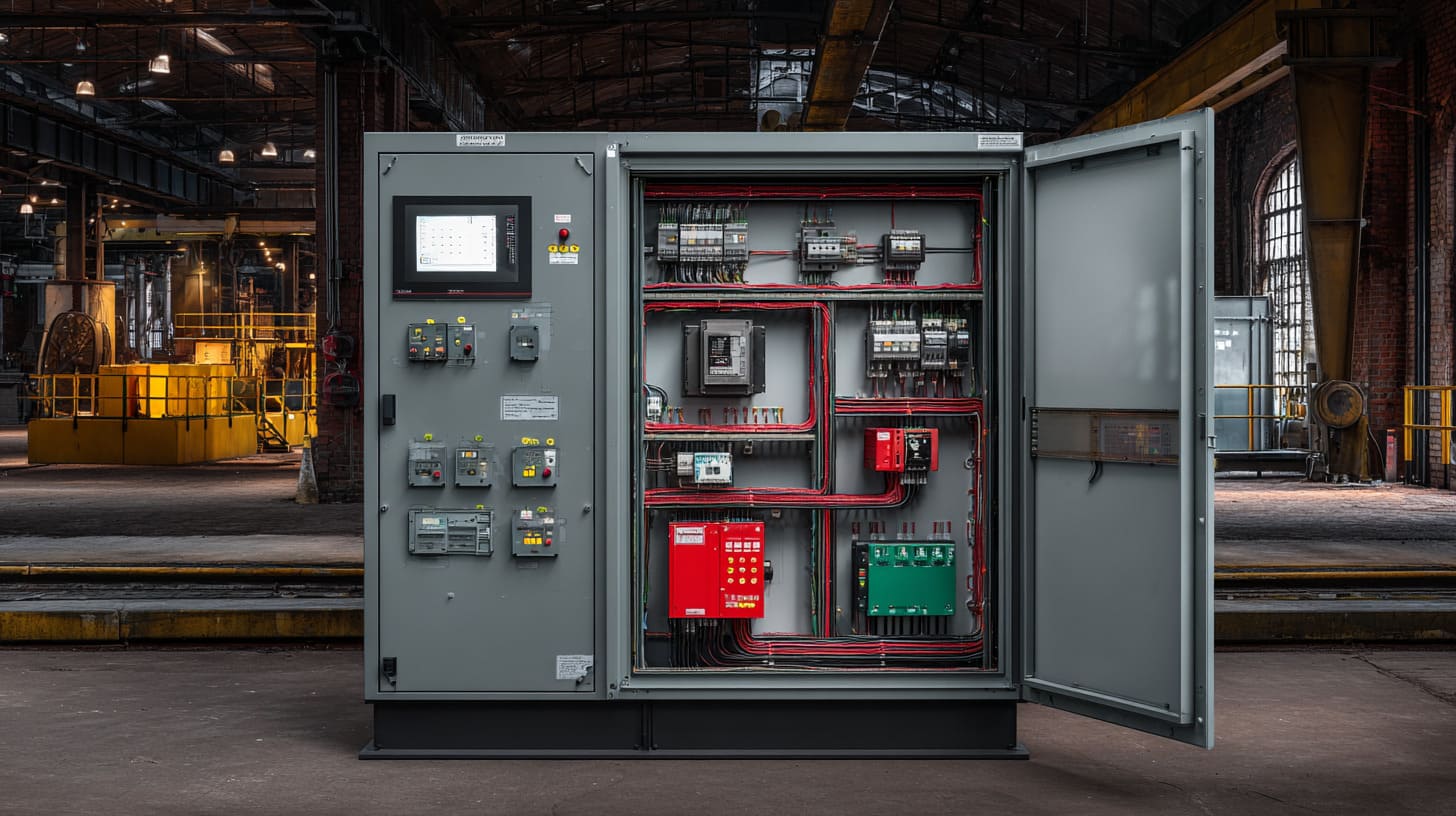
Panel size and panel layout are close relatives. A reasonable cabinet can still perform badly if the internal layout is poor. This is why I never look at enclosure size alone.
A layout tells me very quickly whether the design came from real build experience or only from a clean schematic, because bad layouts always shift cost from the design desk to the workshop floor.
Wiring Congestion and Installation Delays
A poor layout makes wiring slower. It is that simple.
Common causes include:
- narrow wire duct planning
- bad terminal placement
- no clear grouping of input, output, and power sections
- crossing wire paths
- components placed without tool access in mind
The installer pays for this first. Then the customer pays for it later.
What Congestion Does to Build Time
| Layout Issue | Build Result |
|---|---|
| Overfilled wire duct | Slower cable routing |
| Crossed wire paths | Higher mistake rate |
| Poor terminal position | Longer assembly time |
| No spare channel room | Difficult late changes |
| Tight corner routing | Poor wire finish quality |
I have seen wiring teams rescue a weak layout through effort alone. That is admirable, but it is still a cost. Good layout should reduce skill pressure, not depend on heroics.
Poor Heat Management
Heat problems do not only come from panel size. They also come from where the hot parts are placed.
If high-heat components sit too close together, or if ventilation paths are blocked, internal temperature rises even in a cabinet that seems large enough.
Common Heat Layout Mistakes
- power supplies packed beside other hot devices
- drives placed without cooling clearance
- no airflow path from bottom to top
- poor placement of vents or fans
- mixing heat-sensitive control parts too close to heat sources
| Heat Layout Choice | Likely Outcome |
|---|---|
| Hot devices grouped tightly | Local heat buildup |
| No ventilation path | Trapped warm air |
| PLC near major heat source | Reduced control reliability |
| Cooling added late | More redesign cost |
A panel can fail thermally without looking crowded. That is why layout review has to go deeper than “it fits.”
Safety and Compliance Risks
Poor layout can also create compliance trouble. Standards like UL, CE, or IEC do not exist just to slow projects down. They reflect real safety concerns.
Bad spacing, weak segregation, or hard-to-access disconnect points can lead to:
- failed inspections
- rework before shipment
- extra documentation trouble
- safety concerns in use
Layout and Compliance
| Compliance Concern | Layout Risk |
|---|---|
| Clearance and creepage | Unsafe spacing |
| Service access | Unsafe maintenance conditions |
| Segregation of circuits | Noise or safety problems |
| Label visibility | Wrong operation or service error |
The painful part is this: most layout mistakes are cheaper to fix in design than in metal. Once the cabinet is made and wired, every correction gets heavier.
That brings me to the real question. How do experienced engineers avoid these mistakes before they turn into cost?
How Do Experienced Engineers Determine the Right PLC Panel Size?
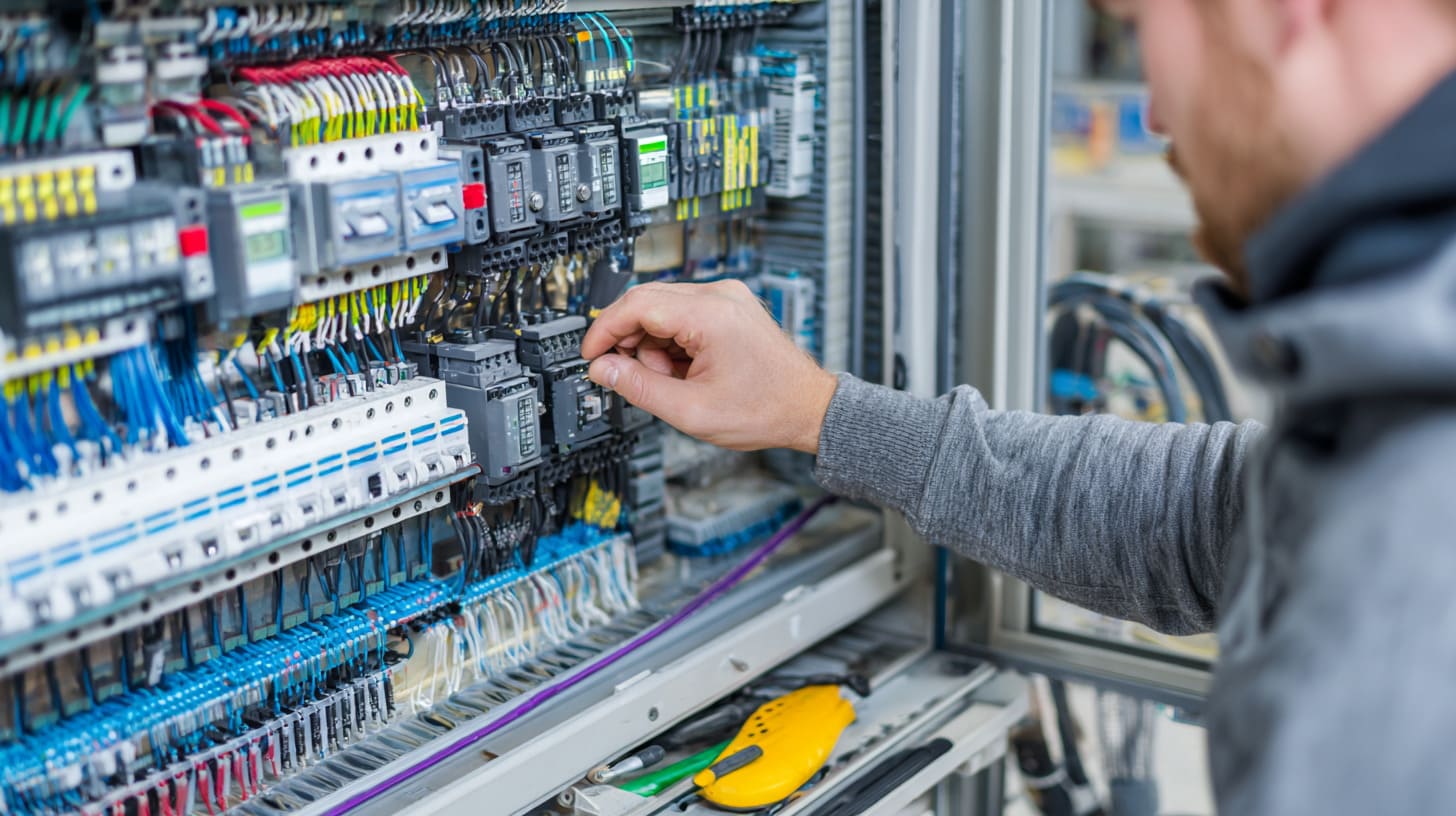
Good engineers do not guess panel size by instinct alone. They break it down. They check real component dimensions, wiring needs, heat behavior, and future change.
My own habit is to size the cabinet around working conditions, not just around component outlines, because the empty space around parts is often what protects the project from future pain.
Calculating Component Space Requirements
The first step is simple but often done too narrowly. I list every device that must go inside the cabinet.
That usually includes:
- PLC CPU
- expansion I/O
- power supply
- relays
- breakers
- terminal blocks
- network switches
- contactors
- drives or soft starters if applicable
- safety modules
Then I check real dimensions, mounting method, and wiring entry direction. A slim-looking device can still require surprising room once cable bend and terminal access are included.
A Practical Sizing Table
| Component Type | What I Count Beyond Device Size |
|---|---|
| PLC and I/O | Side clearance, cable exit room |
| Power supply | Heat release area |
| Breakers | Hand access and safety spacing |
| Terminal blocks | Label room and wire routing |
| Relays/contactors | Tool access and replacement room |
| Communication modules | Cable bend radius |
Planning Clearance and Wiring Channels
This is where many designs become realistic or unrealistic.
I look at:
- wire duct width
- vertical and horizontal routing paths
- minimum spacing between components
- room for ferrules and wire bends
- screwdriver or tool access
- separation of signal and power paths
Clearance Is Not Wasted Space
People sometimes treat clearance like luxury. I do not. Clearance is part of function.
| Clearance Need | Why I Care |
|---|---|
| Between hot devices | Better heat control |
| Around terminals | Faster service |
| Near wire exits | Cleaner cable bends |
| Between signal and power sections | Better signal integrity |
| Near door-mounted parts | Easier assembly and testing |
A beautiful layout on a screen can still be awkward in a technician’s hands. I try hard not to forget the hands.
Considering Future System Expansion
This is the part that separates short-term thinking from durable thinking.
Future expansion may include:
- more sensors
- more outputs
- Ethernet switch changes
- safety upgrades
- remote monitoring
- customer-specific feature additions
Expansion Planning Checklist
- reserve spare DIN rail length
- keep some terminal capacity
- leave room in wire duct
- allow panel power margin if possible
- plan blank area for future mounting
| Expansion Item | Low-Cost Now | High-Cost Later if Ignored |
|---|---|---|
| Spare DIN rail | Yes | New cabinet or external add-on |
| Extra terminal space | Yes | Rework of wiring layout |
| Duct capacity | Yes | Crowded retrofit wiring |
| Physical mounting room | Yes | New backplate or enclosure |
When a panel has a little breathing room, the project usually has breathing room too.
Still, good sizing is only part of the answer. The work process behind the design matters just as much.
What Design Practices Help Avoid PLC Panel Size Mistakes?
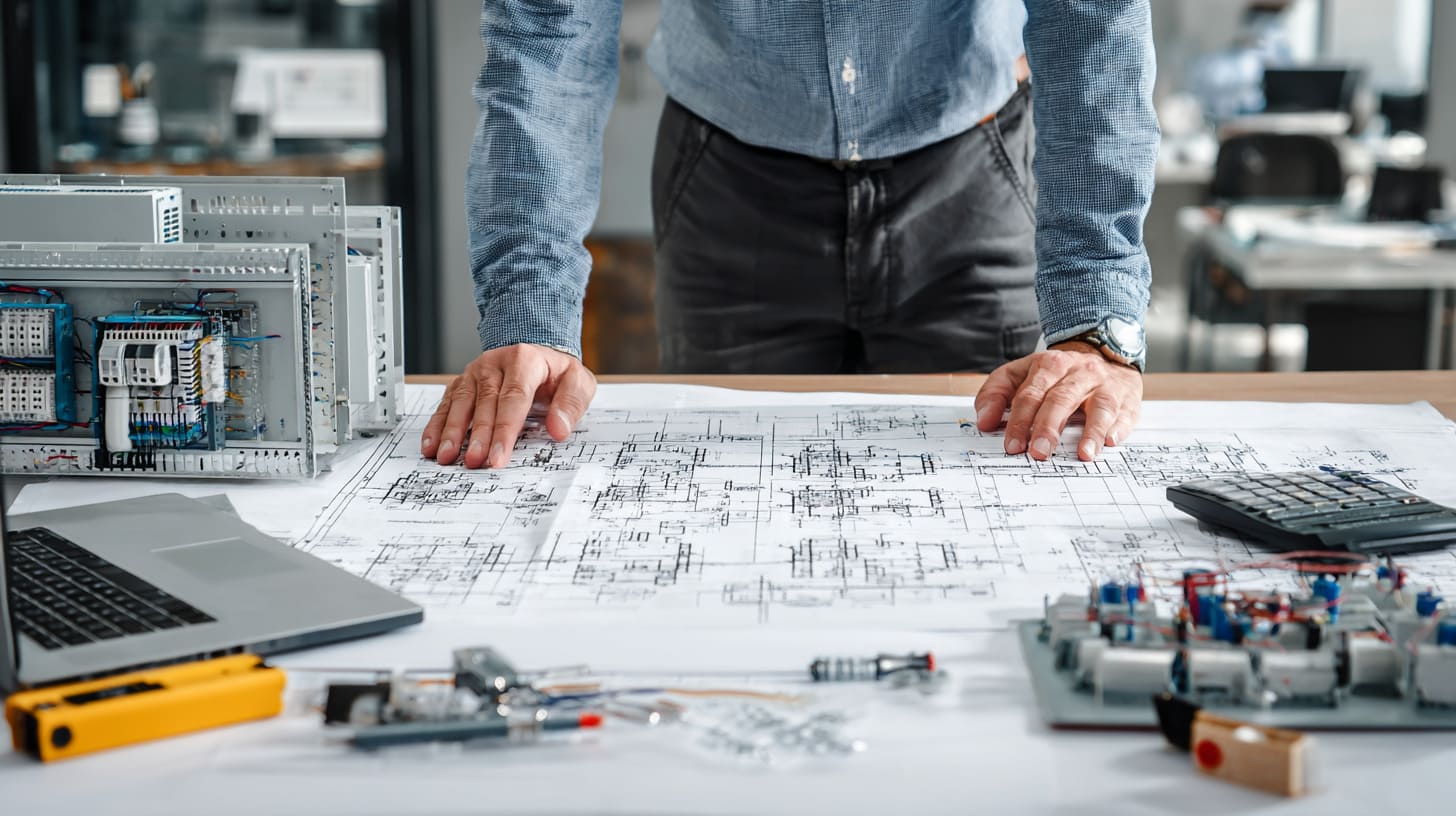
The best results usually come from good habits, not from lucky guesses. I have noticed that panel size mistakes often begin before anyone opens CAD.
One thing I trust more than a fast quote is an early design conversation, because most cabinet problems start when mechanical, electrical, and manufacturing decisions move in parallel but never truly meet.
Early Collaboration Between Mechanical and Electrical Teams
This sounds obvious, but it is often weak in real projects. The machine frame gets fixed. Then the electrical team has to fit the panel into leftover space. That is backwards.
A better process is:
- review machine space early
- confirm cable entry direction
- decide service access needs
- discuss panel position and door clearance
- allow for heat and expansion from the start
Why Early Coordination Matters
| Team Gap | Problem Created |
|---|---|
| Mechanical team fixes space too early | Cabinet forced into tight area |
| Electrical team designs alone | Layout conflicts in assembly |
| Manufacturing joins too late | Buildability issues appear late |
I prefer design meetings where someone asks annoying practical questions early. Those questions save money.
Using Standardized Panel Design Guidelines
Standards and internal rules help a lot. They reduce random design choices.
Useful design guidelines often cover:
- component spacing
- wire duct fill level
- terminal grouping
- heat load planning
- safety separation
- labeling method
- service access zones
Why Standards Help in Real Work
A standard does not make a design perfect. It does make weak design less likely.
| Design Rule | Benefit |
|---|---|
| Spacing standard | Fewer heat and access issues |
| Duct fill rule | Cleaner wiring |
| Labeling rule | Faster maintenance |
| Section grouping rule | Better troubleshooting |
| Review checklist | Fewer late surprises |
I like standards most when they leave room for judgment. Blind rule-following can create its own problems. Still, no rules at all usually creates bigger ones.
Working With Experienced Enclosure Manufacturers
This matters more than many buyers expect. A good enclosure supplier can spot layout or sizing issues early because they understand fabrication, mounting, and real-world assembly.
A capable manufacturer can help with:
- cabinet sizing advice
- cutout placement
- backplate arrangement
- mounting hole accuracy
- thermal and structural suggestions
- custom design changes
What a Good Enclosure Partner Adds
| Supplier Capability | Why It Helps |
|---|---|
| Custom sizing support | Better fit for project |
| CNC and machining accuracy | Cleaner installation |
| Mounting layout advice | Fewer build conflicts |
| Prototype feedback | Early correction of mistakes |
| OEM/ODM flexibility | Faster design adaptation |
I work in this world, so I say this carefully: not every factory gives useful advice. Some only make what the drawing says. A better partner asks one more question before metal is cut. That question can save a lot.
That leads naturally to the last major point, because custom enclosures are not only about appearance or branding. They can also reduce long-term cost in a very practical way.
How Can Custom Enclosures Reduce Long-Term Automation Costs?
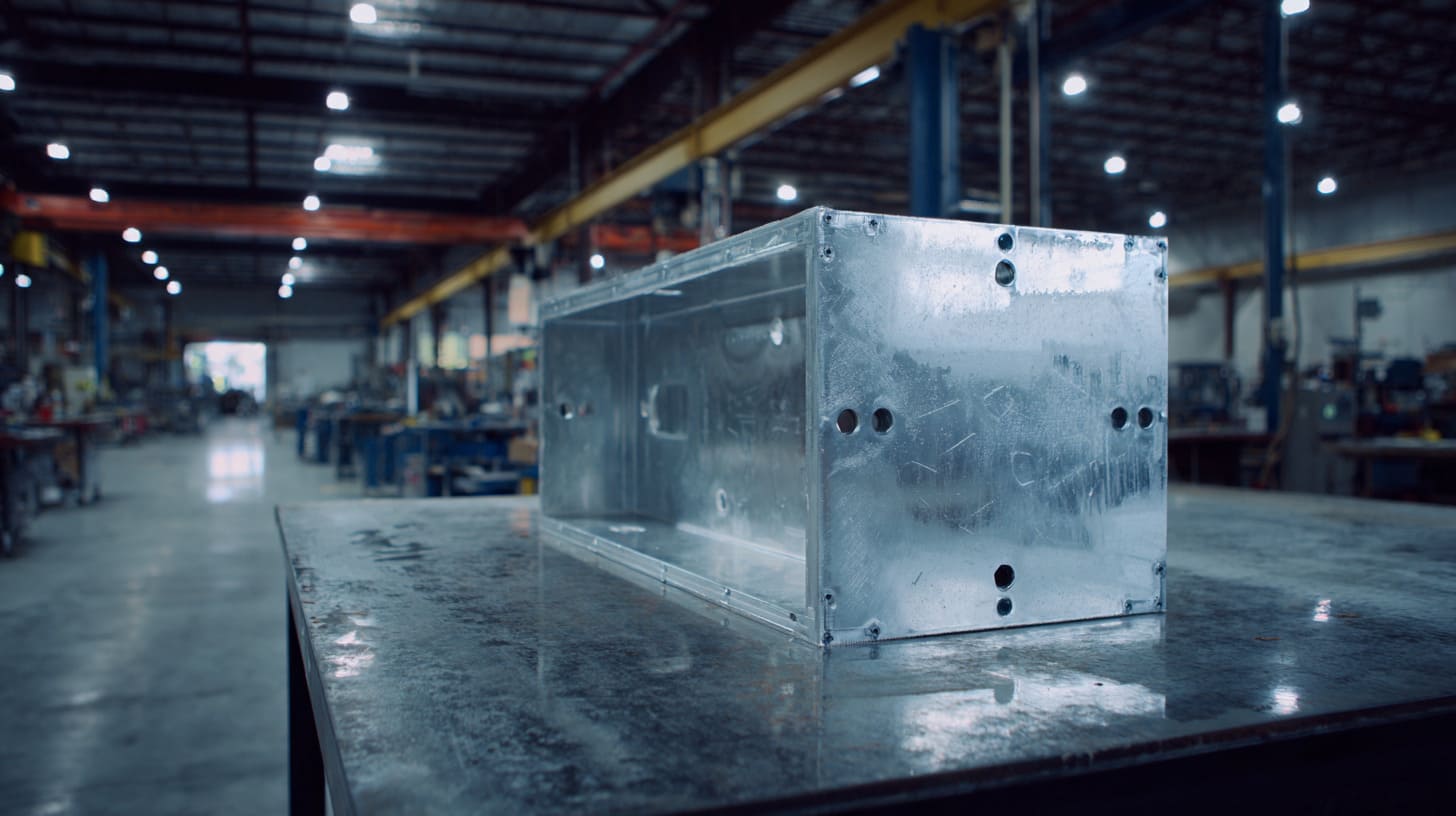
Custom enclosures are sometimes treated like an extra feature. I do not see them that way. In many automation projects, they are a cost-control tool.
I usually support custom enclosures when the standard box forces too many compromises, because a cheap standard enclosure can become expensive once extra machining, awkward layout, and retrofit work start piling on.
Tailored Panel Dimensions for Specific Equipment
A custom enclosure lets the project match the real system instead of forcing the system to fit a standard box.
That helps avoid:
- undersized cabinets with no spare room
- oversized cabinets that waste cost
- awkward internal layout compromises
- poor cable entry positions
Standard vs Custom Thinking
| Option | Benefit | Risk |
|---|---|---|
| Standard enclosure | Faster initial selection | Fit may be poor |
| Custom enclosure | Better project match | Needs better planning |
| Semi-custom approach | Balance of cost and fit | May still need compromise |
For many OEM and ODM projects, the best answer is not always fully custom or fully standard. It is often a smart middle path. I think that is where practical engineering lives.
Better Thermal and Structural Design
A custom enclosure can be built around thermal needs, door design, mounting method, and actual site conditions.
That may include:
- better vent placement
- stronger structure for industrial use
- correct backplate depth
- improved sealing or access design
- support for fans, filters, or cable glands in the right places
Thermal and Structural Advantages
| Custom Feature | Long-Term Value |
|---|---|
| Better airflow design | Lower heat stress |
| Stronger housing structure | Better durability |
| Correct internal depth | Easier wiring and maintenance |
| Thoughtful opening layout | Faster installation |
Sometimes the best cost reduction is not shaving a few dollars off the box. It is avoiding three later problems that each cost ten times more.
Faster Manufacturing and Deployment
Custom enclosures can also reduce labor when they are prepared well from the start.
Examples include:
- pre-machined mounting holes
- cutouts for HMI, connectors, switches
- matching backplate drilling
- logo or label integration
- packaging suited for project delivery
Where Time Savings Appear
| Custom Preparation | Practical Time Saved |
|---|---|
| Pre-machined cutouts | Less site modification |
| Ready mounting pattern | Faster assembly |
| Correct cable entry design | Cleaner installation |
| Label-ready layout | Faster documentation and service |
I have seen buyers focus on unit cost and miss deployment cost. That is a common trap. A cabinet is not truly cheap if the installer has to struggle with it for hours.
Conclusion
The reason I care so much about PLC panel size is simple. I have seen how a small sizing decision can shape the whole life of a project. A cabinet that is too small creates stress. It traps heat, crowds wiring, slows maintenance, and blocks future upgrades. A cabinet that is too large creates a different kind of waste. It adds material cost, takes up space, and can make the layout less efficient than it should be.
I think the right way to judge panel size is not by asking, “Can the parts fit?” I think the better question is, “Will this cabinet still work well after wiring, heat, maintenance, and future changes all arrive together?” That is why I often push for more discussion before production starts. I would rather spend extra time on spacing, layout, and enclosure choice than spend much more money fixing a bad decision later.
My view comes from real trade-offs. I know buyers want competitive pricing. I understand that machine space is tight. I also know that service teams, installers, and end users pay the price when design decisions are made too narrowly. That is why I believe careful planning, balanced sizing, and practical enclosure design are worth it. They protect reliability. They reduce long-term cost. They make the whole system easier to live with.
If you are planning a PLC panel project and want to avoid these hidden costs, I suggest you review the enclosure choice earlier than usual. Check the real component space, not just the device count. Check heat, wiring, and service access. Check future expansion before it turns into retrofit pain. And if you need a custom enclosure that fits your control system better, you can reach out to me and my team at MaidaTech. I care about this part because I know how much trouble the wrong box can cause, and I would rather help solve that problem early than watch it become expensive later.