Skip to content
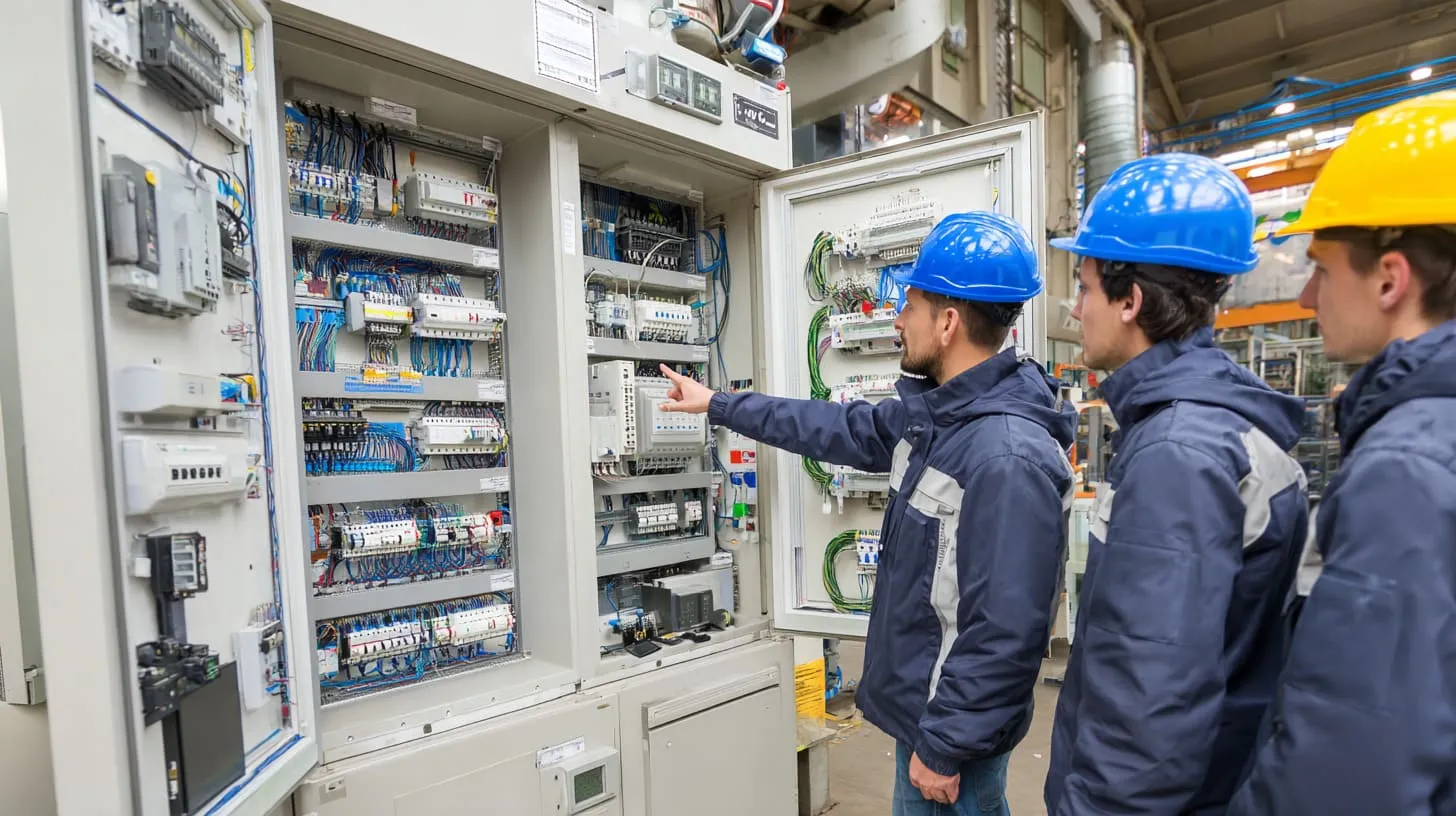
A control cabinet door was left open during a factory inspection. The wiring looked neat. The labeling looked clean. Everything felt under control. Then someone asked, almost casually:
“Is this the breaker box, or is this the main panel?”
The room went quiet for a second.
The electrician pointed at the breakers. The project manager pointed at the main switch. The engineer pulled up the drawing. Three people. Three different answers.
That moment explains why this topic matters.
When people mix up circuit breaker box and electrical panel, they are not just debating words. They are making design choices. They are affecting safety margins. They are shaping maintenance plans. They are even influencing enclosure size and heat management.
I have seen projects move forward smoothly for months, only to slow down because someone assumed both terms meant the same thing. In everyday conversation, the difference sounds small. In real electrical systems, it is not small at all.
If you design equipment. If you build control cabinets. If you choose enclosures. This distinction is practical, not theoretical.
Once you understand the structure behind the terms, your decisions become clearer. And clarity, in electrical work, is everything.
1. What Is a Circuit Breaker Box?
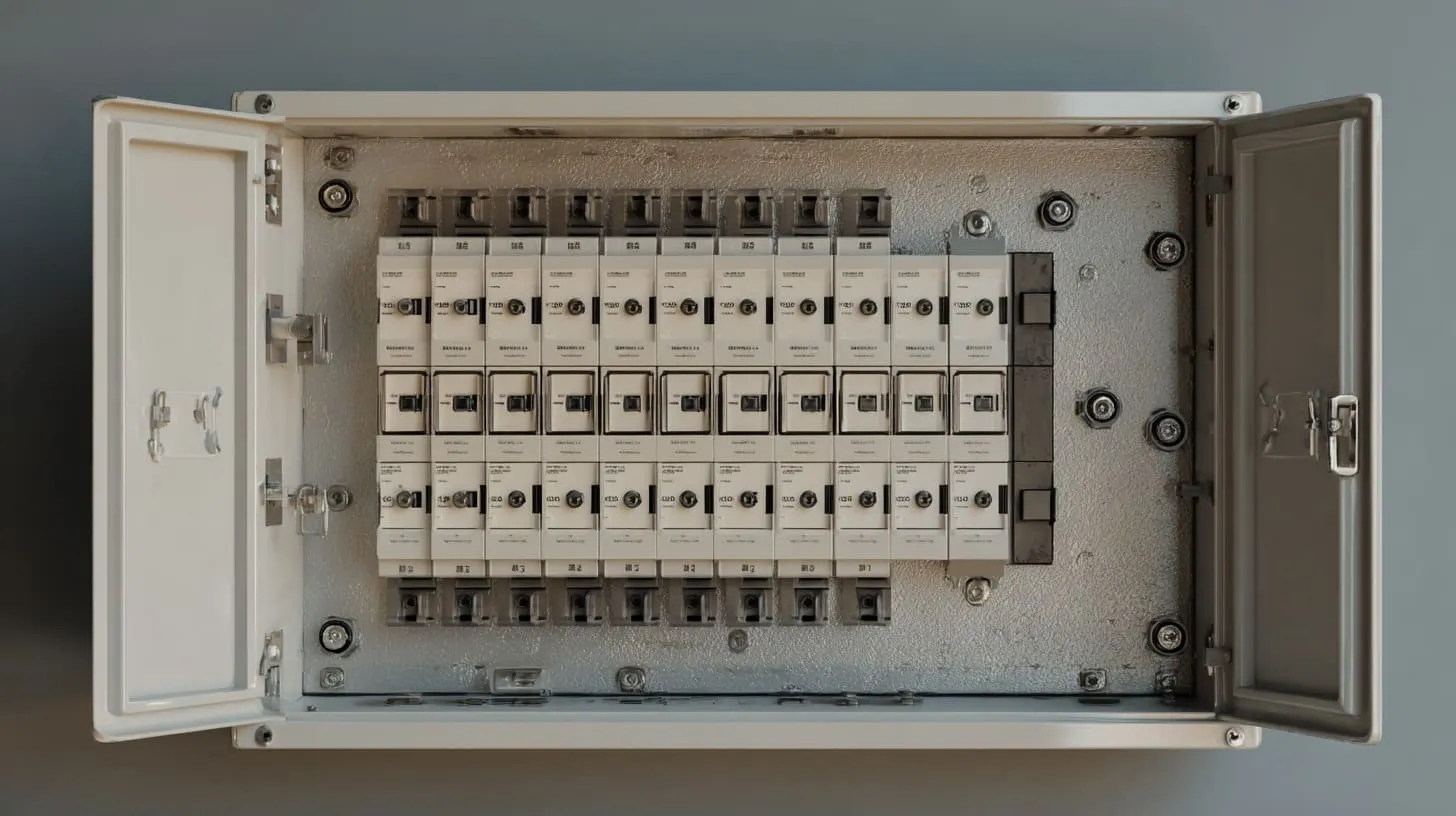
When I hear “breaker box,” I imagine a simple protective heart inside a building. It is not fancy. It is practical. It is there to stop trouble before it spreads.
Here is where many projects quietly fail: people treat the breaker box as just a metal box with switches, but it is actually the last line of defense between safe operation and damaged equipment.
1.1 Definition and Basic Function
A circuit breaker box is a housing that contains circuit breakers. Each breaker protects one circuit. When current becomes too high, the breaker trips. It cuts power.
It protects against:
- Overload
- Short circuit
- Sometimes ground fault
In simple terms, it prevents wires from overheating and catching fire.
From my perspective as someone who builds enclosures, the breaker box is mainly about protection logic, not distribution logic.
1.2 How Circuit Breakers Work
Each breaker monitors current flow. When the current exceeds a rated value, the internal mechanism trips.
There are common types:
| Type | Use Case | Typical Application |
|---|---|---|
| Single-pole | 120V circuits | Lighting, outlets |
| Double-pole | 240V circuits | HVAC, heavy equipment |
I often remind engineers: do not only look at voltage. Check real load behavior. Motors behave differently from lighting.
Sometimes I see a design where the breaker rating looks correct on paper. But real startup current trips it. That is not a theory issue. That is real life.
1.3 Common Uses and Limitations
Breaker boxes are common in:
- Houses
- Small offices
- Light commercial buildings
They are simple. They are reliable. But they have limits.
| Aspect | Breaker Box Strength | Breaker Box Limitation |
|---|---|---|
| Protection | Strong circuit-level protection | Limited system expansion |
| Size | Compact | Space can run out fast |
| Complexity | Easy to understand | Not ideal for large distribution systems |
I have seen customers run out of breaker slots and then try to “squeeze” more circuits in. That is usually where future headaches begin.
Now, once you zoom out from individual breakers, you start seeing the bigger picture. That bigger picture leads us to the electrical panel.
2. What Is an Electrical Panel?
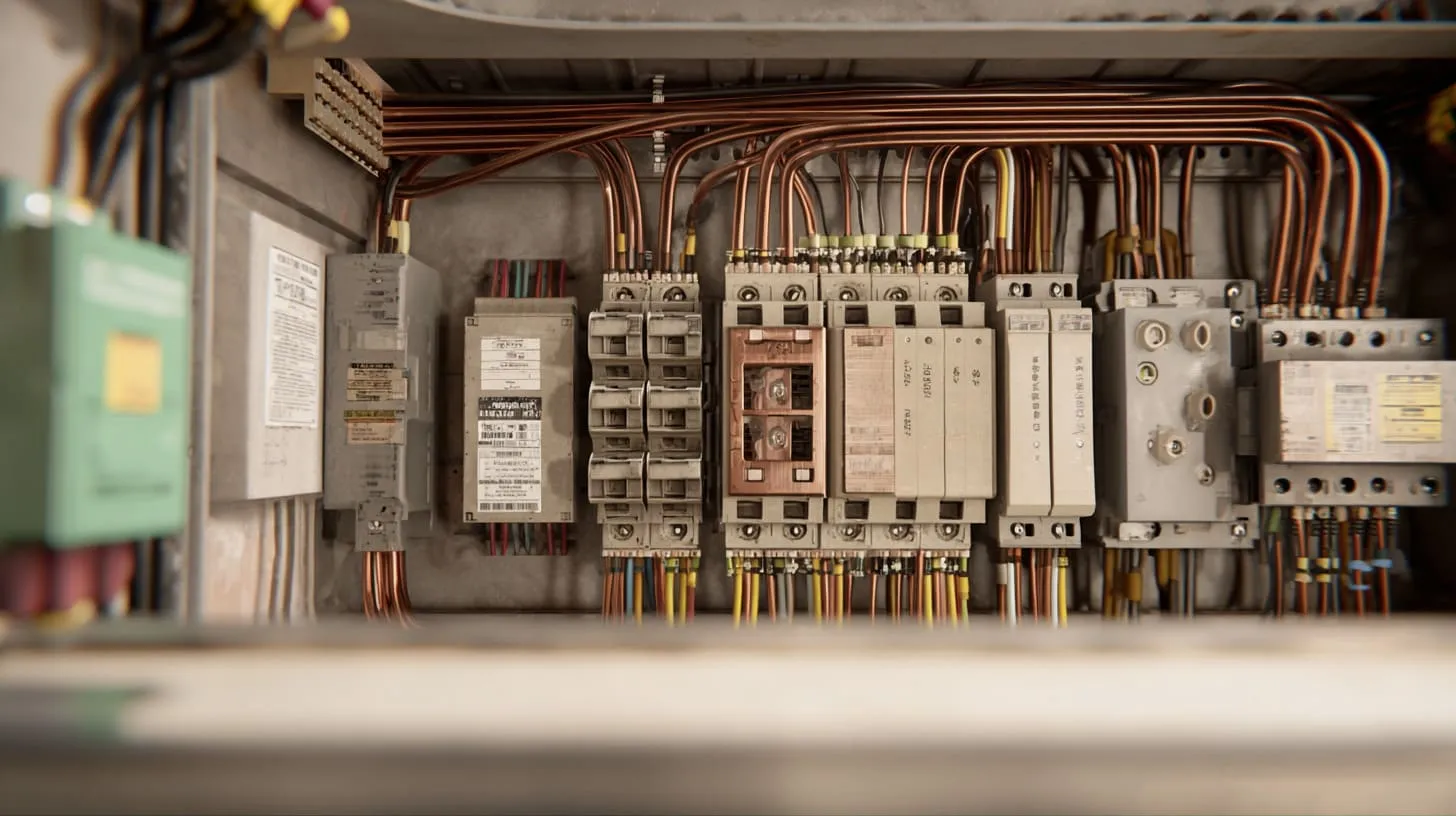
An electrical panel is not just about protection. It is about distribution. It is the central hub where power enters and spreads.
When I evaluate a project drawing, I do not ask, “Is there a breaker?” I ask, “How is the entire power flow organized inside the panel?”
That question changes everything.
2.1 Definition and Components
An electrical panel, also called a service panel or load center, distributes electricity from the utility to branch circuits.
Key components:
| Component | Function |
|---|---|
| Main breaker | Controls total incoming power |
| Bus bars | Distribute power to breakers |
| Neutral bar | Connects neutral wires |
| Ground bar | Connects grounding wires |
| GFCI/AFCI | Special protection devices |
When I design custom aluminum enclosures for panel systems, I always check internal space for bus bar clearance. A small spacing mistake can create heat buildup later.
2.2 How Electrical Panels Distribute Power
Electricity enters from the utility. It flows into the main breaker. From there, it moves to bus bars. Branch breakers connect to those bus bars. Then power goes to circuits.
It sounds simple. It is not always simple.
Load balance matters. Phase balance matters. Heat matters.
Here is a simple flow:
Utility → Main Breaker → Bus Bars → Branch Breakers → Circuits
If one step is poorly designed, the whole system suffers.
2.3 Types of Electrical Panels
Common panel types:
| Type | Description | When Used |
|---|---|---|
| Main Breaker Panel | Includes main disconnect | Most residential buildings |
| Main Lug Panel | No main breaker | Sub-panels |
| Sub-panel | Secondary distribution | Large buildings, workshops |
I once worked with a client who installed a sub-panel without thinking about future expansion. Two years later, they had to replace the whole setup. Planning ahead would have saved time and money.
And this brings us to the real comparison.
3. Key Differences Between Circuit Breaker Boxes and Electrical Panels
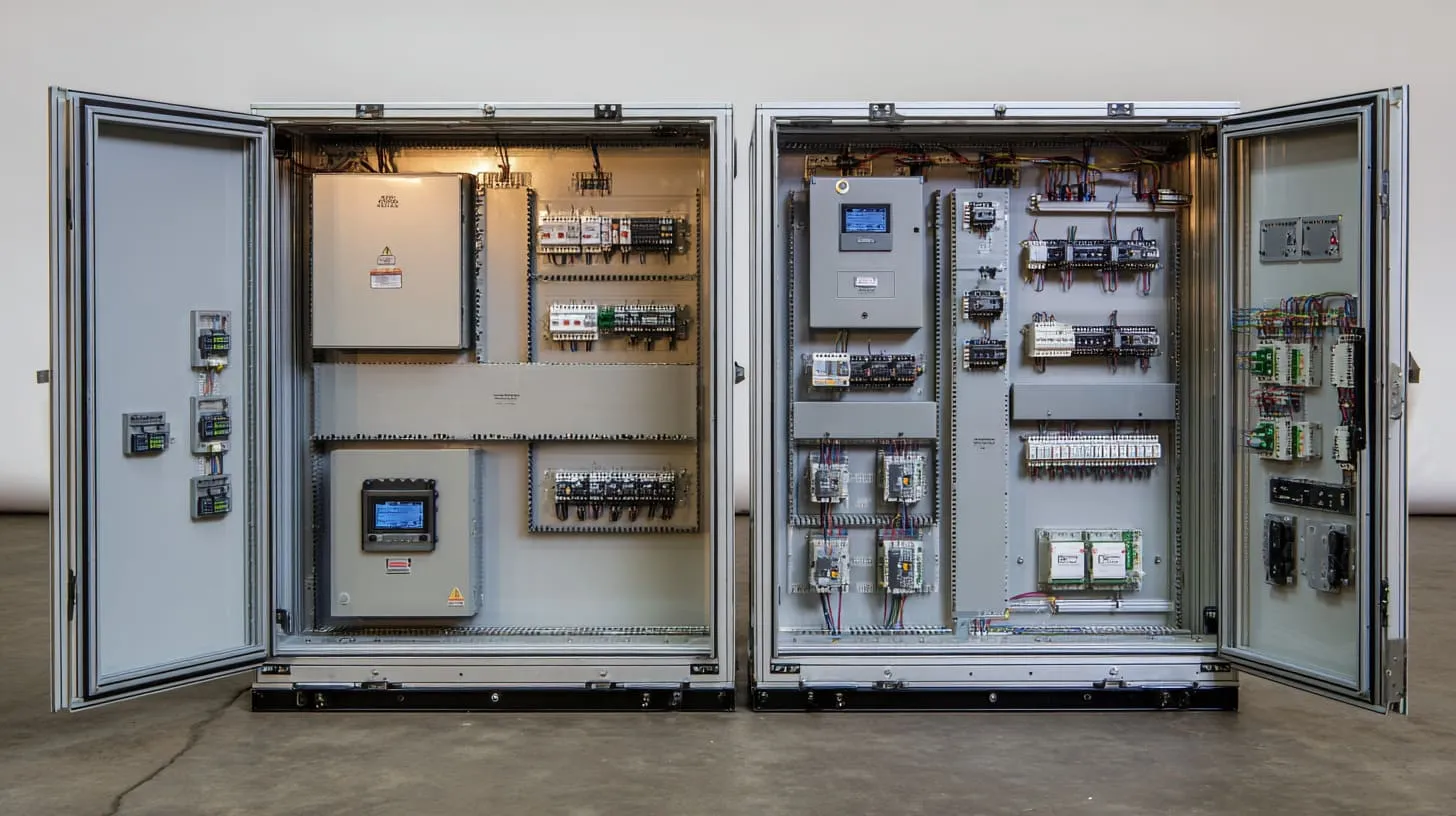
This is where confusion usually begins.
Many people say “breaker box” and “panel” as if they mean the same thing. Sometimes they do in casual speech. But structurally, they are not always identical.
What often gets ignored is the scale of responsibility each one carries.
3.1 Terminology and Usage
In daily language:
- Breaker box = the box with switches
- Electrical panel = the same thing
In technical context:
- Breaker box = enclosure for breakers
- Electrical panel = full distribution system
I always ask clients to show me drawings instead of relying on words. Words can confuse. Drawings do not lie.
3.2 Structural and Functional Differences
| Feature | Breaker Box | Electrical Panel |
|---|---|---|
| Core Role | Circuit protection | Power distribution + protection |
| Components | Mainly breakers | Breakers + bus bars + main breaker |
| Complexity | Lower | Higher |
The electrical panel is broader in scope. It manages flow. The breaker box focuses on interruption.
3.3 Capacity and Expandability
Electrical panels often support:
- More circuits
- Sub-panel expansion
- Larger amperage
Breaker boxes may have limited slots.
Whenever I review a design, I look at future load growth. If there is no space left, future upgrades become expensive.
3.4 Safety and Protection Features
Panels may include:
- Surge protection
- Arc fault protection
- Ground fault devices
Breaker boxes mainly rely on breaker tripping.
I have seen systems where extra surge protection saved thousands of dollars in equipment damage. Small features matter.
Now let us clear up a few myths.
4. Common Misconceptions Around Breaker Boxes and Panels
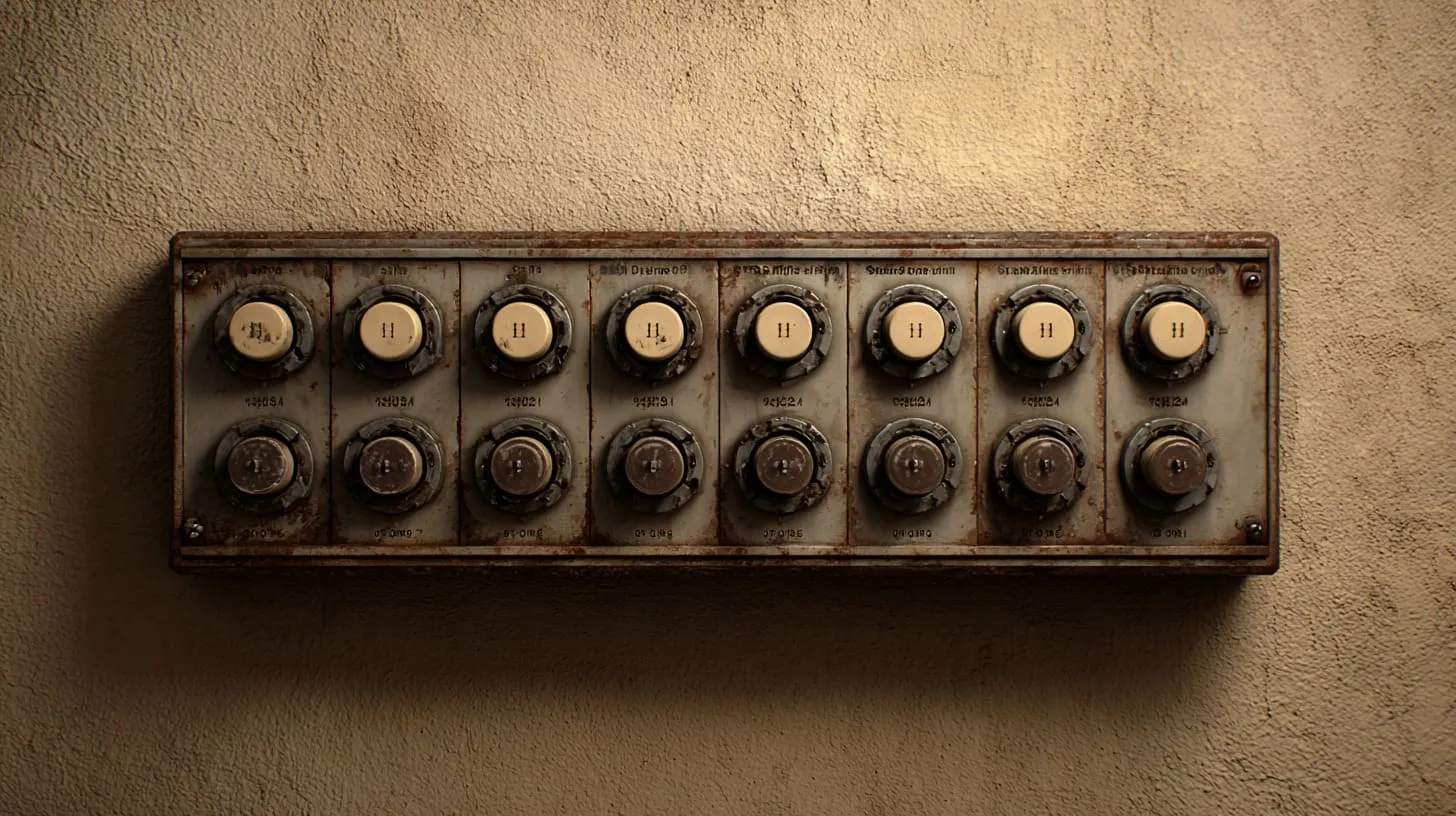
People often assume the difference is only about vocabulary. That assumption creates risk.
The real danger is not misunderstanding terms. The danger is underestimating system complexity.
4.1 “They’re the Same Thing” Myth
In many homes, the terms overlap. So people think they are identical.
In small systems, that is often true.
But in industrial or commercial settings, that shortcut thinking can lead to poor planning.
I have watched buyers approve enclosures before confirming internal layout. That is when problems show up during installation.
4.2 Fuse Boxes vs Breaker Panels
Older systems used fuse boxes. Fuses must be replaced after blowing.
| Feature | Fuse Box | Breaker Panel |
|---|---|---|
| Reset | Replace fuse | Flip breaker |
| Modern compliance | Outdated in many areas | Standard today |
| Convenience | Lower | Higher |
Fuses work. But they lack flexibility.
When we talk about upgrades, this leads to the next big question.
5. When to Upgrade or Replace Your Electrical Panel
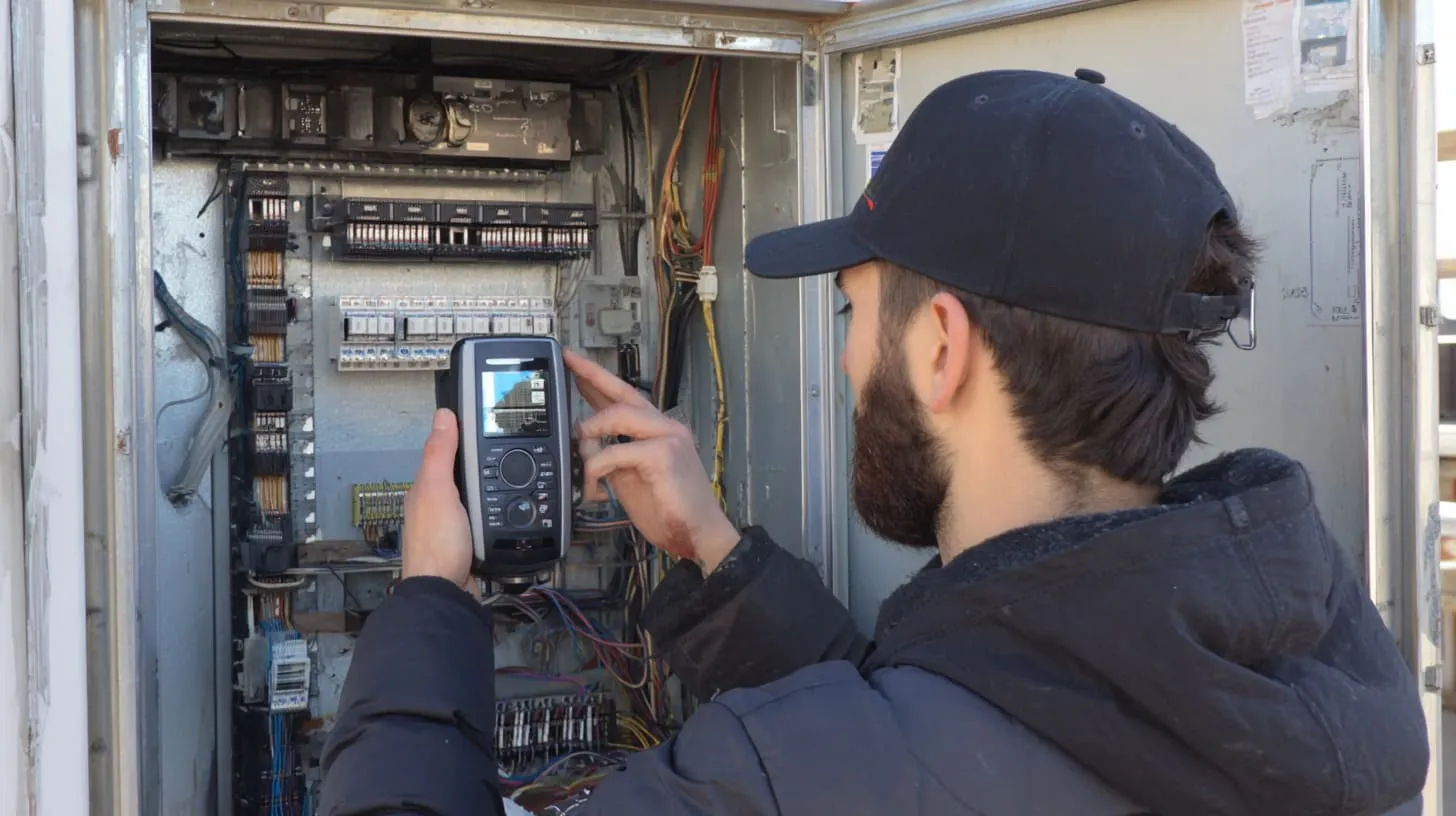
Panels age. Loads increase. Safety standards change.
I always pay attention when a client says, “It trips often.” That sentence usually hides a bigger story.
5.1 Signs Your Panel or Breaker Box Needs Attention
Common warning signs:
- Frequent breaker trips
- Burning smell
- Buzzing noise
- Warm panel surface
- Not enough circuit slots
These are not small issues. They are signals.
5.2 Code and Safety Considerations
Electrical codes evolve. What passed ten years ago may not pass today.
Licensed electricians should handle upgrades. I say this not as marketing. I say this because mistakes here can cause fire.
5.3 Cost and Practical Considerations
Panel replacement cost depends on:
- Amperage rating
- Labor
- Local code
- Location
Cheap decisions now can become expensive later.
And this leads to something practical.
6. Practical Tips for Homeowners and Engineers
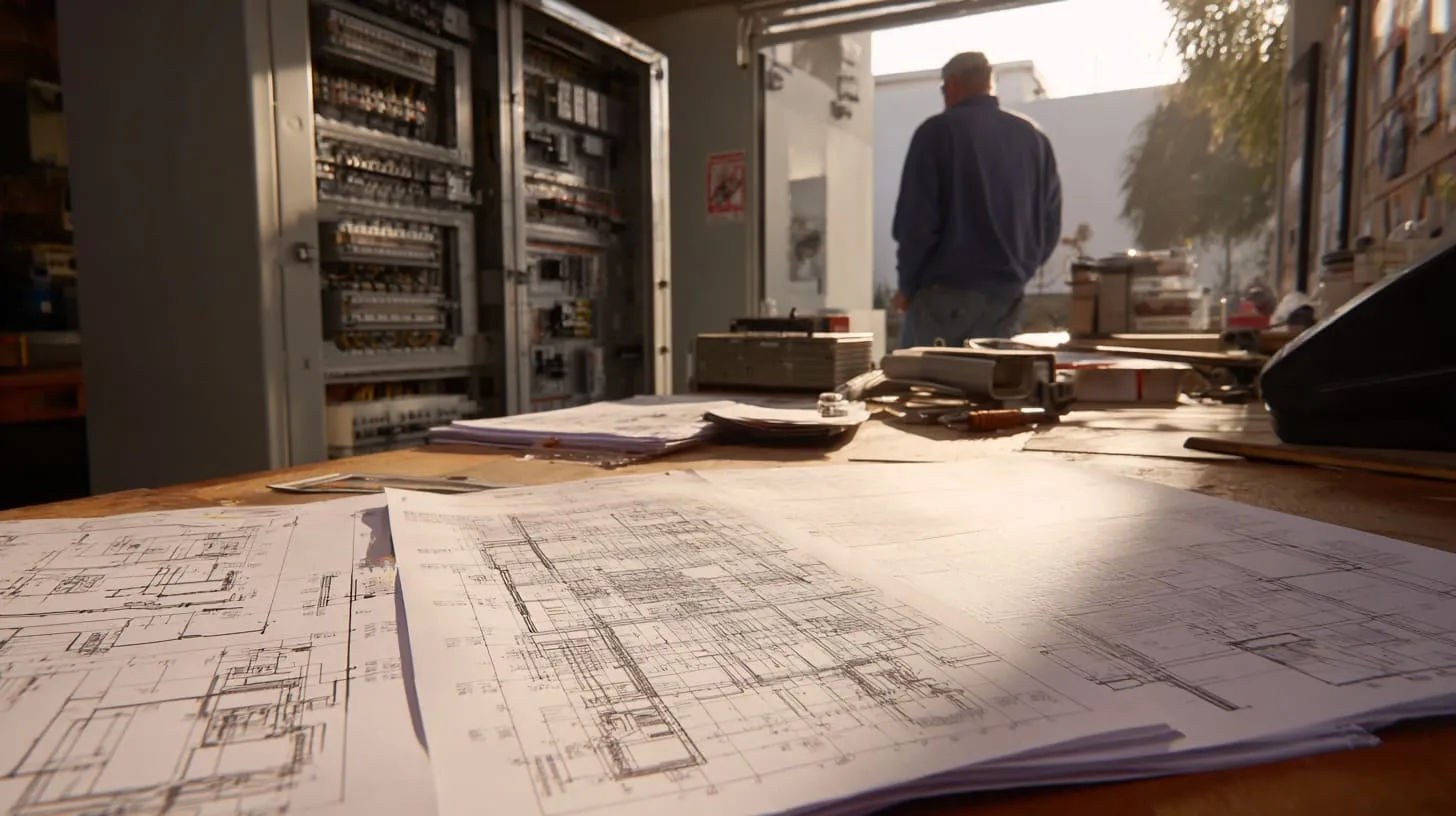
I deal with enclosure design every day. I see small details ignored too often.
Small details create large outcomes.
6.1 Regular Maintenance and Labeling
Always label circuits clearly.
| Practice | Why It Matters |
|---|---|
| Clear labels | Faster troubleshooting |
| Tight connections | Prevent overheating |
| Periodic inspection | Catch problems early |
When I inspect a panel layout drawing, I look for clarity. If labels are confusing on paper, they will be worse on-site.
6.2 When to Call a Professional
Do not open a panel unless you understand the risks.
If you see:
- Sparks
- Melted insulation
- Repeated trips
Call a professional.
I have seen experienced engineers hesitate around high-voltage systems. That hesitation is healthy.
Conclusion
A circuit breaker box protects individual circuits. An electrical panel manages and distributes power while also protecting circuits. Sometimes they overlap in casual language. Structurally and functionally, they can be very different.
Understanding this difference helps you:
- Design better systems
- Choose the right enclosure size
- Plan future expansion
- Avoid safety risks
If you are designing a custom enclosure for a panel or breaker system, I suggest you think beyond dimensions. Think about heat. Think about space. Think about expansion.
If you need support on custom aluminum or sheet metal enclosures for electrical panels, you can reach me at info@maidatech.com or visit maidatechenclosure.com. I am always happy to review drawings and give honest feedback.
Because in electrical systems, small clarity today prevents big problems tomorrow.