Skip to content


You’d be surprised how many people underestimate a simple metal box.
At trade shows, emails, or video calls with engineers, I often hear the same thing—“We just need an enclosure.” It sounds straightforward. But as we dive deeper, the checklist grows: heat, weight, mounting, airflow, waterproofing, aesthetics, delivery time, cost control… you get the idea.
An aluminum enclosure isn’t just a shell—it’s part of your product’s identity, performance, and longevity.
What is an aluminum enclosure?
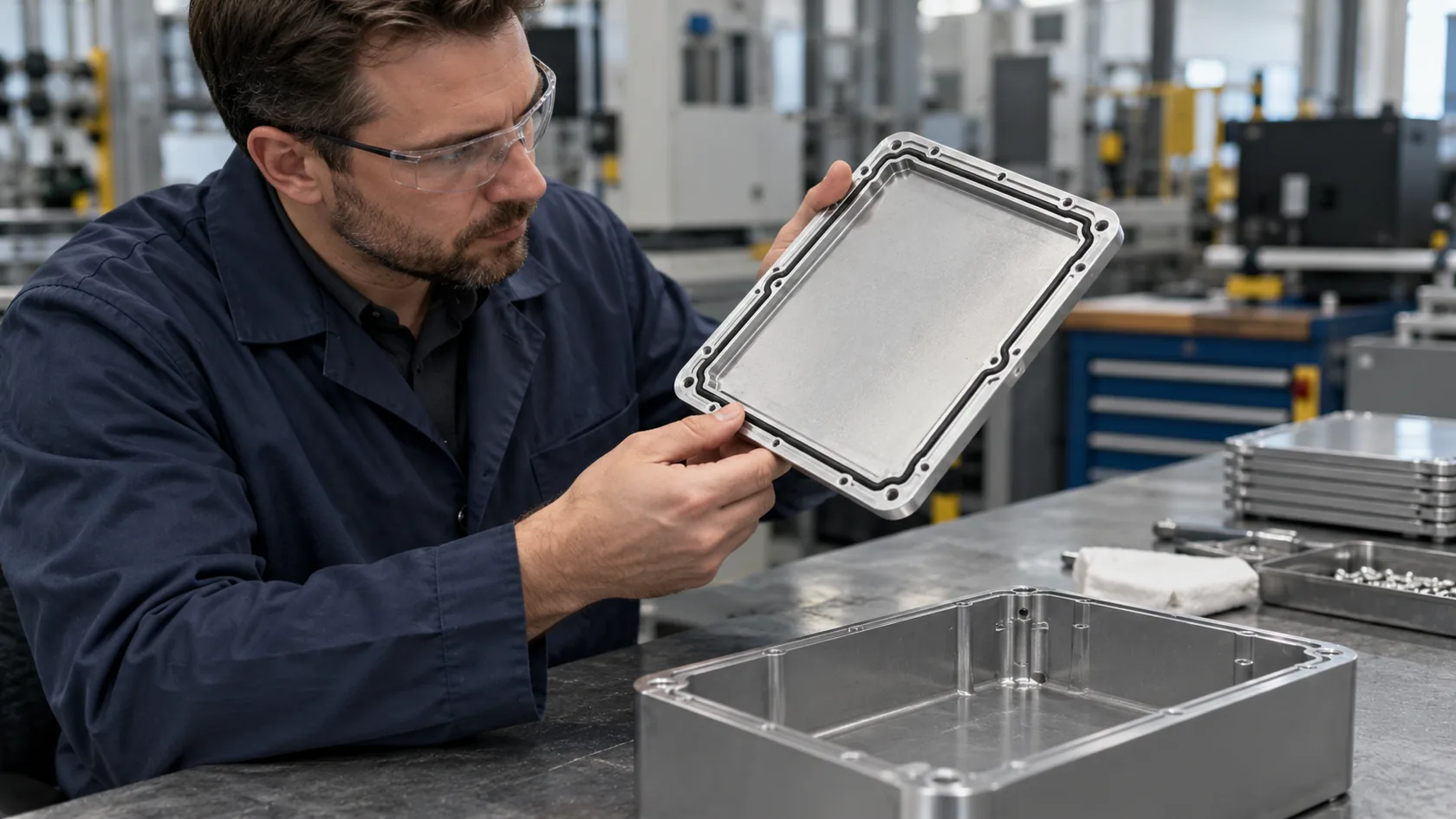
An aluminum enclosure is a protective housing made mainly from aluminum.
It holds electronics, PCBs, power supplies, and moving parts.
But function alone is not enough.
From my side, I see it as:
- Protection
- Heat control
- Structure
- And brand image
When one of these fails, the whole project feels it.
Why is aluminum commonly used for enclosures?
I get this question a lot, especially from new ODM buyers.
The short answer? Balance.
Aluminum sits right in the middle of:
- Strength
- Weight
- Cost
- Machinability
Here is a simple view:
| Material | Strength | Weight | Heat | Cost |
|---|---|---|---|---|
| Aluminum | High | Light | Very good | Medium |
| Plastic | Low–Medium | Very light | Poor | Low |
| Steel | Very high | Heavy | Medium | High |
Aluminum gives engineers room to design without fighting the material.
Who needs aluminum enclosures in B2B industries?
I mostly see these buyers:
- Product engineers
- OEM brand owners
- Re-brand sellers
- Industrial system builders
They care about:
- Fit
- Finish
- Delivery time
- And how the product feels in hand
Once you ship thousands of units, small mistakes become expensive.
And that leads us naturally to the first big question buyers ask me next.
What Are the Common Types of Aluminum Enclosures?
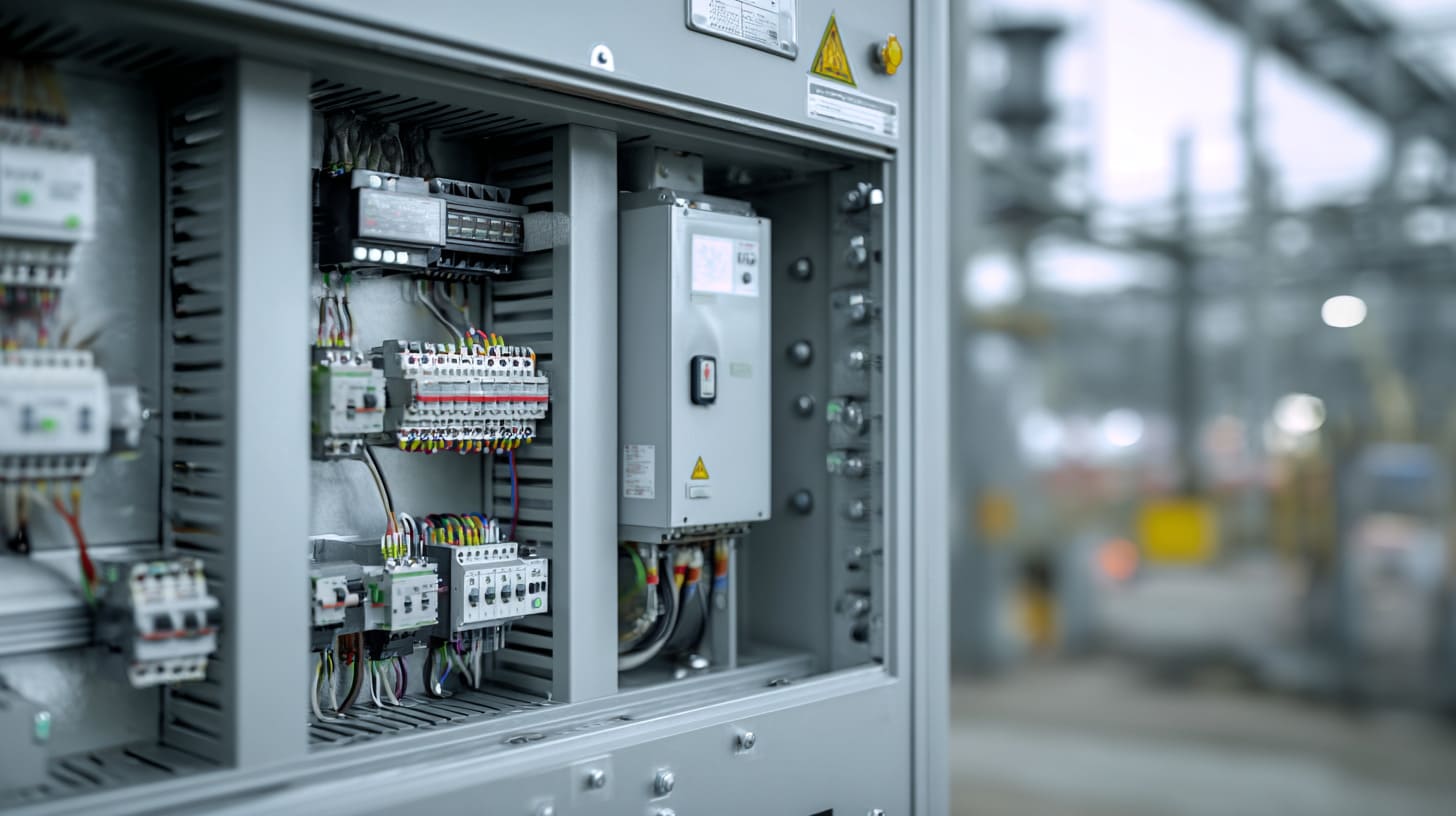
When a client says, “We need an aluminum enclosure,”
my first reply is always: “Which type?”
Because not all aluminum enclosures behave the same.
Extruded aluminum enclosures
This is the type I recommend most often.
Extruded enclosures are made by pushing aluminum through a mold.
The profile stays the same. Length can change.
Why engineers like it:
- Good heat dissipation
- Clean shape
- Stable cost
Where it fits best:
- Control modules
- Power devices
- Raspberry Pi–style projects
| Pros | Cons |
|---|---|
| Strong structure | Fixed profile |
| Low tooling cost | Limited shape freedom |
Die-cast aluminum enclosures
Die casting feels solid. Almost overbuilt.
It uses molten aluminum and steel molds.
The result is dense and very strong.
But I always ask clients to pause here.
Critical view:
- Great for high volume
- Risky for early-stage projects
| Pros | Cons |
|---|---|
| Complex shapes | High mold cost |
| High strength | Long setup time |
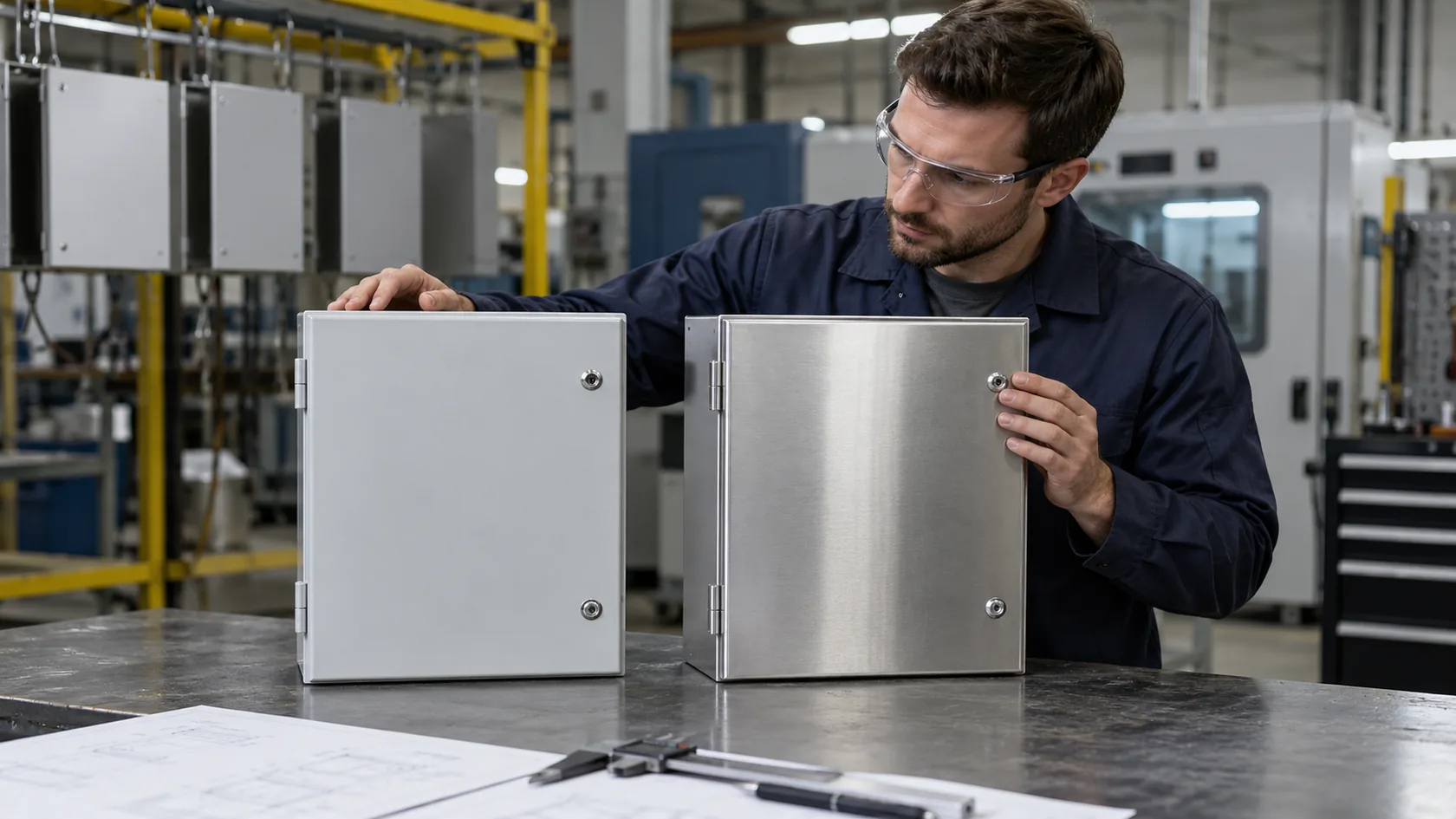
Sheet metal aluminum enclosures
This one is flexible. Very flexible.
We cut, bend, and assemble sheets.
Design changes are easier.
I often suggest this for:
- Low to mid volume
- Fast iterations
| Advantage | Limitation |
|---|---|
| Fast changes | Less seamless look |
| Lower setup | More assembly steps |
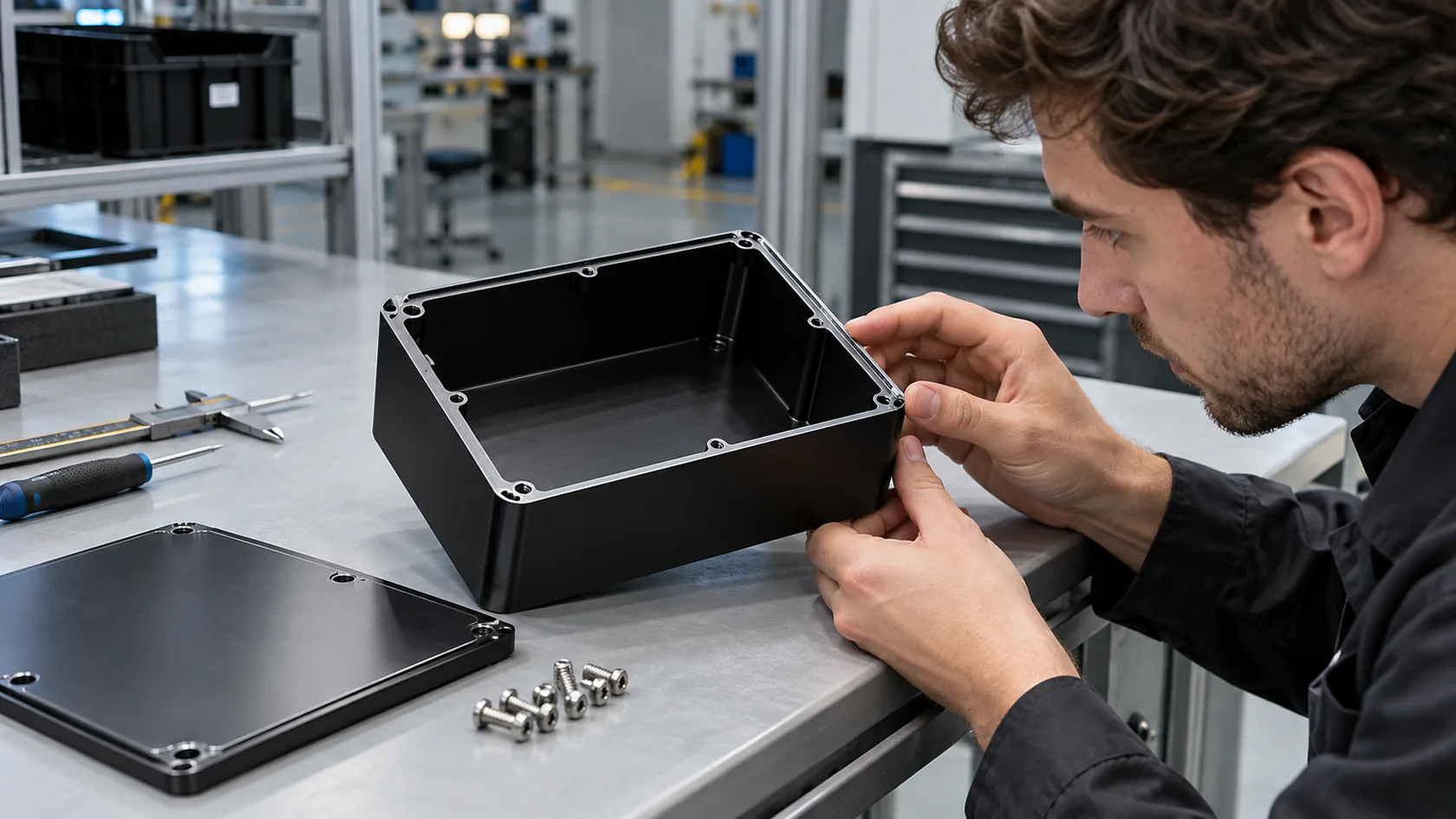
CNC-machined aluminum enclosures
This is precision work.
Every cut matters.
Every corner shows quality—or mistakes.
Best for:
- Small batches
- High tolerance designs
But cost rises fast if design is not clean.
Waterproof and sealed aluminum boxes
Outdoor projects change everything.
Here, the enclosure fights:
- Rain
- Dust
- Time
Gaskets, screws, and surface finish all matter.
One weak point breaks the system.
Once the type is clear, the next question always follows: “Where will it be used?”
What Are the Key Applications of Aluminum Enclosures?
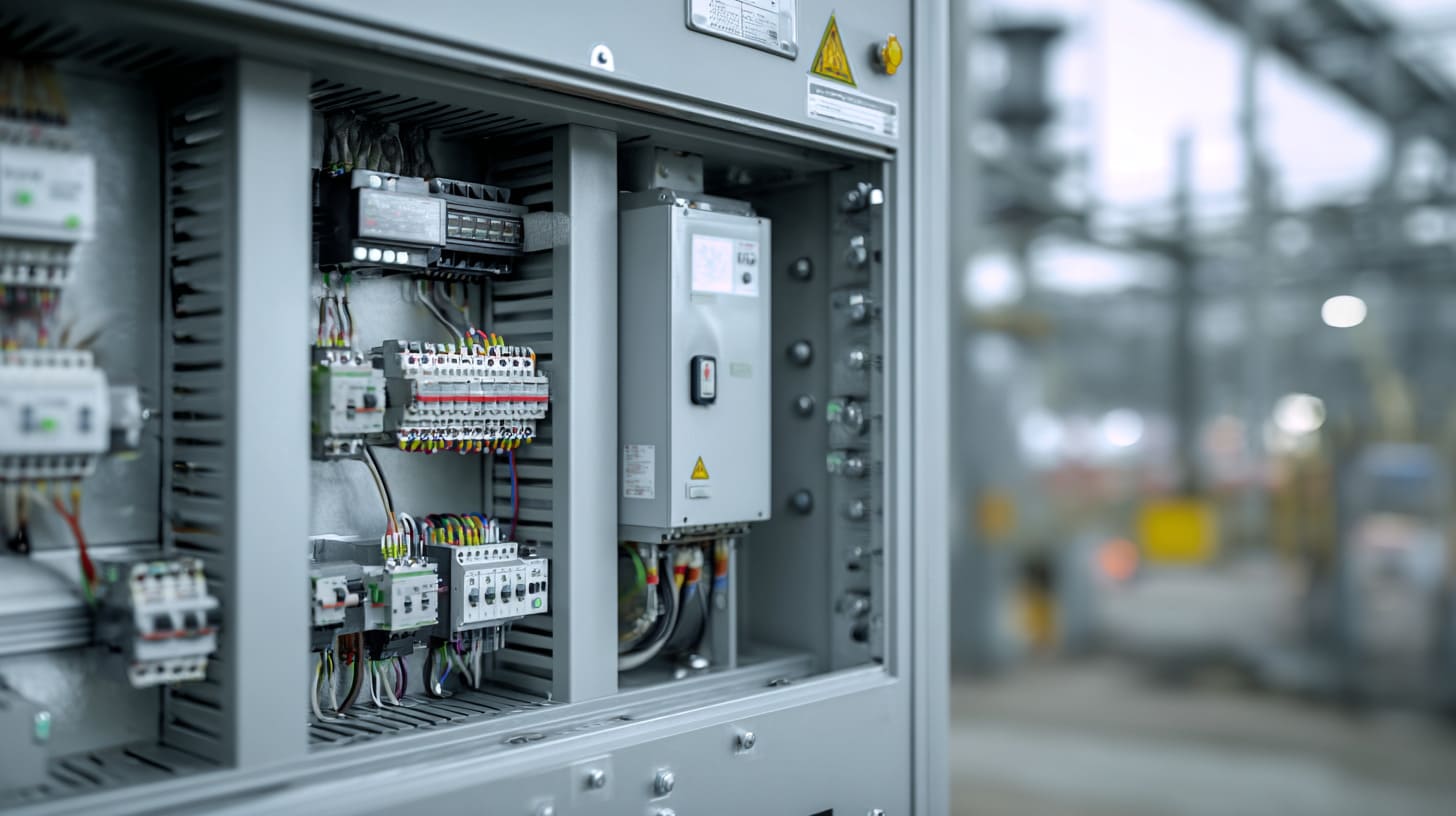
I like to ask clients one simple thing:
“Where will this box live?”
That answer shapes every decision after.
Industrial control panels
Factories are not gentle places.
Heat. Vibration. Oil mist.
Aluminum handles this well.
Engineers usually focus on:
- Mounting points
- Cable entry
- Grounding
Missing one detail can delay a whole line.
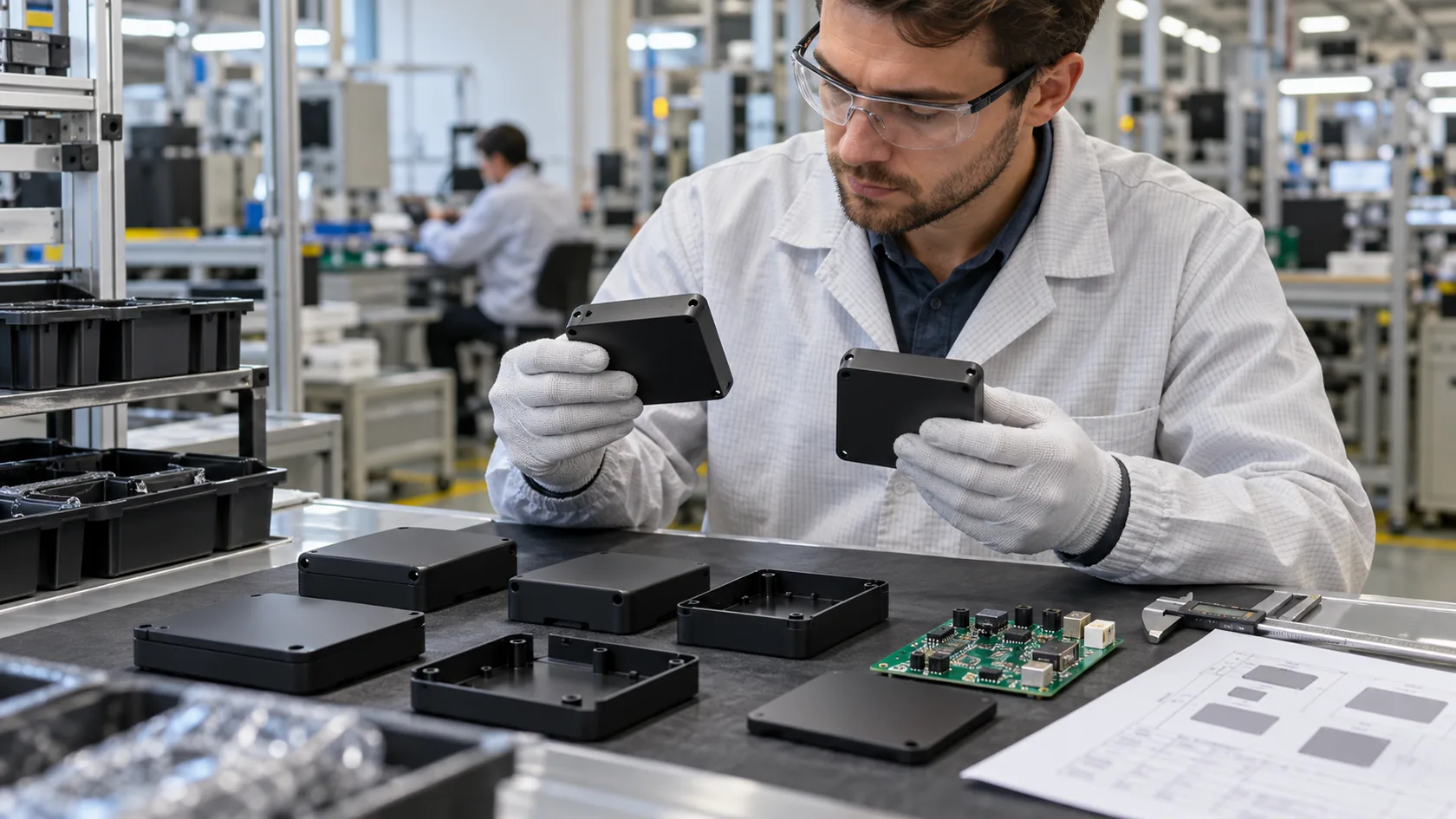
IoT devices and embedded systems
Small boards. Tight spaces.
Here, aluminum helps with:
- Heat spread
- EMI control
- Clean look
I’ve seen great boards fail because the enclosure trapped heat.
Outdoor telecom and electrical systems
Outdoor use is unforgiving.
I always think in layers:
- Weather
- Corrosion
- Sealing
- Maintenance
If one layer is weak, the field will find it.
Consumer electronics and Raspberry Pi
This is where design meets emotion.
People touch these products.
They feel weight. They see finish.
A cheap enclosure kills trust fast.
Automotive and renewable energy sectors
Long life cycles matter here.
These buyers think in years, not months.
They ask harder questions—and they should.
And that pushes us into how these enclosures are actually made.
How Are Aluminum Enclosures Manufactured?

Manufacturing choices decide cost, time, and risk.
I’ve seen beautiful designs fail because the process was wrong.
Extrusion and post-processing
Extrusion is only the start.
After that:
- CNC cut
- Drilling
- Surface finish
Skipping steps creates tolerance issues later.
Die casting and tooling
Tooling looks expensive because it is.
I usually ask:
- Volume?
- Design stability?
If answers are not clear, I slow things down.
CNC milling and precision cutting
CNC gives freedom—but demands discipline.
Bad drawings equal wasted aluminum.
Sheet metal bending and punching
Angles matter more than people think.
One wrong bend angle can break assembly flow.
Surface finishing (anodizing, powder coating, brushing)
Finish is not decoration.
It affects:
- Corrosion
- Heat
- Touch
| Finish | Purpose |
|---|---|
| Anodizing | Protection + color |
| Powder coating | Durability |
| Brushing | Visual quality |
After seeing how it’s made, buyers ask the obvious question.
What Are the Benefits of Using Aluminum Enclosures?
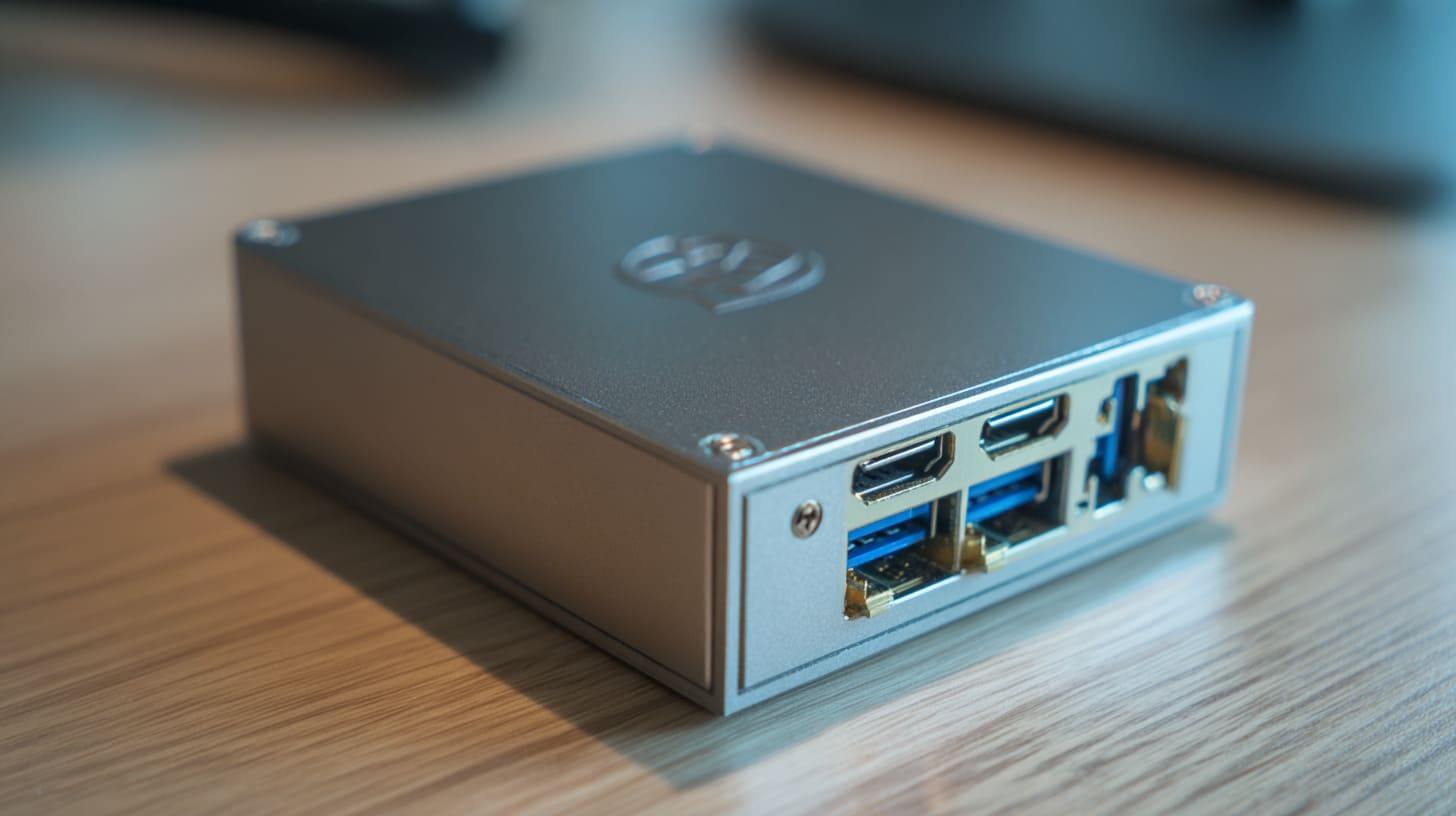
I like aluminum because it doesn’t lie.
It shows good design—and bad design.
Strength-to-weight ratio
You get strength without bulk.
That matters for:
- Shipping
- Mounting
- Handling
Excellent heat dissipation
Heat is silent but deadly.
Aluminum spreads heat instead of trapping it.
Corrosion resistance
With the right finish, aluminum lasts.
Even near the sea, with care.
EMI shielding and grounding properties
Plastic struggles here.
Aluminum gives engineers peace of mind.
Easy to customize and machine
Design changes happen.
Aluminum forgives—if planned right.
And that leads straight to customization.
What Customization Options Are Available?
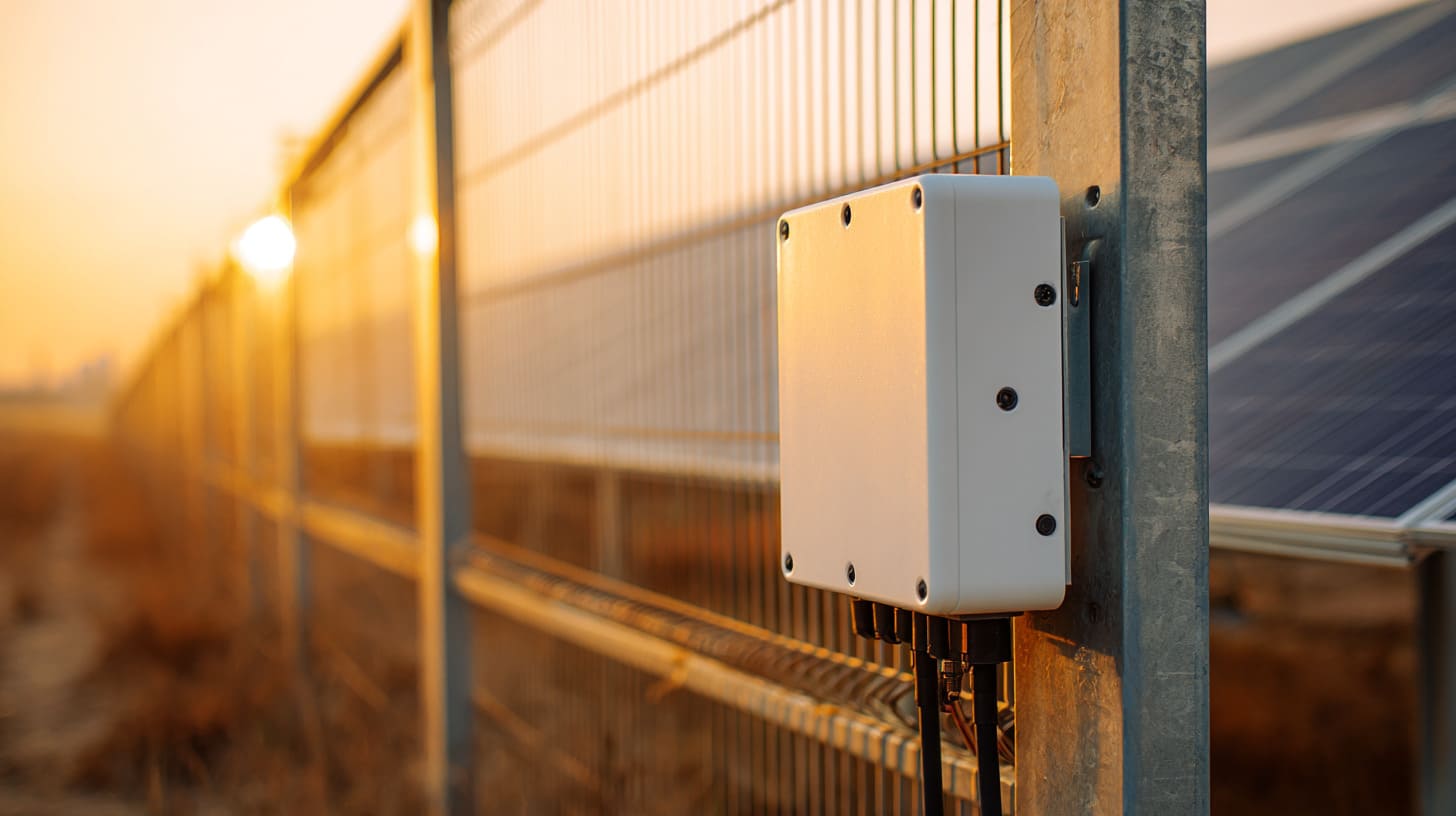
This is where most projects either shine or stall.
Size and cutouts for ports and connectors
I always double-check port drawings.
One millimeter off feels small.
It is not.
Logo printing and engraving
Brand matters.
Laser engraving lasts.
Printing looks cleaner.
Each has its place.
Surface finish (anodized, painted, brushed)
Finish changes perception.
Same enclosure. Different feeling.
Mounting options: wall-mount, DIN rail, etc.
Mounting is often an afterthought.
That’s a mistake.
Color options and powder coating
Color affects heat and mood.
Dark absorbs. Light reflects.
After customization, selection becomes critical.
How to Choose the Right Aluminum Enclosure for Your Project?
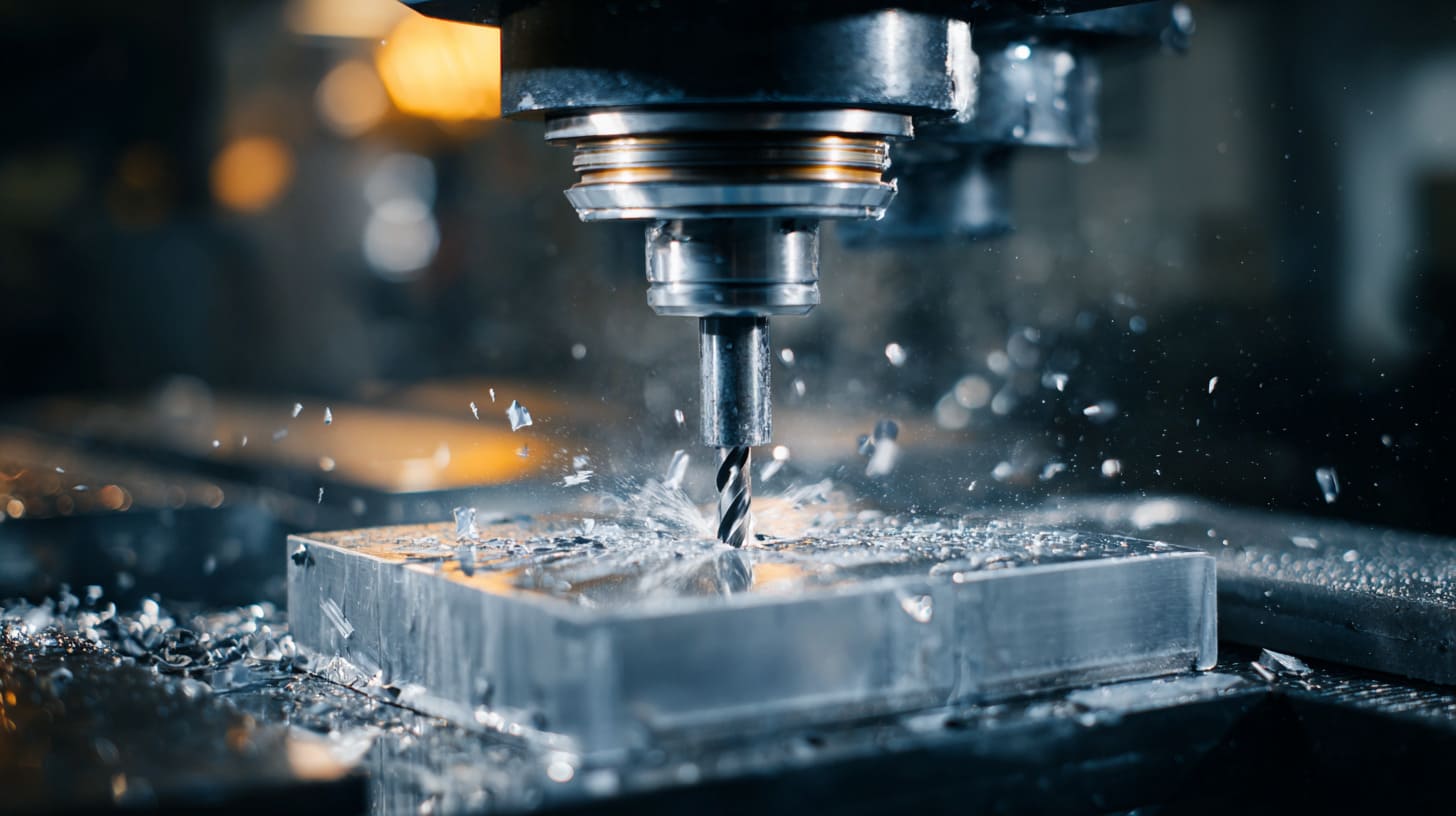
I slow clients down here on purpose.
Define your application environment
Indoor is easy.
Outdoor is not.
Determine internal components’ size and layout
Always design from inside out.
Check IP rating and weatherproof needs
IP ratings are promises.
Make sure they are kept.
Consider heat dissipation and airflow
No airflow plan means future failure.
Match style with branding or end-use aesthetics
Engineers notice function.
Customers notice feel.
Then comes one of the most misunderstood topics.
What Are IP Ratings and How Do They Apply to Aluminum Enclosures?
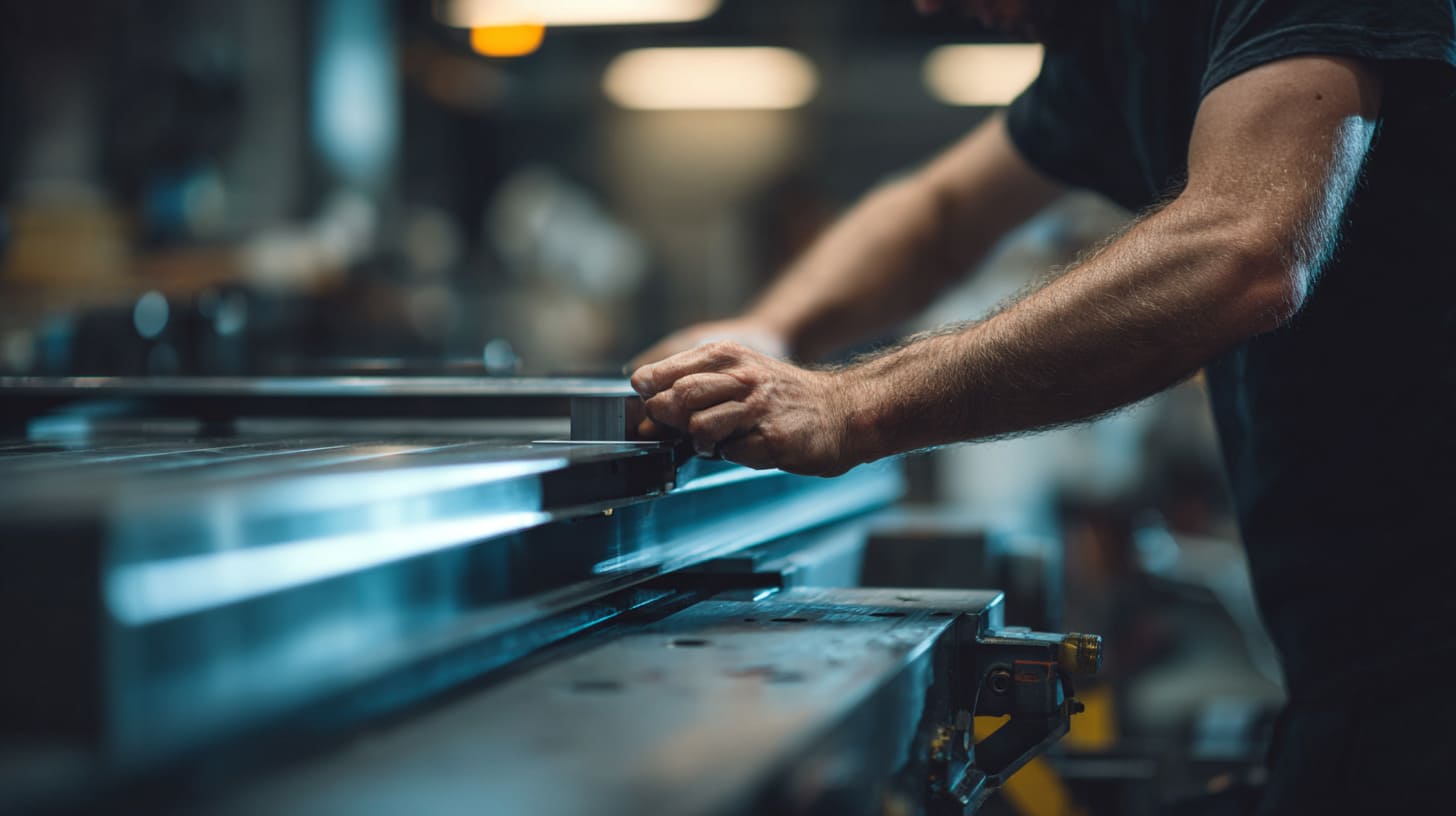
IP ratings sound simple.
They are not.
IP65 vs IP66 vs IP67: What’s the difference?
| IP Rating | Protection |
|---|---|
| IP65 | Dust + low-pressure water |
| IP66 | Strong water jets |
| IP67 | Temporary immersion |
Higher is not always better.
It depends on use.
When do you need waterproof or dustproof enclosures?
Ask where failure would hurt most.
NEMA rating vs IP rating
Different systems. Same goal.
Know your market.
Heat always comes next.
How to Ensure Good Thermal Management?
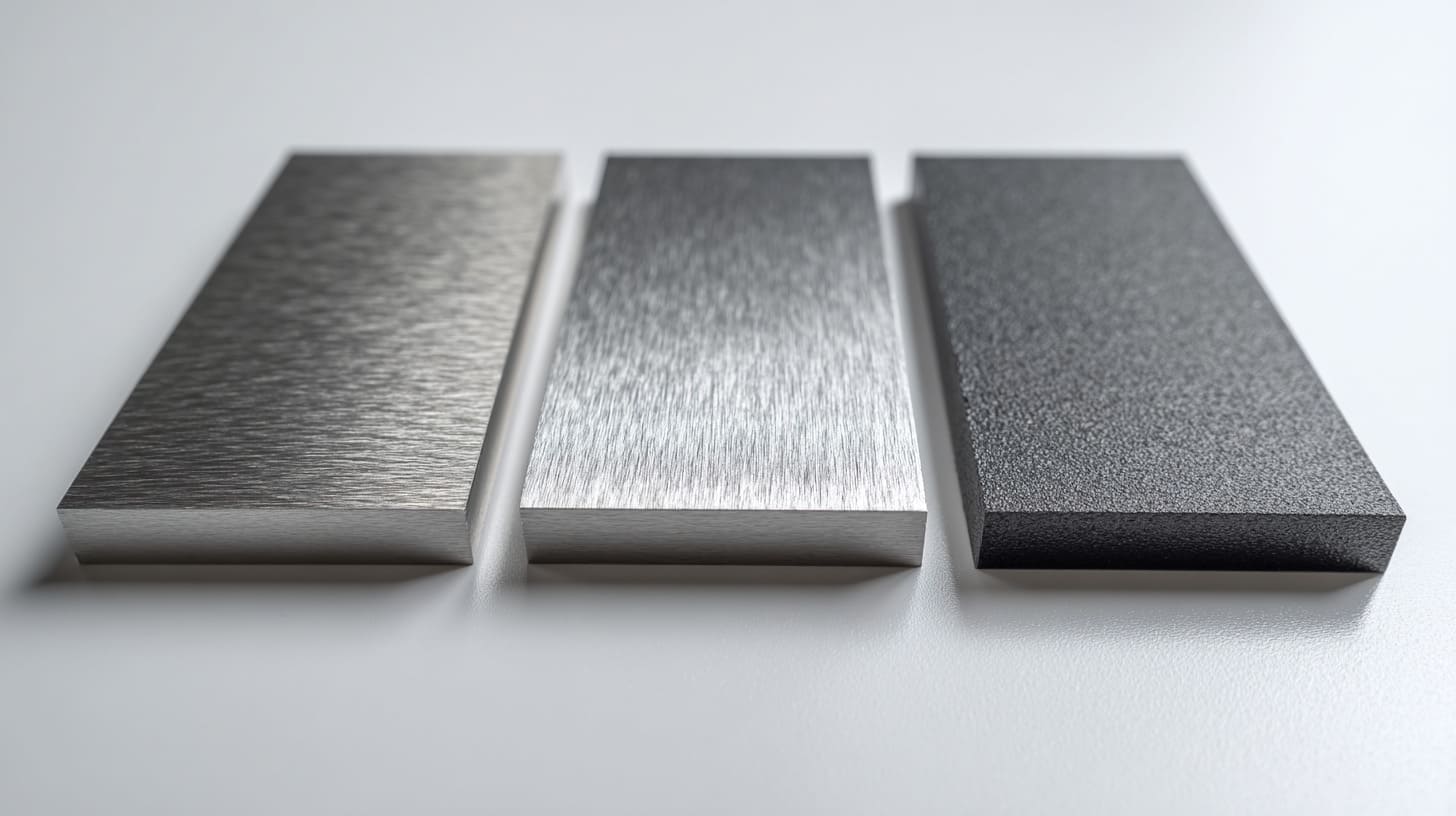
Thermal issues rarely show up early.
They wait.
Passive cooling with aluminum fins or vents
Simple works—if done right.
Active cooling with fans and airflow design
Fans help.
Fans also fail.
Plan for that.
Heatsink integration and thermal pads
Direct contact beats air gaps.
Surface treatment that supports heat dispersion
Finish affects thermal behavior.
Subtle. But real.
No project is perfect, though.
What Are the Typical Challenges When Working with Aluminum Enclosures?
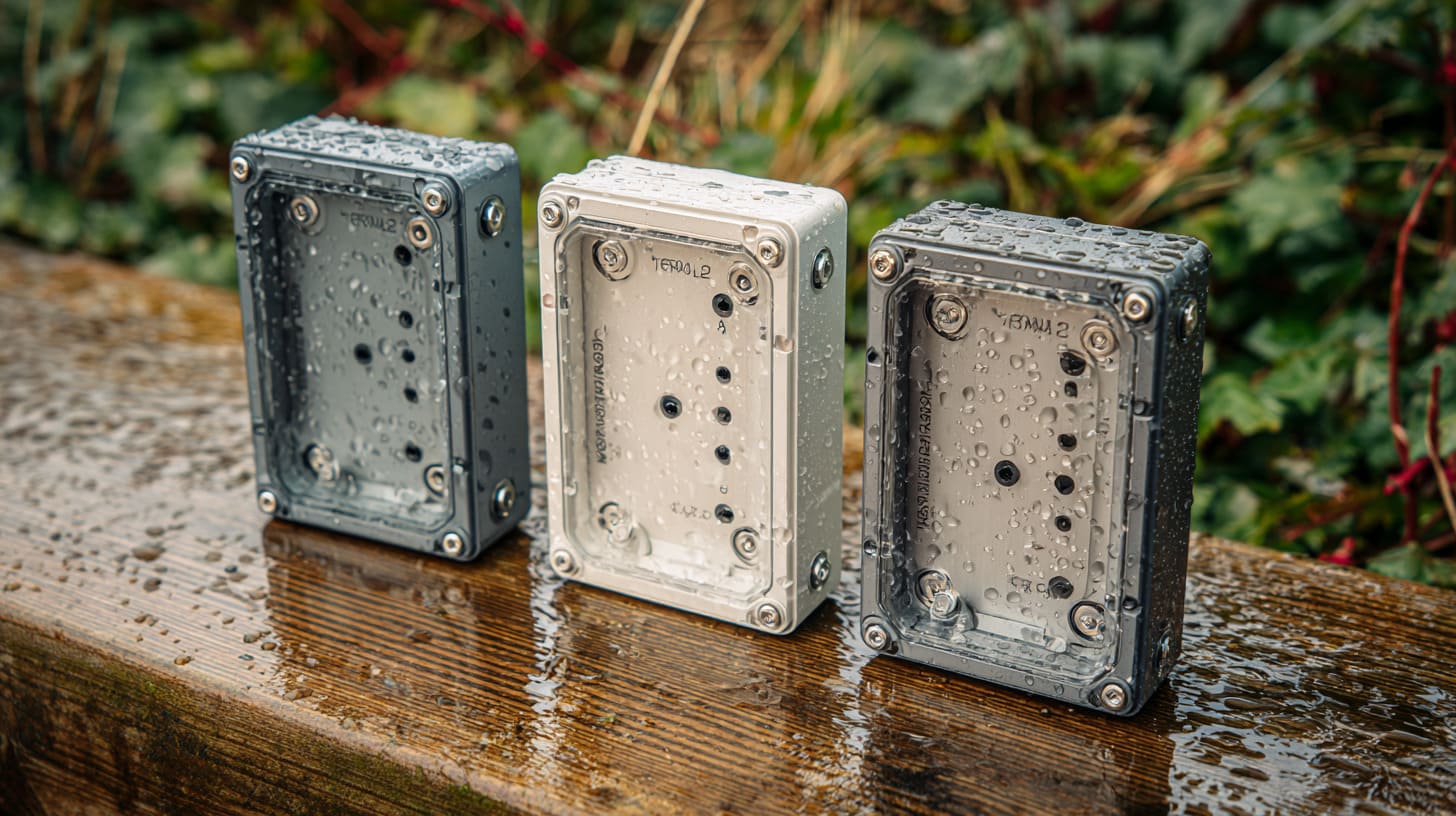
Every project has scars.
CNC and tight tolerance issues
Tight tolerance costs time and money.
Choose wisely.
Surface scratches during production or shipping
Packaging matters more than people think.
Fitment errors with custom boards or modules
Boards change.
Enclosures must adapt.
MOQ and tooling costs for custom sizes
Early decisions lock future costs.
Outdoor use raises more questions.
Can Aluminum Enclosures Be Used Outdoors?
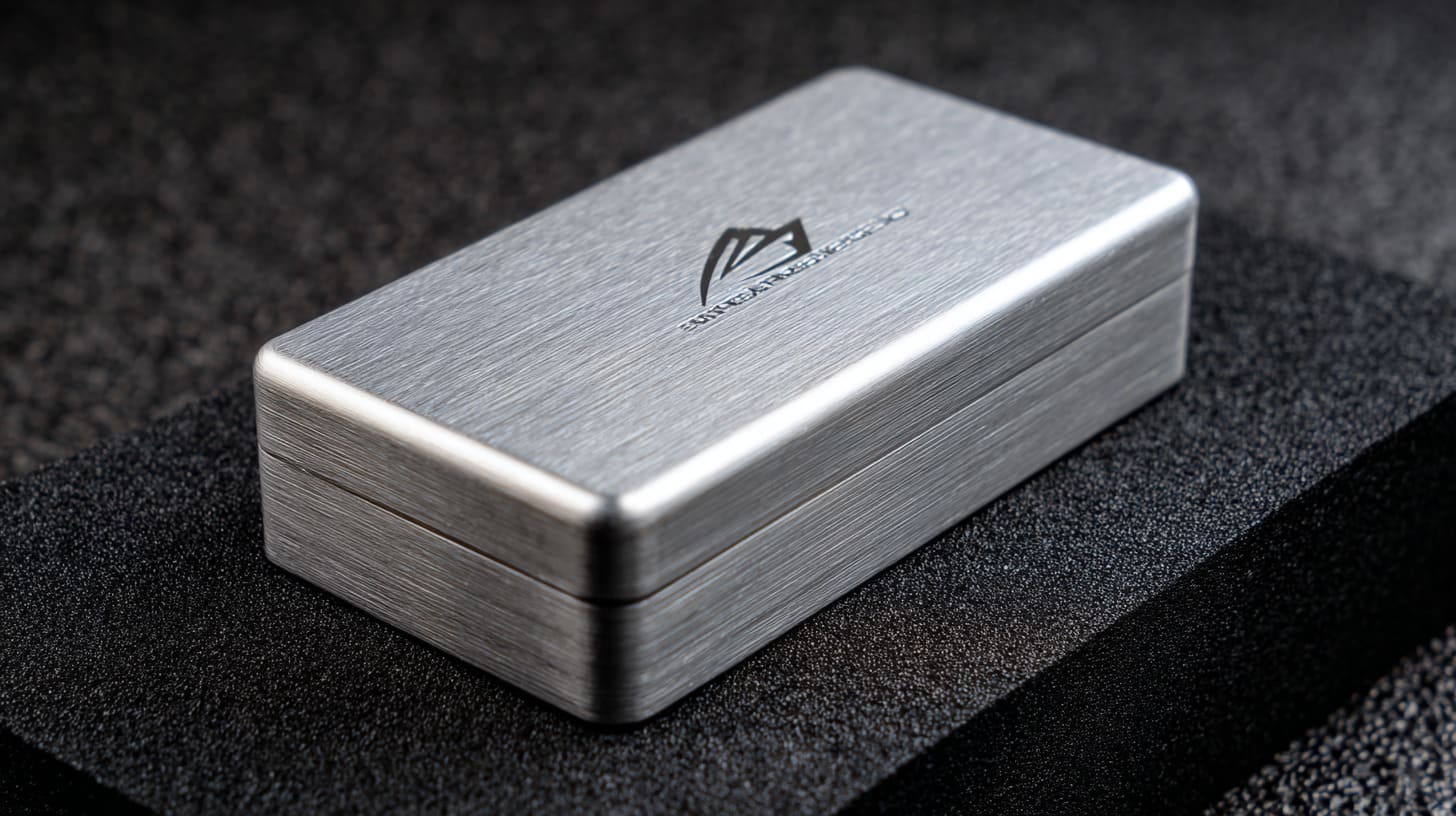
Yes.
But only if done right.
UV and weather resistance
Sun destroys weak finishes.
Salt fog and marine environments
Salt finds everything.
Plan for it.
Protective coatings and sealing gaskets
Details decide lifespan.
Timing and quantity matter too.
What Is the Typical Lead Time and MOQ for Custom Orders?
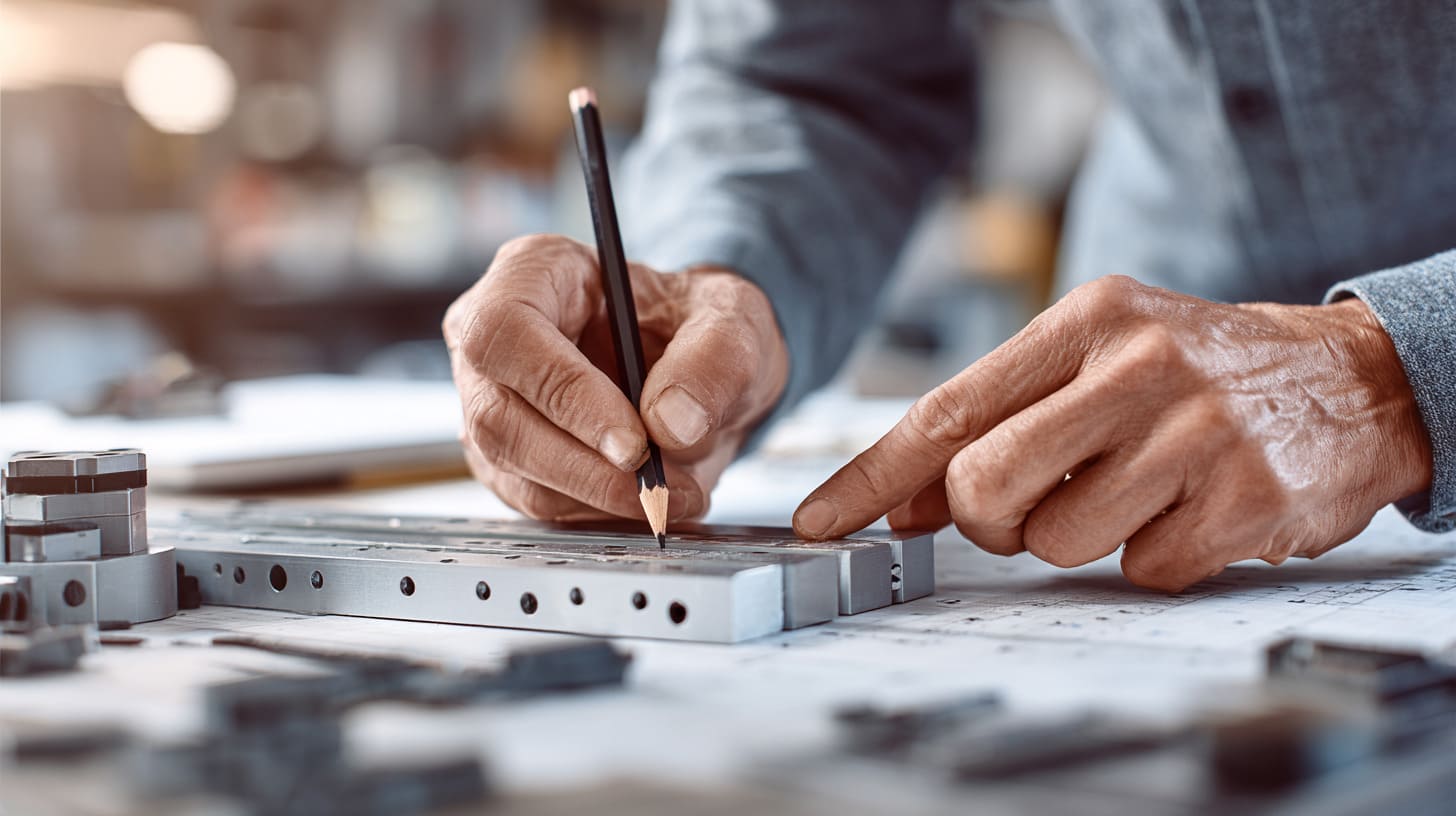
This question never goes away.
Standard vs fully custom models
Standard saves time.
Custom builds brand.
Impact of CNC vs die-cast methods on time
Tooling equals delay.
Minimum quantity requirements by process
| Process | Typical MOQ |
|---|---|
| CNC | Low |
| Extrusion | Medium |
| Die-cast | High |
Rush order possibilities and extra fees
Speed costs money.
Always.
Choosing the right partner helps.
What Should You Look for in a Supplier or Manufacturer?
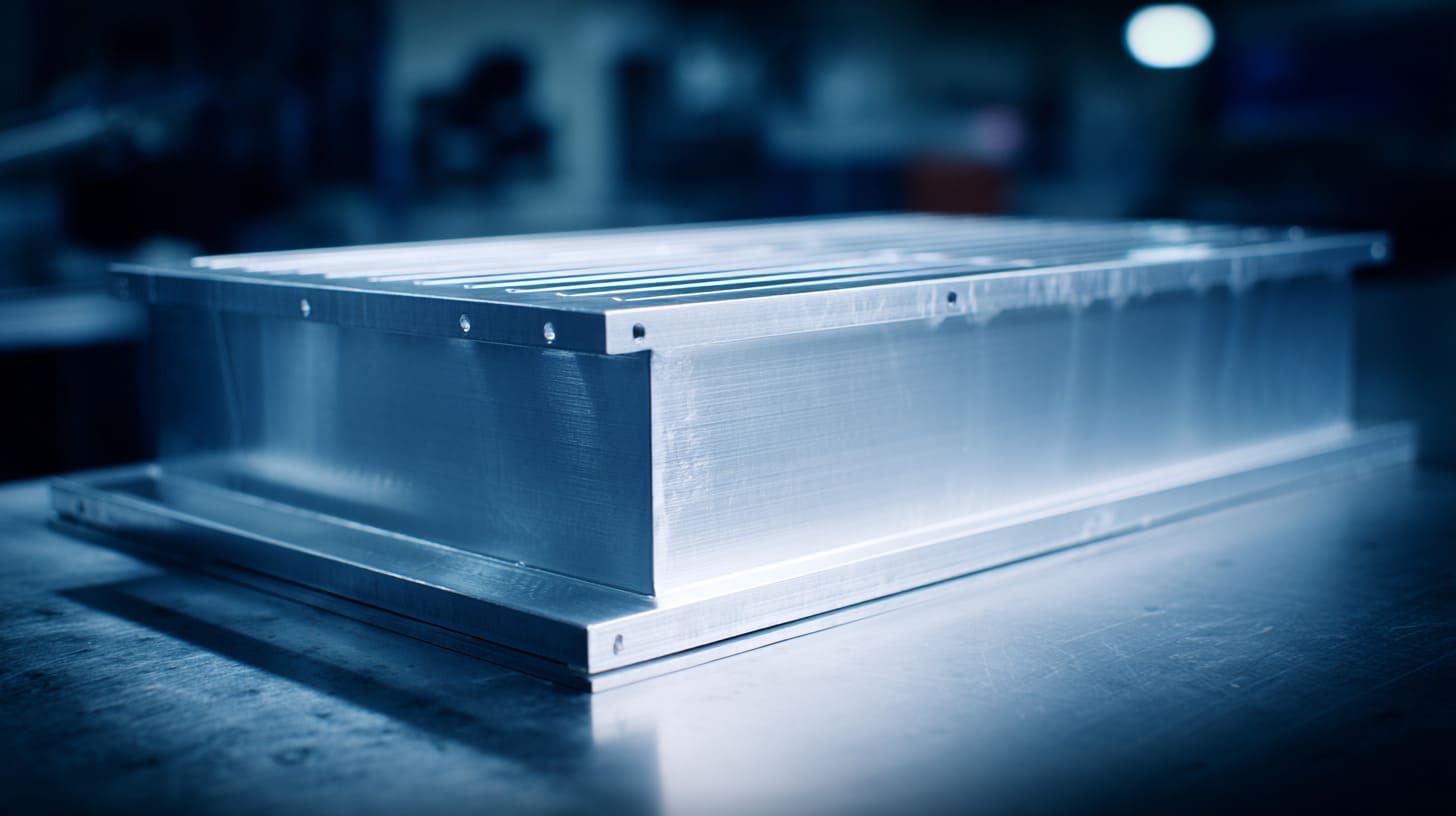
I’ve seen good factories fail clients—and the opposite.
OEM & ODM service capabilities
Support matters more than machines.
Quality control certifications (ISO, RoHS, etc.)
Paper helps.
Process matters more.
Communication speed and responsiveness
Silence kills trust.
Experience with B2B buyers and industrial projects
Experience reduces surprises.
Flexibility for low-volume prototyping and large runs
Good partners grow with you.
Then comes the money talk.
How Much Do Aluminum Enclosures Cost?
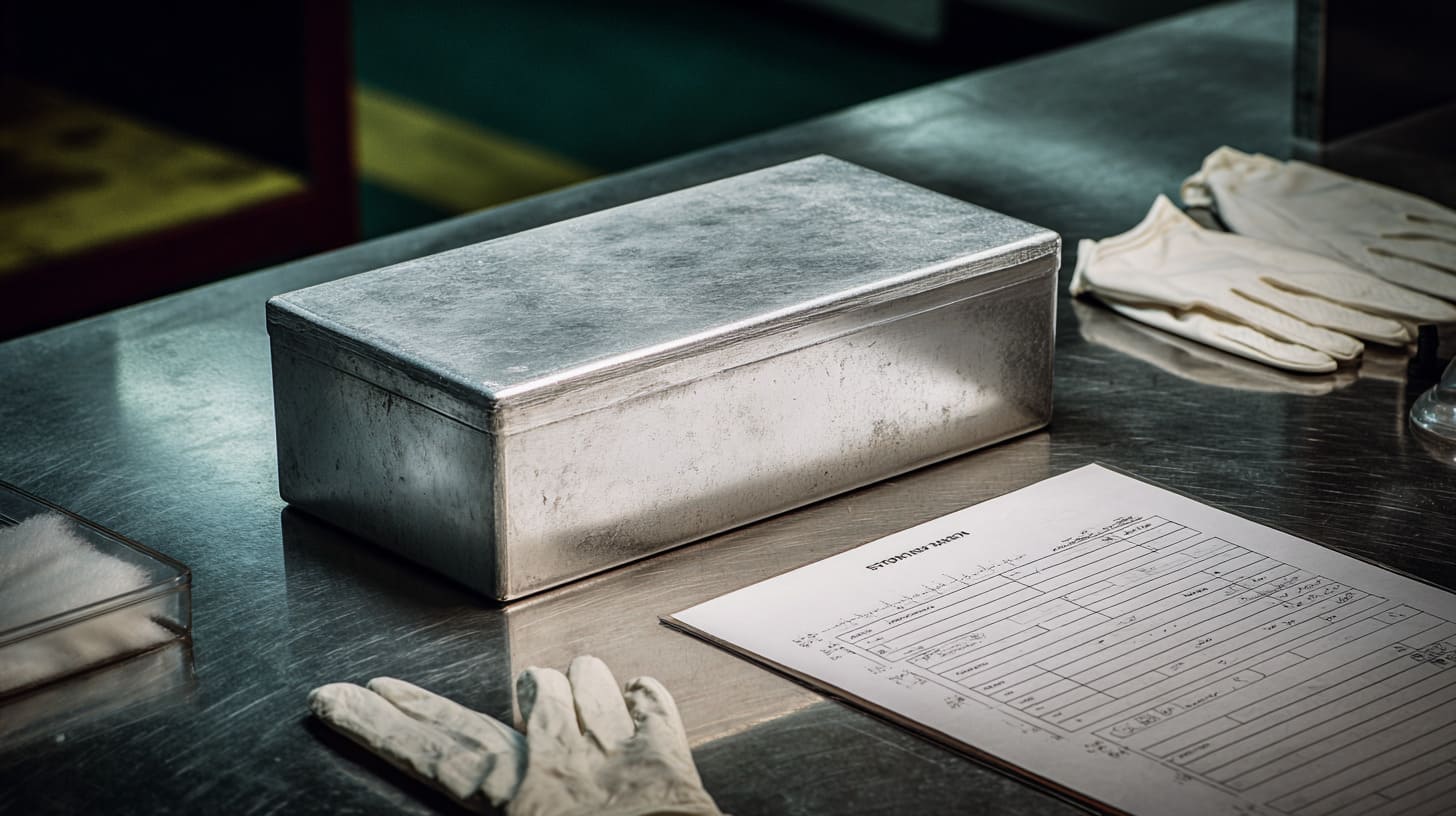
Cost hides in corners.
Cost differences by type (extruded, die-cast, CNC)
Each method has a curve.
Custom vs standard pricing
Standard is cheaper—until it doesn’t fit.
Cost-saving tips for bulk orders
Design smart. Order smart.
Hidden costs: tooling, logo engraving, packaging
Nothing is truly free.
Shipping finishes the journey.
What Are the Packaging and Shipping Considerations?
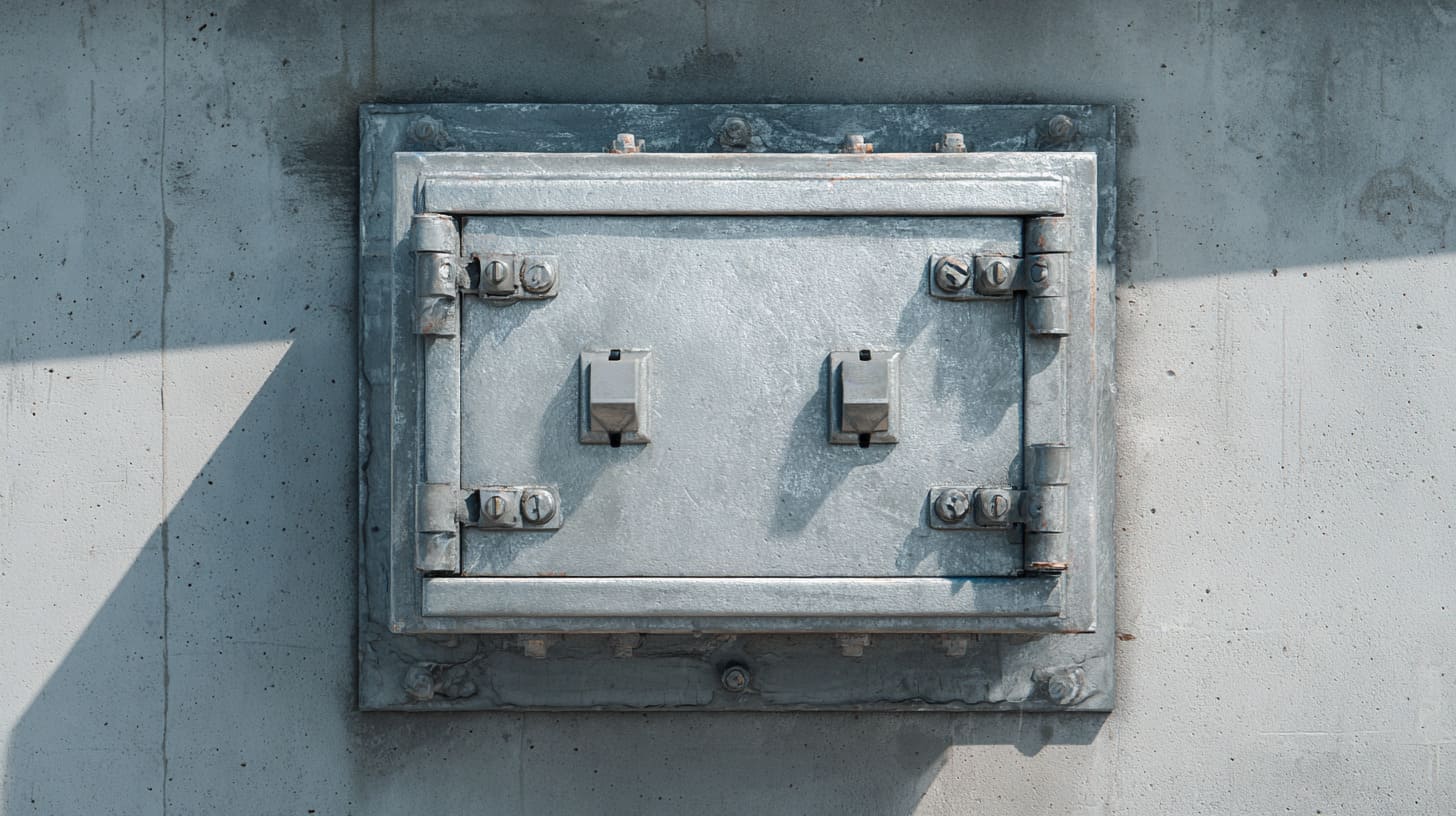
Damage usually happens after production.
Protective packaging to avoid dents and scratches
Foam is cheaper than returns.
Labeling and private logo packing options
Retail needs clarity.
International shipping and lead times
Distance adds risk.
Incoterms and customs documents
Clear terms save arguments.
Sometimes aluminum is not the answer.
What Are Alternatives to Aluminum Enclosures?
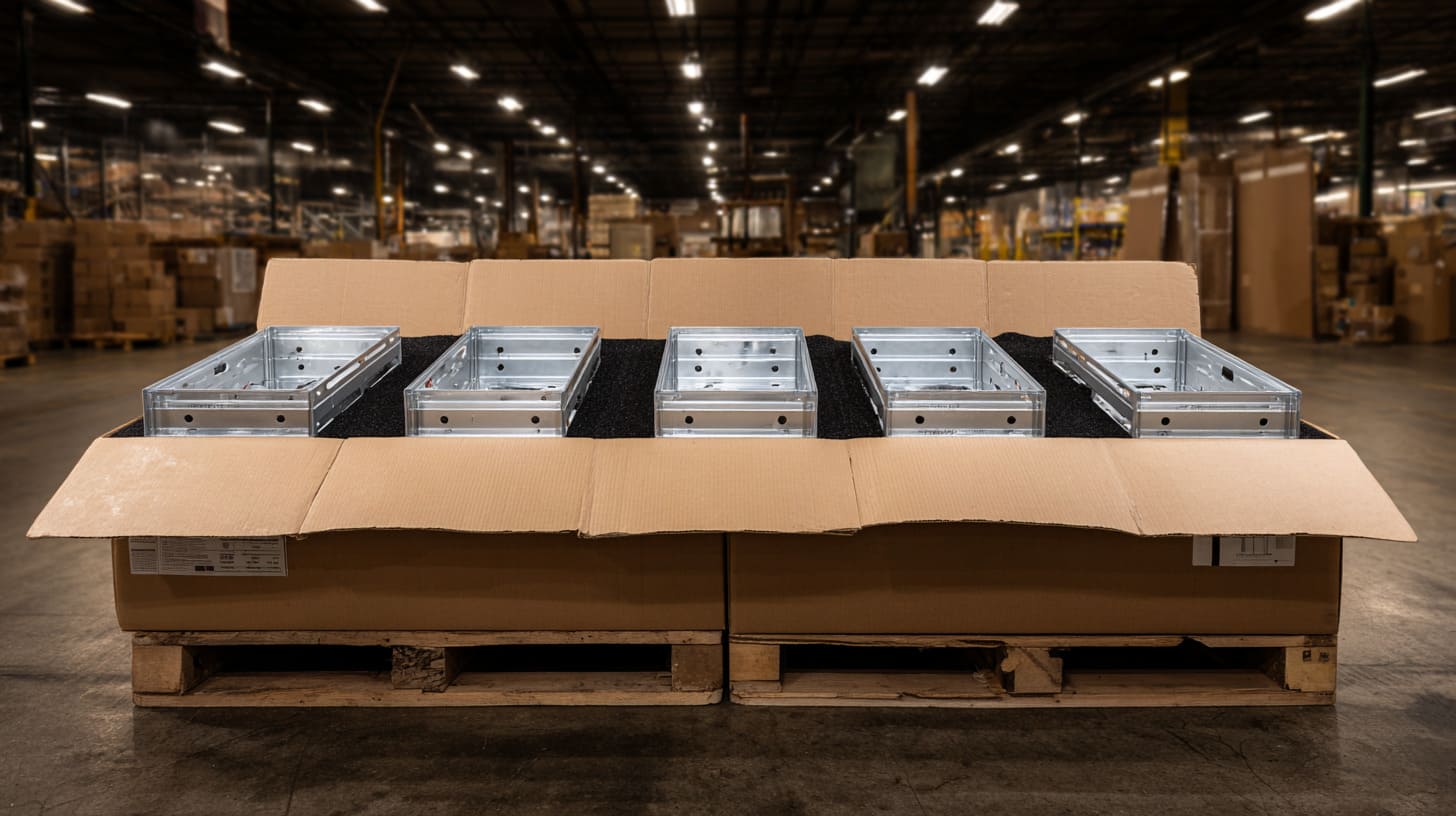
I never force aluminum.
Plastic enclosures: Pros and cons
Light. Cheap. Limited.
Stainless steel and sheet metal options
Strong. Heavy. Costly.
When to use fiberglass or polycarbonate
Special cases need special materials.
Hybrid models: metal + plastic combinations
Balance is possible.
And finally, perspective.
Conclusion
After all these years, I still respect aluminum.
It rewards clear thinking.
It punishes shortcuts.
Summary of key considerations
- Environment matters
- Design comes first
- Details decide success
Final tips for B2B buyers and engineers
Slow down early.
Ask hard questions.
Why aluminum enclosures remain the top choice
Because they adapt.
And in this industry, adaptation is survival.