Skip to content
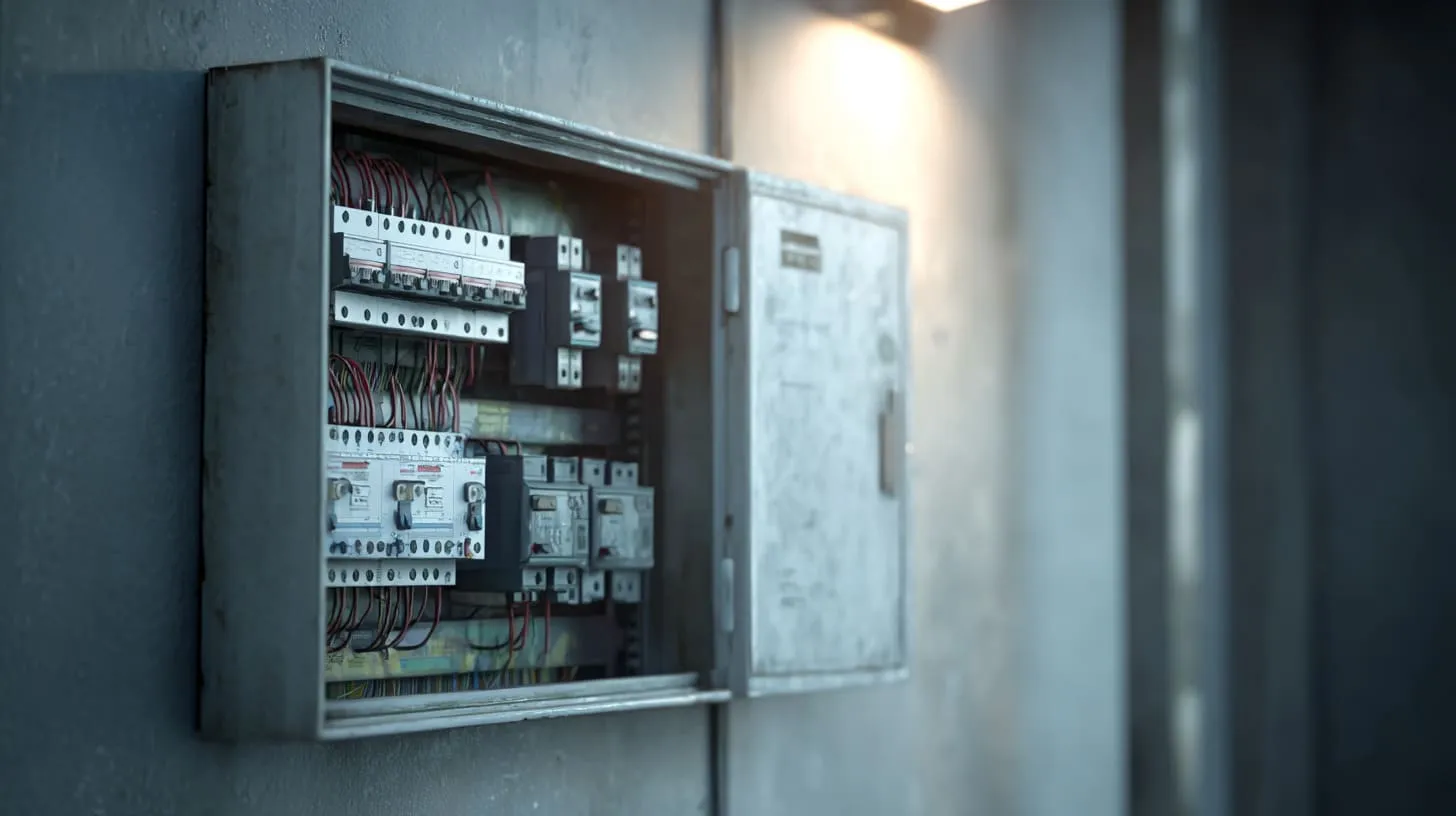
The message popped up while I was reviewing a control panel layout. A buyer had circled a breaker on the drawing and wrote, “Is this the circuit?” That small mix-up stopped the whole approval process.
No—an electrical circuit is the path that carries current, while a breaker is a protective switch that opens that path when current becomes unsafe. The circuit does the work. The breaker watches for danger and interrupts power to prevent damage, fire, or melted wiring.
I’ve seen teams lose days because of this confusion. They replace breakers when the wiring is wrong. They blame panels when the load is oversized. So let’s slow it down and separate the terms clearly before mistakes get expensive.
What is the difference between a circuit breaker and a main panel?
A lot of confusion starts here because people call the whole box “the breaker.” It’s not. The box is the home. The breakers are the guards.
A main panel is the enclosure and bus system that distributes power to many circuits, while a circuit breaker is one protective device installed inside the panel. The panel organizes and feeds circuits. The breaker protects one circuit (or sometimes the whole service).
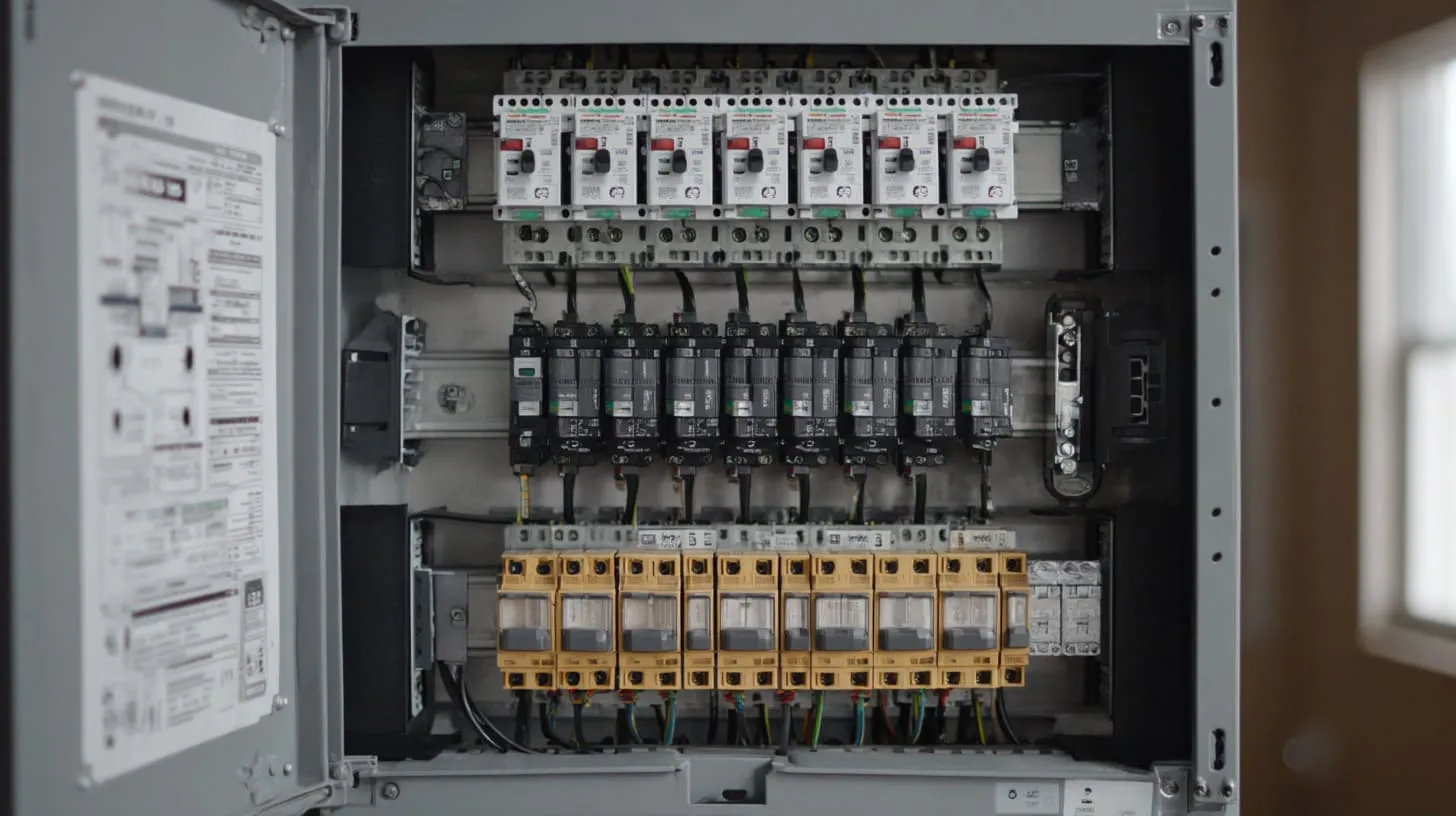
What lives inside a main panel?
Typical parts you will see:
- Bus bars (where breakers connect)
- Neutral bar and ground bar
- Main disconnect (in many panels)
- Branch breakers (each feeding a circuit)
- Labels, bonding hardware, and cable clamps
A quick comparison table
| Item | What it is | What it does | What it is NOT |
|---|---|---|---|
| Main panel | Distribution assembly | Splits incoming power into branch circuits | A single protective device |
| Breaker | Protective switch | Opens circuit on overload/short | The “circuit” itself |
| Circuit | Conductors + loads | Delivers power to devices | A box or switch |
One thing I always watch for is language in emails—when someone says “panel problem,” I ask for a photo of the bus and breaker layout, because the fix changes completely depending on what they mean.
Do electrical panels come with breakers?
This comes up when buyers compare quotes and assume the inside parts are included. Sometimes they are. Sometimes it’s just an empty shell.
Some electrical panels are sold as “load centers” that include a main breaker and a few branch breakers, but many industrial control panels and enclosures ship without breakers because the breaker selection depends on the system design, standards, and load.
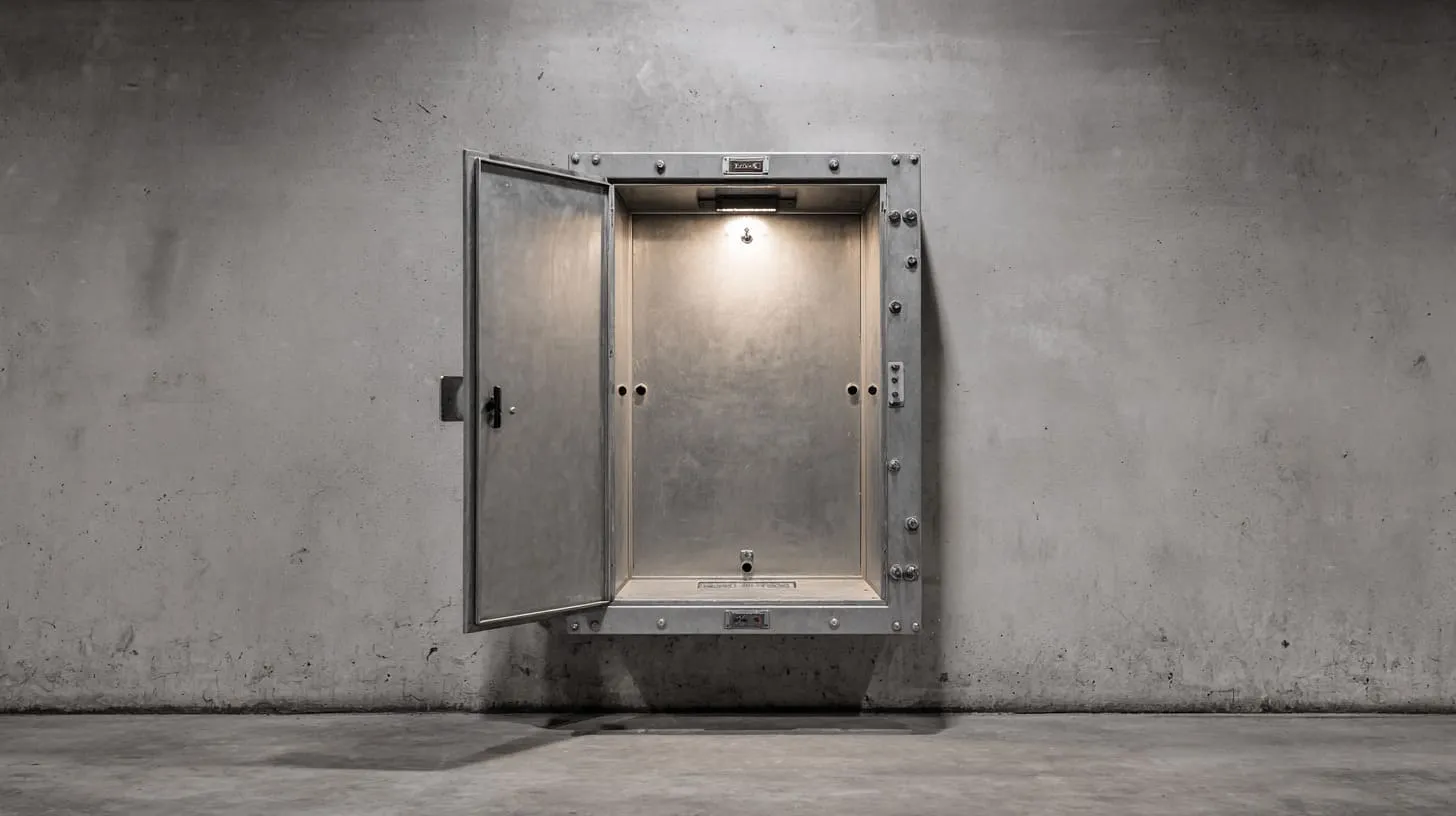
Why many industrial panels don’t include breakers by default
- Different markets use different standards (UL/CSA/IEC)
- Motor loads need different protection logic than resistive loads
- Breaker curves and interrupt ratings must match the supply fault level
- Space, heat, and wiring entry points vary by project
What buyers should confirm on a quote
- Is it a bare enclosure, a populated panel, or a listed assembly?
- Which breaker brands/models are included (if any)?
- Are accessories included (shunt trip, aux contacts, door coupling)?
When I review a BOM, I treat “breaker included” as suspicious until I see a part number, because that single detail is where hidden cost and delays often show up.
What is an electrical panel without a main breaker called?
People hear “main breaker” and think it must exist. In real installations, a panel can be protected upstream.
A panel without a main breaker is often called a “main lug only” (MLO) panel, meaning it relies on an upstream disconnect or breaker for service-level protection. It still uses branch breakers for individual circuits.
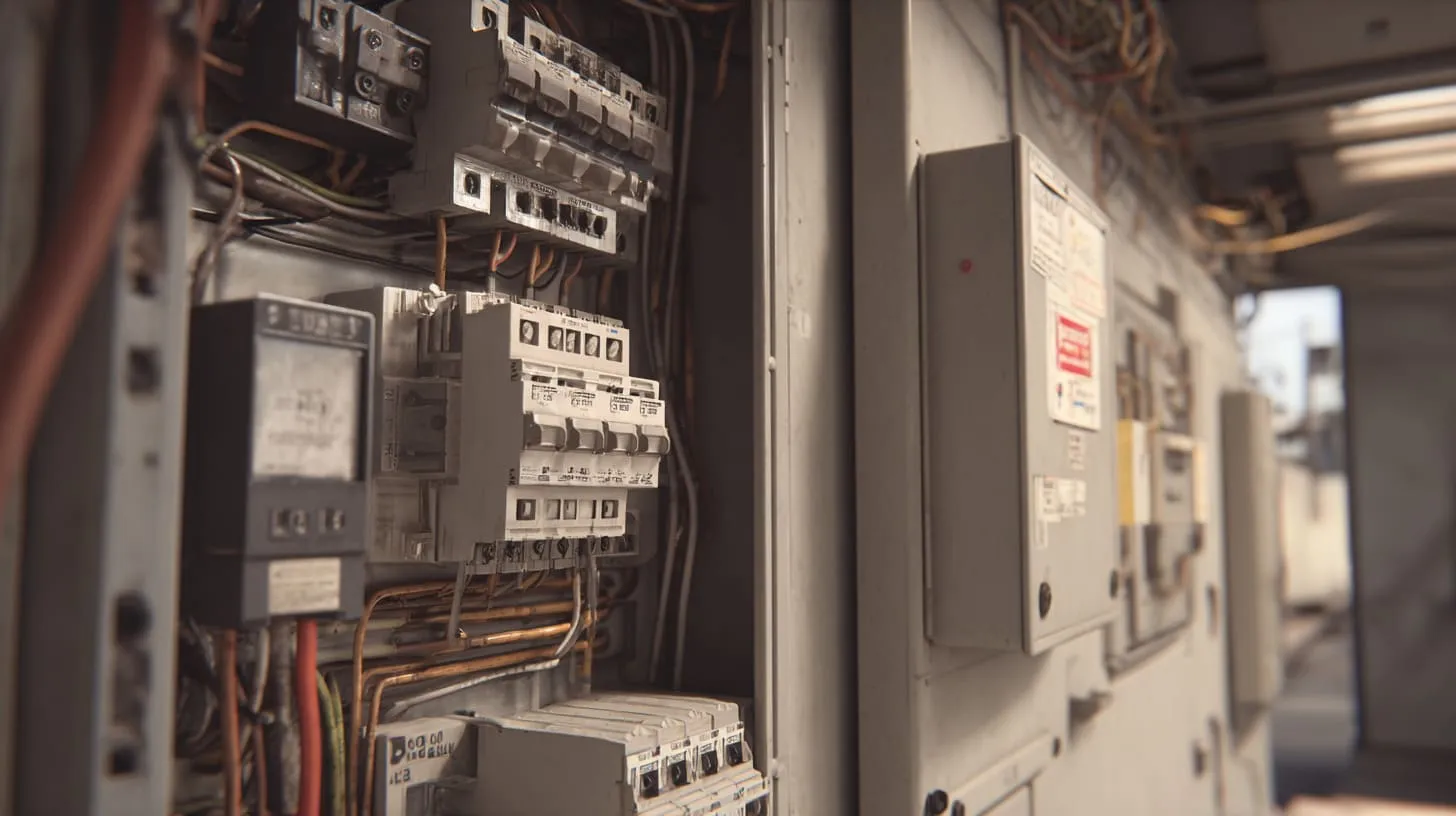
Common setups you’ll see
- Service disconnect outside + MLO panel inside
- Main breaker panel where the main disconnect is integrated
- Industrial control panel where protection is in a feeder cabinet
Practical trade-offs
| Setup | Upside | Downside |
|---|---|---|
| Main breaker panel | One obvious shutoff | More cost, more space |
| MLO panel | Flexible, often cheaper | Shutdown point may be elsewhere |
The way I decide is simple: if maintenance people need a single obvious shutoff at the door, I lean toward a main disconnect solution even if it costs more.
How many breakers are in an electrical panel?
This sounds like a counting question, but it’s really a planning question: space, growth, and heat.
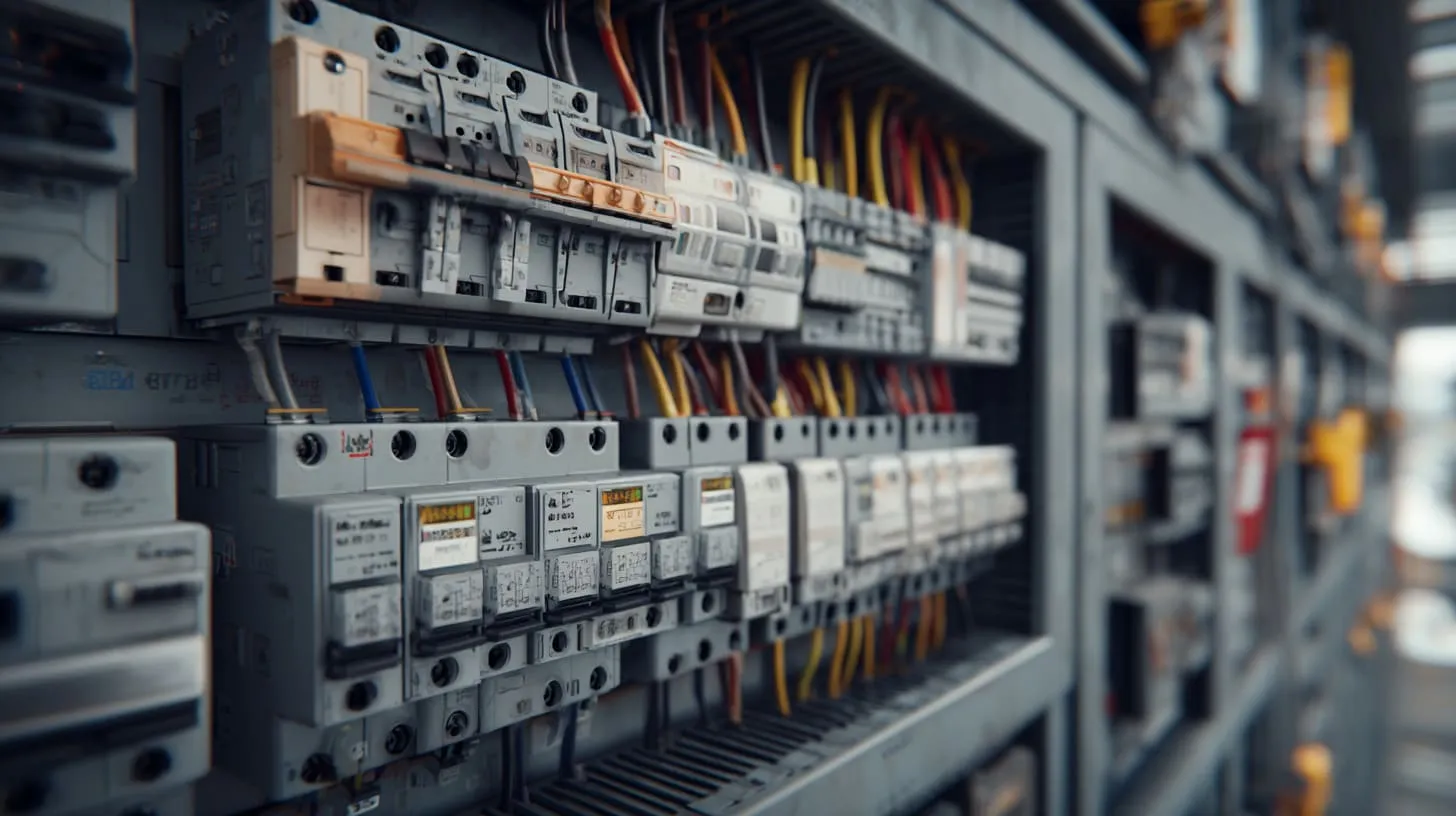
The number of breakers depends on the panel’s “spaces” and bus rating; common panels may have 12–42 spaces, while industrial panels vary widely. The real limit is not only slots, but also wire bending space, heat rise, and code requirements.
What sets the breaker count in real projects
- Panel model and number of spaces
- Breaker width (full-size vs tandem, where allowed)
- Load diversity and future expansion needs
- Cable routing space and serviceability
My “don’t regret it later” checklist
- Leave spare spaces for the next revision
- Leave physical room for clean wiring
- Avoid packing heat-generating devices too tightly
I’ve learned to leave at least 15–20% spare space when the buyer says “this design is final,” because in the next email, it rarely is.
What is the difference between a circuit and a circuit breaker?
This is the heart of your blog title, so I’ll keep it plain and sharp.
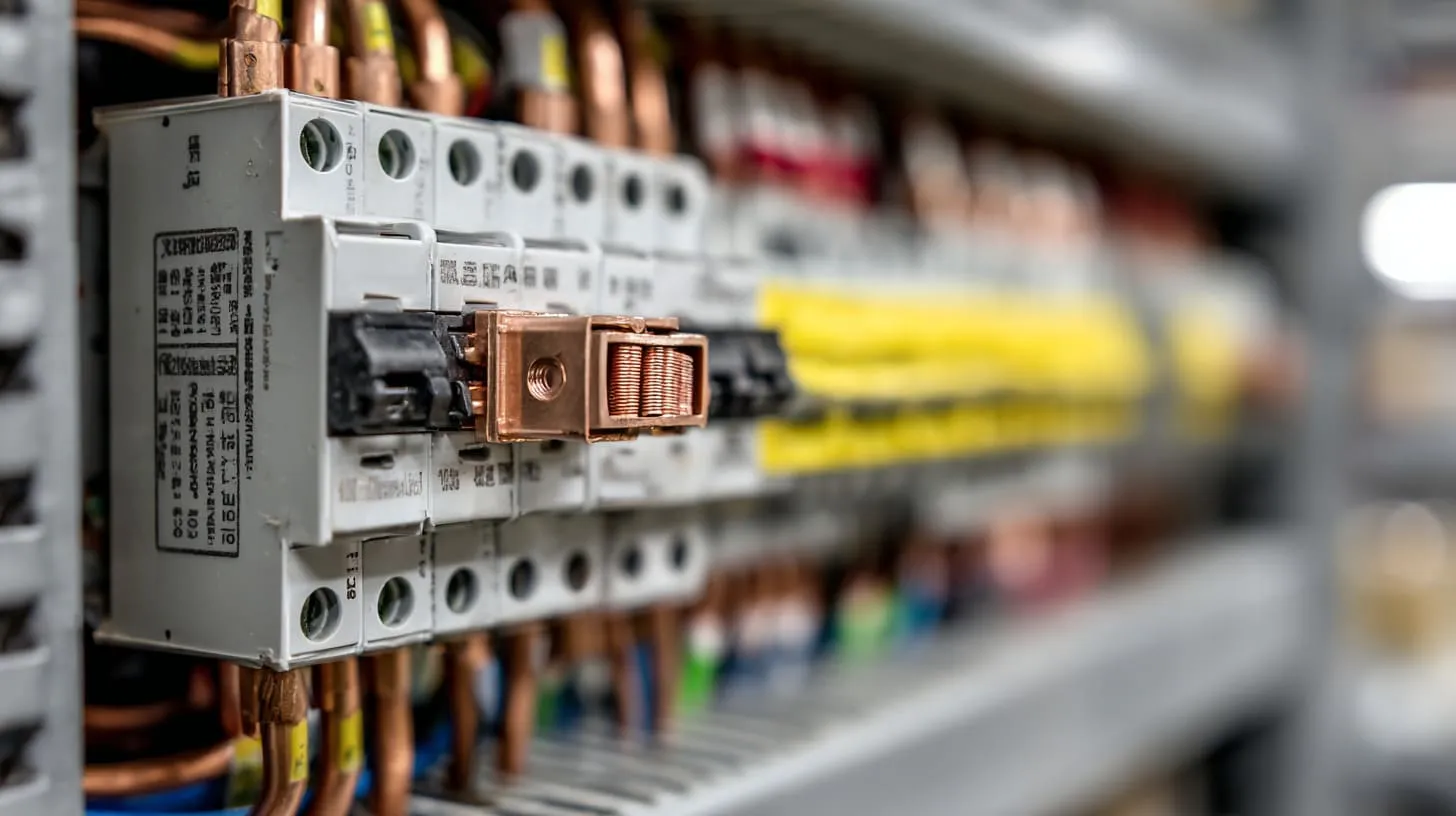
A circuit is the complete electrical path—source, conductors, and load—where current flows to do useful work. A circuit breaker is a protective device that interrupts that flow when current is too high or fault conditions occur.
Think of it like a road and a gate
- Circuit = the road cars drive on
- Breaker = the gate that closes when the road becomes unsafe
Why this matters in troubleshooting
If the breaker trips, it does not prove the breaker is bad. It often proves the circuit is asking for more than it should.
When someone tells me “the circuit is bad,” I ask, “Do you mean the load, the wiring path, or the protection device?”—because each one fails in a different way.
How does a circuit breaker work in an electrical circuit?
Most people imagine a breaker as a smart sensor. It’s simpler: it’s a switch that opens fast under unsafe current.
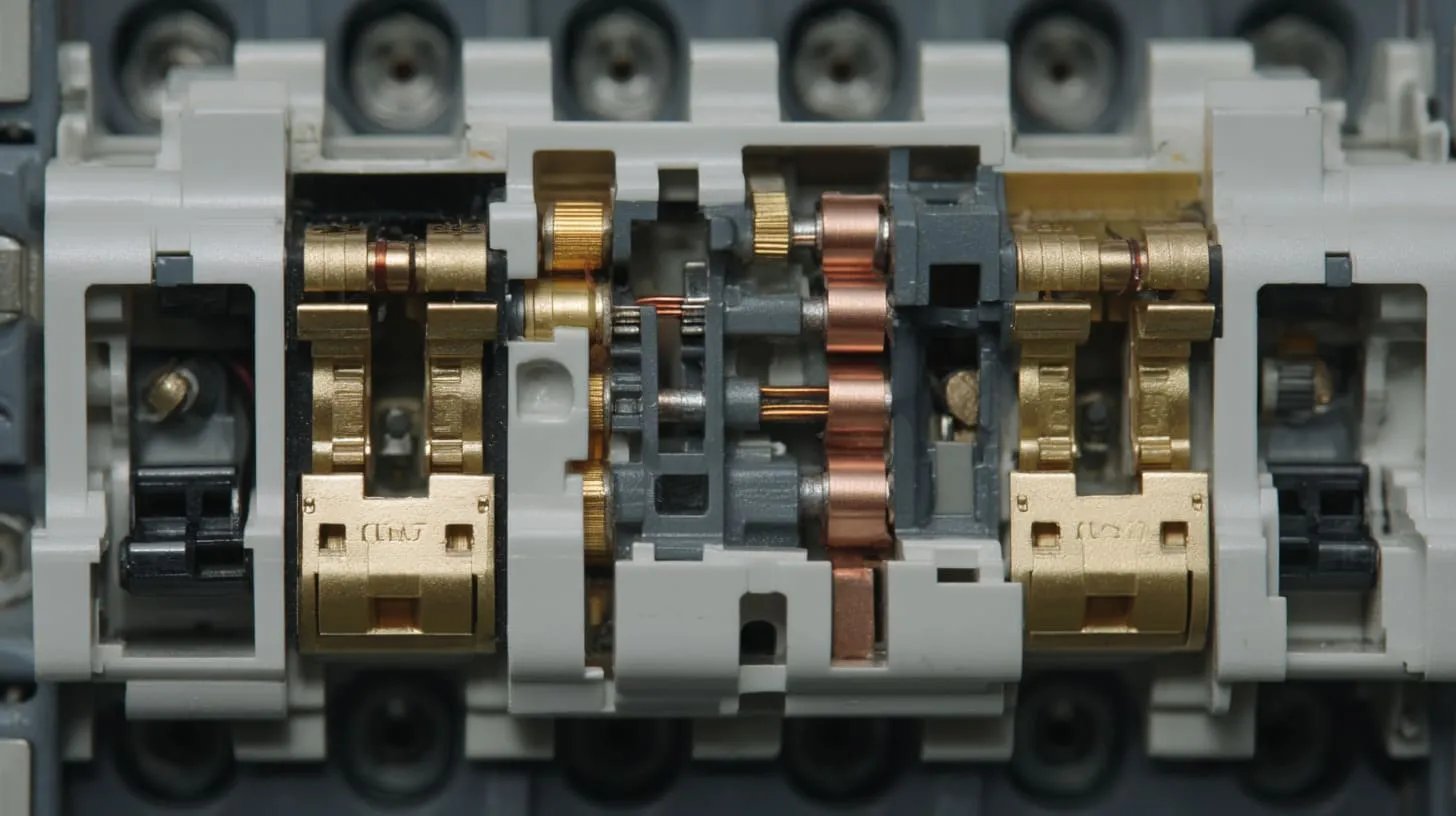
A circuit breaker monitors current through its internal trip mechanism; during overload it trips with a time delay, and during a short circuit it trips quickly to stop dangerous current. It opens the circuit contacts to interrupt power.
The two common trip behaviors
- Thermal trip (overload): heats up and trips after a delay
- Magnetic/electronic trip (short circuit): trips almost instantly
Why “time-delay” is not a bug
Motors, inrush currents, and transformers can pull high current briefly. A breaker that trips too fast becomes a production problem.
When I see repeated nuisance trips, I don’t blame the breaker first—I ask what the load does in the first 2 seconds after startup, because that’s where the hidden story usually is.
Can a circuit work without a circuit breaker?
Yes. It can work. It can also fail in a way you’ll never want to repeat.
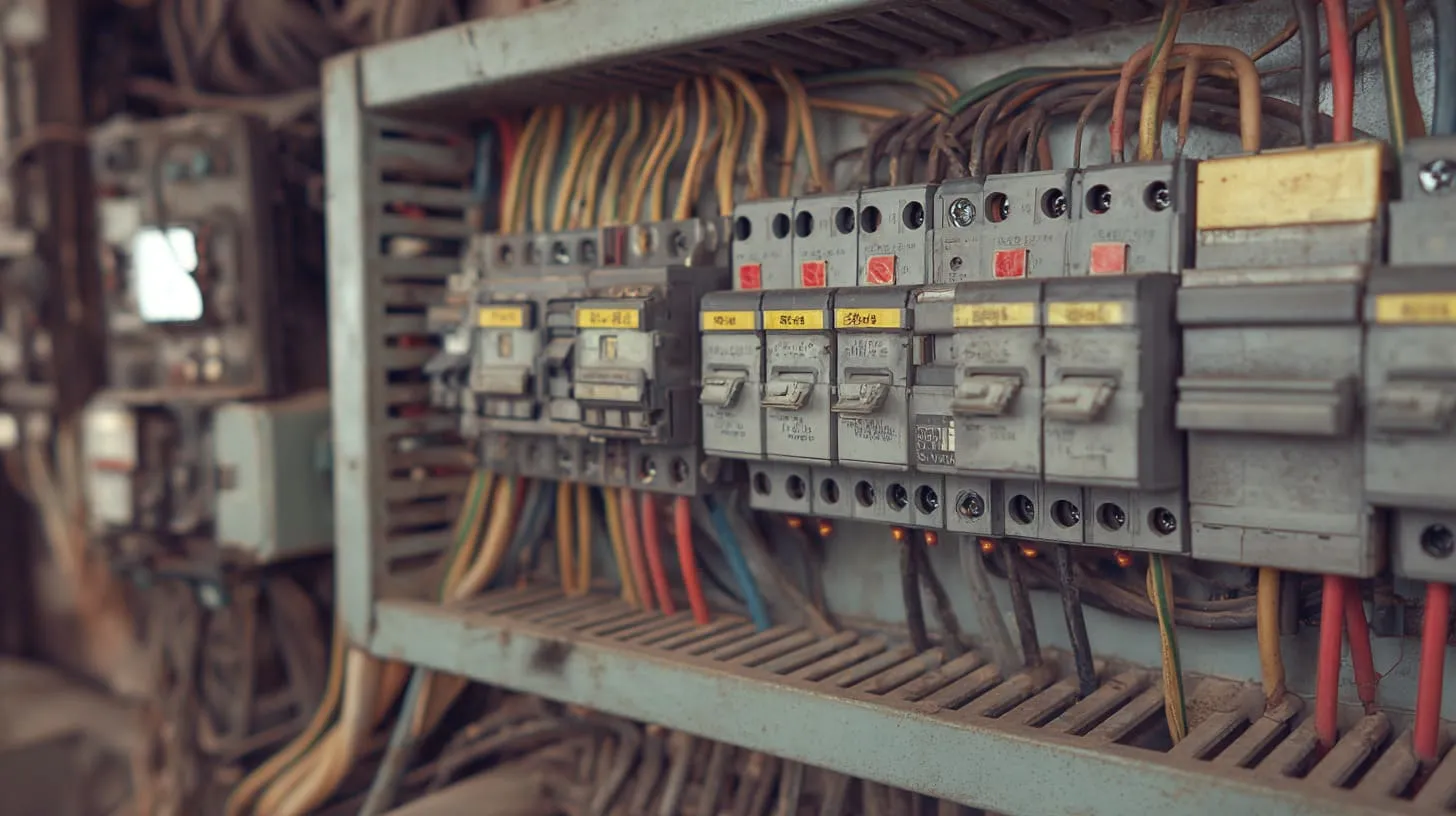
A circuit can operate without a circuit breaker, but it must still have some form of overcurrent protection (like a fuse or upstream breaker) to meet safety rules and prevent wire overheating. “Working” is not the same as “safe.”
Situations where protection might be upstream
- Feeder breaker protects multiple downstream branches (with rules)
- Industrial systems where a fused disconnect protects a section
- Equipment with internal fusing
The risk of “no local protection”
- Longer fault clearing time
- Harder troubleshooting
- Higher damage during faults
If a buyer says “we don’t need a breaker, it runs fine,” my gut reaction is to ask, “What happens when someone drops a screw across terminals?”—because that’s when “fine” becomes expensive.
What happens when a circuit breaker trips?
Tripping is the breaker doing its job, but it also leaves clues—if you read them.
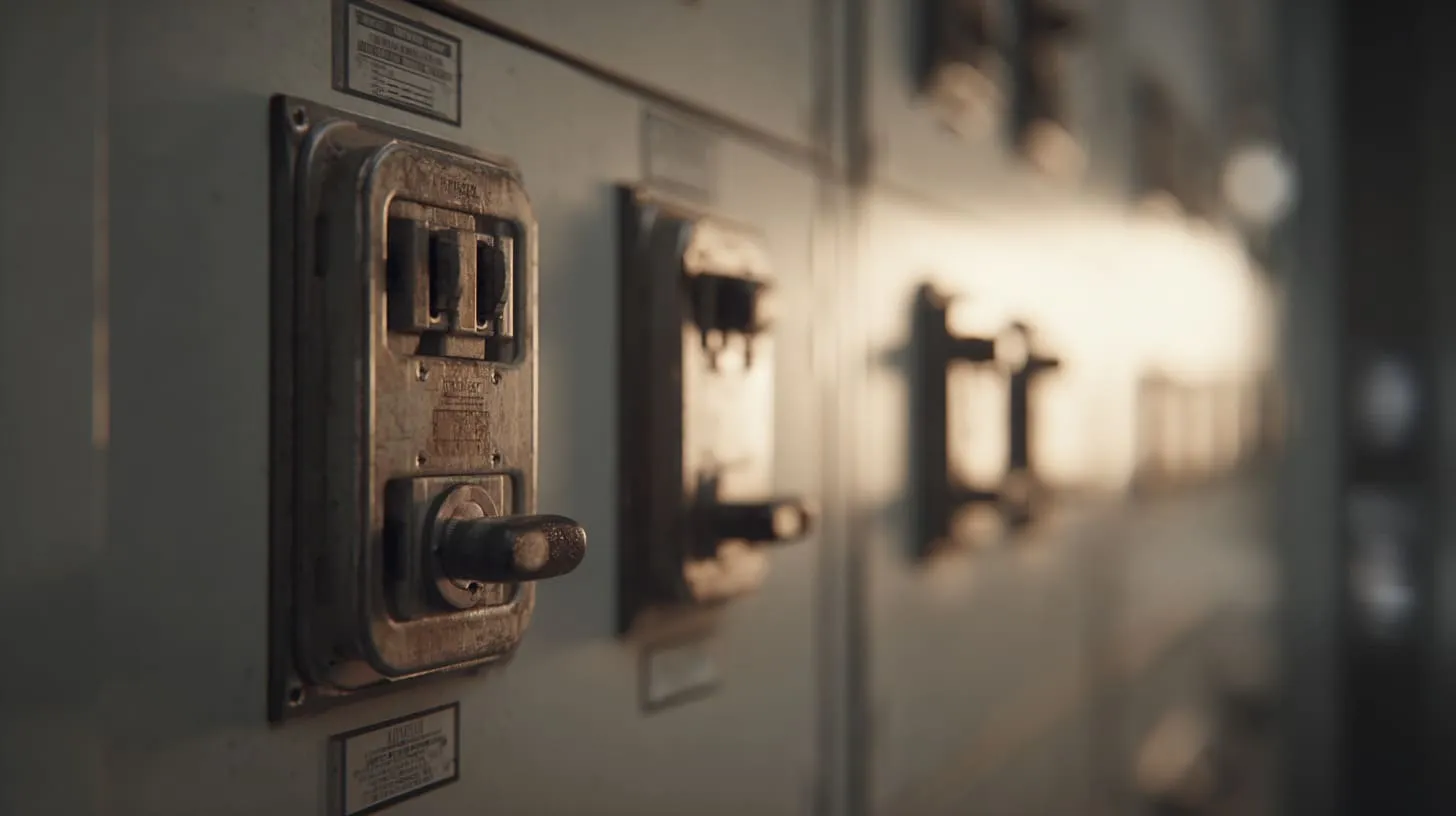
When a breaker trips, it opens the circuit to stop current flow, cutting power to the load. The trip can be caused by overload, short circuit, ground fault, or internal breaker failure. The pattern of trips helps identify the real cause.
What I look at first
- Did it trip instantly or after minutes?
- Does it trip only on startup?
- Does it trip when temperature is high?
- Does it trip only when another load runs?
Trip pattern guide
| Trip pattern | Likely cause | What to check |
|---|---|---|
| Instant trip | Short circuit | Wiring damage, wrong connections |
| After some time | Overload | Load too high, undersized wiring |
| Only on startup | Inrush/motor | Curve/type, soft start, wiring |
| Random | Loose connection/heat | Terminal torque, hotspots |
I trust the timing more than the opinion in the email, because the breaker’s behavior is often the most honest witness in the room.
Is a breaker part of the electrical circuit or separate from it?
This question sounds philosophical, but it affects drawings, BOMs, and responsibility.
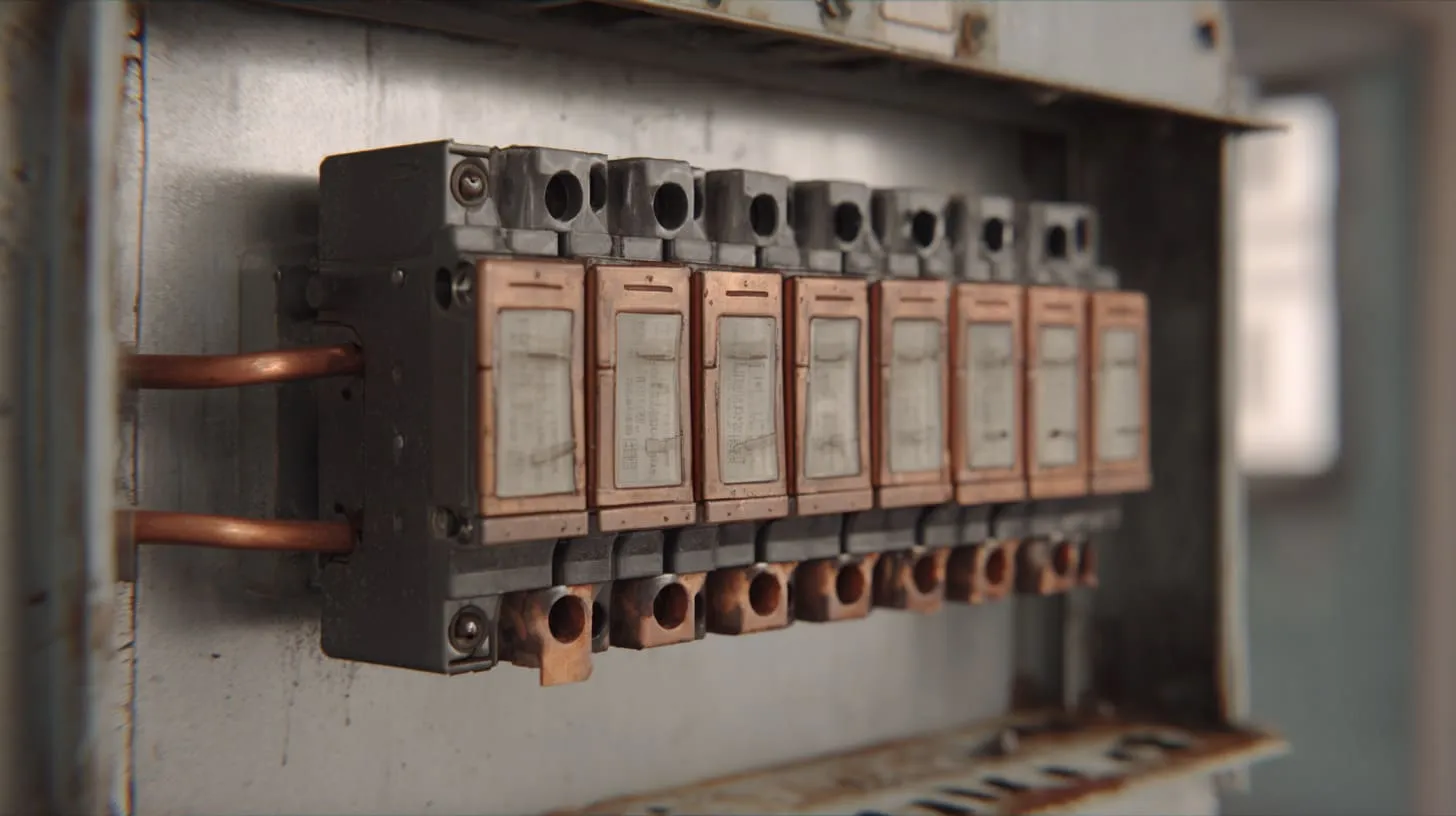
A breaker is a component installed in the circuit path, so physically it becomes part of the circuit’s series connection, but functionally it is a protective device separate from the load and wiring purpose. The circuit can exist as a design; the breaker is one chosen protection element.
Two ways to explain it (both true)
- Electrical path view: breaker sits in series → part of the path
- System role view: breaker protects → separate role from the “work” circuit
Why buyers care
- Who supplies it?
- Who selects ratings?
- Who handles compliance paperwork?
When I build a control enclosure quote, I separate “power path parts” and “protection parts” on purpose, because mixing them hides cost and hides risk.
What is the purpose of a breaker in a control panel enclosure?
In control panels, the breaker is not just “safety.” It’s also serviceability and uptime.
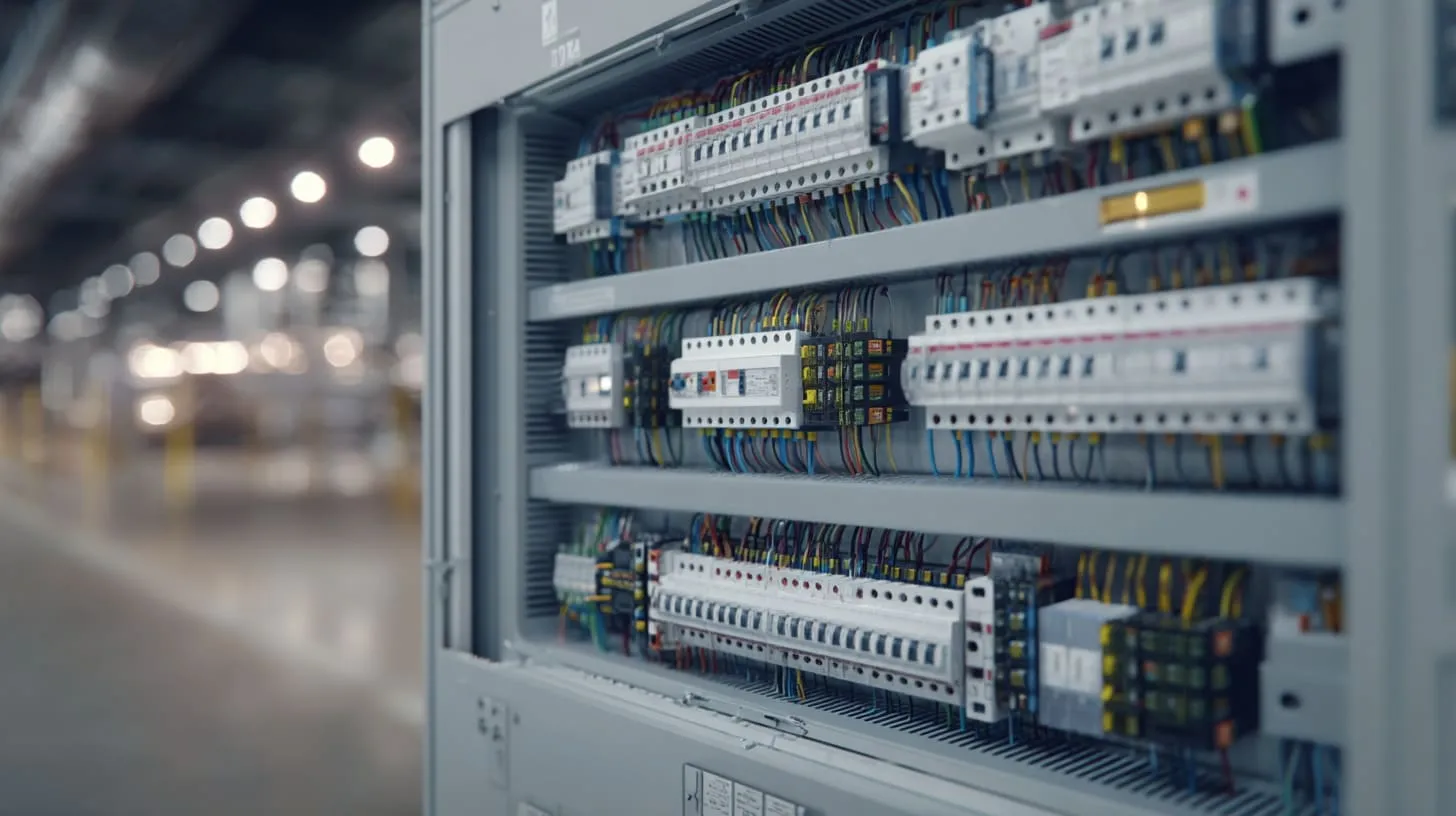
In a control panel enclosure, a breaker protects wiring and devices from overloads and short circuits, provides a clear disconnect point for maintenance, and helps isolate faults so the rest of the system can keep operating. It reduces damage and simplifies troubleshooting.
What a good breaker setup gives you
- Safer maintenance and clearer lockout points
- Less burned wiring during faults
- Faster fault isolation
- Better uptime for multi-load systems
Small design details that matter
- Labeling that matches drawings
- Space to reset safely
- Door interlock or handle coupling (when needed)
- Heat management inside the enclosure
I judge breaker placement by one simple test: “Can a tired technician understand it in 10 seconds without guessing?” If the answer is no, I change the layout.
Are fuses and circuit breakers the same in a circuit?
They do similar jobs, but they behave differently, and that difference shows up after shipment.
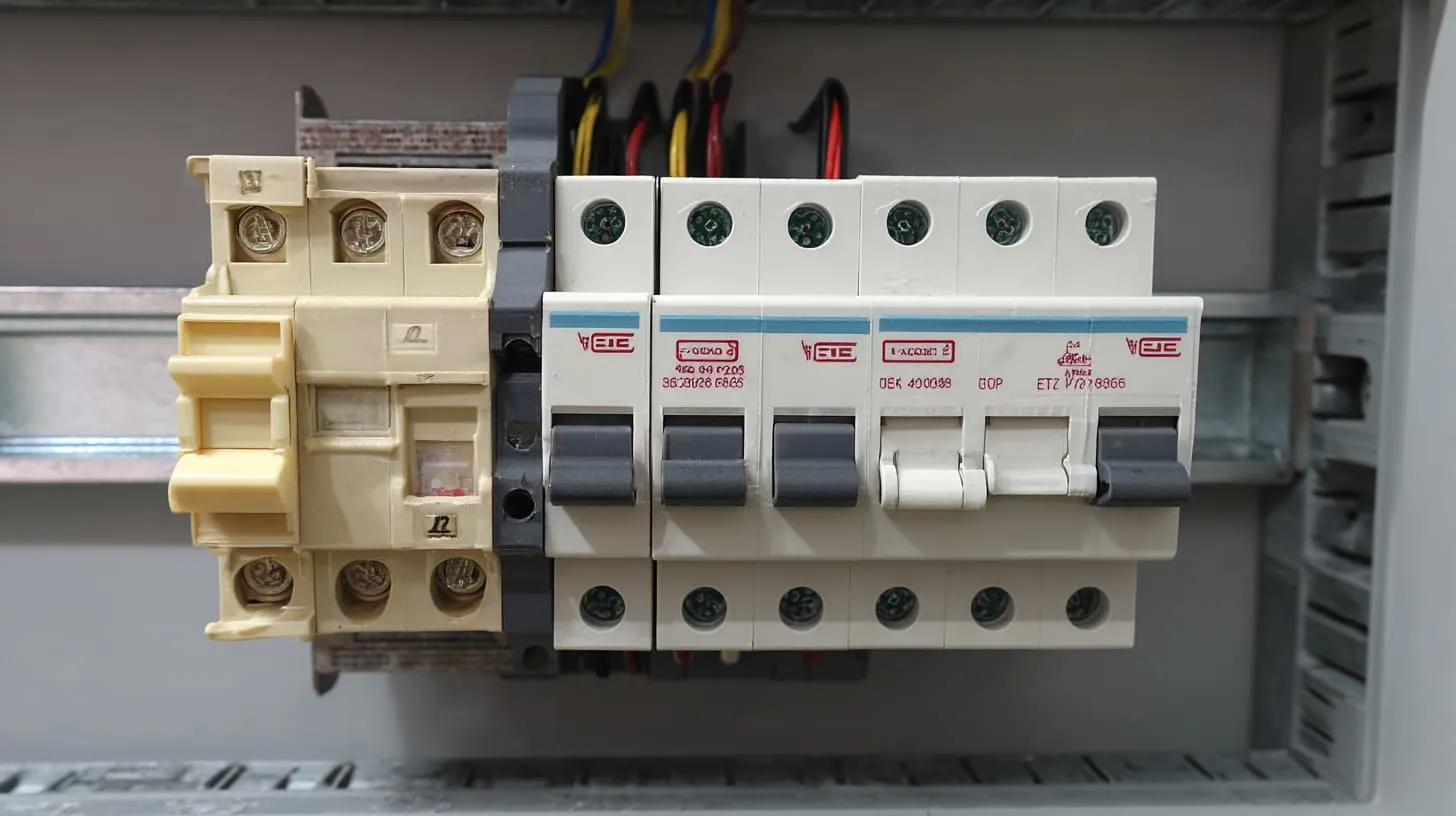
Fuses and breakers both protect circuits from overcurrent, but a fuse is one-time and must be replaced, while a breaker can be reset and may offer adjustable trip features. Fuses can be faster; breakers can be more convenient for maintenance.
Fuse vs breaker table (real-world view)
| Item | Fuse | Breaker |
|---|---|---|
| After a fault | Replace | Reset (usually) |
| Speed | Often very fast | Depends on curve/type |
| Maintenance | Needs spare stock | Easier in the field |
| Misuse risk | Harder to “force reset” | People may keep resetting |
Where each one shines
- Fuses: protecting sensitive electronics, high-speed clearing
- Breakers: field service, frequent access, system isolation
My decision often comes down to user behavior: if I suspect the site will “just reset it again,” I consider fusing critical branches so the fault can’t be ignored.
How do you choose the right circuit breaker for an electrical system?
This is where mistakes get expensive because the wrong breaker can trip all day—or fail to protect when it matters.
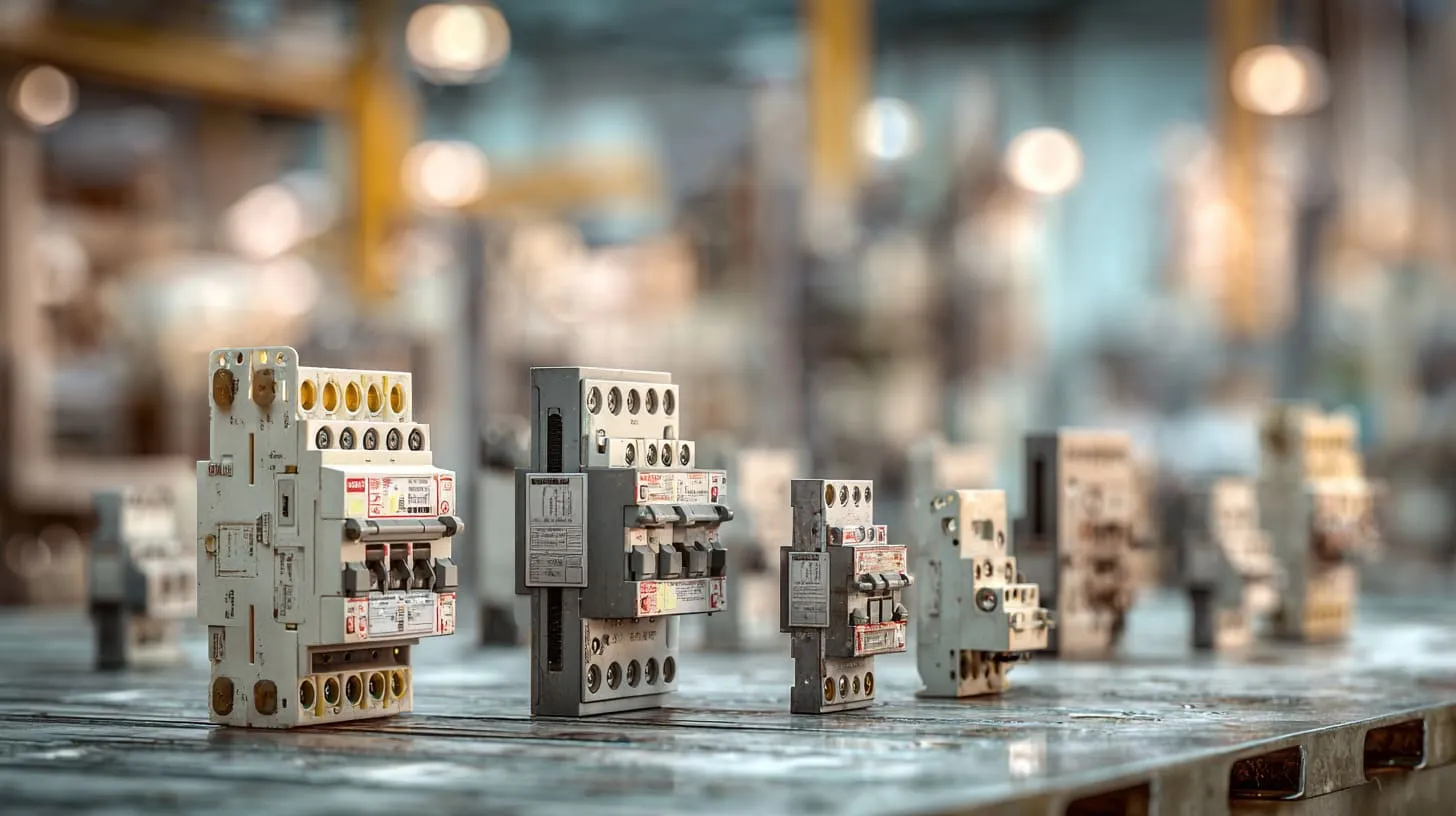
Choose a breaker by matching voltage, continuous current, trip curve/type, interrupting rating (fault capacity), and application needs (motor/inrush, temperature, coordination). Also confirm standards (UL/IEC) and physical fit in the panel.
The selection map I use (simple but complete)
- Voltage & poles: 1P/2P/3P, AC/DC
- Current rating: based on load and wiring
- Trip curve/type: inrush vs steady loads
- Interrupt rating: must handle available fault current
- Coordination: upstream/downstream selectivity
- Environment: heat, enclosure airflow, altitude
A practical table for quick thinking
| Load type | Typical challenge | What to pay attention to |
|---|---|---|
| Heaters | steady current | continuous rating, wire size |
| Motors | inrush/start current | curve/type, coordination |
| Power supplies | surge and harmonics | nuisance trip risk |
| Mixed control panel | many small branches | labeling, selectivity, heat |
If I don’t know the available fault level or the load startup profile, I stop and ask—because guessing here can create a “looks fine on paper” failure later.
Why does my breaker trip even if the circuit seems normal?
This question is common, and honestly, it’s where people feel gaslit by the equipment.
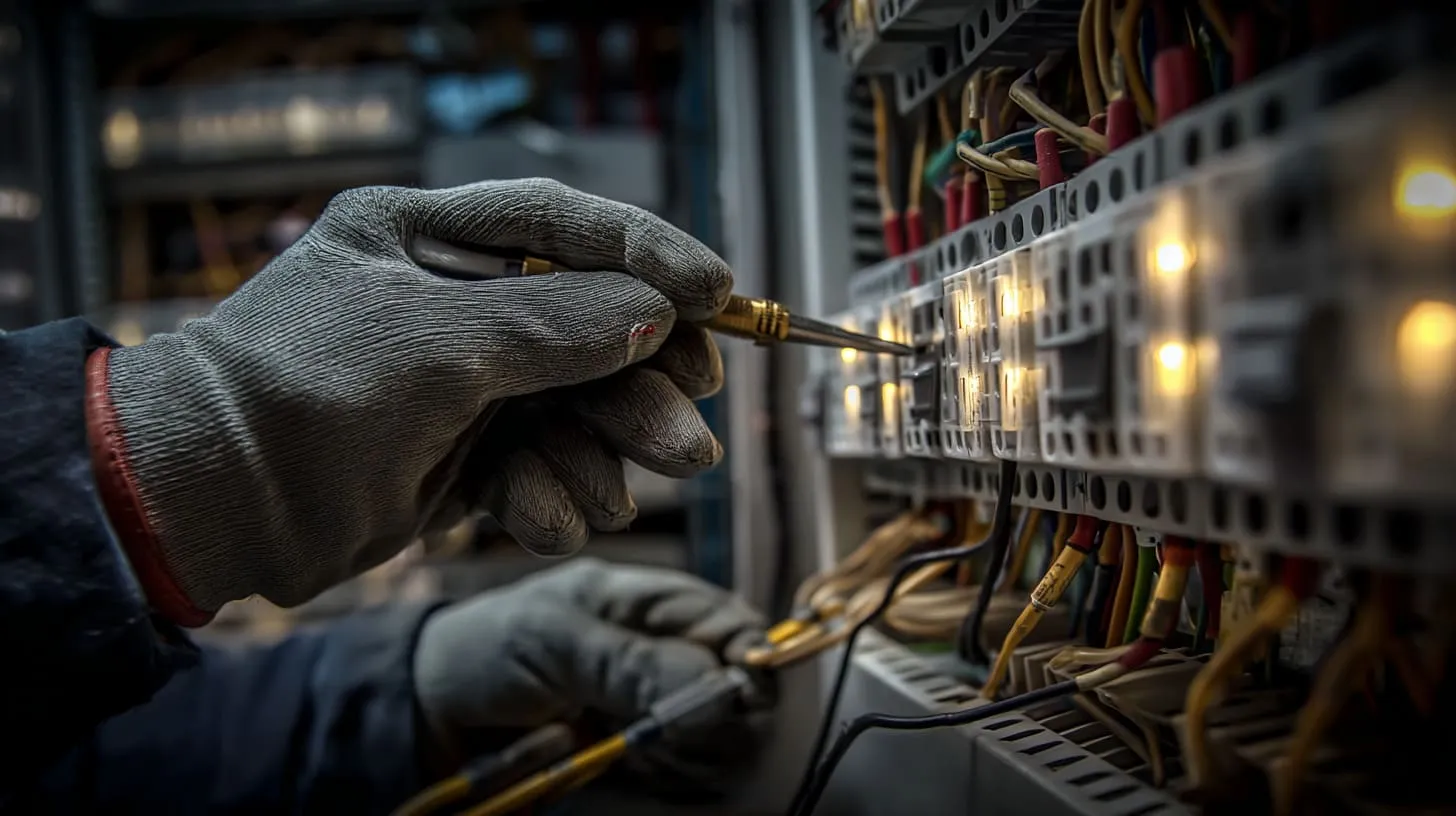
A breaker can trip even when a circuit seems normal because “normal” at the load may hide inrush, heat, loose terminals, insulation damage, shared neutrals, ground leakage, or an undersized breaker/wire combination. Trip timing and repeatability usually point to the true cause.
The sneaky causes I see most
- Loose terminal creating heat (looks fine until it warms up)
- Motor starting harder due to mechanical load change
- Added devices on the same branch over time
- Neutral issues or shared neutral mistakes
- Moisture or contamination causing leakage paths
- Breaker aging or poor contact pressure
Fast diagnostic questions
- Does it trip only when hot?
- Does it trip only during a specific machine cycle?
- Does tightening terminals change anything?
- Does it stop tripping when a single load is unplugged?
A small “reality” checklist
- Check torque on terminals
- Look for discoloration or smell near lugs
- Measure current during startup, not only steady state
- Inspect cable routing for sharp edges and pinch points
If the breaker trips “randomly,” I treat that word as a warning sign—random usually means a connection problem that only shows itself under heat, vibration, or a specific timing.
Conclusion
A circuit is the working path; a breaker is the guard. If you want fewer trips and faster fixes, send a photo and load details to info@maidatech.com and I’ll help you sanity-check the design.