Skip to content
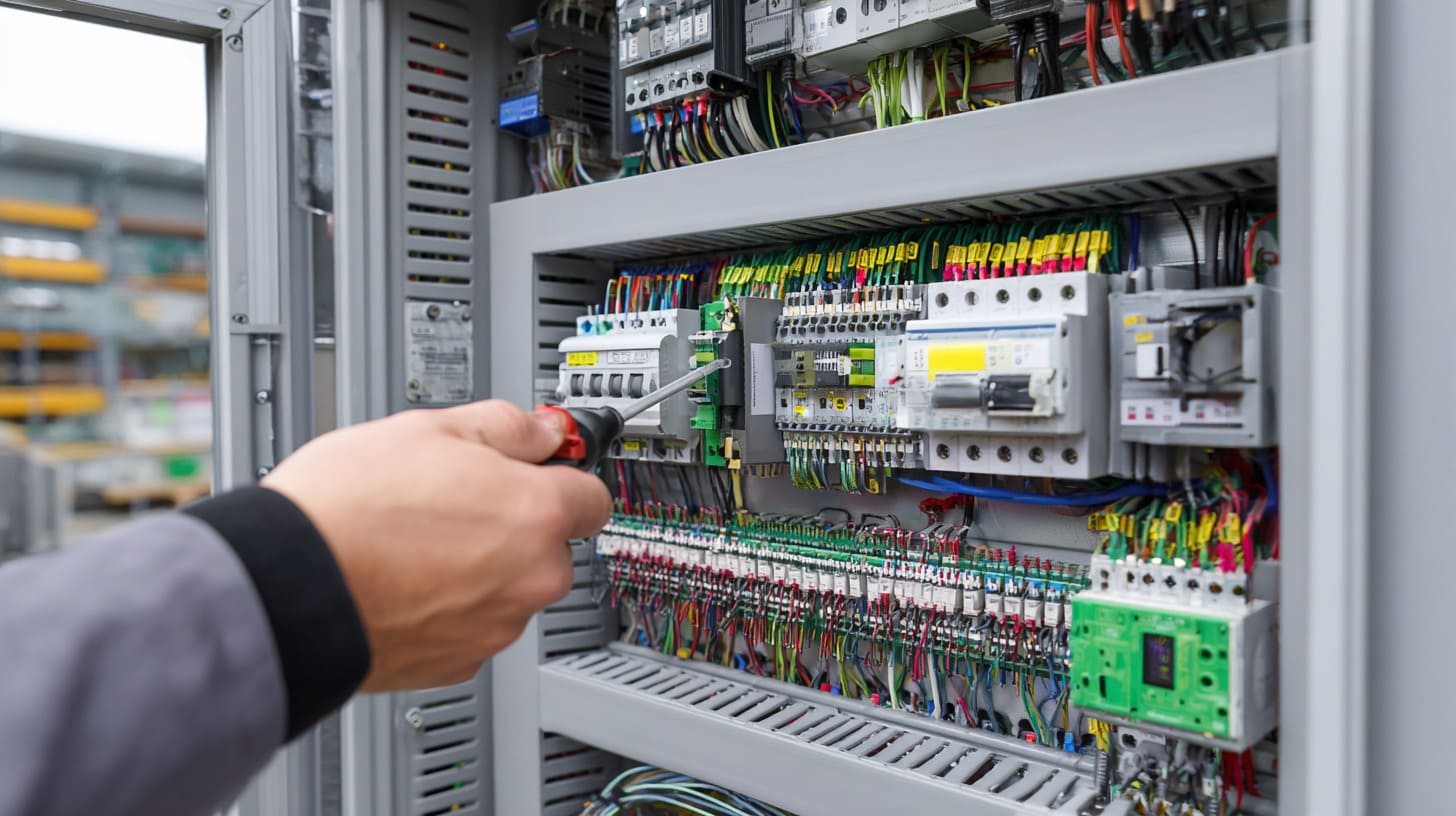
The cabinet was already wired. The PCB was fixed in place. The aluminum enclosure door was open, and the electrician was waiting with a screwdriver in his hand.
He looked at me and asked, almost casually, “So… breaker or fuse?”
The room was quiet for a second. That choice would decide how this system behaves when something goes wrong. Not if. When.
Electrical protection is not decoration. It is not something we add at the end. It is the line between a stable system and overheated wires. Whether I deal with a residential panel or an industrial enclosure, overcurrent protection protects cables, boards, and reputations.
Both circuit breakers and fuse boxes protect electrical systems. But they are not the same. They differ in how they reset, how safe they feel in real use, how much they cost over time, and how they behave under modern loads.
If you design enclosures, build control panels, or buy OEM systems, this decision follows you everywhere. I have seen projects delayed because someone chose only by price. I have also seen systems saved because someone thought about maintenance before installation.
Let me break this down the way I think about it in real work. Not from theory. From what actually happens inside cabinets.
What Is a Circuit Breaker?
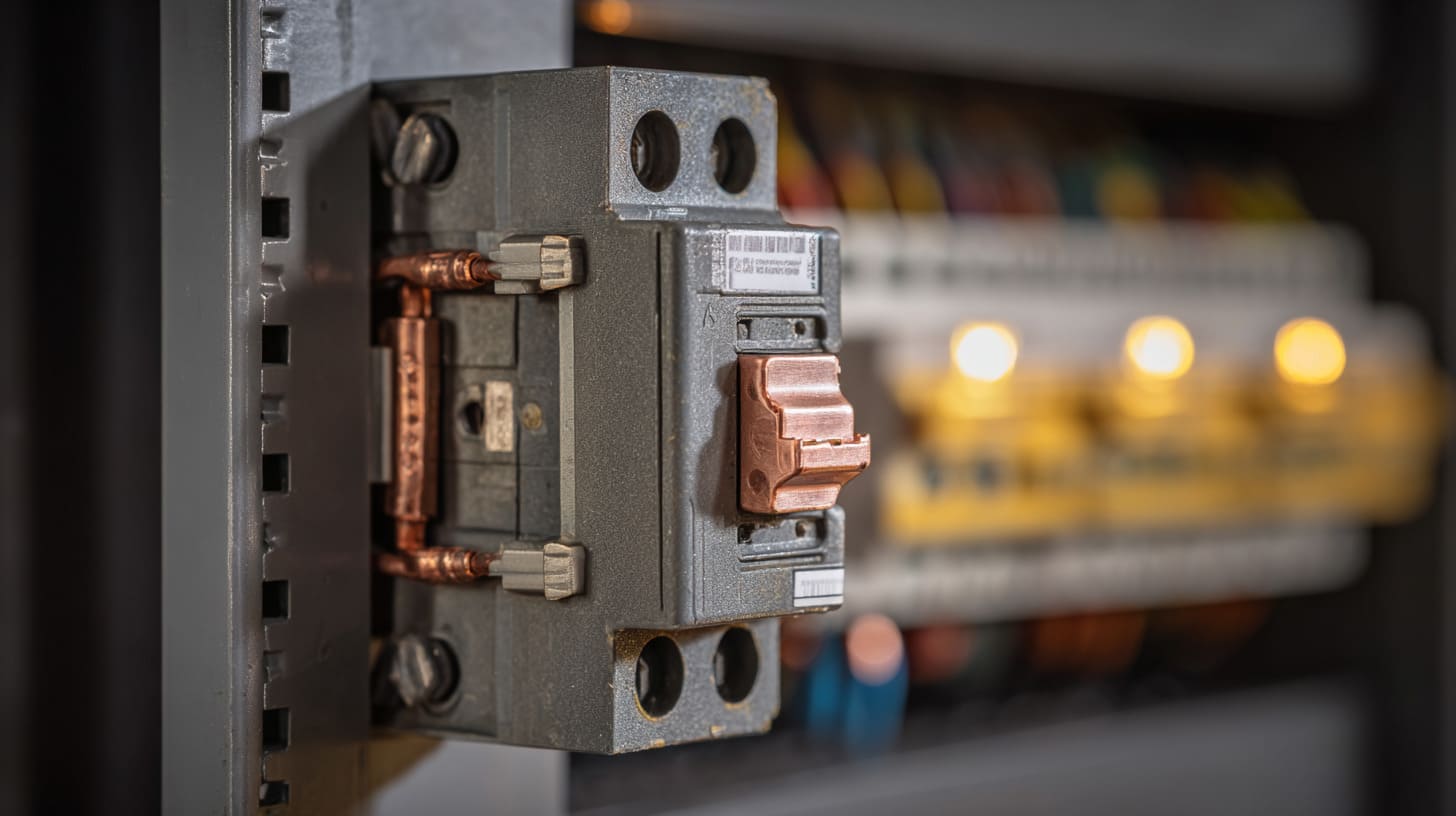
I once watched a breaker trip during a factory test. There was a sharp click. Silence. No smoke. No drama. Just control.
That is the idea behind a circuit breaker.
A circuit breaker is an automatic switch. It detects too much current and cuts power. Then you reset it.
When I evaluate a breaker for a cabinet, I always ask myself whether the trip curve matches the real load profile, not just the rated current printed on paper.
Basic Definition and Working Principle
A breaker has internal contacts. When current flows normally, contacts stay closed. When current exceeds a limit, a trip unit opens them.
There are two main trip mechanisms:
- Thermal trip – reacts to overload over time
- Magnetic trip – reacts instantly to short circuit
Inside the housing, you will find:
| Component | Function |
|---|---|
| Contacts | Open and close circuit |
| Trip unit | Detects overload or fault |
| Arc chute | Extinguishes electrical arc |
| Operating handle | Manual reset |
That arc chute matters. Many people ignore it. But arc control affects safety and lifespan.
Types of Circuit Breakers
Breakers are not all equal.
| Type | Typical Use | Current Range |
|---|---|---|
| MCB | Homes, small panels | Up to 125A |
| MCCB | Industrial cabinets | Up to 1600A |
| ACB | Large power systems | High current |
| RCCB / RCBO | Earth leakage protection | Varies |
Each type fits different enclosure sizes and heat limits.
Common Applications
- Residential distribution boards
- Industrial control panels
- OEM aluminum enclosures
- Solar or renewable systems
After seeing how flexible breakers can be, you might think fuses are outdated. Not so fast.
What Is a Fuse Box?
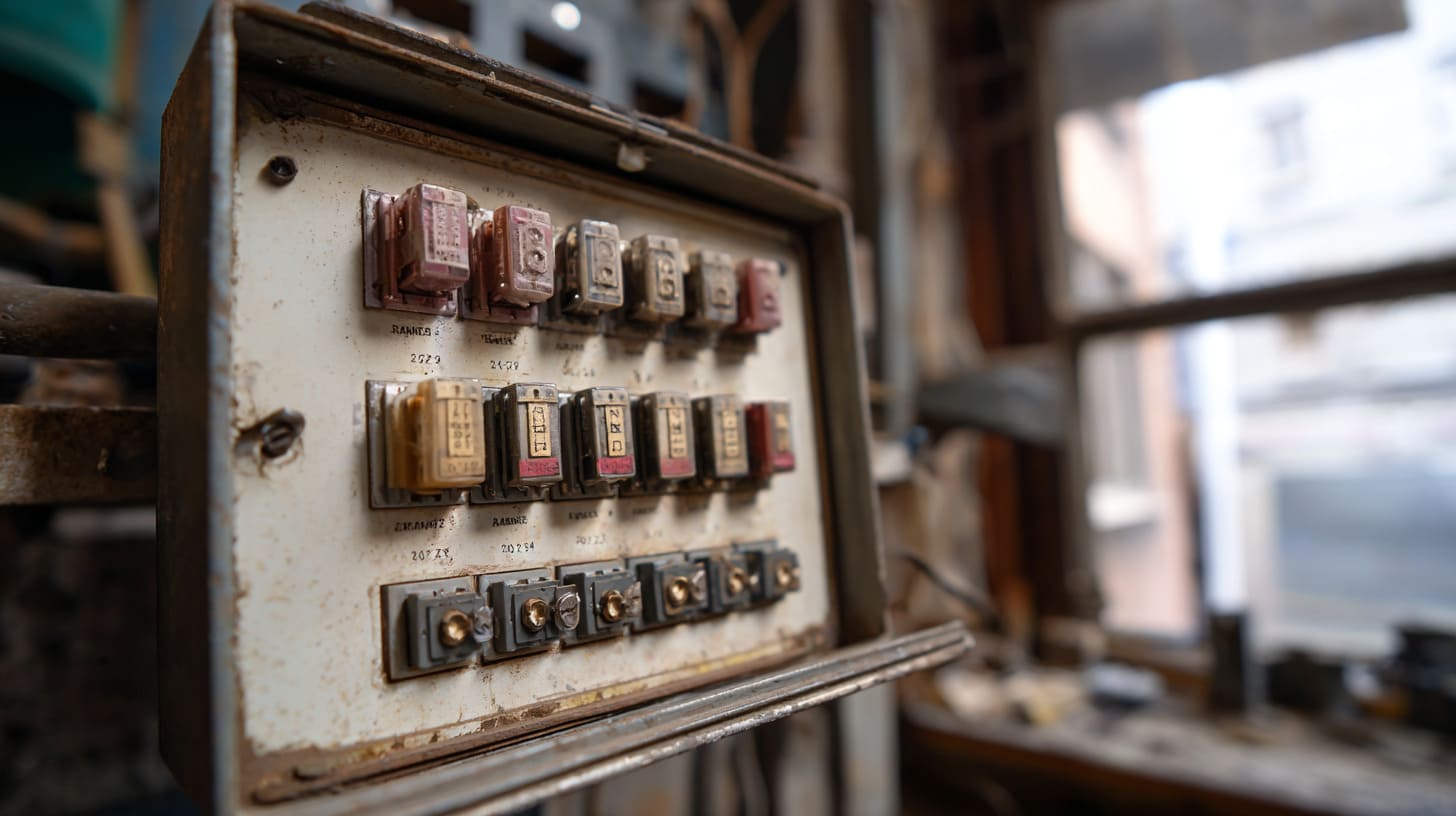
A fuse does not click. It sacrifices itself.
A fuse box contains replaceable fuses. When current gets too high, a metal strip inside melts. The circuit opens. It is simple.
Whenever I see a fuse system in a project, I look at who will replace it, because user behavior often creates more risk than the device itself.
Basic Definition and Working Principle
A fuse works by heat. Too much current produces heat. The internal wire melts. Circuit breaks.
It is one-time protection.
Structure is basic:
- Fuse holder
- Fuse cartridge
- Terminal connections
That simplicity is both strength and weakness.
Types of Fuses
| Type | Typical Use |
|---|---|
| Cartridge fuse | Industrial panels |
| Plug fuse | Older homes |
| Blade fuse | Automotive |
| HRC fuse | High fault capacity |
HRC fuses are strong. They handle serious faults.
Common Applications
- Older residential systems
- Automotive circuits
- Small machinery
- Budget projects
Now comes the real question. How do they behave differently in real work?
How Do Circuit Breakers and Fuse Boxes Work Differently?
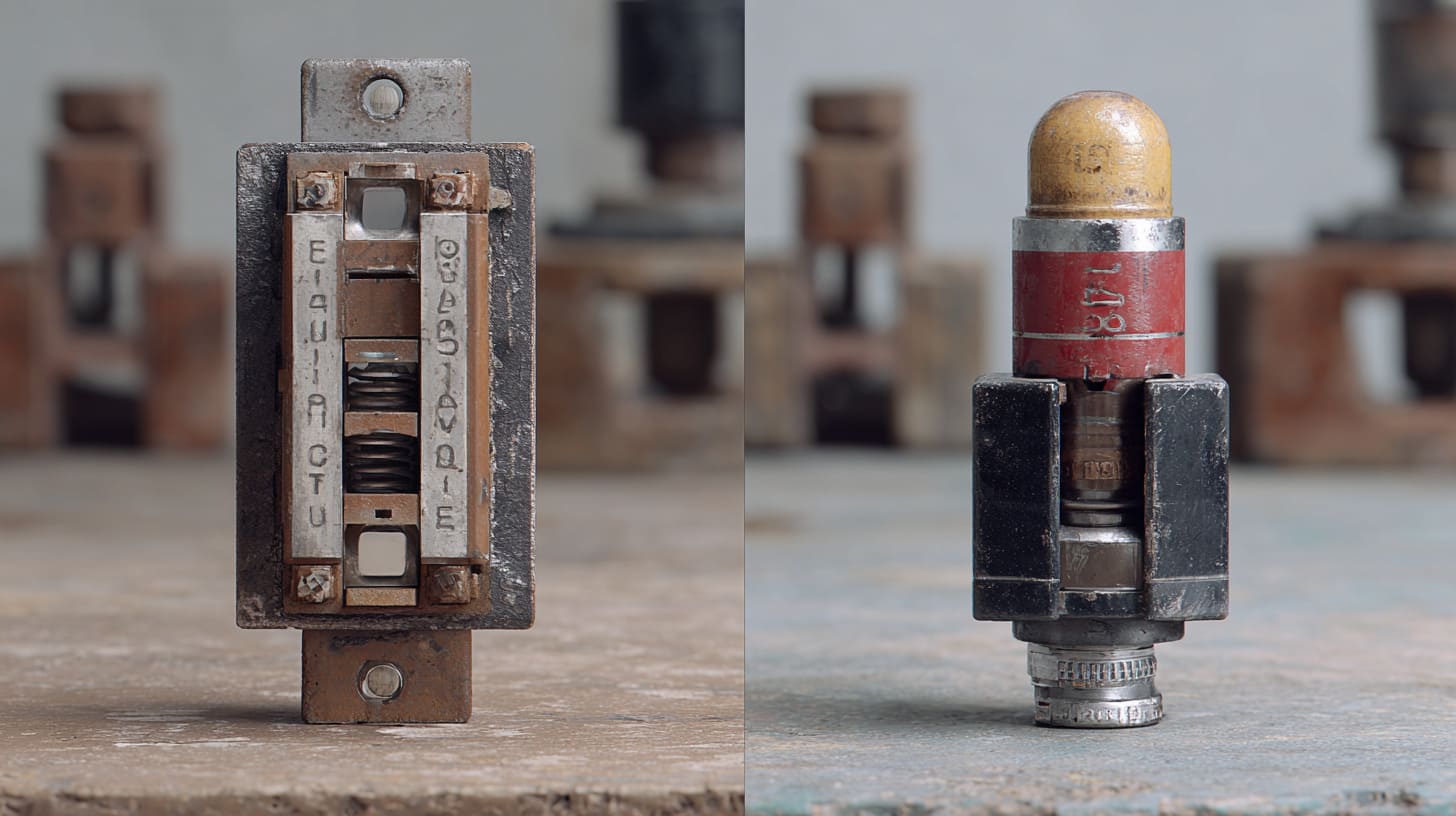
On paper, both stop current. In reality, their behavior changes how you design the whole system.
I tend to think about recovery time first, because downtime costs more than the device itself in many B2B projects.
Resettable vs Replaceable Protection
| Feature | Circuit Breaker | Fuse |
|---|---|---|
| Reset | Yes | No |
| Replacement needed | No | Yes |
| Downtime | Short | Depends on spare |
Breakers reset with a switch. Fuses require replacement.
In a production line, that difference matters.
Response Time Comparison
Fuses react fast to short circuits. Very fast.
Breakers react based on curve design.
That is why engineers sometimes prefer fuses for sensitive electronics.
Arc Suppression and Fault Handling
Breakers include arc chutes. They control arc energy.
Fuses contain arc within the cartridge.
Both work. But they behave differently under repeated faults.
If you are designing a modern system, you start asking: which one is safer?
Circuit Breaker vs Fuse Box: Key Differences
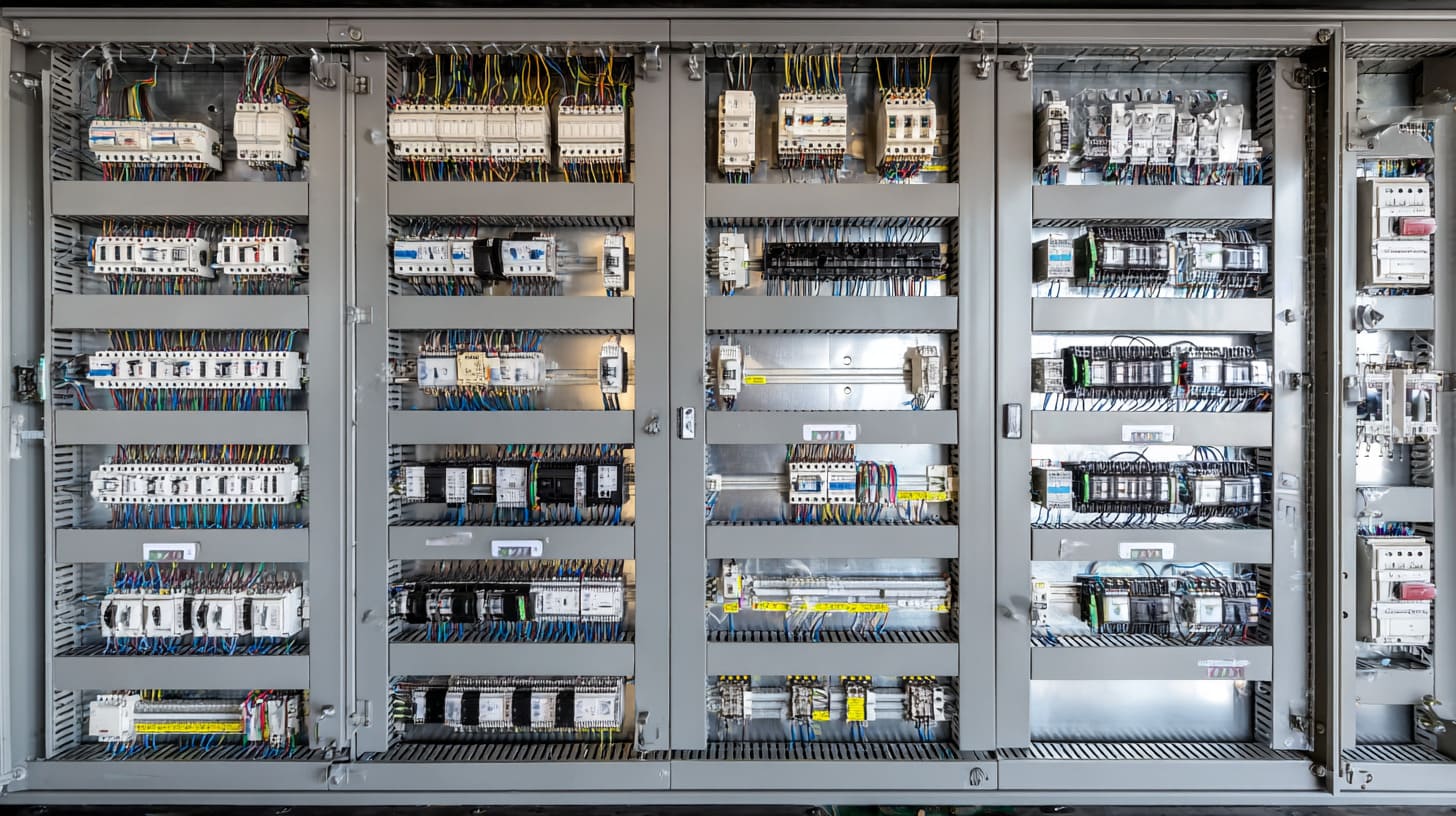
When clients ask me which one is better, I never answer immediately. I compare details.
If the project runs in a remote area with no technician nearby, I hesitate to rely on fuse replacement alone.
Safety Level
- Breakers reduce risk of wrong replacement.
- Fuses can be replaced with incorrect rating if user is careless.
| Risk Factor | Breaker | Fuse |
|---|---|---|
| Overload protection | Yes | Yes |
| Short circuit | Yes | Yes |
| User error risk | Low | Higher |
Maintenance Requirements
Breakers need inspection but not replacement.
Fuses must be stocked and replaced.
Downtime often tells the real story.
Cost Comparison
| Cost Type | Breaker | Fuse |
|---|---|---|
| Initial cost | Higher | Lower |
| Replacement cost | Low | Recurring |
| Labor | Minimal | Ongoing |
Durability and Lifespan
Breakers last many cycles.
Fuses die once.
Convenience and User Experience
Resetting a breaker feels easy. Replacing a fuse requires access and spare stock.
Now let’s move deeper into safety.
Which Is Safer for Modern Electrical Systems?

I have seen cabinets where someone installed the wrong fuse rating. That moment taught me something.
In complex systems, human error is often the weakest point.
Fire Risk Considerations
Incorrect fuse replacement increases fire risk.
Breakers lock rating inside the device.
Overload and Short Circuit Performance
Fuses react extremely fast.
Breakers provide controlled trip curves.
Compliance With Modern Electrical Codes
Modern codes often favor breakers in residential systems.
Suitability for High-Power Equipment
MCCBs handle large industrial loads safely.
If safety is clear, cost still remains a big concern.
Which Is More Cost-Effective in the Long Run?
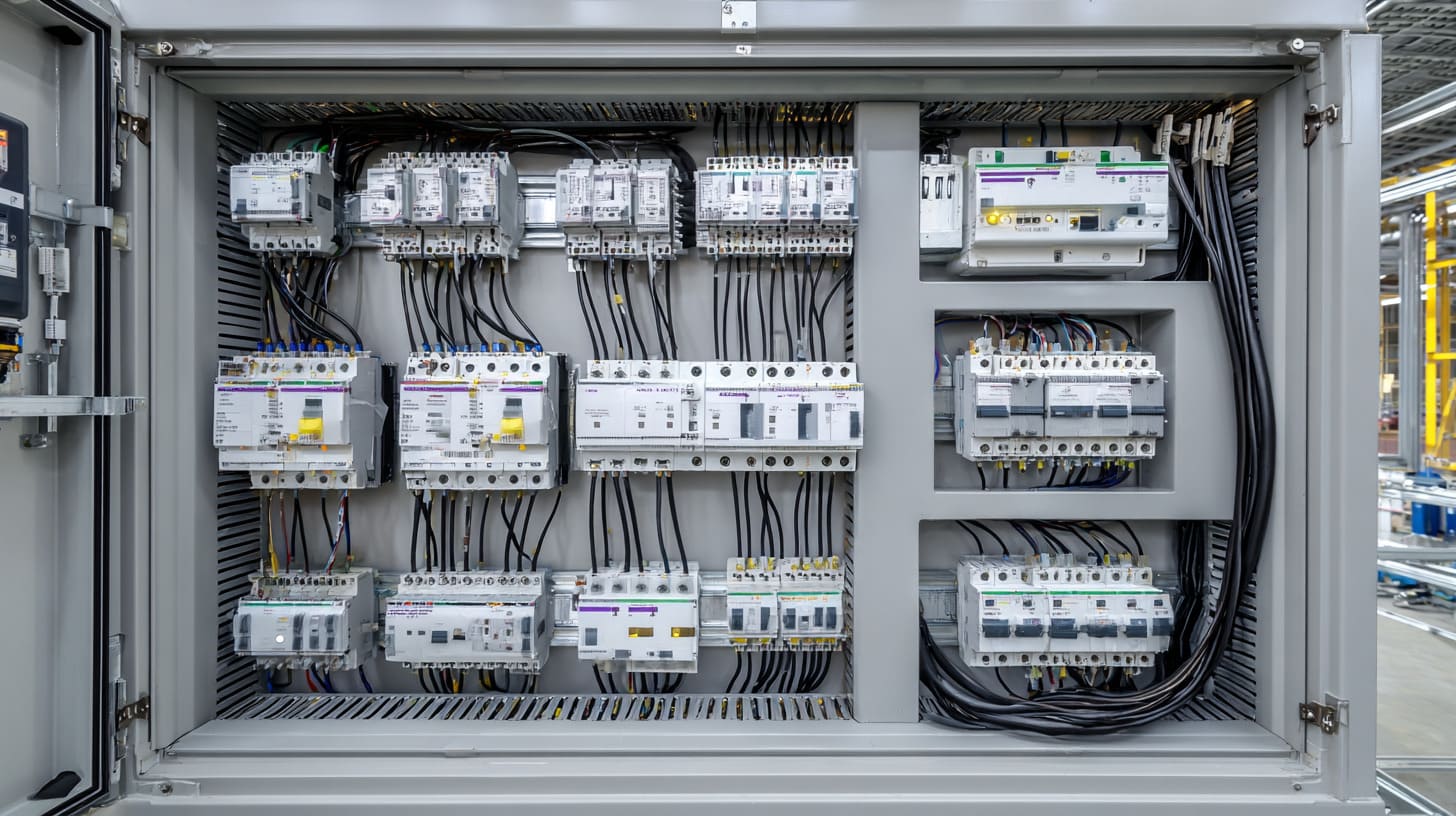
Many buyers focus on unit price. I focus on lifecycle.
I calculate downtime cost before I compare device prices, because lost production hours hurt more than hardware cost.
Upfront Investment Analysis
Breakers cost more at first.
Fuses cost less initially.
Replacement and Maintenance Costs
Repeated fuse replacement adds up.
Breakers reduce service calls.
Downtime Cost in Industrial Settings
In factories, stopping one machine can affect the entire line.
Total Cost of Ownership (TCO)
| Factor | Breaker | Fuse |
|---|---|---|
| Initial | High | Low |
| Maintenance | Low | Medium |
| Downtime risk | Low | Medium |
| Long-term | Stable | Variable |
Let’s move from theory to decision.
When Should You Choose a Circuit Breaker?

When I design OEM aluminum enclosures for export, I lean toward breakers if reliability and quick reset matter more than saving a few dollars.
New Residential Installations
Modern homes prefer breakers.
Industrial Control Cabinets
MCCB or MCB are common.
OEM Electrical Enclosures
Rebrand customers often want breaker-based panels.
Systems Requiring Frequent Switching
Breakers support manual operation.
But there are cases where fuses still make sense.
When Is a Fuse Box Still a Practical Option?
I do not dismiss fuses.
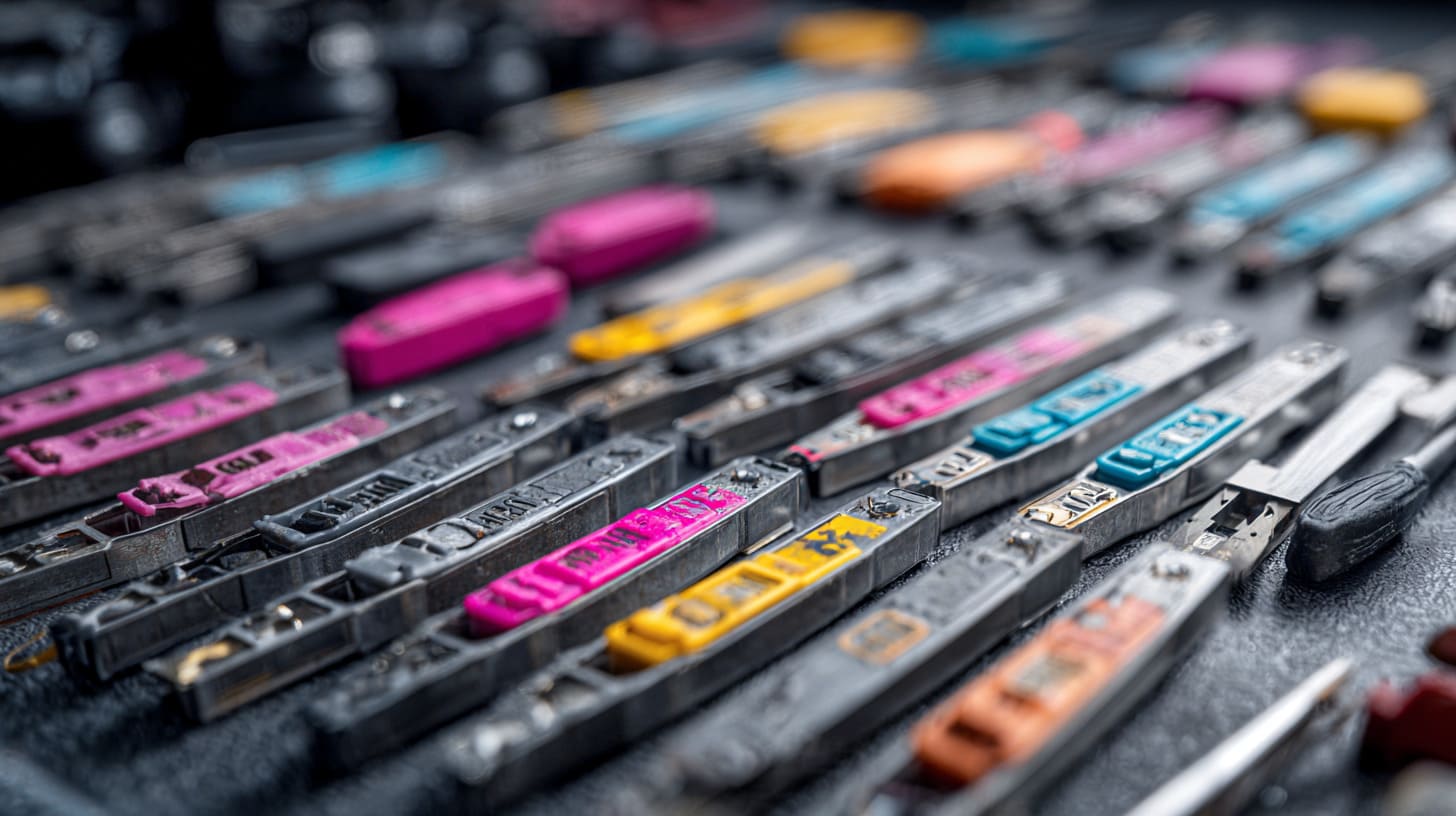
In compact electronics or automotive circuits, I still specify blade fuses because speed and size matter.
Simple Low-Load Circuits
Small devices work fine with fuses.
Automotive and Electronics Applications
Blade fuses dominate vehicles.
Backup or Redundant Protection
Fuses add secondary protection.
Cost-Sensitive Projects
Tight budgets may favor fuses.
Now we shift to something closer to my work.
How Do Enclosure Design and Electrical Protection Work Together?
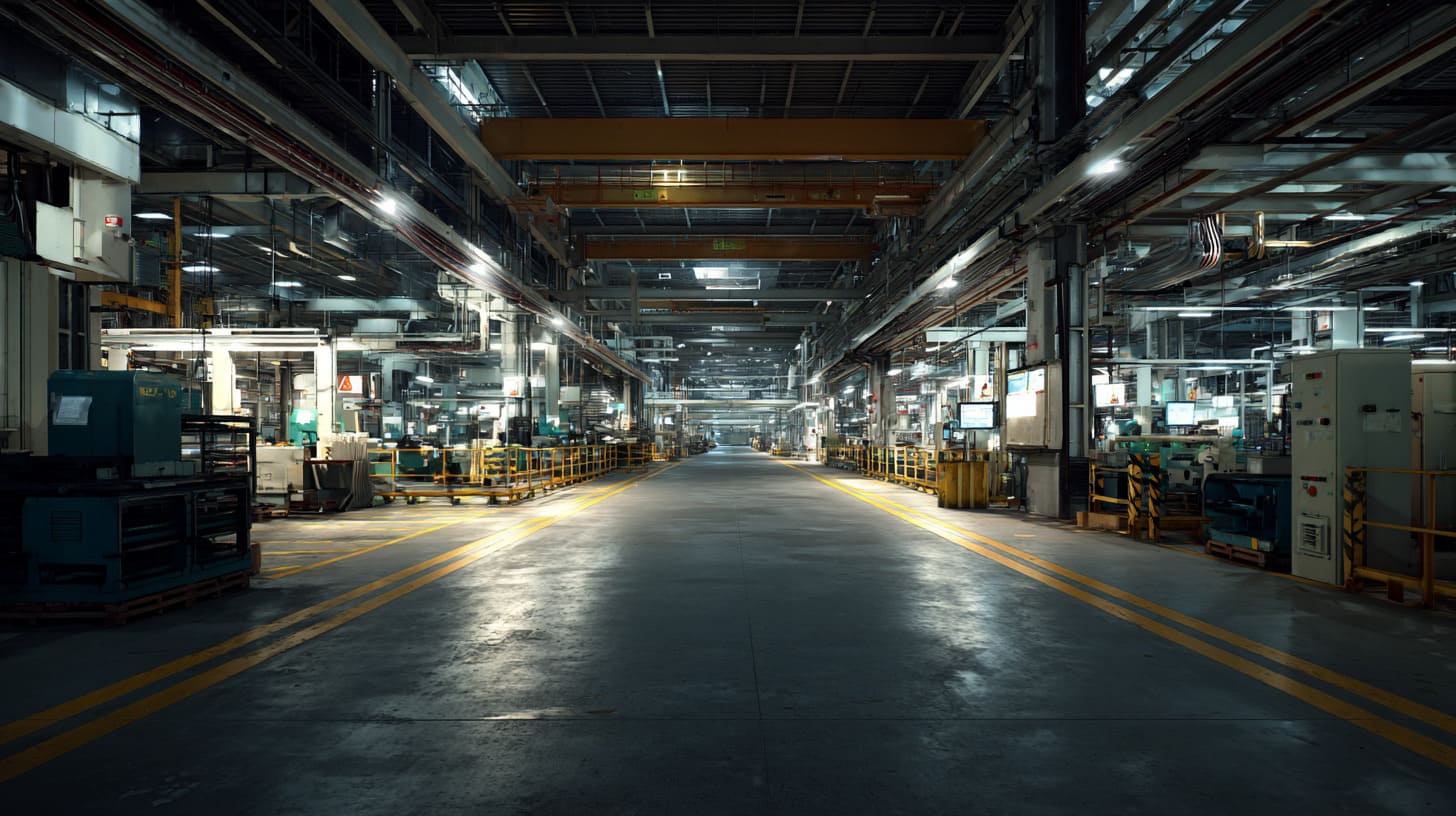
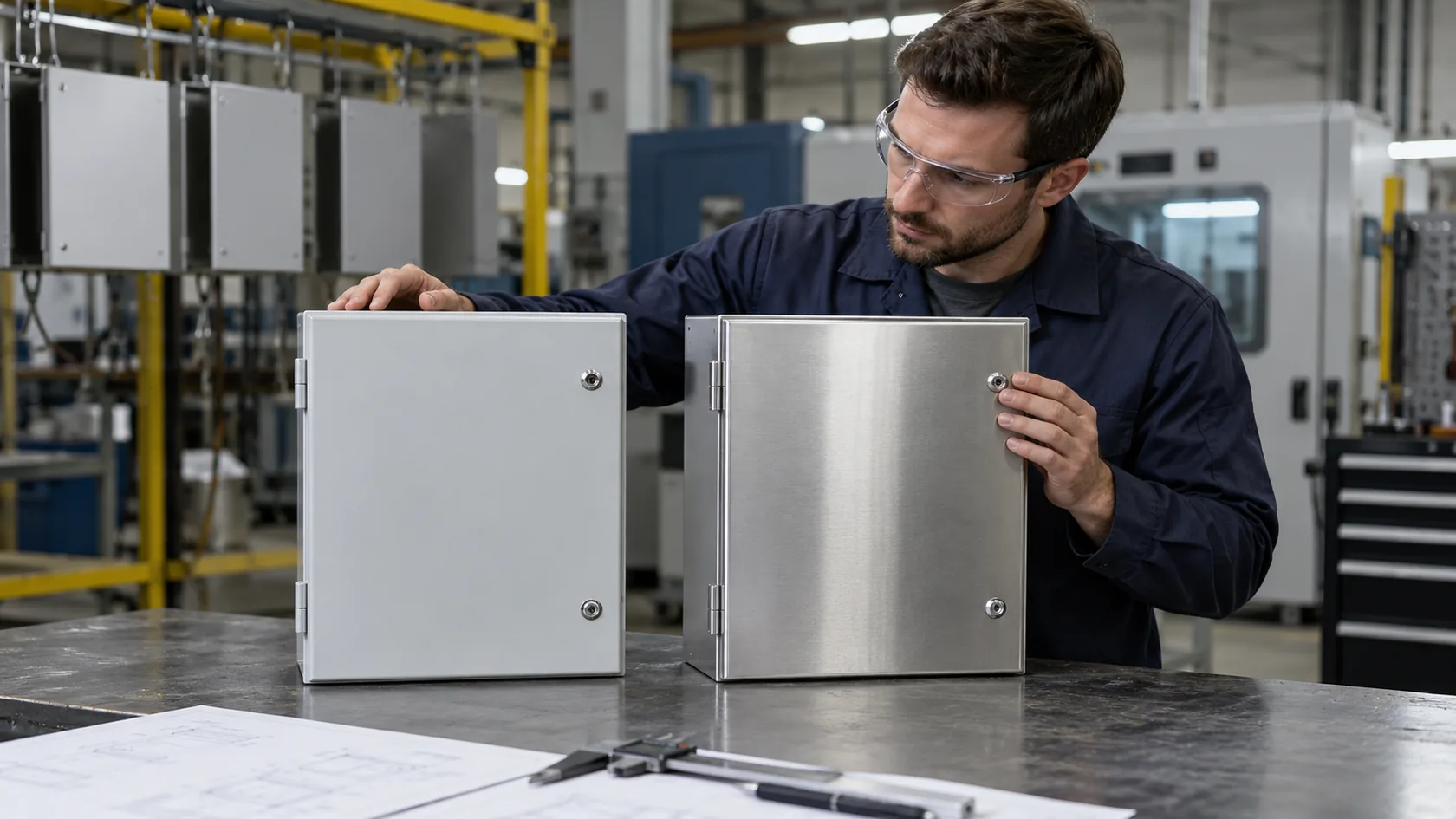
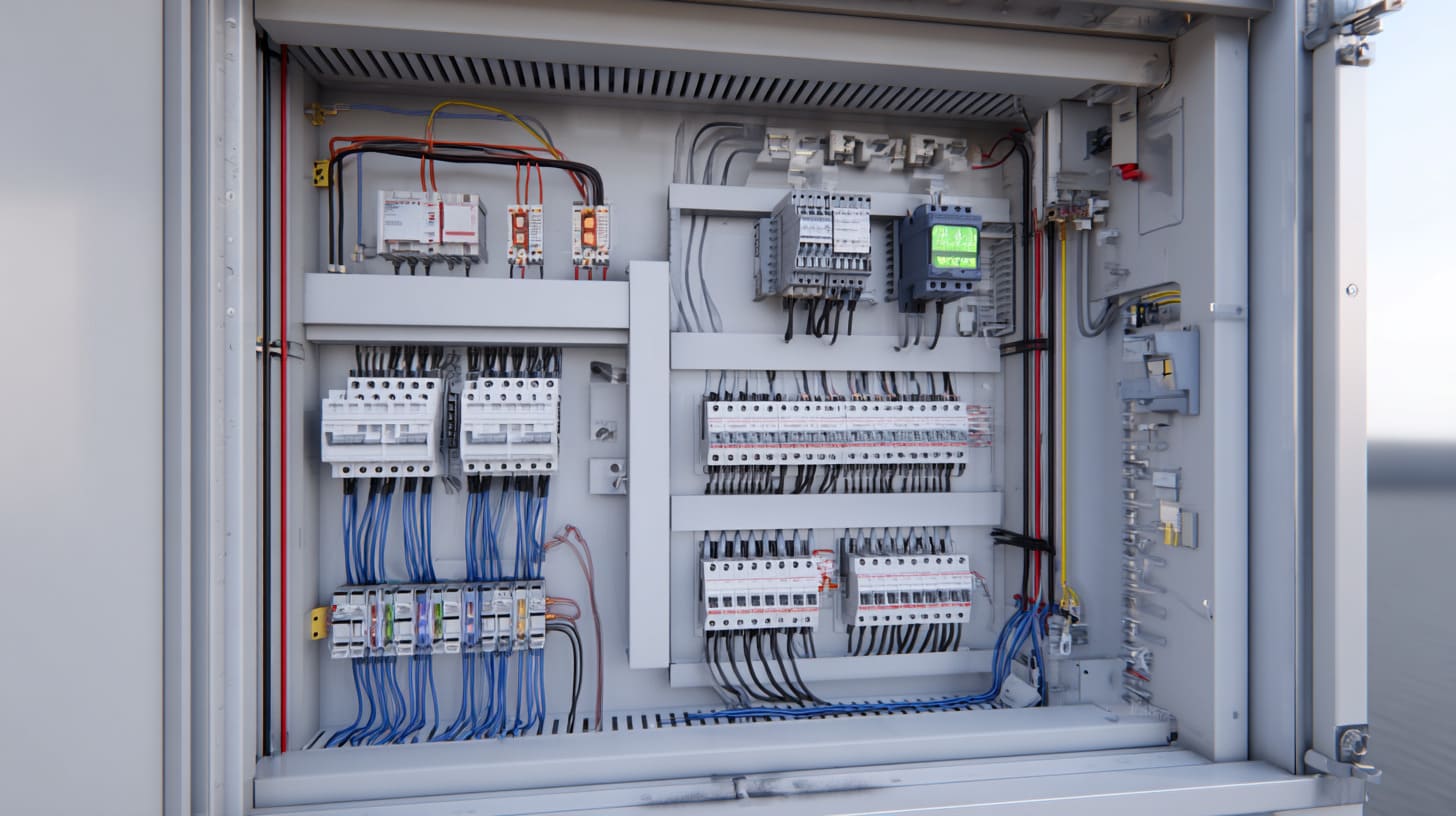
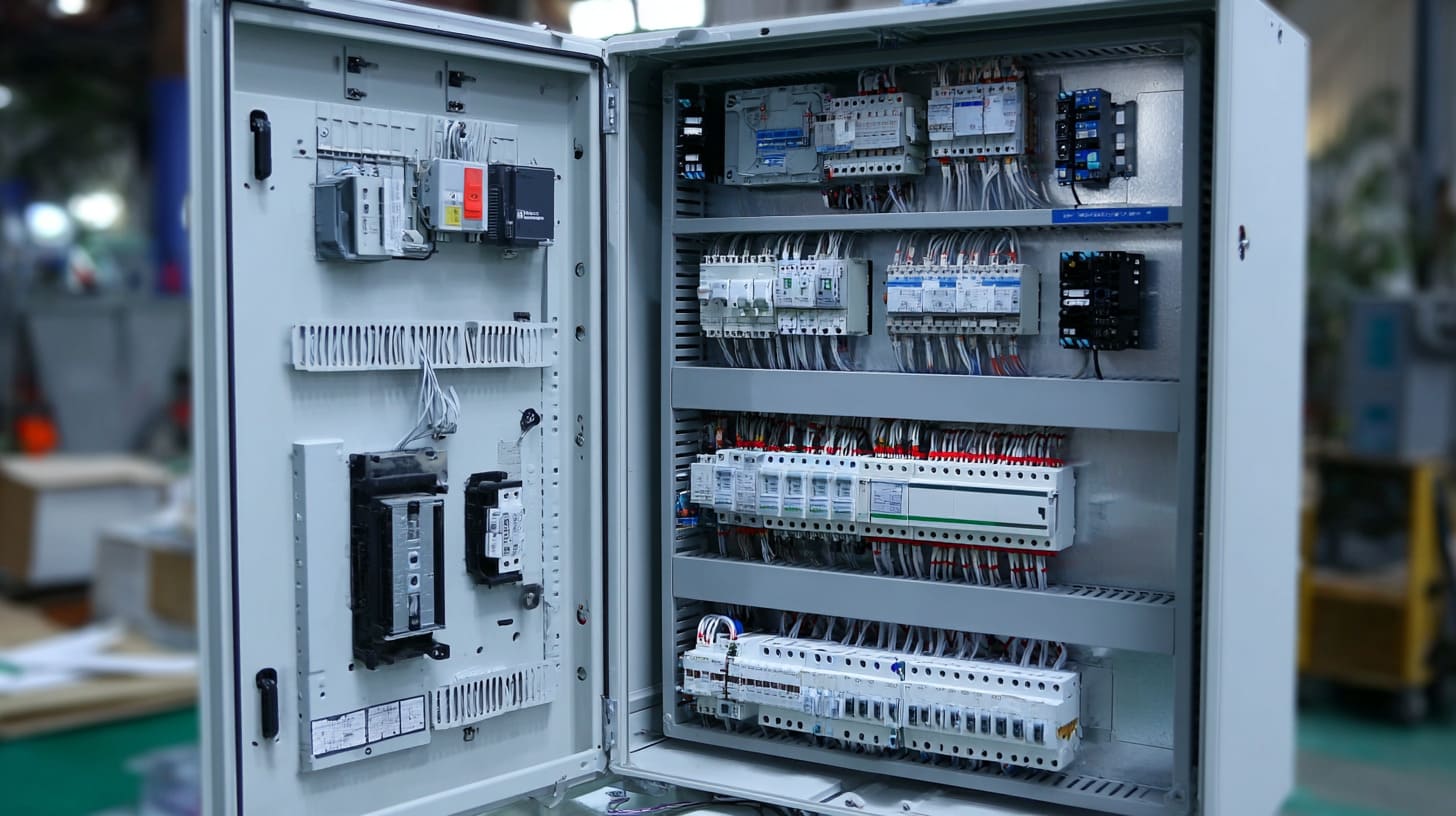
An enclosure does not just hold components. It affects heat, spacing, and safety.
When I review a layout, I check spacing around breakers first, because heat buildup changes trip behavior over time.
Panel Layout and Space Requirements
Breakers require mounting rails.
Fuses need holders and spare storage.
Heat Dissipation Considerations
Higher current devices generate heat.
Vent design matters.
IP and NEMA Ratings
Outdoor cabinets need sealed protection.
Custom Enclosure Design for Breakers vs Fuses
| Factor | Breaker Panel | Fuse Panel |
|---|---|---|
| Space | Larger | Smaller |
| Service access | Front reset | Replace required |
| Ventilation | Important | Important |
Regulation also plays a role.
Industry Standards and Compliance Requirements
Standards guide decisions more than opinions.
Before exporting panels to Europe or North America, I verify compliance documents carefully, because certification delays can stop shipments.
NEC Overview
Common in North America.
IEC Standards
Used widely in Europe and Asia.
UL Certification
Important for US market.
Regional Differences
Each region has different expectations.
Questions still remain. Let’s address them directly.
Frequently Asked Questions About Circuit Breakers and Fuse Boxes
Can a fuse box be upgraded?
Yes. It requires panel redesign.
Do breakers fail more often?
Not usually. But poor quality breakers exist.
Which reacts faster?
Fuses often react faster to pure short circuits.
Are fuse boxes obsolete?
Not completely. They still serve specific roles.
Now I want to share why I personally lean one way in most OEM projects.
Conclusion
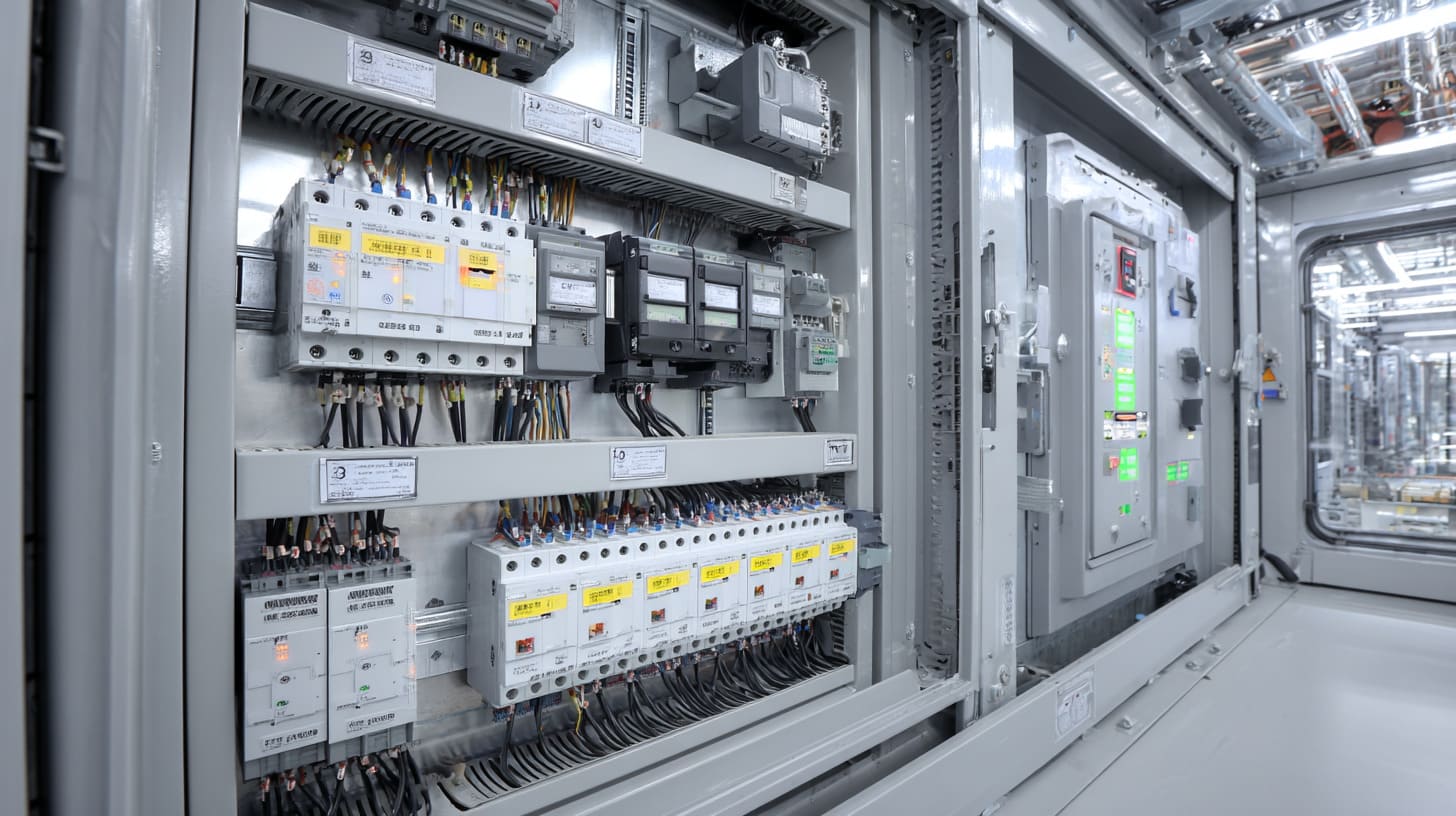
I prefer circuit breakers in most modern enclosure projects. I choose them because they reduce user error, shorten downtime, and align with current standards. I value stability over small savings.
But I do not ignore fuses. They still shine in compact, fast-response, or budget-sensitive systems.
I reach this view because I see the full system, not just the device. I think about the installer, the end user, the maintenance team, and the shipment deadline.
If you are designing a custom aluminum or sheet metal enclosure and you are unsure which protection to use, talk to me. I will help you think through the real conditions, not just the catalog page.
That is how I approach every project at MaidaTech.