Skip to content
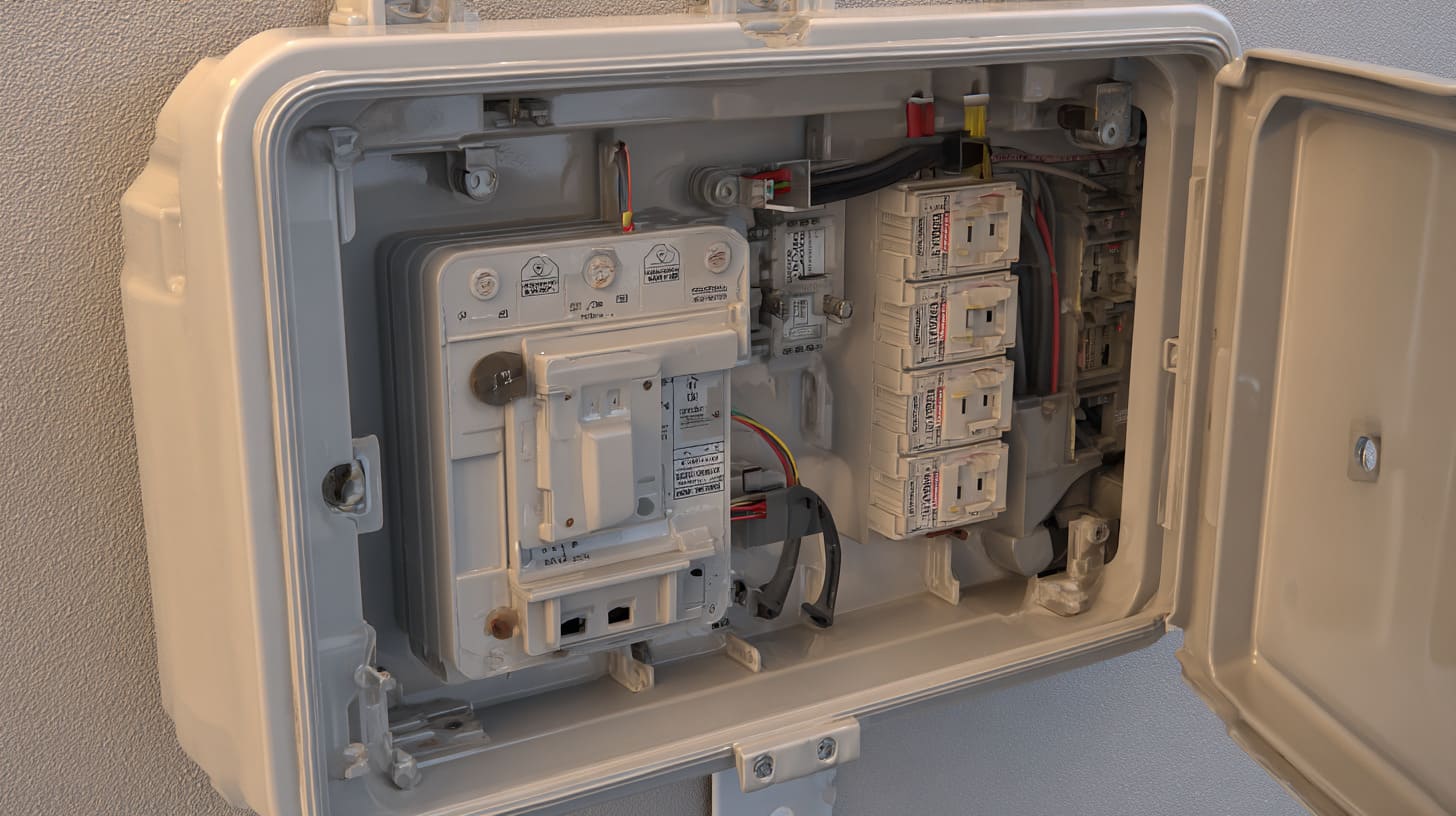
An electric meter box is one of those things nobody talks about until it turns into a problem.
It sits outside. It looks quiet. Then one day the cover is cracked, water gets in, and suddenly everyone is asking the same question at the same time:
“Who is responsible for replacing this?”
I have seen this confusion many times with buyers and engineers. Davide once sent me photos from a residential upgrade project. The meter area looked “fine” in daylight. But the bottom edge had rust trails. The plastic parts were chalky. The utility said, “Not ours.” The homeowner said, “It’s your meter.” The electrician said, “I can’t touch it unless the utility pulls the meter.” Nobody was lying. They were just looking at different rules.
Here is the truth: responsibility is not one universal answer. It depends on who owns which part, where it is installed, and what local rules say.
The real question I want to answer is simple: Who is legally and practically responsible for replacing an electric meter box?
And even better: How can you tell before you waste days in emails and phone calls?
Next, I will start with the most basic thing people skip: what the “meter box” actually includes, and who owns it.
What Is an Electric Meter Box and Who Owns It?
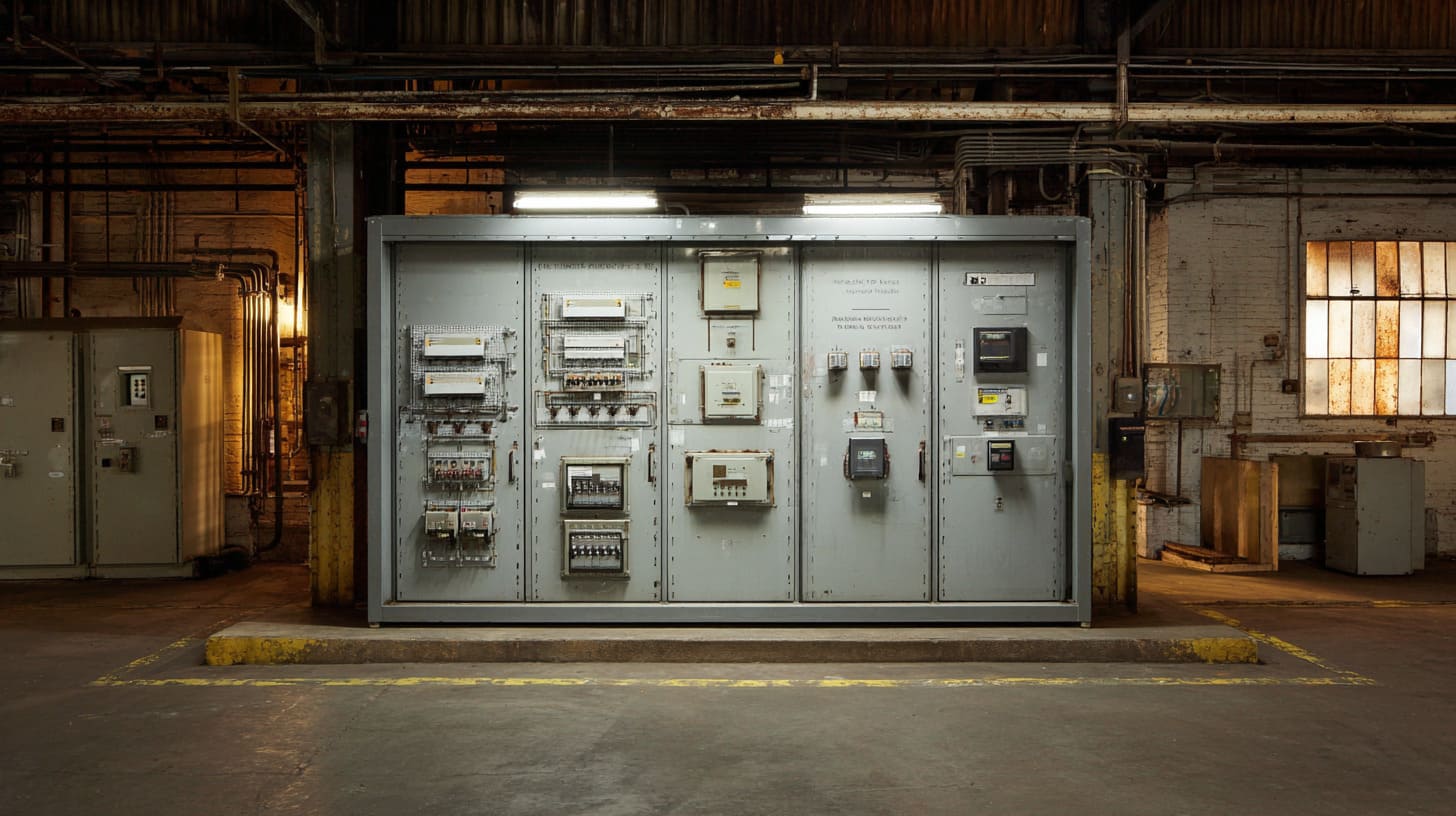
People say “meter box,” but they often mean different things. That is where arguments start.
One person points at the meter and says, “That belongs to the utility.”
Another points at the enclosure and says, “That belongs to the property.”
Both can be correct at the same time.
The parts usually look like one system, but ownership is often split.
What Components Are Included?
Most meter setups include these parts:
- Meter box enclosure (the housing, cover, seals, mounting base)
- Electric meter (the measuring device)
- Incoming service cable (utility feed to the meter base)
- Main breaker / distribution section (sometimes inside the same cabinet, sometimes separate)
Here is a simple way I explain it to non-technical owners:
| Part | What it does | Who often owns it (typical) |
|---|---|---|
| Electric meter | measures electricity use | utility company |
| Meter socket / base | holds the meter safely | property owner (common) |
| Meter box cover | protects from water and touch | property owner (common) |
| Utility service cable | feeds power from street | utility company (common) |
| Load side wiring | feeds the building | property owner (common) |
The keywords there are “often” and “typical.” Local rules can flip some parts.
One small detail changes everything: can the homeowner legally open it and work on it?
That question is not about skill. It is about rules and safety.
A practical way I judge ownership is this: if the part can be serviced without breaking a utility seal, it is usually on the customer side, and the customer usually pays.
Ownership vs. Responsibility
Ownership and responsibility are not always the same.
- The utility may own the meter, but they may not pay for the enclosure.
- The owner may own the box, but they may need utility permission to start work.
- The electrician may be responsible for installation quality, but not for paying.
This gets messy because the work often requires two actions:
- Utility work (pulling the meter, cutting power, resealing)
- Customer work (replacing the enclosure, upgrading the base, reconnecting load wiring)
If one side does not cooperate, the job stops.
Why Ownership Is Not Always Obvious
I have seen three situations cause the most confusion:
- Old installations: paperwork is gone, and parts are no longer standard.
- Mixed upgrades: someone replaced the cover, but not the base; or added a new panel beside it.
- Shared systems: apartments, duplexes, and shared walls where the boundary line is not clear.
A quick test that helps in real life:
| Question | Why it matters |
|---|---|
| Is there a utility seal on it? | breaking seals can be illegal |
| Is the box on private property or public easement? | it affects who can touch it |
| Is it feeding one unit or many units? | shared systems often have special rules |
| Is the damage “wear” or “utility-caused”? | responsibility can shift |
If you feel the topic is already “too legal,” good. That discomfort is useful. It forces you to check before you act.
Now let’s go to the most common real-world case: a private home, one meter, one owner, one headache.
Is the Homeowner Responsible for Replacing the Electric Meter Box?
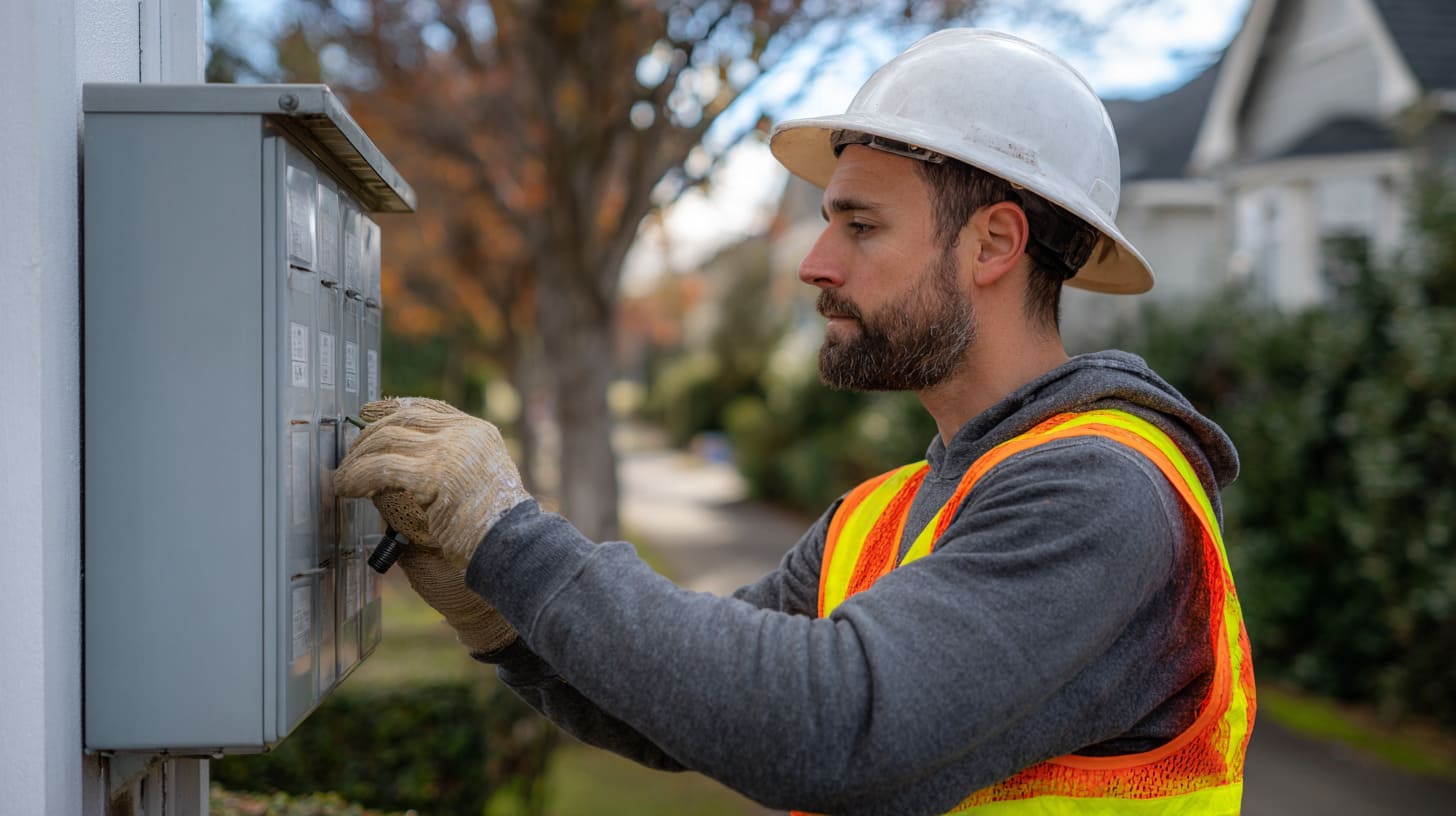
In many regions, the homeowner is responsible for the meter base / meter box enclosure because it is part of the customer’s service equipment. The utility owns the meter, but the owner owns the “holder.”
That is the common pattern. But the details still matter.
A sentence I tell homeowners (and I mean it): if the damage is on the wall of your house, you should assume you will pay until someone proves otherwise.
When the Meter Box Is on a Private House
Most residential meter boxes are:
- mounted on an exterior wall
- exposed to rain and sun
- close to walkways, driveways, and lawn tools
- sometimes near sprinklers (which is worse than it sounds)
Typical failure causes I see:
| Cause | What it looks like | Why it gets serious |
|---|---|---|
| UV aging (plastic) | chalky surface, brittle cover | cracks let water in |
| Corrosion (metal) | rust trails, swollen edges | weak grounding paths, loose fits |
| Impact | bent door, broken latch | cover cannot seal |
| Water entry | fogging, stains, insects inside | corrosion and arcing risk |
Common Situations Where Homeowners Must Pay
These are the “usual” homeowner-paid triggers:
- The box is physically damaged by weather, age, or impact.
- The owner wants a service upgrade (like 100A to 200A).
- The owner renovates, moves the meter location, or adds a new panel.
- The owner must meet updated safety or code requirements after an inspection.
A simple way to think:
| Trigger | Who usually pays | Why |
|---|---|---|
| old box is worn out | homeowner | customer equipment aging |
| box is cracked by accident | homeowner / insurance | property damage |
| service capacity upgrade | homeowner | owner request |
| code upgrade required for new work | homeowner | permit-driven changes |
When the Utility Company May Cover It
Utilities may cover replacement or part of the work when:
- the fault is clearly caused by utility equipment or utility-side cable
- the utility runs a modernization program
- the utility requires a new base because their new meter needs it
But utilities often still say: “We will do the meter. You do the base.”
That is why I always suggest you ask the utility one direct question:
“Is the meter base considered customer-owned in your service territory?”
Short question. Clear answer. No arguing.
Before we move on, here is the part people forget: homes are not the only messy case. Rentals add human behavior, not just wiring.
Who Is Responsible in Rental Properties?
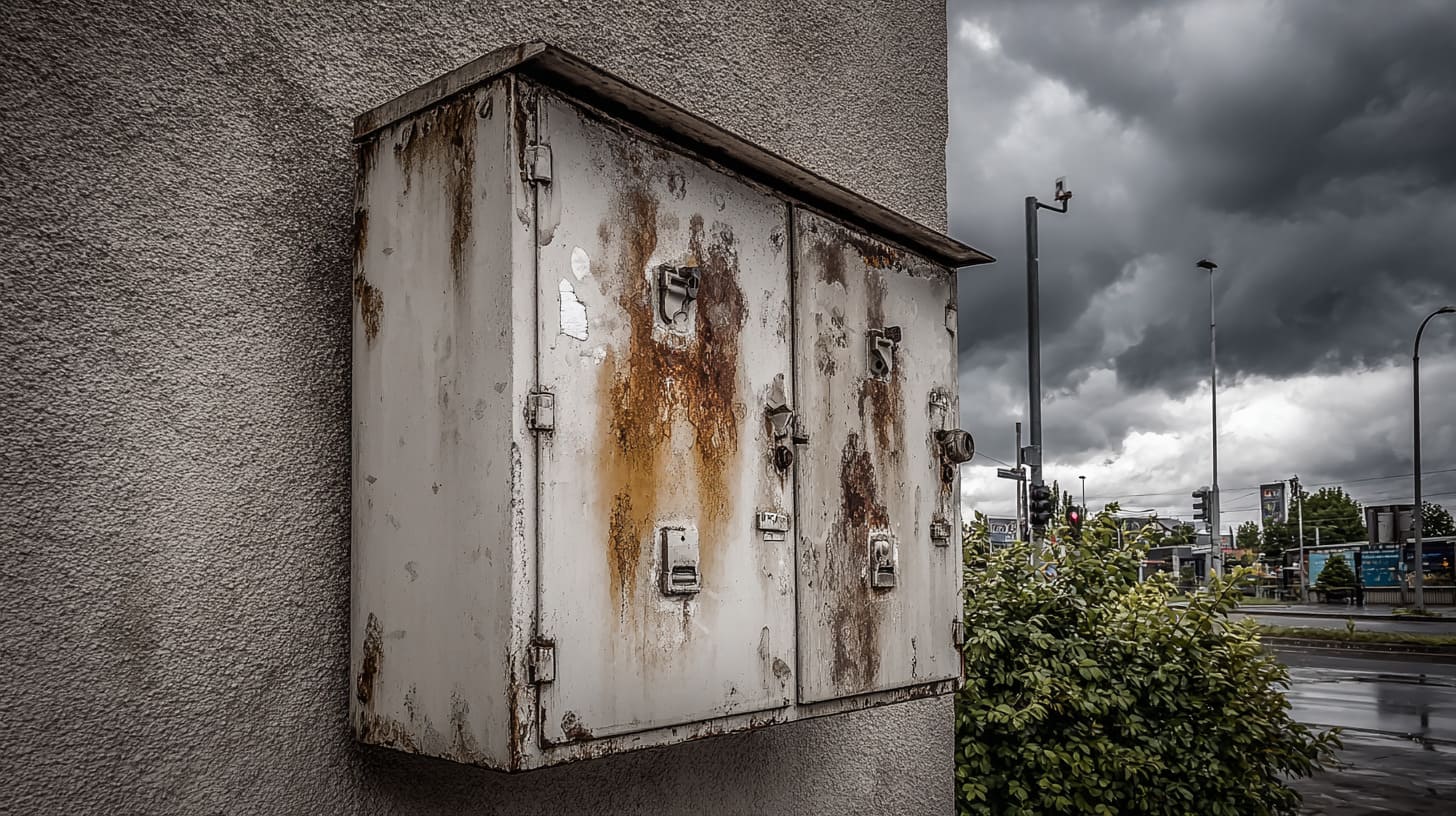
Rental properties add a new layer: someone lives there, someone owns it, and someone does not want to pay.
In most cases, tenants are not responsible for replacing meter boxes because the meter equipment is part of the building infrastructure, like plumbing and roof.
What I watch for in rental cases is not the technical issue first. I watch for the “delay behavior,” because delays create unsafe time windows.
Landlord vs. Tenant
A simple split that usually matches reality:
- Landlord: responsible for fixed electrical infrastructure and safety compliance
- Tenant: responsible for usage inside the unit (and for reporting issues fast)
When tenants damage the box directly, the landlord may charge the tenant. But the landlord still must fix it quickly because safety cannot wait for a dispute.
Here is a clean way to show responsibility:
| Situation | Likely responsible party |
|---|---|
| box is old and failing | landlord |
| box is damaged by tenant action (rare) | landlord fixes, tenant may reimburse |
| box is damaged by storm | landlord (often via insurance) |
| box is damaged by third party | landlord initially, then claim recovery |
Legal Obligations of Property Owners
Landlords typically must ensure:
- compliance with safety codes
- safe access and safe covers
- no exposed live parts
- no water entry risk
Insurance also cares. If a fire happens and an inspector finds a broken enclosure, the paperwork becomes ugly fast.
One practical judgment I use: when a landlord argues “the tenant should handle it,” I treat that as a warning sign that maintenance is already behind.
What Tenants Should Do If the Box Is Damaged
If I were the tenant, I would do these steps in order:
- Report it immediately in writing (email or message log)
- Do not touch the box (especially if seals are present)
- Take photos (close and wide shots)
- Request a licensed electrician inspection (through landlord)
Tenants should not “tape it up” and hope. Tape hides cracks, and cracks hide water paths.
Now let’s step into commercial and industrial sites, where the meter box becomes part of a bigger cost game: downtime.
What About Commercial and Industrial Properties?
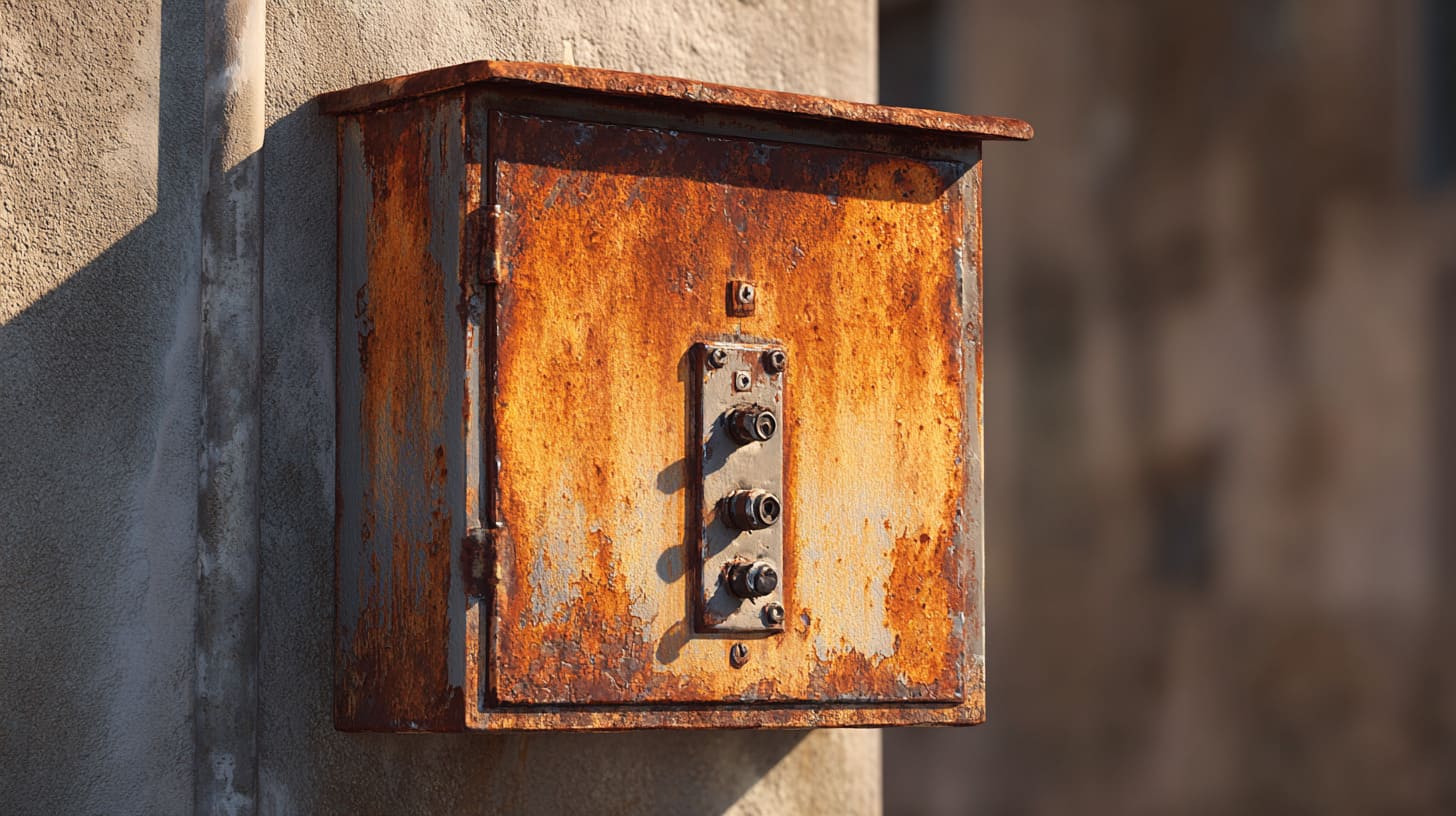
Commercial and industrial properties look professional, but they can be even more confusing because leases can rewrite responsibilities.
I have seen factories where the tenant pays for everything “from the meter outward.”
I have also seen leases where the owner handles service equipment, and the tenant handles internal distribution.
Here is my honest view: the contract matters, but the actual wiring layout often matters more.
Responsibility in B2B Environments
In many B2B cases, responsibility depends on:
- who owns the building
- how the lease defines “electrical service equipment”
- whether the meter room is a shared area or a tenant-only area
A quick table that helps buyers and managers:
| Property type | Common pattern |
|---|---|
| owner-occupied factory | owner pays and controls schedule |
| leased warehouse | lease decides, often tenant pays upgrades |
| multi-tenant building | building owner controls main service, tenants handle sub-meters |
The real risk is schedule conflict. The electrician may be ready, but the utility appointment is two weeks away. Then production plans break.
One sentence I use in B2B planning: if the meter box affects power continuity, I treat it like a production asset, not like a “building detail.”
Industrial Safety Requirements
Industrial sites also face stricter pressure from:
- fire inspections
- safety audits
- insurance requirements
- internal EHS rules
A small enclosure problem can trigger a wider inspection, especially if there is evidence of water entry, heat marks, or loose grounding.
Upgrading for Increased Load Demand
Upgrades are common for:
- new machines
- new HVAC
- EV fleet chargers
- adding a new production line
The cost question becomes: who requested the load increase?
| Upgrade driver | Who often pays |
|---|---|
| tenant adds equipment and needs more power | tenant |
| owner modernizes the building to attract tenants | owner |
| utility requires changes for new meter tech | utility + customer-side work |
This is where John (my creative ODM client) usually gets surprised. He thinks “it is just a box.” Then he learns the box upgrade triggers panel upgrades, grounding updates, and permit timing.
Alright. Next question is the one people ask me directly: “Does the utility ever replace the meter box or not?”
Does the Utility Company Ever Replace the Meter Box?
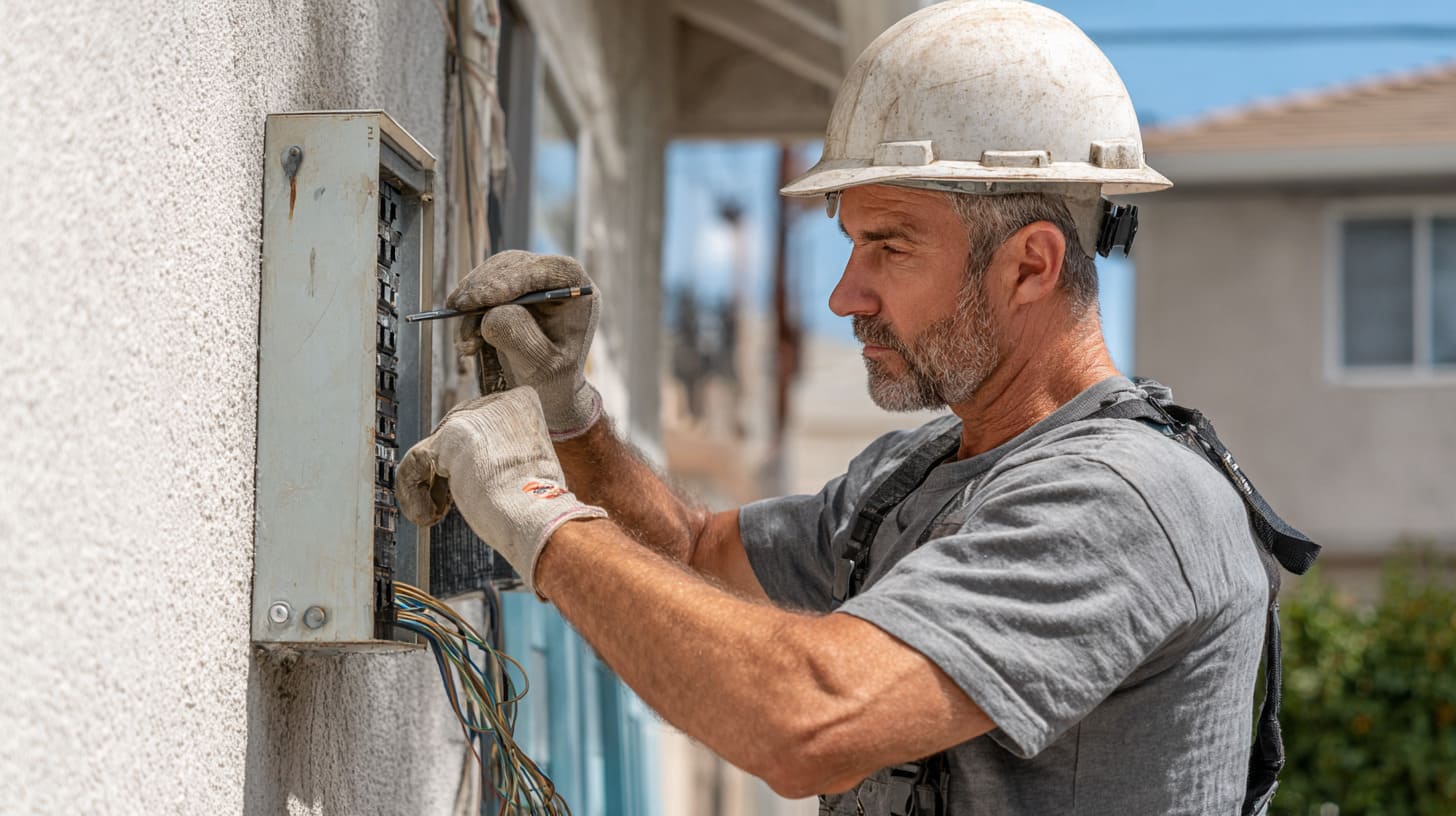
Yes, sometimes. But not in the way most people hope.
Utilities often replace:
- the meter itself
- utility-side cables
- service connectors on their side
- seals and inspection tags
They less often replace the customer-owned enclosure, unless a program or defect forces it.
A realistic judgment I use is this: if the utility can solve the issue without touching the customer’s wall-mounted base, they usually will.
Situations Where Utilities Intervene
Utilities may step in when:
- the meter base is unsafe for their workers
- the socket is damaged in a way that risks the meter
- a new smart meter requires a compatible base
- a recall or safety bulletin applies
Sometimes the utility says: “Replace the base or we cannot install the new meter.”
That still means you pay for the base, but the utility controls the “permission to proceed.”
Limits of Utility Responsibility
Utilities often draw a boundary line:
- Utility side: their equipment, their responsibility
- Customer side: enclosure, mounting, load wiring, customer responsibility
Many conflicts happen because the box is physically close to the meter, so people assume it is “utility property.”
I always remind buyers: proximity is not ownership.
Now let’s talk about damage. Because damage is where responsibility becomes emotional, especially after storms and accidents.
What Happens If the Meter Box Is Damaged by Weather or Accident?

Damage changes the story fast, because damage brings fear: fire risk, shock risk, and blame risk.
I once saw a meter box after a coastal storm. The outside looked normal. But inside, the salt film was everywhere. It was like someone sprayed a thin layer of invisible rust seed.
That kind of damage creates a trap: it looks small, but it grows fast.
A sentence I rely on: if water entered once, I assume it will enter again unless the enclosure design changes.
Storm, Flood, or Corrosion Damage
Weather-related damage often leads to:
- insurance claims
- urgent electrician calls
- utility scheduling pressure
Key decision points:
| Damage type | What I worry about first | What often happens next |
|---|---|---|
| flood exposure | hidden corrosion and tracking | replacement is safer than cleaning |
| heavy rain entry | loose seals, warped covers | base replacement or reseal work |
| coastal salt air | fast corrosion on metal parts | upgrade to better material / rating |
Insurance may cover some costs, but the owner still needs to coordinate repairs.
Vehicle Impact or Construction Damage
This case is clearer:
- If a vehicle hits it, the driver (or their insurance) is often liable.
- If a contractor damages it, the contractor may be liable.
But the building owner usually must fix it first, because power service cannot wait for a legal argument.
A practical note: photos and timestamps help more than angry emails.
Aging and UV Degradation
Aging is a slow accident. It just takes longer.
Plastic can crack from UV.
Metal can rust and swell.
Seals can harden and leak.
Here is a simple comparison I use when choosing materials:
| Factor | Plastic meter box | Metal meter box |
|---|---|---|
| UV resistance | varies by resin and grade | strong if coated |
| corrosion risk | low rust, but can degrade | depends on coating and environment |
| impact resistance | can crack | can dent |
| long-term stiffness | can warp | strong structural stability |
If you see chalky plastic or rust trails, do not treat it as “cosmetic.” It is usually a countdown.
Next comes the bigger question: when is it not just a replacement, but an upgrade?
When Is an Upgrade Required Instead of a Simple Replacement?
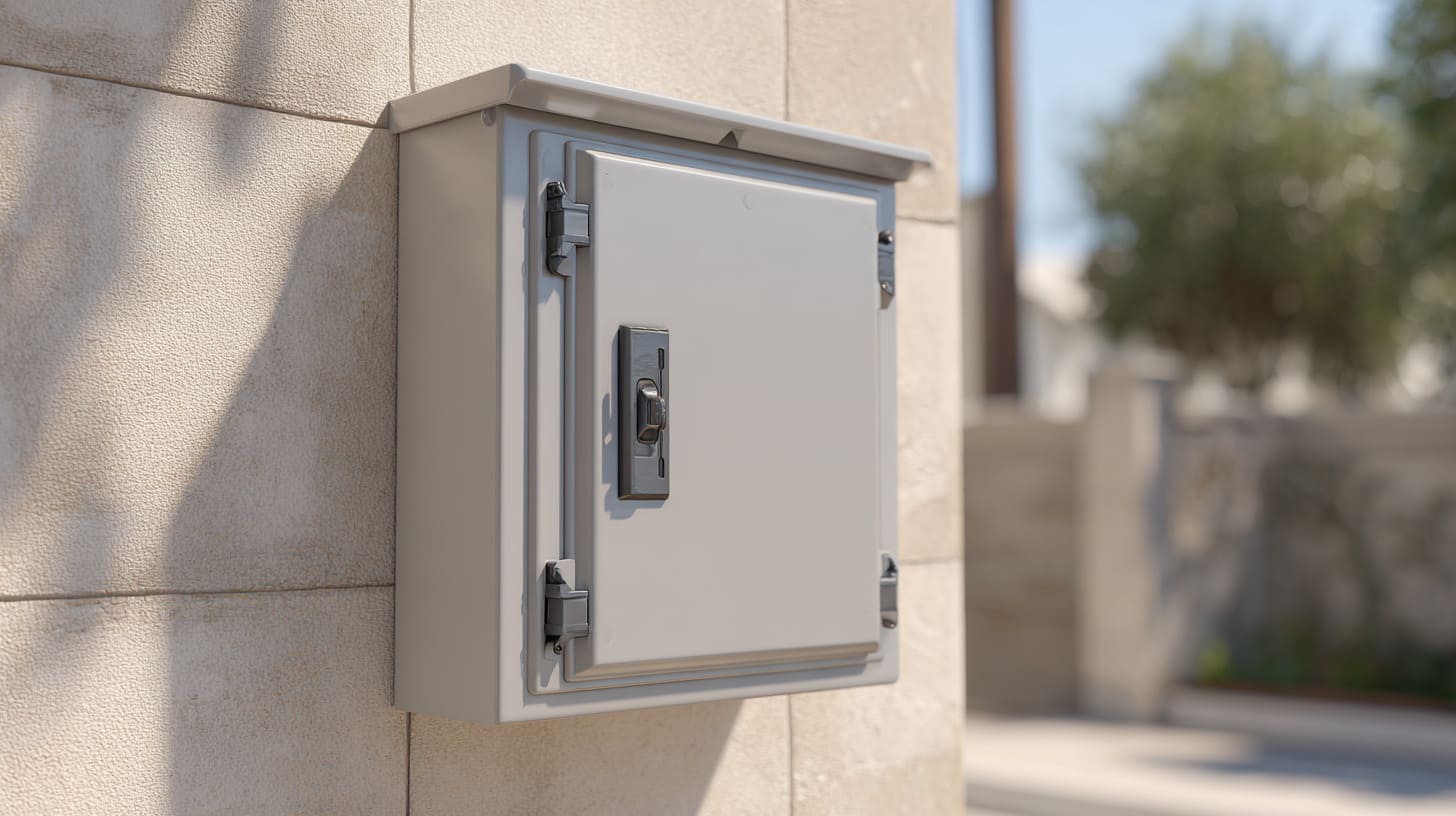
This is the part that surprises owners the most.
They plan for a like-for-like replacement.
Then the electrician says, “We need to upgrade the base, grounding, and maybe the panel.”
Then the permit office adds requirements.
Then the timeline doubles.
My personal rule here is simple: if the project touches load capacity or code compliance, I expect “one box” to become “a small system upgrade.”
Capacity Upgrades (100A to 200A, etc.)
Common upgrade reasons:
- new HVAC
- induction cooking
- EV chargers
- workshop machines
- adding a second unit
Capacity upgrades usually push you into a permit process. That means inspections. That means code updates.
A quick view:
| Upgrade | Why it triggers more work |
|---|---|
| 100A → 200A | wiring gauge, base rating, panel rating |
| adding EV charger | load calculation and safety device requirements |
| adding second meter | new base, new wiring path, utility coordination |
Code Compliance Changes
Codes change. Old installs stay old until someone touches them.
A new meter base replacement can trigger:
- updated grounding and bonding
- better weatherproofing rules
- clearance and mounting height rules
- labeling requirements
This is where people get angry, because they feel punished for fixing something. But the system is built to push safety forward.
Smart Meter Installations
Smart meters can require:
- more stable meter bases
- better sealing
- specific socket types
Sometimes the utility requests upgrades as a condition.
The tricky part is coordination:
- the electrician wants a fixed date
- the utility gives an appointment window
- the owner wants the shortest outage time
If you want fewer surprises, plan the calendar before you buy parts.
Now we have talked about responsibility and triggers. Let’s talk about the actual replacement process, because process mistakes create the most delays.
What Is the Proper Process for Replacing an Electric Meter Box?
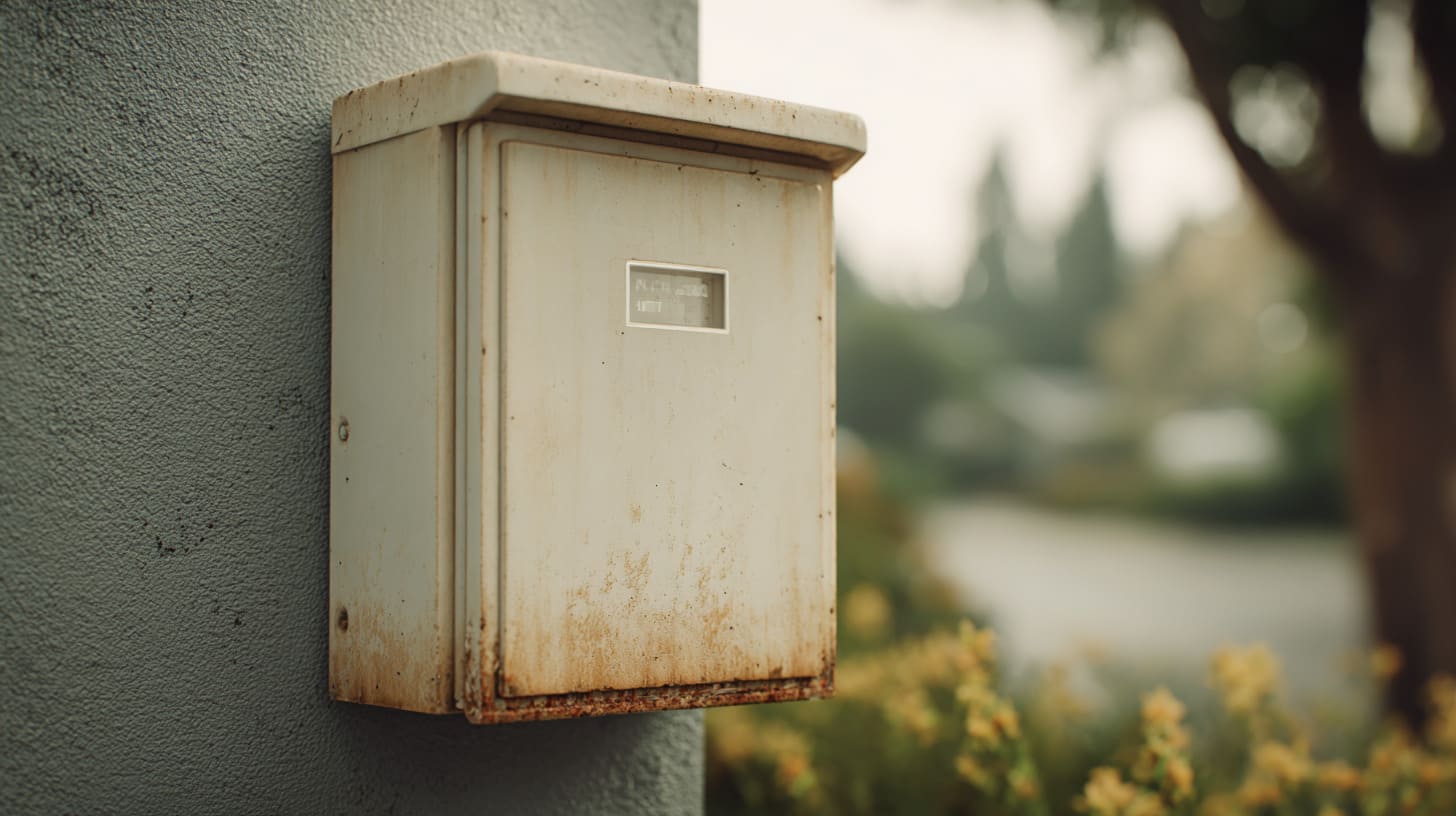
Even when everyone agrees who pays, the job can still fail if the process is wrong.
The biggest mistake I see is someone ordering a box first, then asking the utility later. That sounds efficient, but it often backfires.
The judgment I lean on here: if the utility needs to pull the meter, I do not schedule any work until I confirm their procedure and lead time.
Step 1: Confirm Ownership
Actions that usually save time:
- call the utility and ask who owns the base and cover
- ask what models they accept (some utilities have approved lists)
- ask if permits are required for replacement vs upgrade
Documents that help:
- property service documents
- old inspection tags
- electrician notes from previous upgrades
Step 2: Hire a Licensed Electrician
A licensed electrician should:
- inspect the existing base and wiring
- check load needs (especially in upgrades)
- identify code issues before the permit stage
I like electricians who explain trade-offs. For example:
- “We can replace only the cover, but the base is already warped.”
- “We can keep the location, but the clearance is not compliant.”
That kind of talk prevents surprise invoices.
Step 3: Utility Coordination
Common utility tasks:
- disconnect power
- pull the meter
- reseal after work
- sometimes inspect before re-energizing
I always plan for:
- weather delays
- appointment delays
- access issues (locked gates, blocked driveways)
Step 4: Inspection and Approval
If permits are involved:
- the inspector checks installation quality
- the inspector checks grounding and bonding
- the inspector checks weatherproofing and labeling
Here is a simple timeline table I use in planning:
| Stage | Who drives it | What can delay it |
|---|---|---|
| utility approval | utility | scheduling backlog |
| electrician work | electrician | missing parts, hidden damage |
| inspection | local authority | inspection booking |
| re-energize | utility | same-day availability |
If you run this like a small project, not a “quick fix,” you save stress.
Now we end with prevention, because prevention is cheaper than arguing about responsibility after something fails.
How Can Property Owners Avoid Responsibility Confusion?
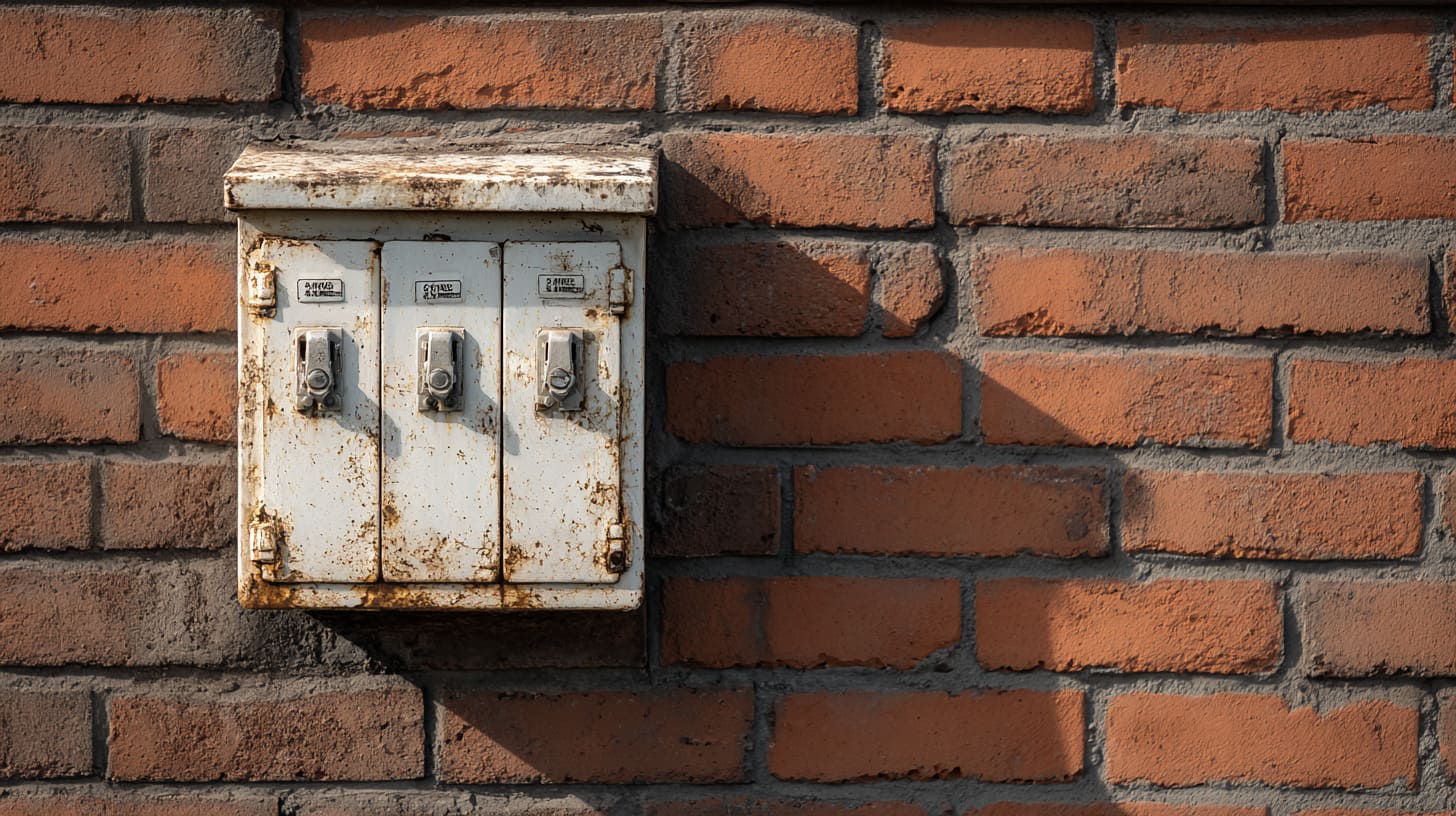
Confusion usually happens because nobody wrote down the boundary line.
So the goal is simple: make the boundary visible, in documents and in design.
My honest judgment here: I trust paperwork more than memory, because memory always changes after a costly repair.
Keep Documentation Clear
What helps a lot:
- installation records
- utility emails about ownership
- electrician drawings
- photos after installation
I like a simple “meter folder” approach:
| Item | Why it helps later |
|---|---|
| photos (inside and outside) | shows condition before disputes |
| model numbers and ratings | avoids wrong parts |
| utility contact and notes | speeds approval |
| electrician invoice notes | proves what was replaced |
Regular Inspection and Maintenance
You do not need to be an electrician to notice warning signs.
A simple quarterly visual check can catch:
- cracked covers
- loose hinges
- water staining
- rust trails
- insect nests inside vents
If you see water staining, do not wait. Water does not get nicer with time.
Use Compliant, Durable Enclosures
This is where buyers and engineers can make smart choices.
Choose enclosures that match the environment:
- indoor vs outdoor exposure
- coastal air vs dry inland
- industrial dust vs clean residential
A quick guide:
| Environment | What I prefer | Why |
|---|---|---|
| heavy rain area | stronger sealing and weather rating | water path risk is constant |
| coastal / salty | better corrosion protection | corrosion is fast and sneaky |
| high impact area | stronger structure and latch design | bumps happen every week |
| public access area | lockable cover design | safety and tamper control |
When the enclosure choice is right, the “who pays” problem becomes smaller, because failures happen less often.
Now let me close this out in a way that matches how I really think on projects—cost, safety, and time all pulling in different directions.
Conclusion

I see meter box responsibility disputes for one main reason: the system looks like one piece, but it is owned like two or three pieces. The utility often owns the meter. The property side often owns the enclosure and base. Rentals add landlord duties. Commercial sites add lease clauses. None of that feels “fair” in the moment, but it is how the world is built.
I treat this topic like a small risk puzzle. If I see a broken cover, I do not ask “who should pay” first. I ask “what could go wrong if we wait,” because electricity does not forgive delays. Then I work backward: ownership check, utility procedure, electrician plan, permit needs, and only then the hardware choice.
This is also why I push buyers and project owners to document everything. It feels boring, but it saves real days later. It saves trust. It saves timelines.
If you are dealing with a meter box replacement or upgrade and you want fewer surprises, do one thing today: write down the boundary line in your project notes. Ask the utility what they own. Ask the electrician what triggers code upgrades. Then plan the schedule like a real project, not a “quick job.”
If you want, you can send me your application scene (indoor/outdoor, residential/commercial, photo of the current setup, and your target rating needs). I will help you map the responsibility split and the upgrade risks before you spend money or lose time.