Skip to content
A junction box looks simple. It is just a box on the wall or inside a machine. Many people ignore it. Then something goes wrong. A wire overheats. Moisture gets inside. A short circuit happens. And suddenly that “simple box” becomes the weak point of the whole system.
I work with product engineers and buyers every week. Davide from Finland once told me, “Vincent, it’s just a junction box. Why does the material matter so much?” I smiled. I have heard that question many times. A junction box is small. But it protects something very important.
Many OEM projects compare plastic and metal junction boxes. The price looks different. The weight feels different. The performance is different. The mistake I see most often is simple. Buyers choose based only on unit cost. They forget environment, lifespan, and safety.
If you are a product engineer, an OEM buyer, or a distributor, this choice will affect your project more than you expect. I have seen it happen. I have also fixed those mistakes.
Let’s start from the basics.
What Is a Junction Box and Why Does Material Matter?
What Is a Junction Box Used For?
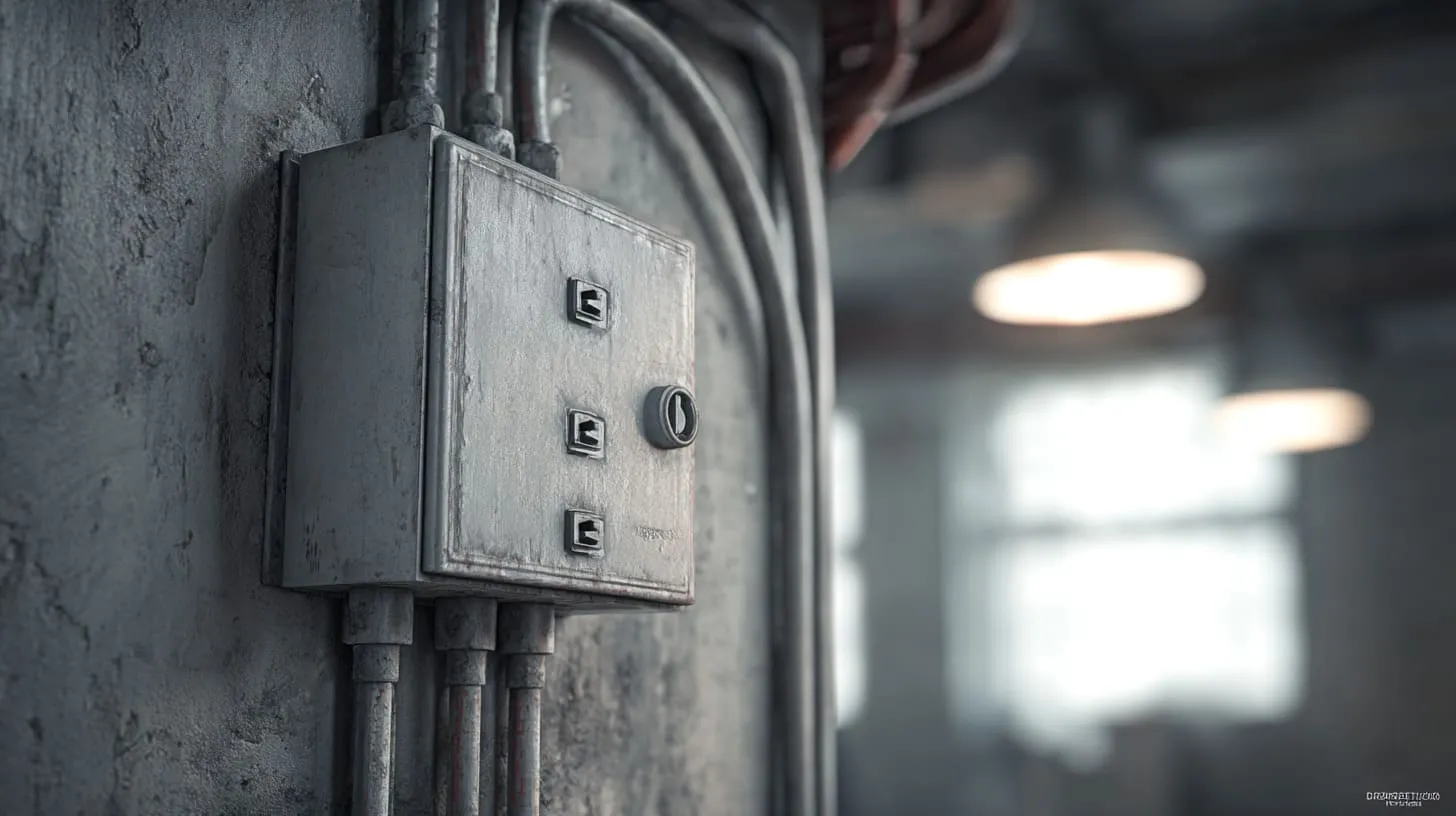
A junction box protects electrical connections. That is its core job.
It does three simple things:
- It protects wire splices
- It holds terminal blocks
- It keeps people safe
Without it, exposed wires create risk. Fire risk. Shock risk. Equipment damage.
In industrial projects, the junction box is often installed in:
- Control panels
- Outdoor poles
- Machine frames
- Factory walls
I always tell my clients this: the junction box is not decoration. It is a safety component.
How Material Impacts Safety and Performance
Material changes everything.
| Factor | Plastic Box | Metal Box |
|---|---|---|
| Mechanical strength | Medium | High |
| Fire resistance | Moderate | Strong |
| Impact protection | Limited | Excellent |
| EMI shielding | No | Yes |
If the box is near heavy machinery, metal makes more sense.
If the box is in a clean indoor office, plastic may be enough.
Many buyers think only about insulation. But impact resistance also matters. A forklift hitting a plastic box can crack it. A metal box may survive.
I ask one simple question: What can hit this box?
How Material Choice Affects Long-Term Cost
The price tag tells only part of the story.
| Cost Type | Plastic | Metal |
|---|---|---|
| Initial cost | Lower | Higher |
| Maintenance | Low indoors | Low with coating |
| Replacement risk | Higher in harsh areas | Lower in harsh areas |
If you replace plastic boxes every two years in an outdoor factory, the cost becomes higher than metal.
Short-term savings sometimes create long-term expense.
I learned this lesson after helping a client replace 200 cracked plastic boxes near a chemical area. The unit price was cheap. The replacement labor was not.
Now let’s talk about plastic in more detail.
What Are Plastic Junction Boxes?
Common Plastic Materials Used
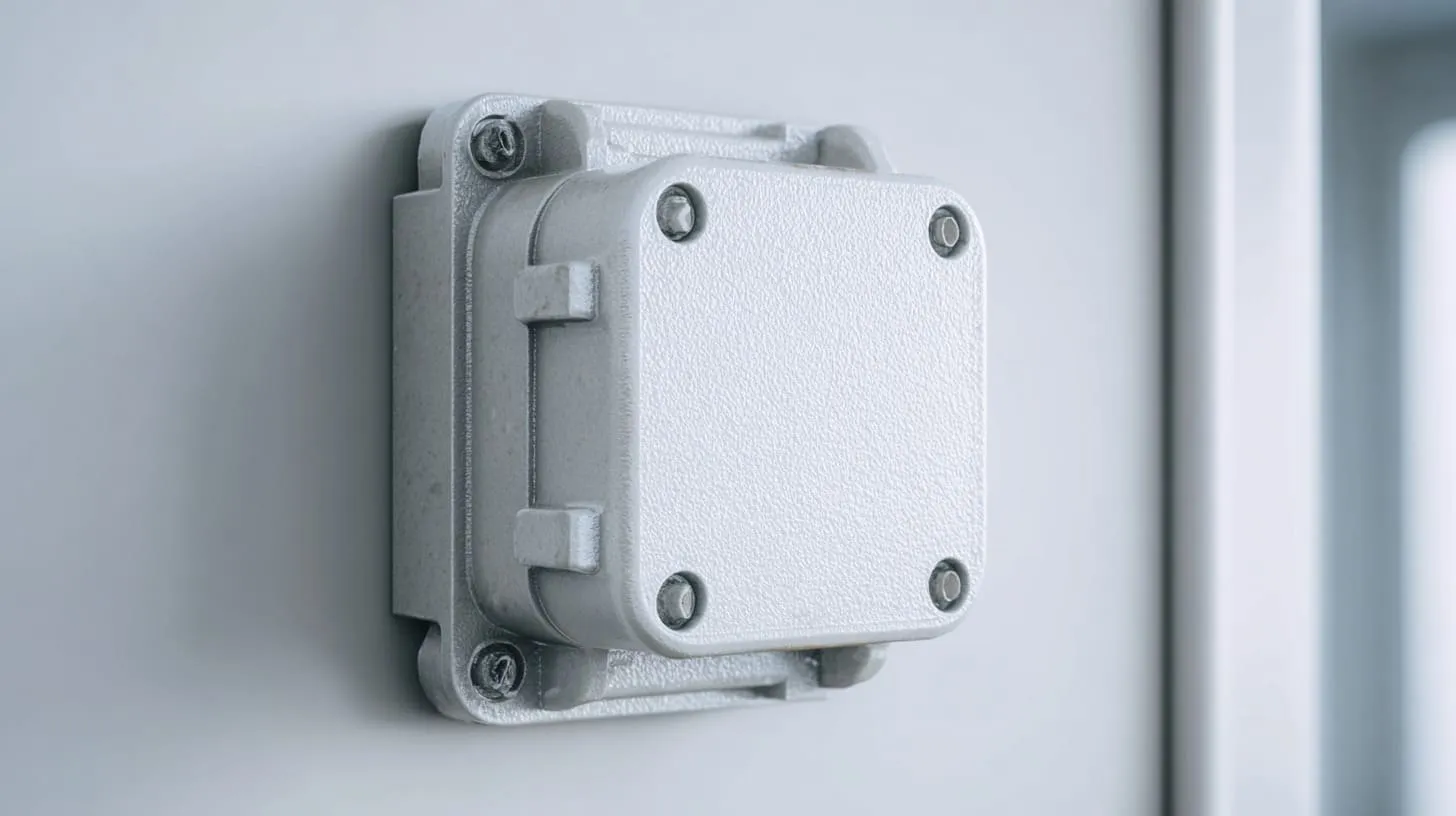
Most plastic junction boxes use:
- ABS – low cost, easy to mold
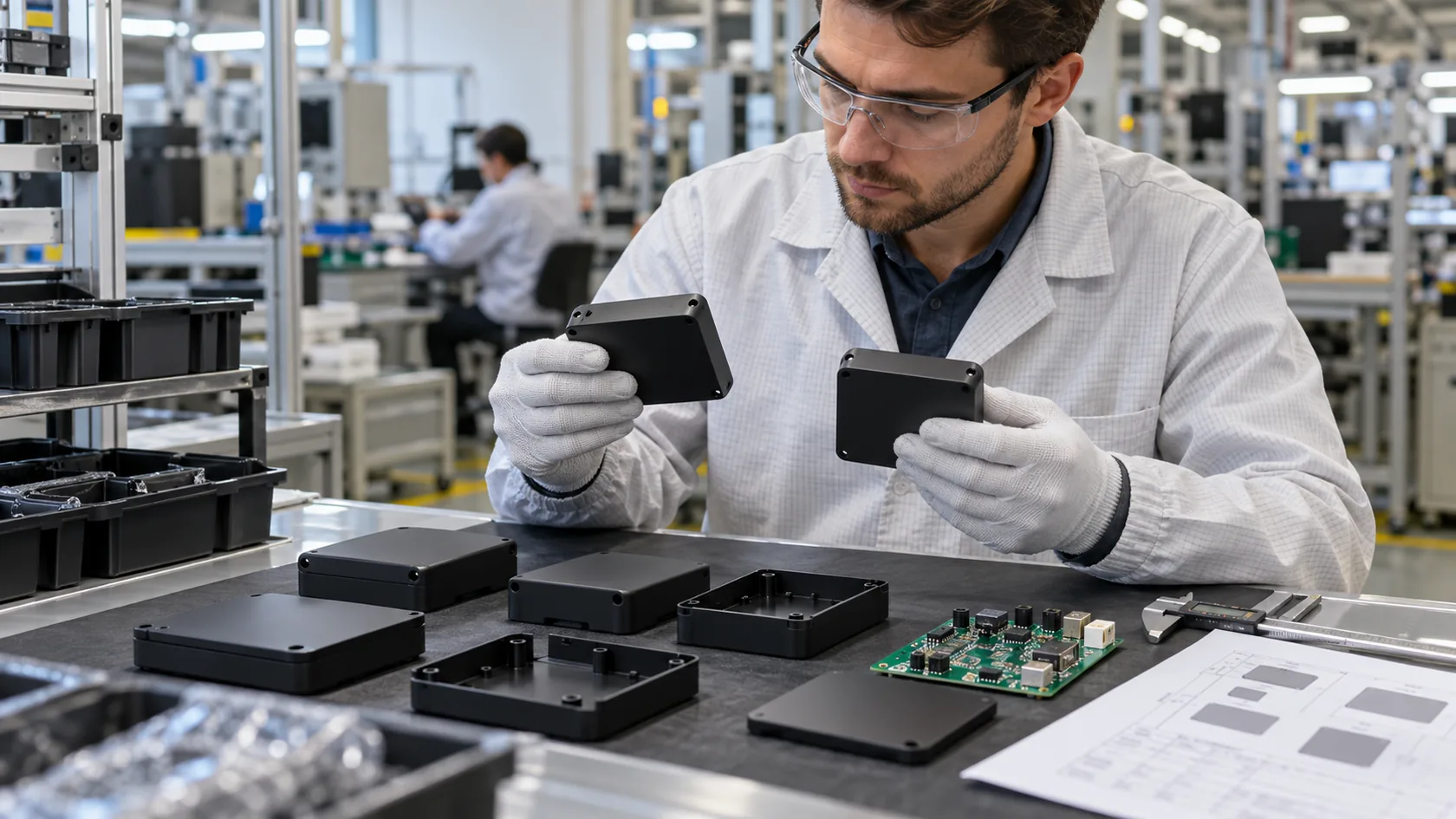
- Polycarbonate (PC) – stronger, better impact resistance
- PVC – good for wiring environments
Here is a simple comparison:
| Material | Strength | Heat Resistance | Cost |
|---|---|---|---|
| ABS | Medium | Medium | Low |
| PC | High | Higher | Medium |
| PVC | Medium | Medium | Low |
I often suggest PC for outdoor use. ABS works well indoors.
Key Advantages of Plastic Junction Boxes
Plastic boxes are popular for good reasons.
- They are lightweight
- They are easy to install
- They do not rust
- They are naturally insulated
- They cost less
Electricians like plastic because grounding is not required.
In residential projects, plastic often wins.
Typical Limitations of Plastic Boxes
Plastic is not perfect.
- It cracks under strong impact
- It ages under UV sunlight
- It softens under high heat
I once saw plastic boxes near a furnace. After one summer, they started to deform. The buyer did not consider heat exposure.
Plastic works well. But only in the right place.
Now let’s look at metal.
What Are Metal Junction Boxes?
Common Metal Materials Used
Most metal boxes use:
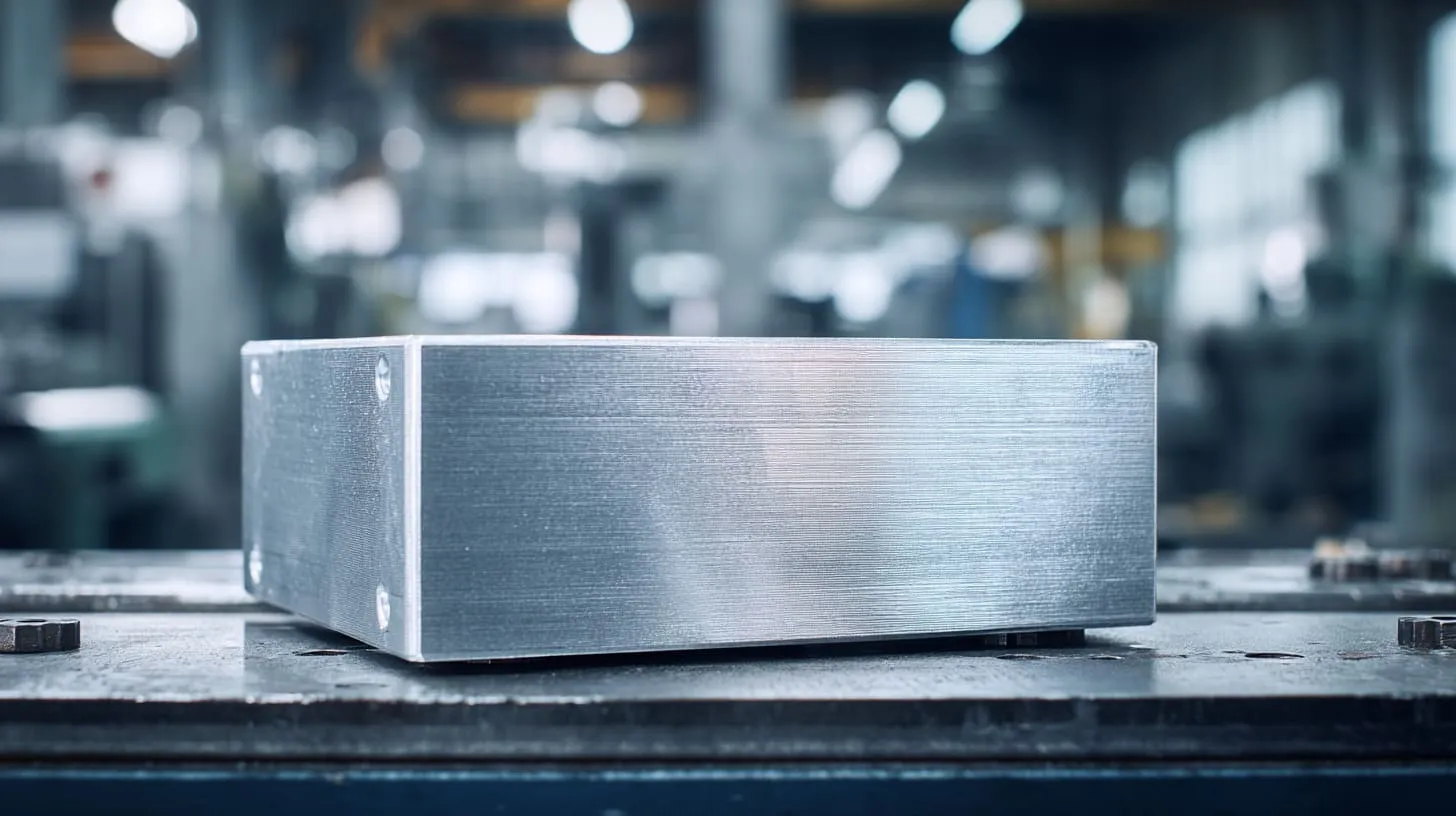
- Aluminum – lightweight, corrosion resistant
- Galvanized steel – strong, cost-effective
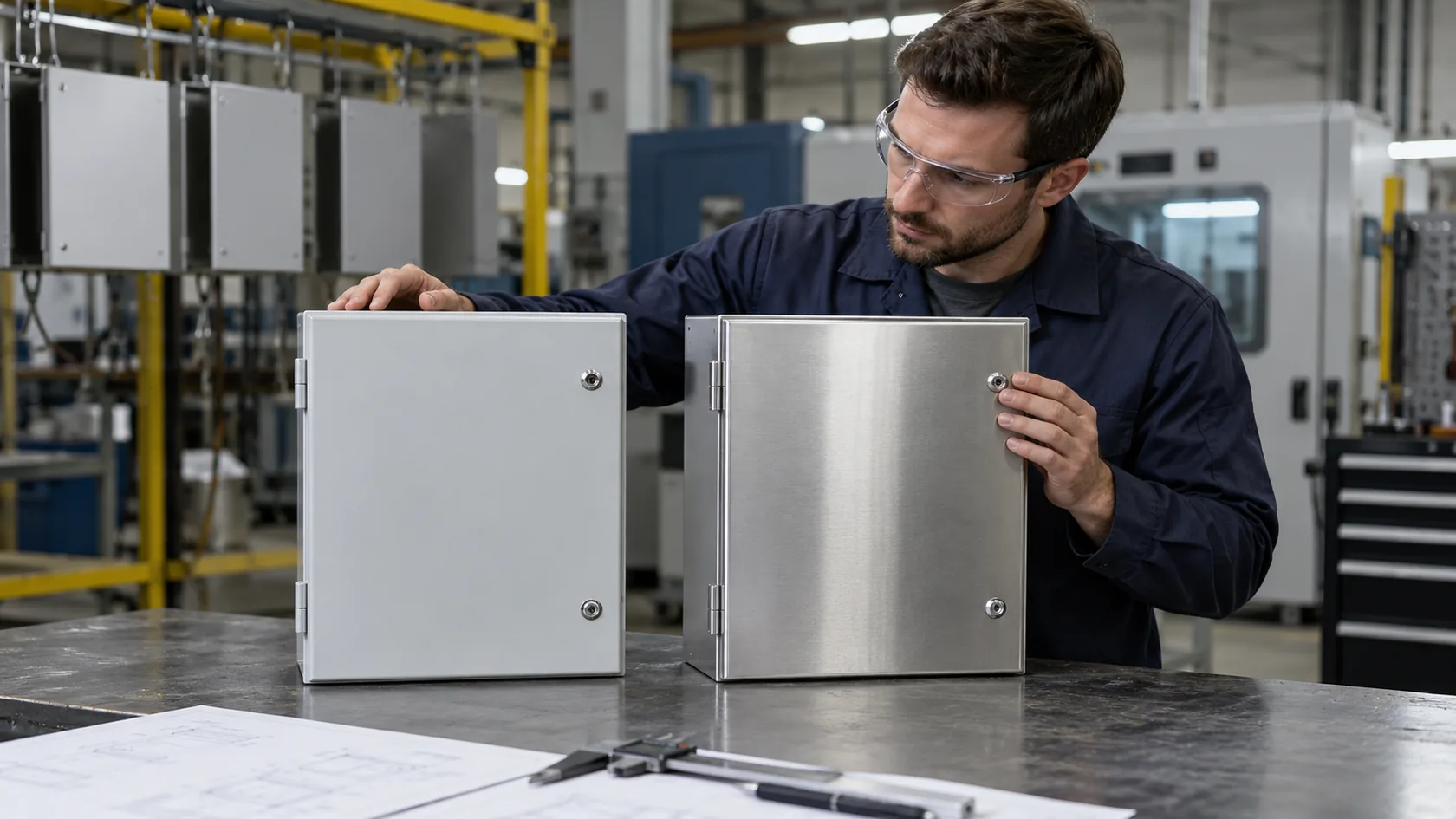
- Stainless steel (304 / 316) – corrosion resistant
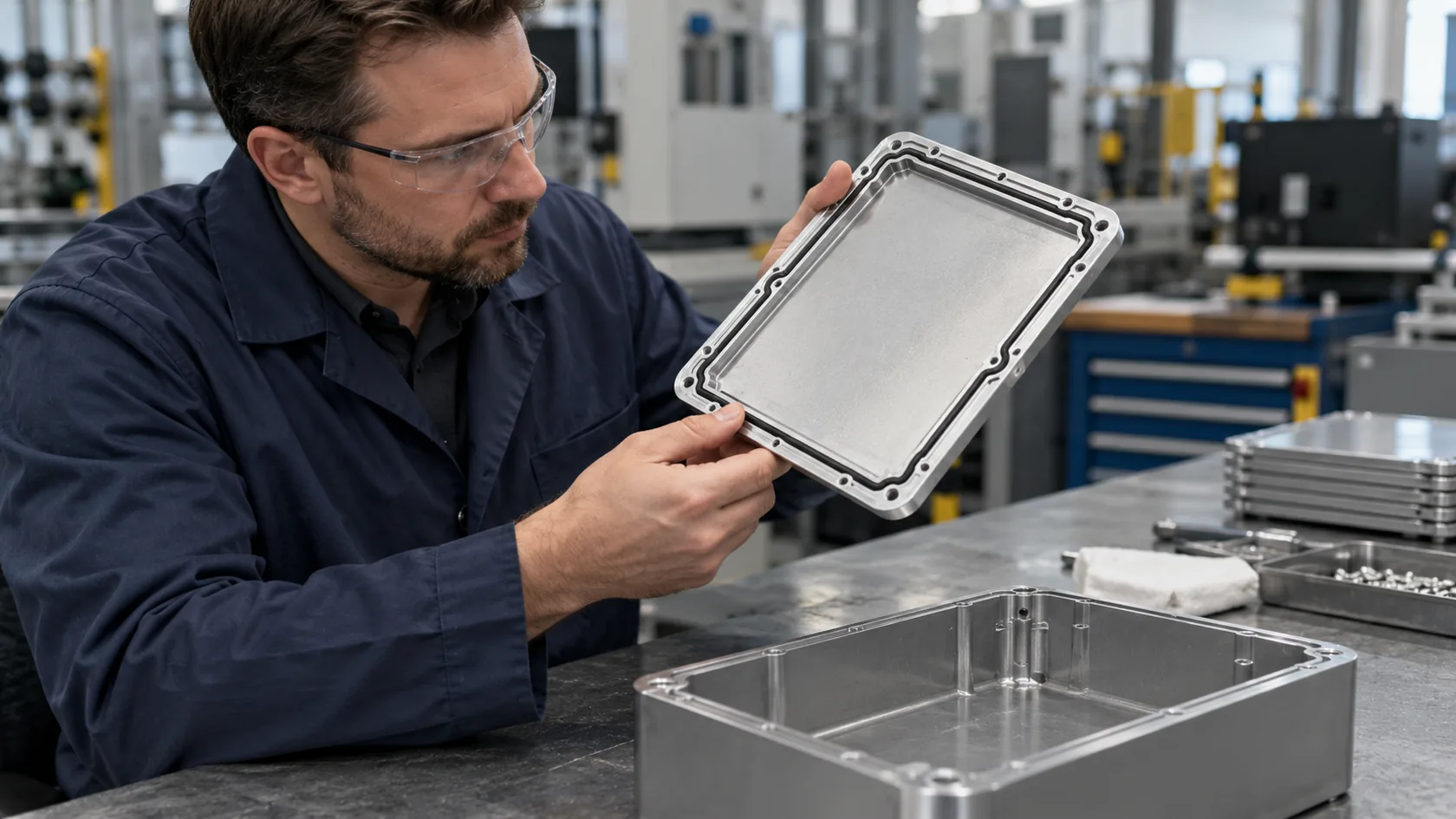
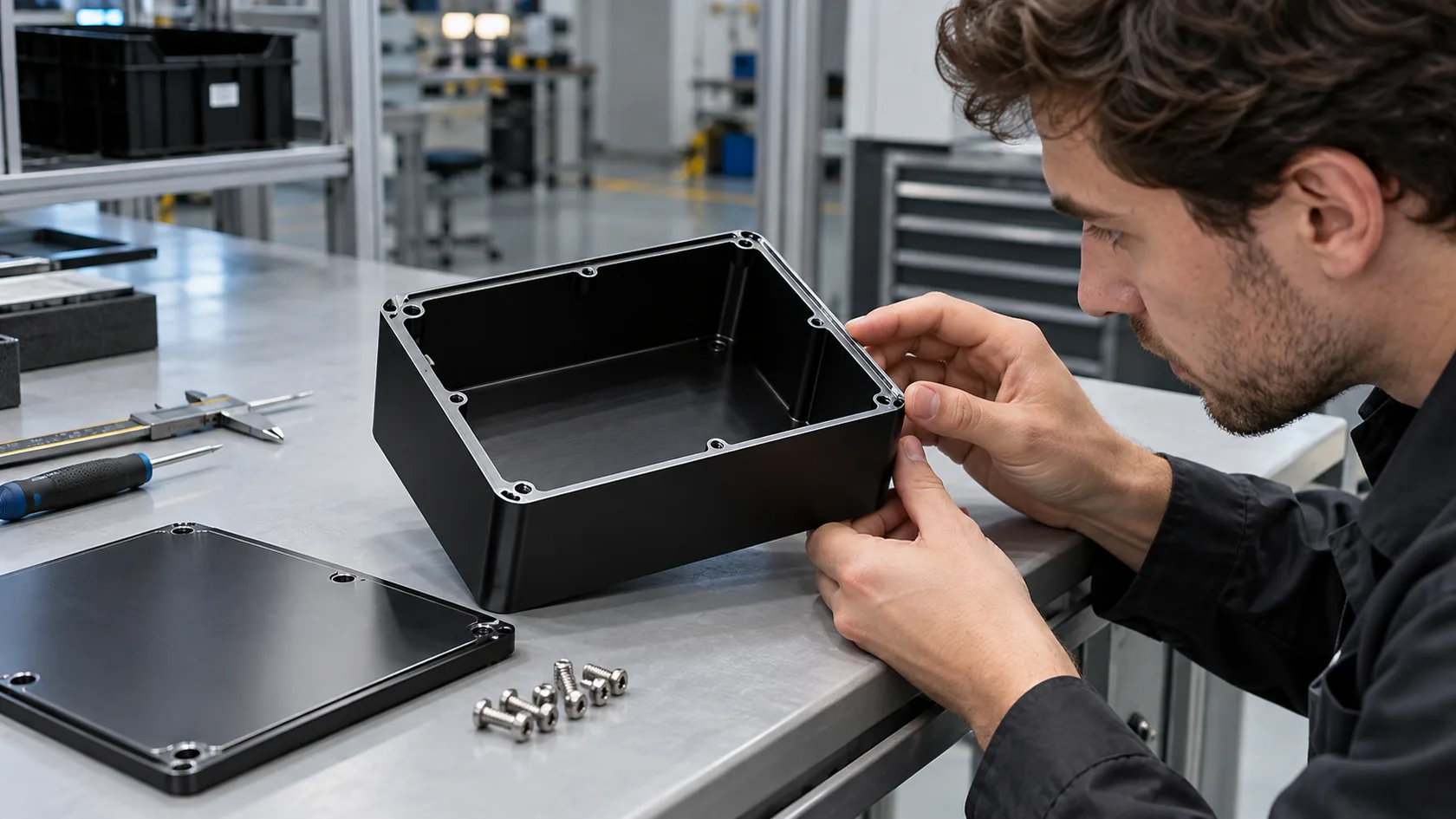
I produce many aluminum enclosures. I like aluminum because it balances weight and strength.
Key Advantages of Metal Junction Boxes
Metal brings strength.
- High impact resistance
- Better heat resistance
- Fire performance
- EMI/RFI shielding
If your system includes signal equipment, shielding matters. Plastic cannot block interference. Metal can.
| Advantage | Aluminum | Steel | Stainless |
|---|---|---|---|
| Strength | High | Very High | Very High |
| Corrosion Resistance | Good | Medium | Excellent |
| EMI Shielding | Yes | Yes | Yes |
Typical Drawbacks of Metal Boxes
Metal also brings challenges.
- Higher cost
- Requires grounding
- Can corrode without coating
I always remind buyers: coating matters. Powder coating or anodizing protects aluminum.
Metal is strong. But you must treat it properly.
Now let’s compare both directly.
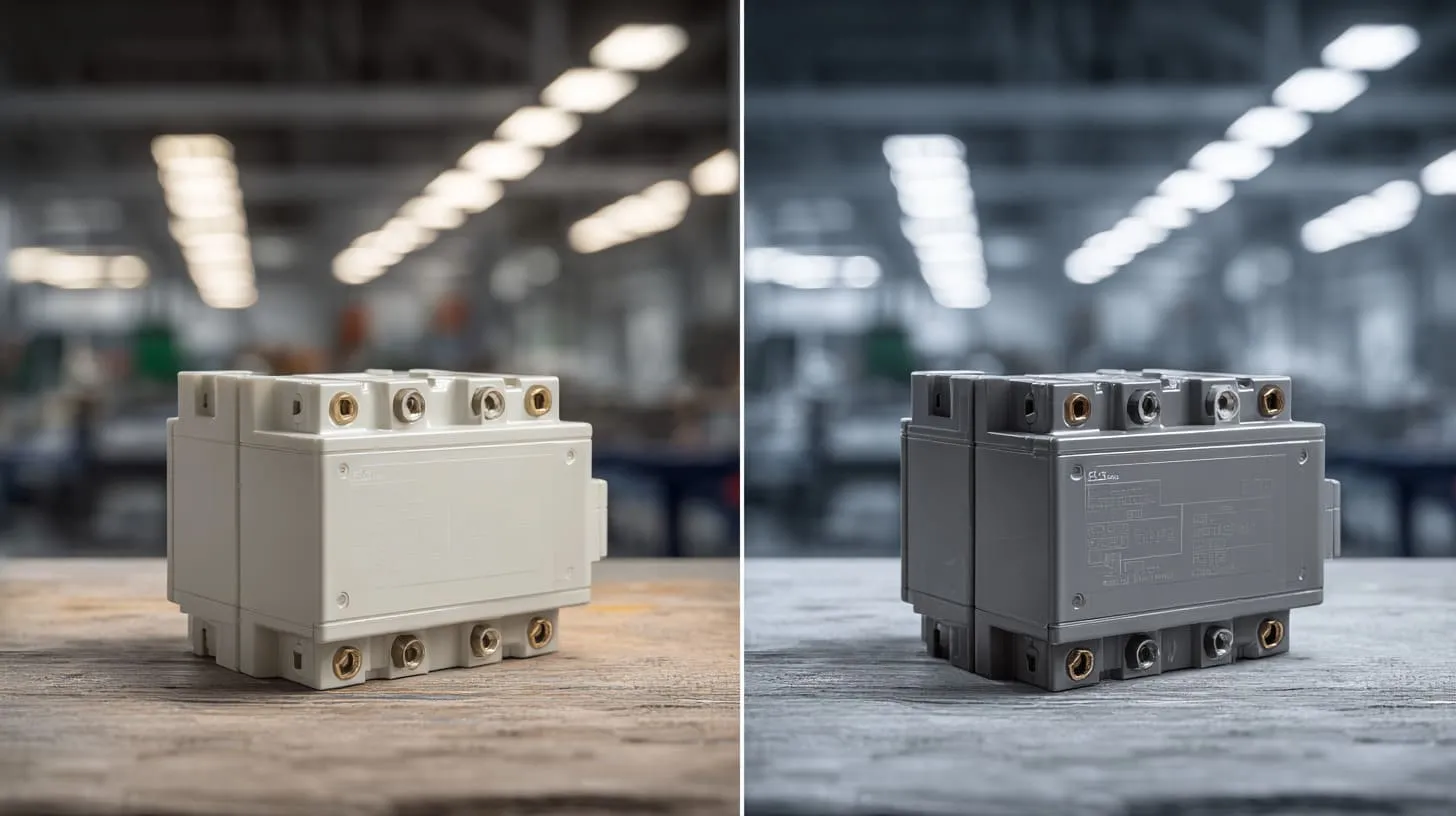
Plastic vs Metal Junction Boxes: Direct Comparison
Mechanical Strength and Impact Resistance
Metal wins in heavy-duty areas.
Plastic works for light duty.
| Application | Better Choice |
|---|---|
| Residential | Plastic |
| Factory floor | Metal |
| Heavy machinery area | Metal |
Electrical Safety and Insulation
Plastic is naturally insulated.
Metal must be grounded.
Both are safe when installed correctly.
Heat Resistance and Fire Performance
Metal handles heat better.
Plastic may be flame retardant, but temperature limits exist.
Corrosion and Outdoor Durability
Plastic resists rust.
Metal needs coating.
In coastal areas, stainless steel or coated aluminum works better.
EMI/RFI Shielding Performance
If your system uses communication modules or control boards, EMI shielding is important.
Metal protects signals. Plastic does not.
Cost Comparison
| Factor | Plastic | Metal |
|---|---|---|
| Raw material | Lower | Higher |
| Fabrication | Simple | Machining required |
| Shipping | Lighter | Heavier |
Cost depends on environment.
I always ask my clients: How long should this box last?
Next, let’s make it practical.
When Should You Choose a Plastic Junction Box?
Indoor Residential and Light Commercial Applications
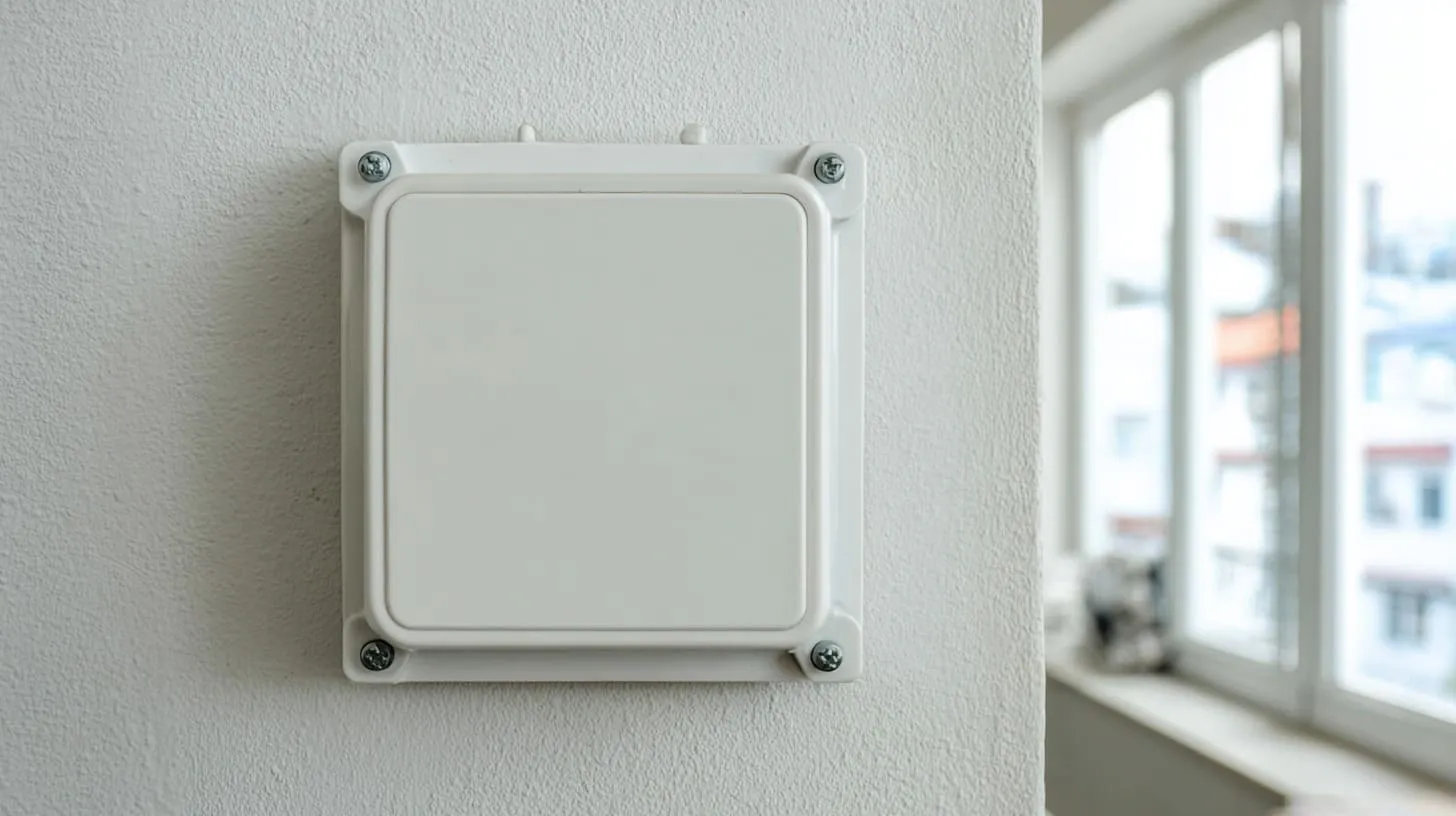
Plastic works well in:
- Home wiring
- Office buildings
- Retail stores
Environment is stable. Risk is low.
Corrosive Environments
Plastic performs well near moisture and chemicals.
But temperature must stay within limits.
Cost-Sensitive Projects
Large-scale distribution projects often choose plastic.
If the environment is controlled, plastic is efficient.
I once helped a client reduce cost by switching to PC boxes for indoor distribution panels. It worked perfectly.
But when does metal make more sense?
When Should You Choose a Metal Junction Box?
Industrial and Heavy-Duty Environments
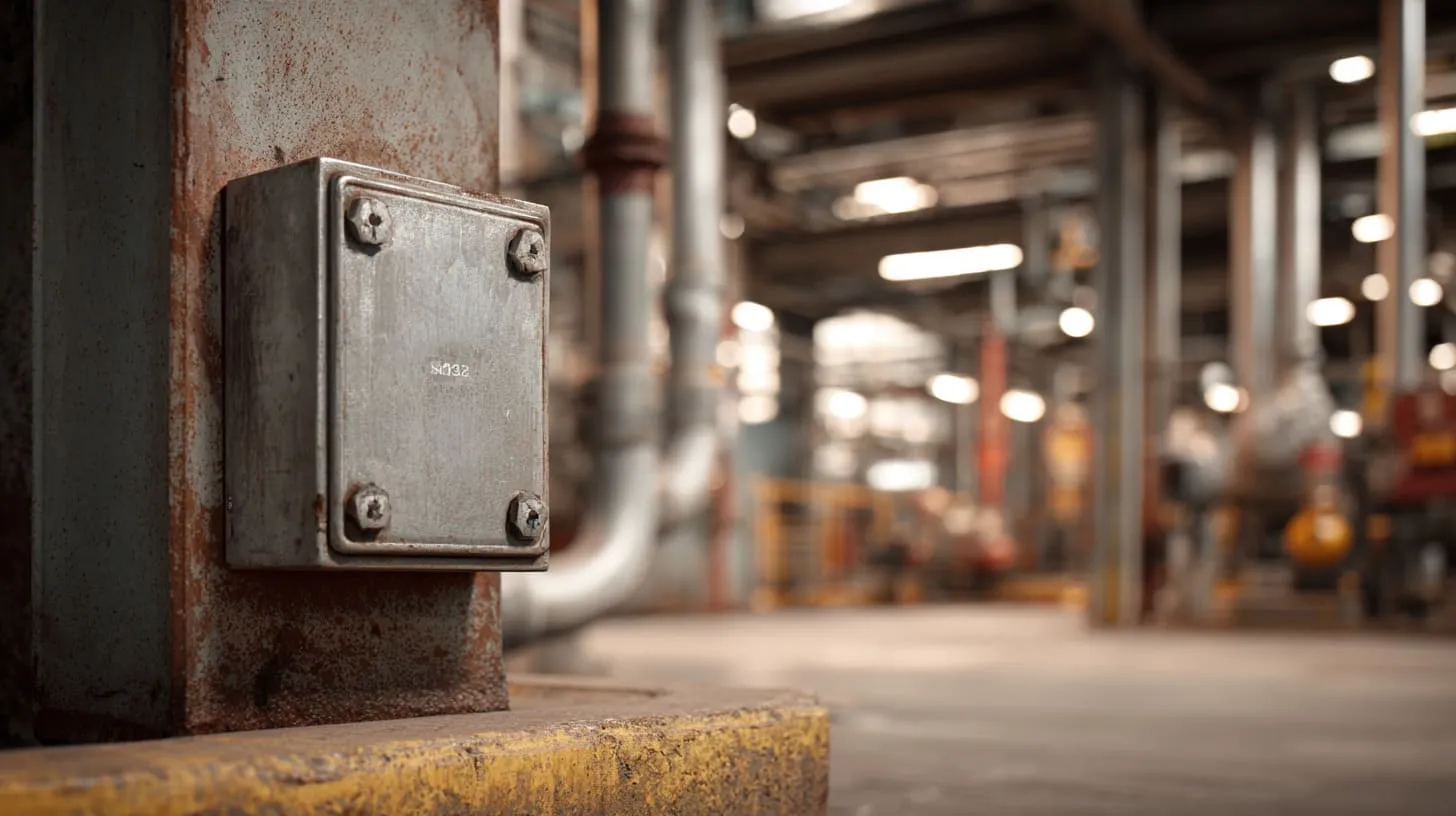
Factories and heavy machinery areas need strength.
Metal protects against impact and vibration.
High Temperature Applications
Near motors or transformers, heat rises.
Metal handles heat better.
EMI-Sensitive Equipment
Communication systems and automation panels need shielding.
Metal helps maintain signal stability.
If reliability is critical, metal often wins.
Now let’s look at installation.
How Do Installation and Maintenance Differ?
Installation Differences
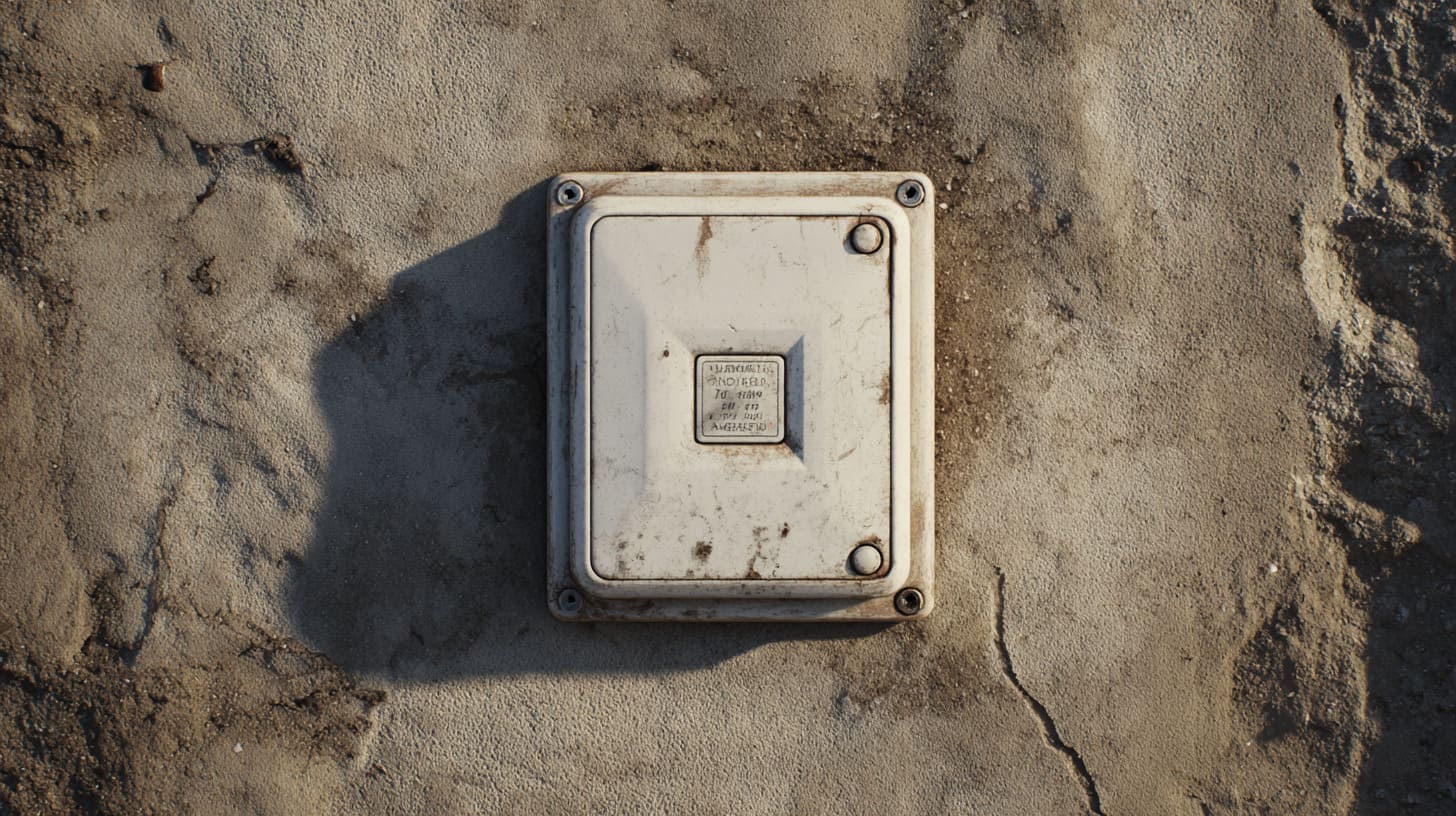
Plastic is lighter.
Metal is heavier.
Metal requires grounding.
Maintenance and Long-Term Durability
Plastic may crack over time.
Metal may corrode without coating.
Inspection plans should match material type.
I advise clients to check outdoor boxes yearly.
Next, let’s discuss IP ratings.
What About IP Ratings and Outdoor Use?
IP Rating Explained
IP54, IP65, IP66 describe dust and water protection.
Higher number means better sealing.
How Material Affects Waterproofing
Gaskets matter more than material.
But metal handles structural sealing better in harsh conditions.
UV Exposure and Aging
Plastic may discolor.
Metal coating may fade.
Outdoor projects need UV resistance.
Now let’s talk customization. This is where I work most closely with clients.
How Does Customization Differ Between Plastic and Metal?
Custom Machining and Modifications
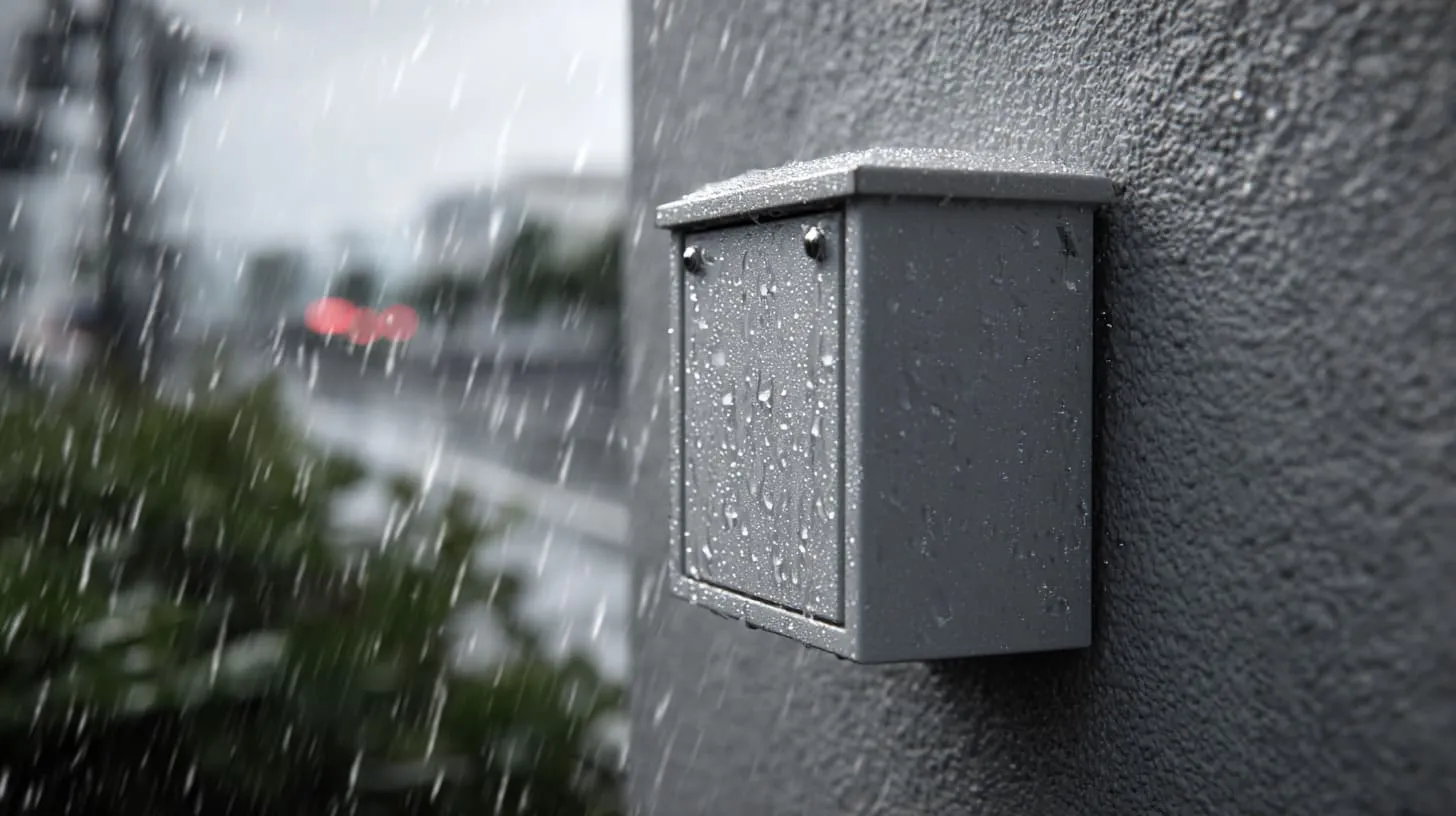
Metal allows CNC machining.
Plastic often uses molds.
Small batch projects favor metal.
Logo and Branding Options
- Laser engraving
- Screen printing
- Powder coating
Metal gives more premium branding feel.
OEM & ODM Flexibility
For prototype projects, aluminum is flexible.
For mass production, molded plastic is efficient.
As a factory, I see both sides clearly.
Before we finish, I want to share common mistakes.
Common Buyer Mistakes When Choosing Junction Box Material
Choosing Based Only on Unit Price
This is the most common mistake.
Cheap today can mean expensive tomorrow.
Over-Engineering the Enclosure
Some buyers choose stainless steel for indoor offices. It is not necessary.
Match material to real risk.
Underestimating Compliance Requirements
Local electrical codes matter.
Industrial standards matter.
Ignoring compliance can stop your shipment at customs.
I always suggest discussing environment first, then price.
Conclusion
Plastic and metal junction boxes both have strengths. Plastic offers low cost, light weight, and easy installation. Metal offers strength, heat resistance, and shielding.
There is no universal winner. The right choice depends on environment, temperature, impact risk, and lifespan expectation.
I always tell my clients one thing: choose based on function, not emotion.
If you are planning a new project and need advice on aluminum or plastic enclosures, feel free to contact me at info@maidatech.com. I will review your application and suggest the most practical solution.
The right box protects more than wires. It protects your reputation.