Skip to content

The email subject line was calm, almost boring: “Panel layout confirm?”
Then I opened the attachment, and my stomach did a small drop.
A buyer had marked a box on the drawing and wrote:
“Is this the breaker box or the electrical panel?”
That sounds like a language problem. It is not. It is a cost problem.
Because when people mix up circuit breaker box and electrical panel, they often under-spec the distribution part. They save a little space. They save a little money. Then later they pay with redesign, delays, nuisance trips, and sometimes heat damage that shows up only after the product is already in the field.
Here is the simple truth:
- The electrical panel is the distribution “home” that routes power to many circuits.
- The breaker box is often used as a casual name for the same thing, but people usually mean “the breakers that protect circuits.”
- The danger starts when the casual words become a casual design.
One thing I always remind myself: the cheapest distribution design is usually the one you never have to touch again. If I feel tempted to “make it just fit,” I treat that as a warning sign, not a smart move.
And once you see how this mistake grows, you start noticing it everywhere—especially in OEM projects where every millimeter and every dollar gets argued.
What Are the Basics of Electrical Distribution
Before we argue about box names, we should agree on what the system is doing.
Electric power distribution is not “a box with breakers.” It is a chain of decisions:
- How power enters
- How it gets divided into branch circuits
- How faults get cleared
- How humans maintain it without guessing
Here is where I draw a hard line in real work: if the wiring diagram does not show a clear path from incoming power to each load, I assume the panel will be misunderstood later. Confusion is not neutral. It becomes rework.
What is an Electrical Panel?
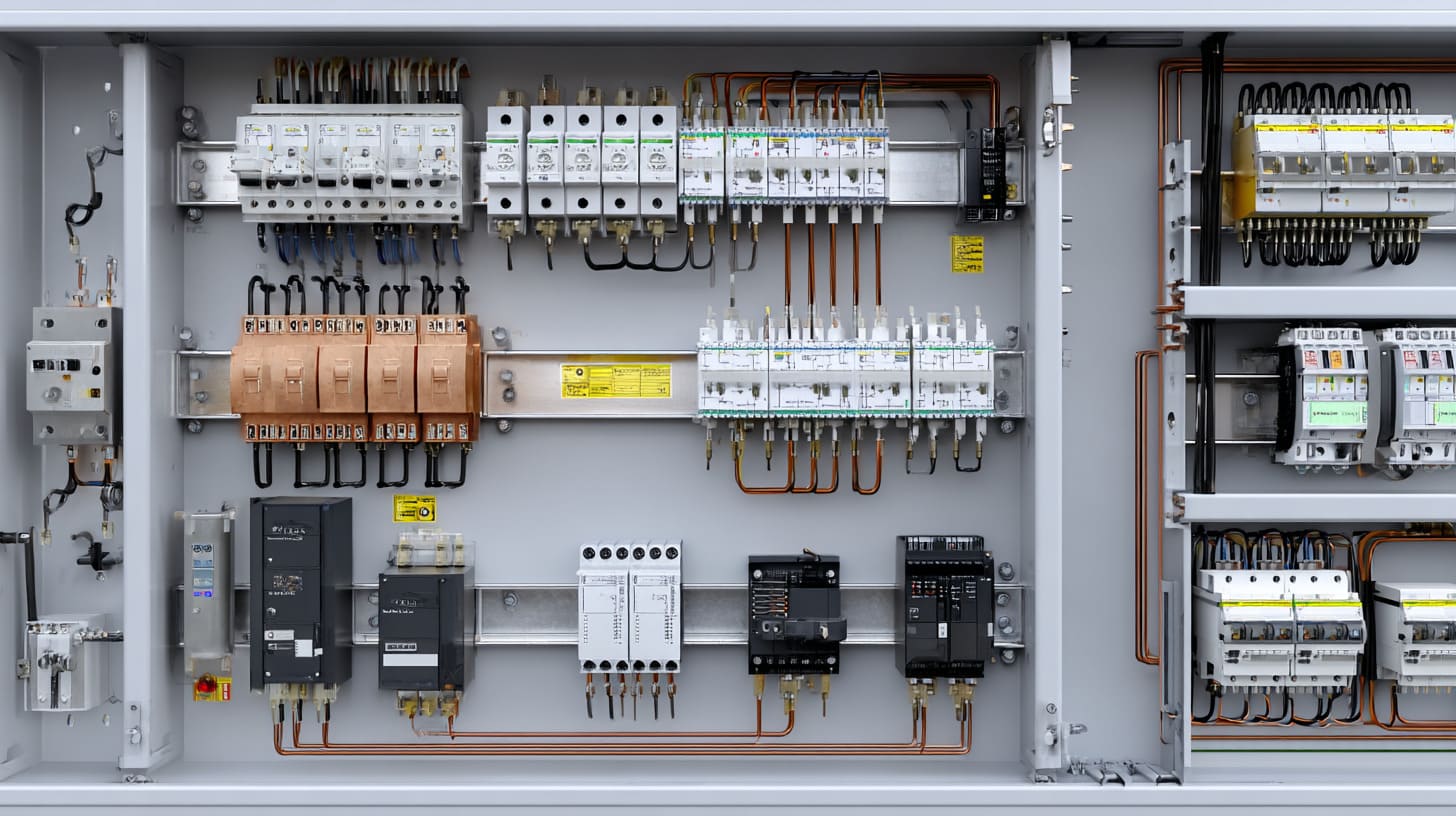
An electrical panel is the distribution center. It receives power from the source and sends it to multiple branch circuits.
It usually includes:
- Enclosure (metal box, door, mounting plate)
- Busbars (where breakers connect and power is shared)
- Main disconnect / main breaker (depending on the design)
- Branch circuit breakers
- Neutral bar and ground bar (where applicable)
- Labels, wiring ducts, terminals, and sometimes surge devices
A quick mental model I use
If the system is a building:
- The panel is the lobby and hallways.
- The circuits are the rooms and corridors people actually use.
- The breakers are the security guards who stop trouble fast.
What is a Circuit Breaker Box?
People say “breaker box” in a few ways:
- They mean the whole panel (common in daily talk).
- They mean a small subpanel feeding a section or a machine.
- They mean just the breaker section—the protective part.
In industrial projects, that wording matters because a buyer might approve a “breaker box” thinking it’s a small protective unit, while the engineer intends it as the full distribution panel.
How They Work Together
A circuit is the path that carries current to a load. A breaker is a switch that opens that path when current is unsafe.
So the flow is:
- Source → panel/bus → breaker → wire → load → return path
And the practical overlap is why people get sloppy with words.
Here is a small table I sometimes share to stop the confusion early:
| Term | What it really is | What it does | Common mistake |
|---|---|---|---|
| Electrical panel | Distribution assembly | Feeds many circuits | Treated as “just a box” |
| Breaker box (casual) | Often the panel | Houses breakers | Assumed to be smaller than it is |
| Circuit breaker | Protective device | Trips on faults | Blamed for every failure |
| Circuit | Wiring path + load | Does the work | Confused as a “component” |
That table looks basic. Still, it saves real time.
A funny thing happens once a team agrees on these basics: troubleshooting gets calmer. People stop swapping breakers like they are light bulbs.
Next, let’s talk about the part that creates the real design fights—the differences that affect size, safety features, and code decisions.
The Real Differences: Panel vs Breaker Box
If you want the shortest answer: the “difference” is usually not the metal box. It is the scope and capability you design into it.
My personal test is simple: when I review a panel spec, I look for what it cannot do, not what it can do. Missing capacity is the silent killer.
Distribution Panel vs Breaker Box: Roles & Scope
A distribution panel is designed to:
- Split power into multiple branch circuits
- Handle a certain ampacity and fault current
- Provide space for wiring bends, heat, and future changes
- Support safe service access and labeling
A “breaker box” in casual usage might mean:
- A small unit with a few breakers
- A subpanel for a zone
- A local disconnect with protection
So in an OEM enclosure project, the real question is:
Are we designing a distribution point, or just adding protection near a load?
Here is a practical comparison I use during quoting:
| Item | Distribution panel focus | Small breaker box focus |
|---|---|---|
| Primary job | Feed many circuits | Protect a few circuits |
| Expansion | Often expected | Often limited |
| Wiring volume | High | Lower |
| Heat/spacing | More critical | Still important, but smaller |
| Service access | Broader | More localized |
Safety Capabilities and Modern Features
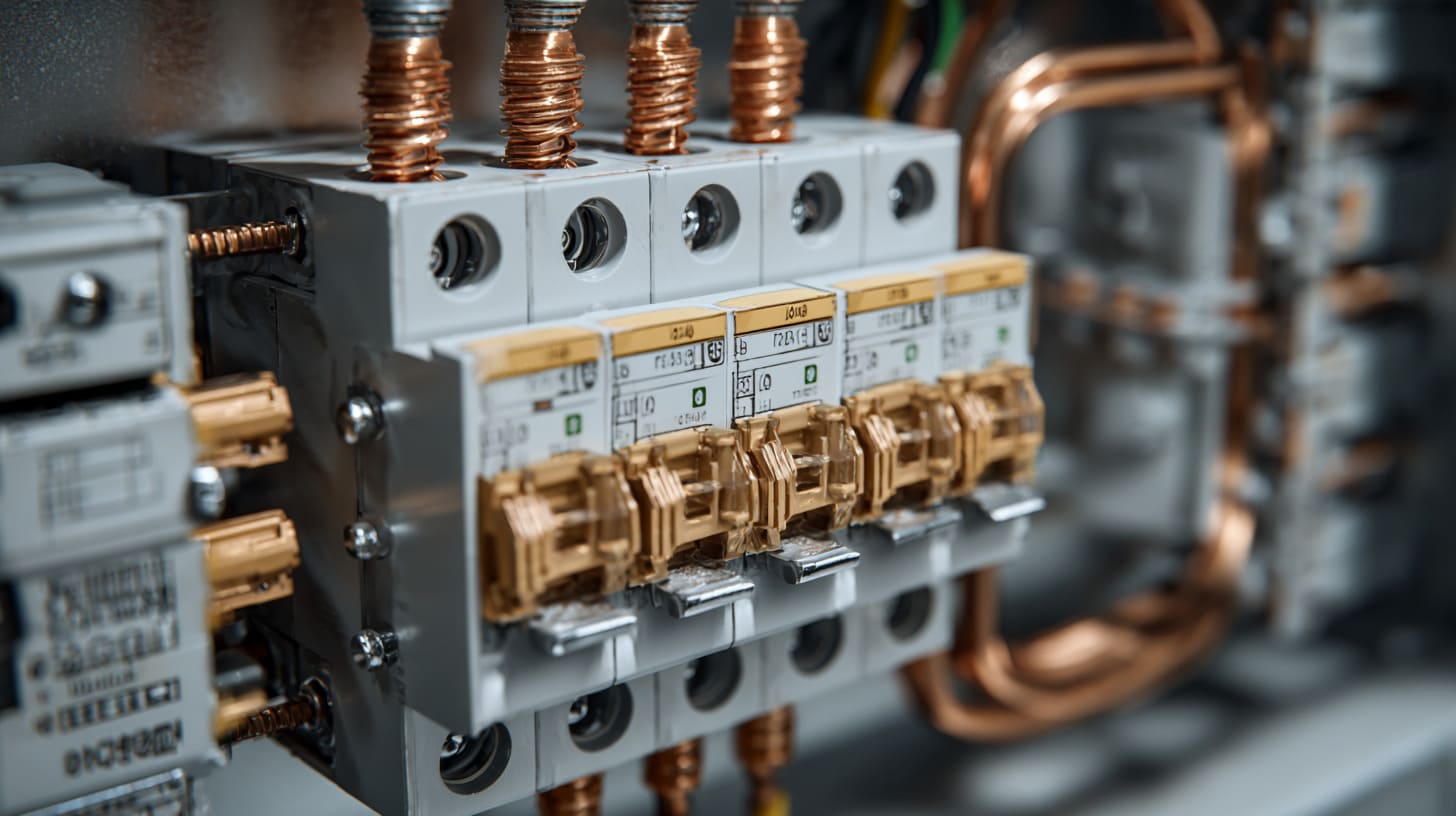
Modern panels are not only about “more breakers.” They often include safety features that change the cost picture:
- GFCI for ground-fault protection (people safety)
- AFCI for arc-fault detection (fire risk)
- Surge protection devices
- Monitoring, shunt trip, remote trip, interlocks (depending on the project)
Here is the uncomfortable part: if you under-spec now, you often can’t “add it cleanly” later. You can add parts, sure. But the wiring gets crowded, the heat rises, and the service clarity drops.
A quick decision table:
| Feature | Adds cost now | Reduces risk later | When I push for it |
|---|---|---|---|
| Extra breaker spaces | Low | High | Any product with upgrades planned |
| Better labeling & circuit directory | Low | High | Always, no exceptions |
| Surge protection | Medium | Medium/High | Unstable grids, sensitive electronics |
| GFCI/AFCI (where applicable) | Medium | High | Public-facing, higher safety expectation |
Compliance with Codes & Standards
I won’t pretend every reader uses the same code system. Some are under NEC. Some are under IEC. Some follow local rules plus customer specs.
But the pattern is consistent:
- Code drives spacing
- Code drives ratings
- Code drives what is allowed in the first place
This is where buyers sometimes say: “We don’t need all that. It’s just a panel.”
And I reply (gently): “Yes. And code still cares.”
If a system fails an inspection, it does not matter how good the enclosure looks.
We’re now close to the painful part. Because under-specifying distribution almost always starts as a “small optimization.” Let’s talk about the real cost.
The Cost of Under-Specifying Distribution
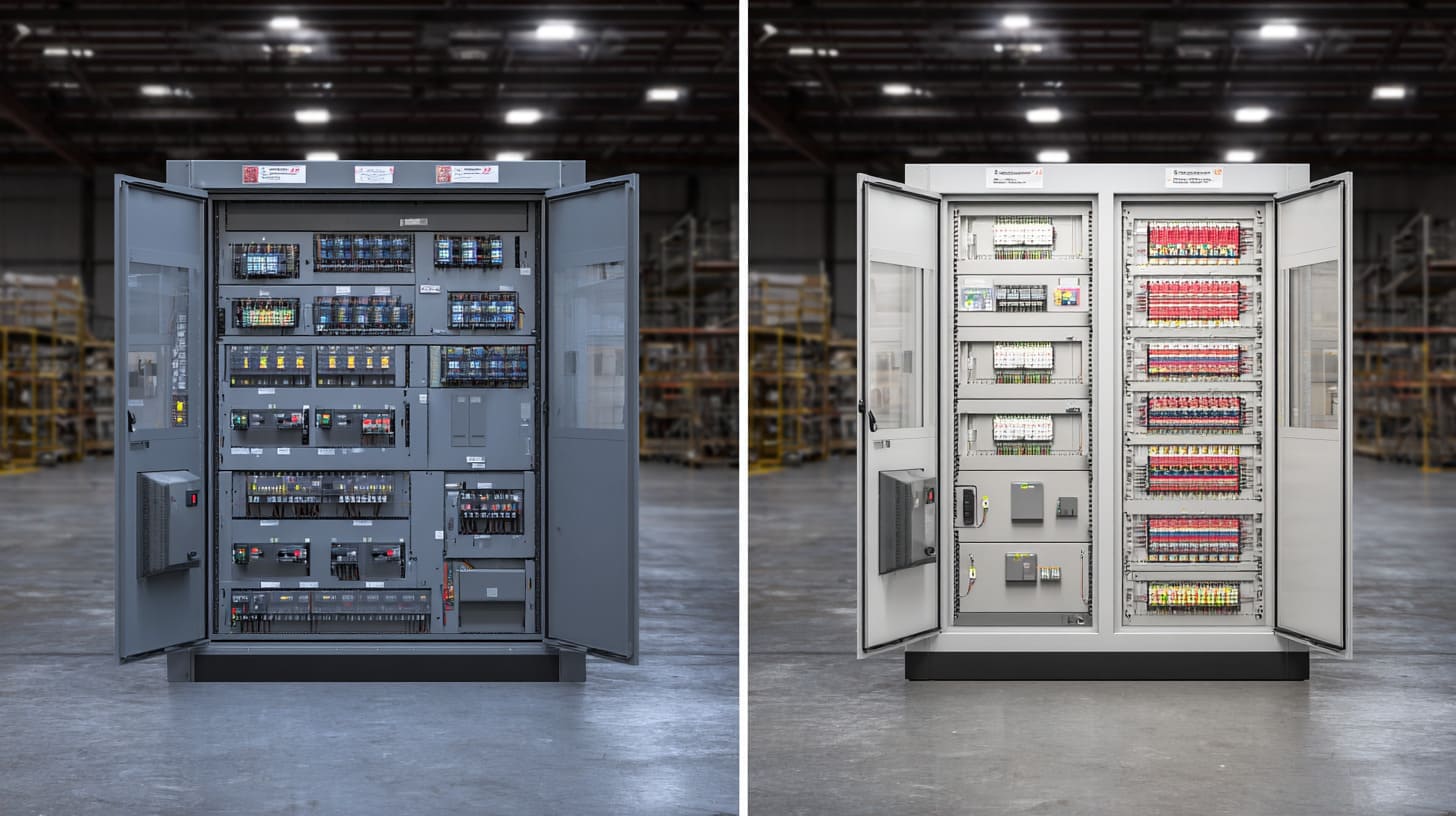
Under-specifying distribution is like buying shoes one size too small because they were on sale. You only feel “smart” for about ten minutes.
My real-world rule is this: if the panel spec is only justified by today’s load and ignores tomorrow’s add-ons, I assume it will be reopened within a year. It is not a prediction. It is a pattern.
Performance and Reliability Issues
The obvious symptoms show up first:
- Breakers trip during normal operation
- Motors start and trip on inrush
- Voltage drops feel “random”
- Operators reset breakers instead of finding causes
Under-spec does not always mean “wrong breaker rating.” Sometimes it means:
- Too few branch circuits, so loads get grouped
- Too little neutral capacity in mixed loads
- Poor wire routing space, causing tight bends and damage
- No margin for heat, so hot spots form
A simple “trip complaint” map
When someone says “the breaker keeps tripping,” the cause is often not “bad breaker.”
| Complaint | Common root cause | Why under-spec makes it worse |
|---|---|---|
| Trips at startup | Inrush too high | No headroom, wrong curve choice |
| Trips randomly | Loose termination, heat | Crowded wiring hides bad joints |
| Trips with upgrades | Added load | No spare capacity, no planning |
| Nuisance trips | Shared circuits | Poor separation, poor planning |
Safety Risks and Long-Term Consequences
This part is not dramatic until it is.
- Overheating at terminals
- Insulation hardening
- Carbon tracking in dirty environments
- Increased shock risk from rushed maintenance
- Fire risk from arcing faults that go unnoticed
A panel that is cramped and messy trains bad behavior. People stop respecting it. They start “making it work.”
And that is when your product reputation gets hurt, even if your core device is excellent.
Hidden and Long-Term Costs
This is the cost nobody budgets well.
Under-spec tends to create second-order costs:
- Field service visits
- Downtime
- Replacement labor
- Re-certification work
- Retrofit brackets, wiring changes, extra holes
- Customer frustration that turns into supplier distrust
Here is a rough cost view I use when a buyer only focuses on purchase price:
| Cost type | Happens when | Who pays | Why it hurts |
|---|---|---|---|
| Extra parts | First upgrade | Buyer | Budget surprise |
| Labor time | Retrofit | Buyer/system integrator | Schedule slips |
| Downtime | Trips/faults | End user | Real money loss |
| Reputation | Returns/complaints | Everyone | Hard to repair |
Sometimes the most expensive thing is not the panel. It is the email chain and the delayed launch.
So how do we prevent this without gold-plating everything? That’s where load planning and smart specification come in.
Load Planning and Specification Best Practices
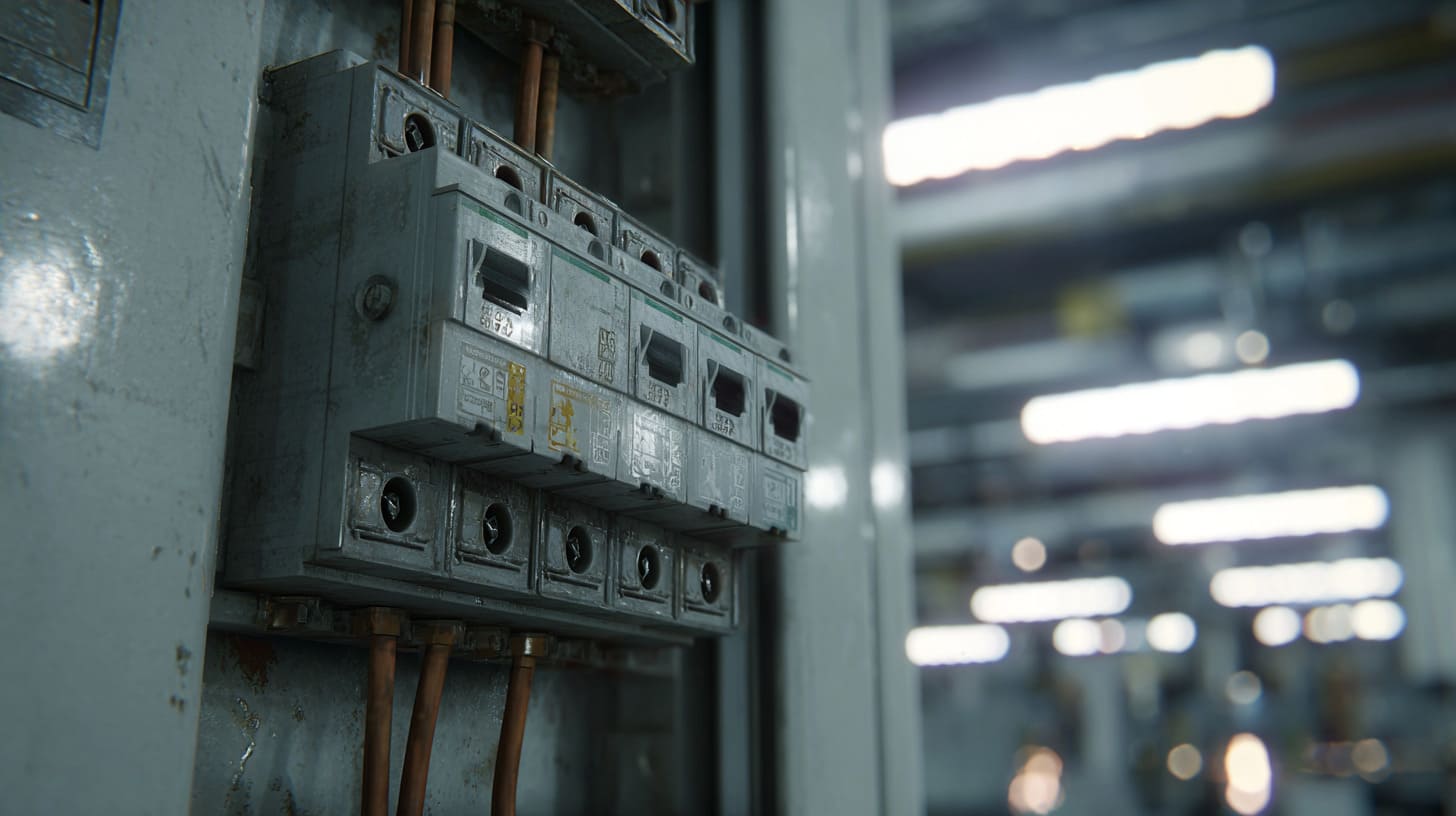
When a buyer asks me, “What should we spec?” I don’t start with brand names. I start with the load story.
One decision I trust more than any spreadsheet: I always ask what the system will look like after the first upgrade, because that’s the version that usually breaks the original plan.
Assessing Your Load Requirements
You need more than a list of watts.
You need:
- Continuous loads vs intermittent loads
- Inrush loads (motors, compressors, transformers)
- Harmonics and non-linear loads (some power supplies, VFDs)
- Temperature and ventilation conditions
- Future add-ons (extra sensors, heaters, fans, comms)
Questions I ask buyers like Davide and John
- What is the worst day? Hot room, full load, long run time.
- What gets added in phase 2?
- Who will maintain it? A trained tech, or a busy operator?
- What happens if it trips at 2am?
If the answers are unclear, I push for margin. Not because I love cost. Because I hate surprise.
Choosing Right Panel Size and Breaker Count
People love to optimize breaker count. They forget wire space.
A practical approach:
- Add spare breaker spaces for growth
- Reserve wiring duct space and bend radius space
- Keep separation where noise or safety demands it
- Allow for clean labeling and access
Here is a small planning table you can steal:
| Planning item | Minimum | Better | Why it matters |
|---|---|---|---|
| Spare breaker spaces | +10% | +20–30% | Upgrades happen |
| Wire routing space | “Just fits” | Clear service path | Heat and maintenance |
| Termination access | Tight | Tool-friendly | Reduces loose joints |
| Labeling | Basic | Durable + clear | Faster troubleshooting |
Compliance & Safety Standards Checklist
Even if you outsource compliance, you still need to design for it.
I keep a short checklist at the start of the project:
- Target market: US/Canada/EU/other
- Code basis: NEC / IEC / local
- Required ratings (current, SCCR where applicable, enclosure rating)
- Grounding approach
- Required protection features (GFCI/AFCI/SPD where applicable)
- Documentation and labeling expectations
A note from experience: the checklist is not paperwork. It is the cheapest way to prevent a redesign.
Next, let’s talk about the common mistakes I see—because most of them do not come from “lack of knowledge.” They come from normal human shortcuts under schedule pressure.
Real-World Mistakes in Electrical Distribution
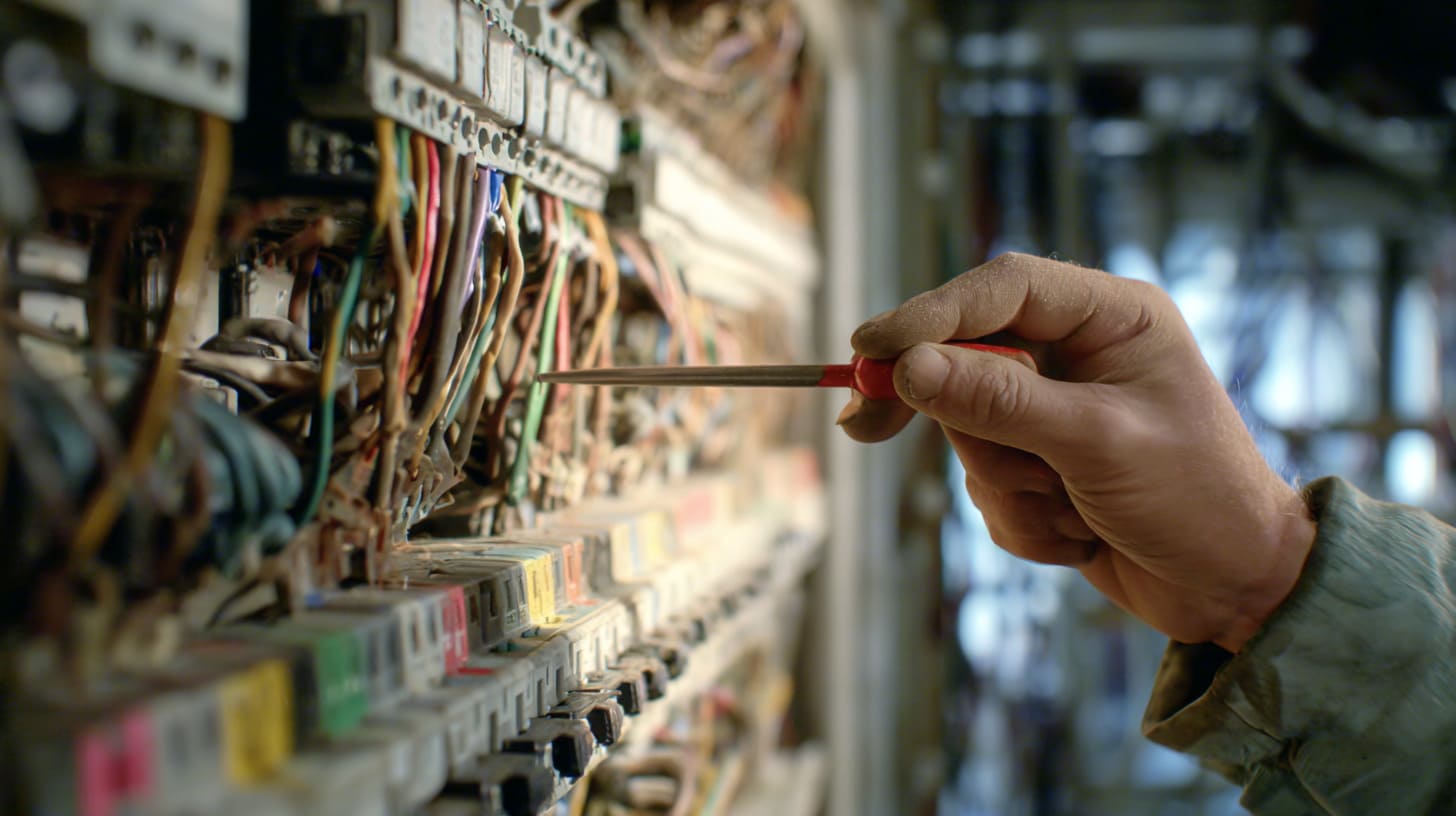
I’ve seen smart teams make dumb distribution choices. Not because they’re careless. Because the project is moving fast and everyone wants to ship.
A detail I use to judge risk fast: when I see a panel design with no breathing room, I assume the installer will “invent” solutions on-site, and those inventions usually cost more than doing it right.
Common Specification Errors
Under-estimating load capacity
This one is classic:
- “We only use 60% load in normal use.”
- Then someone adds a heater, a fan, a modem, and a second device.
- Now you’re at 95% and tripping on hot days.
Choosing minimal safety features to save cost
Sometimes people remove:
- surge protection
- ground fault protection (where relevant)
- proper separation and shielding
- decent labeling
It saves cost on paper. It adds cost in the field.
Treating breaker selection like a simple rating
Breaker choice is not only amps.
It is also:
- trip curve behavior
- coordination in the system
- inrush tolerance
- environment conditions
Installation and Maintenance Mistakes
Even a good panel can fail if the install is sloppy. But under-spec makes sloppy more likely.
Common pain points:
- Tight wire bends causing stress and insulation damage
- Crowded terminals leading to loose connections
- Poor labeling causing wrong circuits to be shut off
- Dirt and moisture ignored until it becomes tracking
Here is a small “maintenance reality” table:
| Design choice | Field behavior it creates | Result |
|---|---|---|
| Crowded wiring | People tug wires to reach | Loose joints |
| No labeling | People guess | Wrong shutdown |
| No spare space | People stack additions | Heat + chaos |
| Hard access | People skip checks | Problems grow |
Case Examples of Under-Specified Systems
I’ll keep this simple and realistic.
Case A: The “just enough” subpanel
A small machine shipped fine. Then the customer added one more accessory module. The installer had no breaker space, so they combined circuits. Trips started. Then the customer blamed the machine, not the panel.
Case B: The “cost-down” panel
A project cut surge protection to hit a target. The system ran in an area with unstable power. Small resets happened weekly. The end user lost trust. The OEM spent months “explaining,” which is the worst kind of cost.
When I talk to re-brand customers like Jackson, I always say: your brand name sits on that panel too, even if you didn’t manufacture the breakers.
Now let’s talk about upgrades and future-proofing—because most buyers don’t fear day one. They fear month six.
Upgrading and Future-Proofing Your System
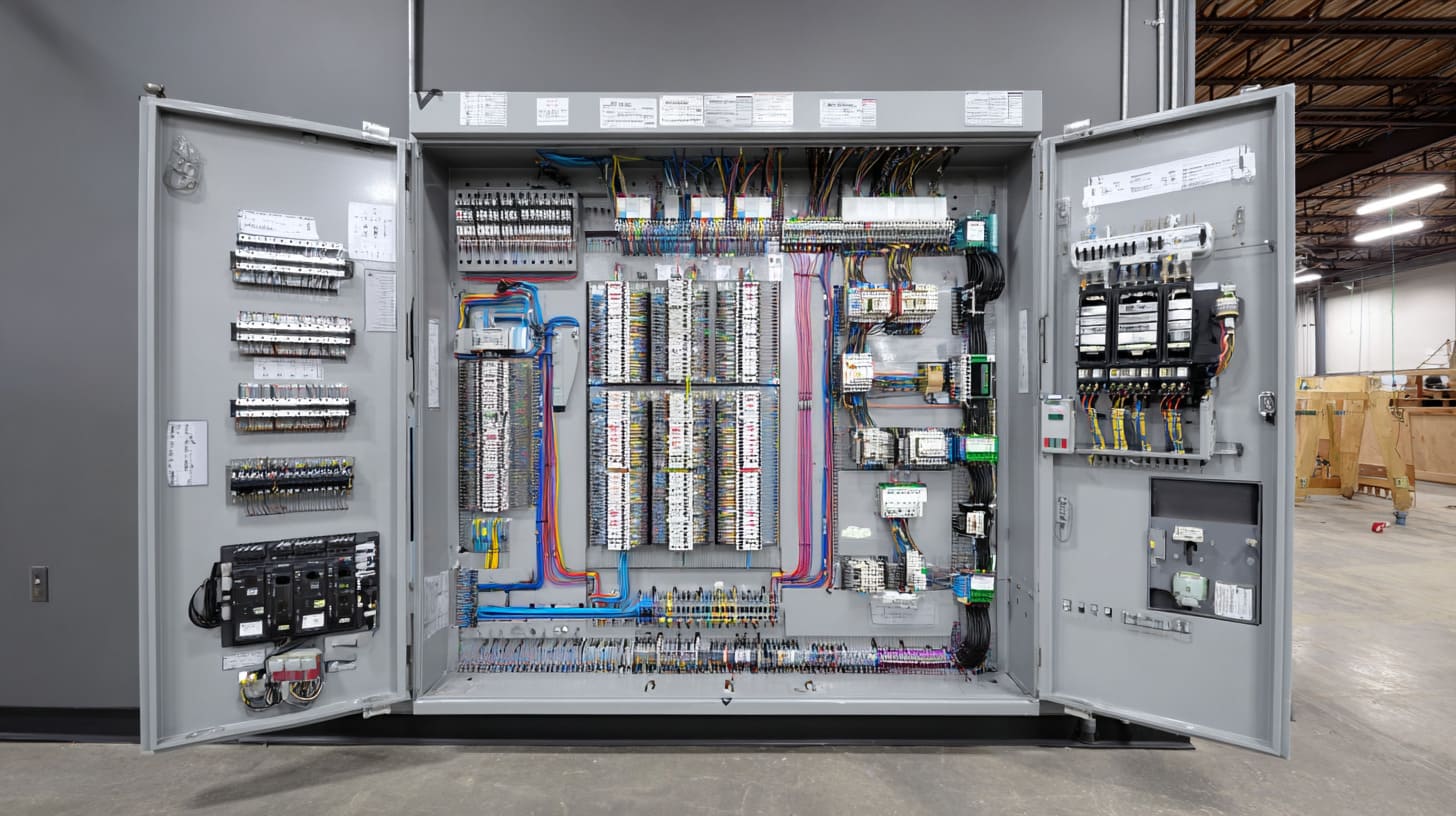
Future-proofing sounds fancy, but in practice it is just respecting reality: people add things.
A practical belief I lean on: I’d rather ship a panel that feels slightly “too roomy” than one that feels “perfect,” because perfect usually means fragile.
When to Upgrade From Old Fuse or Undersized Panels
Signs you should not ignore:
- Warm spots on the panel door
- Buzzing, discoloration, or burnt smell near terminations
- Frequent trips that “go away” after reset
- No available breaker spaces
- Messy add-on wiring that looks like a nest
If you are building OEM equipment, the upgrade question often becomes:
Do we design a better base now, or do we accept field chaos later?
Advantages of Properly Specified Panels
A properly specified panel is not only safer. It is calmer.
You get:
- Fewer nuisance trips
- Cleaner troubleshooting
- Faster service work
- Easier upgrades
- Better compliance confidence
- Less argument between installer, OEM, and end user
And for B2B buyers, there is a quiet benefit: you protect the schedule.
Planning for Scalability
Scalability is often predictable:
- More I/O
- More sensors
- More comms gear
- More power supplies
- EV charging or heavier loads (some sites)
- HVAC upgrades
- Automation add-ons
So I plan for:
- spare breaker spaces
- spare wiring paths
- clear labeling conventions
- modular add-on zones
A small trick that works: define a “future zone” on the panel layout. Even if it stays empty, it keeps upgrades clean.
We’ve covered definitions, risks, and best practices. Now I want to close with how I personally think through the trade-offs—because that’s where real projects get decided.
Conclusion
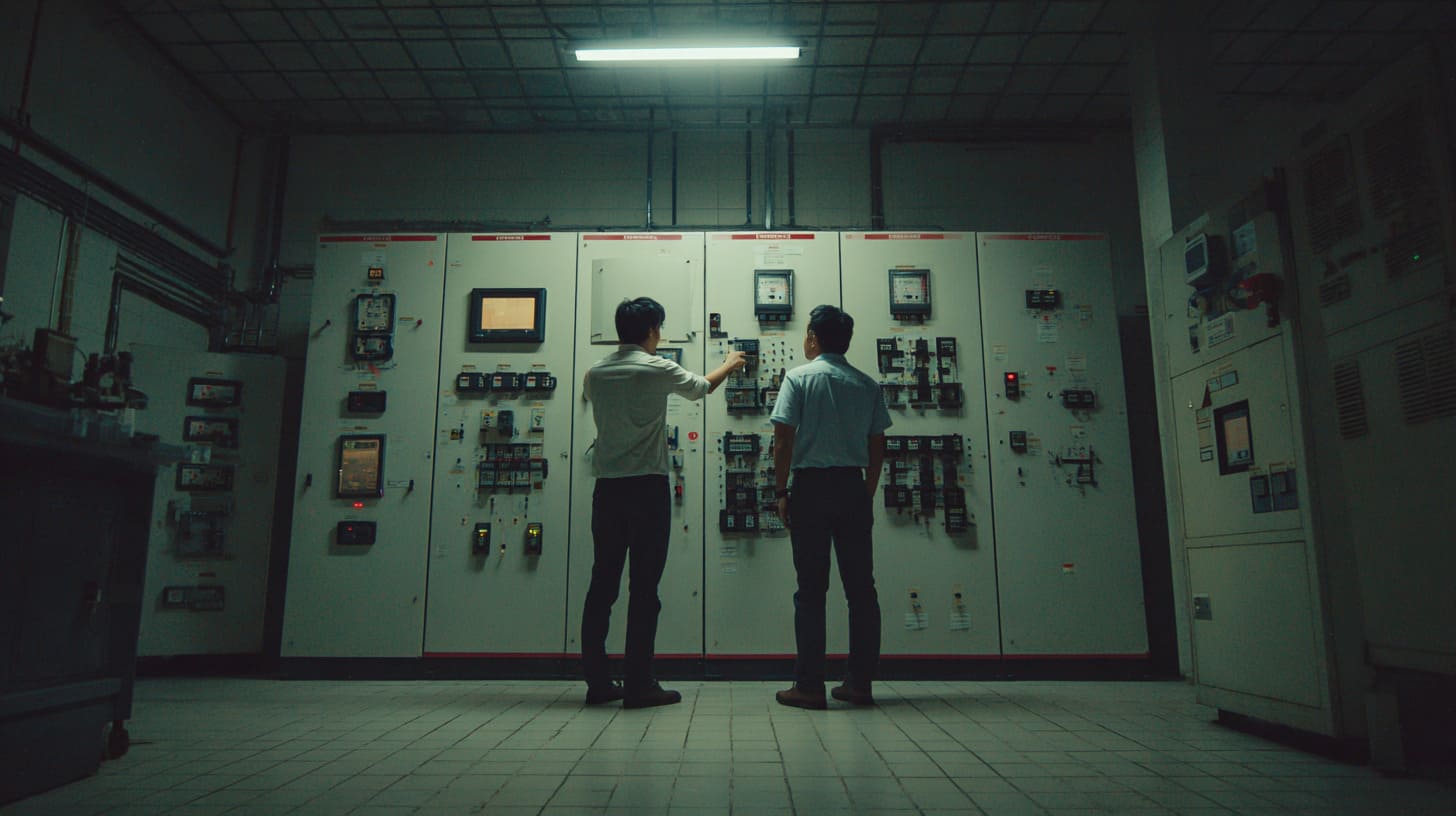
I’ve learned this the hard way: people don’t remember the panel when it works. They remember it when it ruins their day.
So why do I push so hard on proper distribution spec?
Because I’ve watched the same movie too many times:
- Someone under-specs to save cost or space.
- The project ships.
- Then an upgrade arrives, or a hot summer day, or a rough power grid.
- Now the panel becomes the bottleneck.
- And suddenly everyone is arguing about “who designed this.”
My view is not coming from theory. It comes from the small scars: the overheated terminal we found after three nuisance trips, the wiring that had to be redone because there was no bend space, the customer who lost trust because the system felt unstable.
The way I decide is simple, but not easy: I treat distribution like the foundation of a building—if it’s weak, every future improvement becomes risky and expensive. I would rather spend a little more thought upfront than spend months explaining problems later.
If you are planning a new enclosure or OEM system and you want to avoid under-spec traps, send me your basic load list and your target market. I can help you sanity-check the panel scope, breaker space, and the “phase two” upgrade plan before it turns into a costly redesign.
You can reach me at info@maidatech.com or visit maidatechenclosure.com.